


.webp)
Alina Baidikova
Dentist specializing in the treatment of gum and periodontal disease. Over 10 years of professional experience (since 2017). Treats gingivitis and periodontitis, closes gum recessions and performs gum plastic surgery — from diagnostics to maintenance therapy that prevents recurrence.
NUMBER OF PROCEDURES PERFORMED
21,000+
treated teeth
- 1000+ patients treated for periodontitis
- 3000+ curettage procedures
- 300+ gum recession closure procedures
- 10+ years of experience
Professional experience
10+ - years of overall professional experience (since 2017)
Treatment of gums and tooth-supporting tissues (periodontology)
Non-surgical treatment (SRP) and periodontal surgery: regenerative and resective procedures
Mucogingival surgery, including around implants
MAIN AREAS OF TREATMENT

Primary endodontic treatment
- Periodontology (gum treatment)
- Periodontal surgery
- Treatment of tissue around implants
- Gum aesthetics
WHEN SHOULD YOU SEE THIS DOCTOR?

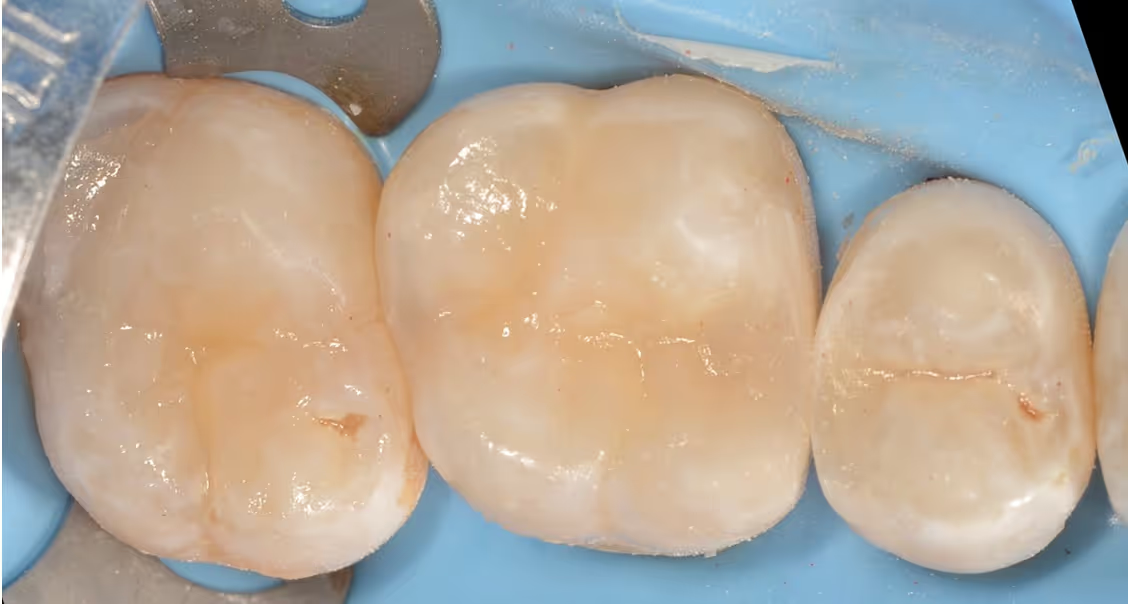
Complex cases of tooth decay
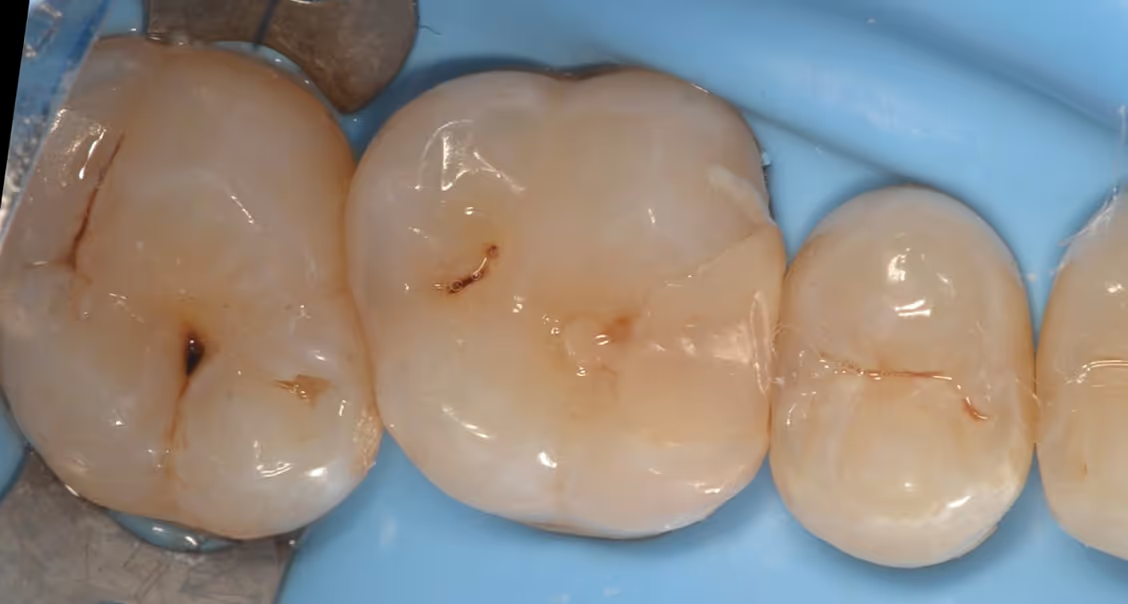
Complex and neglected cases of tooth decay treated with surgical precision under a dental microscope.
- Periodontitis
- Gingivitis
- Gum recession
- Bleeding gums
- Halitosis
- Exposed tooth necks
- Loose teeth
- Gum pain and swelling
- Calculus
- Gummy smile
- Inflammation around an implant
MEDICAL SERVICES

Qualification

Association Member
Ukrainian Academy of Periodontology - Professional membership

Practice in countries
Ukraine, Poland
COURSES AND QUALIFICATIONS
Continuous development and certified training led by leading European and global specialists.
2026 Perio Master Clinic, Baku European Federation of Periodontology (EFP)
2026 Rasperini Reunion — “Gingival papilla and innovative periodontal approaches” Giulio Rasperini
2021 Theoretical and practical course and master class “Mucogingival aesthetic surgery around implants” (16 hours, 15 CME points), Biogen Academy, Kyiv Prof. Giovanni Zucchelli
2021 UAperio — online conference Ukrainian Society of Periodontology
“Modern periodontology and implantology” Prof. Niklaus Lang
“Mucogingival surgery” Dino Calzavara
“Non-inflammatory diseases of the mucosa” Michele Perelli, Paolo G. Arduino
2018 Conference “Periocampus Ukraine” (periodontal surgery), Ukrainian Academy of Periodontology, Lviv Prof. Filippo Graziani
2017 Master class “The ABC of hand scaling” (manual scaling), PerioSchool, Kyiv Tamara Volynska
YOUR JOURNEY TO A FLAWLESS SMILE BEGINS AT MISTODENT
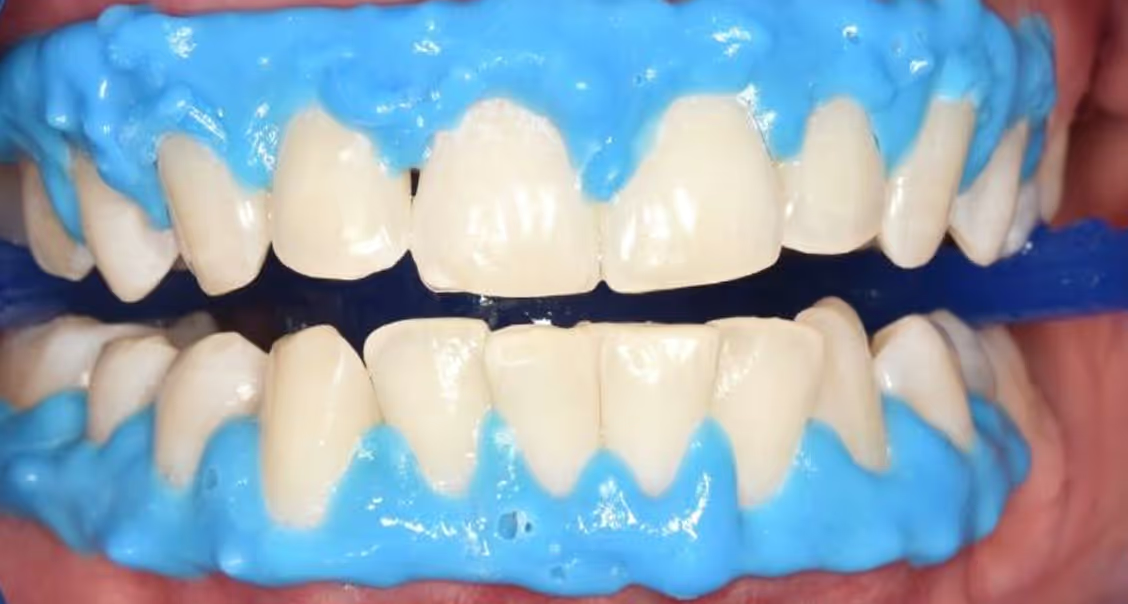
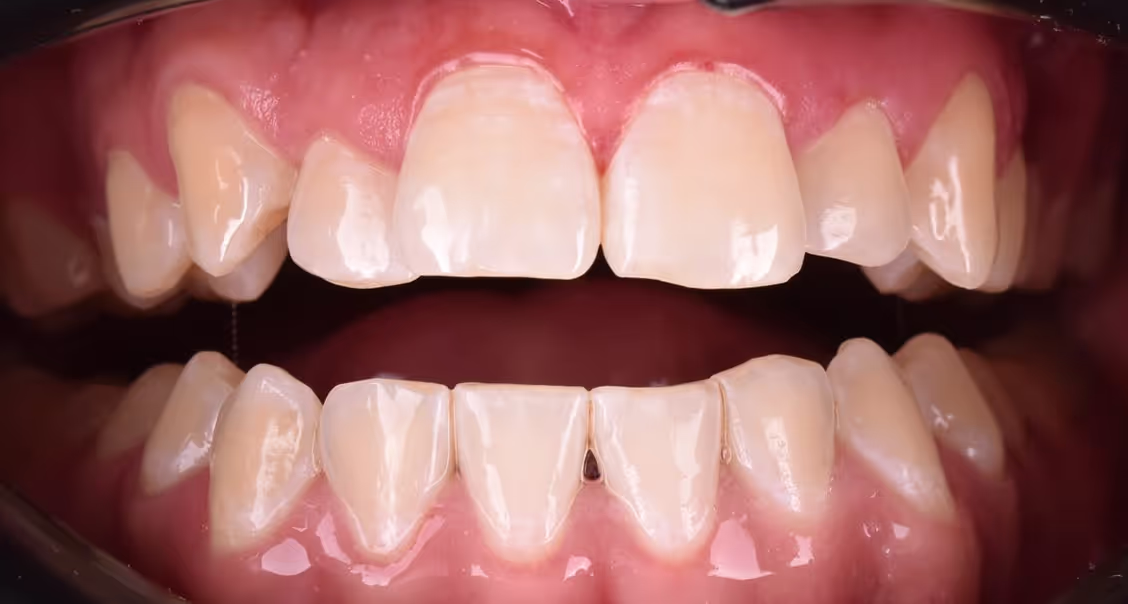
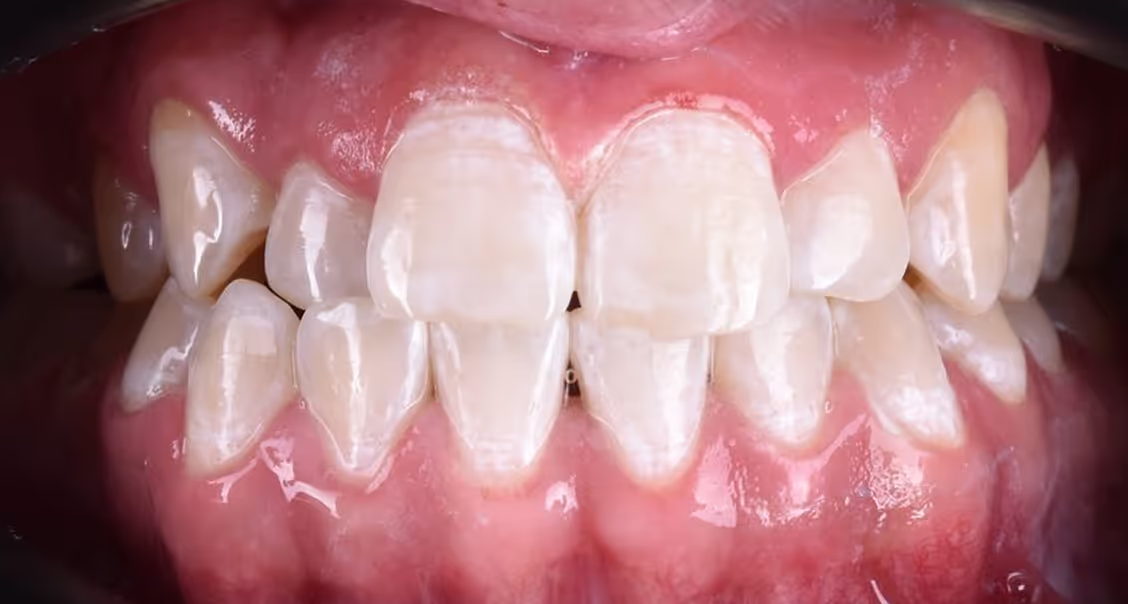
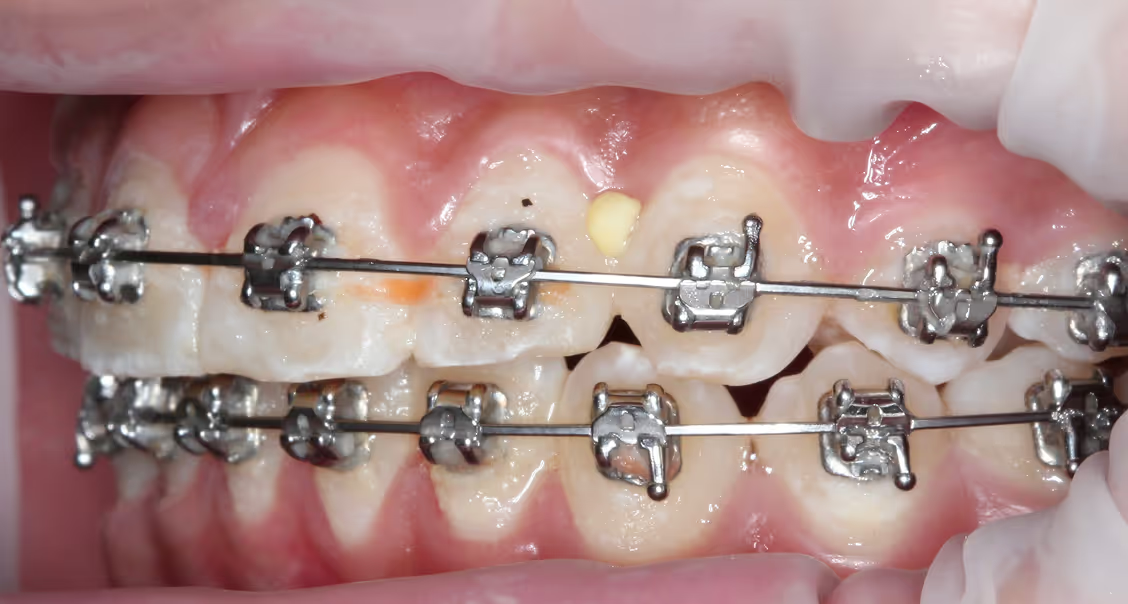
About me
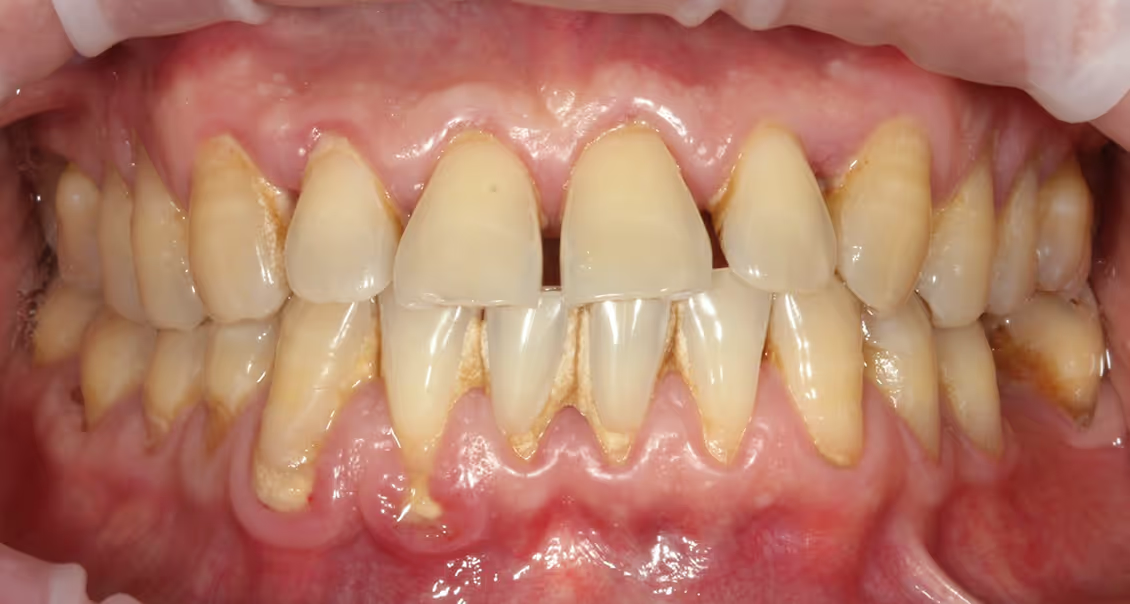
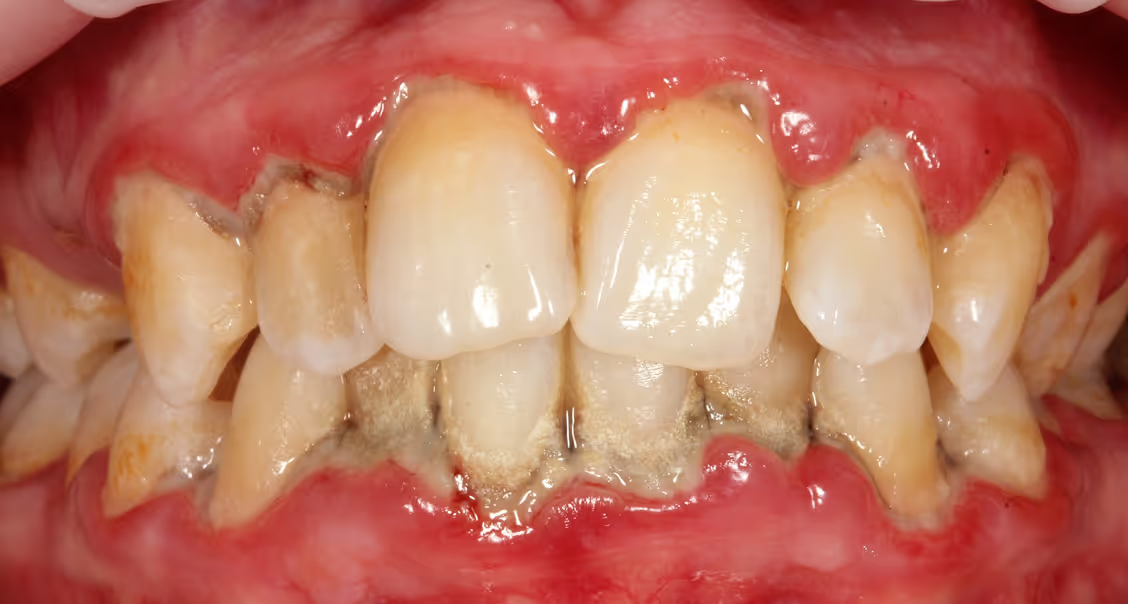
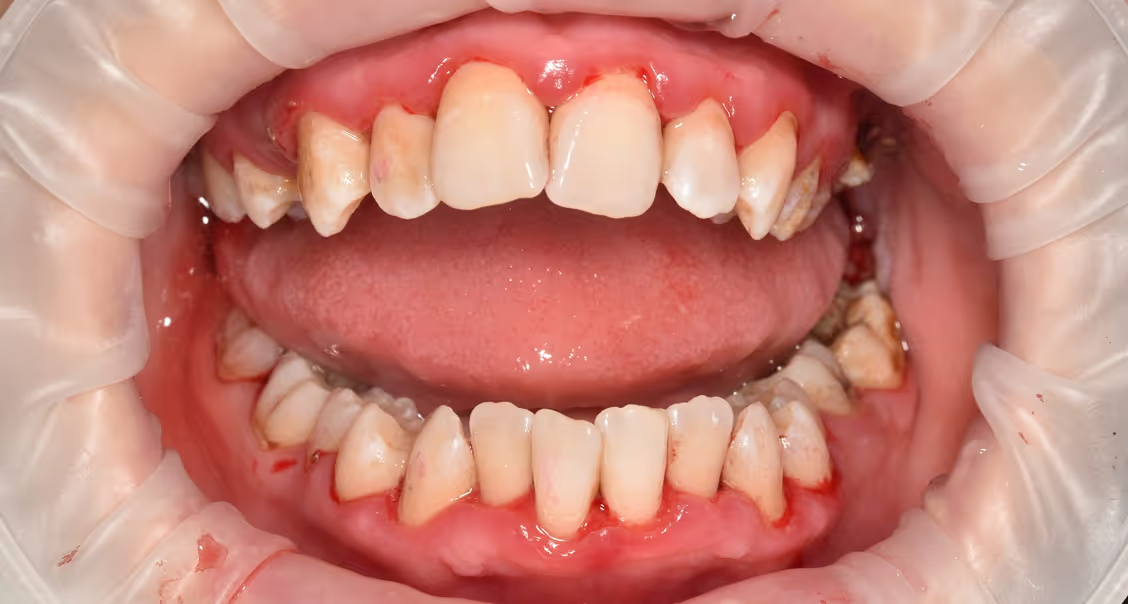
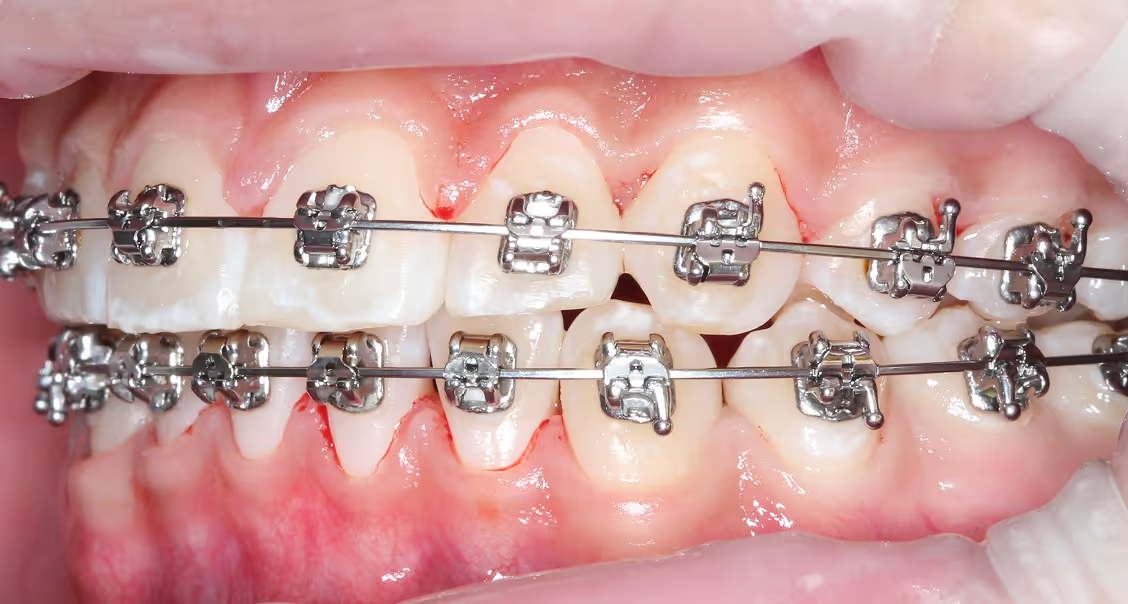
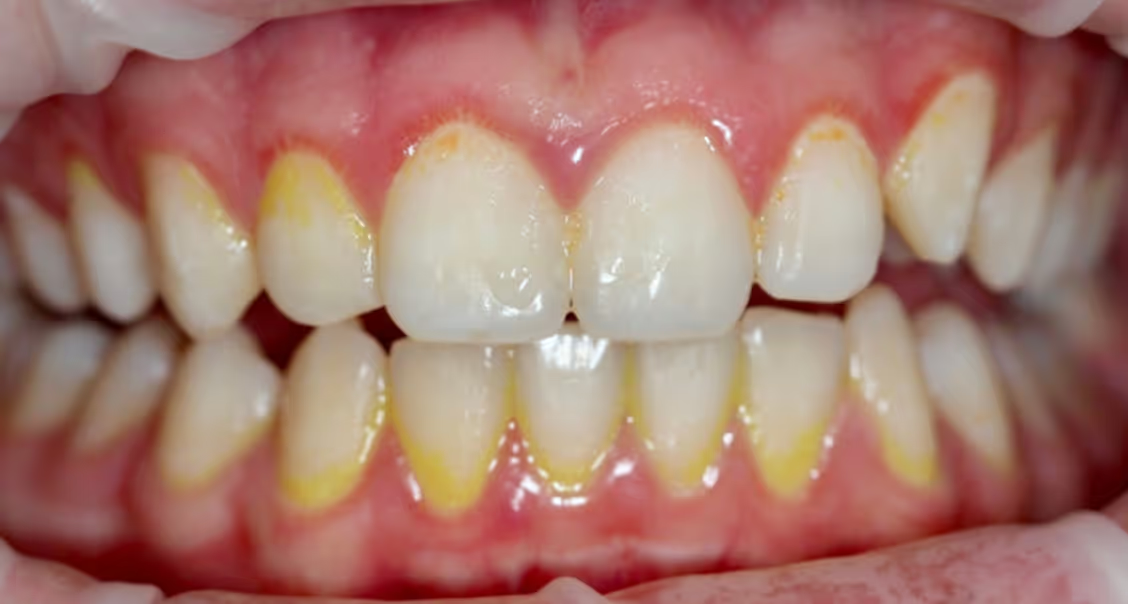
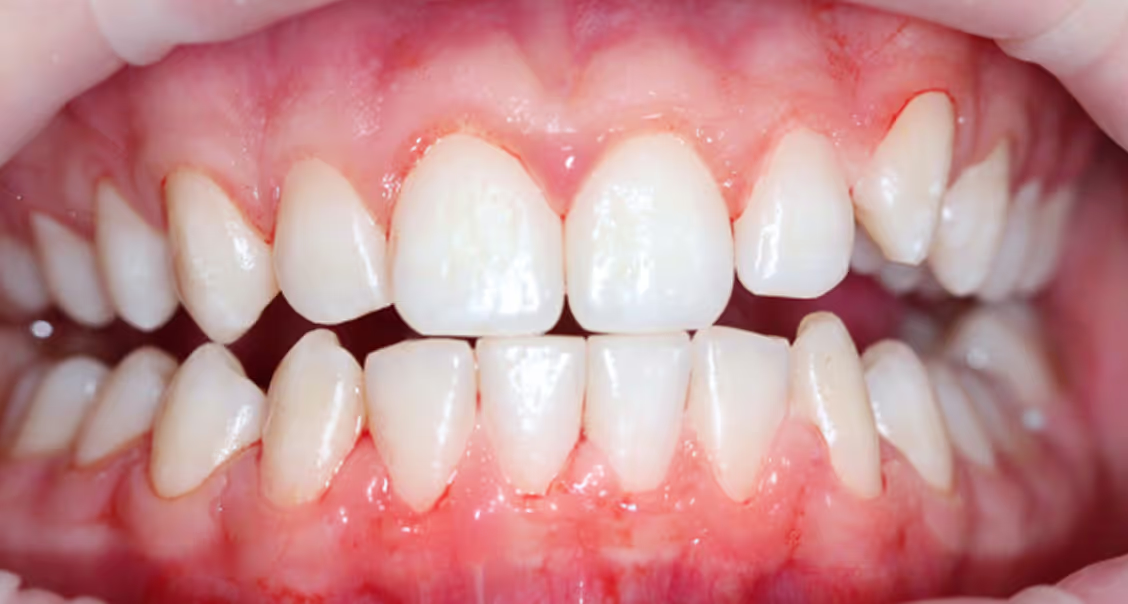
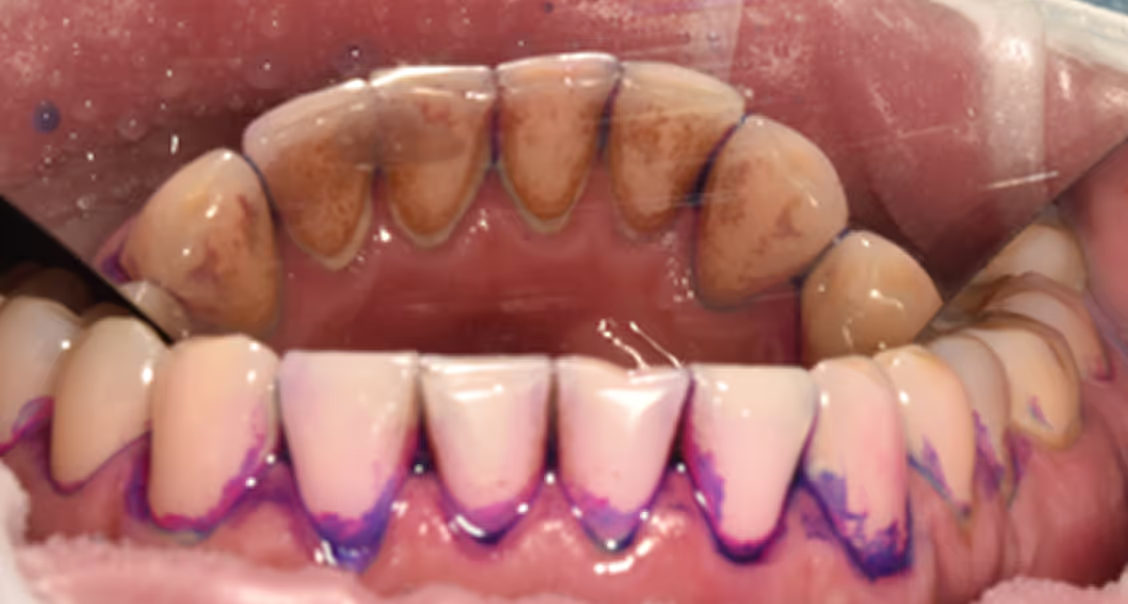
I am a dentist specializing in periodontology — the treatment of gums and the tissues that hold teeth in the bone. I have been practising since 2017 and deal with something that is often invisible to the patient until the last moment: periodontal disease develops for years without pain, and the first sign is often just bleeding when brushing or a loose tooth.
I treat every stage — from gingivitis to advanced periodontitis. I start with non-surgical treatment (SRP): thorough cleaning of the gum pockets and smoothing the root surfaces, because in many cases this is enough to stop the disease. When more is needed, I perform surgical procedures — regenerative ones that rebuild lost tissue, and resective ones.
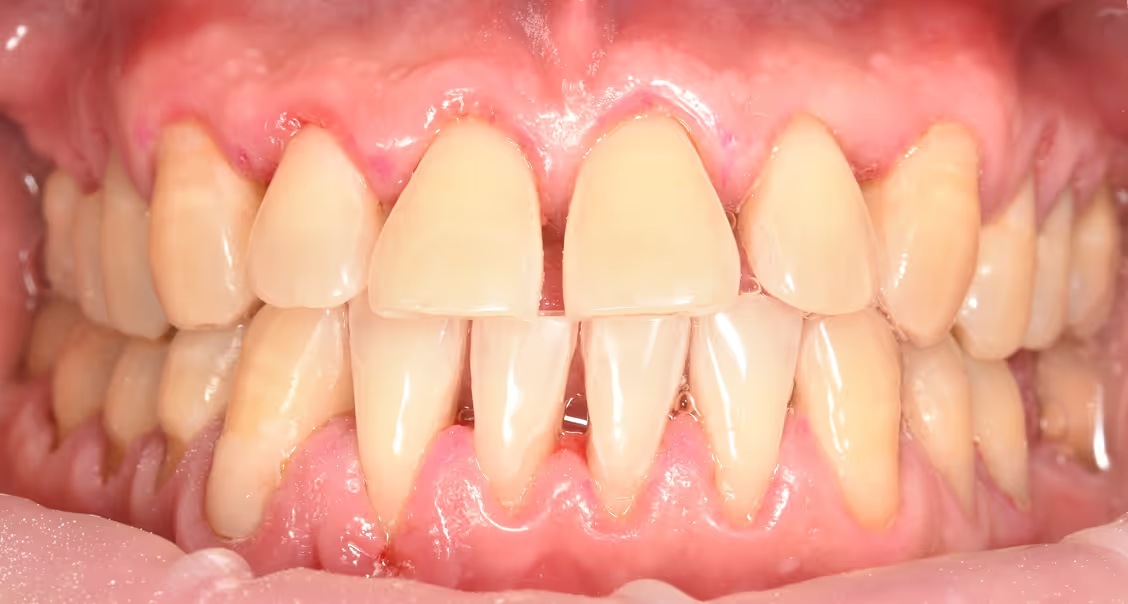
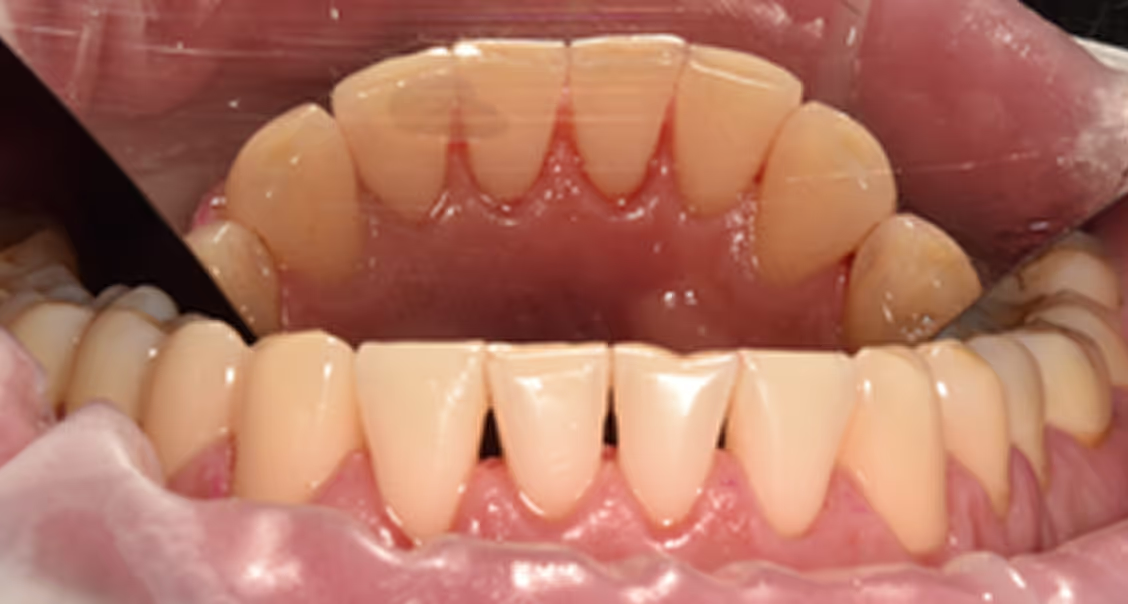
I also work on gum aesthetics. I close recessions, meaning exposed tooth necks that cause sensitivity and make teeth look longer, and I correct so-called gummy smile — excessive gum exposure when smiling. A separate area of my work is the tissue around implants: inflammation there can lead to implant loss, which is why it requires its own treatment protocol.
I regularly train with leading periodontists worldwide — I've taken part in master classes led by Giovanni Zucchelli, Niklaus Lang, Giulio Rasperini and Filippo Graziani, as well as congresses of the European Federation of Periodontology.
Every treatment starts with a consultation and full diagnostics — I measure pocket depth, assess bone condition and identify the cause of the problem, and only then plan an individual treatment. Equally important is the final stage: maintenance therapy. Periodontitis is a chronic disease, and it's the regular check-up visits that determine whether the result lasts for years.
I speak:
Polish, Ukrainian, Russian and English.
Frequently asked questions
Is periodontitis curable?
Periodontitis cannot be reversed in the sense that lost bone will not regrow on its own — but the disease can be stopped and kept in remission for years. Starting treatment early and attending regular maintenance visits are key. Some bone loss can be rebuilt with regenerative procedures. Without treatment the disease progresses and ends in tooth loss, so it's not worth waiting.
What are the first symptoms of periodontitis?
The earliest sign is bleeding gums when brushing — many people think it's normal, but it's already inflammation. Other symptoms include gum swelling and redness, bad breath, exposed tooth necks and sensitivity. Pain appears late, and a loose tooth already means an advanced stage. The condition itself is deceptive, since it's practically symptomless for years.
What does curettage involve and is it painful?
Curettage means cleaning bacterial plaque and calculus from below the gumline and smoothing the root surfaces — without it, bacteria come back. I perform the procedure under local anaesthesia, so the patient feels no pain. I do closed curettage without cutting the gum; open curettage is for deeper pockets, with surgical access. Gums may be sensitive for a few days afterwards, which is a normal reaction.
Why do gums bleed when brushing?
Healthy gums don't bleed. Bleeding almost always means inflammation caused by bacterial plaque and calculus, and less often relates to pregnancy, diabetes, medications or deficiencies. A common mistake is brushing that spot more gently — it makes the problem worse. If bleeding lasts longer than a week, it's worth coming in for a consultation.
Can exposed tooth necks be covered?
Yes — gum recessions are closed with mucogingival surgery, most often using a graft of the patient's own tissue. The result is both aesthetic and reduces sensitivity while protecting the root from decay. Success depends on the type of recession and the condition of the tissue between the teeth — I give an assessment and realistic prognosis after an examination.
What causes bad breath (halitosis)?
In most cases the cause is in the mouth: bacterial plaque, calculus, gum inflammation, or a coating on the tongue. Less often the source is the sinuses, tonsils, or a systemic condition. Mouthwashes mask the symptom but don't remove the cause — so I start by identifying where the problem comes from, and only then choose treatment.
Book an appointment!
Leave your contact details in the form or message us on your preferred messenger — we'll be happy to answer your questions and help you book a visit.


