



Tooth filling in Krakow
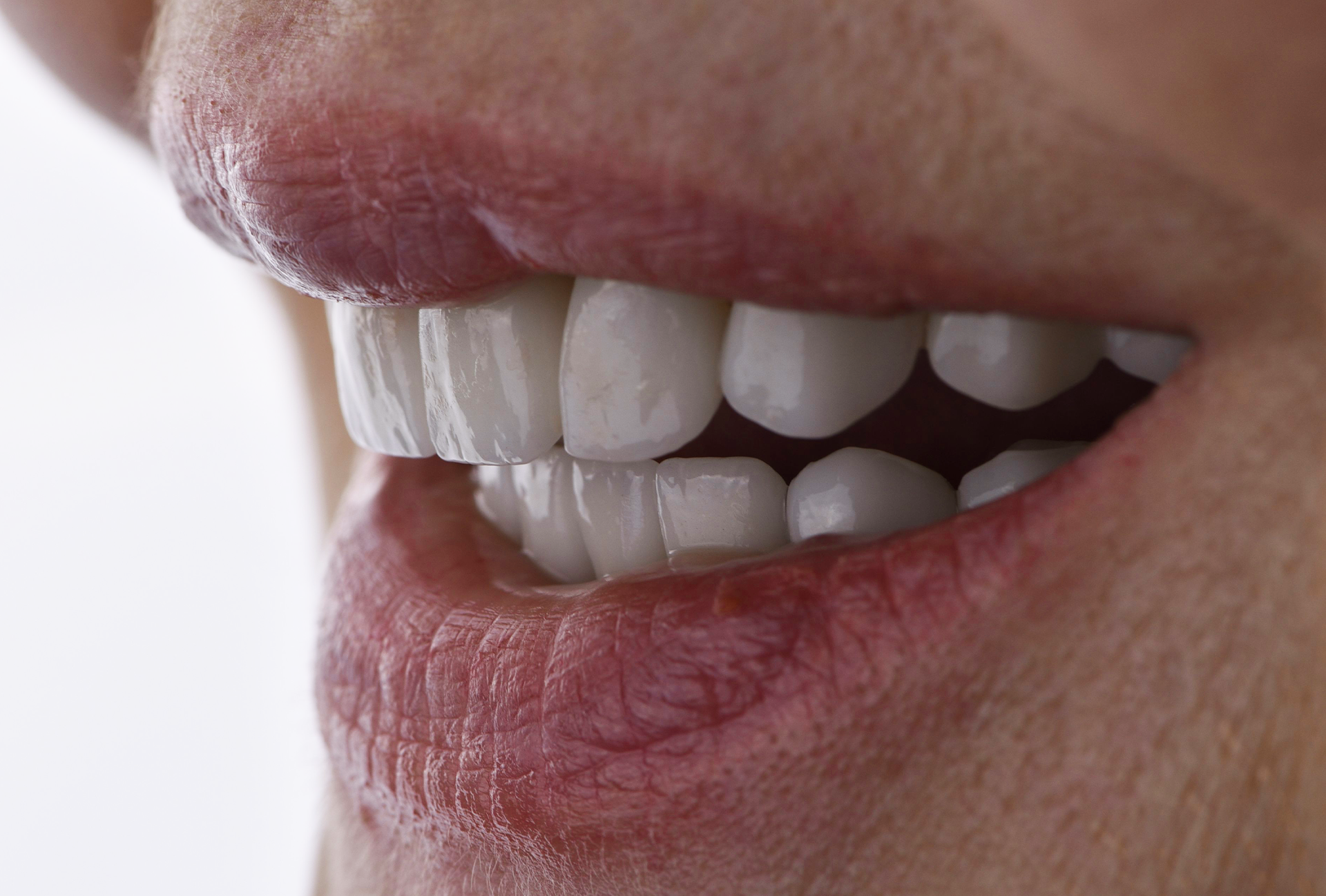
Aesthetic restoration of a tooth cavity with a composite filling. The material, shape and colour of the filling are matched to the natural tooth tissue.
Who places fillings at MistoDent Krakow?
Fillings and tooth restorations are performed by dentists specialising in conservative dentistry and the restoration of damaged tooth tissue.



What is a tooth filling?
A tooth filling is used to restore lost or damaged tooth tissue. It is most often placed after removing decay, but a filling may also be needed for other minor tooth damage.
After cleaning the cavity, the dentist rebuilds its shape with a suitable material. With a composite filling, the colour of the restoration can be matched to the natural shade of the tooth.
The aim of treatment is not only to close the cavity, but also to restore the tooth's shape, its contact points with neighbouring teeth and correct contacts when biting.
When is a tooth filling needed?
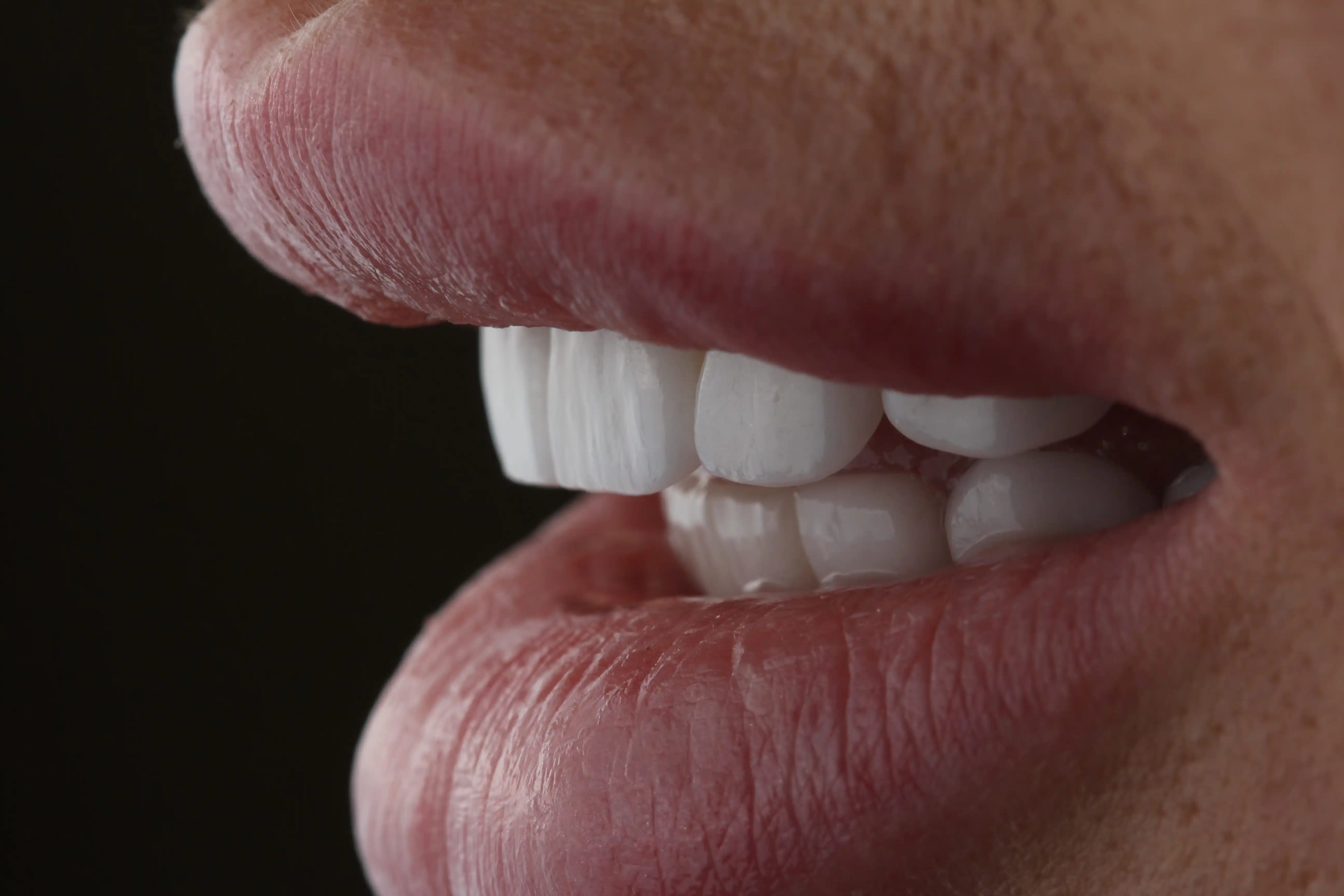
A filling may be needed primarily when part of the natural tooth tissue has been lost.
The most common indications are:
- a cavity caused by tooth decay;
- decay between the teeth;
- minor damage or chipping of a tooth;
- replacement of an old or leaking filling;
- decay under a filling;
- a lost previous filling;
- cavities near the neck of the tooth;
- the need to restore the natural shape of the tooth.
However, not every damaged tooth can be restored with a standard filling. With significant tissue loss, the dentist may suggest another method, such as a more extensive restoration, an inlay, an onlay or a crown.
Types of tooth fillings
We choose the material and the restoration method according to the size of the cavity, its location and the loads the tooth is subjected to.
Composite filling
A composite filling is one of the basic materials used to restore teeth.
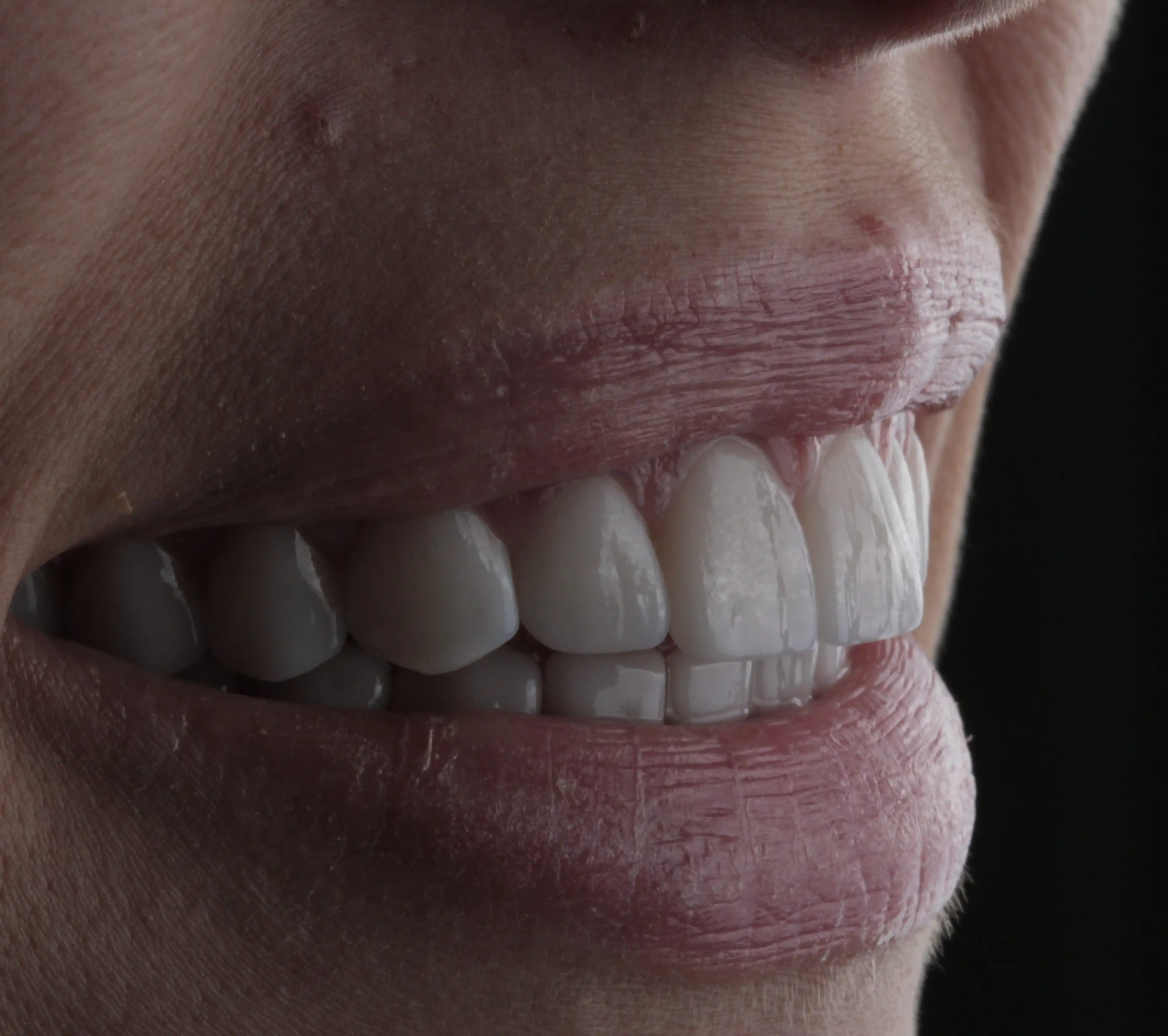
Composite can be colour-matched to the natural teeth and shaped directly in the mouth to recreate the tooth's form.
At MistoDent, the price of a composite filling depends on the class and extent of the cavity.
Light-cured filling
The term light-cured filling is often used by patients to refer to modern composite fillings.
The material is applied in layers and cured with a special light. This allows the dentist to rebuild the missing tooth tissue step by step.
Glass ionomer filling
A glass ionomer filling is a different type of dental material. Its use depends on the location of the cavity and the clinical situation.
At MistoDent we also place this type of filling when it is indicated.
Temporary filling
A temporary filling protects the tooth for a limited time and is not a final restoration.
It may be used between stages of treatment or when the tooth needs observation or further management.
Composite fillings — classes I–VI
In dental price lists you may see terms such as class I, II, III, IV, V or VI filling. They do not refer to the quality of the material or a “better” or “worse” filling.
The classes mainly describe the location and extent of the cavity on the tooth surface.
That is why the price of a filling may vary depending on which tooth surfaces need to be restored and how extensive the cavity is.
The patient does not need to determine the filling class themselves — the dentist does this during the examination.
How is a filling placed?
1. Tooth examination
The dentist assesses the cavity, any existing filling and the amount of healthy tooth tissue.
2. Anaesthesia
If needed, local anaesthesia is used before treatment starts.
3. Cleaning the cavity
In the case of decay, the dentist removes the diseased tissue and prepares the tooth for restoration.
4. Preparation for the filling
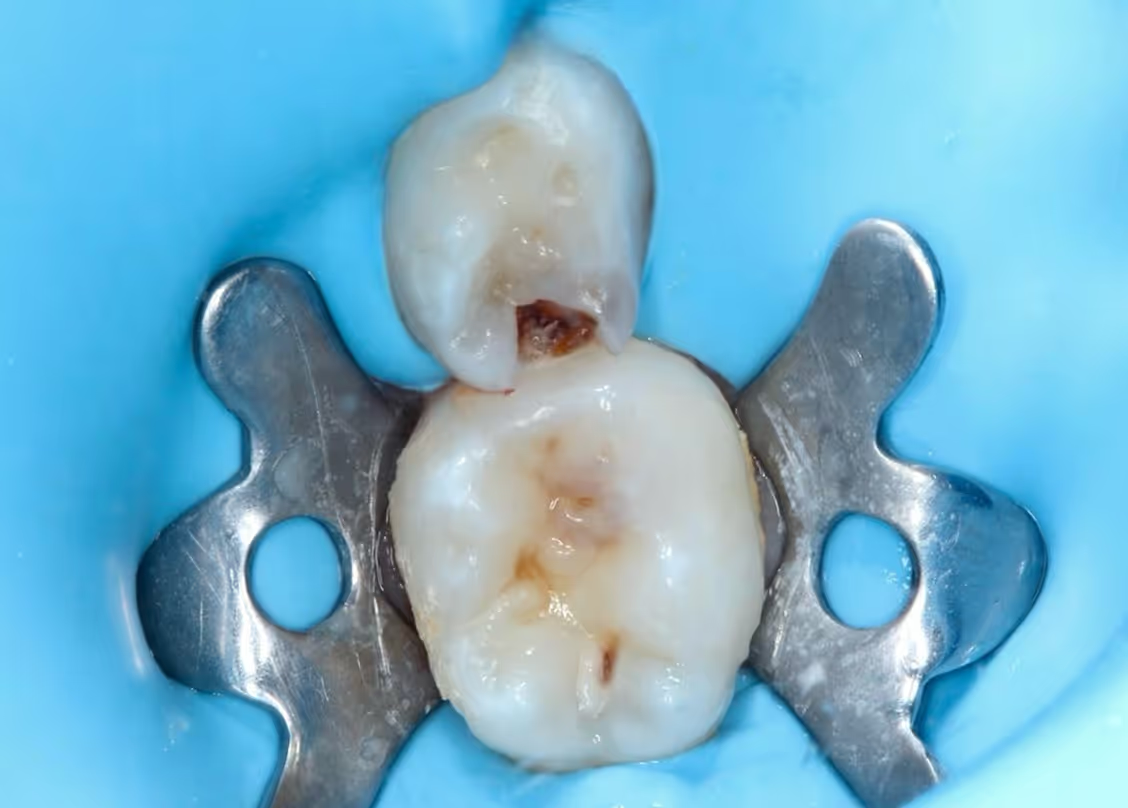
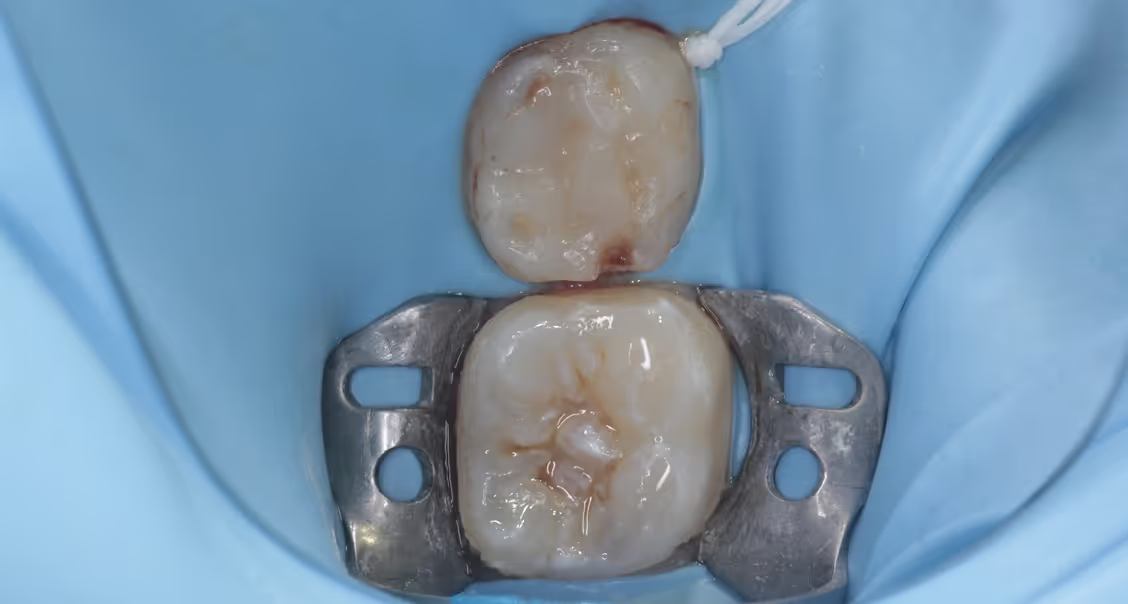
The treatment area is properly prepared. Depending on the situation, a rubber dam may be used to isolate the treated tooth.
5. Tooth restoration
The composite material is applied so as to recreate the missing tissue, the shape and the surface of the tooth.
6. Polishing and bite check
After placing the filling, the dentist checks its fit when biting and finishes the surface of the restoration.
In most standard cases, a tooth filling is completed in a single visit.
Filling or a larger restoration — which to choose?
Not every cavity should be restored in the same way.
Tooth condition
Possible solution
Small or medium cavity
Composite filling
Early lesion without a typical cavity
Possible conservative treatment, e.g. ICON — after qualification
Greater loss of tooth tissue
Extended restoration / inlay / onlay
Significantly weakened tooth
Prosthetic restoration, e.g. a crown — if indicated
Pulp damage
Root canal treatment + appropriate restoration
The choice of method depends primarily on the amount of preserved tissue and the condition of the treated tooth.
Durability and care of a filling
The durability of a tooth filling depends on the size of the restoration, its location, bite forces, oral hygiene and individual conditions.
Over time a filling may wear, become damaged or lose its seal. That is why regular check-ups should assess not only natural teeth but also existing restorations.
If a filling cracks, chips or falls out, book a visit so the dentist can assess the tooth and decide whether a new filling is enough.
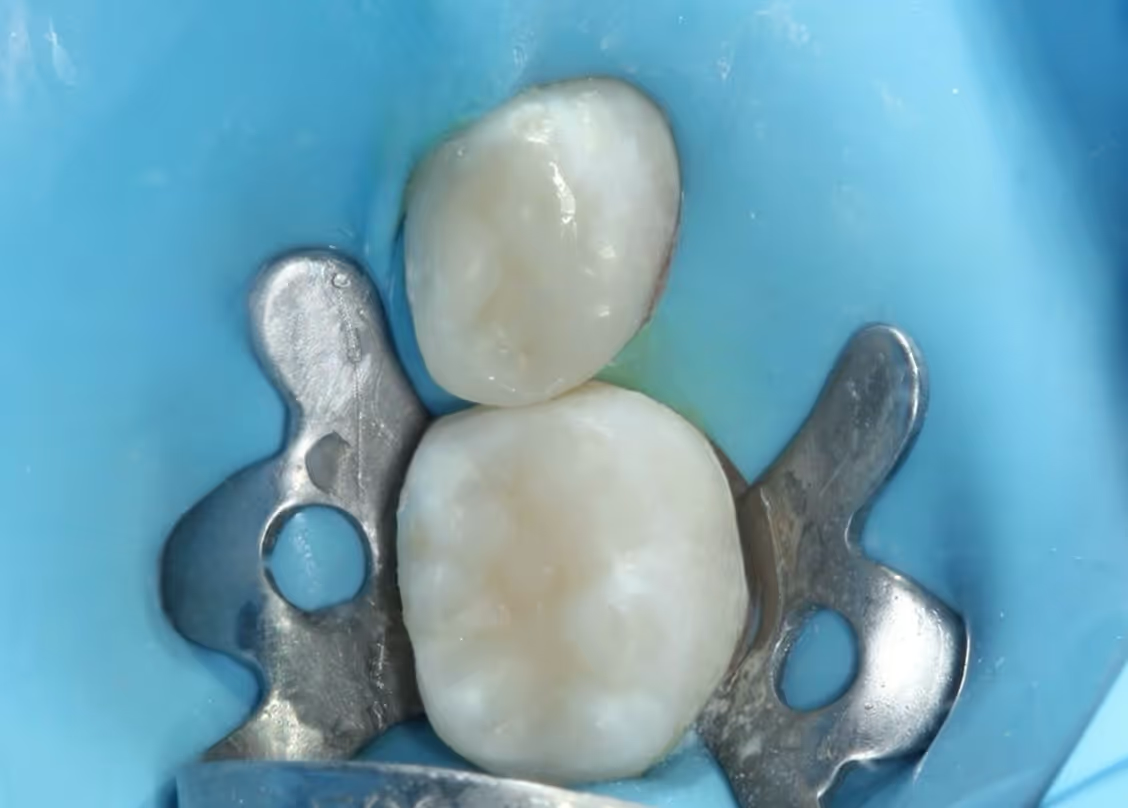
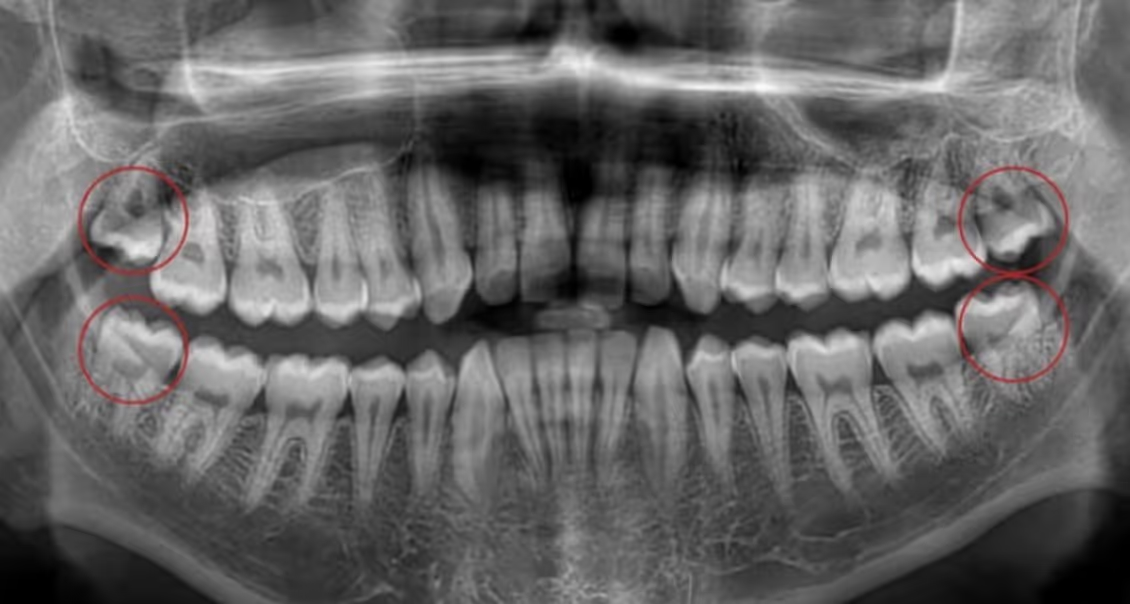
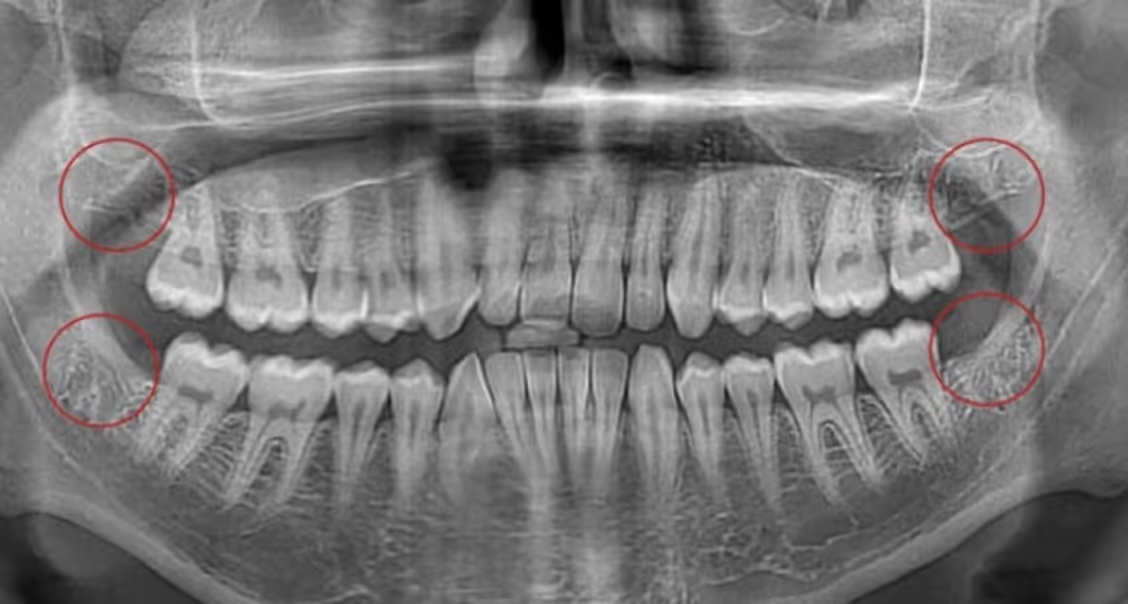
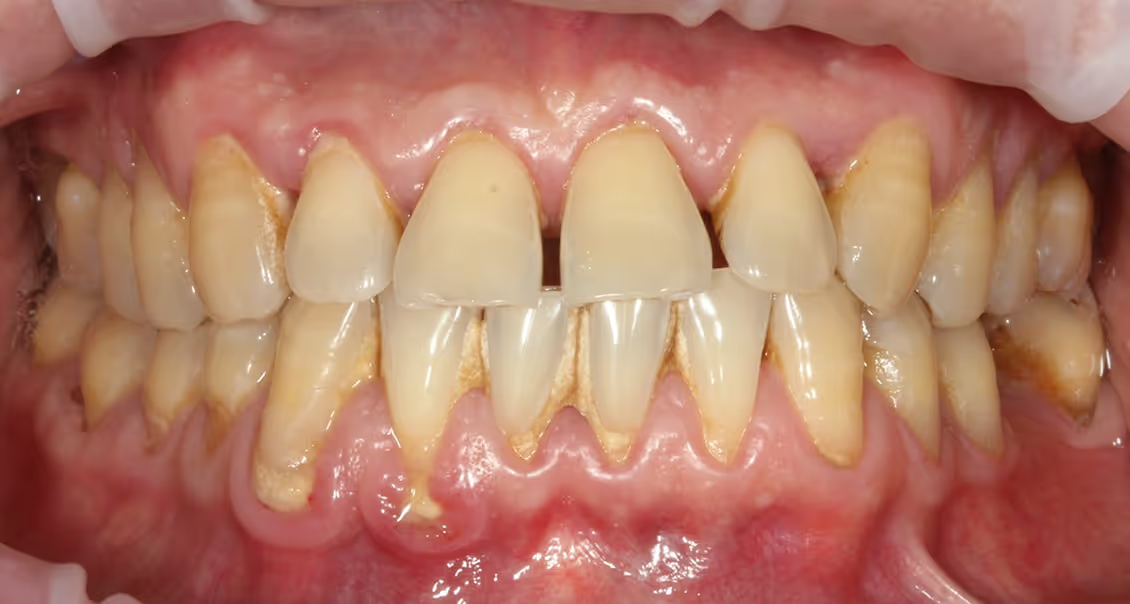
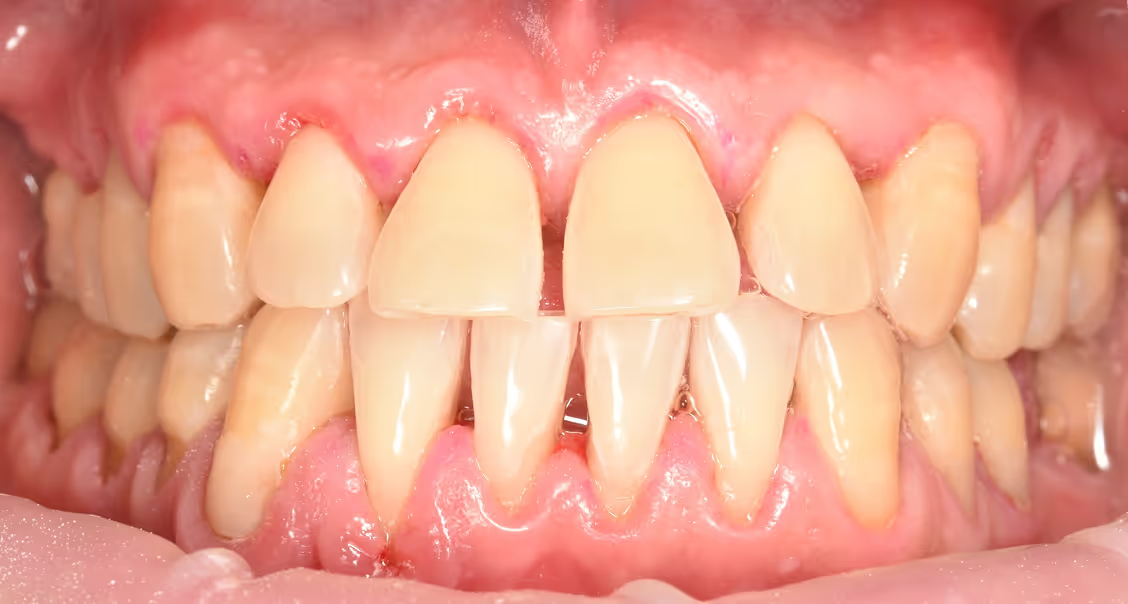
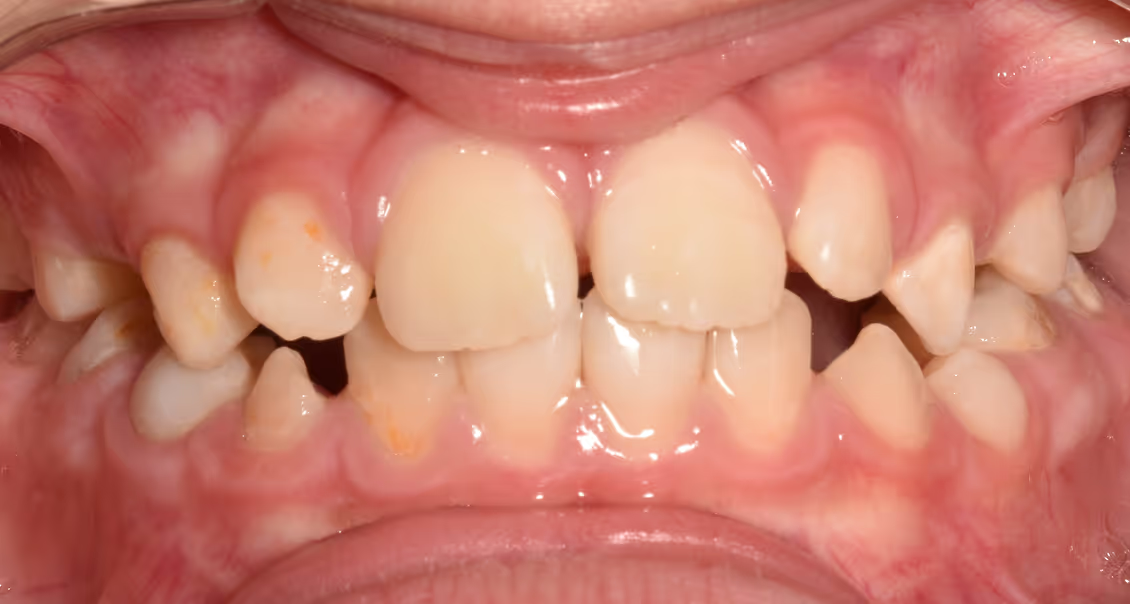
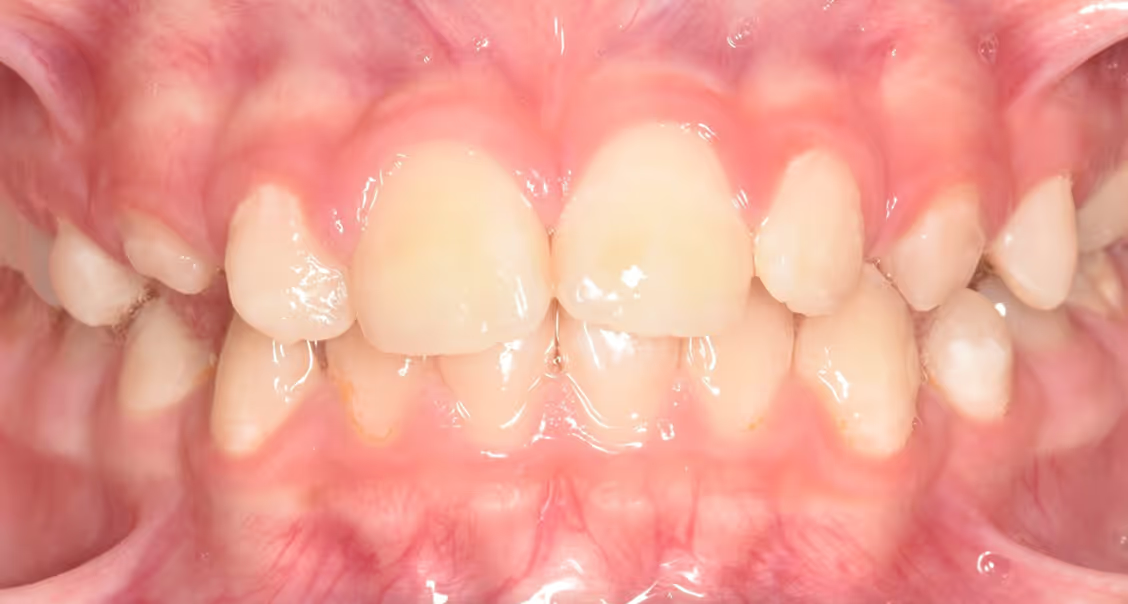
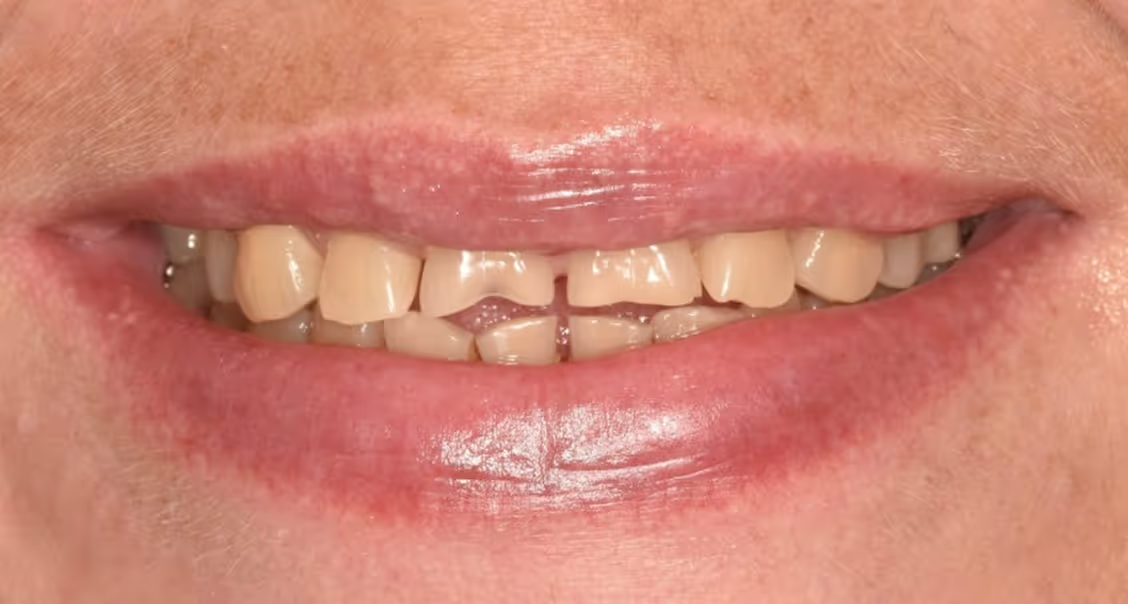
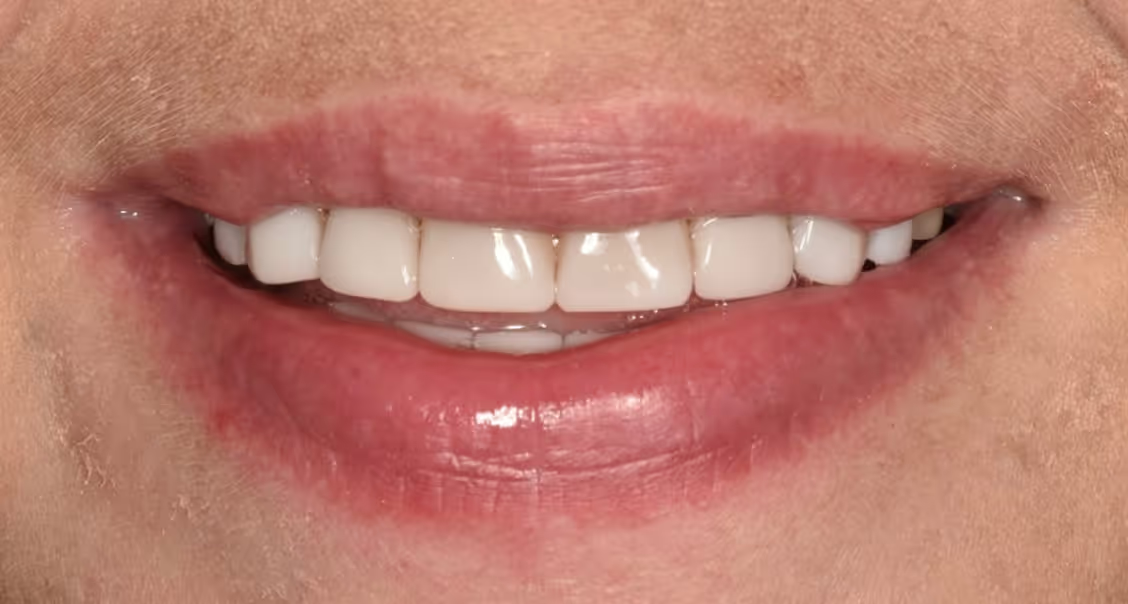
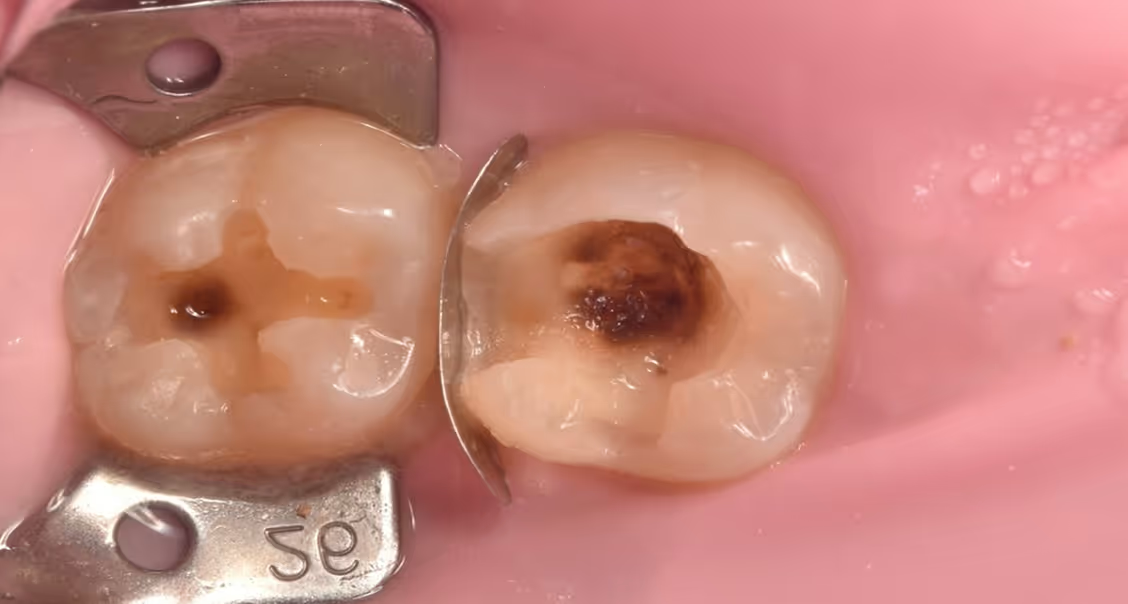
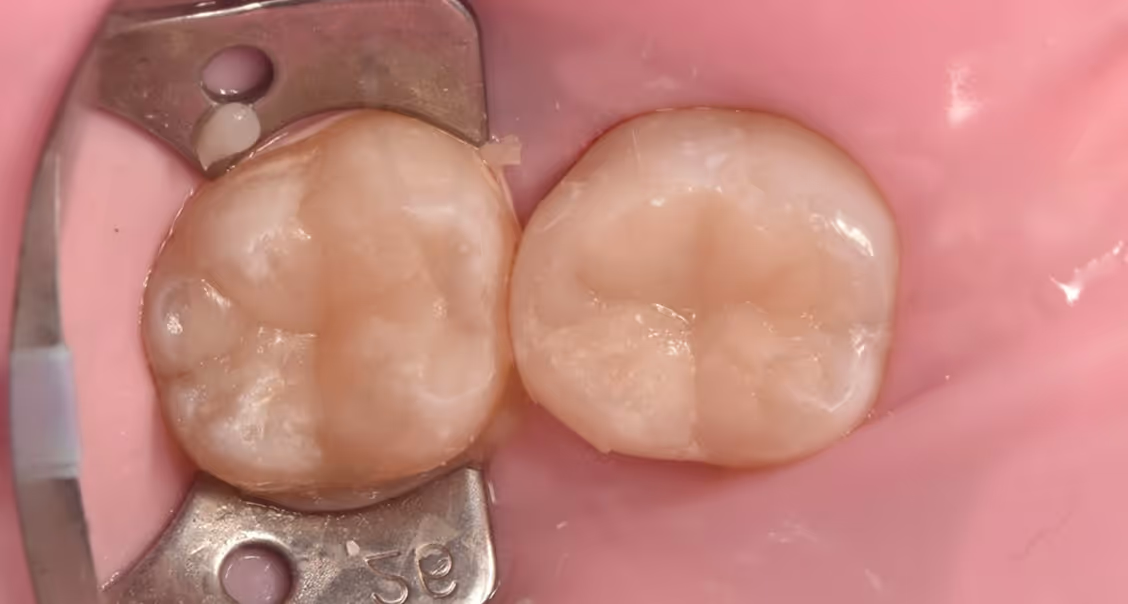
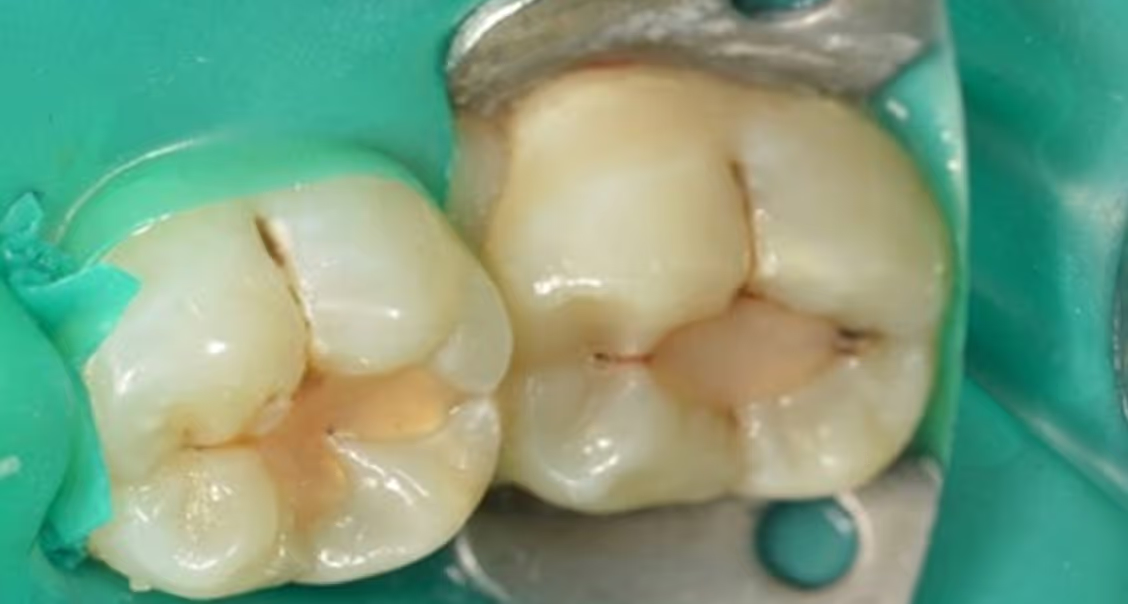
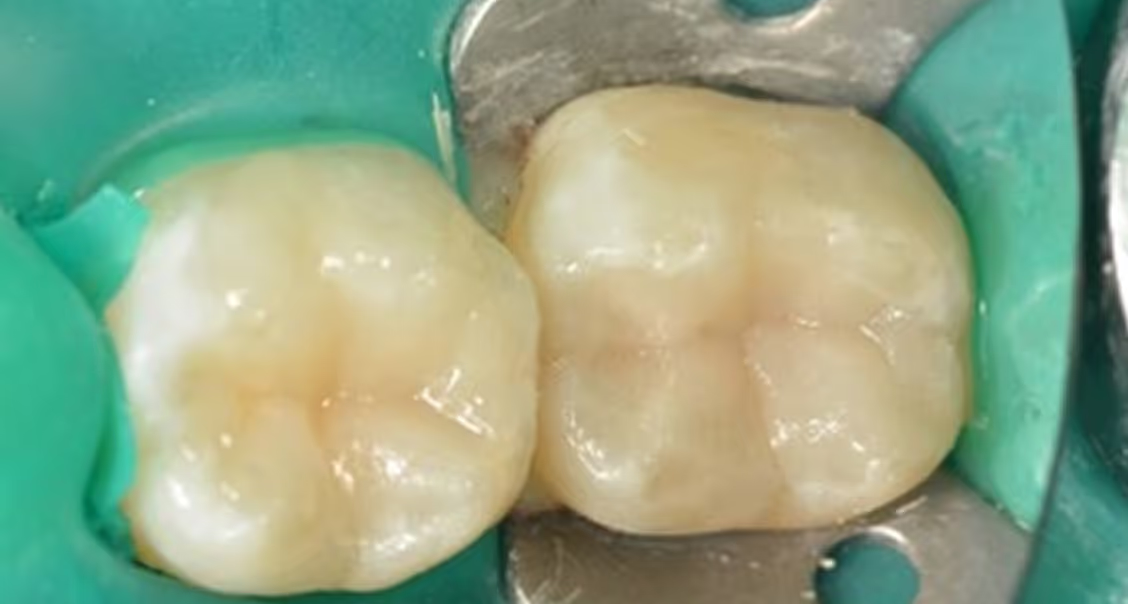
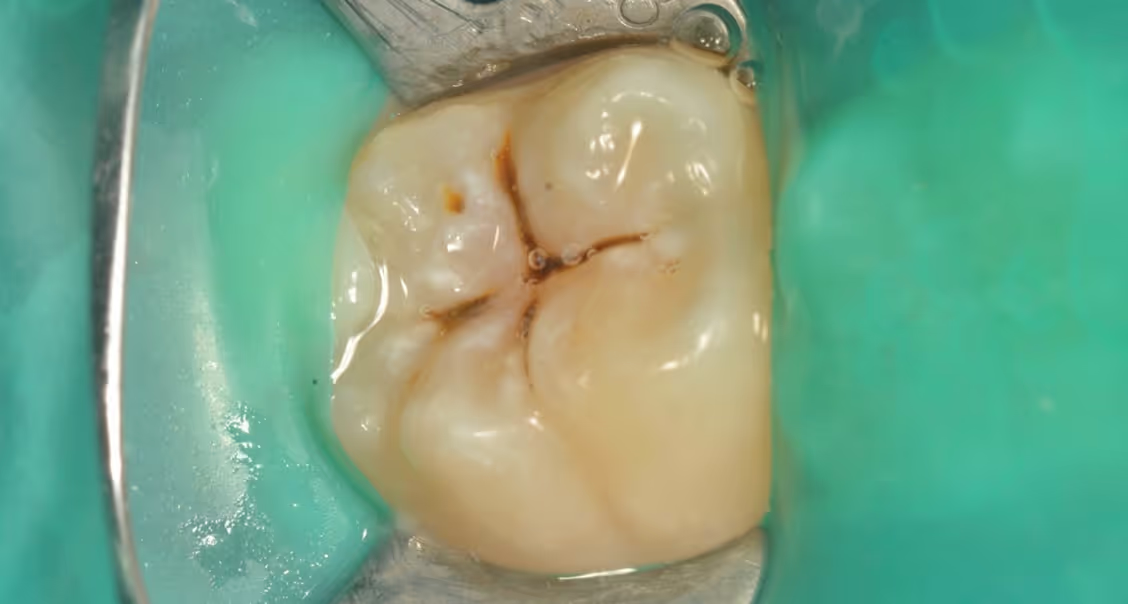
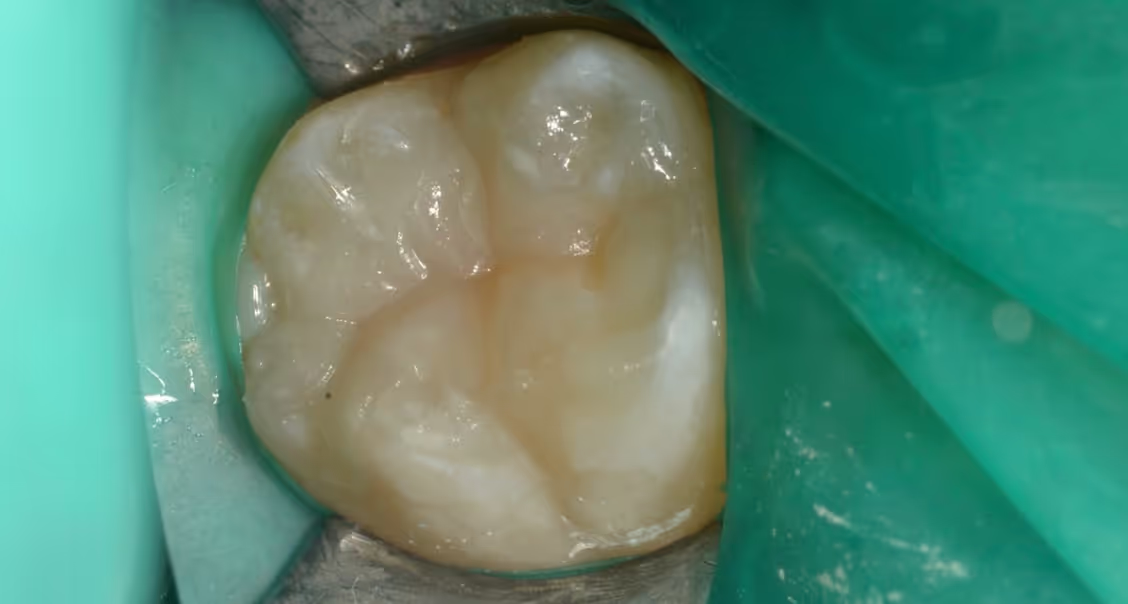
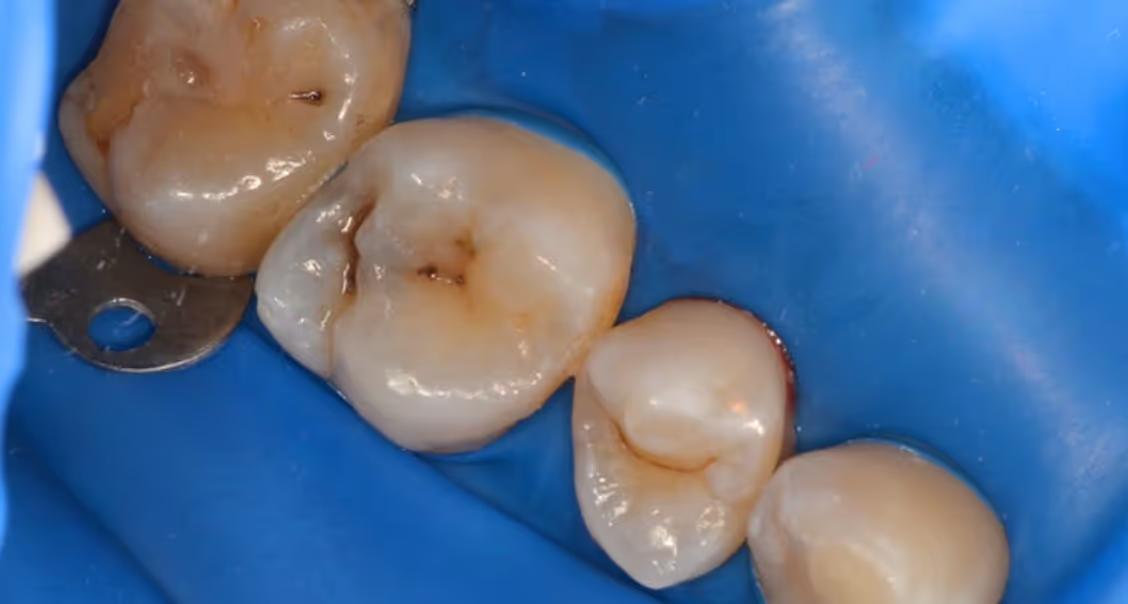
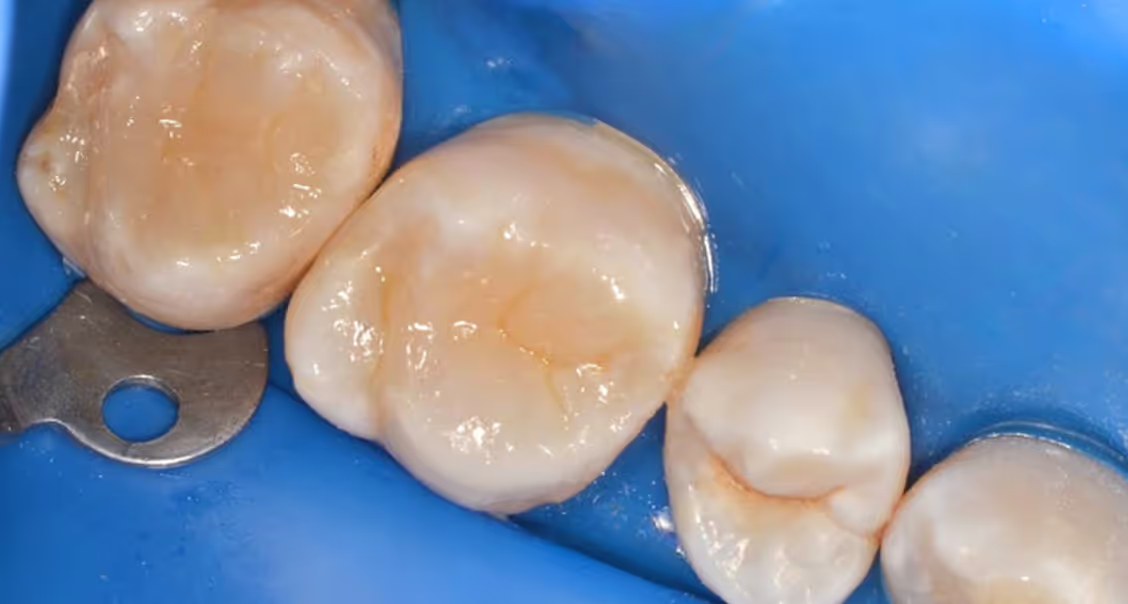
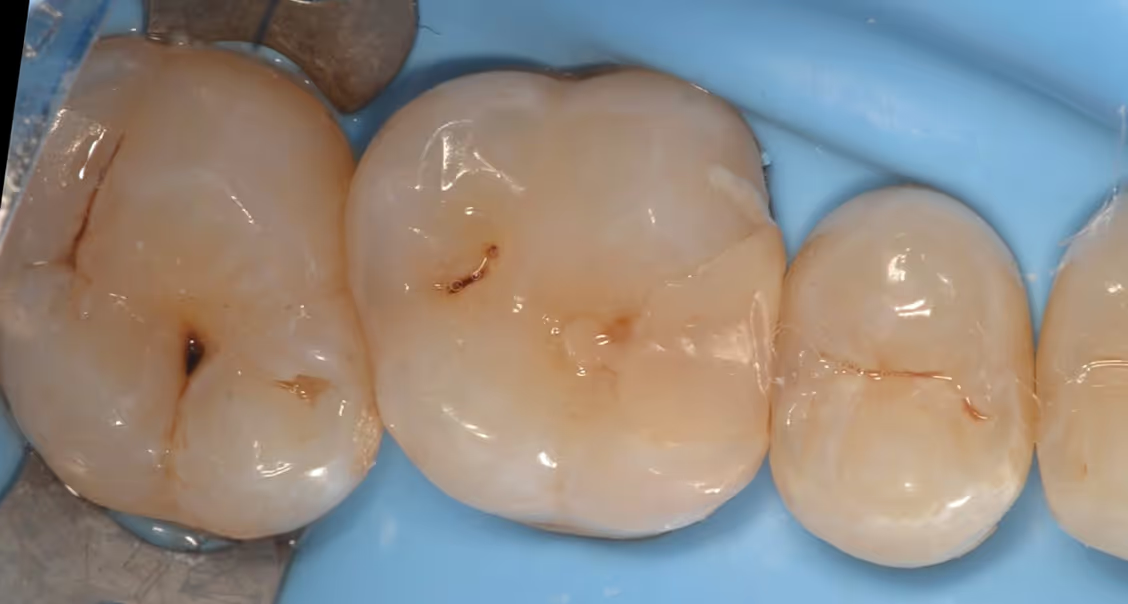
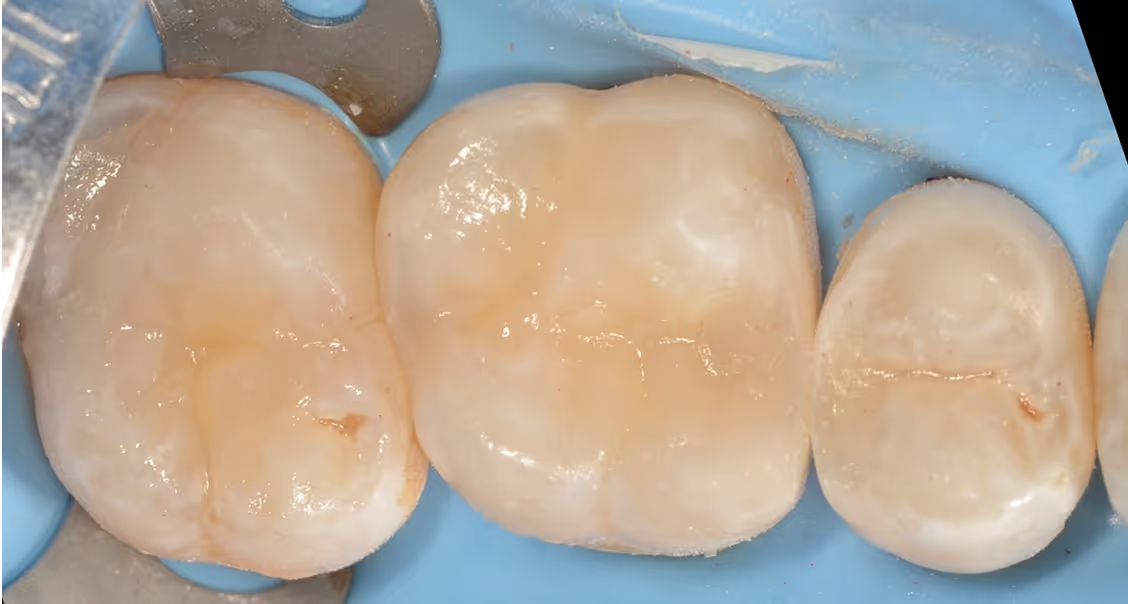
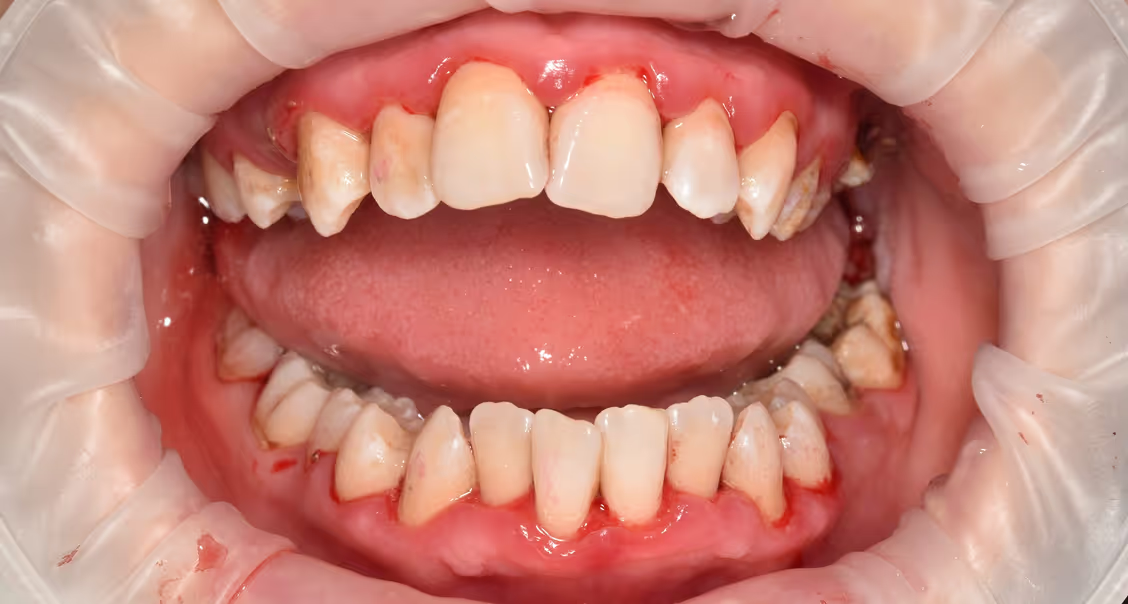
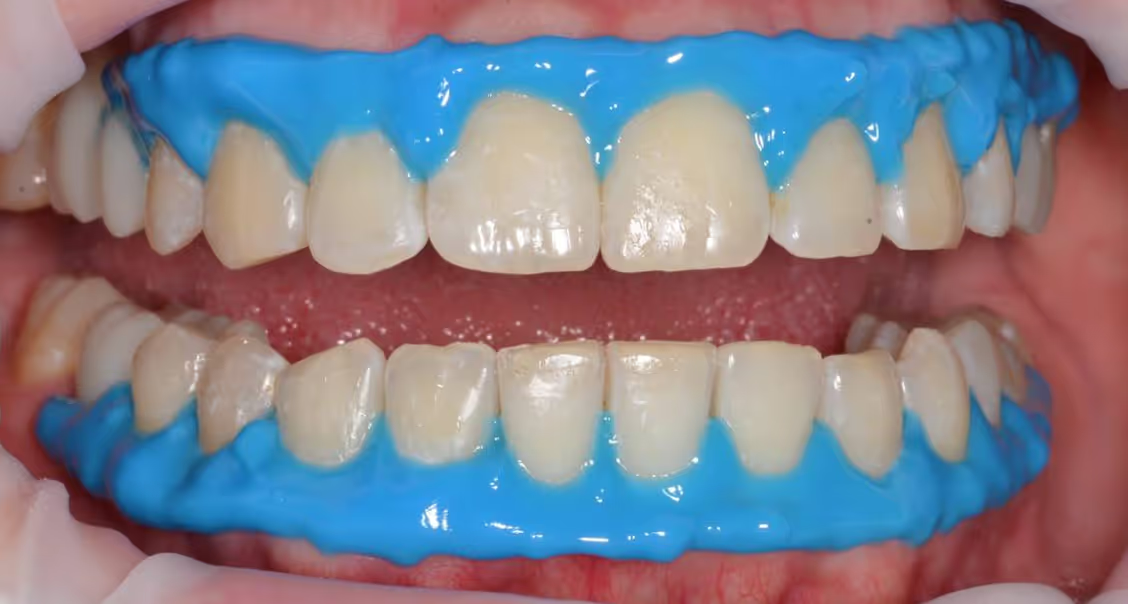
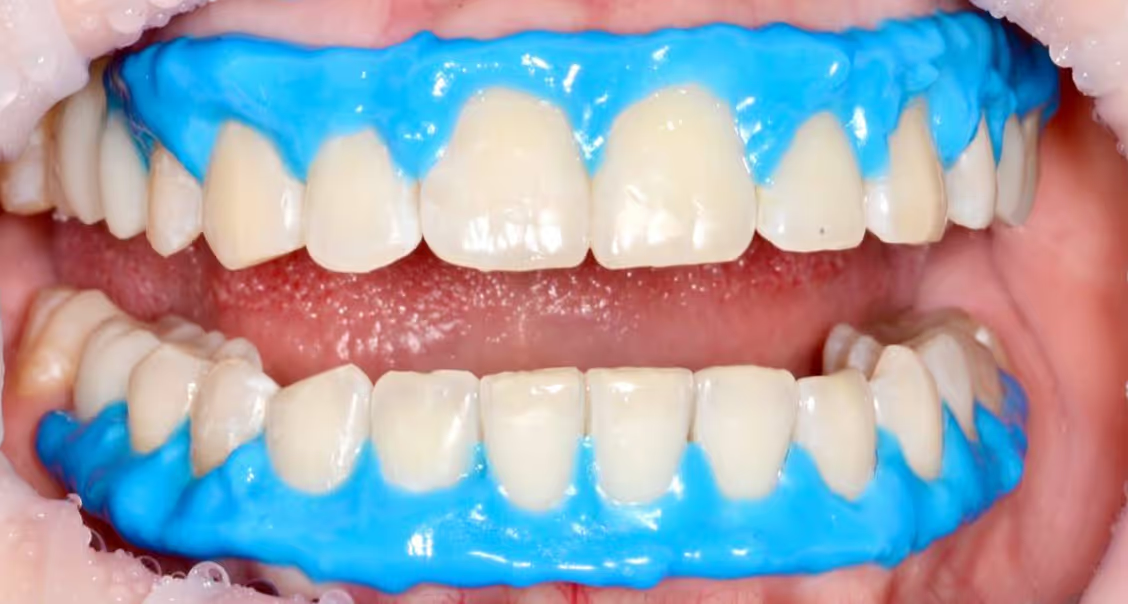
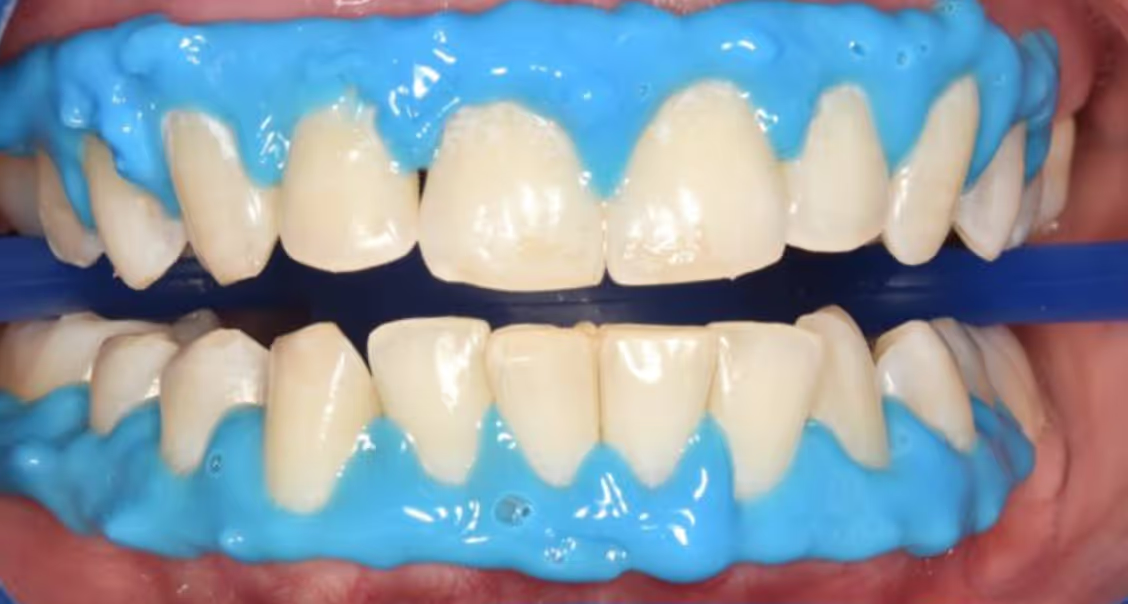
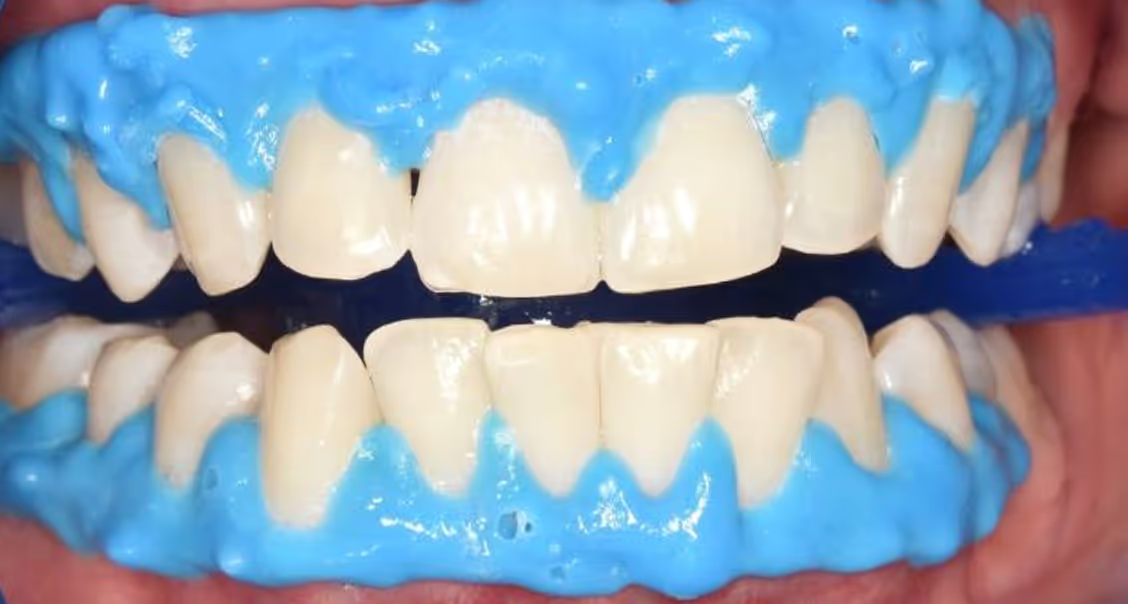
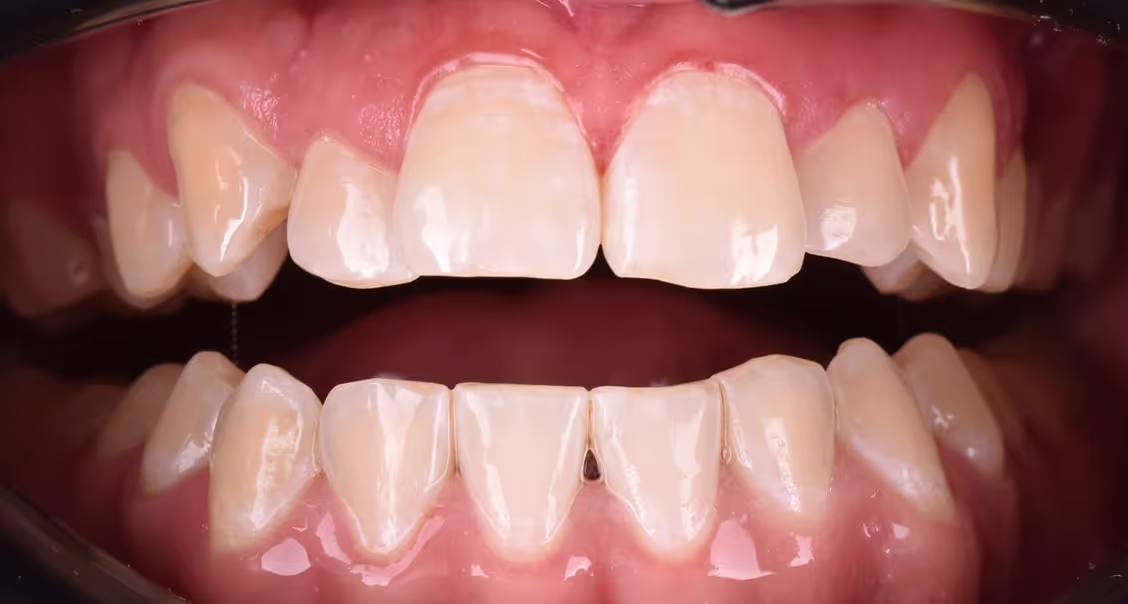
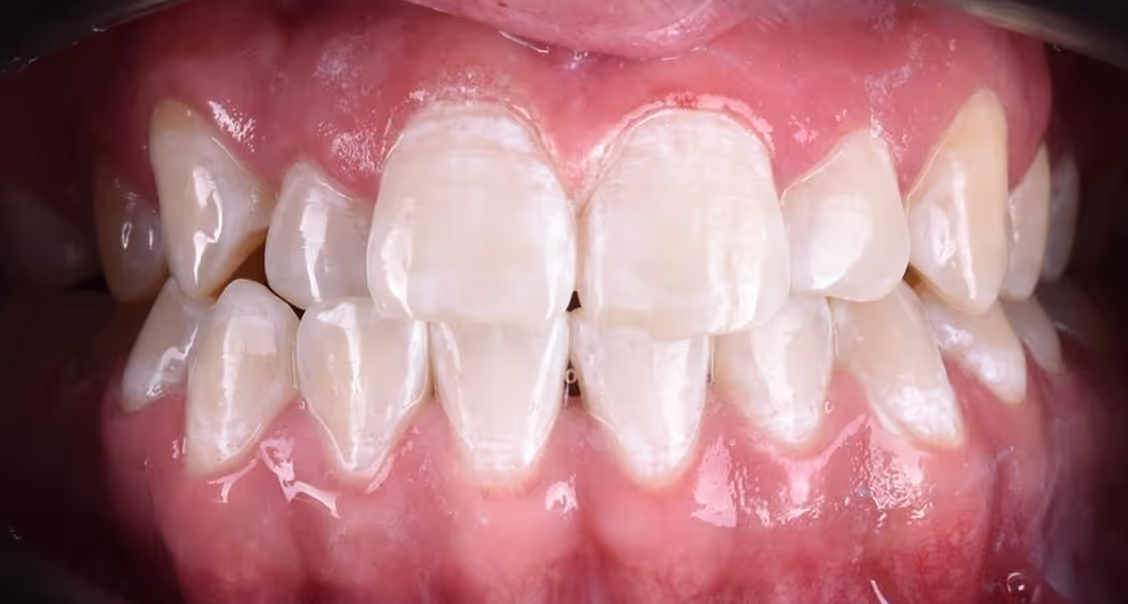
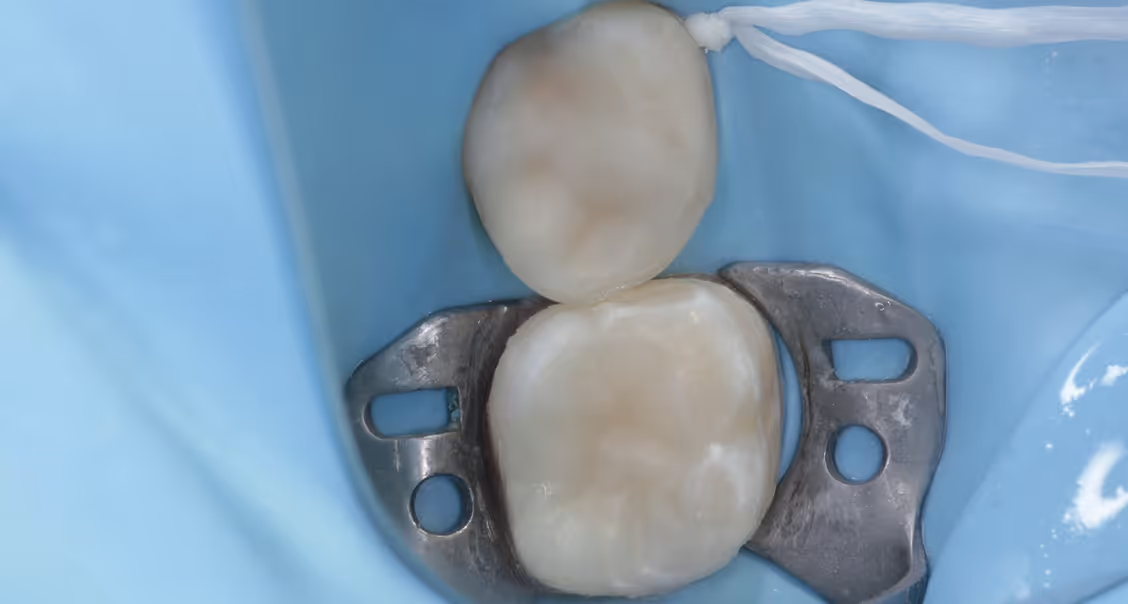
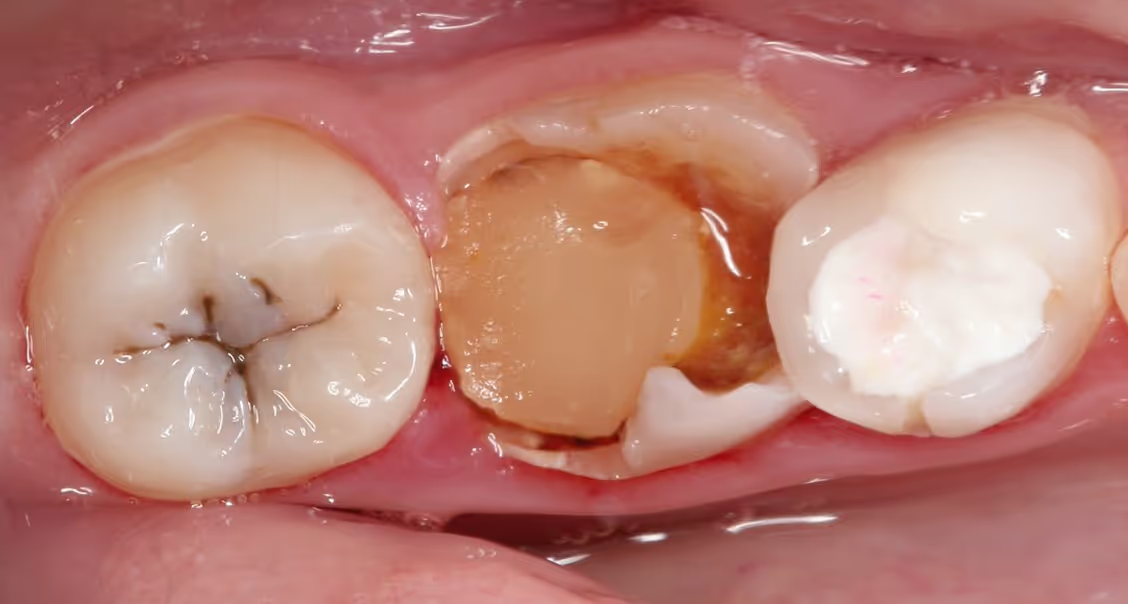
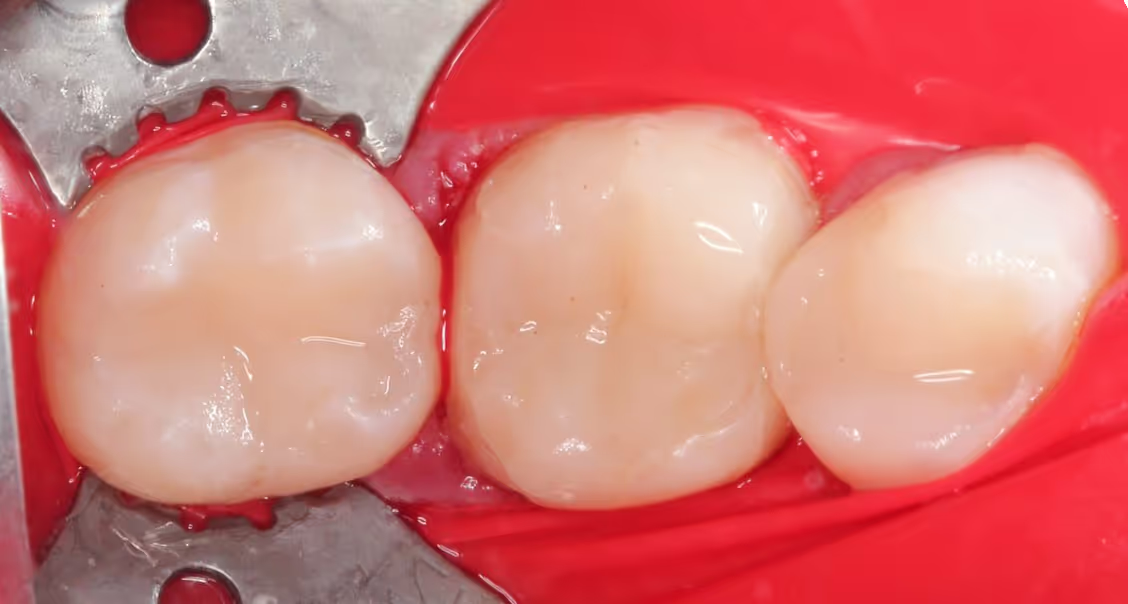
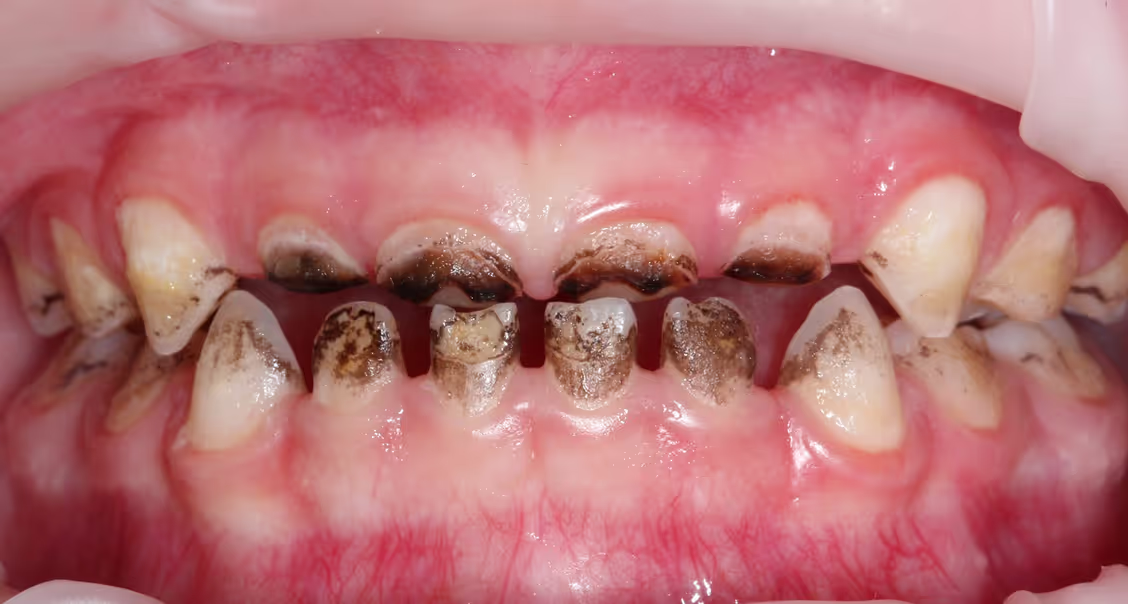
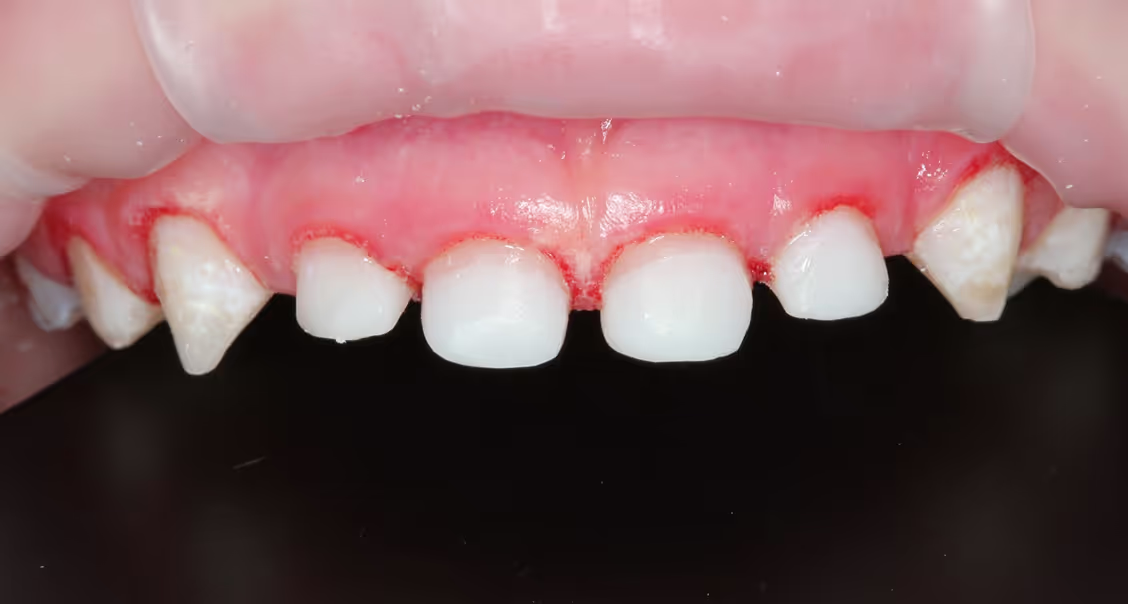
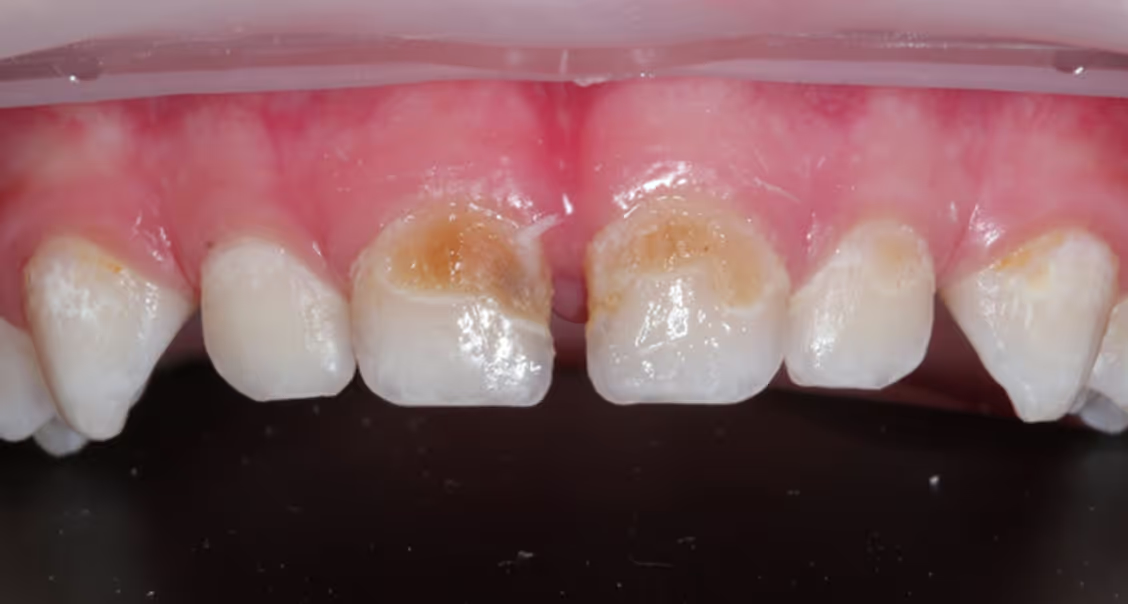
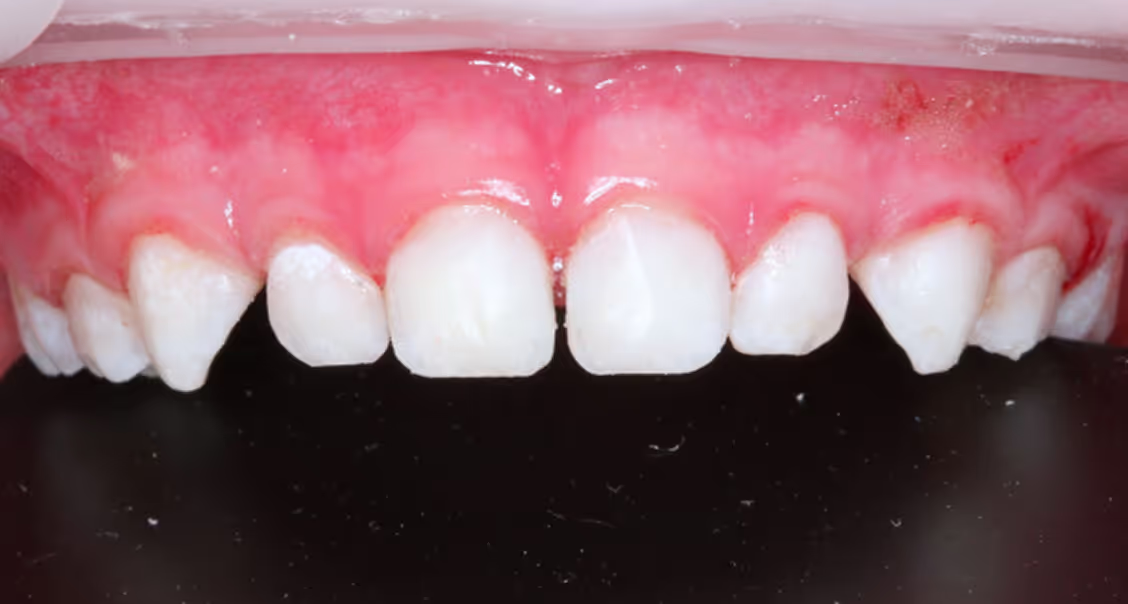
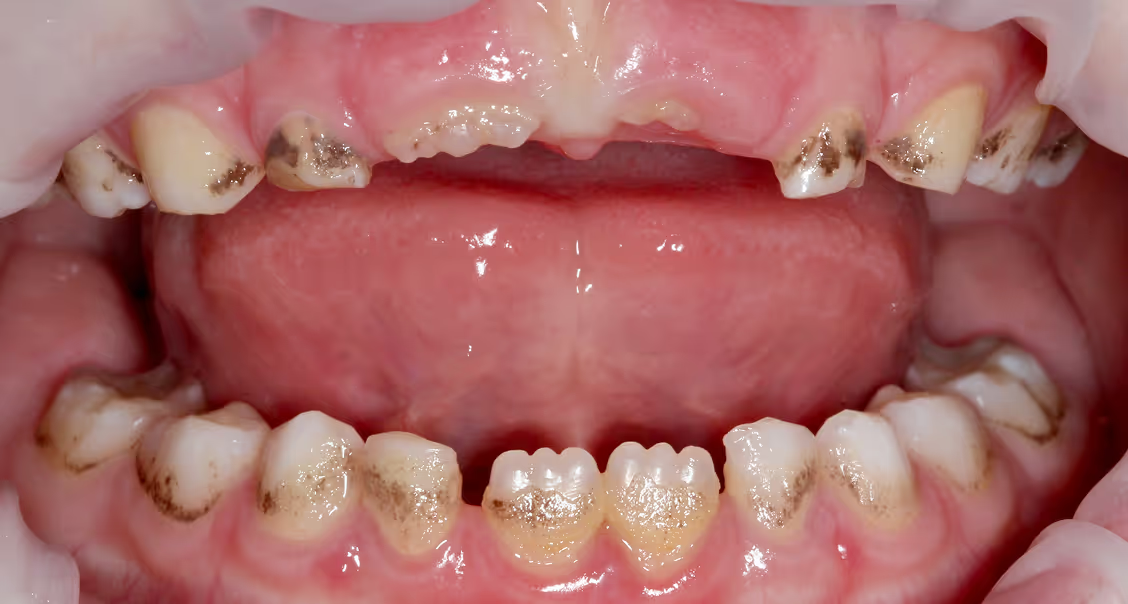
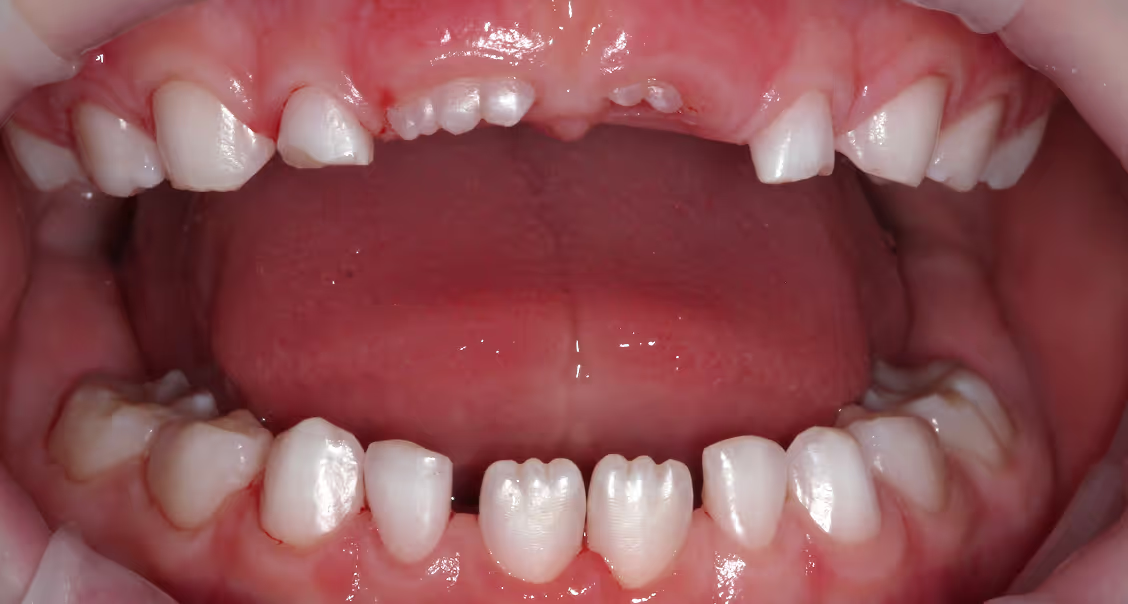
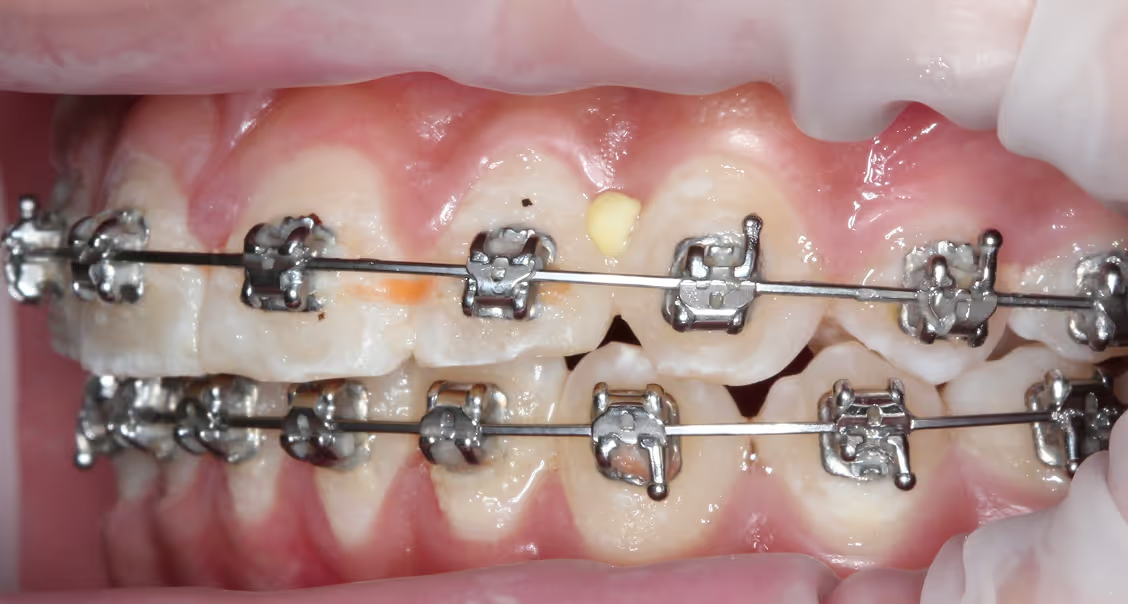
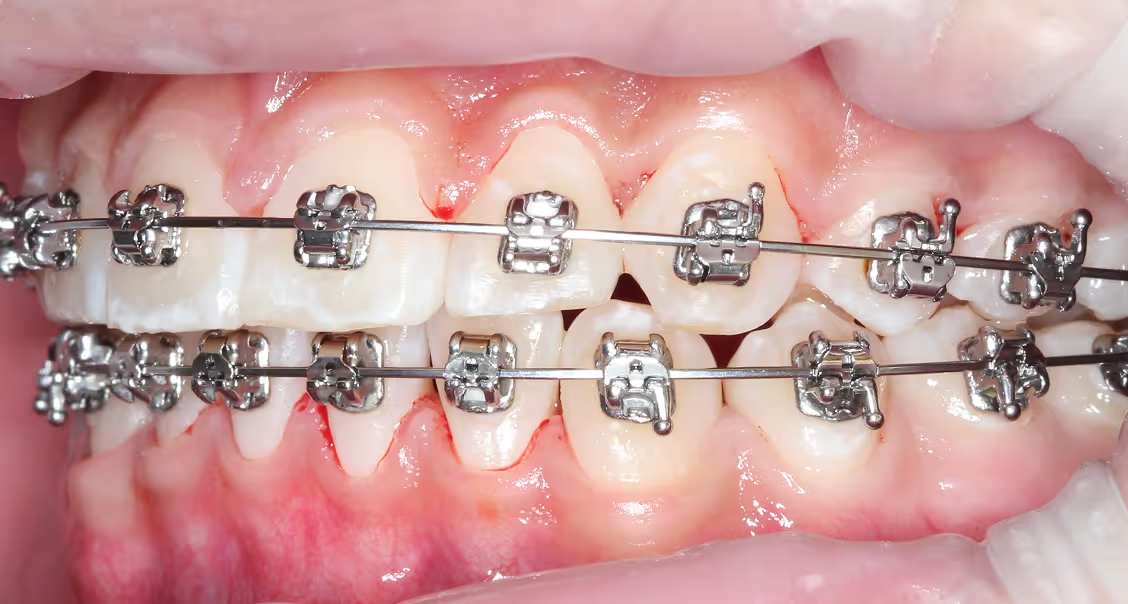
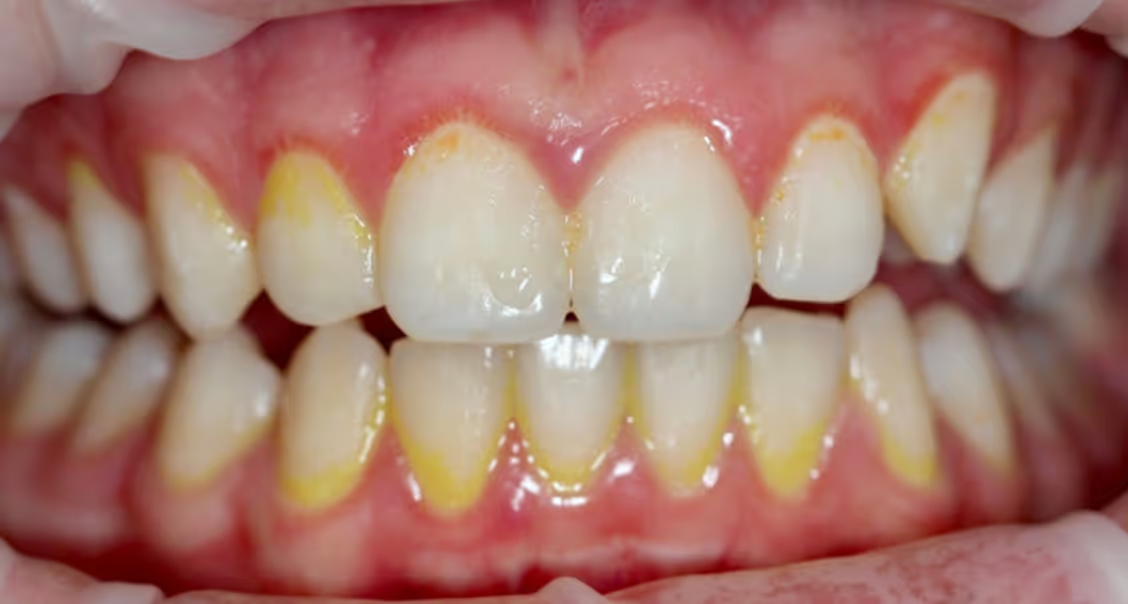
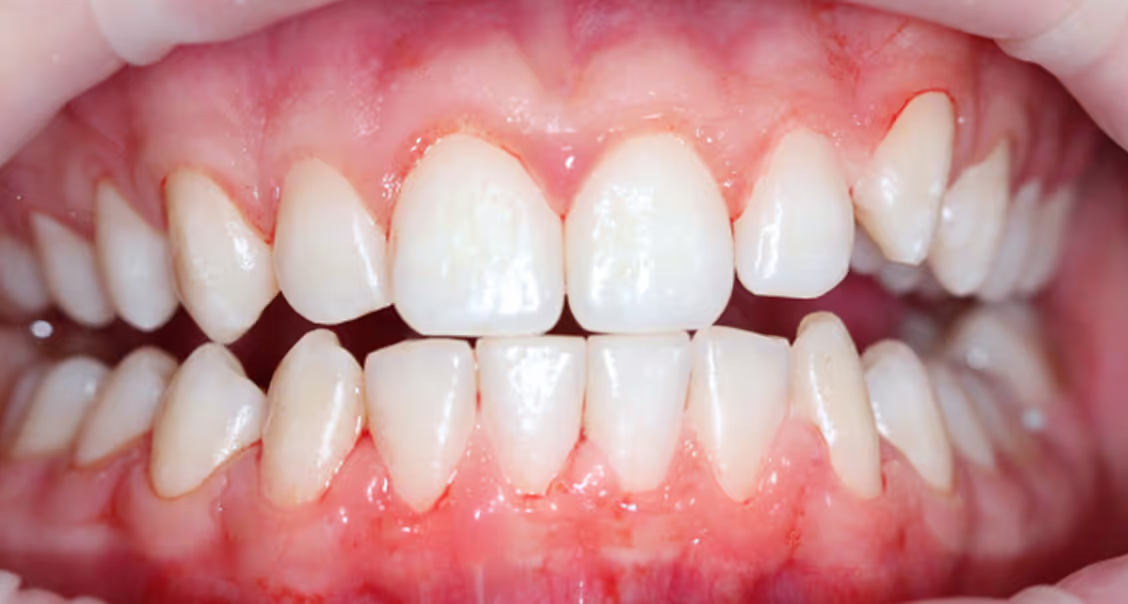
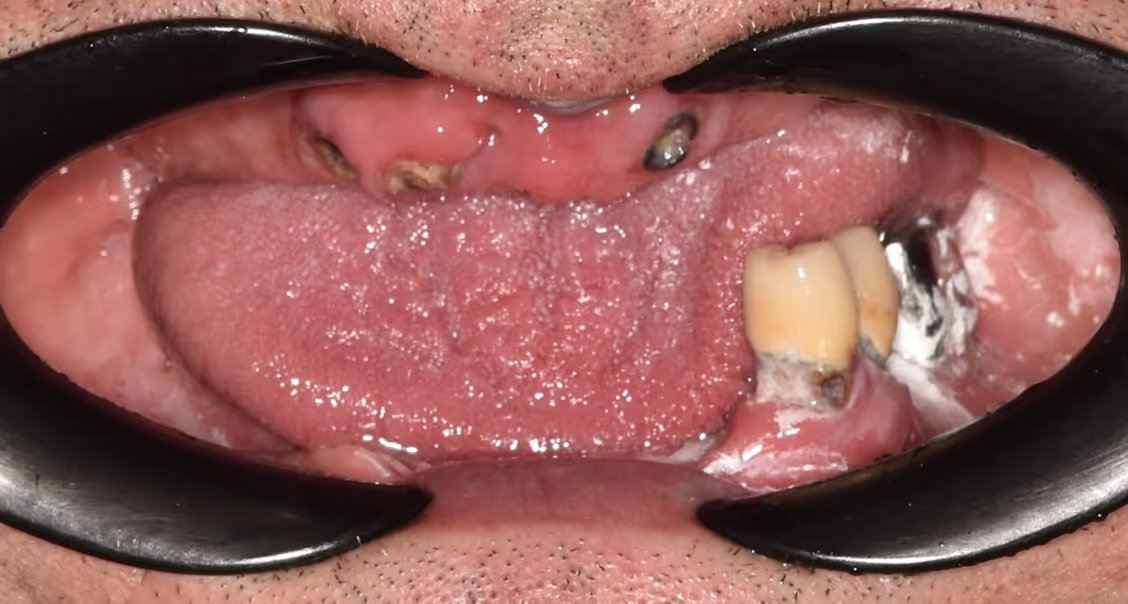
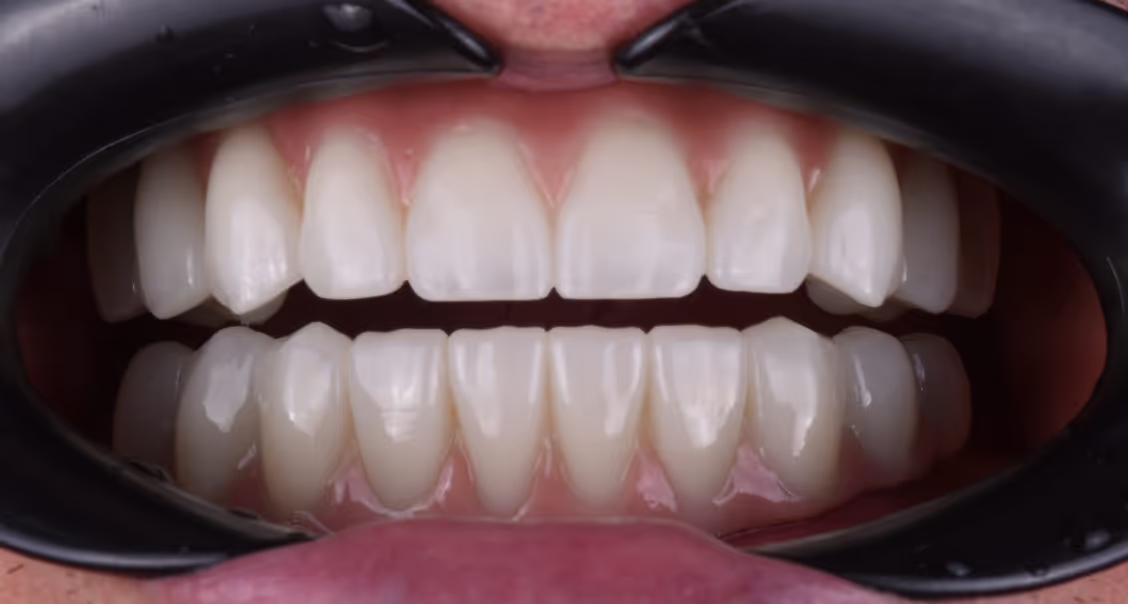
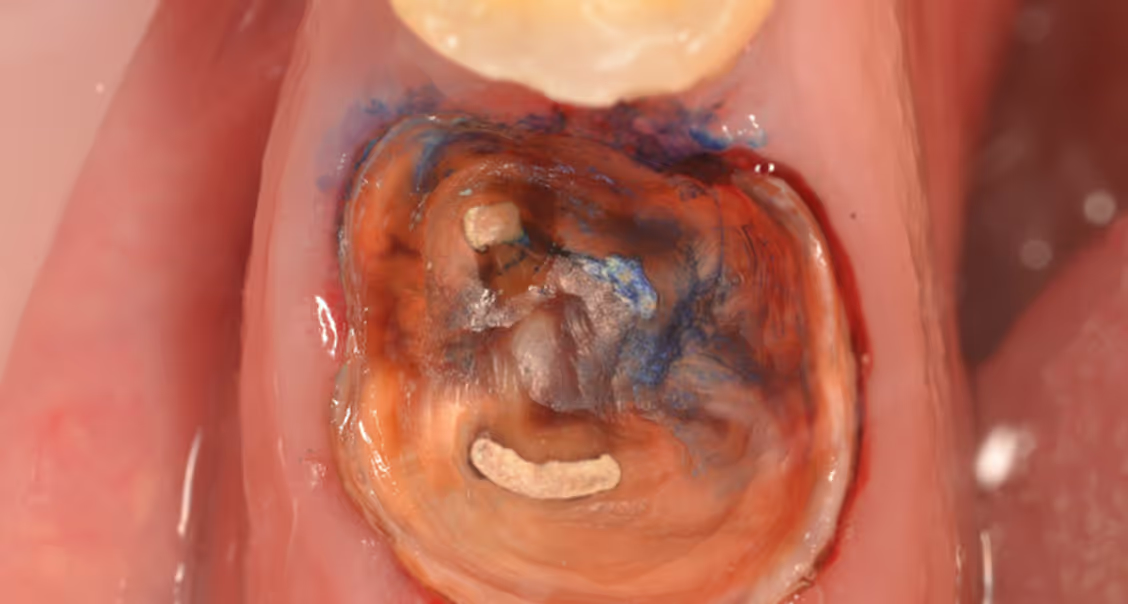
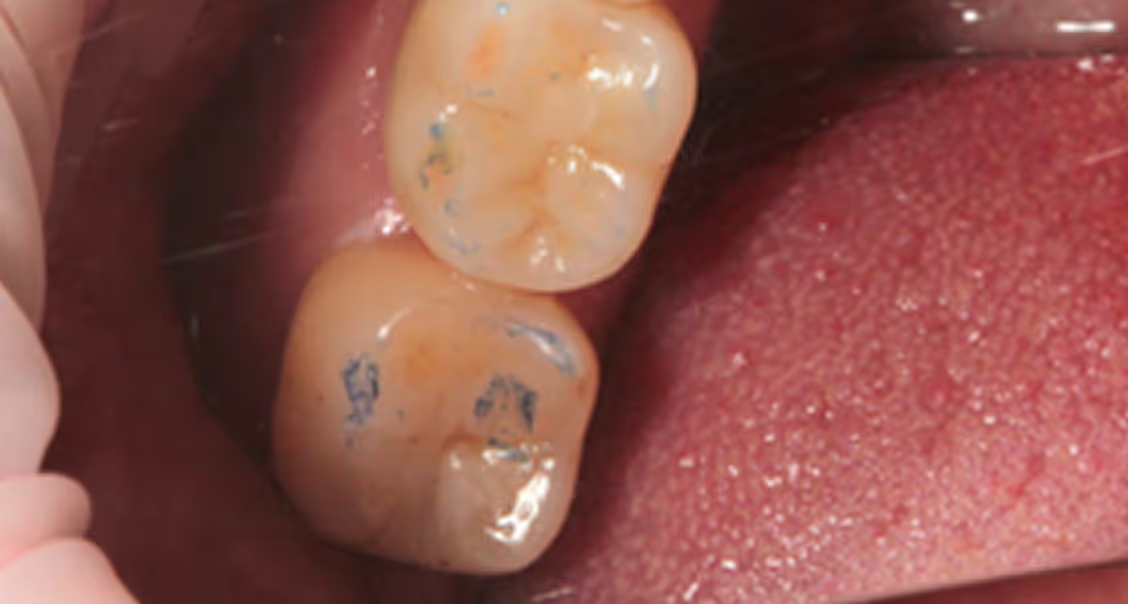
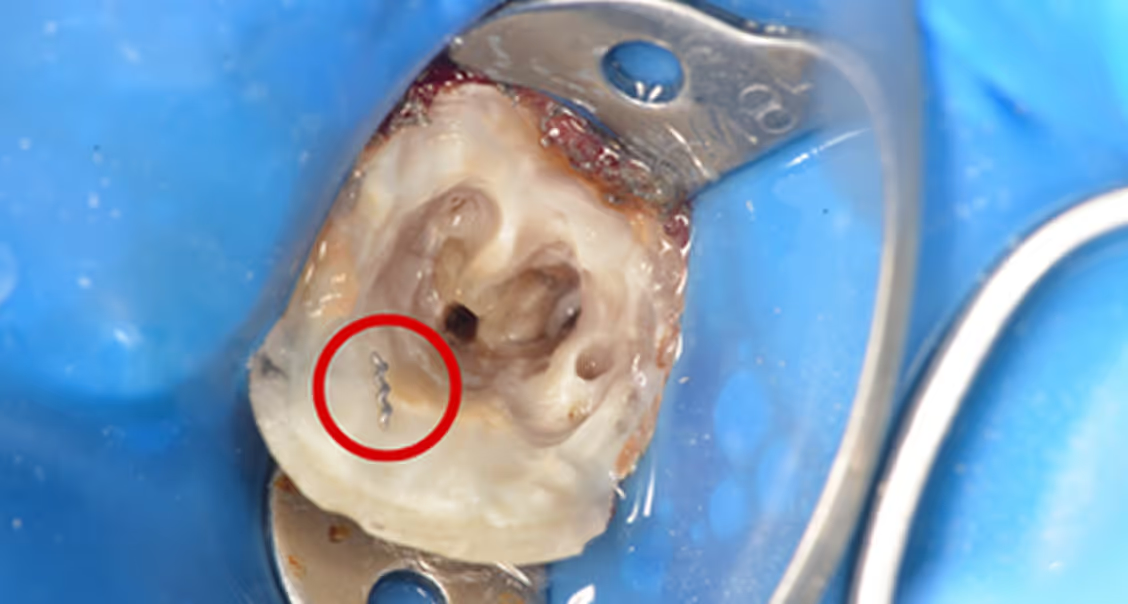
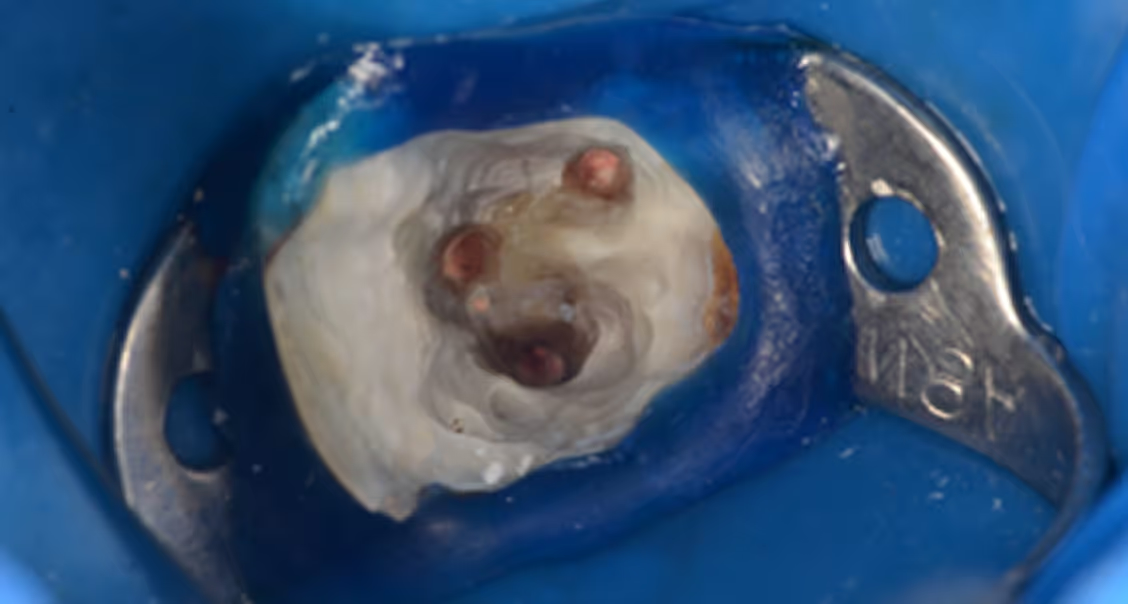
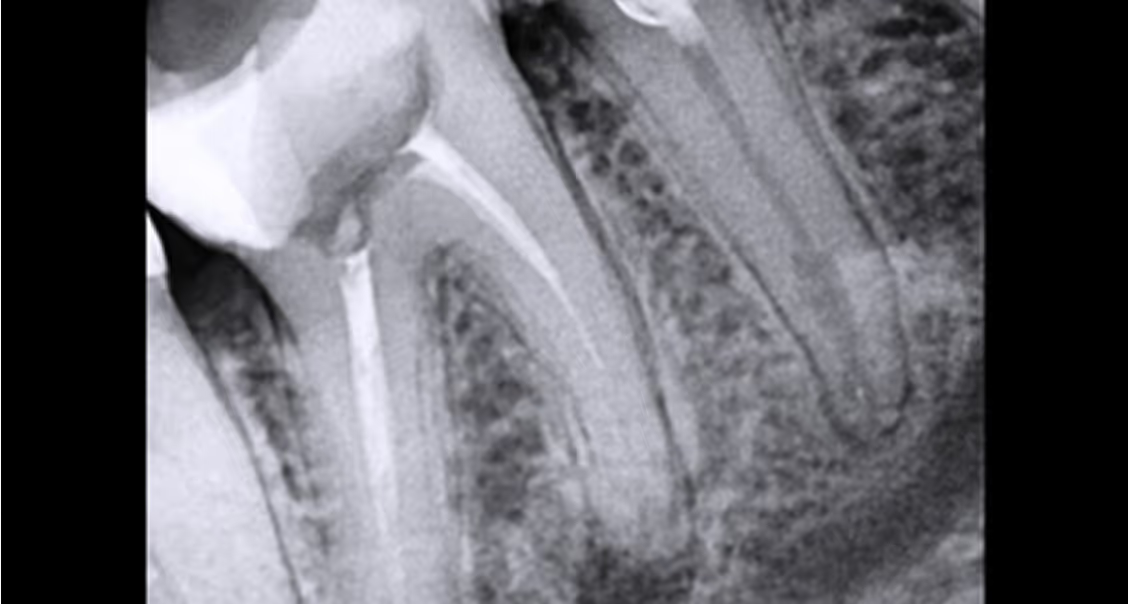
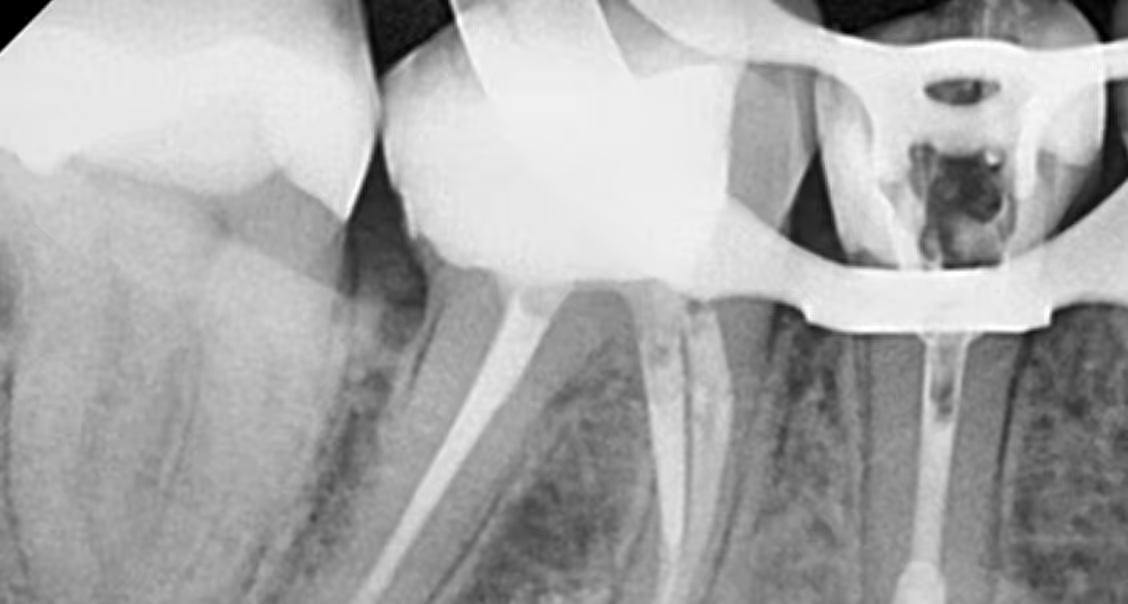
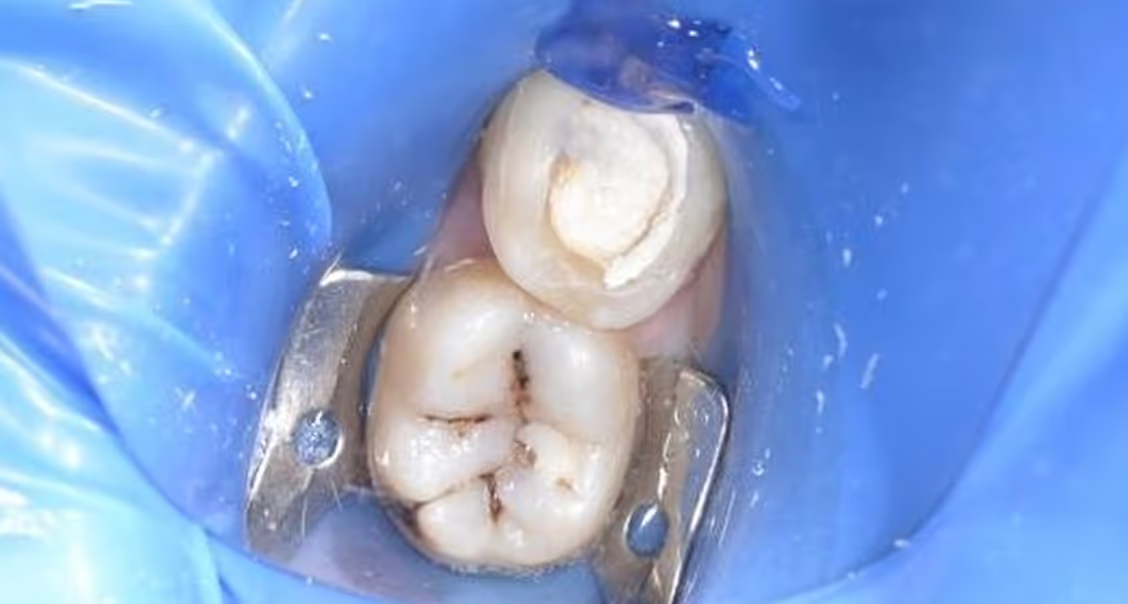
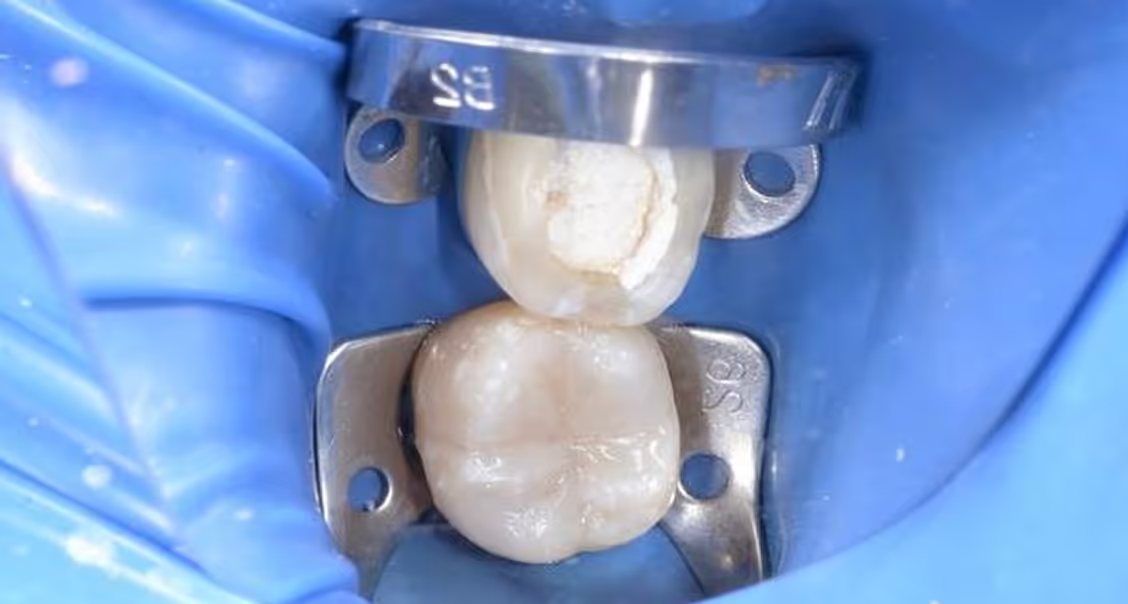
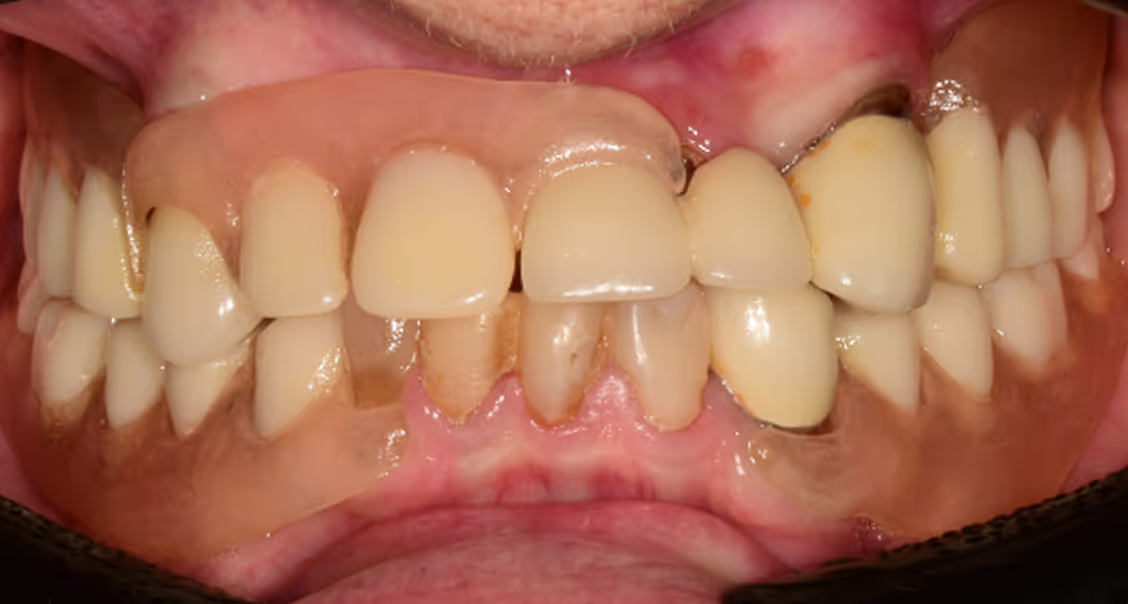
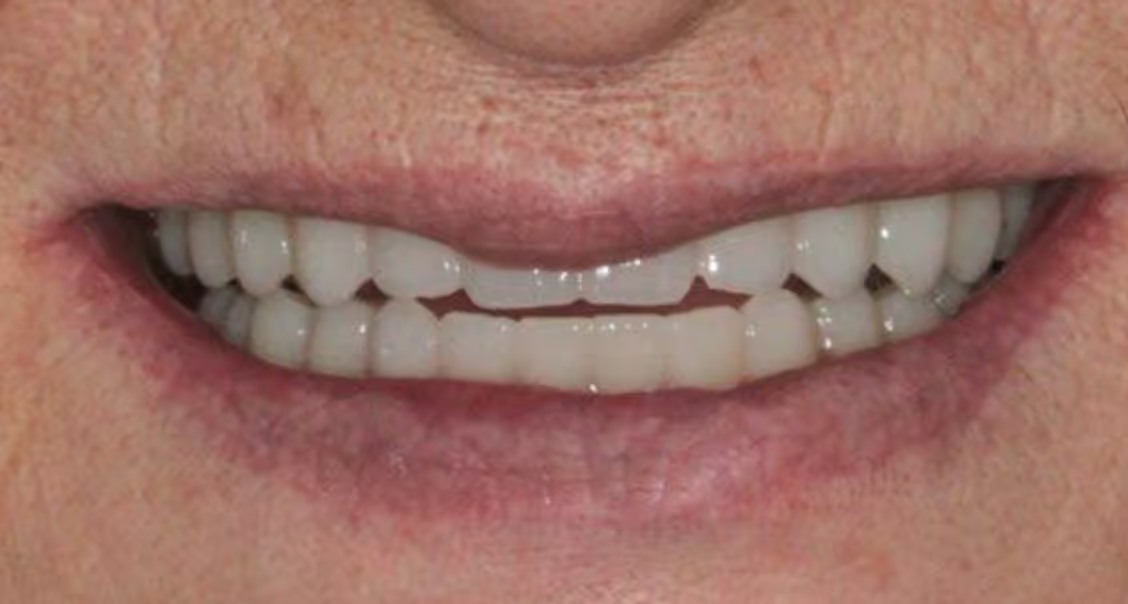
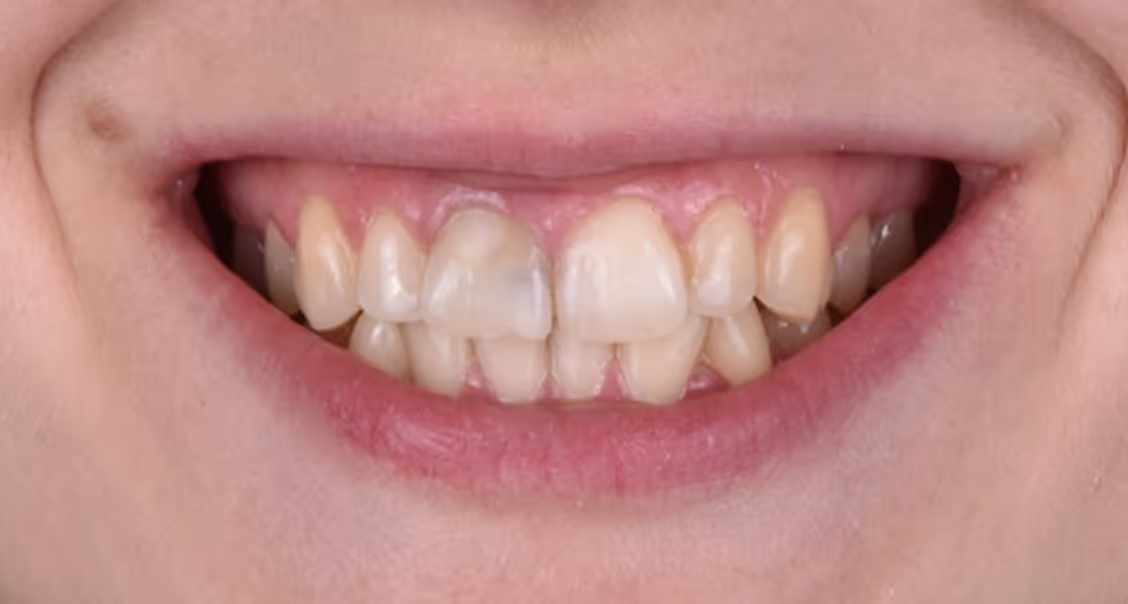
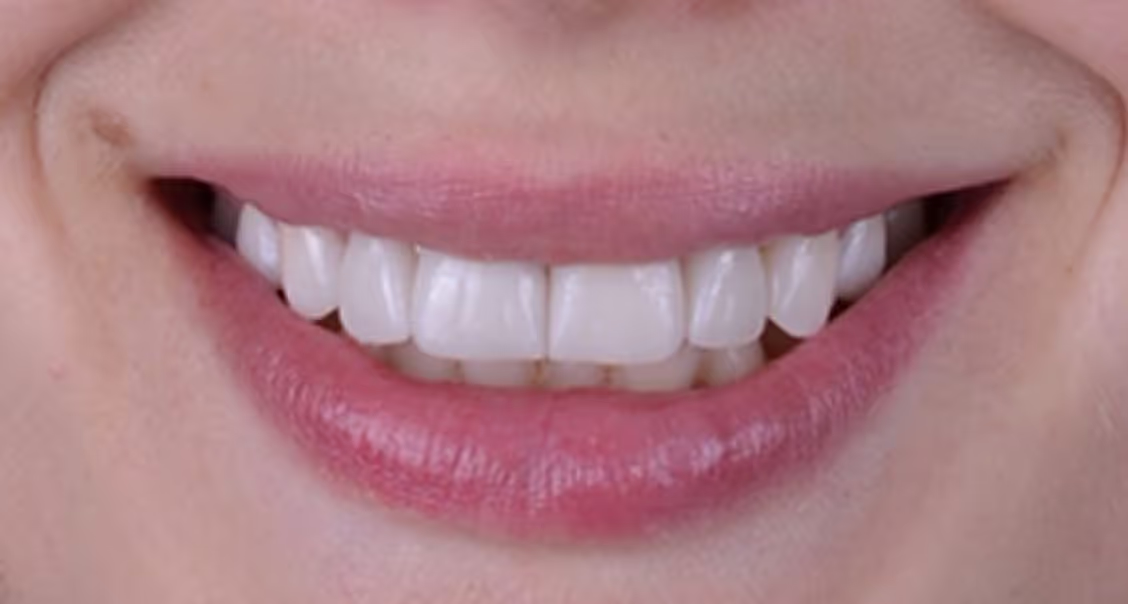
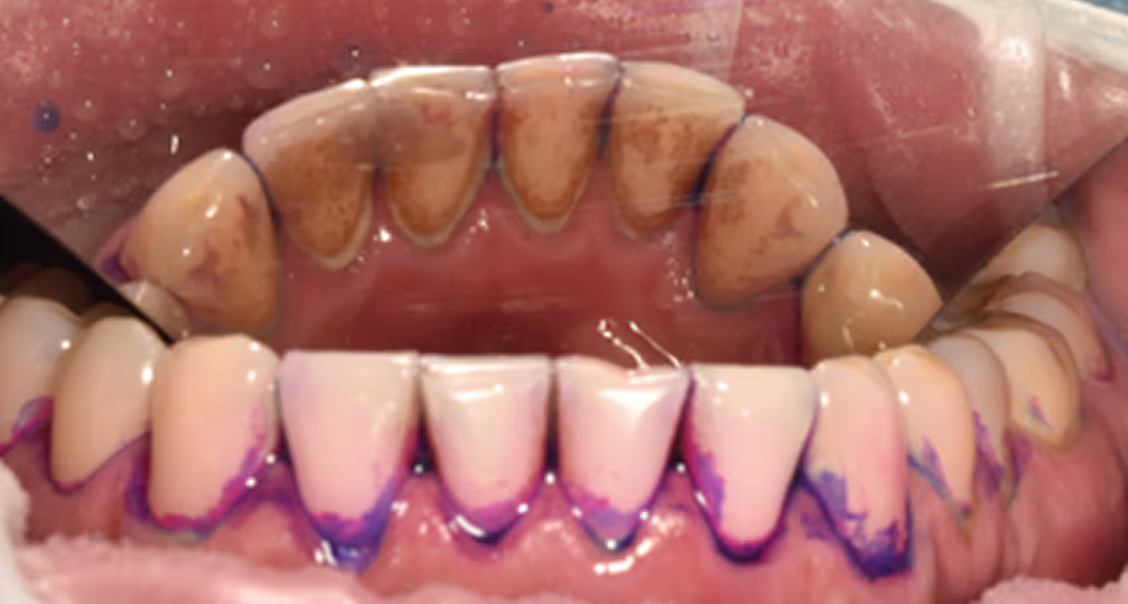
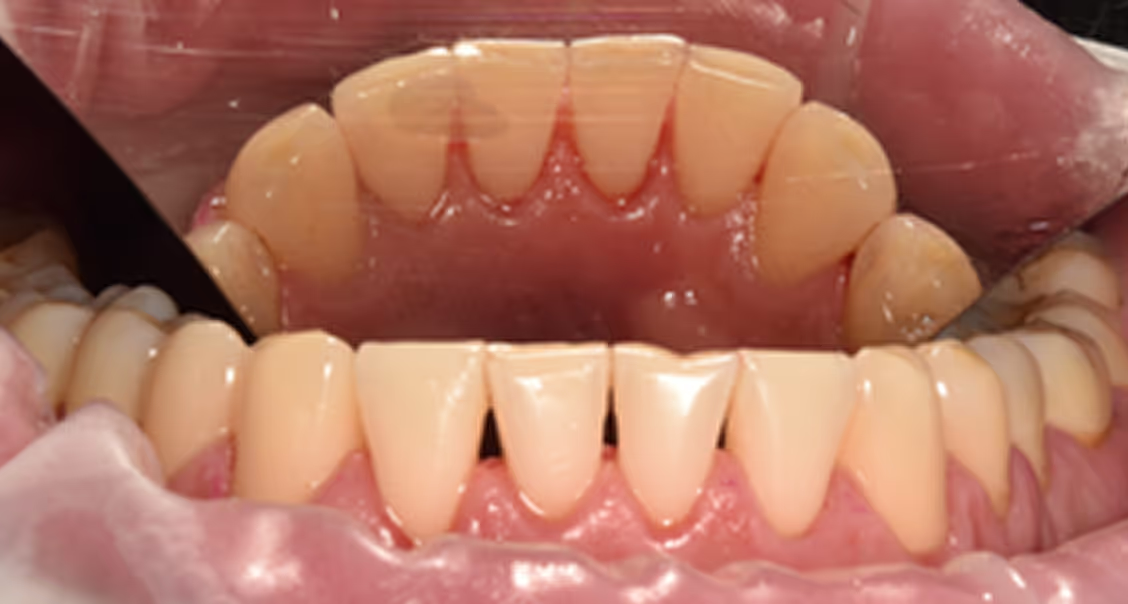
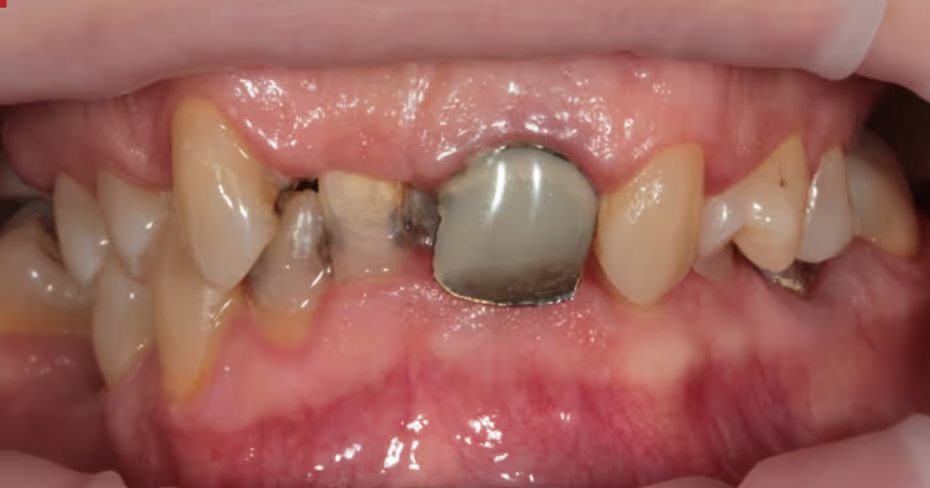
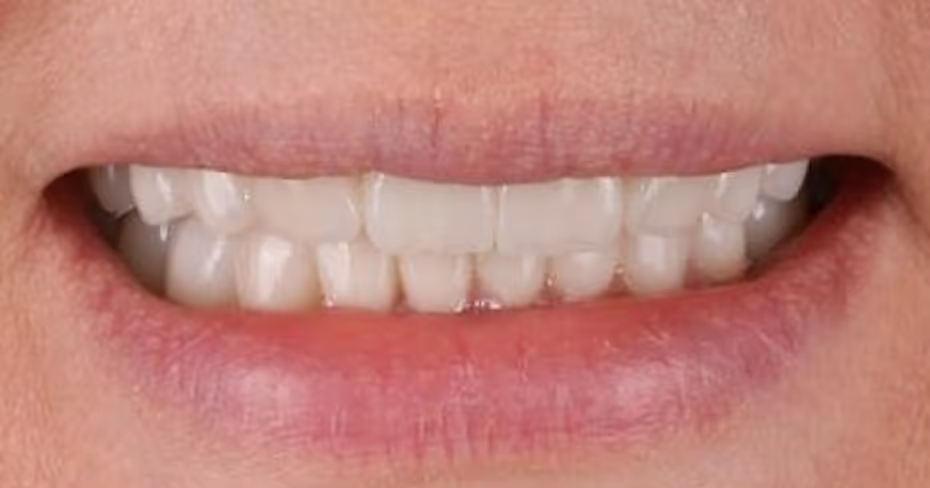
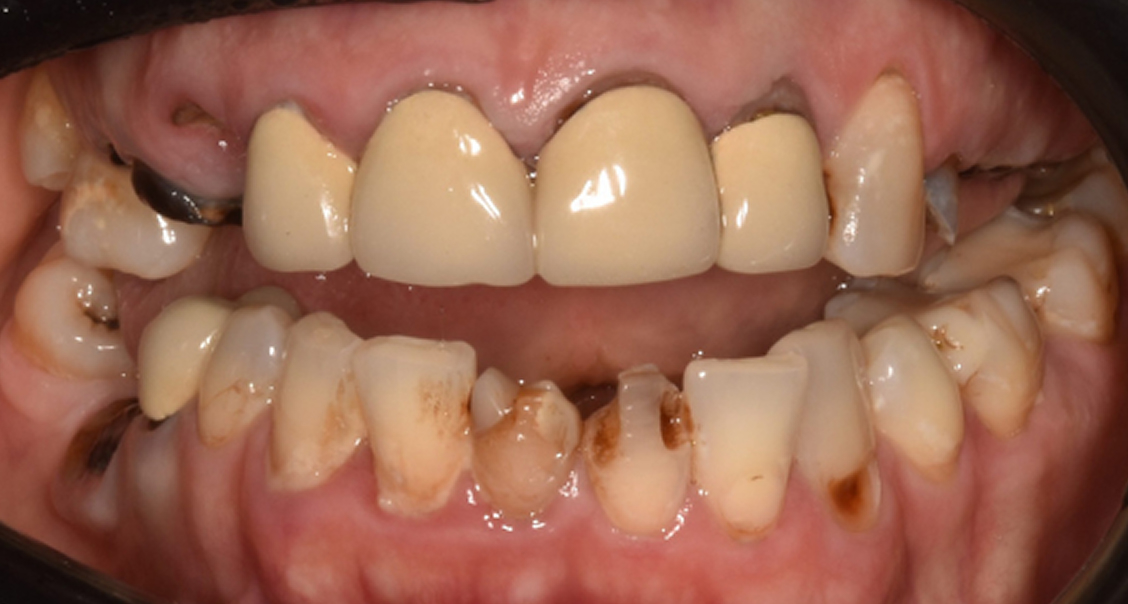
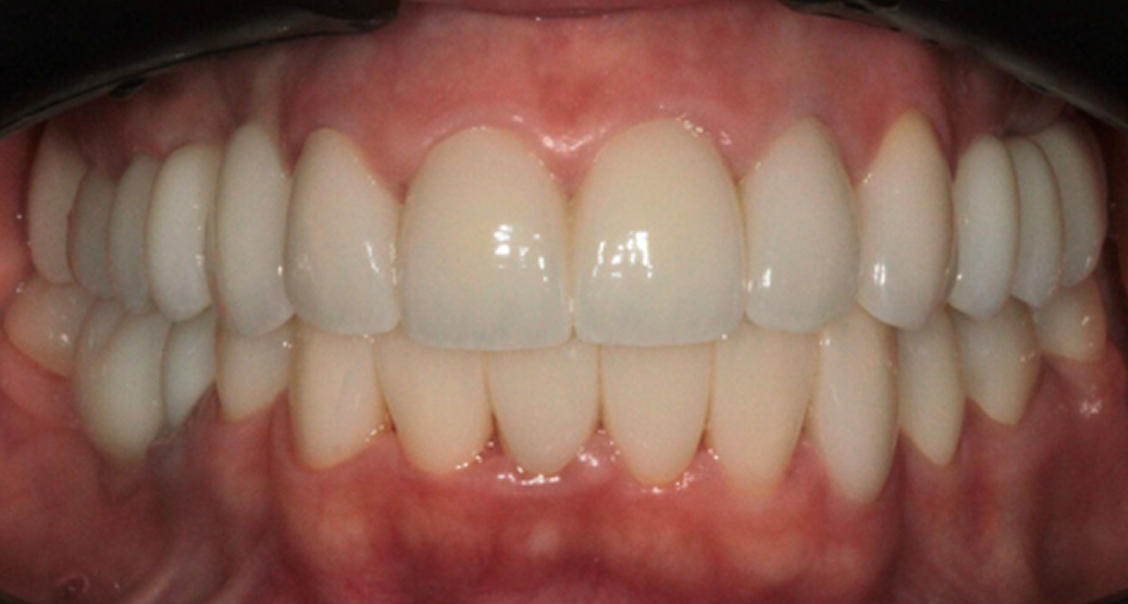
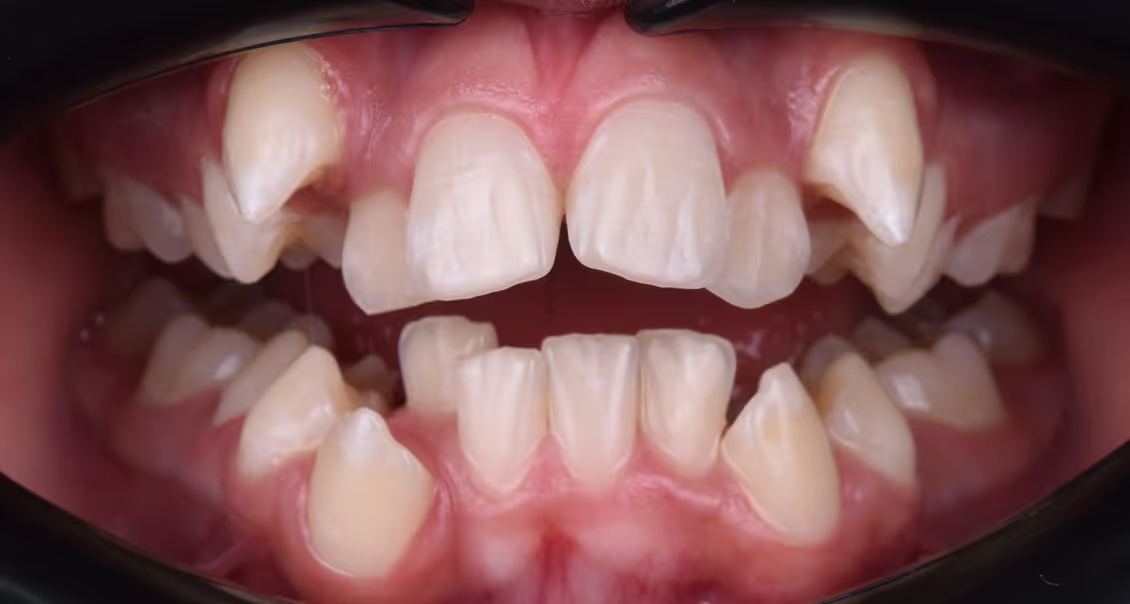
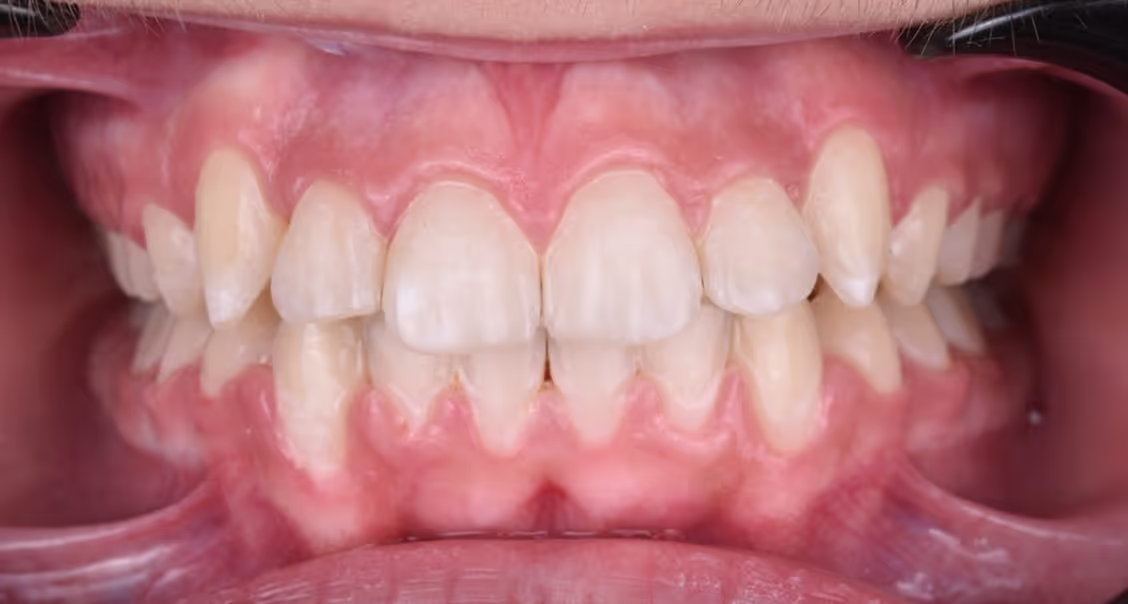
Tooth filling — before and after
A well-made restoration should restore the shape and function of the tooth and, in visible areas, blend in as naturally as possible with the other teeth.
Why get a filling at MistoDent Krakow?
We treat a filling as the restoration of a functional part of the tooth, not just “closing a hole”.
- We preserve healthy tooth tissue — the scope of treatment is matched to the actual cavity.
- We use composite fillings — which allow the colour of the restoration to match the natural tooth.
- We recreate the shape of the tooth — taking into account its anatomy and contacts with neighbouring teeth.
- We check the bite after restoration — we verify tooth contacts after placing the filling.
- We use a rubber dam when the procedure requires it — for proper isolation of the treatment area.
- We match the method to the size of the cavity — if a standard filling is not the best solution, the dentist may suggest another restoration method.
MistoDent Krakow, ul. Grzegórzecka 20A
How much does a filling cost in Krakow?
The price of a tooth filling depends on the size and location of the cavity and the type of material used. In the current MistoDent price list, composite fillings cost from 460 to 620 PLN, depending on the cavity class. The dentist determines the exact cost after assessing the tooth and the scope of restoration needed.
FAQ
Answers provided by
Dr. Nazar Prokopiak
How much does a filling cost?
At MistoDent Krakow, a composite filling costs from 460 PLN. The price depends primarily on the size and location of the cavity.
What is the difference between a “plomba” and a tooth filling?
In everyday Polish these terms refer to the same restoration. “Plomba” is the colloquial word, while “wypełnienie zęba” (tooth filling) is the term used in dentistry.
What is a light-cured filling?
A light-cured filling is a colloquial name for composite material that is placed in the cavity and then hardened with a special light.
How long does a filling last?
There is no single lifespan for all fillings. It depends on the size of the restoration, its location in the tooth, the bite, hygiene and chewing forces, among other things.
Does getting a filling hurt?
If treatment may cause discomfort, the dentist can use local anaesthesia. Sensations depend on the depth of the cavity and the condition of the specific tooth, among other things.
Why does a tooth hurt after a filling?
Temporary sensitivity may occur after a filling. However, if the pain is severe, gets worse, lasts a long time or appears when biting, the tooth should be checked.
What does pain when biting after a filling mean?
The causes can vary and cannot be reliably determined without an examination. Sometimes the bite contact needs adjusting, but the pain may also have another source. If the discomfort persists, it is worth coming in for a check-up.
What should I do if a filling falls out?
If a filling falls out, book a visit as soon as possible. Exposed tissue may be more prone to damage and sensitivity. The dentist will assess whether a new filling can be placed or whether a different restoration is needed.
How long can I go without a filling?
It is not a good idea to postpone the visit. After a filling is lost, the tooth remains unprotected, and the scope of restoration needed depends on its current condition.
Can decay develop under a filling?
Yes. Secondary decay can develop around an existing filling. If the dentist finds a leak or carious lesion, the restoration may need to be replaced.
Which filling is the best?
There is no single material that is best in every situation. The type of filling is chosen according to the location and size of the cavity, the amount of preserved tissue, bite forces and other clinical conditions.

Medical verification
Content verified by:
Dr. Nazar Prokopiak
Conservative dentistry • Endodontics
Last updated: 07.10.2026
Book an appointment!
Leave your contact details in the form or message us on your preferred messenger — we'll be happy to answer your questions and help you book a visit.


