



Periodontitis treatment in Krakow — diagnosis and treatment of the periodontium
Periodontitis treatment in Krakow — periodontal diagnostics, assessment of gum pockets and individually tailored treatment of periodontal disease.
Who treats periodontitis at MistoDent Kraków?
She diagnoses and treats periodontitis and other gum and periodontal diseases, including assessment of periodontal pockets, curettage and treatment of more advanced periodontal changes.

What is periodontitis?
Periodontitis, i.e. inflammation of the periodontium, is a chronic disease of the tissues surrounding and supporting the teeth. The inflammation affects not only the gums but can also damage the structures responsible for holding the teeth firmly in place.
Periodontitis often develops gradually. At first the patient may notice mainly bleeding gums, redness or swelling. As the disease progresses, deeper periodontal pockets may form, the gums may recede, bone may be lost and teeth may become more mobile.
That is why periodontitis should not be treated as just a gum problem. Early diagnosis makes it possible to determine the stage of the disease and plan treatment accordingly.
What are the symptoms of periodontitis?
Symptoms of periodontitis are not the same in every patient. Pay particular attention to:
- bleeding gums, especially when brushing;
- red or swollen gums;
- receding gums and exposed tooth necks;
- teeth that look longer;
- sensitivity around exposed roots;
- bad breath;
- formation of periodontal pockets;
- teeth shifting position;
- increased tooth mobility.
Periodontitis may not cause severe pain for a long time. The absence of pain therefore does not rule out periodontal disease.
Periodontitis vs gingivitis — what is the difference?
Gingivitis and periodontitis are not the same thing.
Gingivitis mainly affects the gum tissue and may show up as bleeding, redness and swelling.
Periodontitis is a more advanced process affecting the periodontium. In the course of the disease, the tissues holding the tooth, including bone, may be lost.
That is why bleeding gums should not be ignored. Early diagnosis shows whether the problem is limited to the gums or whether changes typical of periodontitis have already developed.
What does periodontitis look like and how does it develop?
Periodontitis does not appear suddenly. The disease can develop gradually, and its picture changes as it progresses.
Early changes
At first, bleeding, swelling and redness of the gums may dominate. The patient often feels no pain.
Formation of periodontal pockets
As the disease develops, the space between the tooth and the gum may deepen. Periodontal pockets form, where deposits and bacteria can accumulate.
Loss of periodontal tissue
The progressing process can lead to loss of tissue attachment and loss of the bone surrounding the teeth.
Advanced periodontitis
In advanced periodontitis, gum recession, exposed roots, changes in tooth position and increased tooth mobility may appear.
Without proper treatment the disease can lead to tooth loss.
How do we diagnose periodontitis?
Effective periodontitis treatment starts with a thorough assessment of the periodontium.
During the consultation the periodontist assesses, among other things:
- the condition and appearance of the gums;
- bleeding;
- periodontal pocket depth;
- gum recession;
- tooth mobility;
- deposits;
- the condition of the tissues supporting the teeth.
At MistoDent we also prepare a periodontal chart using Florida Probe, which allows periodontal parameters to be documented systematically and used to plan and monitor treatment.
If needed, diagnostics can be extended with appropriate imaging to assess, among other things, the bone level.
How do we treat periodontitis?
Periodontitis treatment is not a single universal procedure. The scope of therapy depends on the stage of the disease, pocket depth and the condition of the periodontal tissues.
Professional cleaning
One of the basic elements of treatment is thorough removal of deposits and limiting the factors that sustain inflammation.
The scope of professional cleaning is matched to the condition of the periodontium.
Treatment of periodontal pockets
With deeper changes, more thorough cleaning of root surfaces and spaces below the gum line may be needed.
Depending on the stage of the disease, curettage may be one element of treatment.
Monitoring treatment results
Periodontitis requires not only treatment of the active disease but also follow-up.
After a given stage of therapy, the periodontist reassesses the gums and pockets and decides on further management.
Curettage in periodontitis treatment
Curettage is a periodontal procedure used in certain cases of periodontal disease. Its aim is to thoroughly clean periodontal pockets and root surfaces. Depending on the depth of the changes and the clinical situation, closed or open curettage may be performed.
Closed curettage
Closed curettage is performed without surgically exposing the root surface. It allows suitably qualified periodontal pockets to be cleaned.
Open curettage
Open curettage is a surgical procedure used in more advanced cases, when proper access to deeper surfaces requires exposing the tissues.
The periodontist determines after an examination which type of curettage is needed and whether it is indicated at all.
Closed vs open curettage — what is the difference?
Closed curettage
Open curettage
No surgical exposure of the root
With surgical access to the treated area
Used in suitably qualified pockets
Considered for more advanced changes
Smaller scope of the procedure
More extensive periodontal procedure
Indications set by the periodontist
Indications set by the periodontist
The type of curettage should not be chosen based on price or the name of the procedure alone. The decision depends on pocket depth and the stage of periodontitis.
Can periodontitis be cured?
In periodontitis, the main goal of treatment is to stop the active disease process, reduce inflammation and keep the teeth and periodontium healthy for as long as possible.
Tissues lost to advanced disease cannot always be fully restored. That is why early diagnosis and starting treatment are so important.
Once the active disease is under control, the patient also needs regular check-ups and proper hygiene, because periodontitis is chronic and requires long-term care.
What does periodontitis treatment involve?
1. Periodontal consultation
The dentist assesses the gums, teeth and the symptoms reported by the patient.
2. Periodontal diagnostics
Pocket depth is measured, and bleeding, recession and other parameters relevant to the diagnosis are assessed.
3. Treatment plan
Based on the stage of periodontitis, the dentist determines the scope of management needed.
4. Cleaning and periodontal treatment
Depending on the case, therapy may include professional cleaning and treatment of periodontal pockets, including curettage if indicated.
5. Periodontal reassessment
After an appropriate time the dentist checks how the tissues responded to treatment and whether further procedures are needed.
6. Maintenance care
Once the active disease is under control, regular check-ups, professional hygiene and proper home care are important.
What happens if periodontitis is left untreated?
Untreated periodontitis can lead to progressive loss of the tissues that hold the teeth in place.
As the disease develops, periodontal pockets may deepen, gum recession may appear and bone around the teeth may be lost.
In more advanced stages the teeth may become loose, shift position and eventually be lost.
That is why treatment is worth starting before the disease reaches an advanced stage.
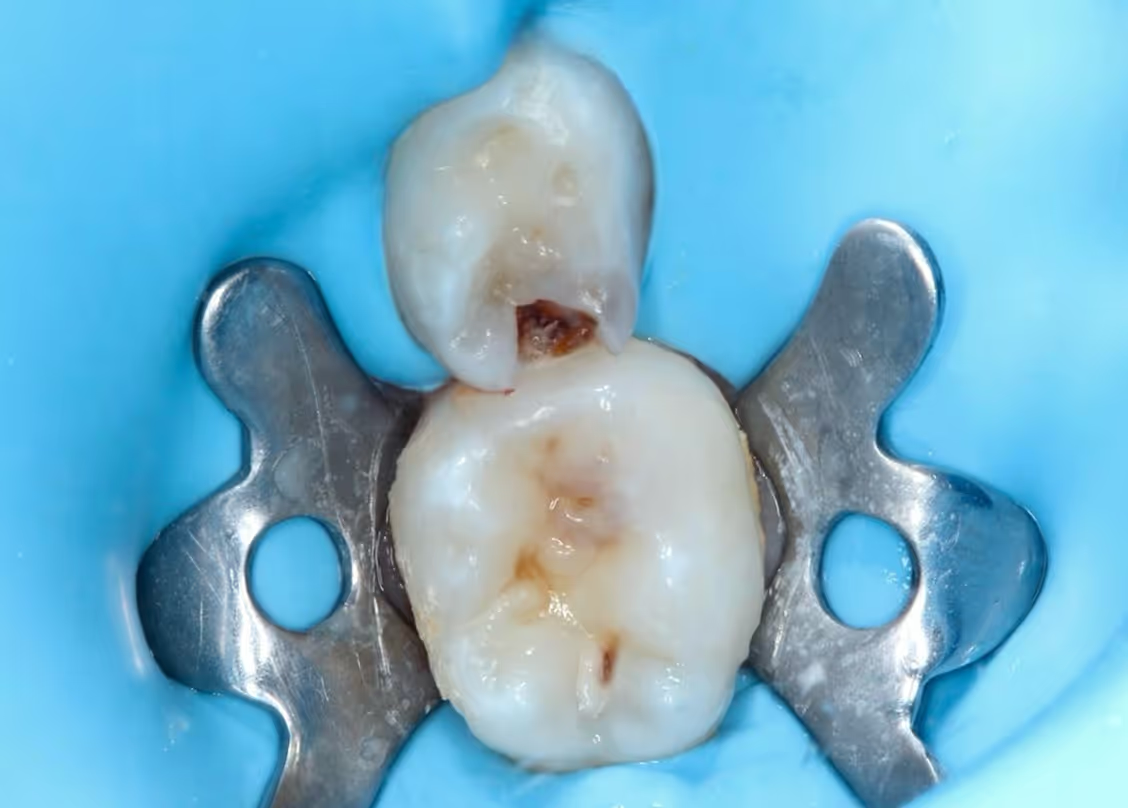
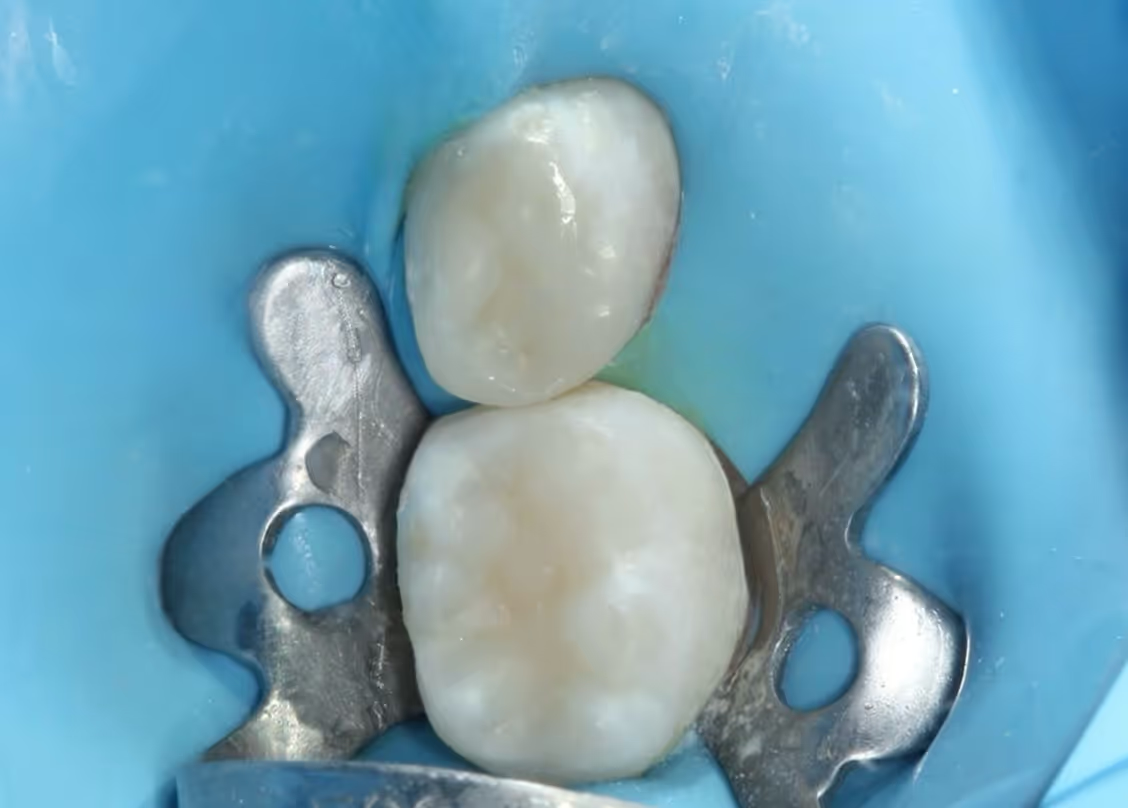
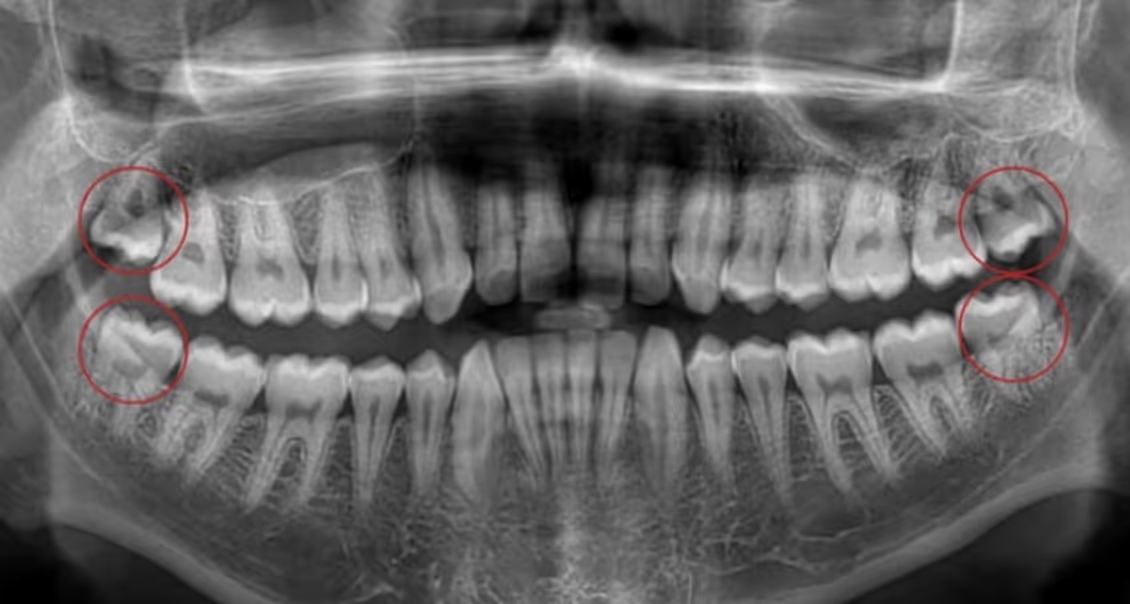
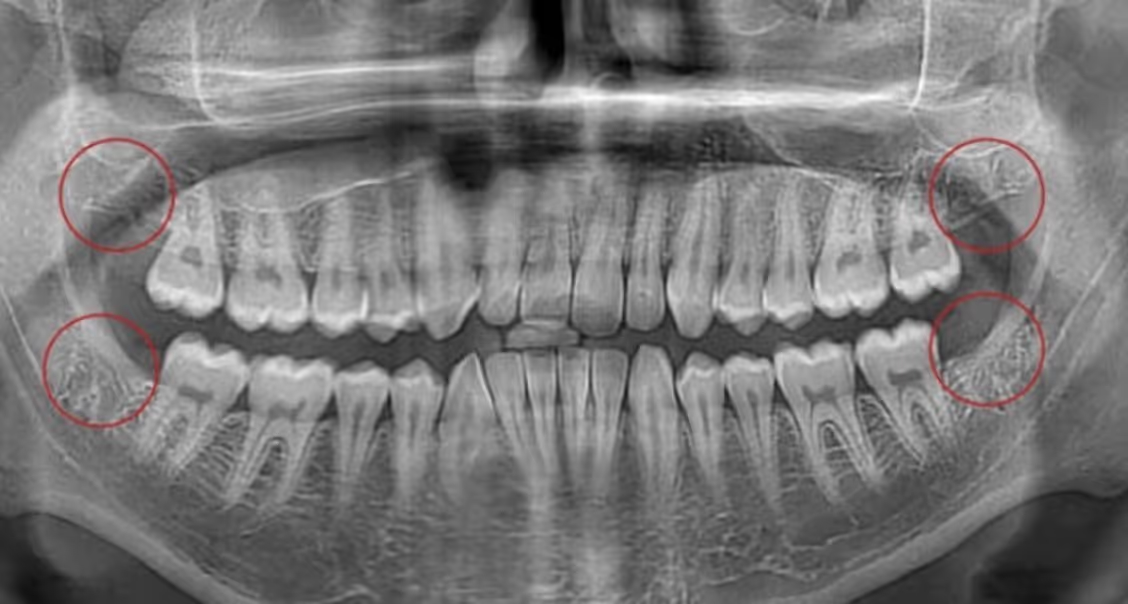
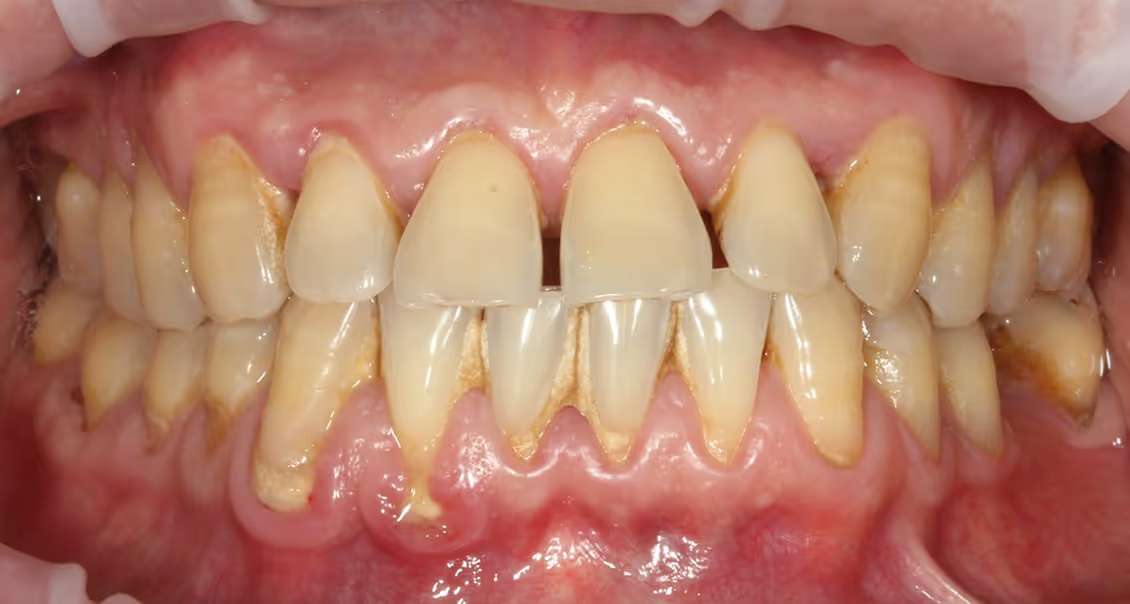
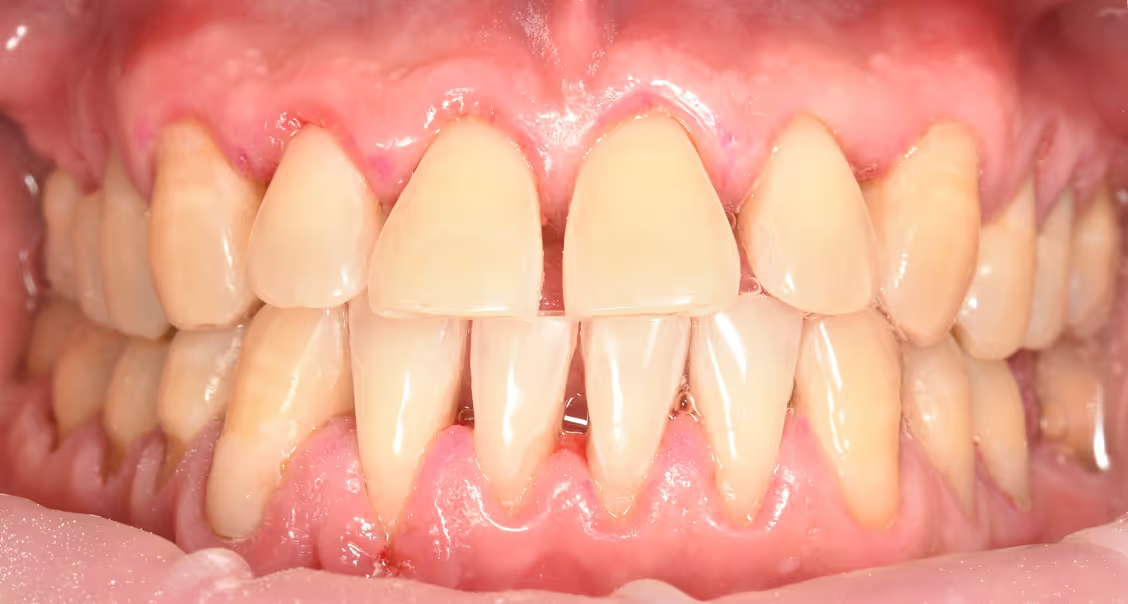
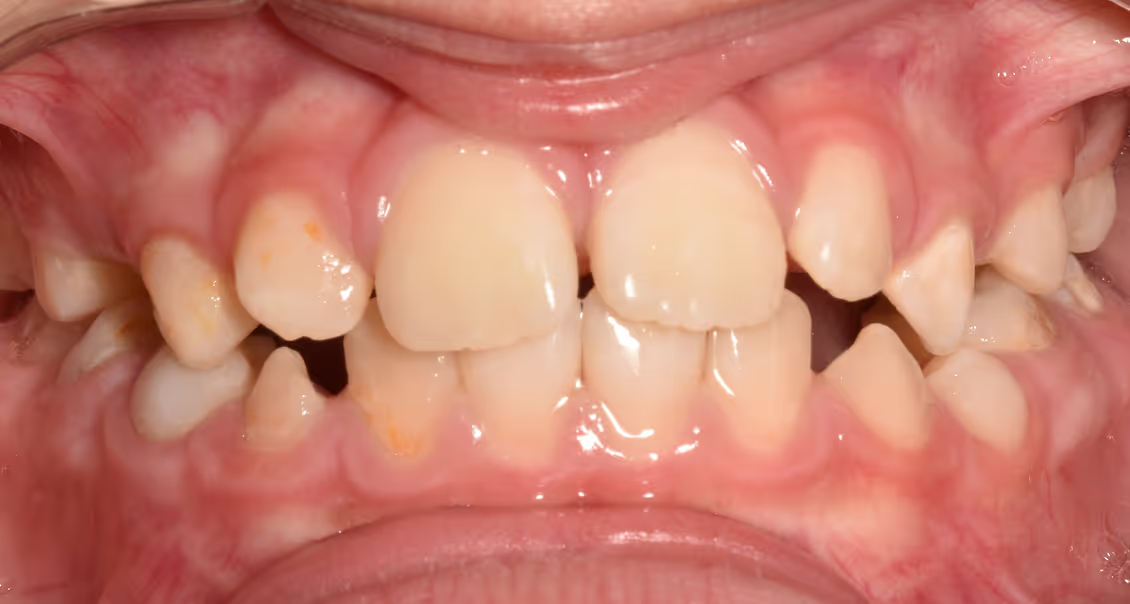
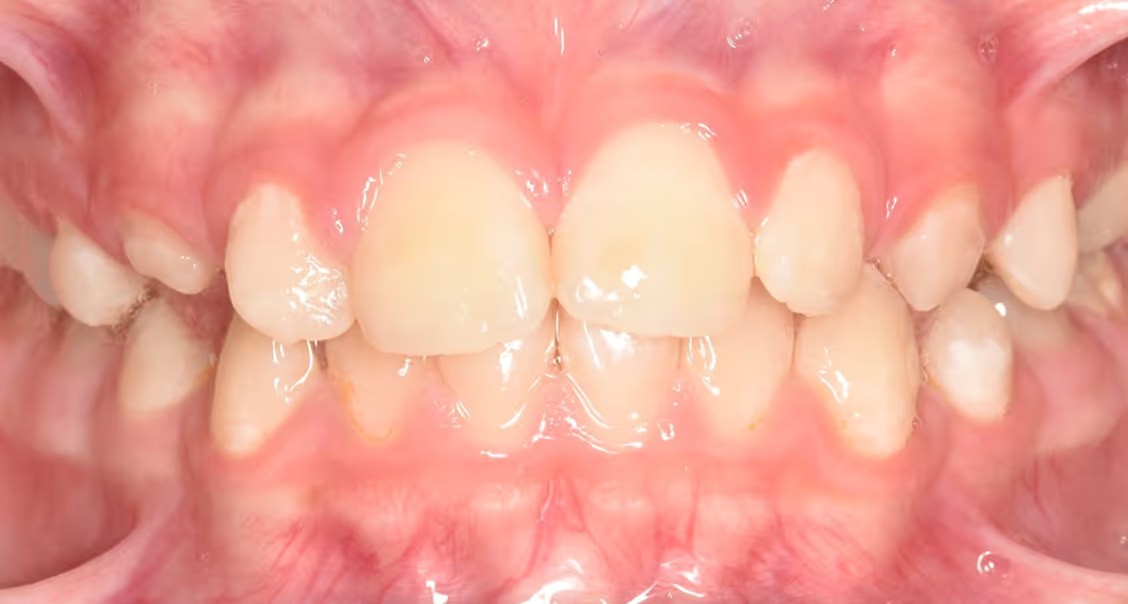
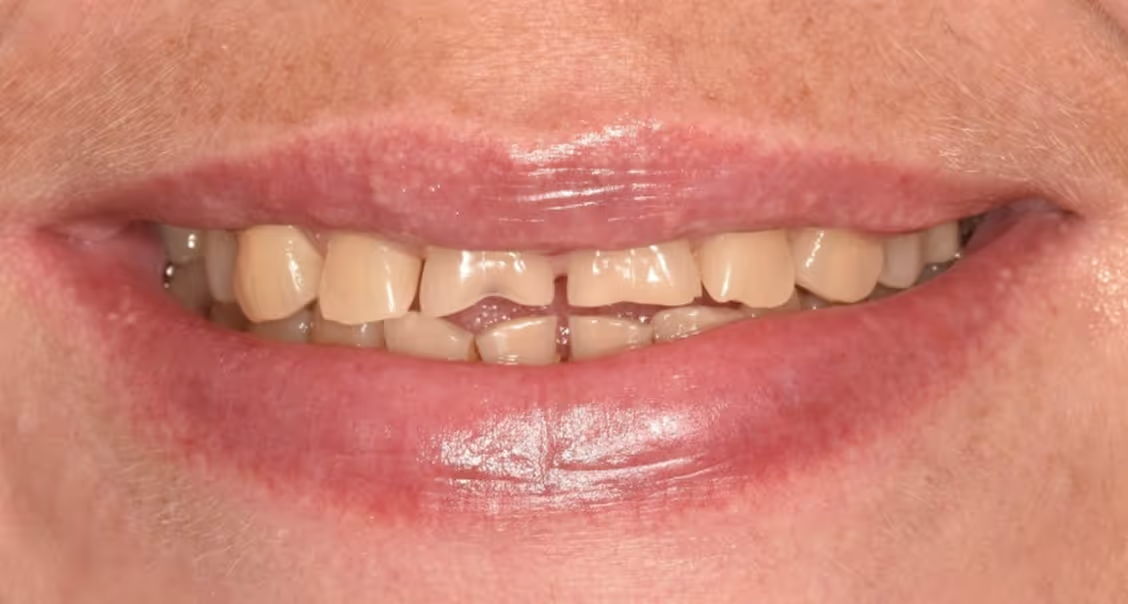
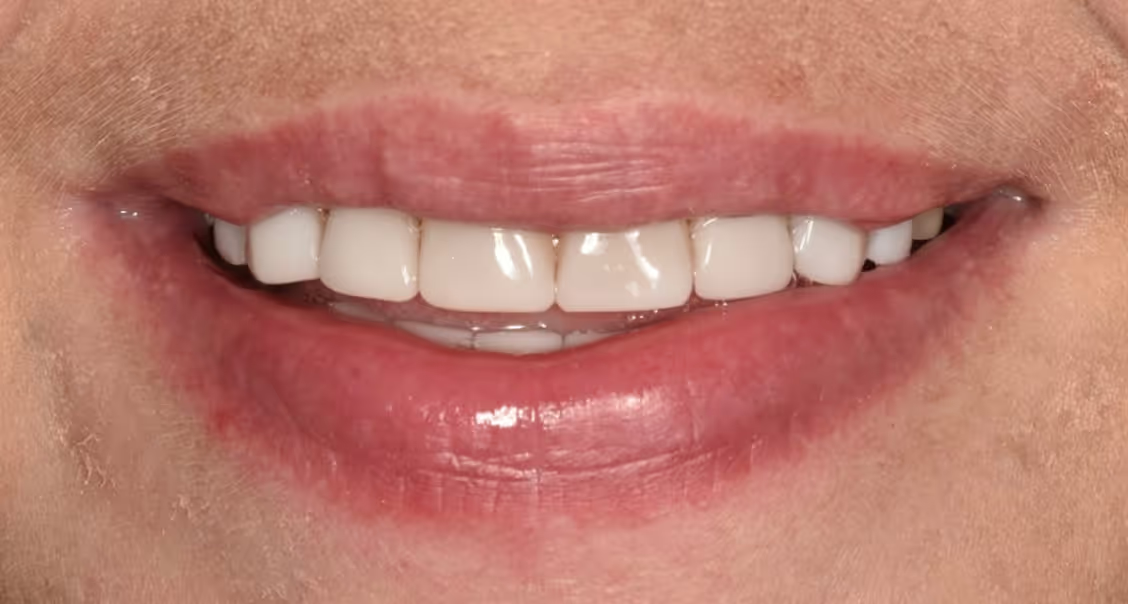
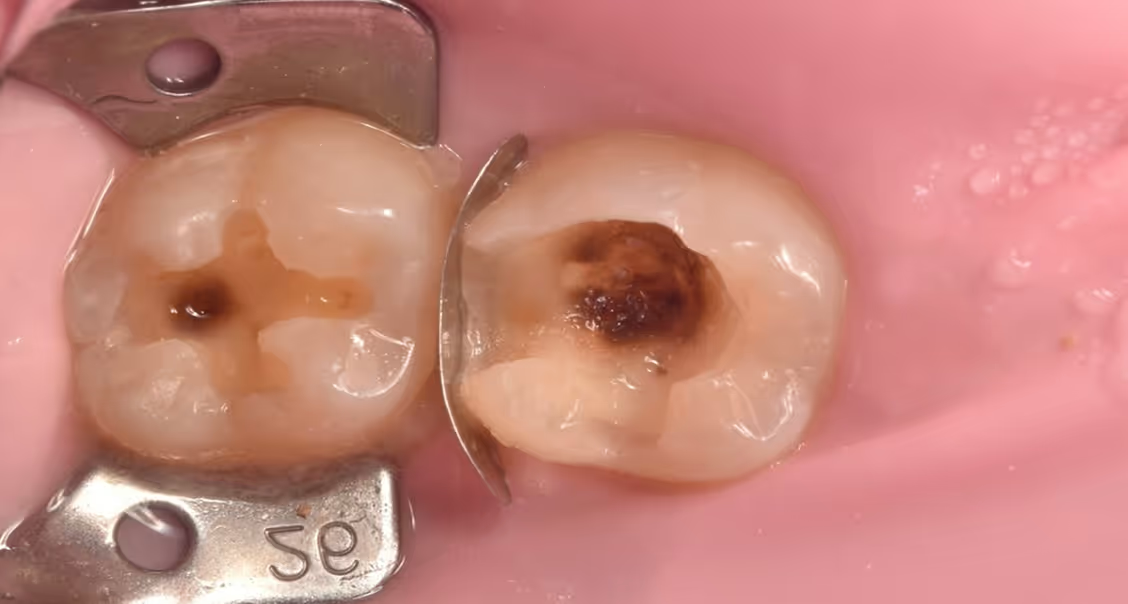
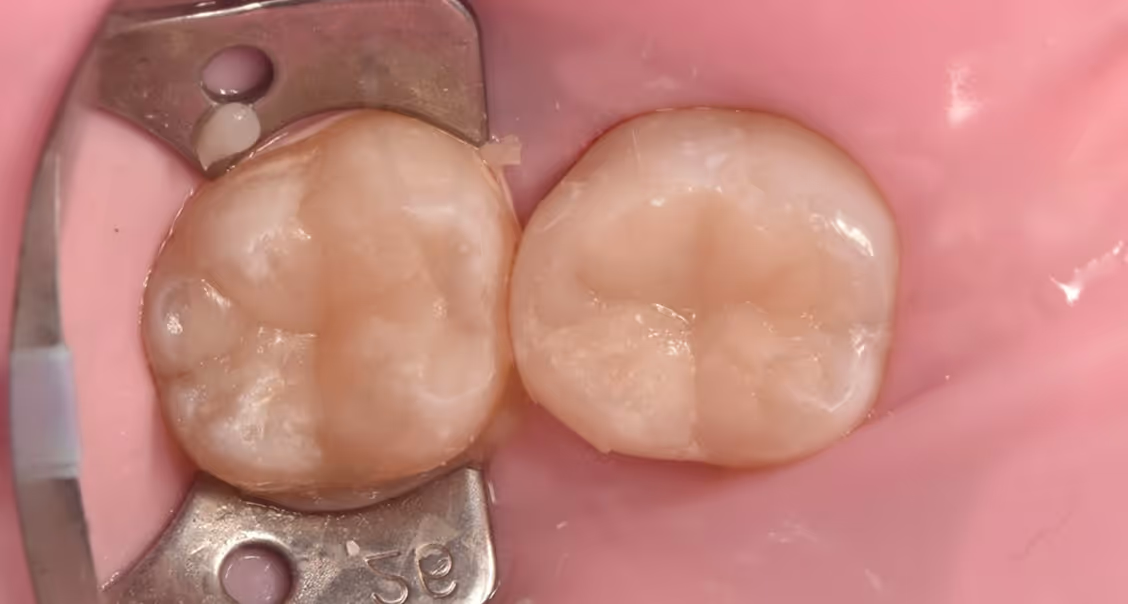
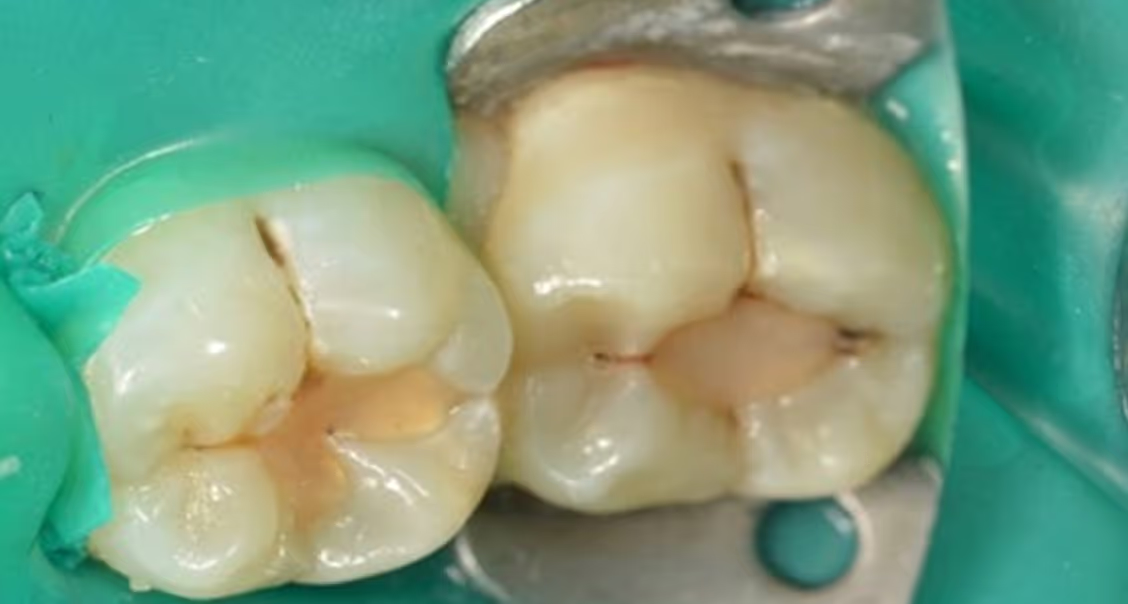
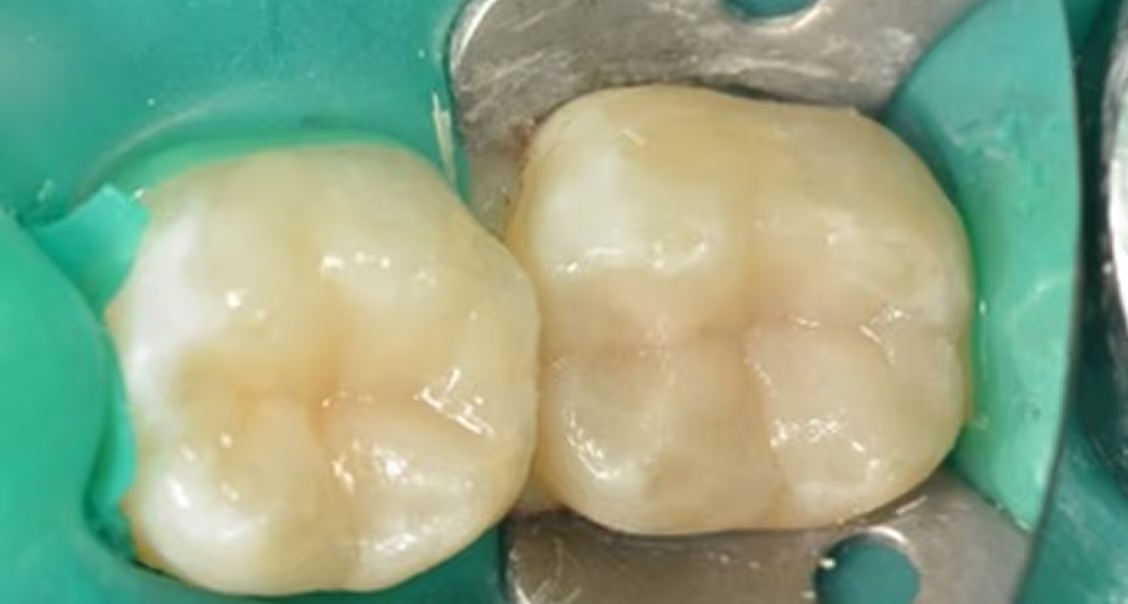
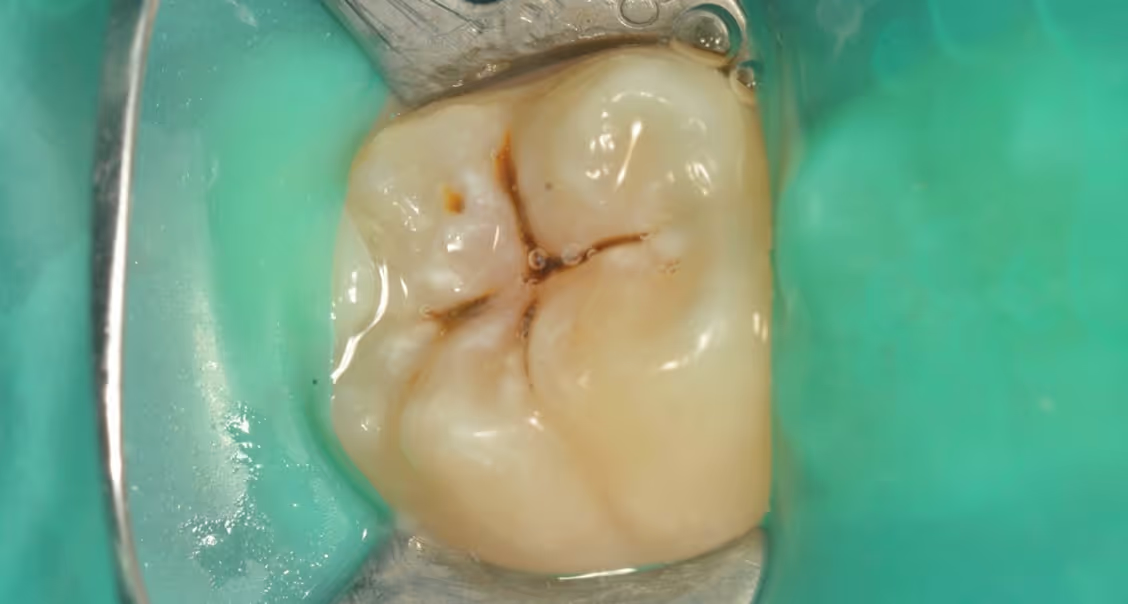
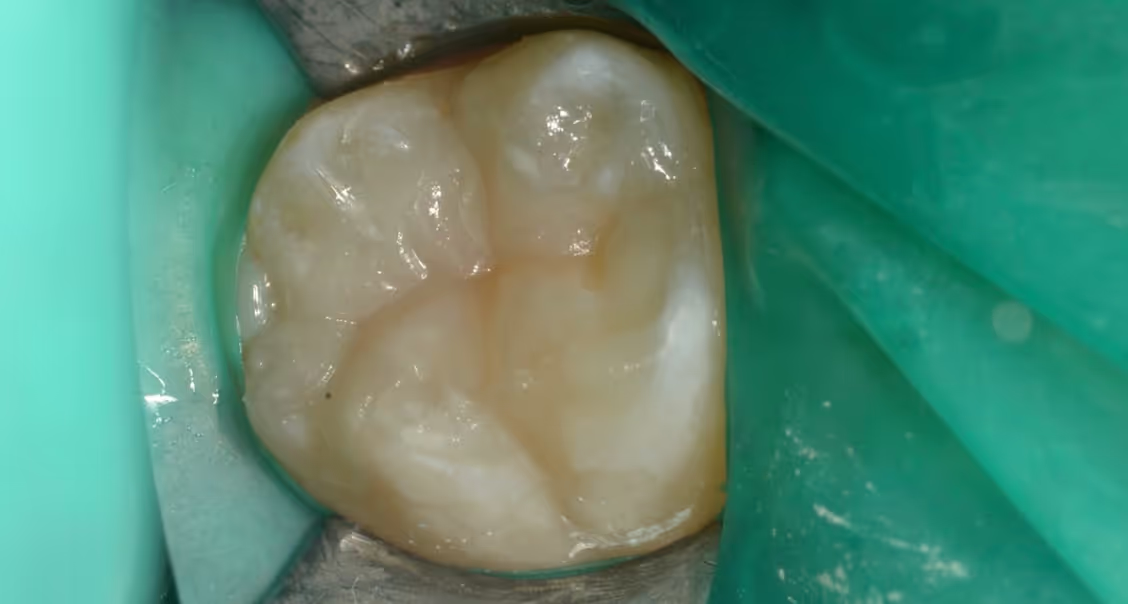
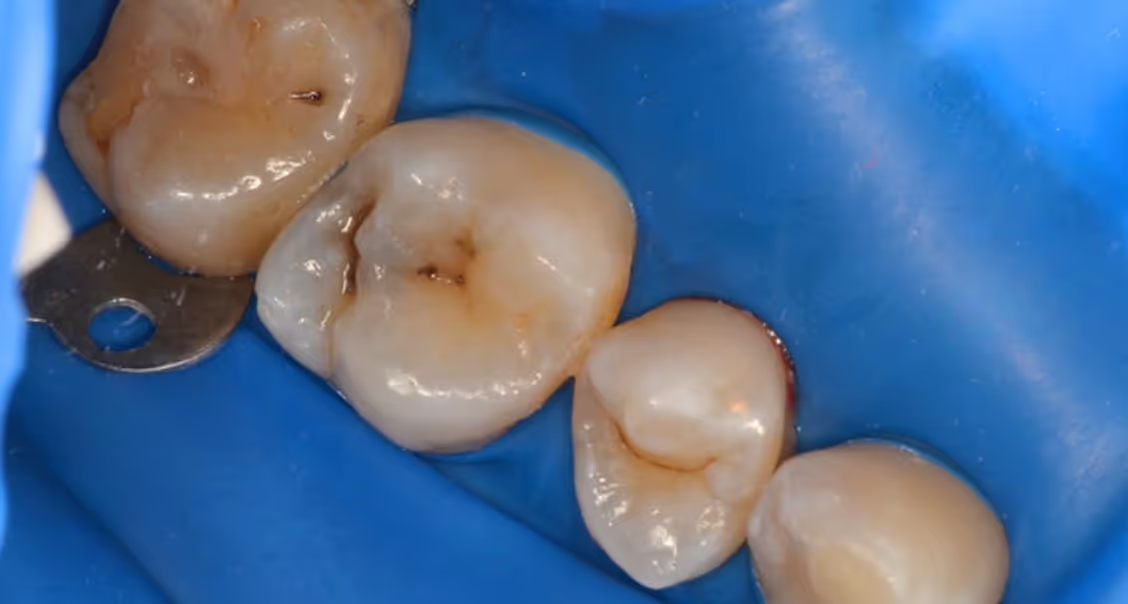
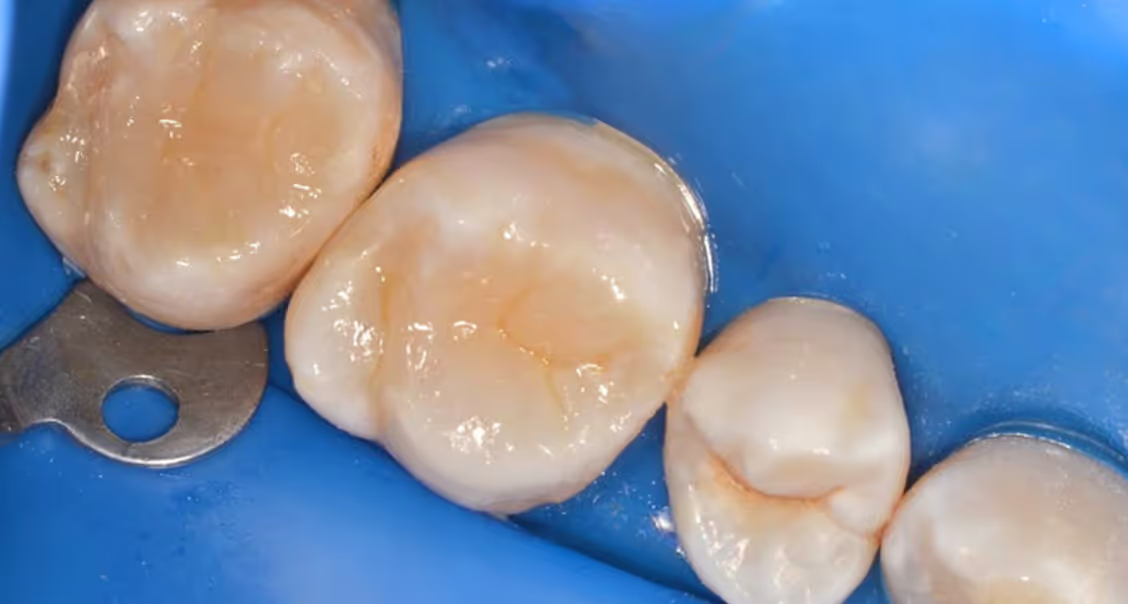
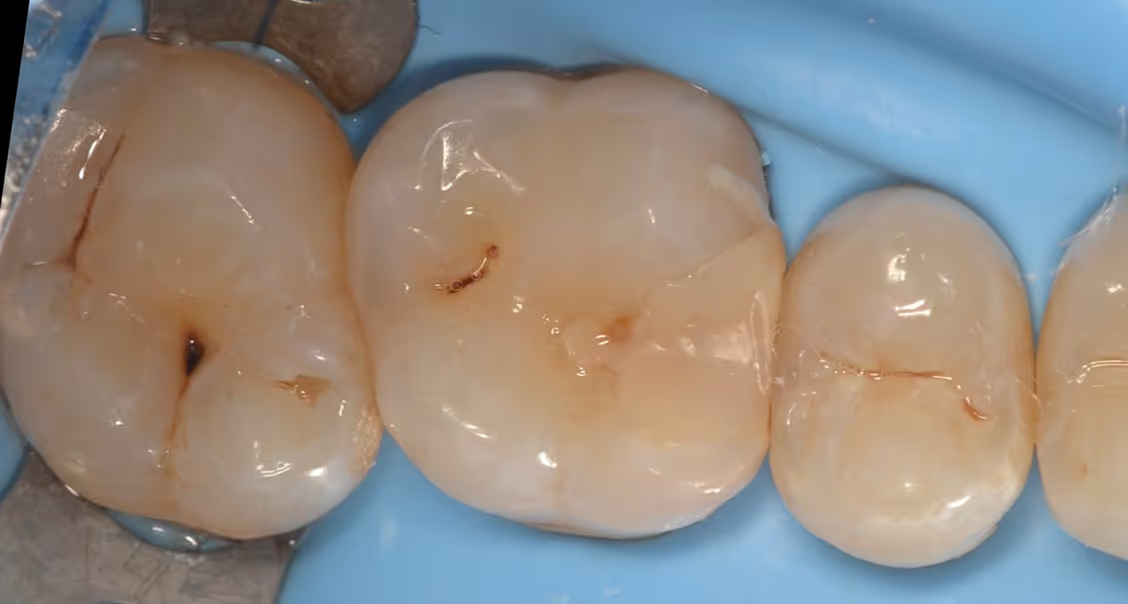
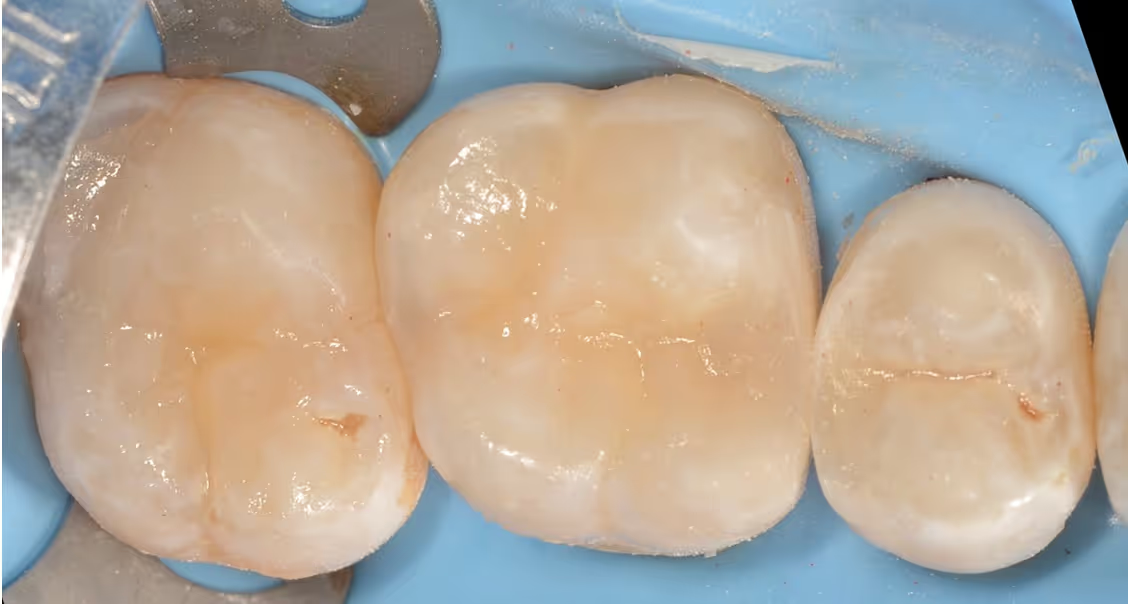
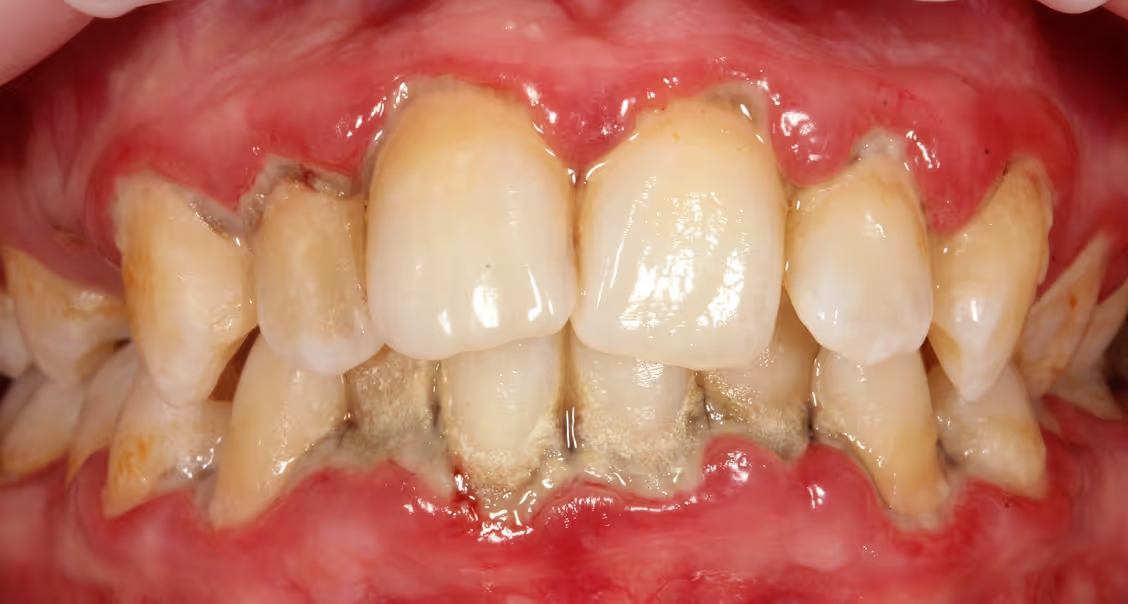
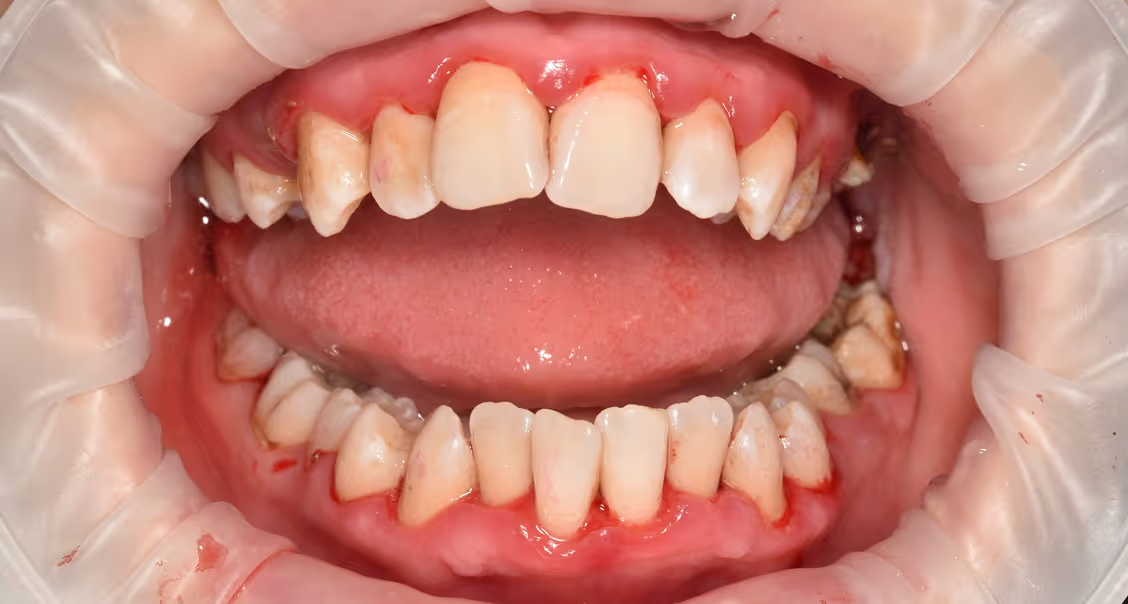
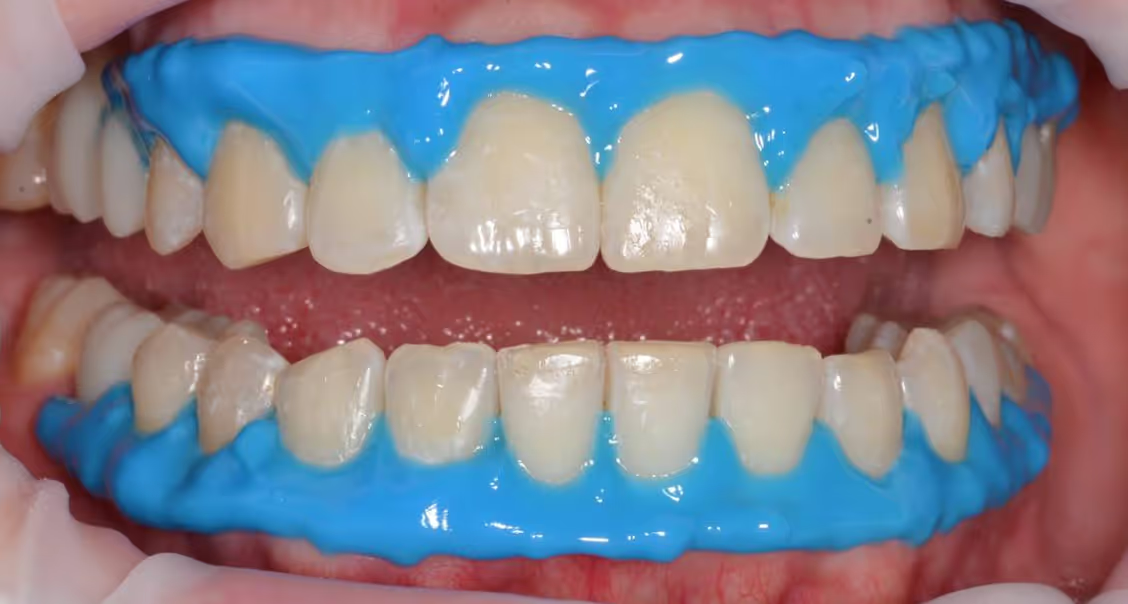
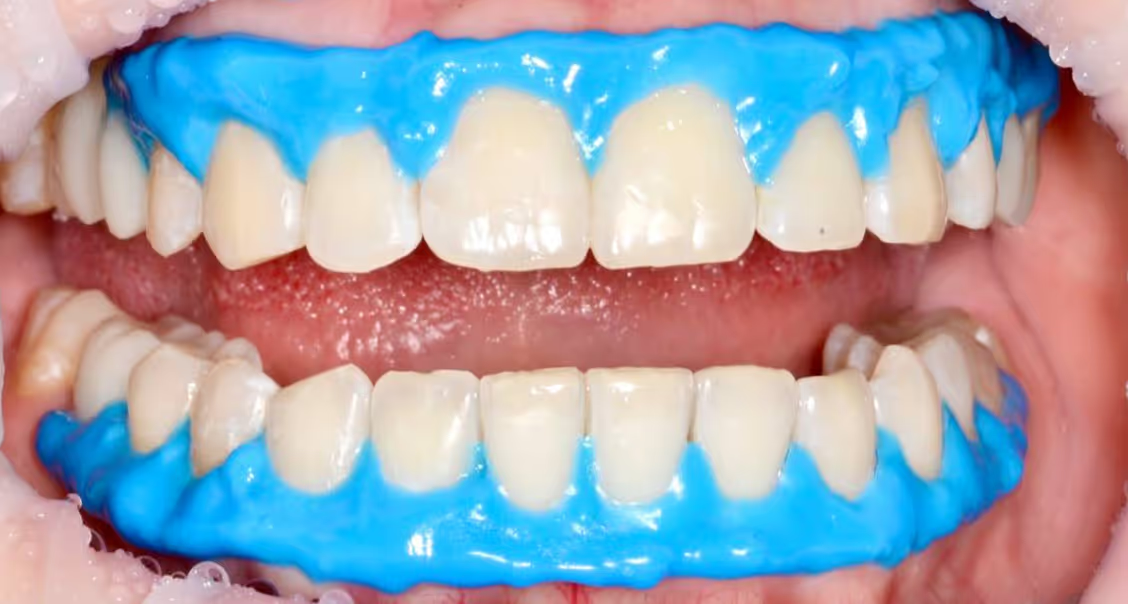
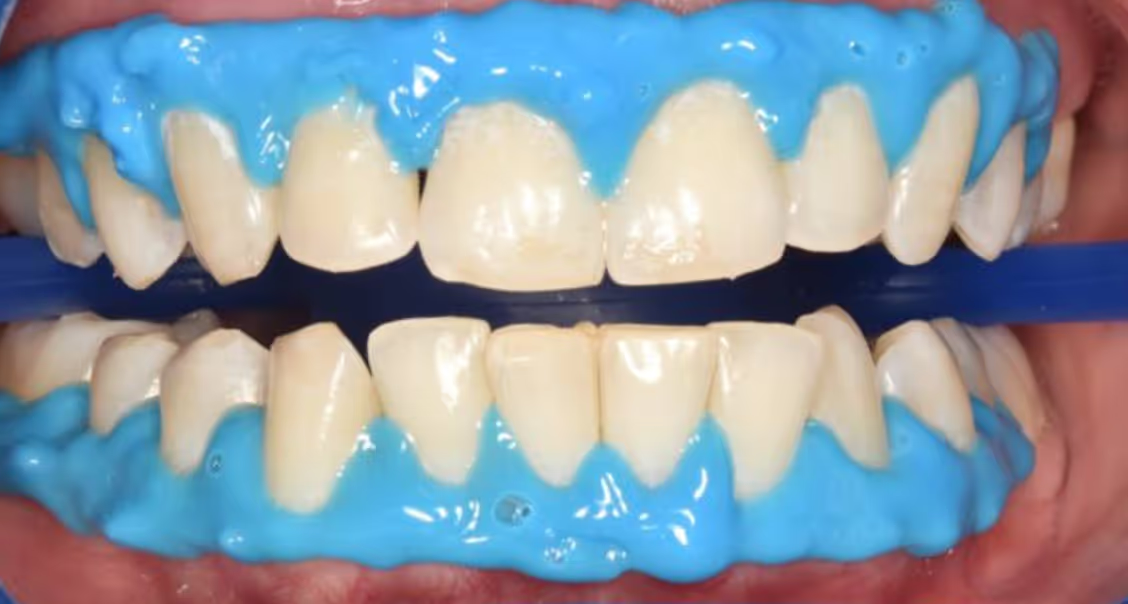
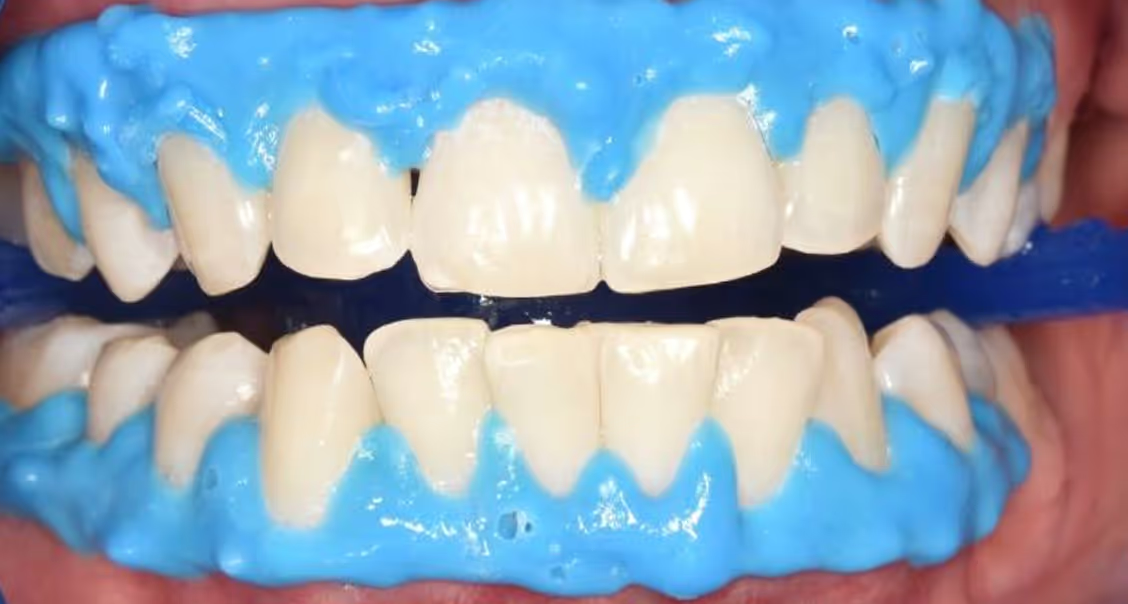
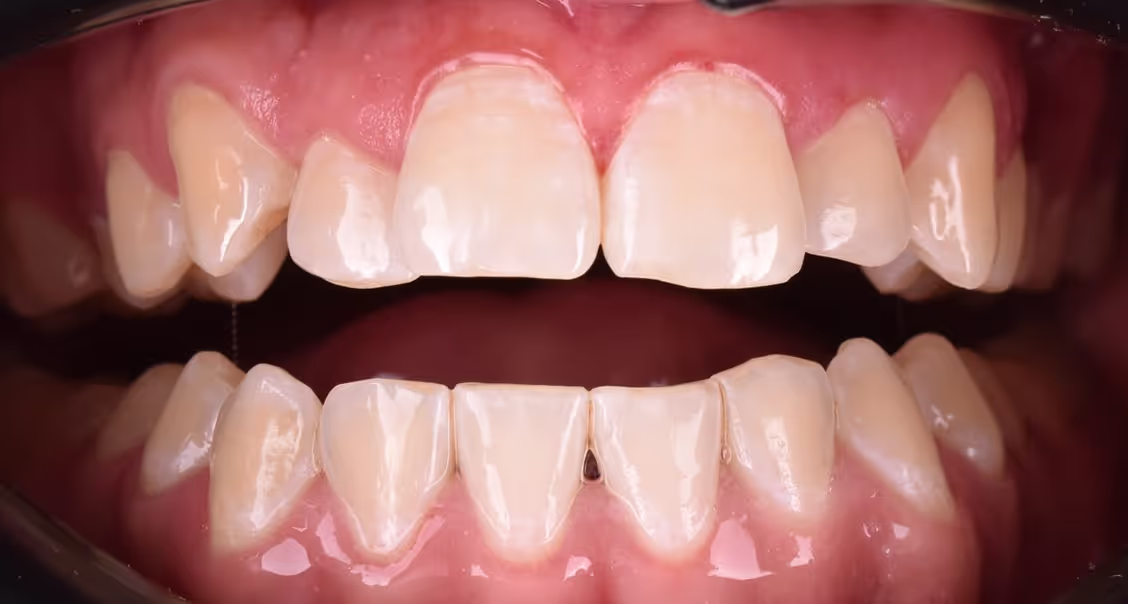
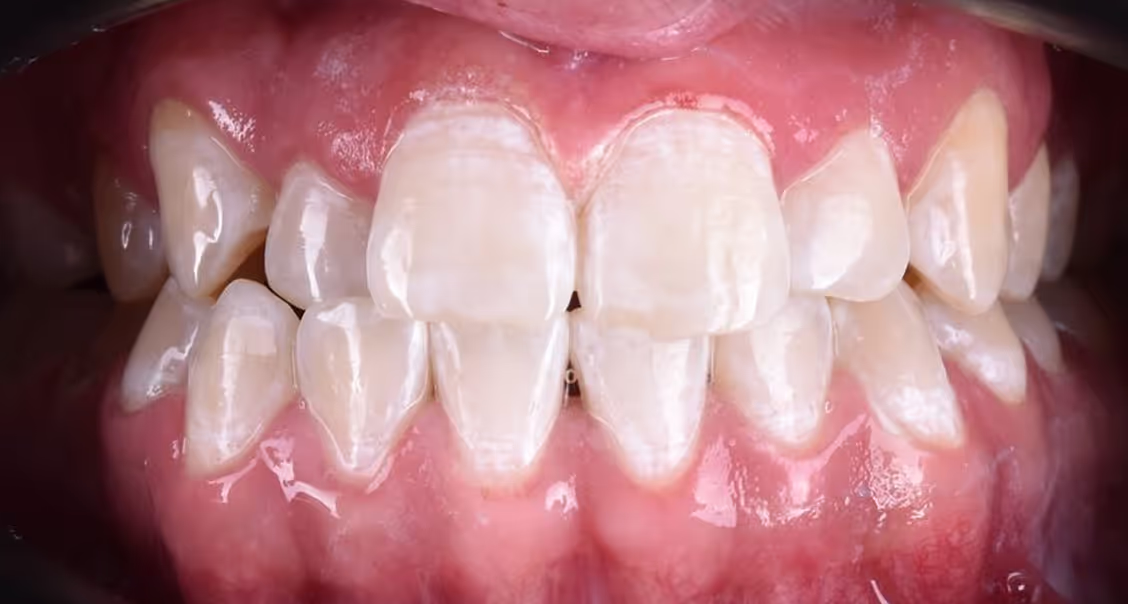
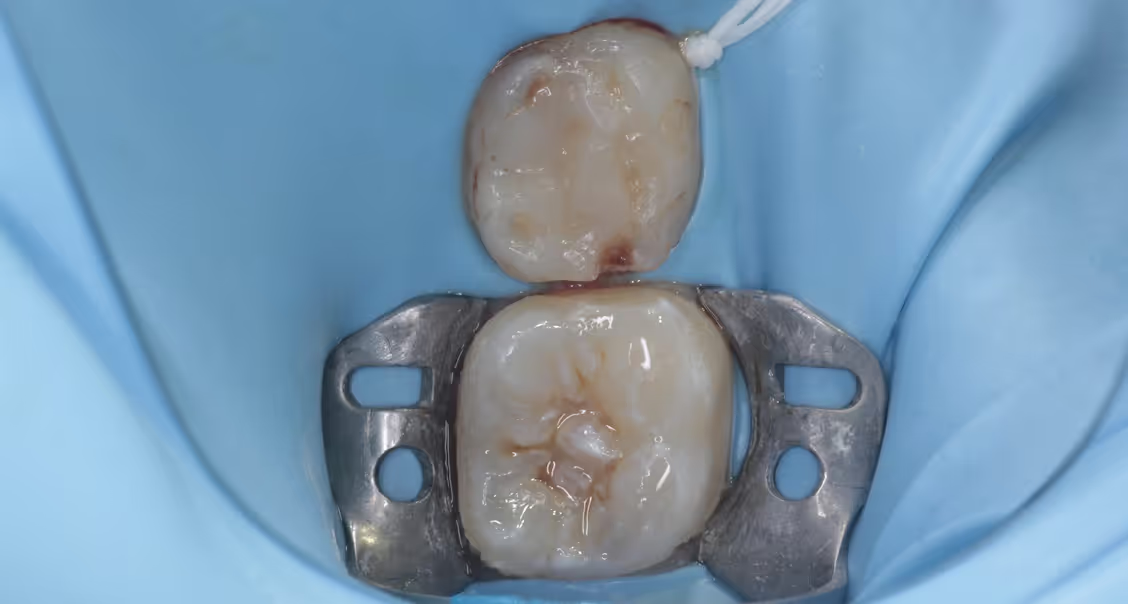
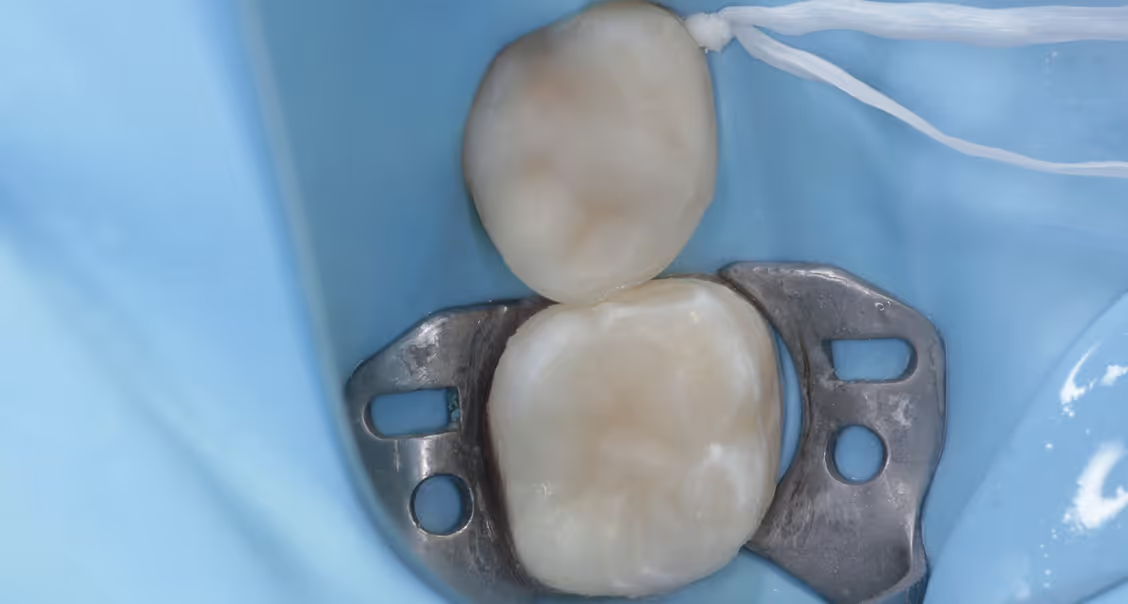
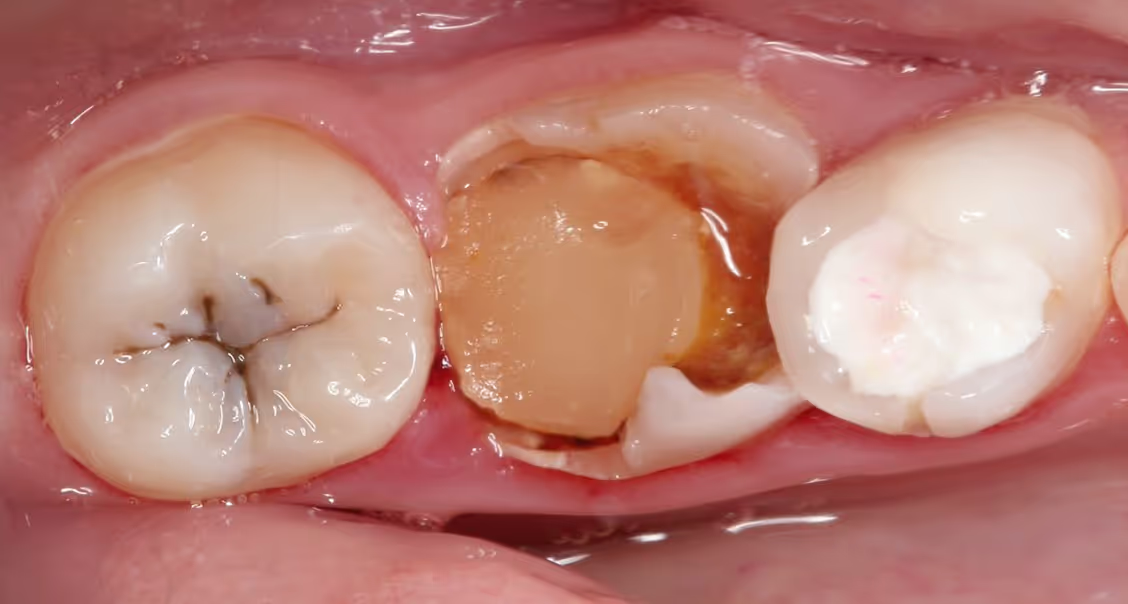
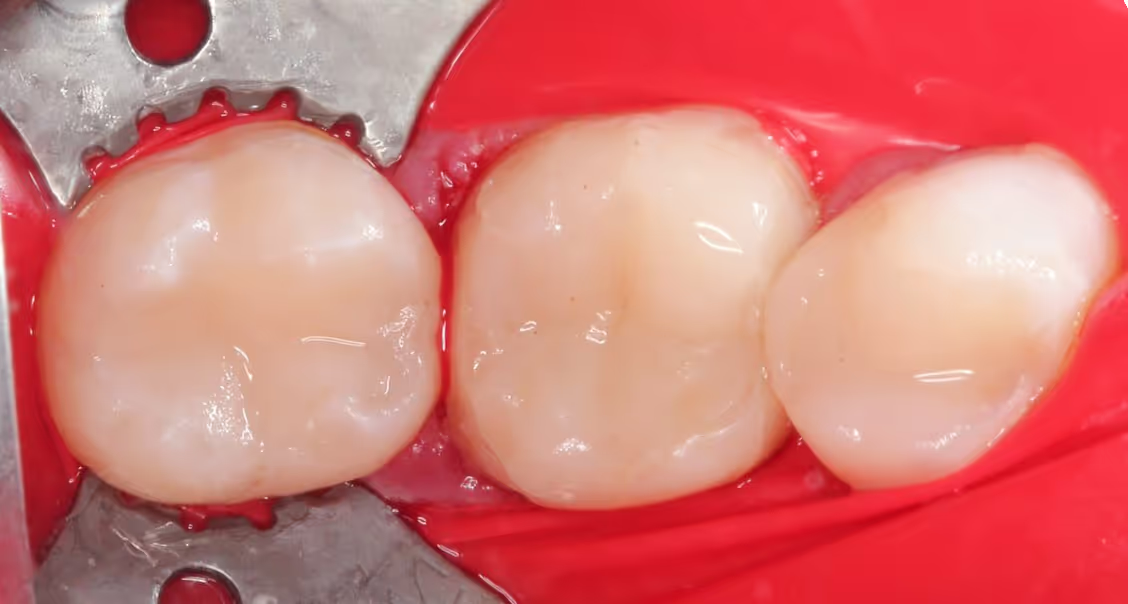
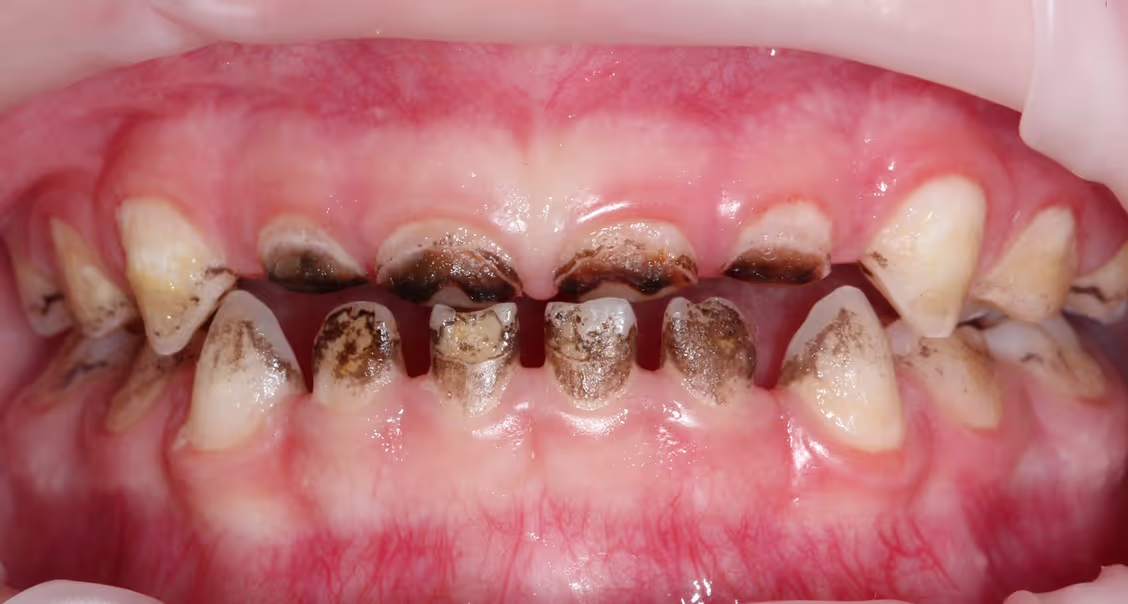
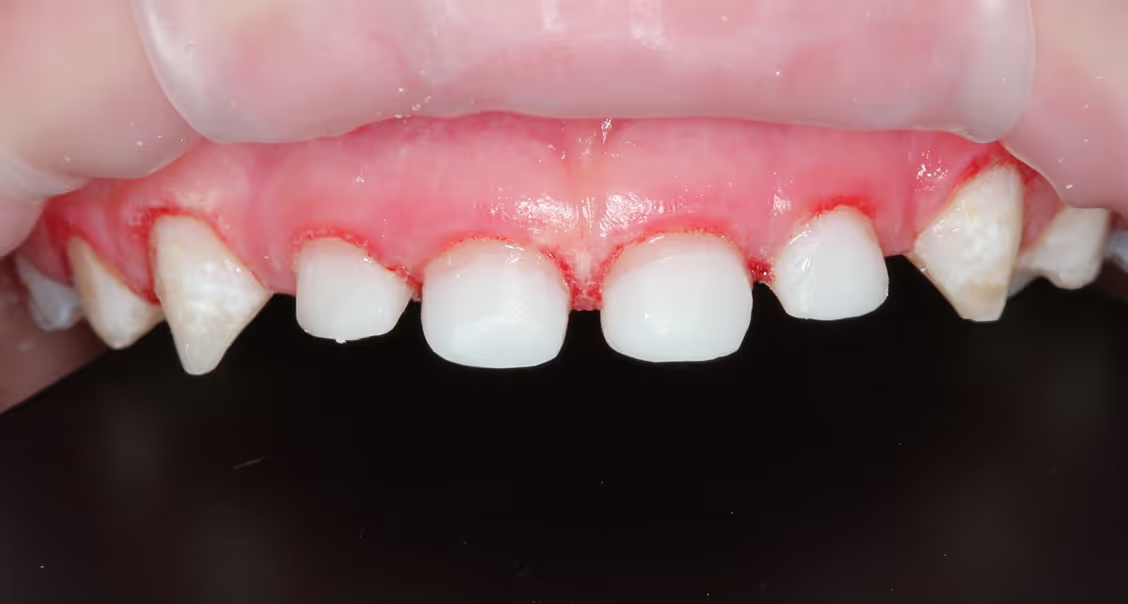
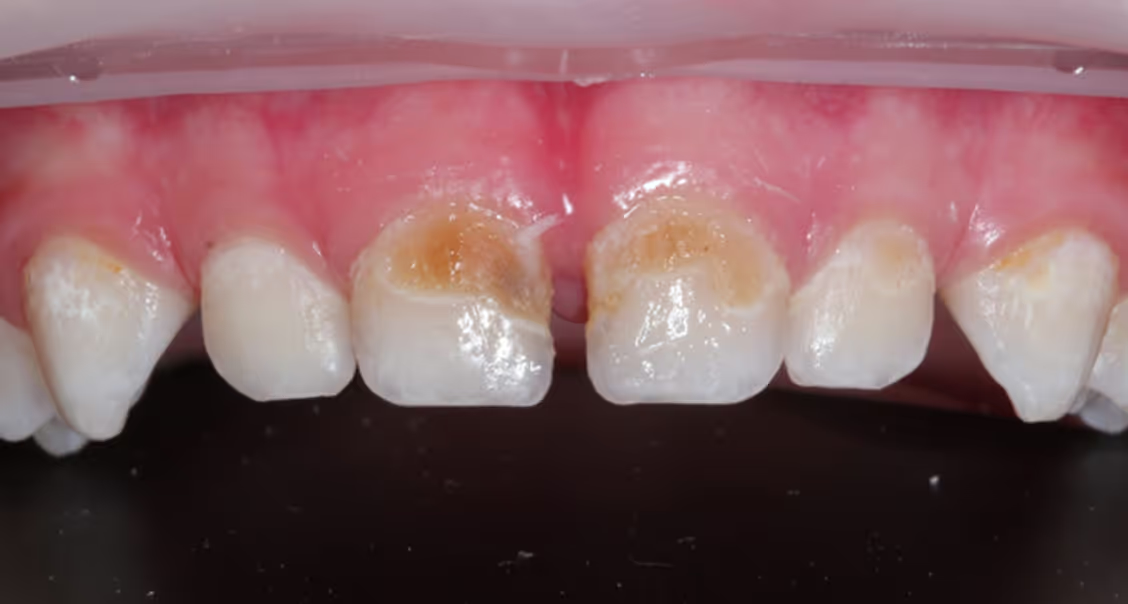
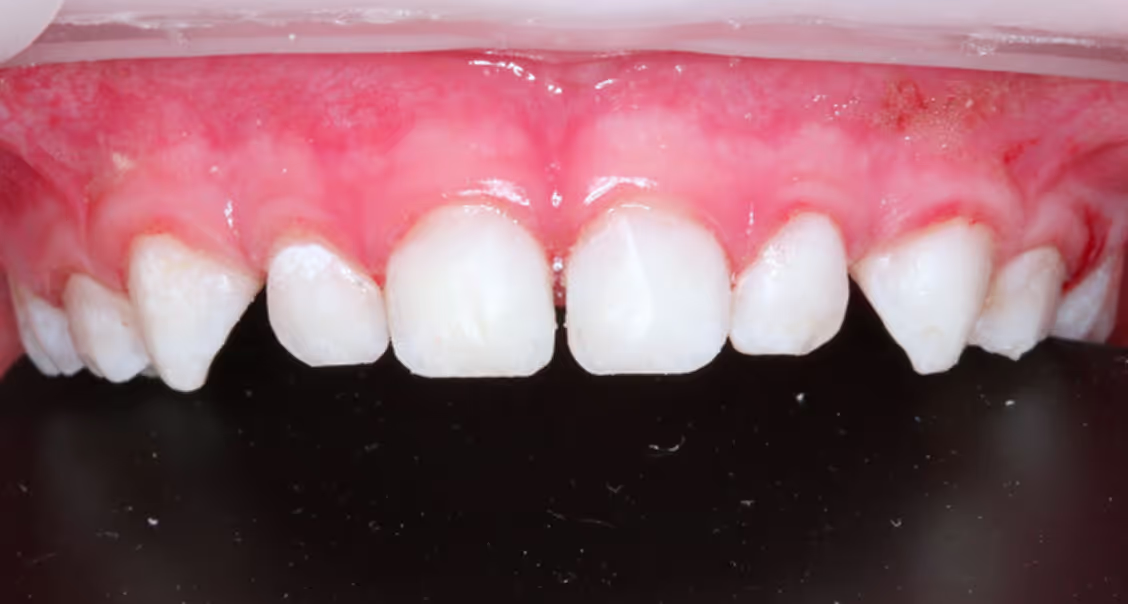
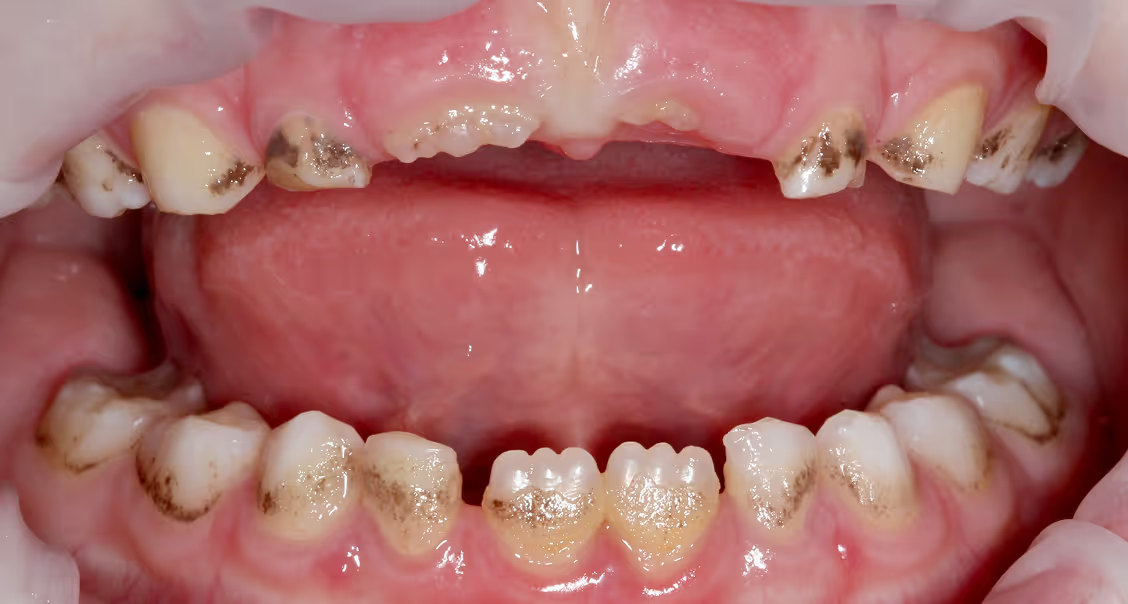
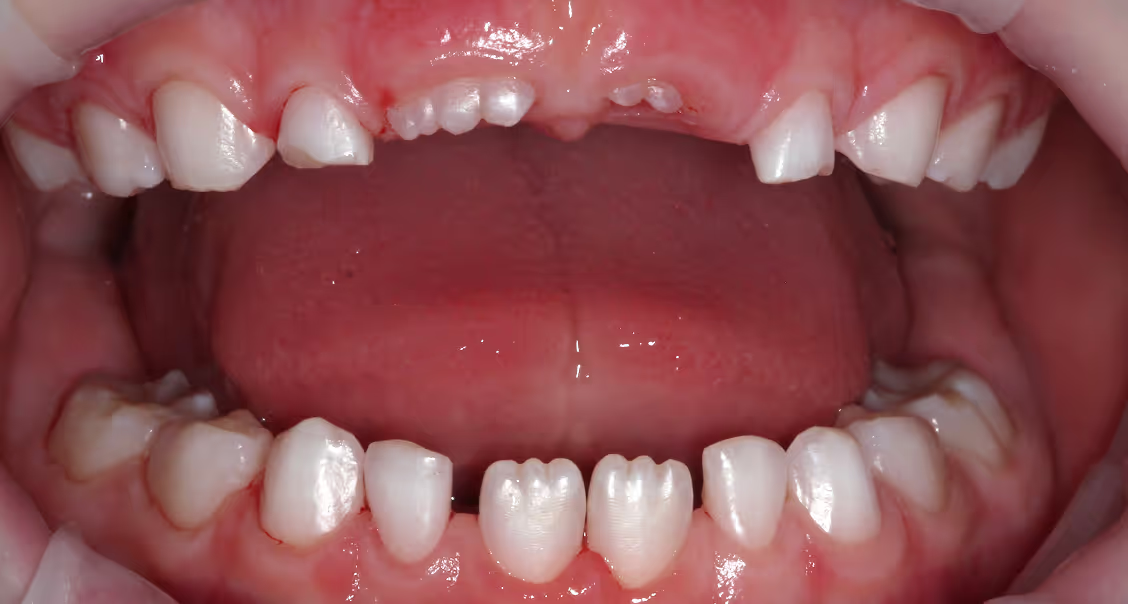
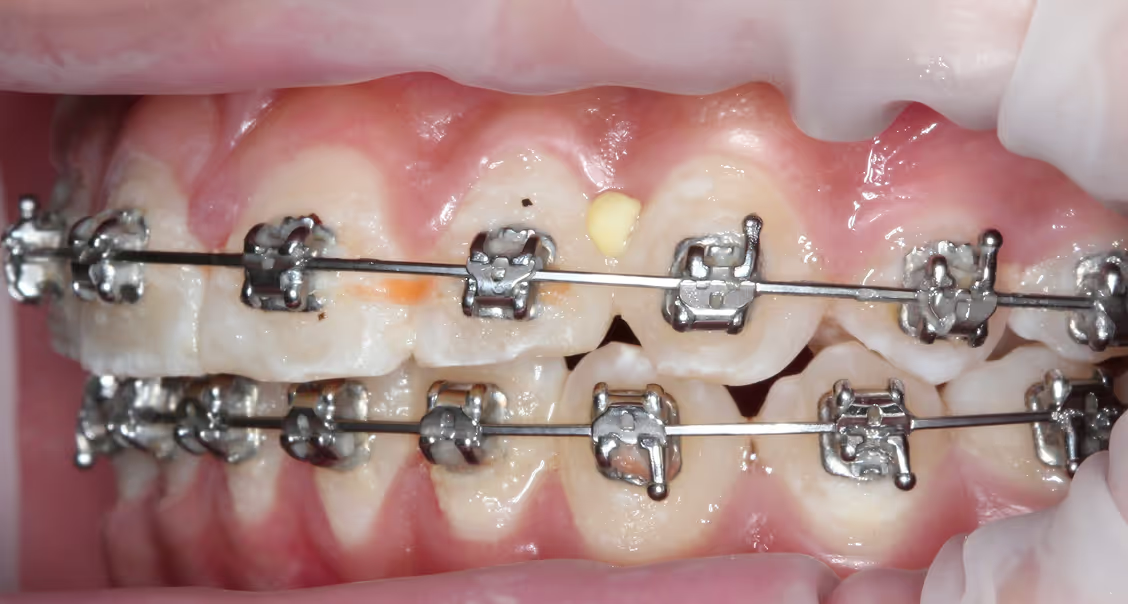
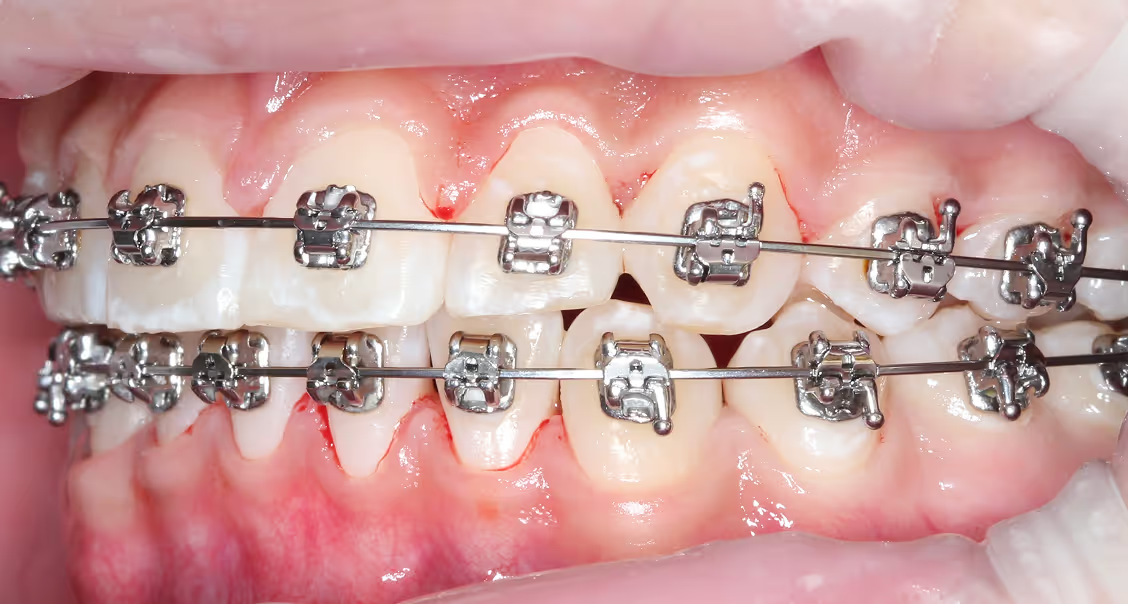
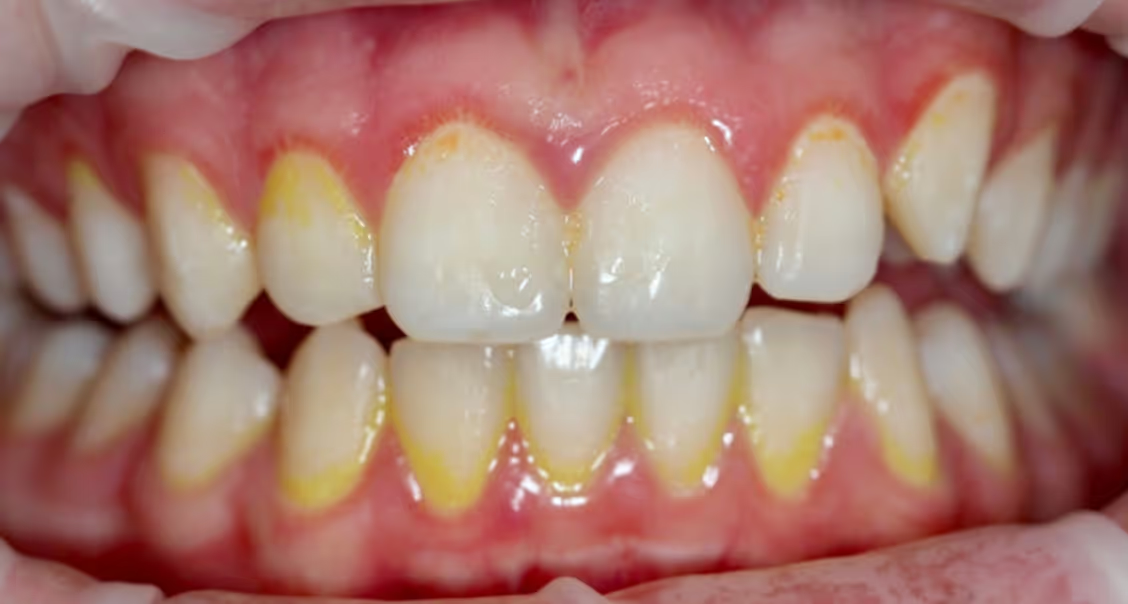
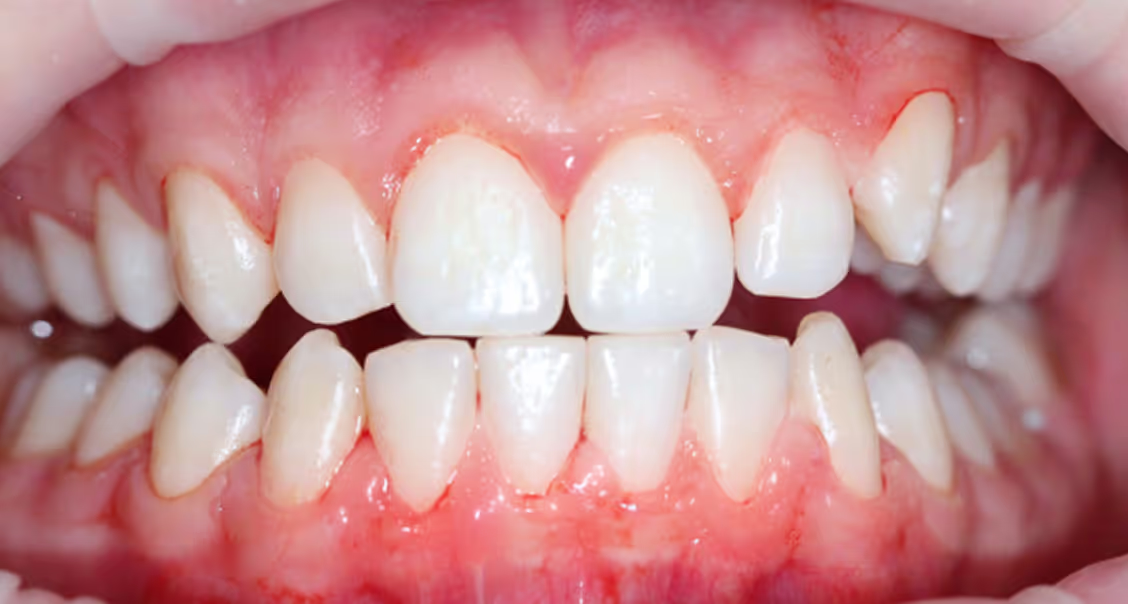
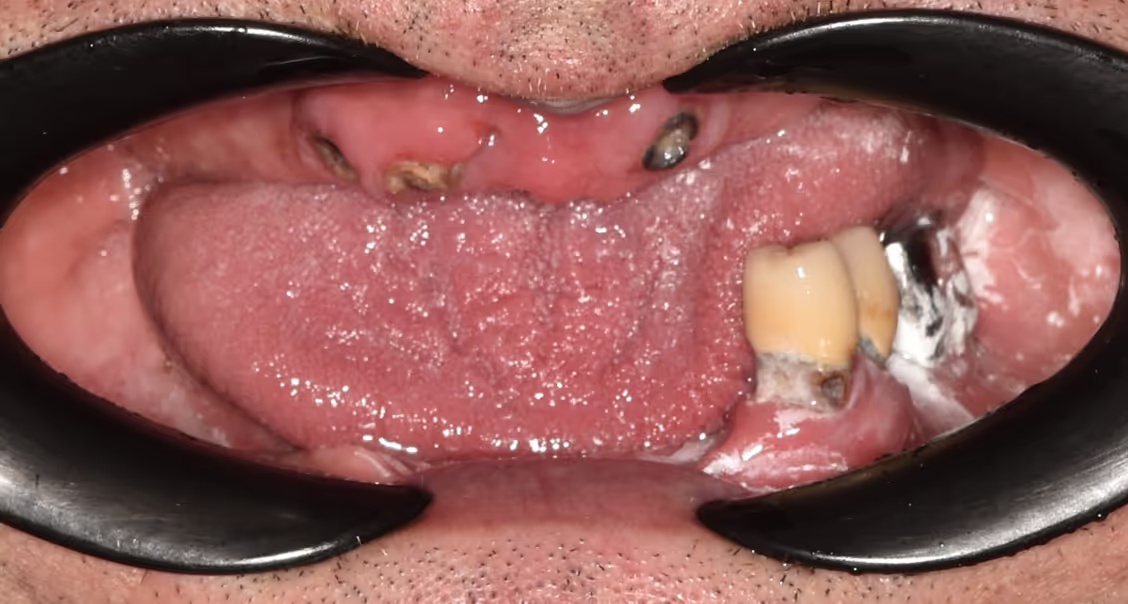
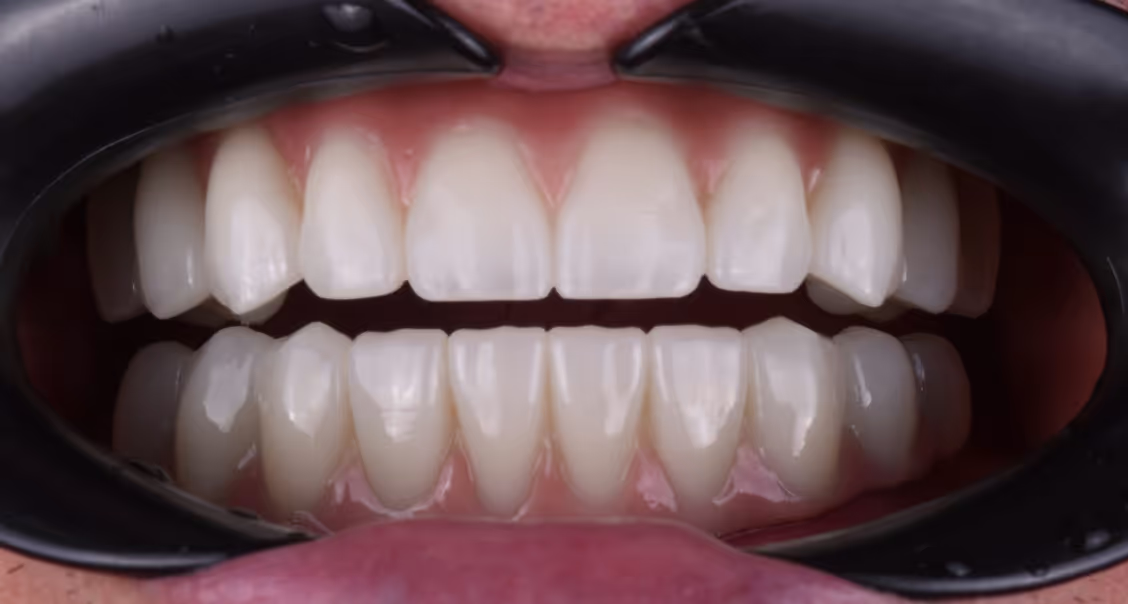
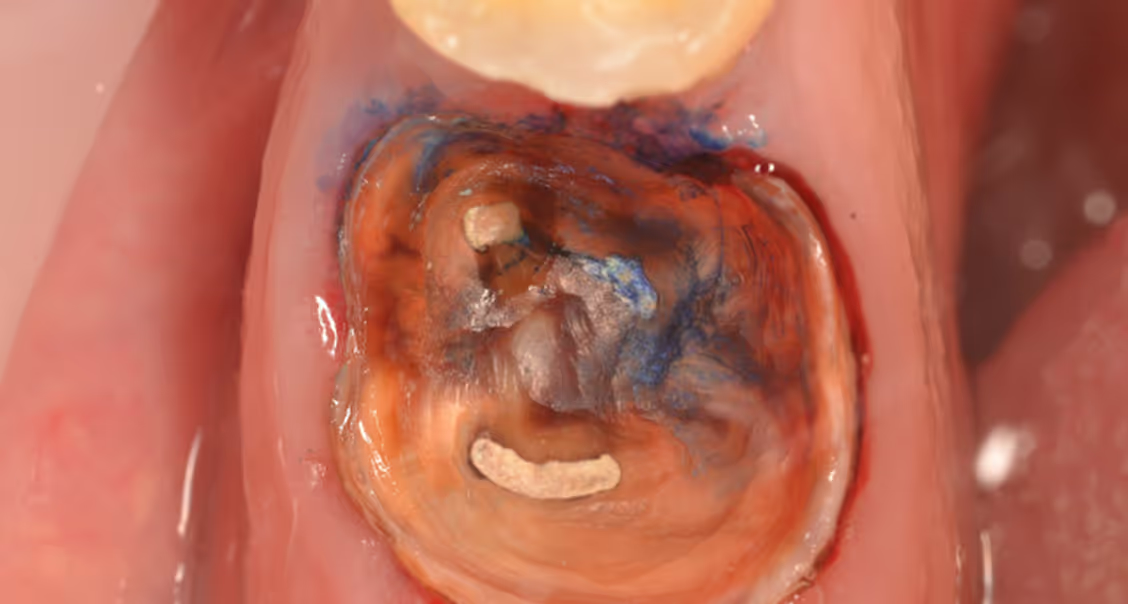
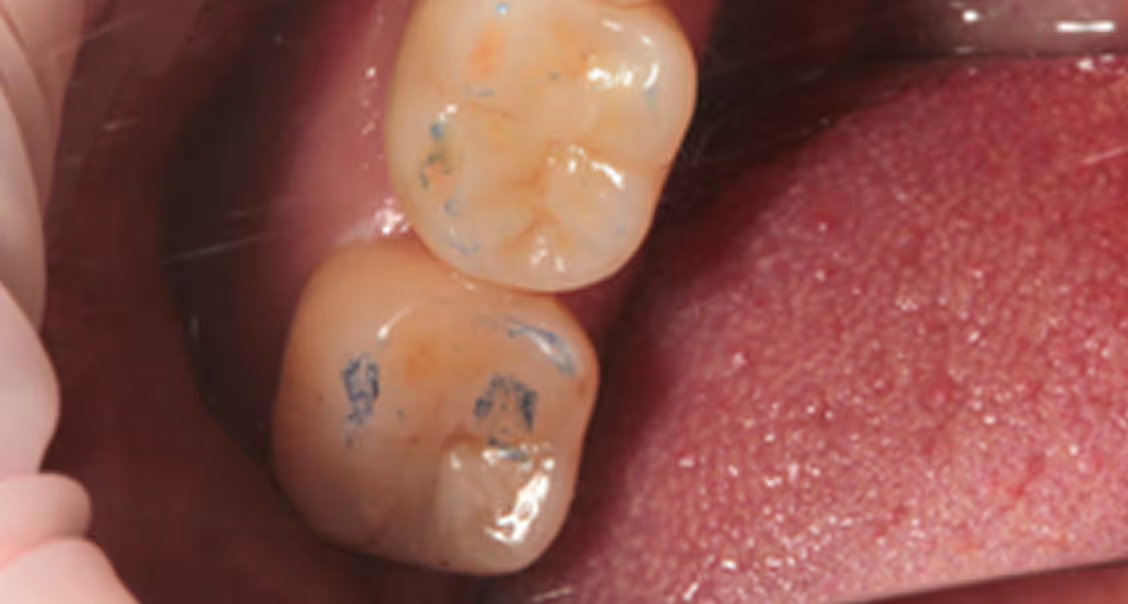
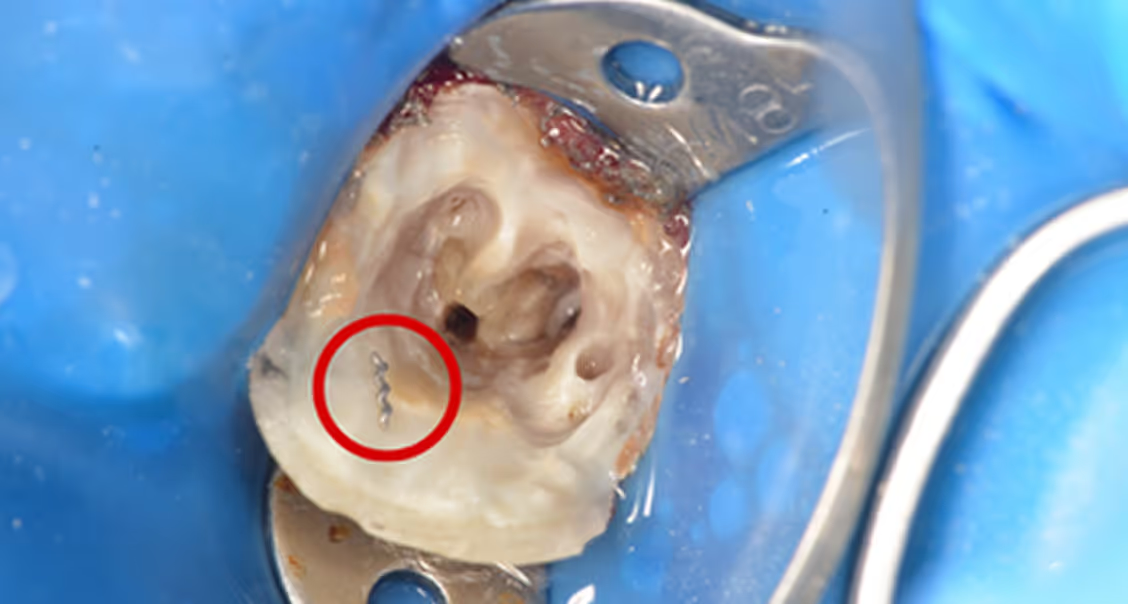
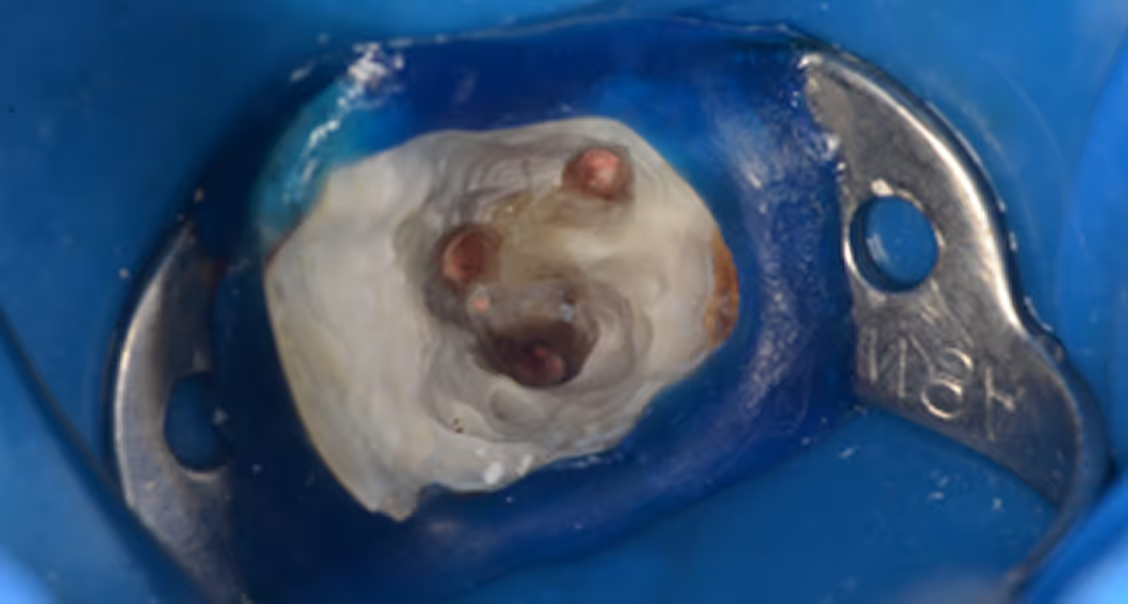
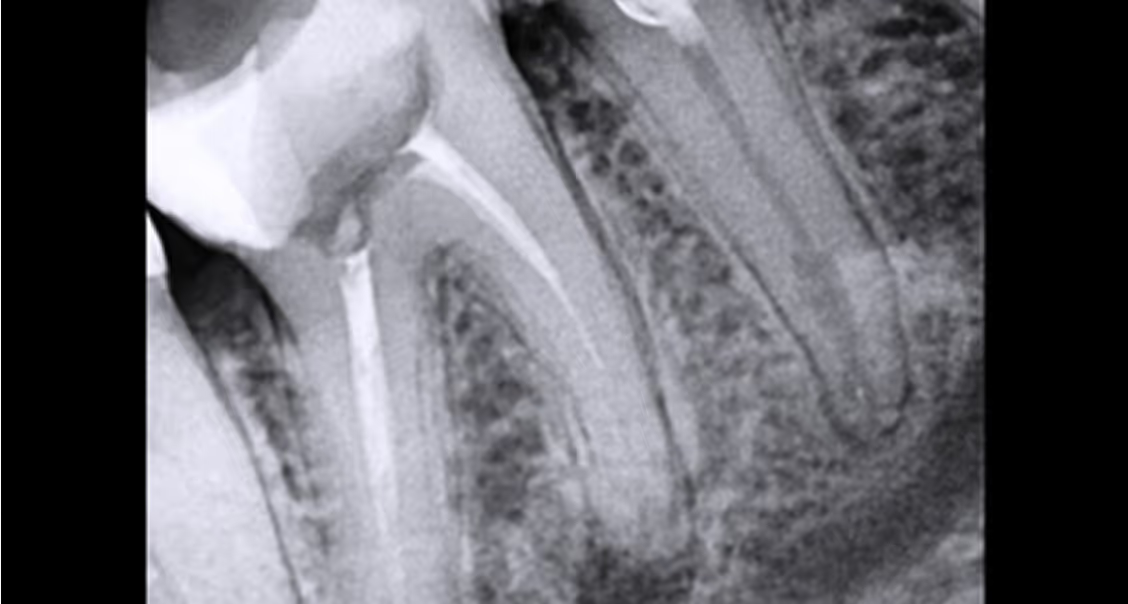
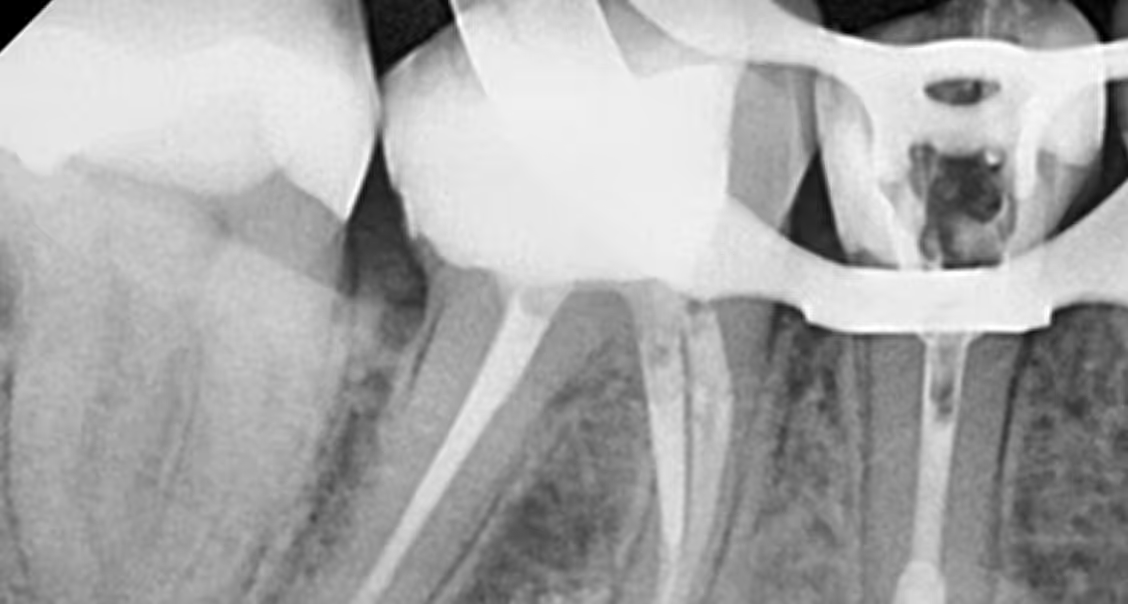
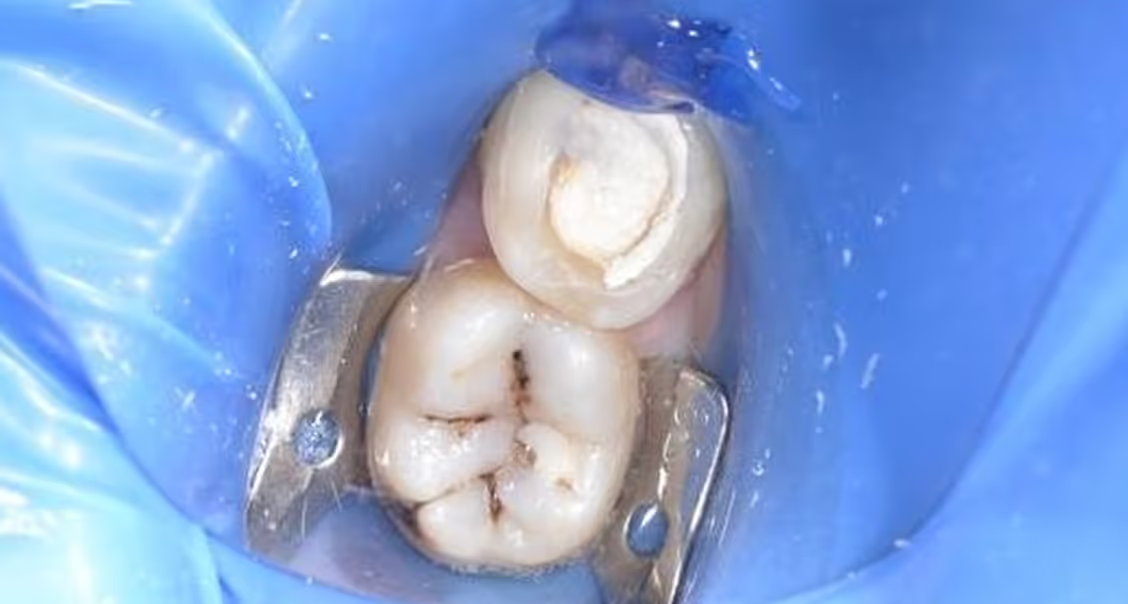
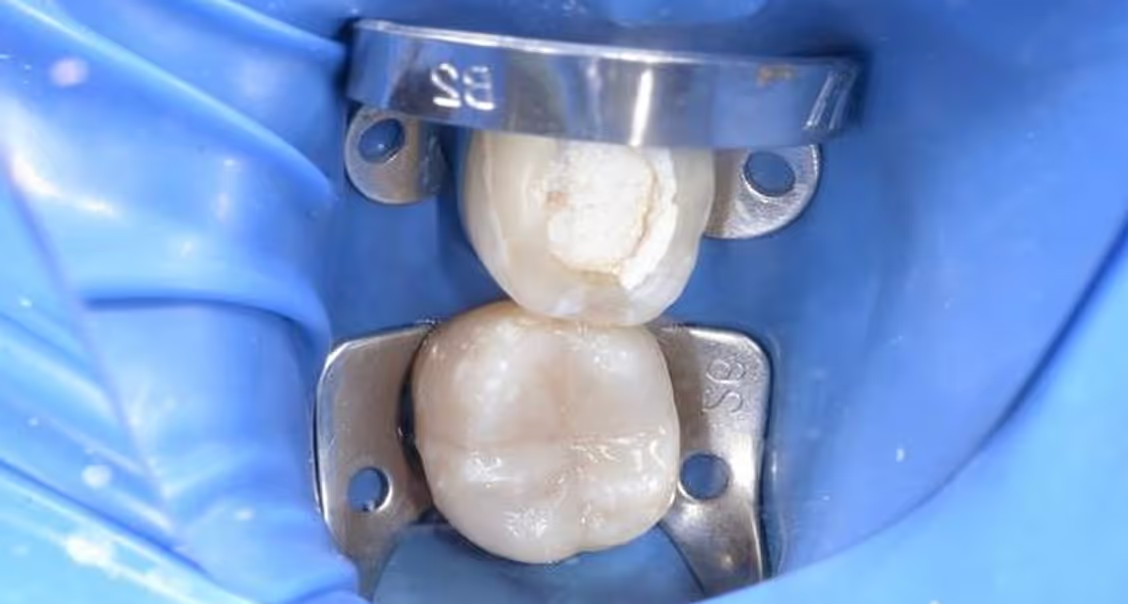
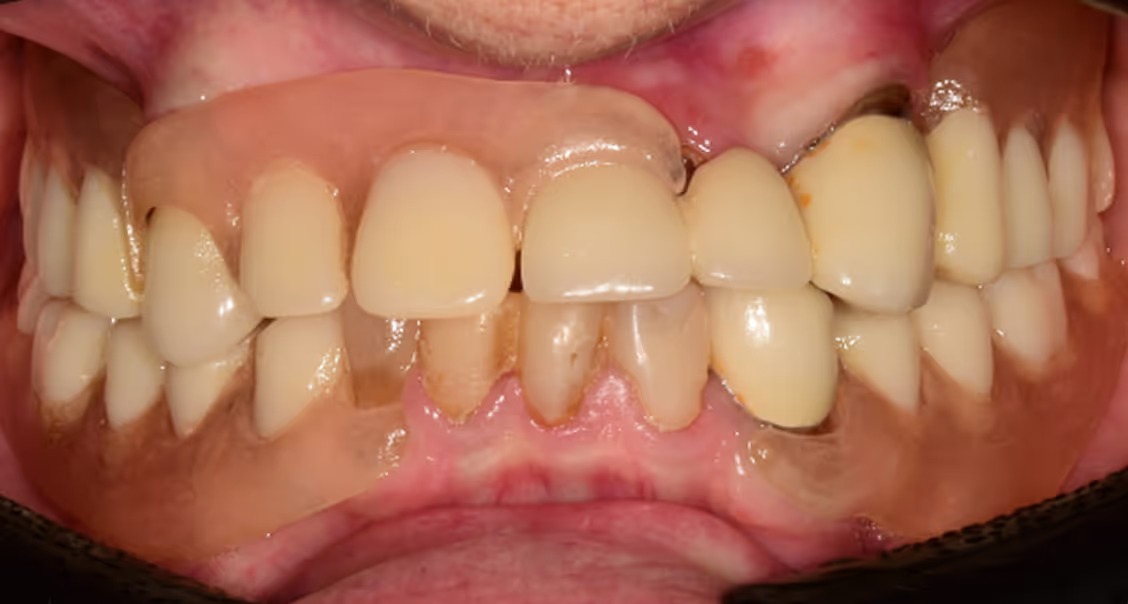
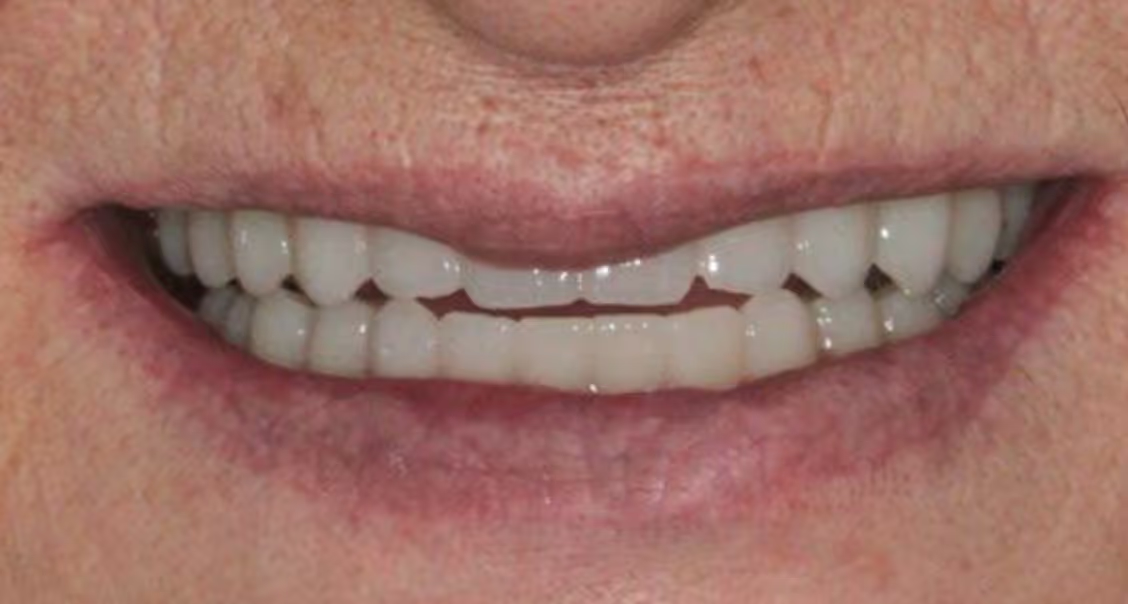
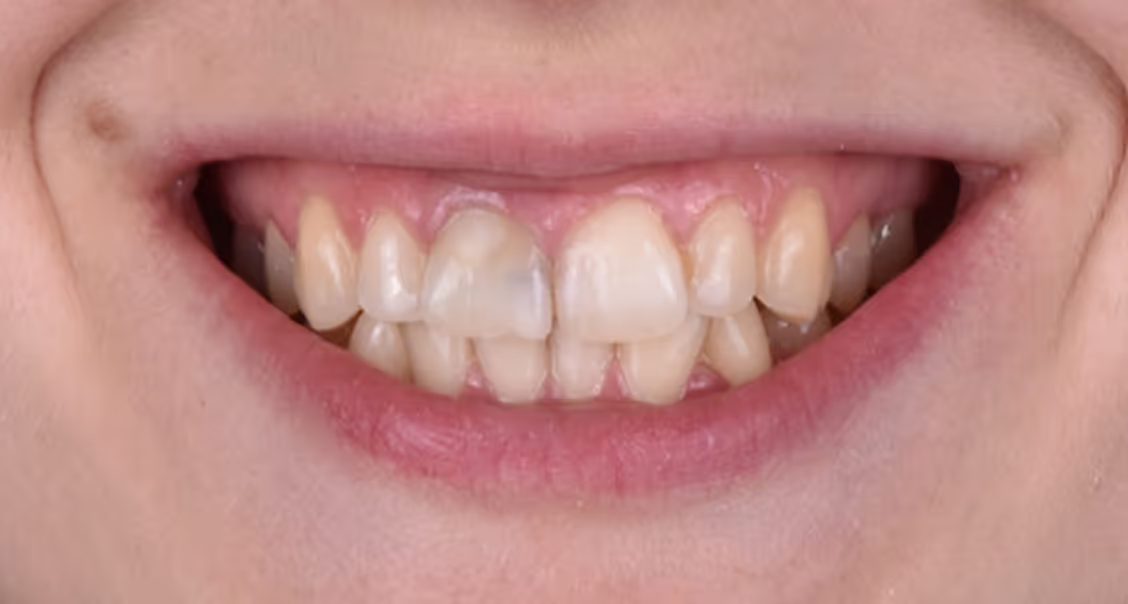
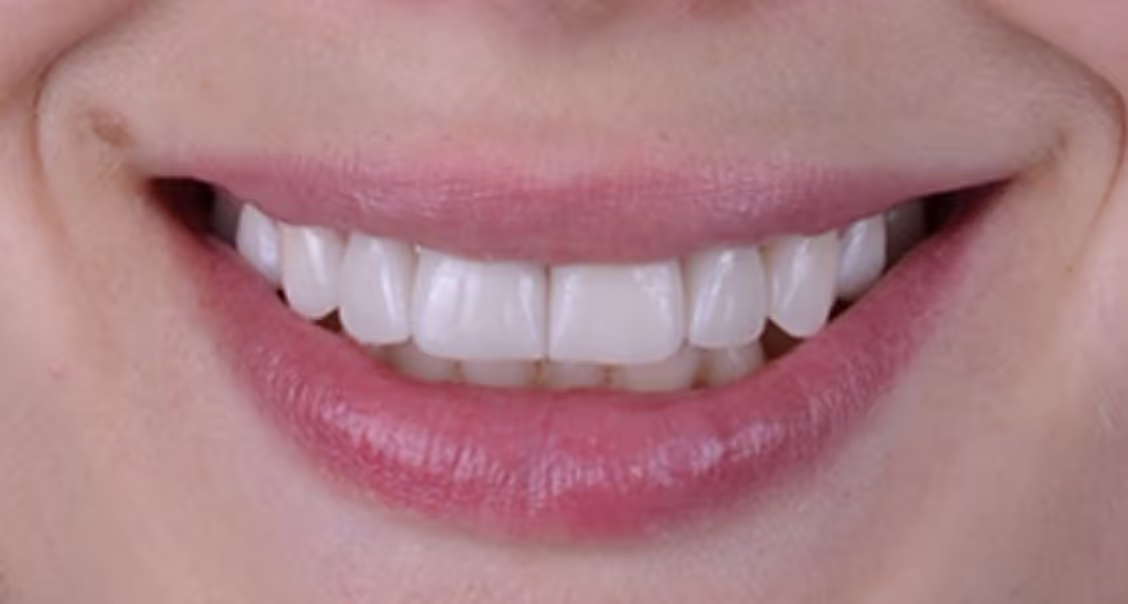
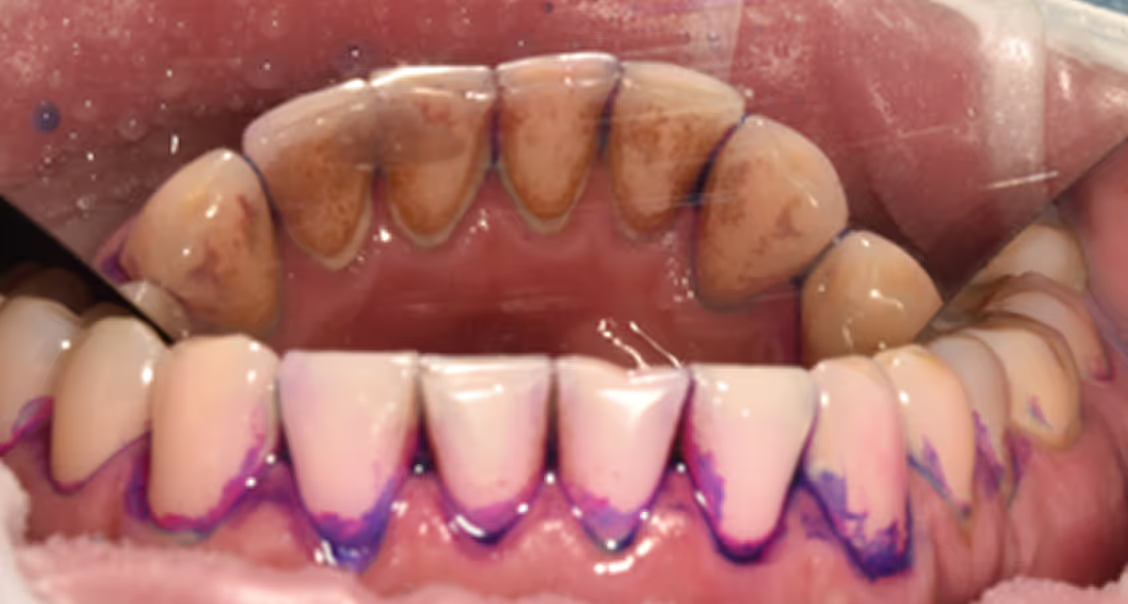
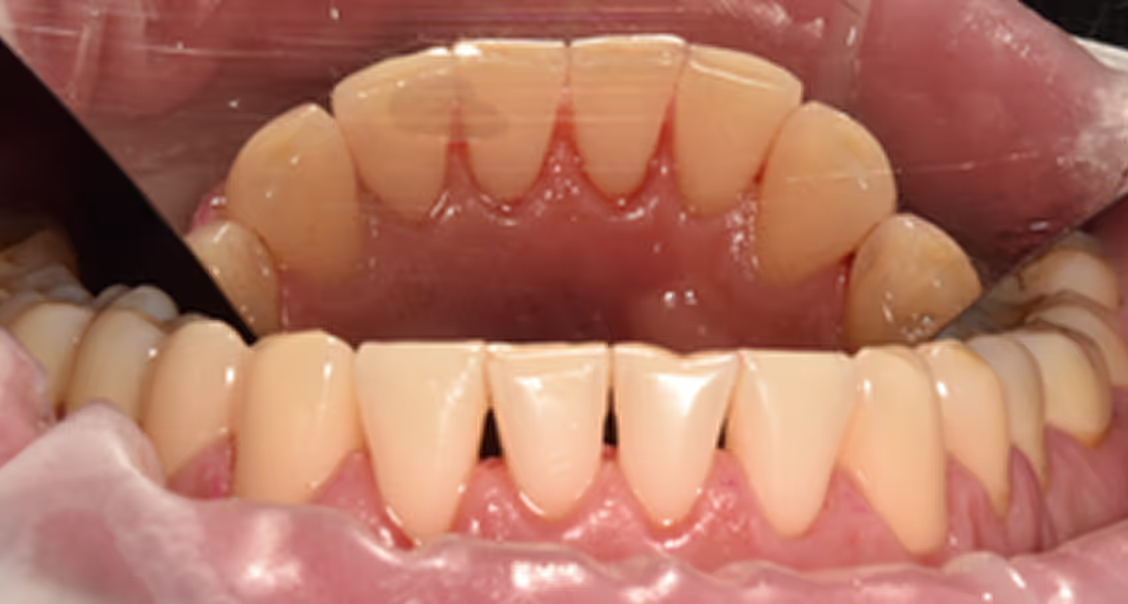
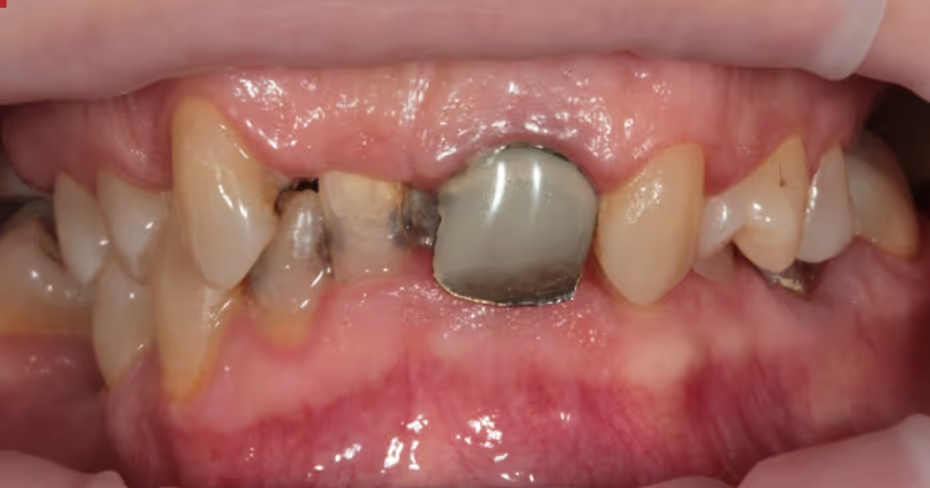
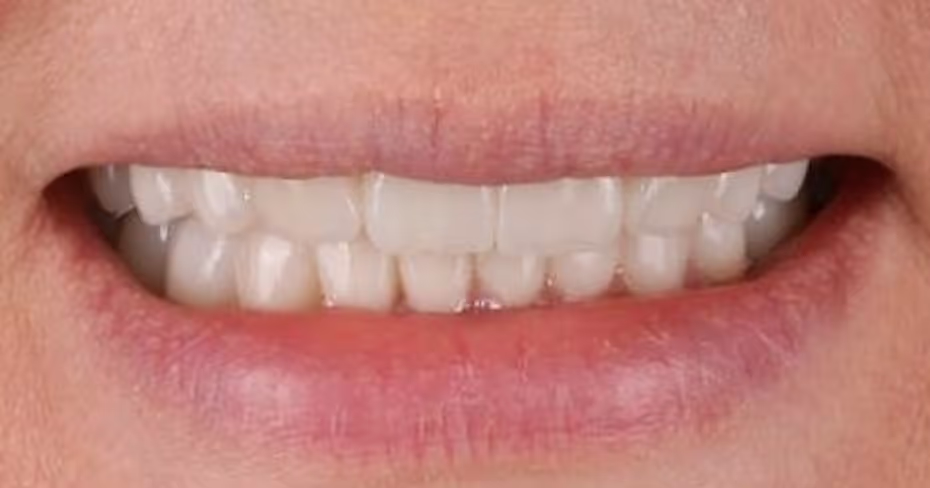
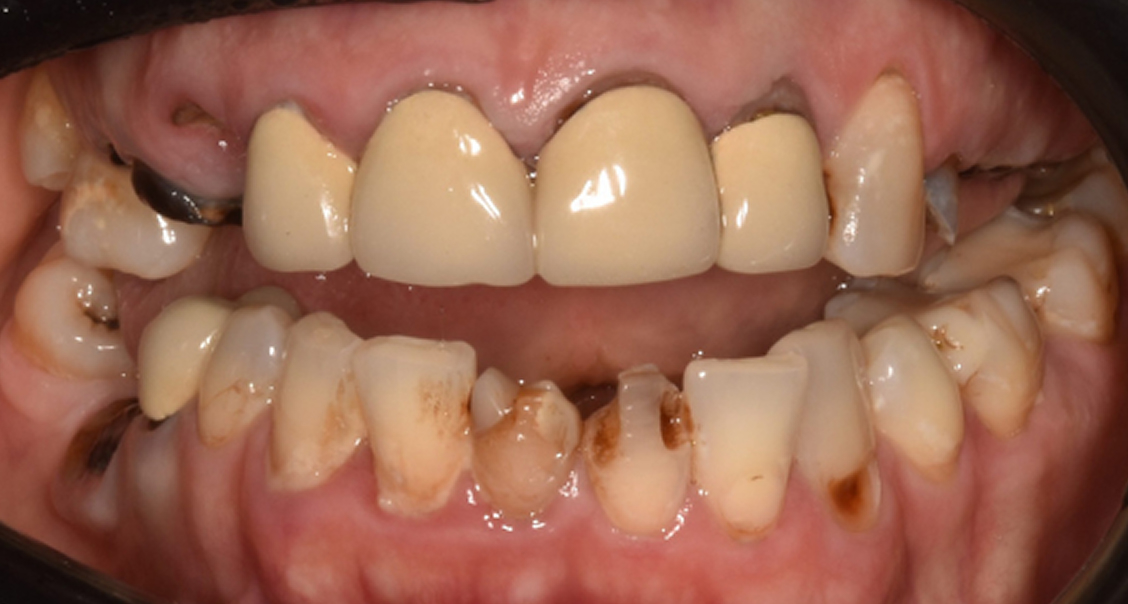
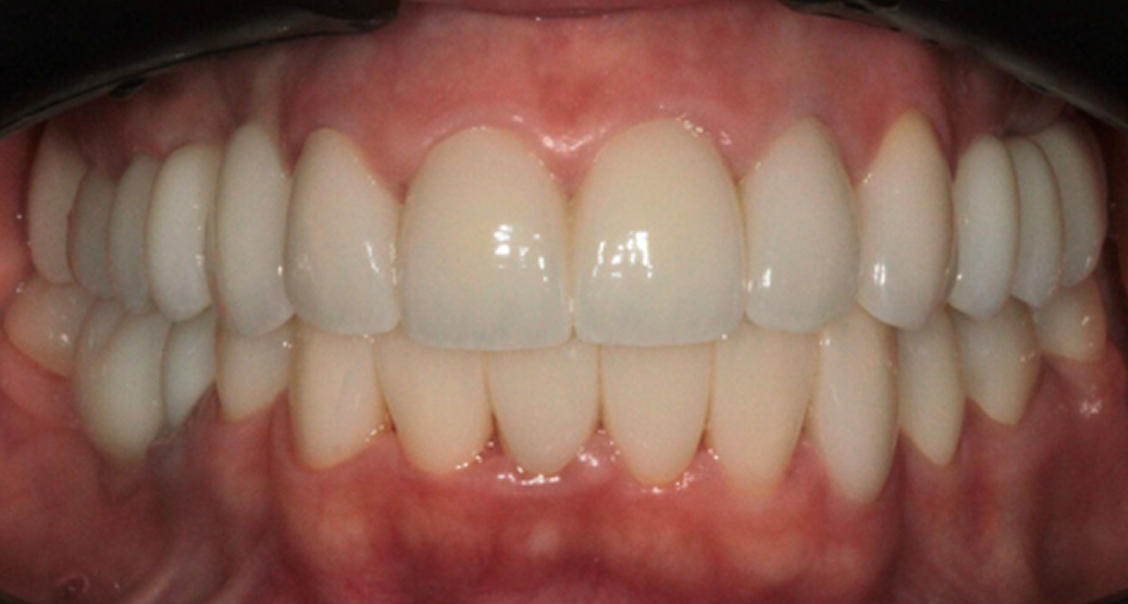
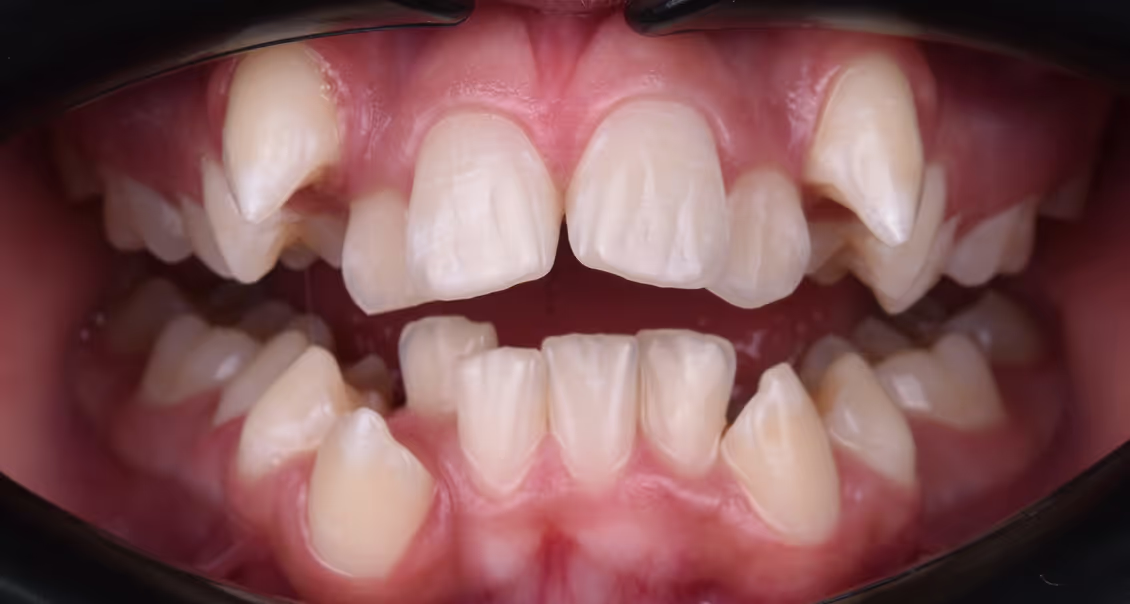
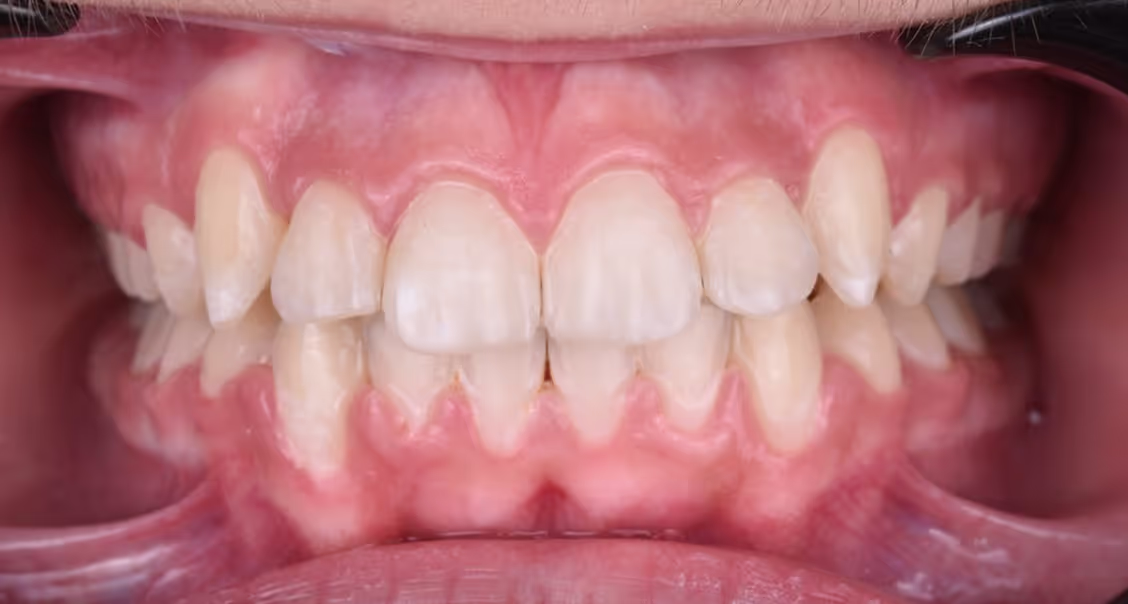
Periodontitis — before and after treatment
Treatment results depend on the stage of the disease and the condition of the tissues before treatment.
Why treat periodontitis at MistoDent Kraków?
In treating periodontal disease we focus not only on visible symptoms, but above all on determining the stage of periodontitis and the condition of the tissues holding the teeth.
- Periodontal diagnostics — we assess the gums, periodontal pockets and the condition of the teeth.
- Florida Probe periodontal chart — allows periodontal parameters to be documented.
- Individual treatment plan — the scope of therapy depends on the stage of the disease.
- Closed and open curettage — we perform the appropriate type of procedure if indicated.
- Treatment of all stages of periodontitis — from less advanced changes to more complex cases.
- Follow-up after treatment — we assess the tissue response and plan further care.
- Comprehensive dentistry — if needed, periodontal treatment can be combined with professional cleaning, prosthodontics, implantology or other fields of dentistry.
MistoDent Kraków, ul. Grzegórzecka 20A
How much does periodontitis treatment cost in Krakow?
The price of periodontitis treatment depends on the stage of the disease, the number of areas treated and the type of procedures needed. At MistoDent, curettage of 4 teeth costs from 700 PLN for stage II, 900 PLN for stage III and 1,200 PLN for stage IV periodontitis. The exact cost of periodontitis treatment can be determined after a periodontal examination and agreeing the scope of therapy.
FAQ
Answers provided by
Dr. Alina Baidikova
What is periodontitis?
Periodontitis is a chronic disease of the periodontium that can lead to gradual loss of the tissues holding the teeth, including bone. It requires diagnosis and appropriate periodontal treatment.
What are the first symptoms of periodontitis?
Possible symptoms include bleeding gums, swelling, redness, bad breath, gum recession and deepening periodontal pockets. Advanced disease can lead to loose teeth.
What does periodontitis look like?
At first the changes may be barely visible. In a more advanced stage receding gums, exposed roots, shifted teeth and increased mobility may appear. However, the stage of the disease should not be judged by appearance alone — a periodontal examination is needed.
How is periodontitis treated?
Periodontitis treatment depends on the stage of the disease. It may include professional cleaning, treatment of periodontal pockets and closed or open curettage. The therapy plan is set by the periodontist after diagnostics.
Can periodontitis be cured?
Periodontitis is a chronic disease. The main goal of treatment is to stop its progression, reduce inflammation and keep the periodontium and your own teeth healthy for as long as possible. After active treatment, regular periodontal care is important.
What causes periodontitis?
The development of periodontitis is linked to inflammation in the periodontium. The causes and factors affecting the course of the disease vary, so during diagnostics the periodontist assesses each patient's individual situation.
Do bleeding gums mean periodontitis?
Not always. Bleeding gums can also occur with gingivitis. However, it is a symptom that should not be ignored — an examination shows whether the problem concerns only the gums or also deeper periodontal structures.
What is curettage?
Curettage is a periodontal procedure used in suitably qualified cases of periodontal disease. Its aim is to thoroughly clean periodontal pockets and root surfaces.
What is the difference between closed and open curettage?
Closed curettage is performed without surgically exposing the root surface. Open curettage provides surgical access to the treated area and may be used for more advanced changes. The choice of method depends on the condition of the periodontium.
How much does curettage cost?
At MistoDent Kraków curettage costs from 700 PLN for 4 teeth. The price depends on the stage of periodontitis and the scope of the procedure. Open curettage of one sextant costs 1,420 PLN.
How much does periodontitis treatment cost?
There is no single price for the whole of periodontitis treatment, because therapy depends on the stage of the disease and the number of areas needing treatment. A periodontal visit costs 210 PLN, and a periodontal chart with Florida Probe consultation — 280 PLN.
Can advanced periodontitis be treated?
Yes, advanced periodontitis also requires periodontal treatment. However, the scope of therapy depends on the degree of periodontal tissue loss, bone condition, pocket depth and the prognosis of individual teeth.
Does periodontitis cause bone loss?
In advanced periodontal disease, the bone supporting the teeth may be lost. That is why assessing the bone level is an important part of diagnosing more advanced cases.
Can periodontitis cause bad breath?
Halitosis, i.e. bad breath, may accompany gum and periodontal disease, but it can also have other causes. If the problem persists, it requires diagnosis.

Medical verification
Content verified by:
Dr. Alina Baidikova
Dentist • Periodontist
Last updated: 22.10.2026
Book an appointment!
Leave your contact details in the form or message us on your preferred messenger — we'll be happy to answer your questions and help you book a visit.


