


Tooth varnishing (fluoridation) in Kraków
Stronger enamel and extra protection against tooth decay. Professional fluoridation helps protect teeth, reduces sensitivity and supports everyday dental prevention.
Who performs tooth fluoridation at MistoDent Kraków?
She provides professional dental hygiene and prevention, including scaling, air polishing, polishing and fluoridation. During the visit she assesses oral hygiene, performs suitable preventive treatments and gives advice on everyday tooth care.

What is tooth varnishing, or fluoridation?
Tooth varnishing is a preventive treatment in which the tooth surfaces are coated with a special fluoride preparation. It strengthens the enamel and makes it more resistant to acids produced by decay-causing bacteria.
Fluoride supports natural remineralisation, i.e. restoring minerals lost from the enamel. This helps limit early carious changes and protect teeth from further damage.
The treatment is quick, painless and needs no anaesthesia. It can be performed in both children and adults when indicated.
Tooth fluoridation does not replace brushing, flossing or regular dental check-ups. It is an additional element of prevention, especially for people with an increased risk of decay.
It is also worth knowing that tooth varnishing and fluoridation are not exactly the same. Varnishing is one of the methods of professional fluoridation, in which the preparation is applied as a varnish.
What are the benefits of tooth fluoridation?
Fluoridation helps protect the enamel against factors that lead to tooth decay.
The main benefits of the treatment are:
- Stronger enamel — fluoride supports remineralisation and increases enamel resistance to acids.
- Protection against decay — regular use of fluoride preparations can reduce the risk of new cavities.
- Support for early carious changes — fluoride can help stop changes that have not yet led to a cavity.
- Reduced sensitivity — properly selected preparations can limit discomfort related to exposed tooth necks.
- Protection during orthodontic treatment — fluoridation can support decay prevention in people wearing fixed braces.
- Additional protection of tooth surfaces — especially in areas more prone to demineralisation.
The preventive effects depend on individual decay risk, the preparations used and daily hygiene.
Fluoridation does not remove existing cavities and does not replace their treatment.
When is tooth varnishing worth doing?
Tooth varnishing may be recommended for patients with an increased risk of decay or a need for extra enamel protection.
Increased susceptibility to decay
If new cavities appear despite regular brushing, the dentist may recommend additional preventive measures.
Fluoridation supports enamel protection and can be one element of a decay prevention programme.
Tooth sensitivity
Discomfort when drinking cold drinks, eating sweets or brushing may be related to tooth sensitivity.
Some fluoride preparations help reduce these symptoms. However, it is worth identifying their cause first.
Orthodontic treatment
Fixed braces make it harder to clean some tooth surfaces thoroughly.
Deposits and plaque can build up around the brackets, increasing the risk of white demineralisation spots.
Professional fluoridation can be one element of prevention during orthodontic treatment.
Early enamel demineralisation
White, matte spots on the tooth surface may indicate a loss of minerals from the enamel.
If the changes have not yet formed a cavity, the dentist may recommend remineralising care, including fluoridation.
Exposed tooth necks
With gum recession, exposed root surfaces may be more prone to decay and sensitivity.
A properly selected fluoride preparation can help protect them.
Decay prevention in children
Varnishing is also used in children, on both primary and permanent teeth.
The treatment can be especially useful for young patients with an increased risk of decay.
The frequency of fluoridation is set individually. Not every patient needs it at the same intervals.
Types of professional tooth fluoridation
Fluoride can be delivered to the tooth surfaces with various preparations. The choice depends on the patient's age, enamel condition and the goal of prevention.
Tooth varnishing
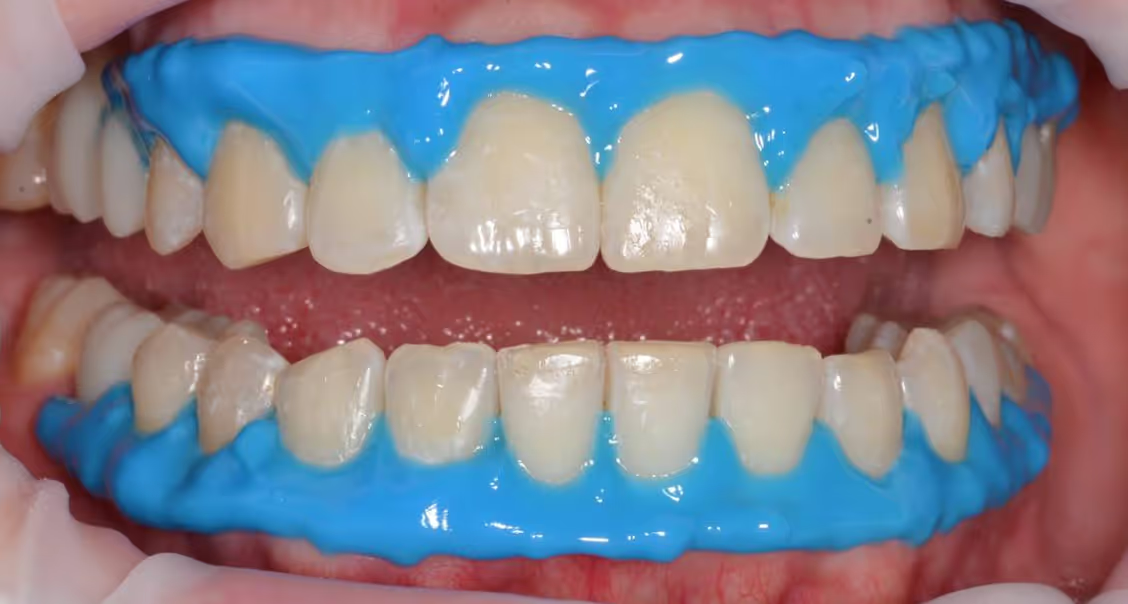
Fluoride varnish is a preparation with a high fluoride concentration, applied in a thin layer to the tooth surfaces.
After application it forms a layer that allows fluoride to act locally.
This method is used in both children and adults, especially with an increased risk of decay or sensitivity.
Contact fluoridation
Contact fluoridation is the local application of a fluoride preparation directly to the tooth surfaces.
Depending on indications, varnishes, gels or other professional fluoride preparations may be used.
The aim is to support remineralisation and limit enamel demineralisation.
Fluoridation after hygiene treatment
Fluoridation can be one of the stages of professional dental hygiene.
After removing tartar and deposits, the hygienist may apply a suitable fluoride preparation if indicated.
This combines thorough cleaning of the teeth with extra enamel protection.
At MistoDent Kraków we offer premium fluoridation as well as professional EMS hygiene packages.
What does tooth varnishing look like step by step?
Fluoridation is a simple preventive treatment that usually requires no special preparation.
1. Oral assessment
Before the treatment, the specialist assesses the teeth, the enamel and possible problems such as sensitivity or plaque build-up.
2. Preparing the tooth surfaces
If needed, the teeth are cleaned of deposits. If the patient needs scaling or air polishing, these can be planned as part of professional hygiene.
3. Drying the teeth
Depending on the preparation used, the tooth surfaces are prepared according to the manufacturer's instructions.
4. Applying the fluoride preparation
The specialist applies the preparation to the surfaces that need protection.
For varnishing, a small brush or applicator is usually used.
5. Aftercare advice
After fluoridation, the patient receives information about eating, drinking and brushing.
Recommendations may differ depending on the preparation used.
Varnishing itself usually takes a few minutes. If it is part of a full hygiene treatment, the visit will be longer.
Tooth varnishing vs fissure sealing — what is the difference?
Although the names sound similar in Polish, varnishing and fissure sealing are two different preventive treatments.
Tooth varnishing (fluoridation)
Fissure sealing
Applies a fluoride-containing preparation
Seals the grooves of the teeth with a special material
Supports remineralisation and enamel protection
Creates a mechanical barrier in hard-to-reach pits
Can cover many tooth surfaces
Mainly concerns grooves on chewing surfaces
Used in children and adults
Most often done on molars and premolars
Does not mechanically fill the grooves
Seals properly qualified grooves
Fissure sealing protects deep grooves from plaque build-up and decay. Fluoridation works by delivering fluoride locally, which supports protection of the tooth's mineral structure. Both treatments can complement each other, but neither replaces the other.
Fluoridation vs scaling and air polishing — which to choose?
All three treatments are part of dental prevention, but they serve different purposes.
Treatment
Main use
Scaling
Tartar removal
Air polishing
Removal of deposits and some surface stains
Fluoridation
Stronger enamel protection and decay prevention
Scaling and air polishing focus mainly on cleaning the tooth surfaces. Fluoridation does not remove tartar or stains. Its role is to support enamel protection. Depending on the condition of the teeth, these treatments can be done during a single hygiene visit.
How often should teeth be fluoridated?
The frequency of fluoridation depends mainly on decay risk and the patient's individual needs.
For people more susceptible to decay, professional varnishing may be recommended every 3–6 months. In other cases, less frequent use of fluoride preparations or proper home prevention may be enough.
The frequency is influenced by, among others:
- new carious lesions;
- the condition and quality of the enamel;
- the patient's age;
- wearing orthodontic braces;
- dry mouth;
- exposed root surfaces;
- daily hygiene habits and diet.
It is not worth fluoridating more often just in the belief that more fluoride means better protection.
The prevention plan should match real needs and take all sources of fluoride into account.
What to do after fluoridation?
After varnishing, follow the advice given during the visit so that the preparation can work as intended.
Depending on the varnish used, the specialist may recommend:
- waiting a certain time before eating or drinking;
- avoiding very hard and sticky foods for the indicated period;
- postponing brushing and flossing until a certain time;
- avoiding additional fluoride products without the dentist's advice.
There is no single universal time during which you must not eat or brush your teeth after fluoridation. The advice depends on the specific preparation and its manufacturer.
The treatment does not require recovery time. The patient can return to daily activities right after the visit.
Is tooth fluoridation safe?
Professional fluoridation is a recognised method of decay prevention when used in appropriate doses and according to indications.
Fluoride acts mainly locally on the tooth surface. It helps limit enamel demineralisation and supports its remineralisation.
At the same time, as with other active substances, the amount of preparation and the way it is used matter.
Possible side effects include:
- temporary changes in sensation on the tooth surface;
- a temporary change in the look of the tooth surface after some varnishes;
- irritation of the mucosa;
- rare hypersensitivity reactions to the preparation's ingredients.
Before the treatment, tell the specialist about known allergies and previous adverse reactions to dental preparations.
Excessive fluoride exposure while teeth are developing can lead to fluorosis. However, this should not be confused with correctly performed, controlled varnishing.
Fluoridation should be performed when indicated and with preparations suited to the patient's age and needs.
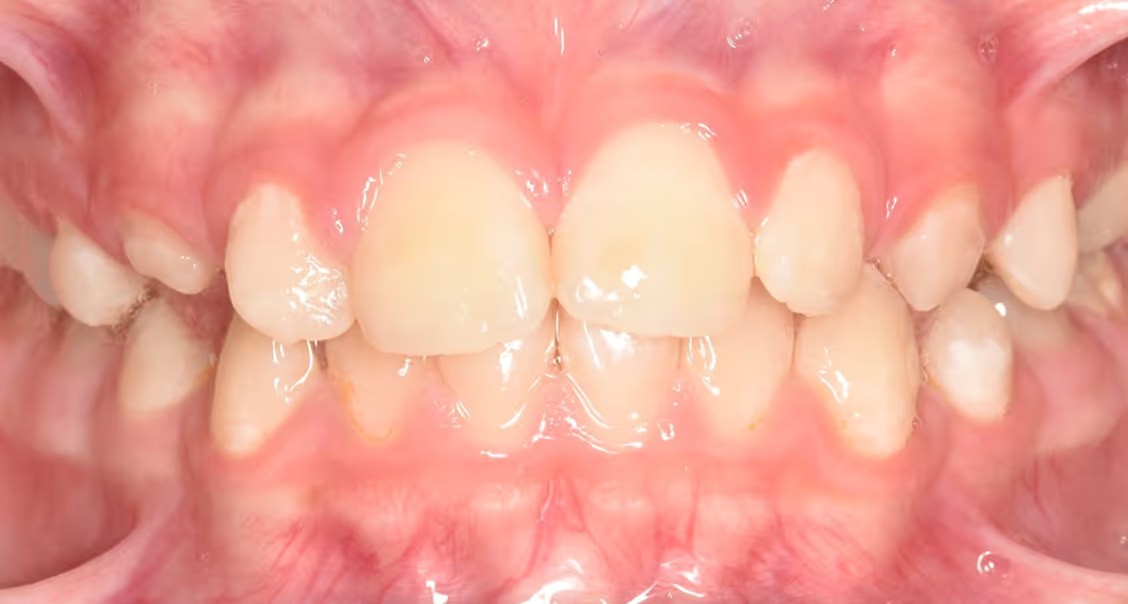
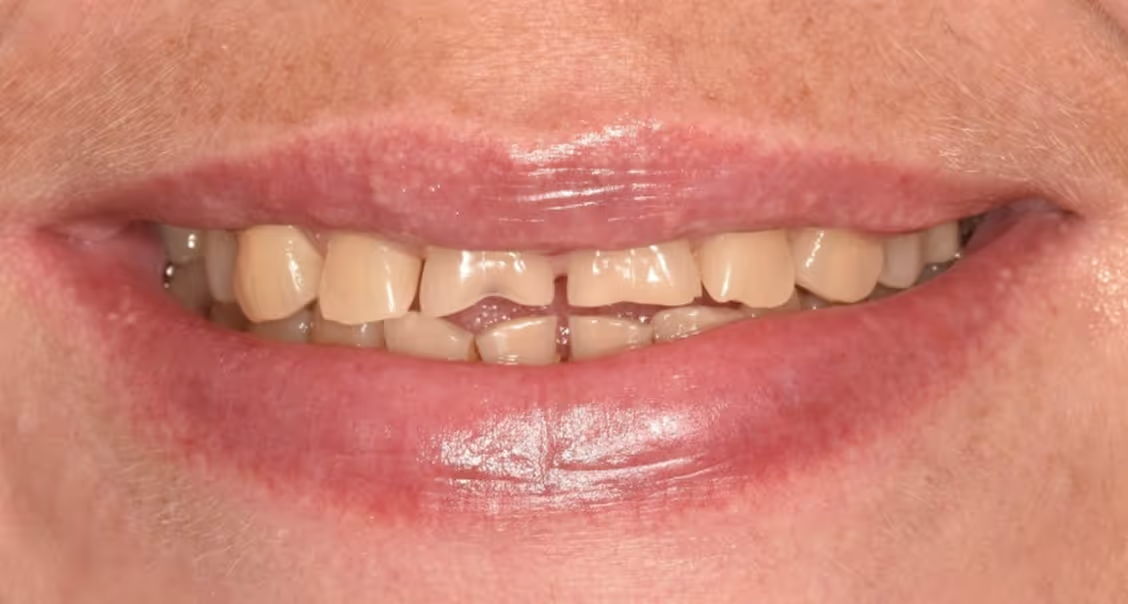
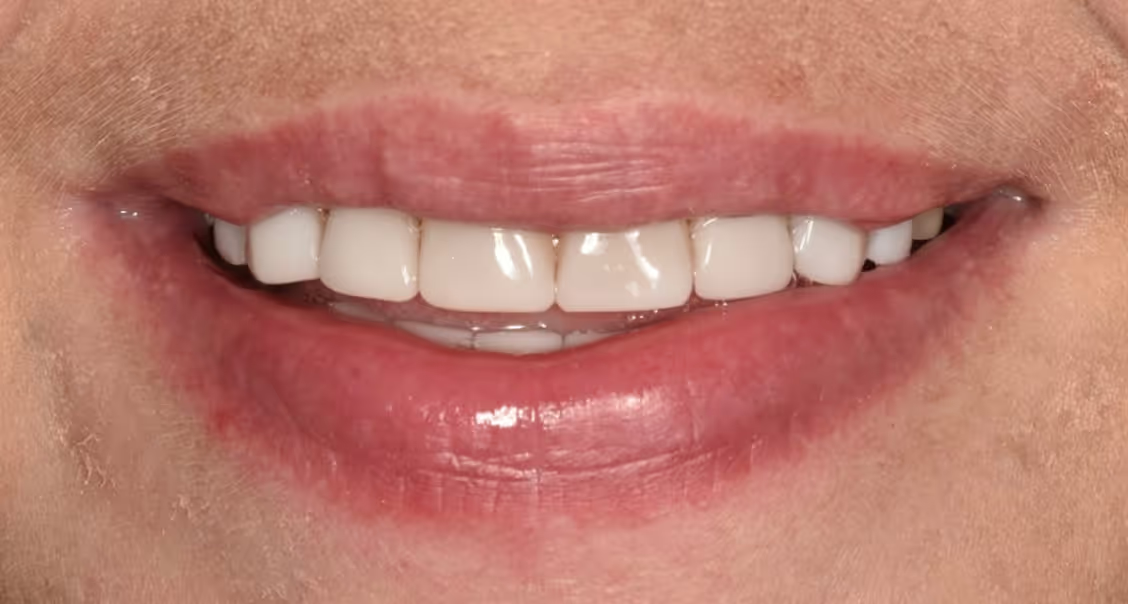
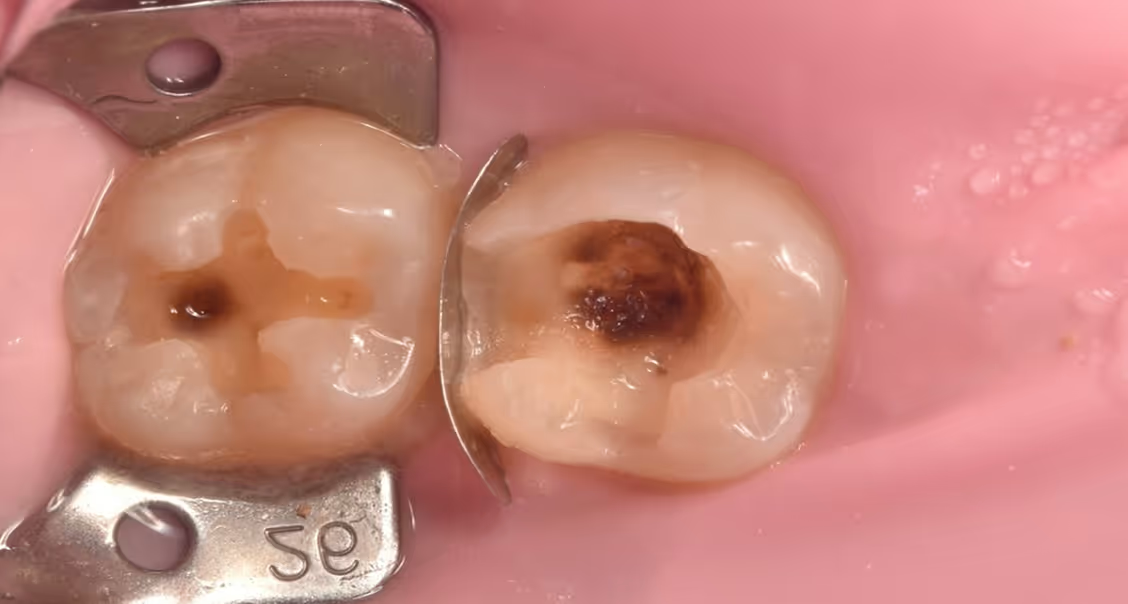
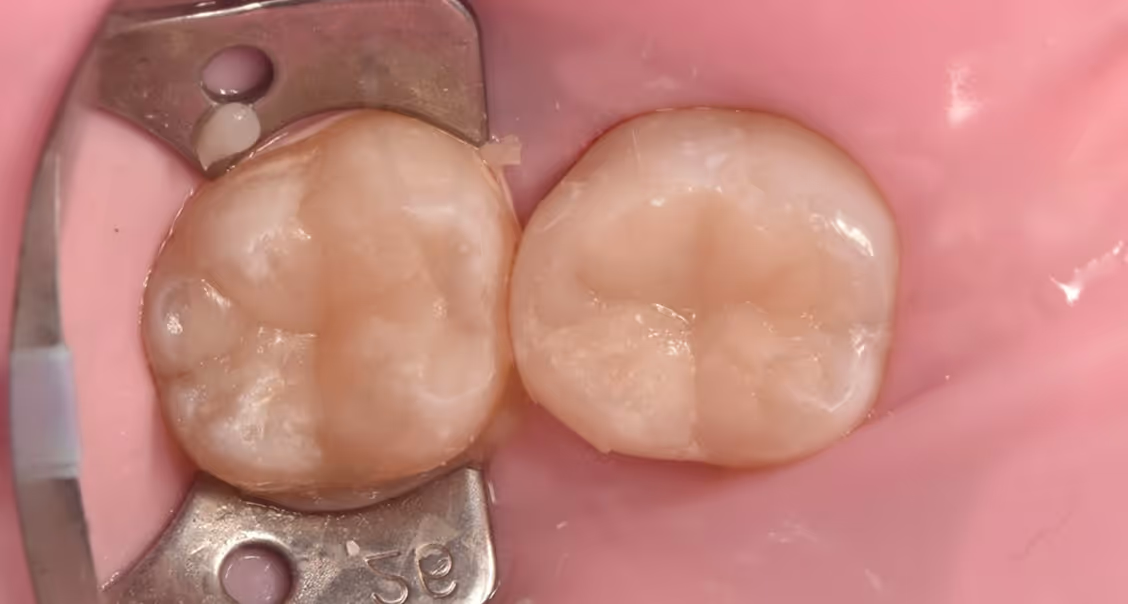
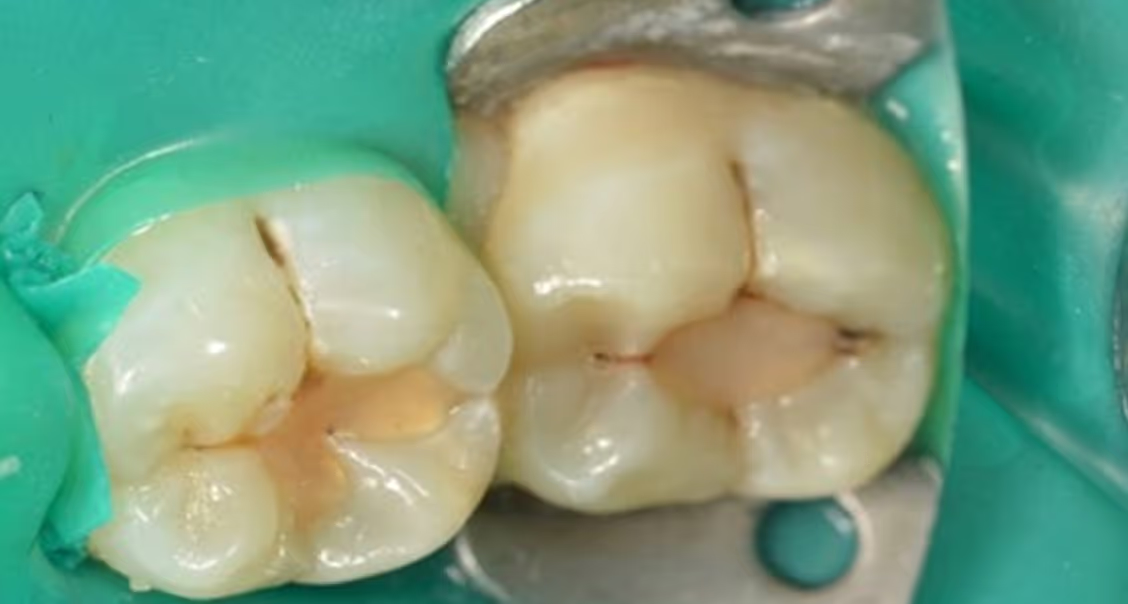
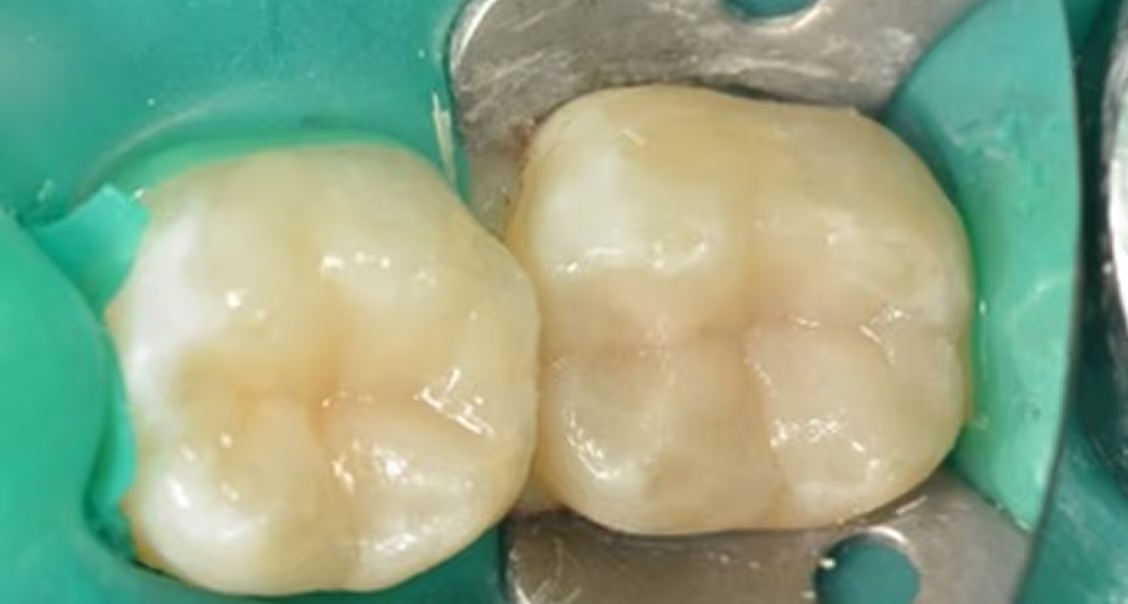
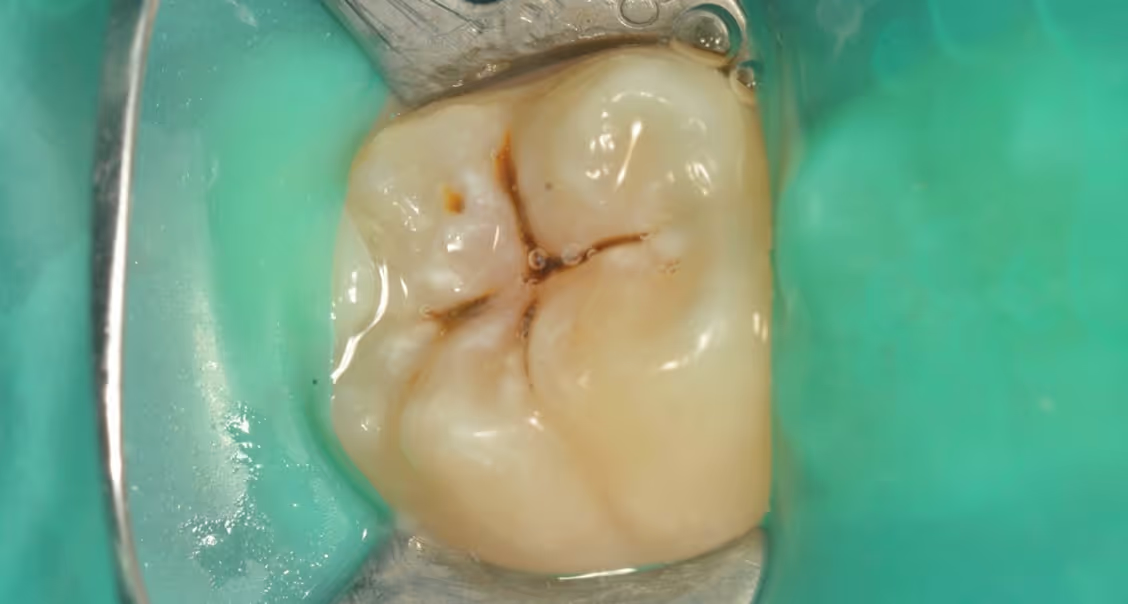
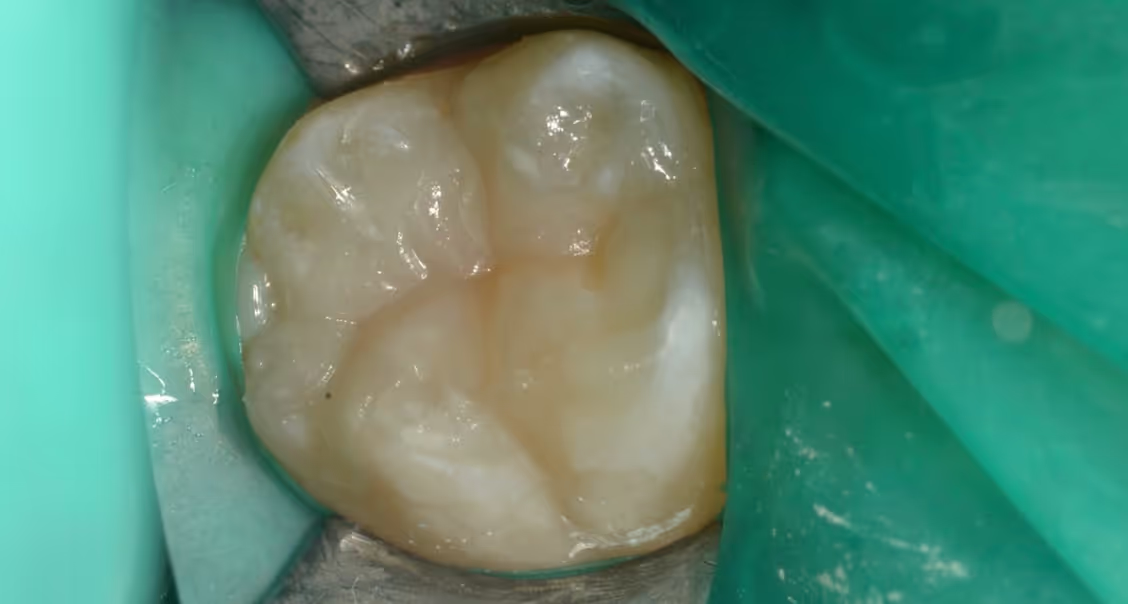
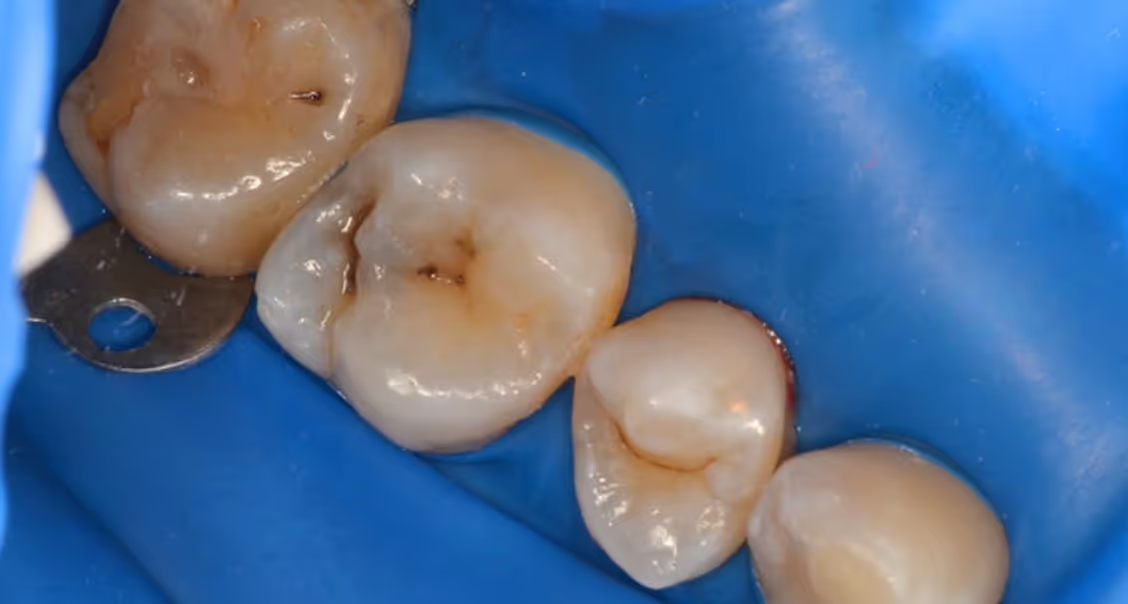
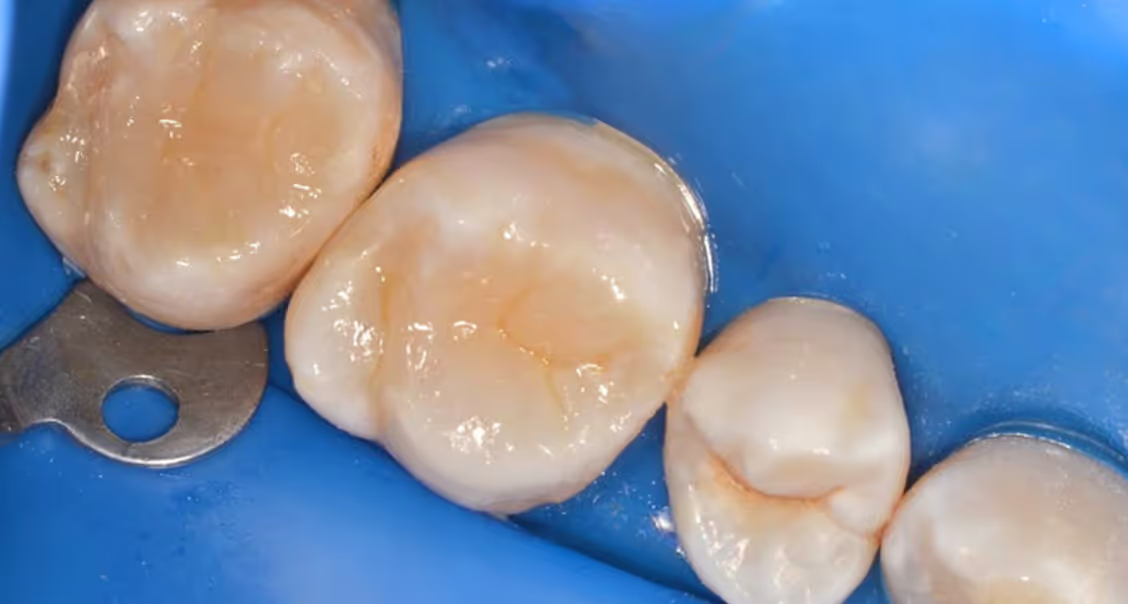
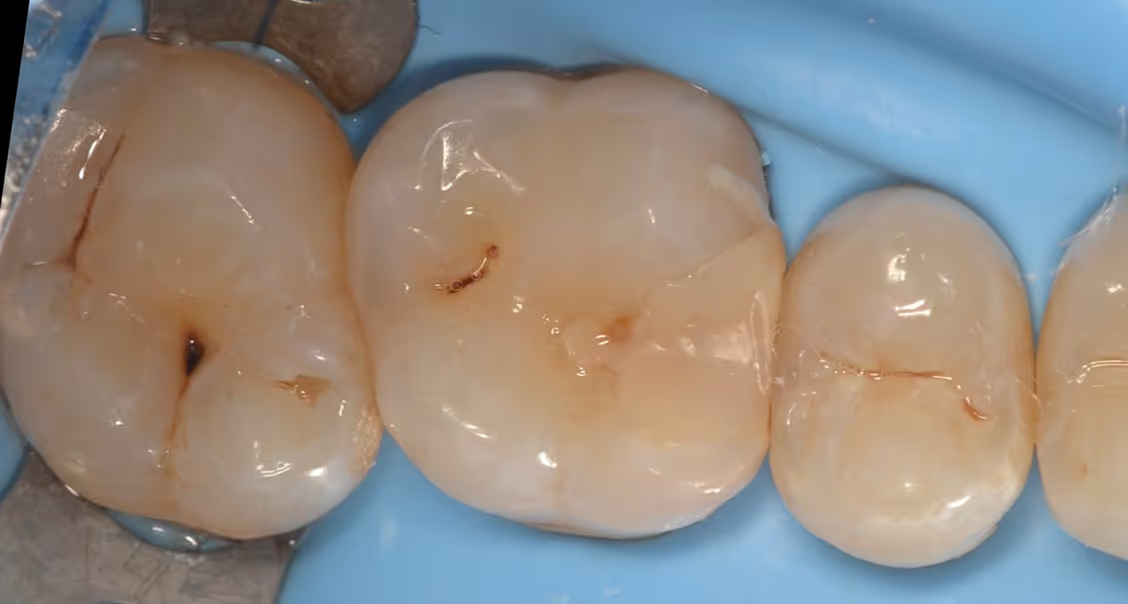
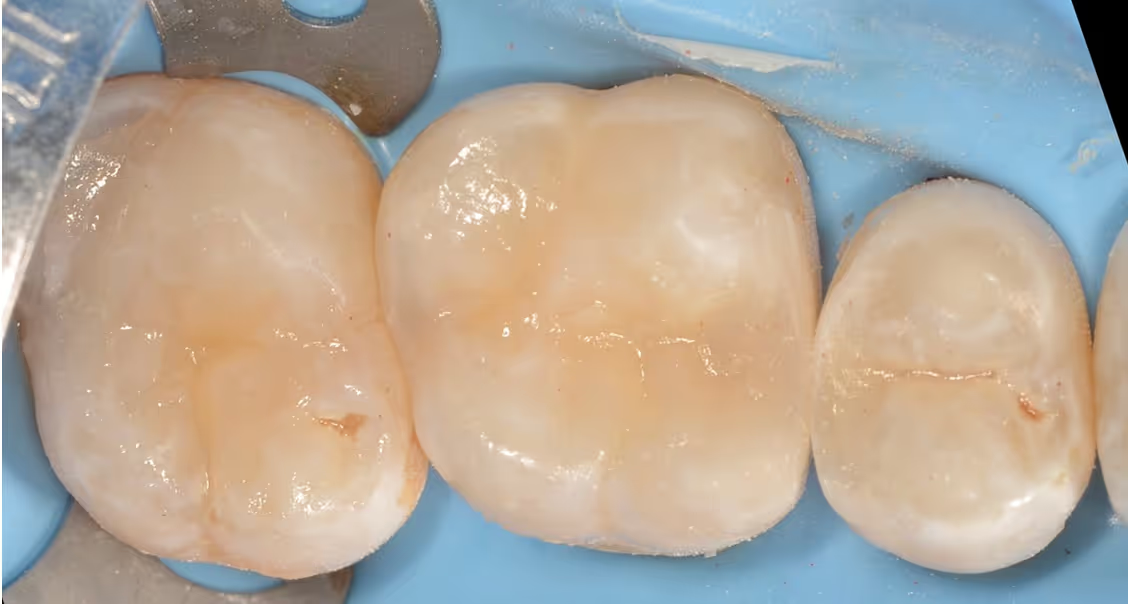
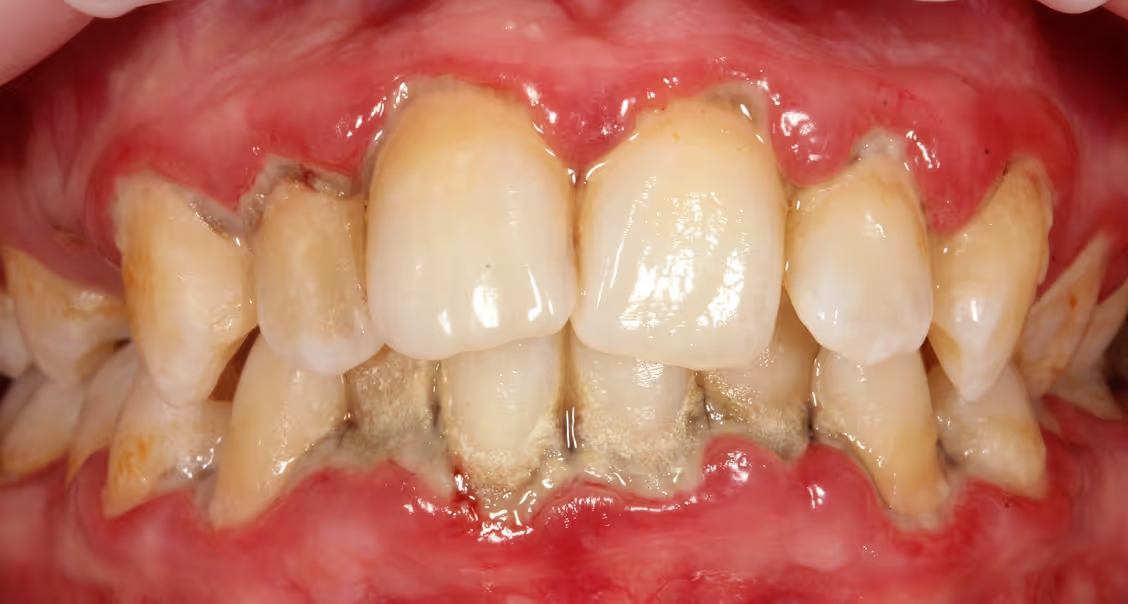
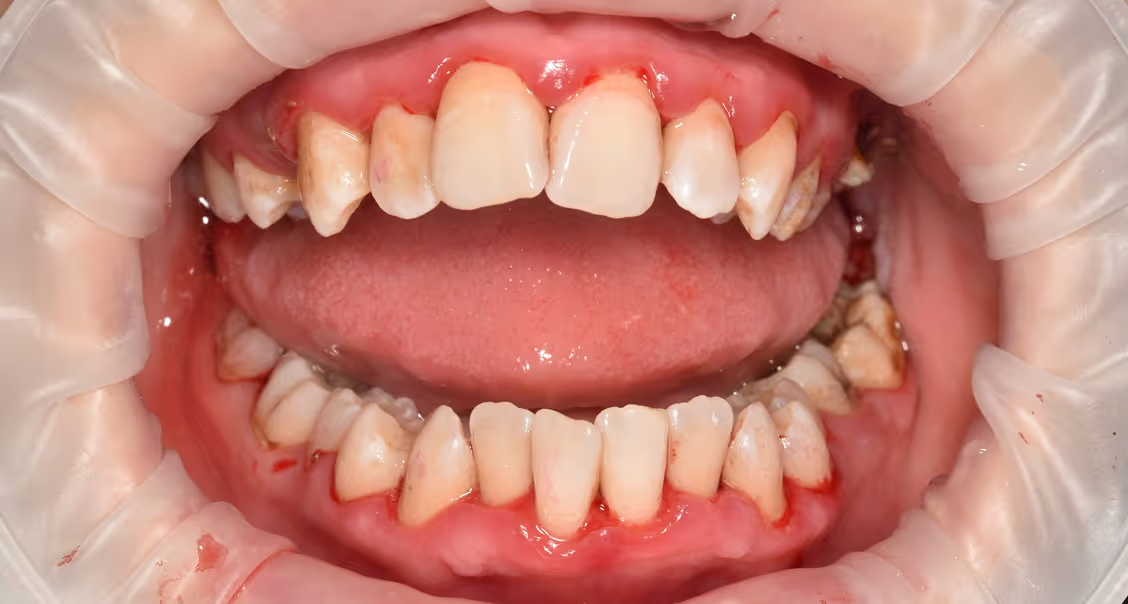
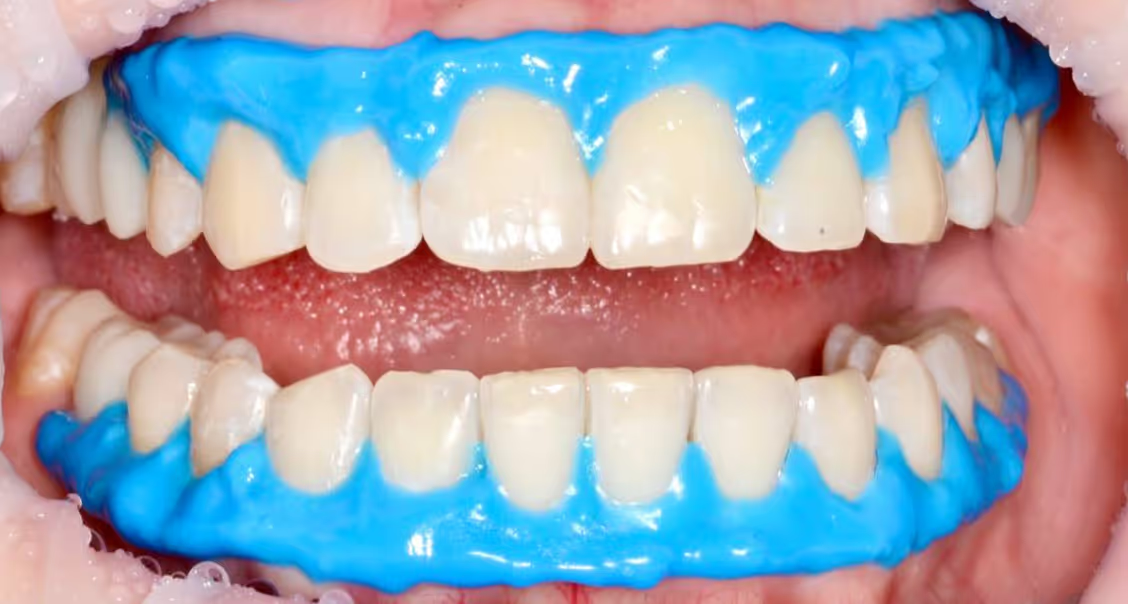
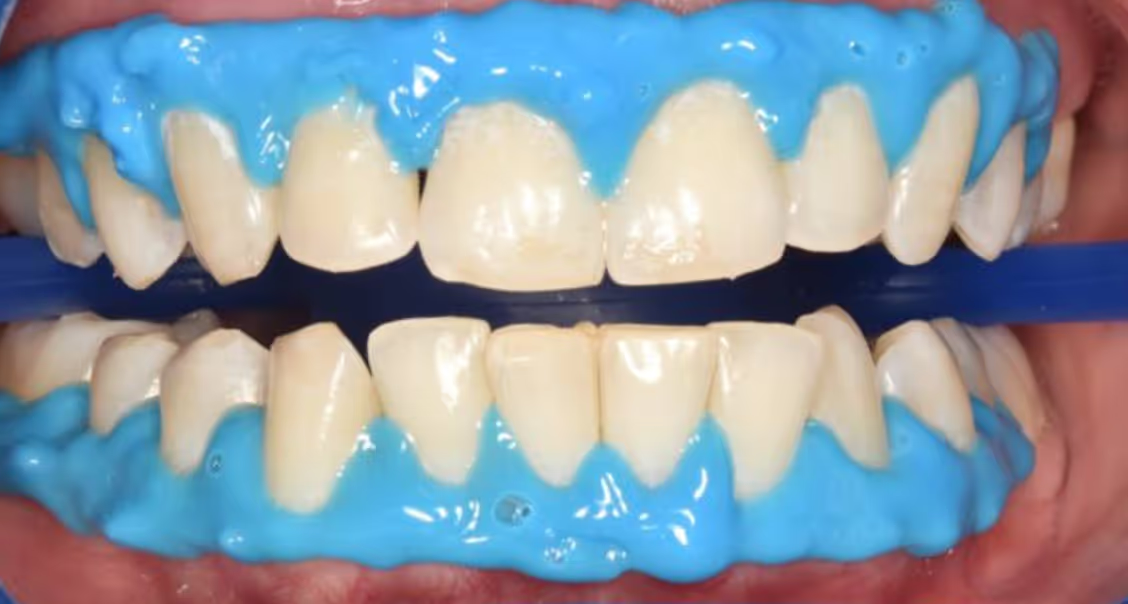
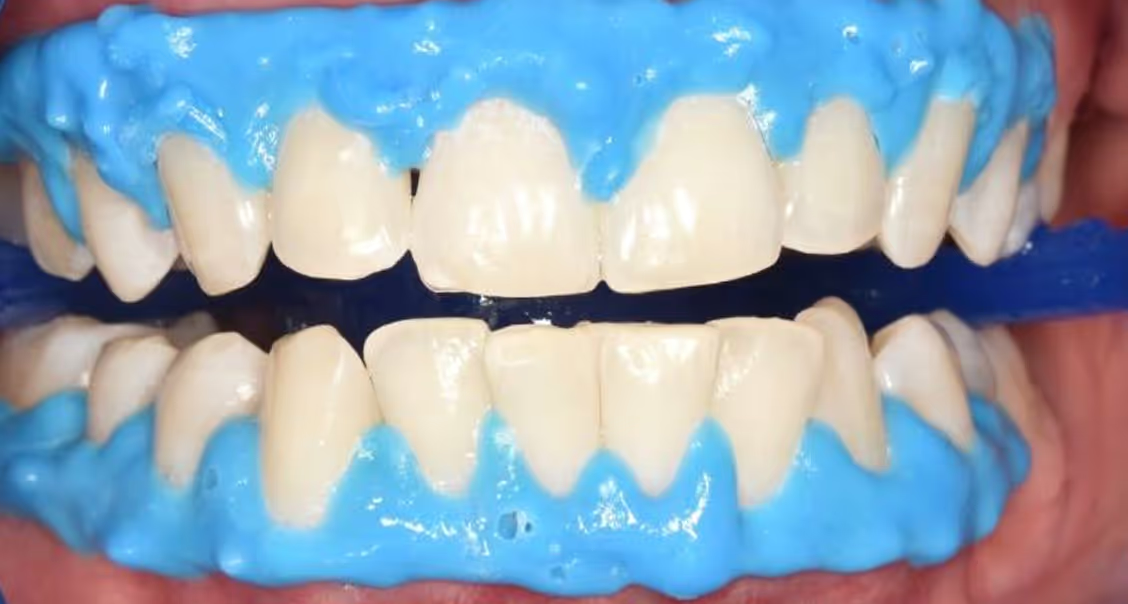
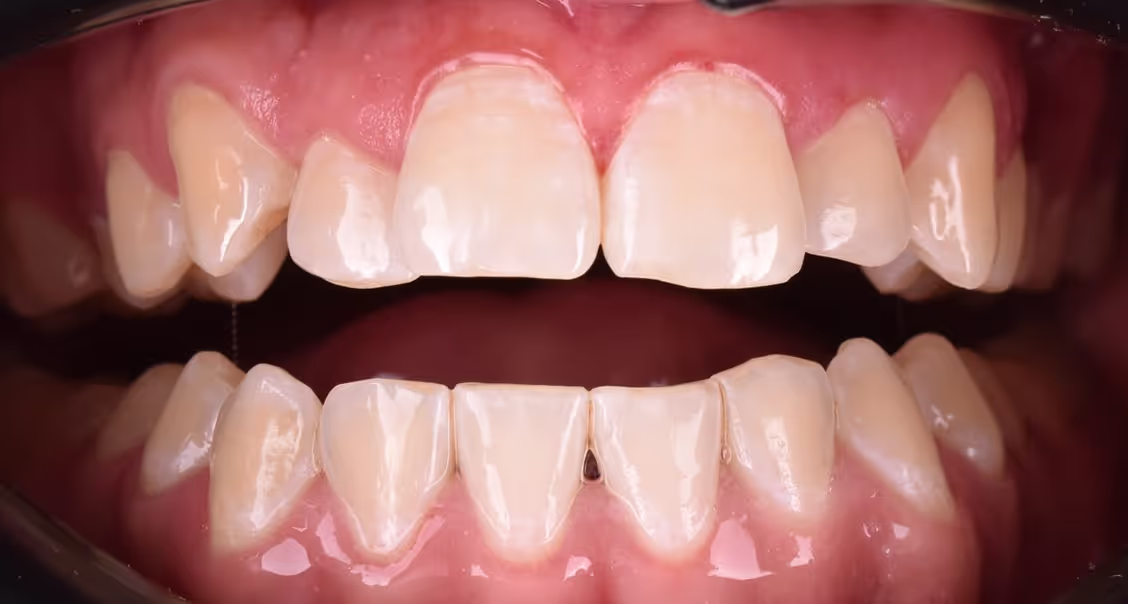
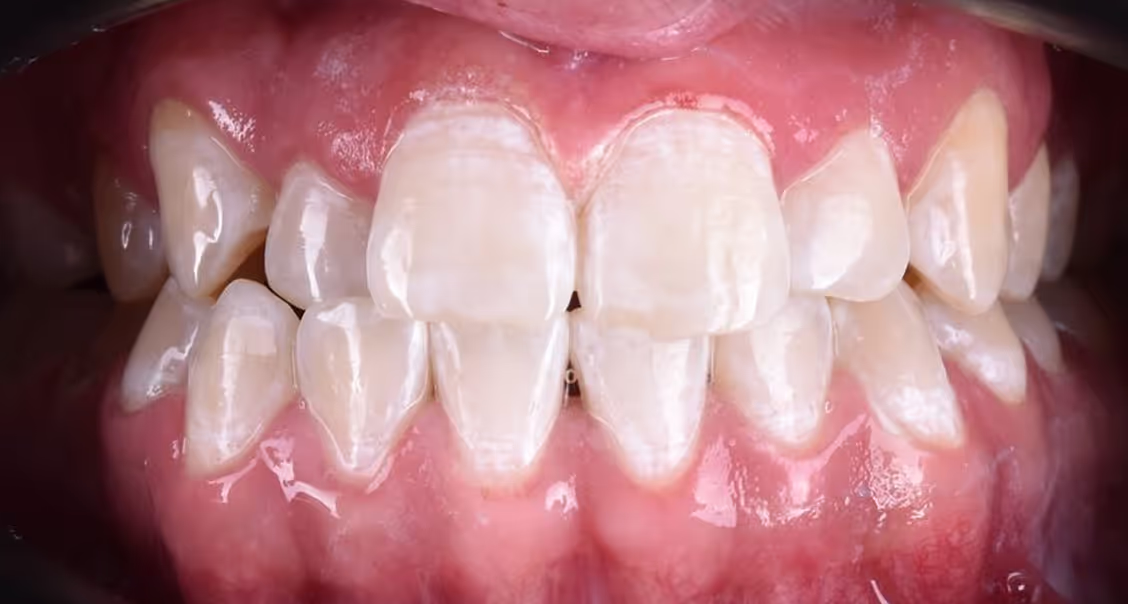
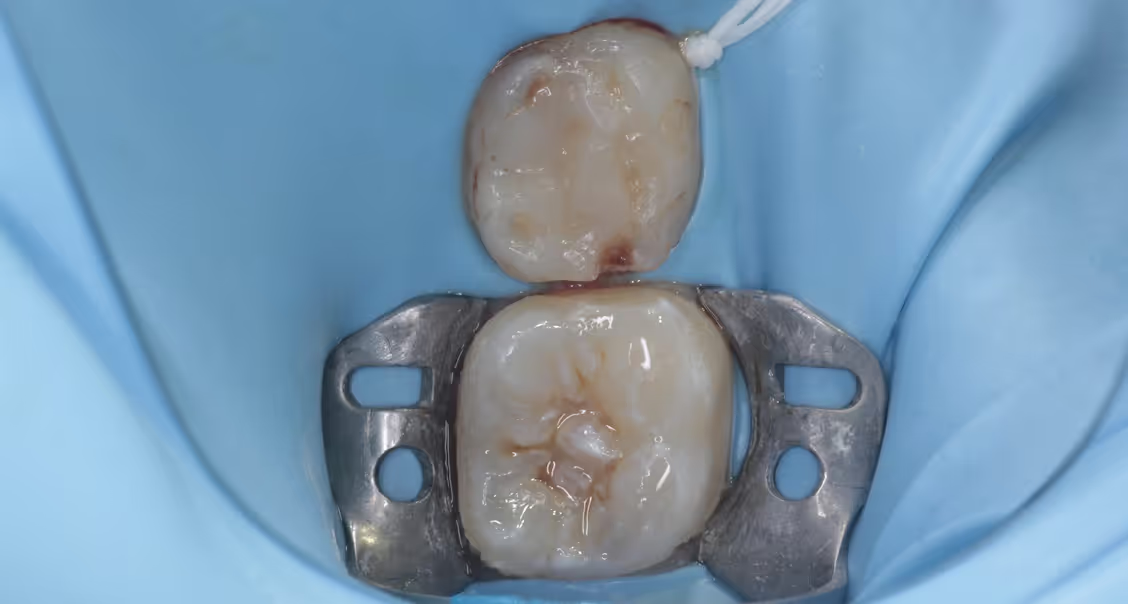
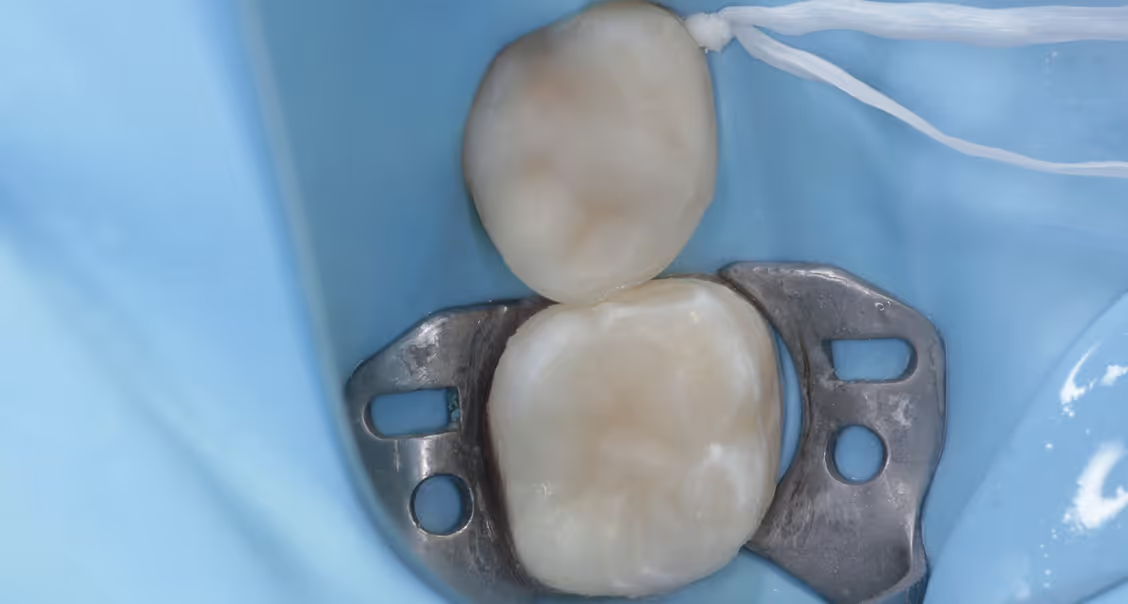
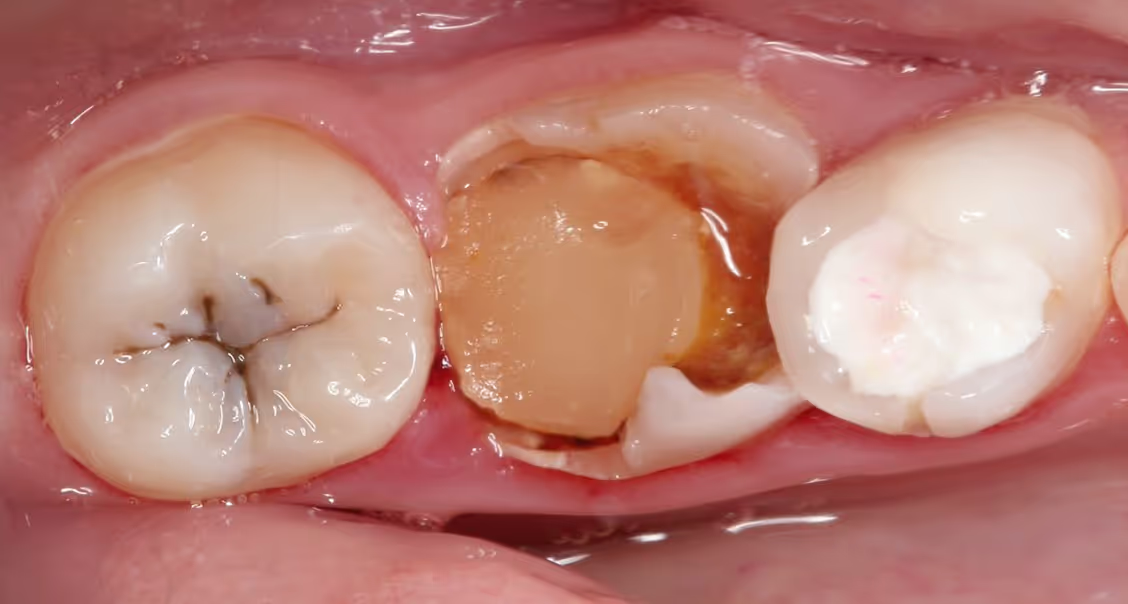
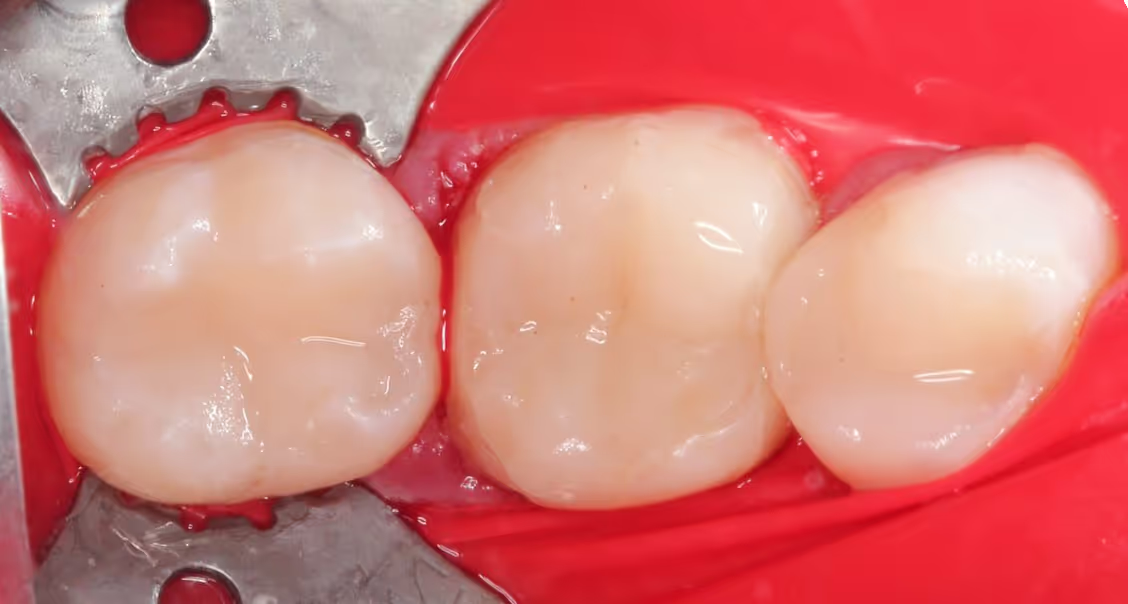
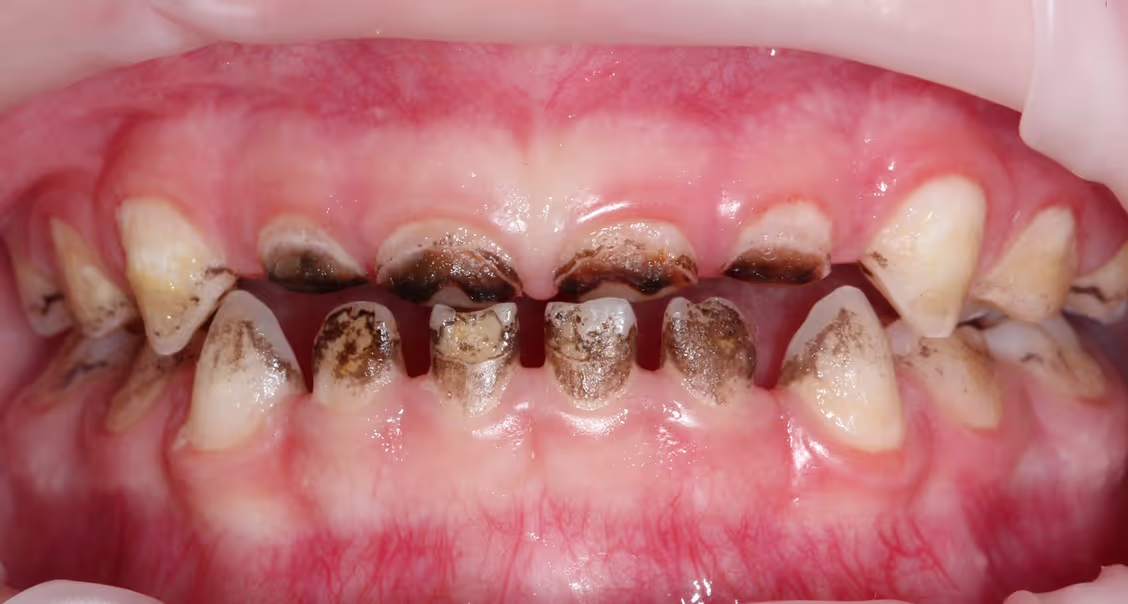
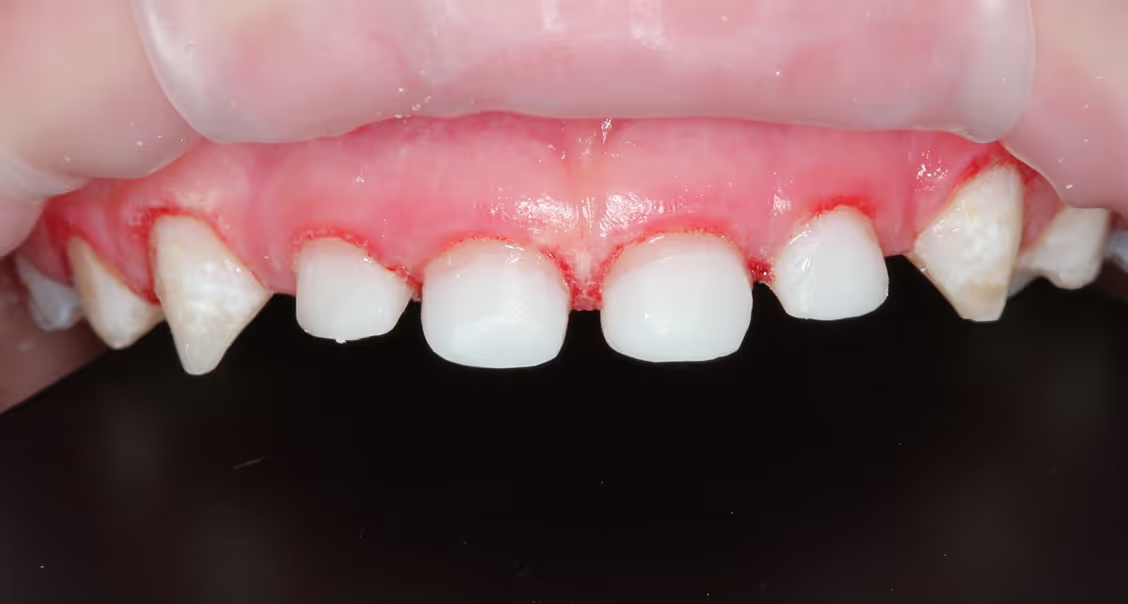
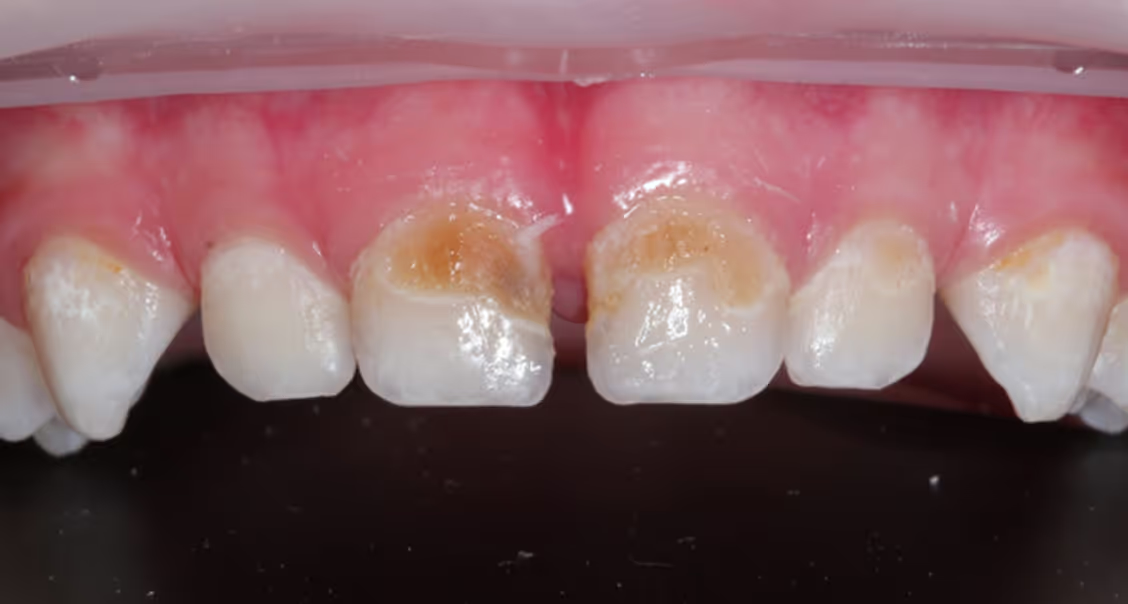
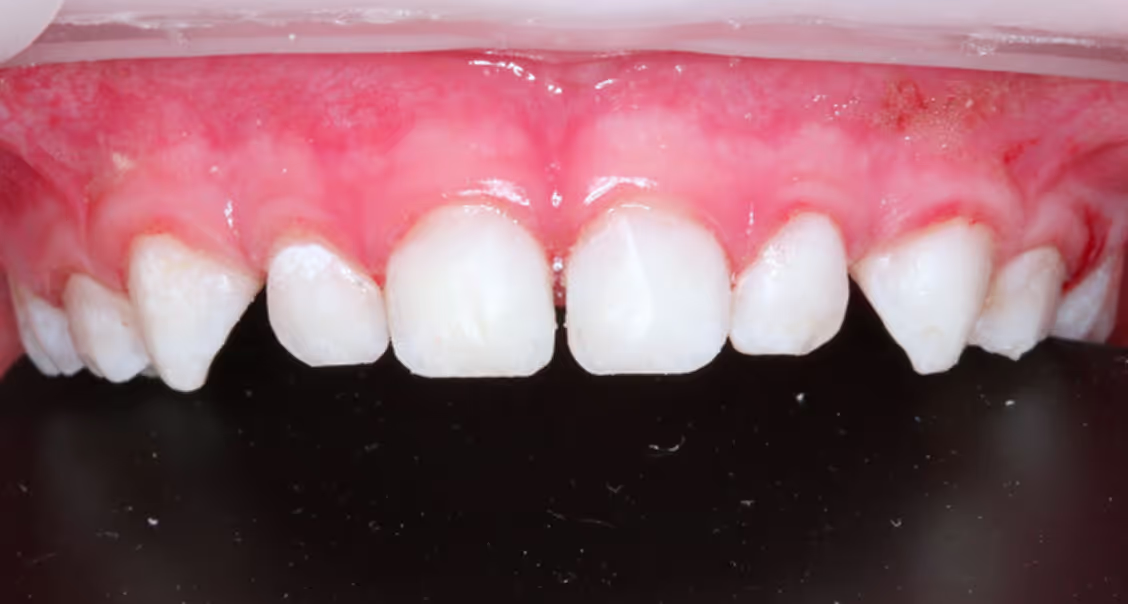
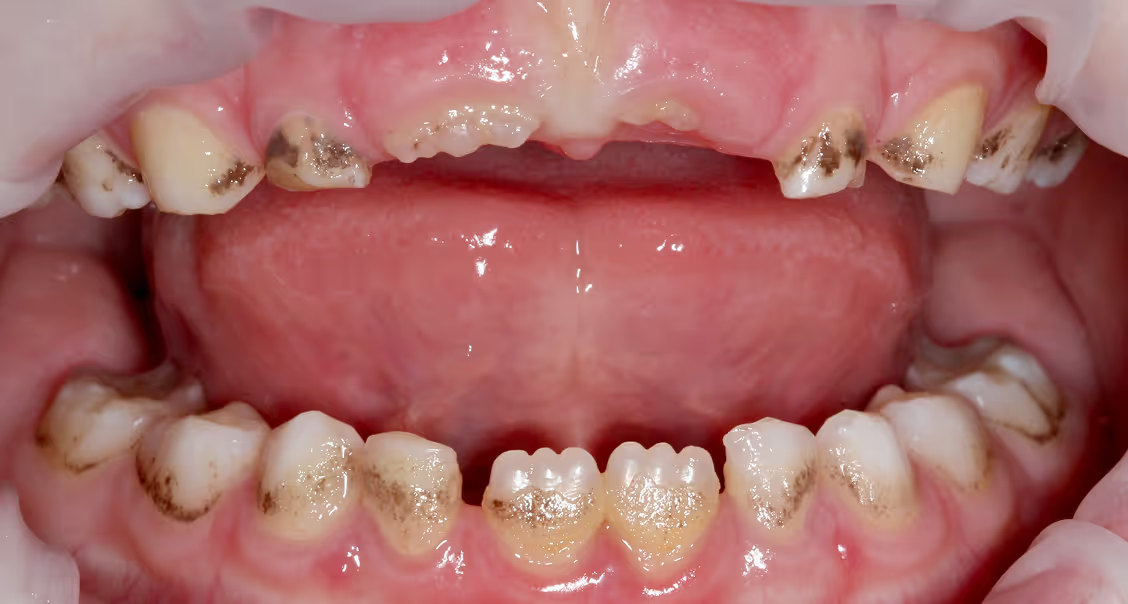
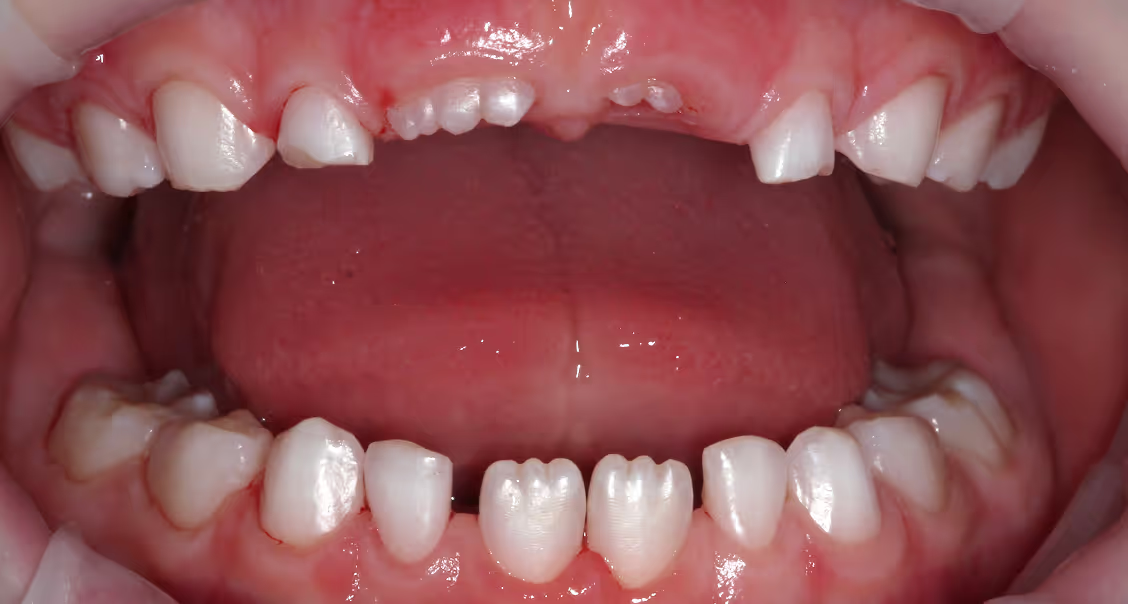
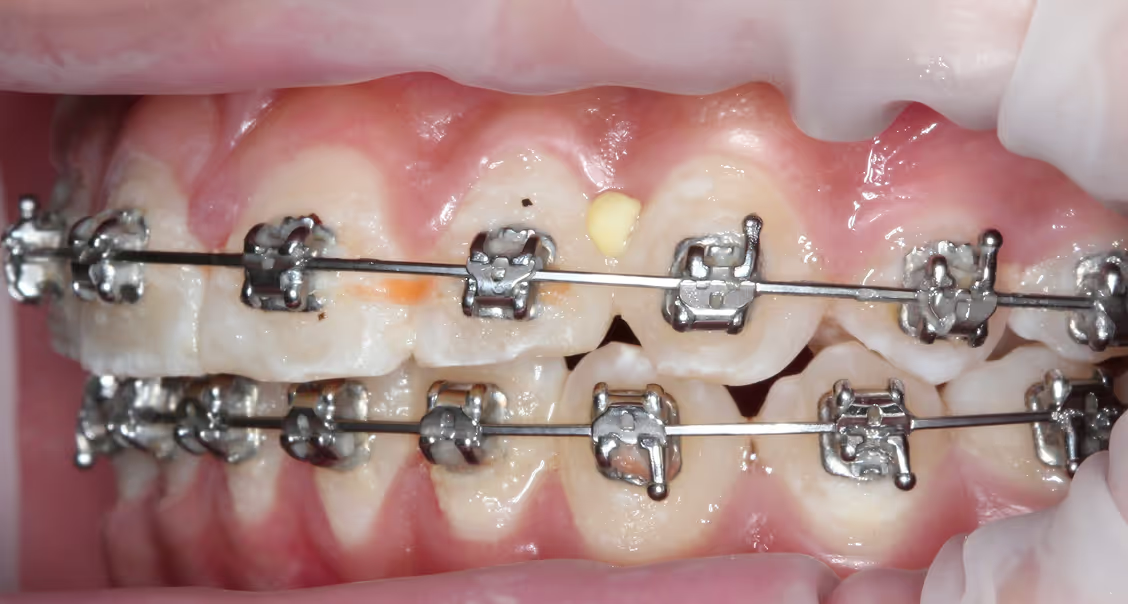
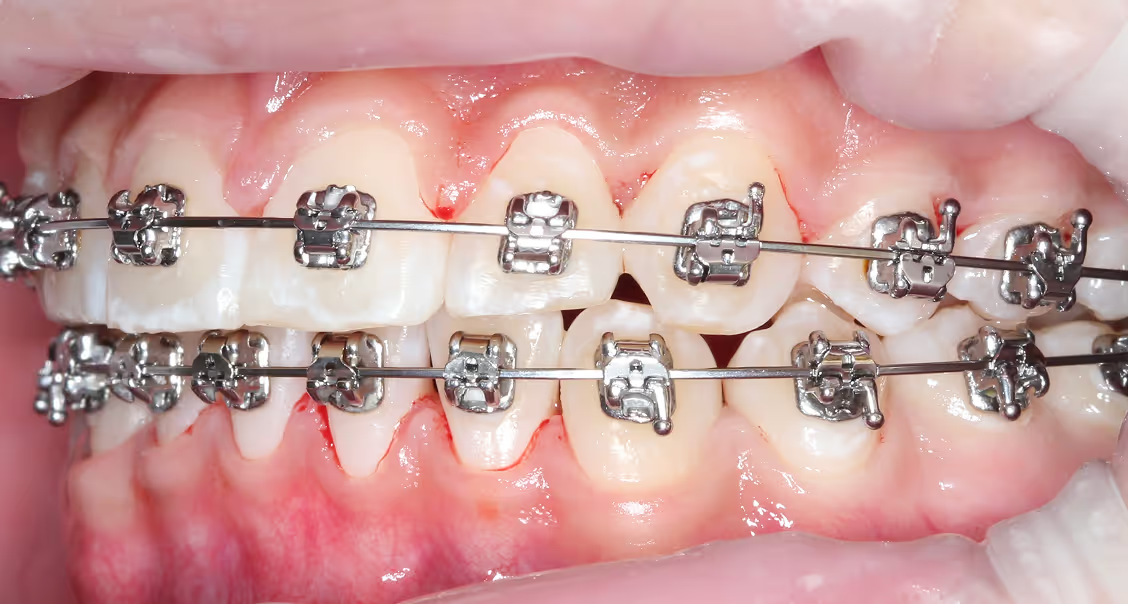
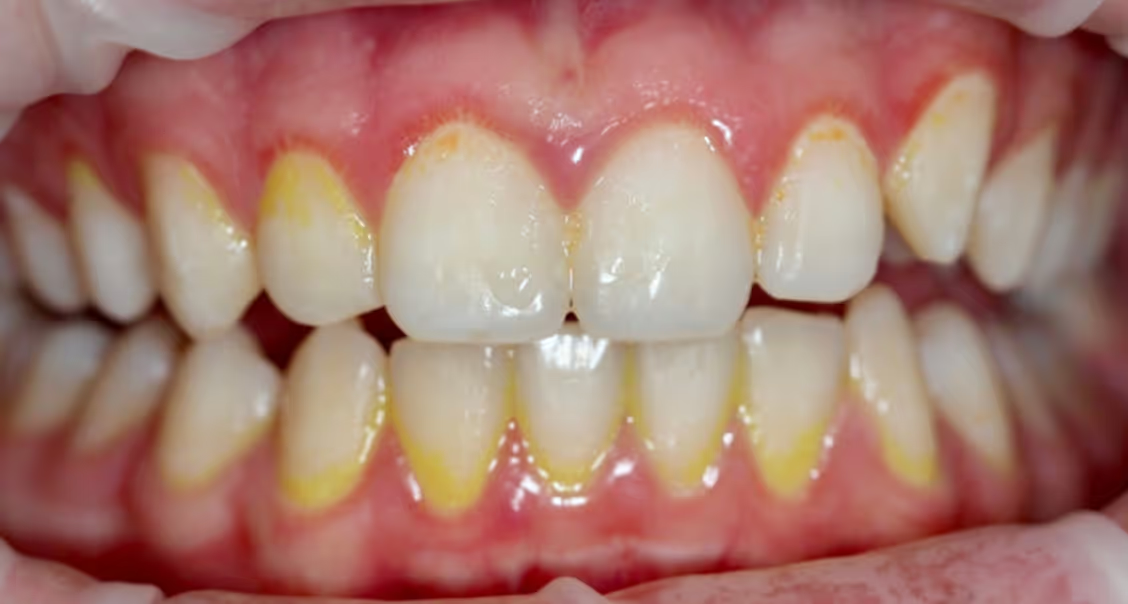
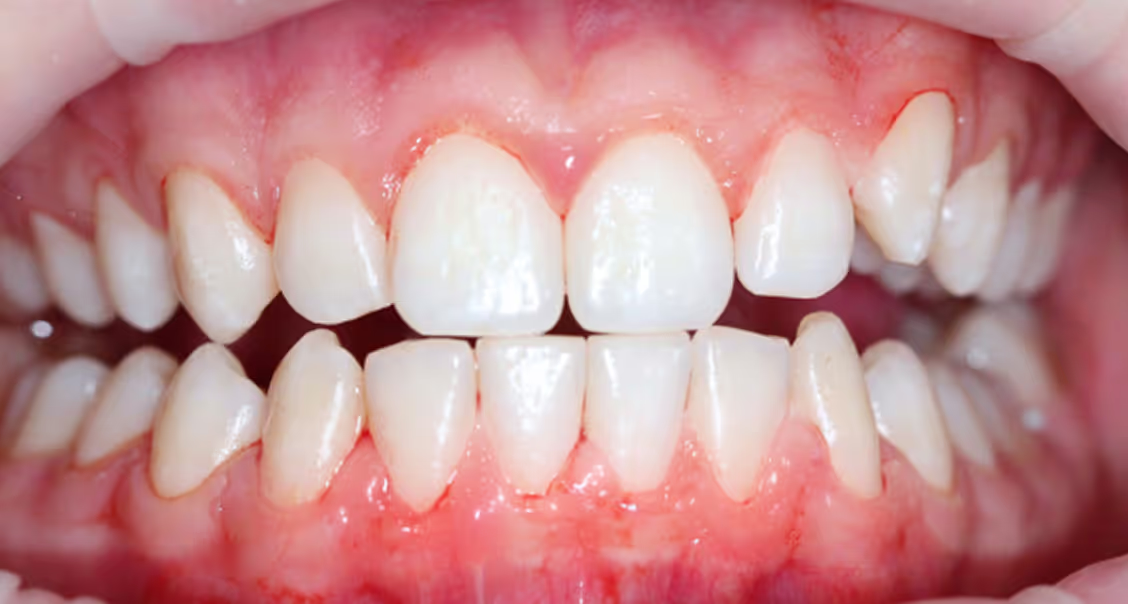
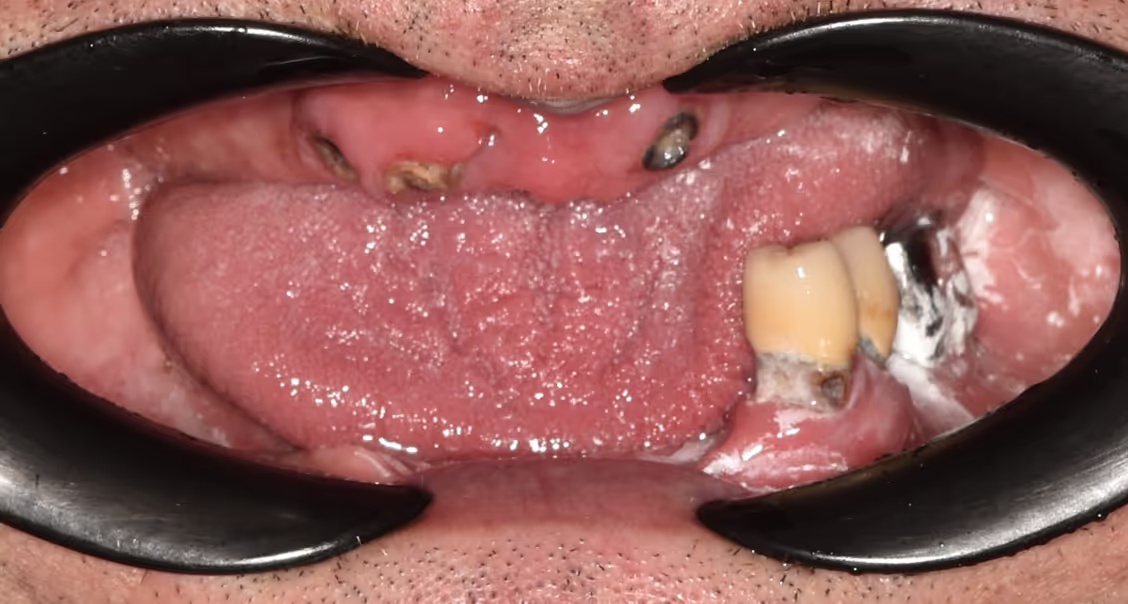
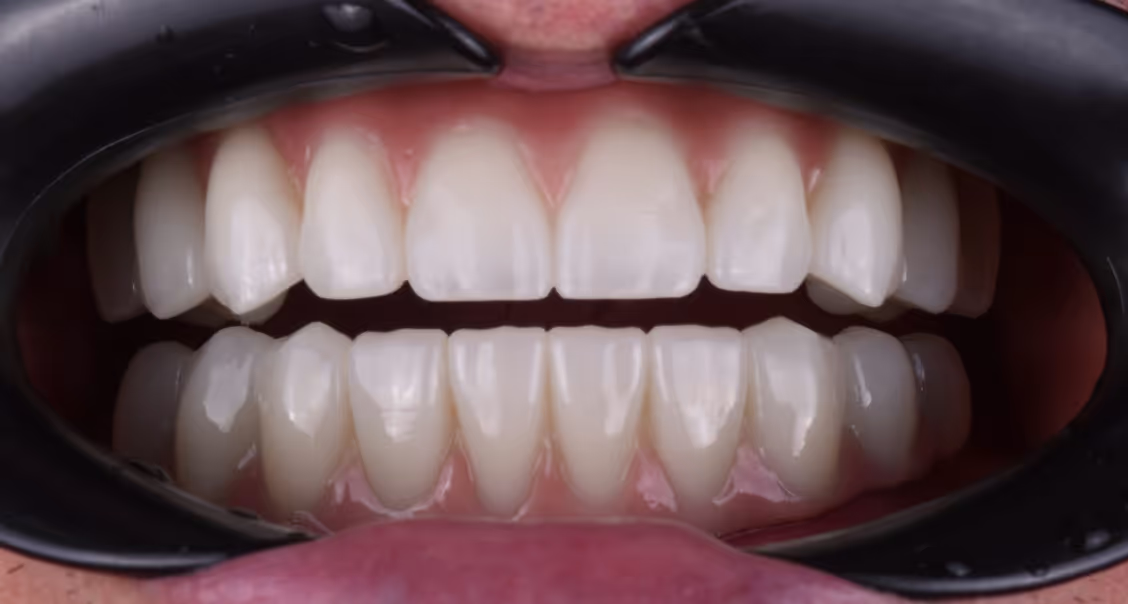
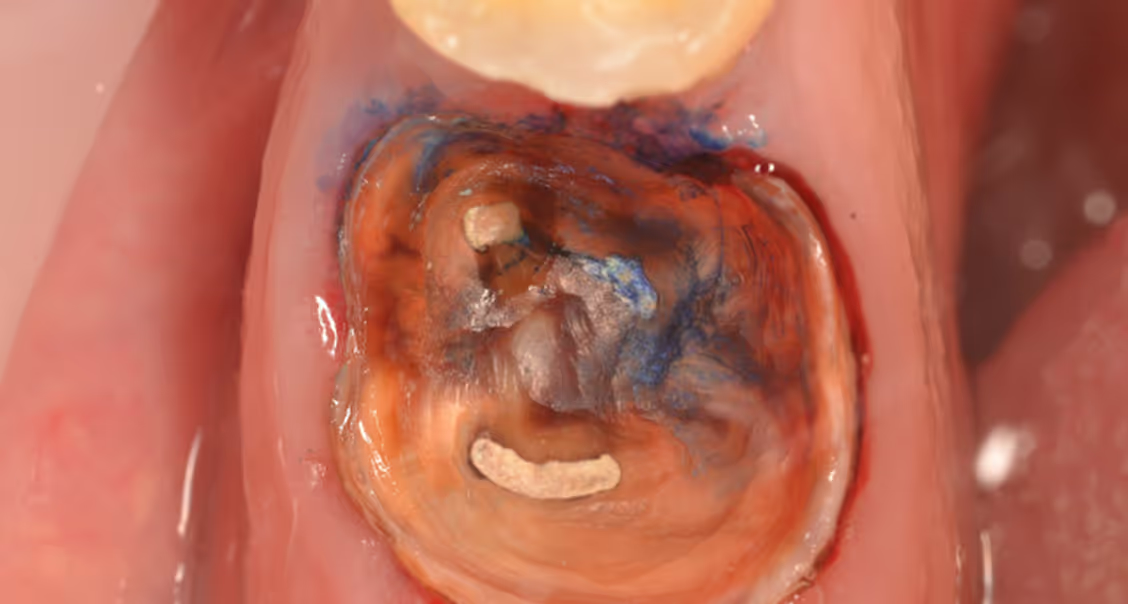
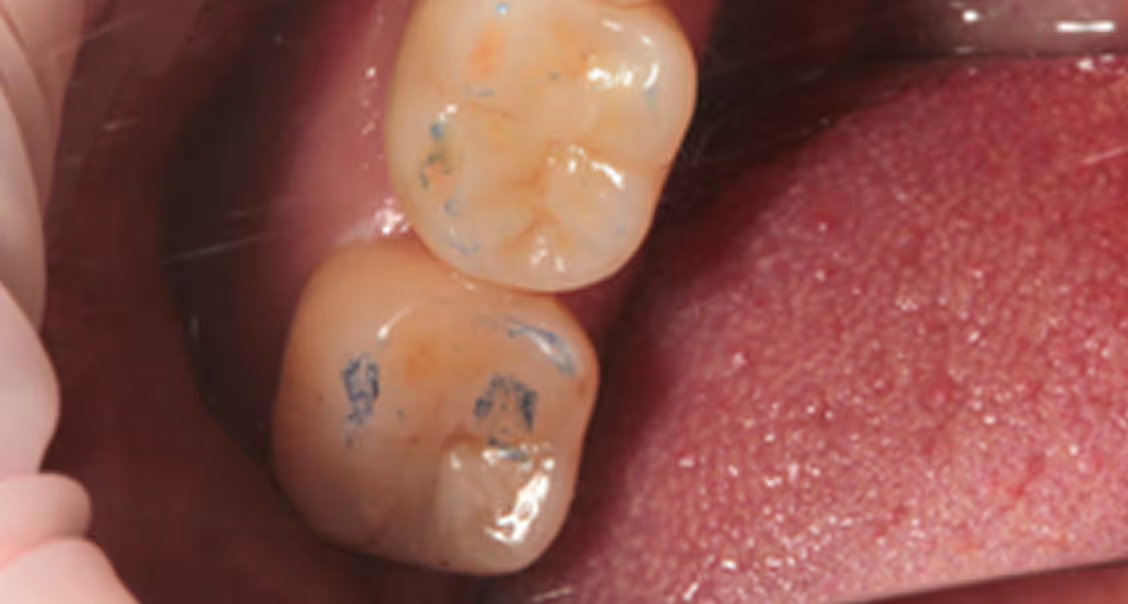
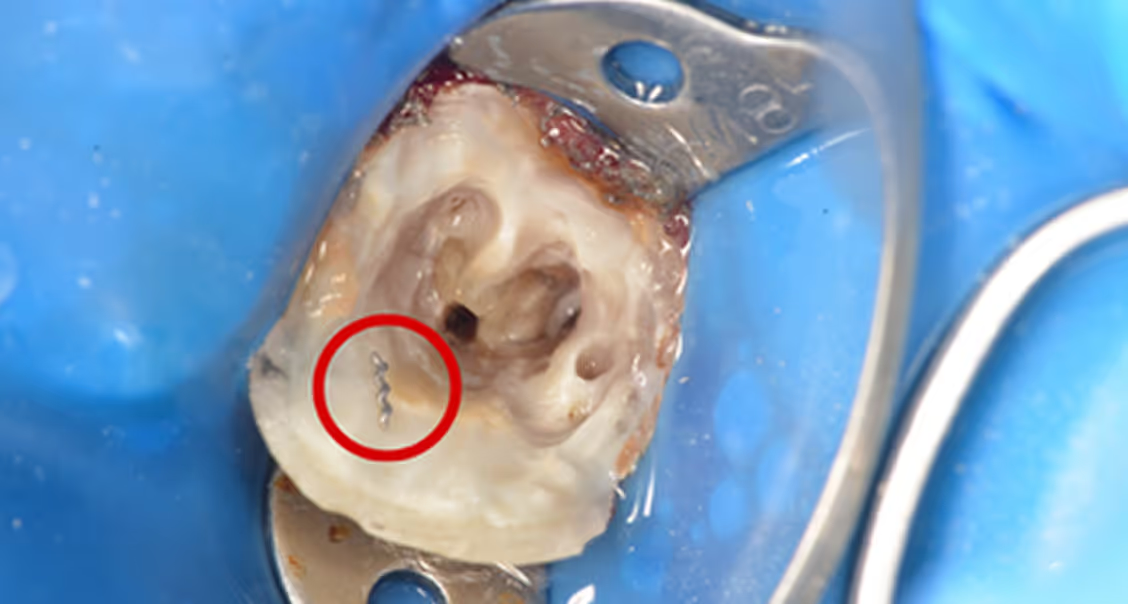
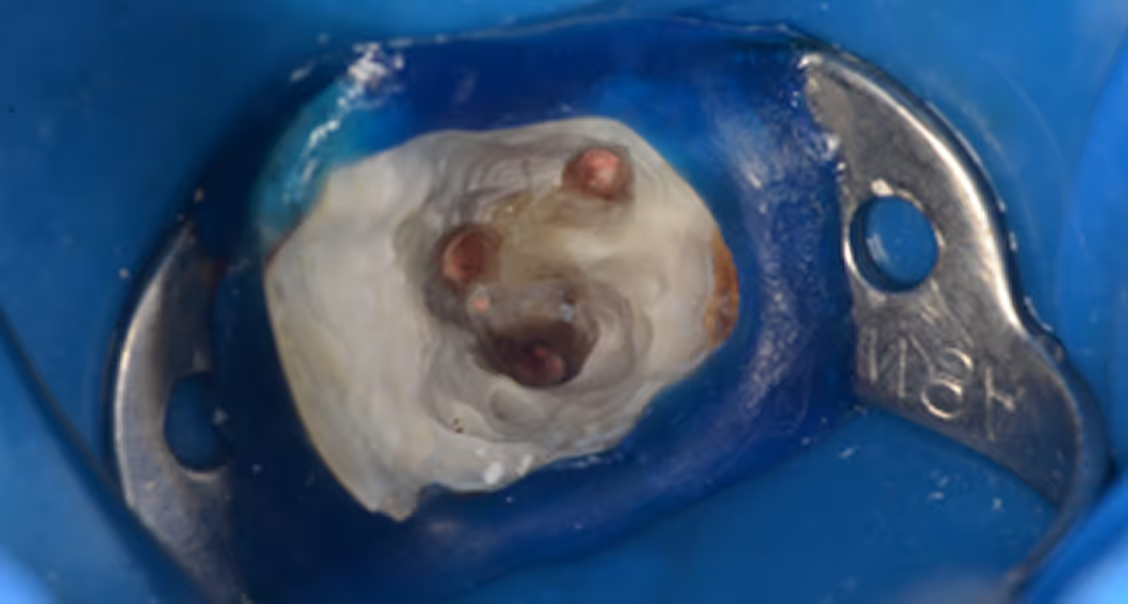
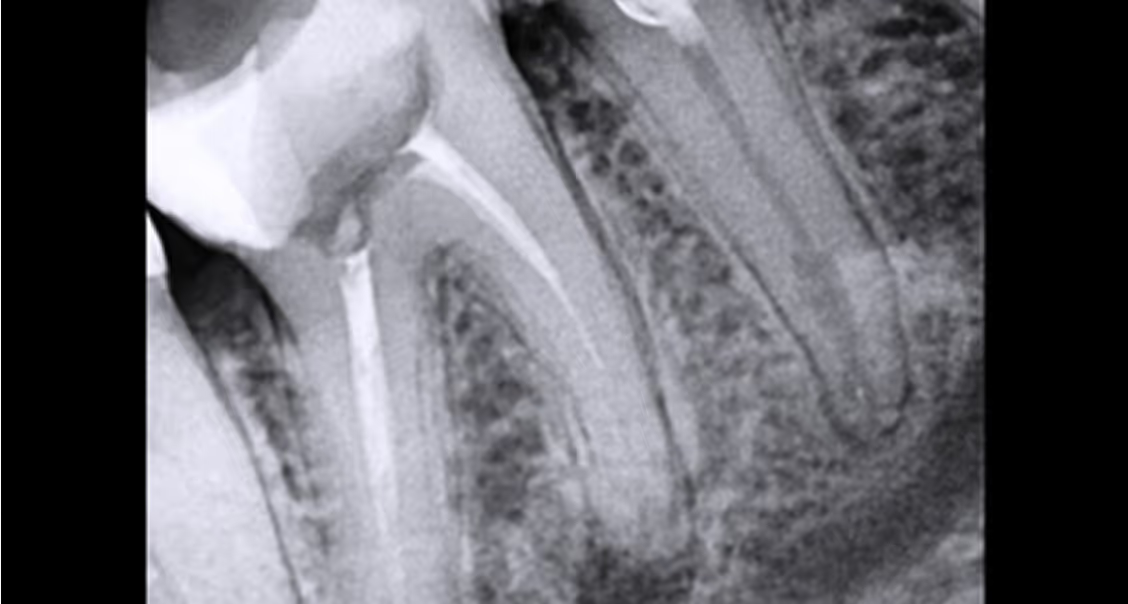
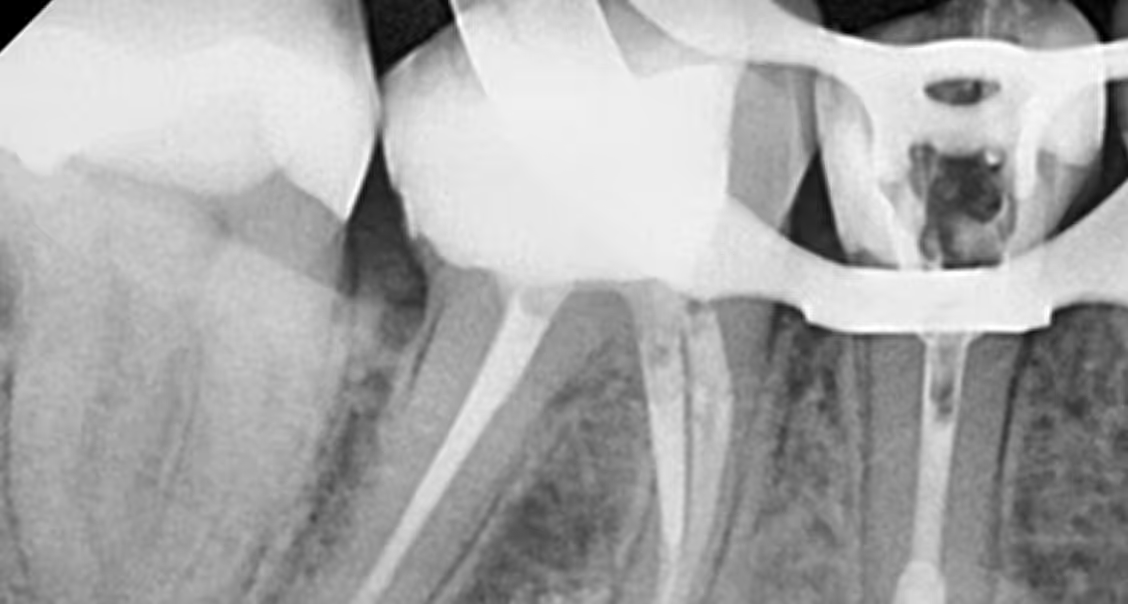
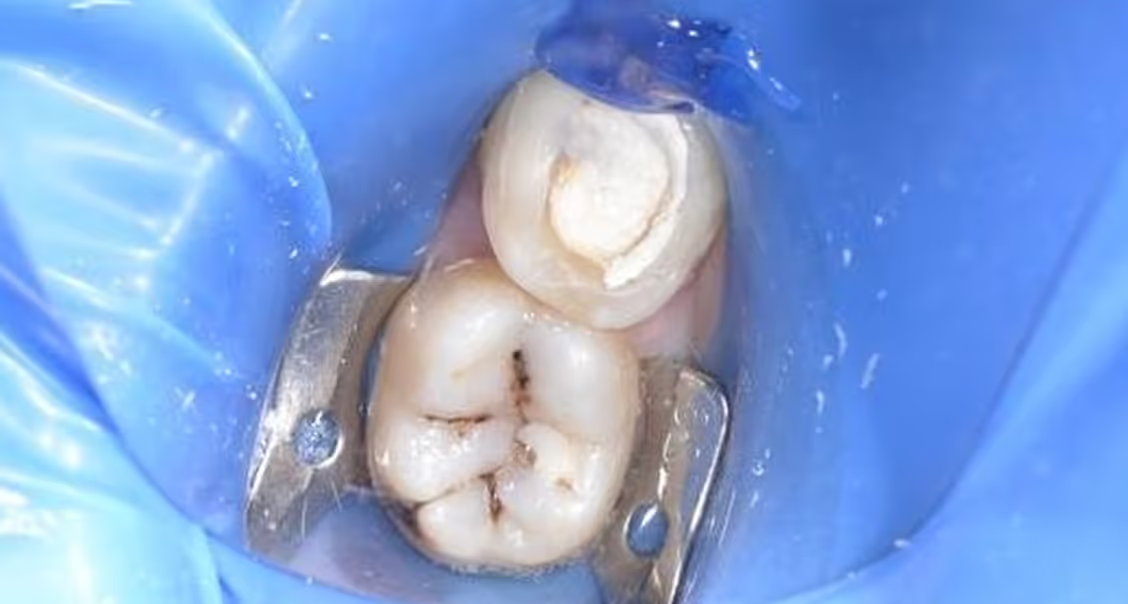
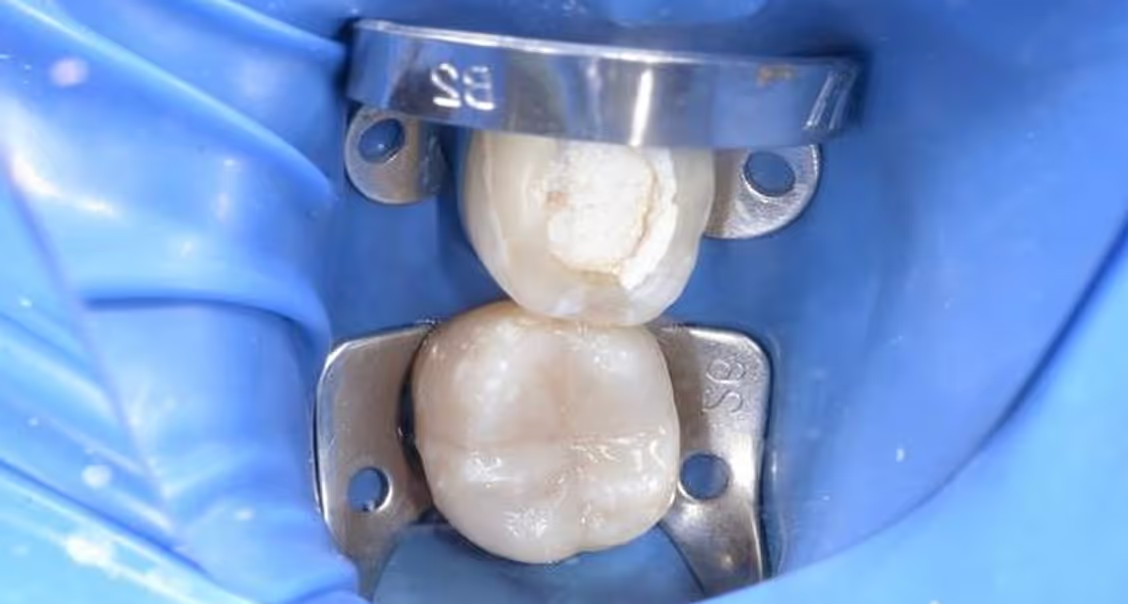
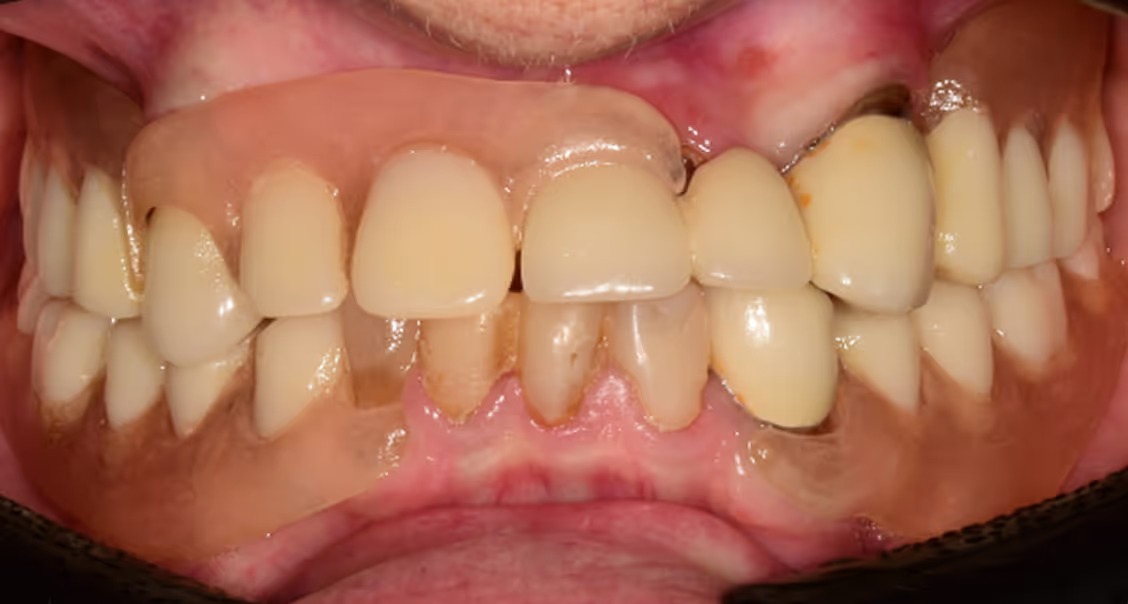
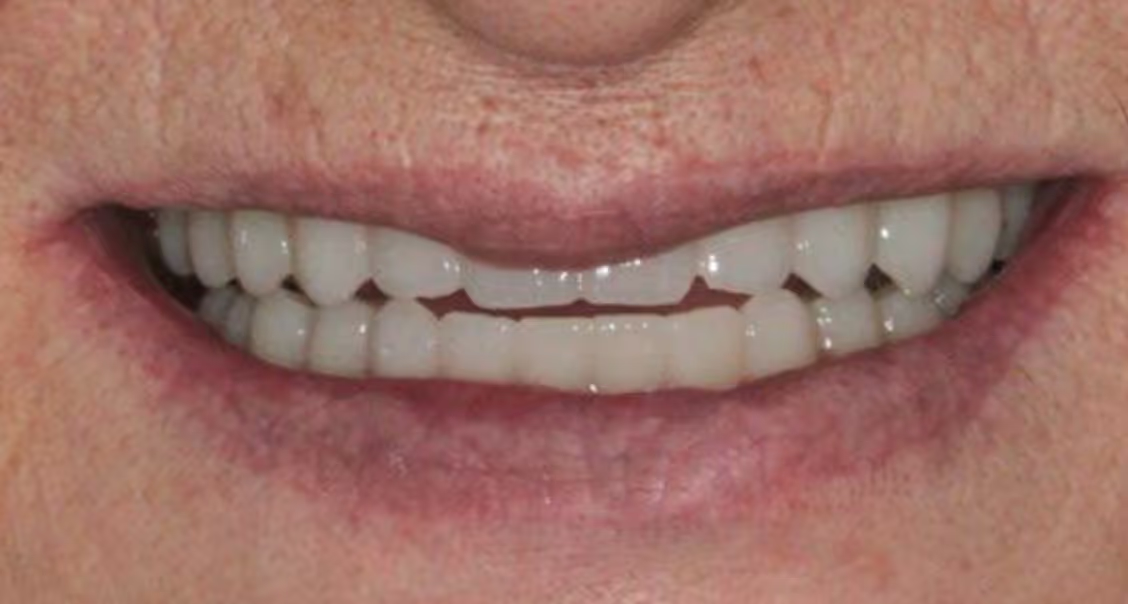
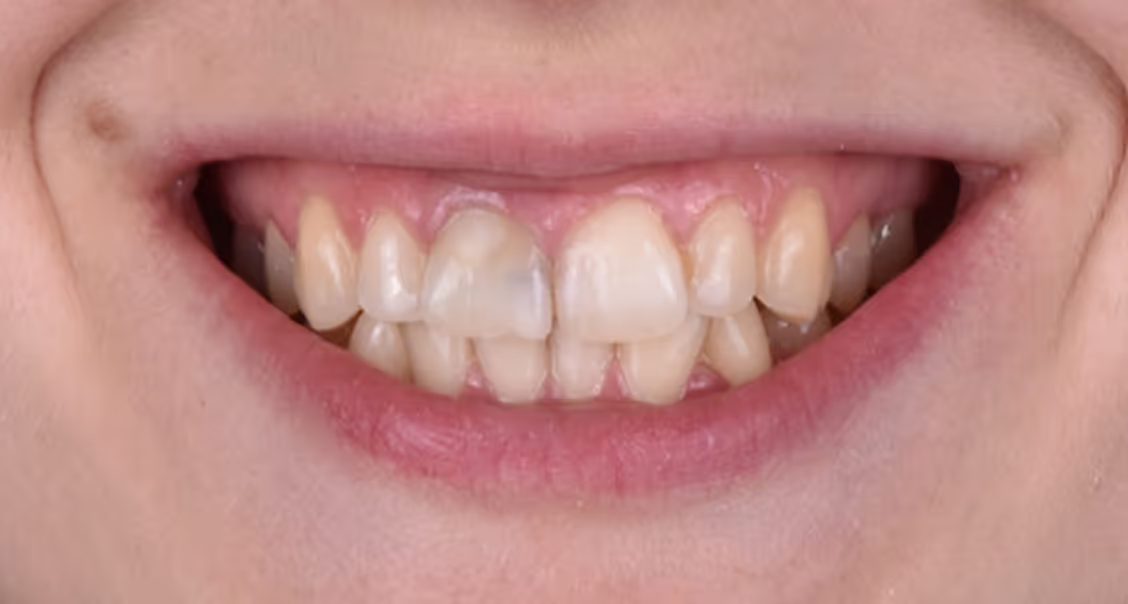
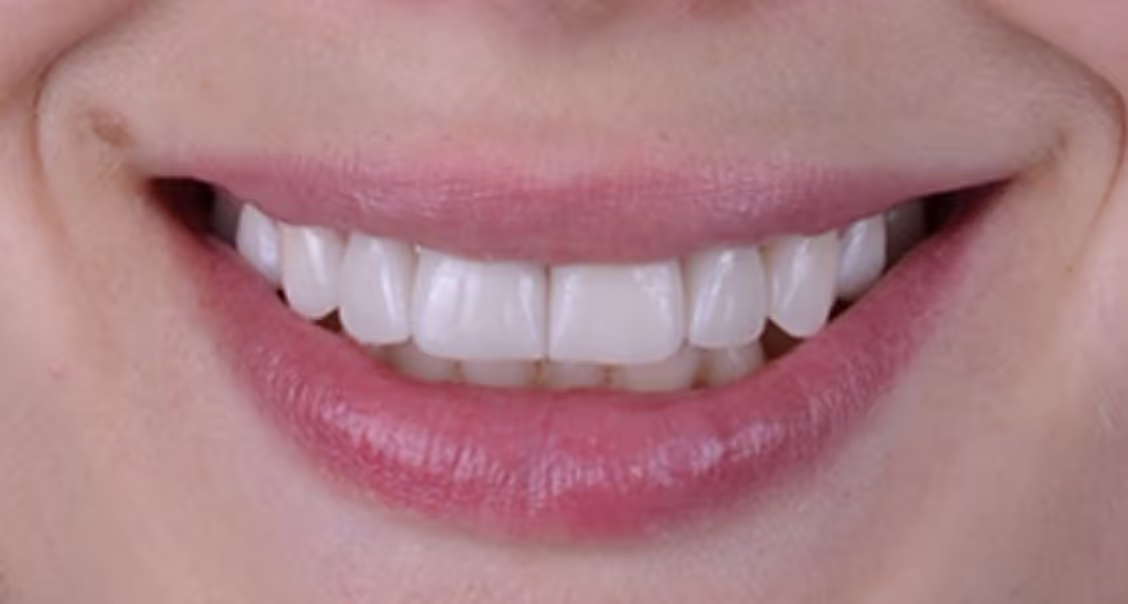
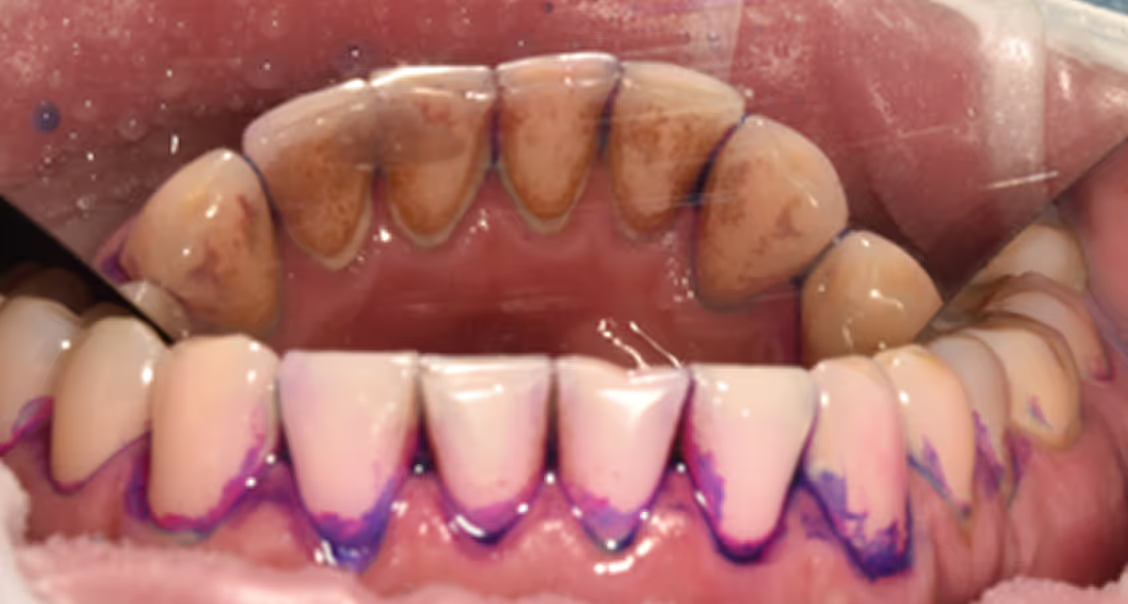
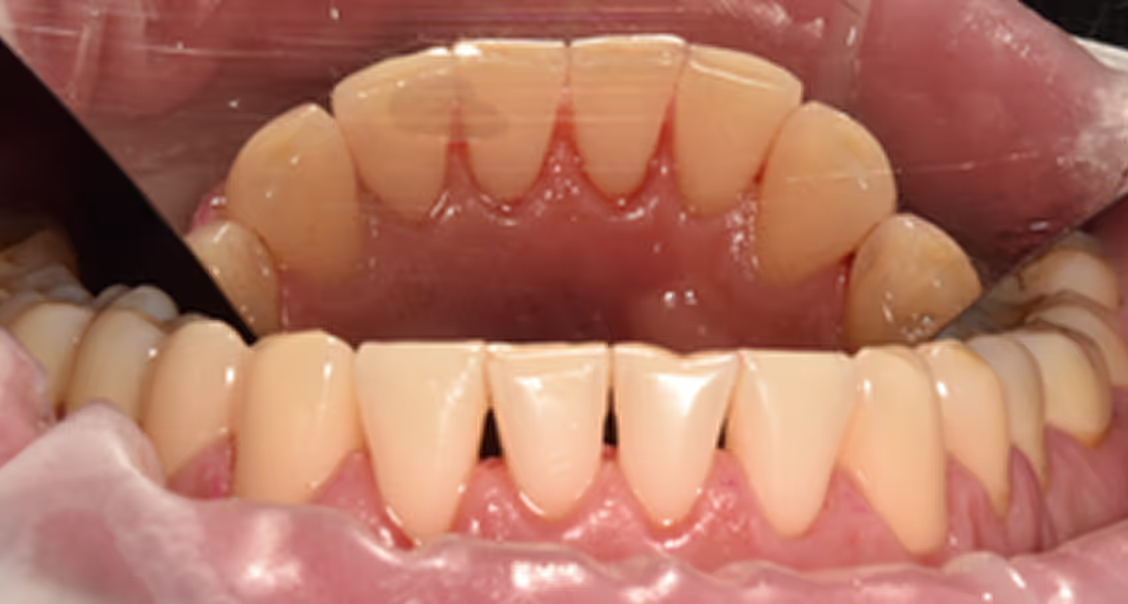
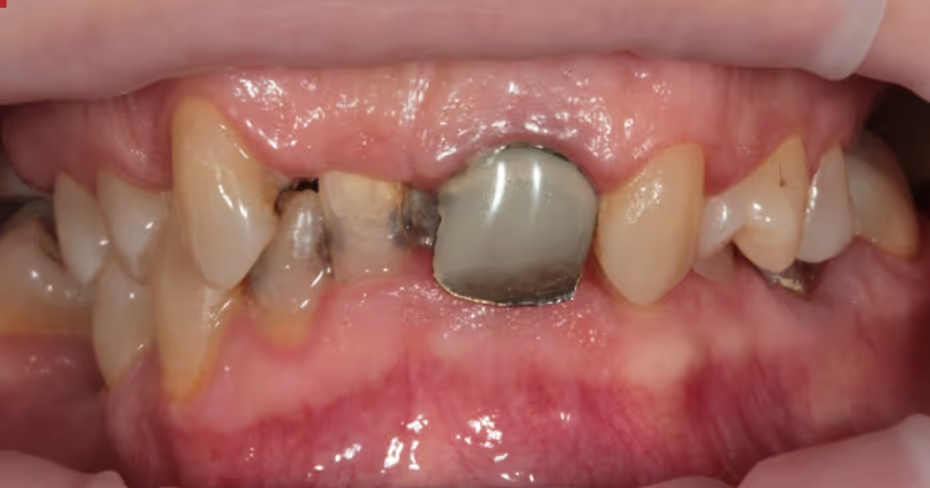
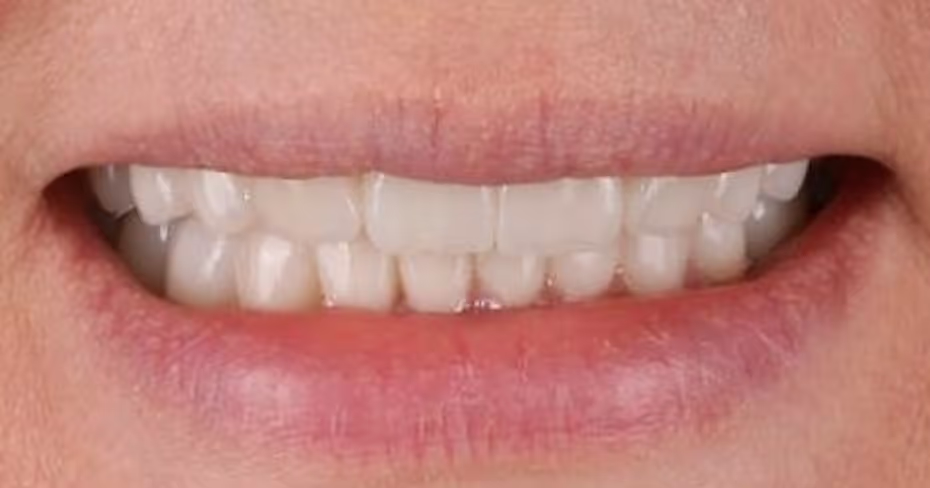
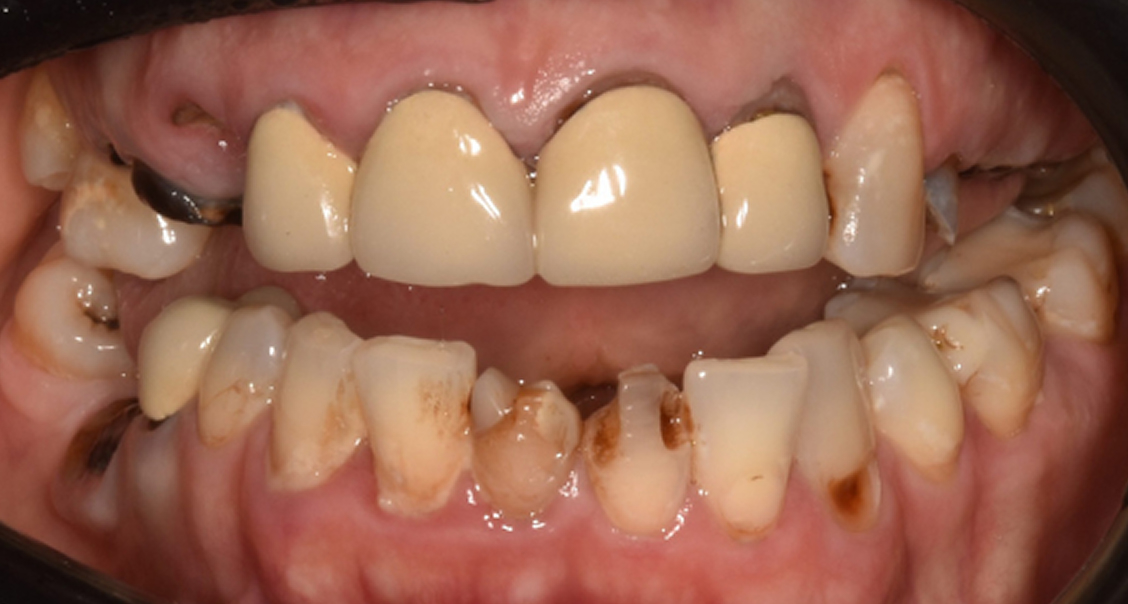
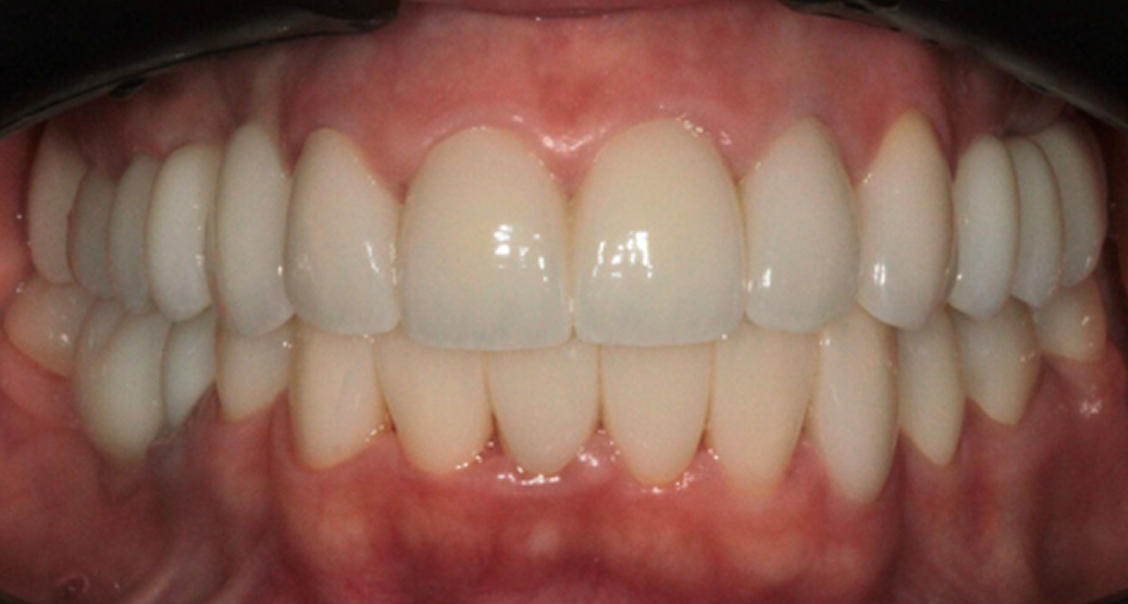
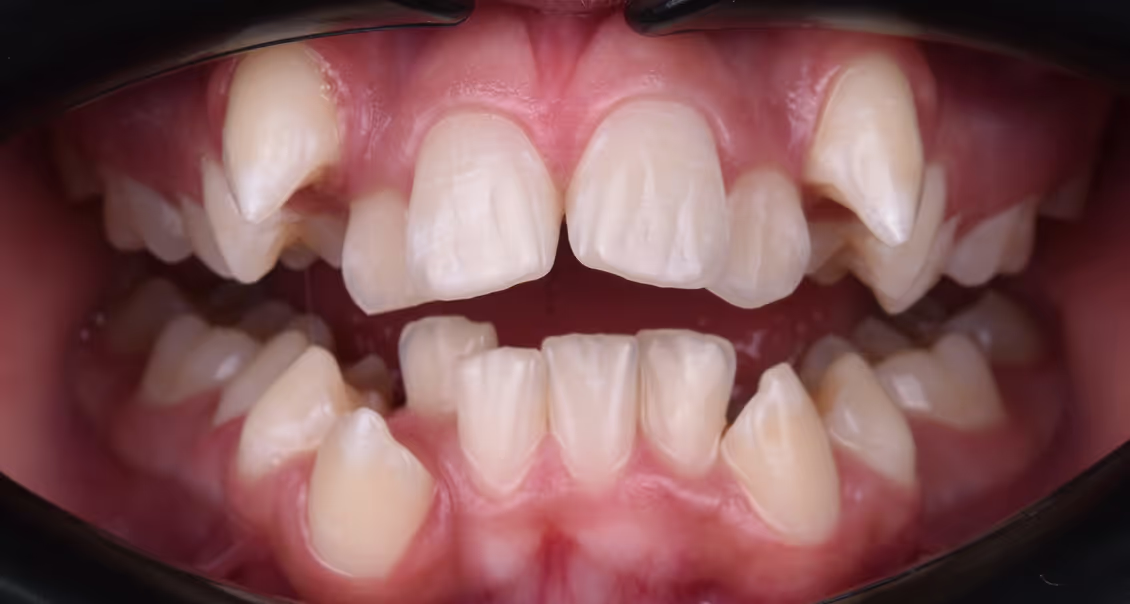
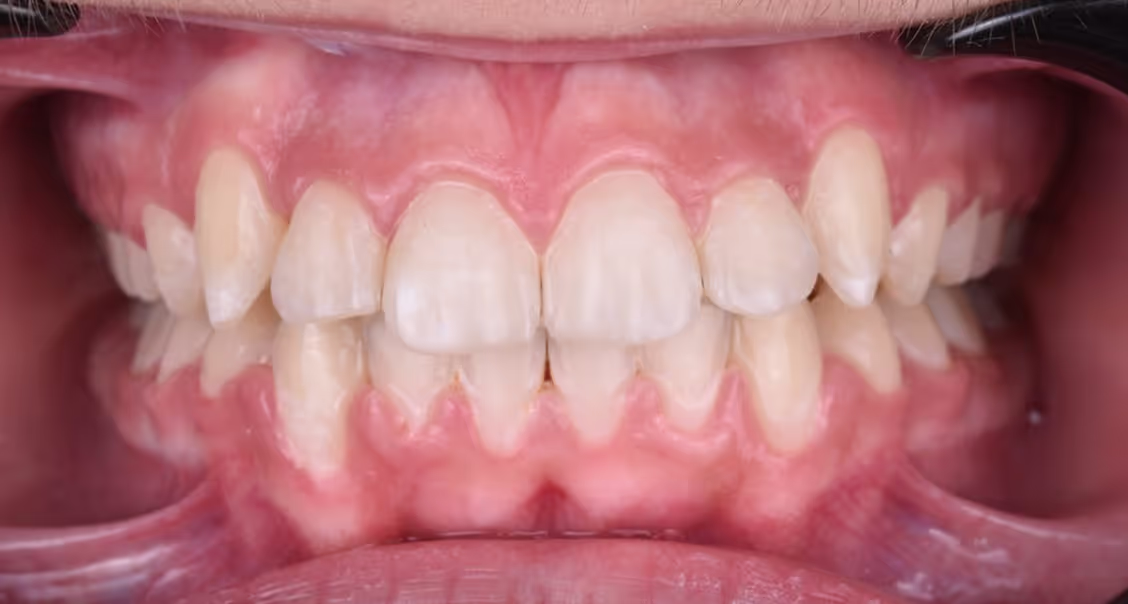
Tooth fluoridation — before and after
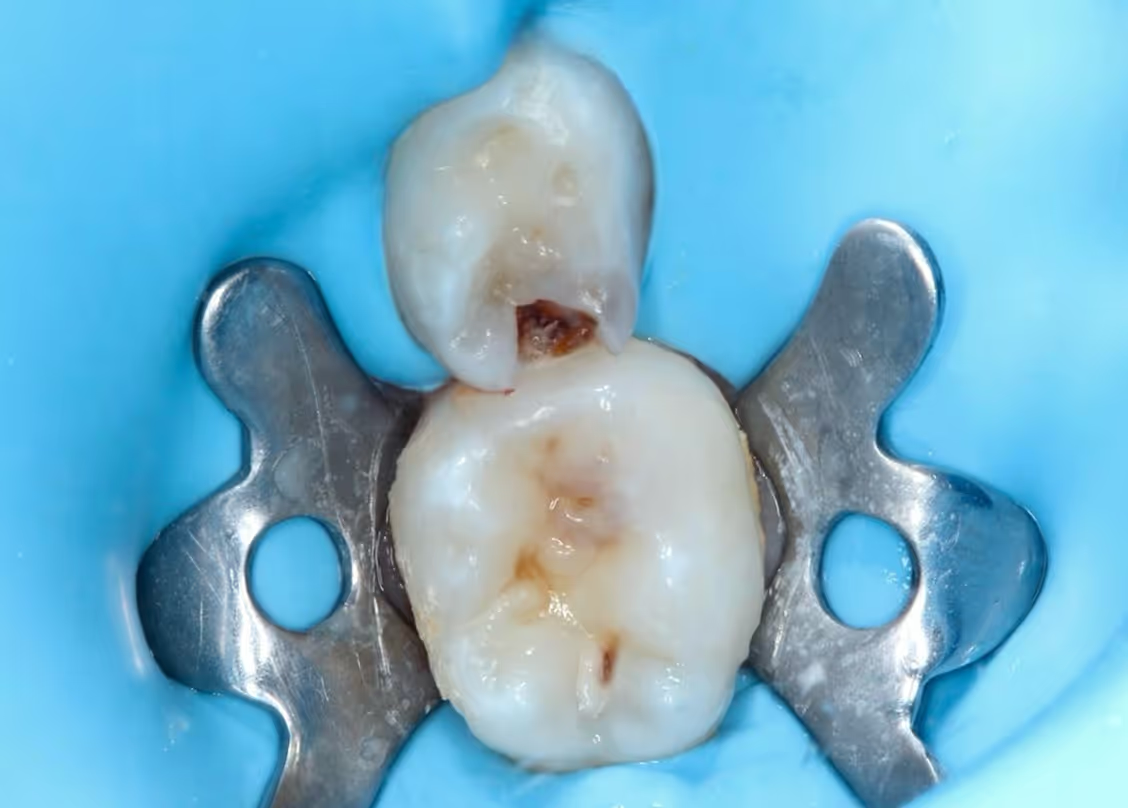
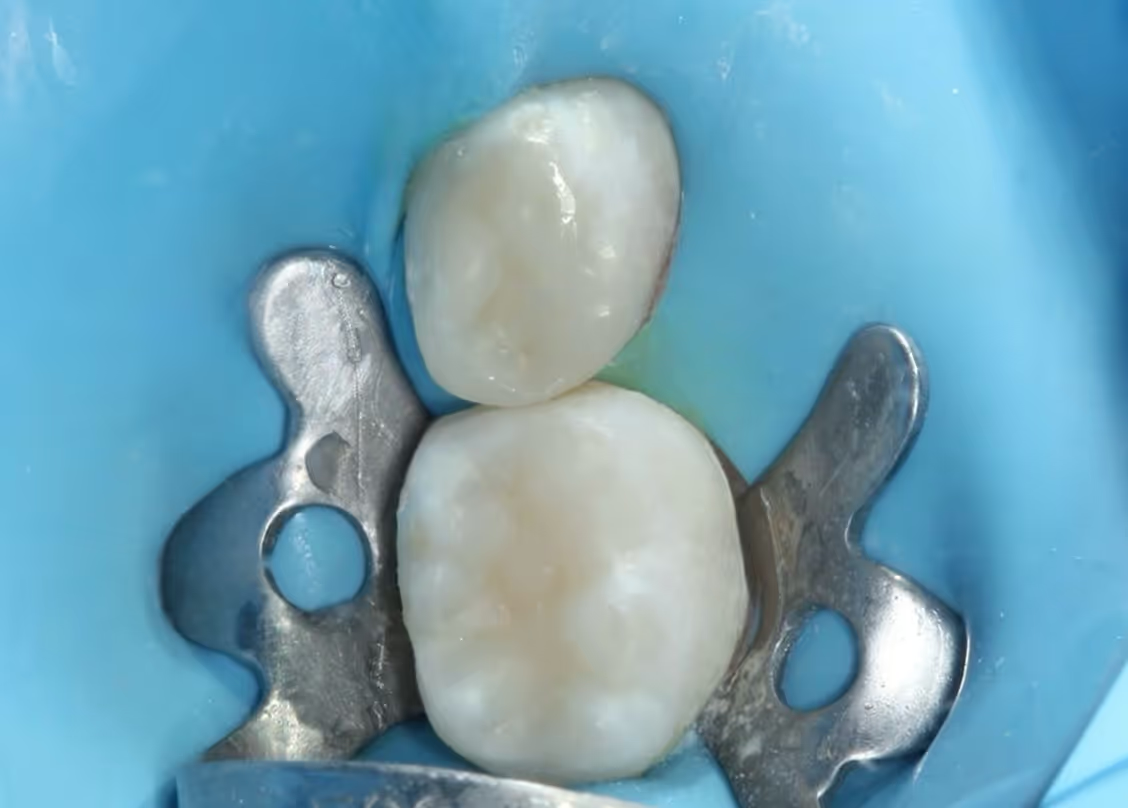
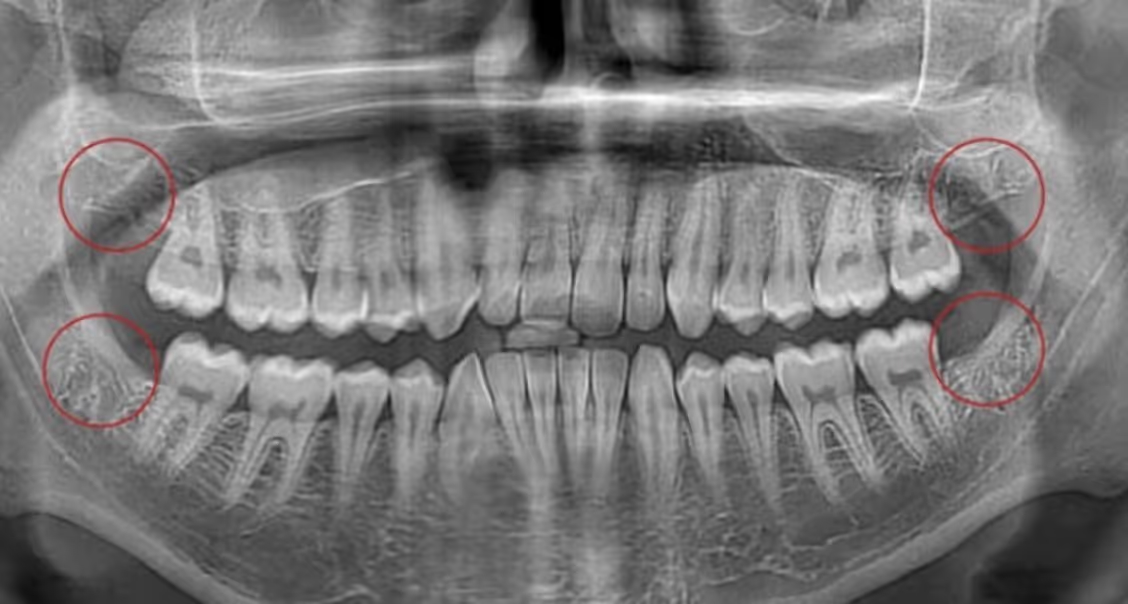
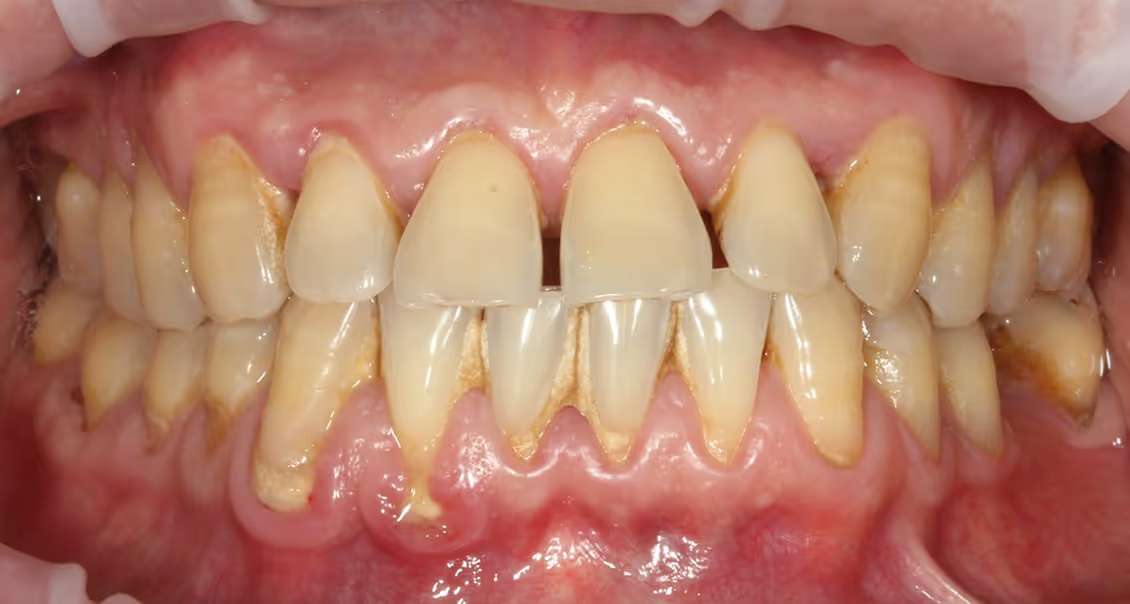
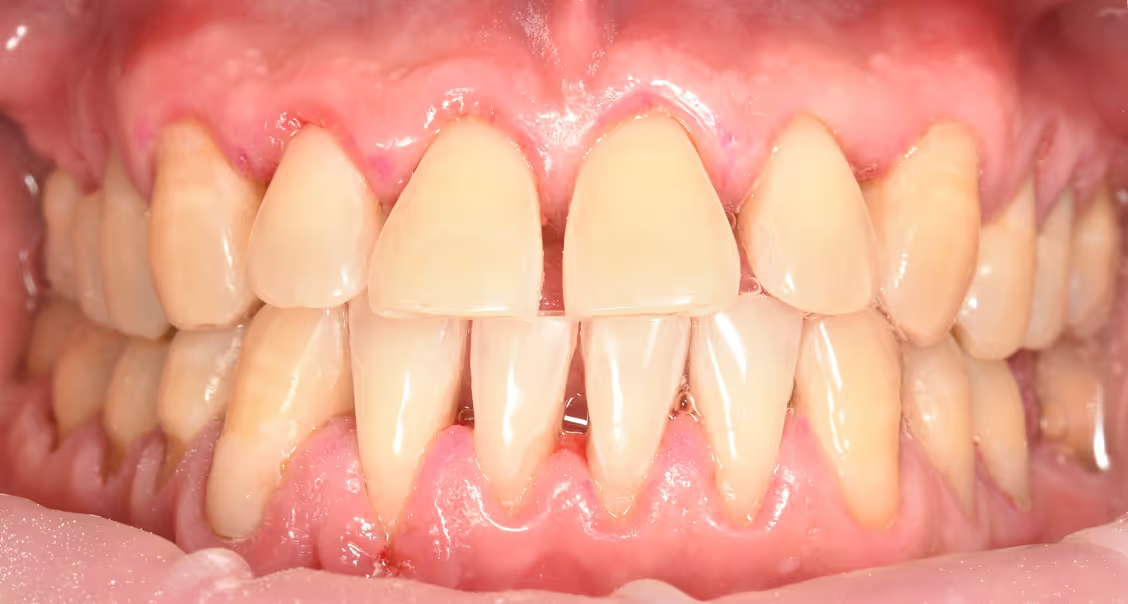
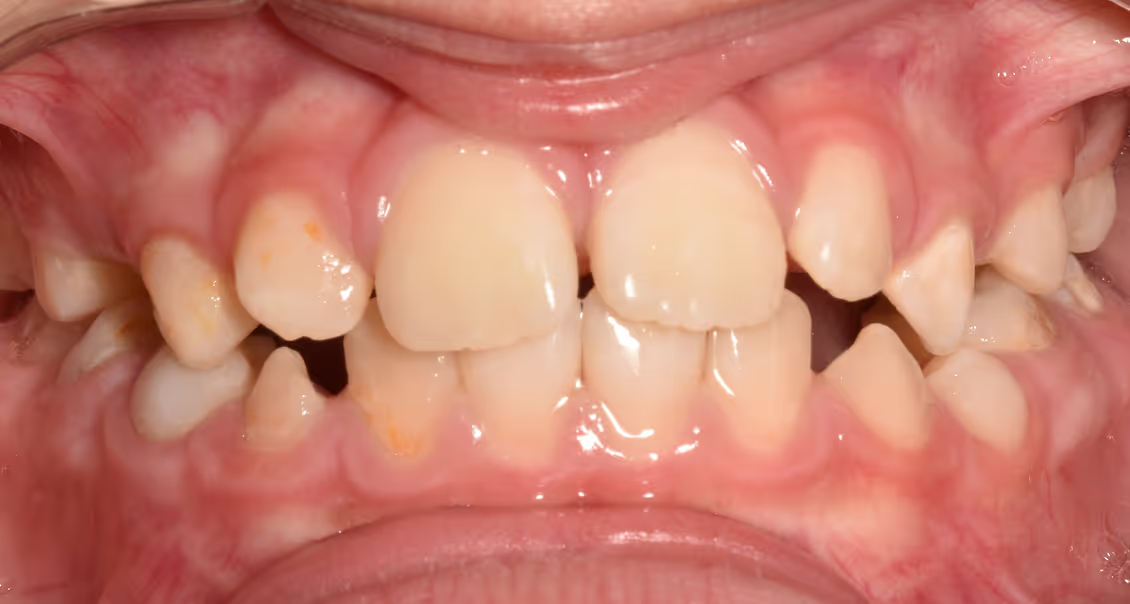
The effect of tooth varnishing is not an immediate change in colour or shape. Fluoridation is mainly preventive, so its most important benefits are not always visible in before-and-after photos.
Why choose fluoridation at MistoDent Kraków?
At MistoDent Kraków we tailor dental prevention to each patient's teeth and needs.
- Individual enamel assessment — we consider decay risk, sensitivity and the condition of tooth surfaces.
- Professional fluoridation — we use fluoride preparations selected according to indications.
- Can be combined with hygiene treatment — if needed, fluoridation can complement scaling and air polishing.
- Premium EMS hygiene — professional teeth cleaning within available packages.
- Prevention during orthodontic treatment — special attention to areas prone to plaque build-up.
- Home hygiene advice — we help choose the right habits and ways of caring for your teeth.
- Dental care in one place — prevention can be combined with a dental check-up.
How much does tooth varnishing cost in Kraków?
Fluoridation can be done as a standalone preventive procedure or as part of a broader hygiene plan. The exact scope is matched to the condition of the teeth and the patient's individual needs.
FAQ
Answers provided by
Julia Kononova
What is tooth varnishing?
Tooth varnishing is a professional preventive treatment in which a special fluoride varnish is applied to the enamel. Its aim is to protect against decay and support enamel remineralisation.
What is tooth fluoridation?
Fluoridation is the local delivery of fluoride to the tooth surfaces. It can be done with varnishes, gels or other fluoride preparations. It supports enamel protection and helps reduce the risk of decay.
Is tooth fluoridation healthy?
Properly used fluoridation is an effective method of decay prevention. Fluoride supports enamel remineralisation and increases its resistance to acids. Correct dosage and indications are important.
Is fluoridation harmful?
Fluoridation performed according to recommendations is considered safe. However, excessive fluoride exposure can cause side effects, so professional preparations should be used in the right amounts.
What are the possible side effects of tooth fluoridation?
Temporary changes in the look of the tooth surface, mucosal irritation or rare allergic reactions to the preparation's ingredients are possible. If you have known allergies, mention them before the treatment.
Does tooth varnishing hurt?
No. Varnishing is a painless treatment in which a preparation is applied to the tooth surfaces. It requires no anaesthesia or enamel preparation.
How long does tooth varnishing take?
Applying the varnish itself usually takes a few minutes. The length of the whole visit depends on whether fluoridation is done alone or combined with scaling and air polishing.
How often should fluoridation be done?
The frequency depends on individual decay risk. For patients at higher risk, the treatment may be recommended every 3–6 months. The schedule is set by the dentist or by the hygienist in consultation with the dentist.

Medical verification
Content verified by:
Julia Kononova
Dental hygienist
Last updated: 22.10.2026
Book an appointment!
Leave your contact details in the form or message us on your preferred messenger — we'll be happy to answer your questions and help you book a visit.


