


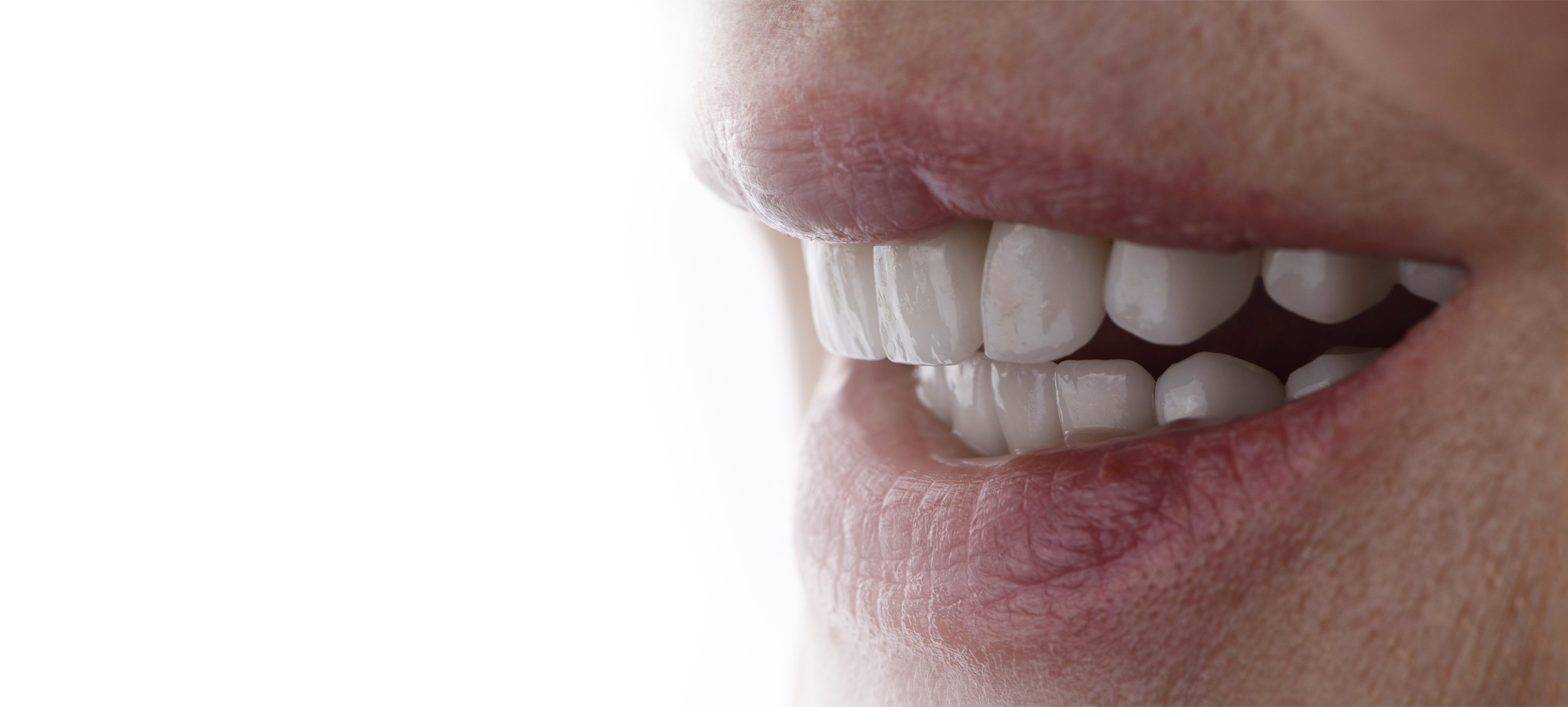
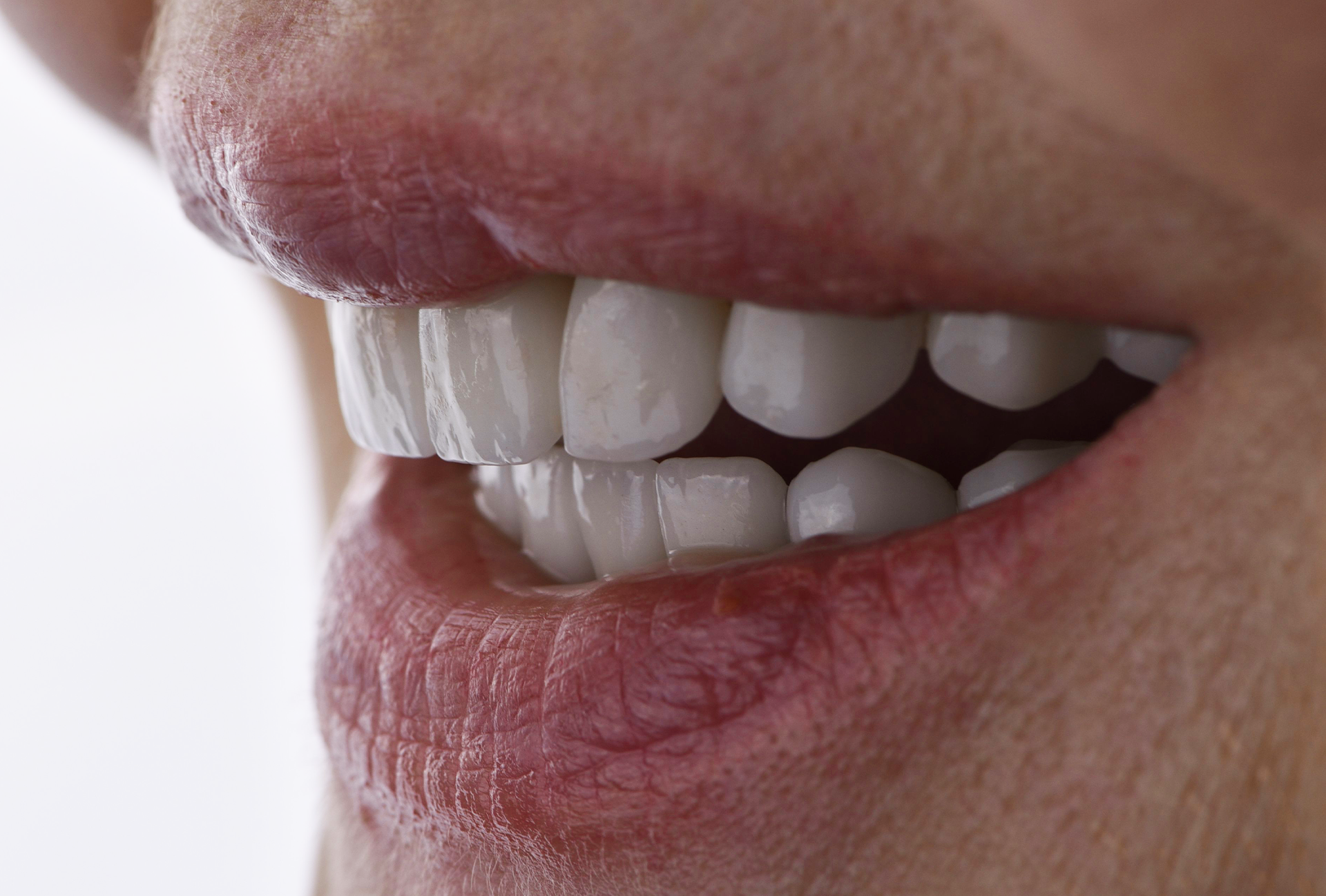
Restorative dentistry in Krakow — treating and restoring teeth
Modern caries treatment, composite fillings and tooth restoration at MistoDent Kraków. We preserve natural tooth tissue and choose the treatment method according to the type and extent of the cavity.
Who provides restorative dentistry at MistoDent Kraków?
Treatment is carried out by dentists specialising in restorative dentistry, caries treatment and tooth restoration.


Restorative dentistry at MistoDent Kraków
Restorative dentistry diagnoses and treats diseases of the hard tissues of the teeth, above all dental caries and the cavities it causes. Its goal is to preserve the natural tooth, its function and as much healthy tissue as possible.
Treatment can cover both early carious lesions and cavities that need a filling or a more extensive restoration.
At MistoDent Kraków we choose the treatment method individually after assessing the tooth, the depth of the cavity and the amount of remaining tissue.
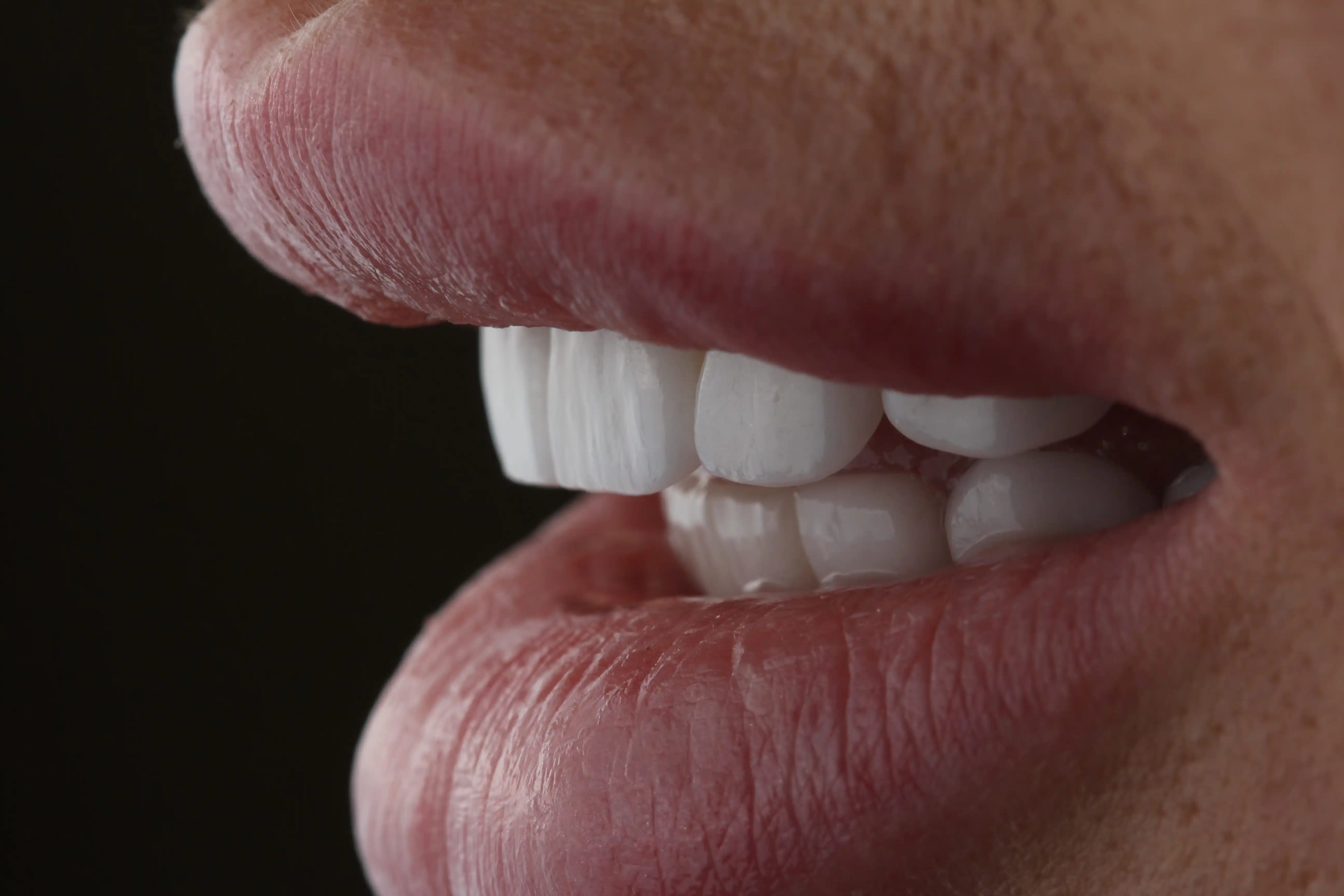
When is restorative treatment used?
Restorative treatment is used mainly when the natural tooth can be saved and its damaged tissue rebuilt.
It may be indicated in cases of:
- early caries;
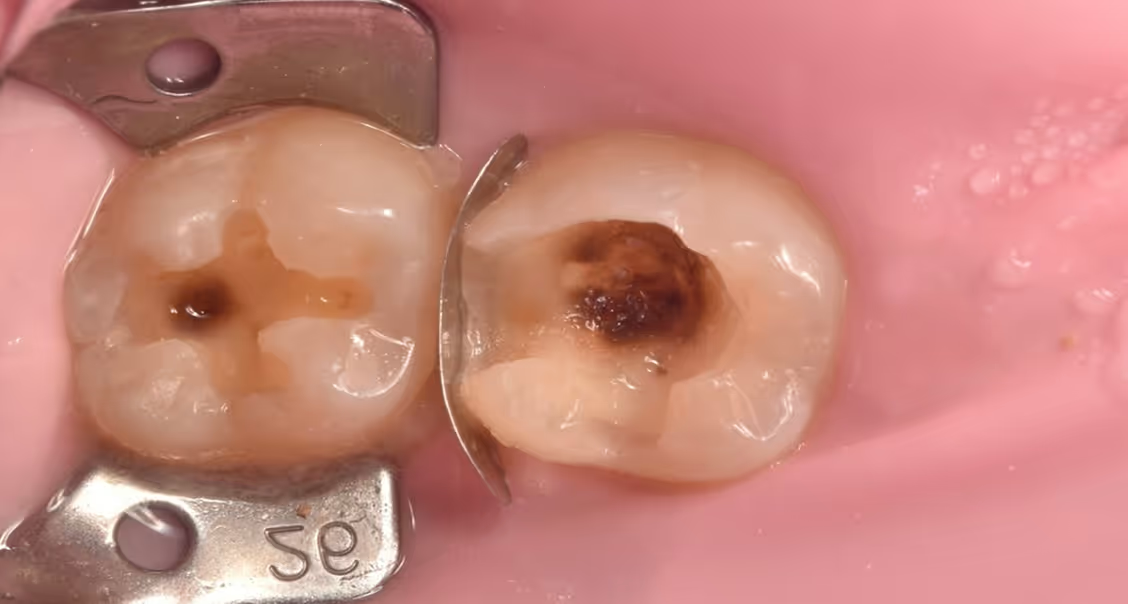
- a visible carious cavity;
- caries between teeth;
- caries developing under an existing filling;
- a leaking or damaged filling;
- a lost filling;
- a chipped or fractured part of a tooth;
- wear or other damage to tooth tissue;
- the need for a composite filling or tooth restoration.
The earlier a lesion is detected, the greater the chance of minimally invasive treatment and preserving healthy tooth tissue.
If the caries is very deep and the pulp is irreversibly damaged, restorative treatment alone may not be enough. In such cases root canal treatment under the microscope may be needed.
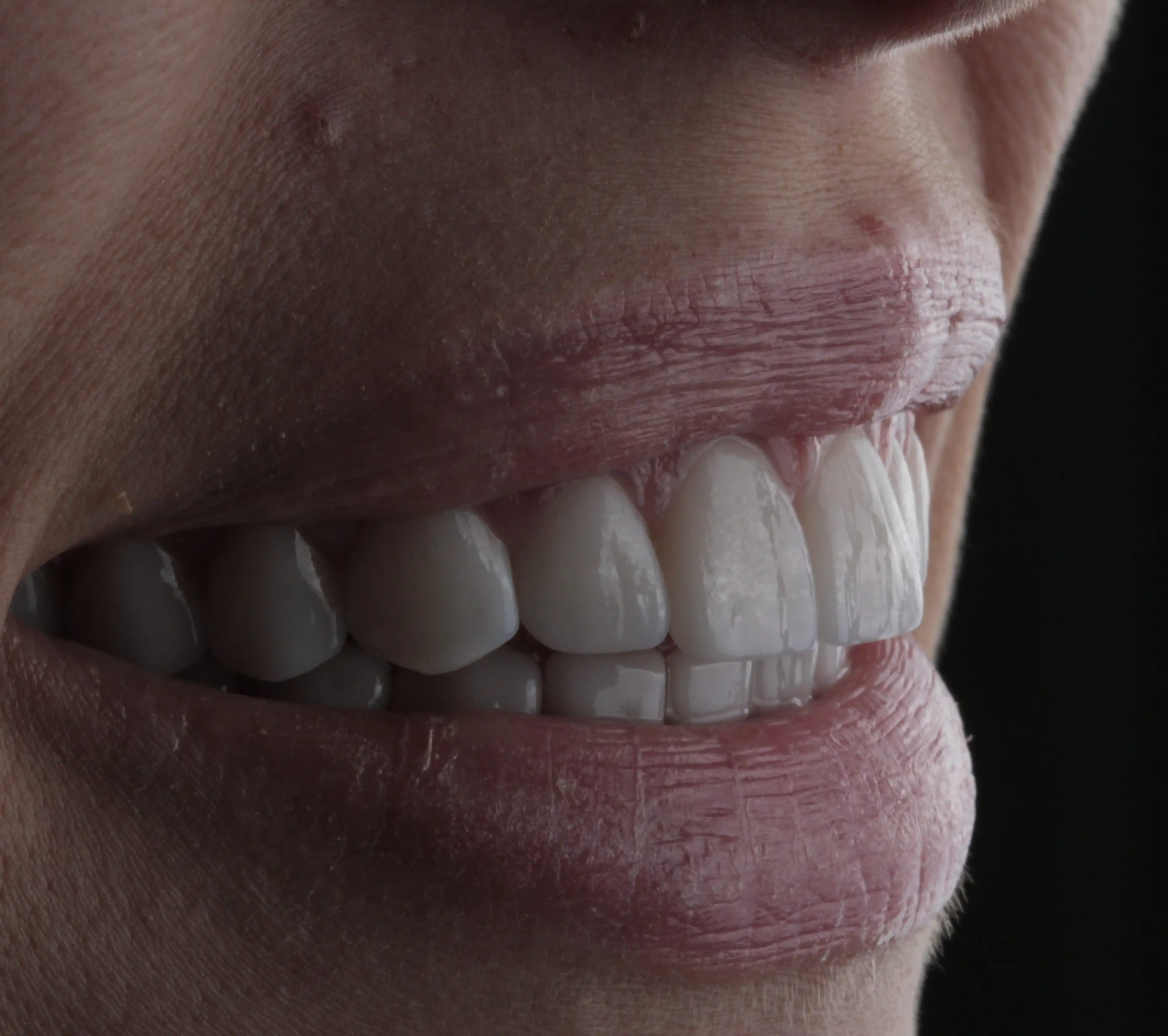
When should you see a dentist?
Dental caries does not always cause pain in its early stages. It is worth booking a visit if you notice:
- a visible cavity or tooth discolouration;
- sensitivity to cold, hot or sweet foods;
- toothache;
- pain when biting;
- food getting stuck between teeth;
- a damaged or leaking filling;
- a lost filling;
- a chipped or fractured part of a tooth.
No pain does not mean the tooth is healthy. Early caries, caries between teeth or caries under a filling can develop for a long time without clear symptoms.
Restorative dentistry treatments at MistoDent Kraków
We tailor the scope of treatment to the type of problem, the extent of tooth damage and the amount of healthy tissue remaining.
Caries treatment
Caries treatment aims to stop the disease process and preserve the natural tooth. The approach depends on how advanced the caries is — early lesions are managed differently from a cavity that needs restoration.
Caries can take various forms, including early caries, interproximal caries, cervical caries, secondary caries under an existing filling or deep caries.
Tooth filling
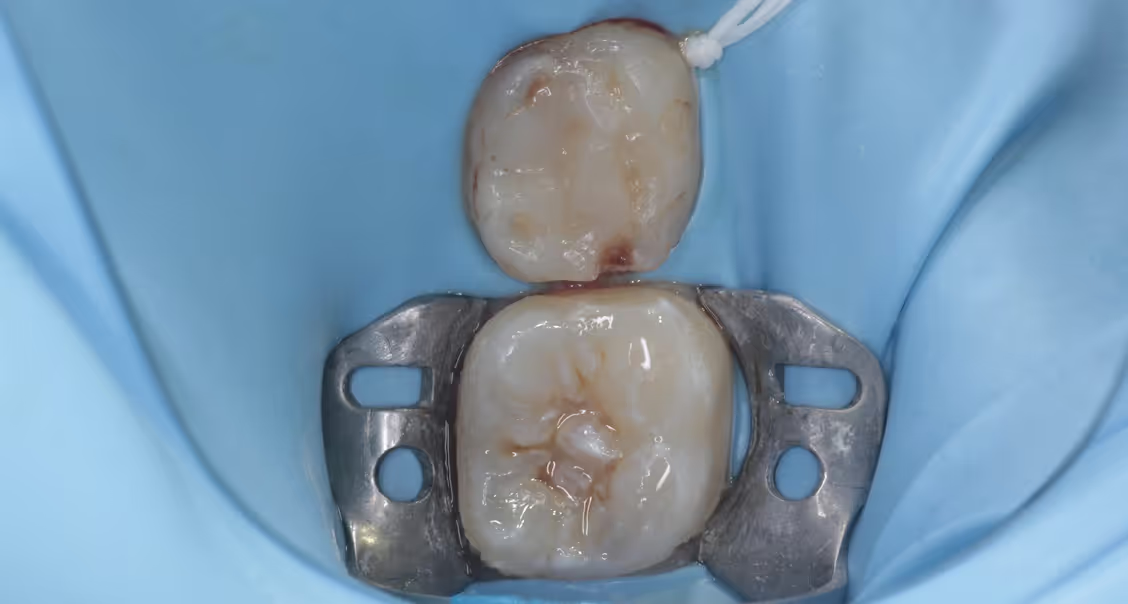
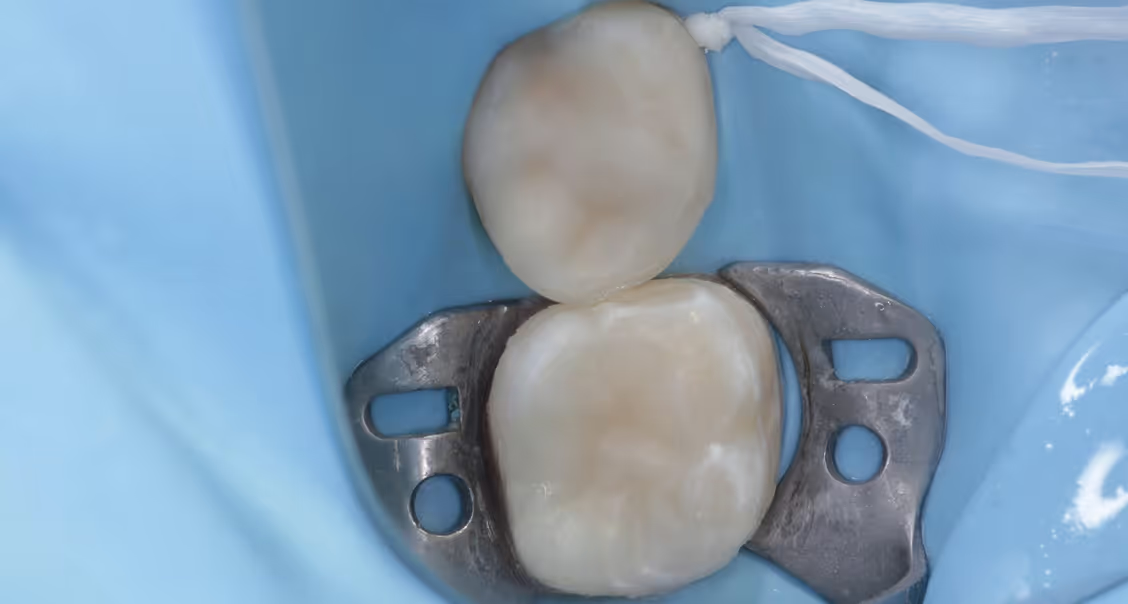
Once the caries is removed, the resulting cavity may need to be restored. A filling restores the shape and function of the tooth.
Depending on the type and size of the cavity, we use suitably chosen materials, including composite fillings. The dentist restores not only the lost part of the tooth but also its correct anatomy and bite contacts.
ICON treatment
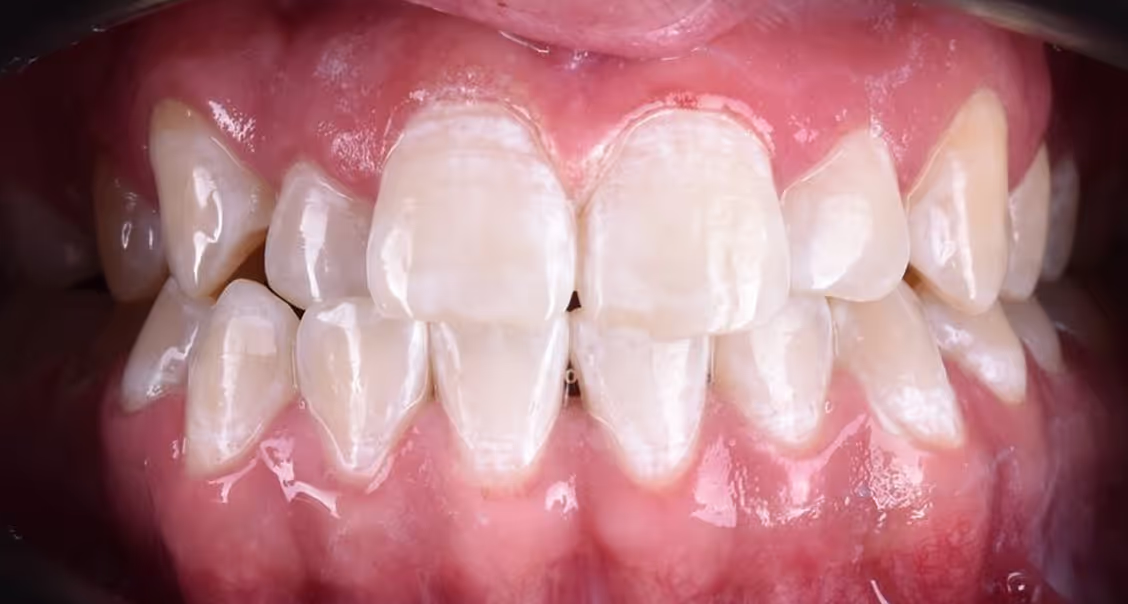
The ICON method can be used in selected cases of early carious lesions without a cavity. It is a minimally invasive method of infiltrating the affected enamel.
Whether ICON can be used depends on the type and stage of the lesion, so the procedure requires prior qualification by the dentist.
Tooth restoration
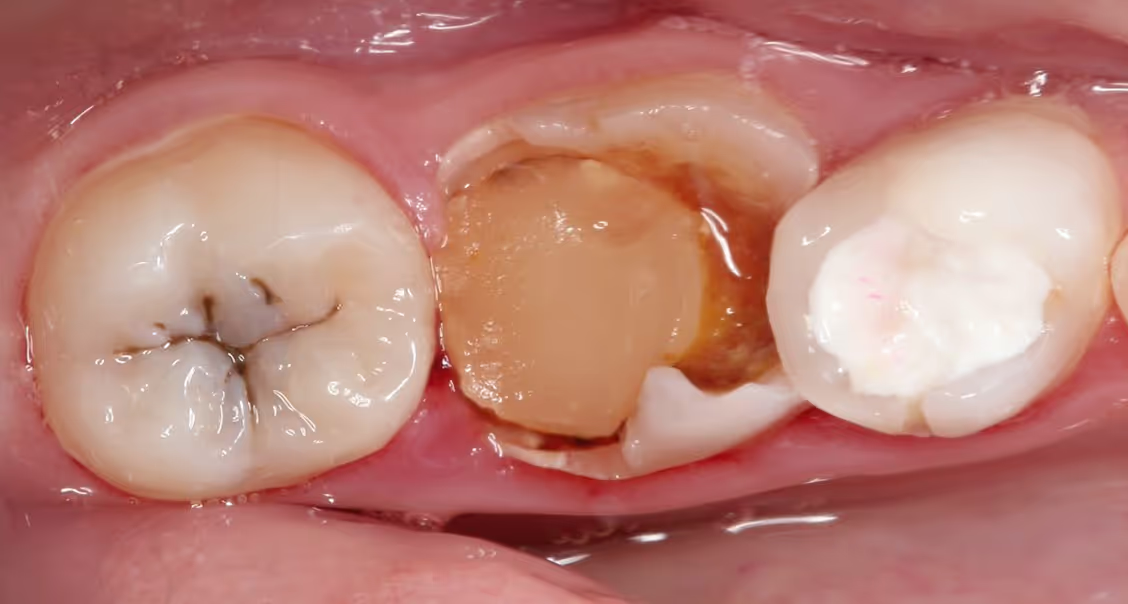
A tooth may need restoration not only because of caries but also due to trauma, chipping, wear or loss of part of its natural tissue.
Tooth restoration aims to bring back its shape, function and appearance. The dentist chooses the restoration method according to the extent of damage, the tooth's location and the bite.
Filling or root canal treatment — what does it depend on?
Whether a filling is enough or root canal treatment is needed depends mainly on the depth of the damage and the condition of the dental pulp.
Situation
Possible approach
Early caries without a cavity
Restorative treatment / ICON in selected cases
Carious cavity
Tooth filling
Greater loss of tooth tissue
Tooth restoration
Leaking or damaged filling
Assessment and possible replacement of the filling
Caries under a filling
Removal of affected tissue and a new restoration
Irreversible pulp damage
Root canal treatment
The dentist chooses the final treatment after examining and diagnosing the tooth.
What does restorative treatment look like?
- Examination and diagnostics — The dentist assesses the teeth, existing fillings and areas that need treatment. If needed, diagnostics may be supplemented with imaging.
- Cavity assessment — We determine the location and depth of the lesion and check how much healthy tooth tissue can be preserved.
- Anaesthesia — If the scope of the procedure requires it, treatment is performed under local anaesthesia.
- Tooth preparation — The dentist removes carious tissue or prepares the damaged tooth for restoration.
- Tooth restoration — Depending on the situation, the cavity is restored with a suitably chosen material. With composite fillings, the natural shape of the tooth is also recreated.
- Bite check and polishing — Finally, the dentist checks the shape of the restoration and the bite contacts and finishes the surface.
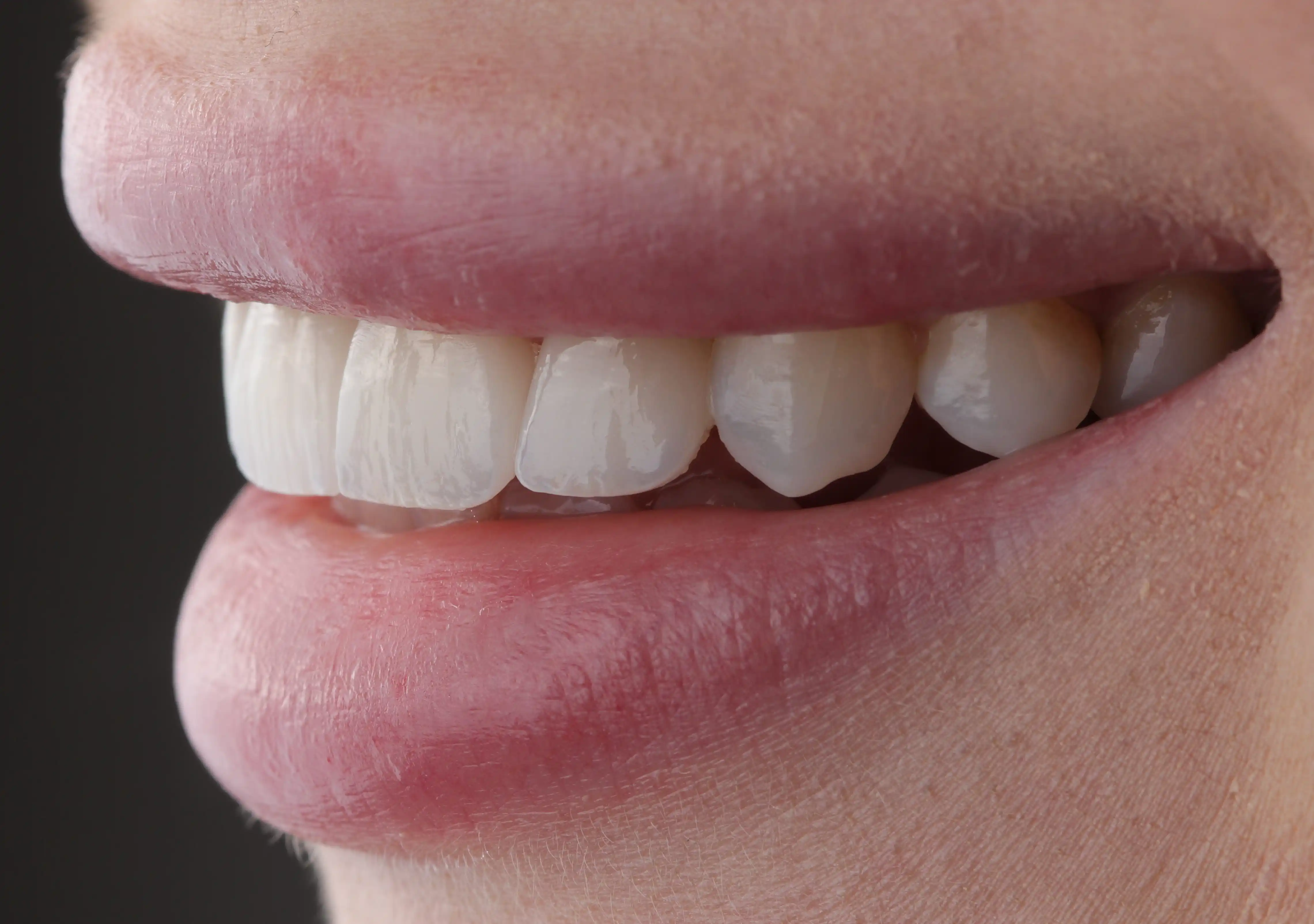
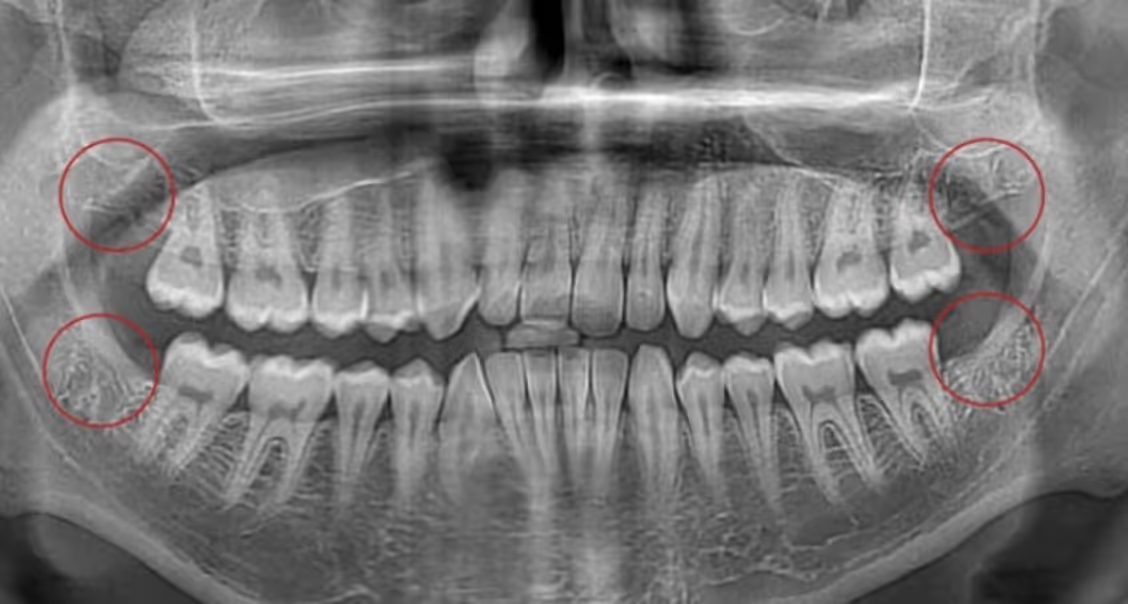
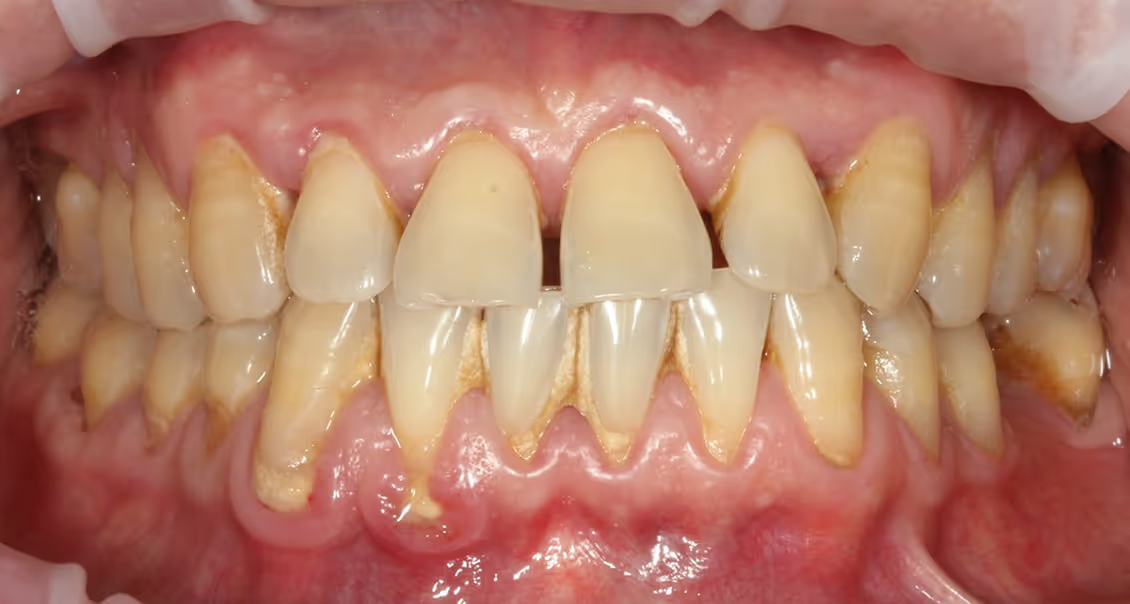
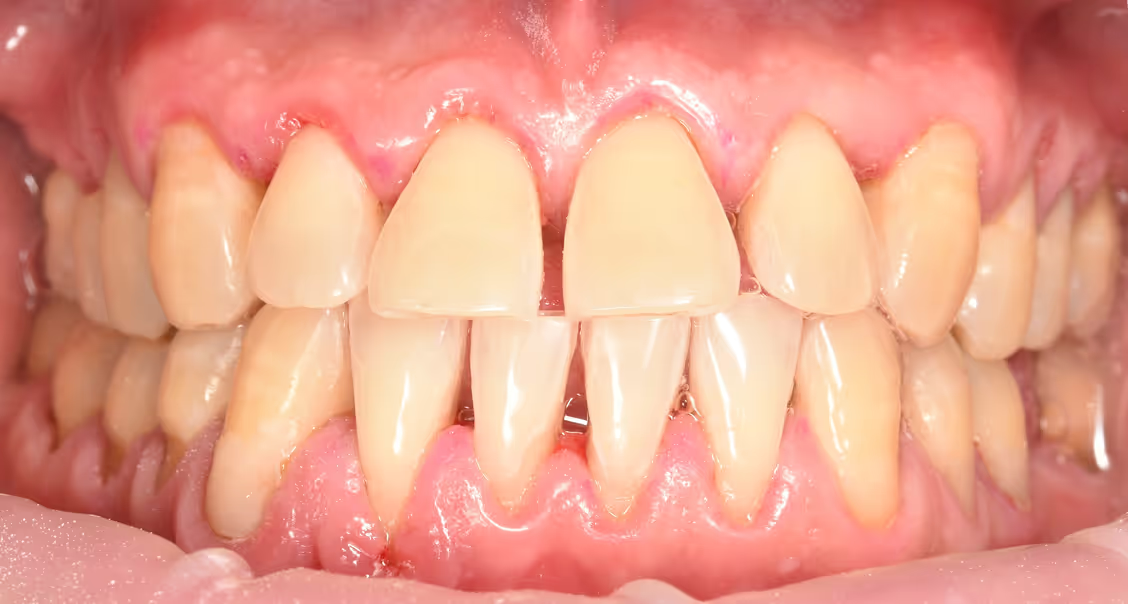
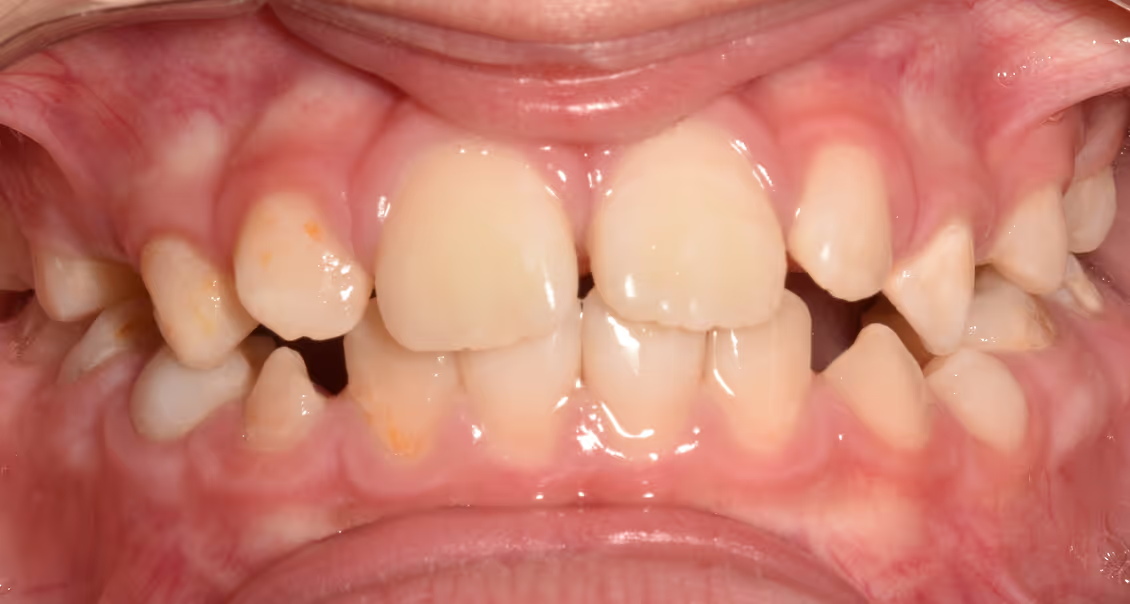
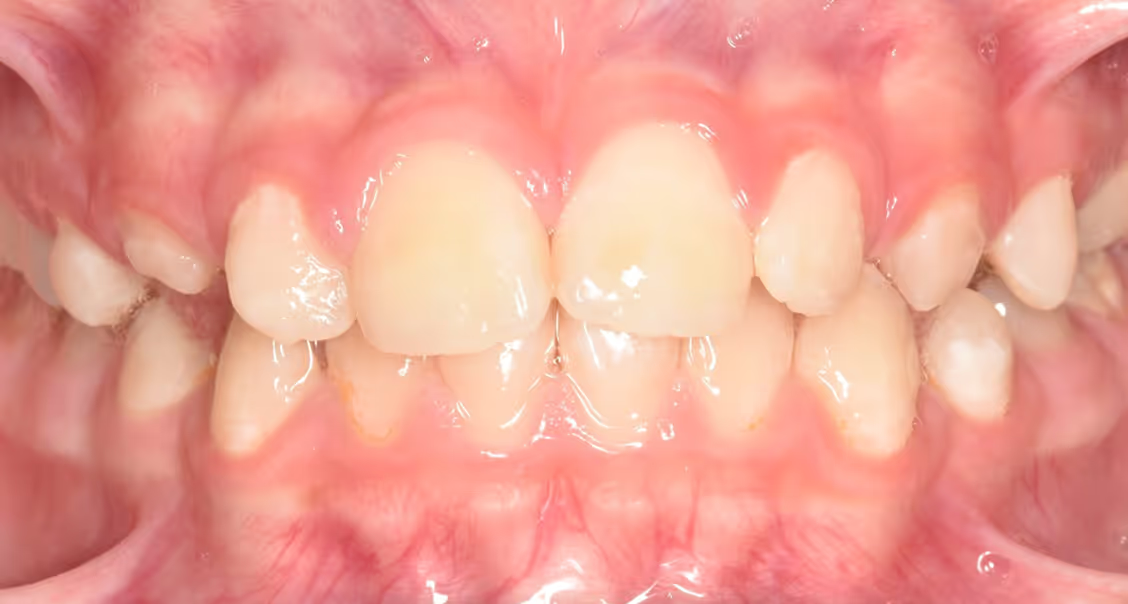
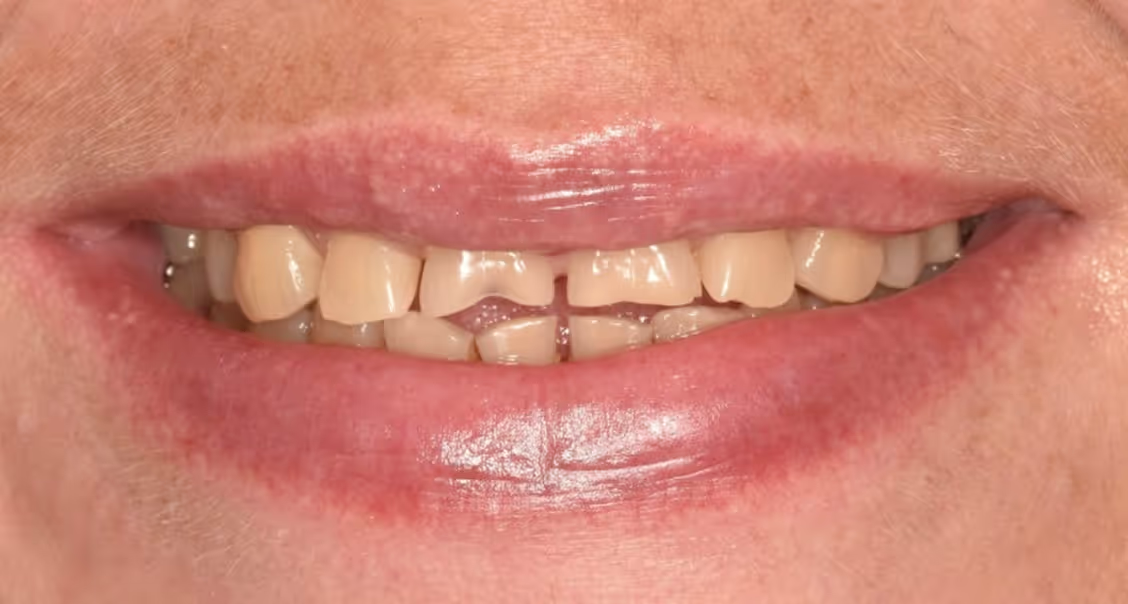
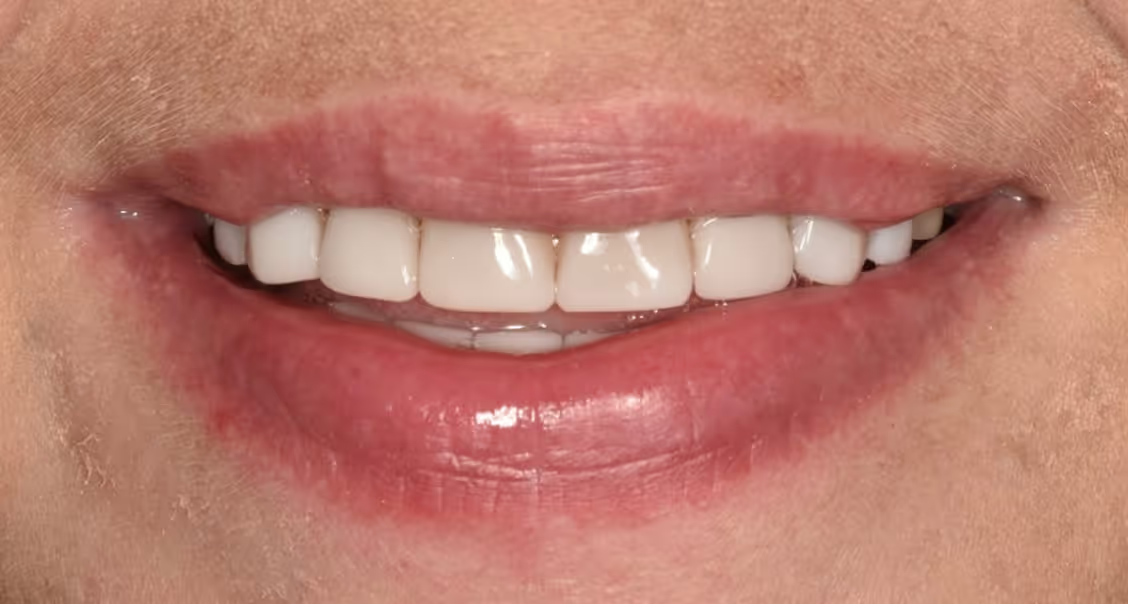
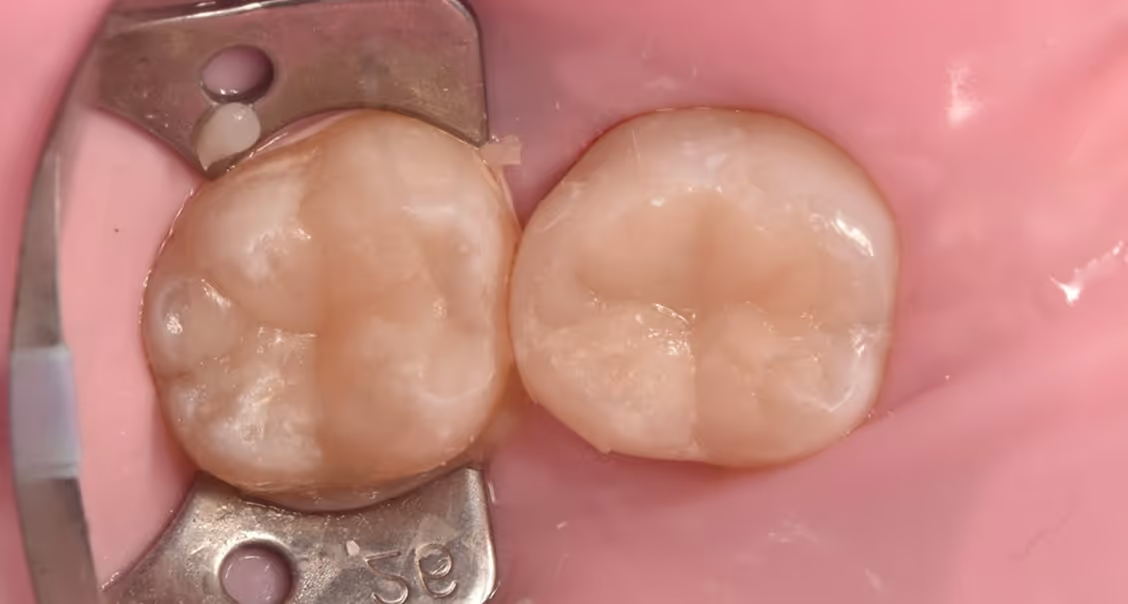
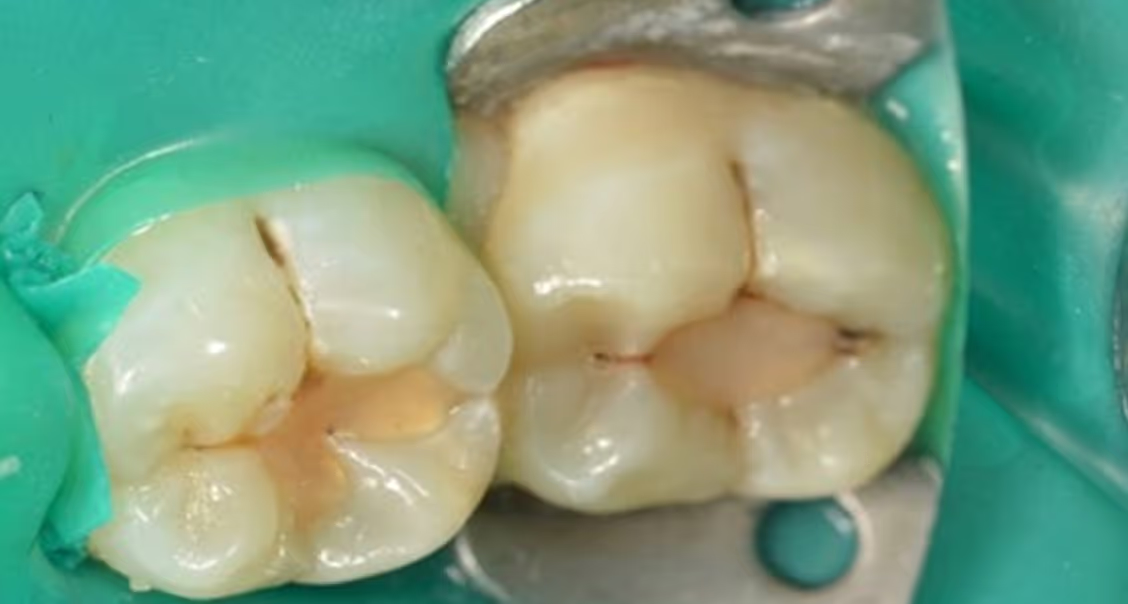
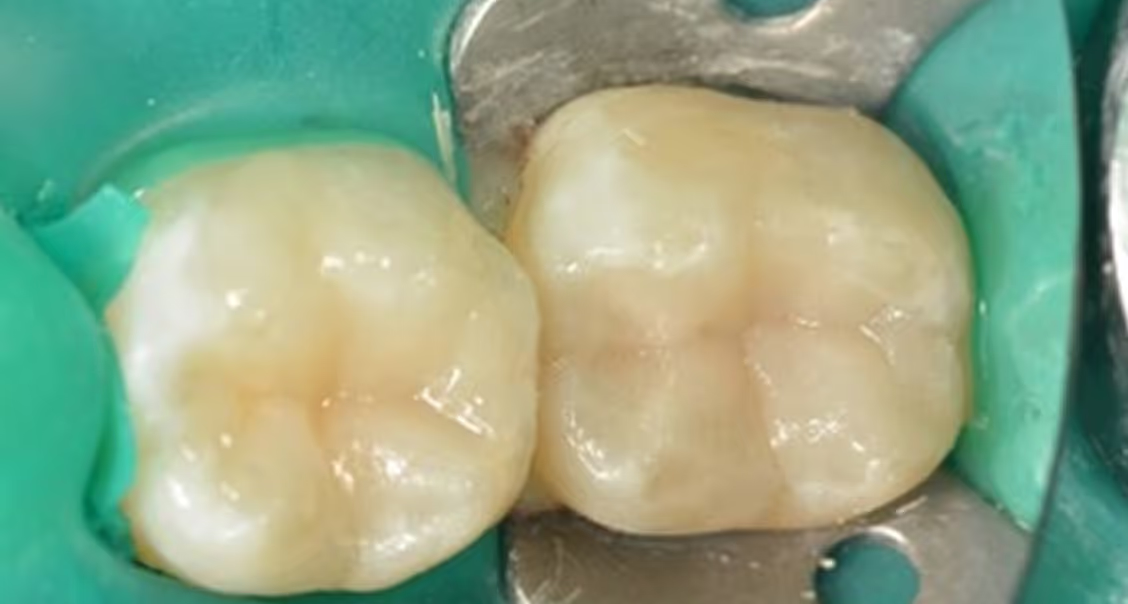
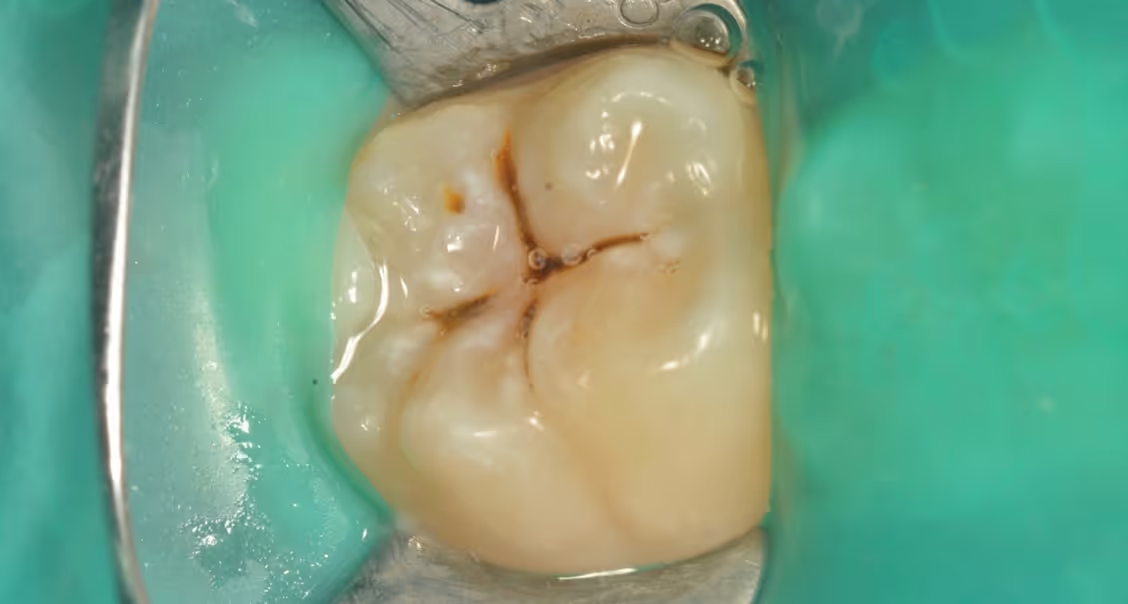
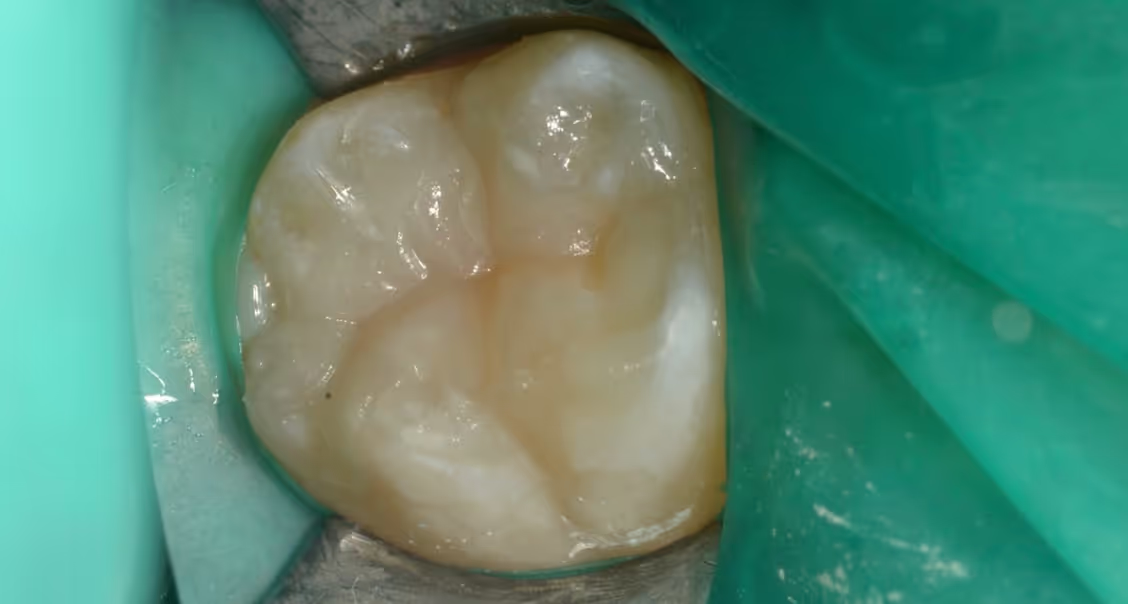
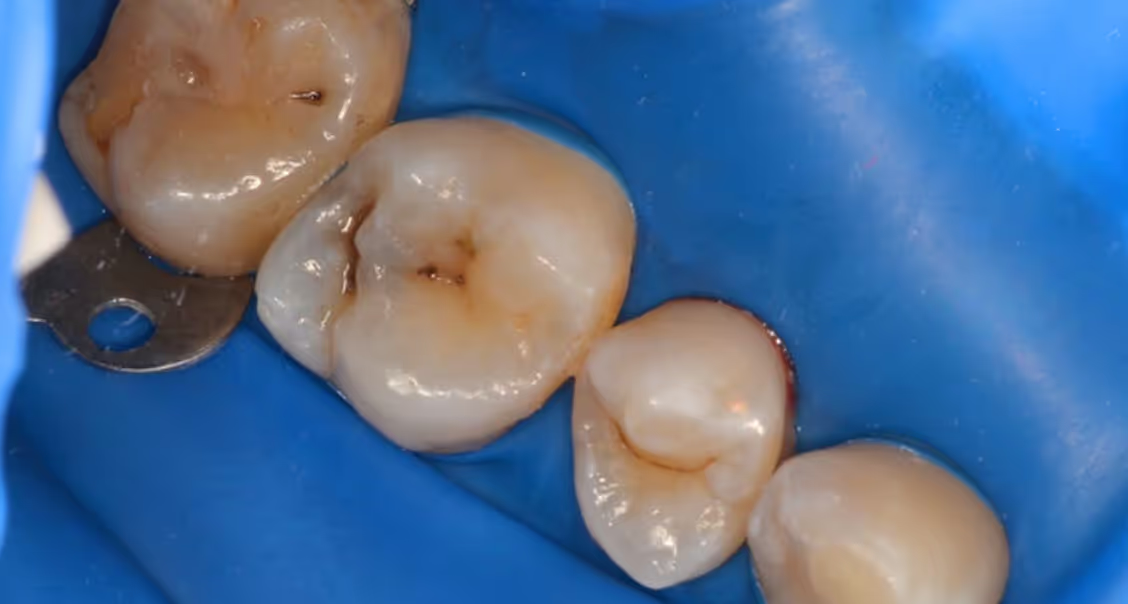
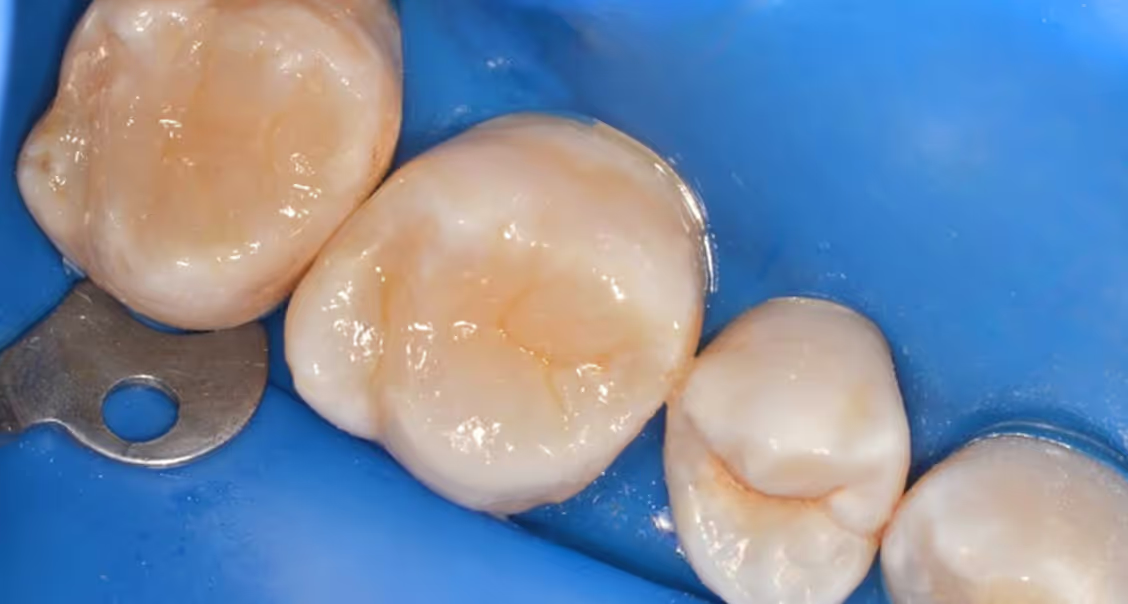
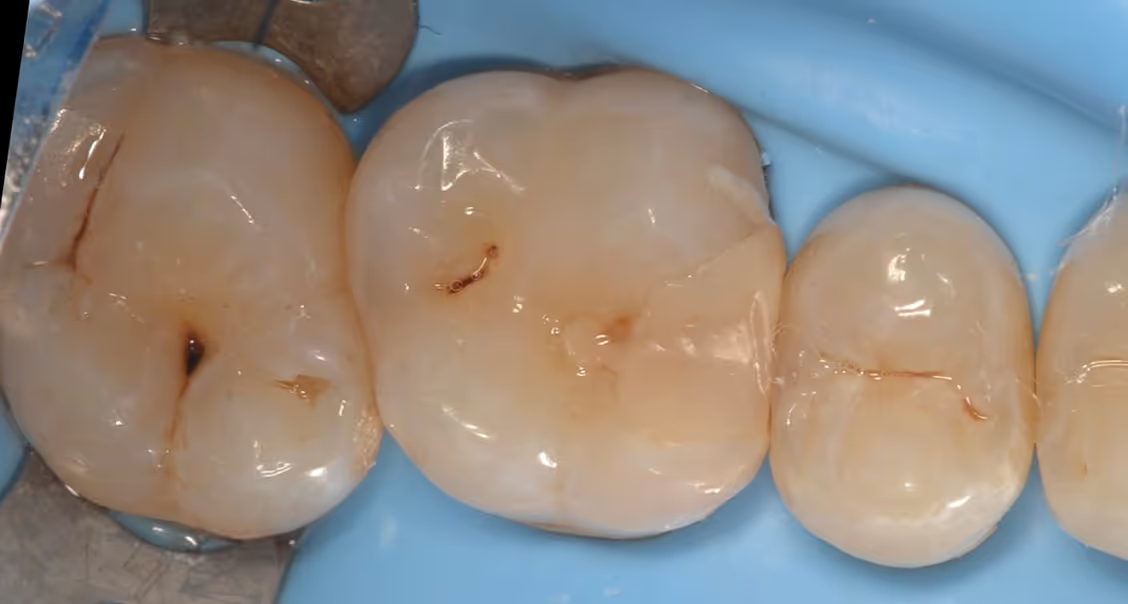
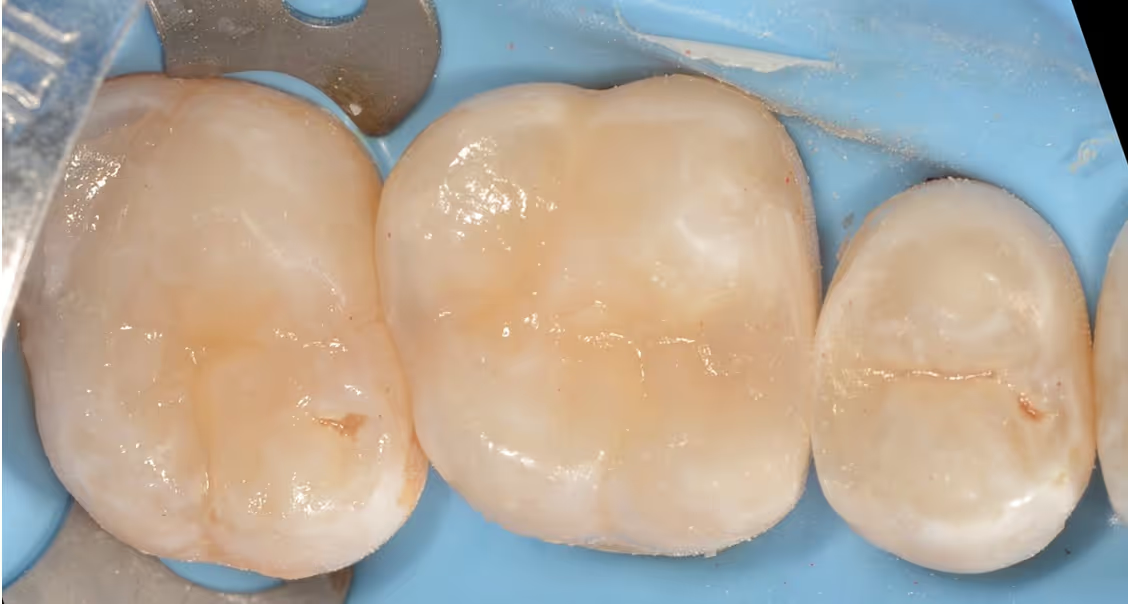
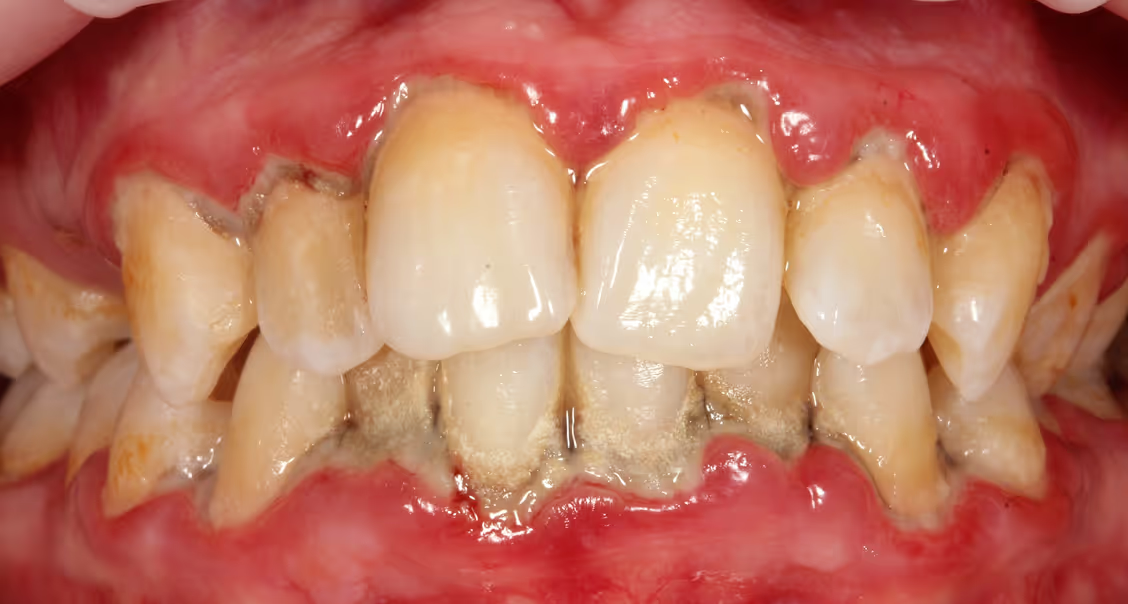
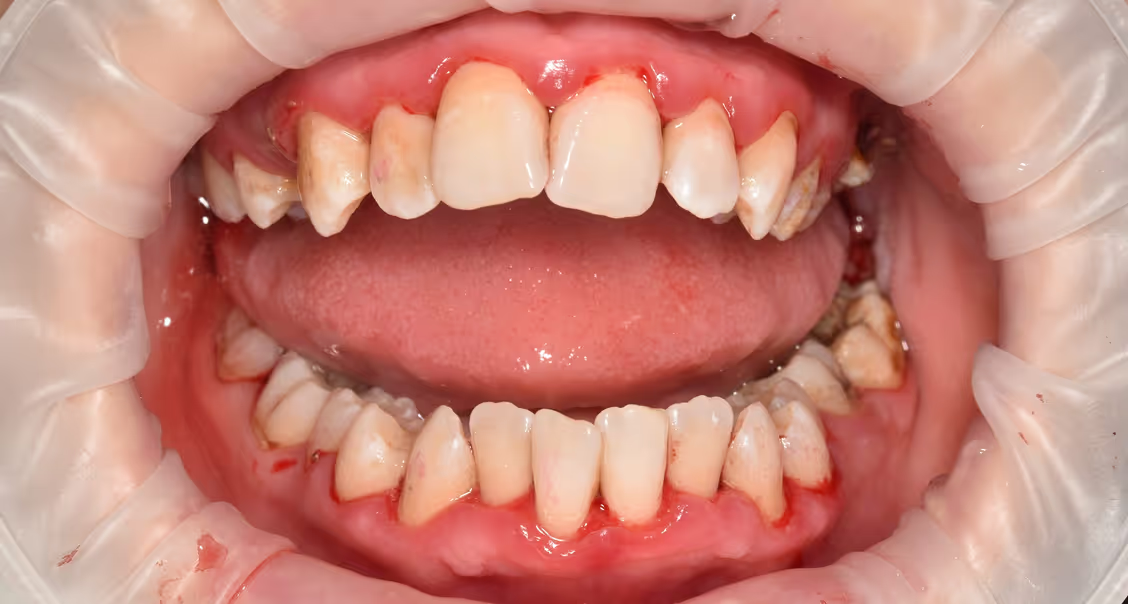
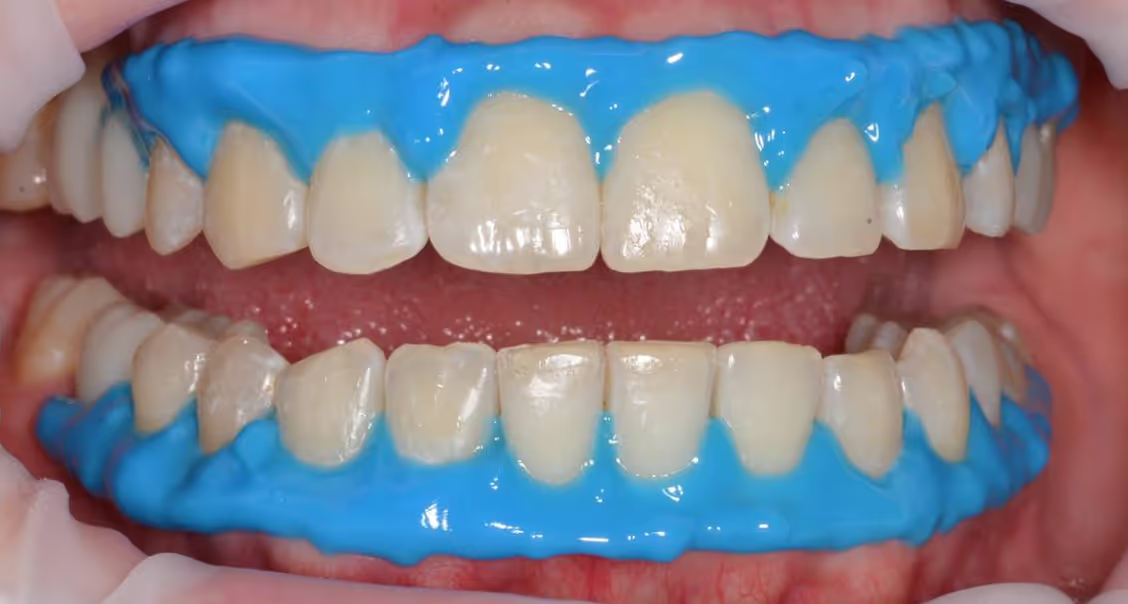
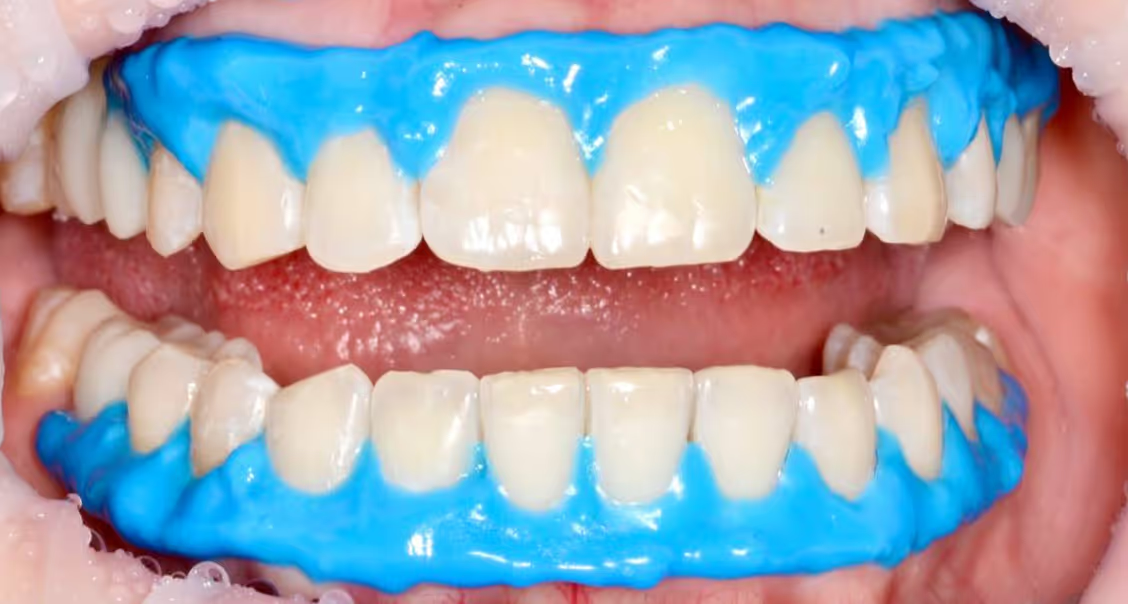
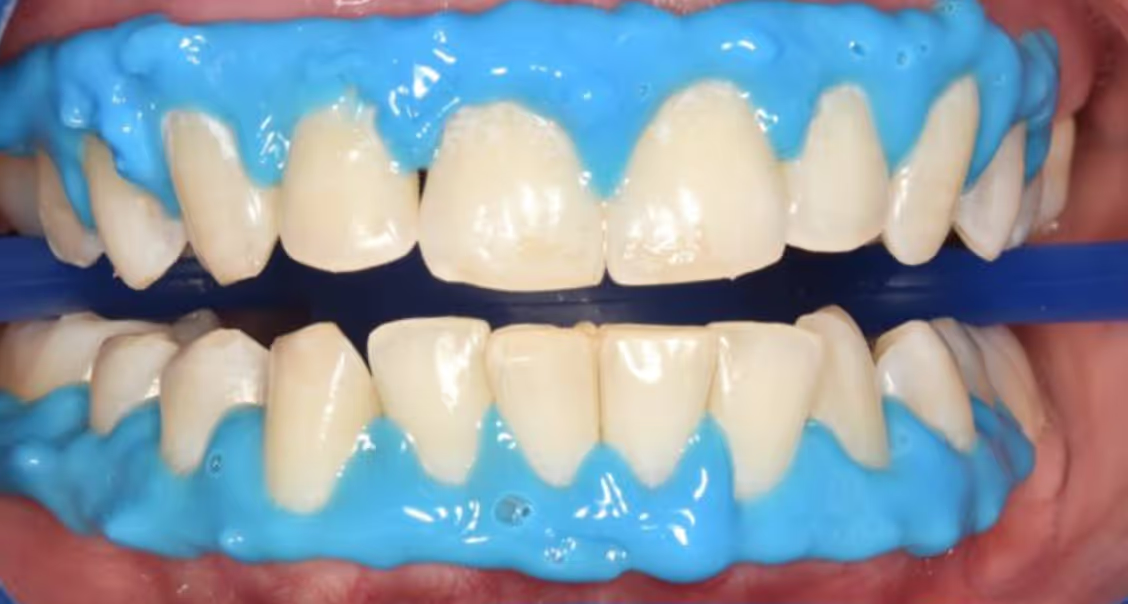
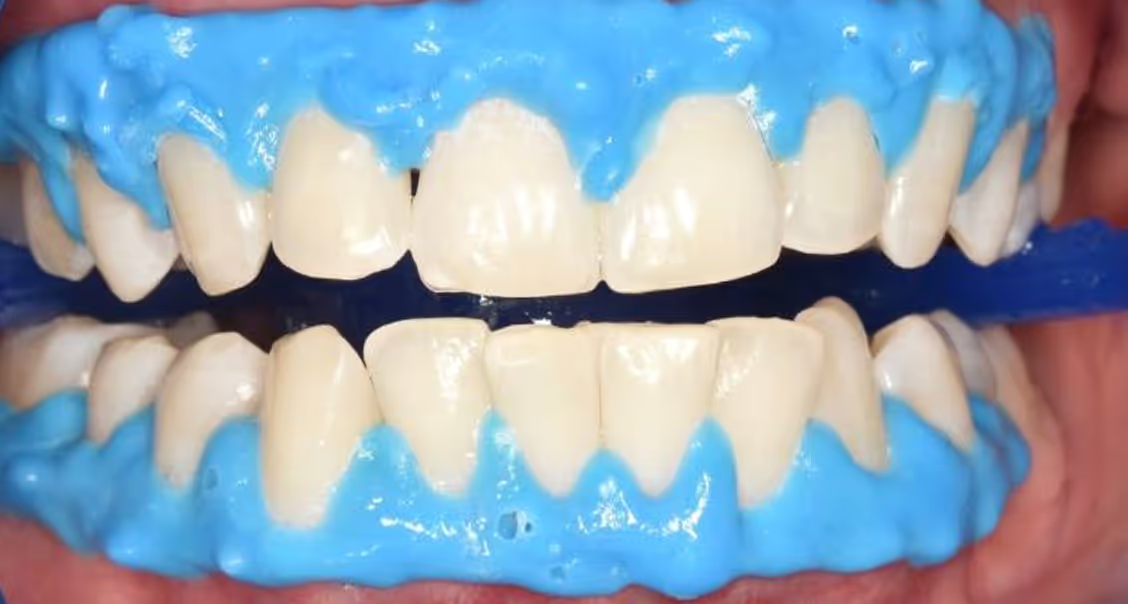
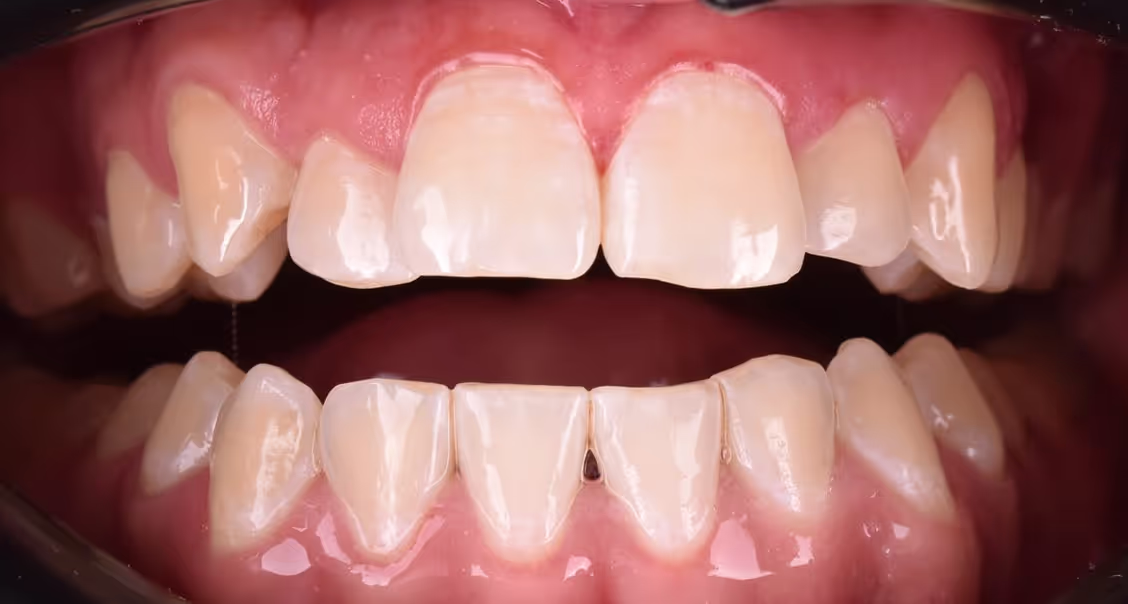
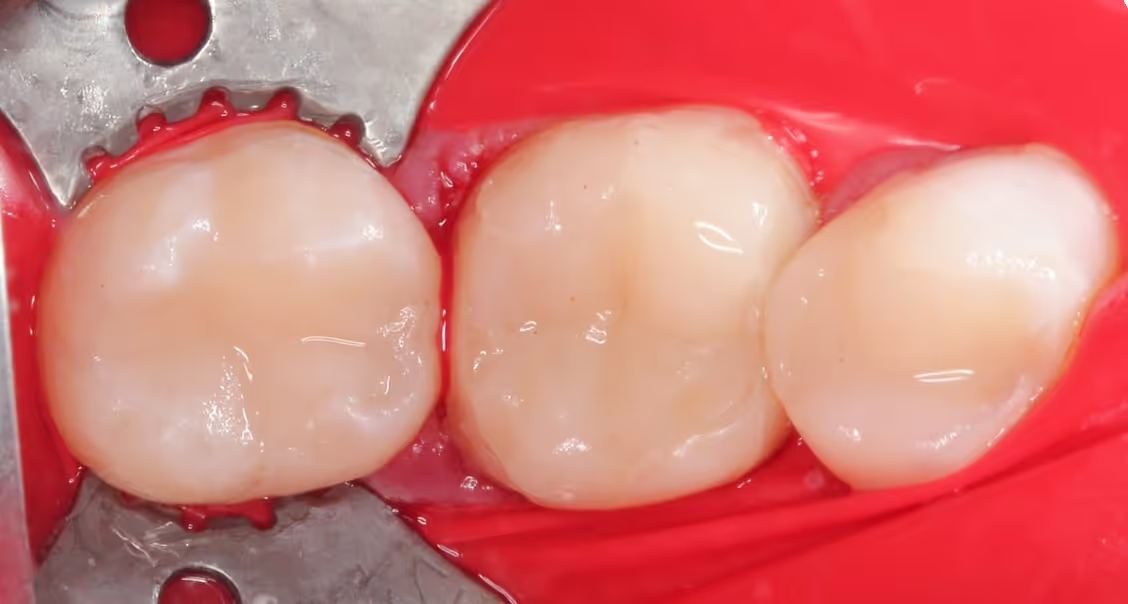
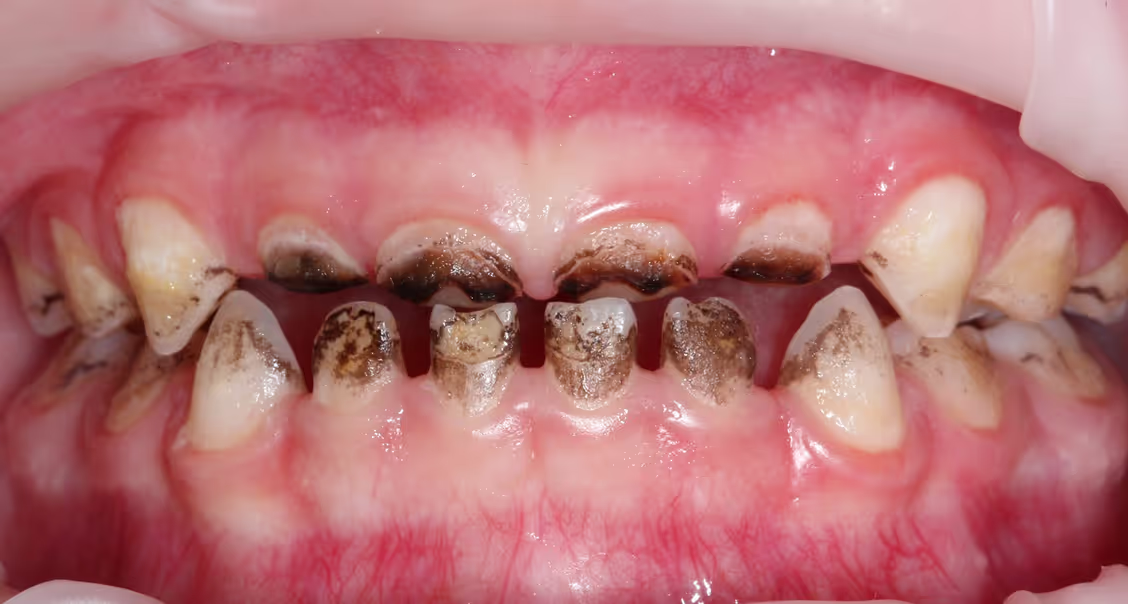
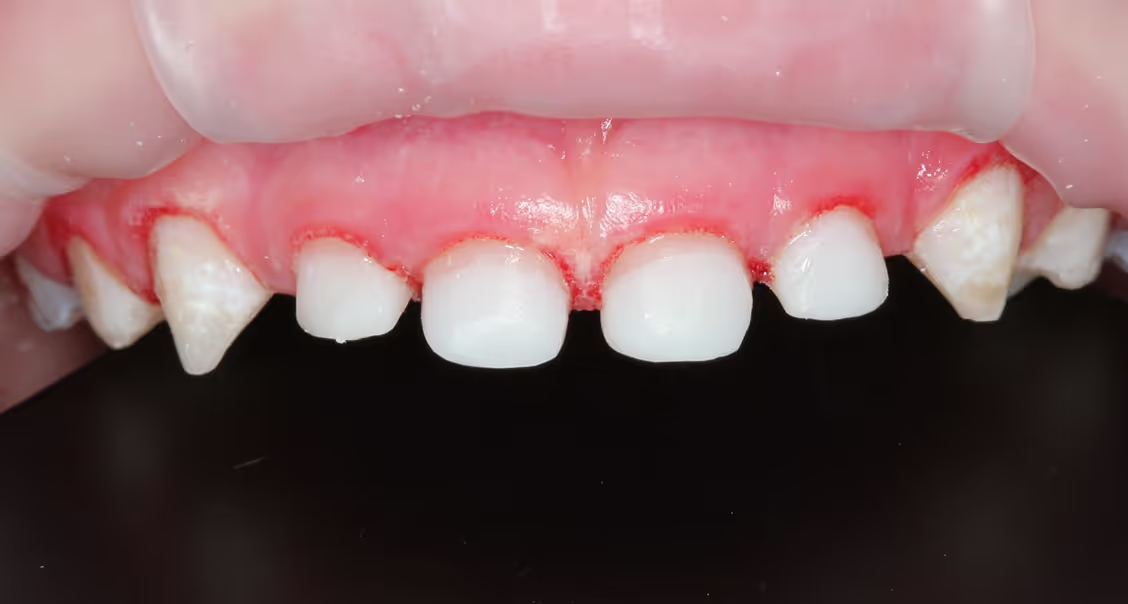
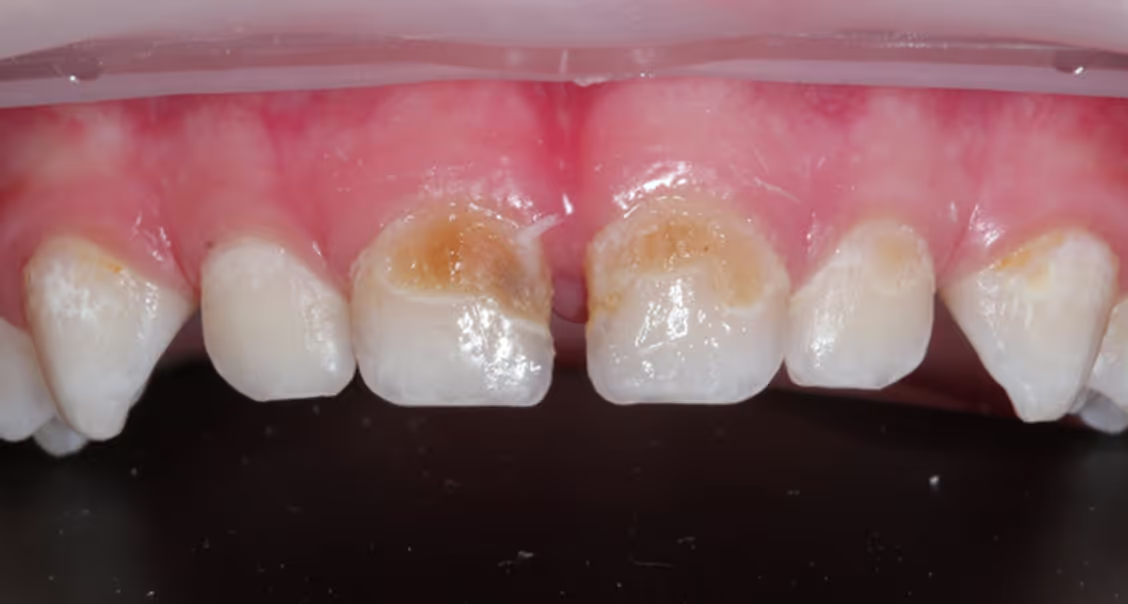
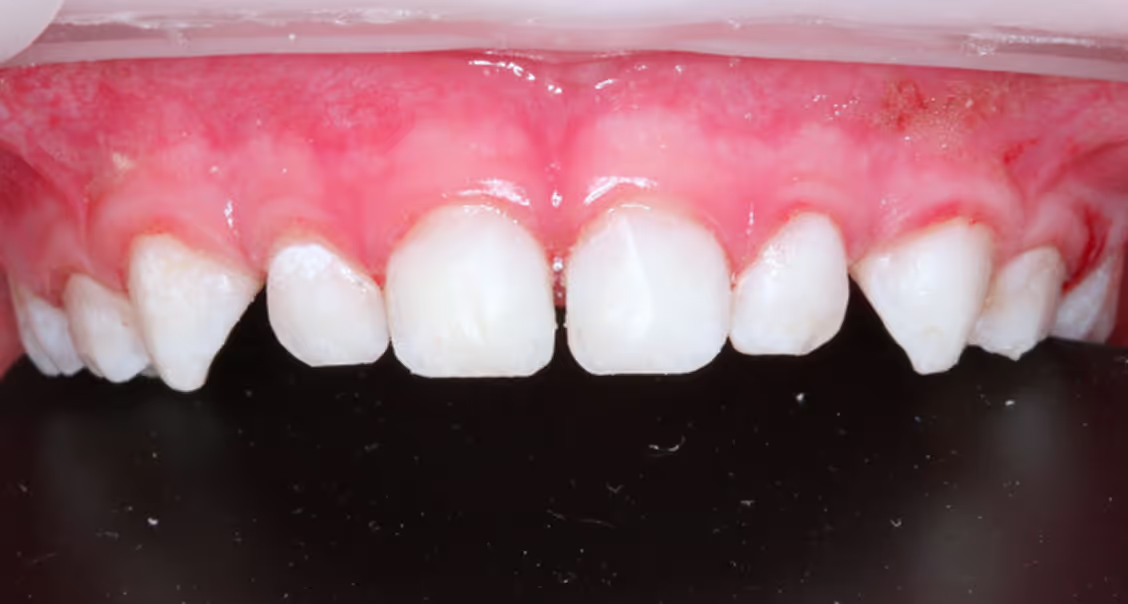
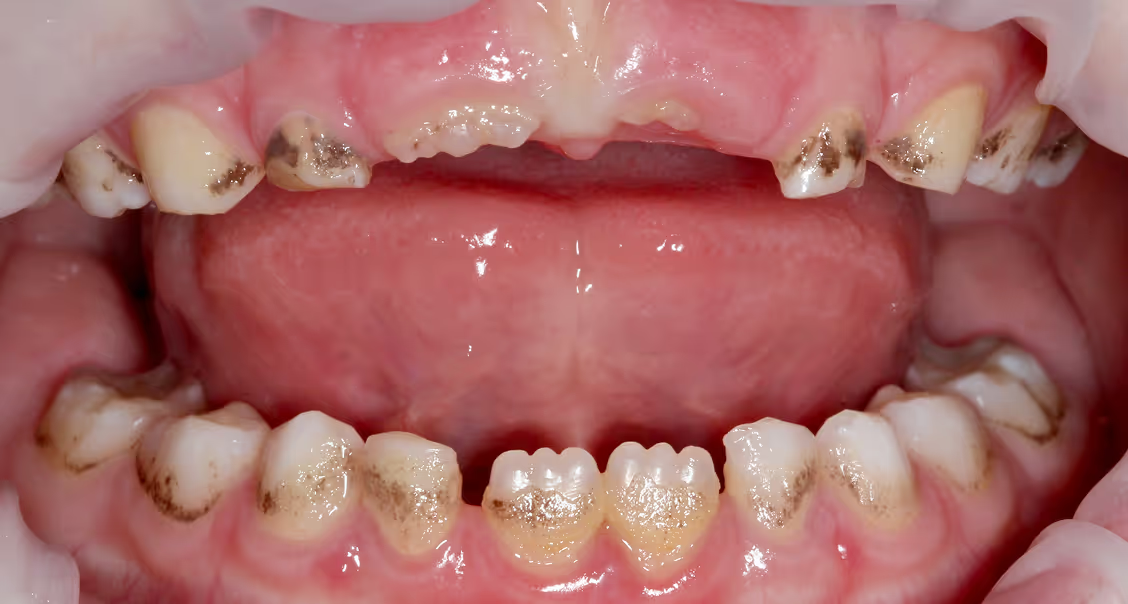
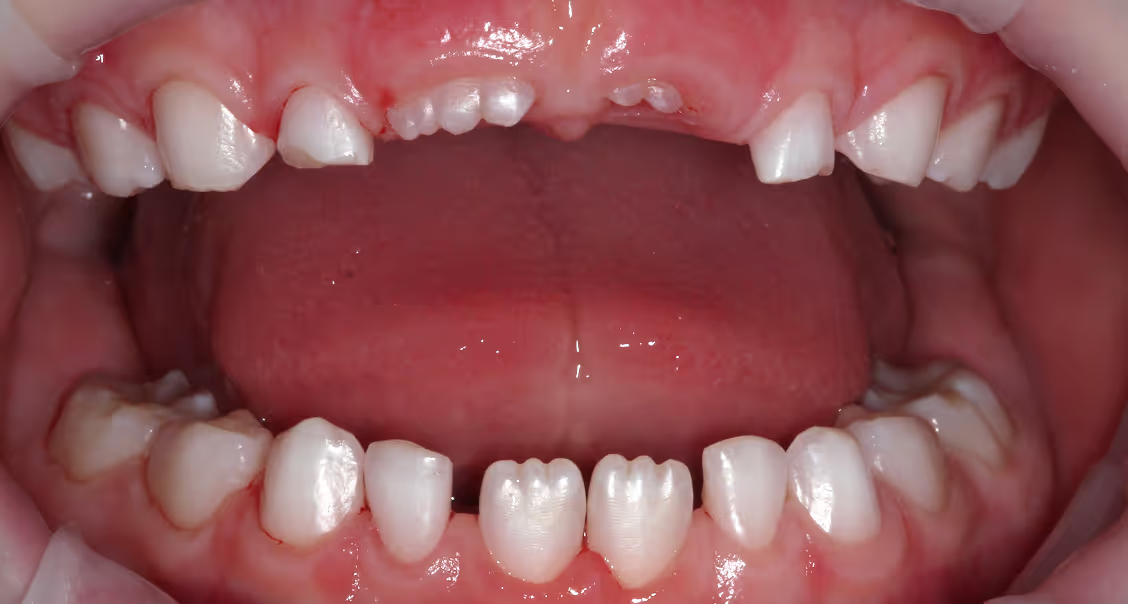
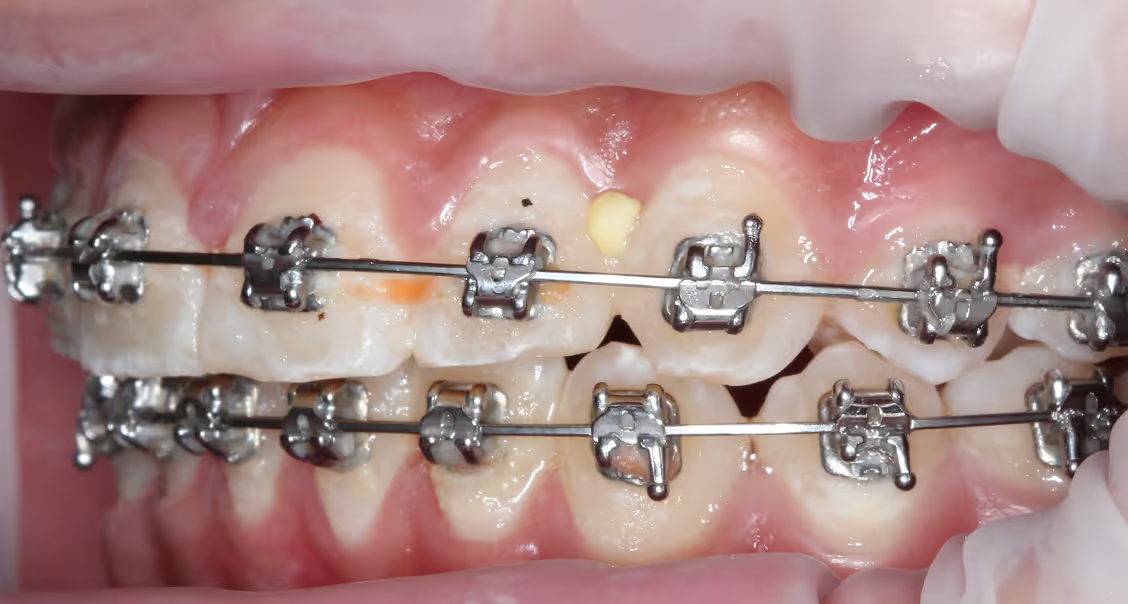
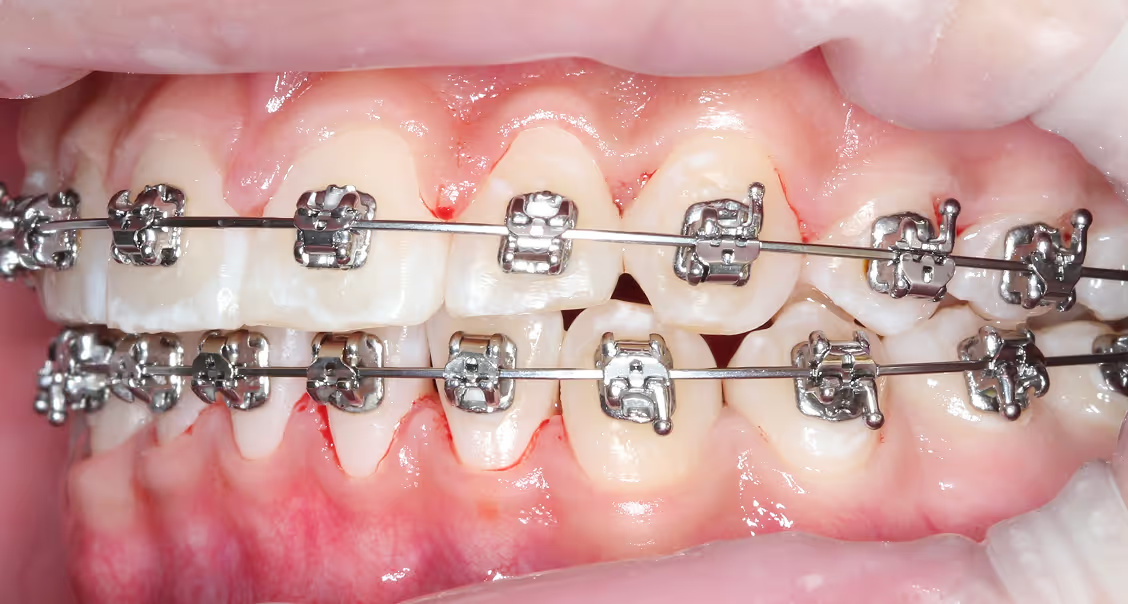
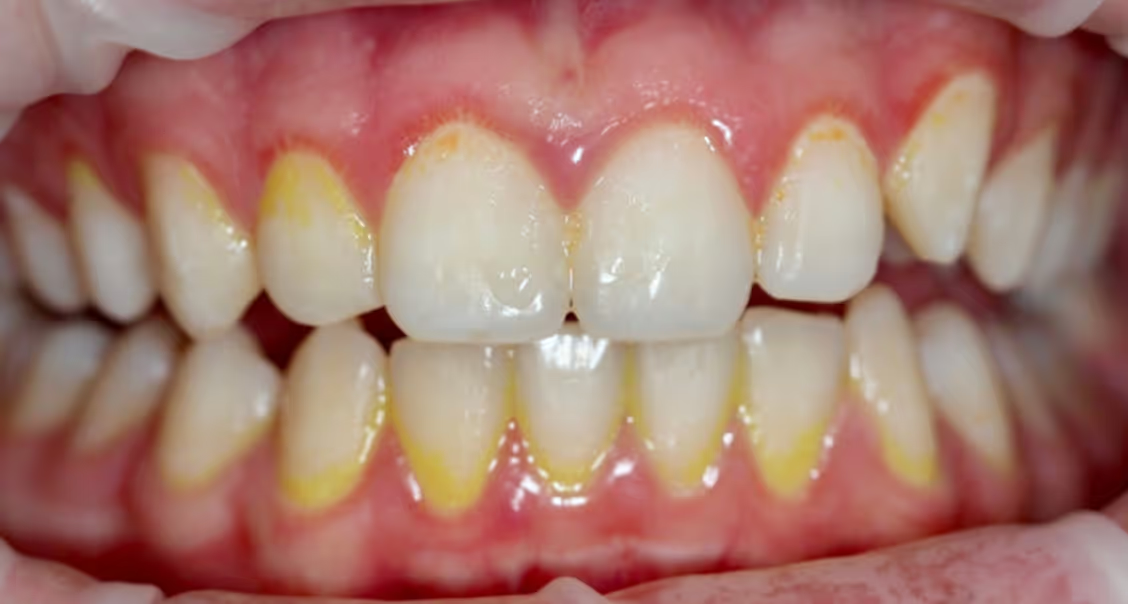
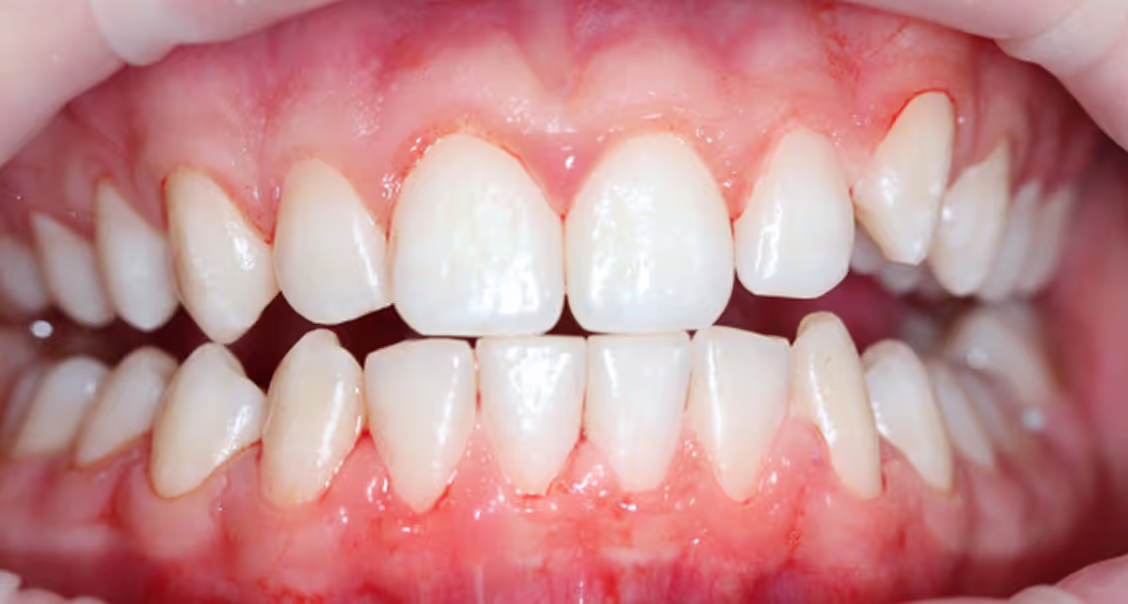
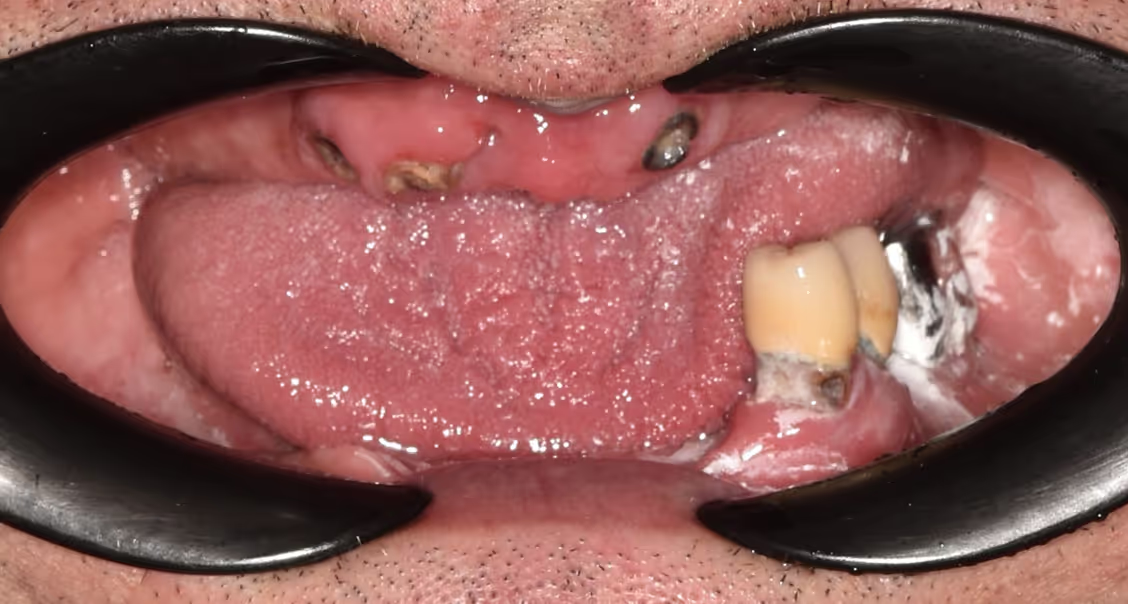
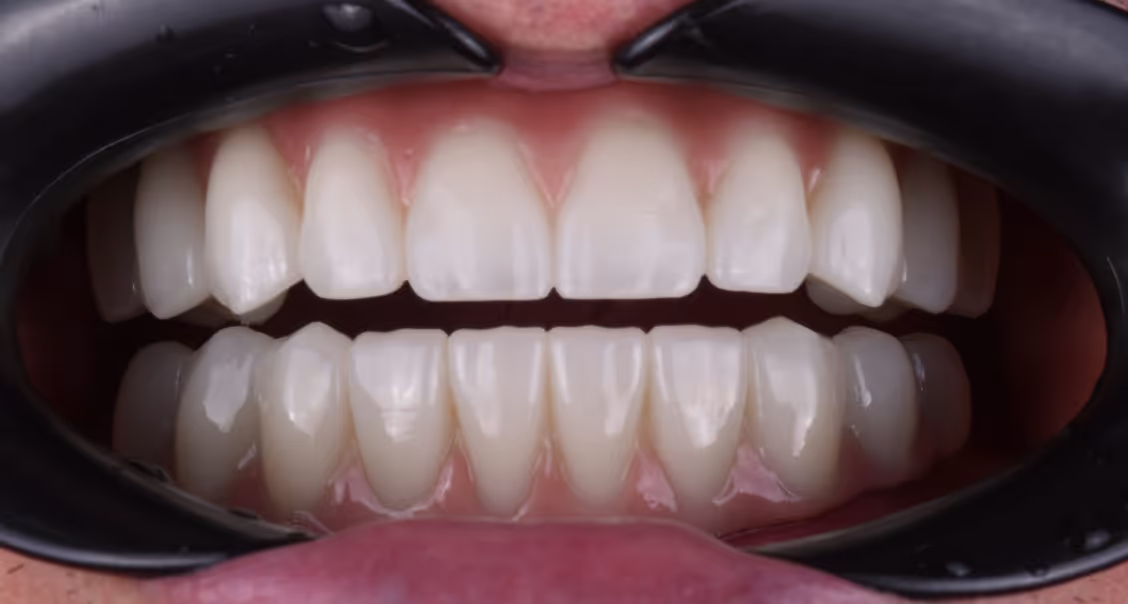
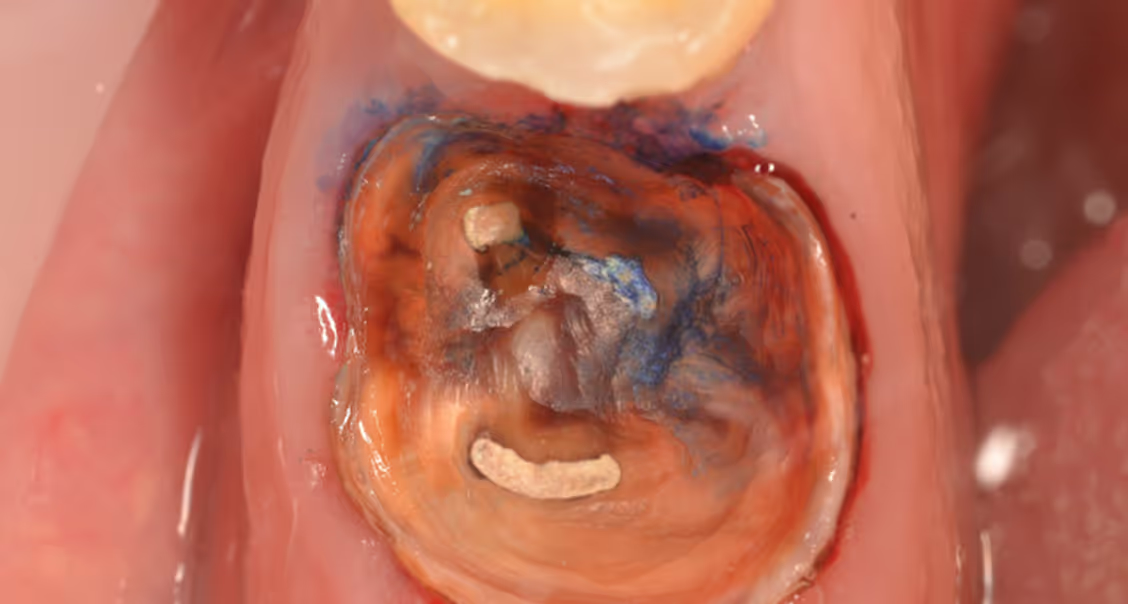
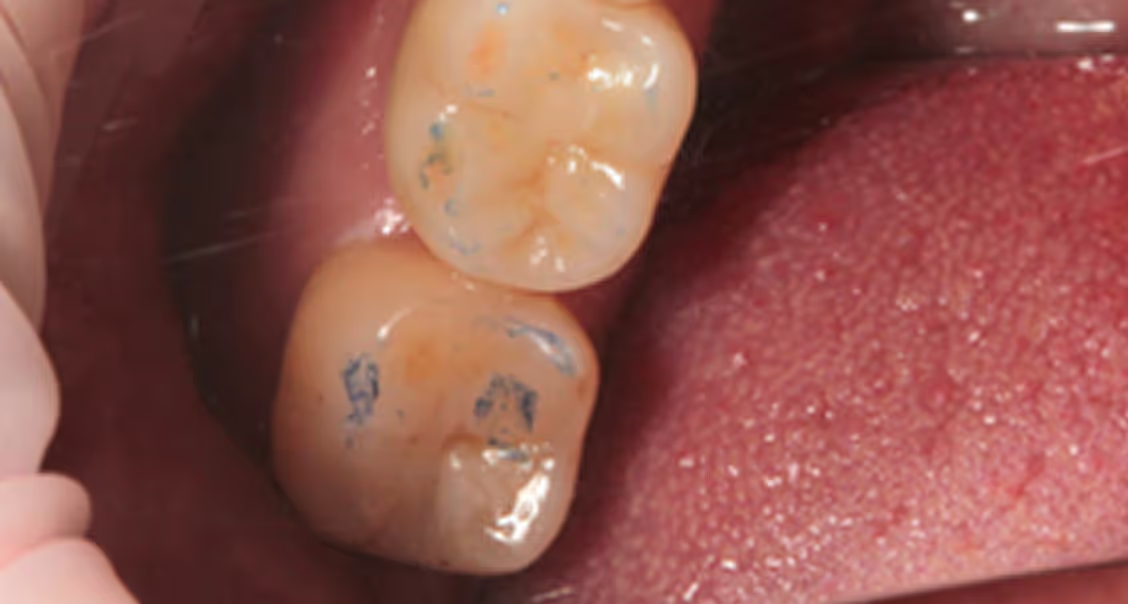
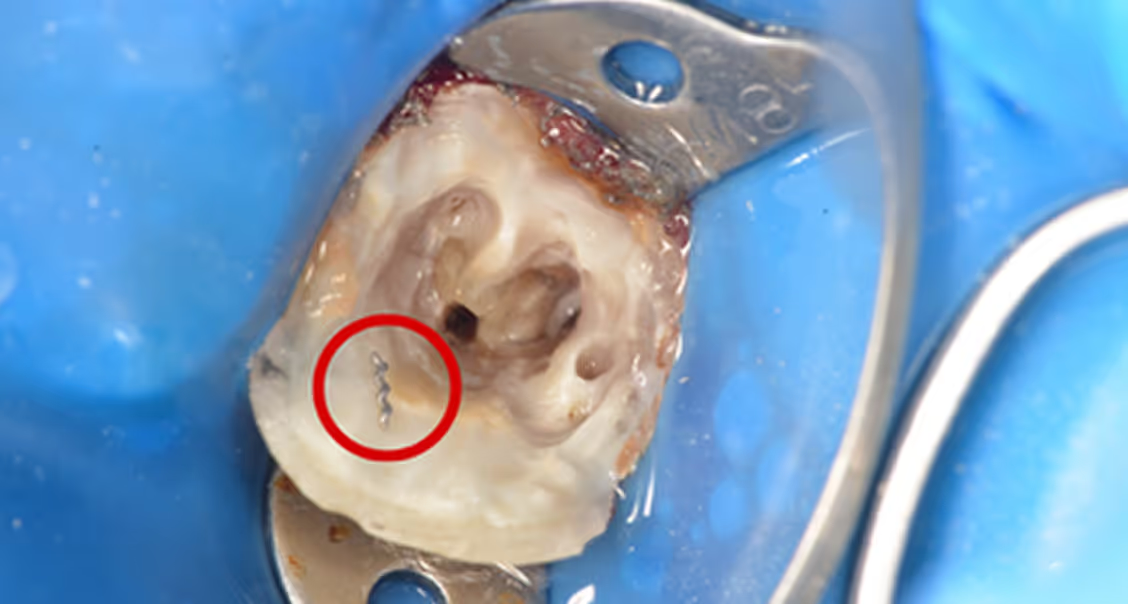
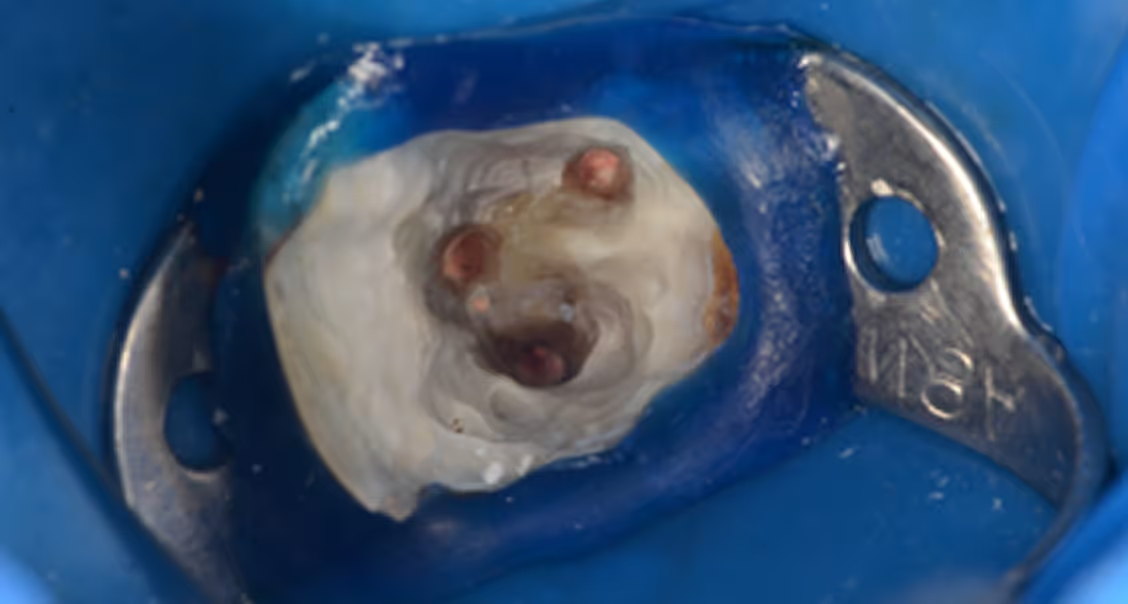
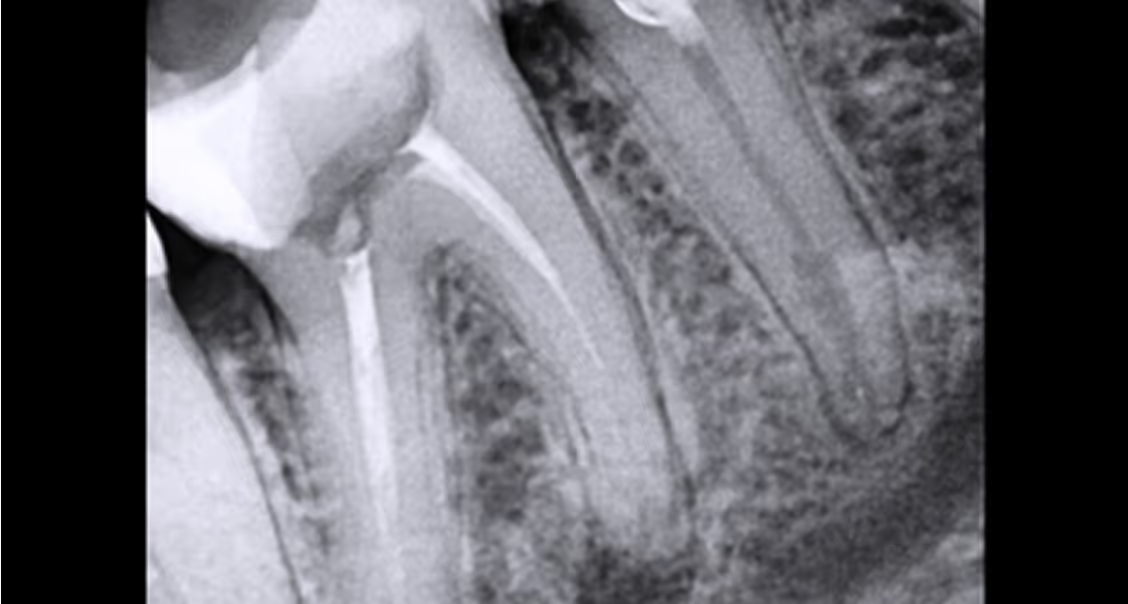
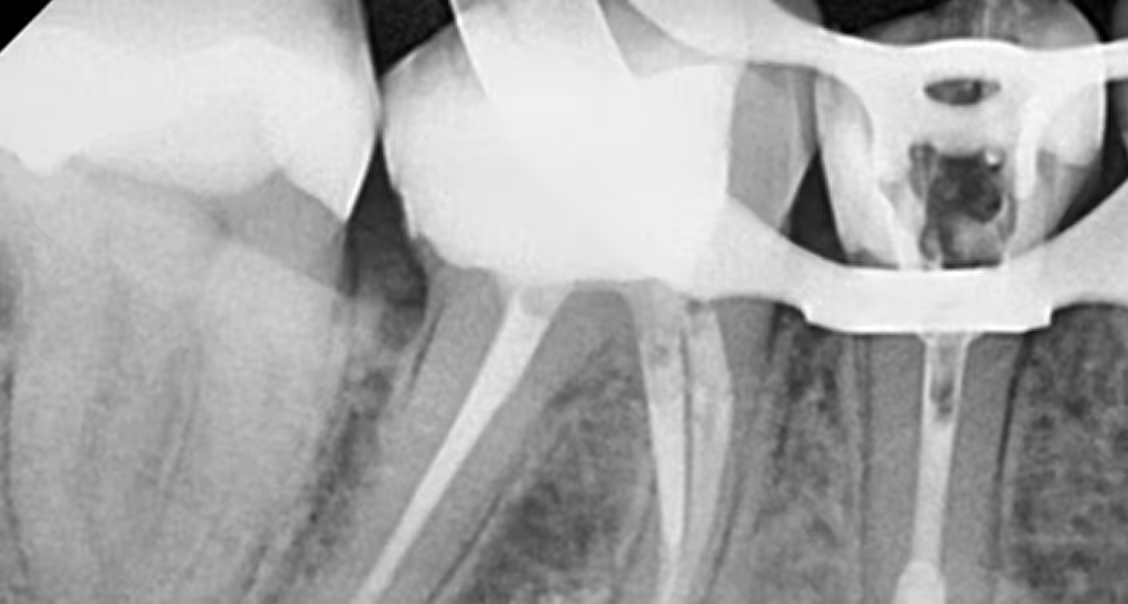
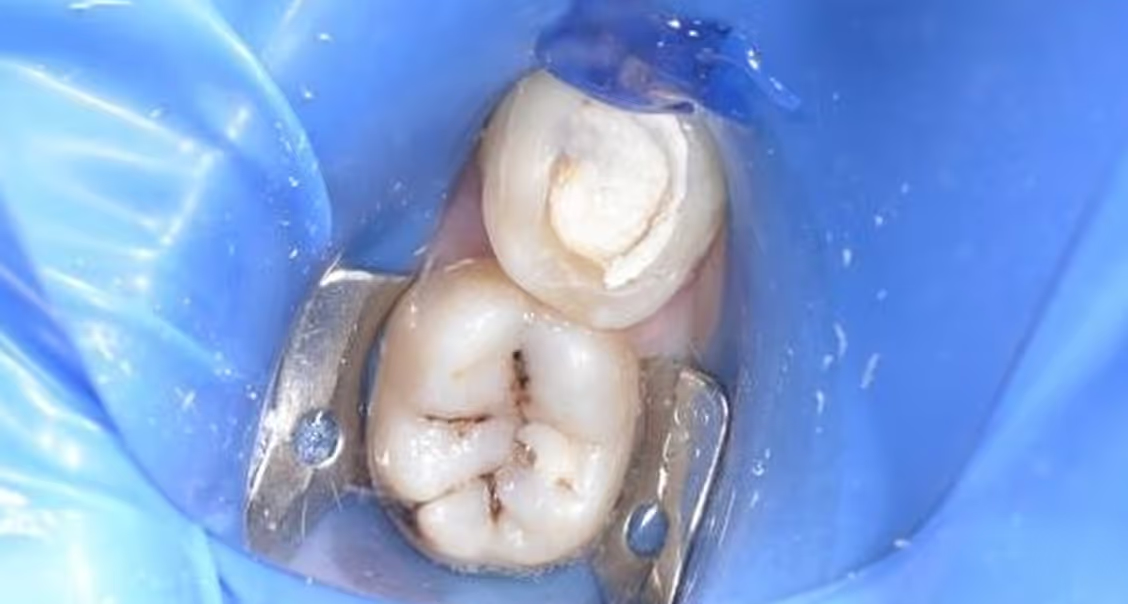
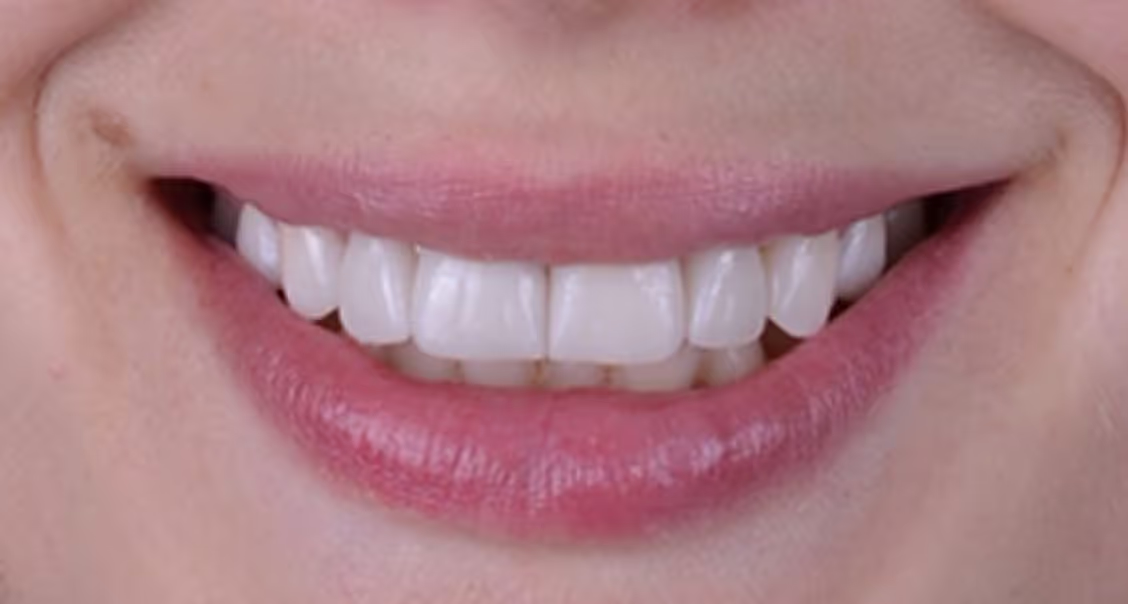
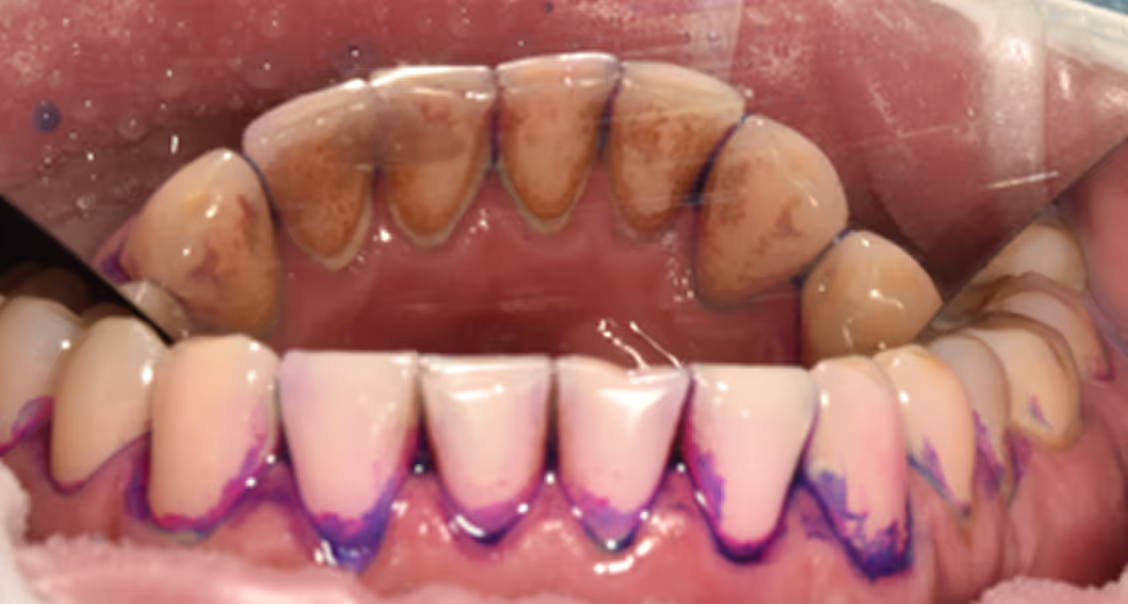
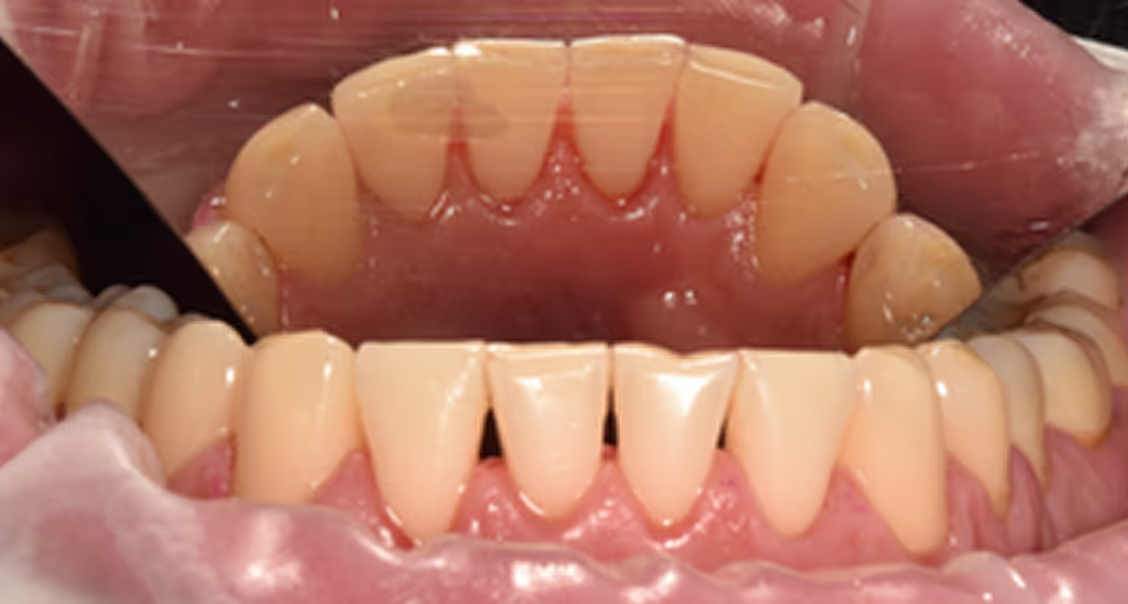
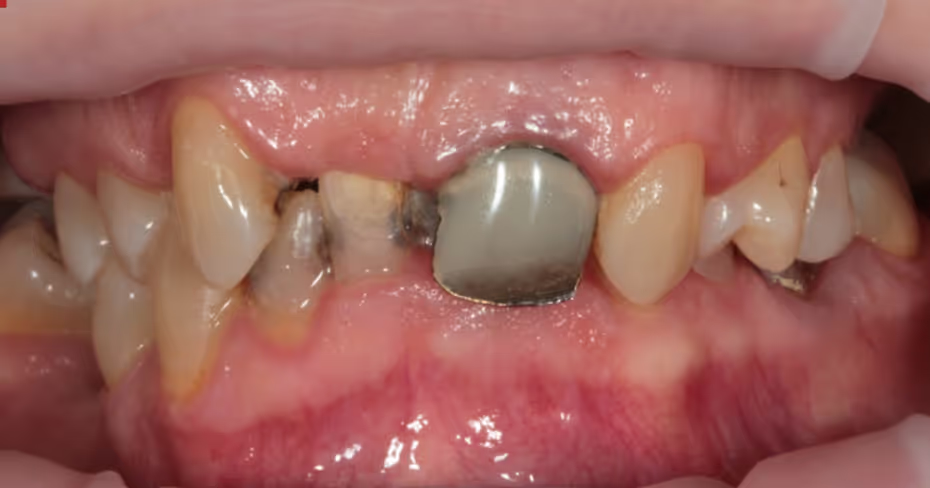
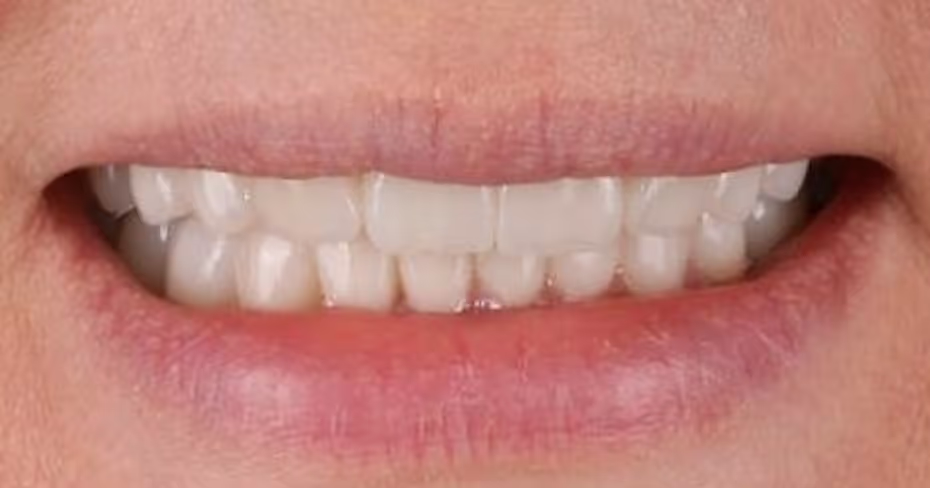
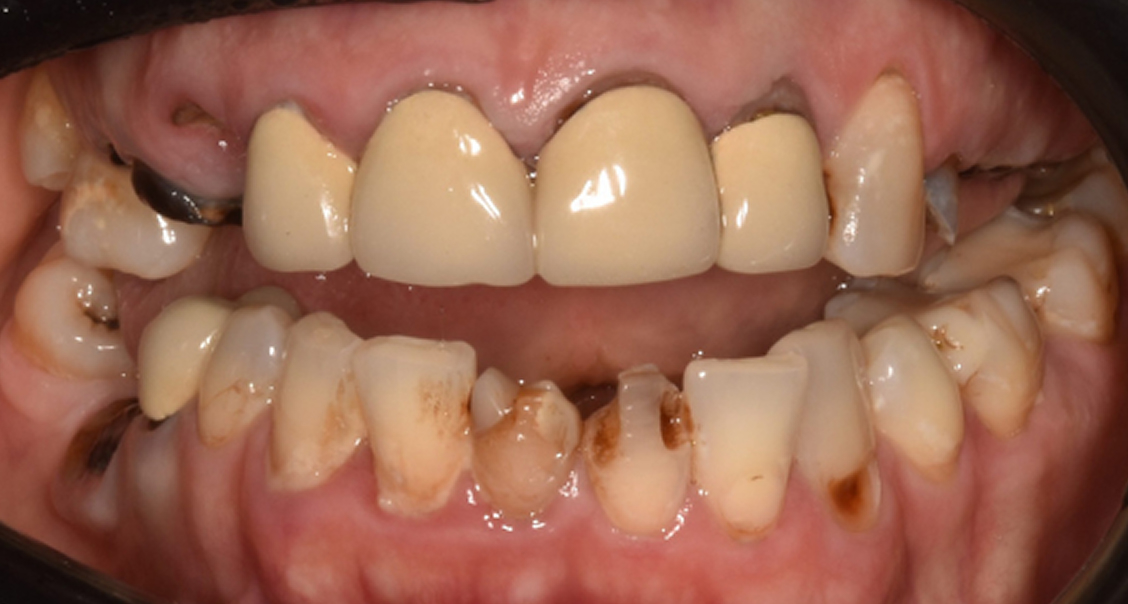
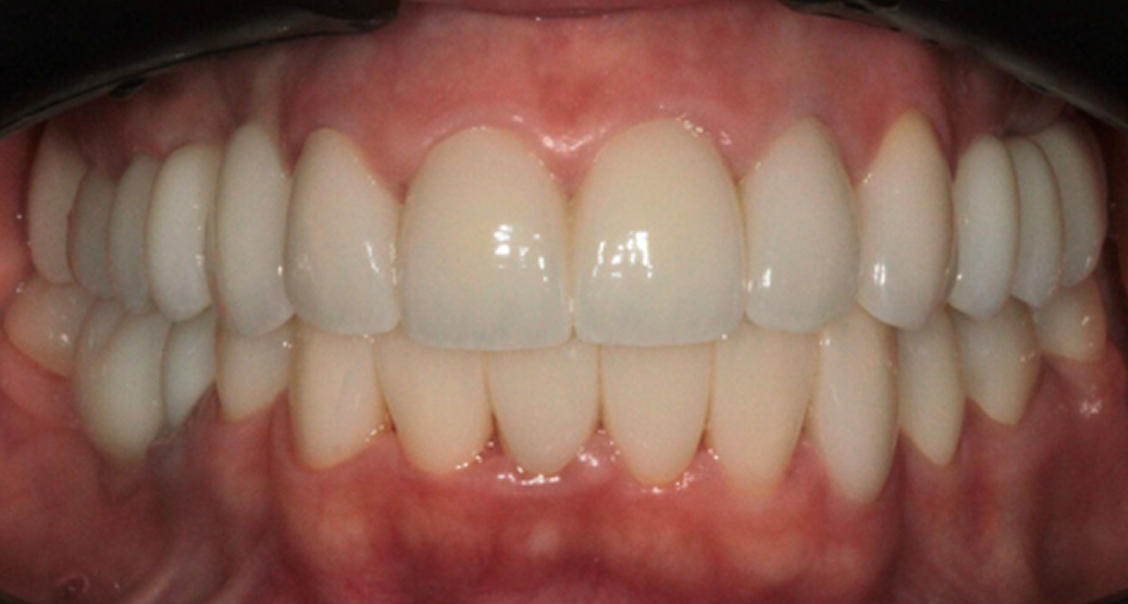
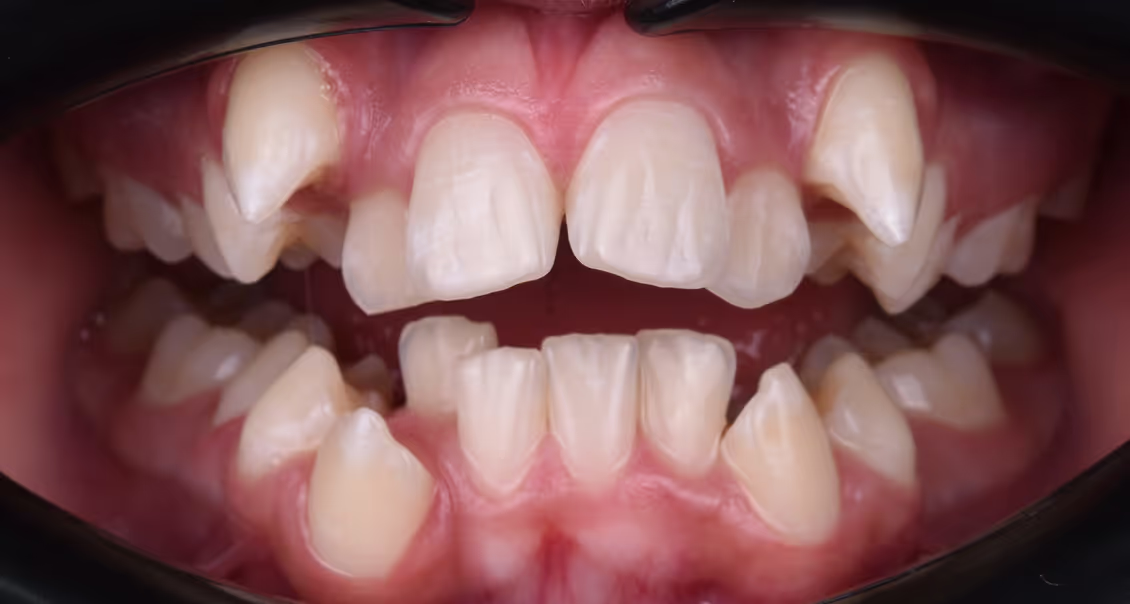
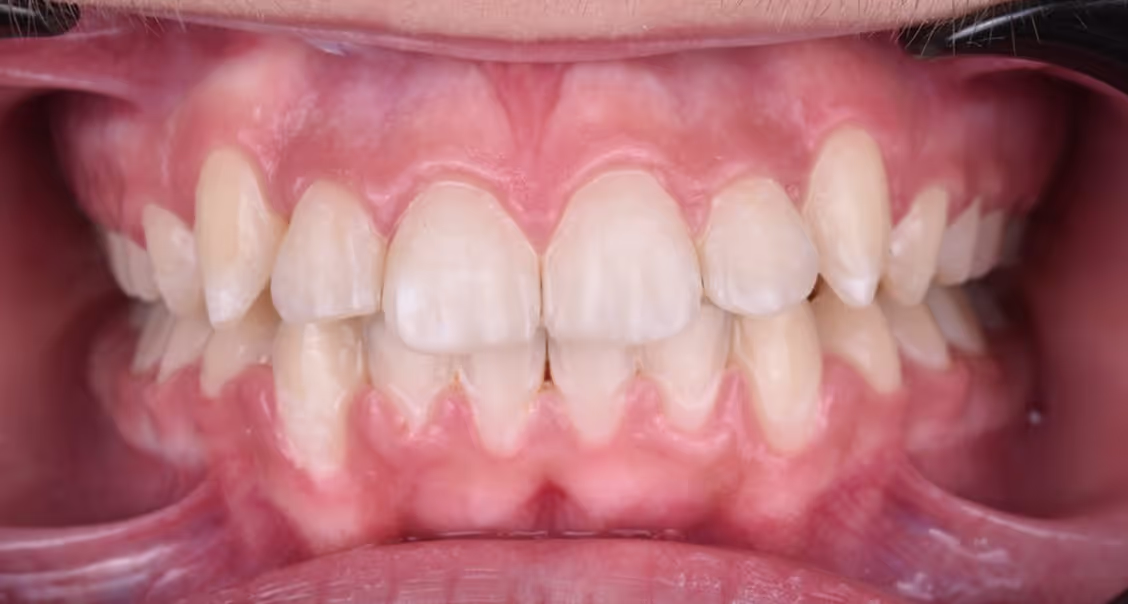
Our patients' tooth makeovers
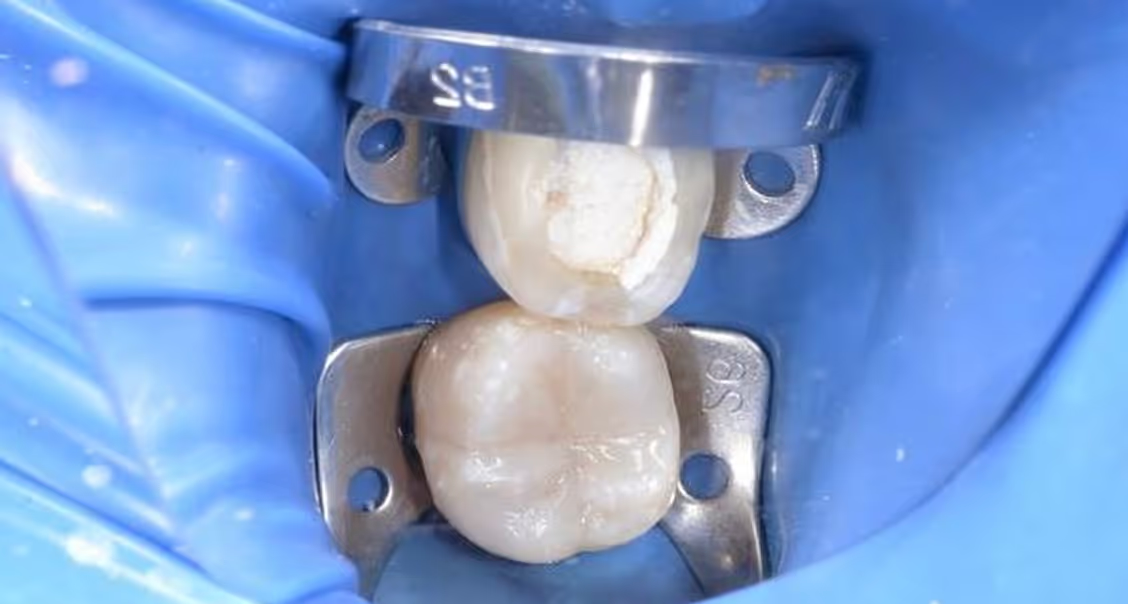
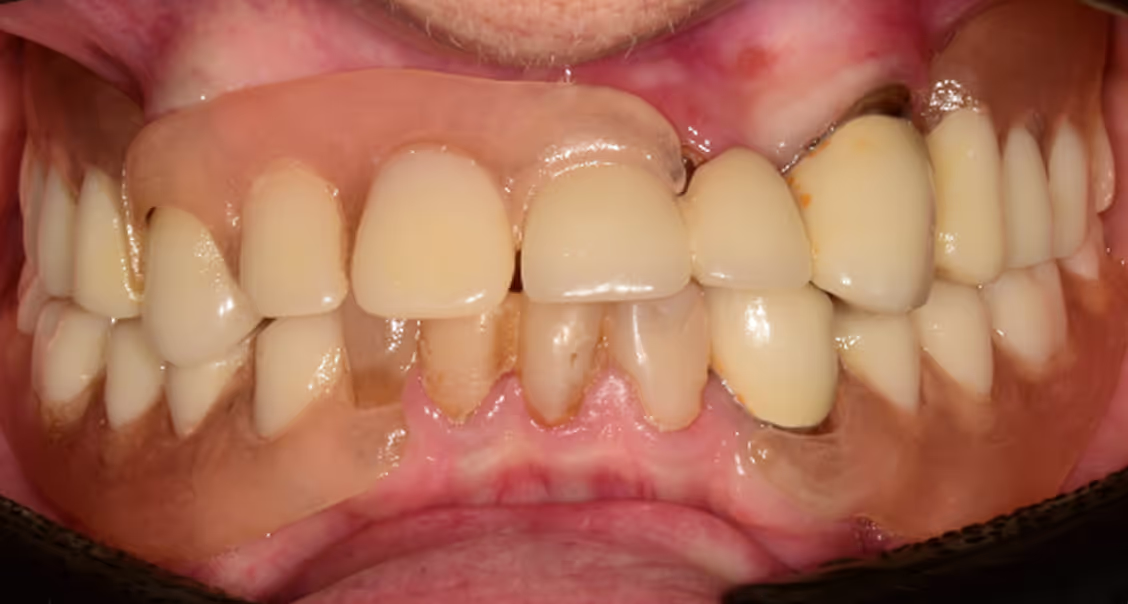
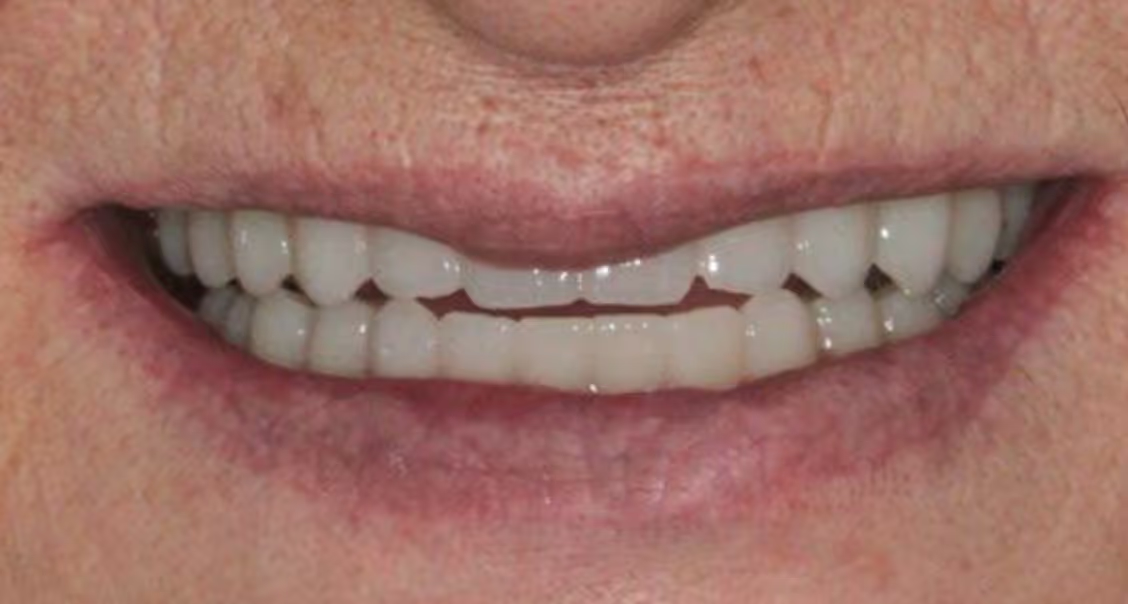
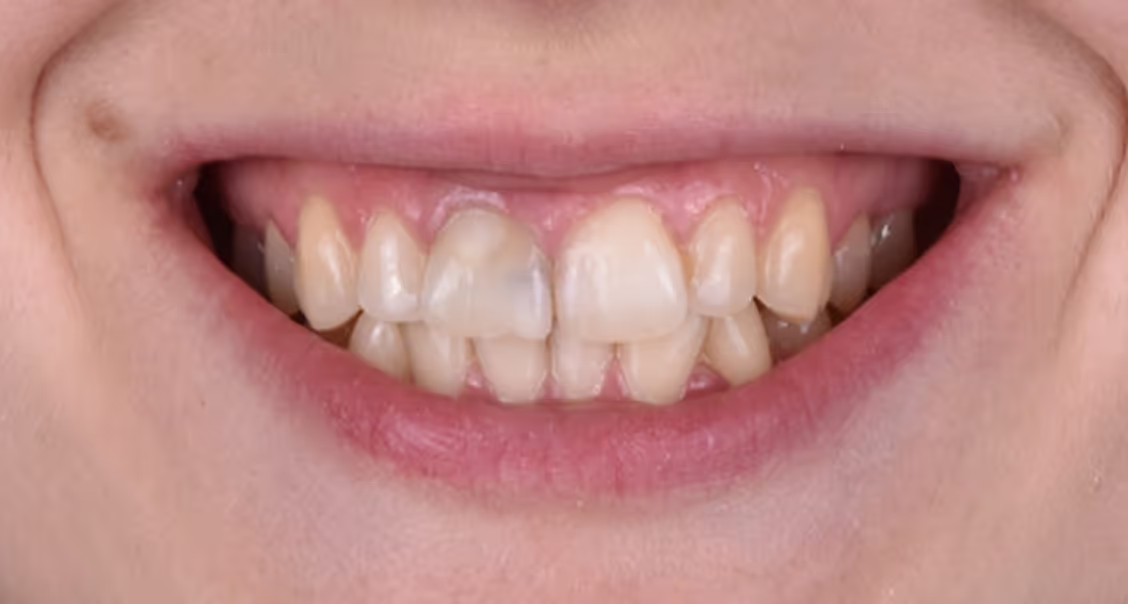
See the results of restorative treatment and tooth restoration in our patients.
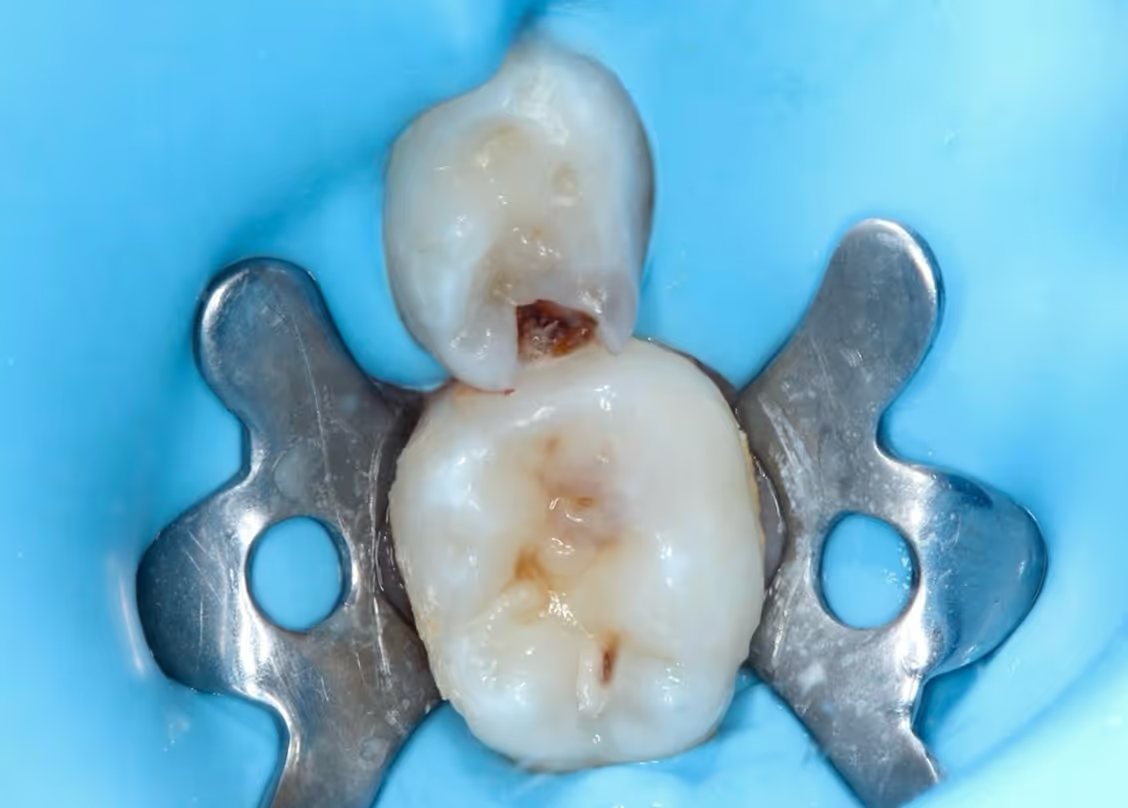
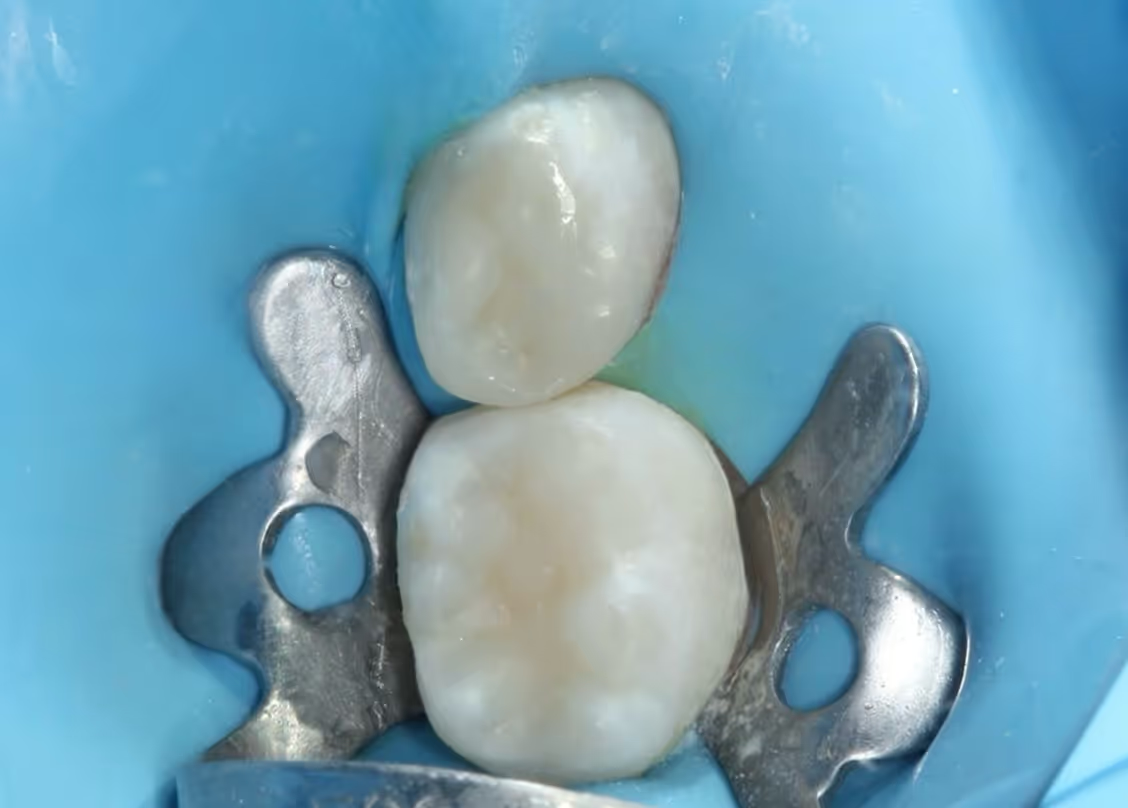
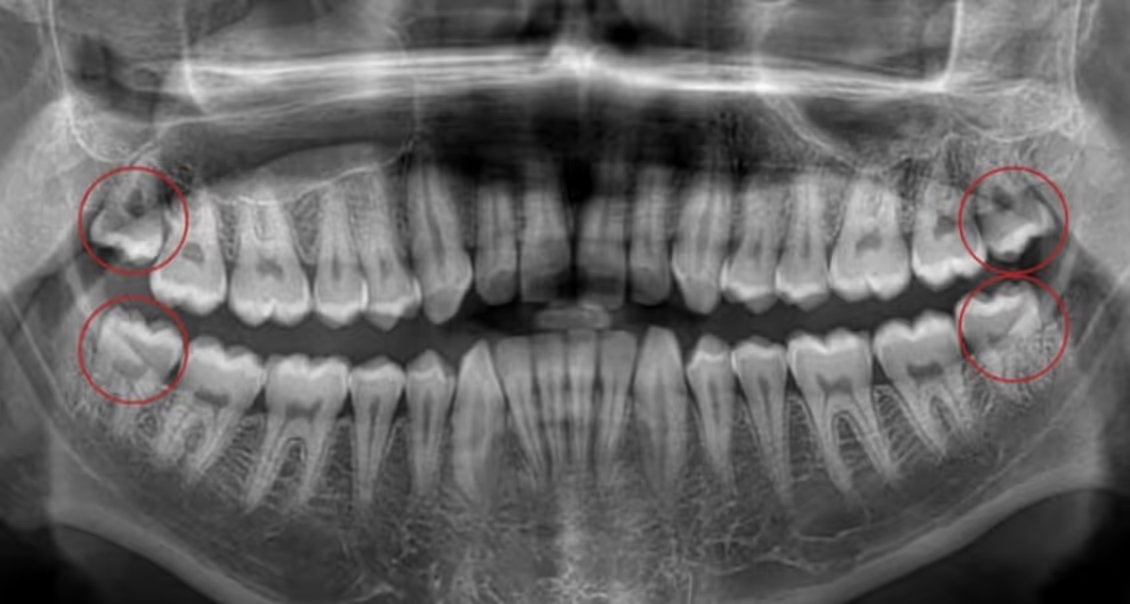
Why choose restorative dentistry at MistoDent Kraków?
In restorative treatment we care not only about solving the problem but also about preserving as much natural tooth tissue as possible and properly restoring its function.
- We choose the treatment method individually — the approach depends on the type and depth of the lesion.
- We preserve natural tooth tissue — the extent of intervention is matched to the specific clinical situation.
- We place composite fillings — restoring the shape and function of the tooth with respect to its natural anatomy.
- We also treat early carious lesions — in suitably qualified cases we can use the ICON method.
- We provide comprehensive diagnostics — if the lesion is deep, the dentist also assesses the pulp and the need for further treatment.
- We combine different fields of dentistry — in more complex cases, restorative treatment can be combined with endodontics, prosthodontics or cosmetic dentistry.
MistoDent Kraków is located at ul. Grzegórzecka 20A.
How much does restorative treatment cost in Krakow?
The price depends on the type and size of the cavity and the chosen restoration method. The dentist determines the exact scope and cost after assessing the tooth.
FAQ
Answers provided by
Dr. Oleksandra Chernova
What is restorative dentistry?
Restorative dentistry diagnoses and treats diseases of the hard tissues of the teeth, above all caries, and restores the resulting cavities. Its goal is to keep natural teeth for as long as possible.
What does dental caries look like?
Dental caries can look different depending on how advanced it is. At first a white or matte spot may appear, followed later by discolouration or a visible cavity. Caries between teeth or under a filling may not be visible without thorough diagnostics.
How is caries treated?
How caries is treated depends on how advanced it is. Early lesions may need a different approach than a cavity that has to be cleaned and restored. Deep caries may require an additional assessment of the pulp.
How much does a filling cost?
At MistoDent Kraków a composite filling costs from 460 PLN. The exact price depends on the size and location of the cavity and the extent of restoration.
What should I do if a filling falls out?
If a filling falls out, see a dentist as soon as possible. The dentist will assess the tooth and decide whether a new filling can be placed or other treatment is needed.
Can caries develop under a filling?
Yes. Secondary caries can develop around an existing filling. Leakage, pain or changes detected during diagnostics need to be assessed by a dentist.
When is a filling enough and when is root canal treatment needed?
If the damage affects the hard tissues of the tooth, a filling is often possible. If the pulp is irreversibly damaged, root canal treatment may be necessary. The dentist decides after diagnostics.
Why does a tooth hurt after a filling?
Temporary sensitivity may occur after a filling. However, if the pain after a filling, especially when biting, is severe, persists or gets worse, come in for a check-up.

Medical verification
Content verified by:
Dr. Oleksandra Chernova
Restorative dentistry • Endodontics
Last updated: 07.10.2026
Book an appointment!
Leave your contact details in the form or message us on your preferred messenger — we'll be happy to answer your questions and help you book a visit.


