


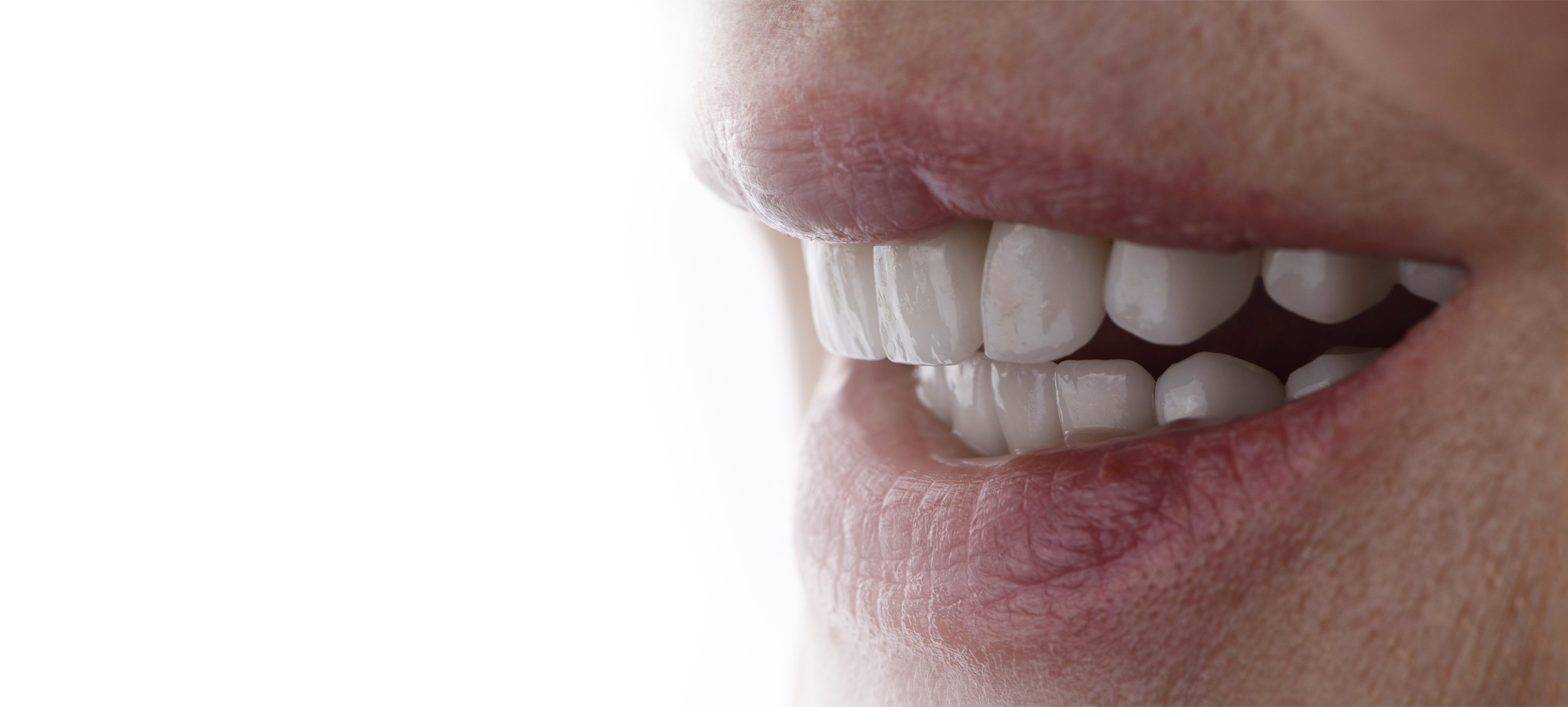
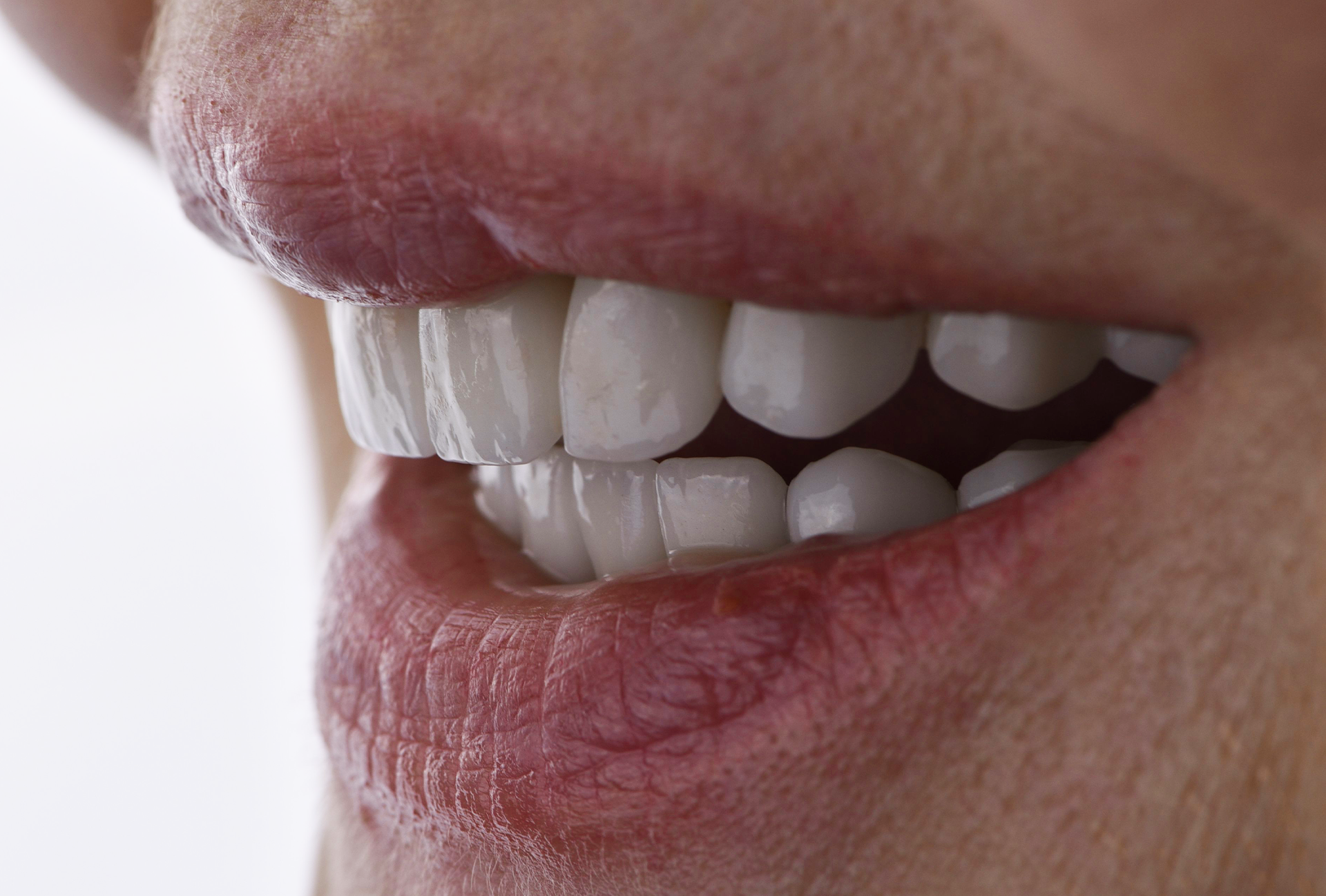
Teeth whitening in Kraków — professional smile brightening
A brighter smile that keeps your teeth looking natural. Professional in-office, tray and laser whitening, with the method chosen to suit the condition of your teeth and the result you expect.
Who performs teeth whitening at MistoDent Kraków?
She provides professional teeth cleaning and prepares teeth for aesthetic treatments, including professional removal of tartar, deposits and surface stains. Teeth whitening is preceded by a dental assessment, during which the dentist checks the condition of the enamel, gums and existing fillings and qualifies the patient for the right method.

What is teeth whitening?
Teeth whitening is an aesthetic dentistry treatment that aims to lighten the natural colour of the teeth. Unlike air polishing, which removes deposits from the enamel surface, true whitening also acts on the staining compounds found within the tooth structure.
Professional methods use carefully selected whitening agents, most often containing hydrogen peroxide or carbamide peroxide. These substances release active compounds that break down the molecules responsible for discolouration.
As a result, teeth can become lighter without having to be ground down.
Professional teeth whitening can be carried out in the dental office or with trays, under a dentist's supervision.
Not every method will suit every patient. Factors that matter include the natural colour of the teeth, the type of discolouration, the presence of fillings, the condition of the enamel and any sensitivity.
The result of whitening is also individual — a specific shade cannot be guaranteed for all patients.
What results does teeth whitening give?
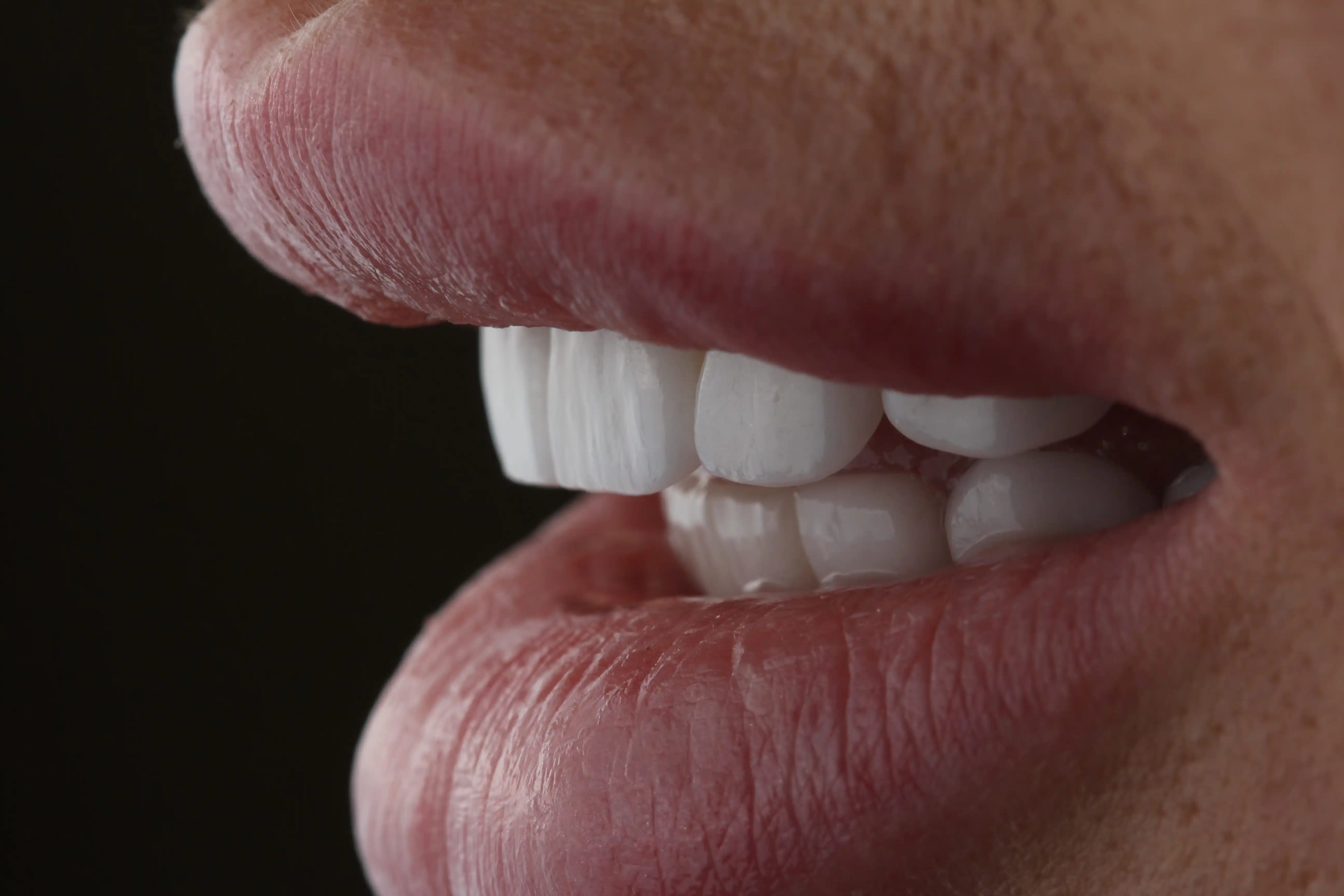
Whitening can lighten natural teeth and improve the look of your smile without changing the shape of the teeth.
Depending on the type of discolouration and the method used, it is possible to achieve:
- Lighter natural tooth colour — a brighter shade of the teeth.
- Less visible discolouration — especially discolouration related to age and to some pigments that penetrate tooth tissue.
- A more even-looking smile — smaller colour differences between natural teeth, if they respond to the agent to a similar degree.
- Better aesthetics before tooth restoration — the colour of future veneers or crowns can be planned once the whitening result has stabilised.
- A lighter single discoloured tooth — with appropriate indications and a method intended for teeth after root canal treatment.
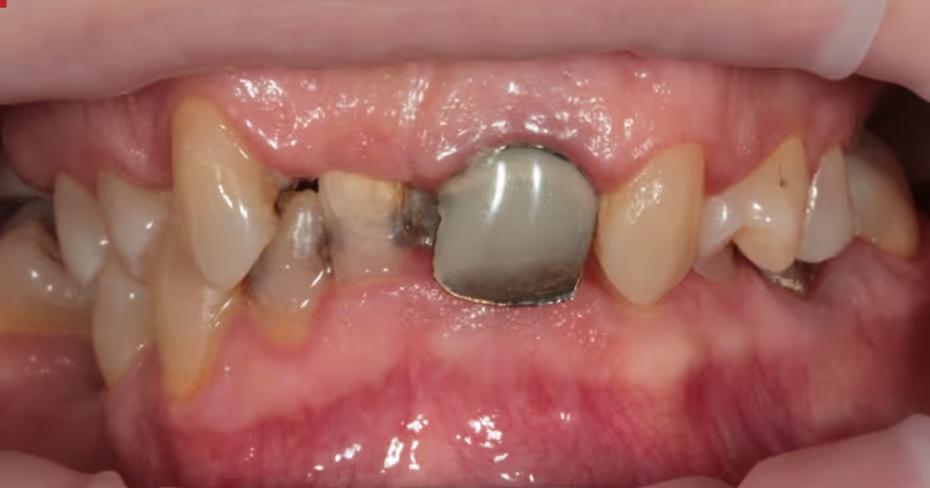
Please remember that whitening does not change the colour of crowns, veneers or composite fillings. After the treatment, some restorations may need replacing to match the new shade of the natural teeth.
When is teeth whitening worth considering?
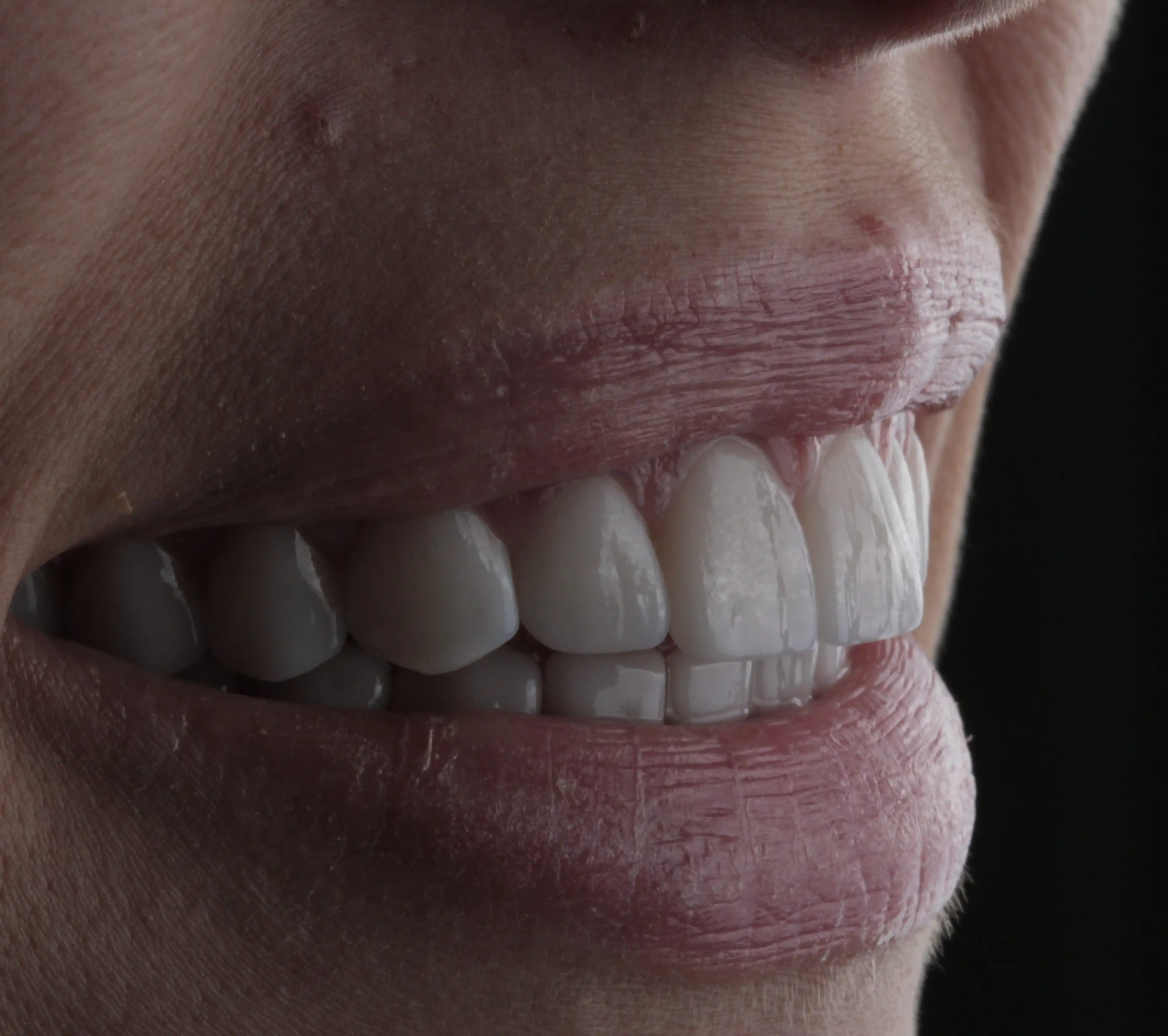
Professional whitening can be considered when the natural colour of the teeth is darker than the patient would like, or when discolouration has appeared that cannot be removed by ordinary professional cleaning.
Naturally darker tooth shade
Tooth colour is individual. Not everyone has naturally very light teeth, even with good hygiene.
Whitening can help lighten their shade, although the possible result depends on the properties of the enamel and dentine.
Age-related discolouration
With age, tooth colour can gradually change. This is influenced by, among others, natural changes in tooth tissue and years of exposure to pigments.
Professional whitening can help restore a brighter-looking smile.
Coffee, tea and tobacco stains
If the stains are only on the enamel surface, professional cleaning is often enough.
When pigments have also affected the colour of the natural tooth tissue, whitening can be considered.
Uneven tooth colour
In some patients, individual teeth have different shades.
Whitening can reduce some of the differences, but not all discolouration responds to agents in the same way. In such cases, the dentist assesses whether the procedure alone will be enough.
Preparation for aesthetic treatment
Whitening can be planned before new veneers, crowns or aesthetic fillings are made.
This makes it possible to set a lighter colour for the natural teeth and match the planned restorations to it once the shade has stabilised.
Tooth discolouration after root canal treatment
A tooth after endodontic treatment may become darker than the others over time.
In certain cases, the dentist may use internal whitening, which differs from standard whitening of vital teeth.
A dental qualification is required before the treatment to establish the cause of the discolouration and choose the right method.
Teeth whitening methods at MistoDent Kraków
No single whitening method suits all patients. They differ in how the agent is applied, how long the treatment takes and how far the result can be controlled.
BEYOND lamp teeth whitening
BEYOND lamp whitening is an in-office method in which a whitening agent is applied to the tooth surface, followed by a lamp designed to work with that system.
The gums and other soft tissues are properly protected before the treatment.
Whitening takes place under a specialist's supervision, and the result can be initially assessed at the end of the visit.
It is worth knowing that the basic whitening effect comes from the agent used. The lamp alone does not guarantee a better result than other properly performed methods.
Laser teeth whitening
Diode laser teeth whitening is an in-office method in which suitably selected laser light is used according to the protocol of the given whitening system.
A whitening agent is used during the treatment, and the soft tissues are properly protected.
The method allows whitening to be carried out during a dental visit.
However, this does not mean that a laser always gives stronger or longer-lasting whitening than other methods. The result depends on, among others, the composition of the agent, the type of discolouration and the individual response of the teeth.
Tray teeth whitening
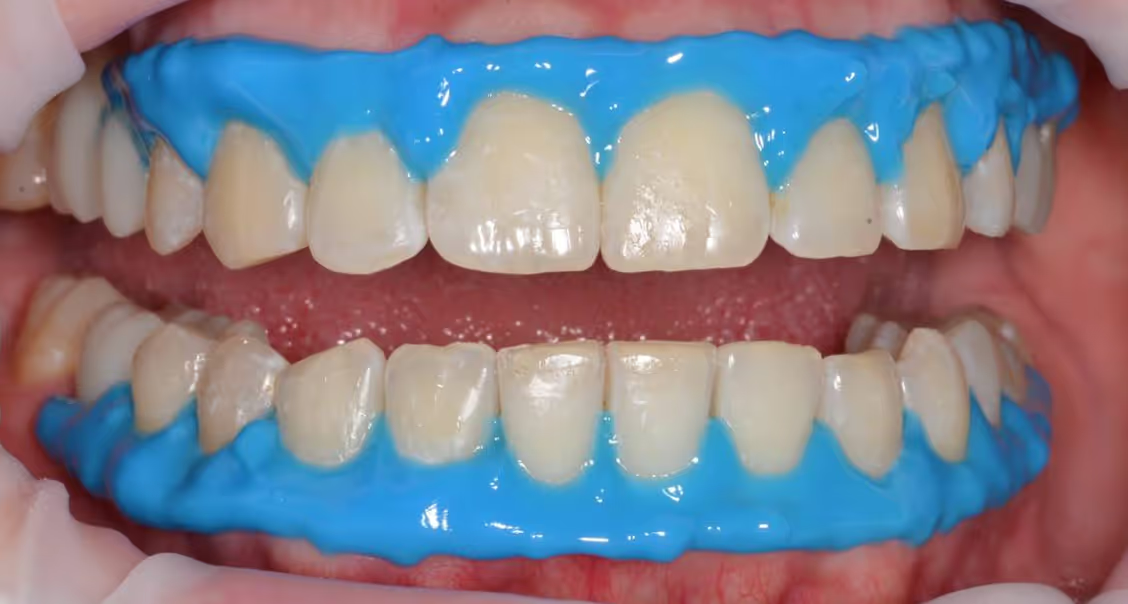
Tray whitening involves using individually fitted trays, into which the right amount of whitening agent is applied.
The patient uses the trays at home, following the dentist's instructions.
The teeth become lighter gradually, over successive applications.
This method makes it possible to control the whitening process over time and may suit people who prefer a treatment carried out outside the dental office.
Prevdent teeth whitening
Prevdent is a teeth whitening system combined with care aimed at protecting and remineralising the enamel.
Depending on the protocol used, it may include products that help reduce sensitivity and care for the tissues after whitening.
As with other methods, the whitening result depends on the type of discolouration and the individual properties of the teeth.
The dentist decides whether this system can be used after assessing the condition of the mouth.
Dead tooth whitening
Dead tooth whitening, that is, whitening a tooth after root canal treatment, is a separate procedure intended for single discoloured teeth.
In suitably qualified cases, the whitening agent is placed inside the tooth crown, with the root canal properly sealed.
The treatment may require several visits and a final filling.
Which teeth whitening method should you choose?
The choice of method depends above all on the cause of the discolouration, the condition of the teeth and the patient's expectations.
Method
When is it worth considering?
BEYOND lamp whitening
When the patient prefers a treatment carried out during a visit to the dental office
Laser whitening
When the dentist decides that a suitable laser protocol can be used in the given case
Tray whitening
When the patient prefers gradual whitening at home under a dentist's supervision
Prevdent whitening
When the dentist qualifies the patient for a system that also includes enamel-supporting care
Dead tooth whitening
When a single tooth after root canal treatment is clearly darker than the others
It is not worth choosing a method based only on price or the promise of maximum brightening. The most important thing is to establish why the teeth changed colour and whether the treatment can be carried out safely.
How does professional teeth whitening work?
The exact course depends on the chosen method, but treatment usually includes several basic stages.
1. Consultation and assessment of the teeth
The dentist checks the condition of the teeth and gums, and looks for cavities and existing fillings, crowns and veneers.
The dentist also assesses the type of discolouration and any sensitivity.
2. Preparation for whitening
If there is tartar or deposits on the teeth, professional cleaning may be recommended first.
Tooth decay, leaking fillings and active inflammation need appropriate treatment before whitening.
3. Choosing the method and starting shade
The dentist discusses the available methods, the expected degree of lightening and the limits set by the condition of the teeth.
The starting shade of the teeth can also be recorded before the treatment.
4. Whitening
With the in-office method, the agent is applied during the visit, with the soft tissues properly protected.
With tray whitening, the patient receives individual instructions on using the trays and the agent.
5. Assessing the result
At the end of the treatment, the dentist assesses the colour achieved and how the teeth have responded.
The final shade is best assessed once the colour has stabilised, because immediately after the treatment its appearance may be partly due to temporary dehydration of the tissues.
6. Recommendations after whitening
The patient receives advice on diet, hygiene and what to do in case of sensitivity.
If needed, a follow-up visit is scheduled.
How long does teeth whitening take?
Whitening time depends on the chosen method, the agent and the expected degree of lightening.
In-office whitening usually takes place during one longer visit. The procedure itself may include several stages of applying the agent, and the length of the whole appointment depends on the system used.
Tray whitening is gradual and most often lasts from several days to several weeks. The dentist sets the exact schedule.
Dead tooth whitening may require several visits, because the agent is sometimes replaced at successive stages of treatment.
Faster whitening does not always mean a better or longer-lasting result. What matters is achieving the right result while limiting the risk of sensitivity and tissue irritation.
How to prepare your teeth for whitening?
Preparation helps assess whether whitening can be done safely and whether the chosen method will be suitable.
Before starting treatment, it is worth:
- Having a dental check-up — to check the condition of the enamel, dentine, gums and existing restorations.
- Treating active tooth decay — whitening should not be done without properly protecting teeth that need treatment.
- Checking that fillings are tight — especially in areas exposed to contact with the agent.
- Removing tartar and deposits, if professional cleaning is indicated.
- Discussing sensitivity — the dentist may suggest suitable care before the treatment.
- Planning future aesthetic restorations — new crowns, veneers or fillings may need matching to the shade achieved after whitening.
Professional cleaning does not always have to be done immediately before whitening. Whether it is needed, and when, is decided individually.
Is teeth whitening safe?
Professional whitening can be safe for suitably qualified patients if approved agents are used and the recommendations for their use are followed.
Whitening substances act on the staining compounds found in the natural tooth tissue.
However, this does not mean the treatment is entirely free of possible side effects.
The most common problem is temporary tooth sensitivity, especially to cold. Gum irritation may also occur if the agent comes into contact with soft tissues.
The risk of complications depends on, among others, the type and concentration of the agent, the application time, the condition of the enamel and the patient's individual sensitivity.
That is why a dental assessment, the choice of the right method and control over the treatment are important before whitening.
Using agents of unknown composition on your own, or repeating whitening too often, may increase the risk of tissue damage and sensitivity.
What are the contraindications to teeth whitening?
Not every patient can start whitening straight away.
Situations that require prior assessment, treatment or postponing the procedure include:
- active tooth decay and unprotected cavities;
- leaking fillings;
- active inflammation of the gums and mucous membrane;
- severe tooth sensitivity;
- some enamel damage or exposed root surfaces;
- allergy to ingredients of the agents used;
- pregnancy and breastfeeding, when planned aesthetic whitening is usually postponed;
- age under 18 for agents subject to relevant legal restrictions.
The presence of crowns, veneers and extensive fillings in the front teeth also matters. They are not automatically a contraindication, but they may limit the possibility of achieving an even smile colour.
The final decision on qualification is made by the dentist.
What to do after teeth whitening?
After the treatment, it is worth following the dentist's recommendations, because the teeth may be more sensitive for some time.
Depending on the method used, the dentist may recommend:
- limiting strongly staining drinks and foods for a certain time;
- avoiding smoking;
- gentle brushing with a toothpaste with suitable properties;
- using products that reduce sensitivity, if indicated;
- following the application schedule for tray whitening;
- coming in for a check-up if severe or long-lasting symptoms appear.
The so-called white diet has no single universal schedule, and not every whitening protocol requires equally strict restrictions.
The most important things are the recommendations for the specific system and maintaining good oral hygiene.
How long does the whitening result last?
The result of whitening does not last a lifetime. Over time, tooth colour can gradually change due to natural processes, diet and daily habits.
In some patients, the lighter shade lasts for many months or even several years. In others, discolouration returns more quickly.
The durability of the result is influenced above all by:
- the natural shade and structure of the teeth;
- the type of previous discolouration;
- how often you drink coffee, tea and other staining drinks;
- smoking;
- daily oral hygiene;
- the whitening method used;
- individual response to the agents.
If needed, the dentist may plan a top-up treatment. However, intensive whitening should not be repeated on your own without first assessing the condition of the teeth.
Teeth whitening vs bonding and veneers — which to choose?
Whitening is the right solution when the main goal is to lighten the natural colour of the teeth. If the patient also wants to change their shape or proportions, or to mask discolouration that does not respond to whitening agents, the dentist may suggest other aesthetic dentistry methods.
Patient's need
Possible solution
Natural teeth have too dark a shade
Teeth whitening
A small change in the shape and colour of individual teeth
Bonding
Changing the look of several front teeth
Veneers
A chip or loss of part of a tooth
Tooth reconstruction
Correcting tooth proportions with composite
Flow Injection
Significant damage to the tooth crown
Crown reconstruction
Not all aesthetic changes can be achieved with whitening alone. During the consultation, the dentist assesses whether lightening the natural teeth is enough or whether restoring them could give a better result.
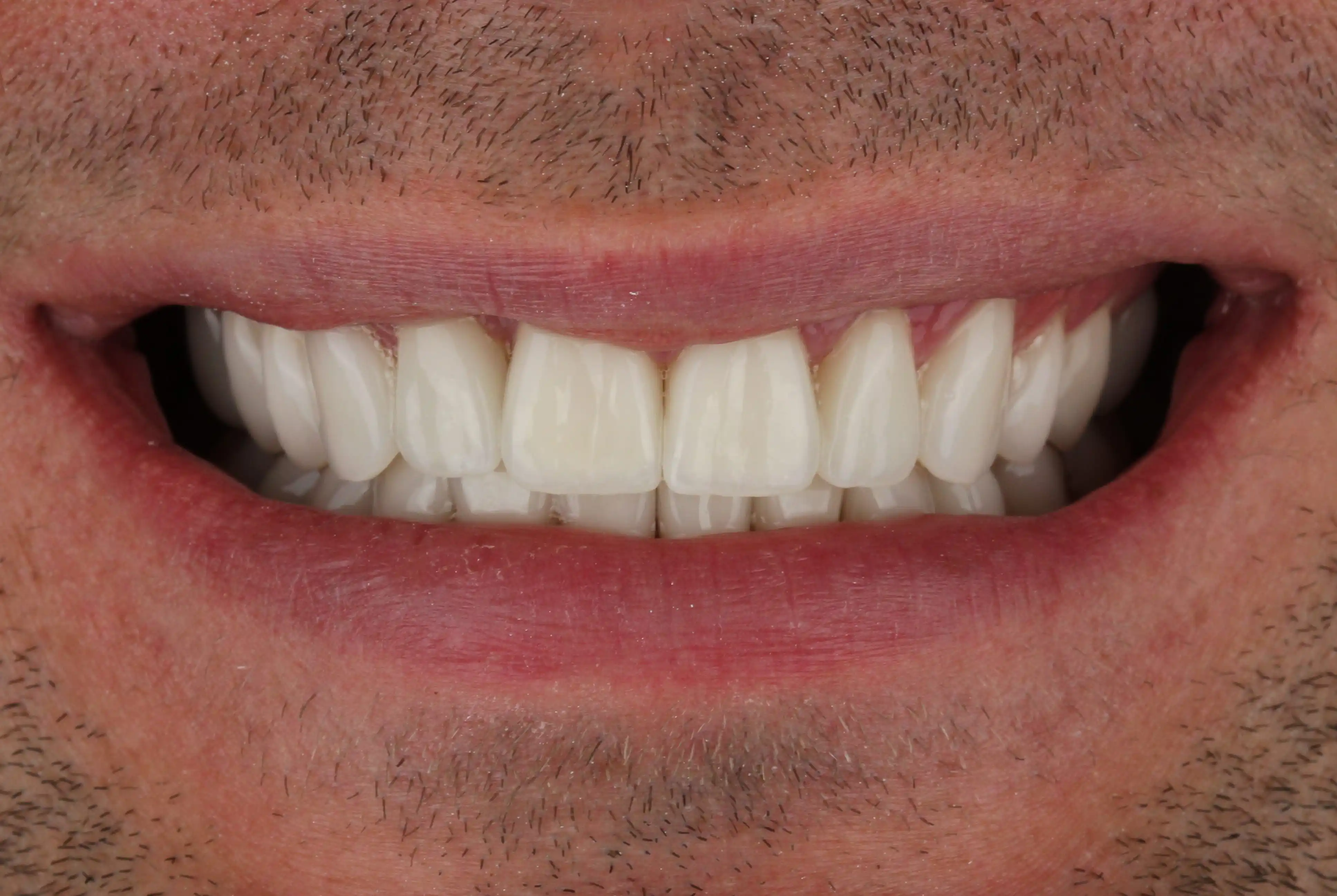
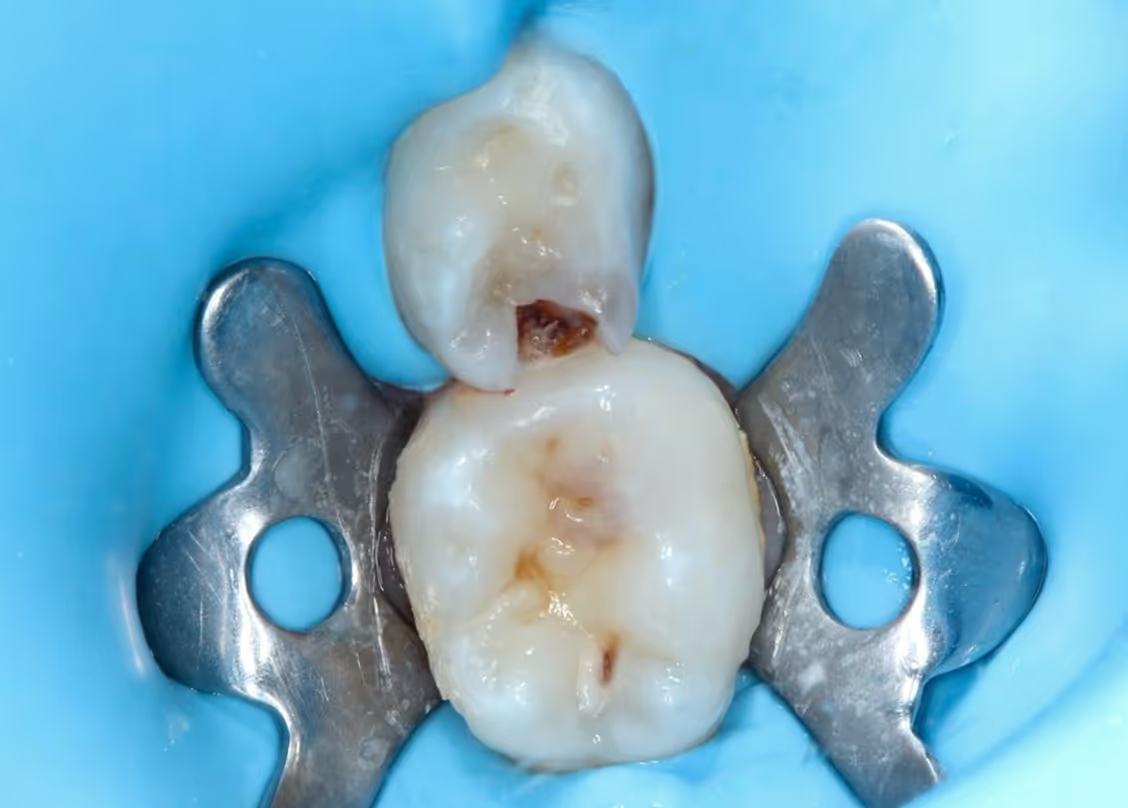
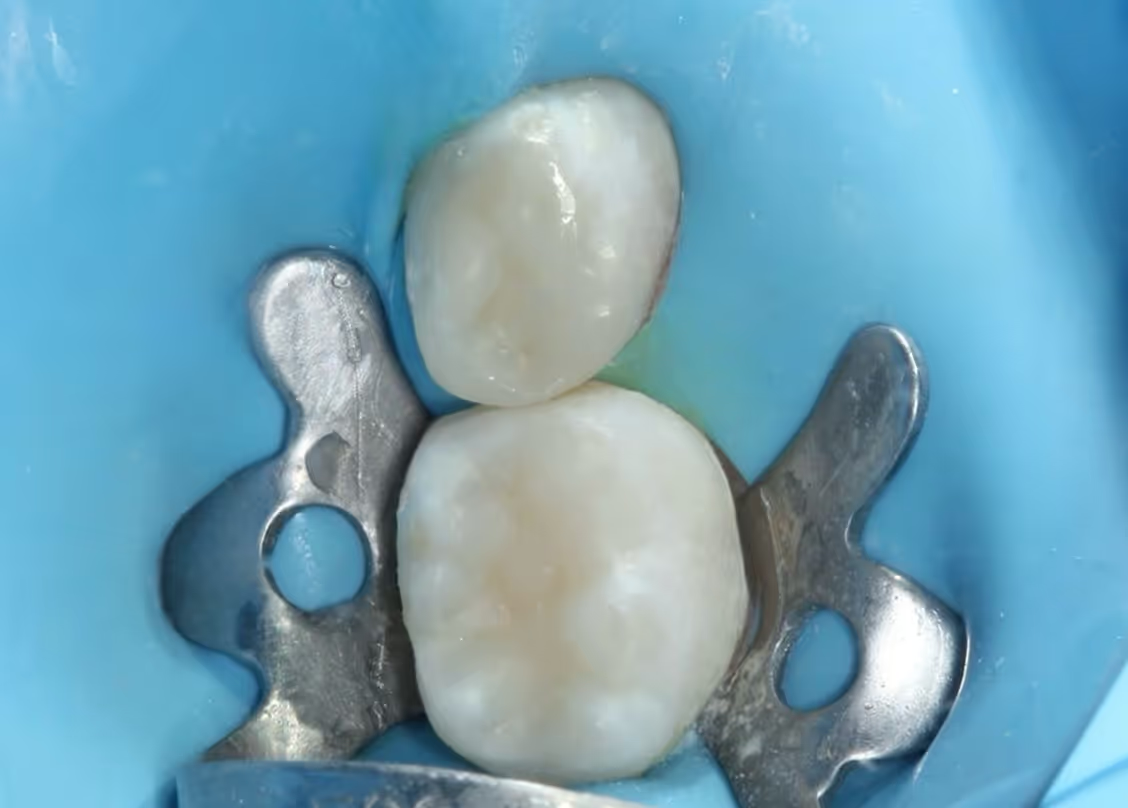
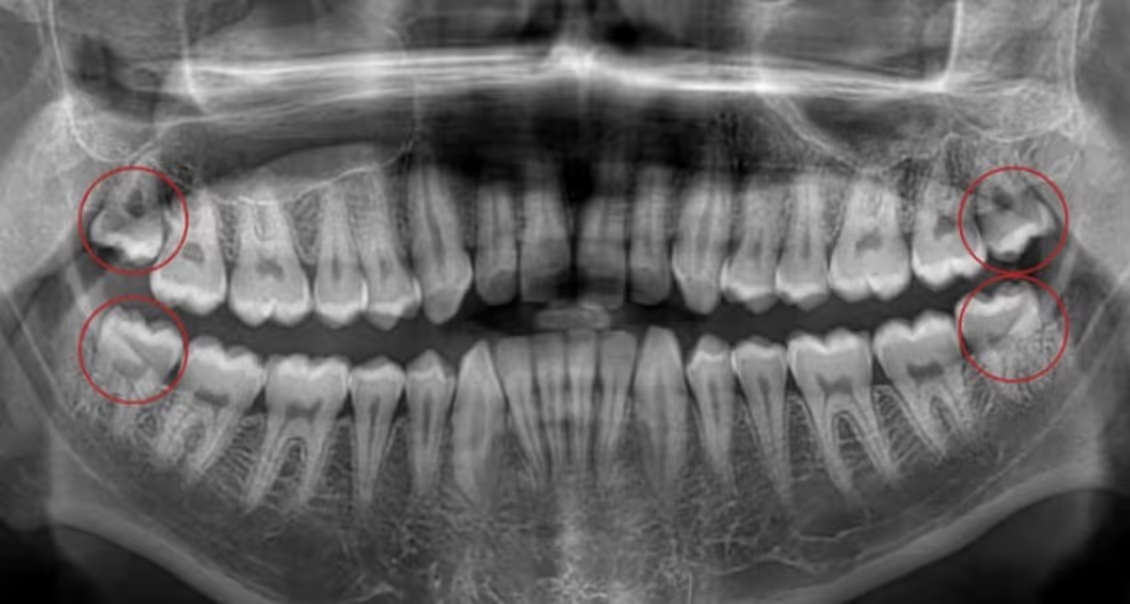
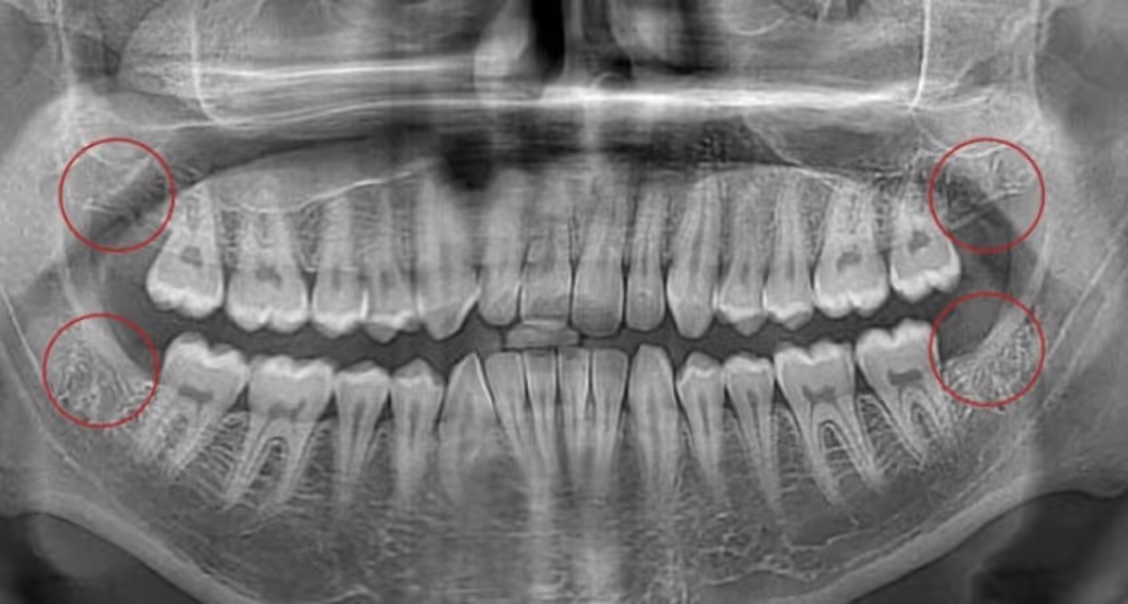
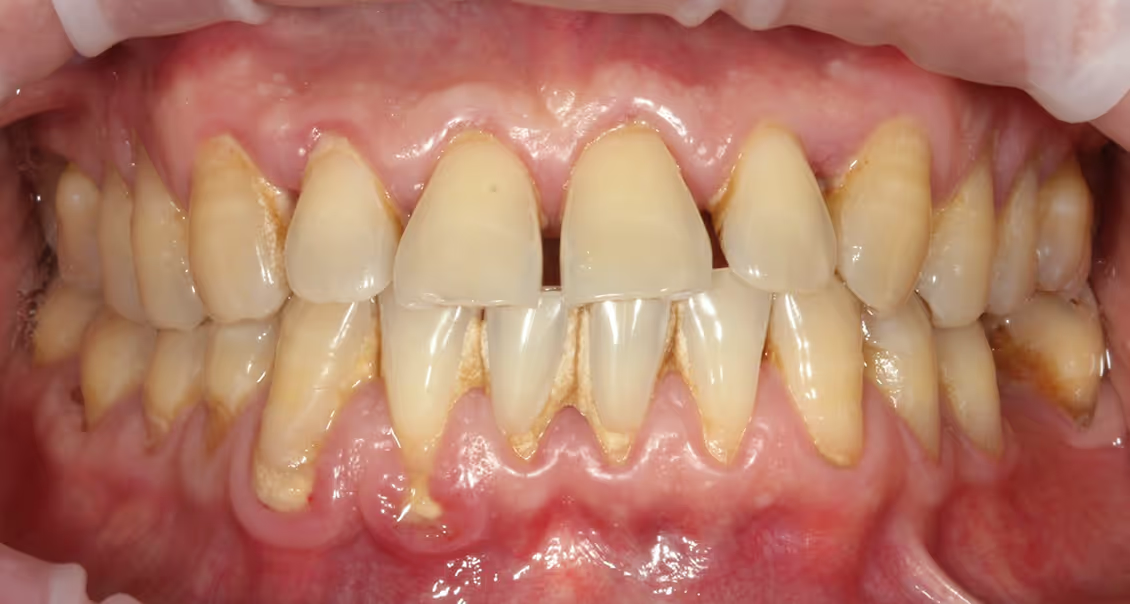
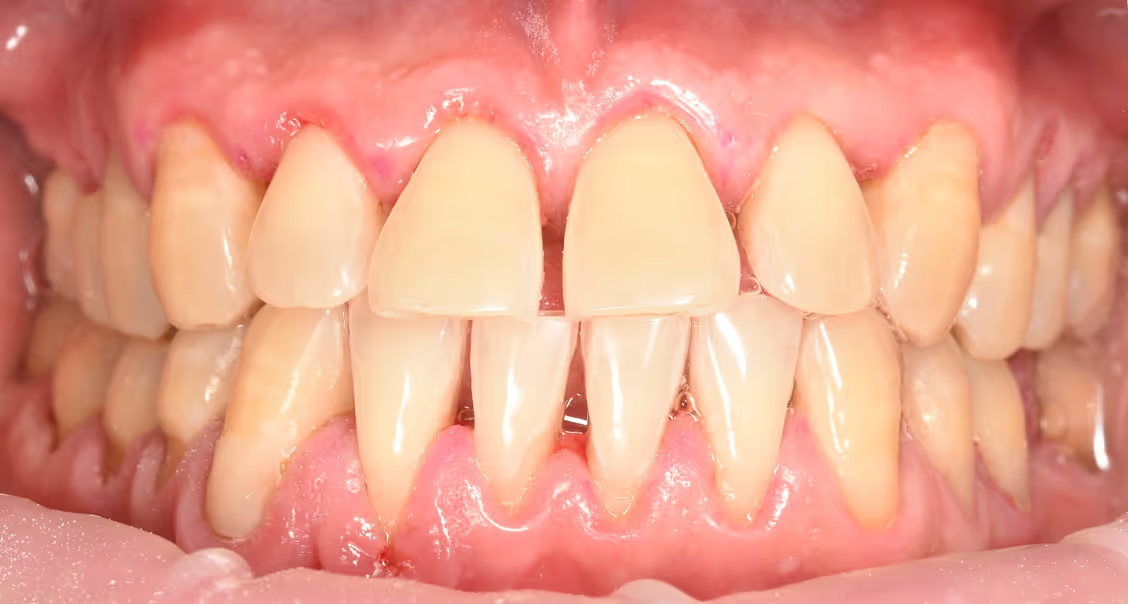
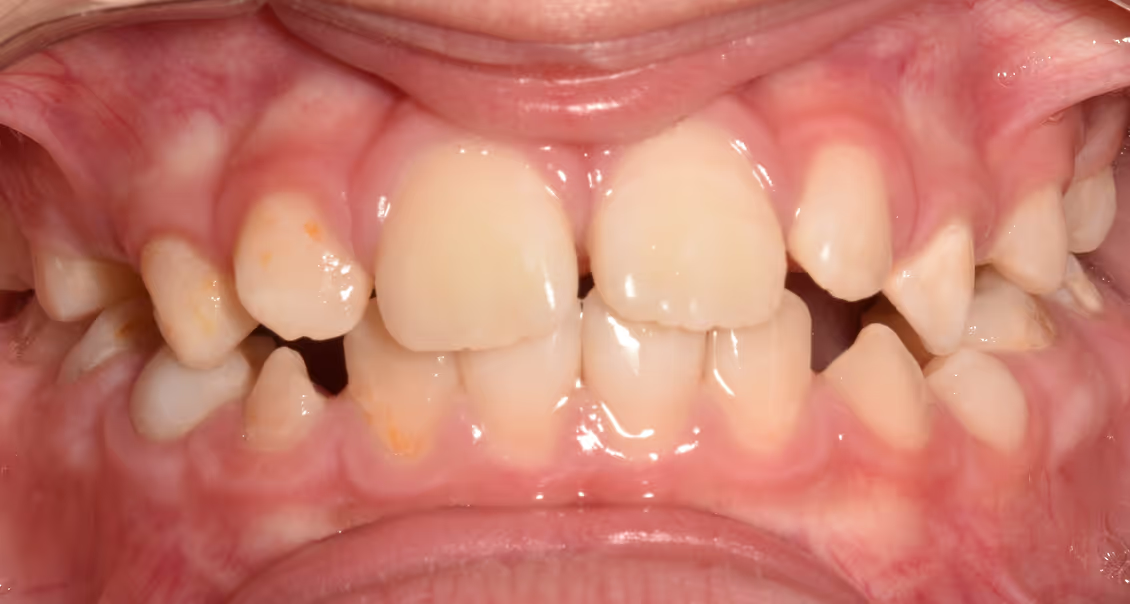
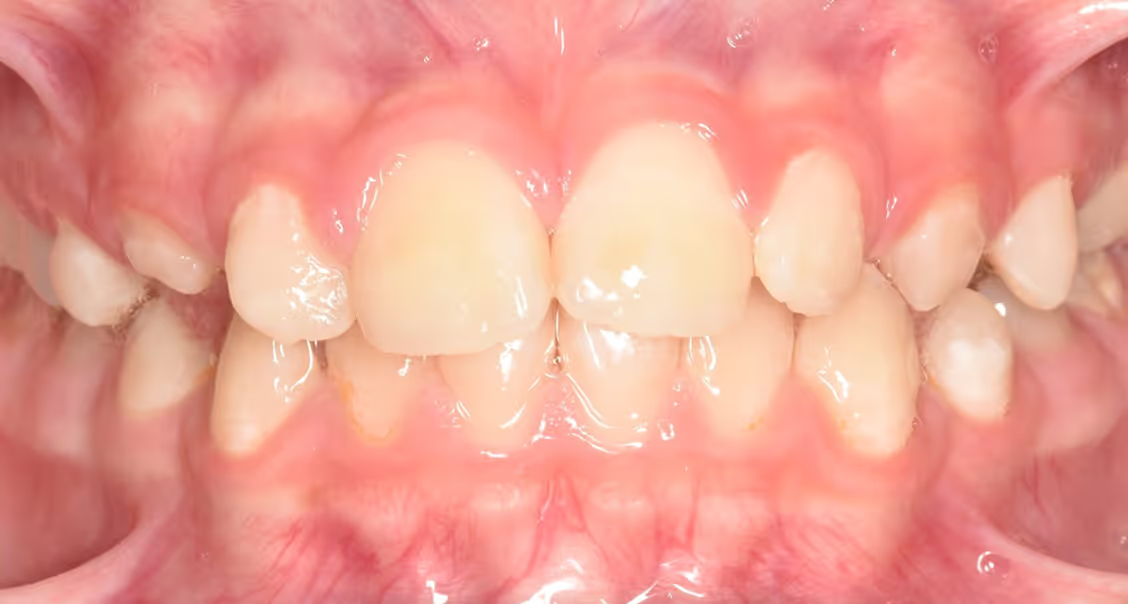
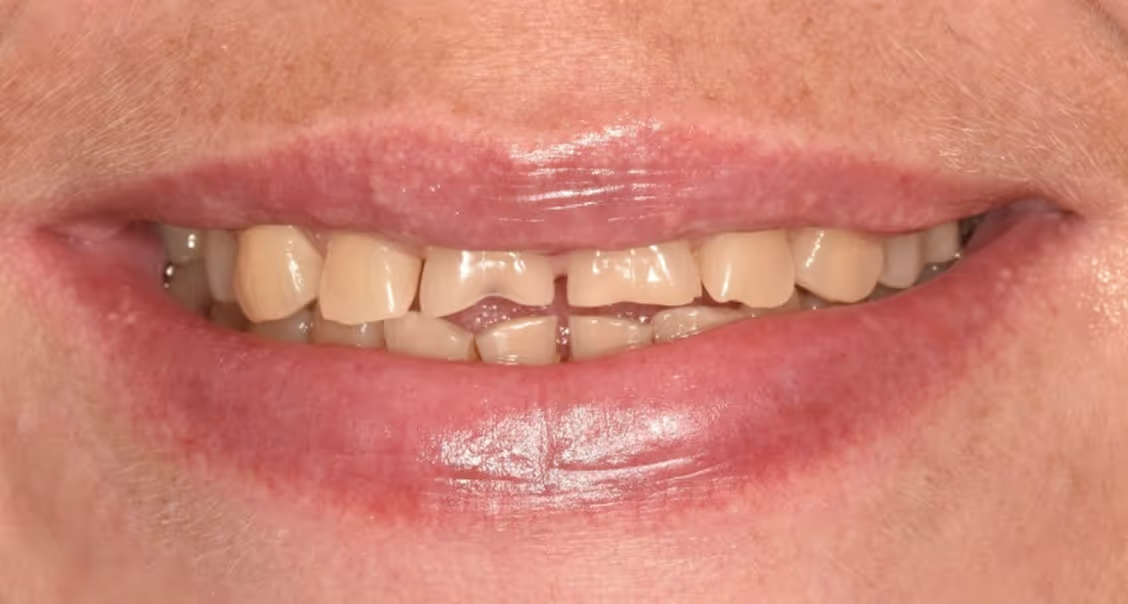
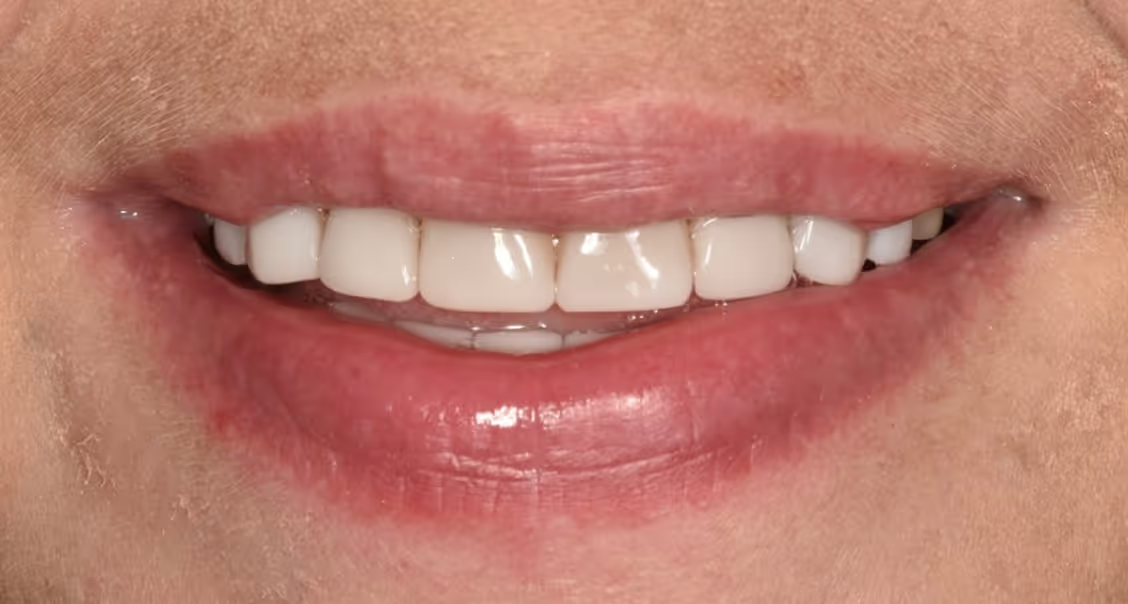
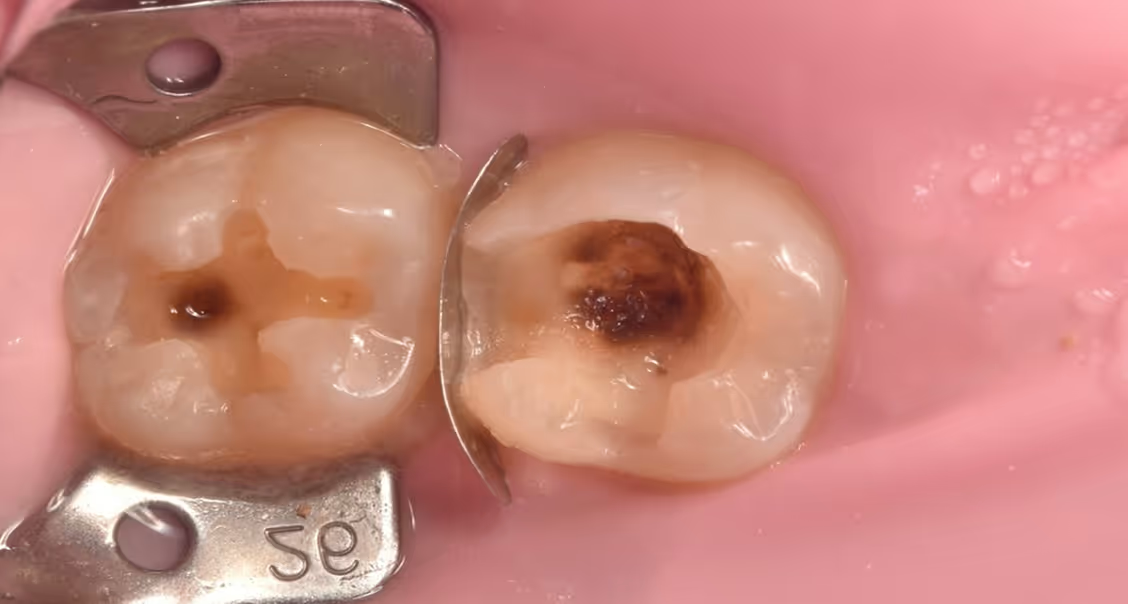
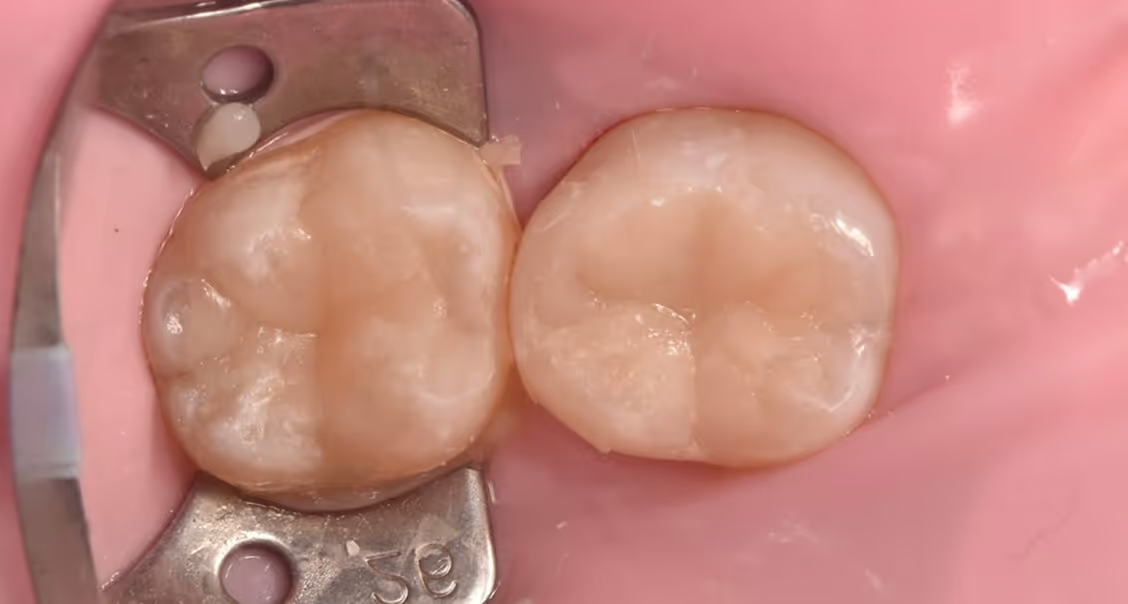
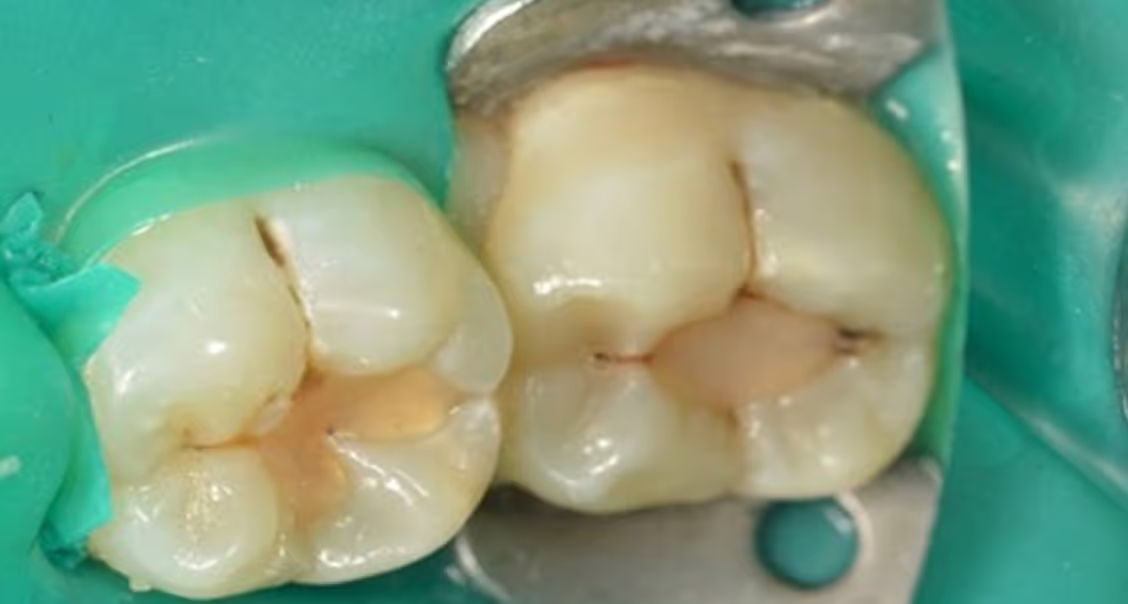
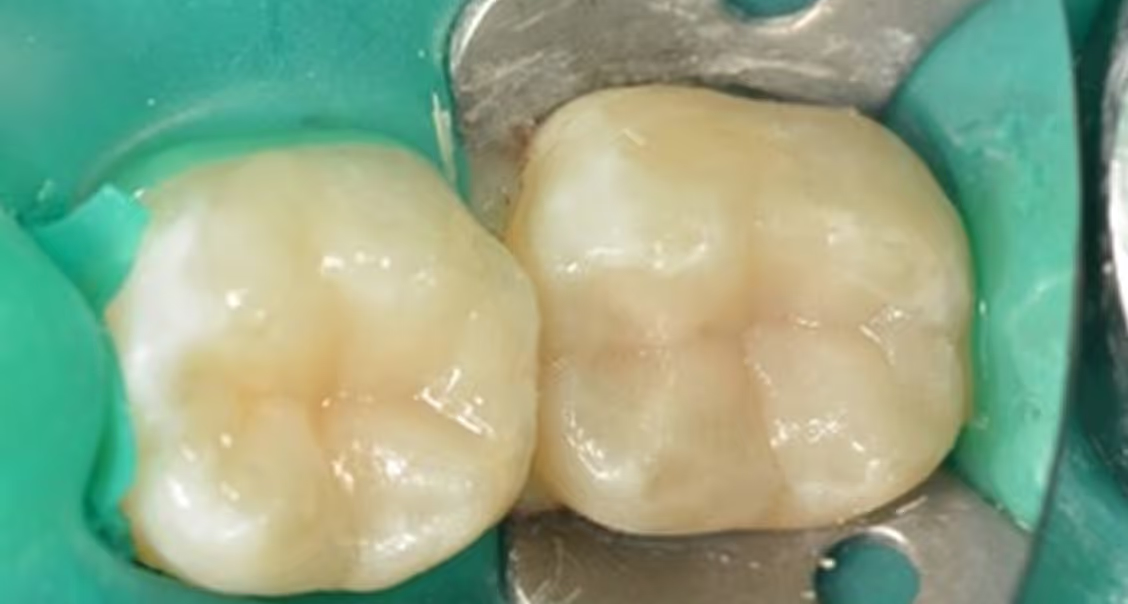
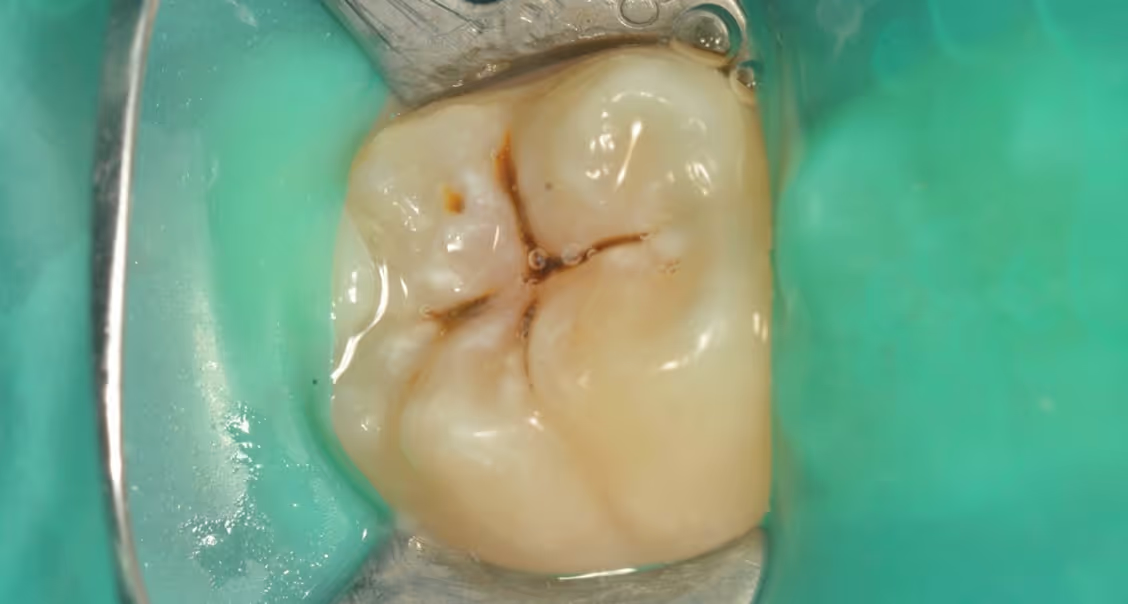
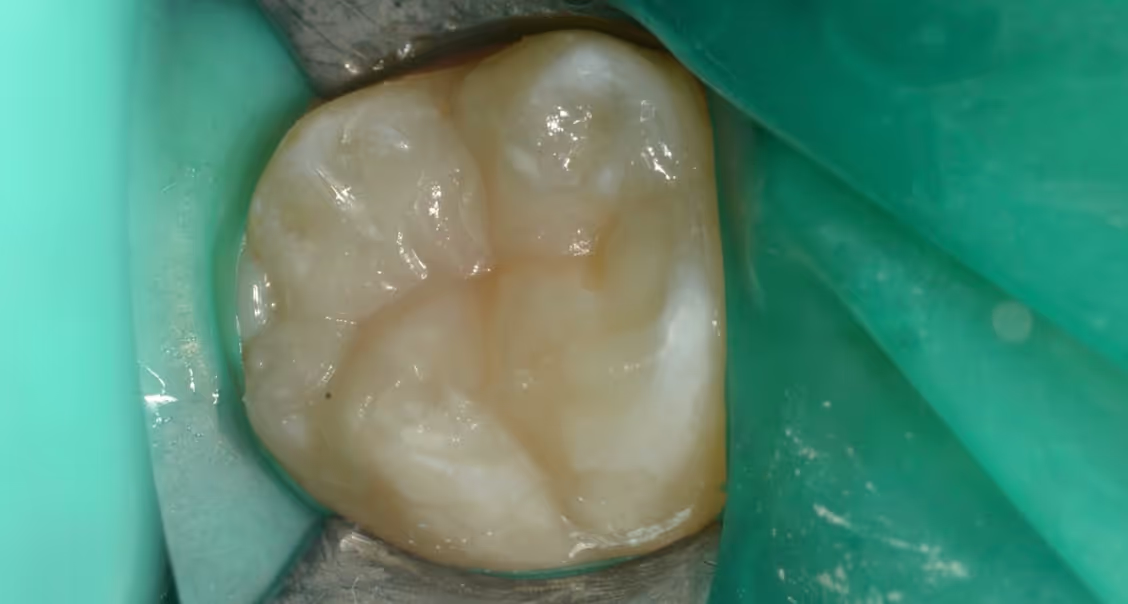
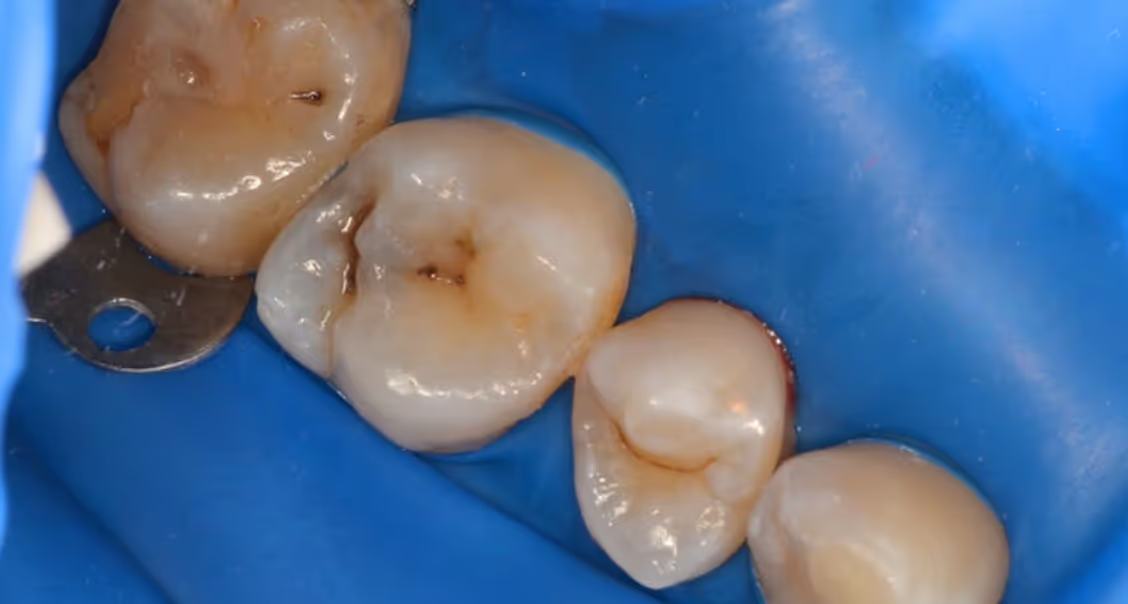
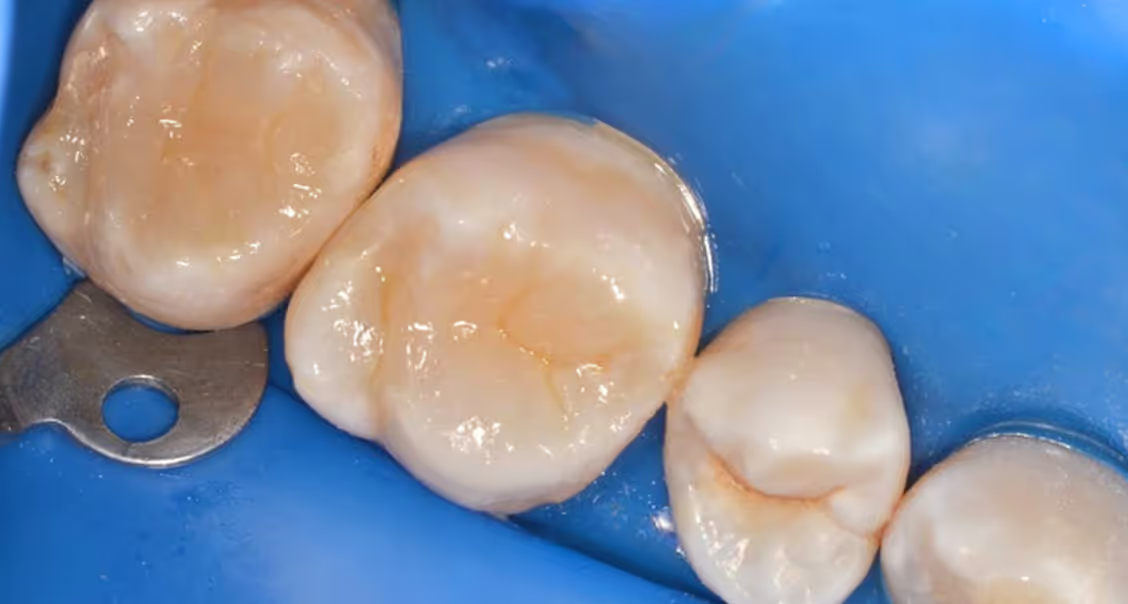
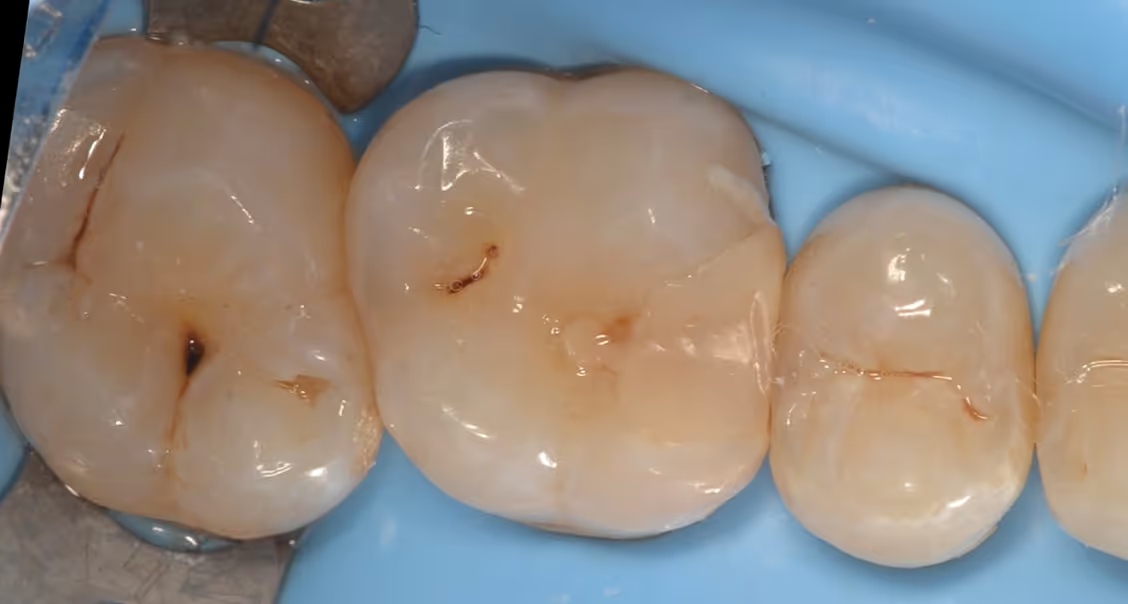
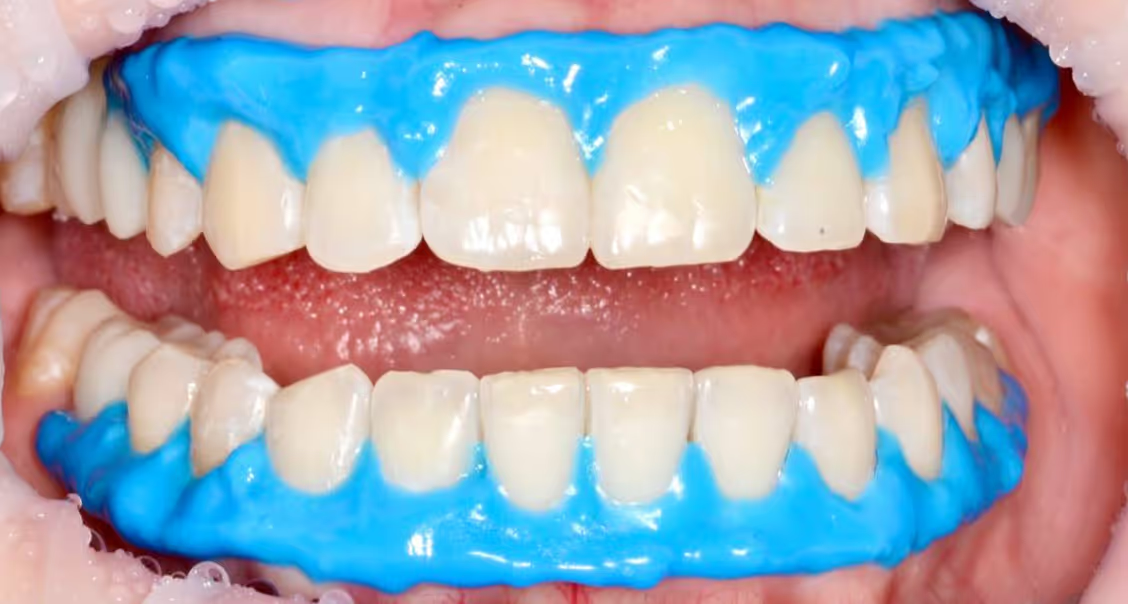
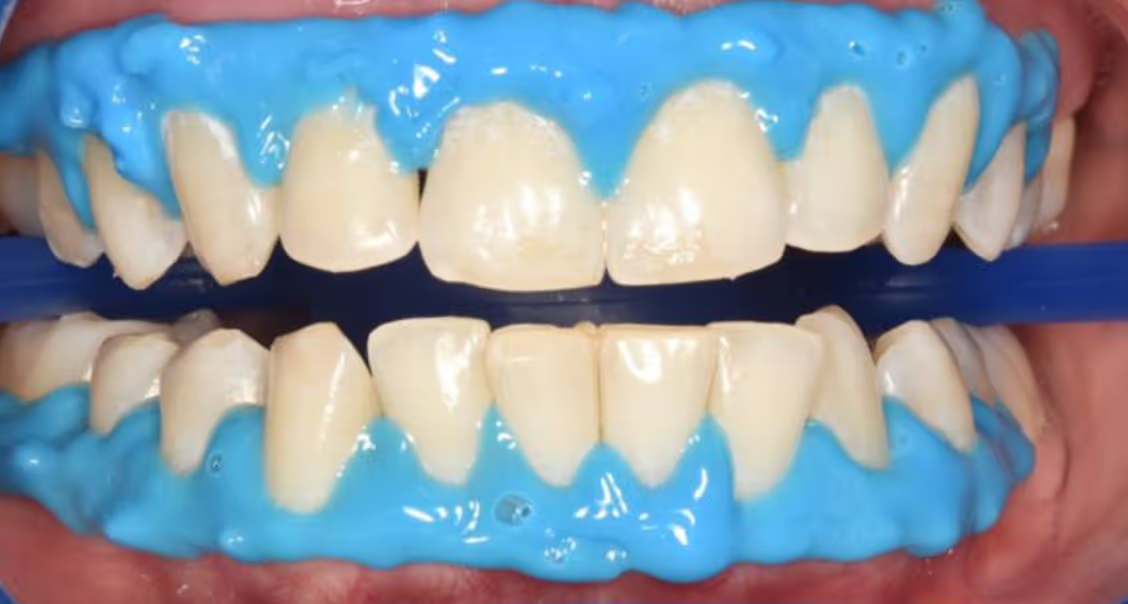
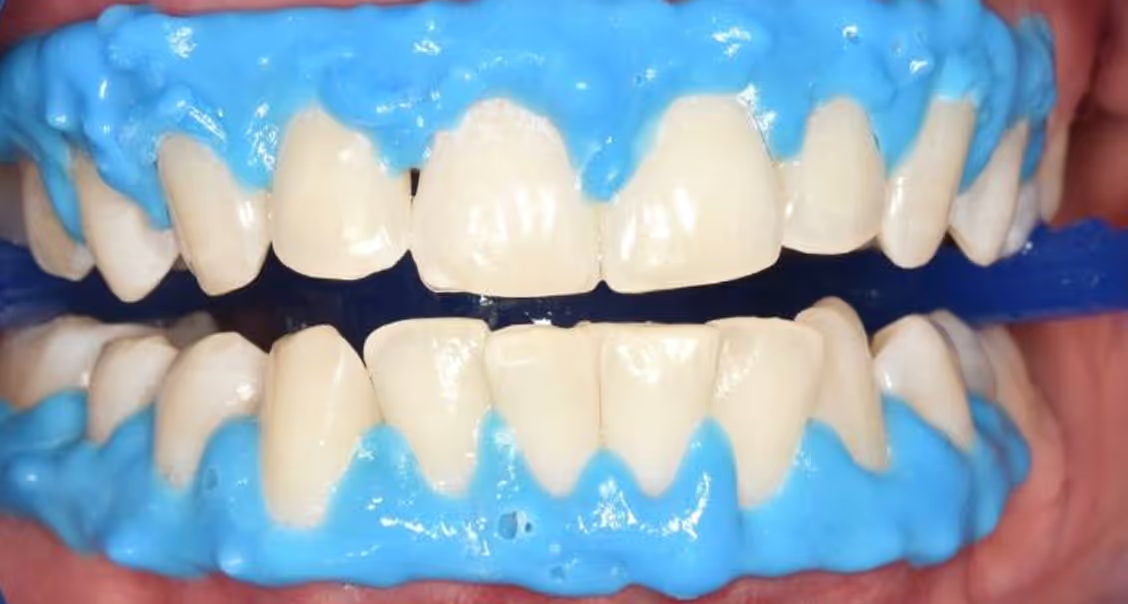
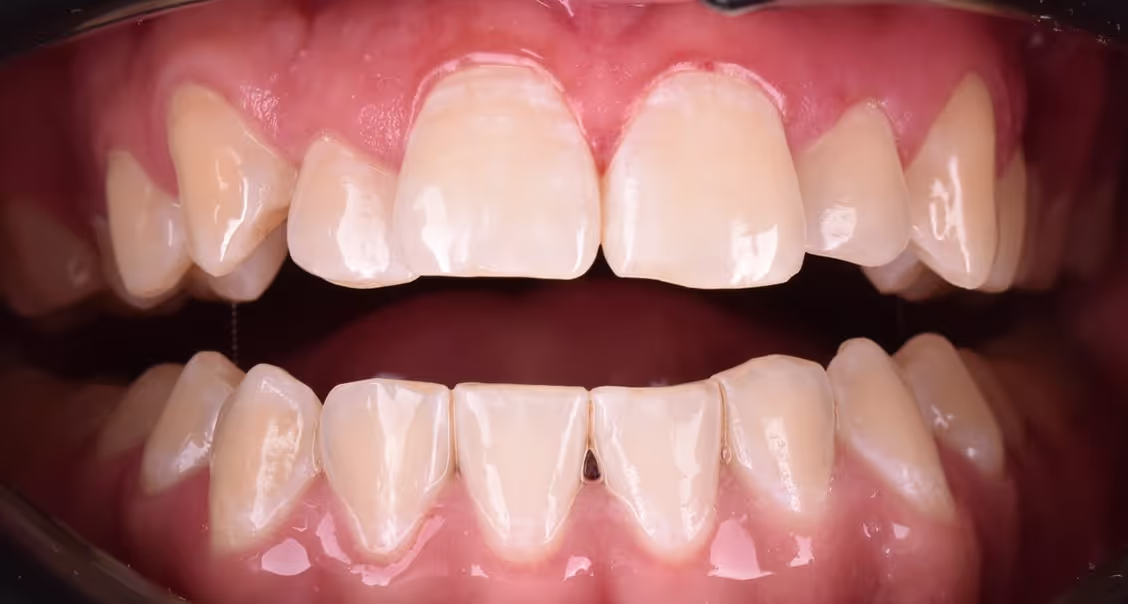
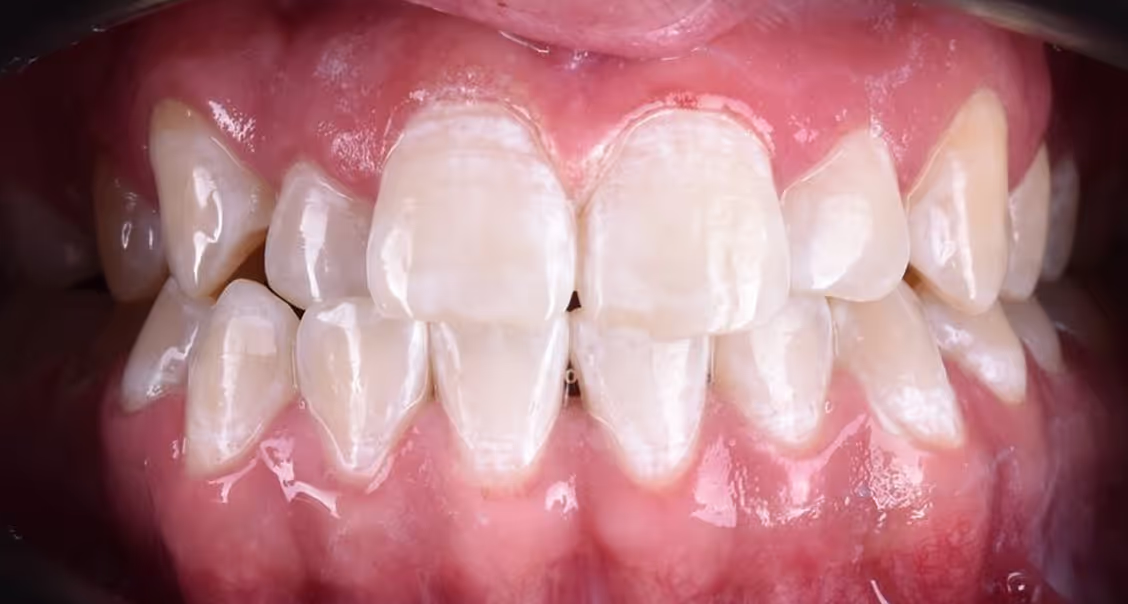
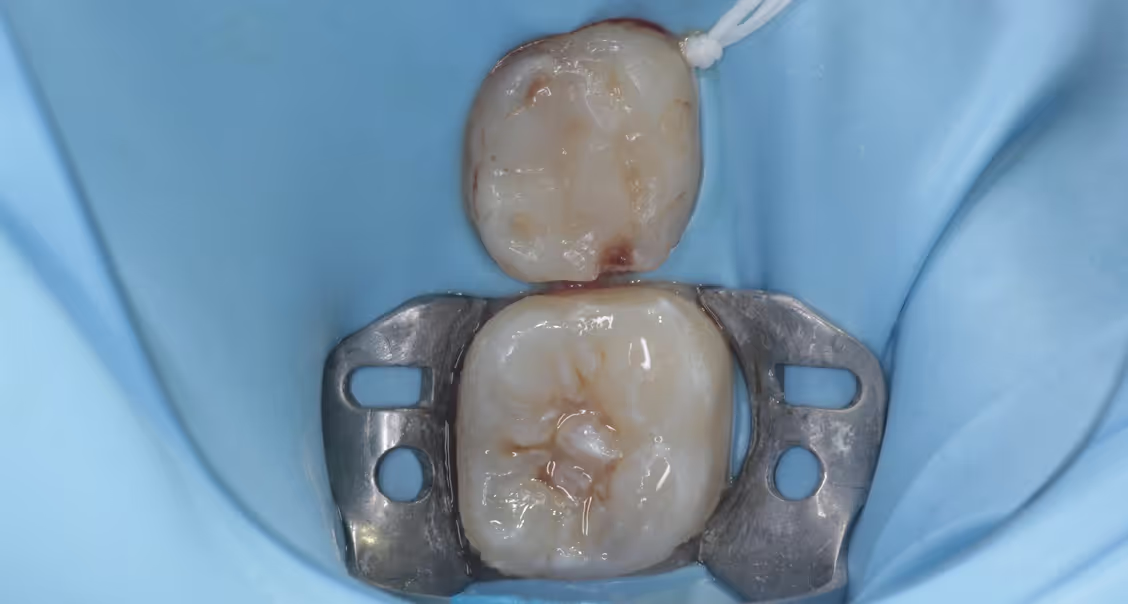
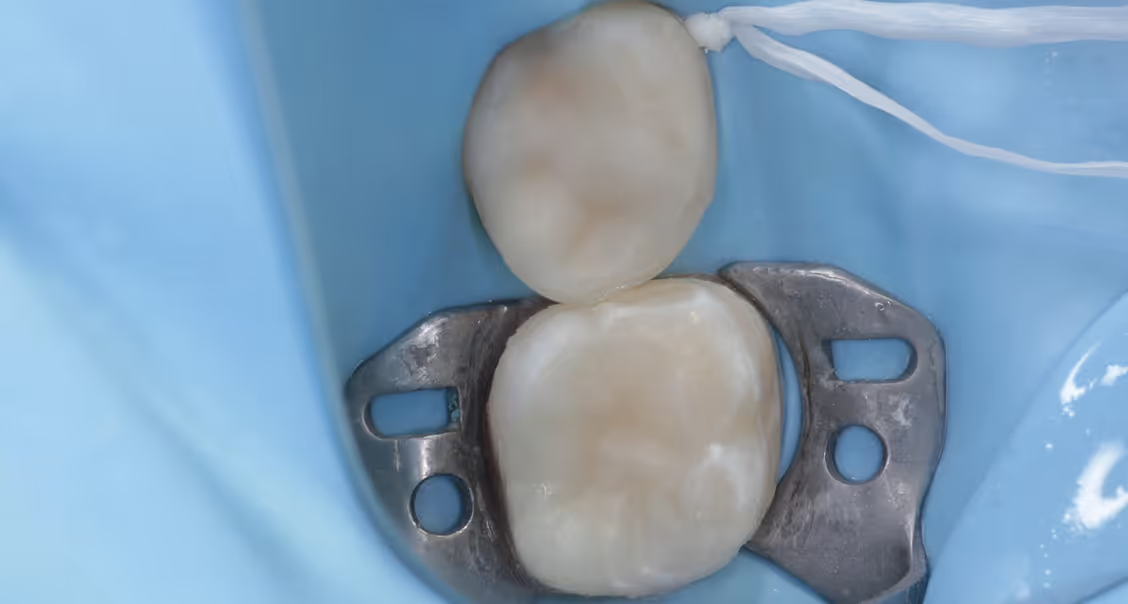
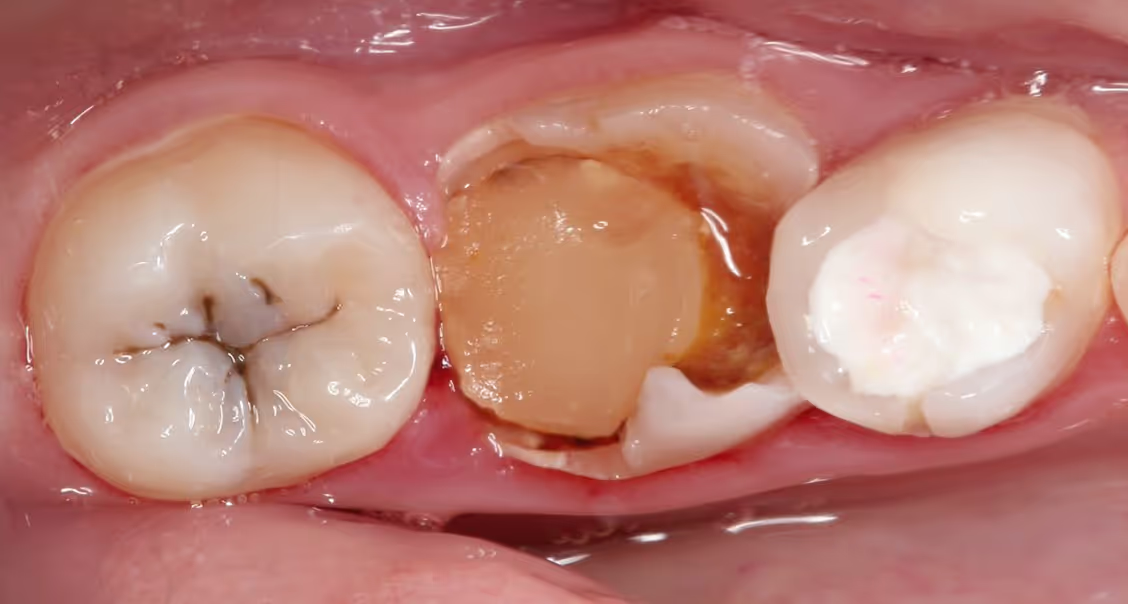
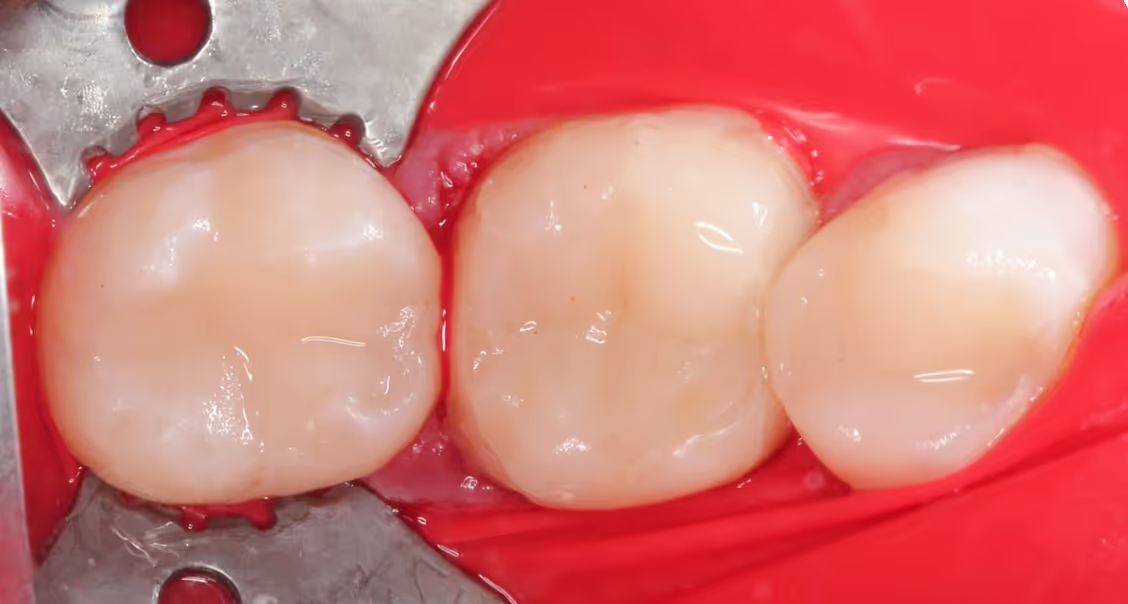
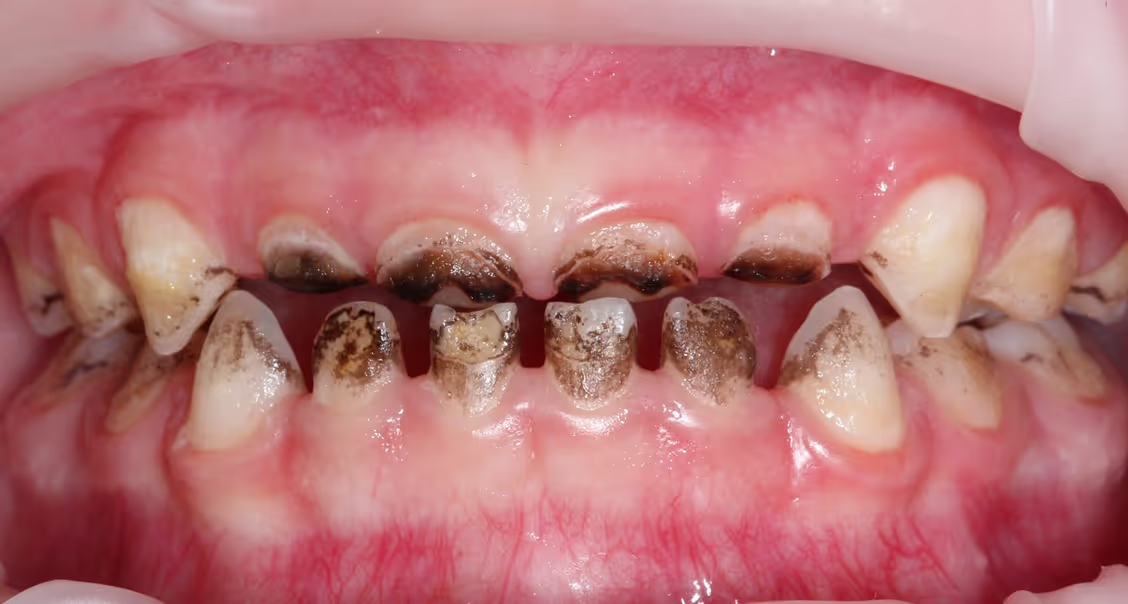
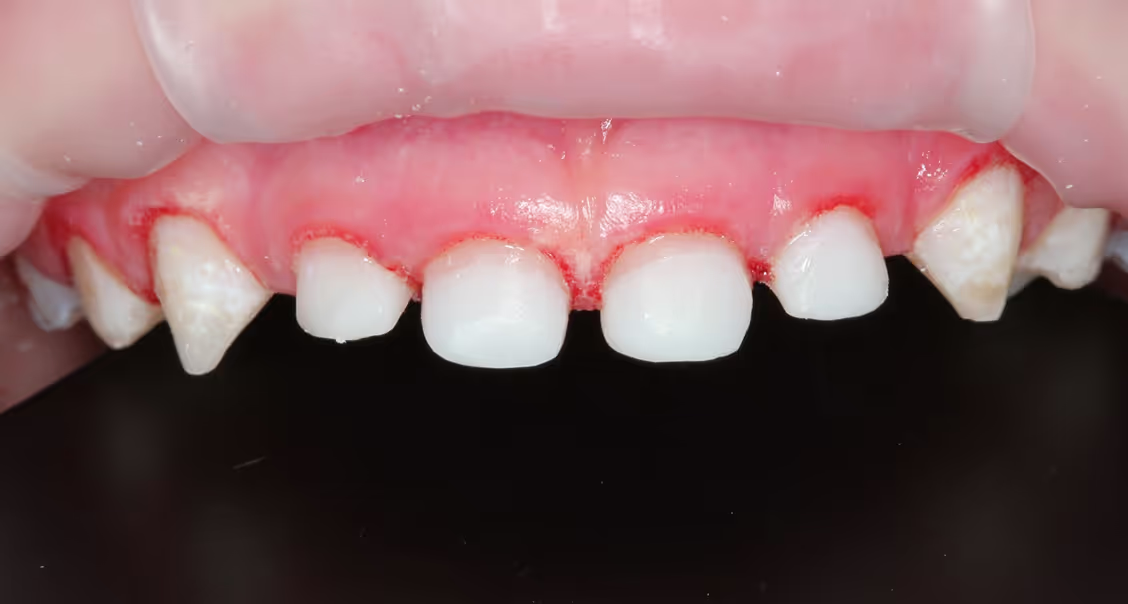
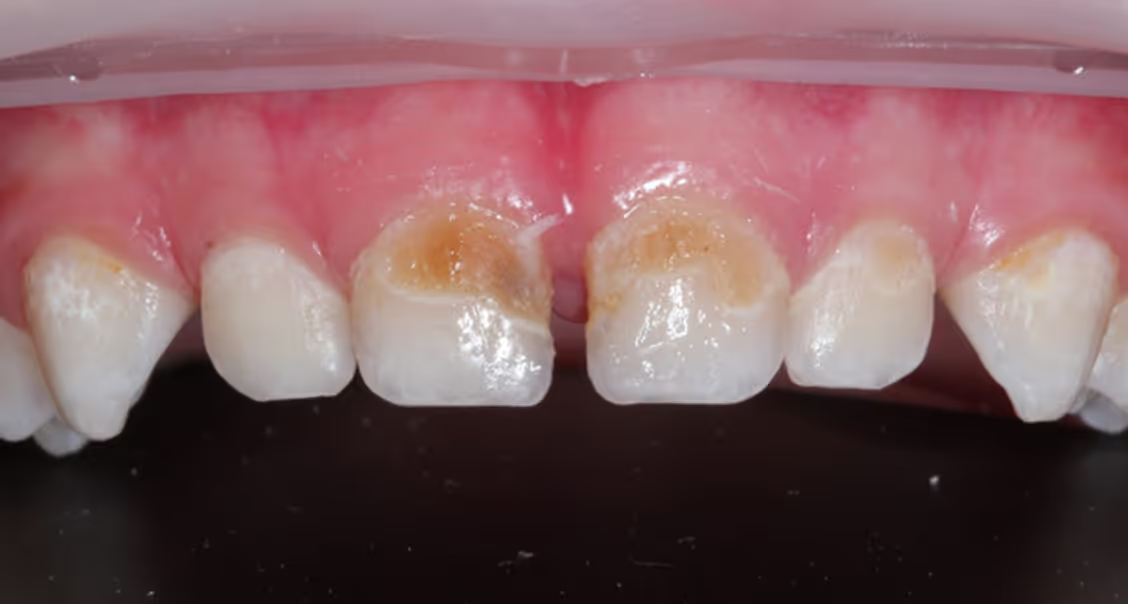
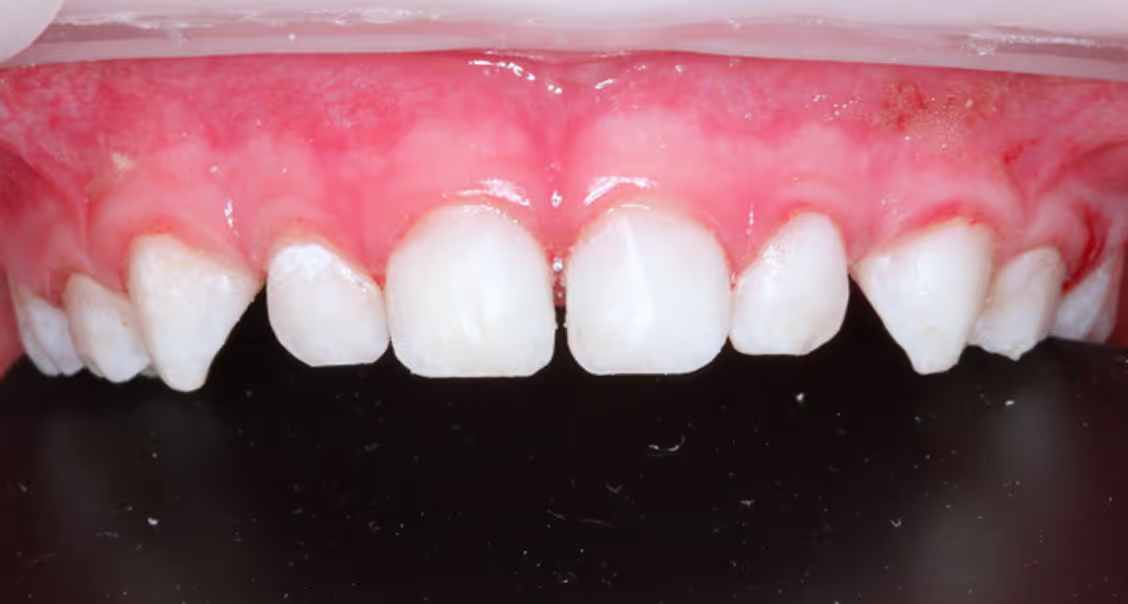
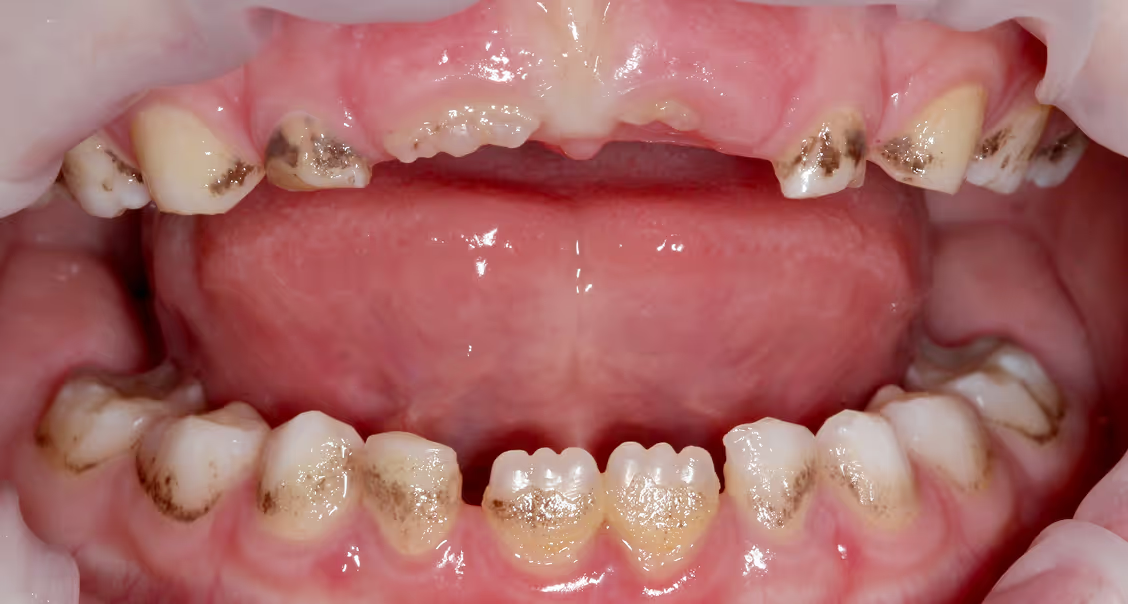
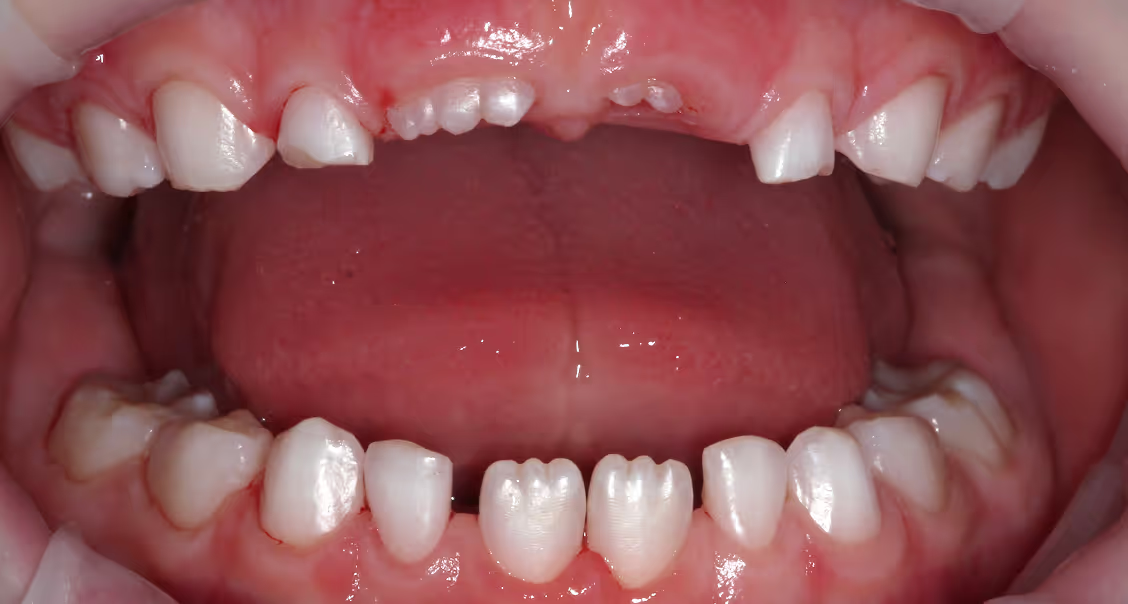
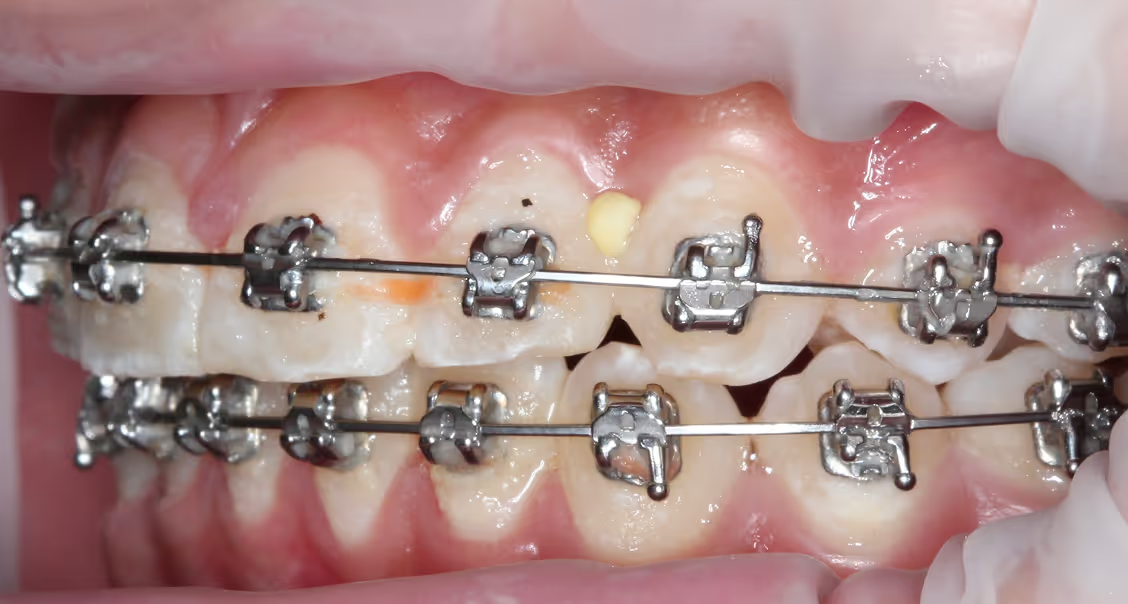
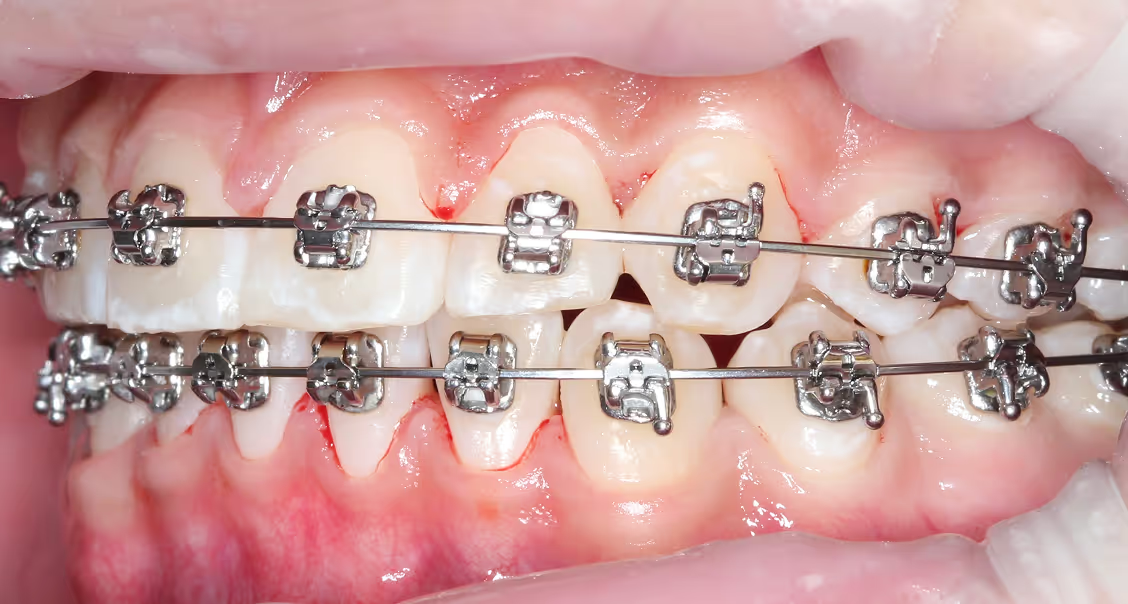
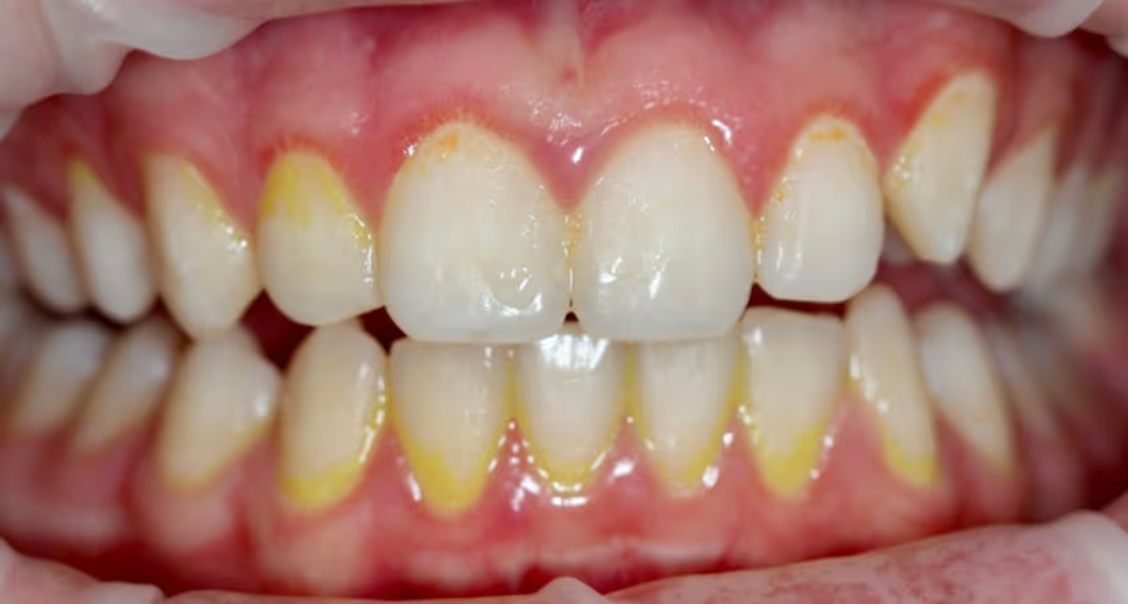
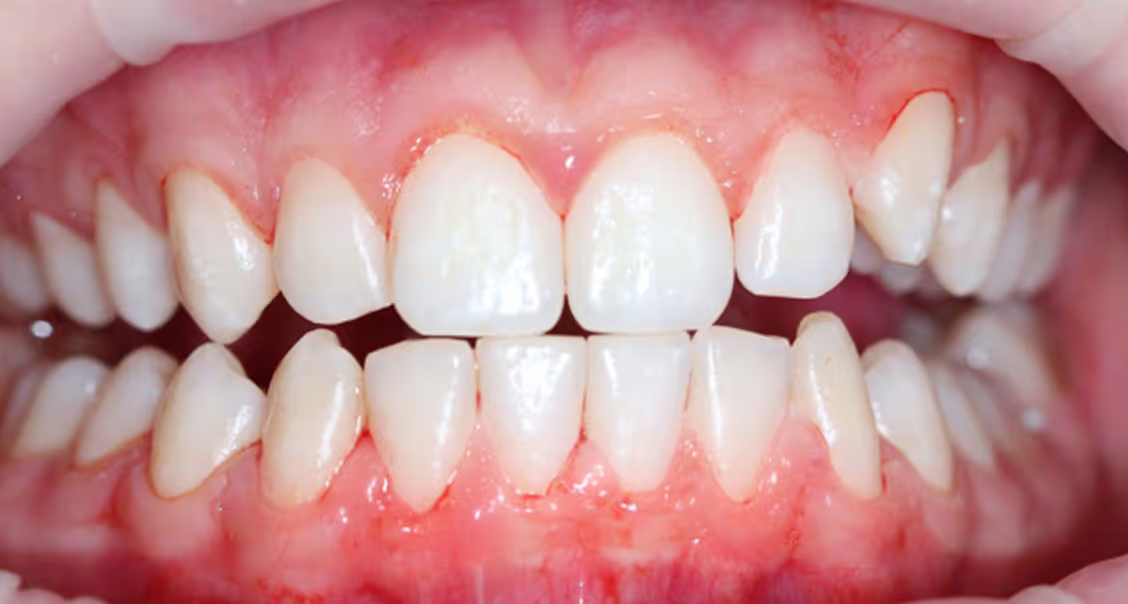
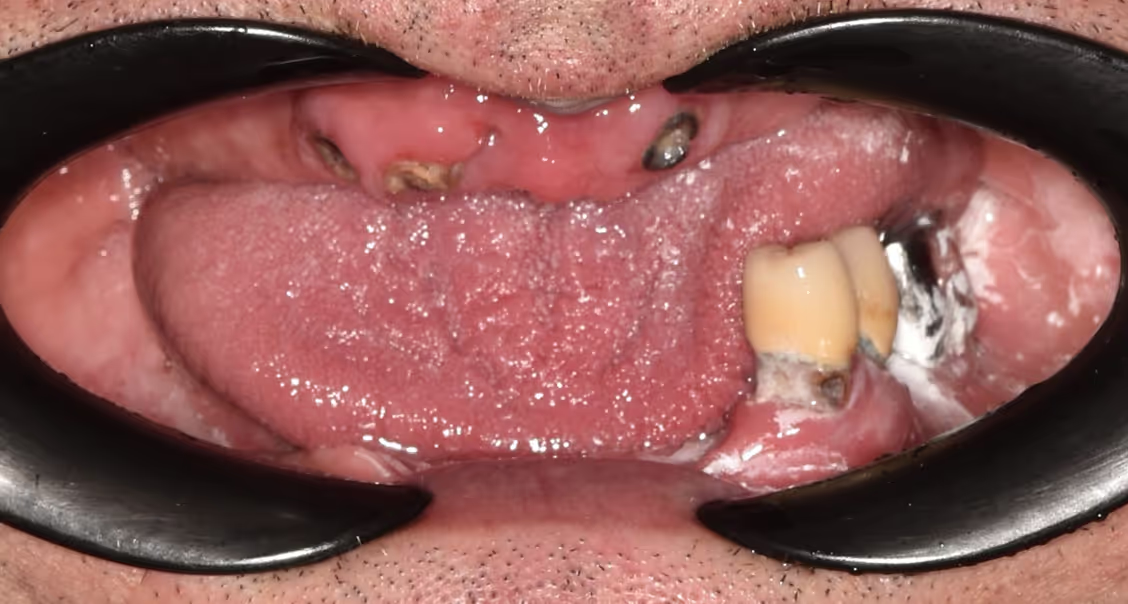
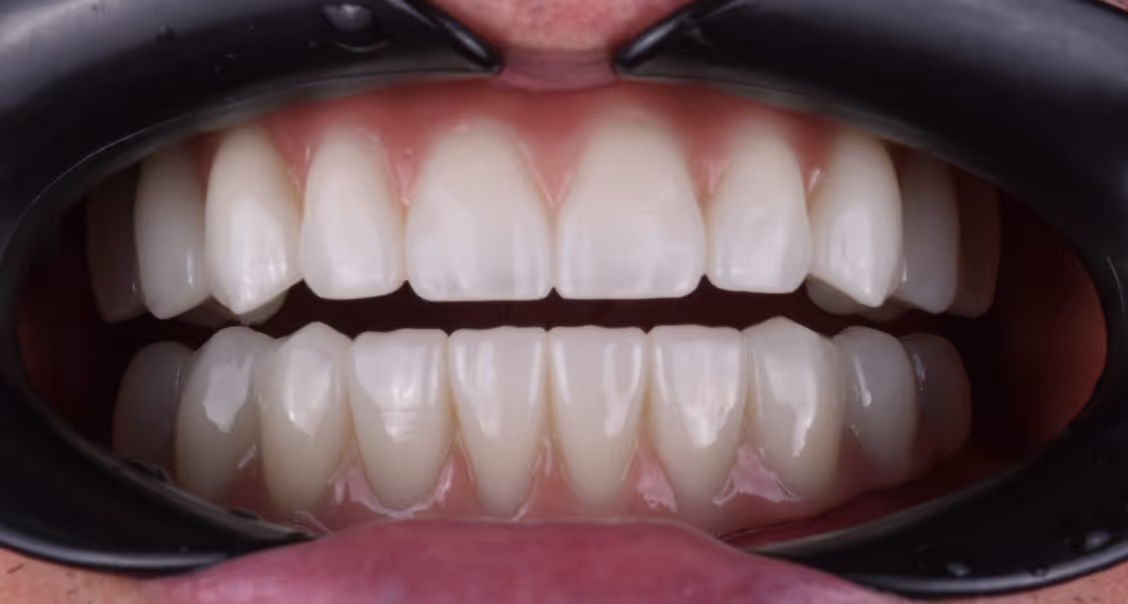
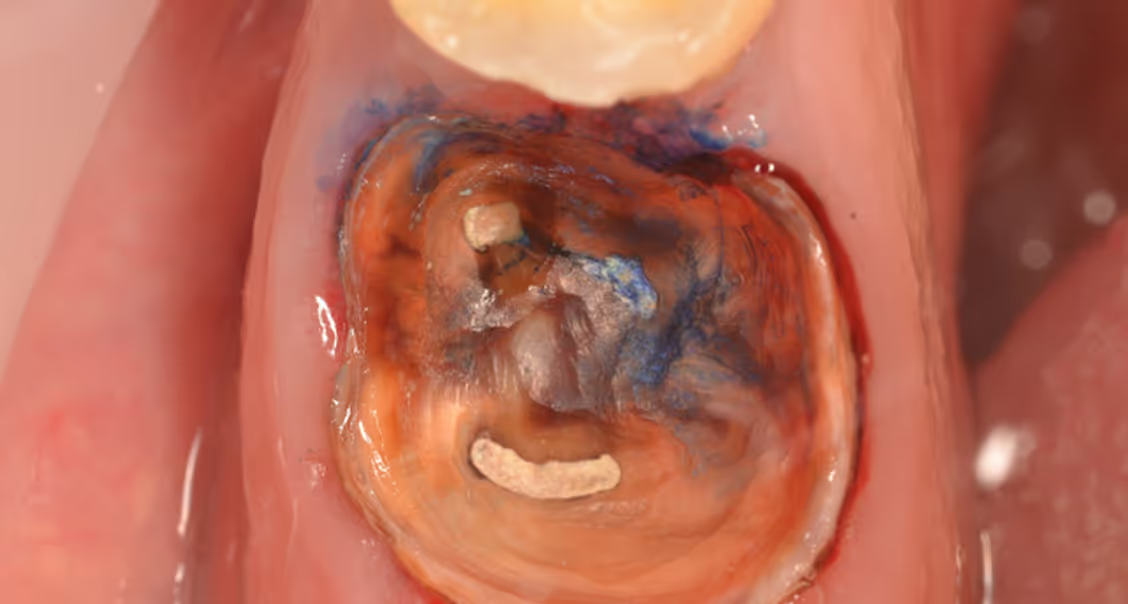
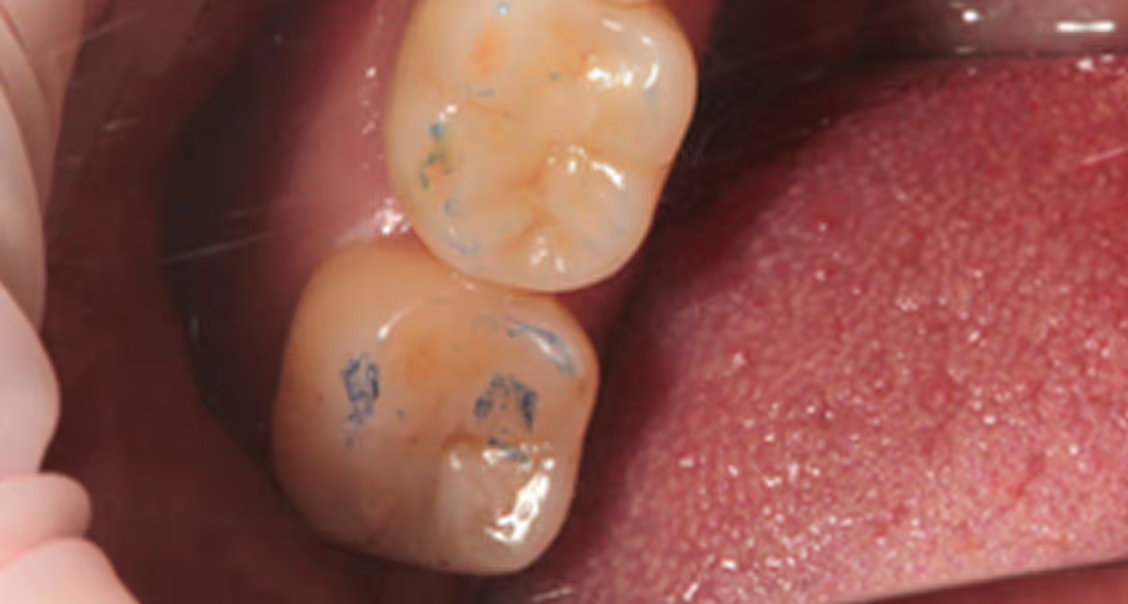
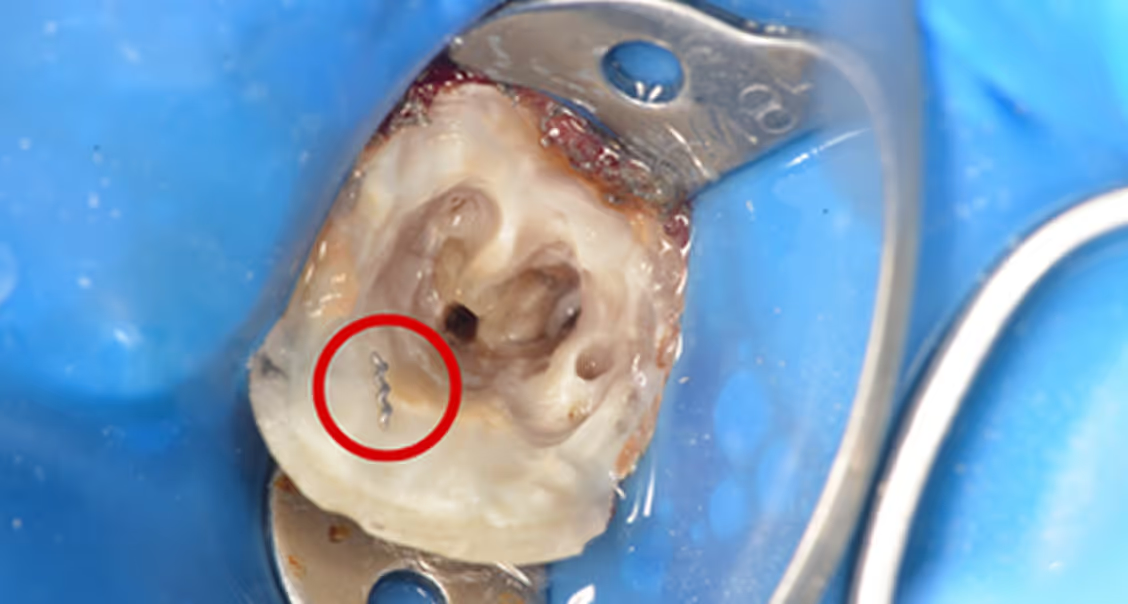
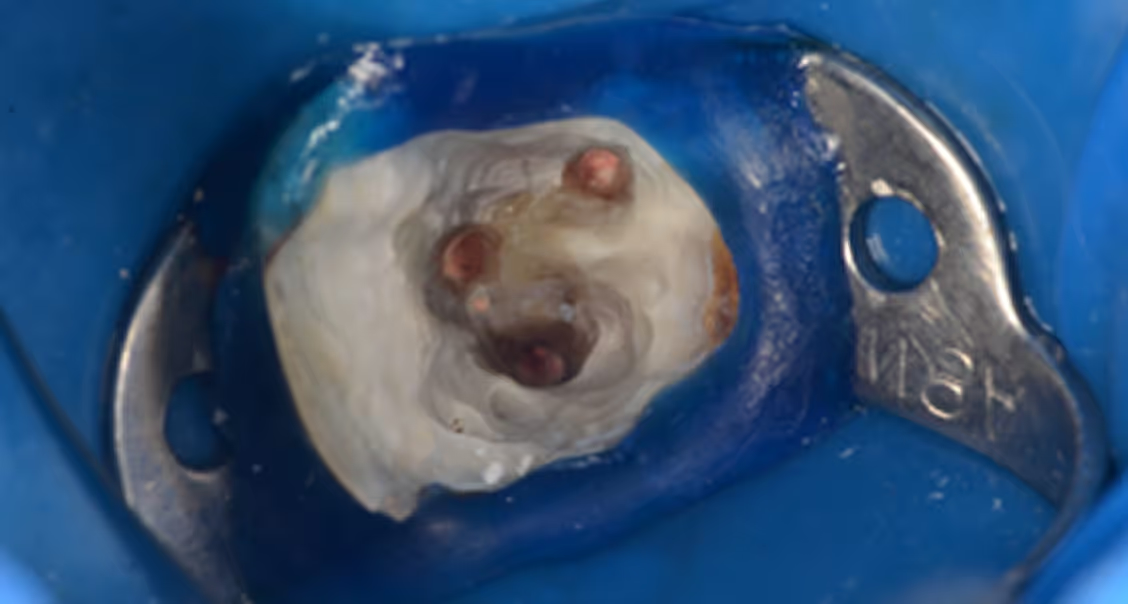
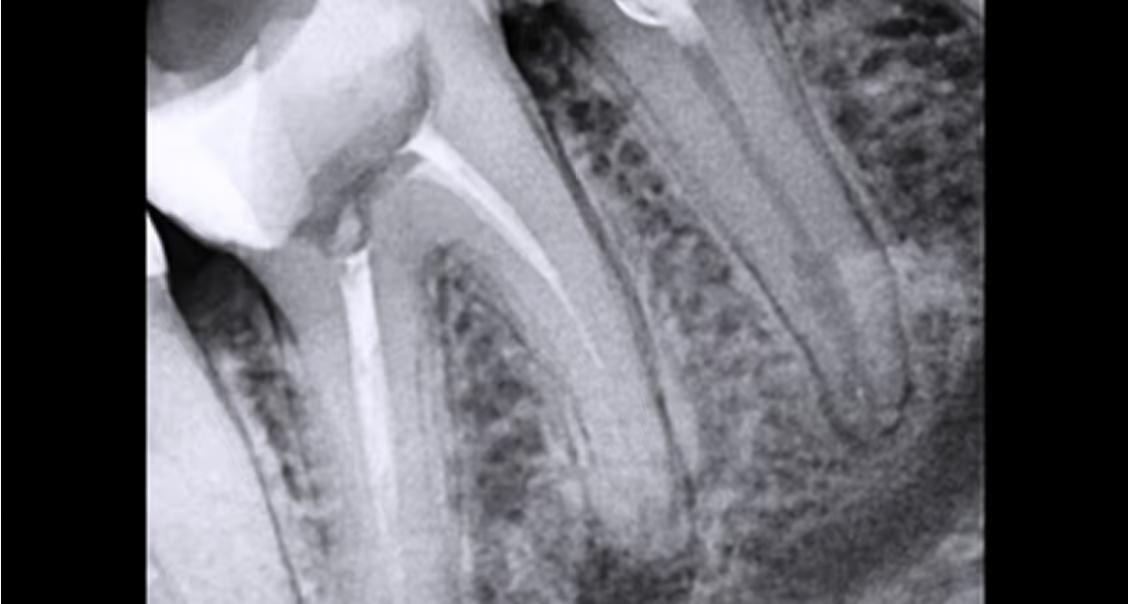
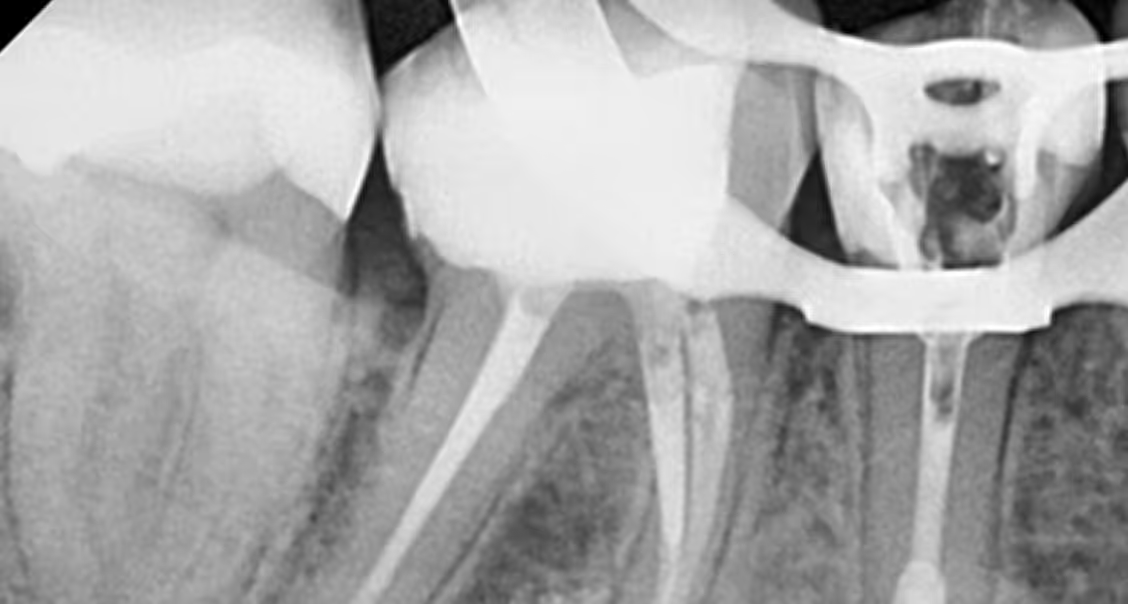
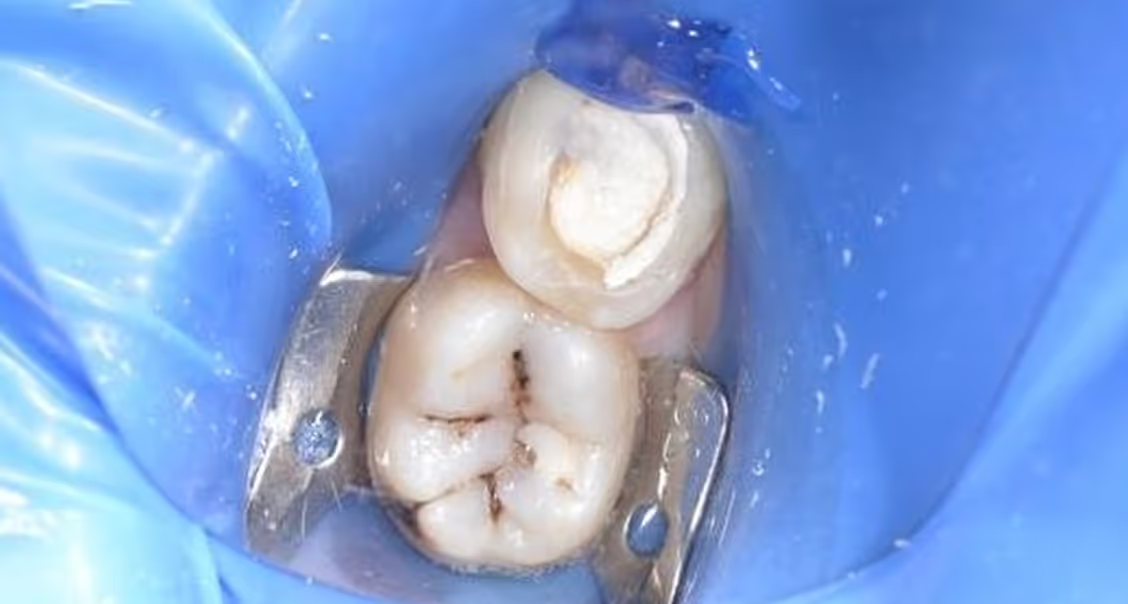
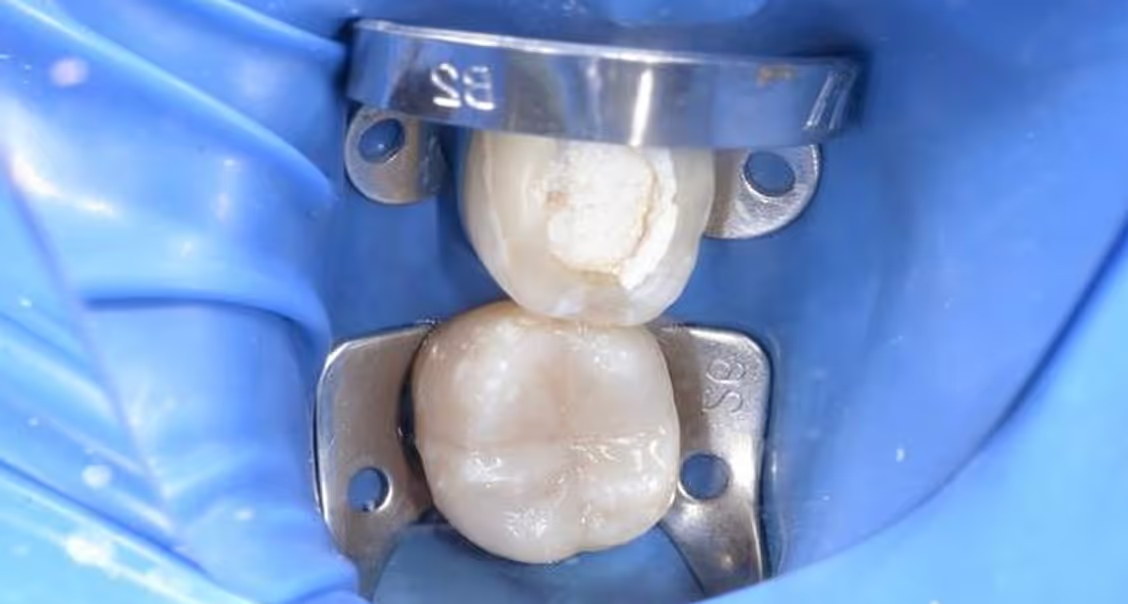
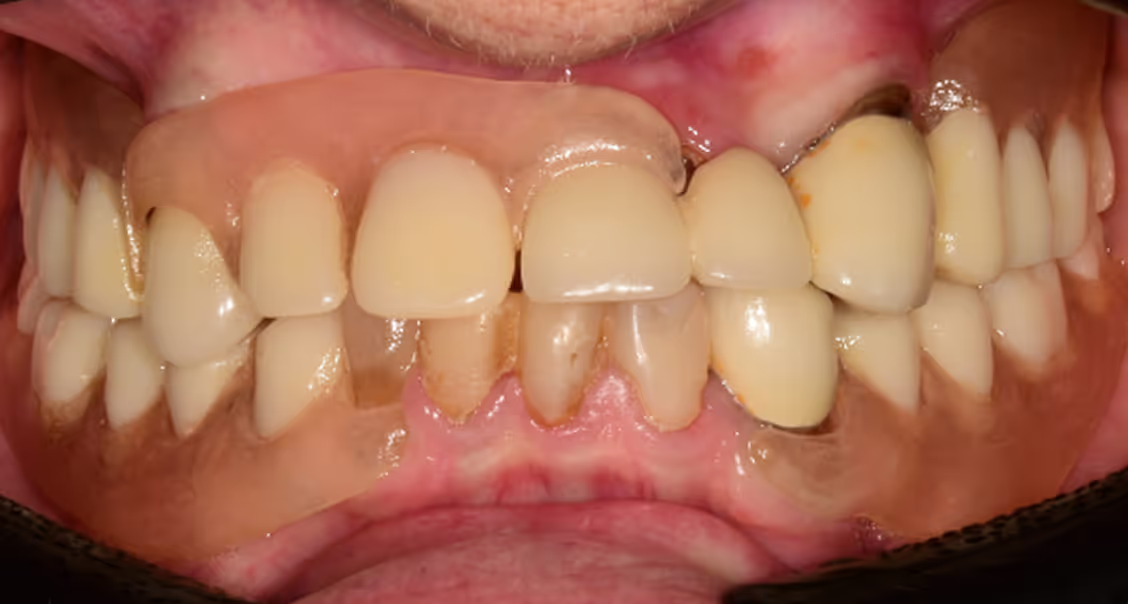
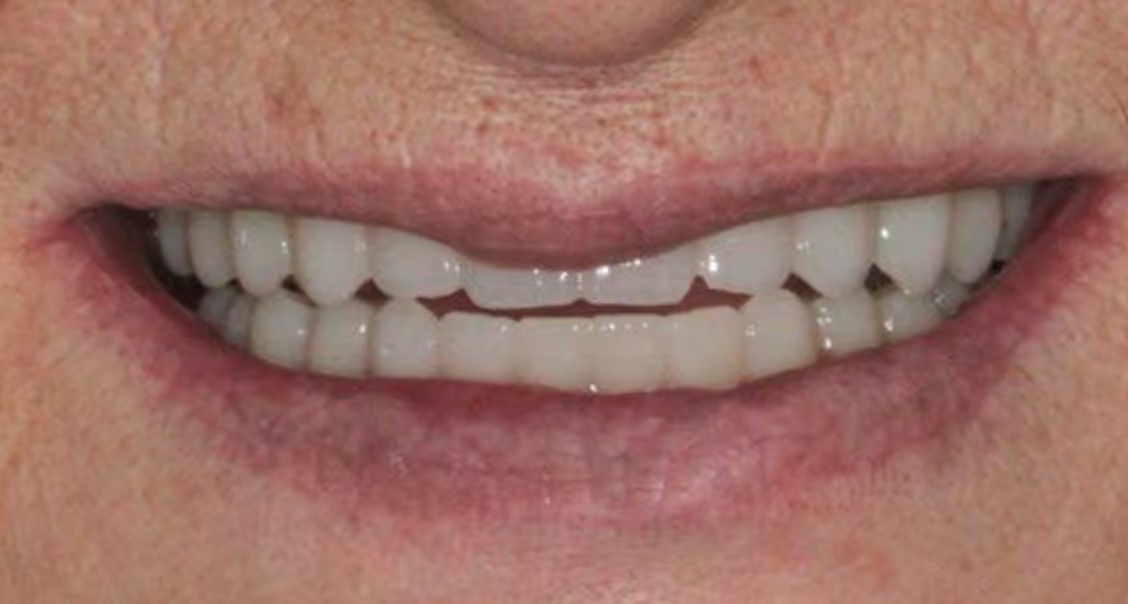
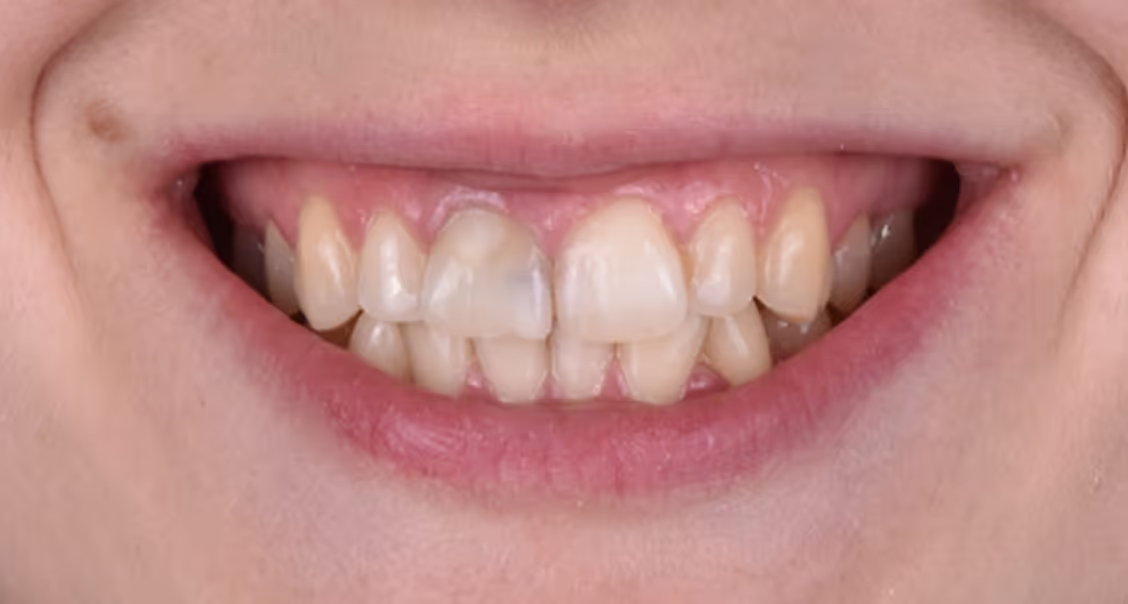
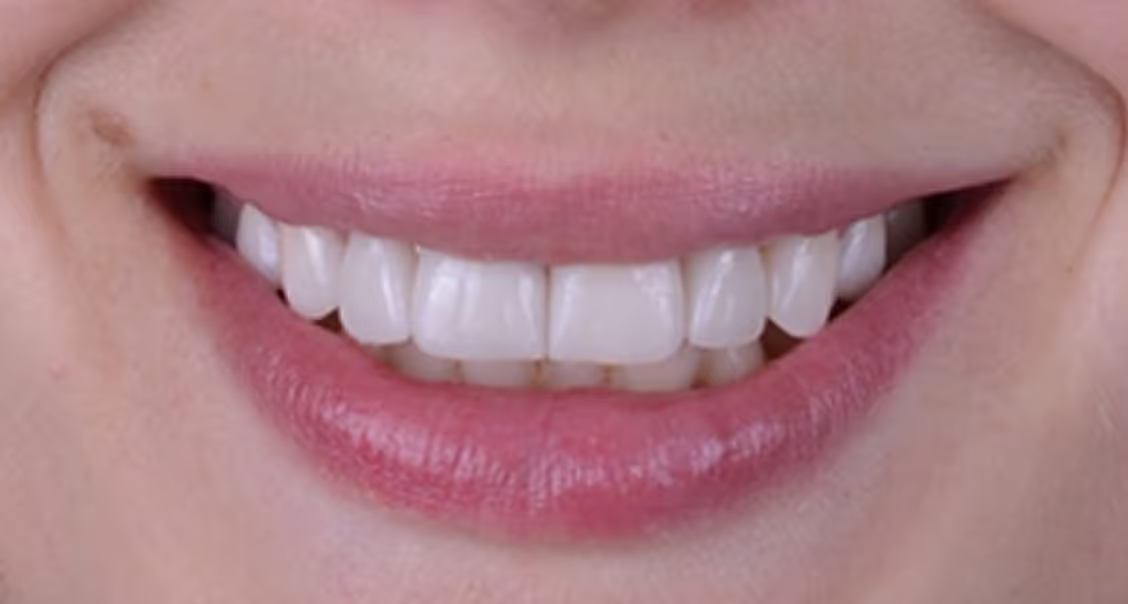
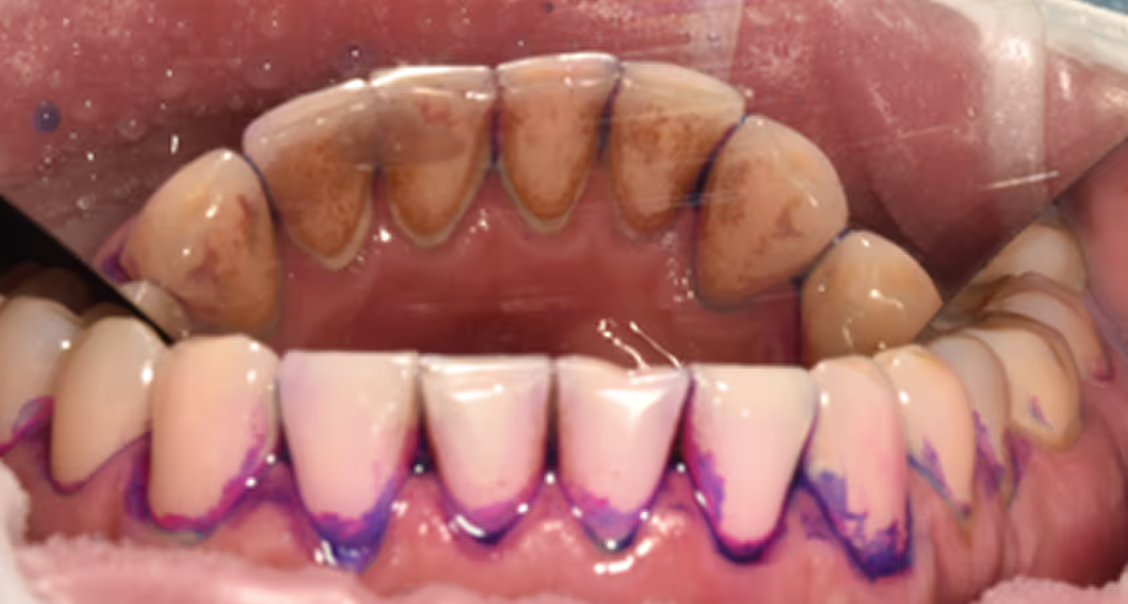
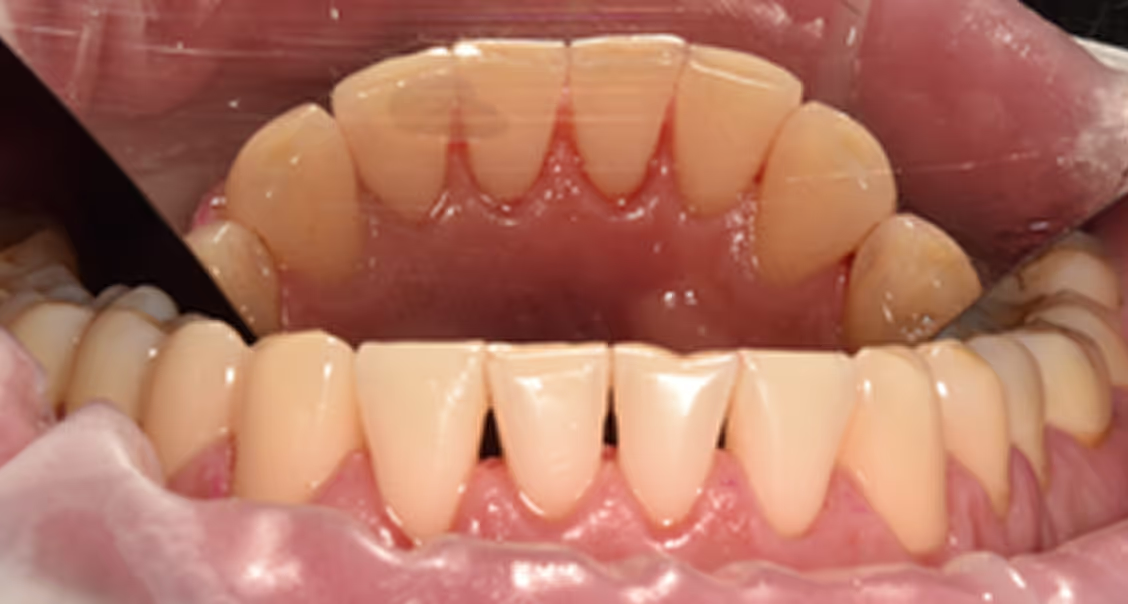
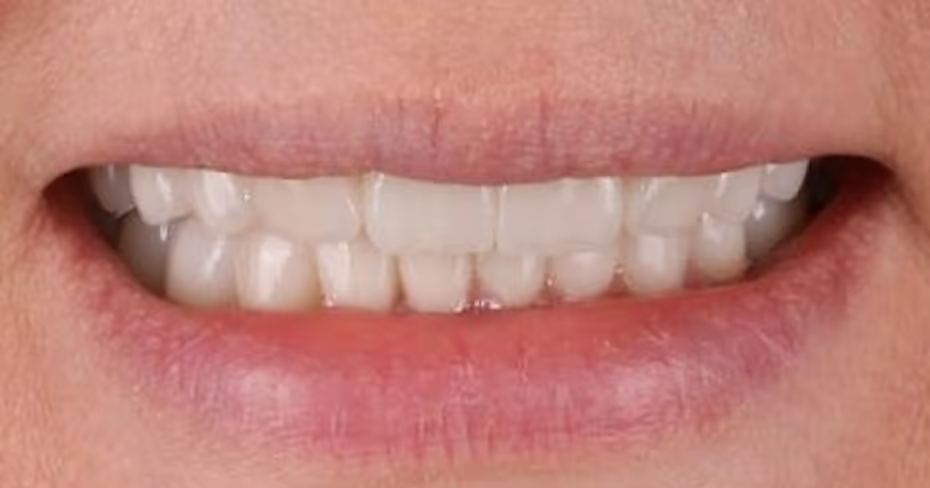
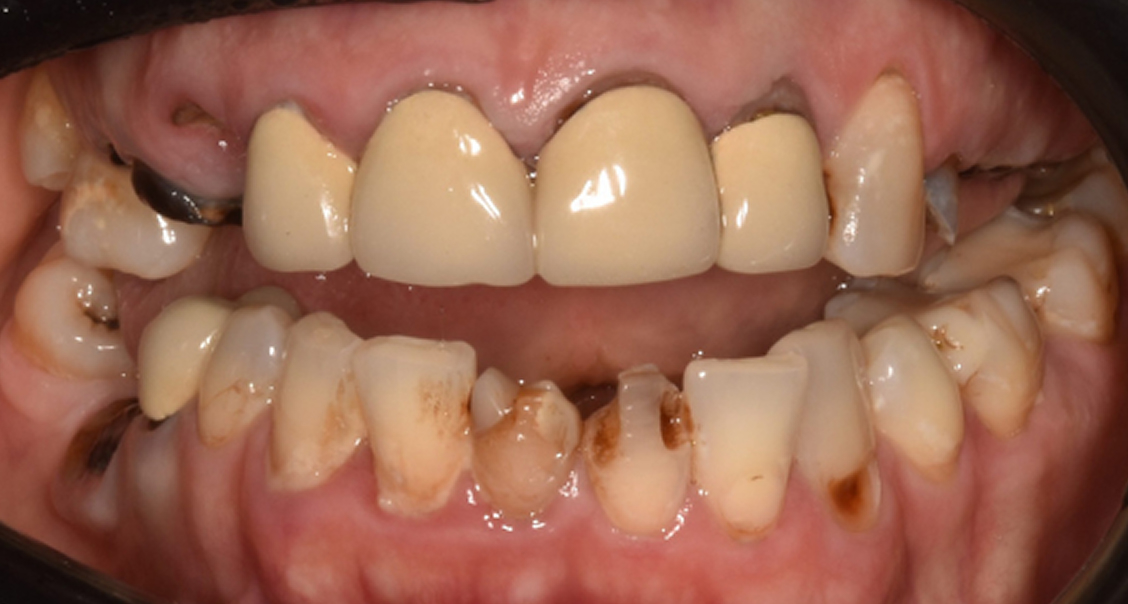
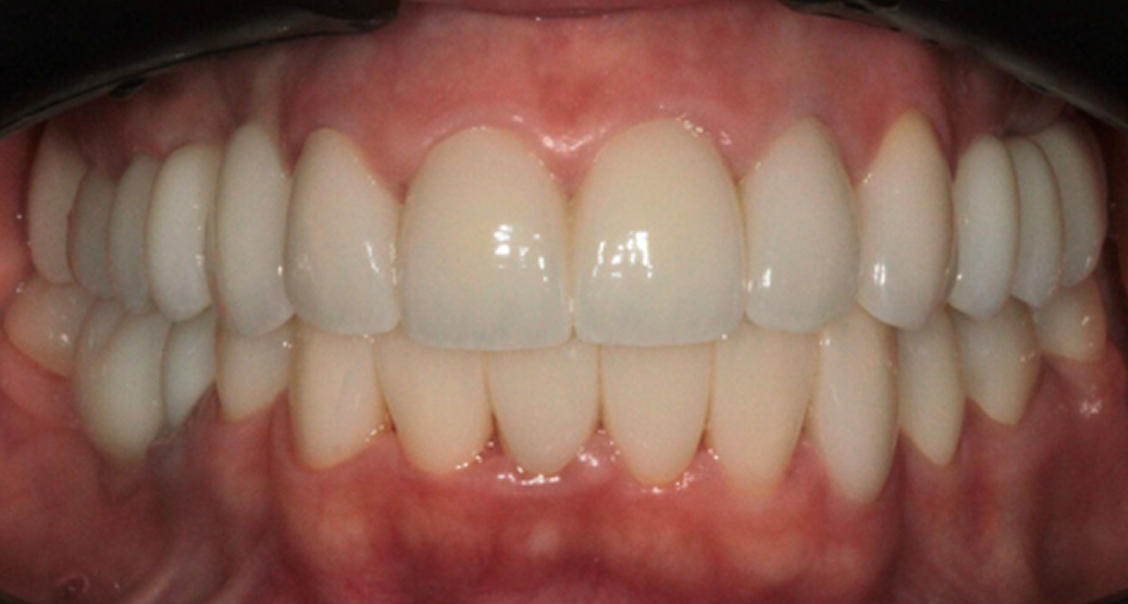
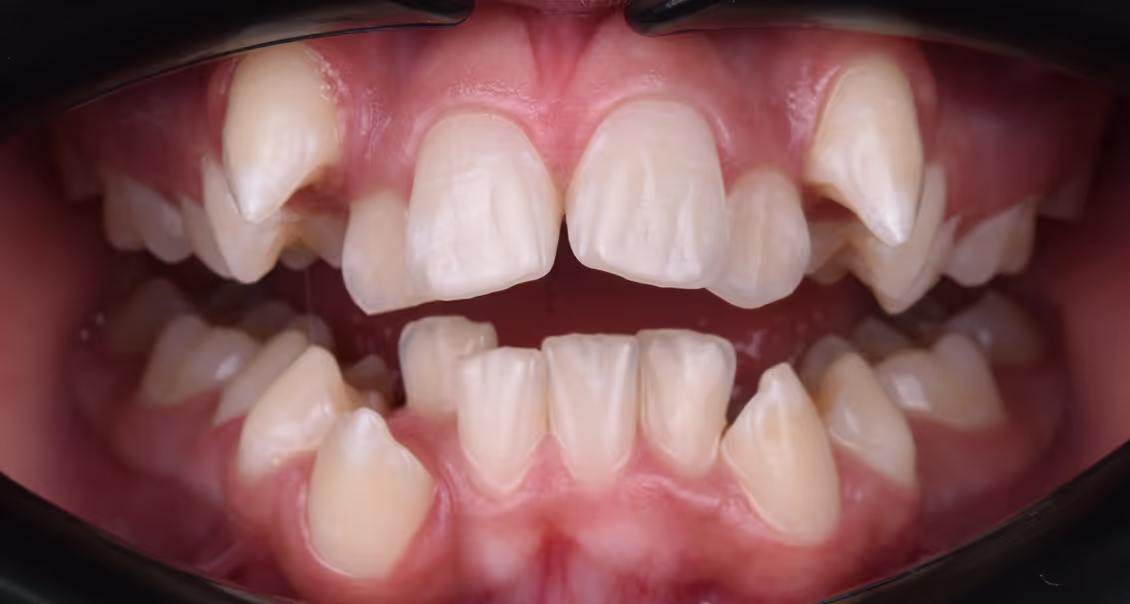
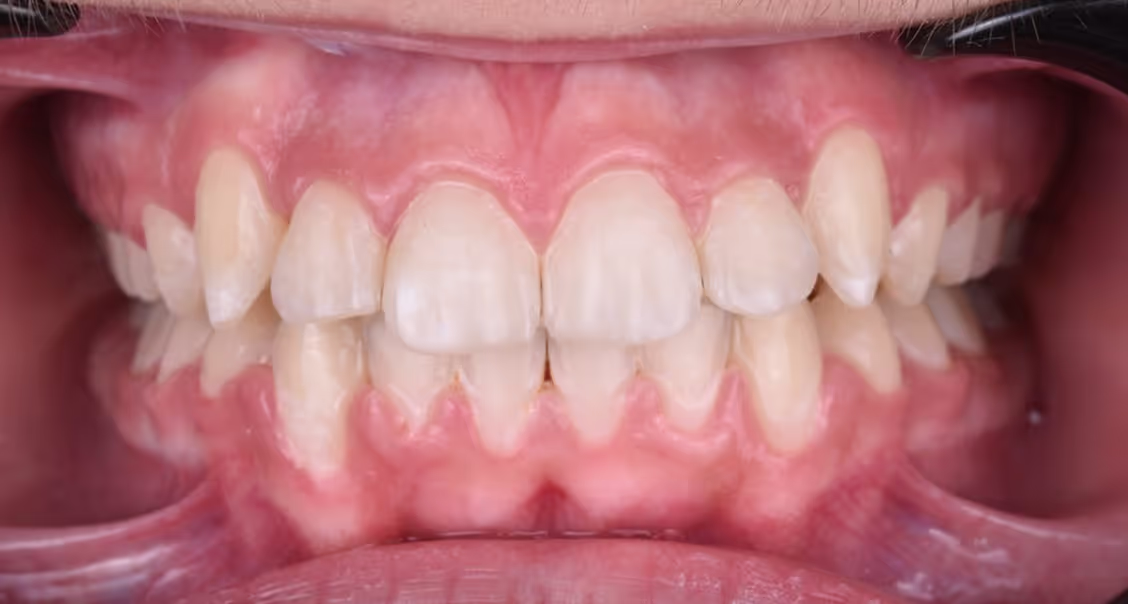
Teeth whitening — before and after
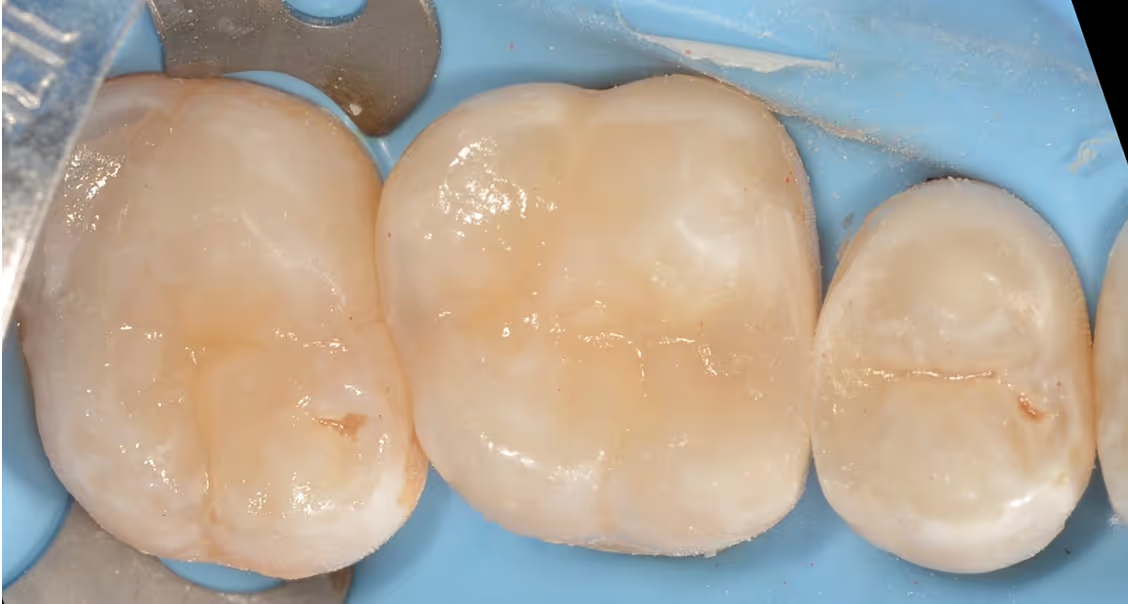
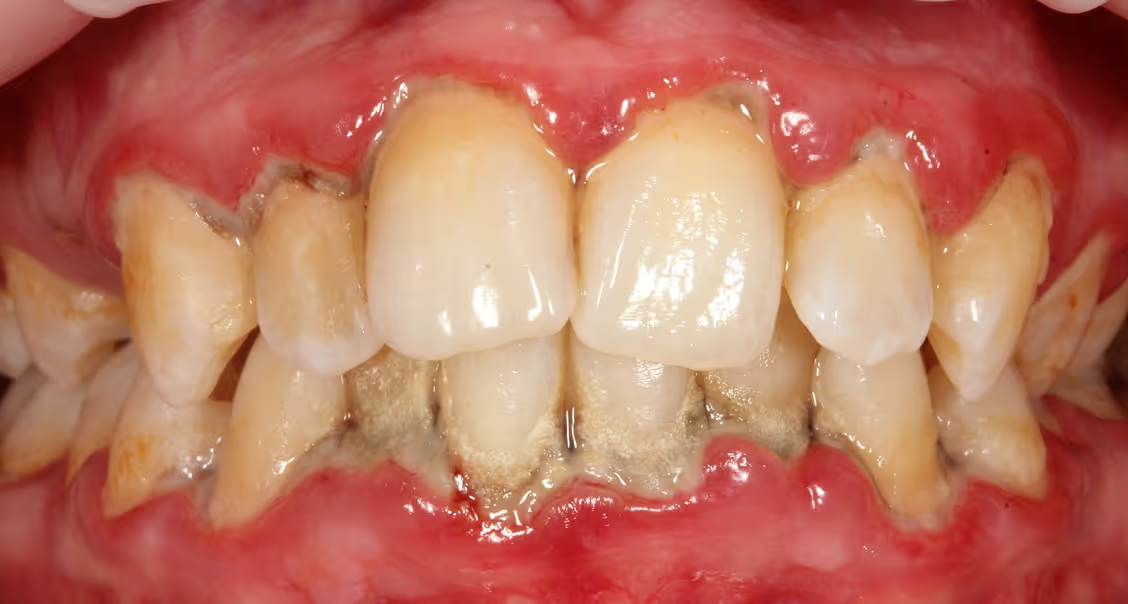
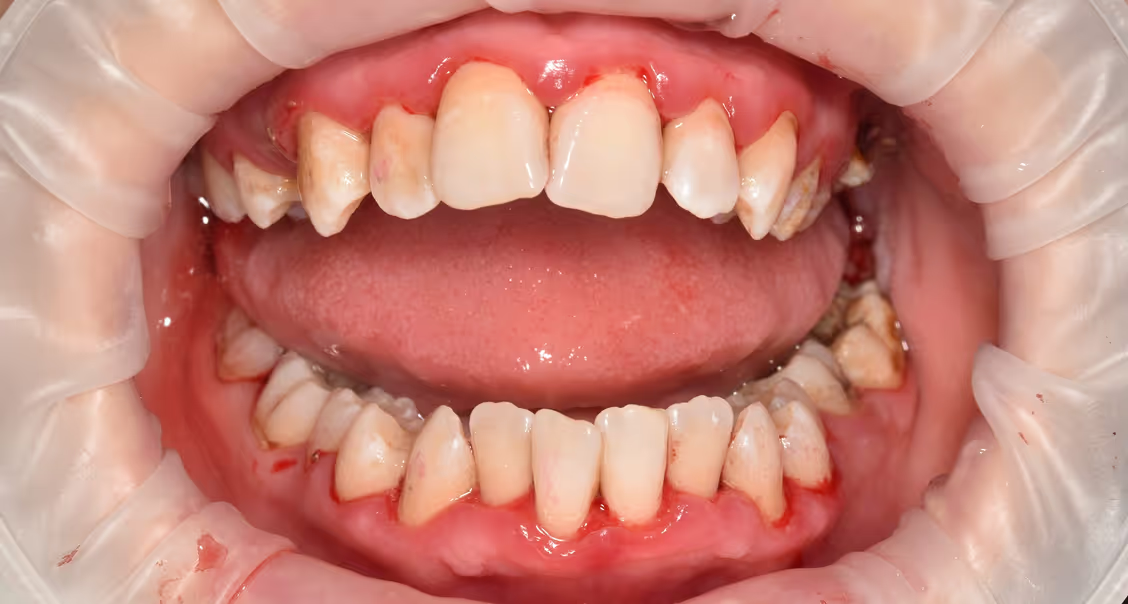
Professional whitening can lighten the natural shade of the teeth and improve the look of your smile. The final result depends on the type of discolouration, the chosen method and the individual response of the teeth.
Why choose teeth whitening at MistoDent Kraków?
At MistoDent Kraków, we treat whitening as part of carefully planned aesthetic dentistry, not as a procedure performed without first assessing the condition of the teeth.
- Individual qualification — the dentist assesses the condition of the teeth and gums before whitening.
- Different whitening methods — in-office or tray treatment can be chosen.
- BEYOND lamp whitening — an available in-office teeth whitening system.
- Laser whitening — a method used in suitably qualified cases.
- Tray whitening — the whitening process can be continued at home according to recommendations.
- Dead tooth whitening — individual care for a single discoloured tooth after root canal treatment.
- Comprehensive aesthetic dentistry — the whitening plan can be combined with bonding, veneers or other restorations.
MistoDent Kraków
ul. Grzegórzecka 20A
How much does teeth whitening cost in Kraków?
The choice of method and the scope of treatment are set after assessing the condition of the teeth. With tray whitening, it is also worth confirming which items are included in the chosen option and how to use the agent according to the dentist's recommendations.
FAQ
Answers provided by
Julia Kononova
How much does teeth whitening at the dentist cost?
The cost depends on the method. MistoDent offers, among others, BEYOND lamp, laser and tray whitening. Before starting the treatment, the dentist assesses the condition of the teeth and helps choose the right solution.
What is teeth whitening?
Whitening involves using an agent whose active substances break down the compounds responsible for discolouration of the natural tooth tissue. This makes it possible to achieve a lighter shade of the teeth.
Which teeth whitening method is the best?
There is no single method that is best for everyone. The choice depends on the type of discolouration, the condition of the enamel, sensitivity, the expected result and the preferred way of carrying out the treatment.
Is teeth whitening safe?
Professional whitening can be safe after proper dental qualification. The condition of the teeth, the right choice of agent and following recommendations all matter. Possible side effects are sensitivity and gum irritation.
How long does teeth whitening at the dentist take?
In-office whitening is usually carried out during one longer visit. The time depends on the chosen system and the number of applications of the agent. Tray whitening is gradual, over several days or weeks.
How long does the whitening result last?
The result can last from many months to several years, but its durability is individual. Diet, smoking, oral hygiene and the original type of discolouration all matter a great deal.
What is tray whitening?
Tray whitening involves using individually fitted trays with a whitening agent. The patient carries out the successive applications at home, following the dentist's schedule and instructions.
Is tray whitening effective?
Yes, properly performed tray whitening can effectively lighten natural teeth. The result depends on the type of discolouration, the agent used and following the recommendations.
Do fillings, crowns and veneers get whitened?
No. Whitening agents act on the natural tooth tissue, but they do not change the colour of composite fillings, crowns or veneers in the same way. After whitening, visible restorations may need replacing if they differ from the new tooth colour.
Do I need professional teeth cleaning before whitening?
If there is tartar or deposits on the teeth, the dentist may recommend cleaning first. However, this does not mean that full professional cleaning is mandatory immediately before every whitening.
How often can teeth whitening be repeated?
The frequency depends on the condition of the teeth, the type of agent and previous treatments. The decision to whiten again should be made after consulting a dentist.

Medical verification
Content verified by:
Julia Kononova
Dental hygienist
Last updated: 05.11.2026
Book an appointment!
Leave your contact details in the form or message us on your preferred messenger — we'll be happy to answer your questions and help you book a visit.


