



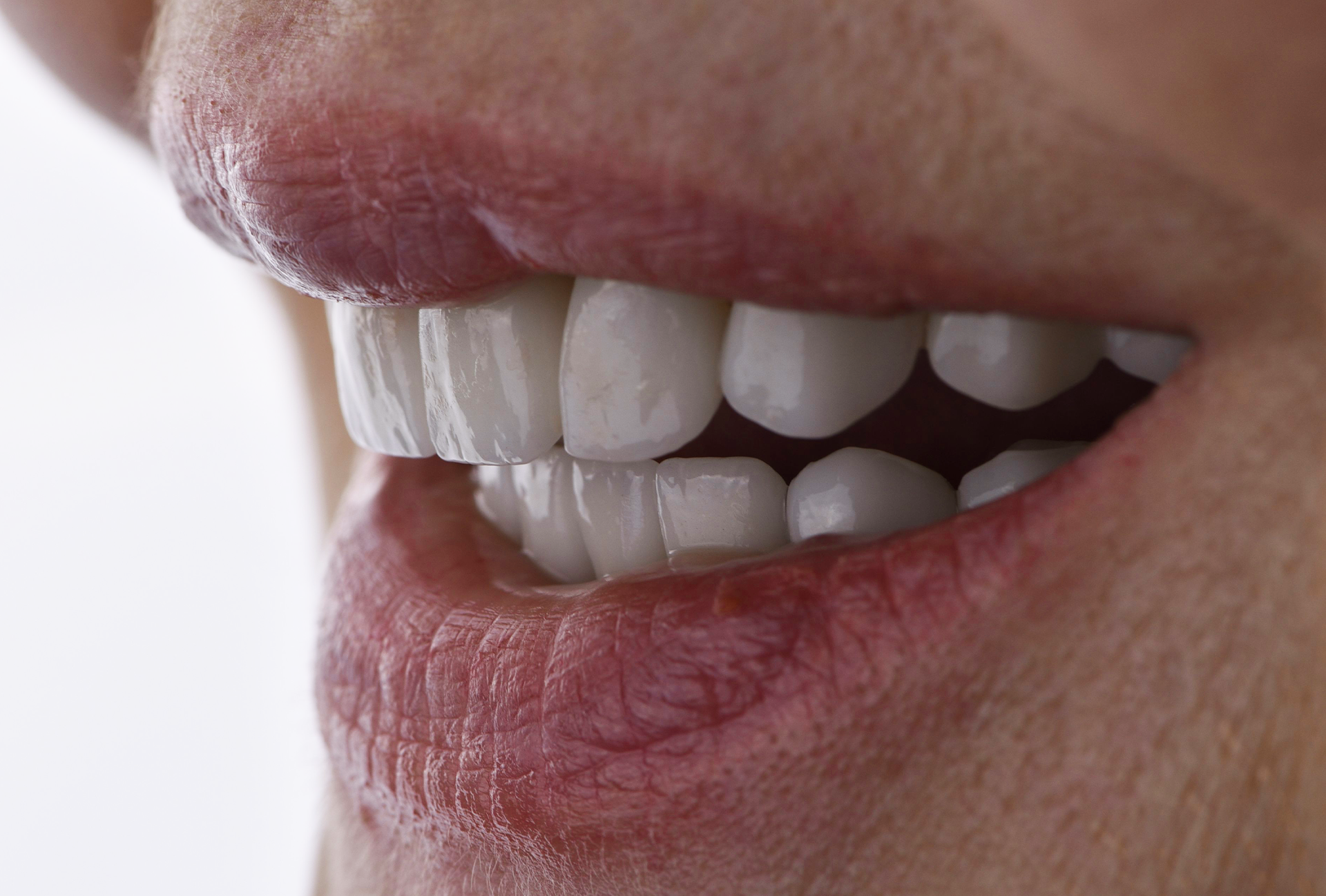
Endodontics in Krakow — root canal treatment under the microscope
Modern endodontic treatment at MistoDent Kraków. We perform root canal treatment and root canal retreatment (re-endo) under the microscope, using diagnostics and methods that allow the tooth's canal system to be shaped precisely.
Who provides endodontics at MistoDent Kraków?
Treatment is carried out by dentists specialising in endodontics and microscope-assisted root canal treatment. For more complex problems, the treatment plan may involve dentists from other fields of dentistry.

Endodontics at MistoDent Kraków
Endodontics is the field of dentistry that diagnoses and treats diseases of the dental pulp and the tissues surrounding the root. Its main task is treating teeth whose pulp is irreversibly damaged or infected, as well as retreating teeth that have already had root canal treatment.
At MistoDent Kraków we perform endodontic treatment under the microscope, which lets the dentist work under magnification and assess the inside of the tooth accurately. This applies both to primary root canal treatment and to more complex cases requiring re-endo, canal negotiation, removal of a broken instrument or perforation repair.
The main goal of treatment is to save the natural tooth whenever clinical conditions allow.
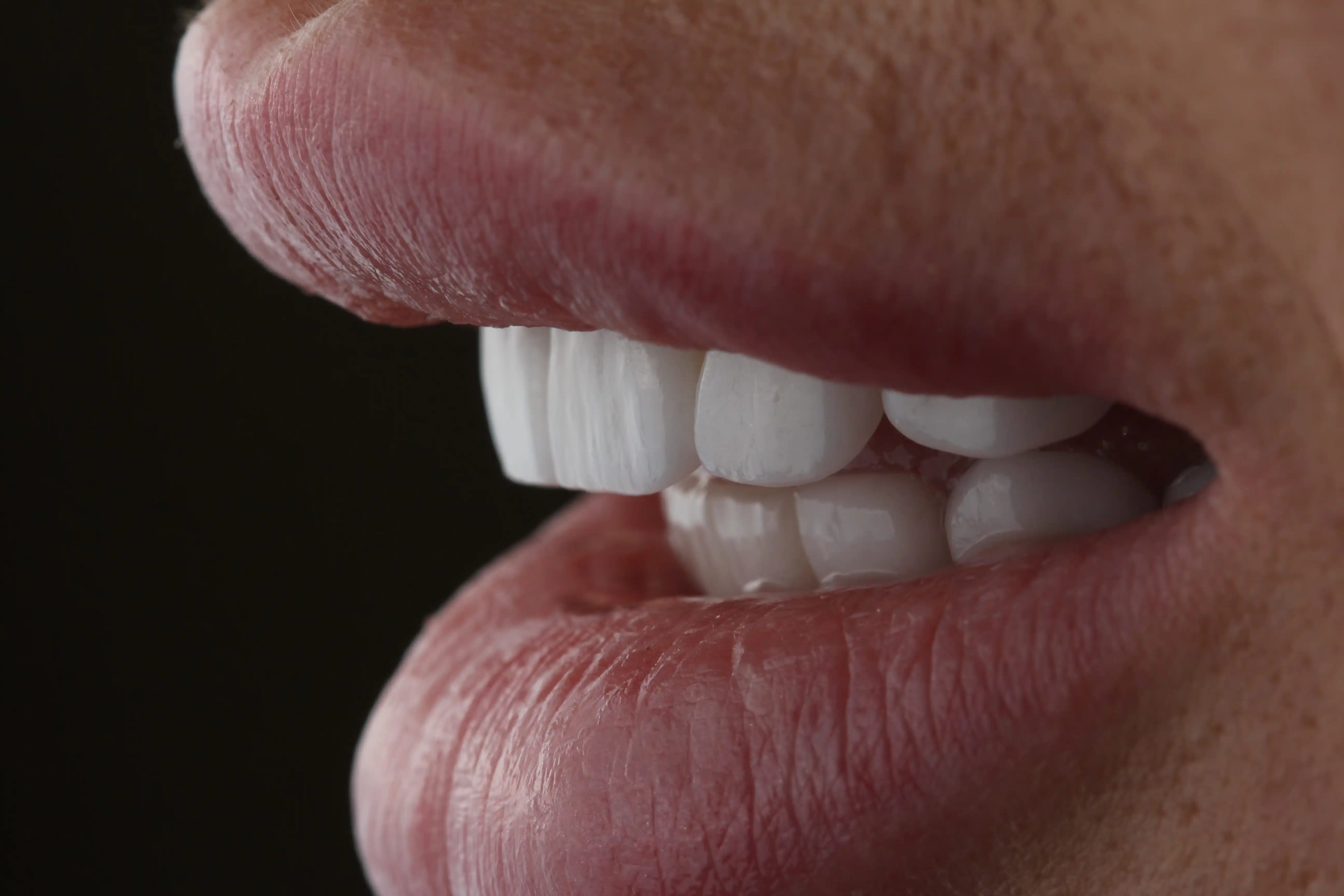
What does an endodontist do?
An endodontist is a dentist who provides endodontic treatment, including diagnosing and treating diseases of the pulp and the root canal system.
Endodontists see both patients who need their first root canal treatment and those with more complicated cases — e.g. pain or inflammation around a previously treated tooth, blocked canals or a broken instrument inside a canal.
Depending on the situation, endodontic treatment may include:
- primary root canal treatment under the microscope;
- root canal retreatment — re-endo;
- shaping, cleaning and filling the canals;
- locating and negotiating canals;
- removing broken instruments;
- removing posts and cores;
- repairing perforations;
- treating conditions related to the pulp and periapical tissues;
- preparing the tooth for restoration after endodontic treatment.
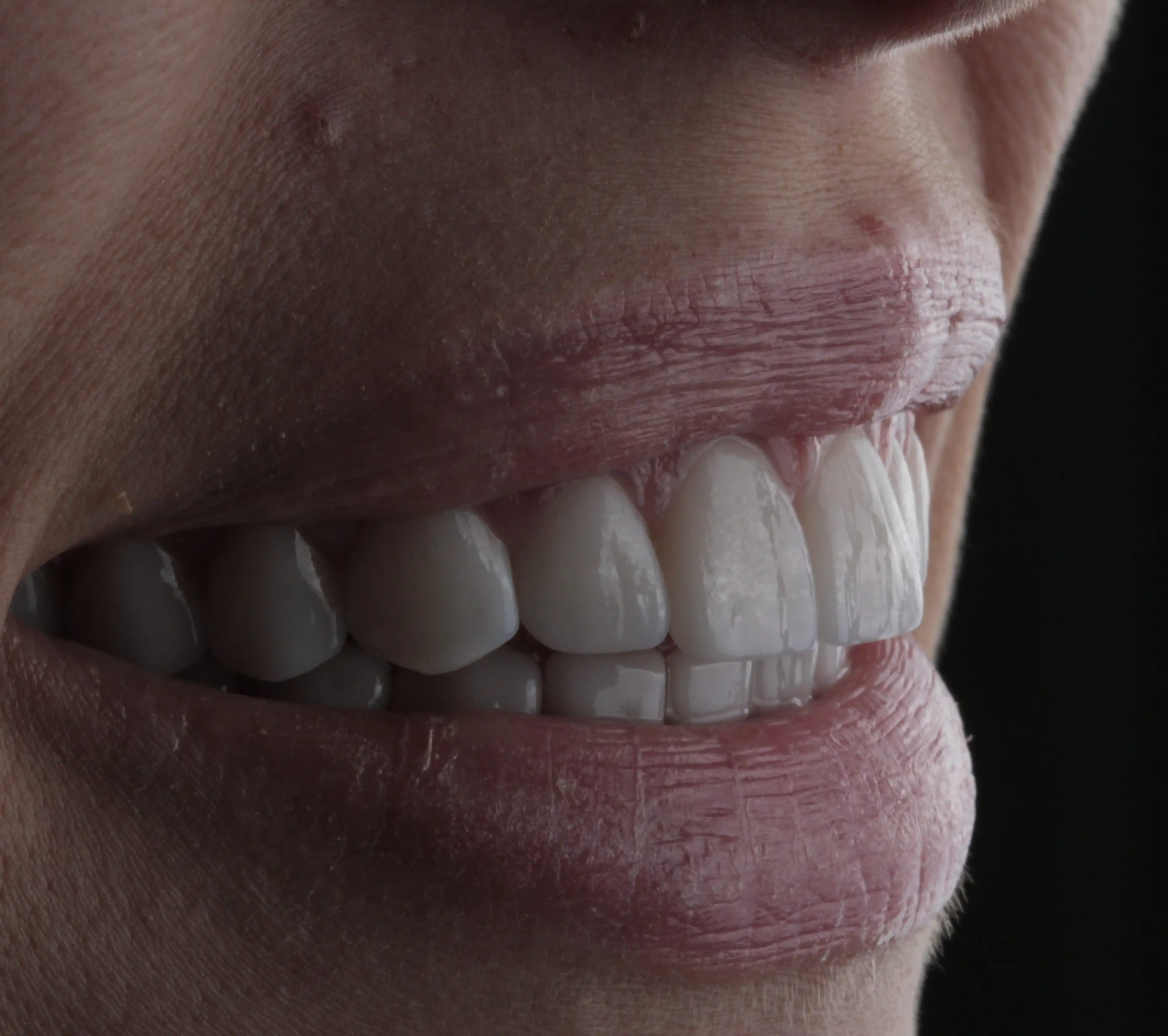
When should you see an endodontist?
An endodontic consultation may be needed when symptoms or diagnostic results point to a problem with the pulp or the tissues around the tooth root.
Symptoms that require diagnostics include:
- severe or persistent toothache;
- spontaneous or throbbing pain;
- prolonged sensitivity to heat or cold;
- pain when biting;
- gum swelling around the tooth;
- inflammation visible on an X-ray or CBCT scan;
- tooth trauma;
- problems with a tooth that has already had root canal treatment.
Pain alone does not automatically mean root canal treatment is needed. The decision is made by the dentist after an examination and appropriate diagnostics.
Endodontic treatment at MistoDent Kraków
The scope of endodontic treatment depends on whether the tooth is being treated for the first time, has been treated before, or has additional complications.
Root canal treatment under the microscope
Root canal treatment involves removing the diseased pulp, thoroughly shaping and cleaning the root canal system, and then sealing it tightly.
At MistoDent we perform root canal treatment under the microscope. Magnification and proper lighting of the treatment field help the dentist locate canal orifices and carry out each stage of treatment precisely.
Treatment can involve teeth with a single canal as well as anatomically more complex multi-canal teeth.
Root canal retreatment — re-endo
Re-endo, or root canal retreatment, may be needed when a tooth has already had endodontic treatment but symptoms or inflammation have returned, or the earlier treatment needs revision.
During re-endo the dentist regains access to the canal system, removes the material inside the canals, assesses their course, and reshapes, cleans and refills them.
Retreatment is usually more complex than primary treatment, so diagnostics and working under magnification are especially important.
Removing a broken instrument from a canal
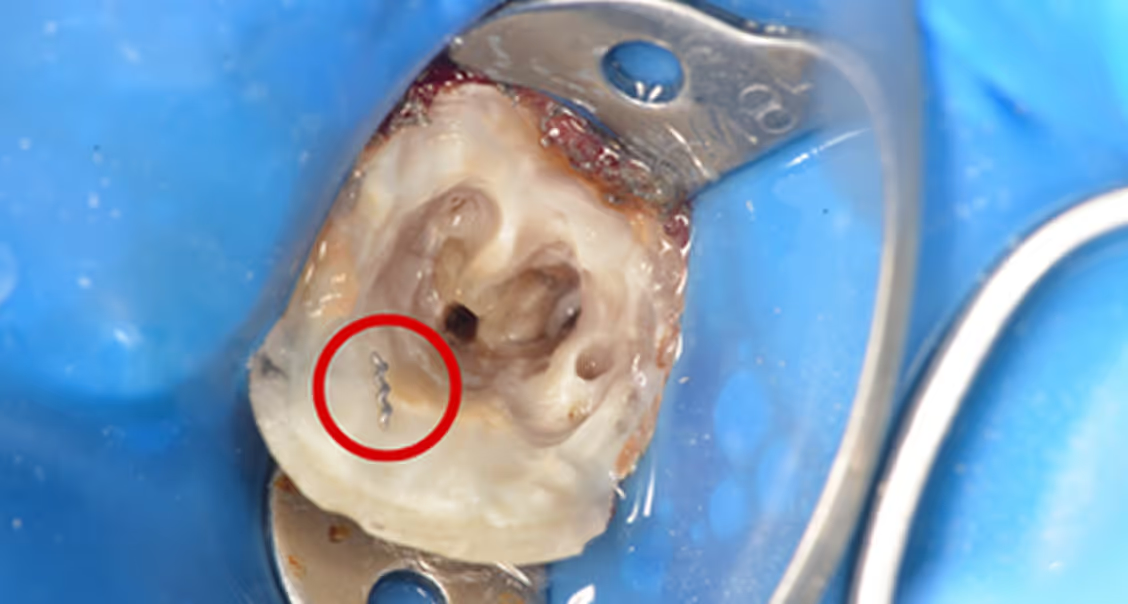
A broken endodontic instrument inside a canal can block access to its deeper part. In suitable cases the endodontist may attempt to remove it under the microscope.
Whether and how this can be done depends on the position of the fragment, the canal anatomy and the condition of the tooth, among other things.
Removing posts from a canal
Before retreatment, it may be necessary to remove a post and core or a root canal post that limits access to the canal system.
The dentist decides on the approach after assessing the existing restoration and diagnosing the tooth.
Perforation repair
A perforation is an abnormal connection between the inside of the tooth and the surrounding tissues. Depending on its location and clinical conditions, it can be sealed with materials designed for endodontic procedures, such as MTA or bioceramic materials.
Apical surgery
In certain cases, when treatment through the canal cannot solve the problem, the dentist may consider surgical treatment around the root tip.
Such a decision requires prior diagnostics and individual qualification.
Root canal treatment or re-endo — what is the difference?
Situation
Possible treatment
The tooth has not had root canal treatment before
Root canal treatment under the microscope
The tooth has had root canal treatment and needs retreatment
Re-endo / root canal retreatment
There is a broken instrument in the canal
Removal of the broken instrument under the microscope
A post blocks access to the canals
Post removal
A perforation has occurred
Perforation repair
The problem requires treatment from the root tip side
Apical surgery
The final treatment approach depends on the condition of the tooth, the canal anatomy, previous treatment and the diagnostic results.
Microscopic endodontics — why do we use a microscope?
The inside of a tooth is a small and often very complex space. The canal system can have extra branches, narrowings and individual anatomical differences.
That is why at MistoDent Kraków we perform endodontic treatment under the microscope. Magnifying the treatment field lets the dentist observe the inside of the tooth more accurately while working.
The microscope is especially useful when:
- locating canal orifices;
- treating teeth with complex anatomy;
- performing root canal retreatment;
- searching for previously untreated canals;
- removing broken instruments;
- removing materials from canals;
- working on perforations;
- handling other complicated endodontic cases.
At our clinic, microscopic endodontics is not a separate “premium version” of root canal treatment — the microscope is part of our standard endodontic workflow.
What does endodontic treatment look like?
1. Consultation and diagnostics
The dentist assesses the tooth, symptoms and previous treatment. Depending on the case, imaging may be needed, including X-ray or CBCT.
2. Qualification for treatment
The endodontist assesses whether the tooth can be saved and whether primary root canal treatment, re-endo or another endodontic procedure is needed.
3. Access to the canal system
The dentist gains access to the inside of the tooth. In re-endo, existing materials or a post may first need to be removed.
4. Shaping and cleaning the canals
The canals are located, shaped and cleaned. Each stage is performed under the microscope.
5. Filling the canals
After proper preparation, the canal system is filled.
6. Restoration and follow-up
After endodontic treatment, the tooth needs a proper restoration. Its type depends on how much tissue remains and the loads the tooth will bear, among other things.
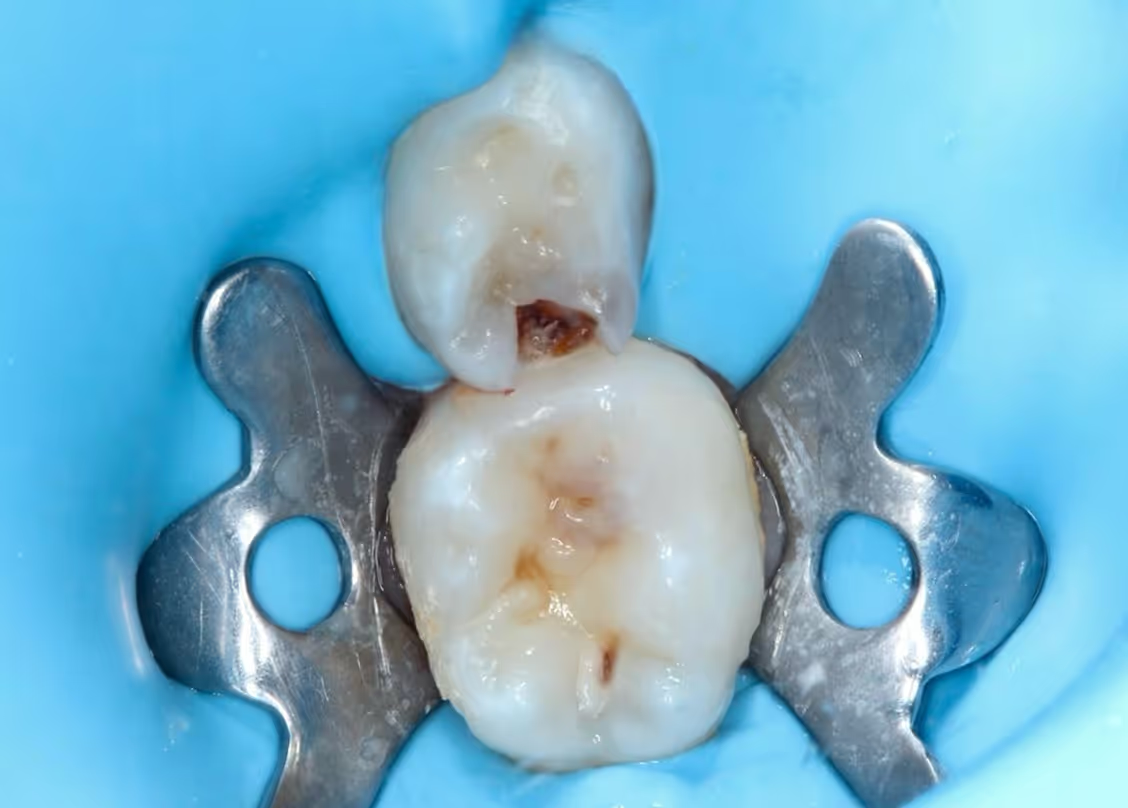
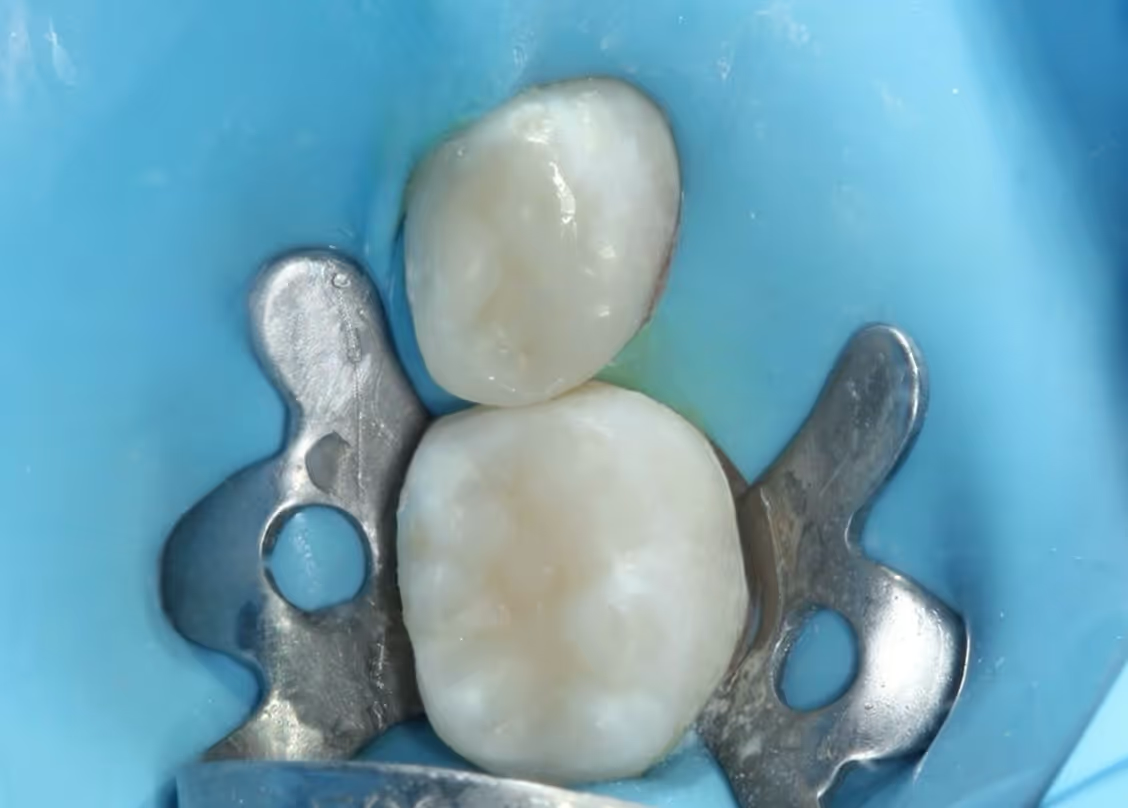
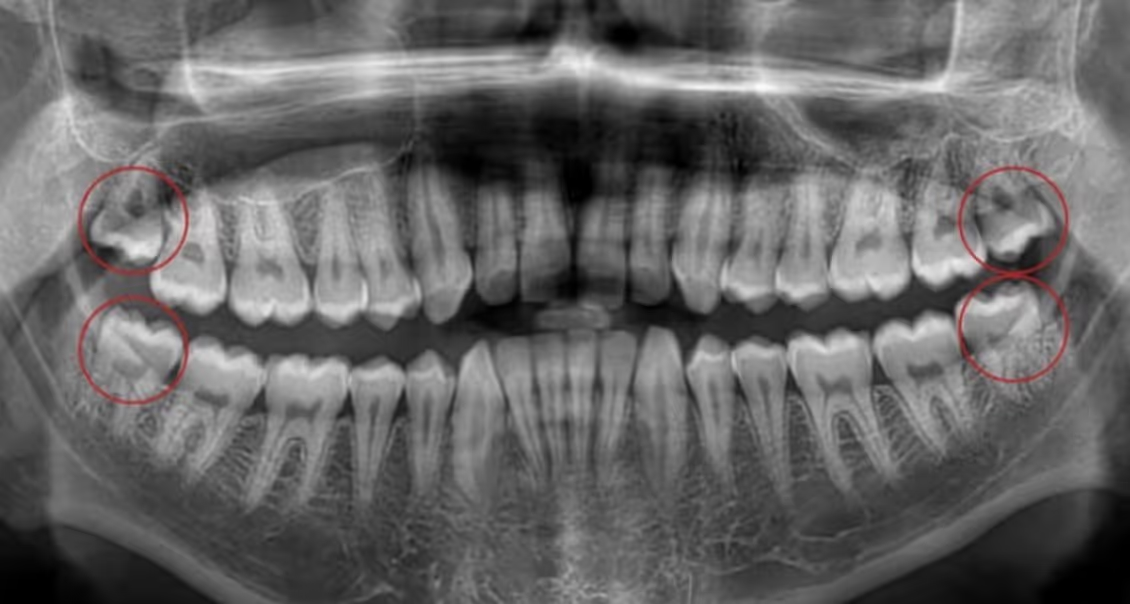
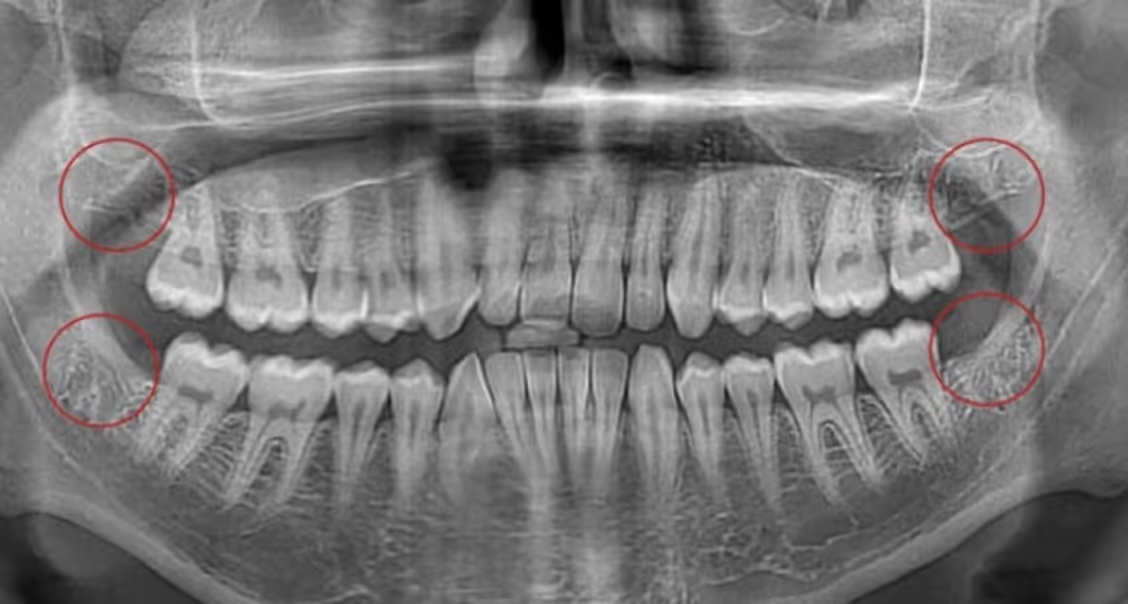
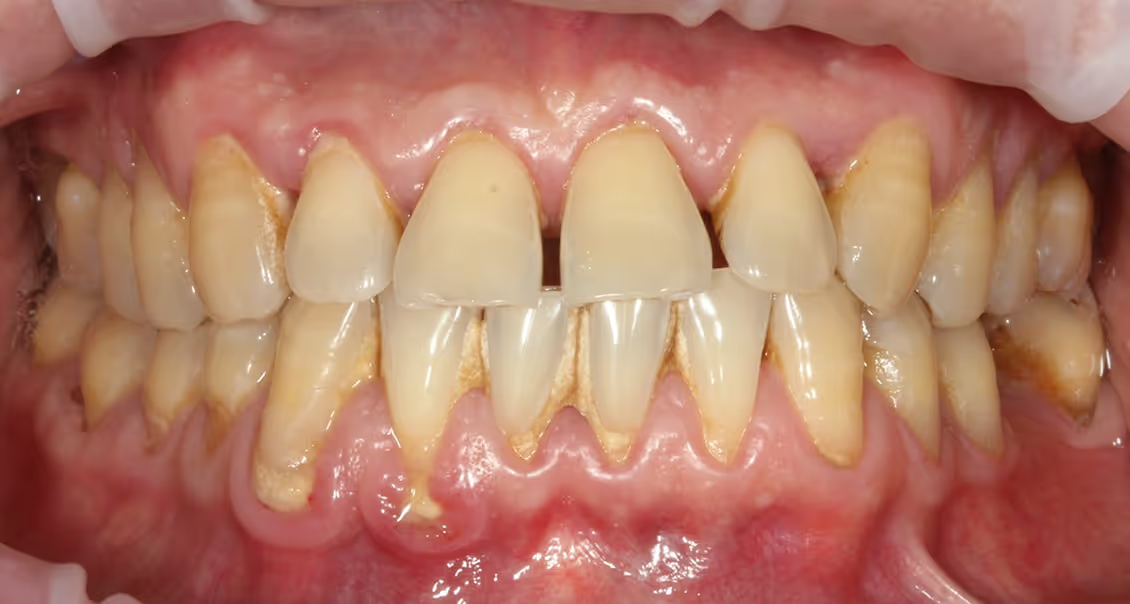
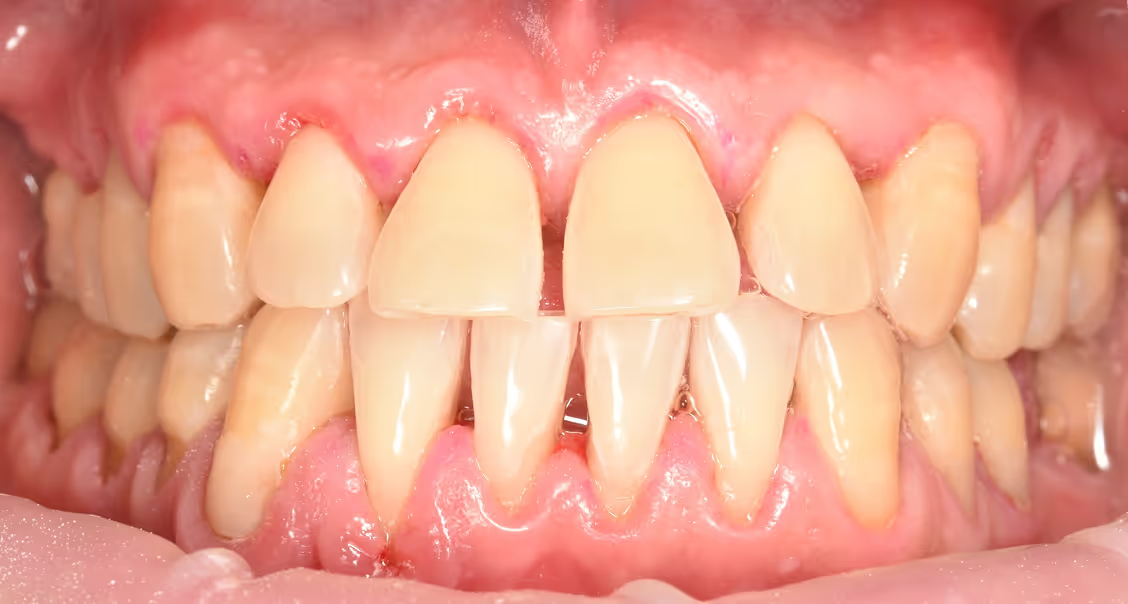
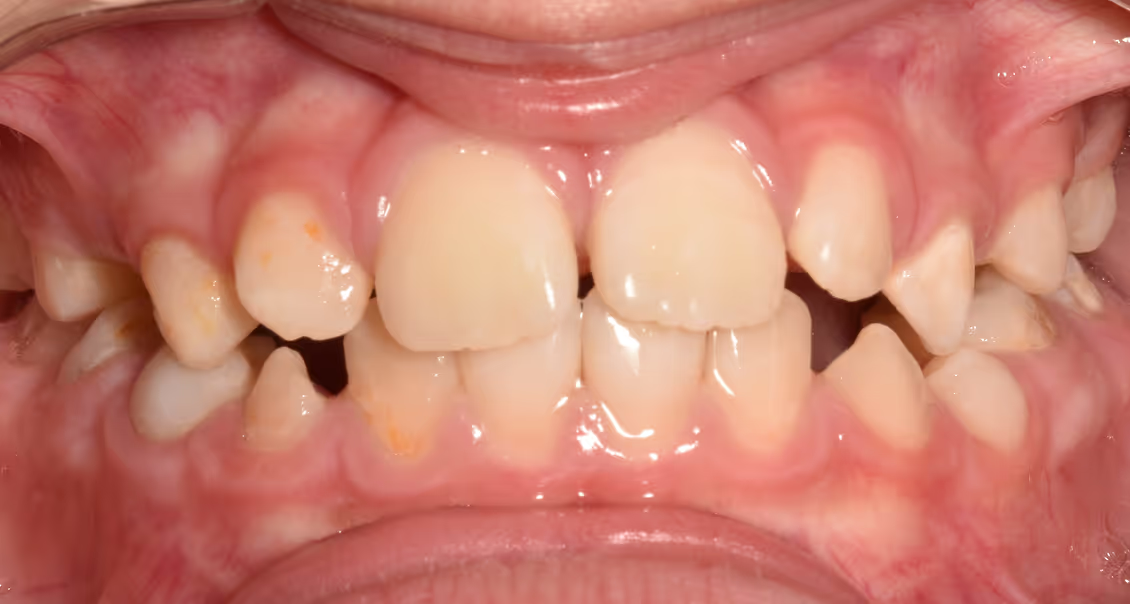
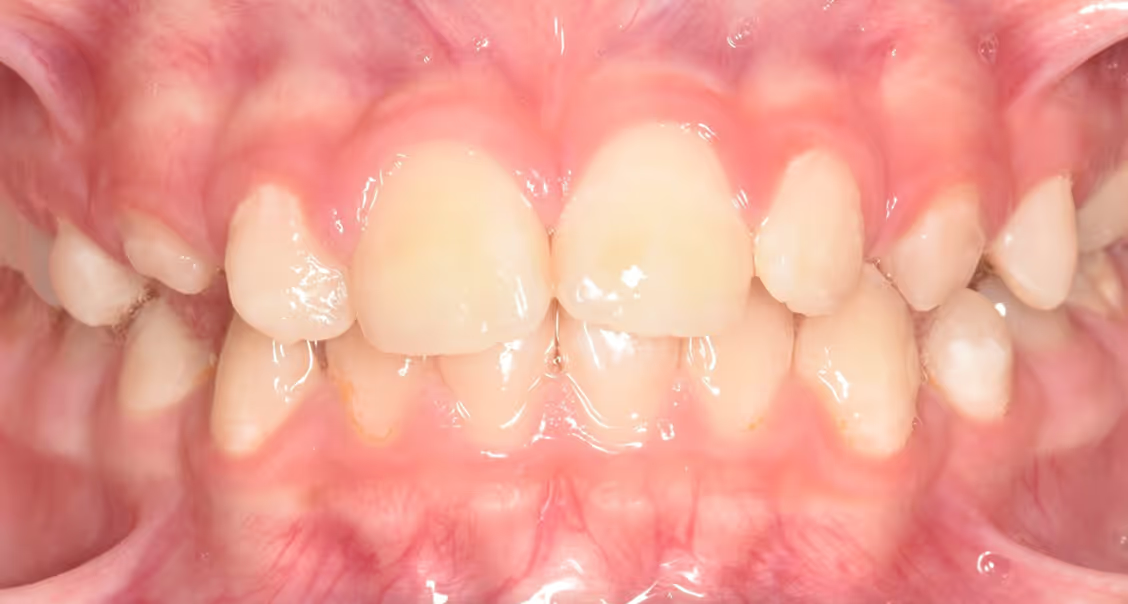
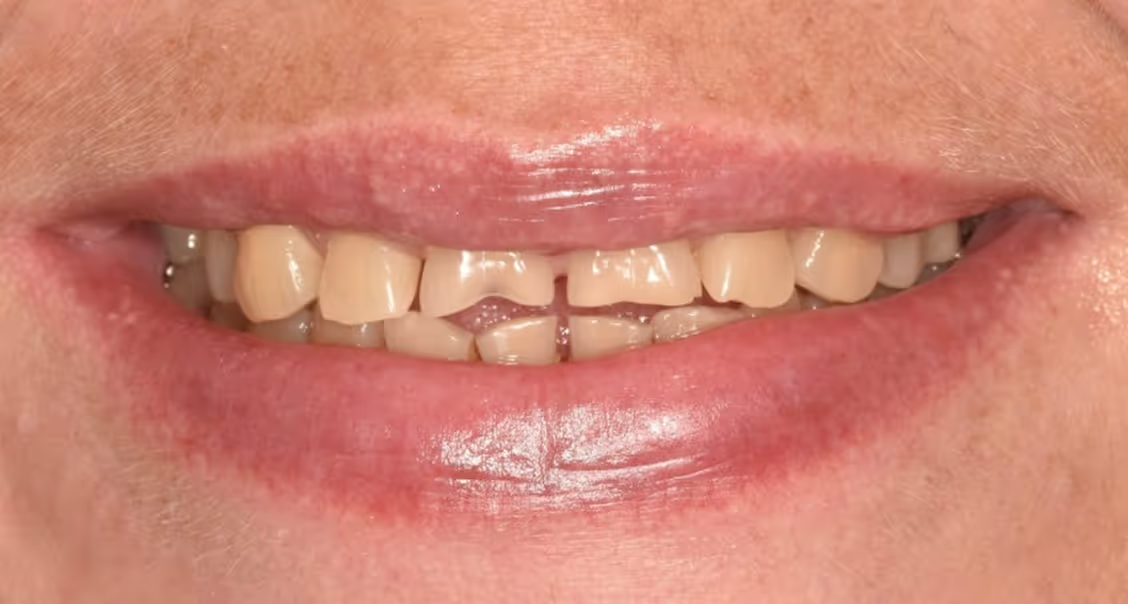
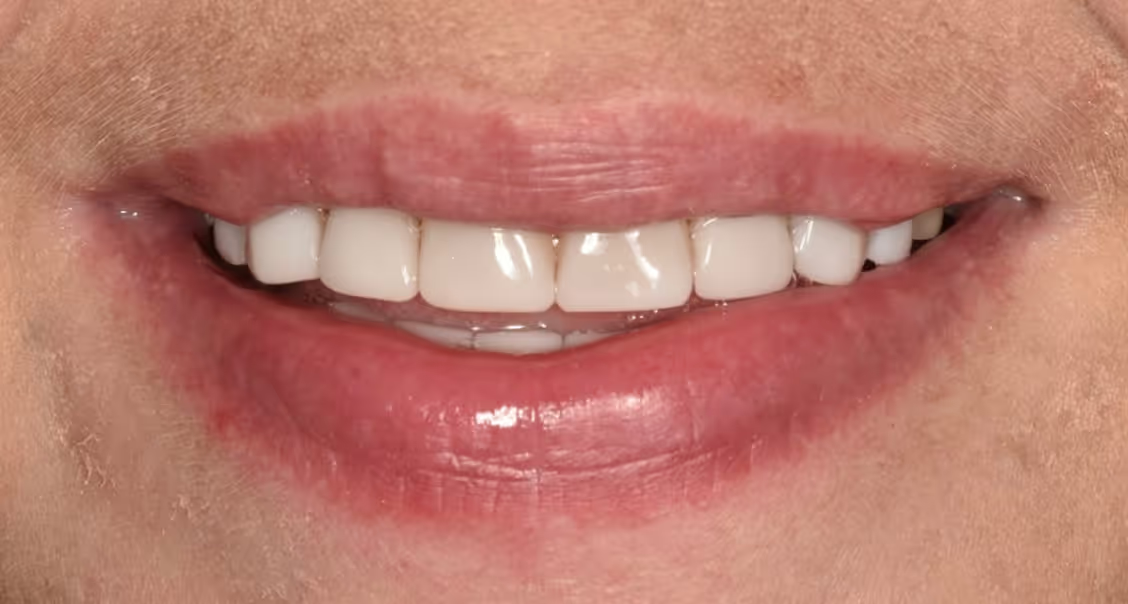
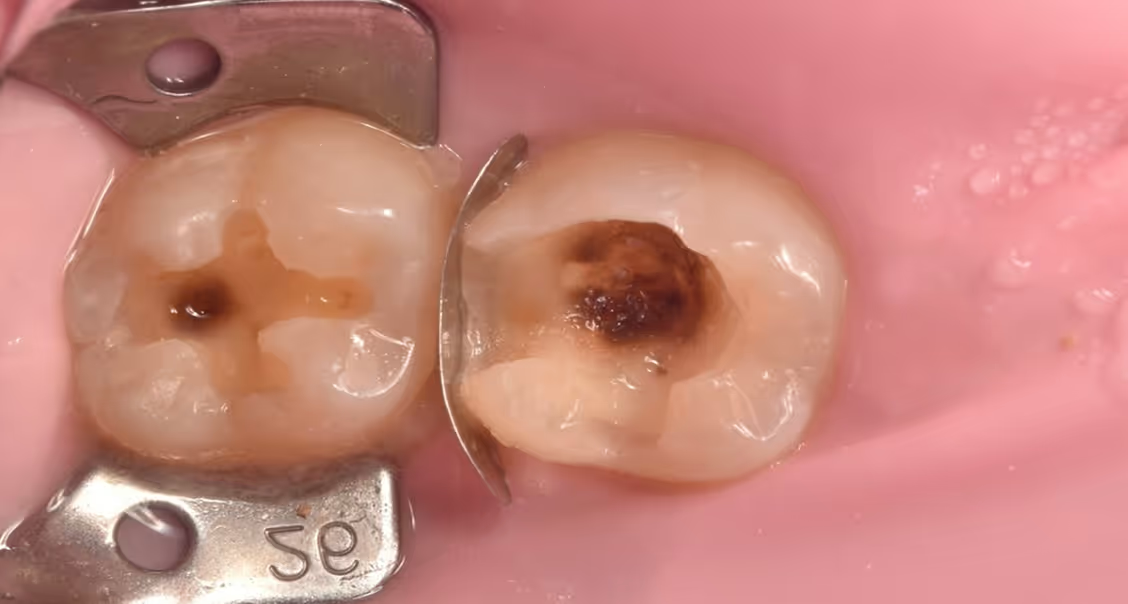
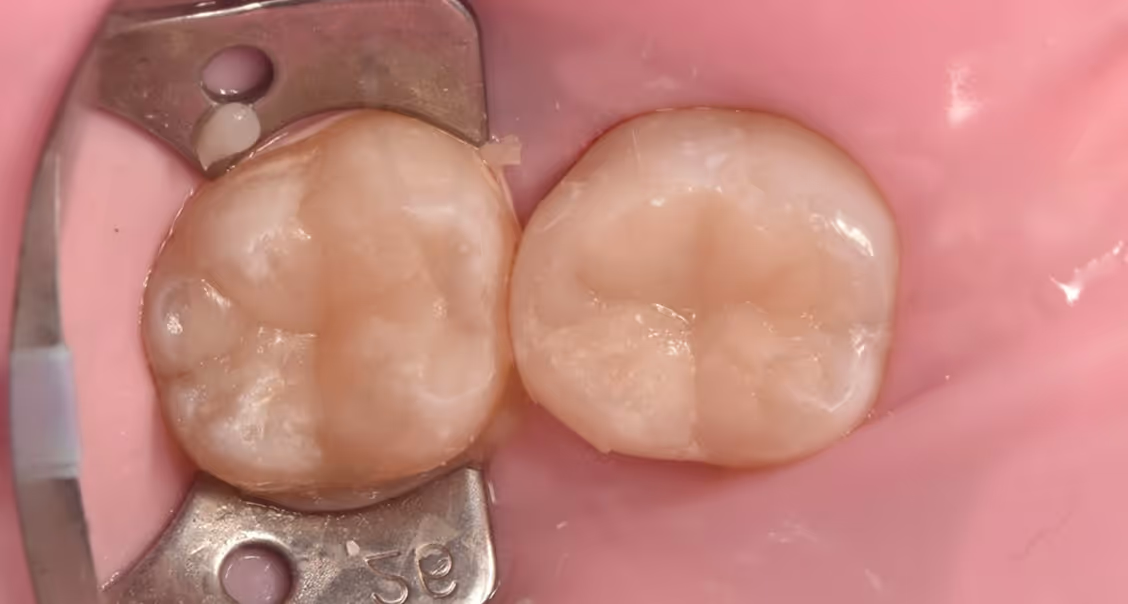
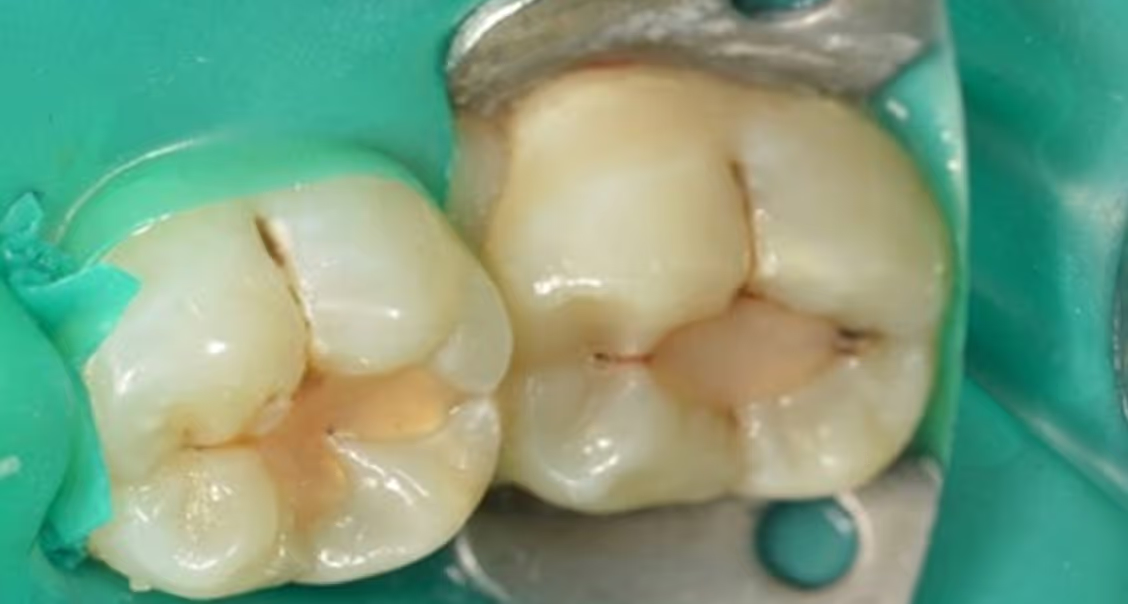
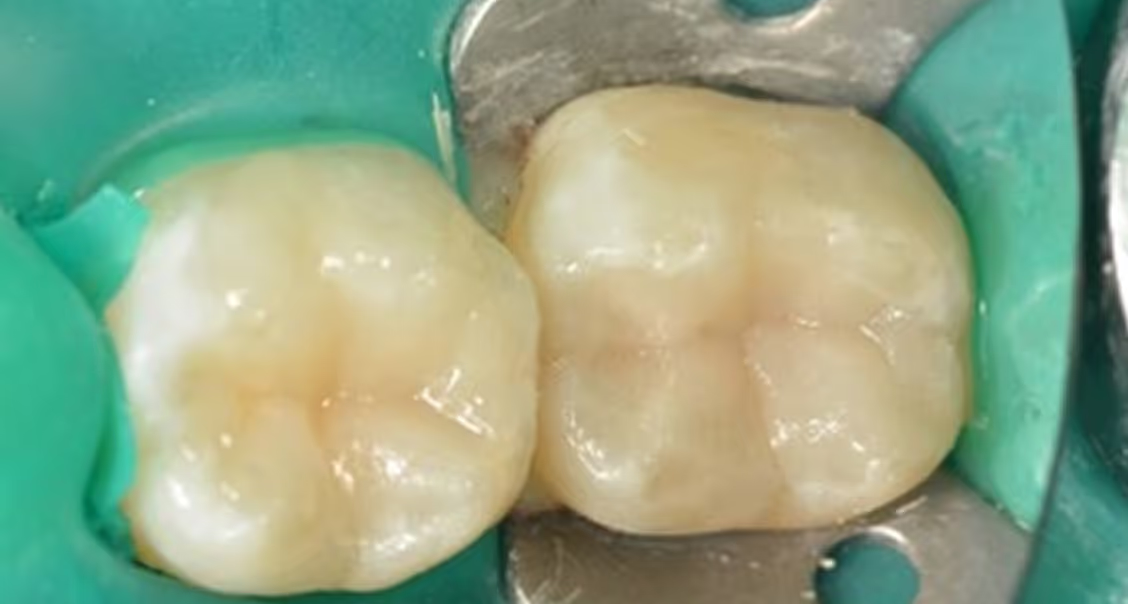
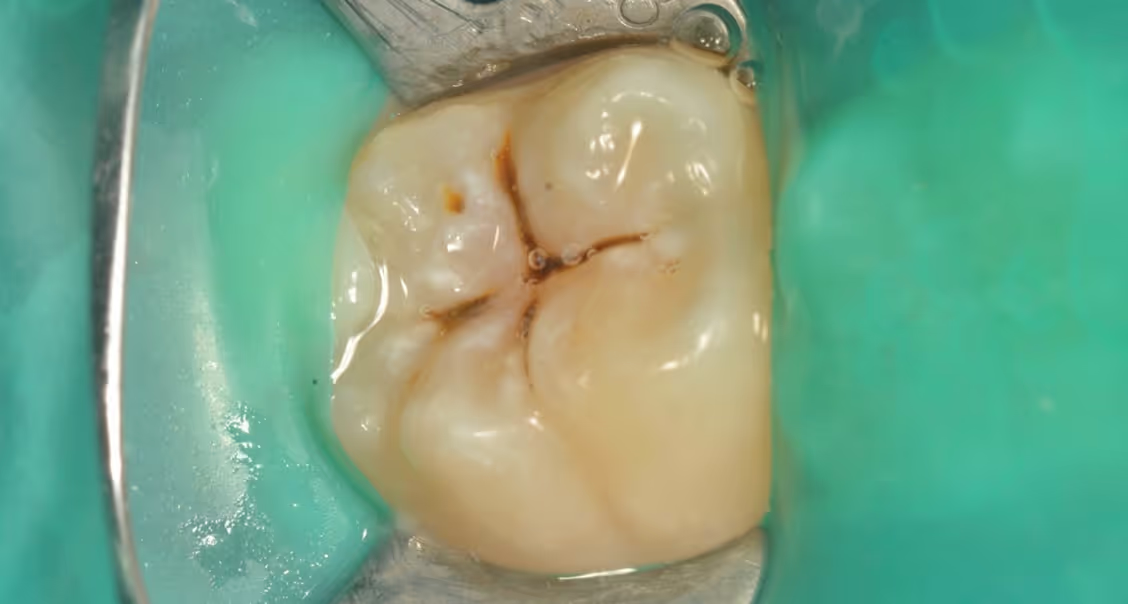
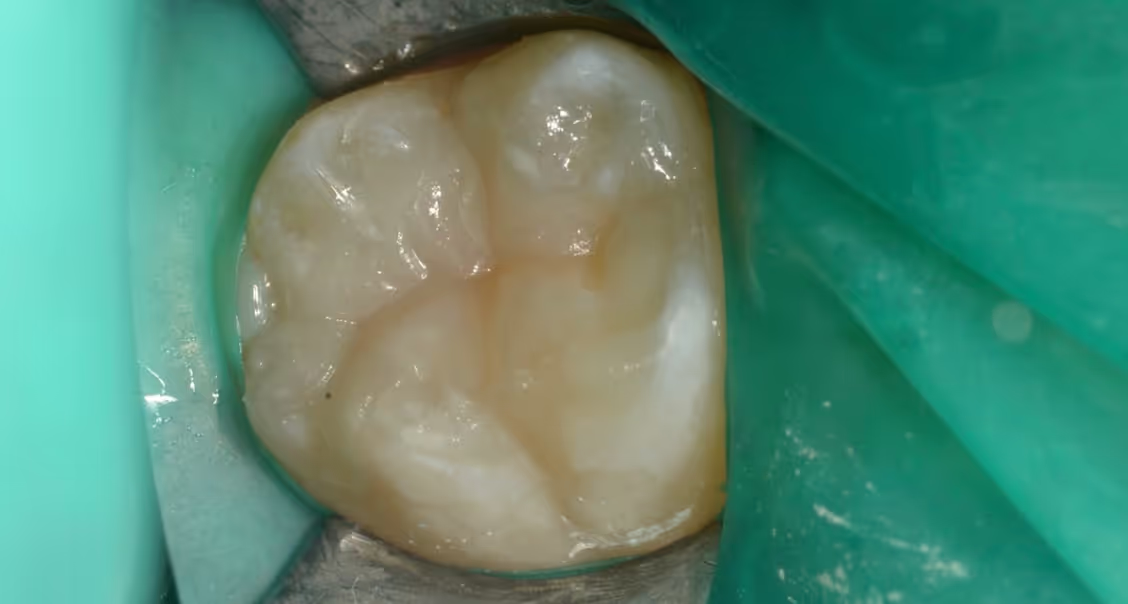
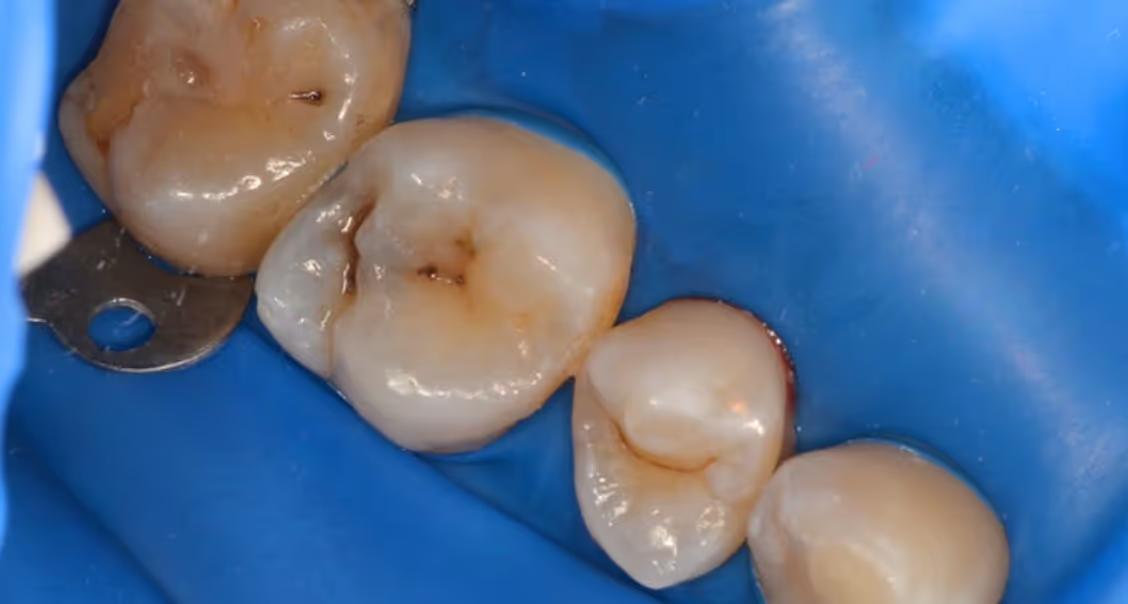
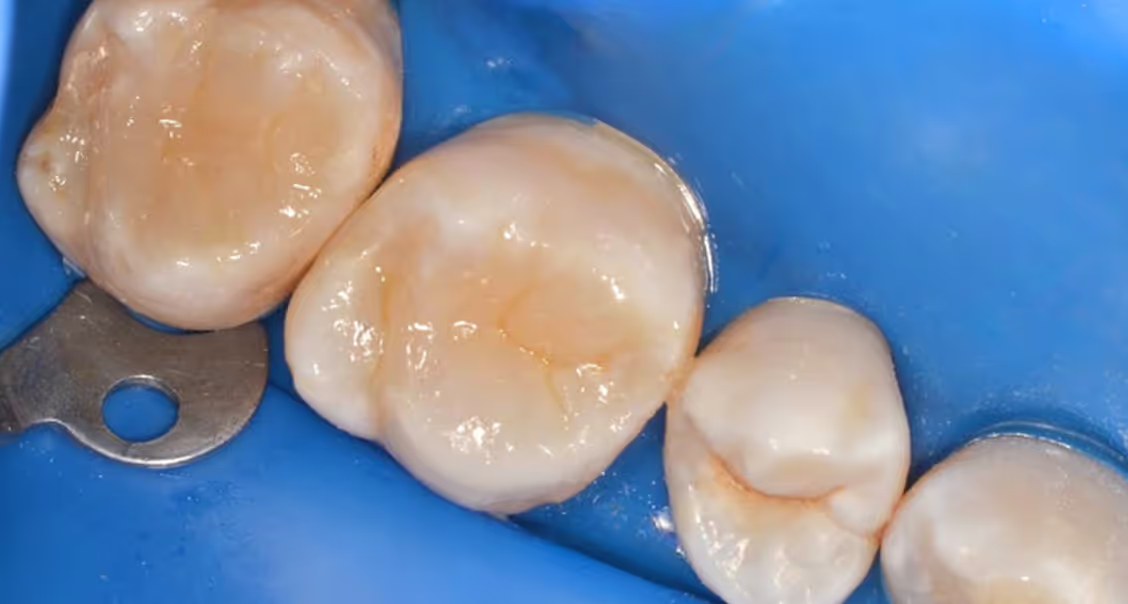
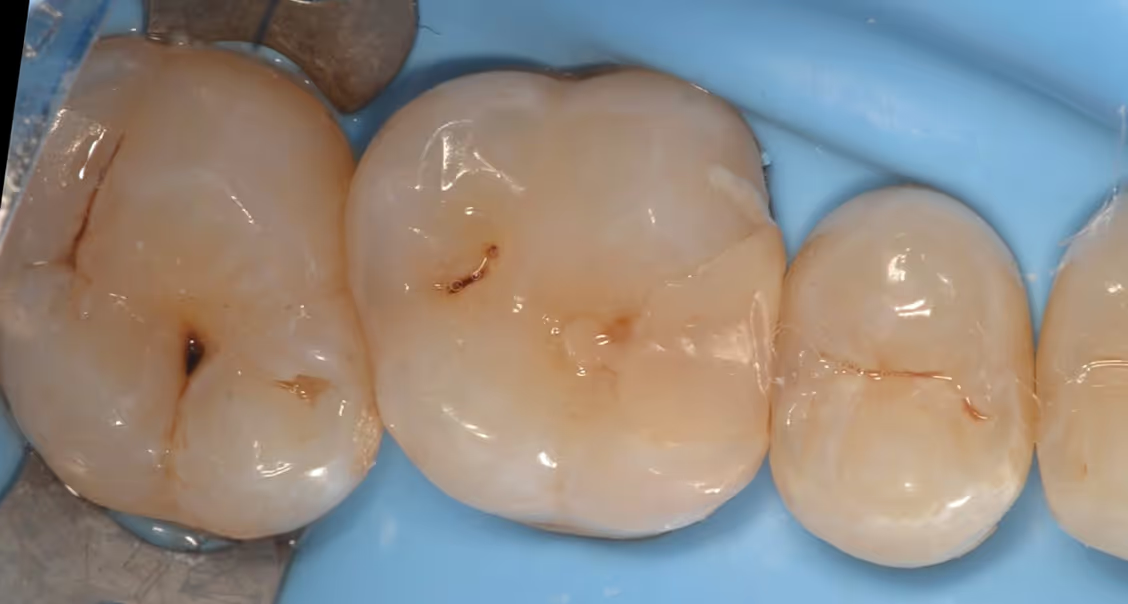
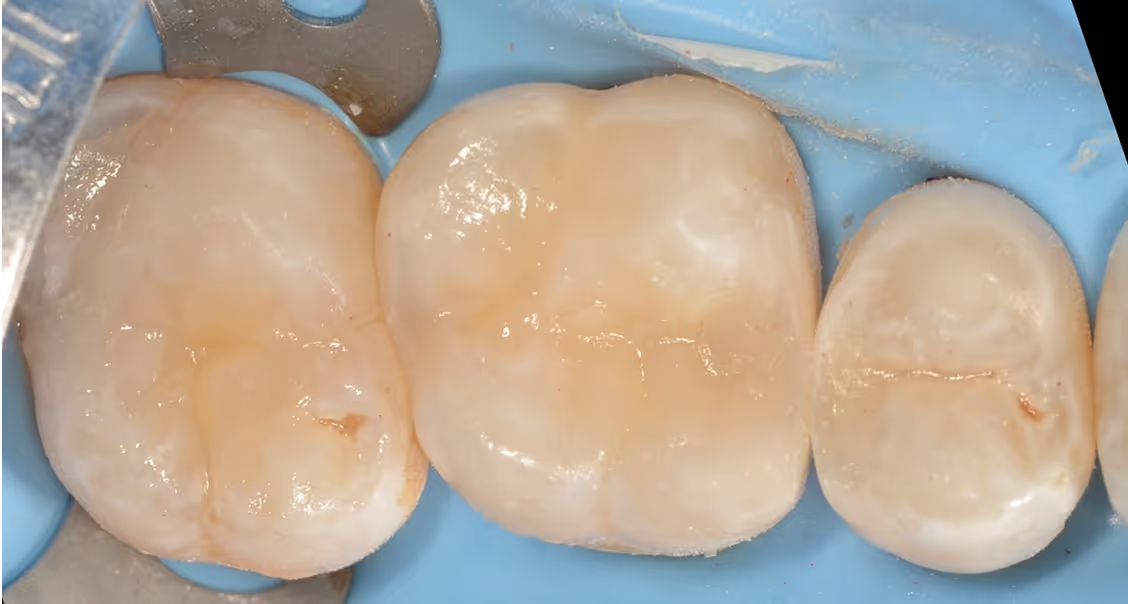
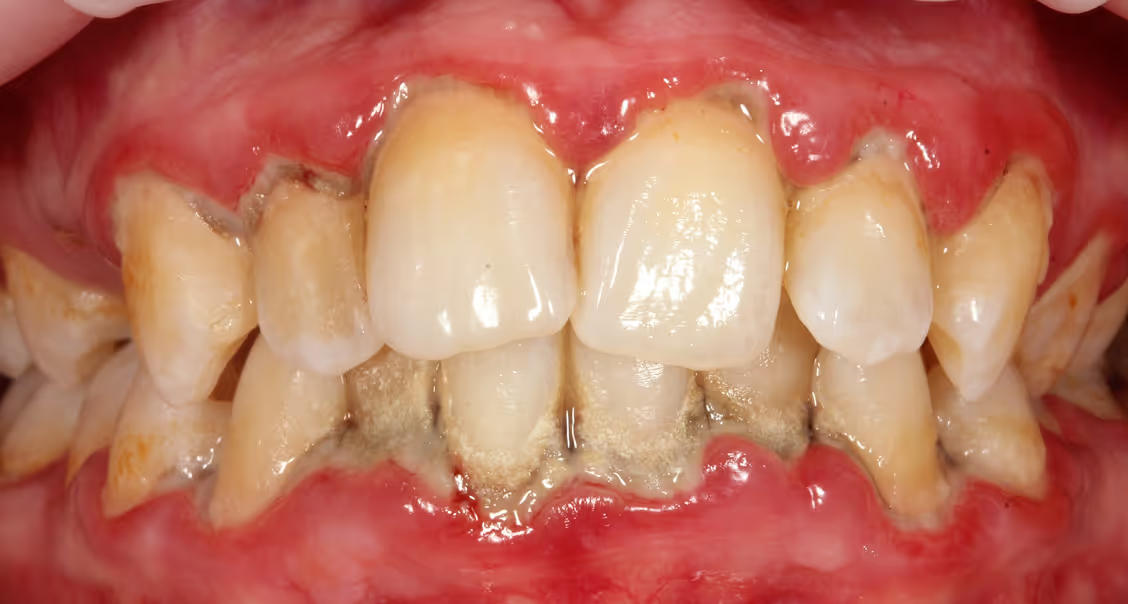
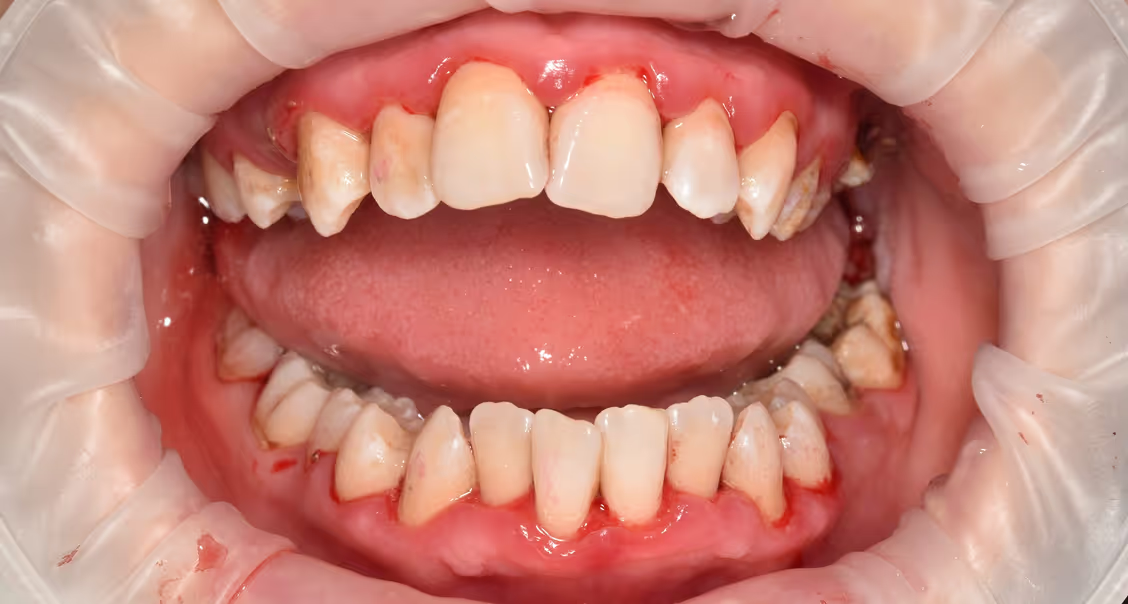
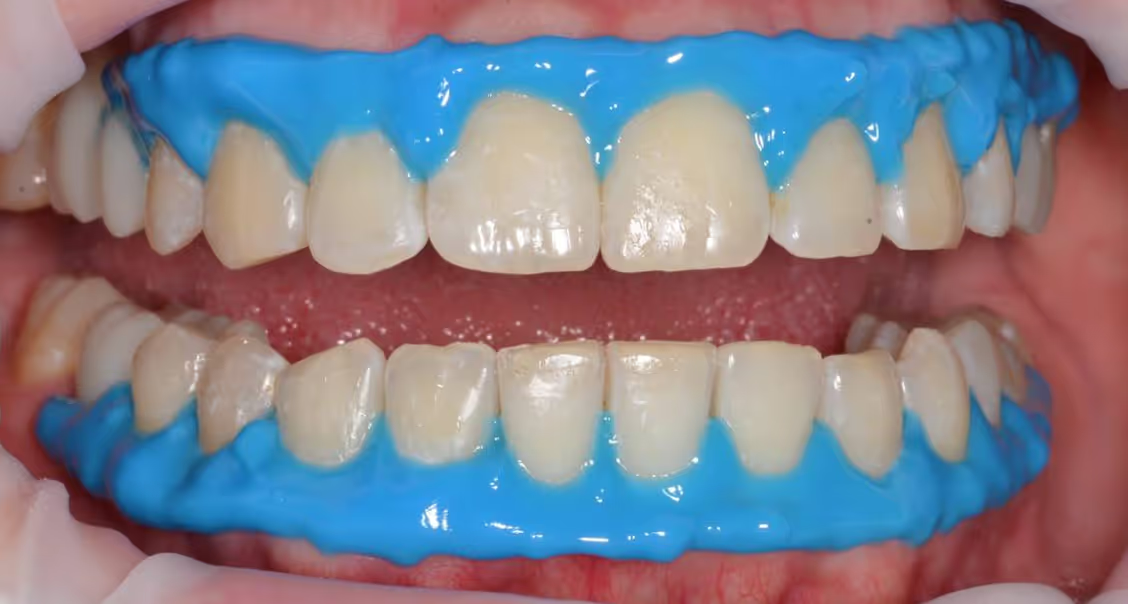
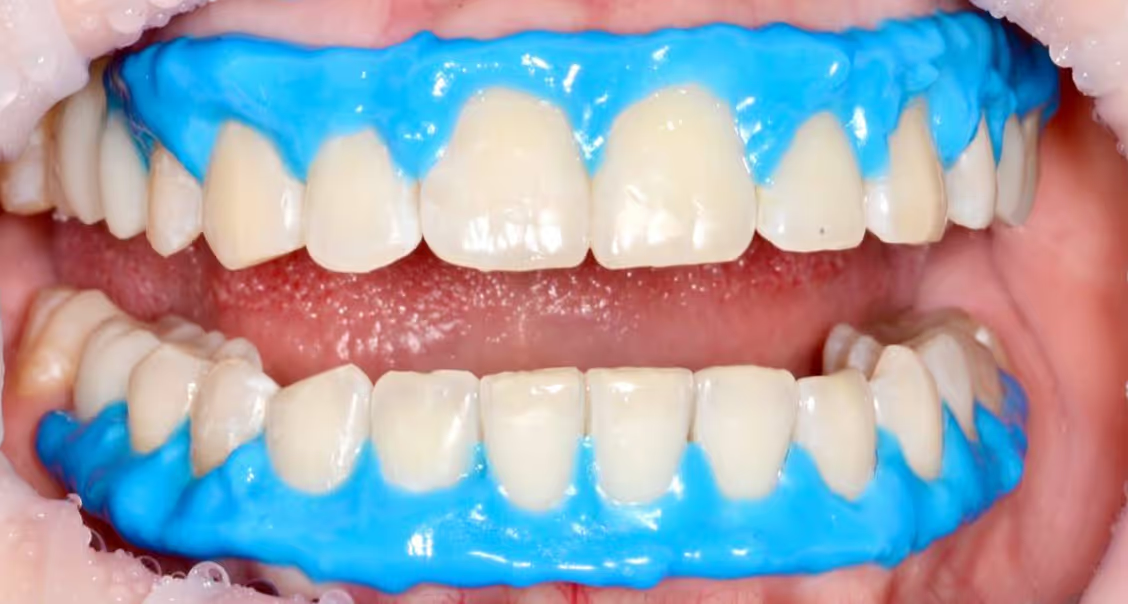
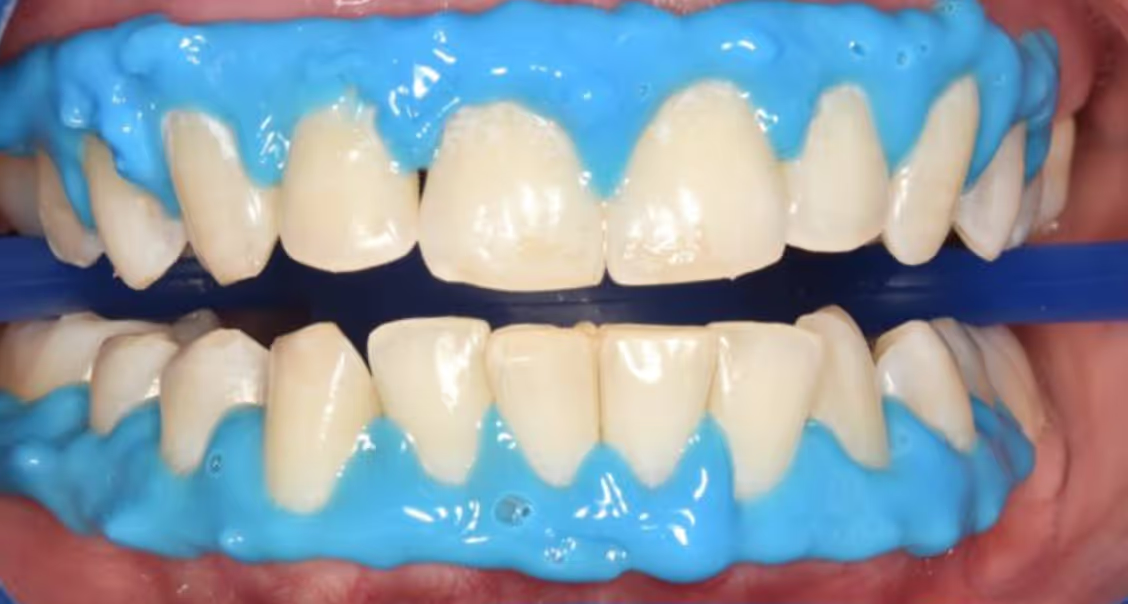
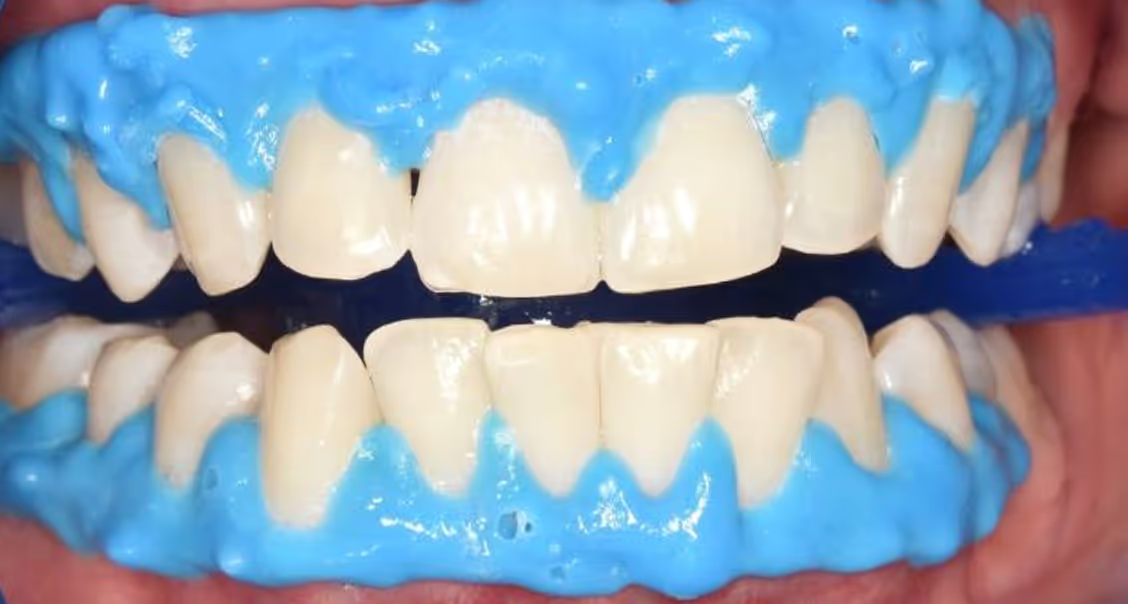
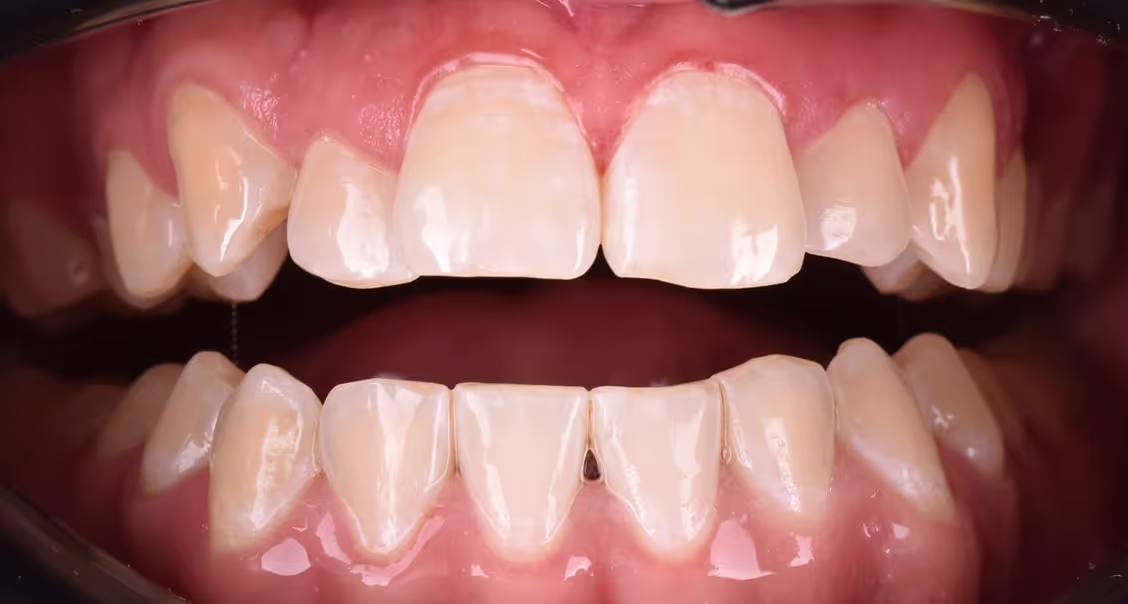
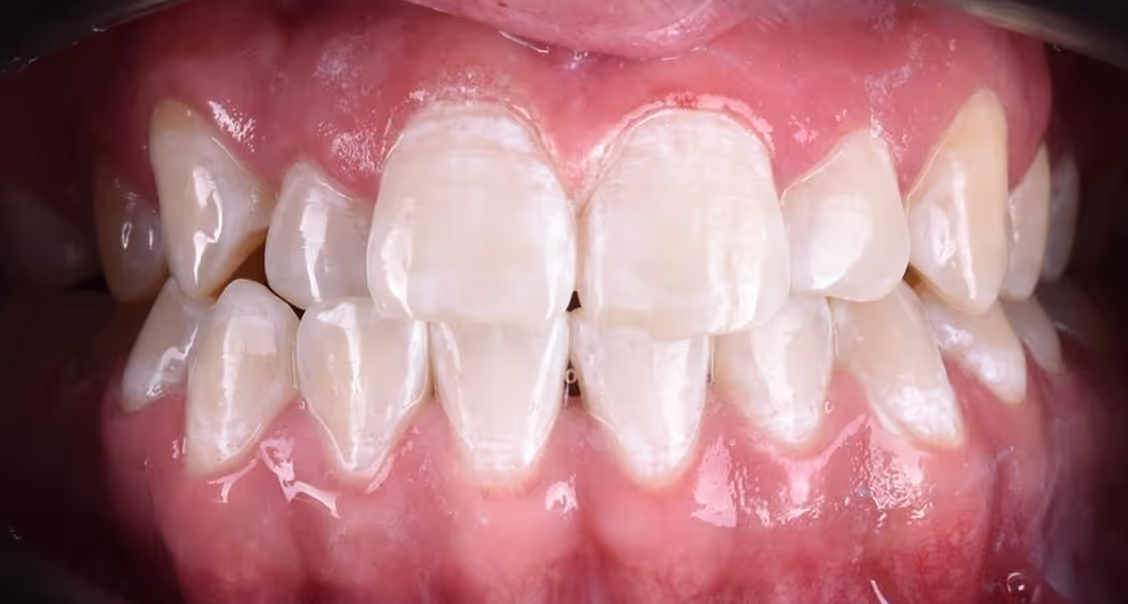
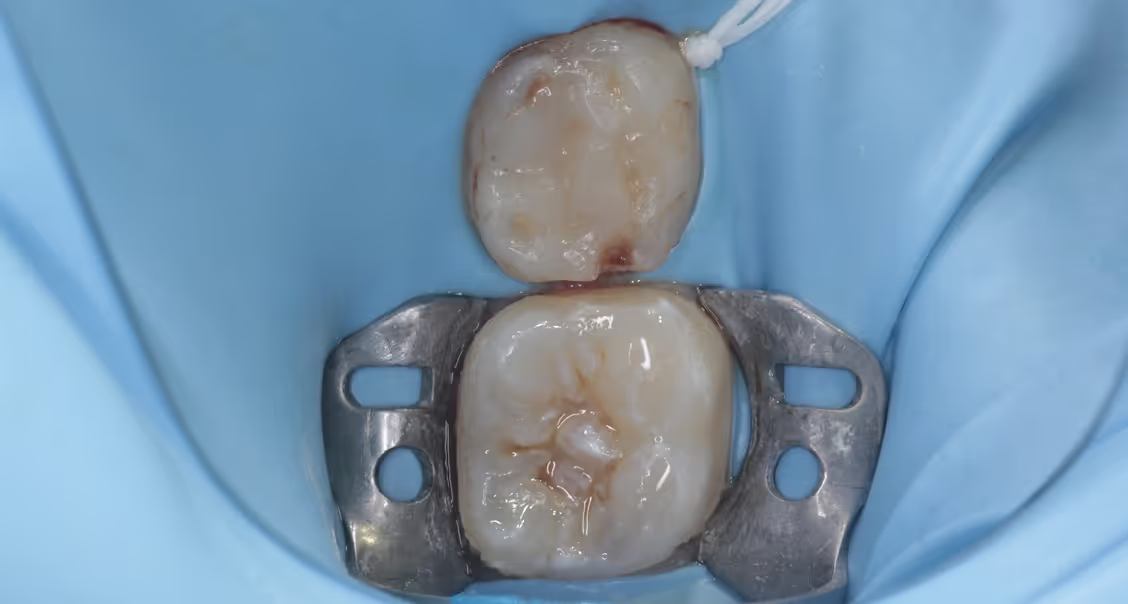
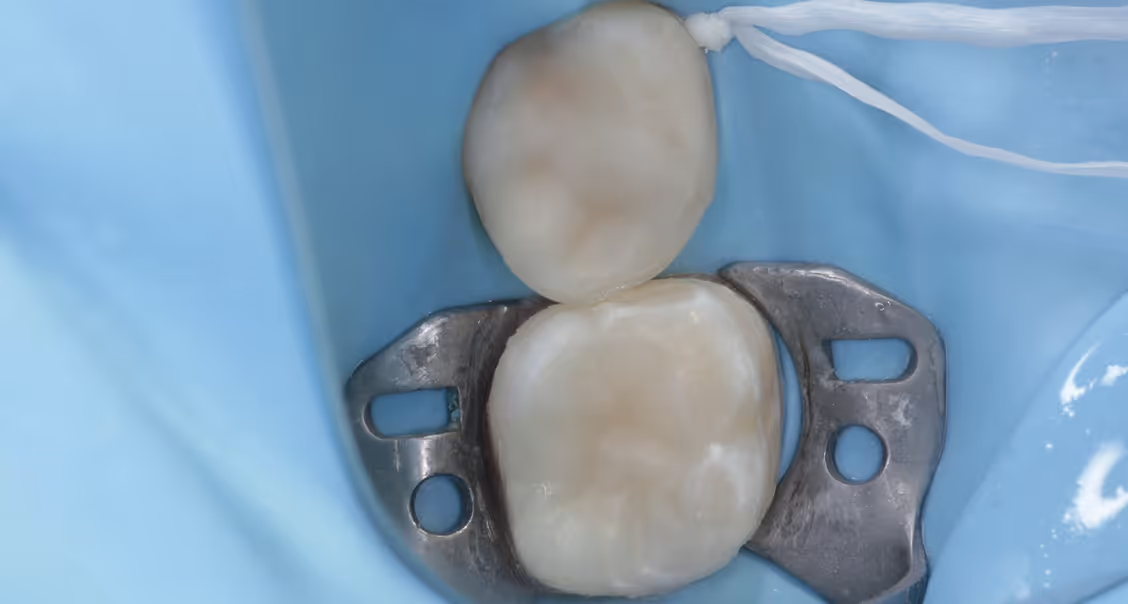
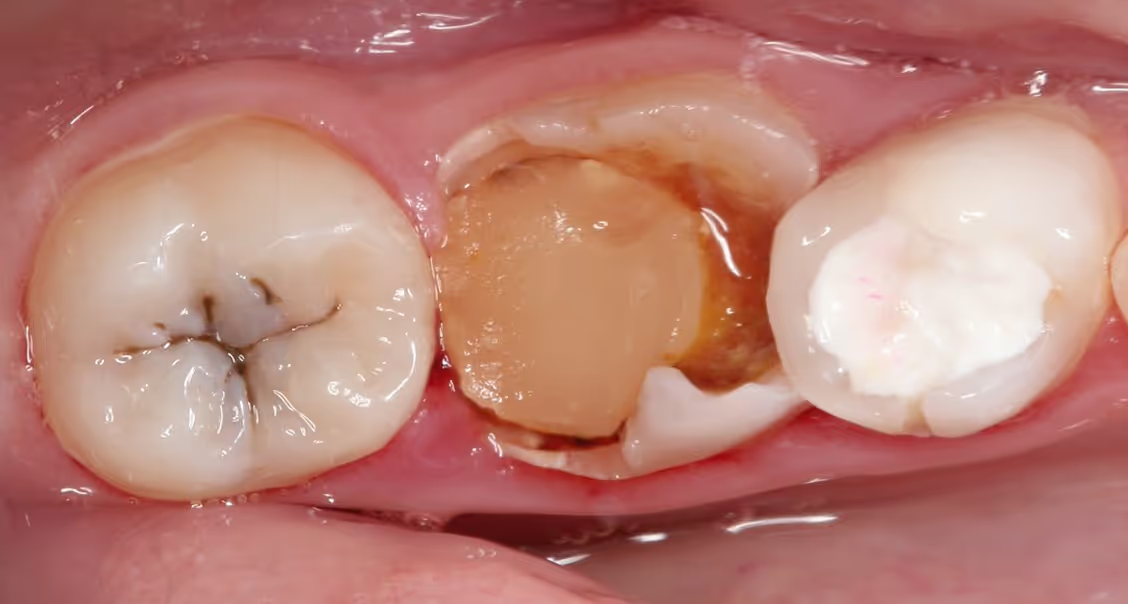
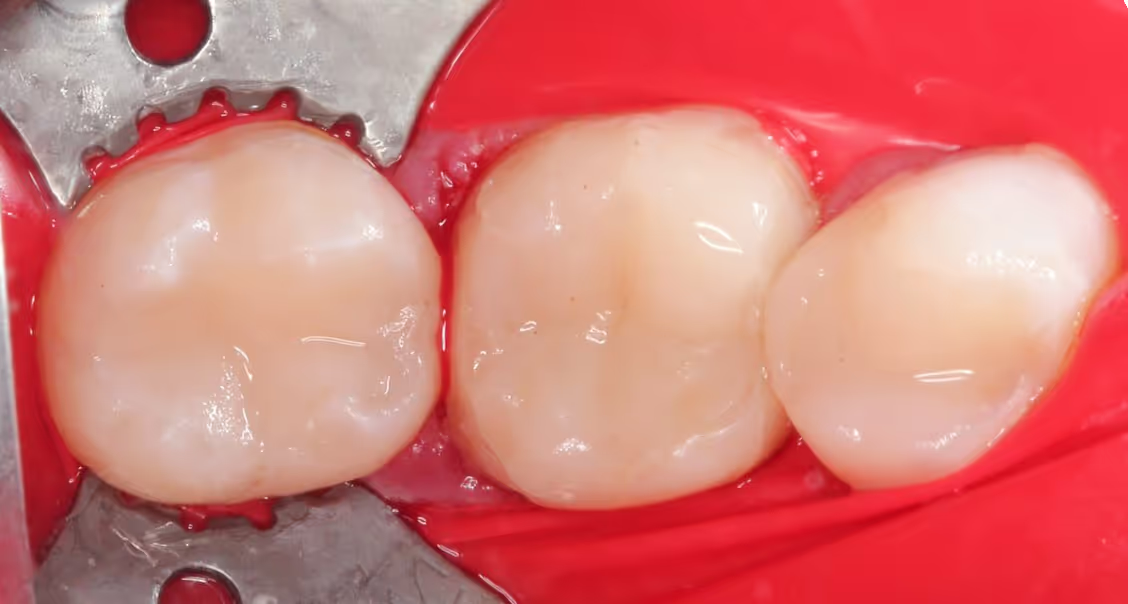
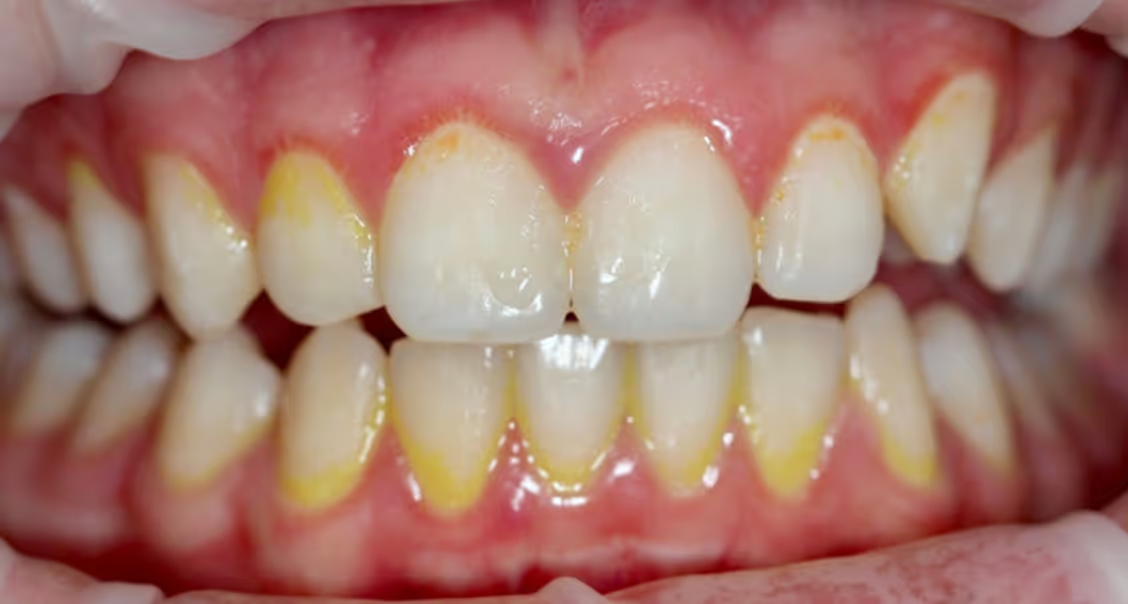
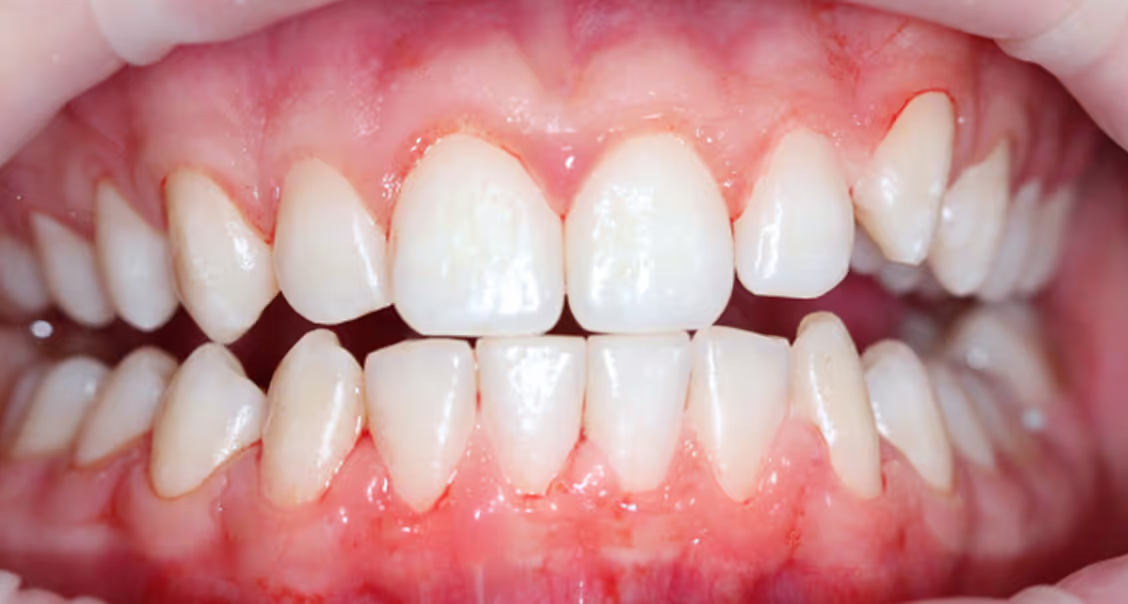
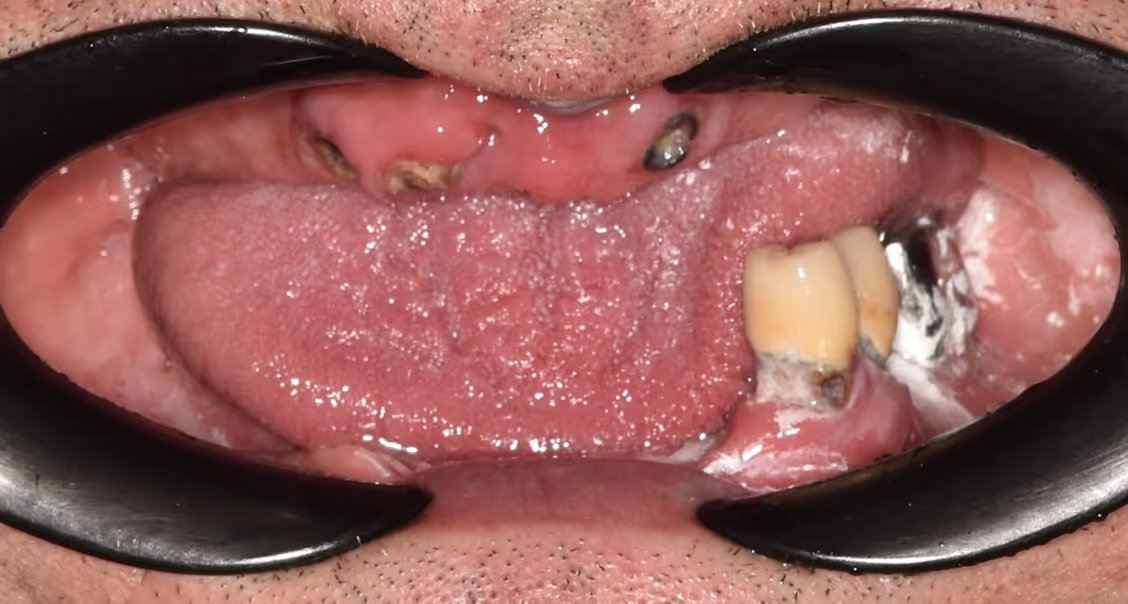
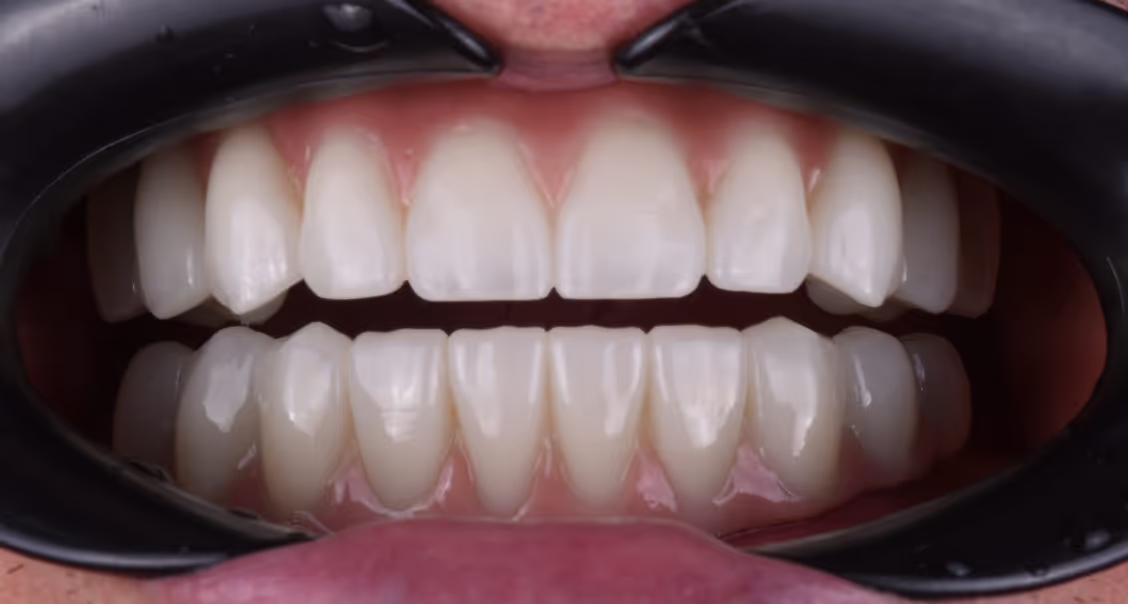
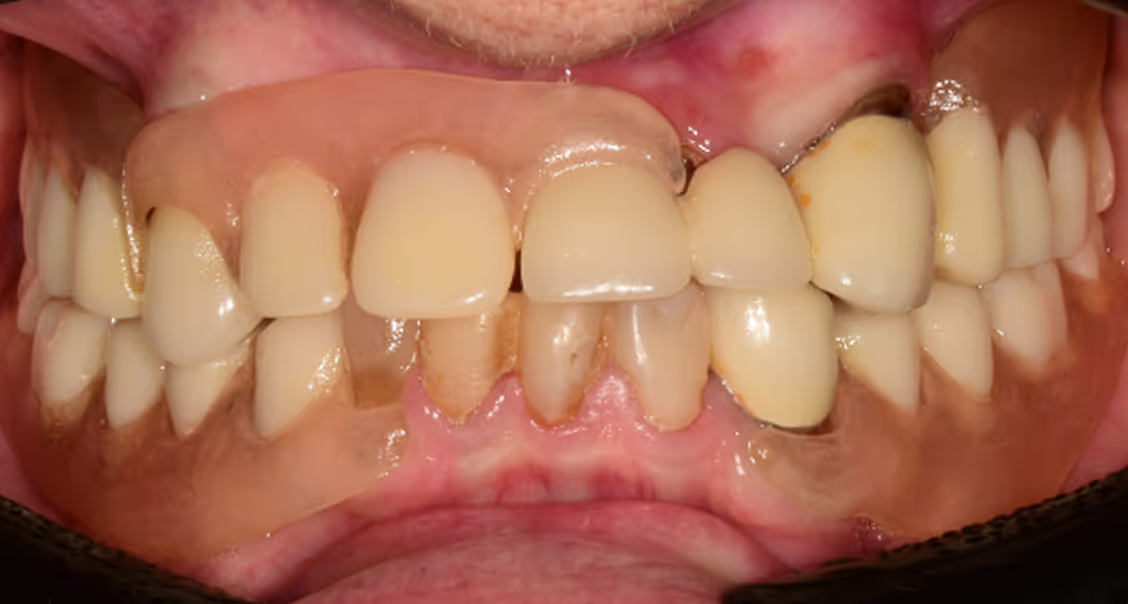
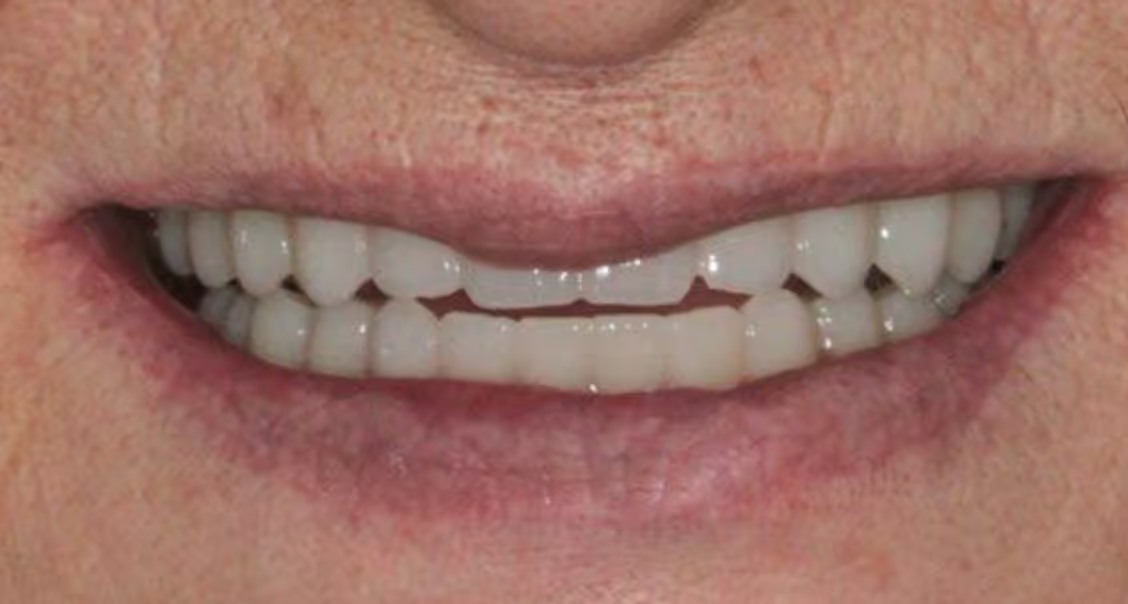
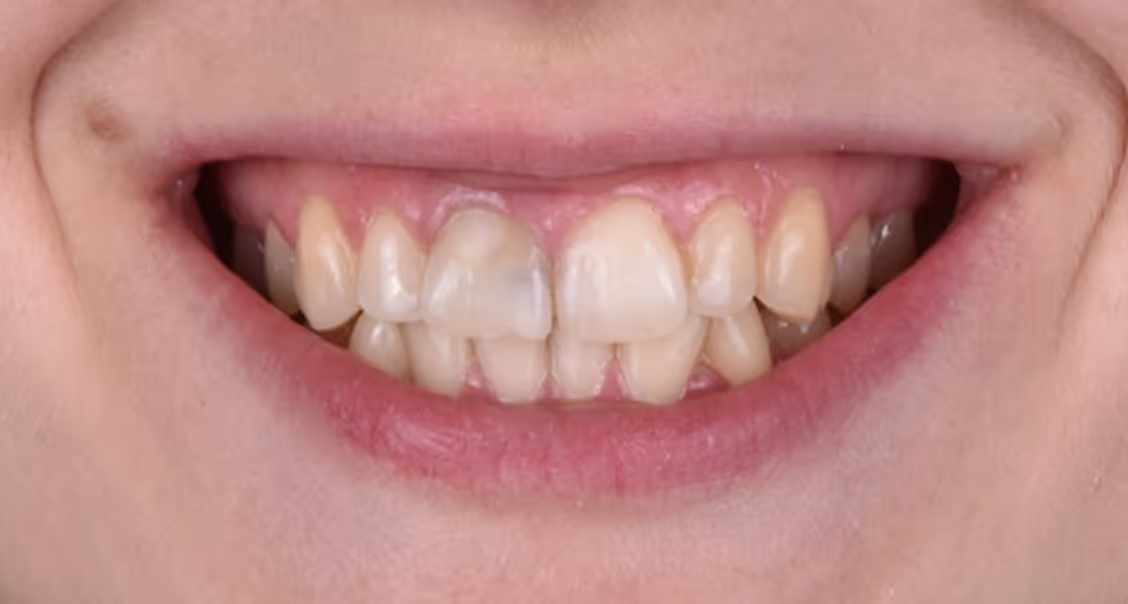
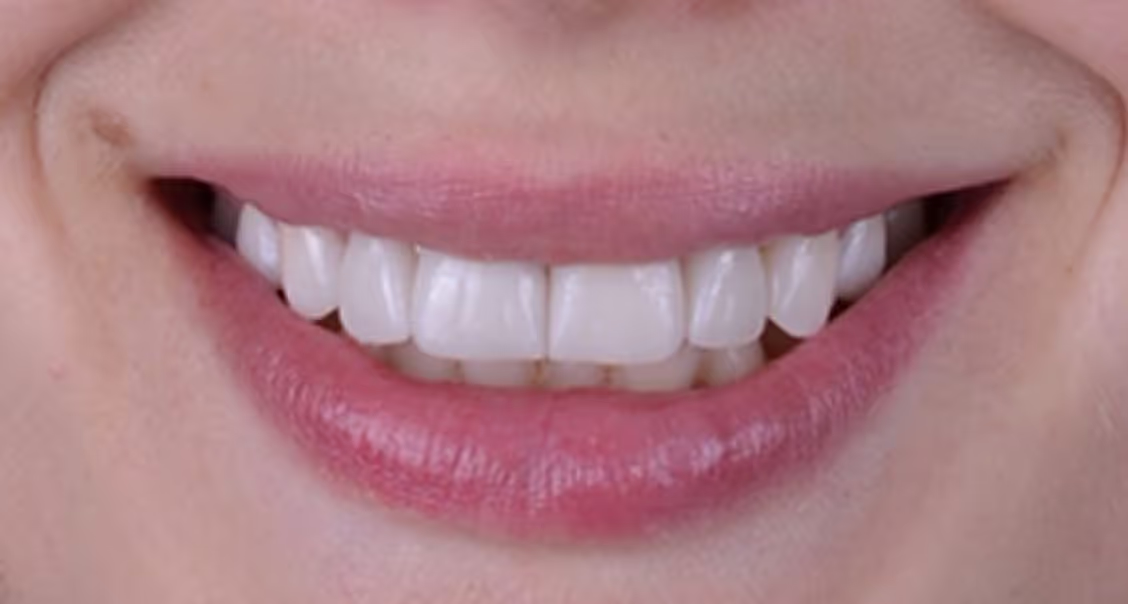
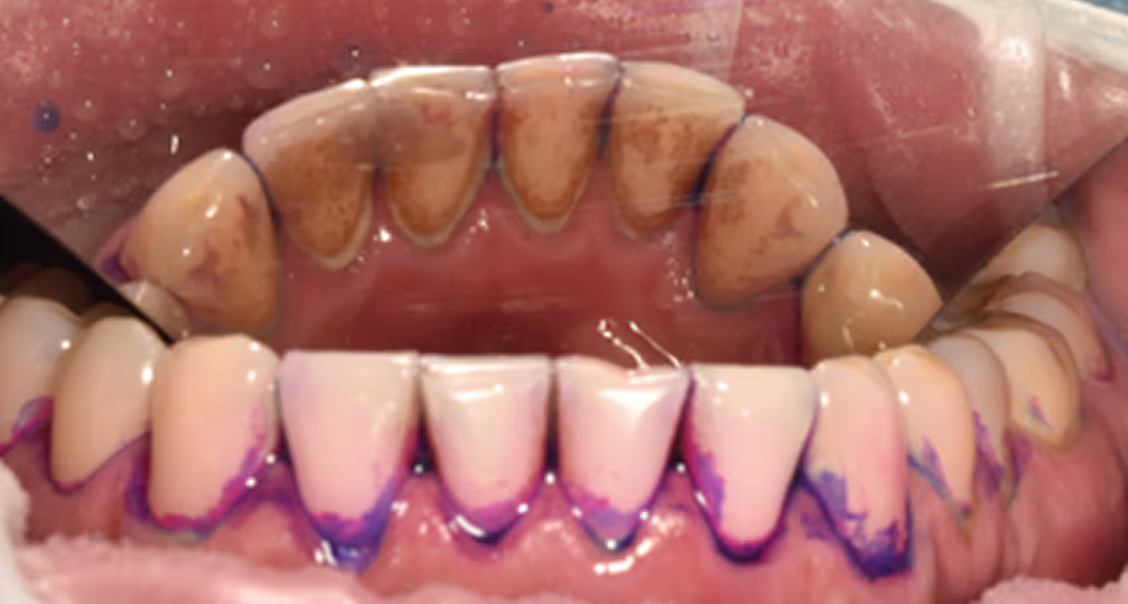
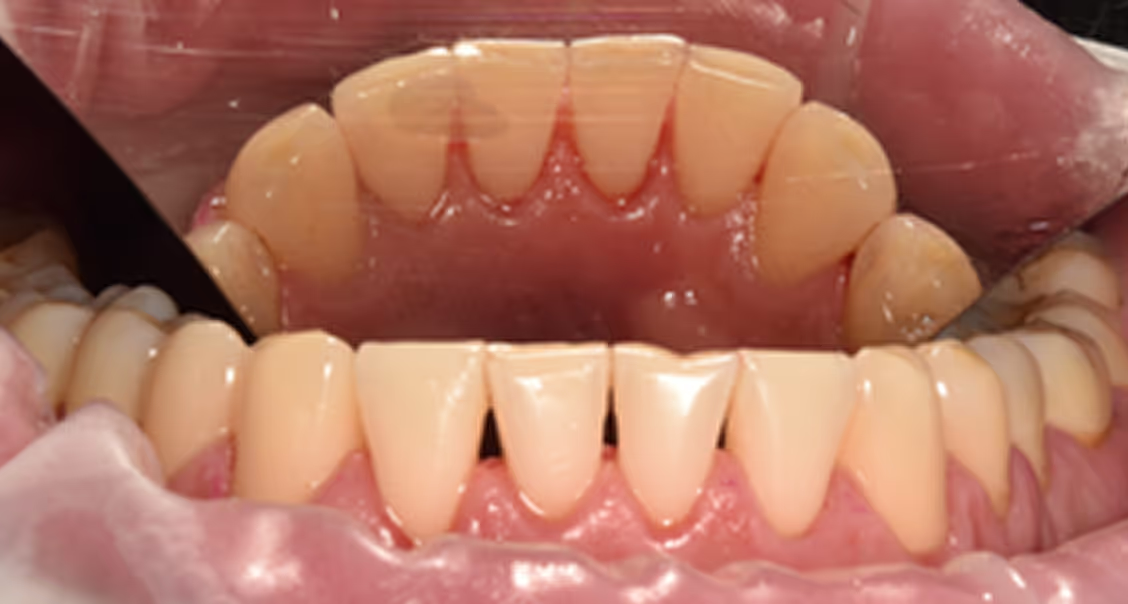
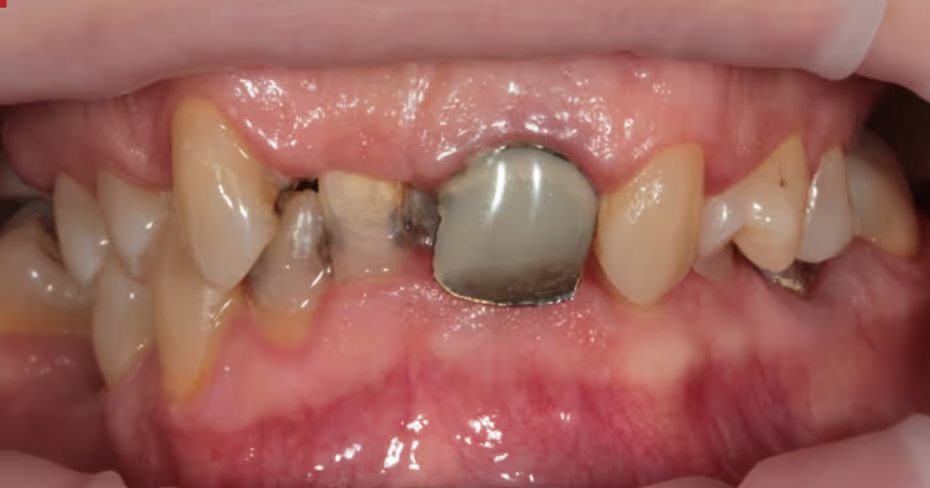
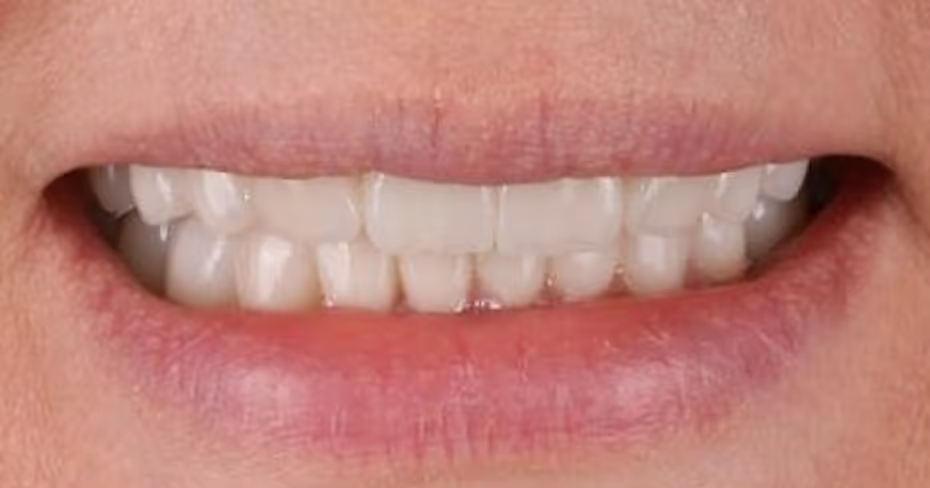
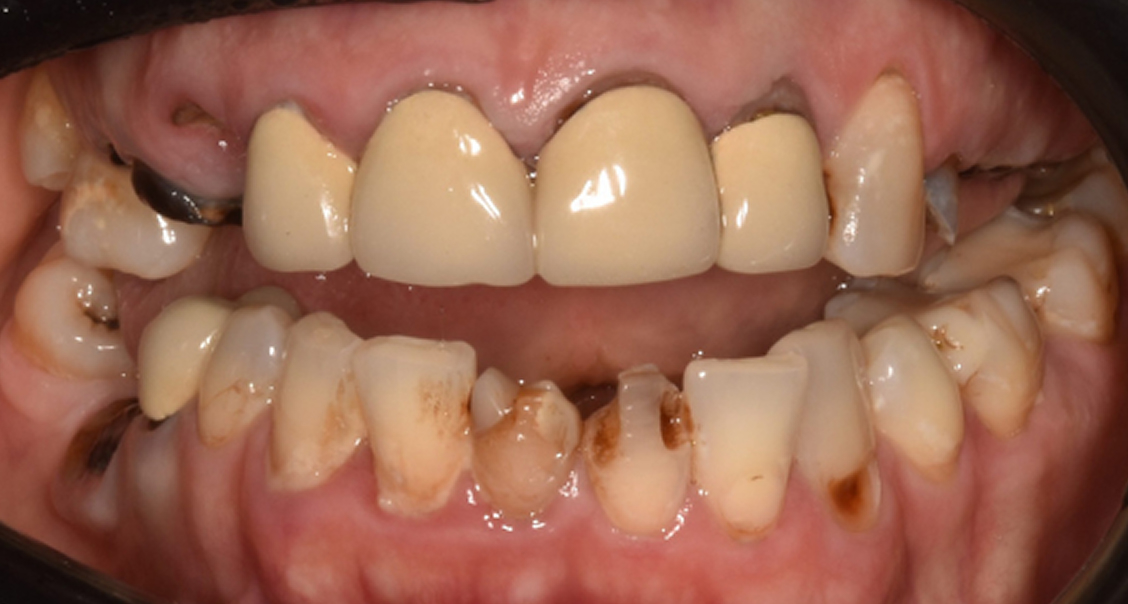
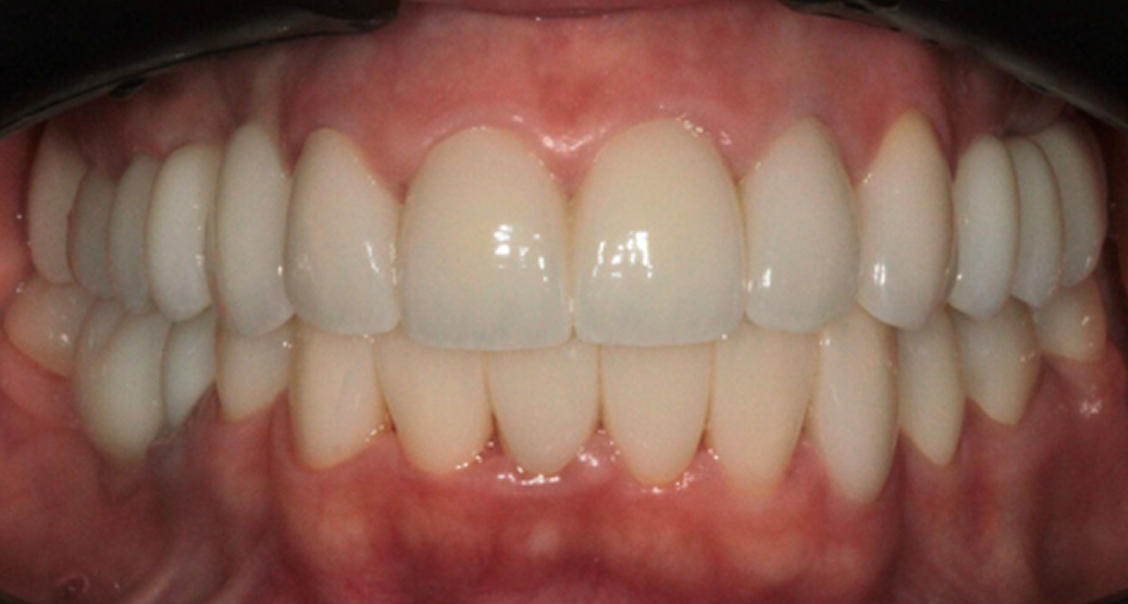
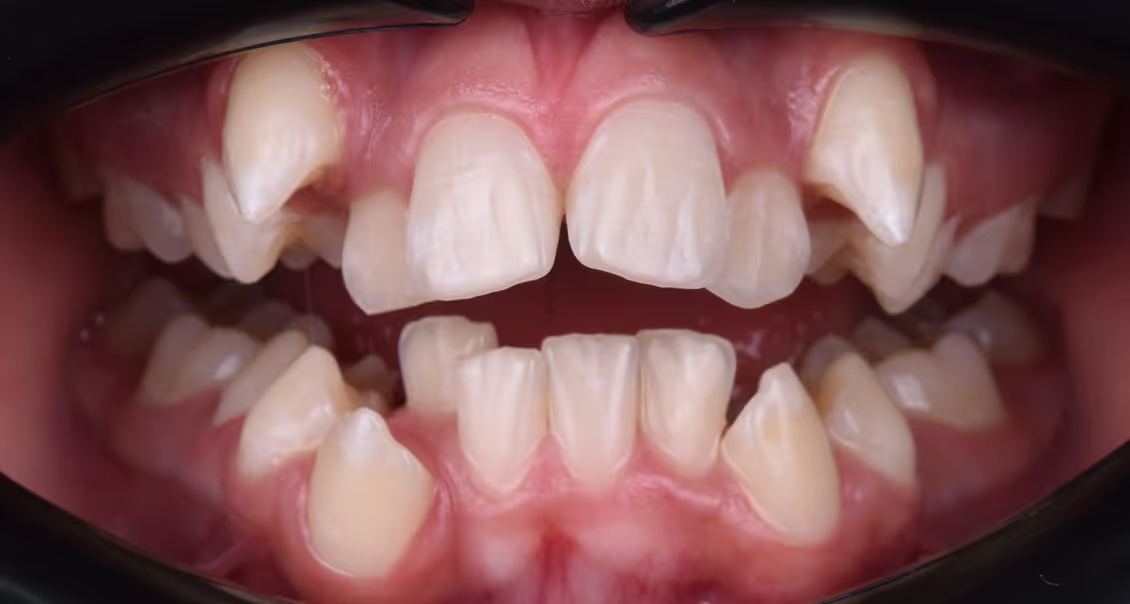
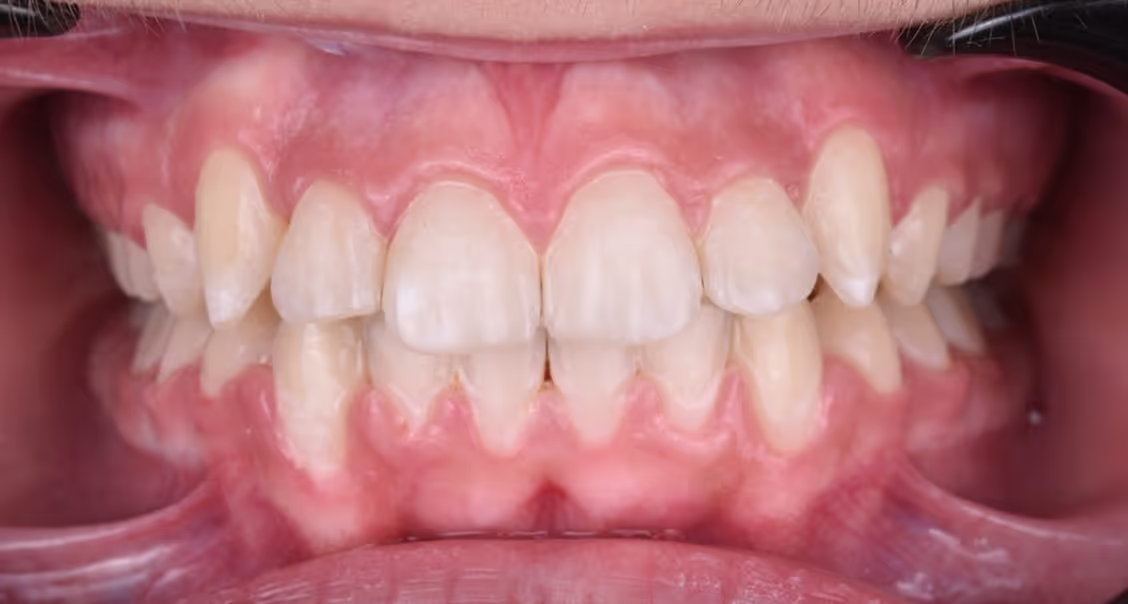
Our patients' results after endodontic treatment
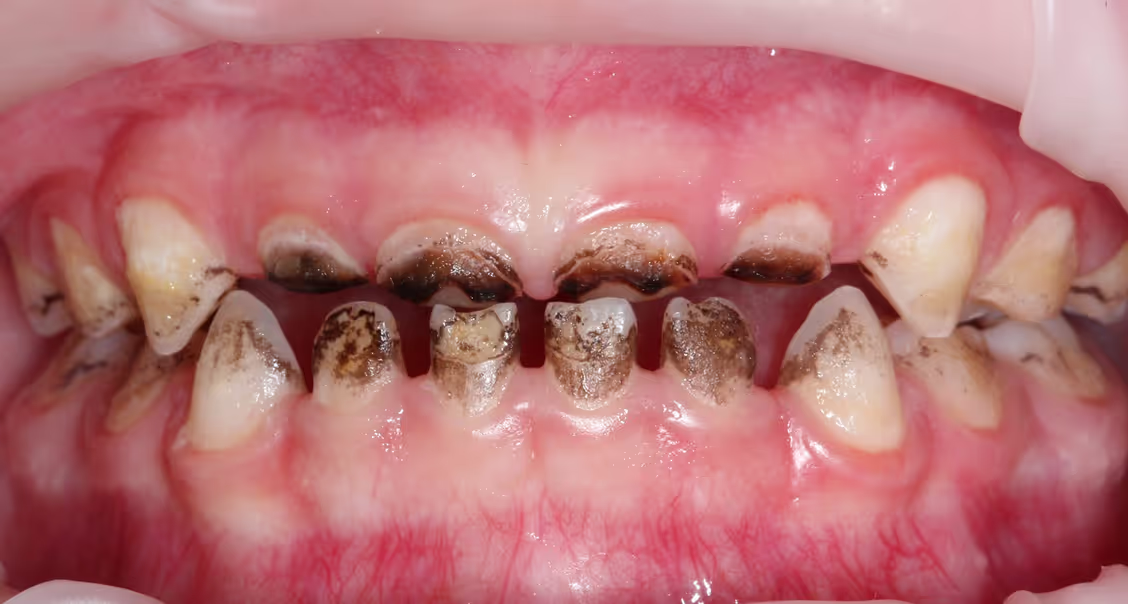
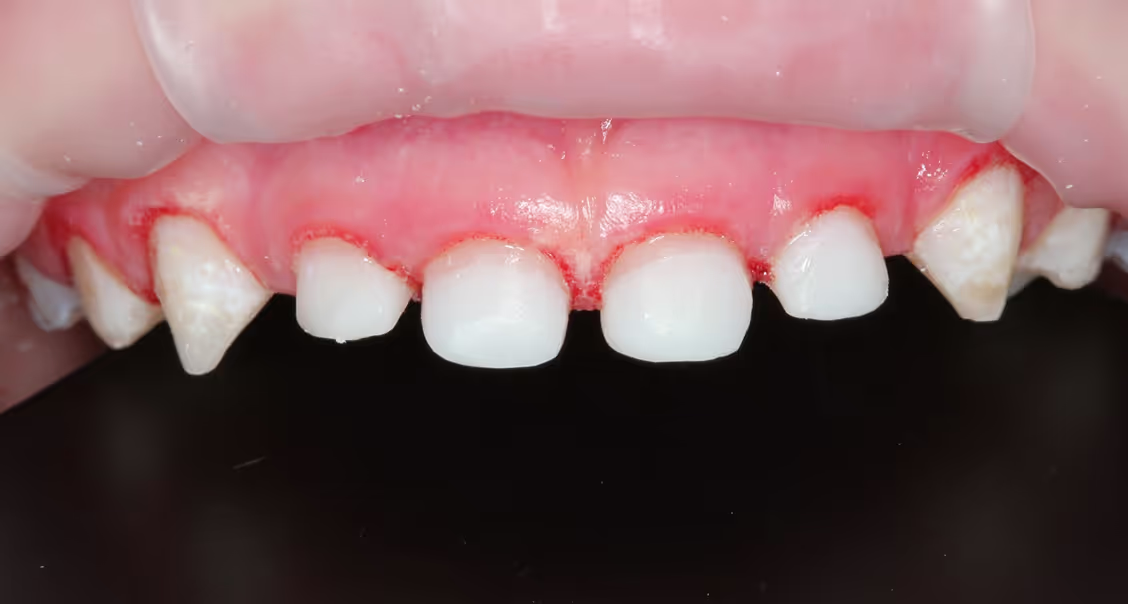
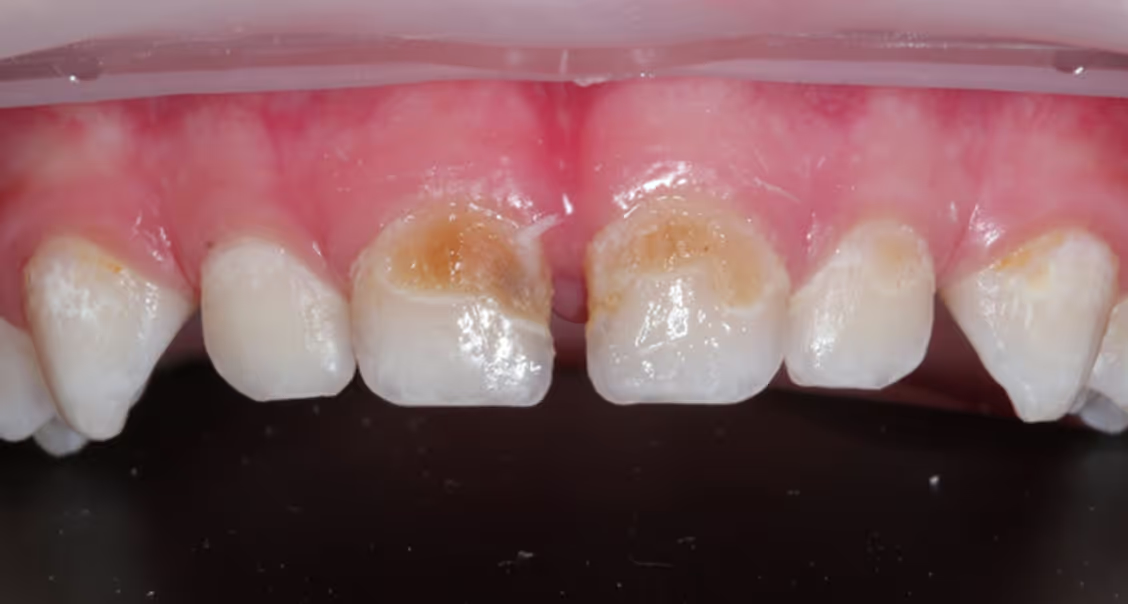
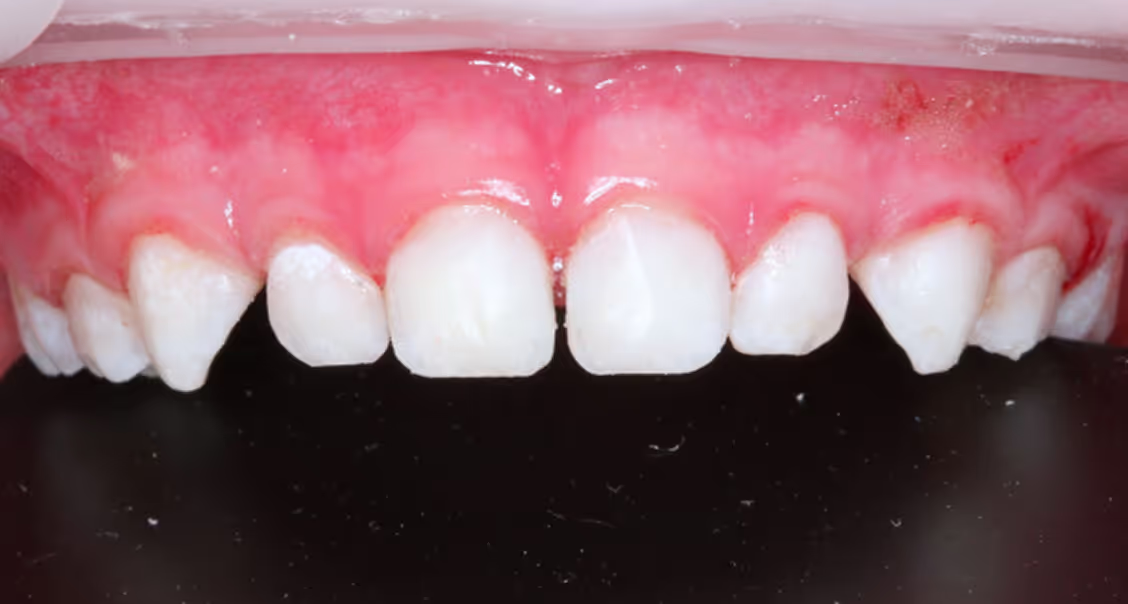
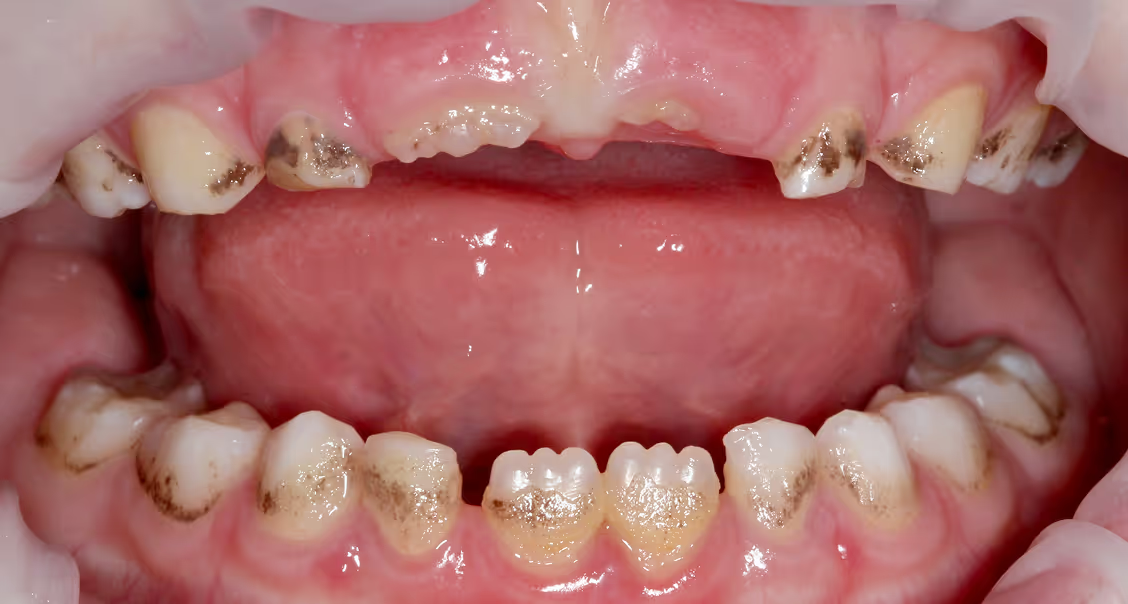
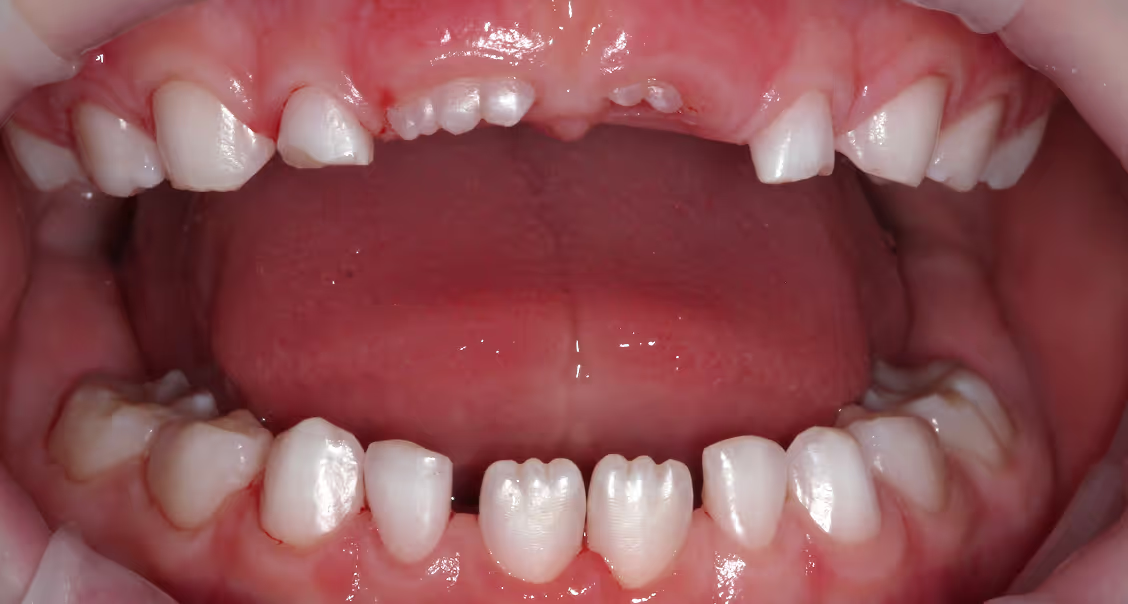
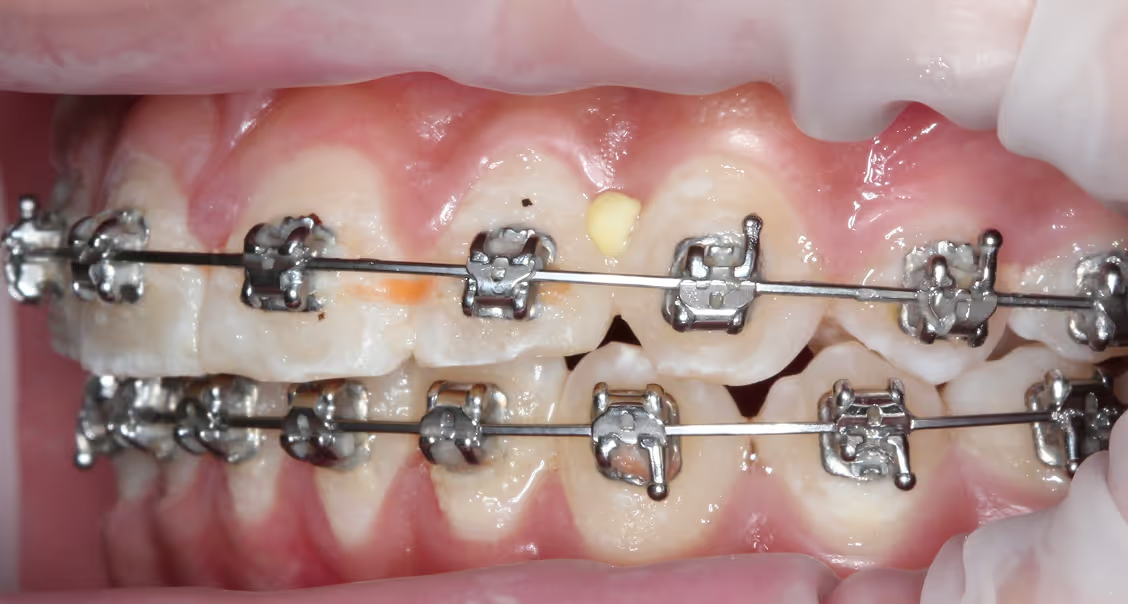
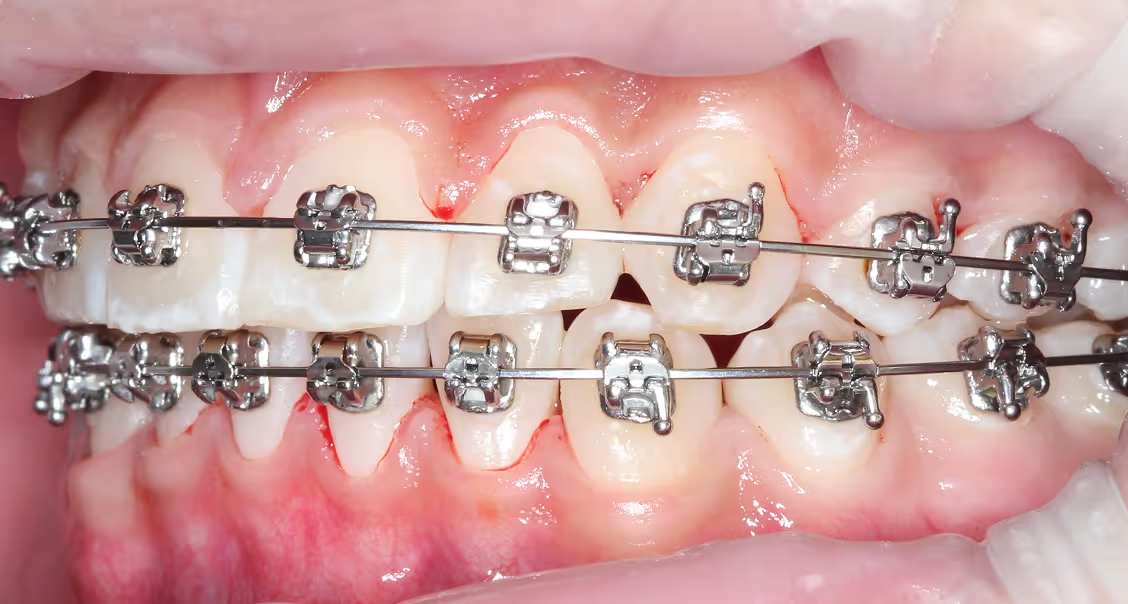
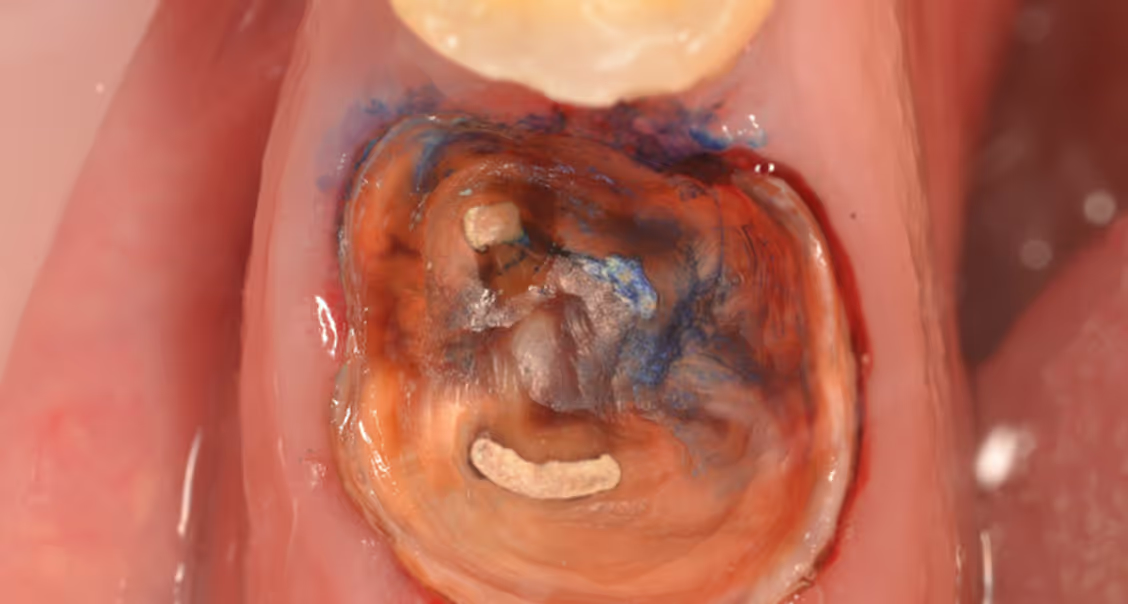
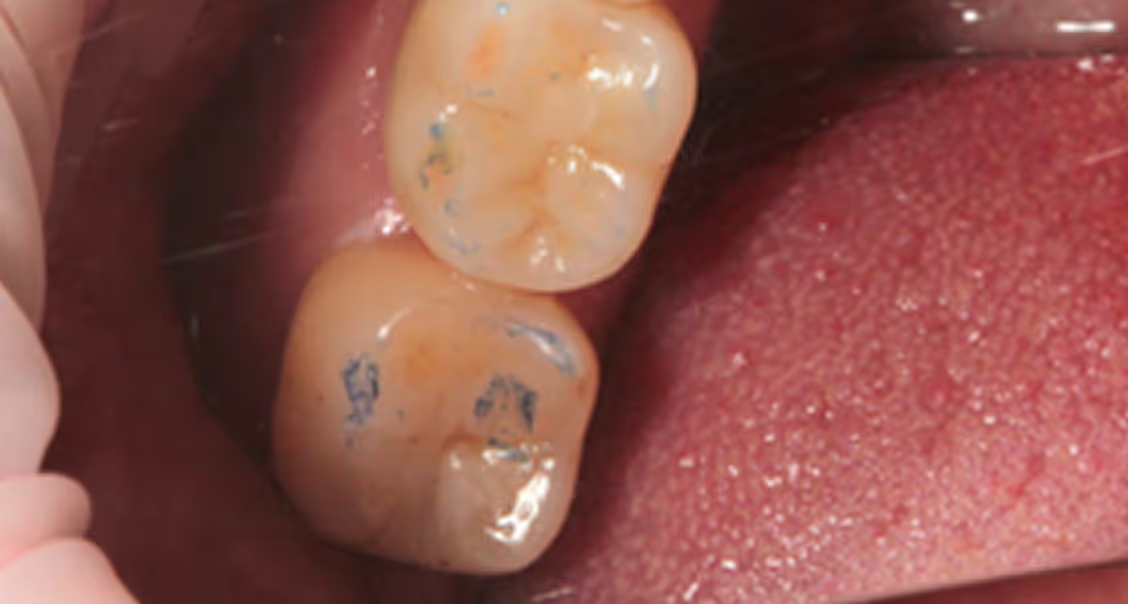
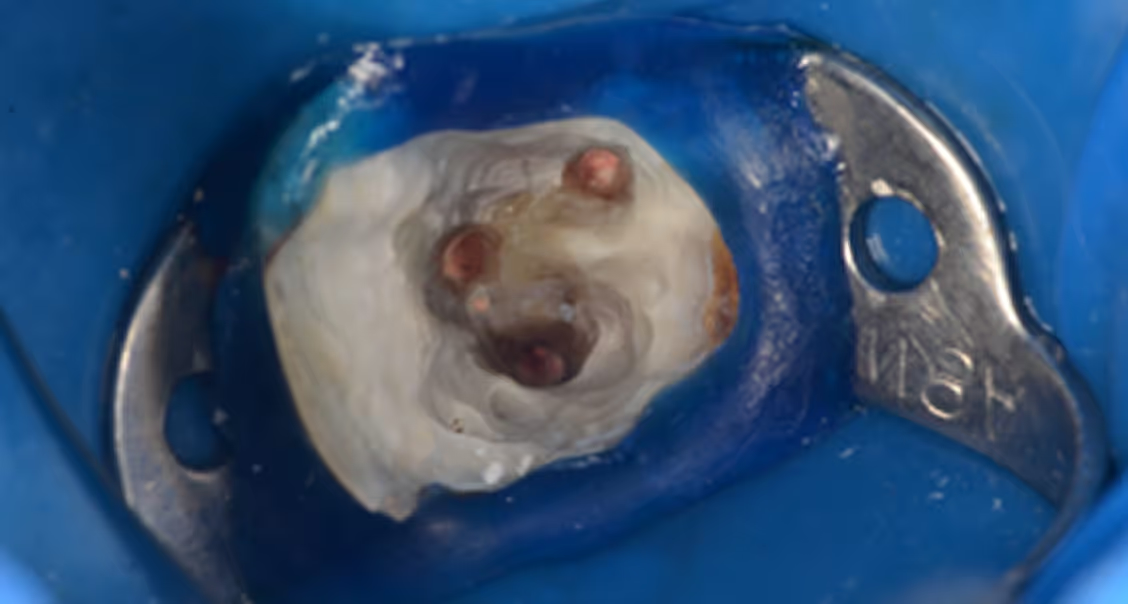
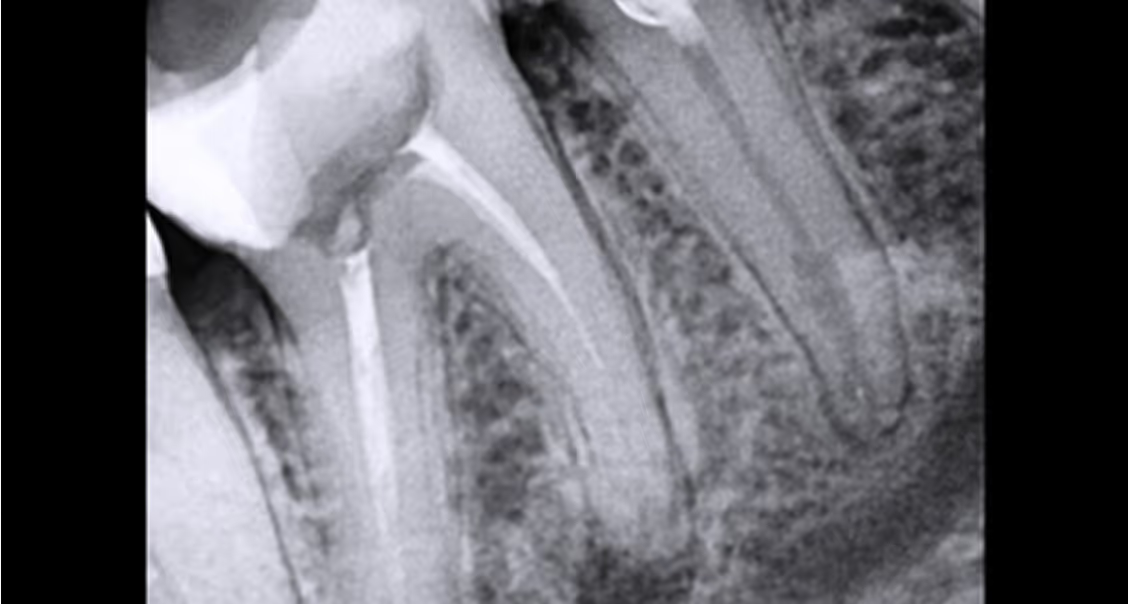
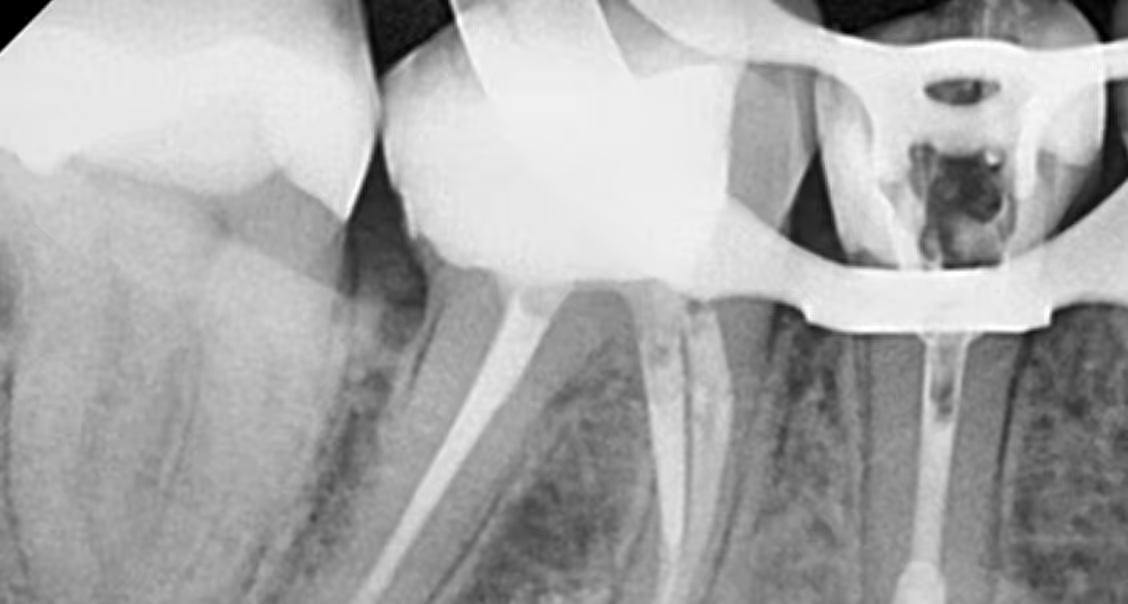
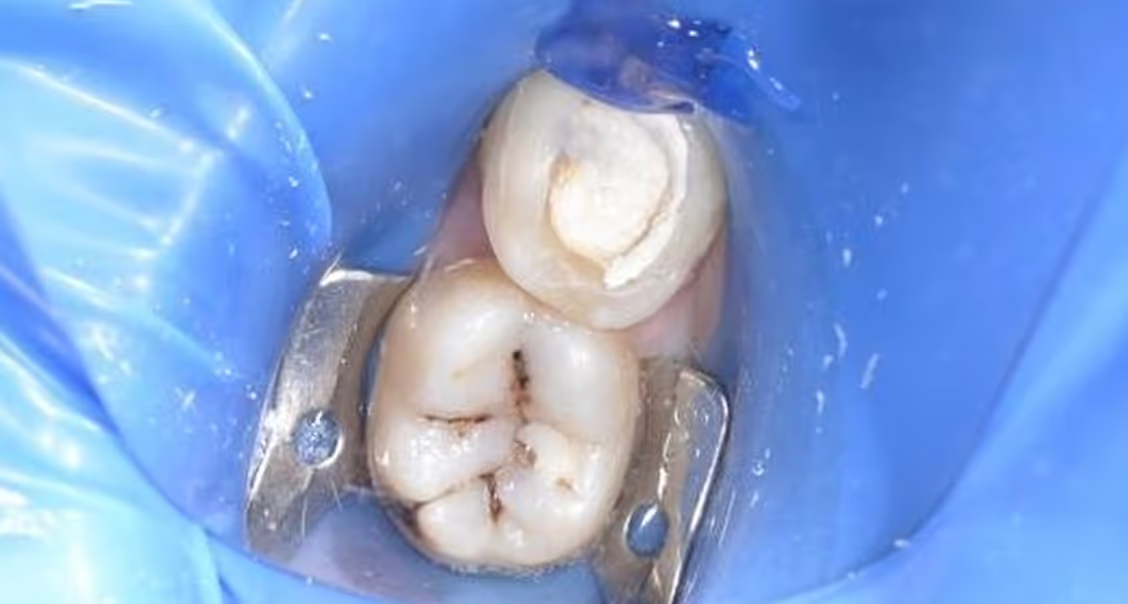
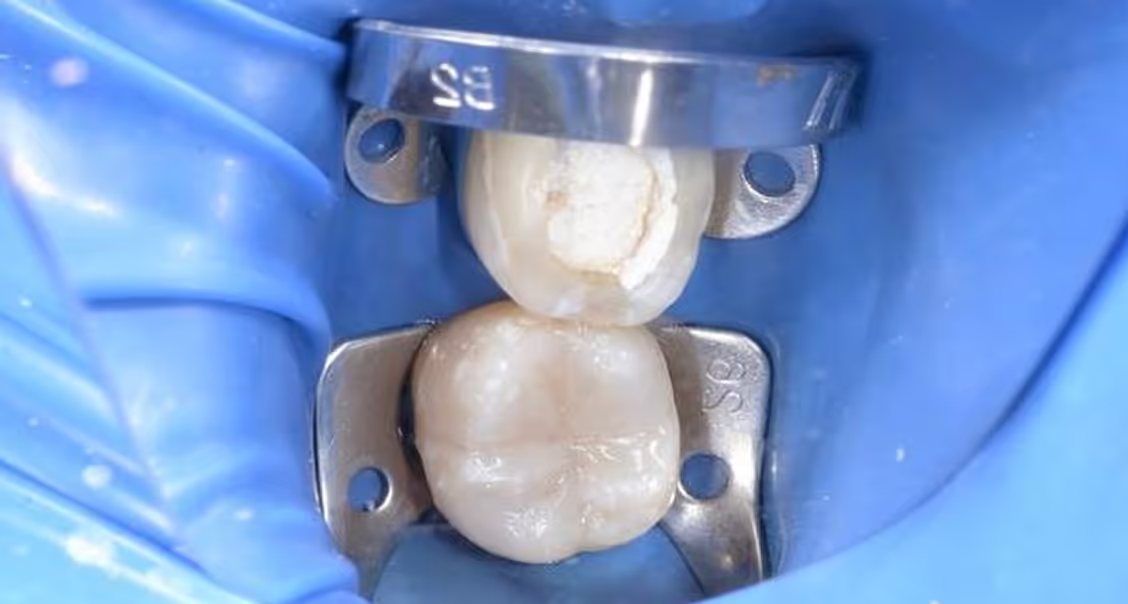
Real cases show both primary root canal treatment and more complex endodontic procedures.
Why choose endodontics at MistoDent Kraków?
We see endodontic treatment as an effort to save the natural tooth while accurately identifying the cause of the problem.
- Root canal treatment under the microscope — we use the microscope during endodontic treatment, including in more complex cases.
- Primary treatment and re-endo — we treat both teeth needing their first root canal treatment and cases requiring retreatment.
- Endodontic diagnostics — depending on indications, we may use imaging, including CBCT.
- Treatment of complicated cases — including removal of broken instruments and posts and perforation repair.
- Comprehensive tooth restoration — after endodontics we can plan further restoration of the tooth according to its condition.
- Collaboration between specialists — if the case requires it, treatment can be combined with other fields of dentistry.
At MistoDent Kraków, ul. Grzegórzecka 20A, you can start with an endodontic consultation and diagnostics.
How much does endodontic treatment cost in Krakow?
The price of endodontic treatment depends mainly on the type of procedure, the number of canals and the complexity of the case. Retreatment and additional procedures are priced separately. The dentist can determine the exact cost after assessing the tooth and the complexity of treatment.
FAQ
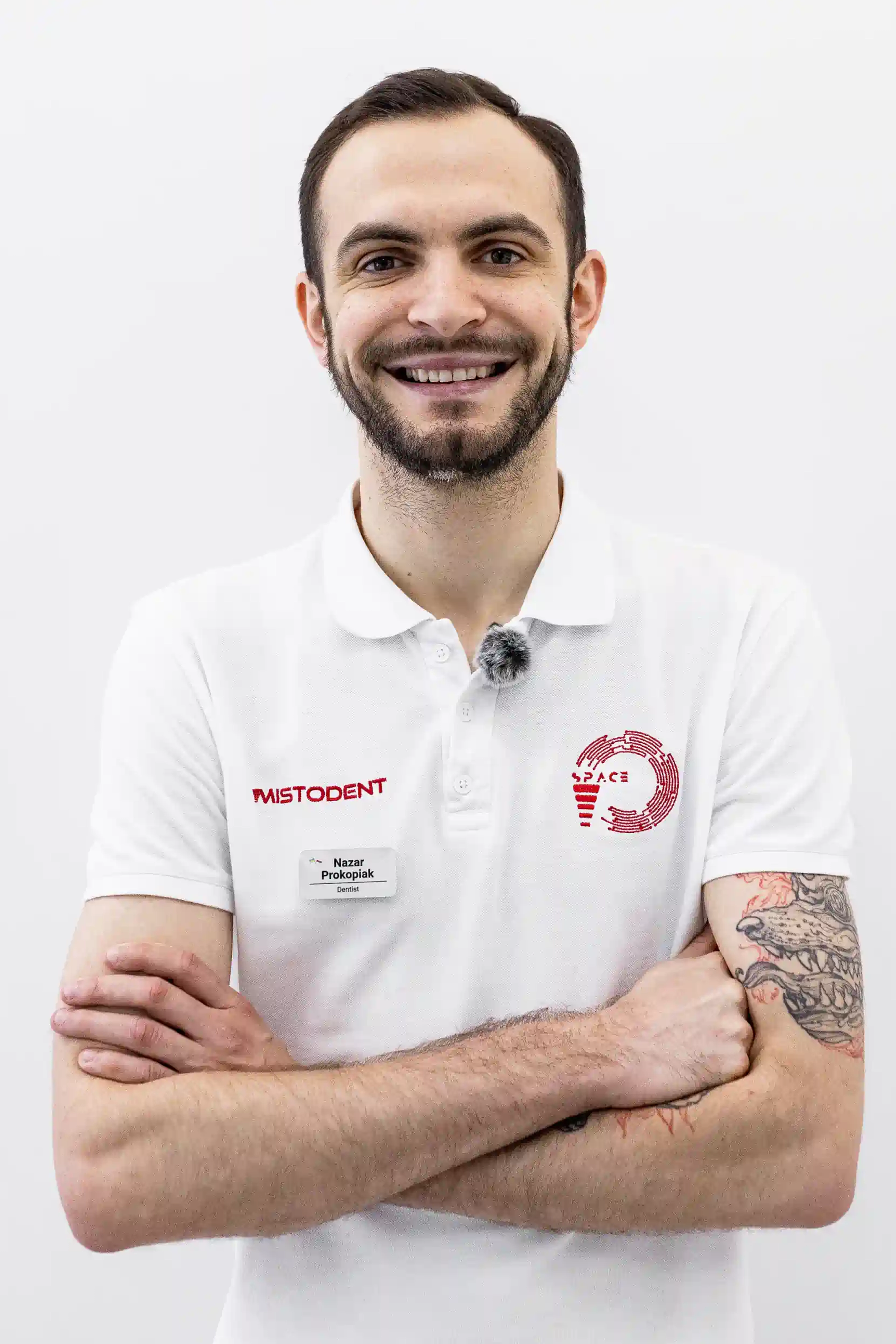
Answers provided by
Dr. Nazar Prokopiak
What is endodontics?
Endodontics is the field of dentistry that diagnoses and treats diseases of the pulp and the tissues related to the tooth root. One of the core endodontic procedures is root canal treatment.
When is root canal treatment needed?
Root canal treatment may be needed when the tooth pulp is irreversibly damaged or infected. The decision is made by the dentist after an examination and diagnostics — toothache alone does not mean root canal treatment will be necessary.
What does root canal treatment under the microscope involve?
The dentist removes the diseased pulp, shapes and cleans the canal system, and then fills it. The microscope provides magnification and lighting of the treatment field, which helps when working inside the tooth.
Is every root canal treatment at MistoDent done under the microscope?
Yes. At MistoDent we perform root canal treatment under the microscope, so we don't treat microscopic treatment as a separate version of the same procedure.
What is re-endo?
Re-endo is root canal retreatment of a tooth that has already had endodontic treatment. It may be needed, for example, when symptoms return or changes require revision of the earlier treatment.
Can a tooth be saved after failed root canal treatment?
In some cases root canal retreatment is possible. Whether the tooth can be saved depends on its condition, previous treatment, canal anatomy and surrounding tissues, so it requires individual diagnostics.
Can a tooth hurt after root canal treatment?
After the procedure the tooth may be temporarily tender, especially when biting. If the pain is severe, gets worse, lasts longer or swelling appears, contact your dentist.

Medical verification
Content verified by:
Dr. Nazar Prokopiak
Endodontics • Restorative dentistry
Last updated: 07.10.2026
Book an appointment!
Leave your contact details in the form or message us on your preferred messenger — we'll be happy to answer your questions and help you book a visit.


