


Gum recession treatment in Krakow — diagnosis and gum restoration
Receding gums, exposed tooth necks or sensitivity? Find out what causes gum recession and which treatment methods can help stop its progression and improve the look of your smile.
Who treats gum recession at MistoDent Krakow?
Diagnoses and treats gum and periodontal diseases, including gum recession, inflammation and problems related to exposed tooth roots. During the consultation, assesses the tissues surrounding the teeth, identifies possible causes of receding gums and selects the appropriate treatment.

What is gum recession?
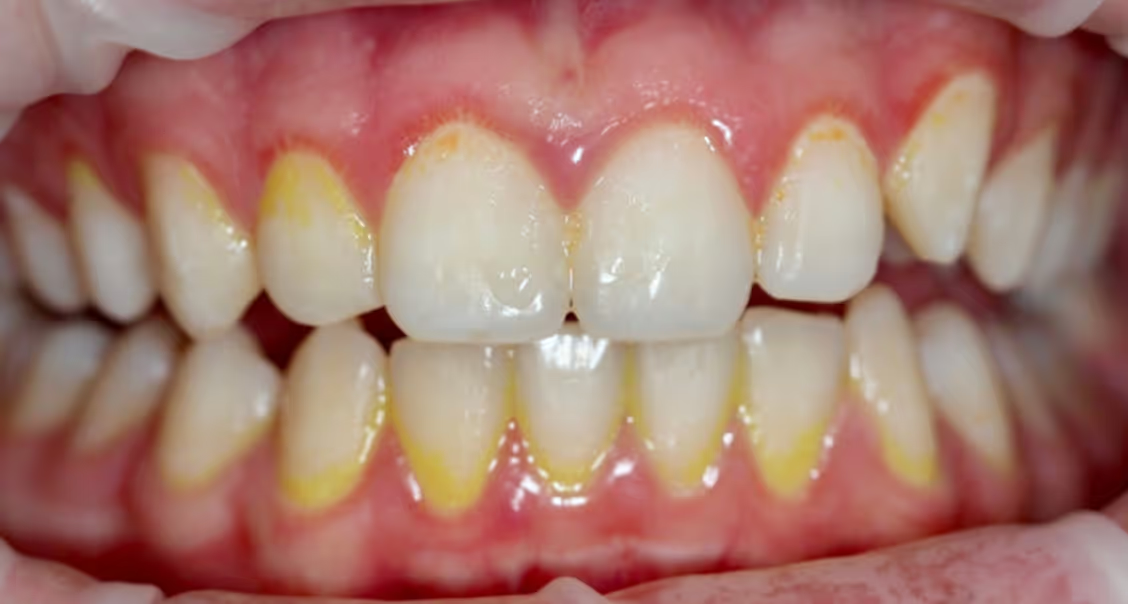
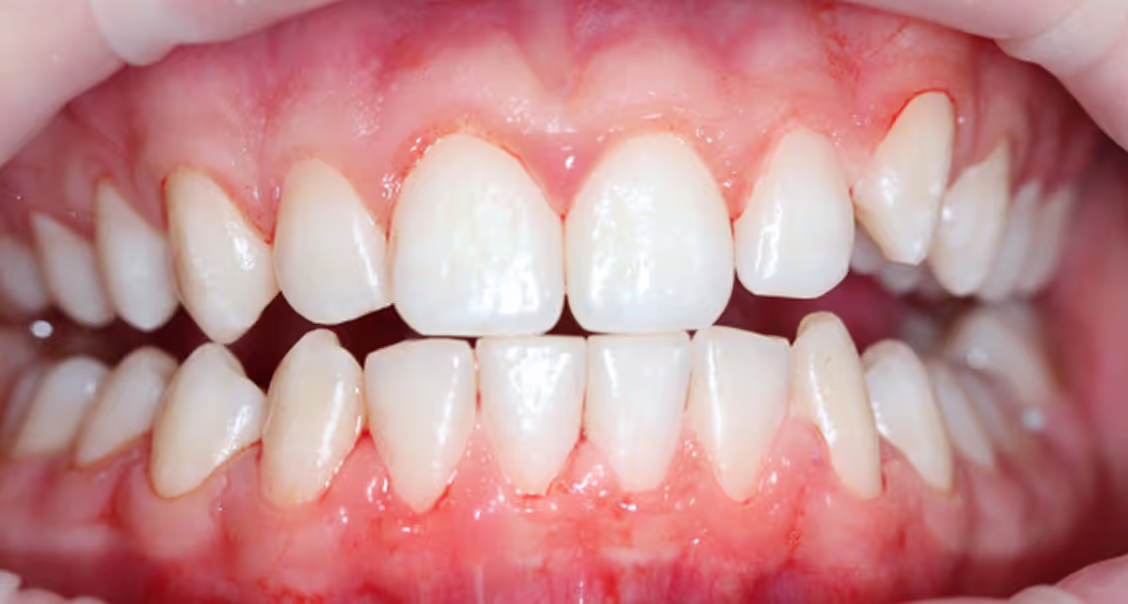
Gum recession is the gradual shifting of the gum margin towards the tooth root. As a result, part of the root surface becomes exposed, which under normal conditions should be covered by gum tissue.
Patients often notice that their teeth look longer than before, or that the gum around one tooth sits clearly lower than around the others.
The exposed root surface may become sensitive to cold, heat, touch or brushing. The change can also be an aesthetic problem, especially when it affects the front teeth.
Receding gums do not always mean periodontitis. Recession can also occur in people without active periodontal disease, e.g. as a result of mechanical trauma or unfavourable anatomical conditions.
That is why it is important to establish the cause of the problem before starting treatment.
How to recognise gum recession? The most common symptoms
Gum recession often develops slowly and for a long time causes no obvious pain.
Pay attention to the following symptoms:
- Receding gums — the gum line gradually lowers.
- Exposed tooth necks or roots — a part of the tooth previously covered by the gum becomes visible.
- Elongated appearance of teeth — one or more teeth seem longer.
- Tooth sensitivity — discomfort when drinking cold drinks, eating or brushing.
- Uneven gum line — especially noticeable in the front teeth.
- Cervical lesions — depressions or damage to hard tissues may appear near the tooth neck.
Recession may affect a single tooth or several teeth at once.
If you notice that your gum is gradually receding, it is worth seeing a periodontist, even if you feel no pain.
What causes gum recession?
There is no single cause of receding gums. In many patients the problem results from several factors acting together.
Brushing too hard
Intensive brushing, especially with a hard toothbrush and incorrect technique, can cause chronic trauma to the gums.
Over time, this may contribute to their recession.
Thin gum biotype
Some people naturally have thin and delicate gum tissue. It is more prone to recession, especially when additional burdening factors are present.
Misaligned teeth
Teeth positioned outside the optimal place in the arch may have weaker support from the tissues surrounding the root.
In such places the risk of recession may be higher.
Gingivitis and periodontitis
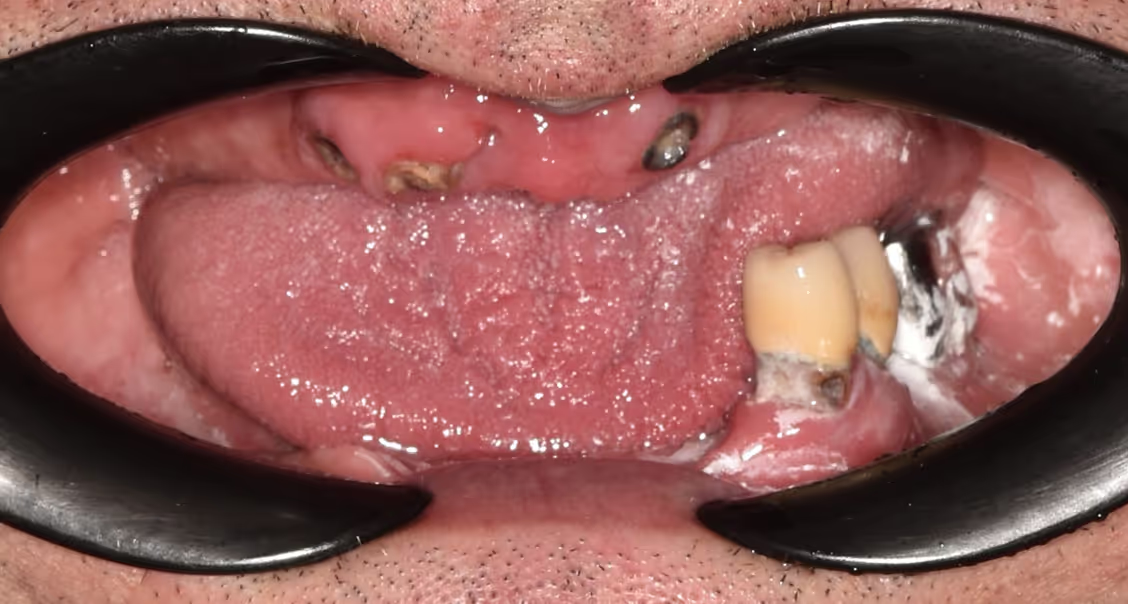
Chronic inflammation and loss of periodontal tissue can lead to receding gums and exposed roots.
In such cases, the underlying disease must first be diagnosed and treated.
Orthodontic treatment
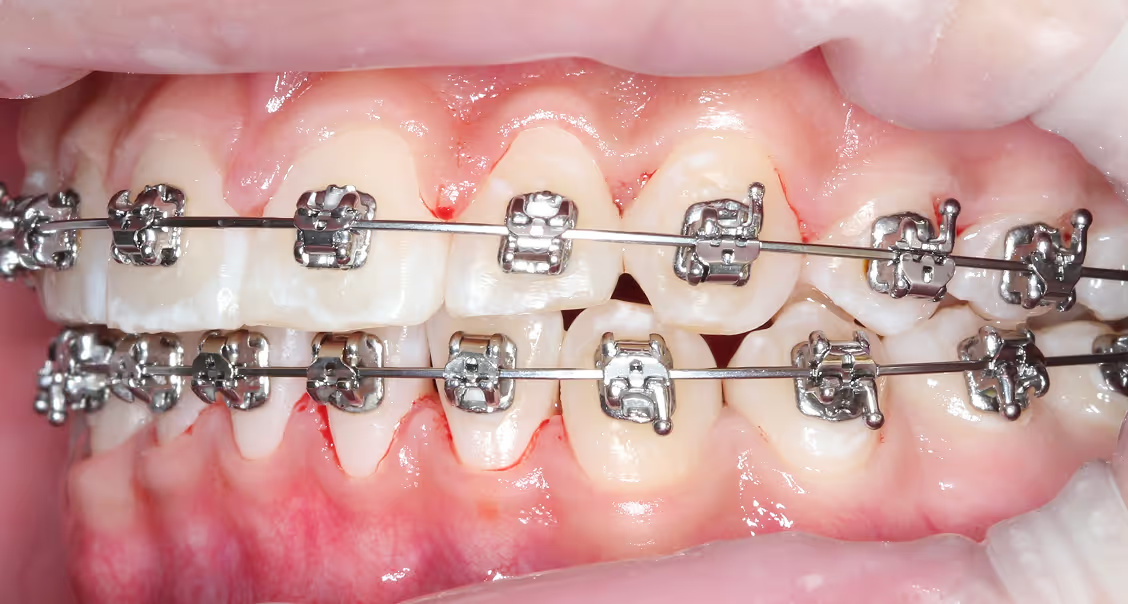
Recession may appear before, during or after orthodontic treatment. The risk depends, among other things, on gum thickness, bone condition and the direction of tooth movement.
This does not mean that braces always cause receding gums. An individual assessment of anatomical conditions is essential.
Other factors
Recession may also be caused by:
- abnormal frenulum attachments;
- mechanical trauma to the gums;
- certain hygiene habits;
- smoking;
- local anatomical conditions.
Identifying the cause is important, because covering the exposed root alone is not always enough to prevent the gum from receding again.
Gum recession vs periodontitis — what is the difference?
Although both conditions affect the tissues surrounding the teeth, gum recession and periodontitis are not the same problem.
Gum recession
Periodontitis
The gum margin shifts and the root surface becomes exposed
An inflammatory disease of the tissues supporting the teeth
May occur without active inflammation
Involves inflammation and loss of periodontal attachment
Often shows as sensitivity and an elongated look of the tooth
May cause bleeding, periodontal pockets and bone loss
Treatment focuses on removing the causes and, if possible, covering the recession
Treatment focuses on controlling inflammation and stopping tissue loss
Both conditions can occur at the same time. If recession is related to periodontitis, active inflammation must be brought under control before gum restoration procedures are considered.
How do we diagnose gum recession?
Diagnosis begins with a periodontal consultation.
The doctor checks not only how far the gum has receded, but also the condition of the tissues around the tooth and the factors that may have caused the problem.
During the examination, the doctor assesses, among other things:
- the depth and width of the recession;
- the thickness and quality of gum tissue;
- the amount of gum tissue around the tooth;
- the presence of sensitivity;
- the condition of the exposed root surface;
- brushing technique and daily hygiene habits;
- the position of teeth in the arch;
- the presence of inflammation and periodontal pockets.
If needed, the examination can be extended with a Florida Probe periodontal chart, which documents periodontal parameters.
On this basis, the periodontist decides whether conservative management is enough or whether surgical treatment should be considered.
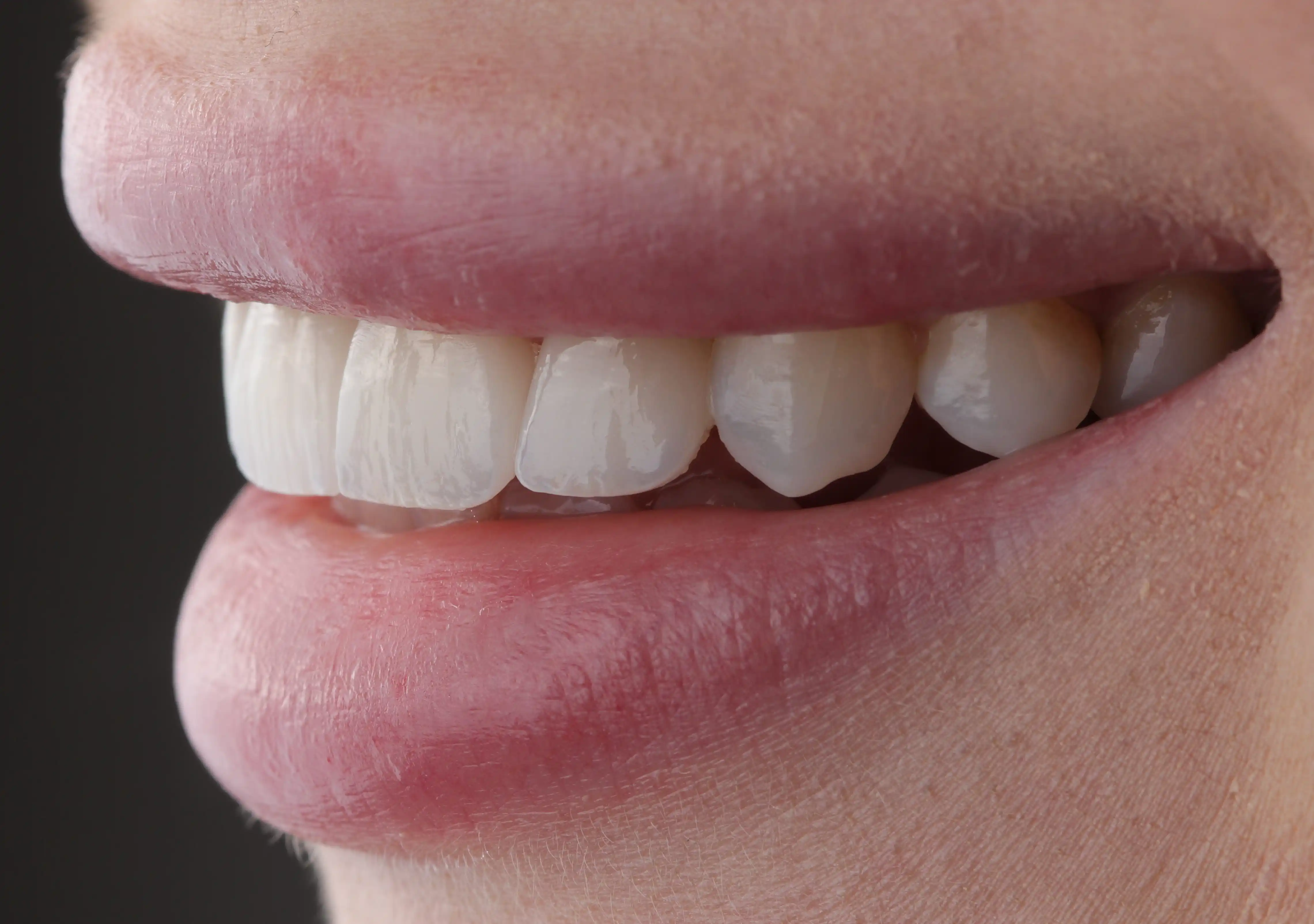
How do we treat gum recession?
Gum recession treatment is tailored individually. Not every recession requires surgery, and not every exposed root can be fully covered with gum tissue.
The most important thing is to identify the cause of the receding gum, stop further damage and assess the possibilities of improving the tissues.
Conservative treatment
For small, stable recessions, treatment may consist of limiting the factors that damaged the gum.
Depending on needs, we recommend:
- changing the brushing technique;
- choosing a suitable toothbrush and hygiene products;
- professional teeth cleaning;
- treating coexisting inflammation;
- measures to reduce sensitivity of exposed roots;
- regular monitoring of the recession size.
Such management can help stabilise the situation, but it does not make the lost gum tissue regrow on its own.
Surgical coverage of gum recession
When recession is extensive, progressing or causes a significant aesthetic problem, the periodontist may consider surgical treatment.
The aim of the procedure is to move the tissues towards the exposed root and achieve the most stable possible coverage of the recession.
Periodontology uses various surgical techniques, including repositioning a gum flap or procedures using a connective tissue graft.
Whether they can be used depends on anatomical conditions, periodontal health and the expected prognosis.
Gum graft
A gum graft is one of the methods of surgical treatment of selected recessions.
Depending on the clinical situation, it can increase the amount or thickness of gum tissue and, in properly selected cases, also cover the exposed root surface.
Such procedures use, among other things, tissue taken from the patient’s palate. The specific method depends on the goal of treatment.
Not every recession qualifies for full coverage. The treatment options are decided by the doctor after the examination.
Can receded gums grow back?
This is one of the most common questions from patients who notice exposed tooth necks.
Gums that have receded usually do not return to their original position on their own.
Changing your toothbrush, improving hygiene or treating inflammation can limit further damage, but they will not restore the lost tissue.
In selected cases, surgical coverage of the exposed root or thickening of the gum is possible.
The result depends on many factors, including the size of the recession, the condition of the tissues between the teeth and the position of the tooth.
That is why it is worth seeing a periodontist early, before the recession becomes more advanced.
What does gum recession treatment look like?
1. Periodontal consultation
During the visit, the doctor assesses the gums, the teeth and the reported symptoms, e.g. sensitivity or a change in the look of the smile.
2. Diagnosis and identifying the cause
The periodontist measures the recession, checks periodontal health and assesses the factors that may be responsible for receding gums.
3. Treatment plan
The doctor explains whether conservative management is enough or whether there are indications for a consultation regarding surgical treatment.
4. Treatment
The first step is to eliminate the possible causes of recession. If inflammation is present, it must be treated.
In properly qualified cases, a surgical procedure to improve gum conditions may be considered.
5. Follow-up
After treatment, the doctor assesses the tissues, sensitivity and the stability of the gum margin.
6. Prevention and ongoing care
The patient receives hygiene recommendations and follow-up dates that help reduce the risk of further recession.
What happens if gum recession is left untreated?
Not every recession progresses quickly. Some changes remain stable for a long time.
However, if the cause of the receding gum is not removed, the problem may get worse.
Possible consequences include:
- further exposure of the root surface;
- increasing sensitivity;
- higher risk of root caries;
- cervical lesions;
- a less attractive smile;
- greater vulnerability of exposed tissues to damage.
With coexisting periodontitis, further loss of the tissues supporting the teeth may also occur.
That is why even a small recession is worth having checked by a periodontist.
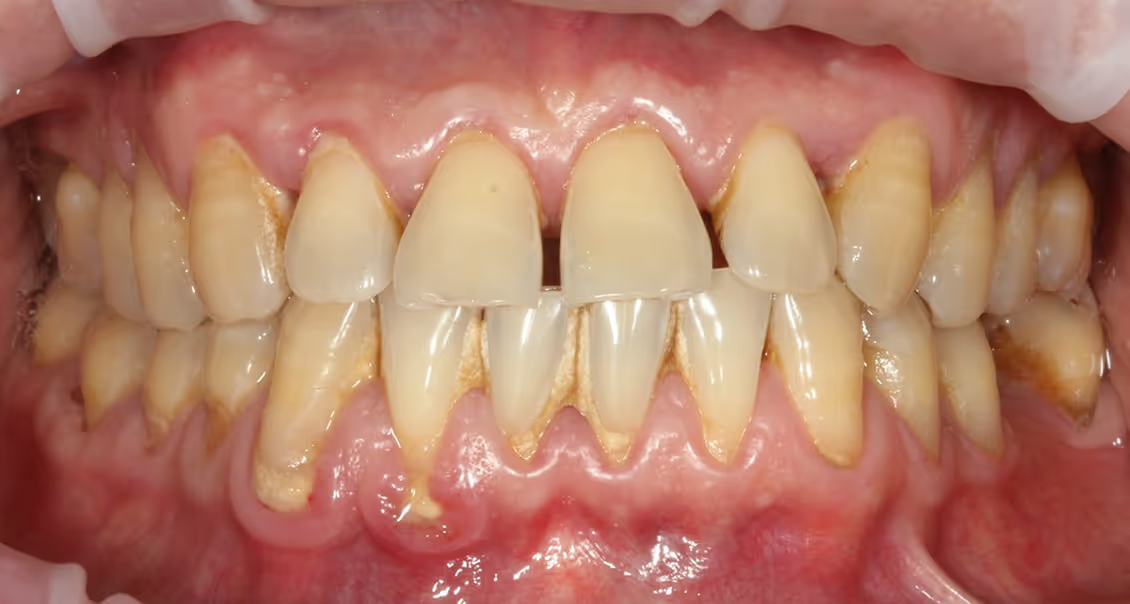
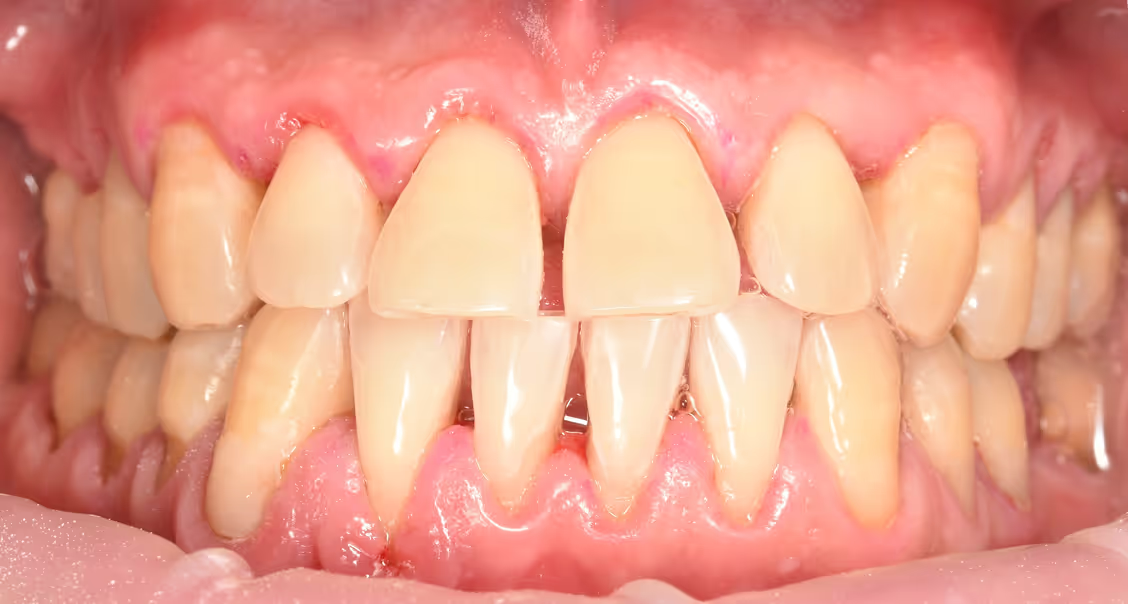
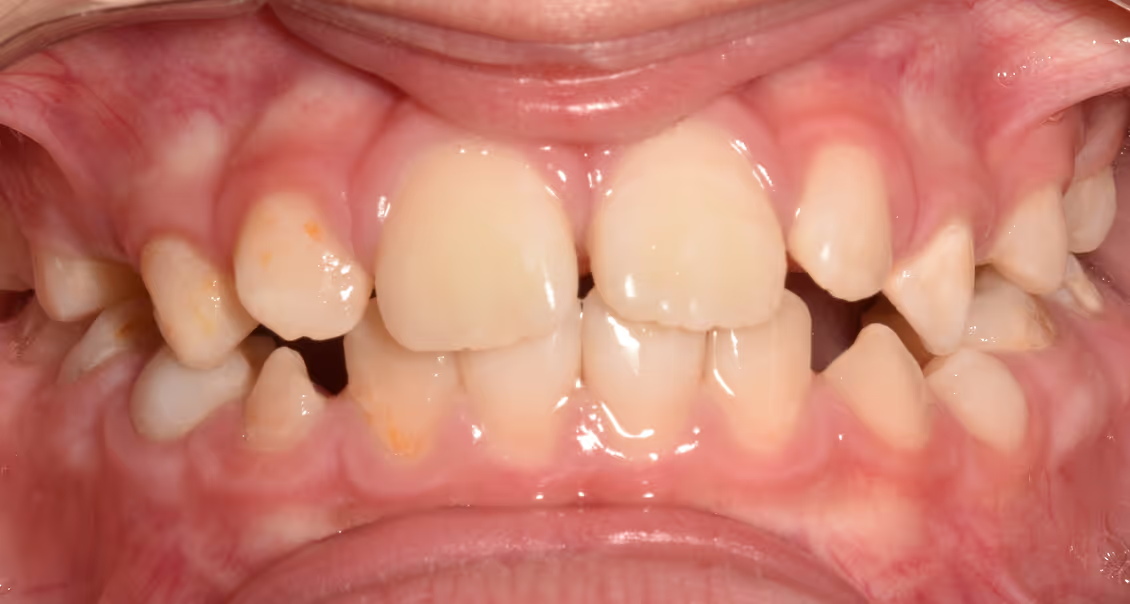
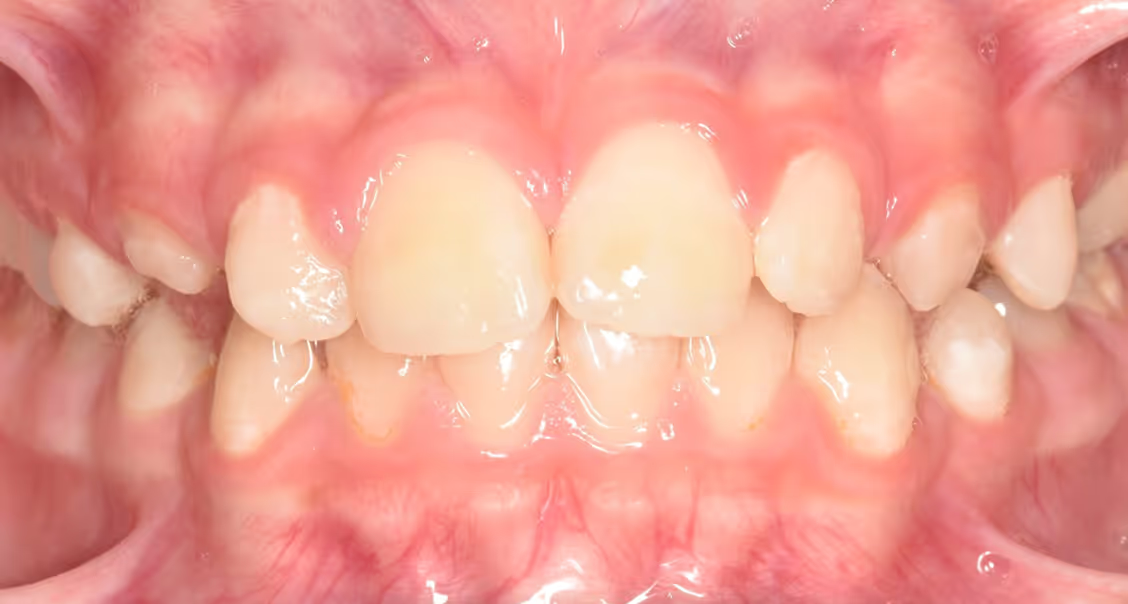
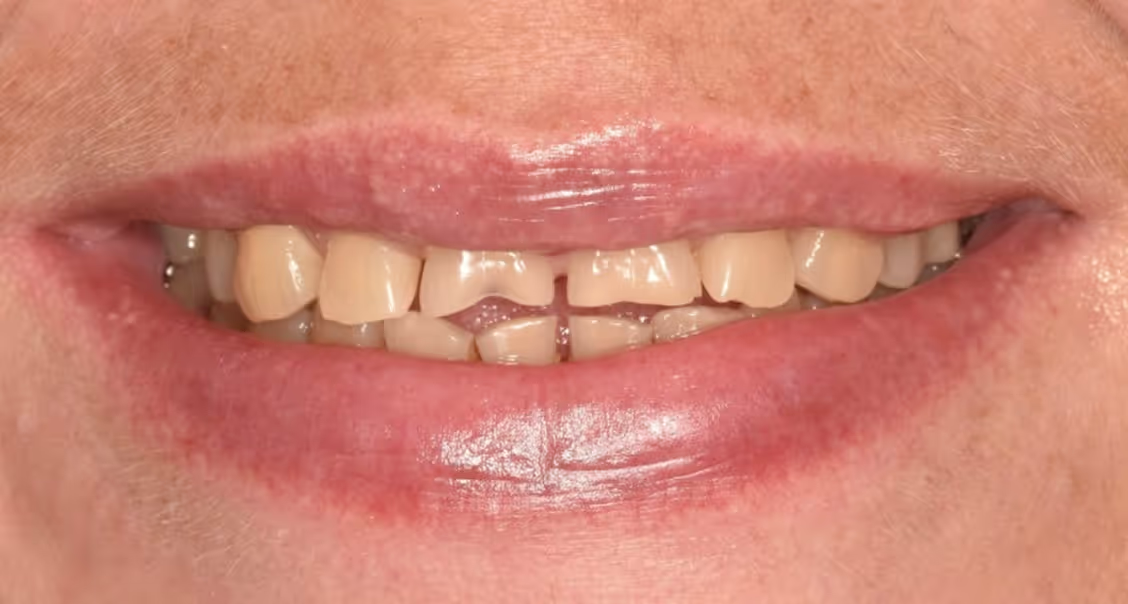
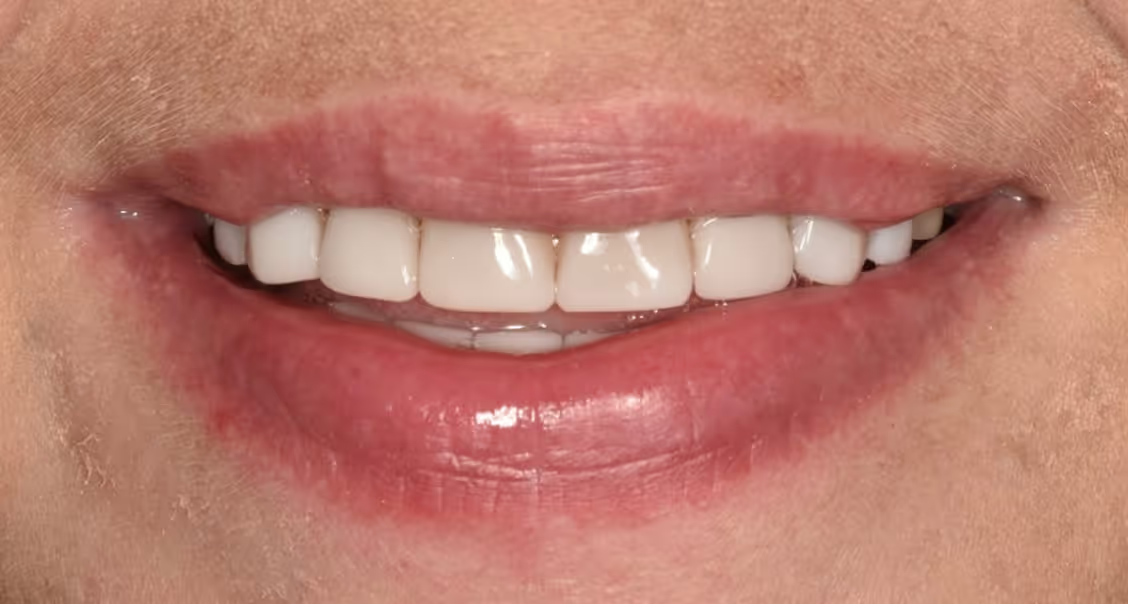
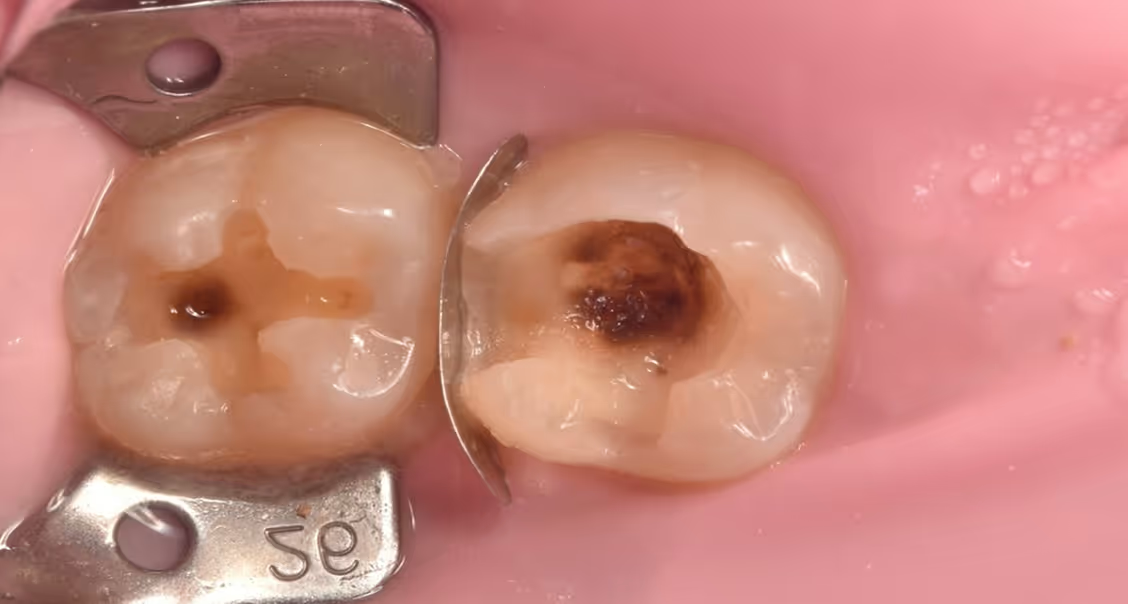
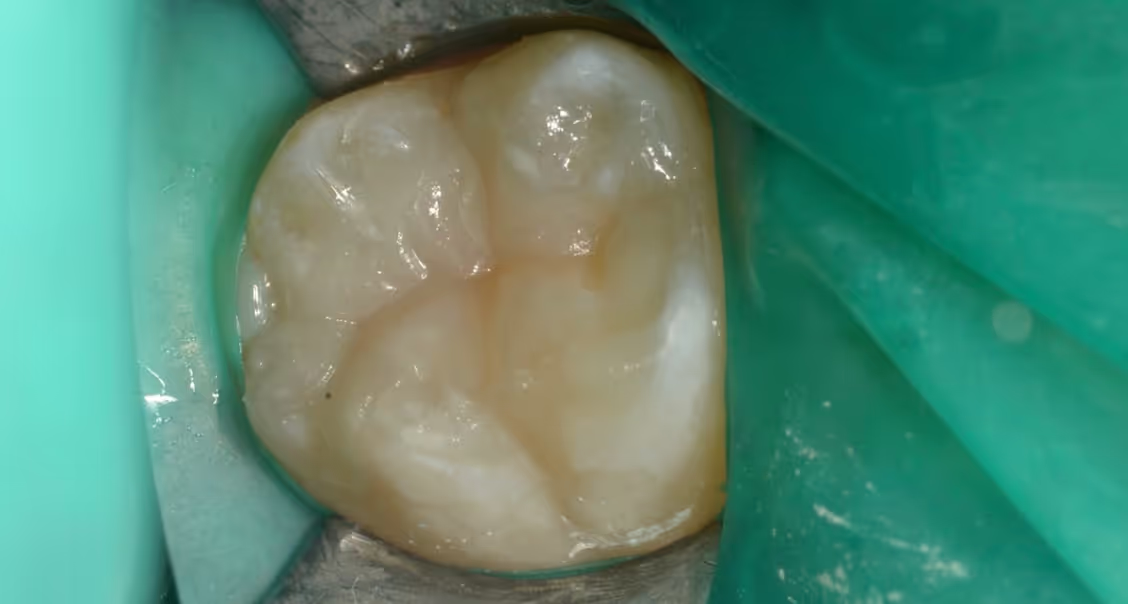
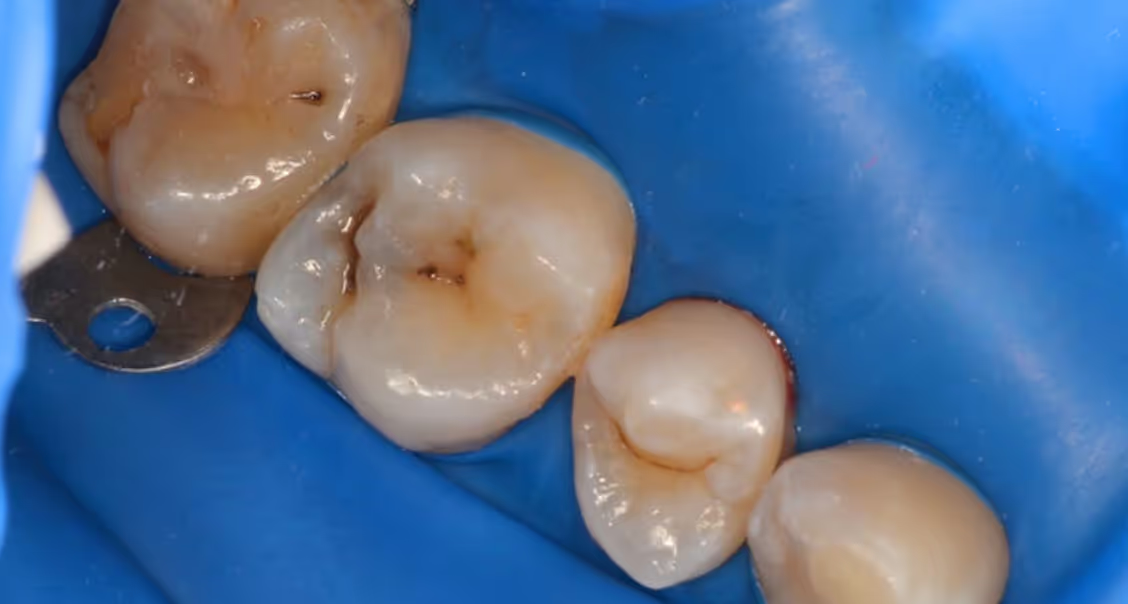
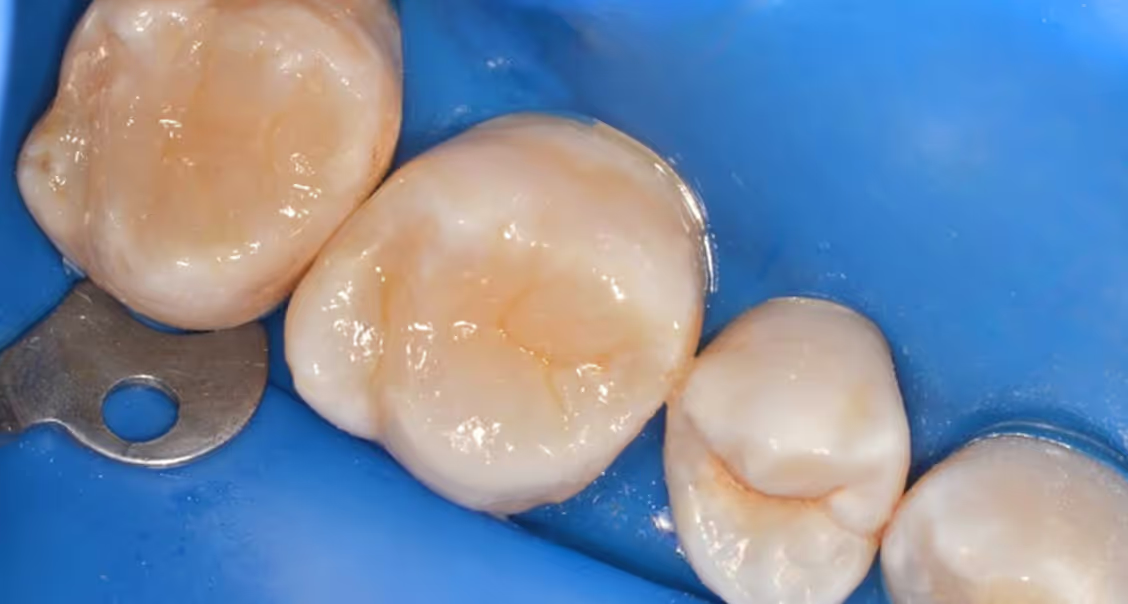
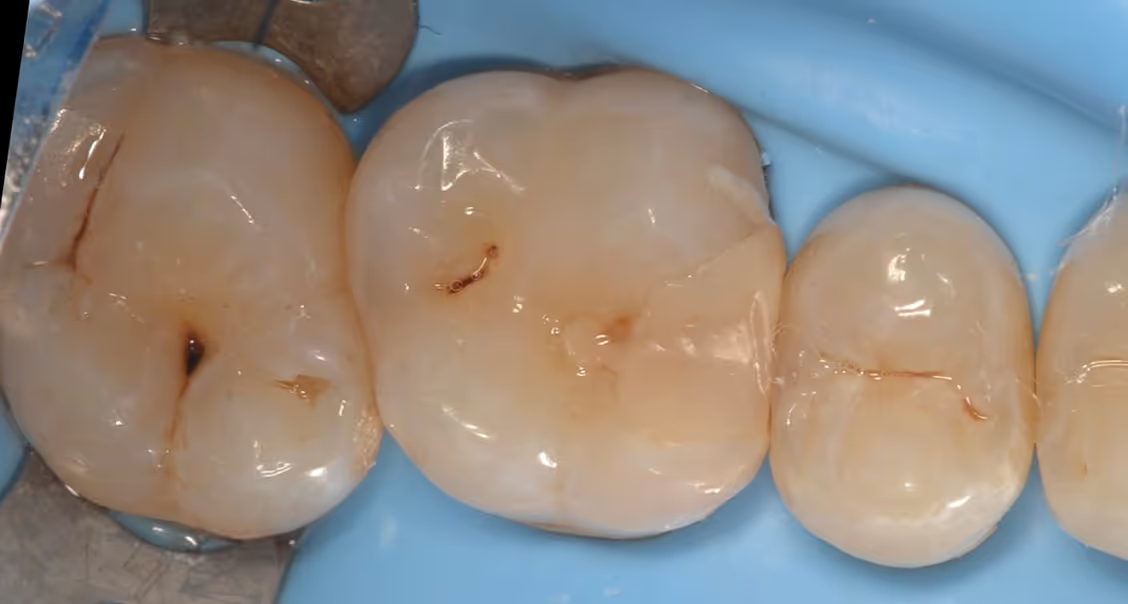
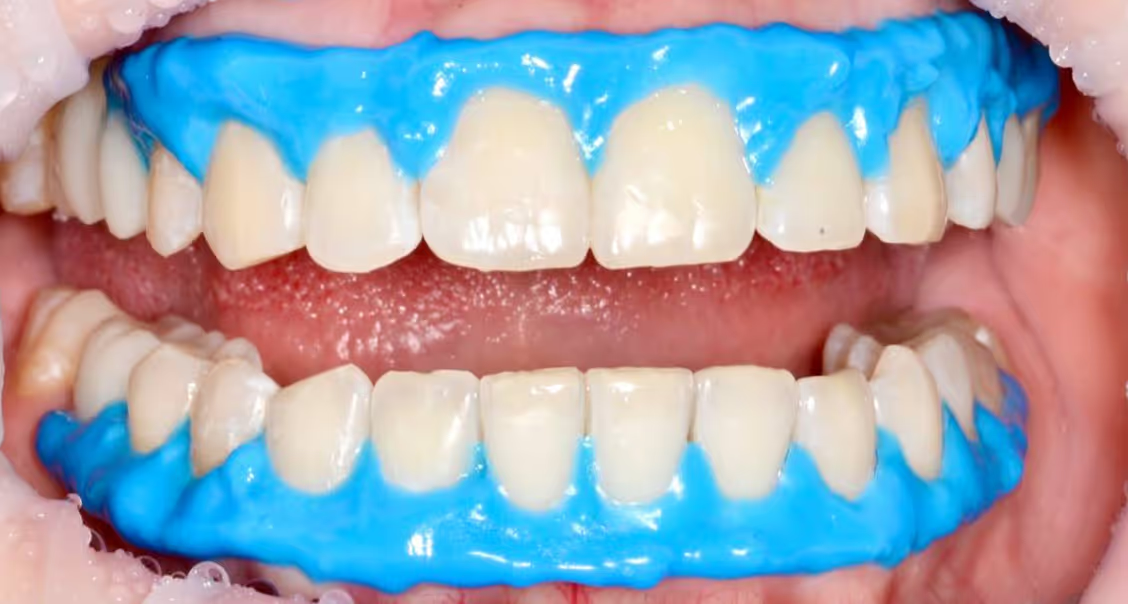
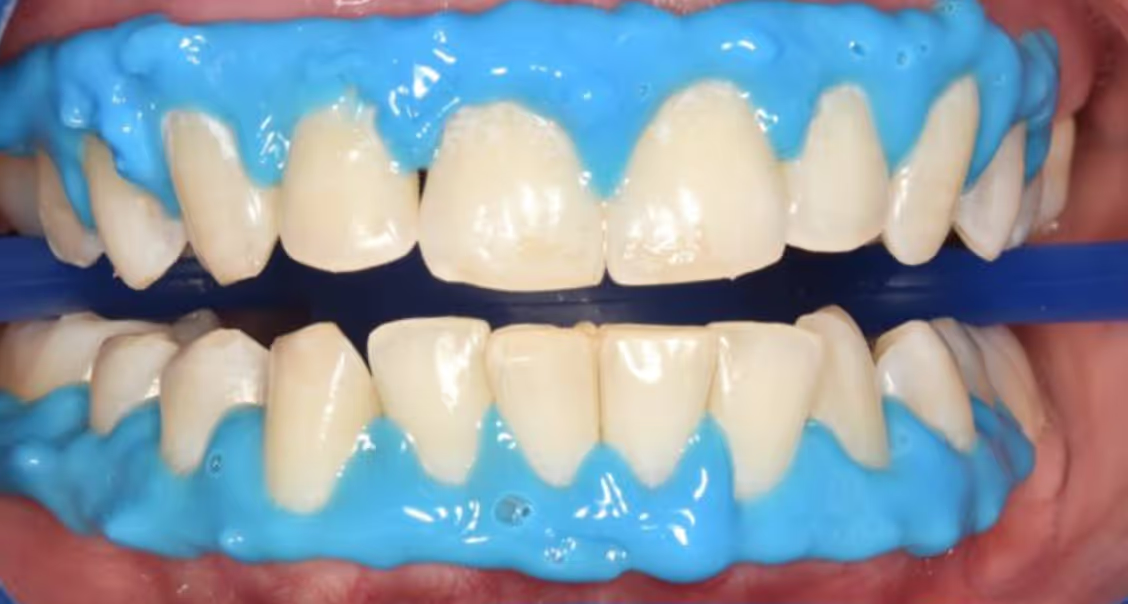
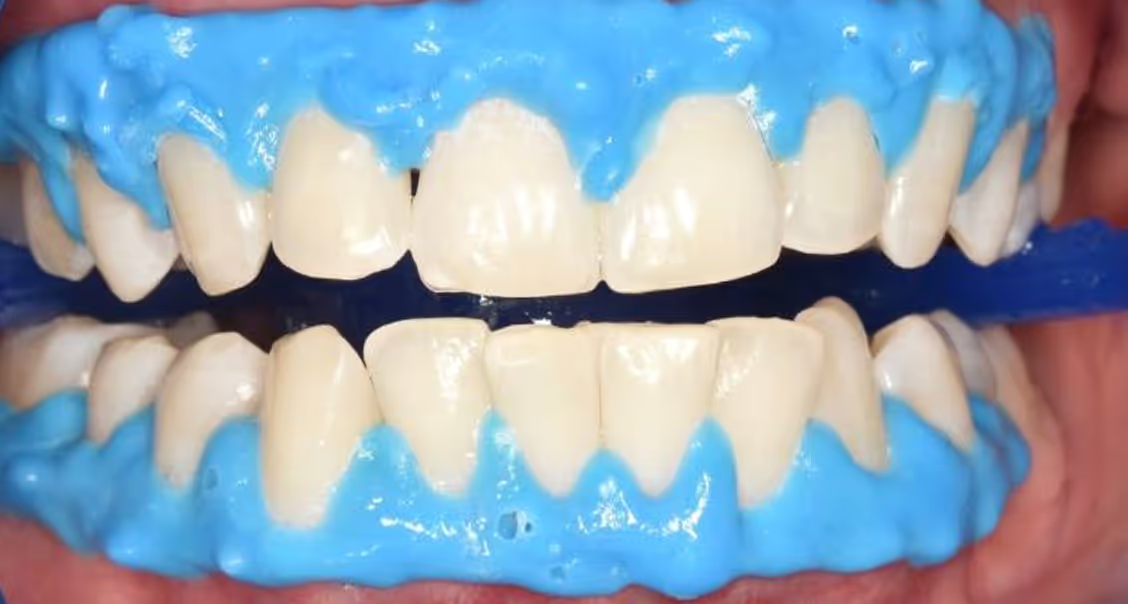
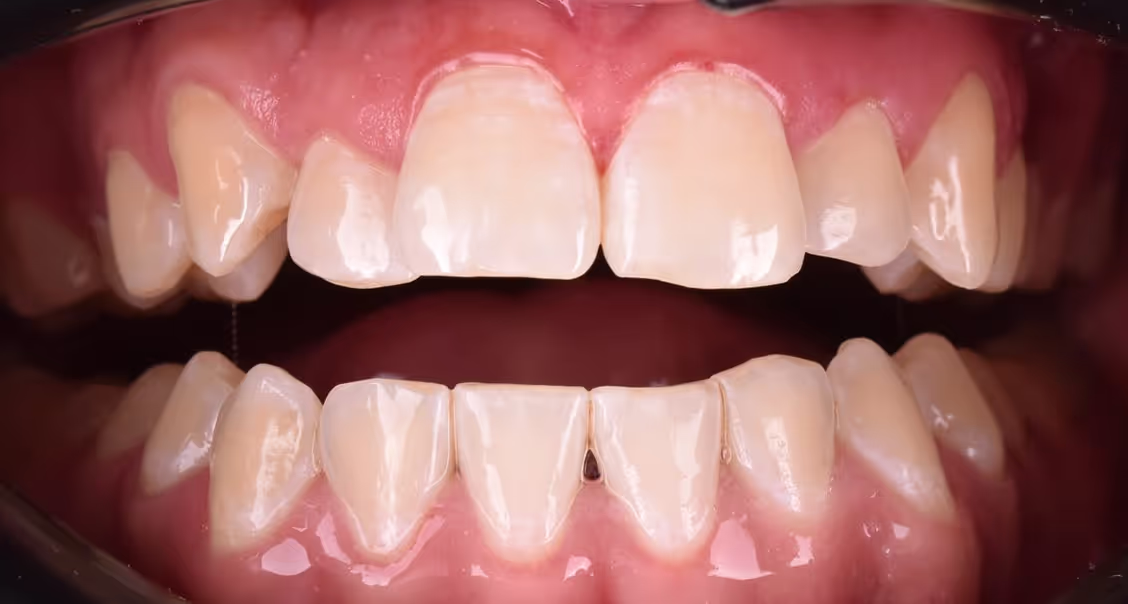
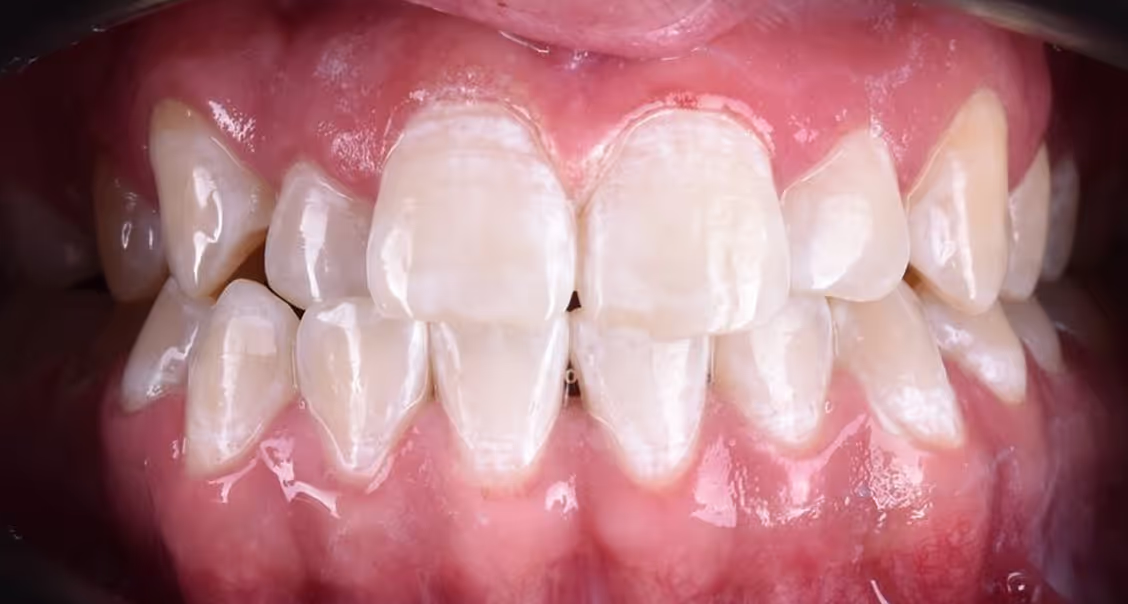
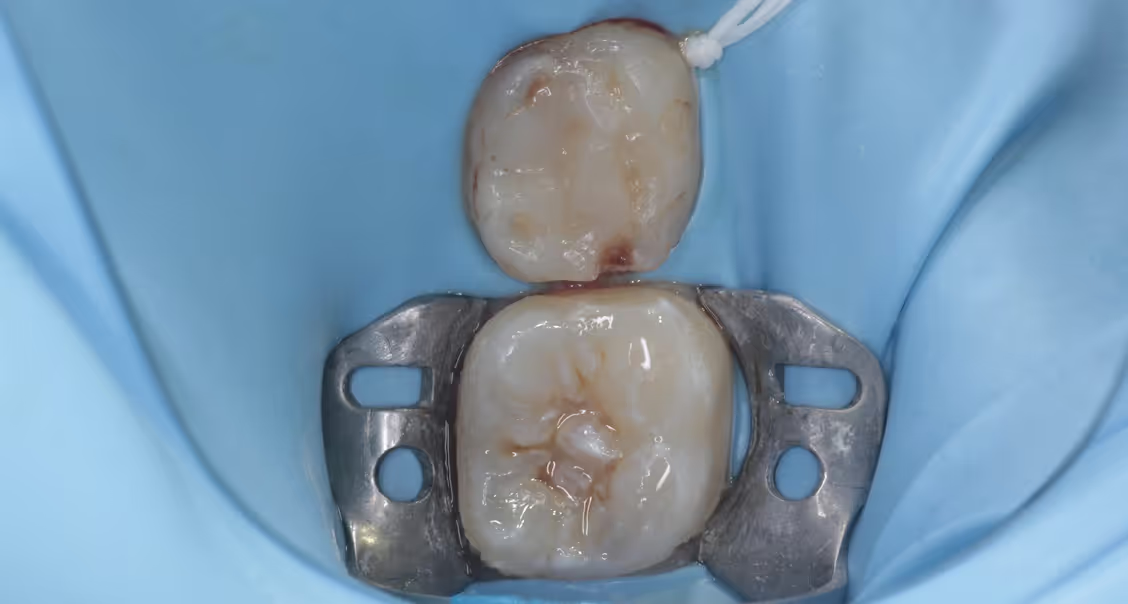
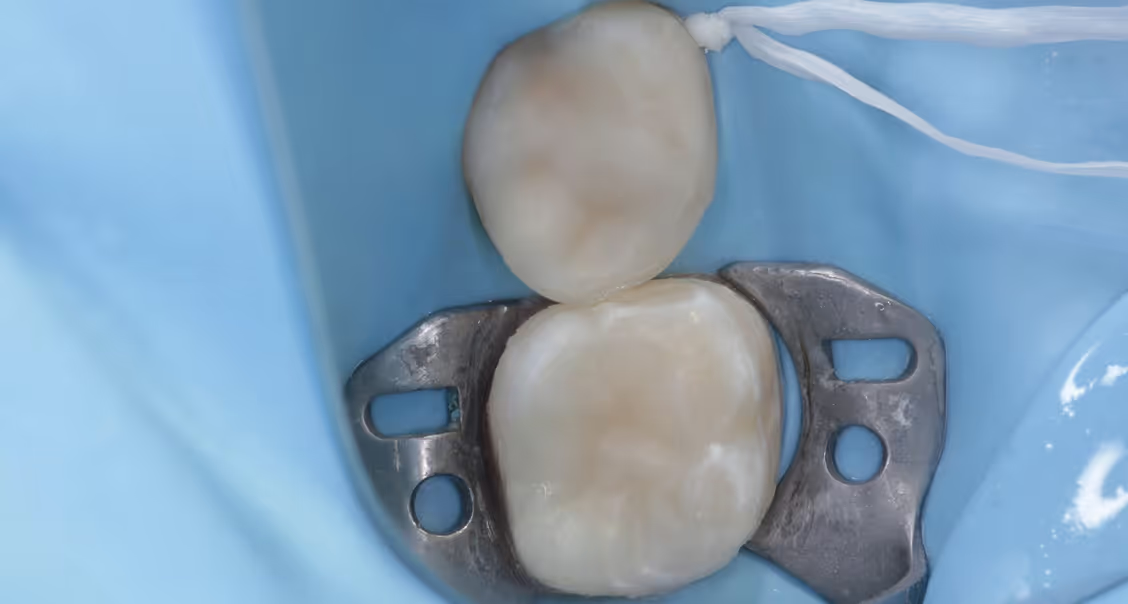
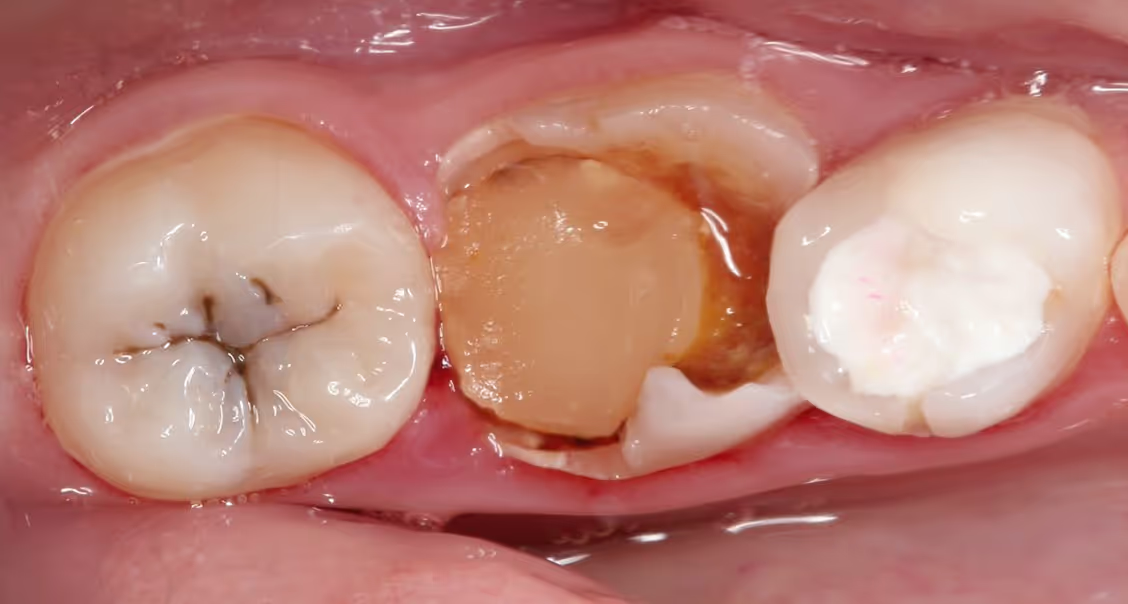
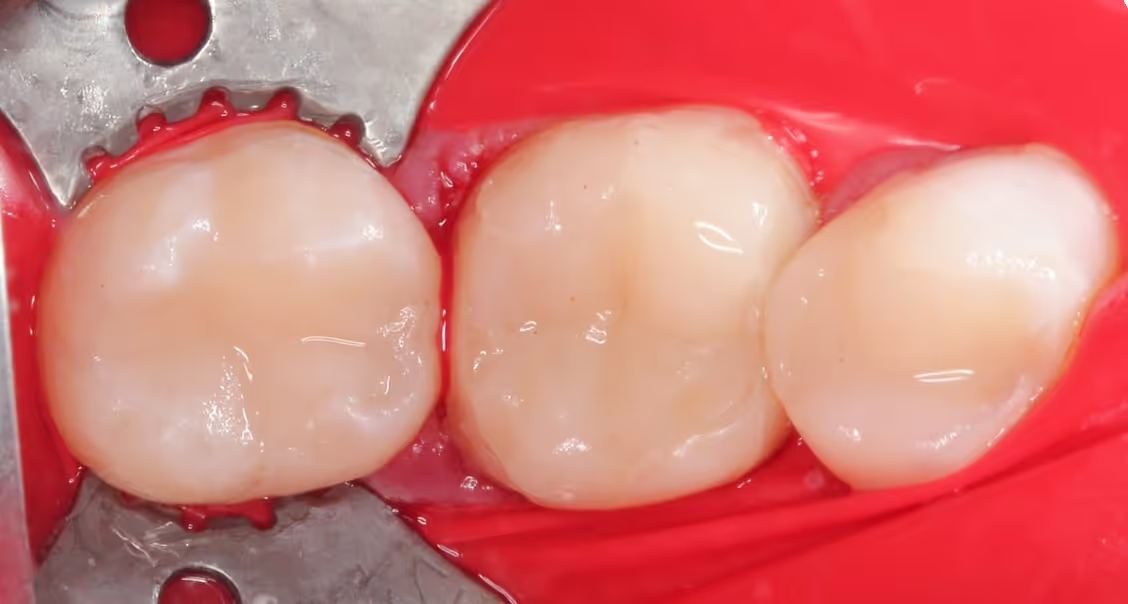
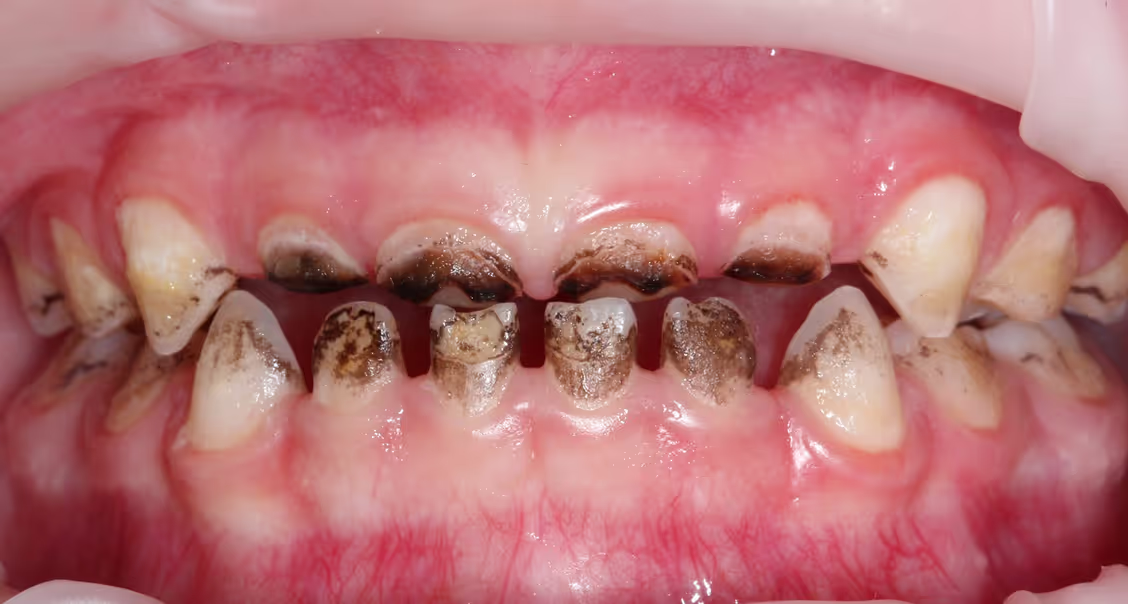
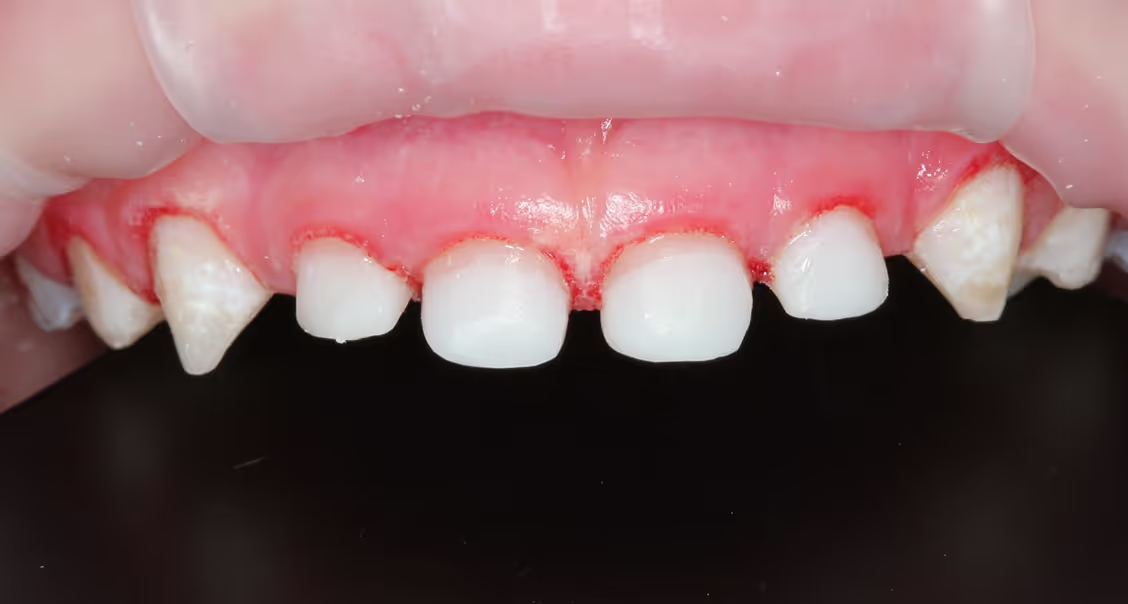
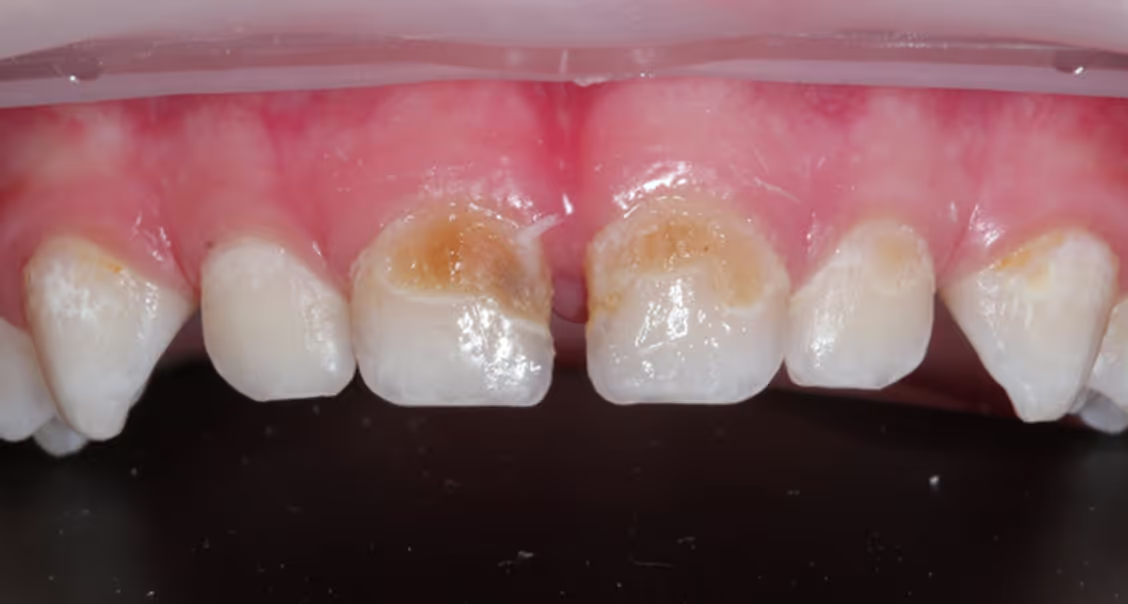
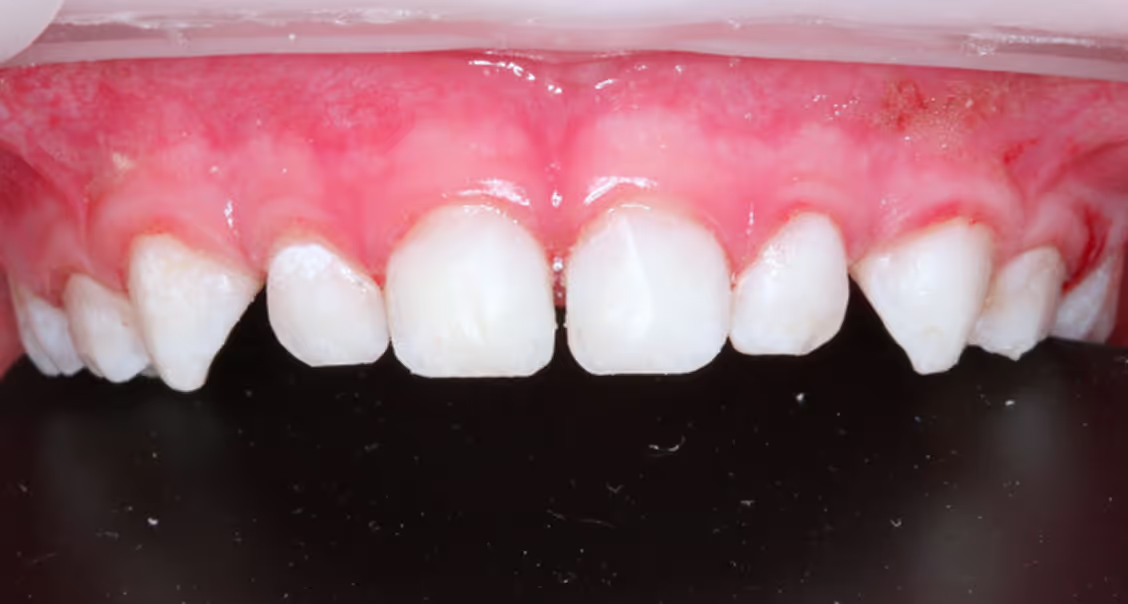
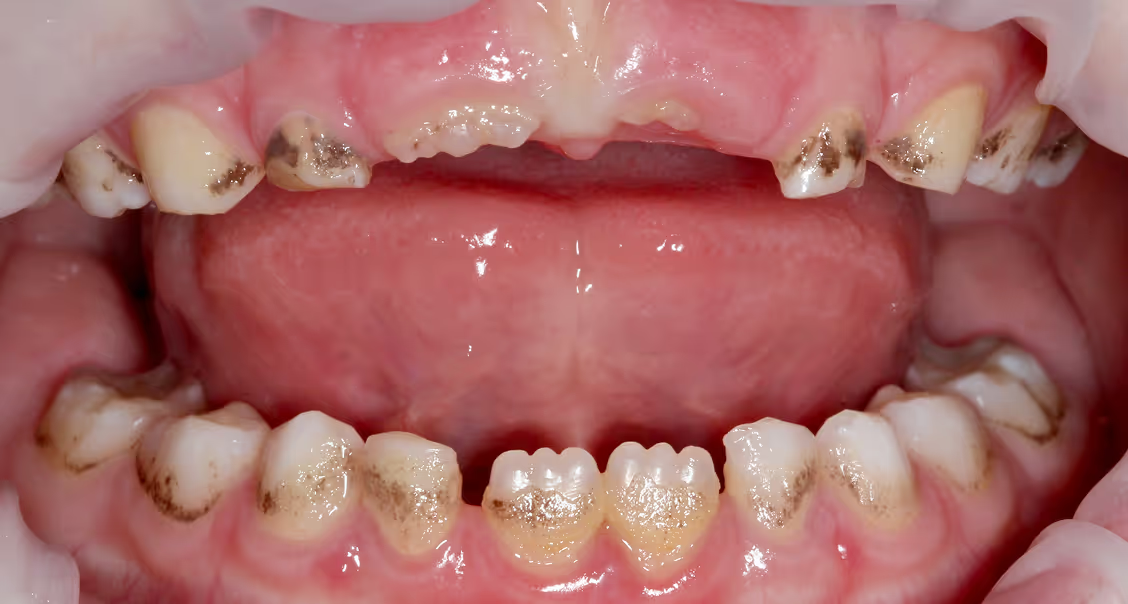
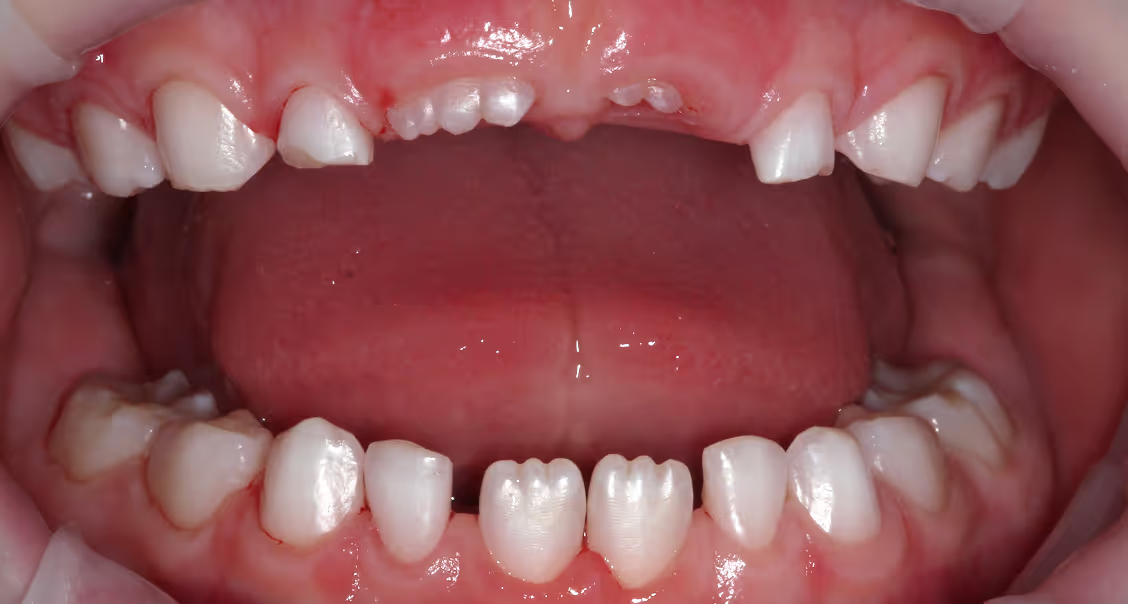
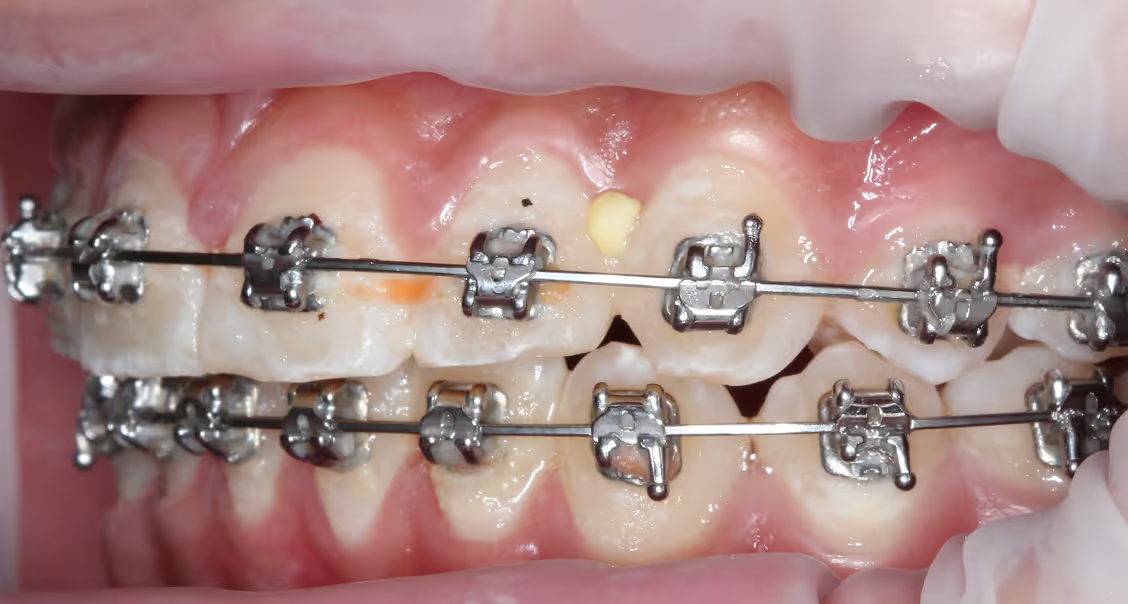
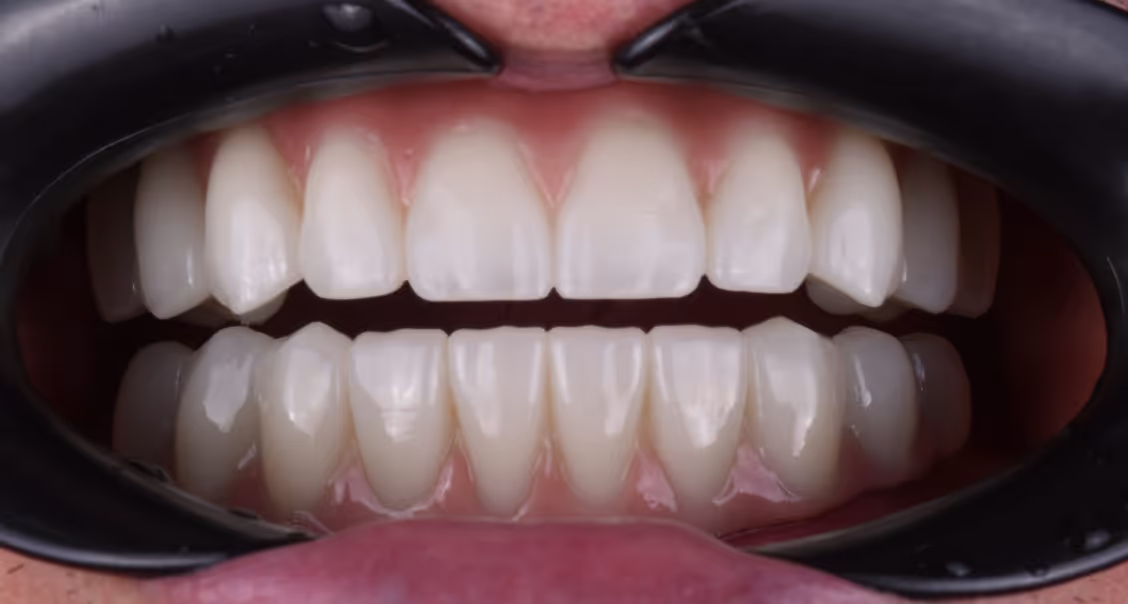
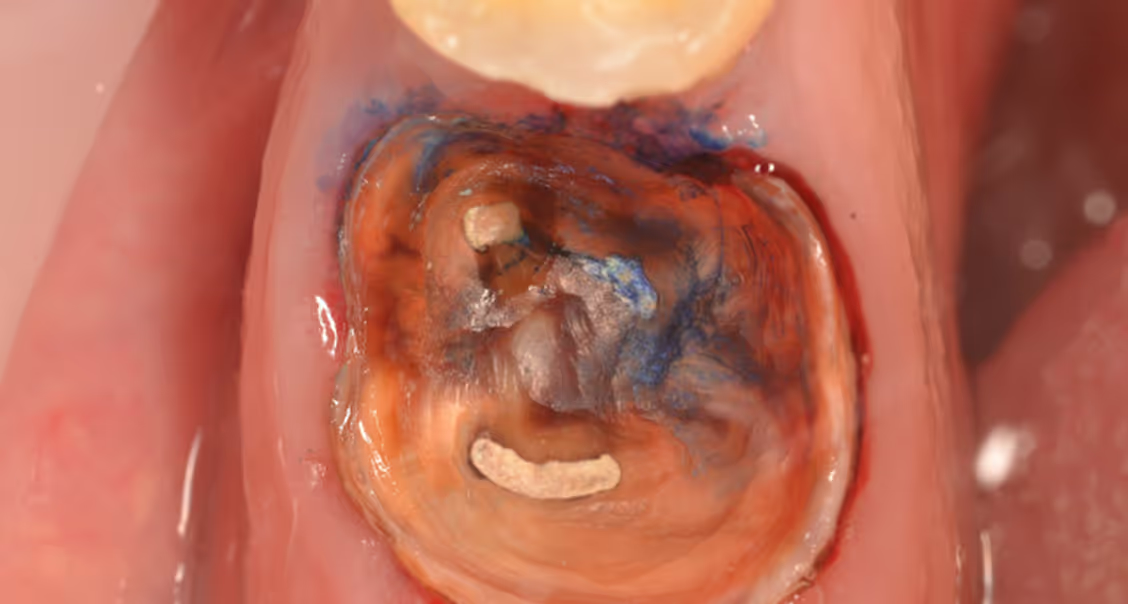
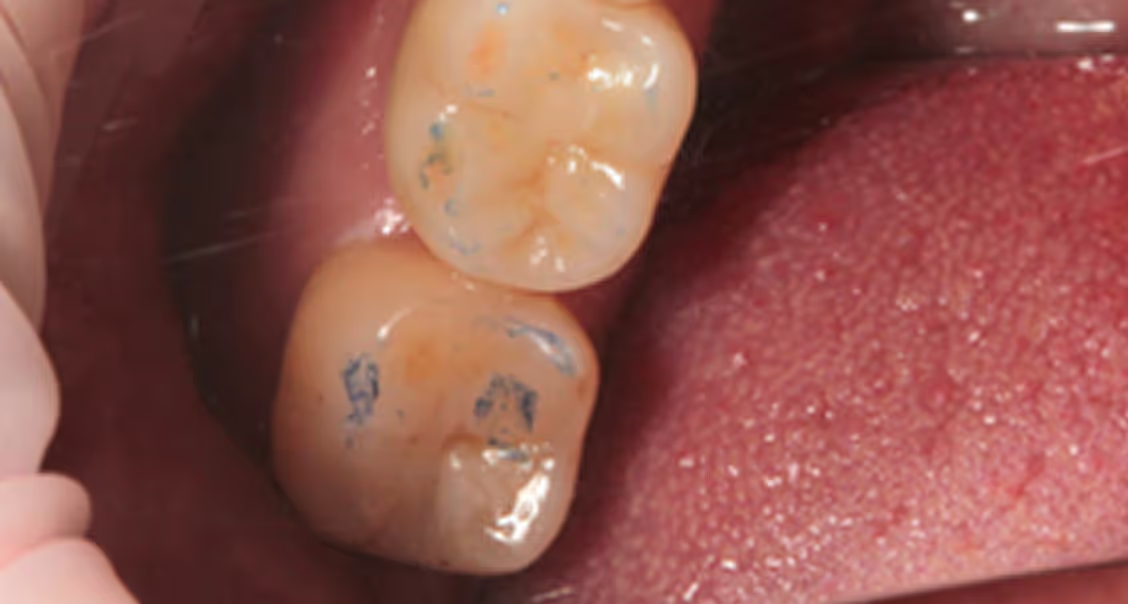
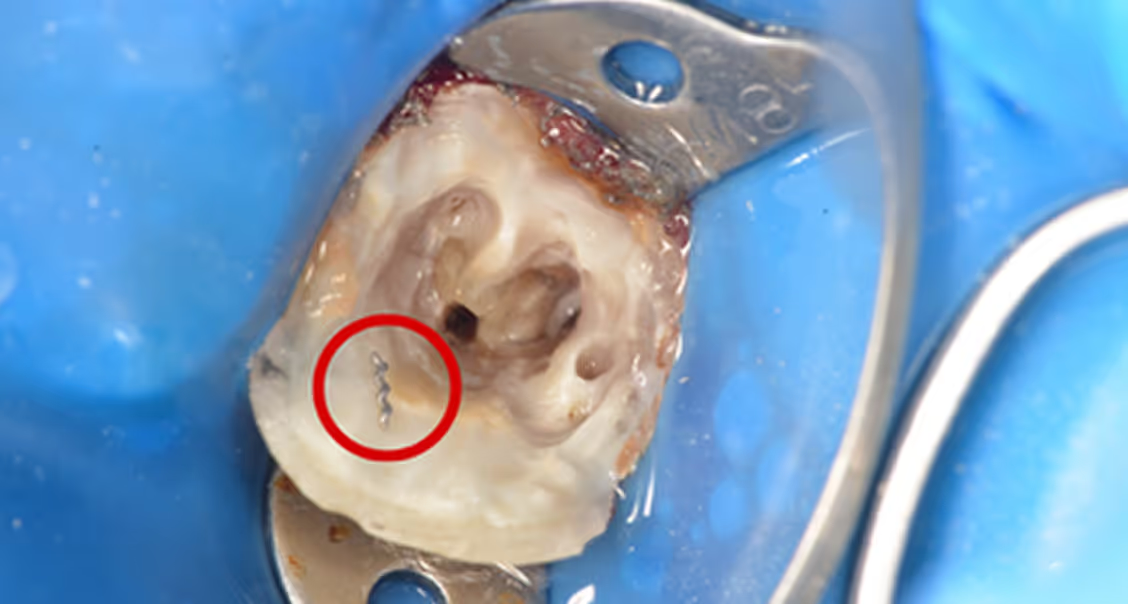
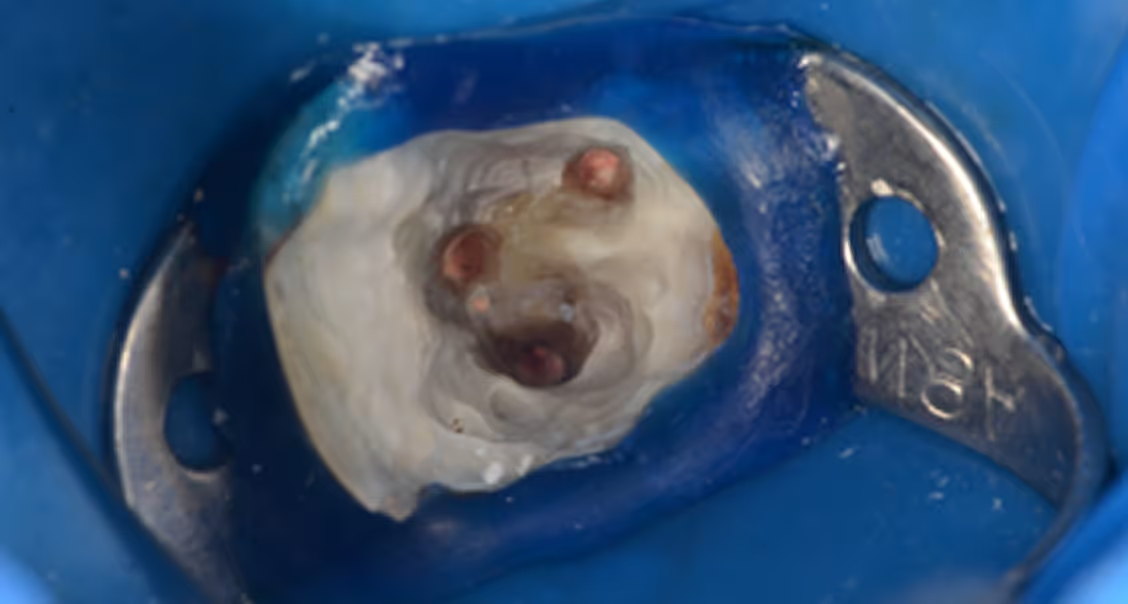
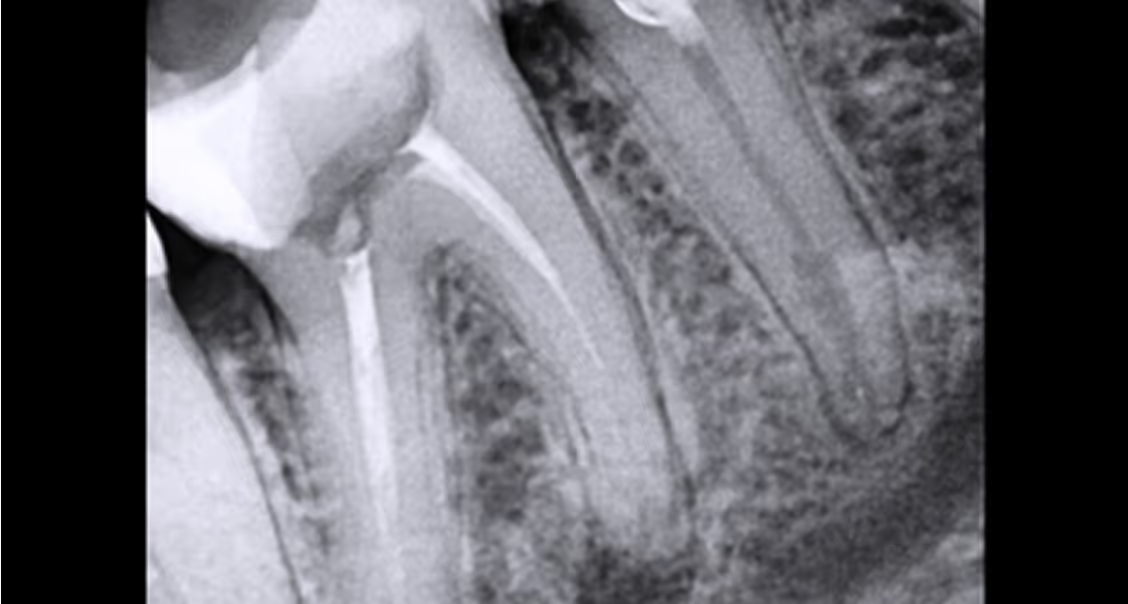
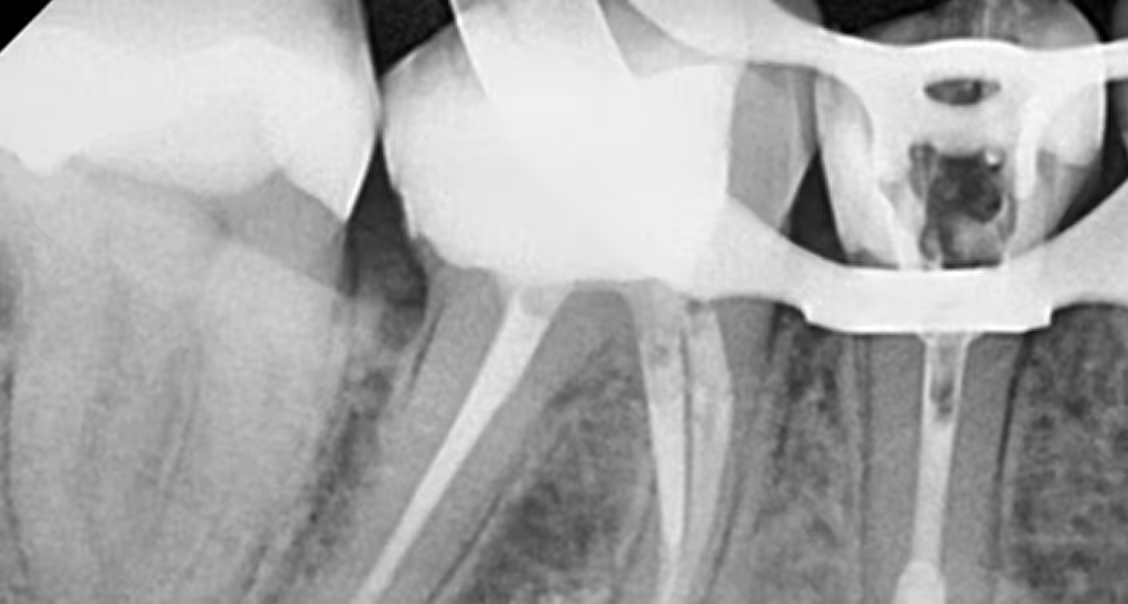
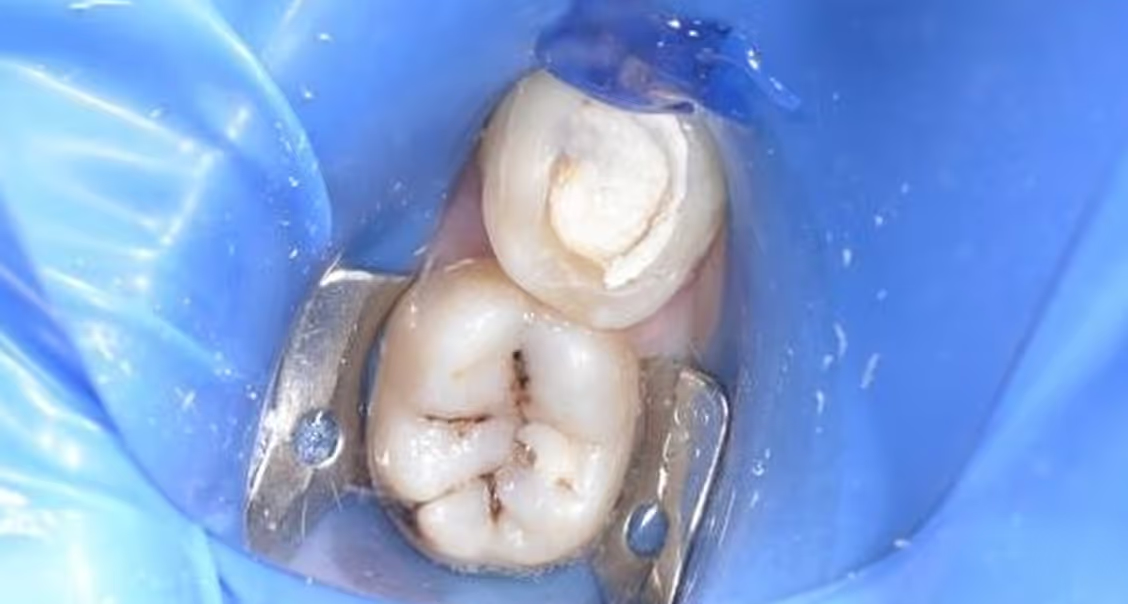
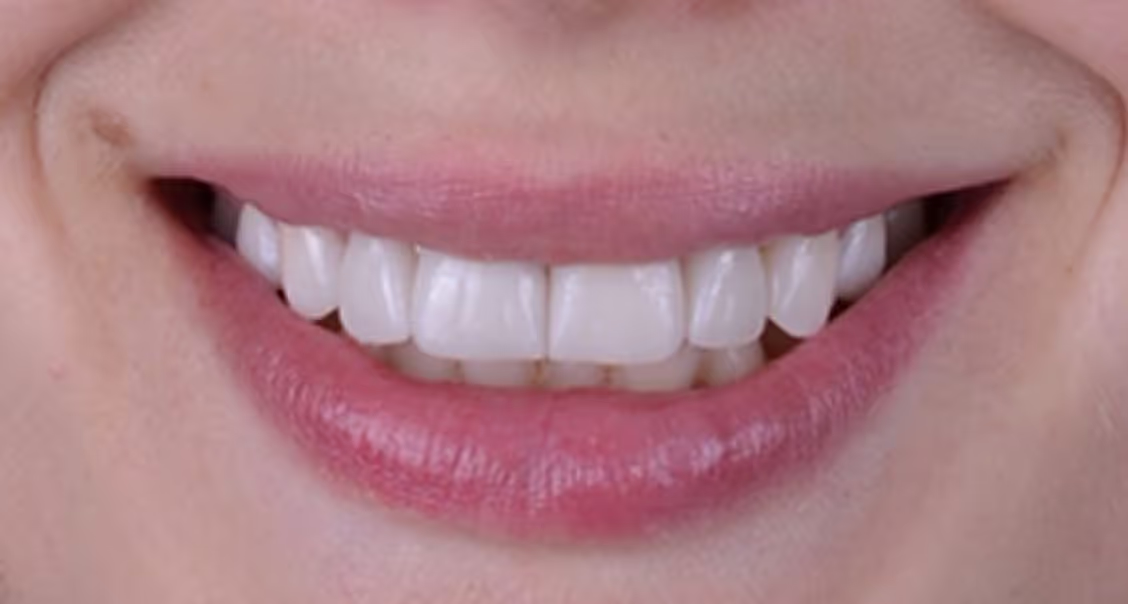
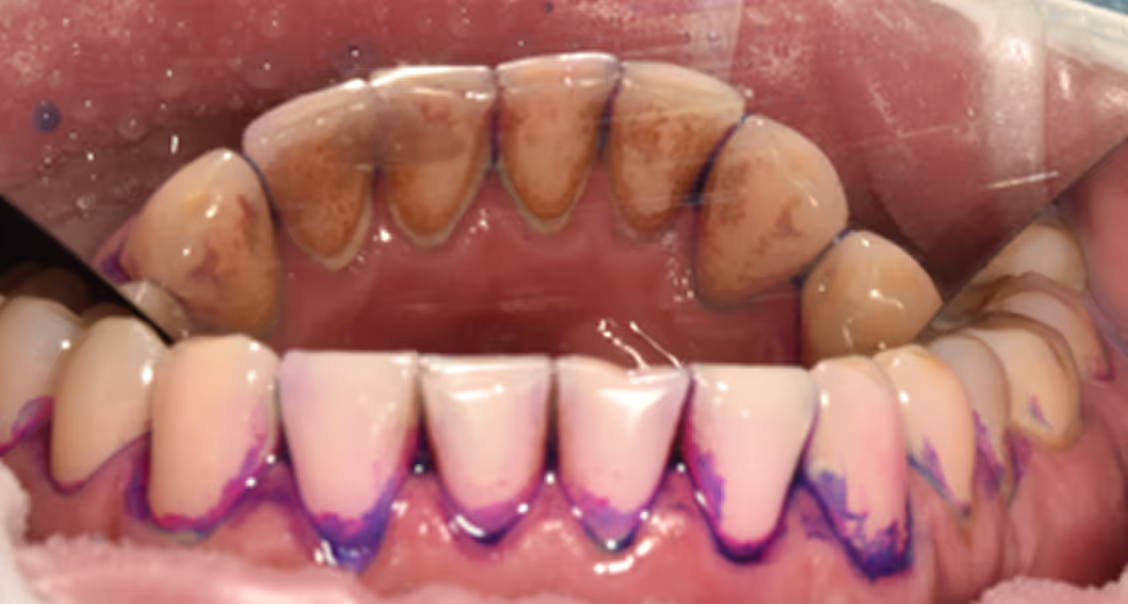
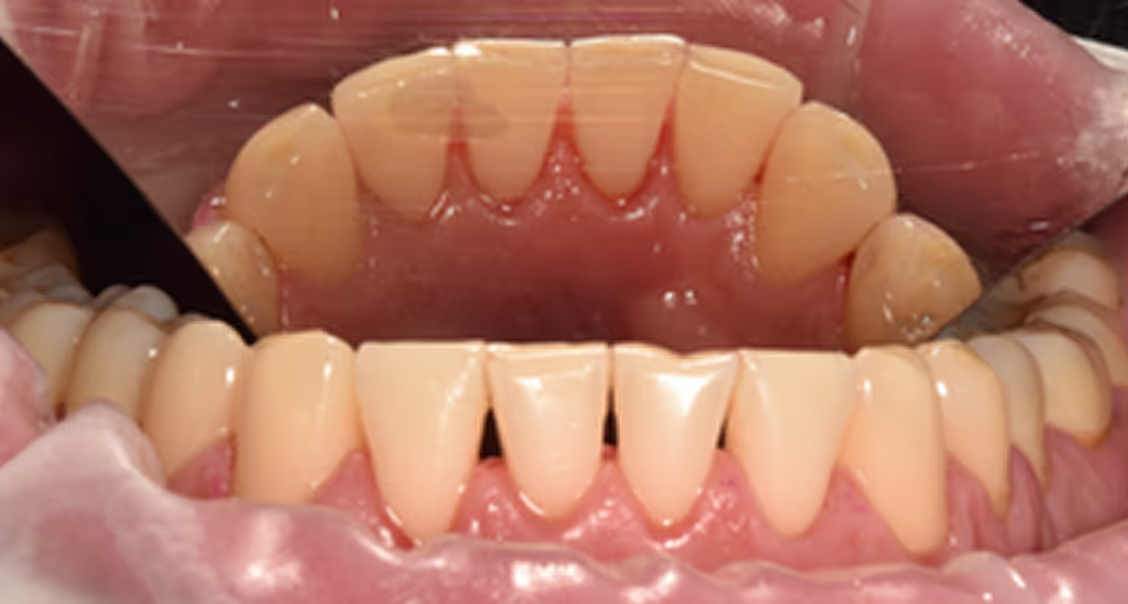
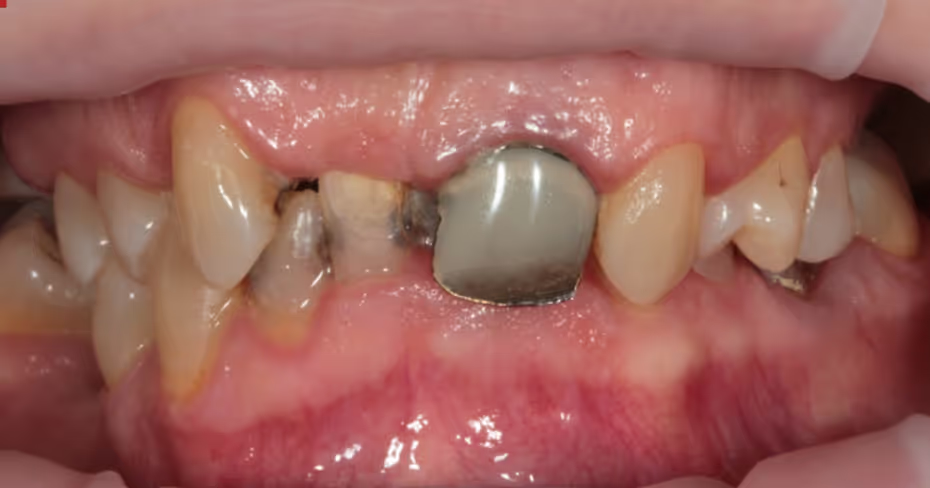
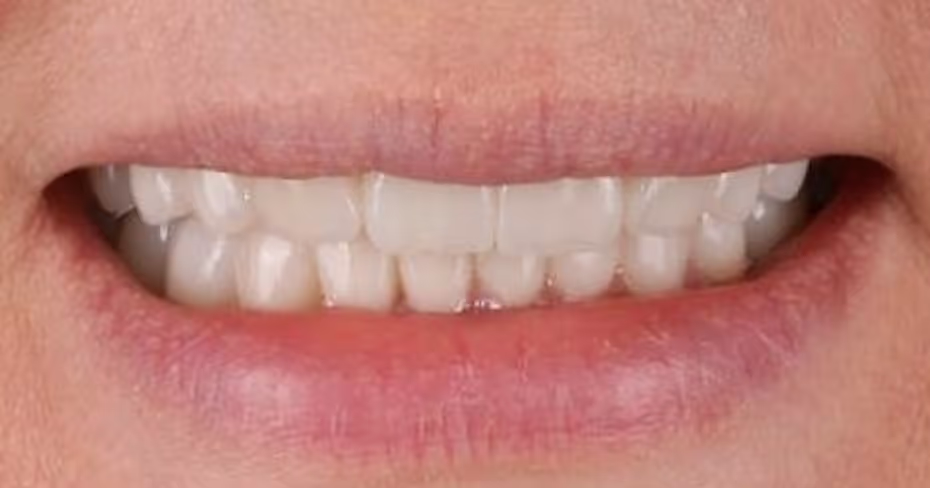
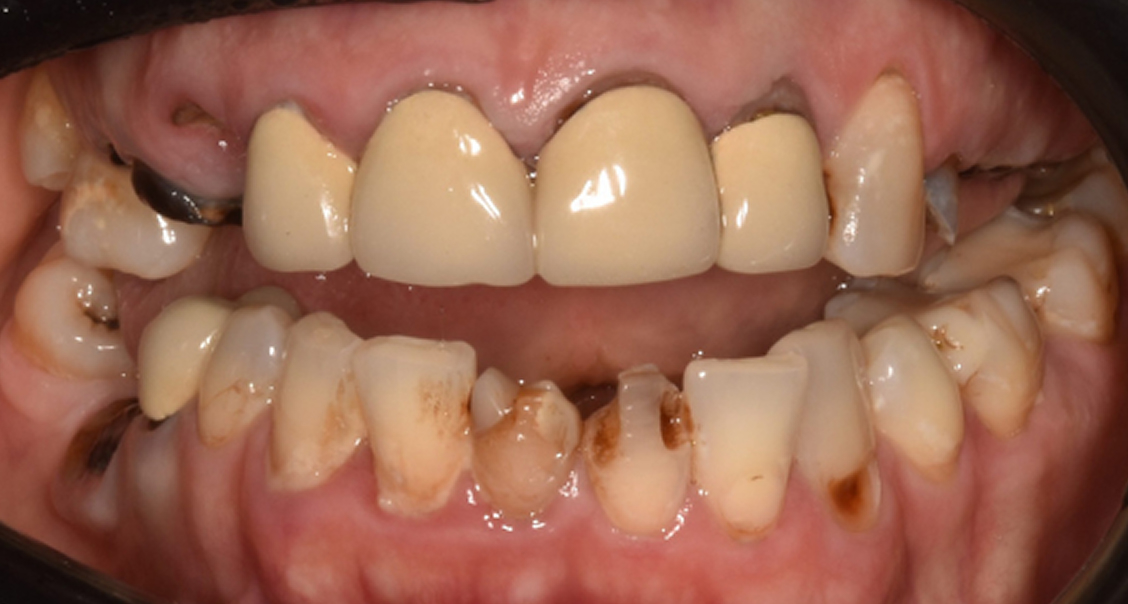
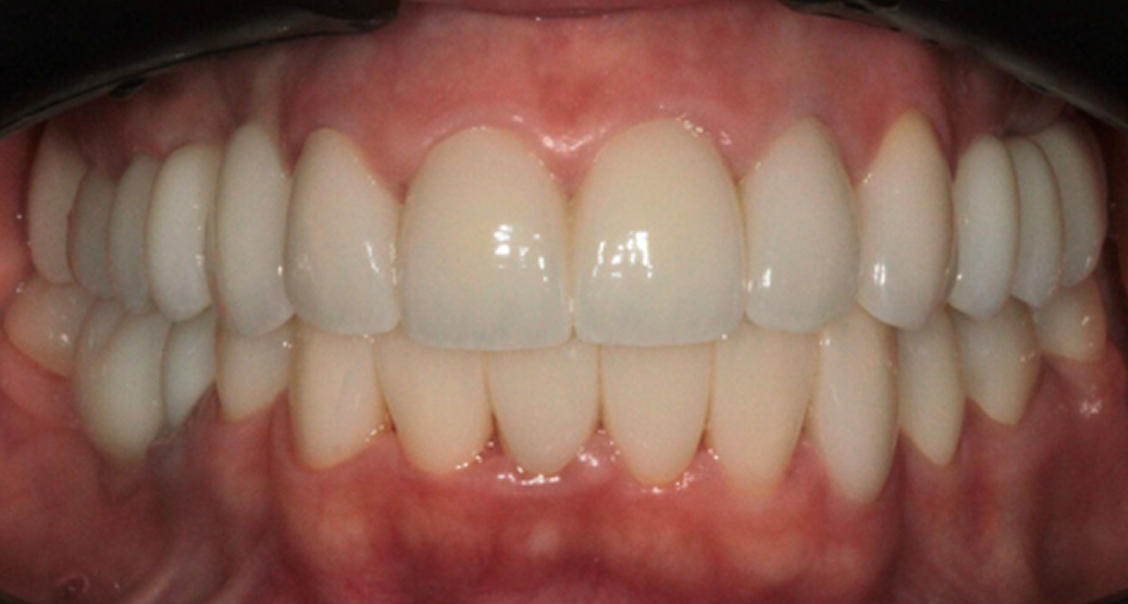
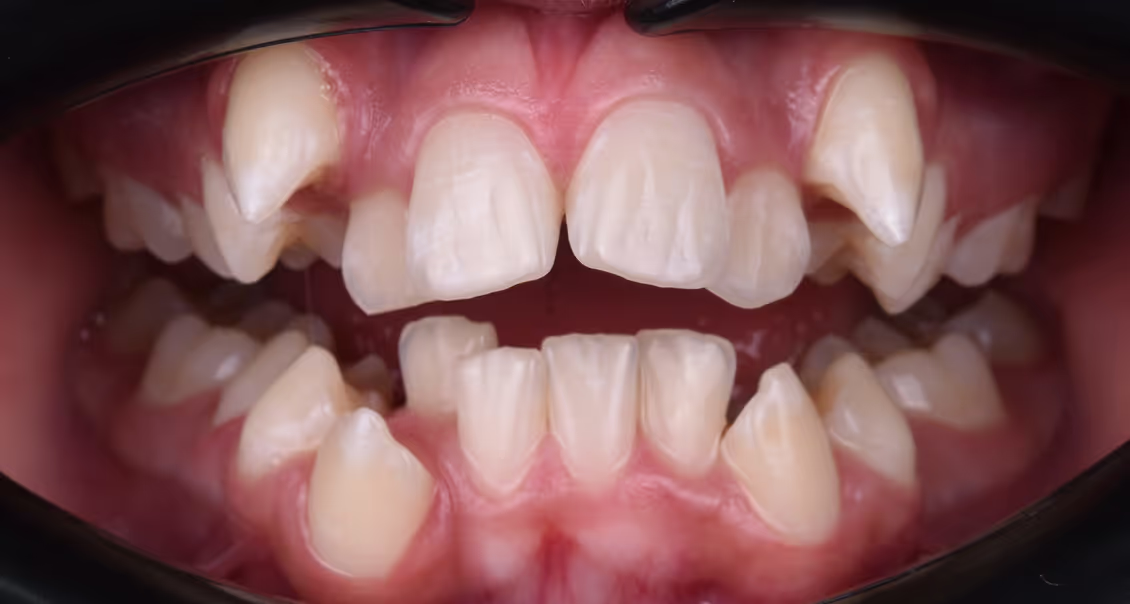
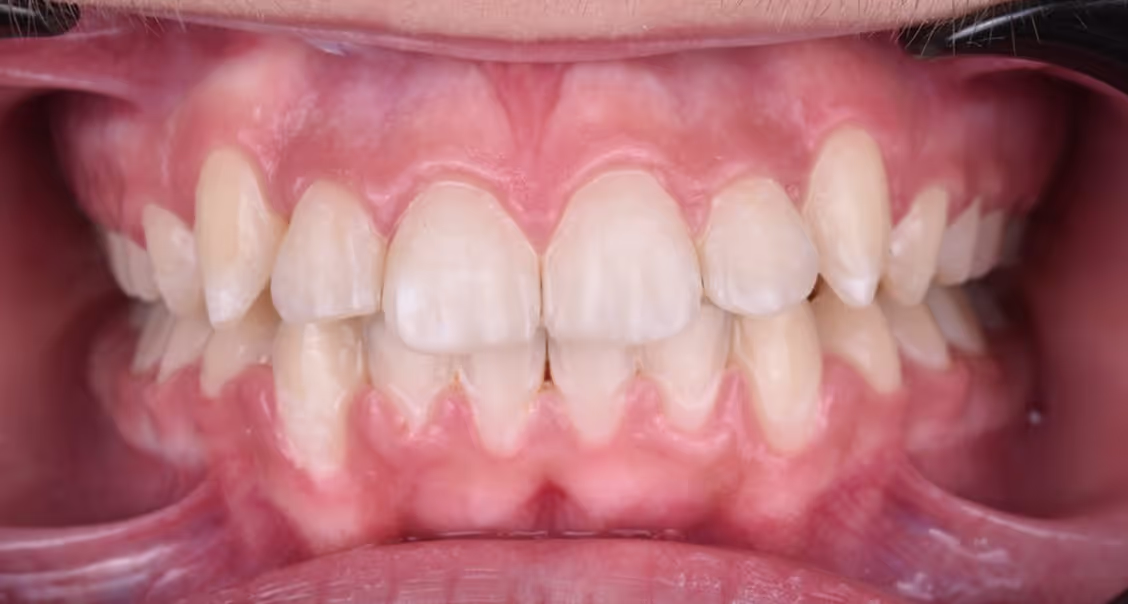
Gum recession — results before and after treatment
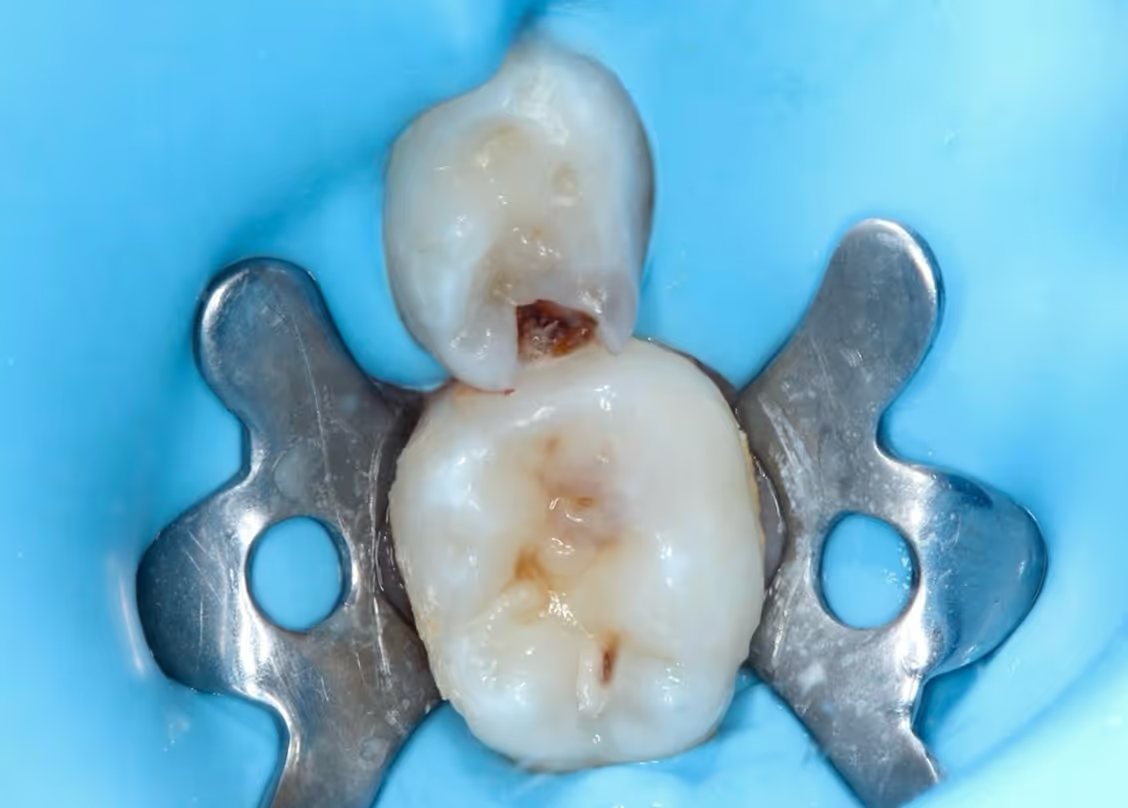
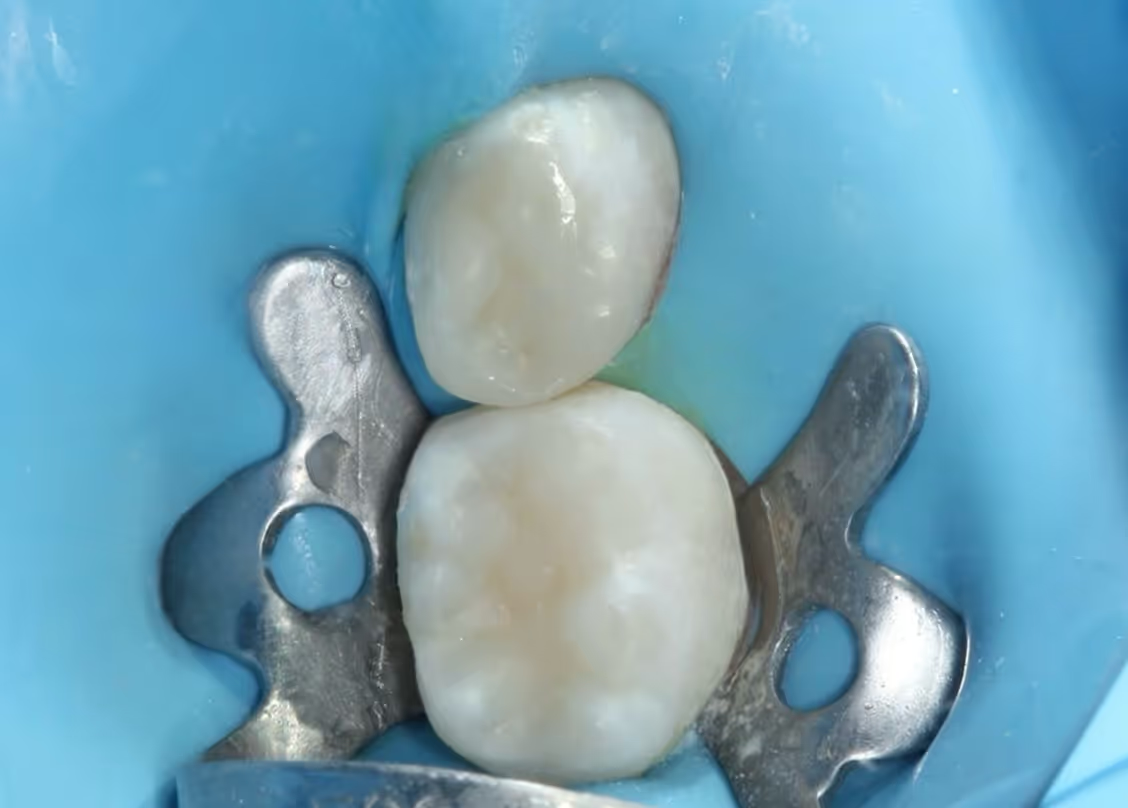
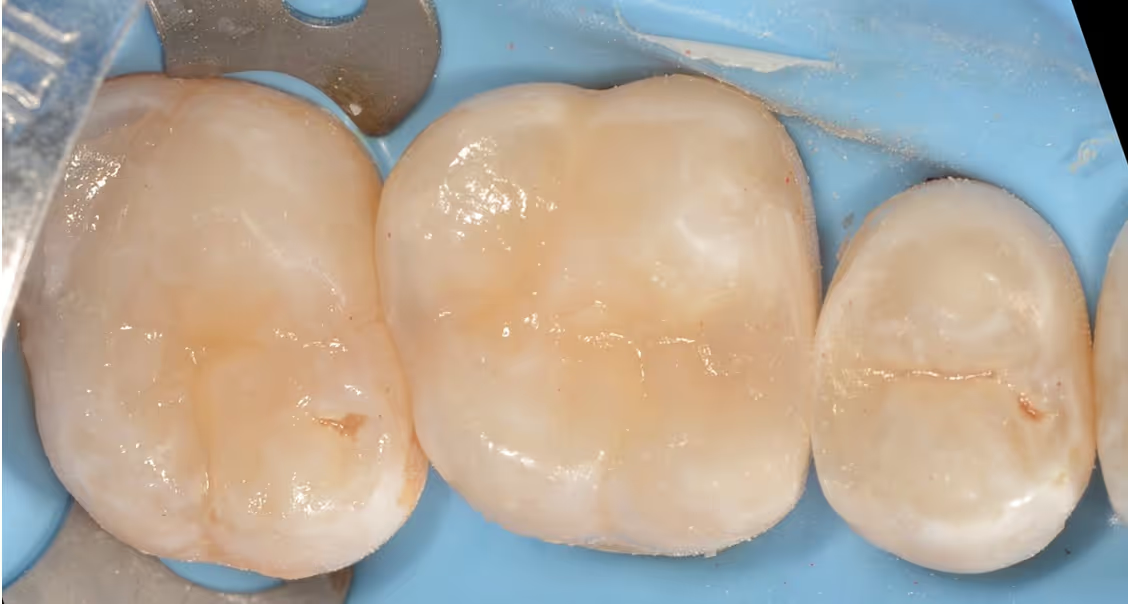
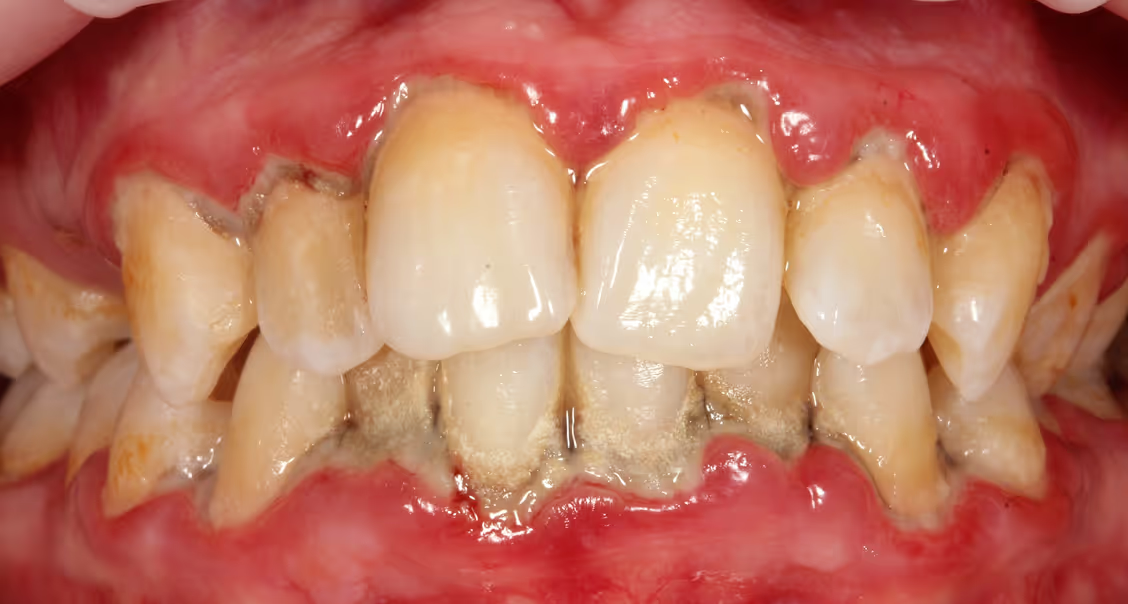
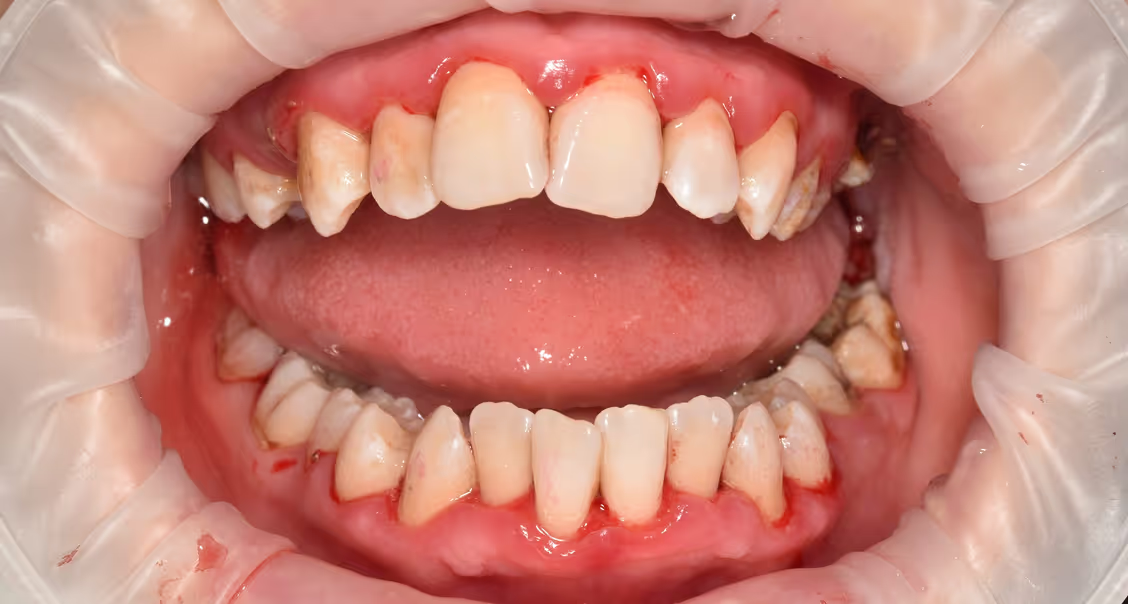
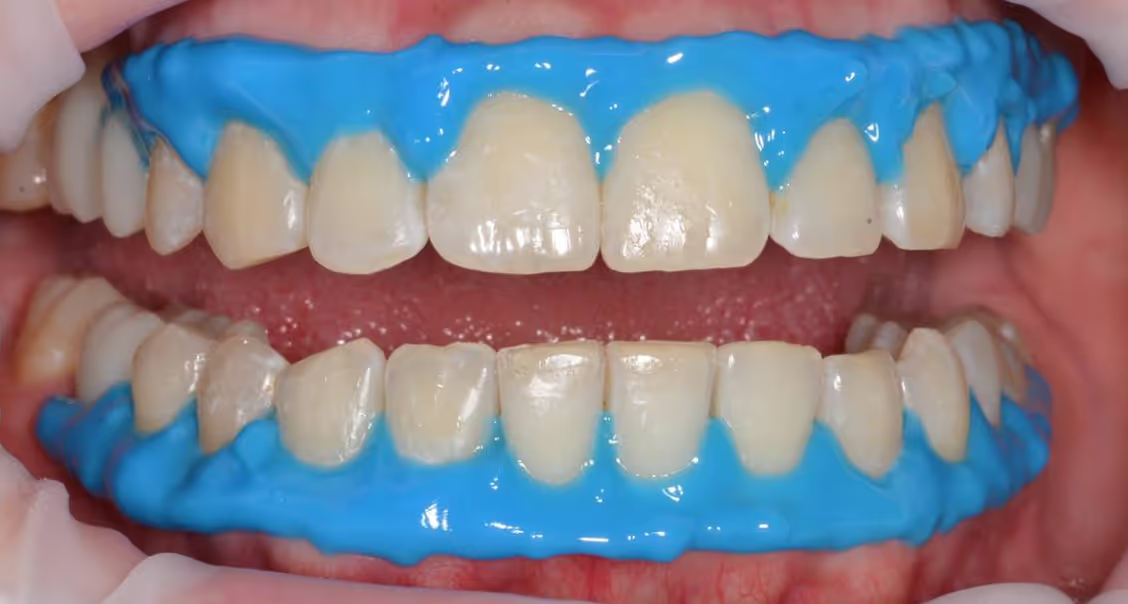
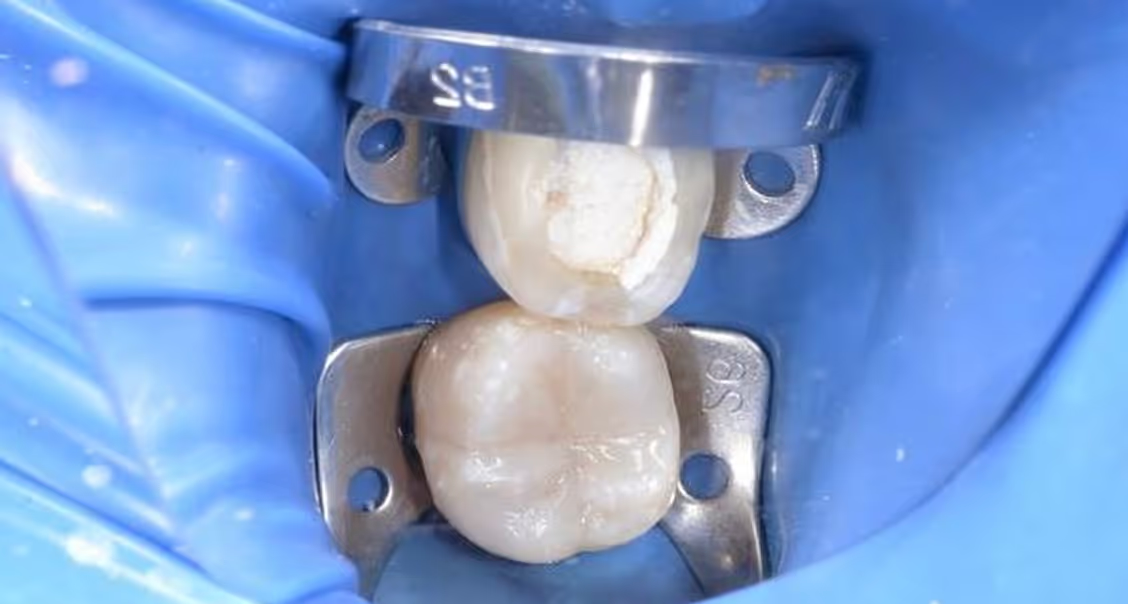
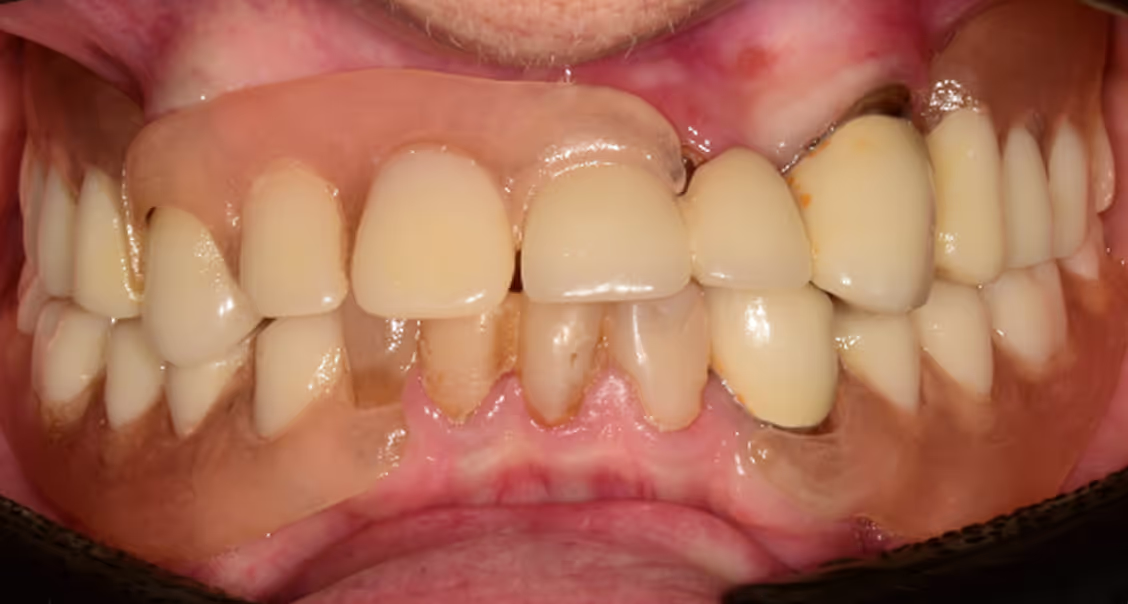
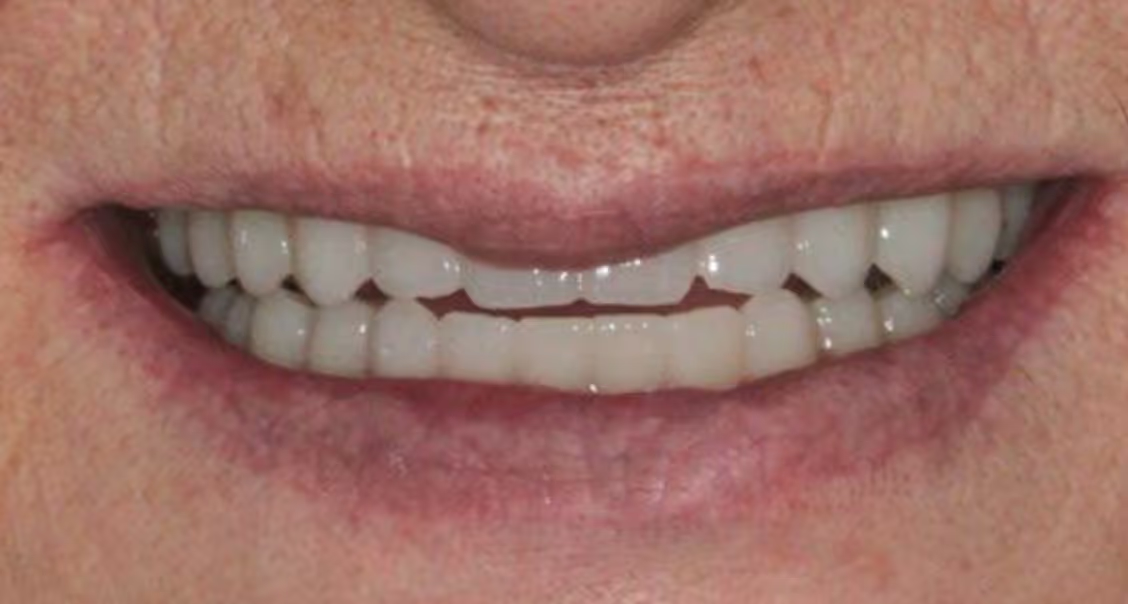
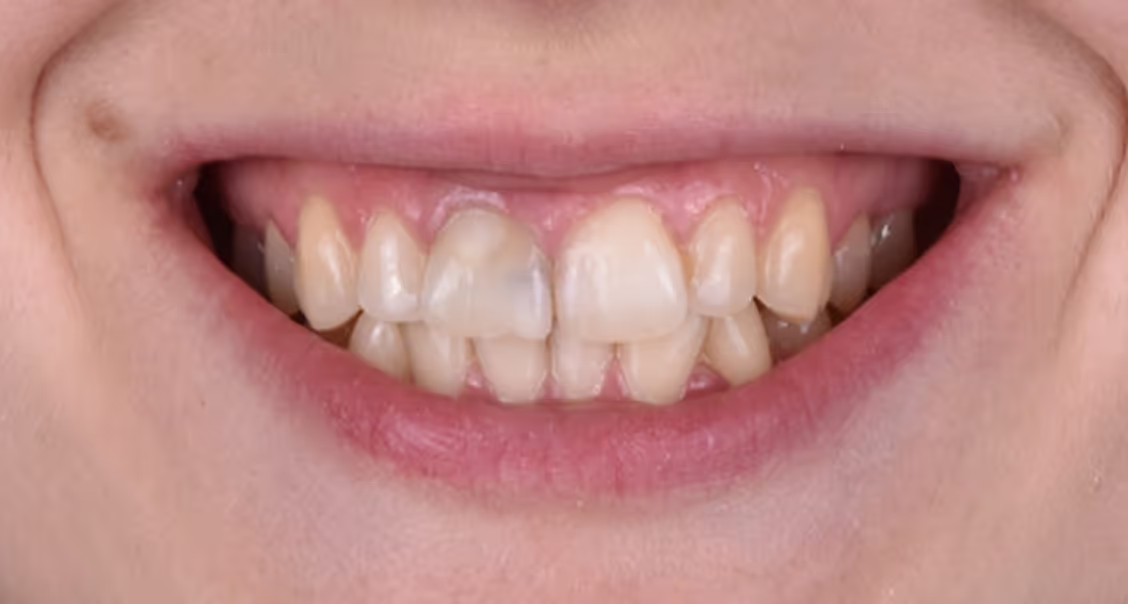
Treatment results depend on the size of the recession, periodontal health and the method used. In some cases, significant coverage of the exposed root and an improved gum line are possible. In others, the main goal of therapy is to stop the recession from progressing, reduce sensitivity or increase tissue thickness.
Why choose MistoDent Krakow for gum recession treatment?
At MistoDent Krakow, we start treatment by identifying the cause of the problem and thoroughly assessing periodontal health.
- Periodontal consultation — assessment of the recession and the tissues around the teeth.
- Florida Probe diagnostics — detailed documentation of periodontal parameters.
- Individual treatment plan — management tailored to the condition of the gums and the patient’s needs.
- Assessment of recession causes — taking into account hygiene, anatomy and any periodontal disease.
- Interdisciplinary care — cooperation with doctors from other fields of dentistry when needed.
- Periodontal check-ups — monitoring changes and the stability of results.
MistoDent Krakow — ul. Grzegórzecka 20A
How much does gum recession treatment cost in Krakow?
The price of gum recession treatment depends on the number of teeth affected, the severity of the recession and the type of management needed. At MistoDent Krakow, diagnosis starts with a periodontal consultation. If surgical treatment is indicated, the cost depends on the chosen method, the scope of the procedure and clinical conditions. The exact cost of gum recession treatment can be determined after the consultation and an individual treatment plan.
FAQ
Answers provided by
Dr. Alina Baidikova
What is gum recession?
Gum recession is the receding of the gum margin, which exposes part of the tooth root. It can cause sensitivity, an elongated look of the teeth and discomfort when brushing.
What are the first symptoms of gum recession?
Patients most often notice receding gums, exposed tooth necks, an uneven gum line or sensitivity to cold. At first the changes may be small and painless.
Why do gums recede?
Causes may include brushing too hard, thin gum tissue, misaligned teeth, mechanical trauma and periodontal disease. Often several factors coexist.
Gum recession — how to treat it?
Treatment depends on the size and cause of the recession. It may include changing hygiene habits, treating inflammation, measures to reduce sensitivity and, in certain cases, surgical coverage of the recession or a tissue graft.
Can receded gums grow back?
Usually not. Lost gum tissue does not grow back on its own. In selected cases, appropriate surgical procedures can improve root coverage or increase tissue thickness.
Can gum recession be treated without surgery?
Yes, not every recession requires surgery. If the change is small and stable, the doctor may recommend conservative management and regular check-ups. Such treatment, however, mainly aims to prevent further receding of the gum, not to restore lost tissue.
Is a gum graft necessary?
Not always. A graft is considered in specific situations, e.g. with selected recessions, thin tissues or the need to increase the amount of gum. Indications are determined by the periodontist after the examination.
Does gum recession treatment hurt?
Periodontal examinations and conservative treatment usually do not require extensive intervention. Surgical procedures are most often performed under local anaesthesia. After the procedure there may be temporary tenderness or discomfort, depending on the scope of treatment.
Is gum recession dangerous?
Not every recession means a serious disease, but it should not be ignored. Exposed roots may be prone to sensitivity, caries and damage. Progressing recession requires identifying the cause.
Does gum recession mean periodontitis?
No. Recession can occur without periodontitis, e.g. with a thin gum or incorrect brushing. However, it may accompany periodontal diseases, so a periodontal examination is worthwhile.
Can gum recession appear after braces?
Yes, in some patients recession may occur during or after orthodontic treatment. The risk depends, among other things, on anatomical conditions, gum thickness and tooth position. This does not mean, however, that orthodontic treatment alone is always the cause of the problem.
Can the entire exposed root surface be covered?
Not in every case. Whether full coverage is possible depends mainly on the type of recession, the condition of the tissues between the teeth and anatomical conditions. The doctor discusses the expected result before treatment.
How much does gum recession treatment cost?
The cost depends on the method and the number of sites treated. At MistoDent Krakow, a periodontal visit costs 210 PLN, and a Florida Probe periodontal chart with consultation costs 280 PLN. The price of any surgical treatment is set individually.
How to prevent gum recession?
Prevention relies on gentle, correct brushing, a well-chosen toothbrush, regular dental check-ups and treatment of inflammation. People with thin gums or previous recession should stay under the care of a periodontist.

Medical verification
Content verified by:
Dr. Alina Baidikova
Dentist • Periodontist
Last updated: 22.10.2026
Book an appointment!
Leave your contact details in the form or message us on your preferred messenger — we'll be happy to answer your questions and help you book a visit.


