


Veneers in Krakow — porcelain, ceramic and composite
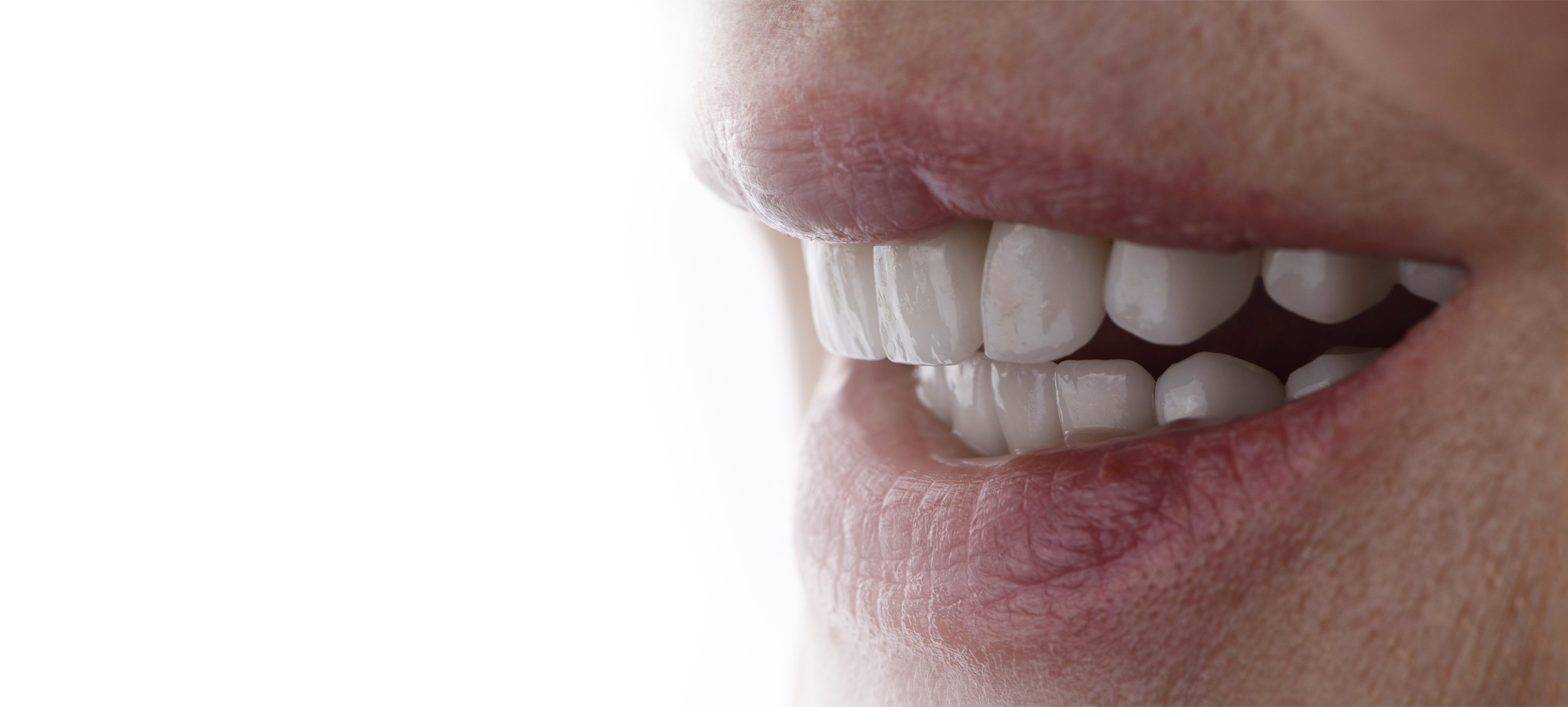
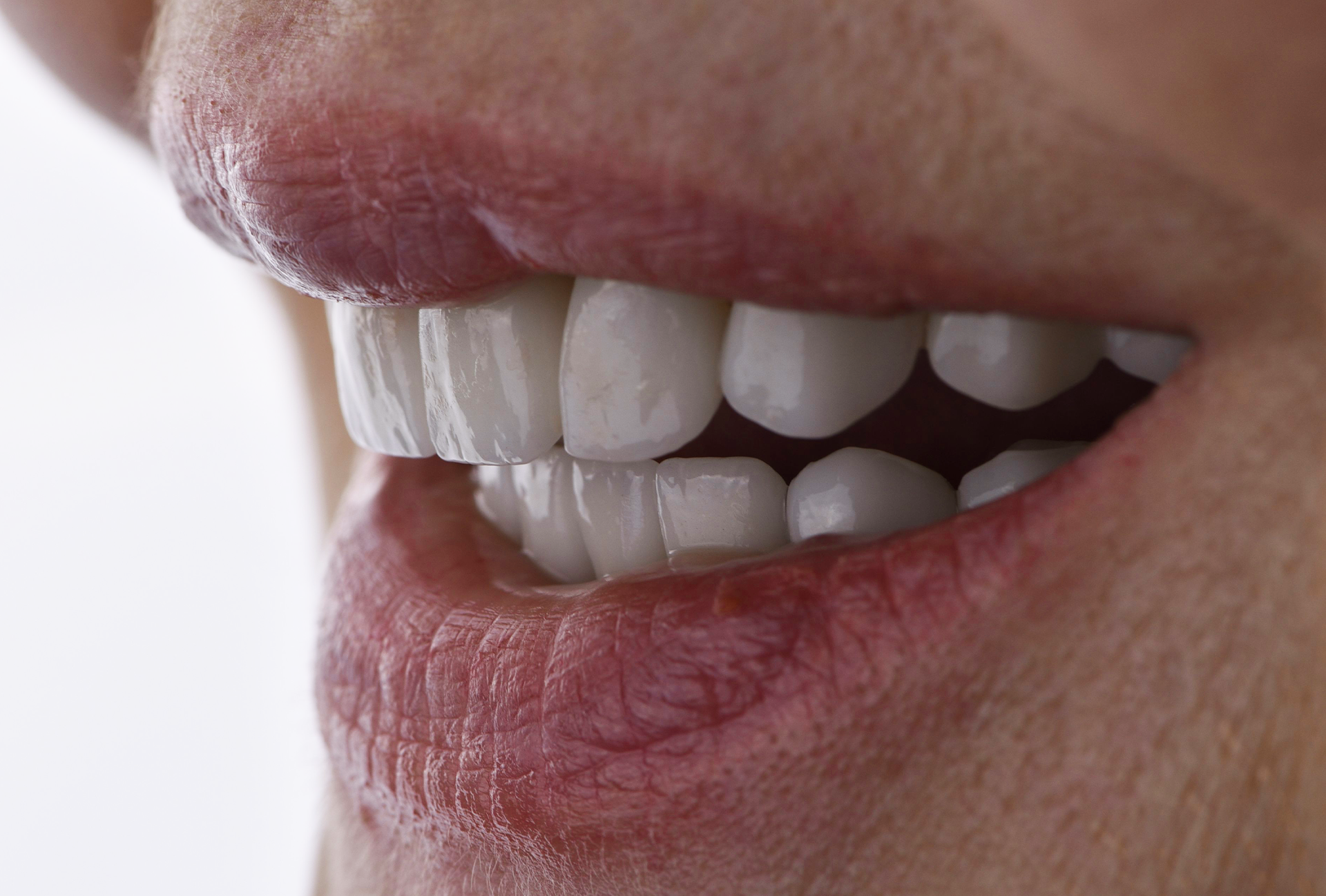
Dental veneers change the colour, shape, length and proportions of teeth and comprehensively improve the look of your smile.
Who makes veneers at MistoDent Kraków?
Veneer treatment at MistoDent Kraków is carried out by dentists specialising in cosmetic dentistry and prosthodontics. Before treatment we assess the teeth, gums and bite, and then choose the right type of veneers and how the teeth will be prepared.

What are dental veneers?
Veneers are thin restorations placed on the front surface of the teeth. They improve tooth colour, shape, length and proportions, close small gaps between teeth and repair minor damage.
Veneers can be made of ceramics or composite material. At MistoDent we offer various types of ceramic veneers, including E.max veneers, as well as several techniques for composite veneers.
Depending on the situation, a veneer can be placed on a single tooth or several front teeth, or a comprehensive change of the whole smile zone can be planned.
When are veneers worth considering?
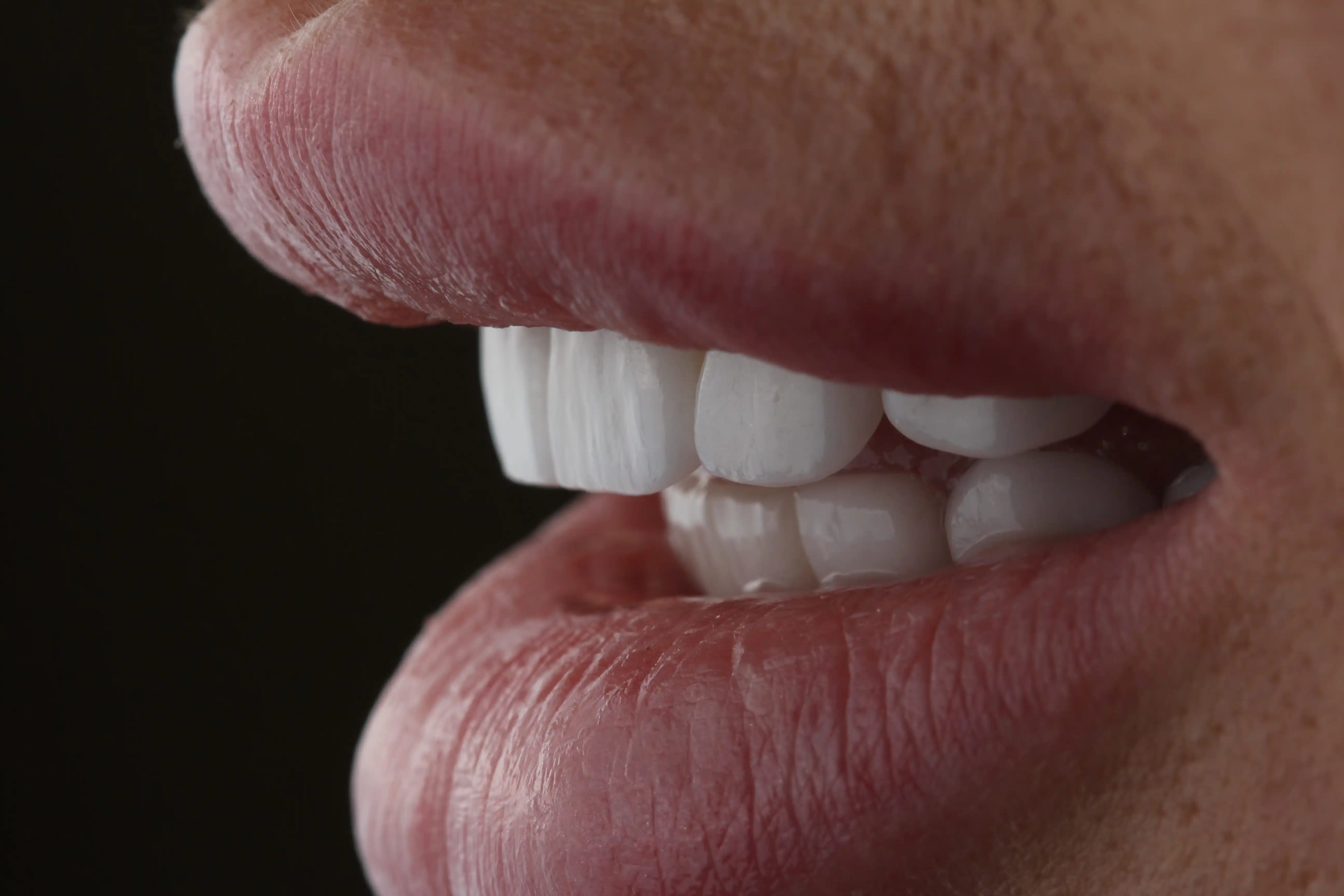
Veneers may be a solution if you want to improve:
- tooth colour and mask discolouration;
- tooth shape and proportions;
- the length of worn or too short teeth;
- a diastema or small gaps between teeth;
- chipped tooth edges;
- asymmetry of the front teeth;
- the look of the central incisors and other front teeth;
- the aesthetics of the whole smile zone.
Veneers can also visually correct minor misalignment. With larger irregularities, however, orthodontic treatment may be needed.
Before placing veneers, we treat active caries and gum disease and assess the bite.
Types of veneers available at MistoDent
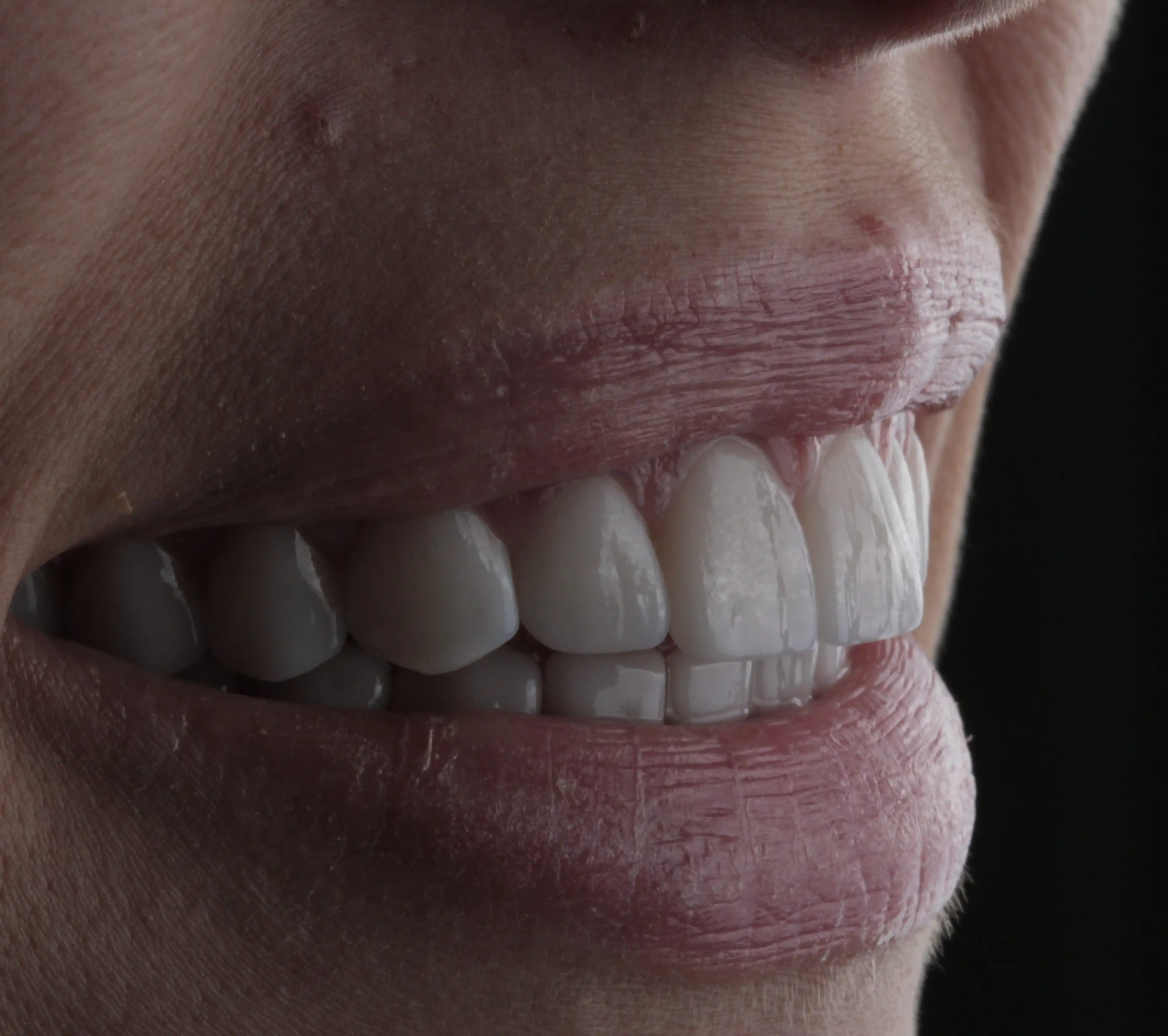
At MistoDent we make various types of ceramic and composite veneers. The choice is not based on the look of the material alone — we also take into account the condition of the enamel, the position of the teeth, the bite and the scope of the planned change.
Ceramic and porcelain veneers
Ceramic veneers, which patients often also call porcelain veneers, are thin restorations made individually for each patient.
They change the colour, shape, length and proportions of the teeth. Ceramics recreate the natural translucency and structure of enamel and offer high colour stability.
At MistoDent we make various types of ceramic veneers, choosing the material and technology for each case.
Feldspathic veneers
Veneers made of feldspathic ceramics reproduce the natural look of enamel very precisely — its colour, translucency and individual structure.
They are used above all when a very precise aesthetic correction of the front teeth matters.
E.max veneers
E.max veneers are ceramic veneers. They are made of IPS e.max system materials, including lithium disilicate ceramics.
They combine high aesthetics with the mechanical properties of the material. They can be used both to correct single teeth and in a more comprehensive smile makeover.
Depending on the material and treatment plan, E.max veneers can be made using Press or CAD/CAM technology, among others.
Composite veneers
Composite veneers are made of composite material matched to the natural colour of the teeth. They change the shape and proportions of the teeth, close a small diastema, repair chips and improve the symmetry of the smile.
Depending on the method, composite veneers can be made directly or indirectly.
Direct composite veneers
Composite material is applied directly to the tooth surface, and the dentist gradually sculpts its final shape.
In suitable cases the procedure can be done in one visit, without drilling or with minimal intervention in natural tooth tissue.
Direct composite restoration methods include bonding and Flow Injection.
Indirect composite veneers
Composite veneers can also be prepared outside the mouth based on a previously planned tooth shape.
The finished restorations are then tried in and bonded to the tooth surfaces.
Flow Injection
Flow Injection is a technique for composite restorations that uses a pre-designed tooth shape and a special matrix.
Flowable composite is injected into the matrix, which allows the planned tooth proportions to be reproduced precisely.
Porcelain or composite veneers — which to choose?
These are the two main options for changing the look of the front teeth, but they differ in material, fabrication technology and properties.
Criterion
Ceramic / porcelain veneers
Composite veneers
Material
Ceramics
Composite
Aesthetics
Very good reproduction of enamel and translucency
Great flexibility in shaping colour and form
Colour stability
High
Lower than ceramics
Staining
Low susceptibility
More prone to staining
Fabrication
Indirect
Direct or indirect
Number of visits
Usually several stages
Direct ones often in a single visit
Tooth preparation
No-prep, minimal-prep or preparation — depending on the case
Often without drilling or with minimal intervention
Repair
Depends on the type of damage
Usually easier
Price
Usually higher
Usually lower
The overall look of the whole smile
A combination of several cosmetic dentistry methods
There is no single type of veneer that suits every patient. We choose the material after assessing the teeth, enamel, bite and the expected result.
No-prep veneers — do teeth have to be filed for veneers?
Not always. No-prep veneers can be made in selected cases, if the position and shape of the natural teeth allow material to be added without excessively increasing their volume.
Depending on the clinical situation, we use:
No-prep veneers
Made without filing the teeth, if clinical conditions allow.
Minimal-prep veneers
They require only minimal preparation of the tooth surface.
Veneers with preparation
In some cases the enamel needs to be prepared to achieve the correct thickness, shape and position of the veneer.
We determine the extent of tooth preparation for veneers individually. The goal is to preserve as much natural tooth tissue as possible while achieving proper aesthetics and function.
How many teeth are veneers placed on?
There is no single number of veneers that suits every patient. It all depends on the width of the smile, the number of visible teeth and the scope of the planned change.
Veneers can be placed:
- on a single tooth, e.g. to correct one central incisor;
- on 2–4 teeth, when the problem concerns a small part of the smile zone;
- on 6–8 teeth, when a broader correction of the front teeth is planned;
- on 8–10 or more teeth, if the plan includes a comprehensive smile makeover.
These numbers are indicative. Veneers are not automatically placed on all teeth. The scope of treatment should follow from an individual smile design.
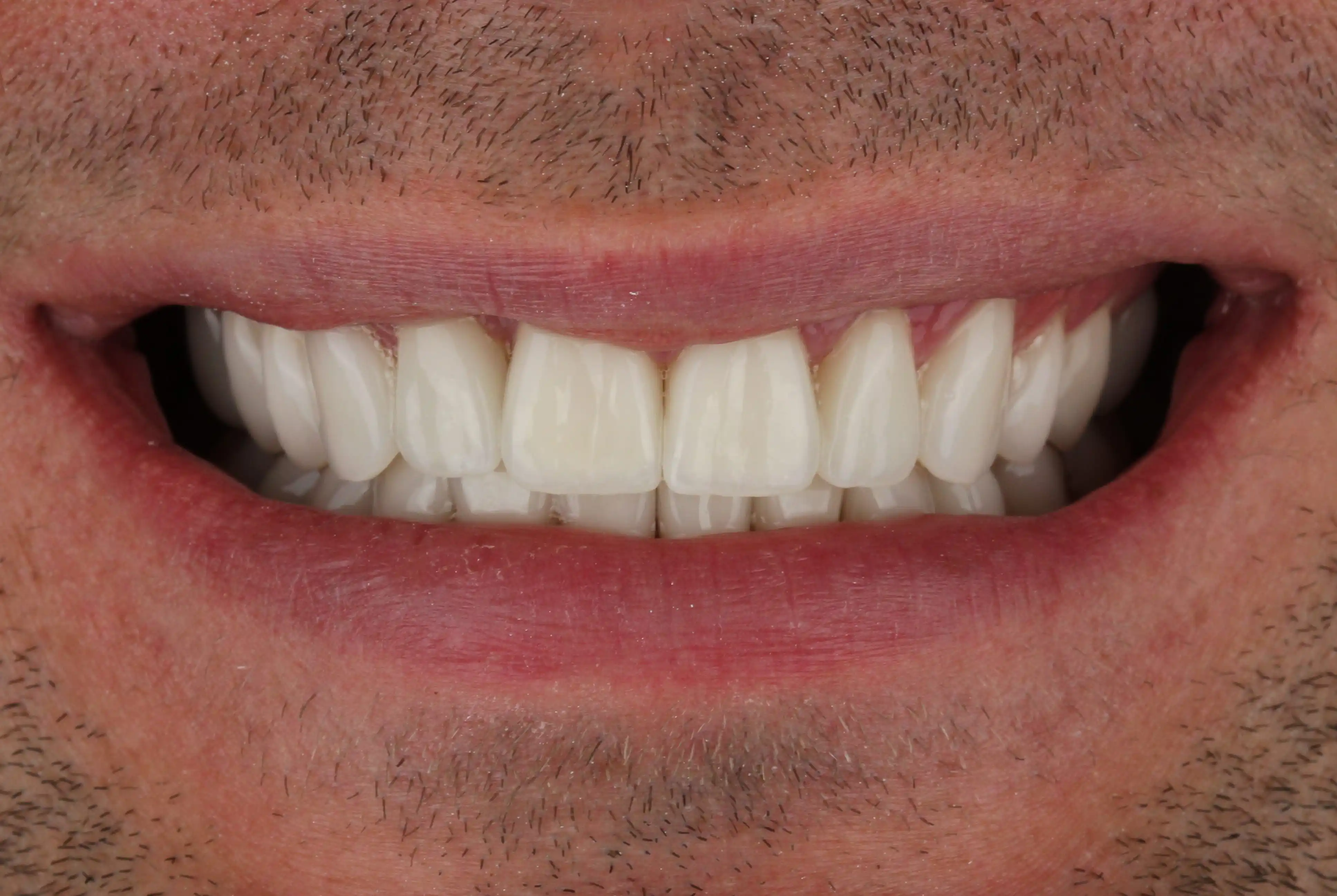
How are veneers placed? Step by step
- Consultation and diagnostics — We assess the teeth, gums and bite and find out what the patient would like to change in their smile.
- Smile planning — We choose the colour, shape, length and proportions of the future teeth. Depending on the case, we may use photographs, digital scanning and a design of the future smile.
- Preparing the teeth for veneers — Depending on the situation, we make veneers without drilling, with minimal preparation or with enamel preparation.
- Making the veneers — Composite veneers can be sculpted directly on the teeth. Ceramic veneers are made individually outside the mouth using a suitably chosen material and technology.
- Try-in and placement — We check the shape, colour, proportions and fit of the restorations. Once approved, the veneers are bonded to the tooth surfaces according to the appropriate protocol.
- Follow-up — After treatment we check the aesthetics, bite and function of the new restorations and give care recommendations.
Durability, safety and limitations of veneers
Do veneers damage teeth?
The extent of intervention in natural tissue depends on the type of veneers and the clinical situation. In some cases veneers can be made without drilling or with minimal preparation.
If preparation requires removing part of the enamel, the change is irreversible. That is why the extent of preparation should be planned before treatment begins.
How long do veneers last?
Durability depends on the material, bite, quality of work, hygiene and individual habits.
Ceramic veneers have high colour stability. Composite veneers may need polishing, correction or renewal over time.
Can veneers be removed?
A veneer can be removed or replaced, but this does not always mean the tooth can return to its original look. If the tooth has been filed, the lost enamel will not grow back.
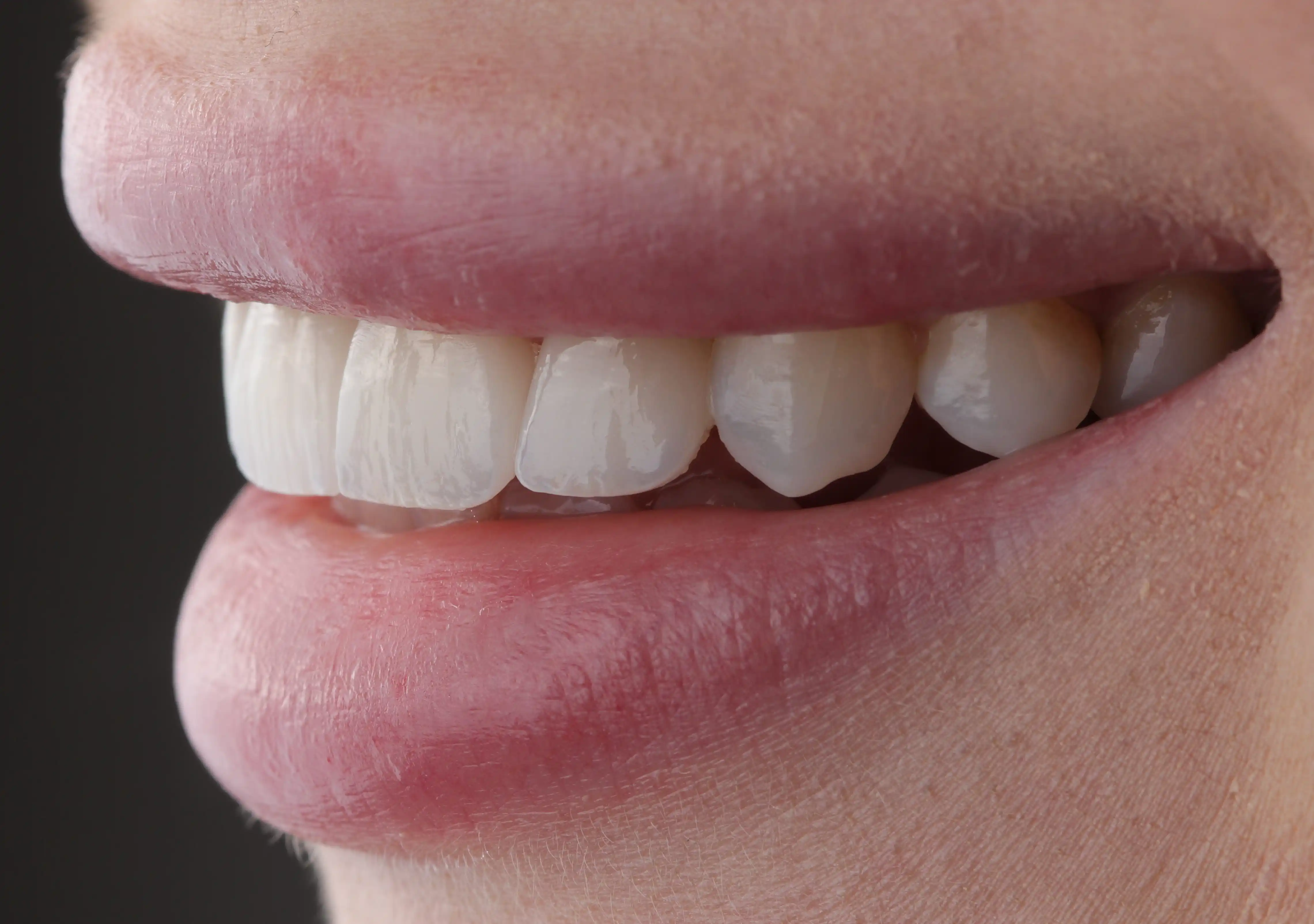
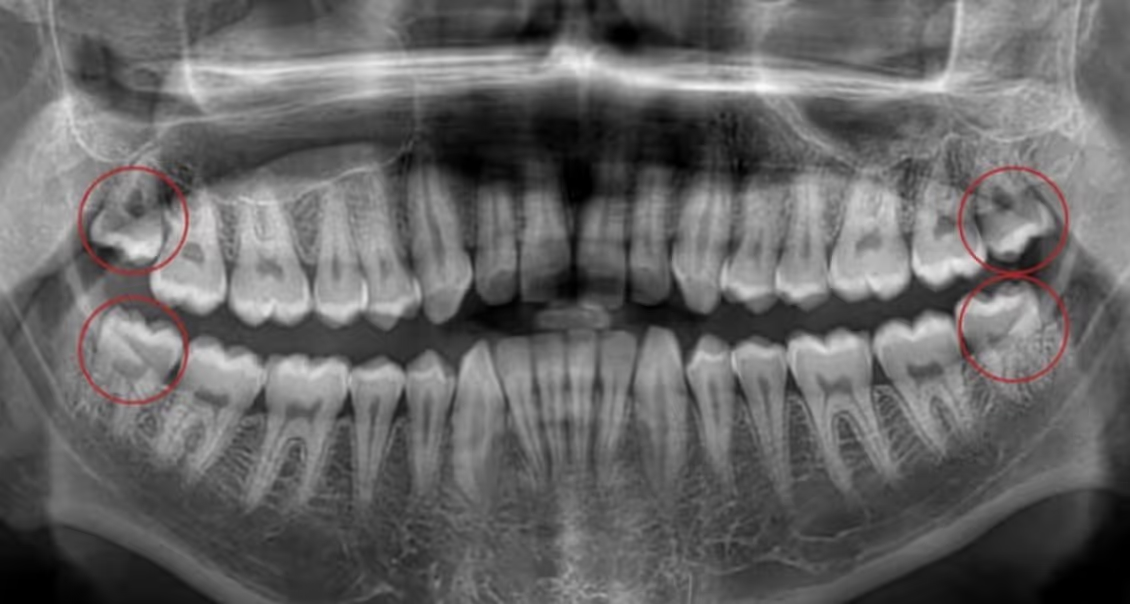
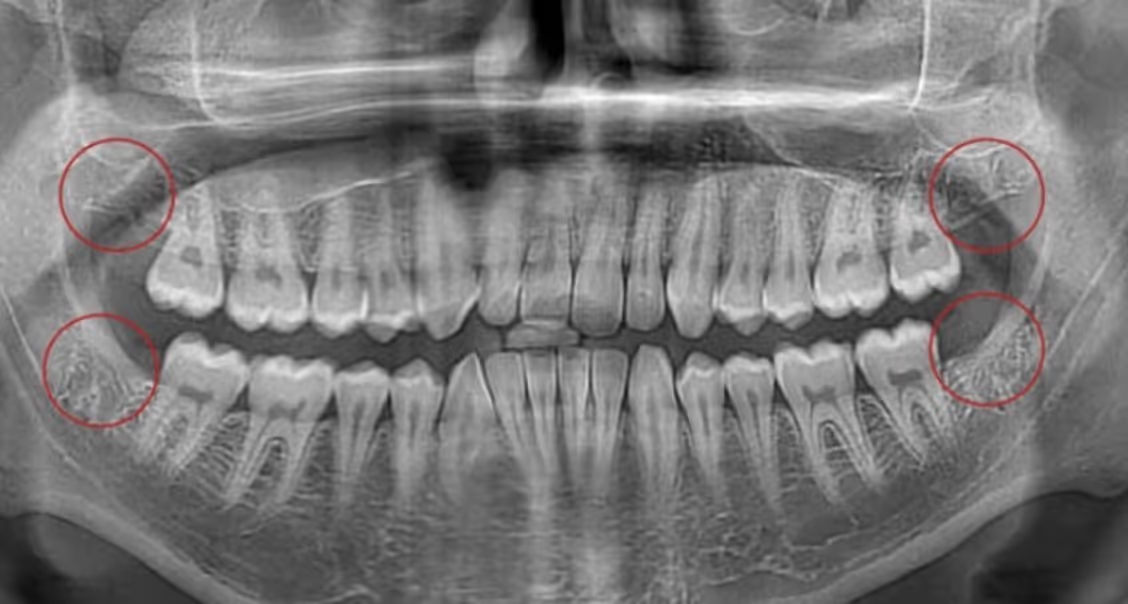
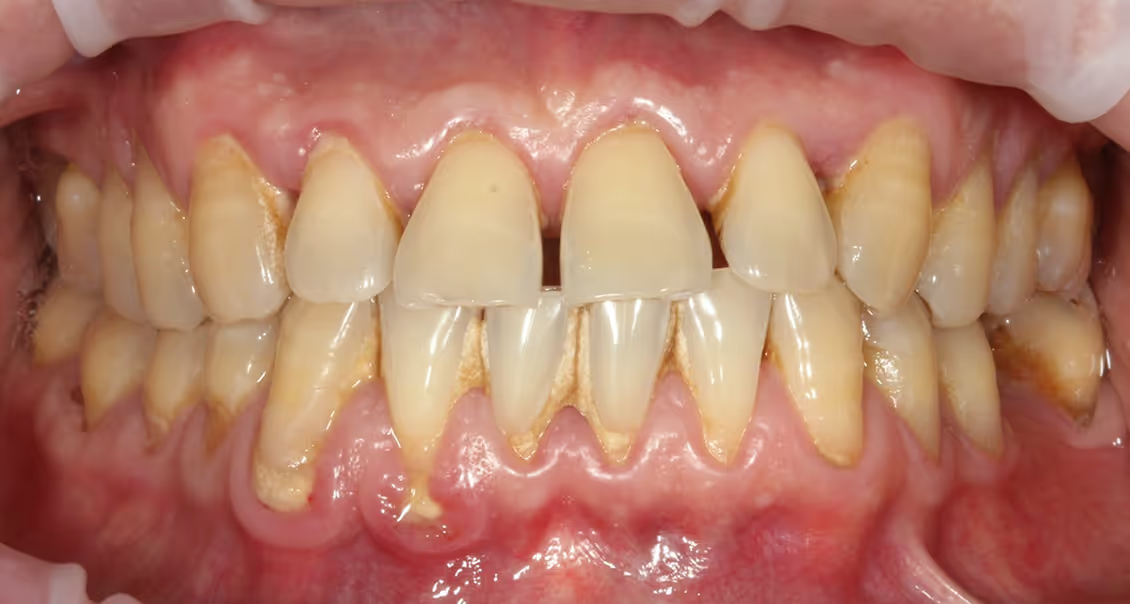
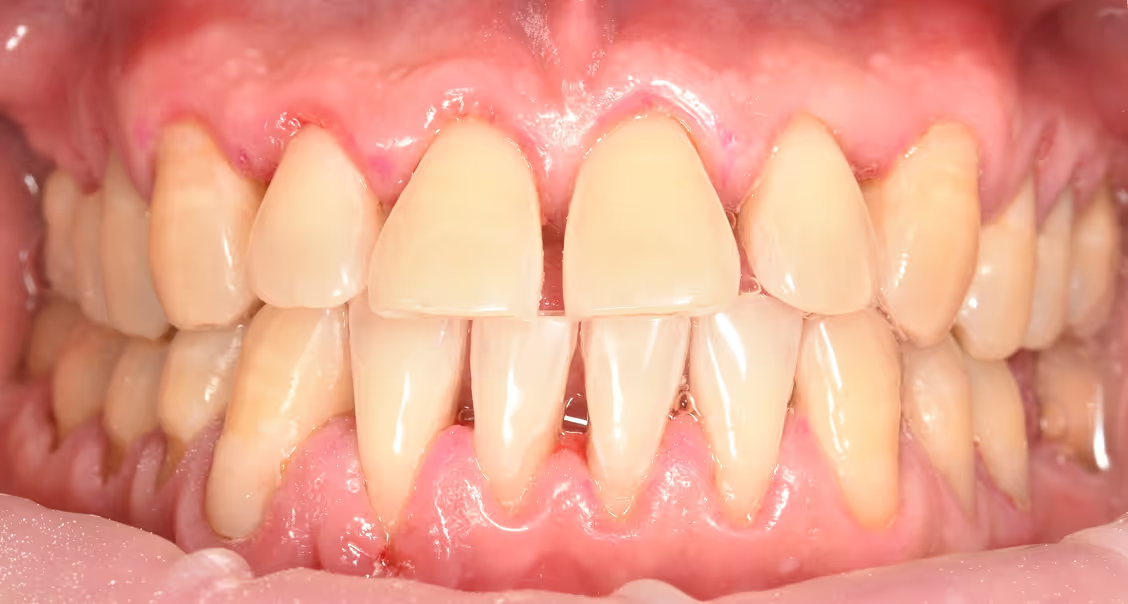
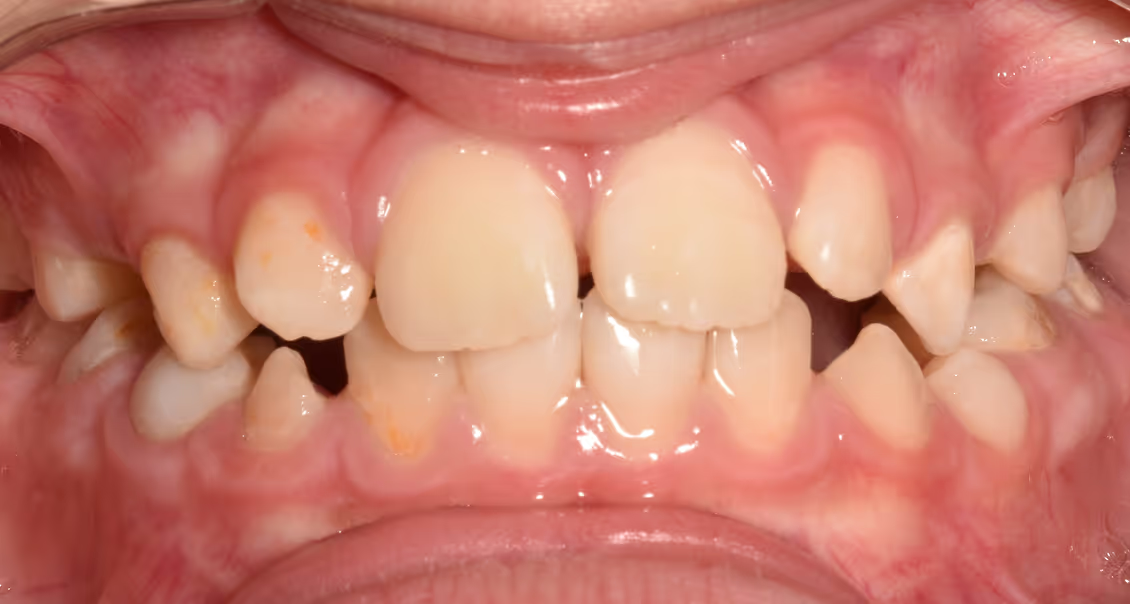
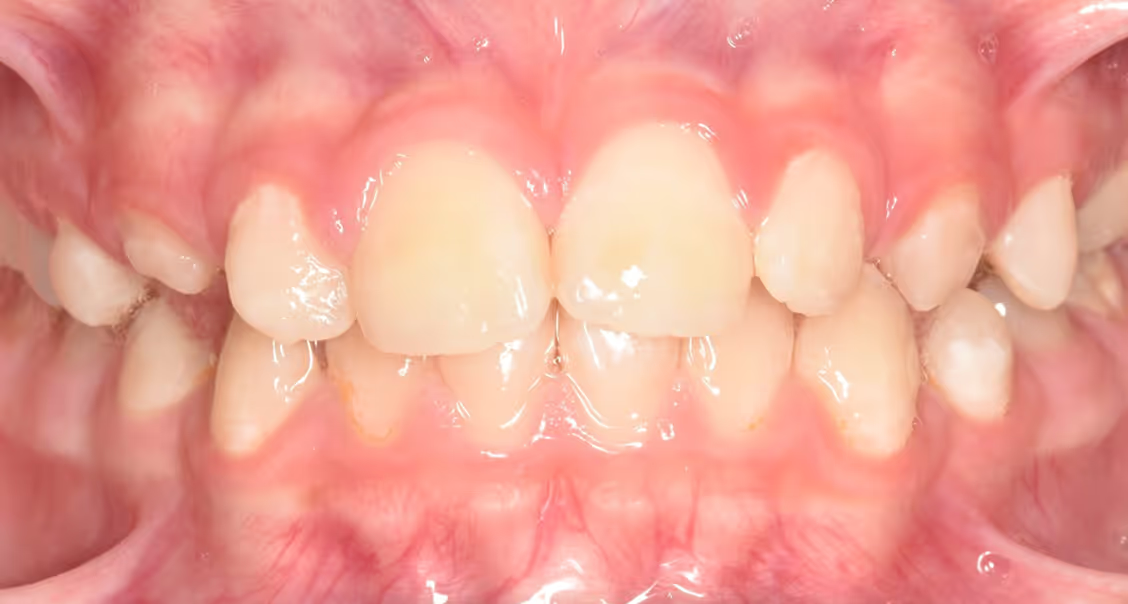
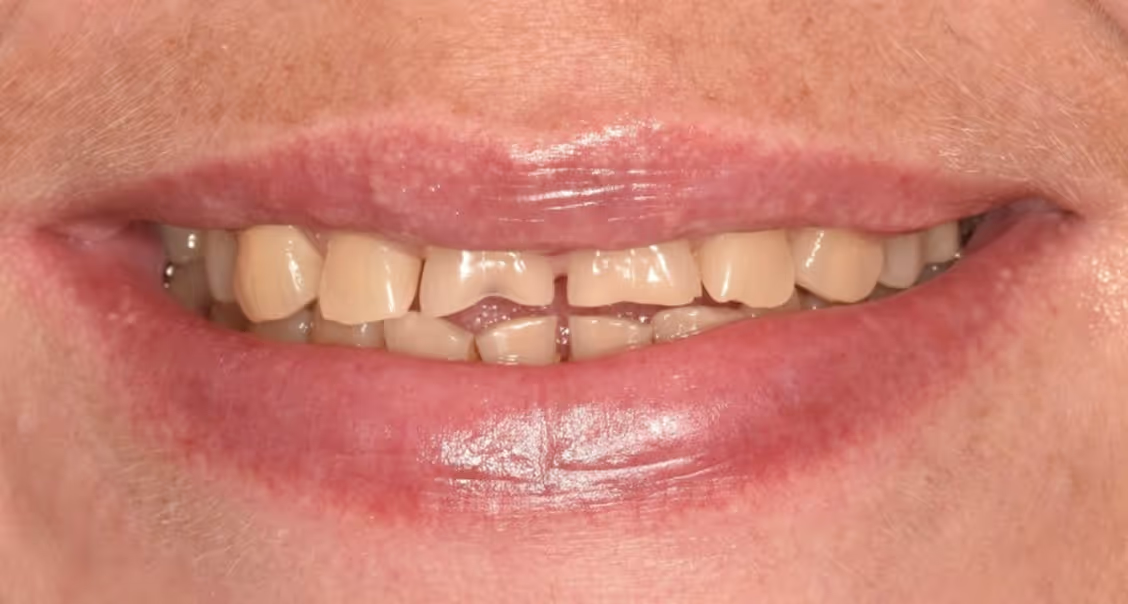
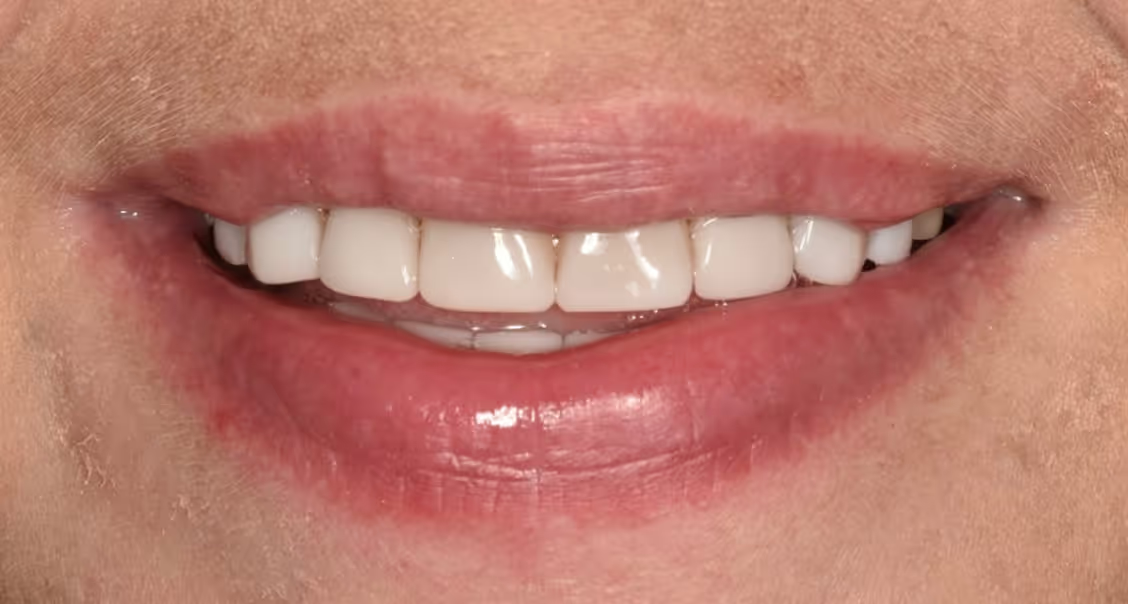
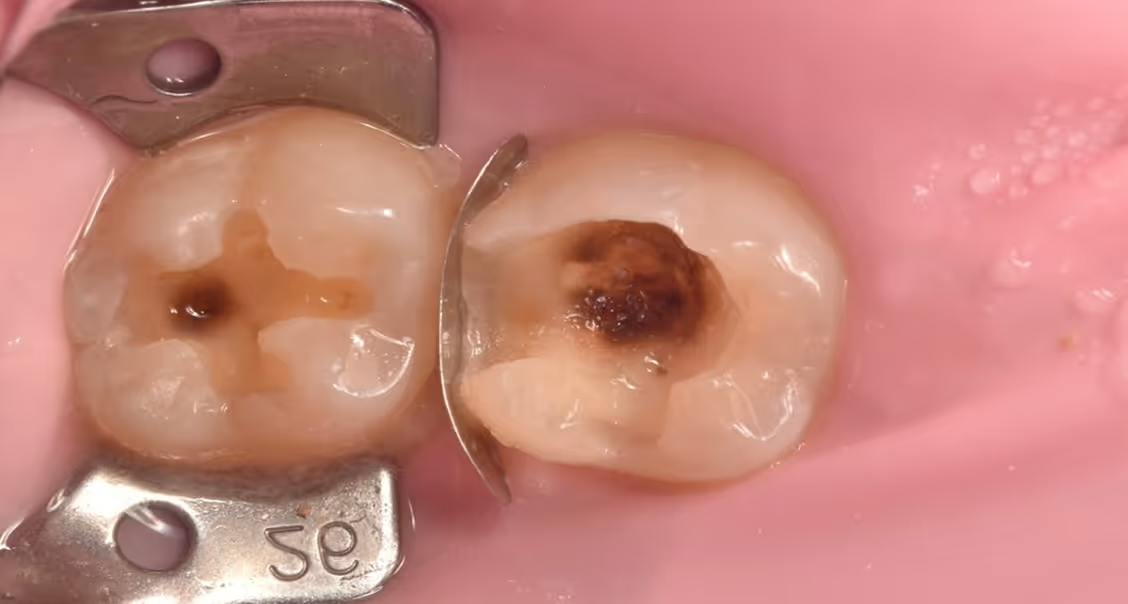
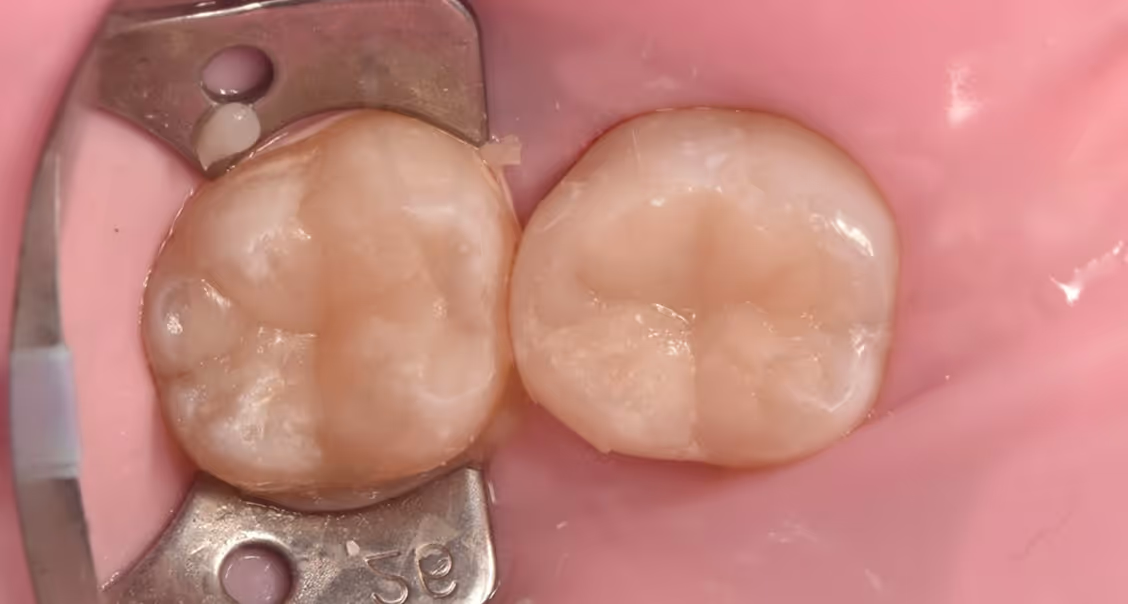
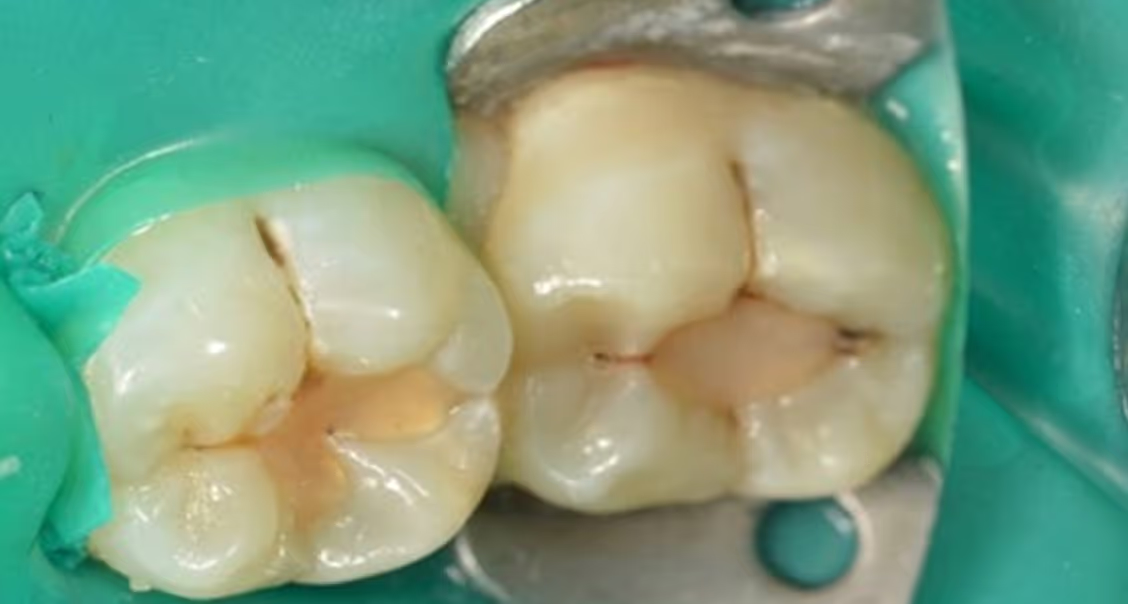
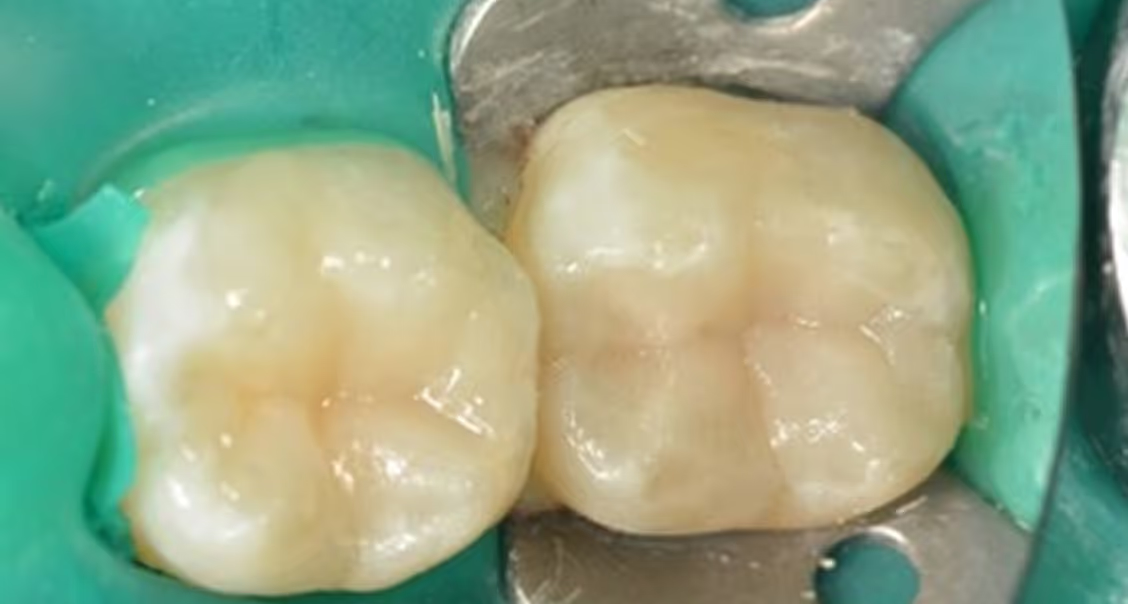
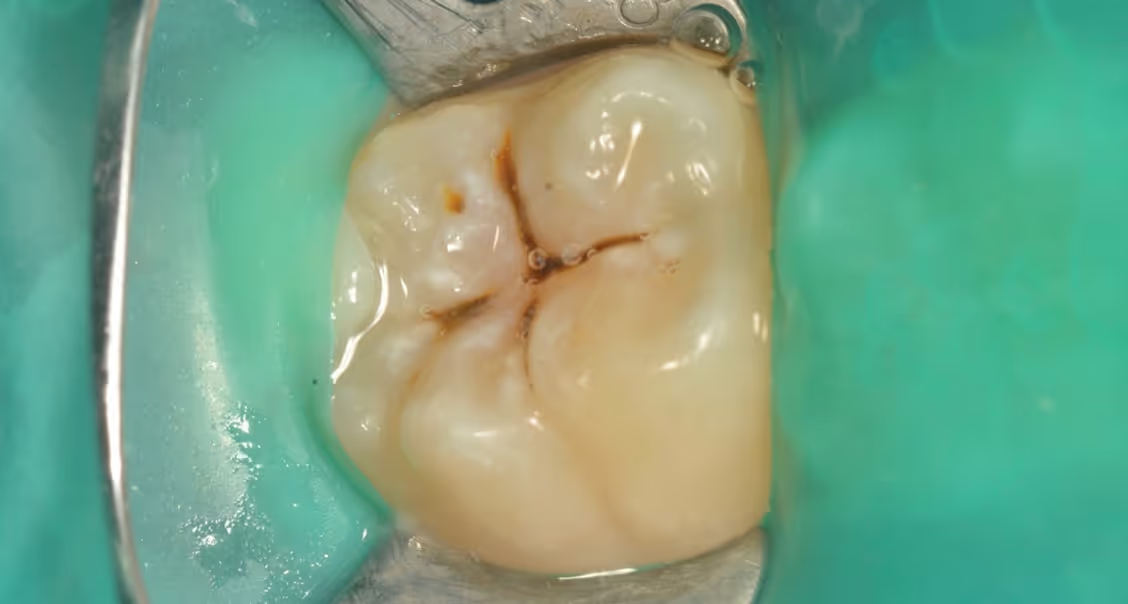
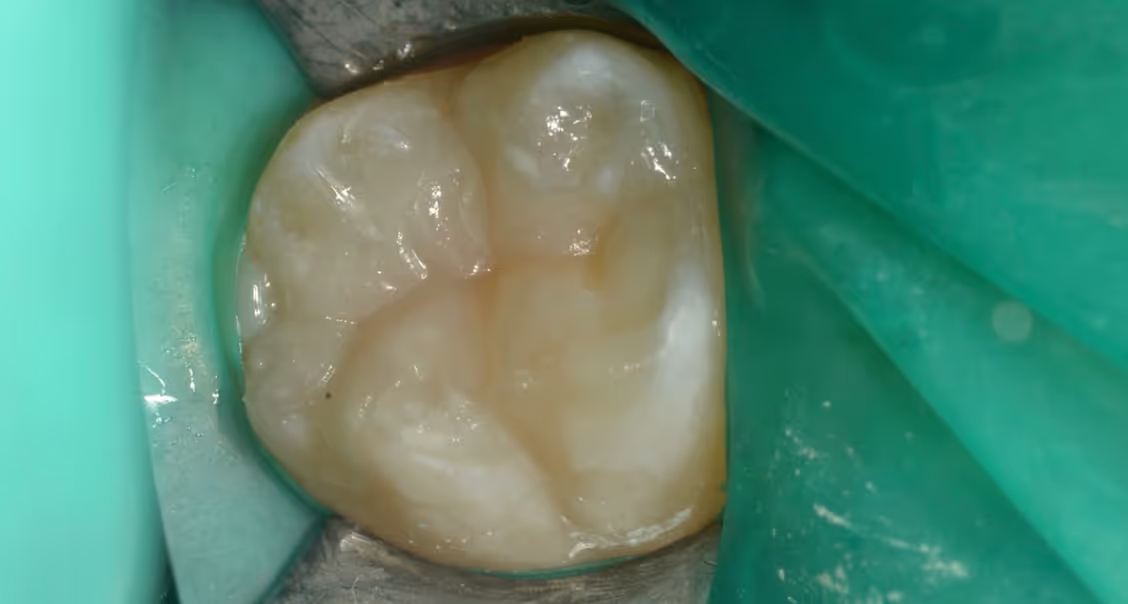
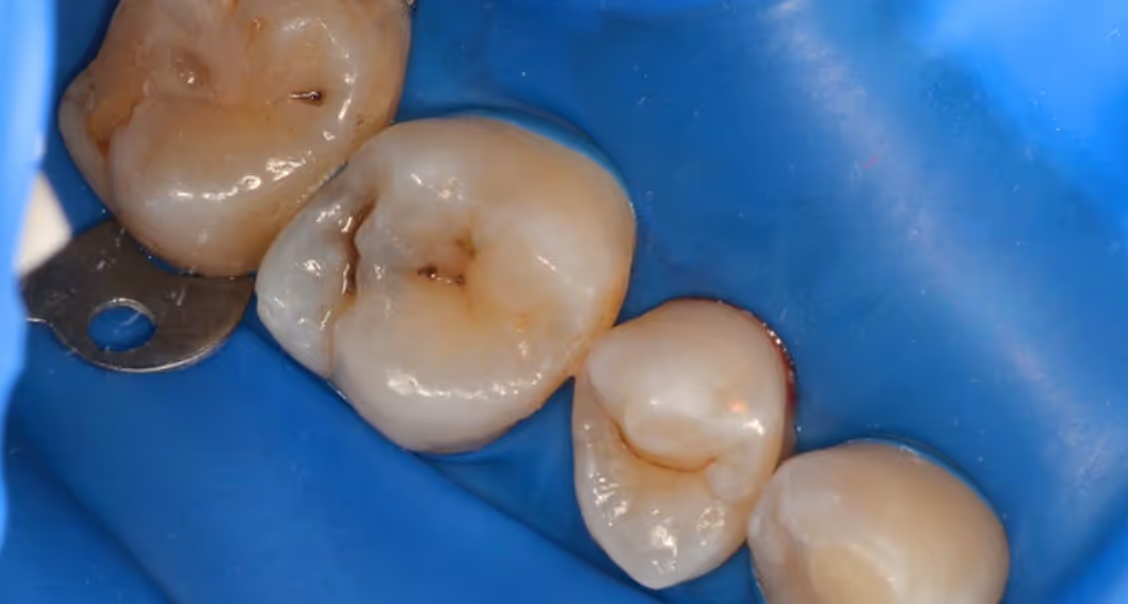
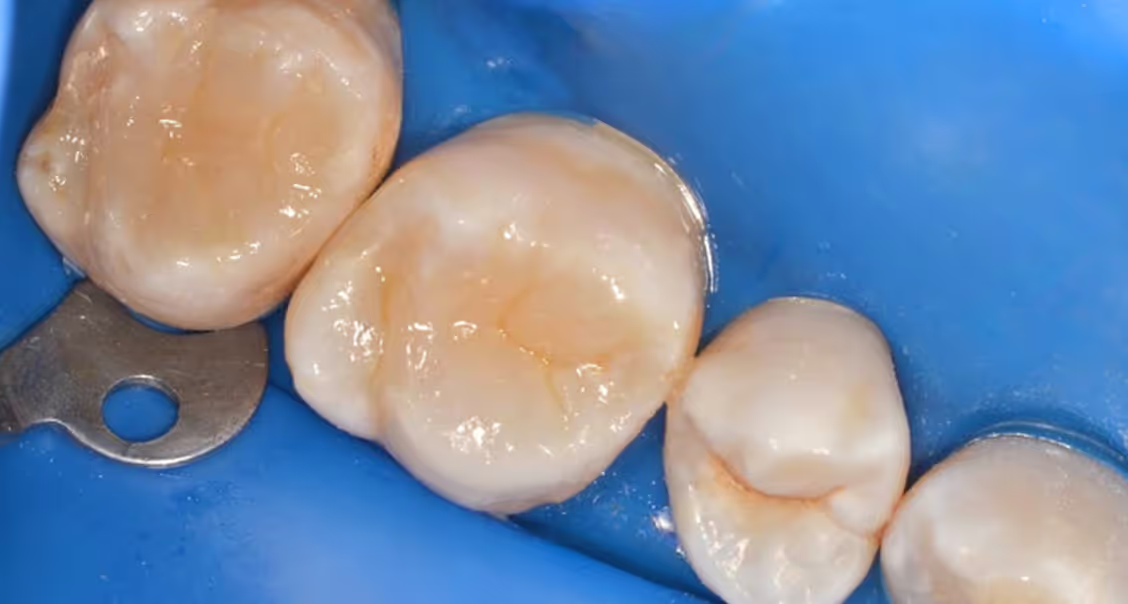
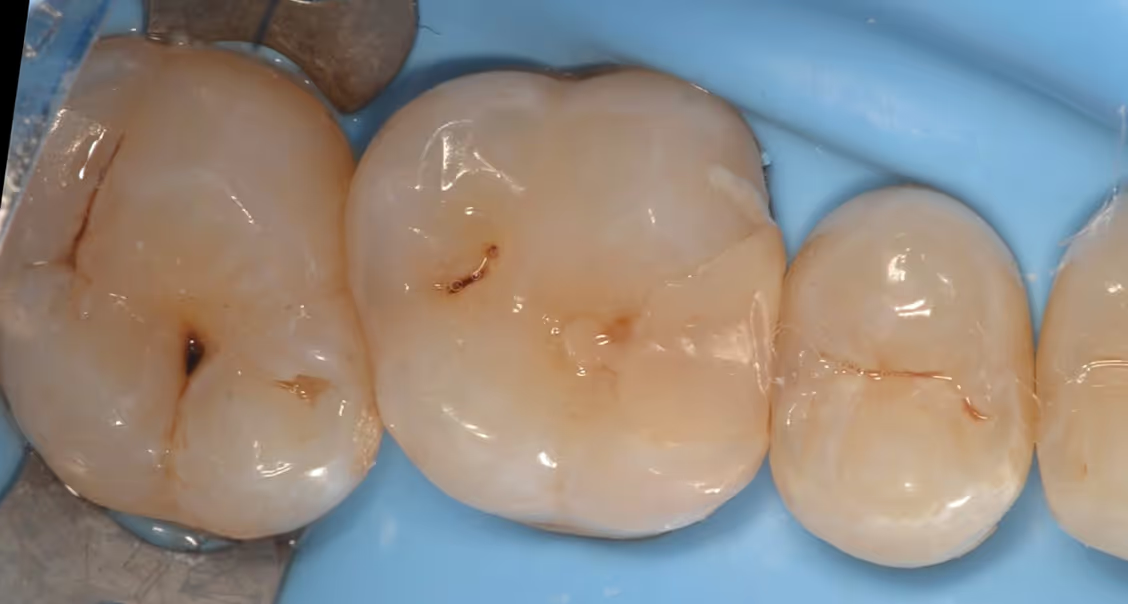
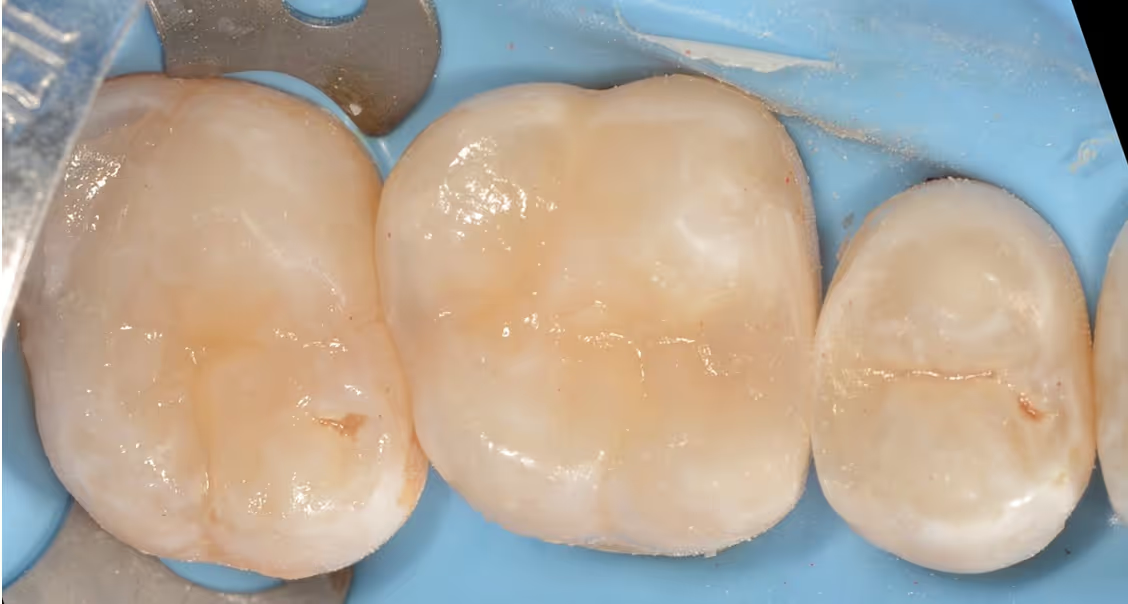
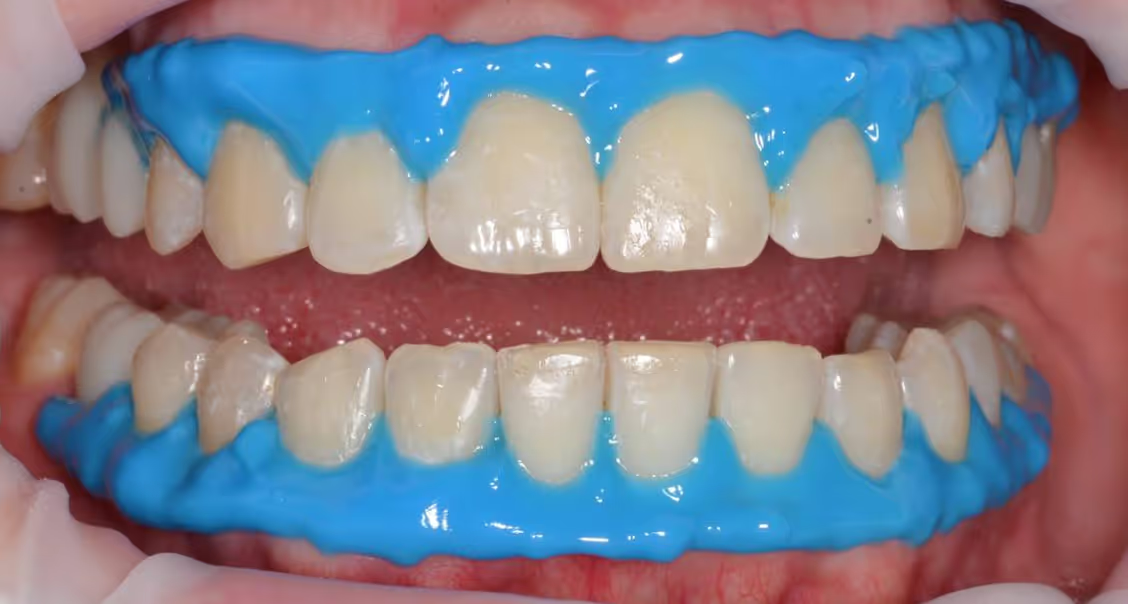
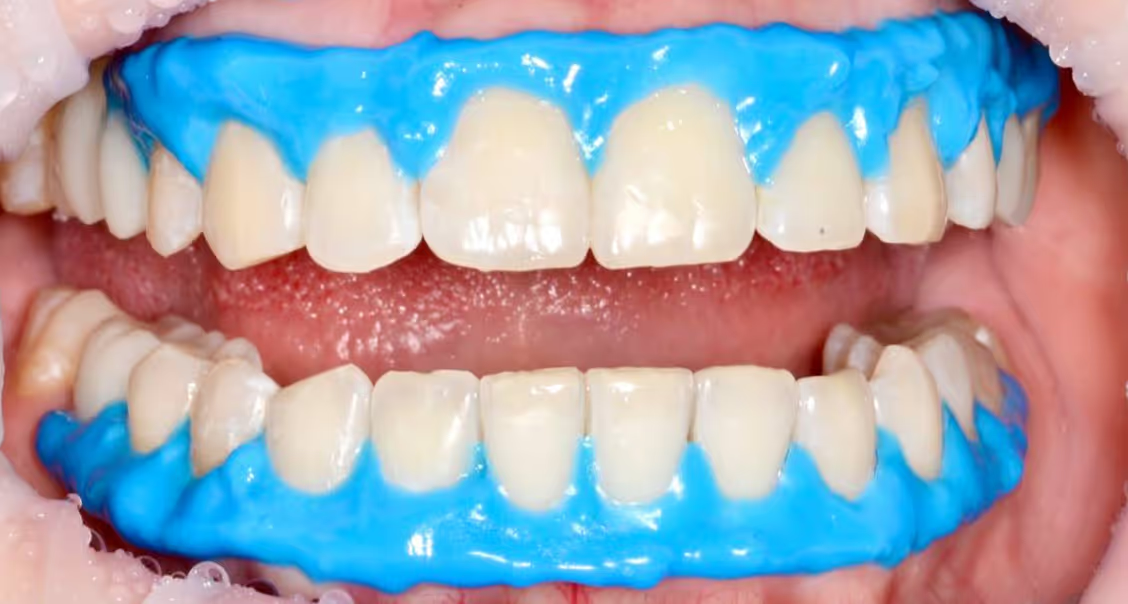
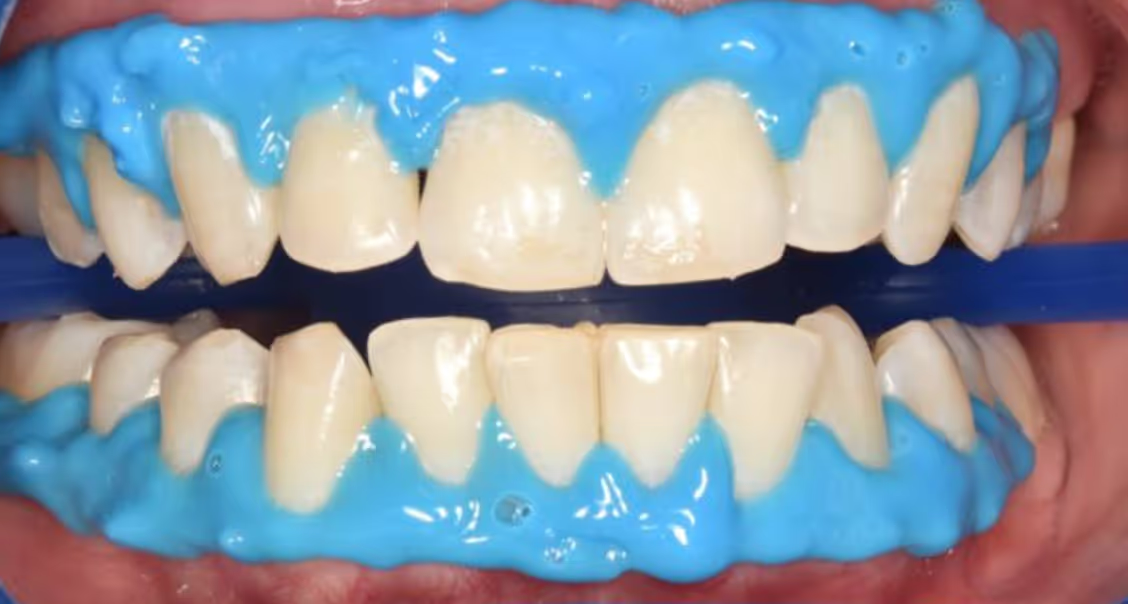
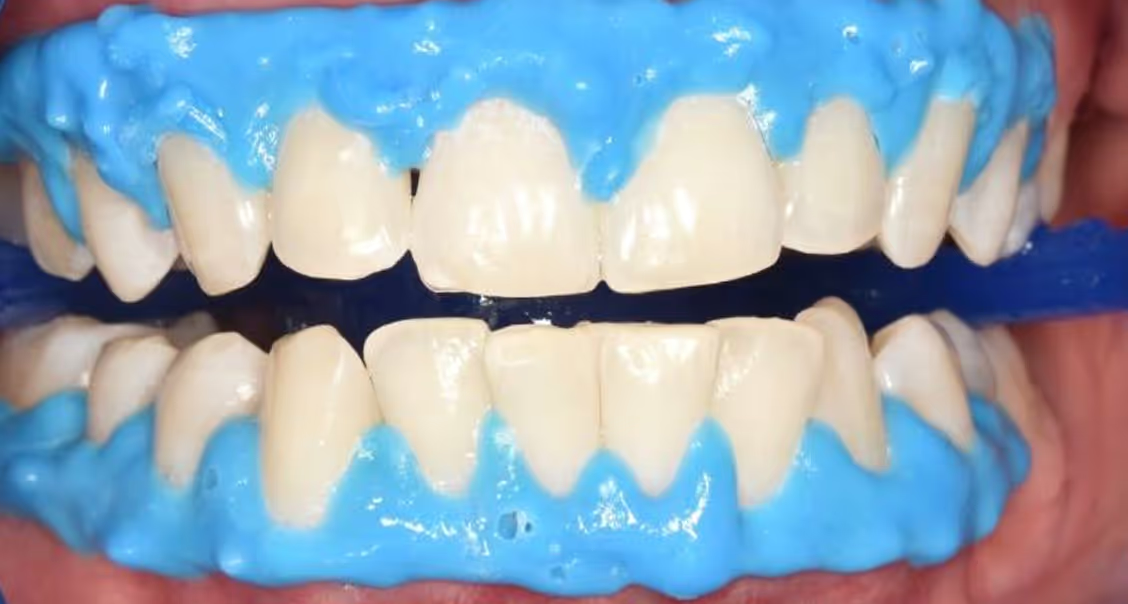
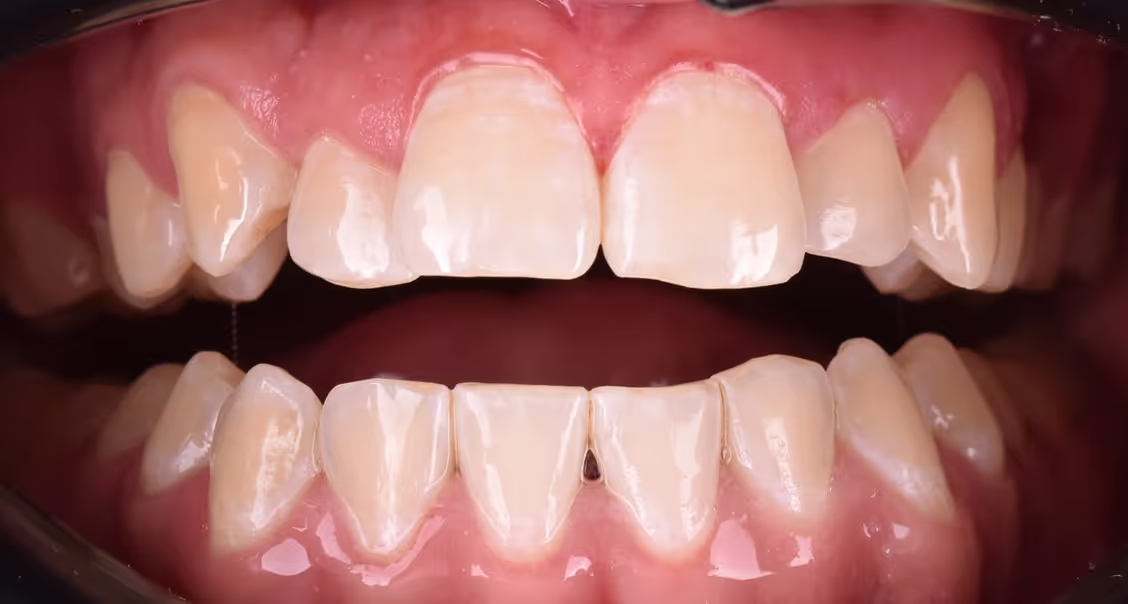
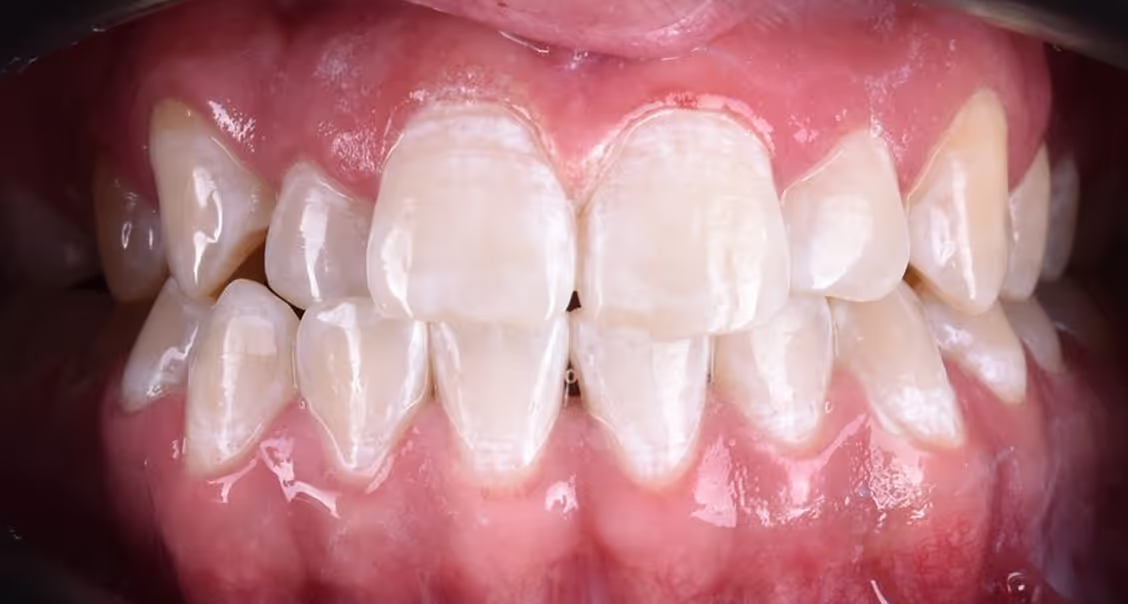
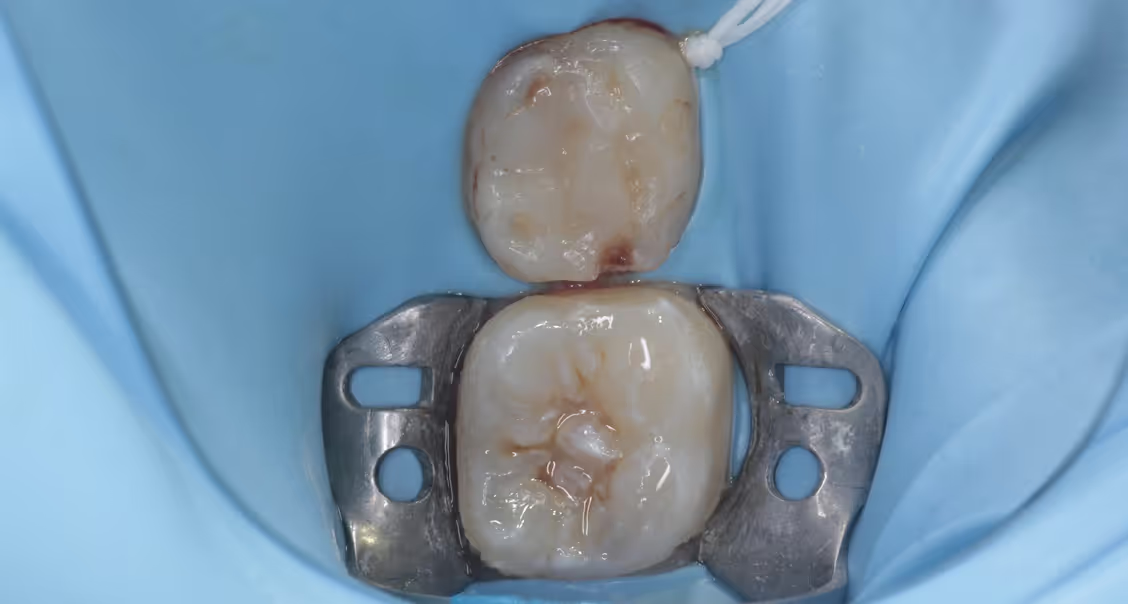
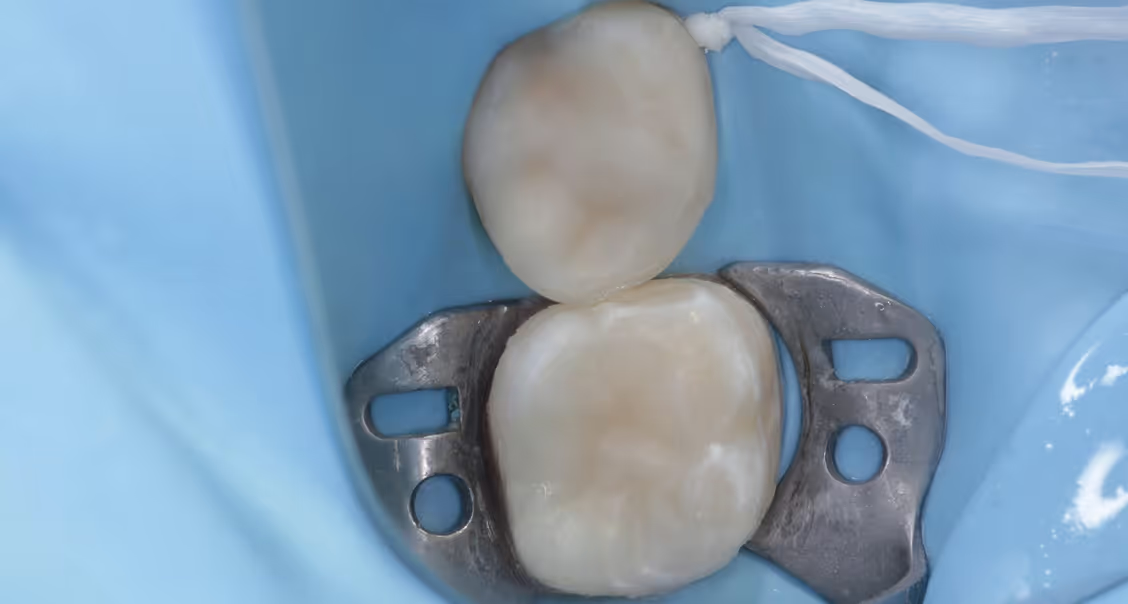
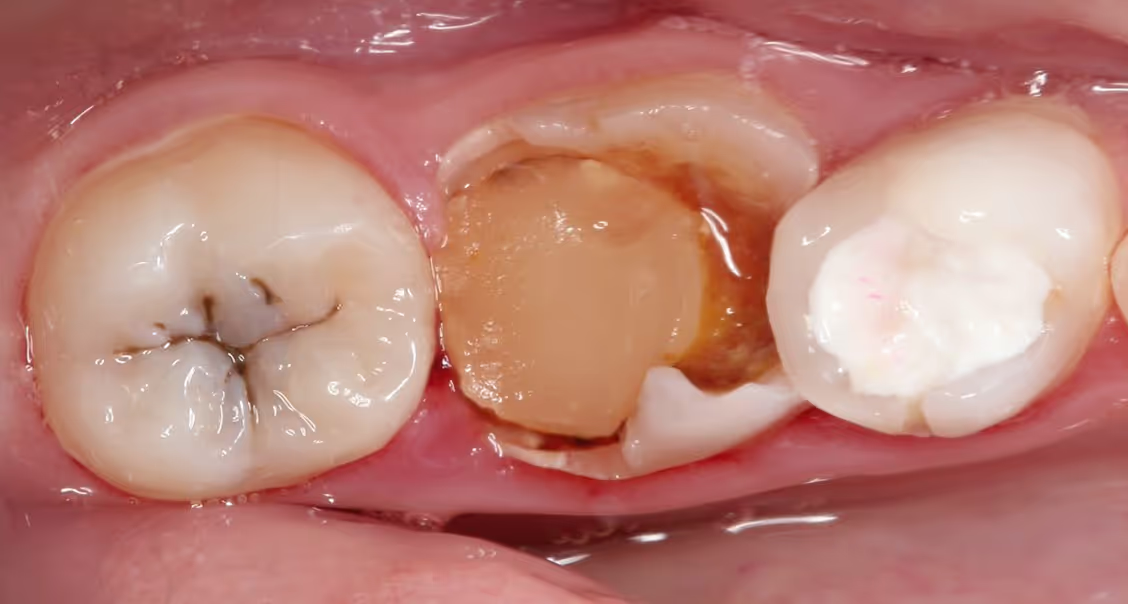
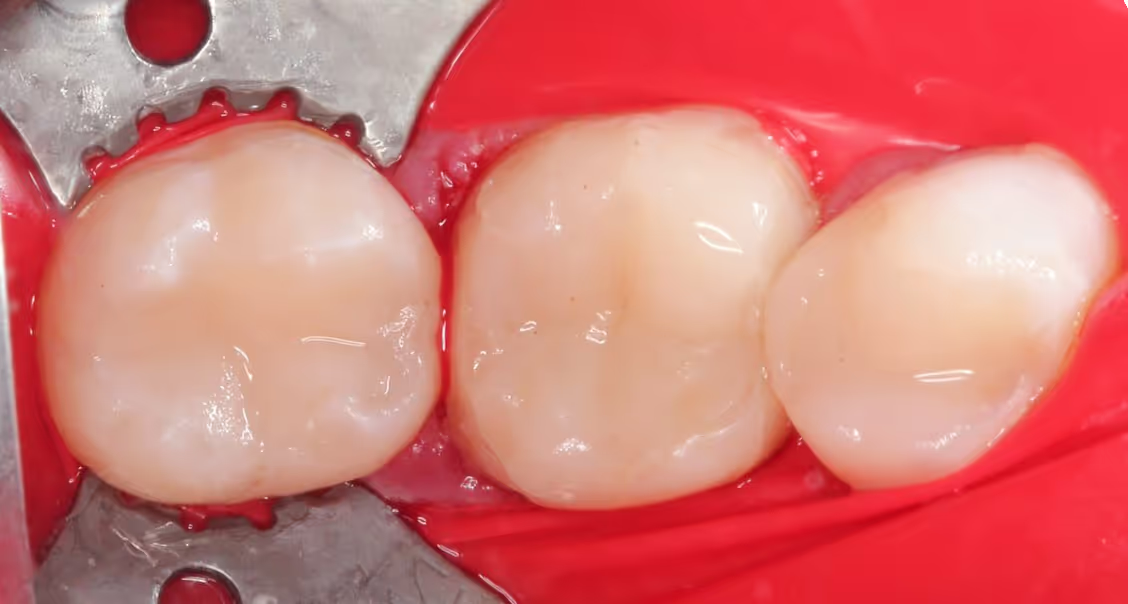
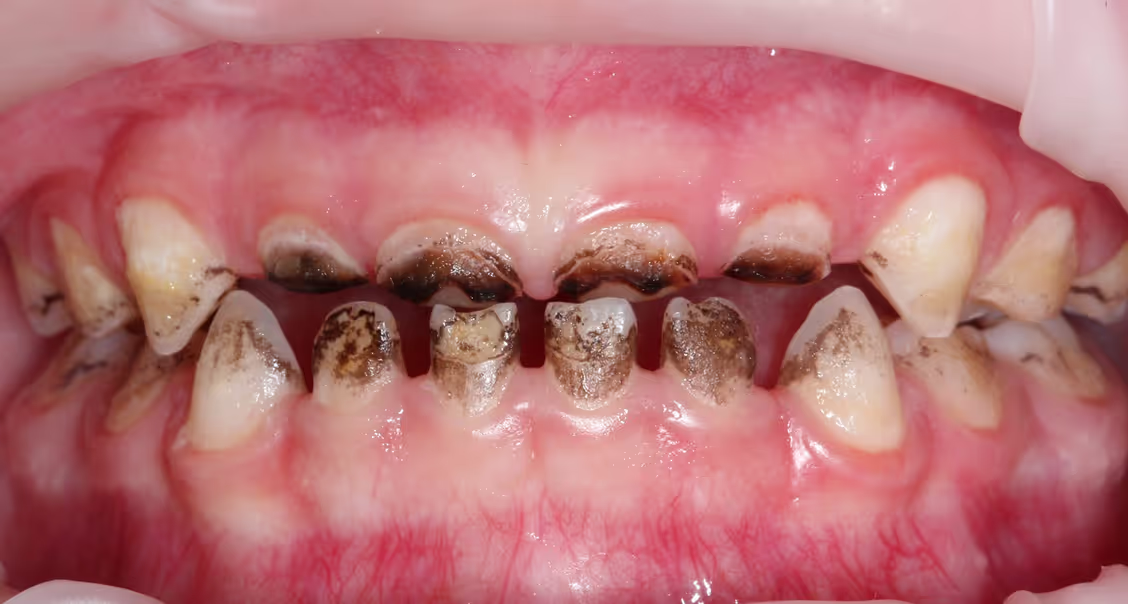
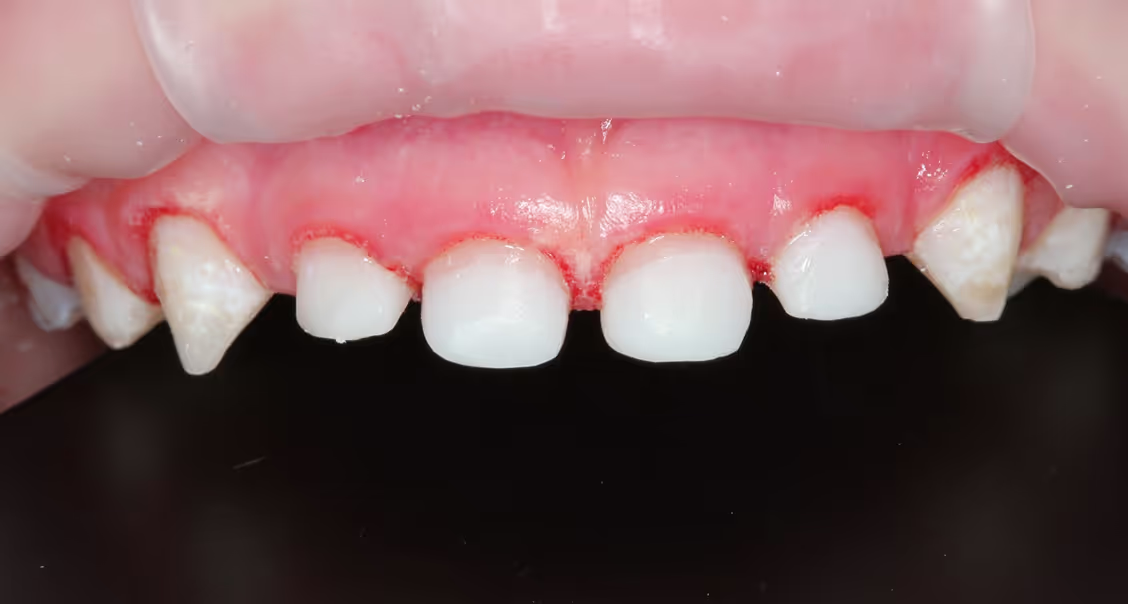
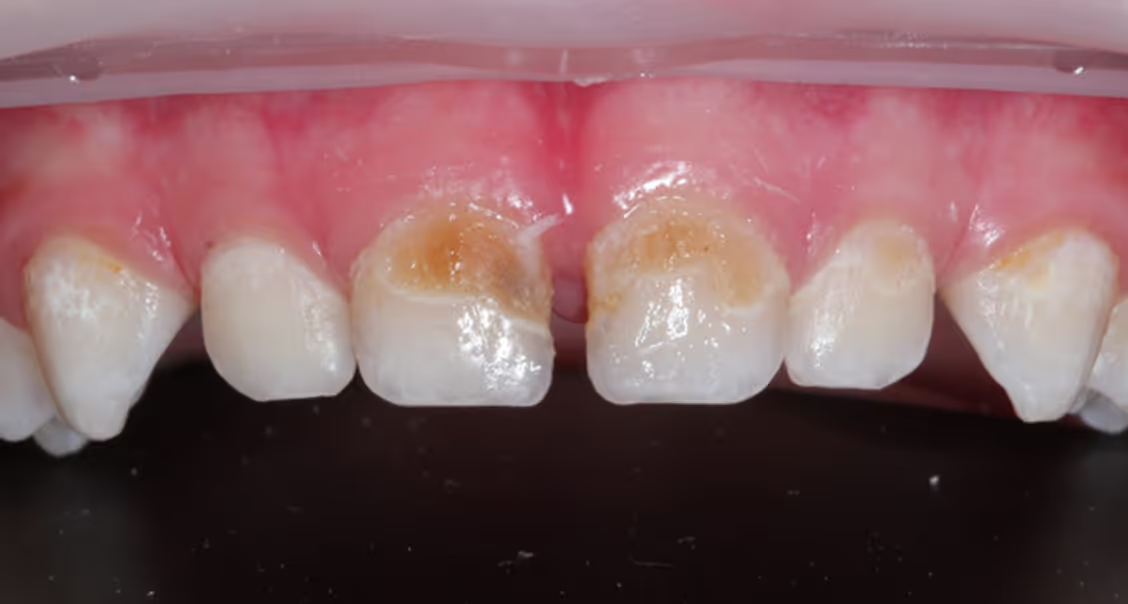
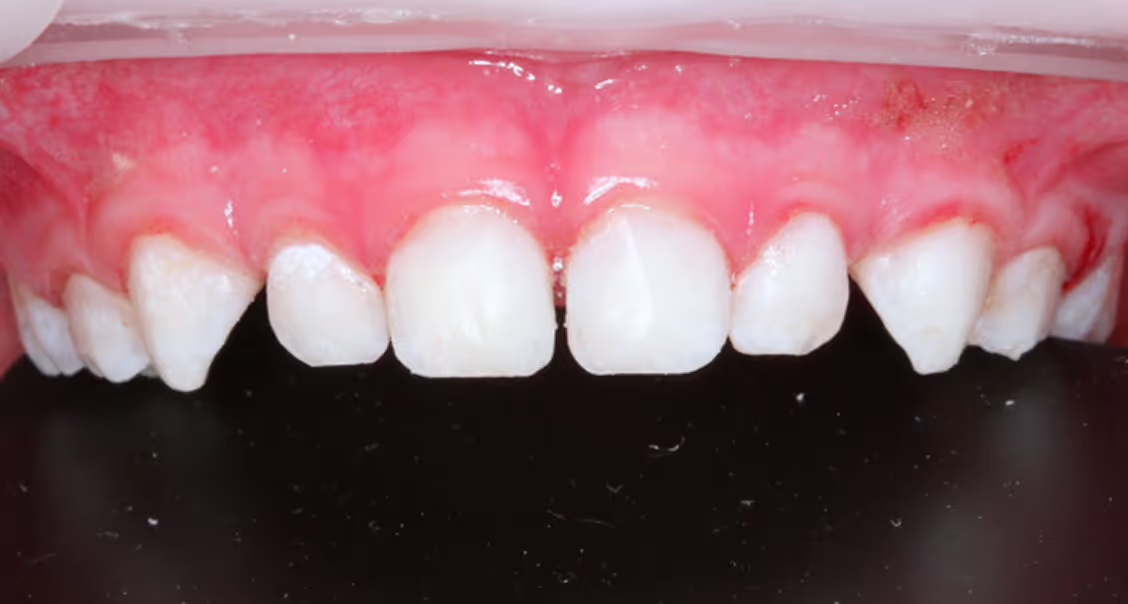
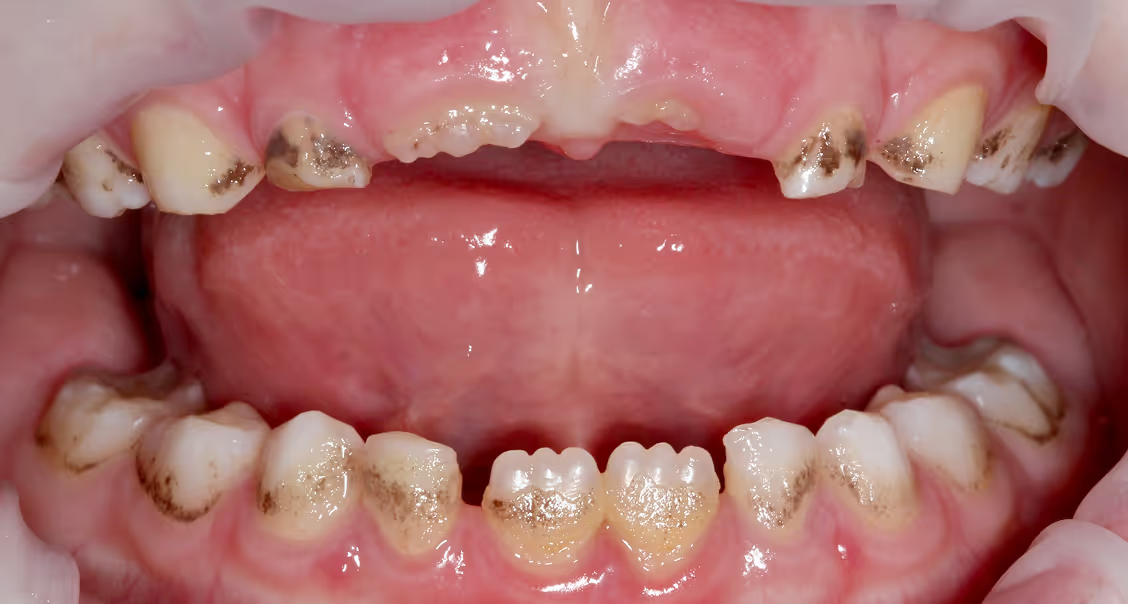
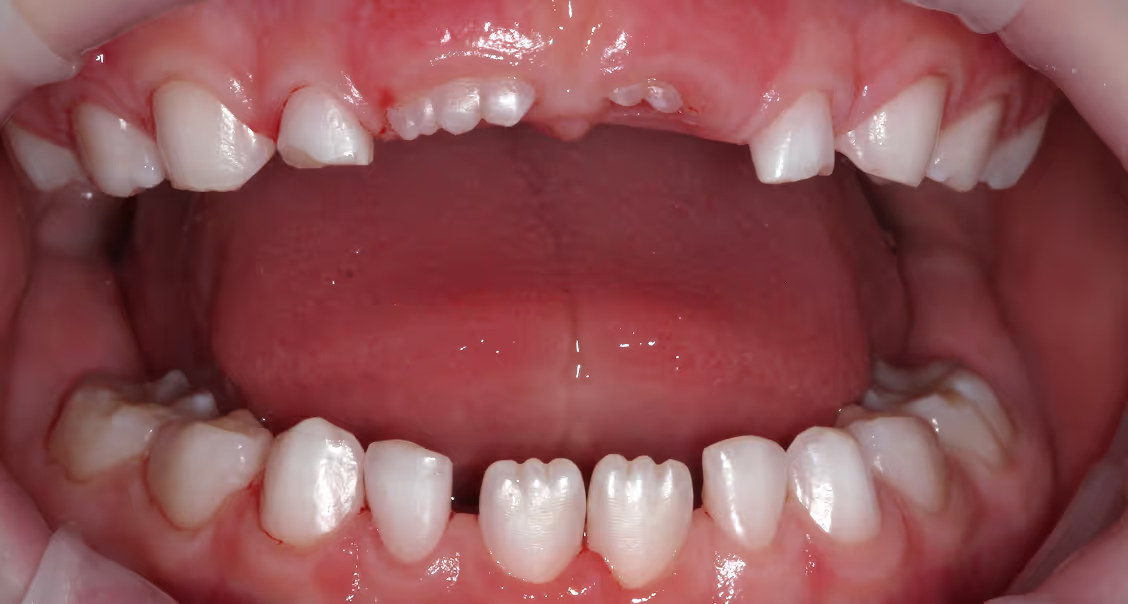
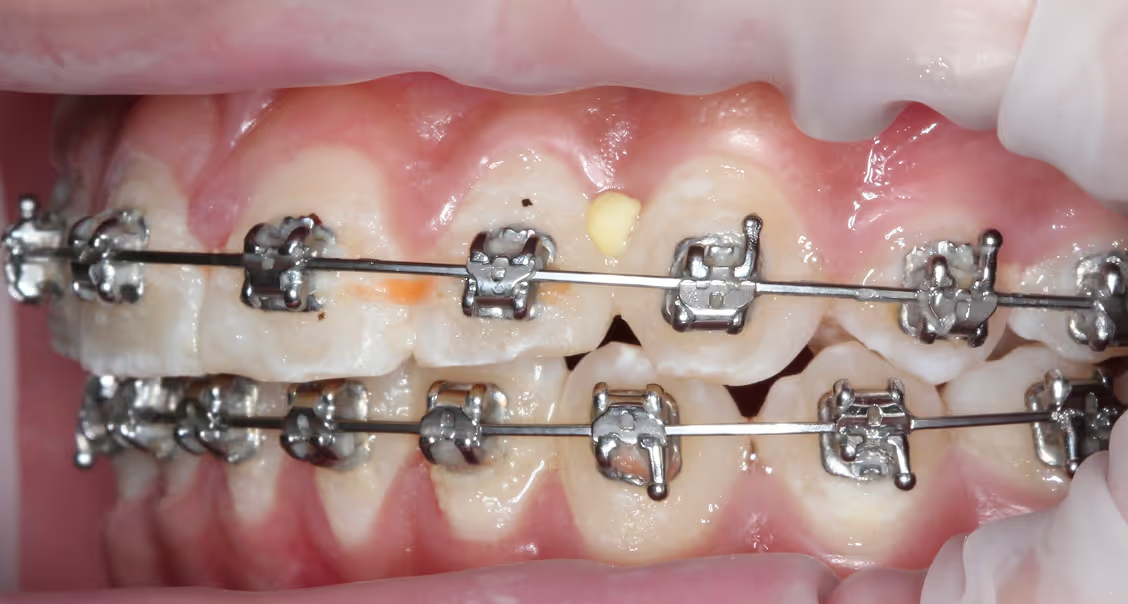
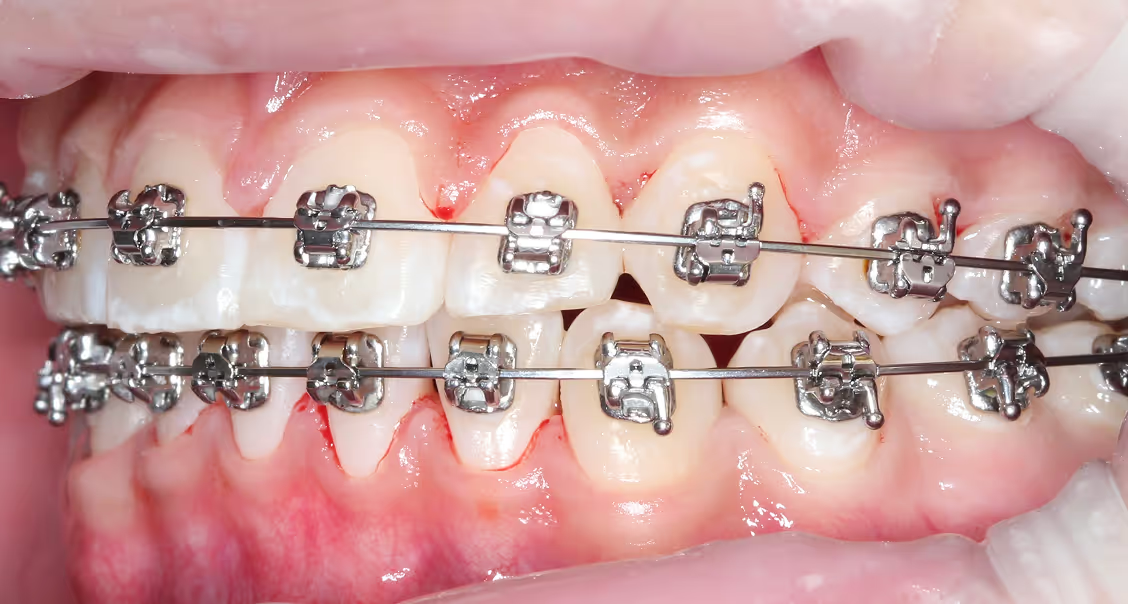
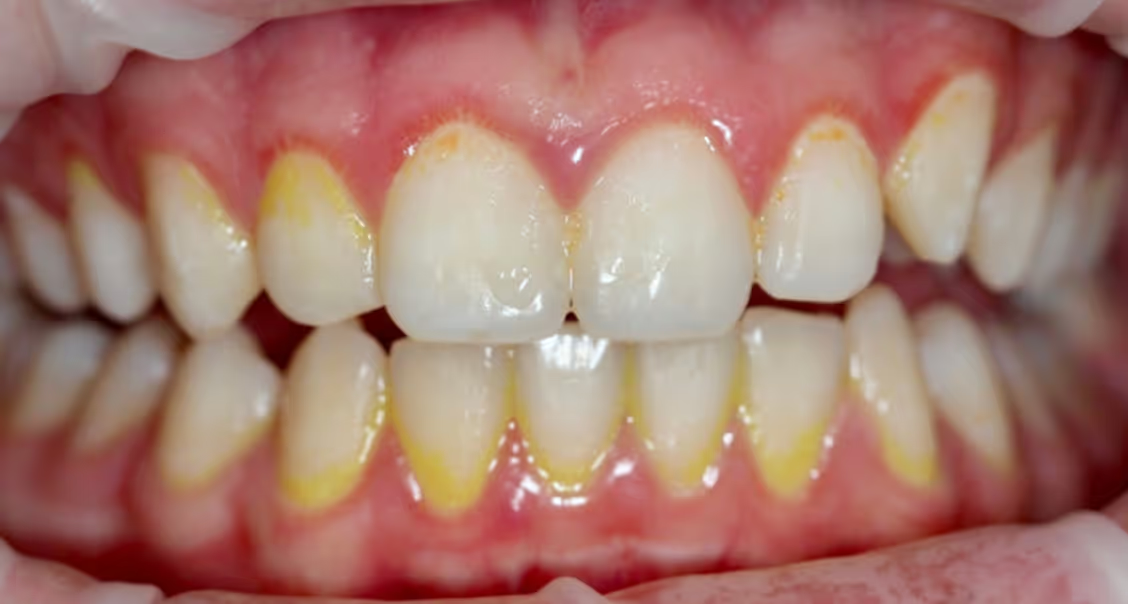
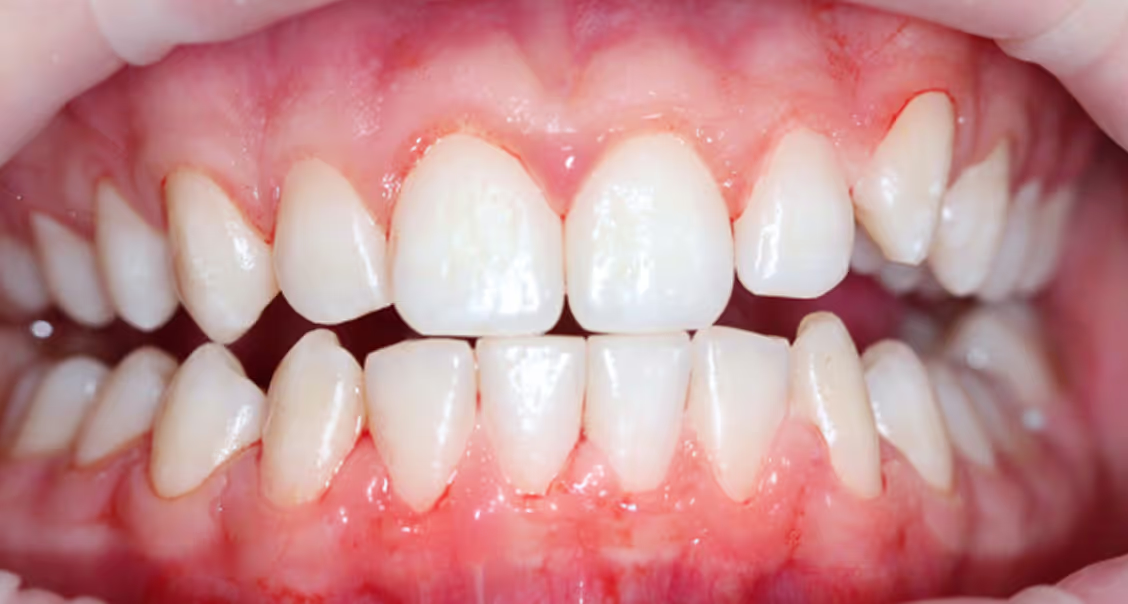
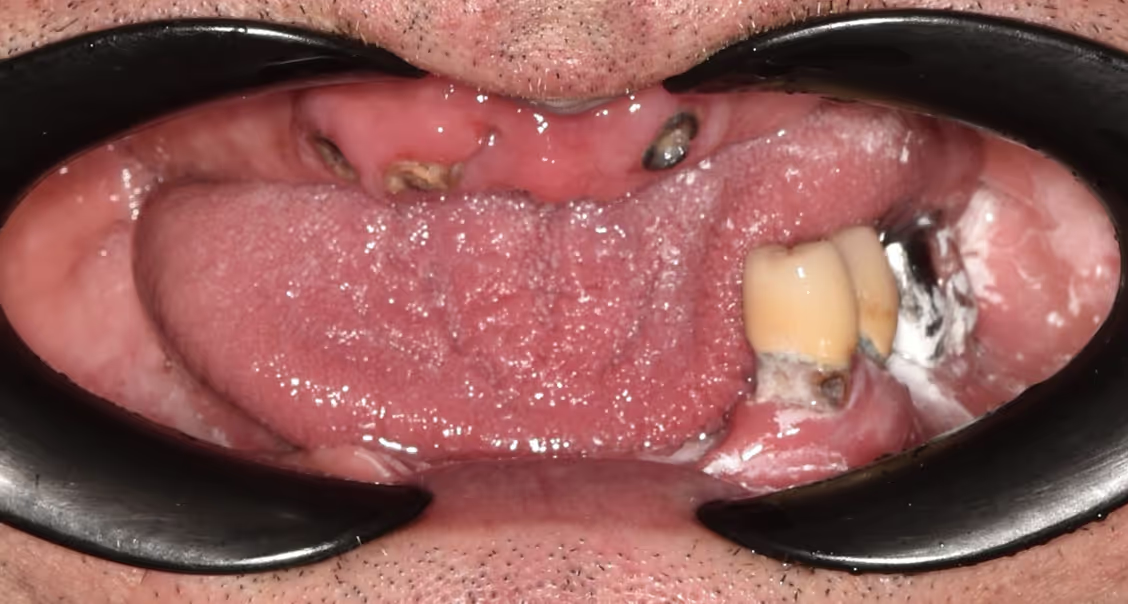
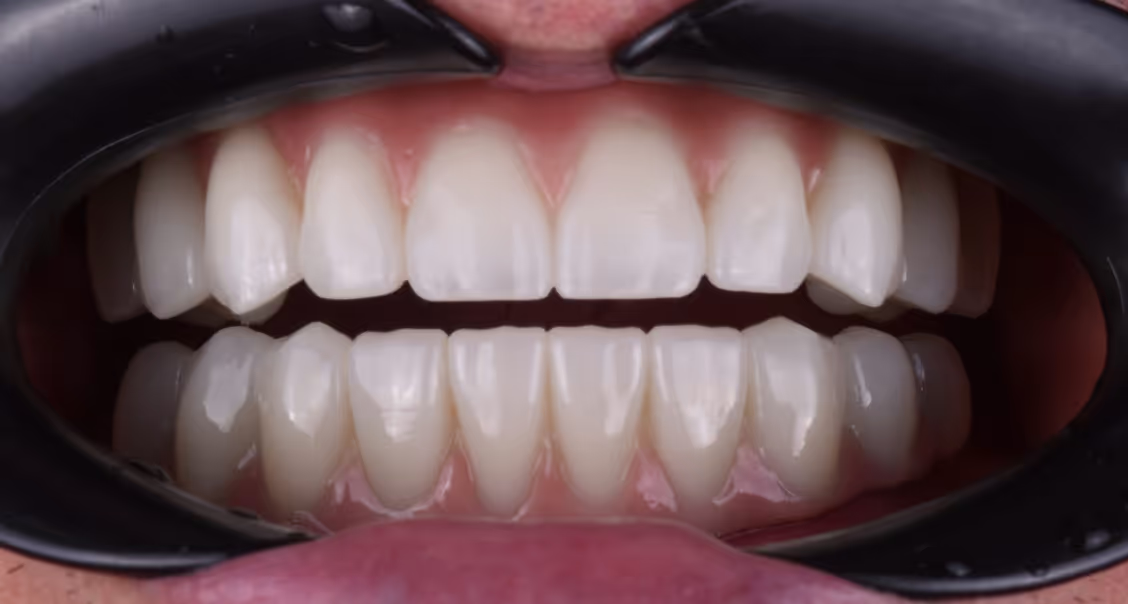
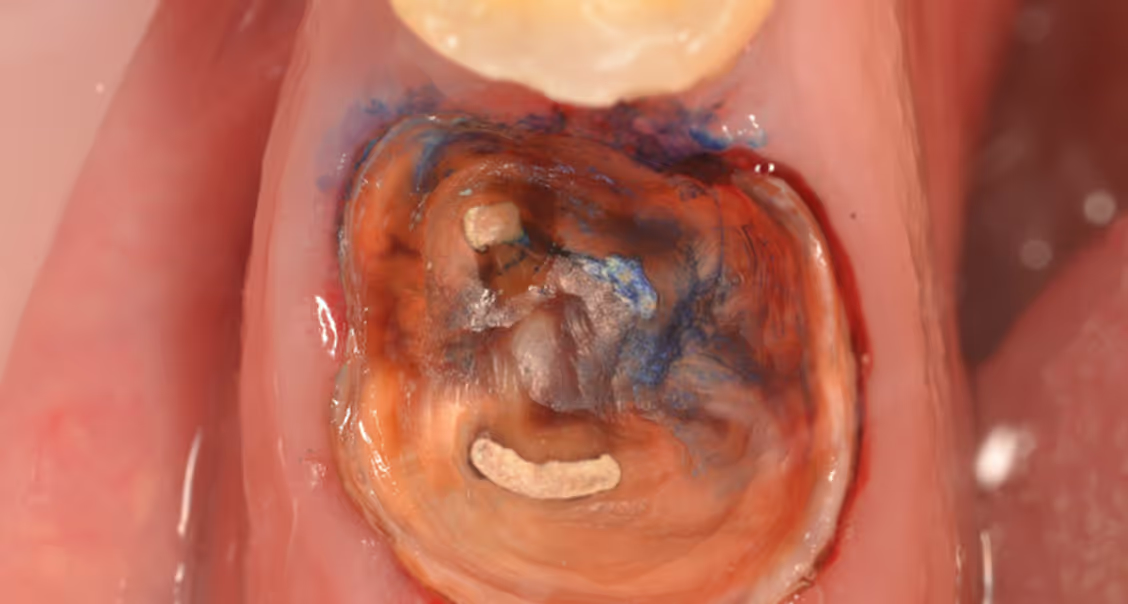
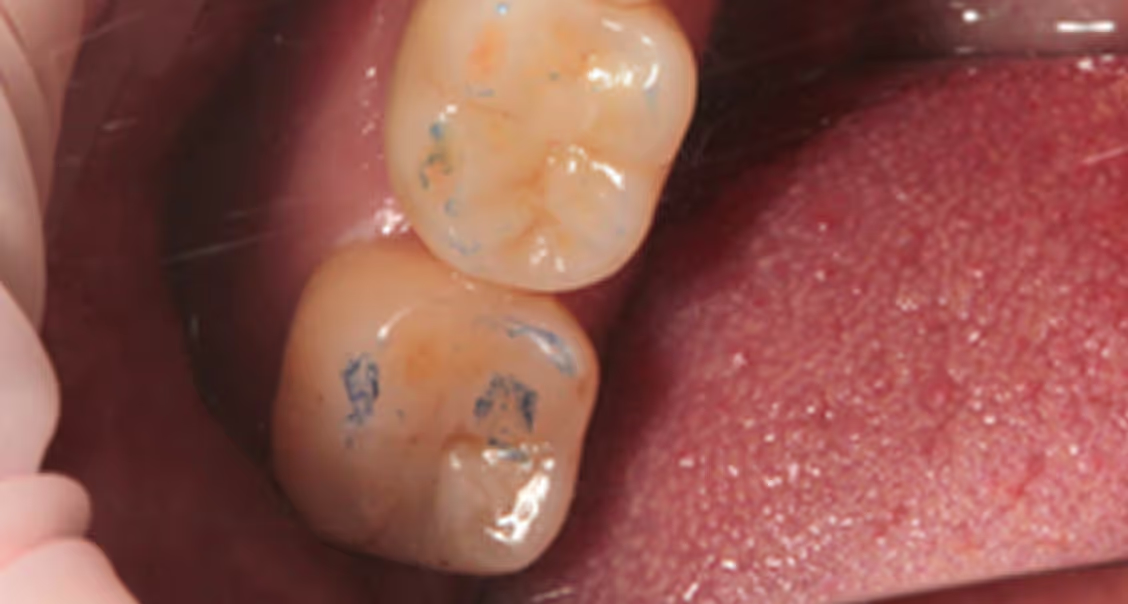
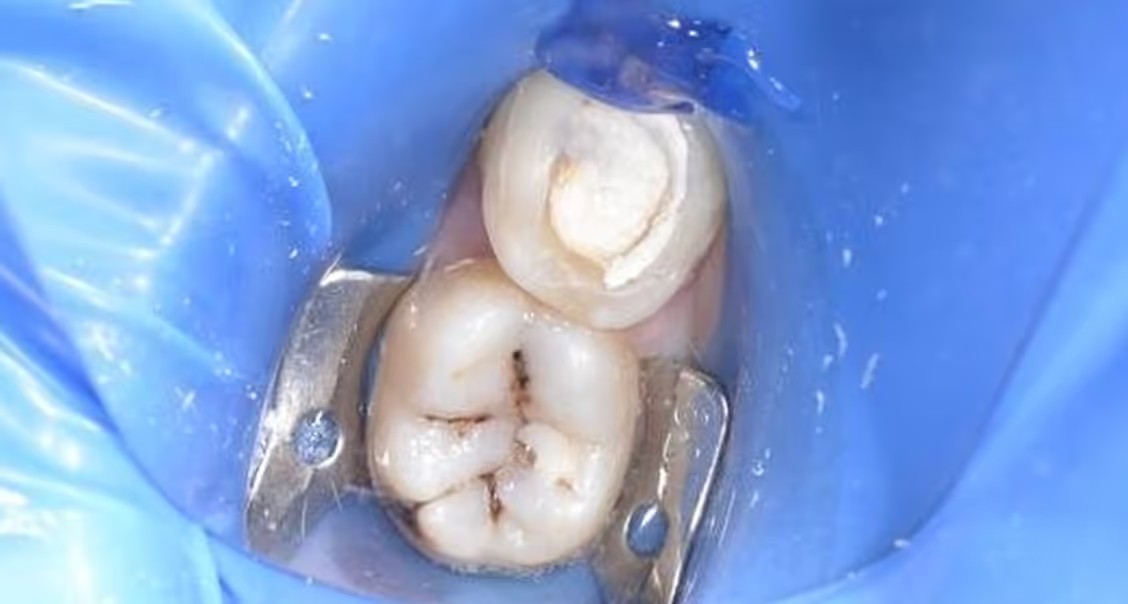
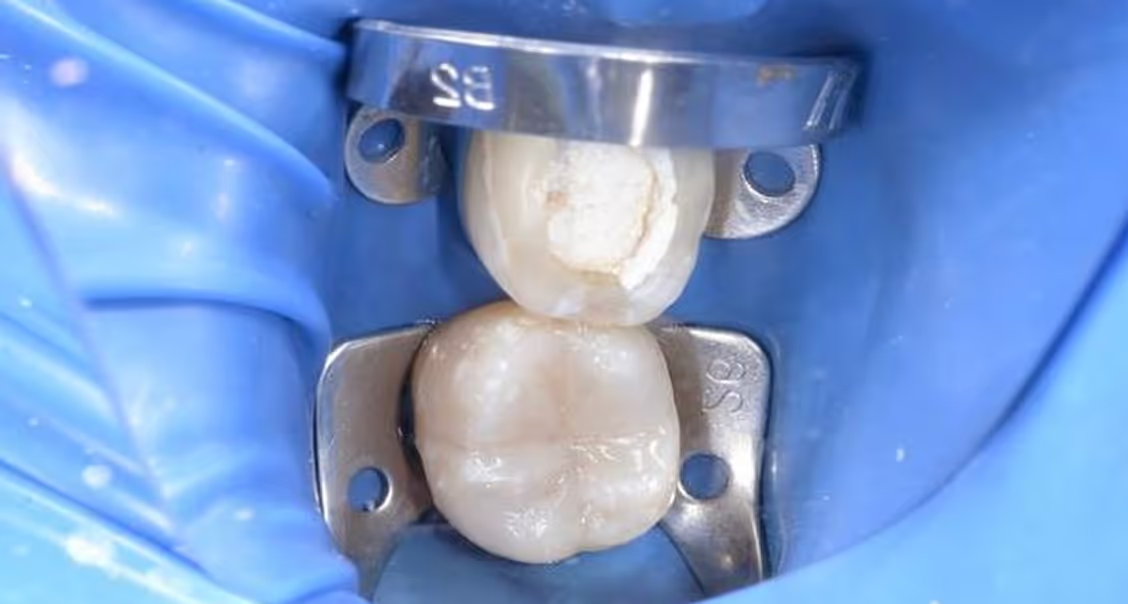
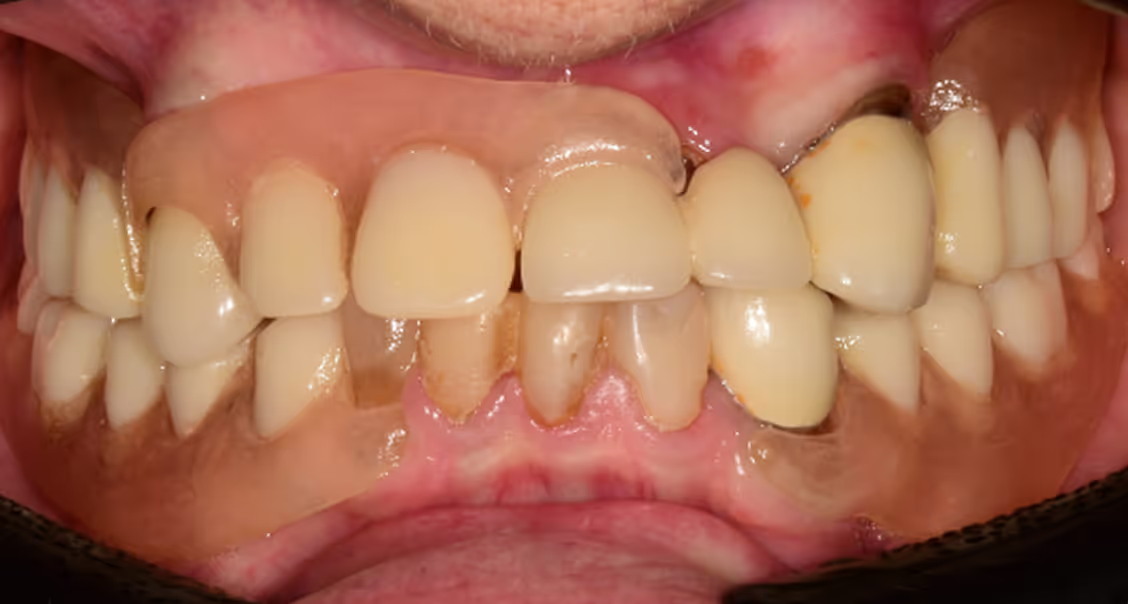
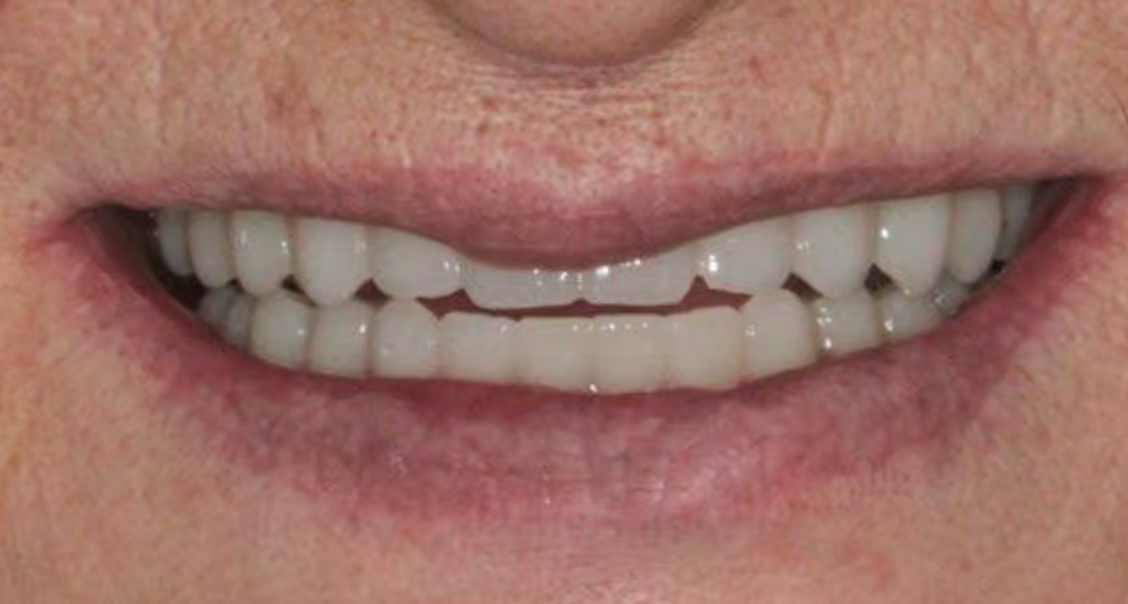
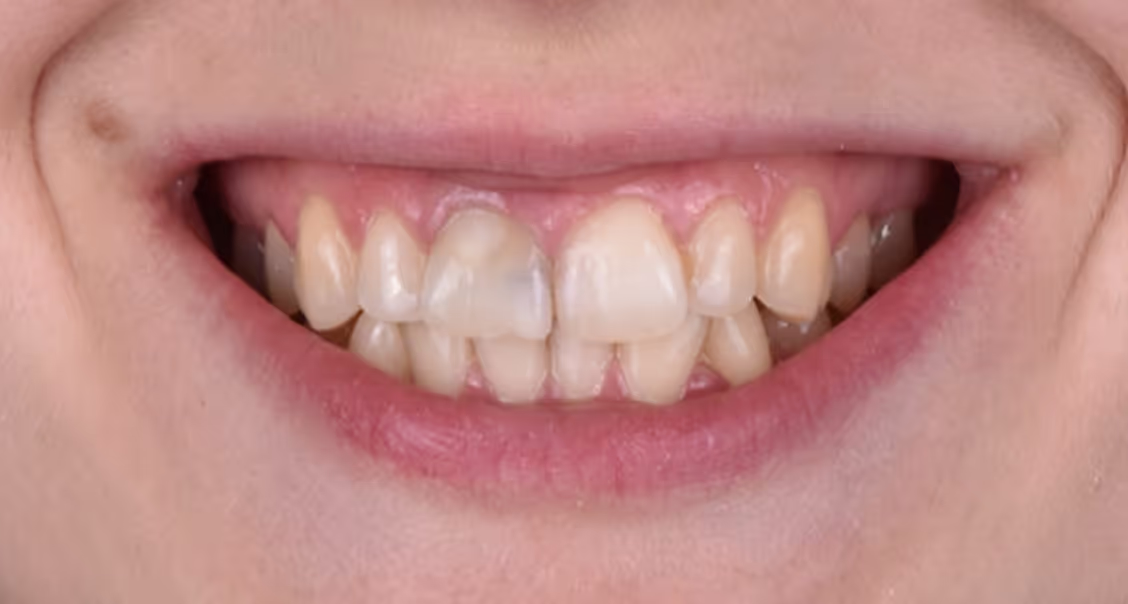
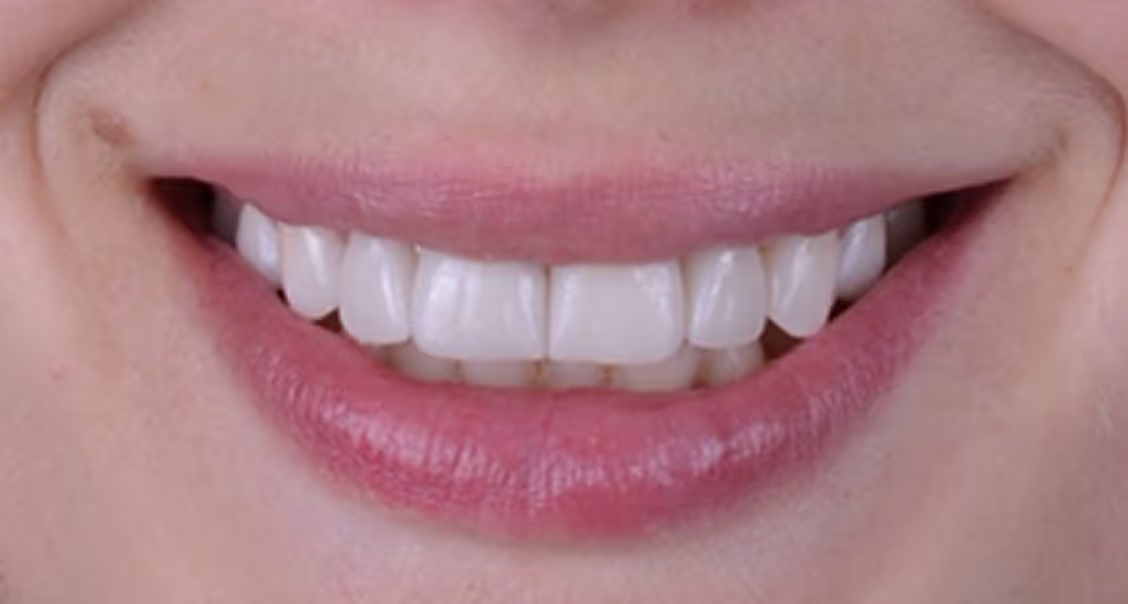
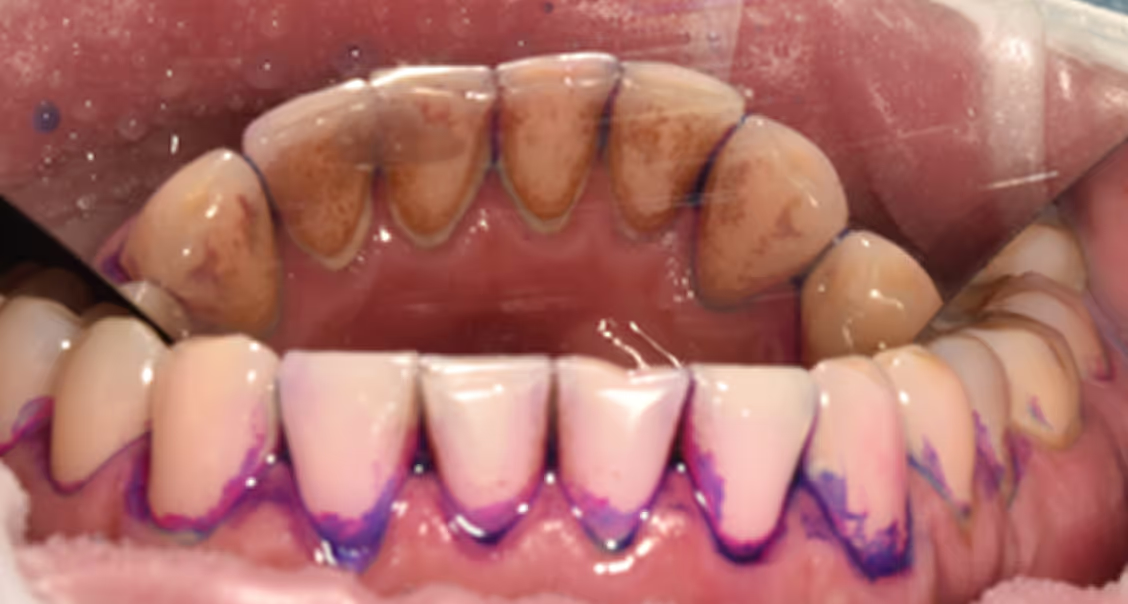
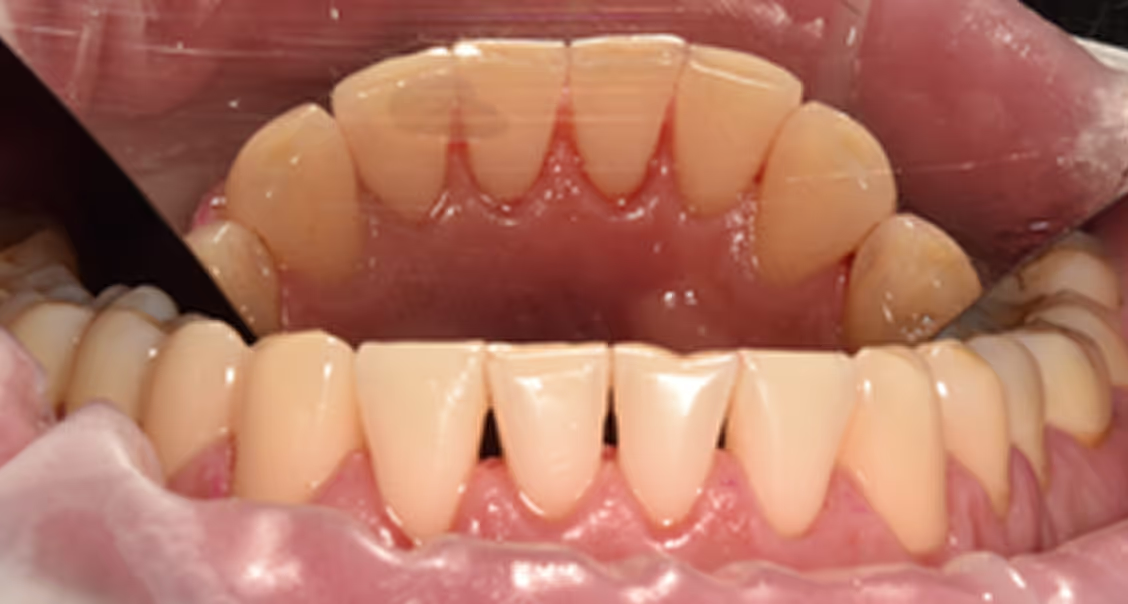
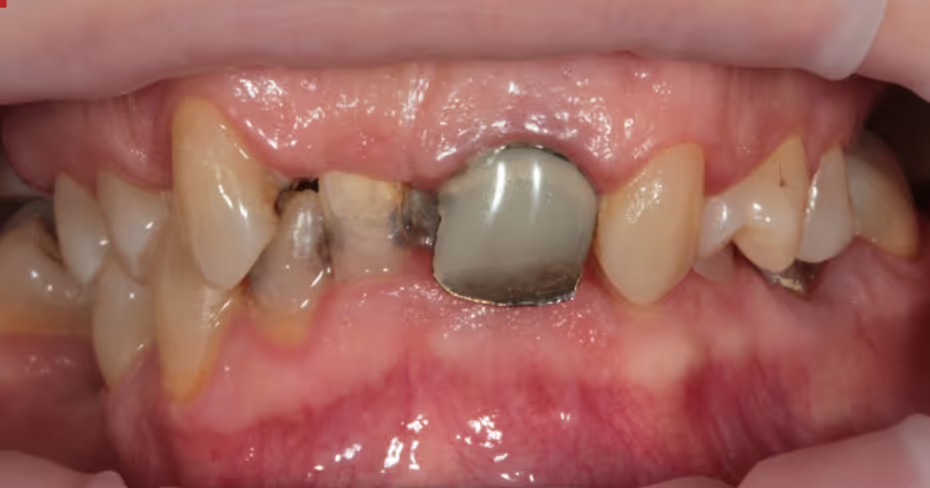
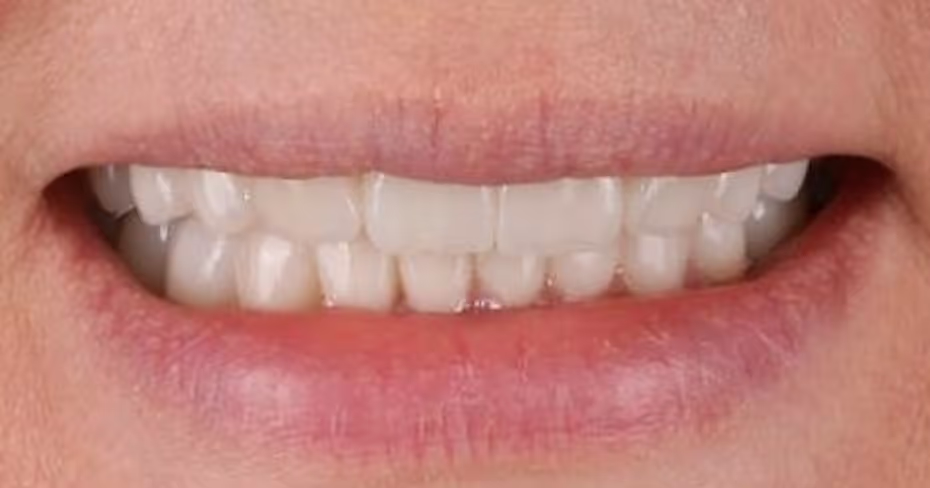
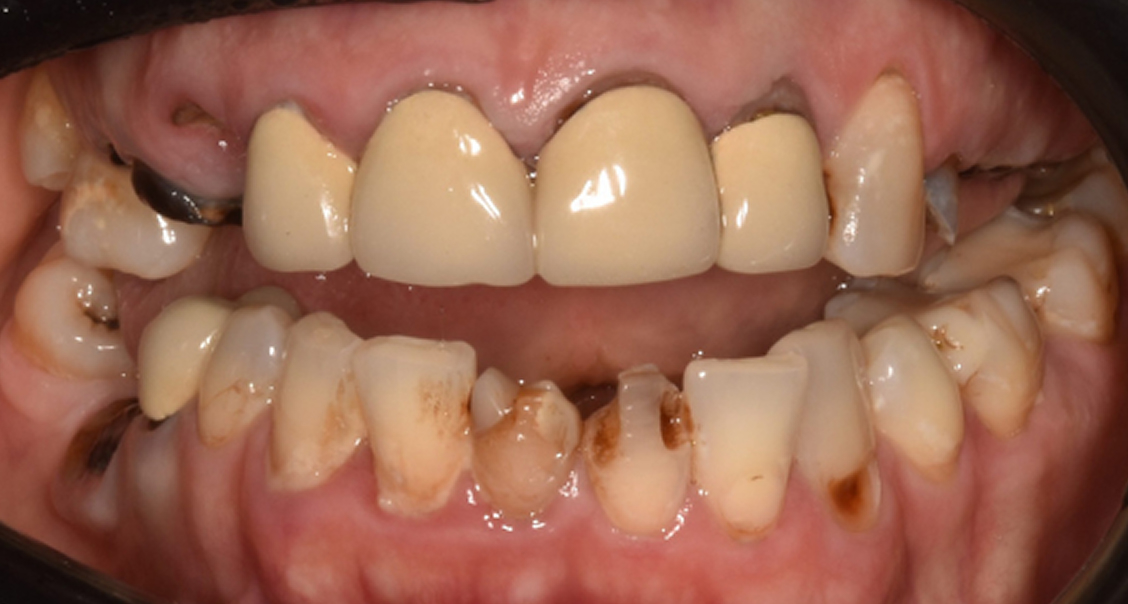
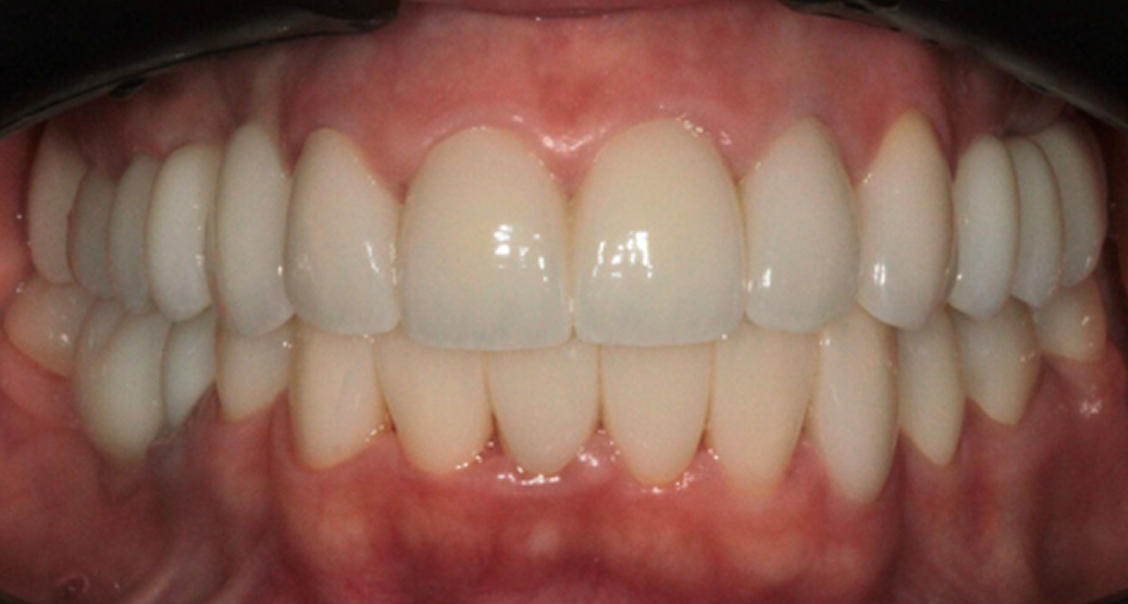
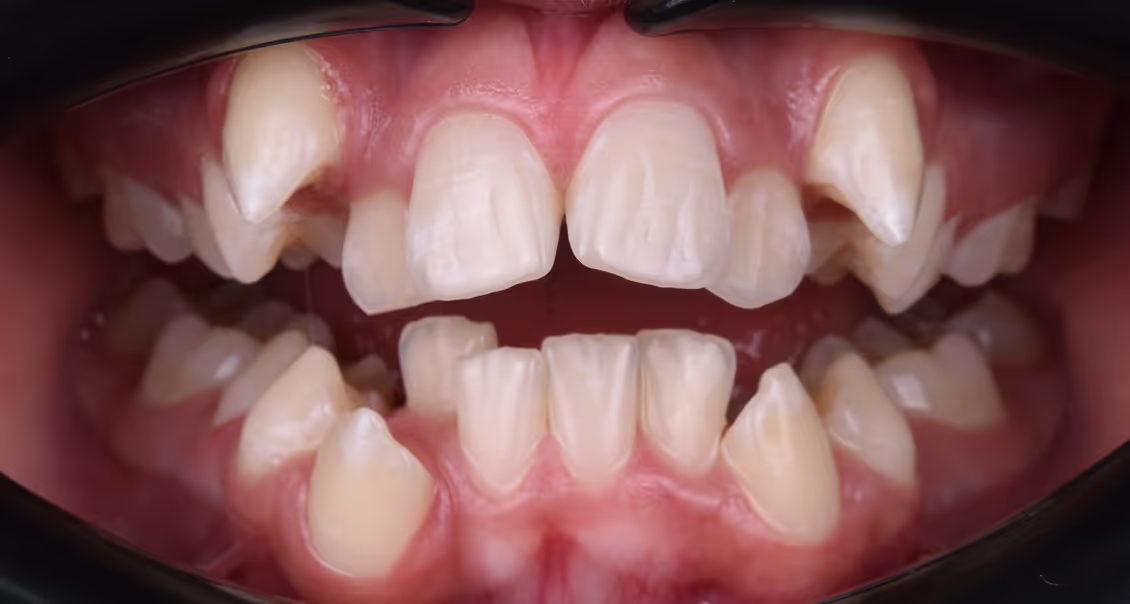
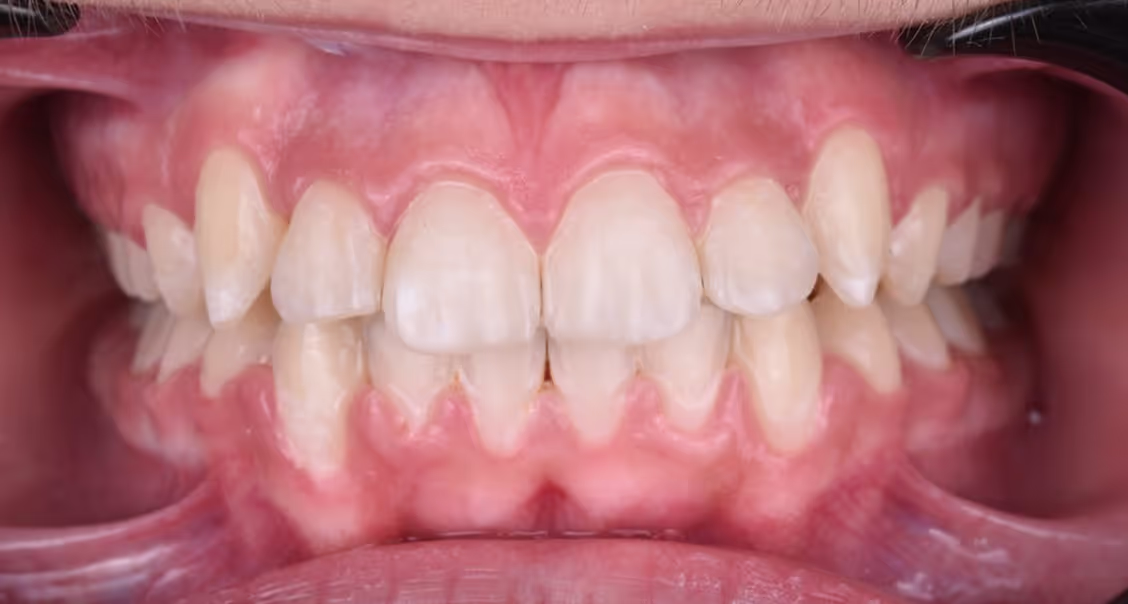
Veneers before and after — patient makeovers
Treatment results are best judged on real clinical cases.
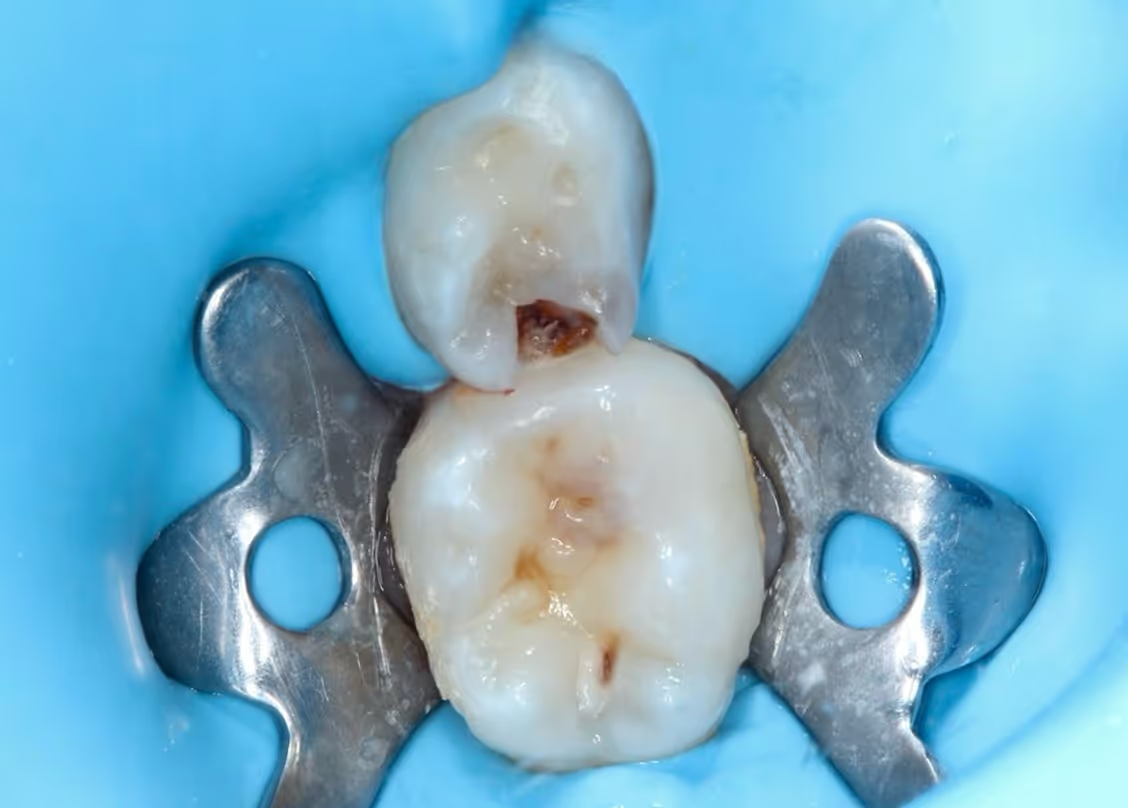
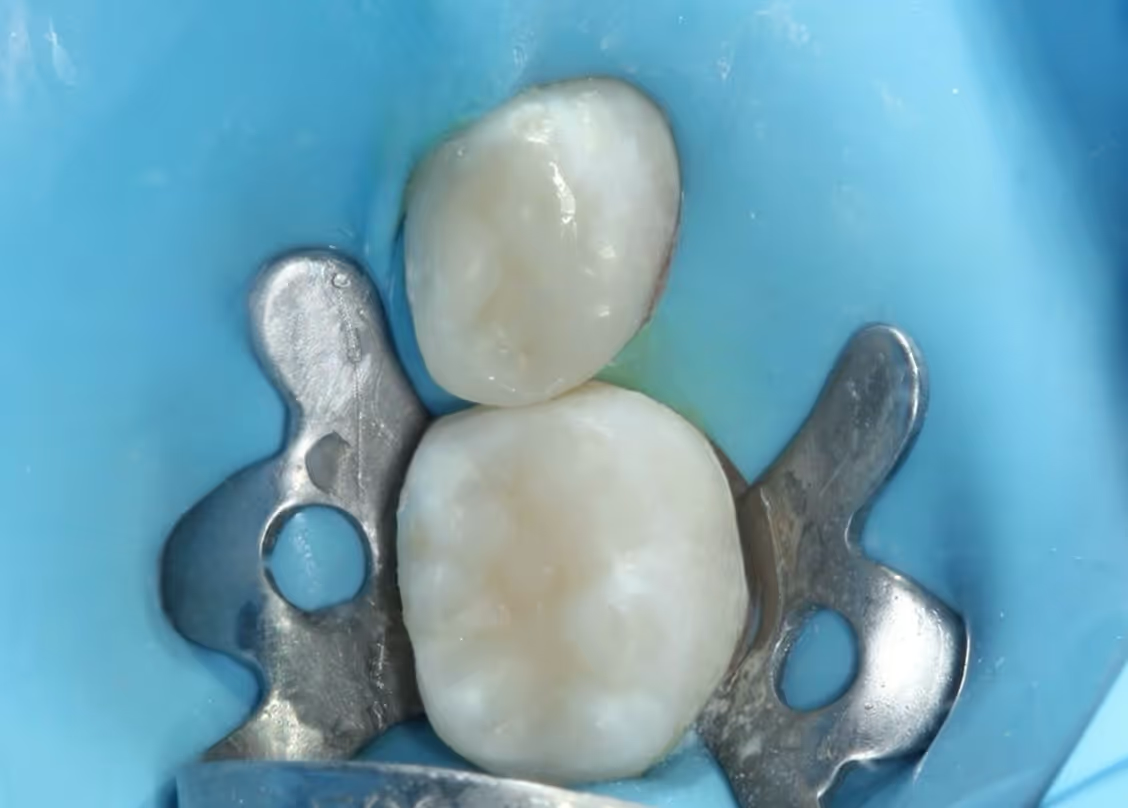
Why choose veneers at MistoDent Kraków?
At MistoDent we don't limit ourselves to one type of veneer. Working with various ceramics, E.max and composite lets us match the method to each case instead of fitting every patient to one solution.
- Various types of veneers — ceramic, E.max and composite.
- Individual smile planning — shape and proportions are matched to your teeth and facial features.
- Diagnostics before treatment — we assess the teeth, gums and bite.
- Minimally invasive options — if conditions allow, we consider no-prep or minimal-prep.
- Digital technologies — they support diagnostics, design and fabrication of selected restorations.
- Comprehensive dentistry — in more complex cases, treatment can combine cosmetic dentistry, prosthodontics, orthodontics and gnathology.
- A natural result — we plan each smile individually, without using one tooth shape or colour for all patients.
MistoDent Kraków is located at ul. Grzegórzecka 20A.
Veneer prices — how much do veneers cost in Krakow?
The price of veneers depends mainly on the material, the number of teeth treated, the fabrication technology and the extent of tooth preparation. How much do veneers for all teeth cost? The total cost depends mainly on the number of teeth treated. Not every patient needs veneers on all visible teeth — sometimes the desired result can be achieved by restoring fewer teeth. After the consultation we present an individual treatment plan and its cost.
FAQ
Answers provided by
Dr. Kateryna Zadereshchenko
Do veneers damage teeth?
Not every veneer requires the same tooth preparation. In suitable cases, no-prep or minimal-prep veneers are possible. If enamel preparation is needed, it is irreversible.
Can veneers be made without filing the teeth?
Yes, but only in suitably qualified cases. It depends on the position and shape of the teeth, the available space and the bite, among other things.
Porcelain or composite veneers — what is the difference?
Porcelain veneers are made of ceramics, while composite veneers are made of composite material. They differ in fabrication method, colour stability, repair options, treatment time and price.
How do E.max veneers differ from other ceramic veneers?
E.max is a system of ceramic materials. E.max veneers are therefore ceramic veneers, not a separate category. Different ceramic materials have different optical and mechanical properties.
Can veneers be placed on crooked teeth?
With minor irregularities, veneers can visually correct the shape and alignment of teeth. With larger irregularities, orthodontic treatment beforehand may be a better solution.
Veneers or crowns — what is the difference?
Veneers mainly cover the front surface of the tooth and are used primarily to change its appearance. A crown covers a much larger part of the tooth and may be needed when its tissue is more extensively damaged.

Medical verification
Content verified by:
Dr. Kateryna Zadereshchenko
Prosthodontics • Cosmetic dentistry • Gnathology
Last updated: 07.10.2026
Book an appointment!
Leave your contact details in the form or message us on your preferred messenger — we'll be happy to answer your questions and help you book a visit.


