



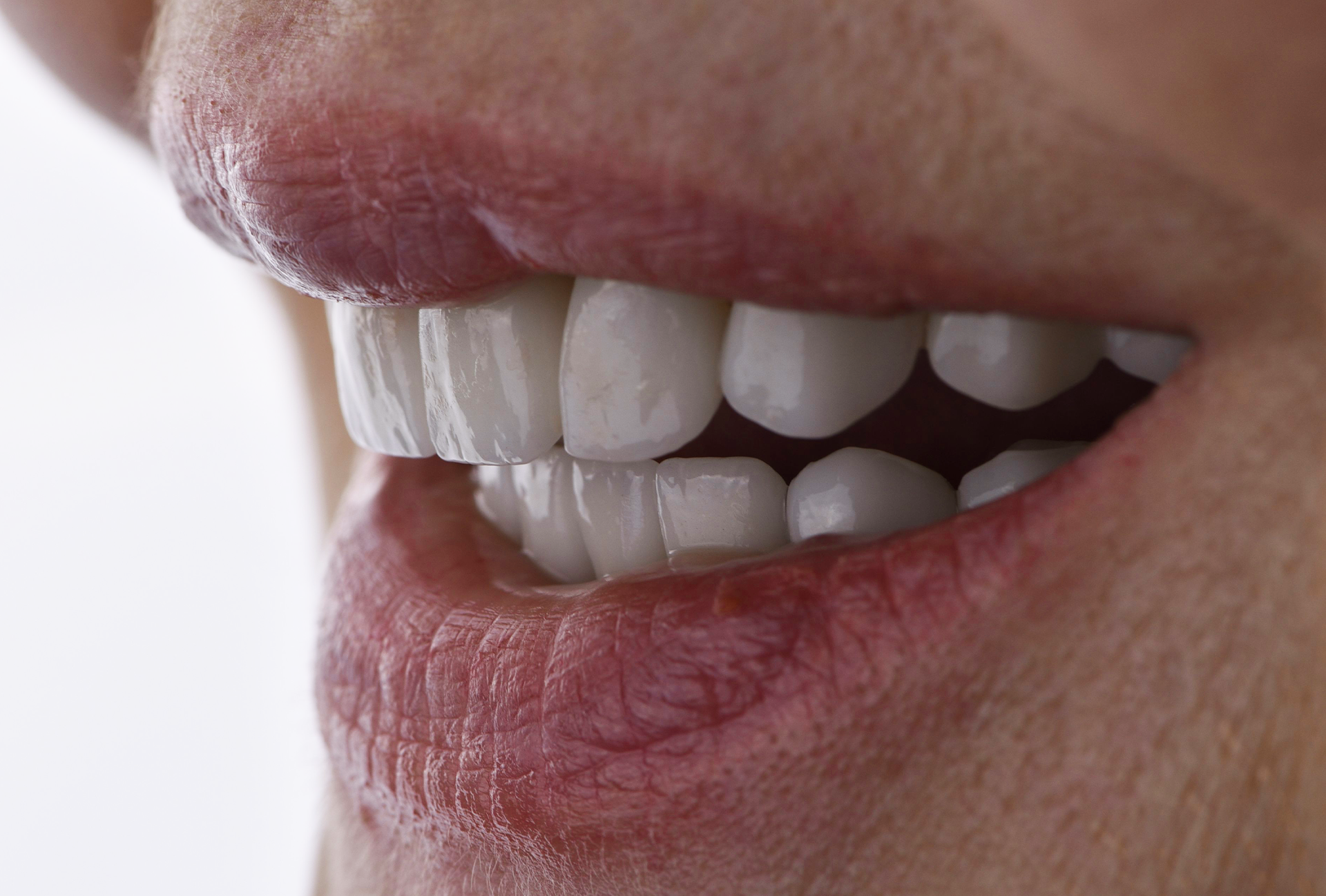
Periodontics in Krakow — treatment of gum disease and periodontitis
Diagnosis and treatment of gum and periodontal disease at MistoDent Kraków. We treat gingivitis, periodontitis and gum recession, and perform periodontal curettage.
Who provides periodontics at MistoDent Kraków?
Our periodontist diagnoses and treats gum and periodontal disease, including gingivitis, periodontitis and gum recession, treats periodontal pockets and performs periodontal procedures.

Periodontics at MistoDent Kraków
Periodontics is the field of dentistry that diagnoses, prevents and treats diseases of the gums and other tissues that surround and support the teeth.
The most common periodontal problems include gingivitis, periodontitis, bleeding gums, gum recession and pathological gum pockets.
Early diagnosis is especially important, because periodontal disease can develop for a long time without severe pain. At MistoDent Kraków we plan treatment after assessing the gums and periodontium and the stage of the changes.
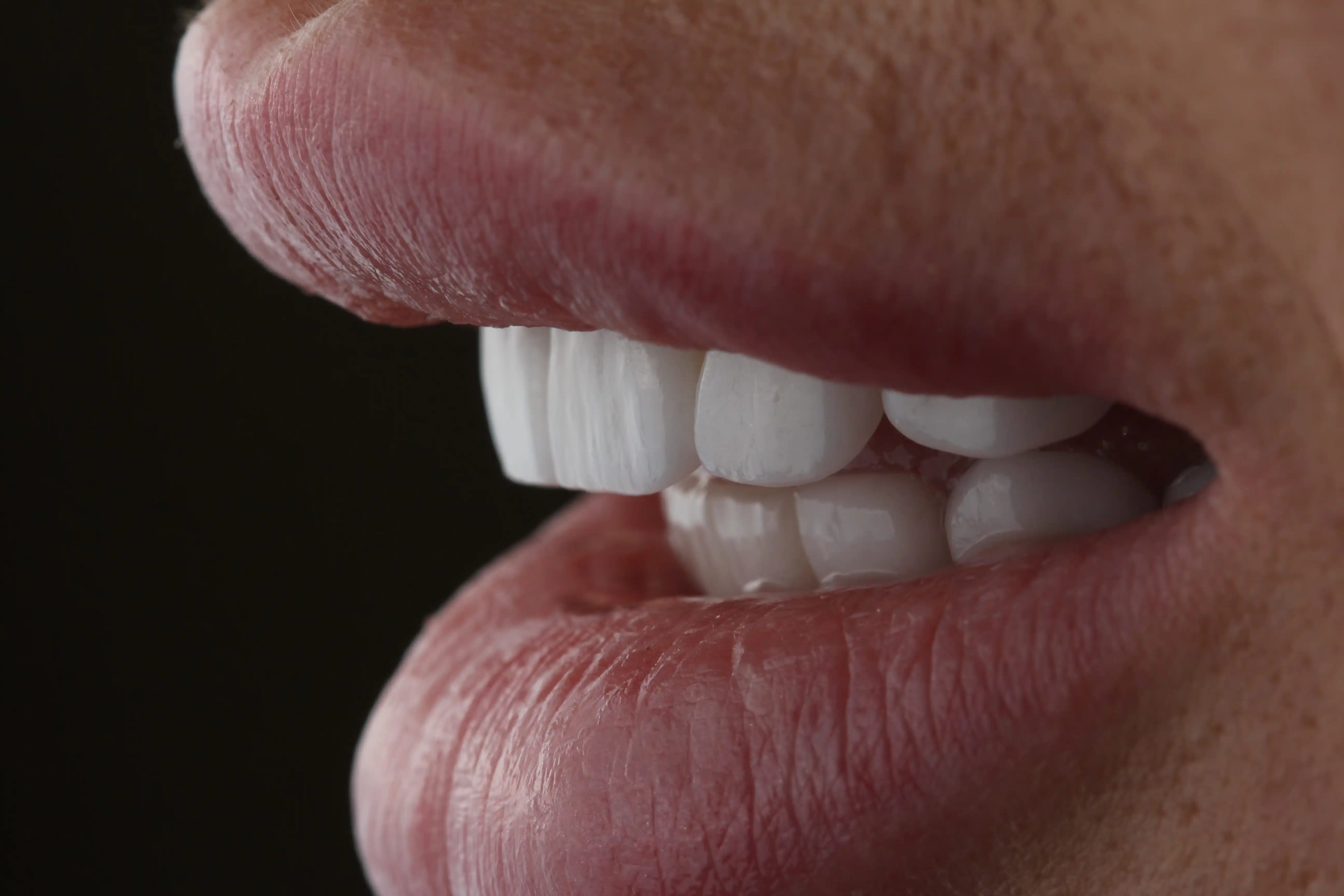
When should you see a periodontist?
A periodontal consultation is worth considering if you notice:
- bleeding gums when brushing or eating;
- red or swollen gums;
- exposed tooth necks and roots;
- gum recession;
- sensitivity of exposed tooth surfaces;
- bad breath;
- deepening gum pockets;
- loose teeth;
- teeth shifting position;
- suspected or diagnosed periodontitis.
Don't wait for pain. Gingivitis and periodontitis can develop gradually, so any worrying changes in the gums should be assessed by a dentist.
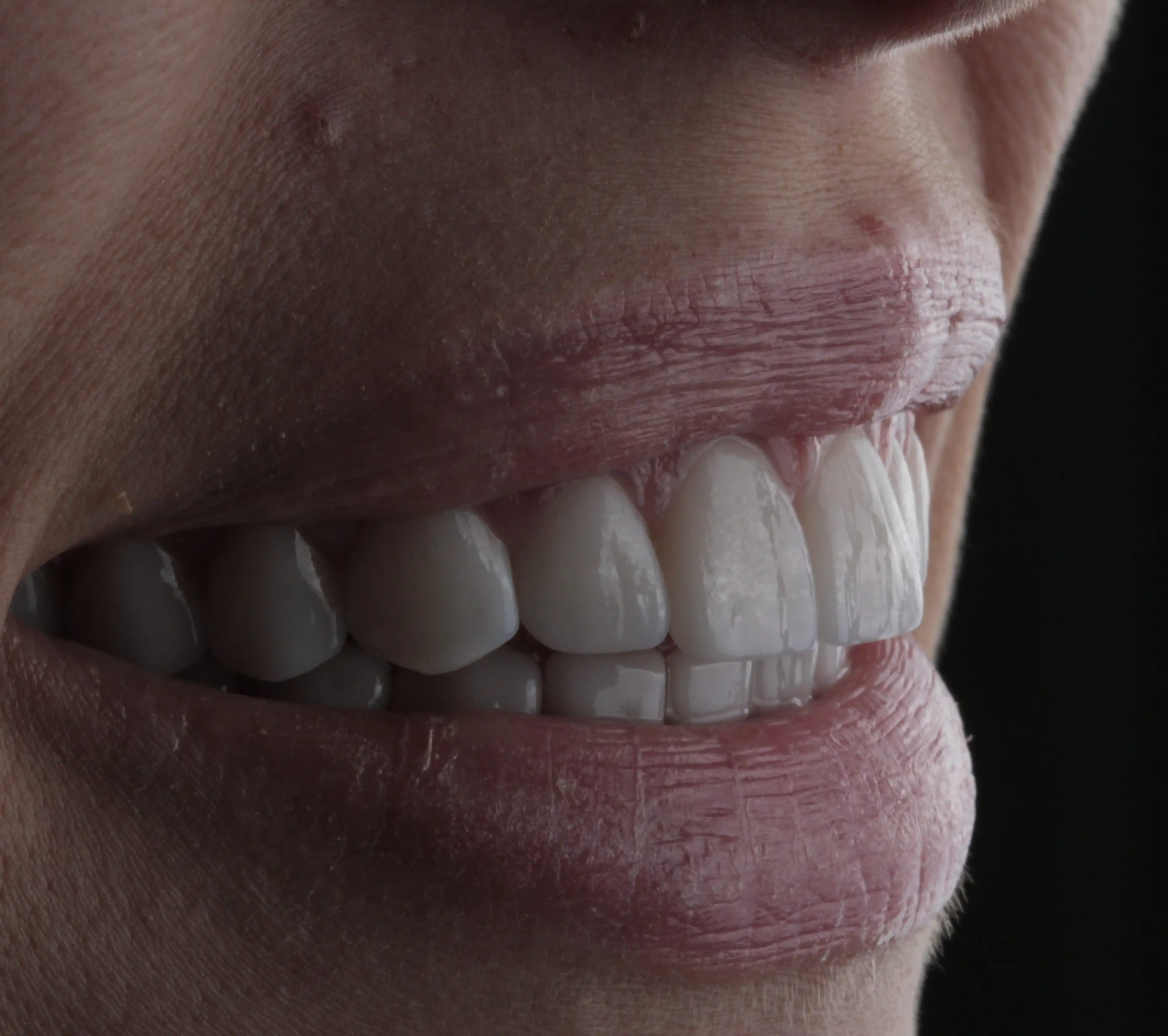
What do we treat in periodontics?
The scope of treatment depends on the cause of the problem, the condition of the gums and periodontium and the stage of the disease.
Periodontitis
Periodontitis is a chronic periodontal disease that can damage the tissues supporting the teeth.
Symptoms may include bleeding and receding gums, deepening periodontal pockets, bad breath and, in more advanced cases, increased tooth mobility.
We tailor periodontitis treatment to the stage of the disease. It may include professional cleaning of tooth and root surfaces, curettage and other periodontal procedures.
Gingivitis
Gingivitis may show up as redness, swelling, tenderness and bleeding of the gums.
Treatment depends on the cause and condition of the tissues. Early diagnosis allows treatment to start before the disease reaches deeper periodontal structures.
Gum recession
Gum recession means the gum margin moves and part of the tooth root is exposed. It can cause sensitivity, a change in the look of the teeth and difficulty keeping them clean.
Treatment of gum recession depends on its cause, extent and the condition of the periodontal tissues. After an examination, the periodontist assesses the right approach for each case.
Curettage
Curettage is one of the procedures used to treat periodontal disease. Its aim is to thoroughly clean the area affected by the disease.
Depending on pocket depth and the stage of the disease, the dentist may qualify the patient for closed or open curettage.
Halitosis — bad breath
Halitosis means persistent bad breath. Its causes vary, and some are related to the condition of the mouth, plaque build-up or gum and periodontal disease.
If the problem persists despite good hygiene, dental and periodontal diagnostics can help find the possible cause.
Diagnosing gum and periodontal disease
Effective periodontal treatment starts with determining the type and stage of the changes.
During the visit the periodontist may assess, among other things:
- the condition of the gums;
- bleeding;
- periodontal pocket depth;
- gum recession;
- tooth mobility;
- the condition of the tissues around the teeth;
- factors that may affect the development of the disease.
At MistoDent Kraków we can also prepare a periodontal chart using Florida Probe, which supports an accurate assessment of the periodontium and documentation of periodontal parameters.
Based on the diagnostics, the dentist prepares an individual treatment plan.
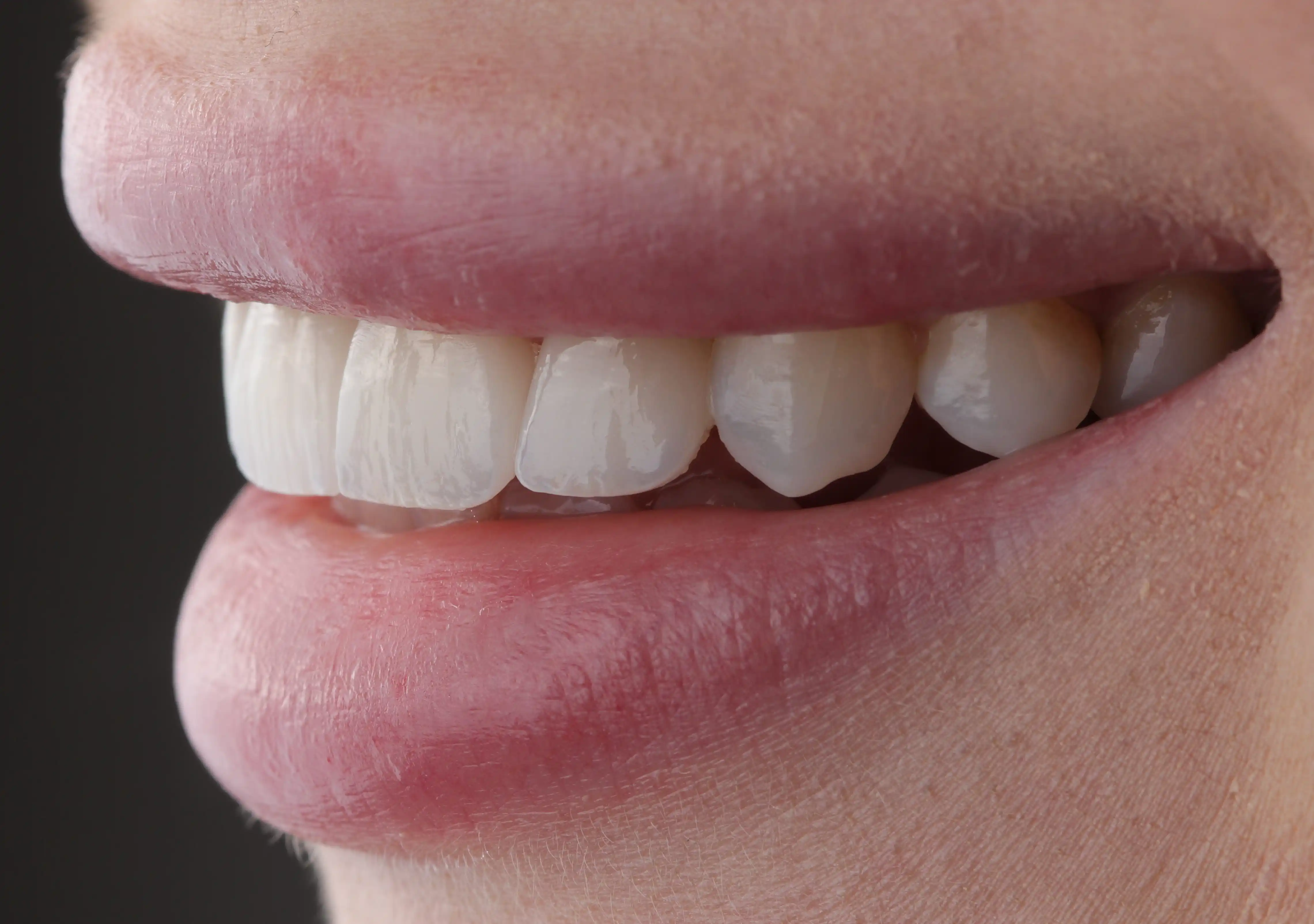
What does periodontal treatment look like?
1. Periodontal consultation
The periodontist takes a history and assesses the gums, teeth and periodontal tissues.
2. Diagnostics
Depending on indications, appropriate measurements and tests are carried out. One element of diagnostics may be a Florida Probe periodontal chart.
3. Treatment plan
The dentist determines the stage of the problem and chooses the right approach.
4. Treatment
Depending on the diagnosis, treatment may include professional cleaning, periodontal pocket treatment, curettage or other periodontal procedures.
5. Follow-up
After the active stage of treatment, the dentist assesses how the tissues have responded and the results of therapy.
6. Maintenance therapy
In periodontal disease, regular check-ups, professional cleaning and good oral hygiene are essential.
Closed vs open curettage — what is the difference?
The periodontist chooses the type of procedure based on periodontal pocket depth and the stage of the disease.
Closed curettage
Open curettage
Performed without surgically exposing the root surface
Requires surgical access to the periodontal tissues
Used in suitably qualified cases
May be used for more advanced changes
Allows periodontal pockets to be cleaned
Provides direct access to deeper areas
Scope decided by the periodontist
Scope decided by the periodontist
The dentist decides which type of curettage is appropriate after a periodontal examination.
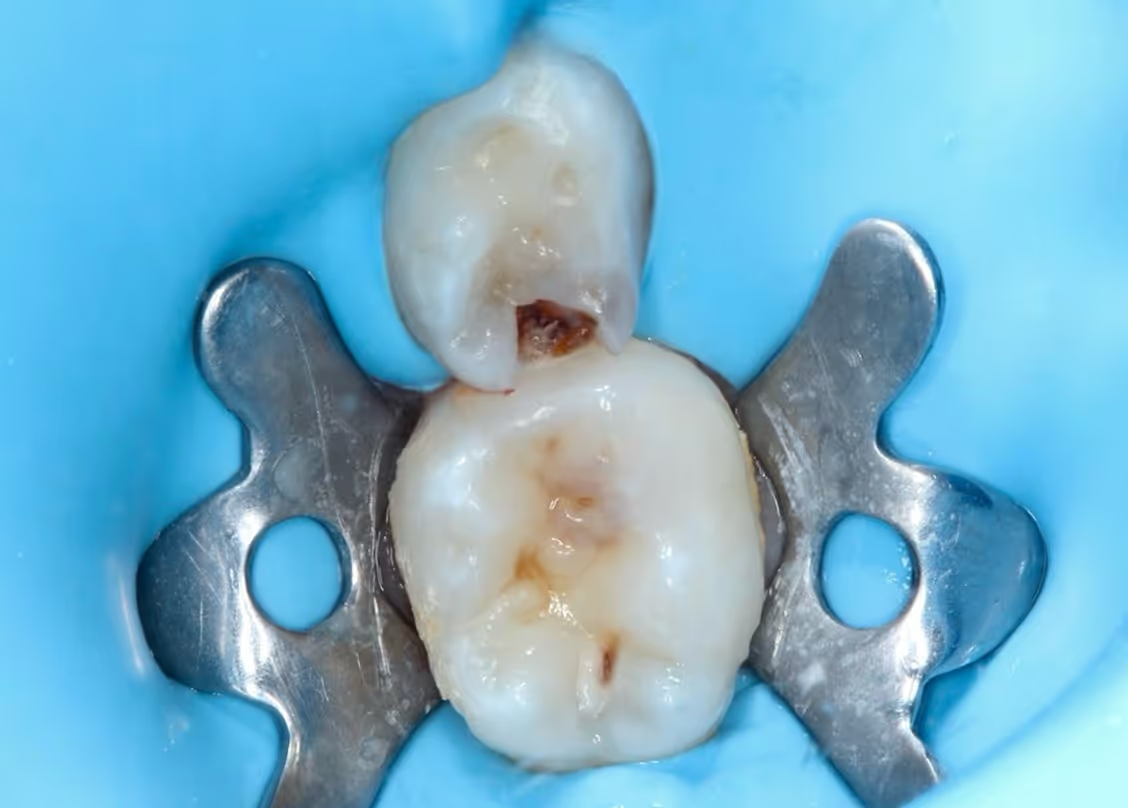
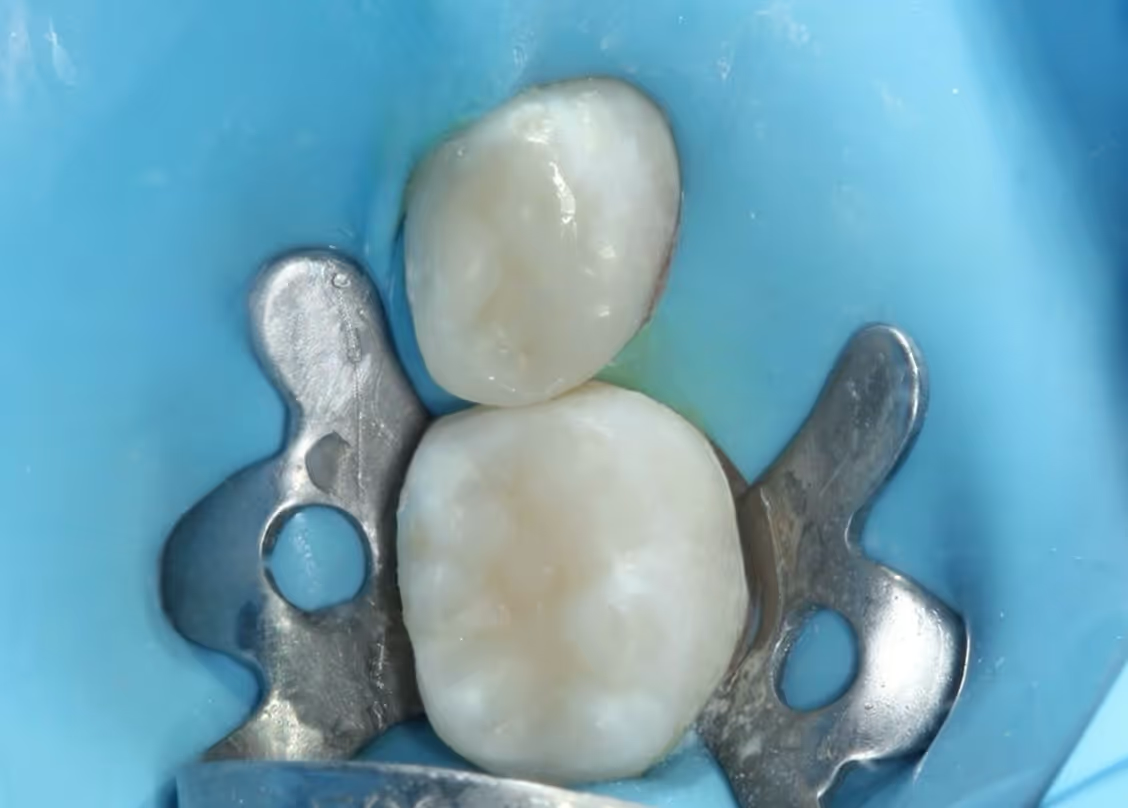
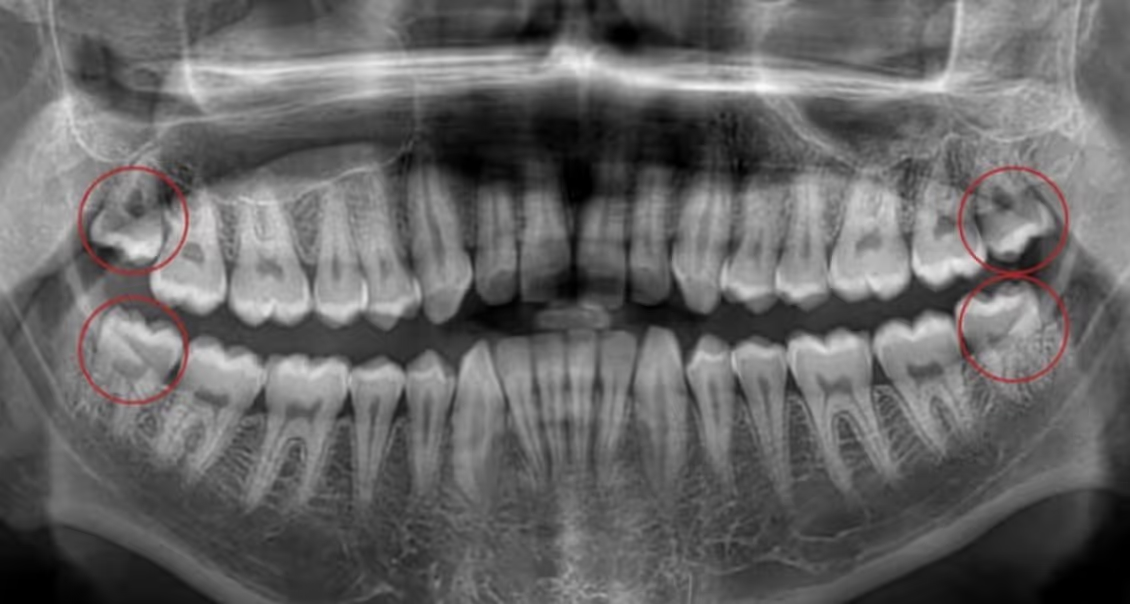
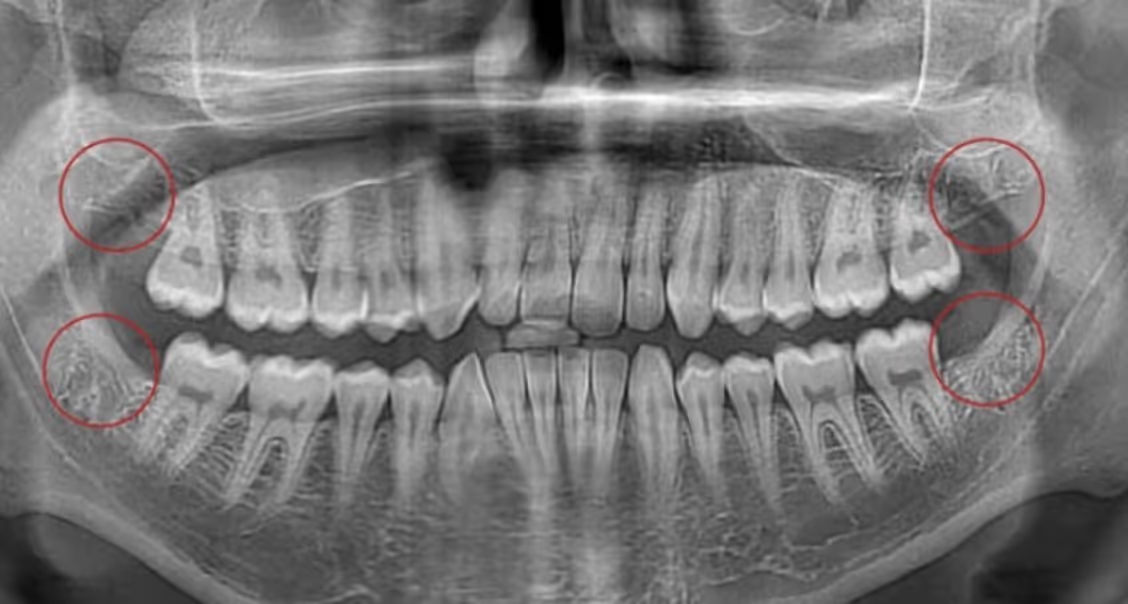
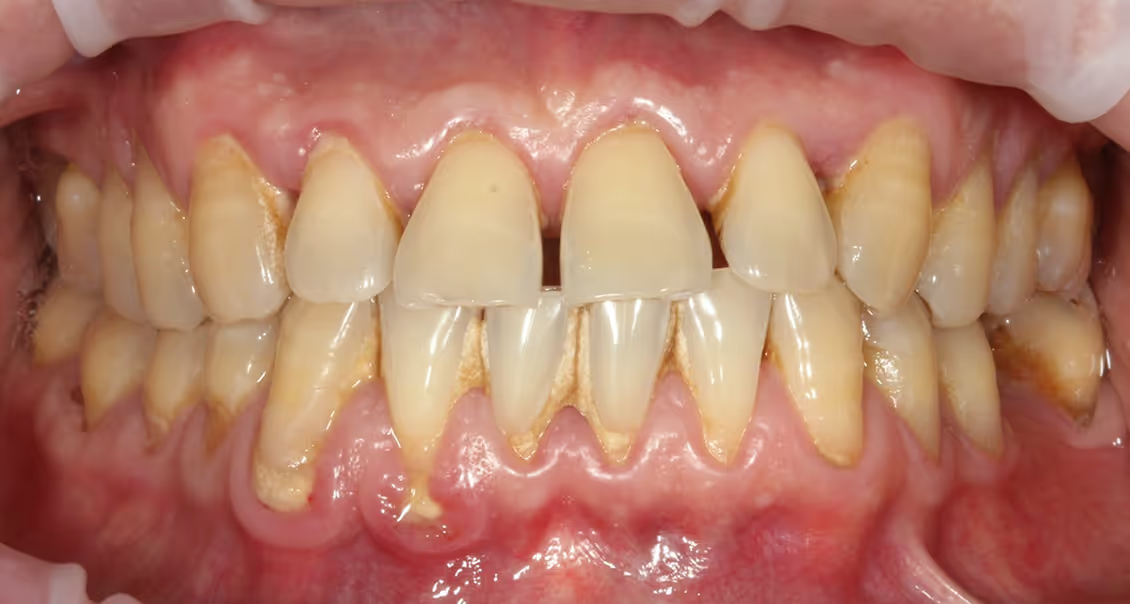
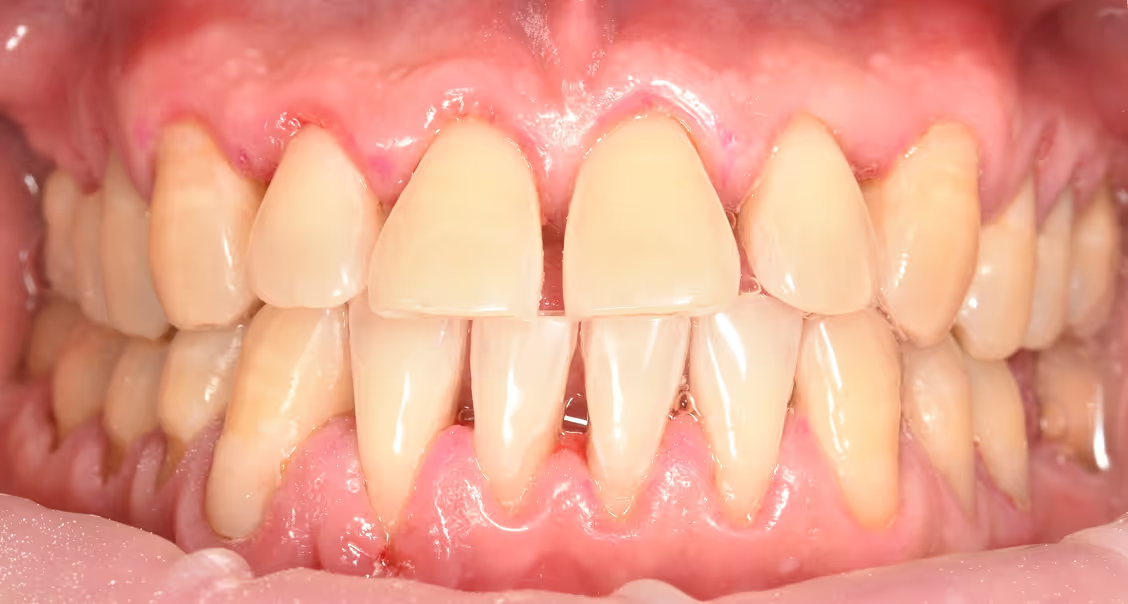
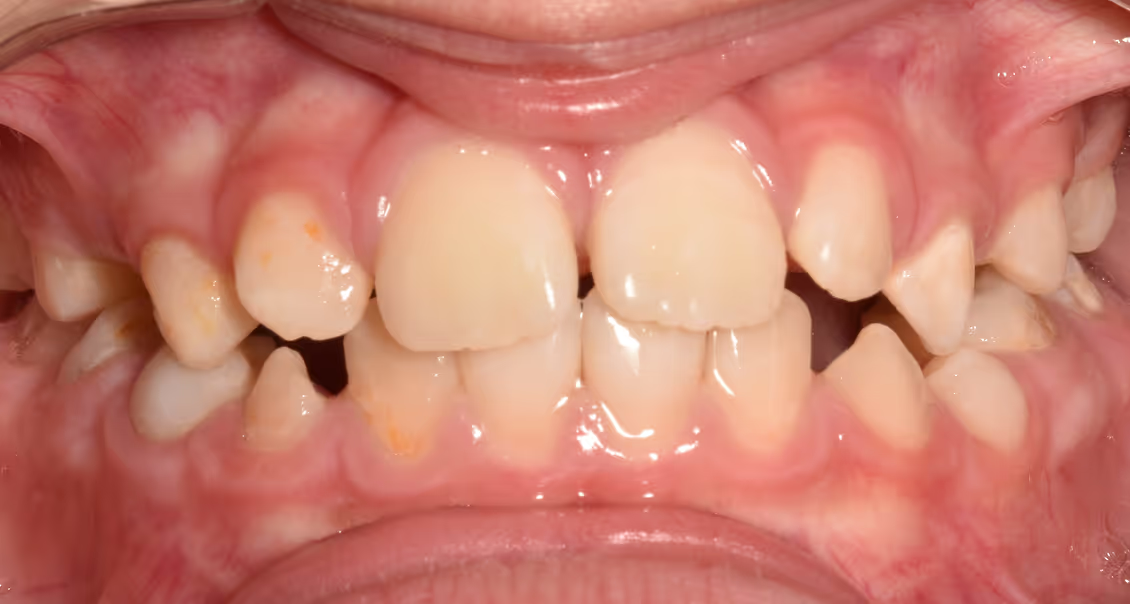
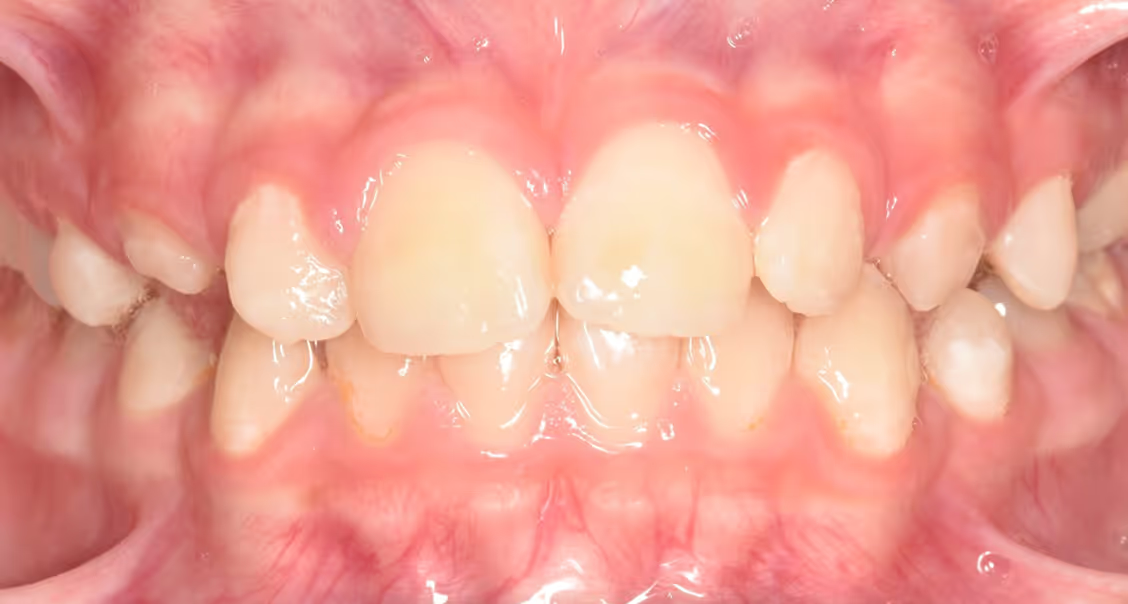
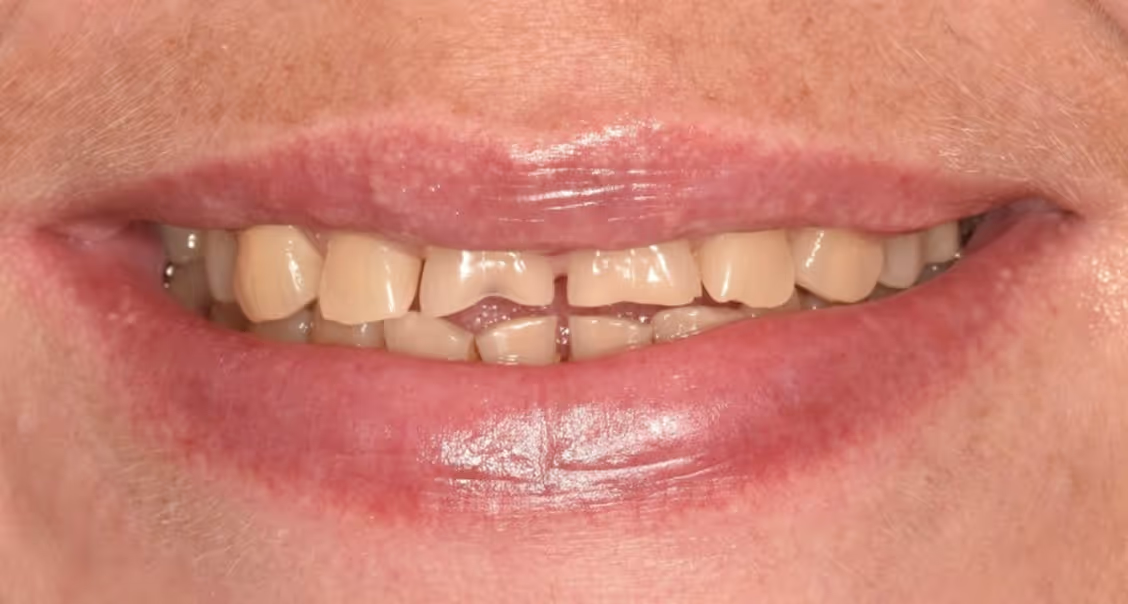
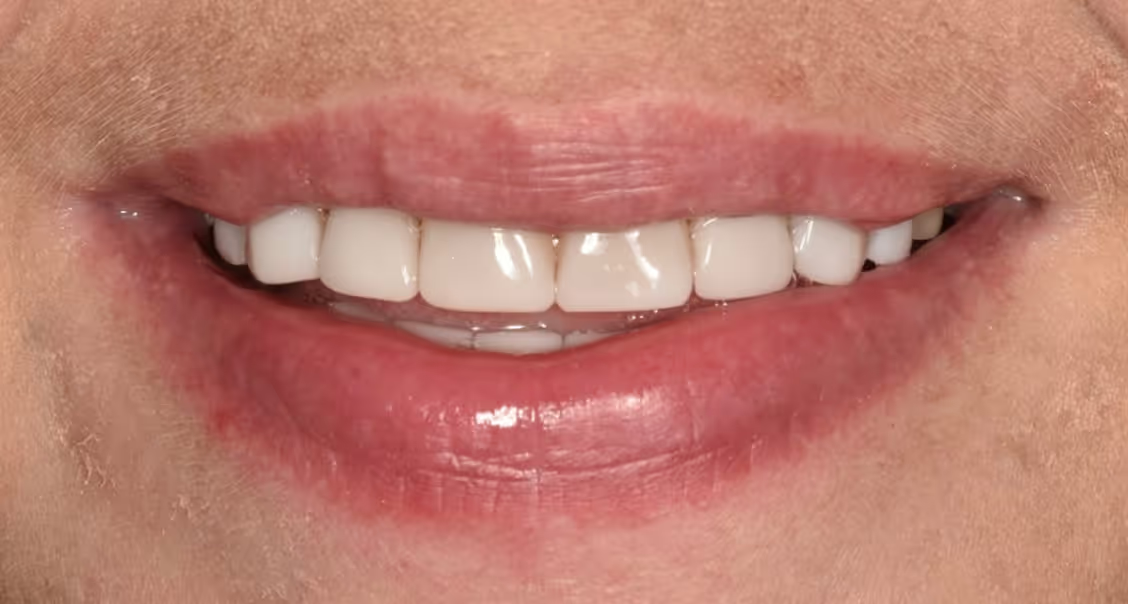
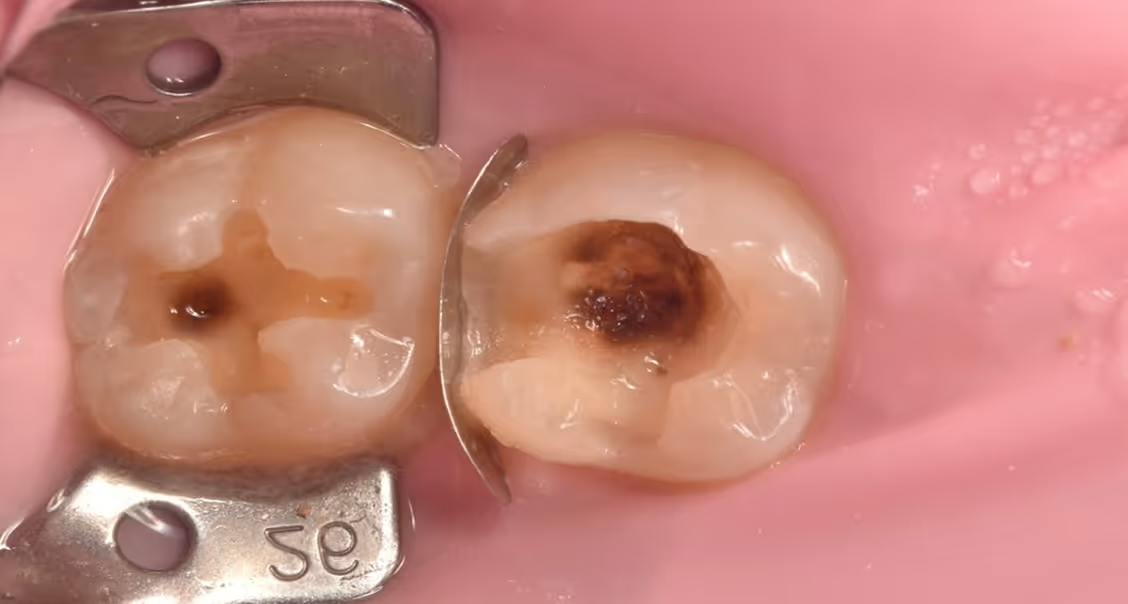
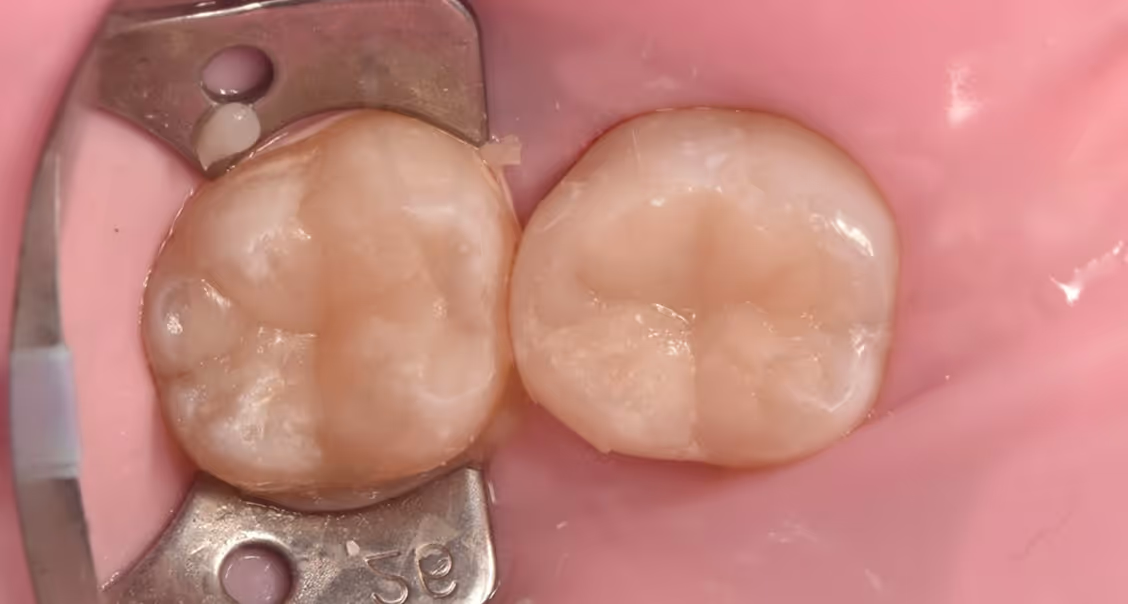
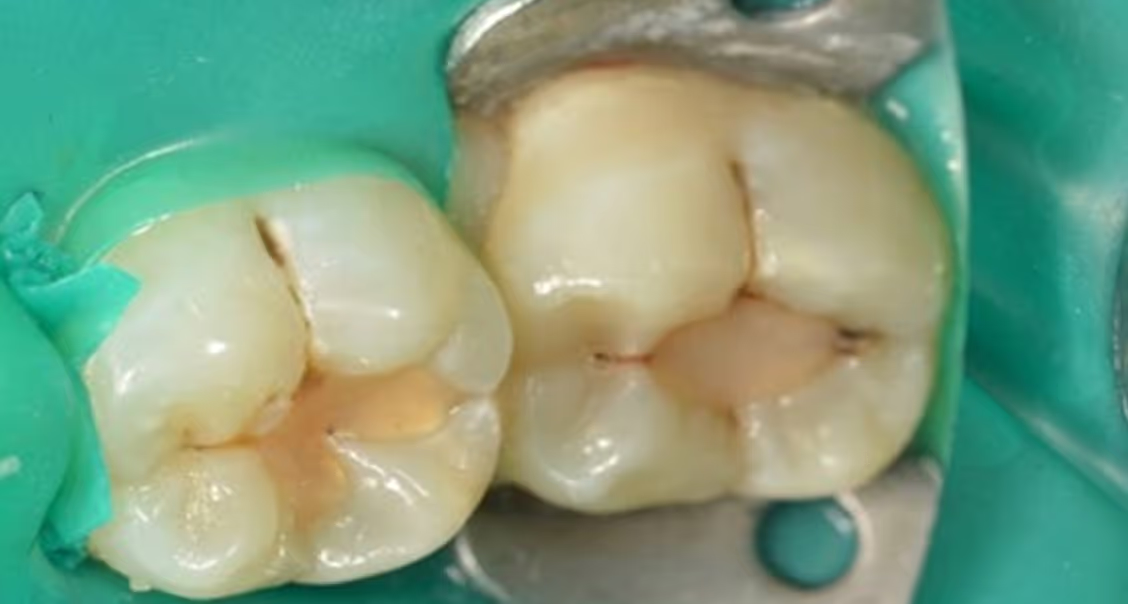
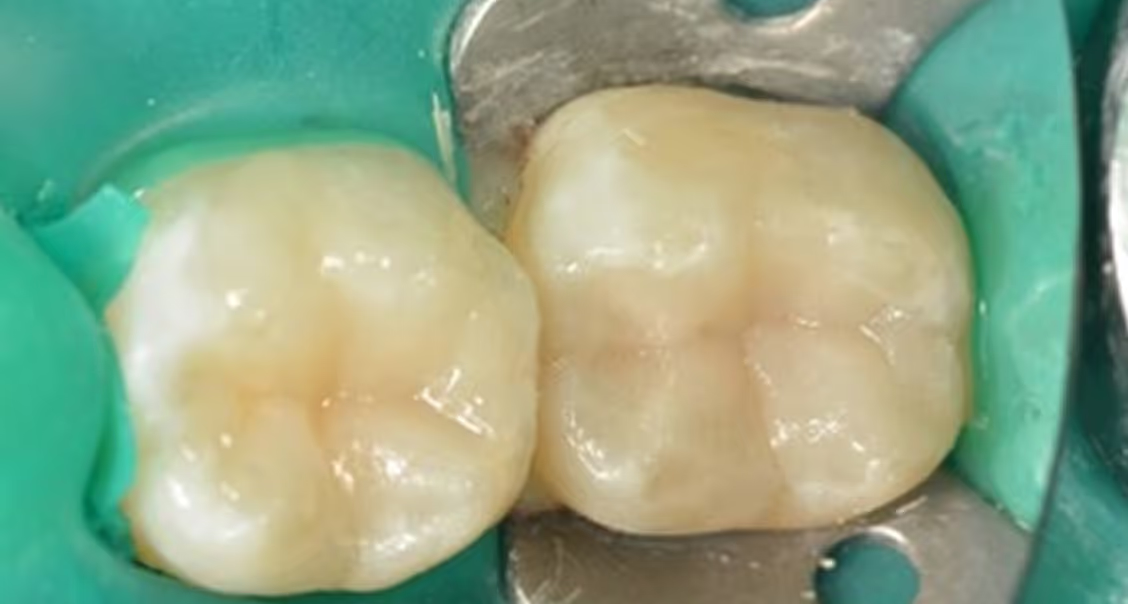
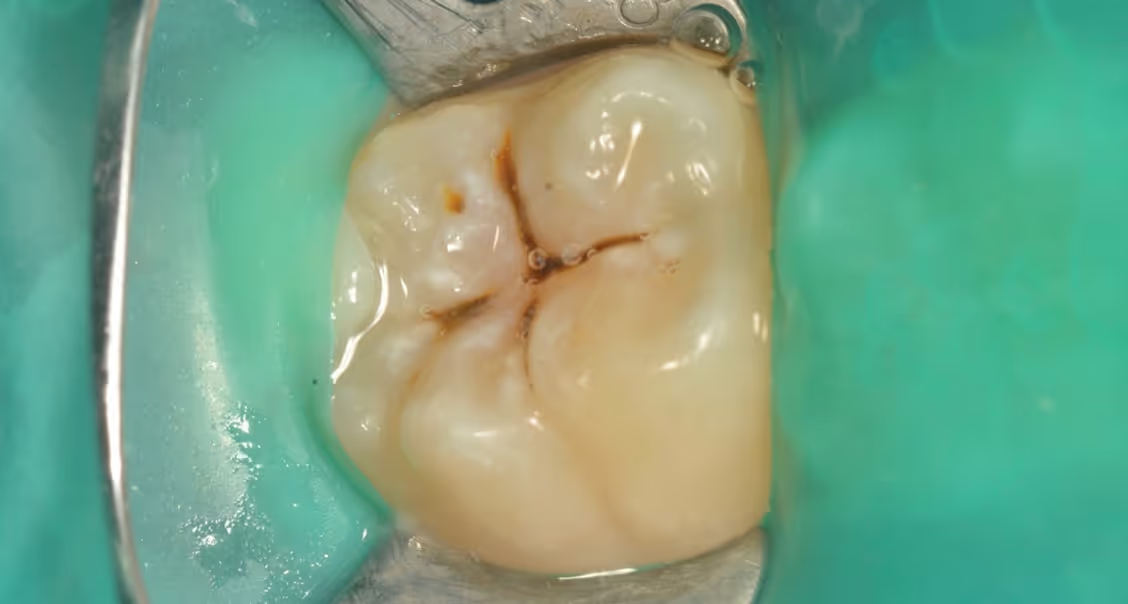
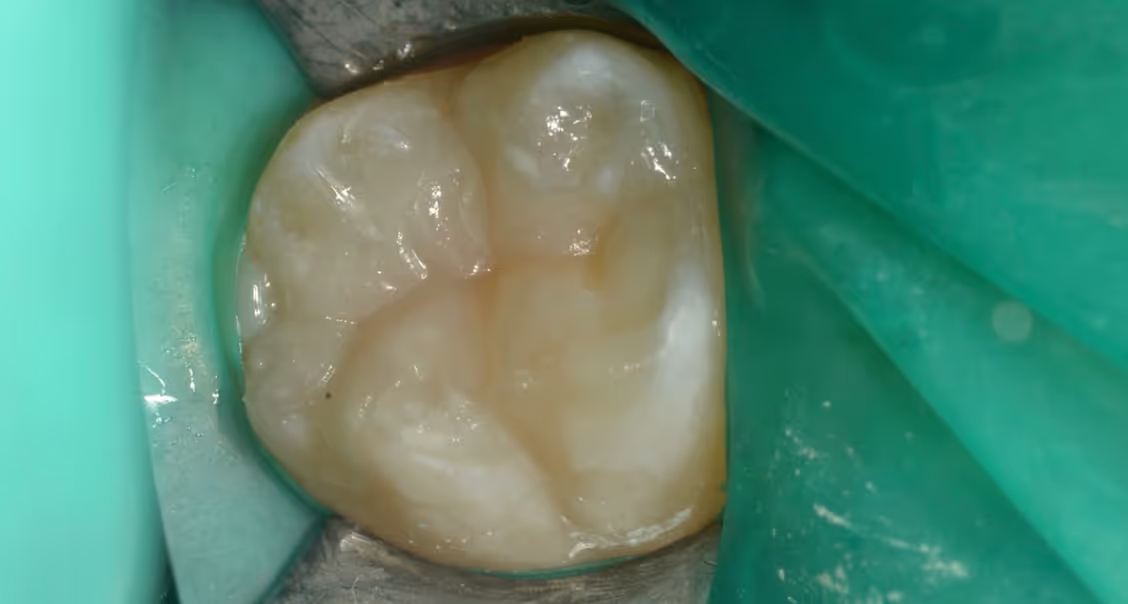
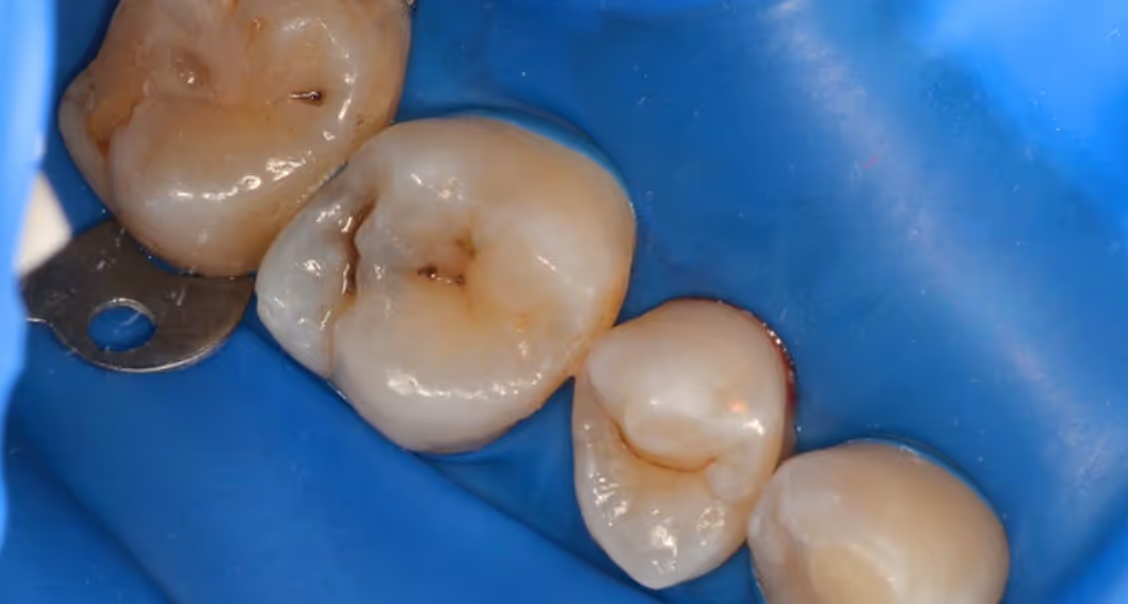
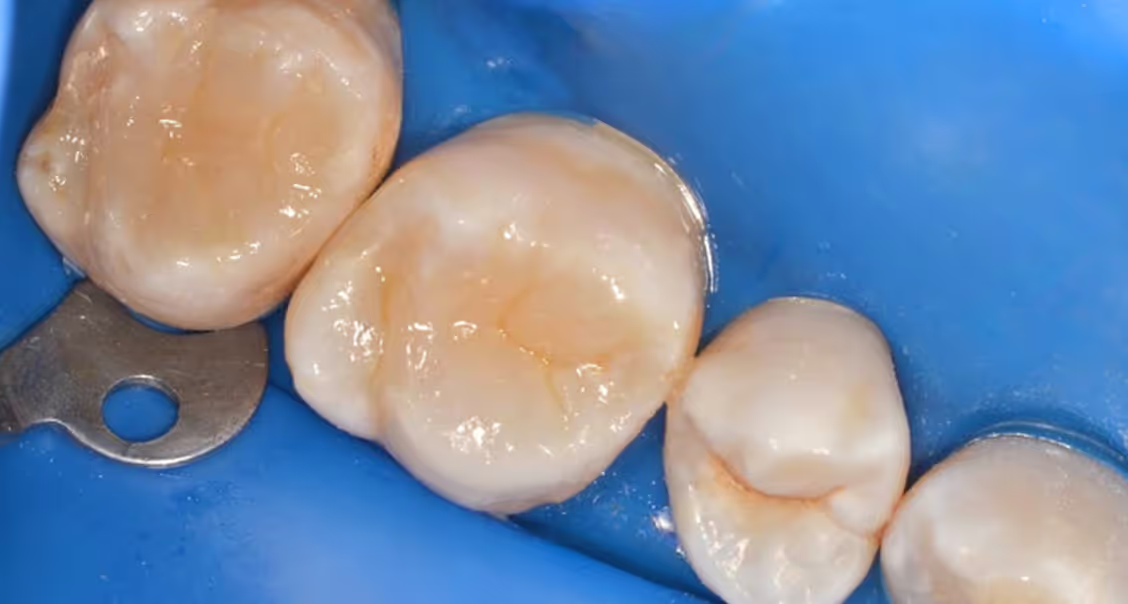
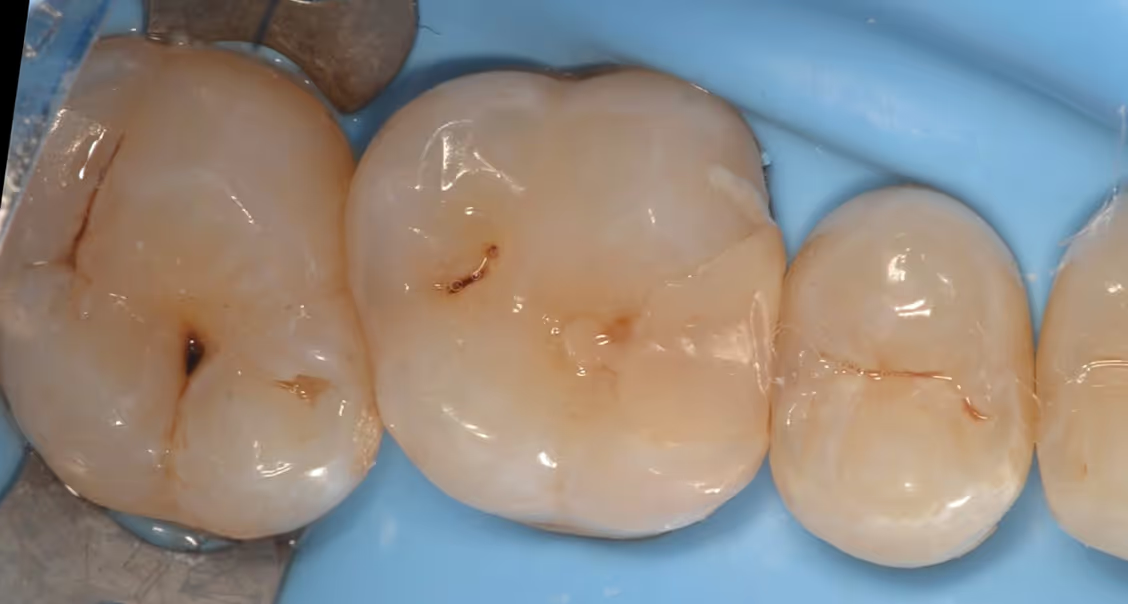
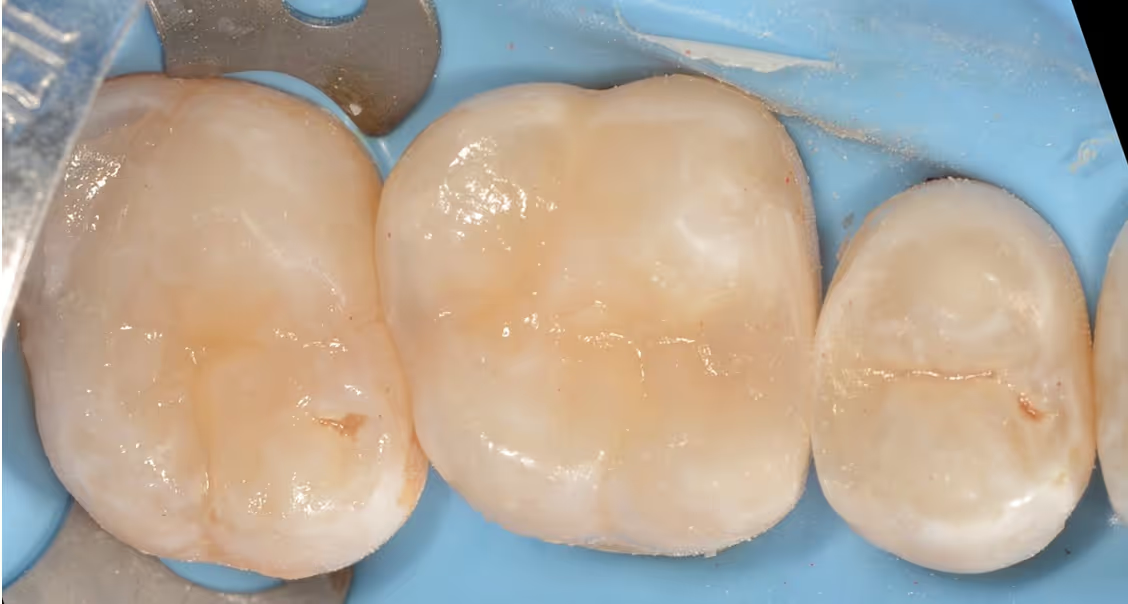
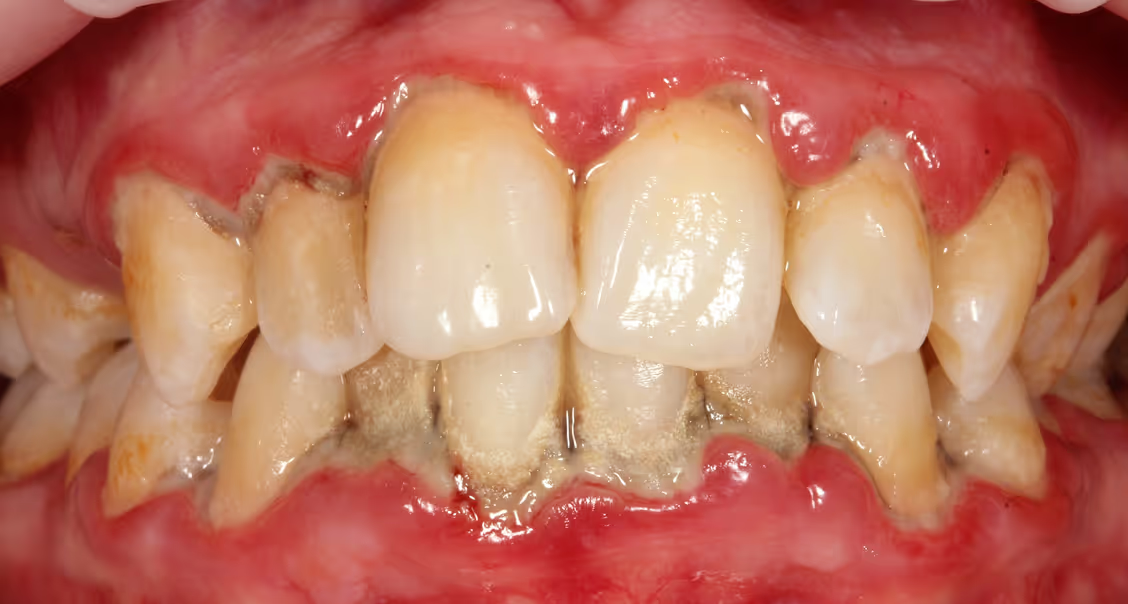
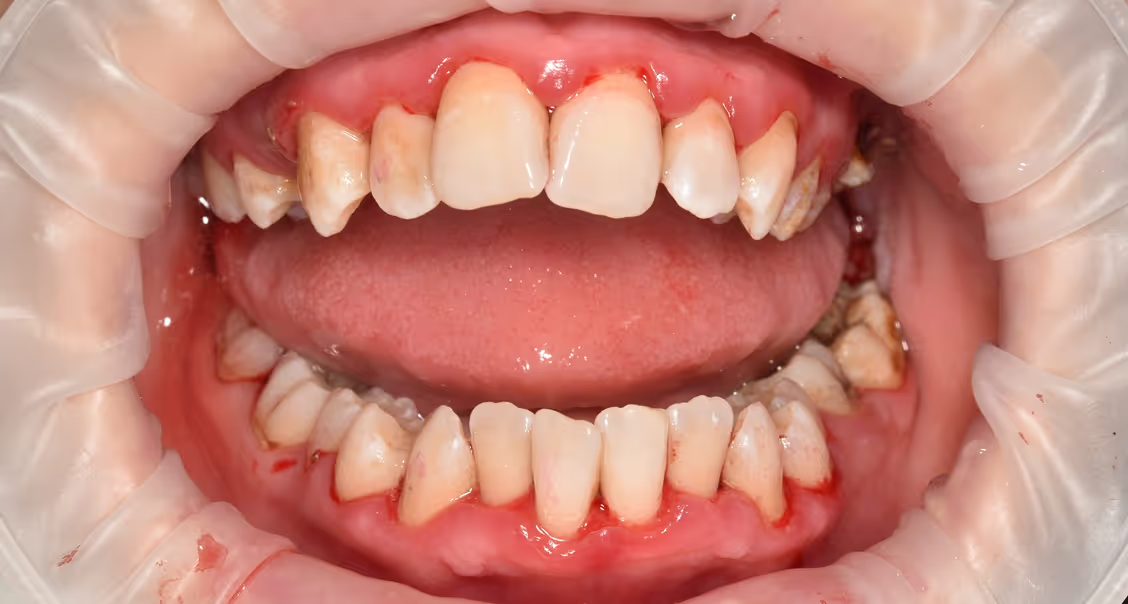
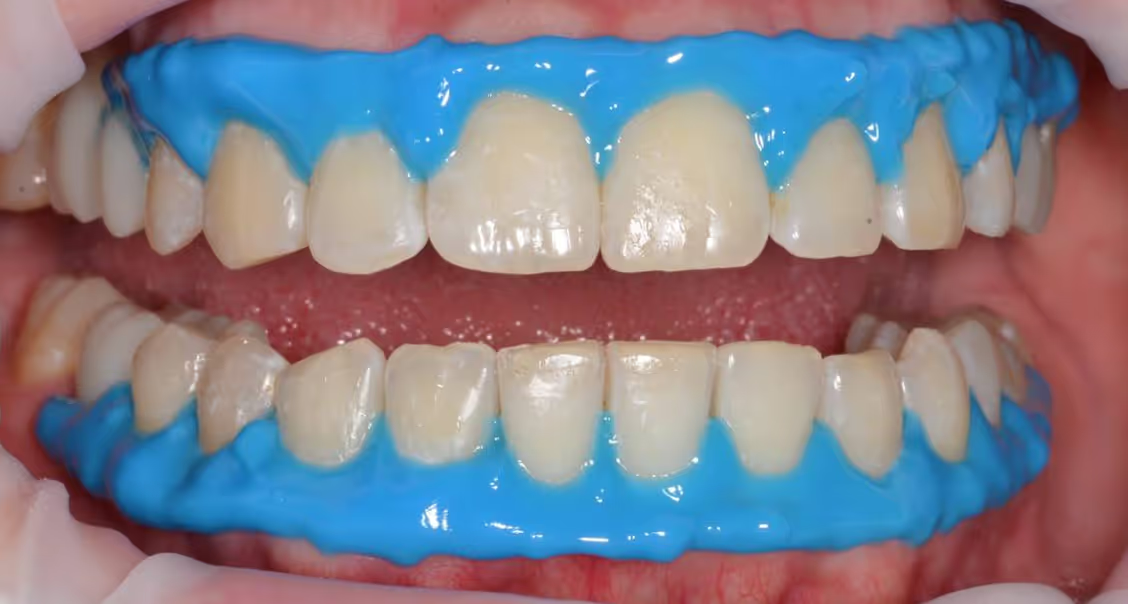
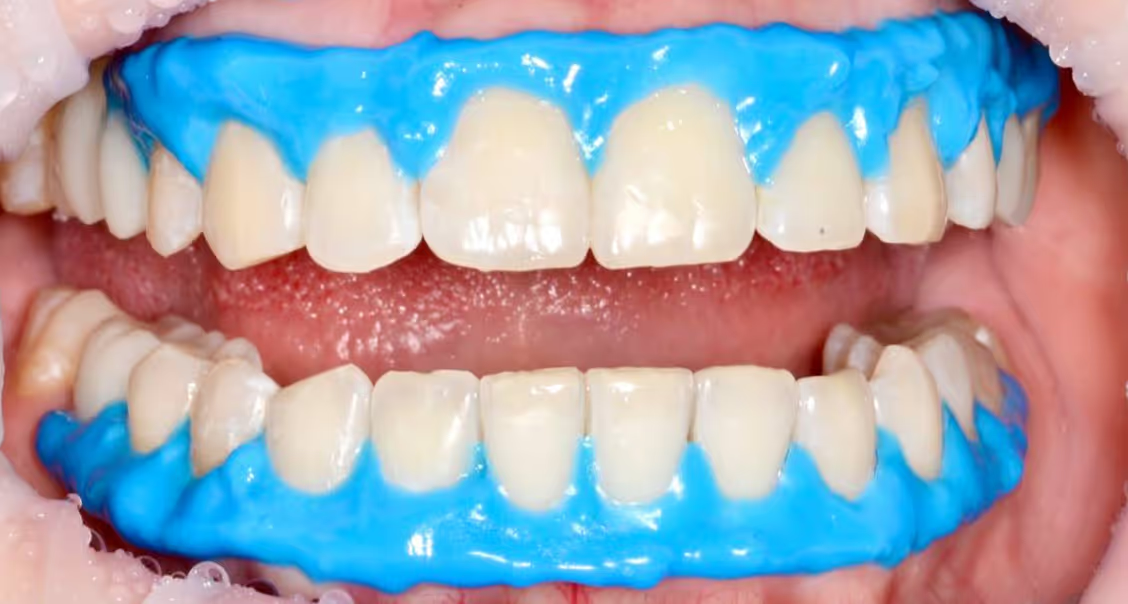
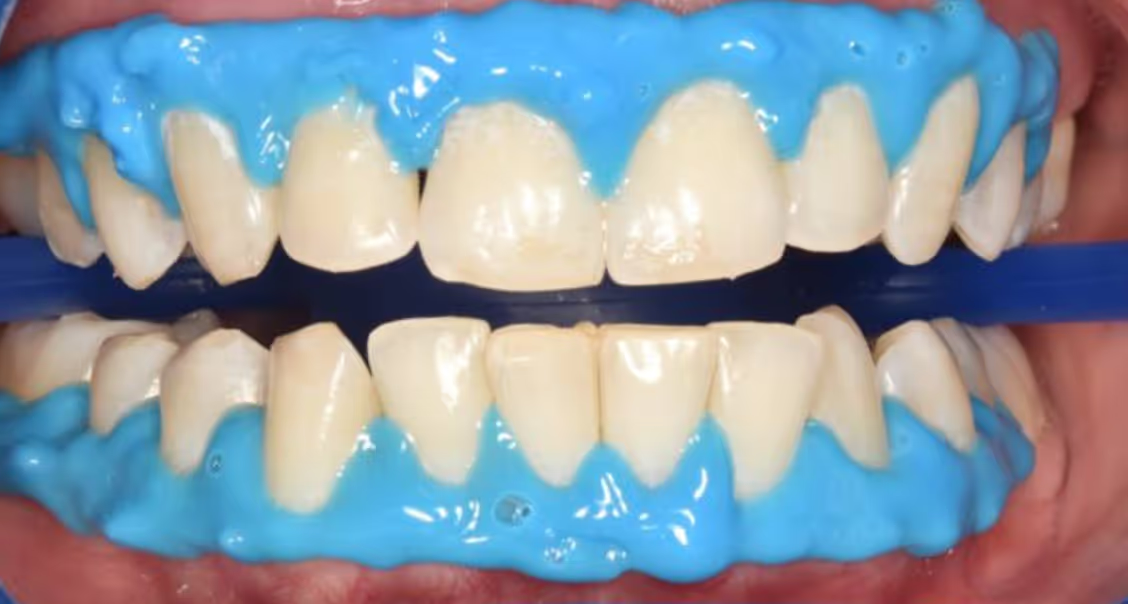
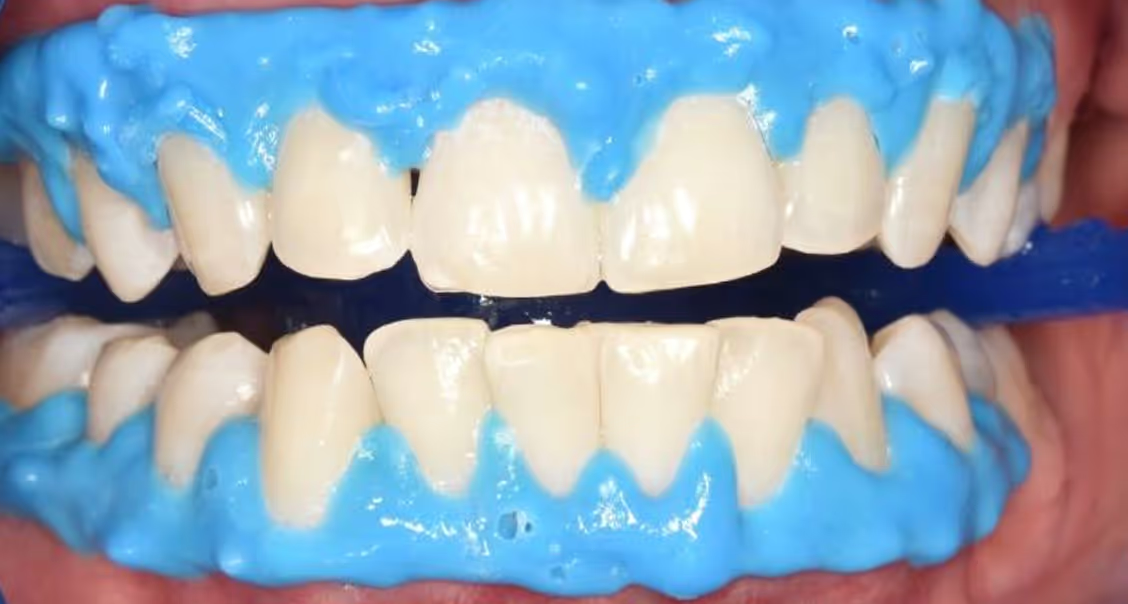
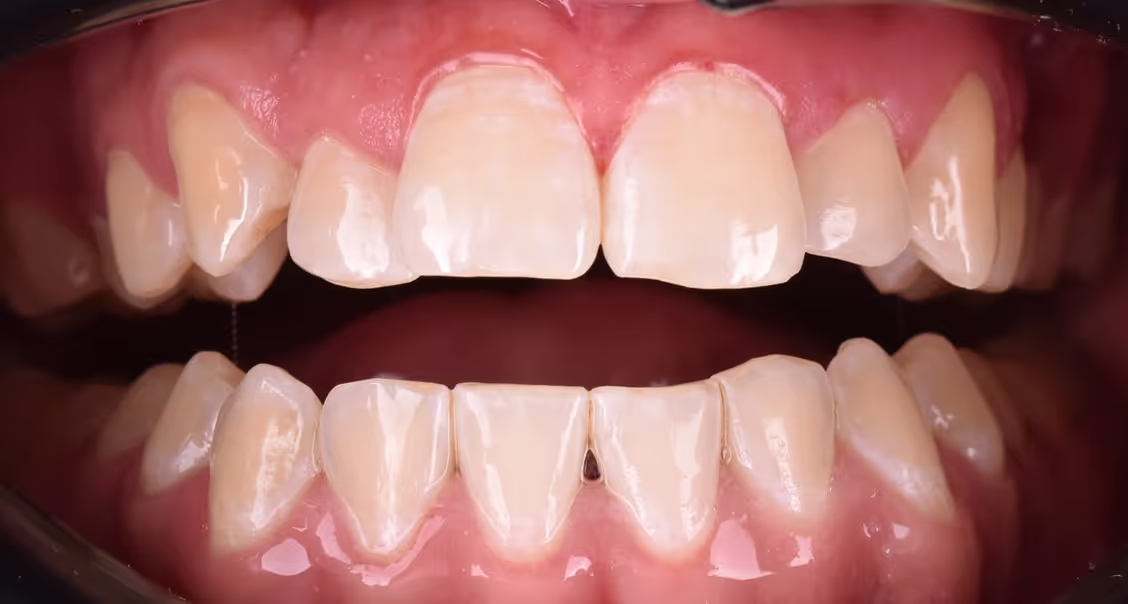
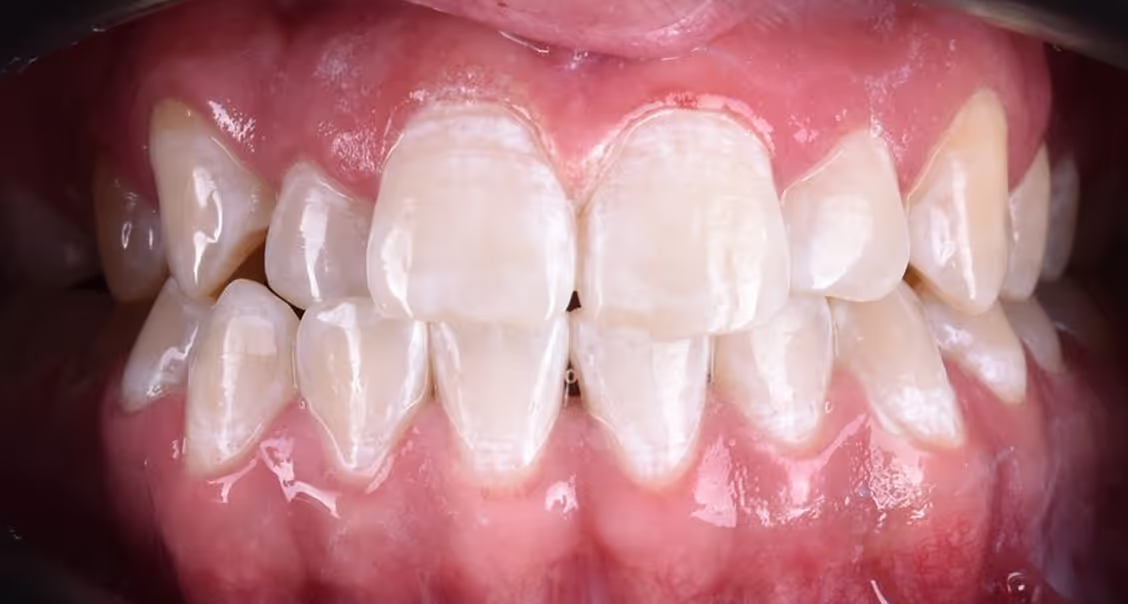
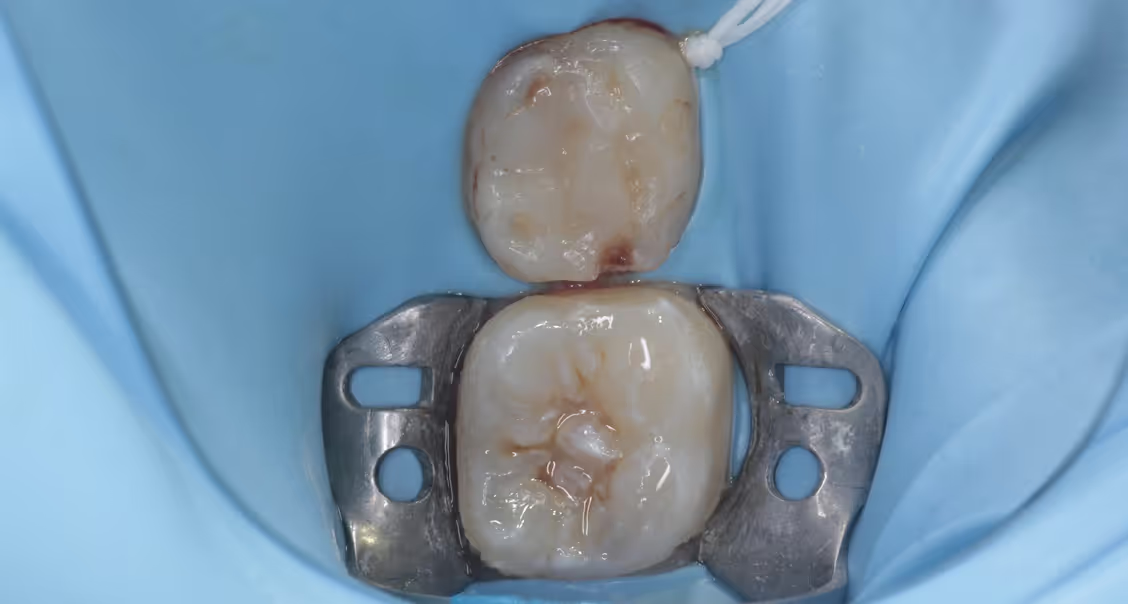
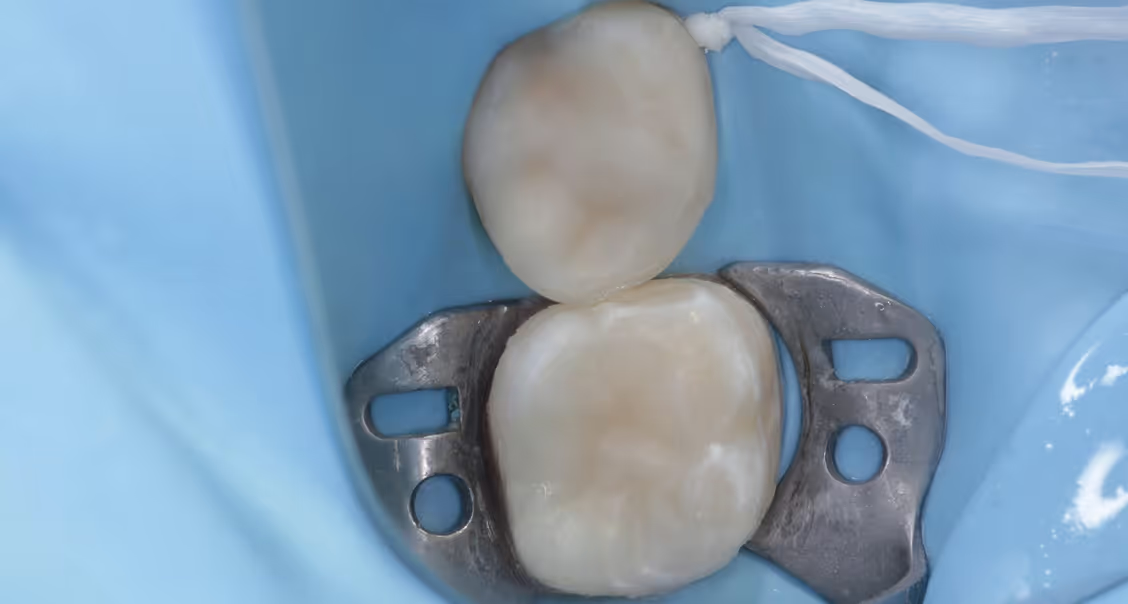
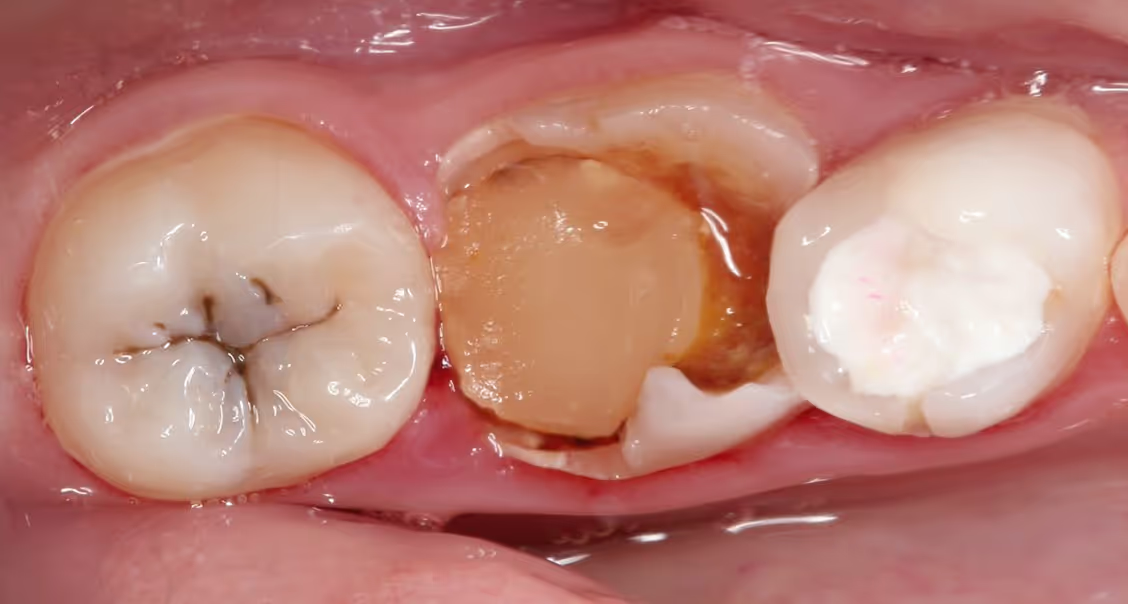
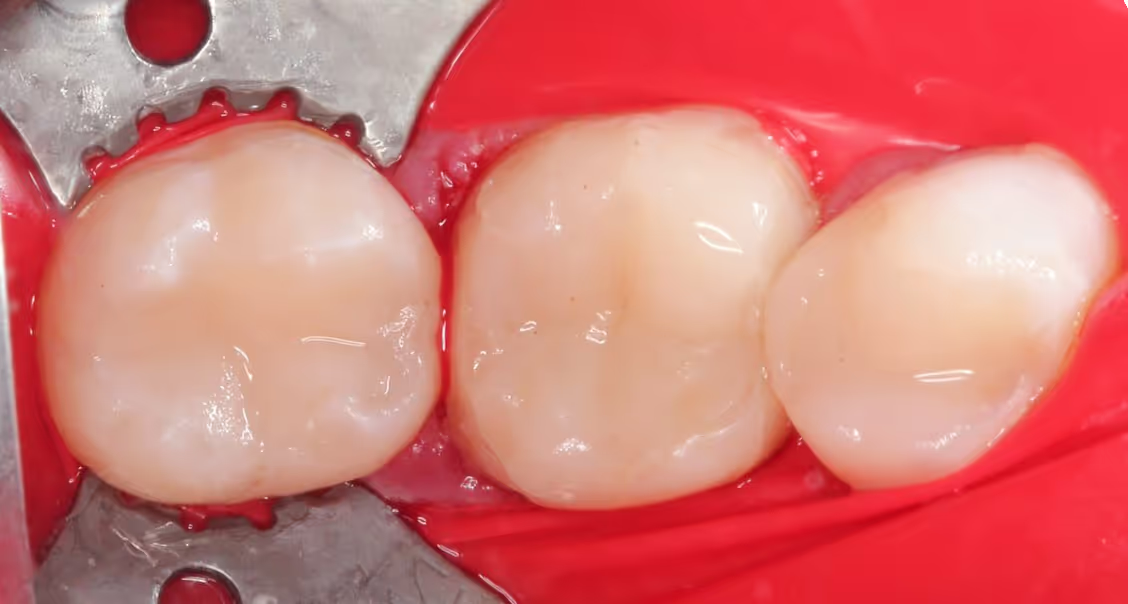
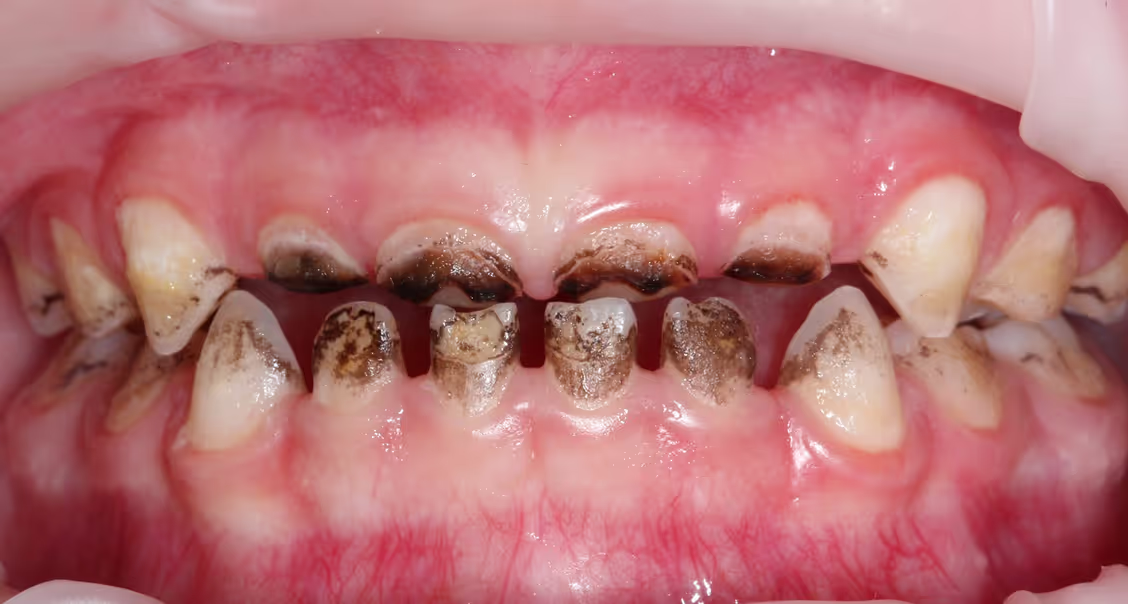
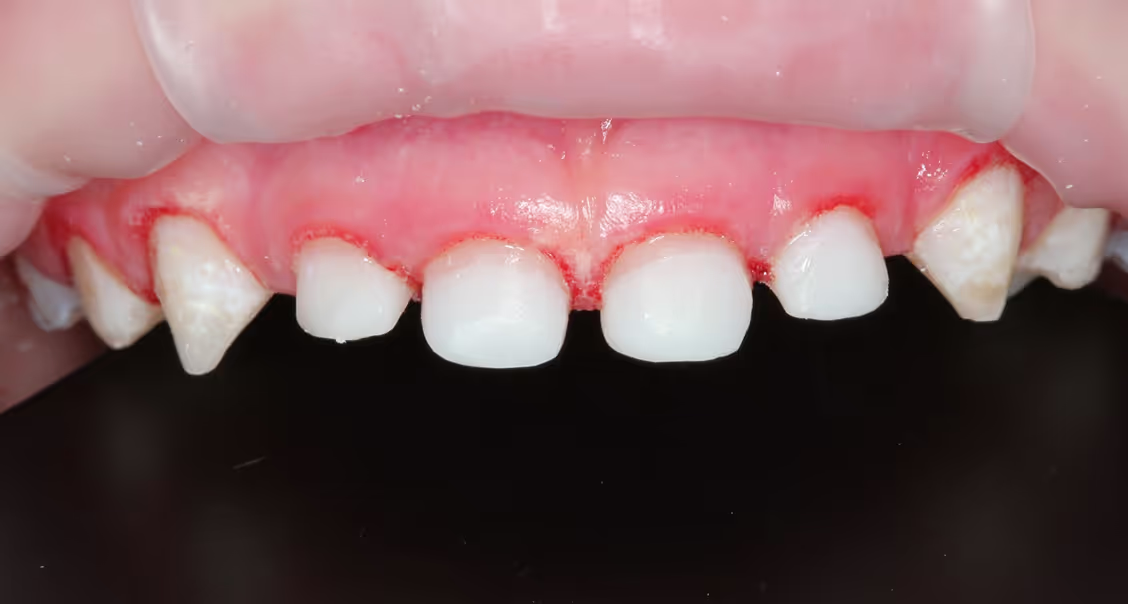
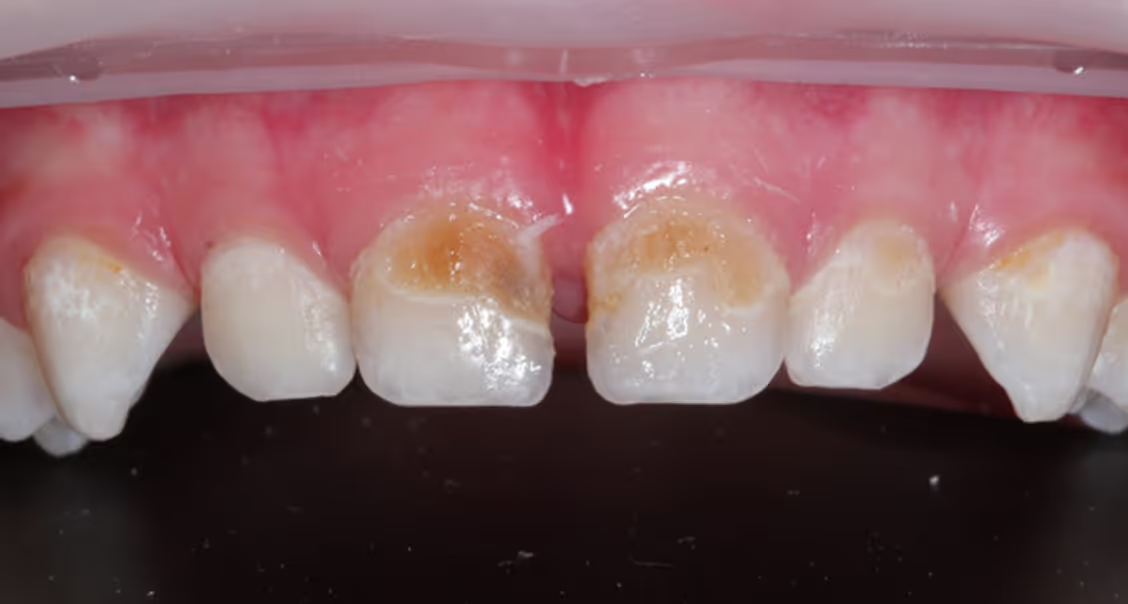
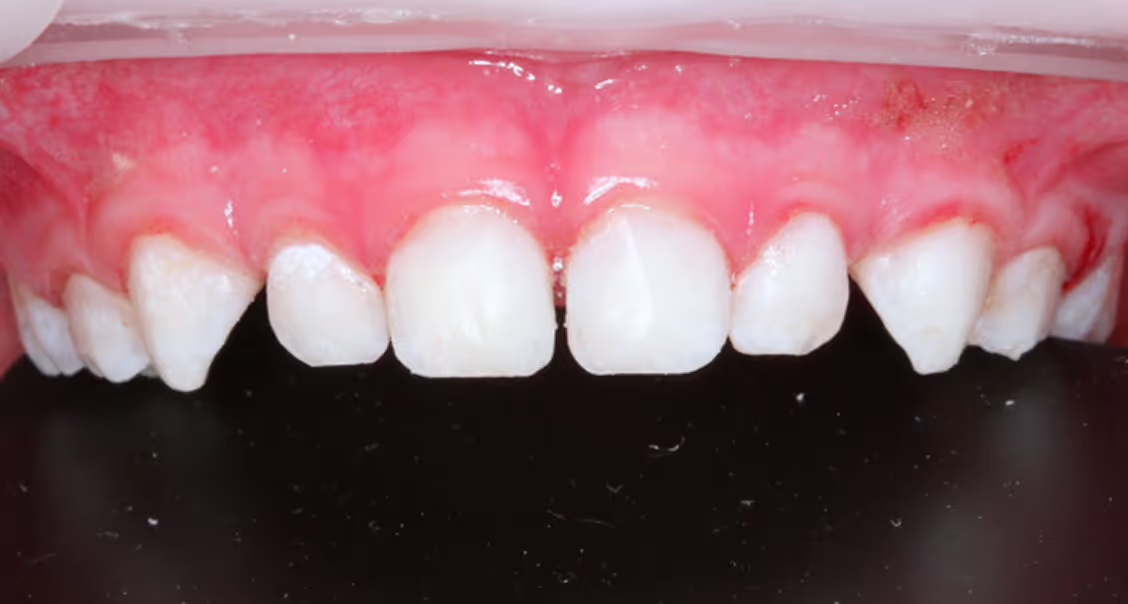
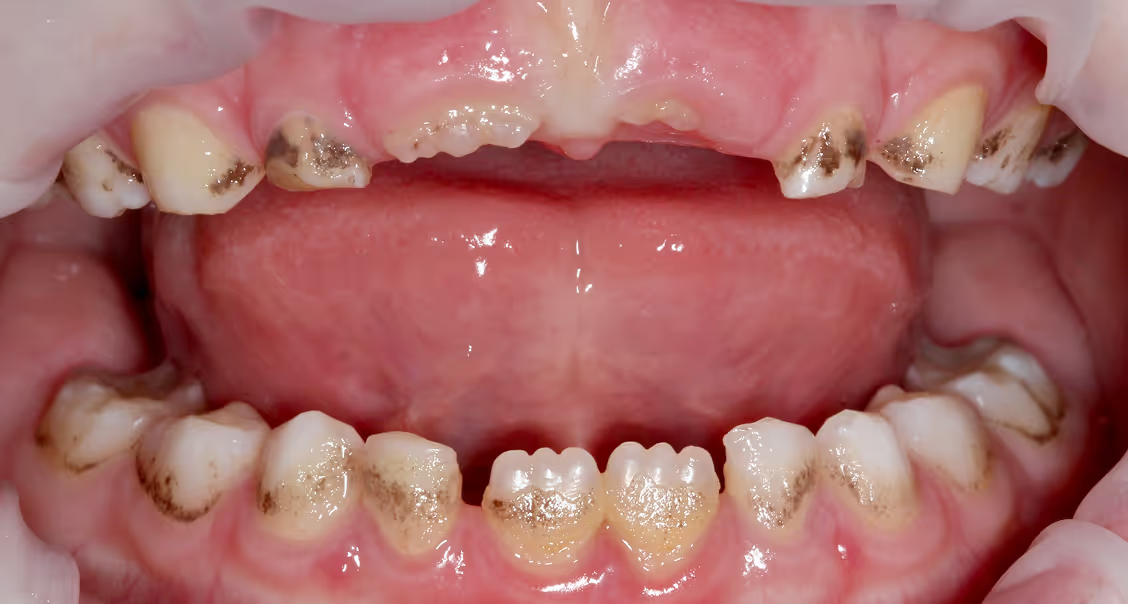
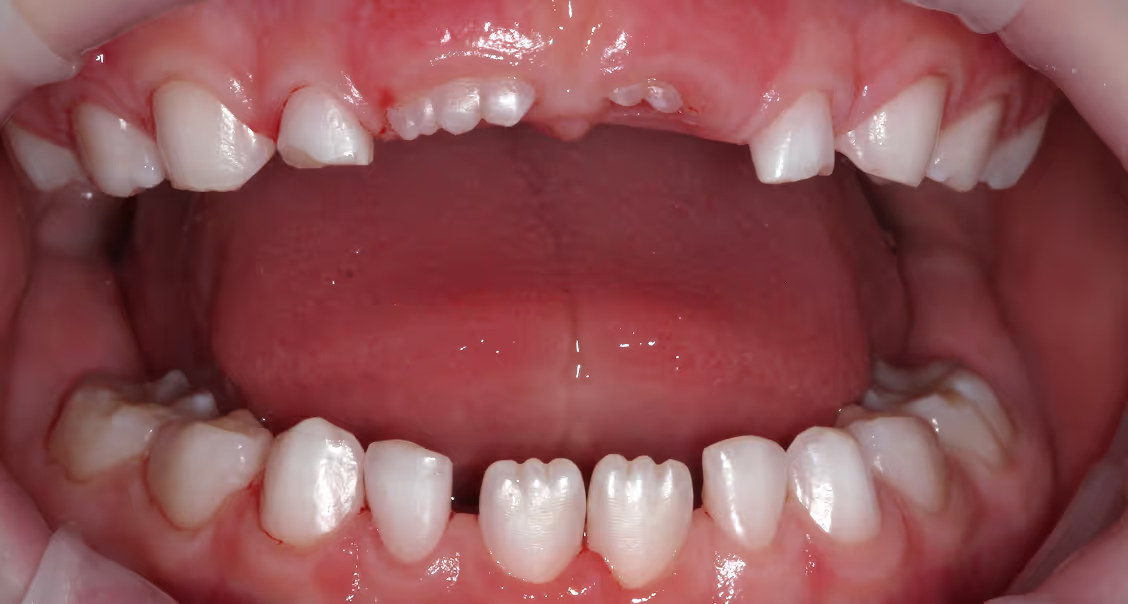
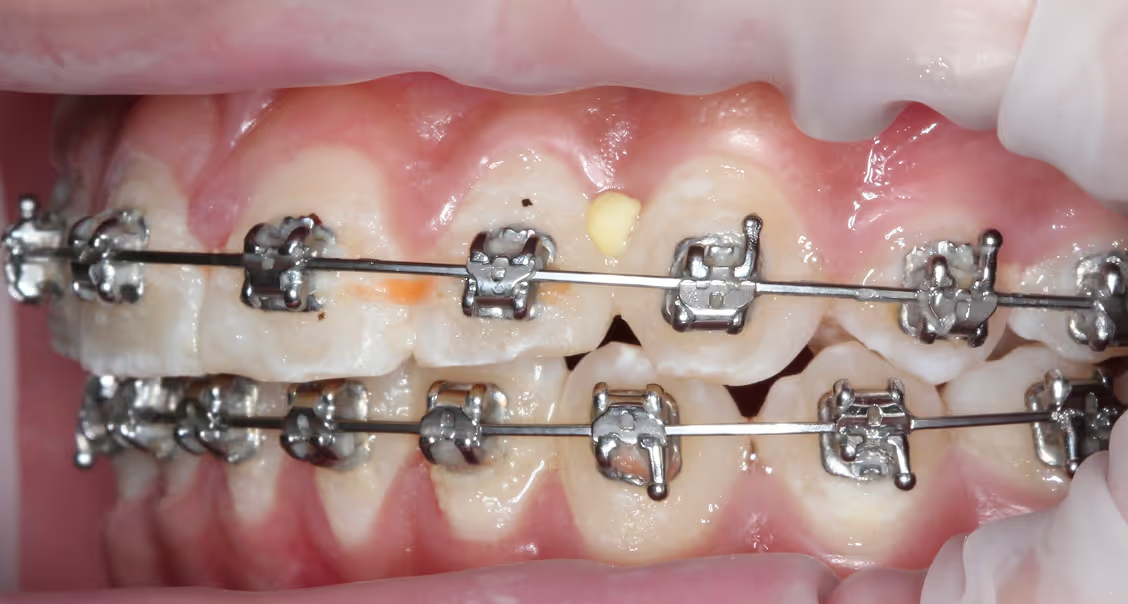
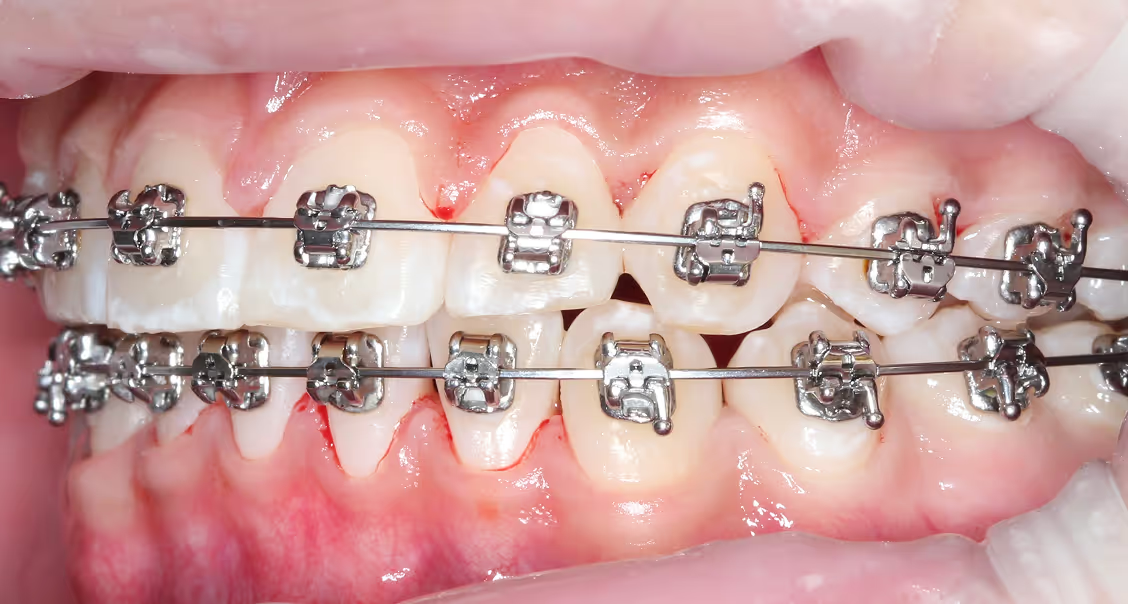
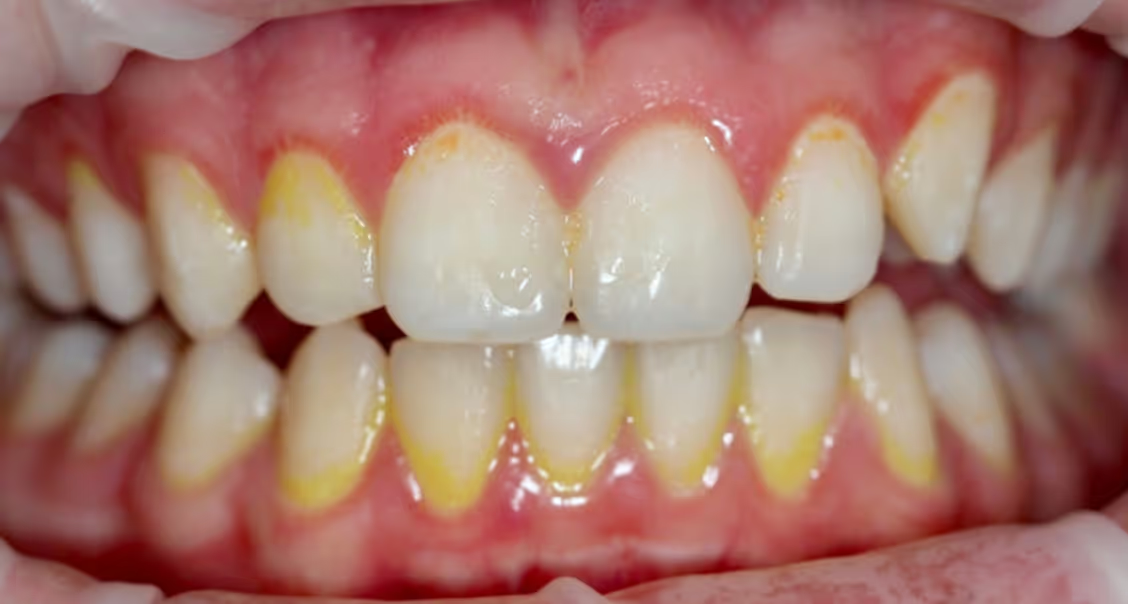
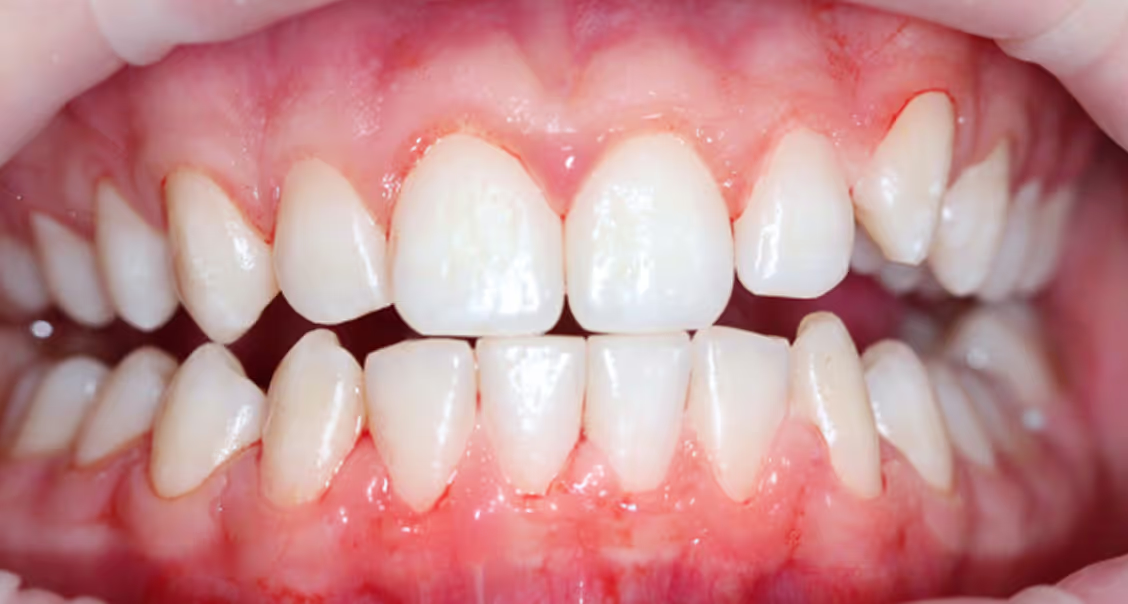
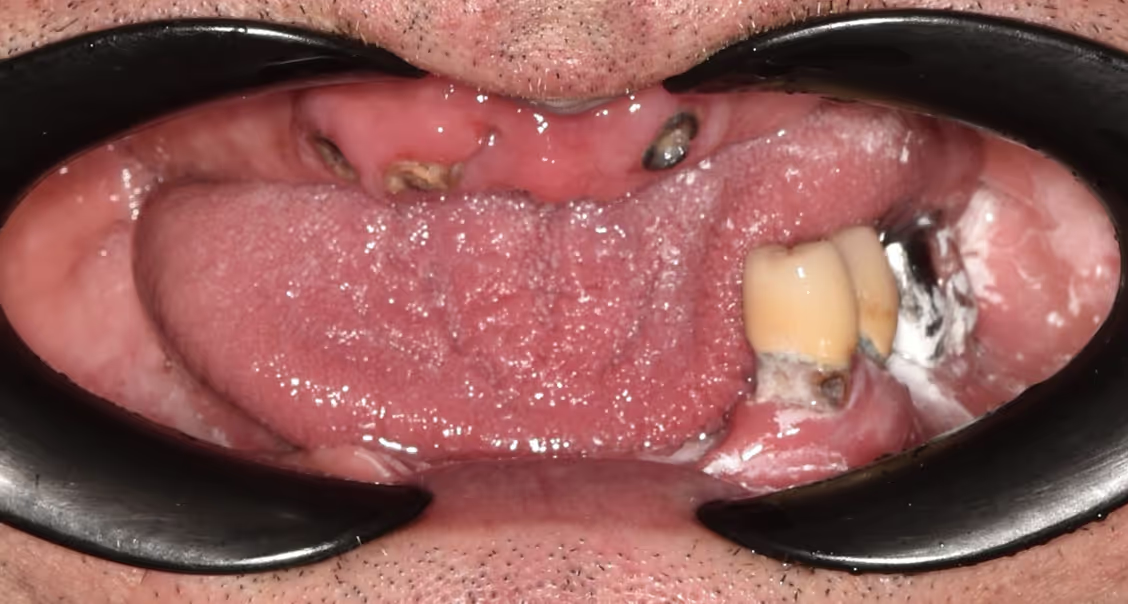
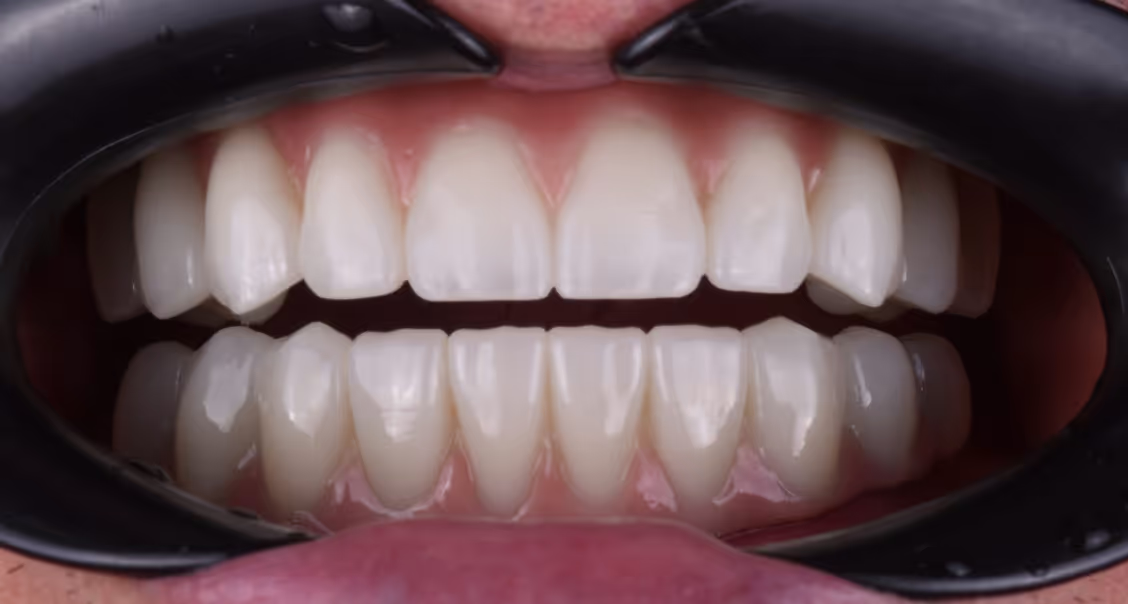
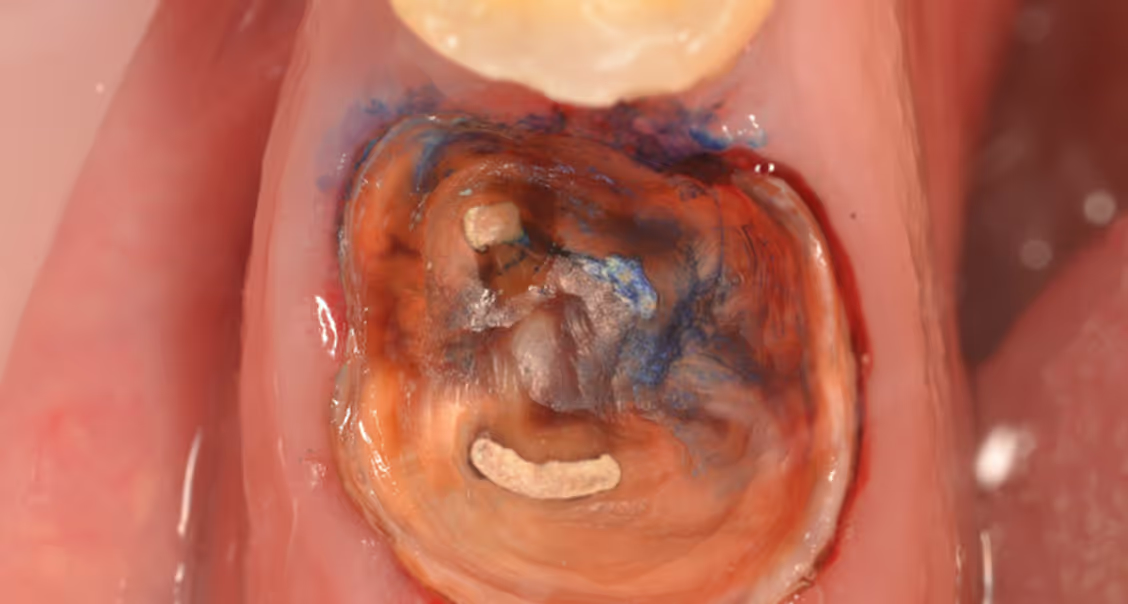
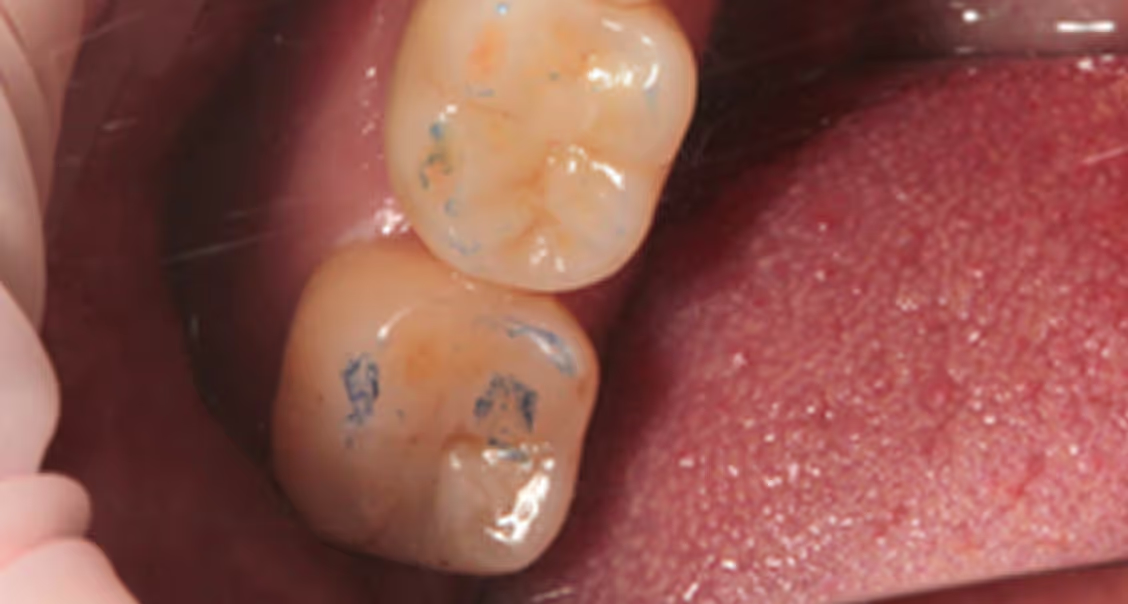
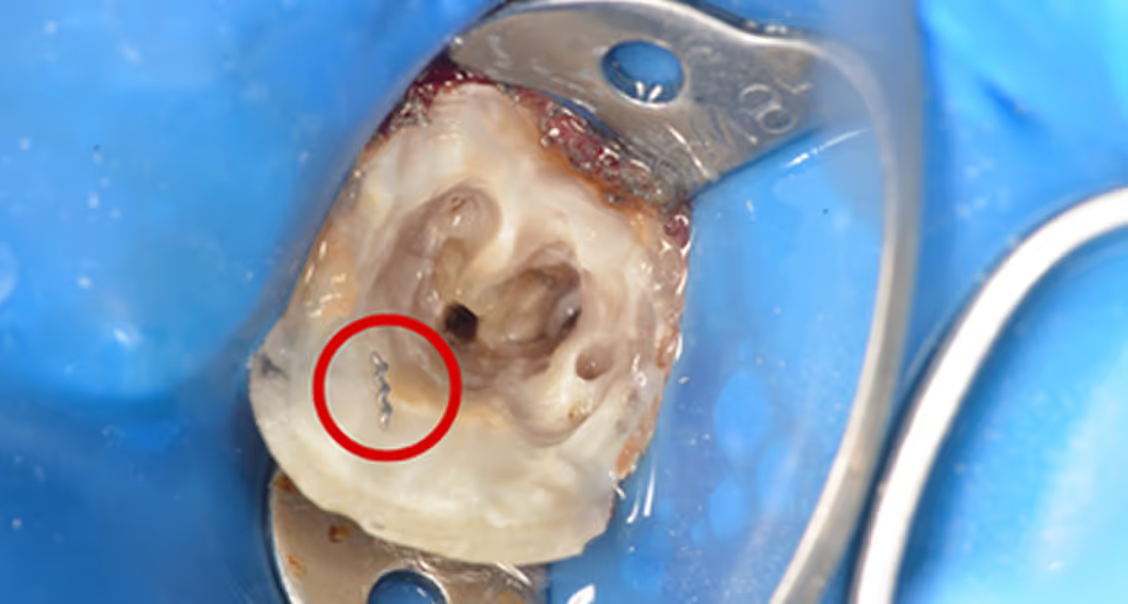
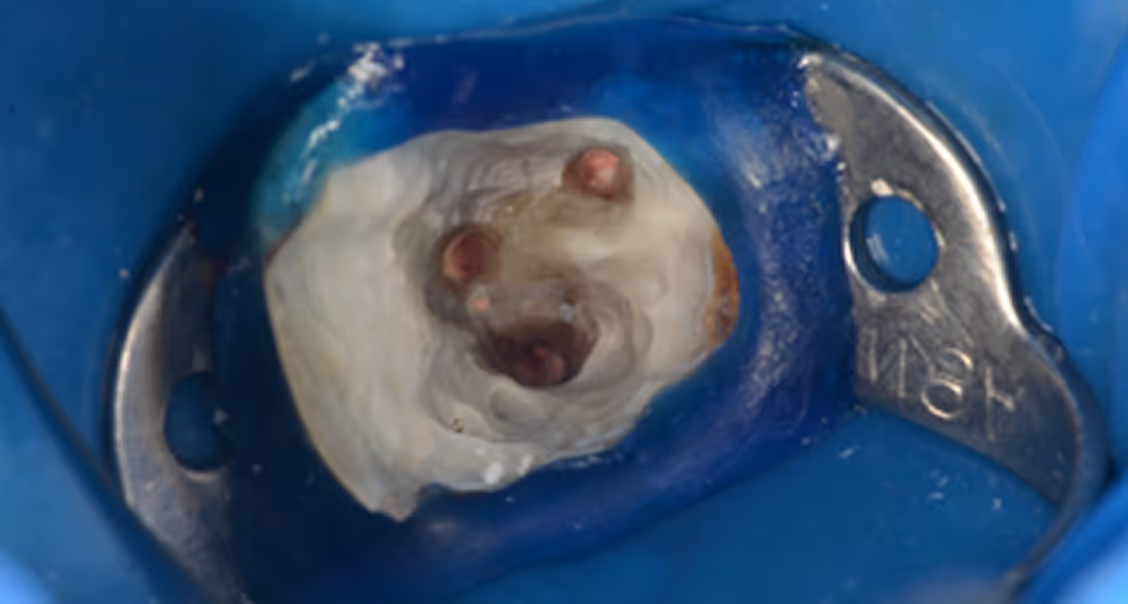
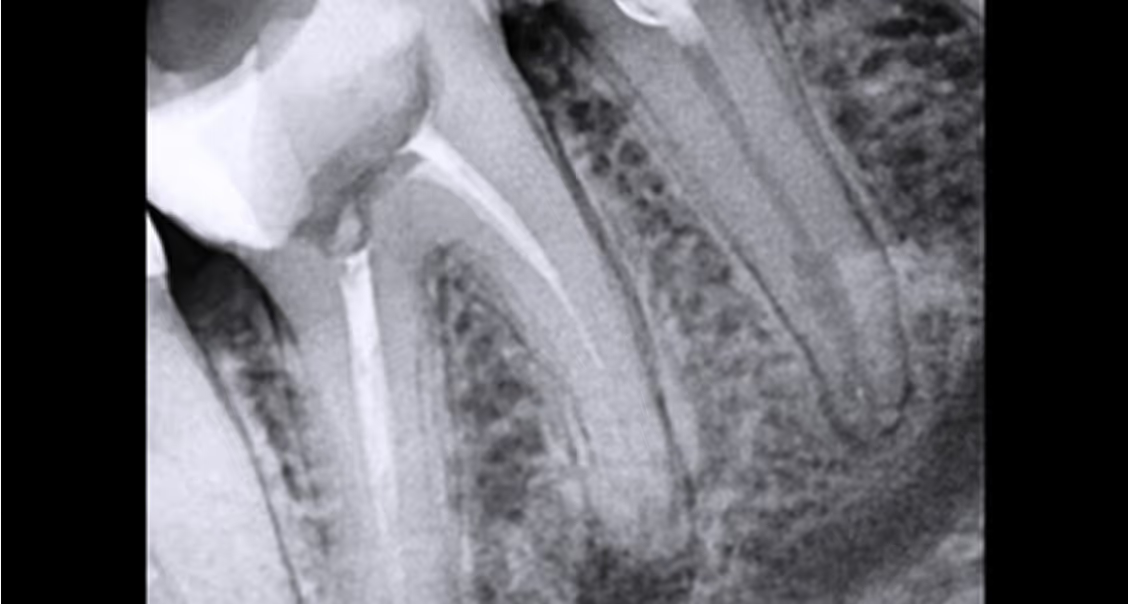
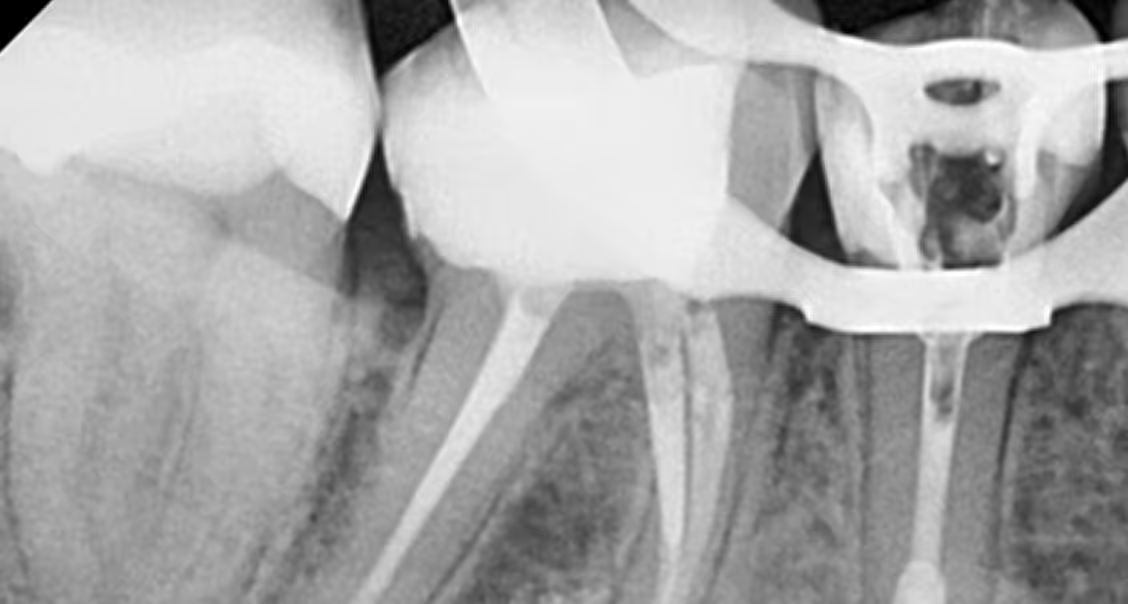
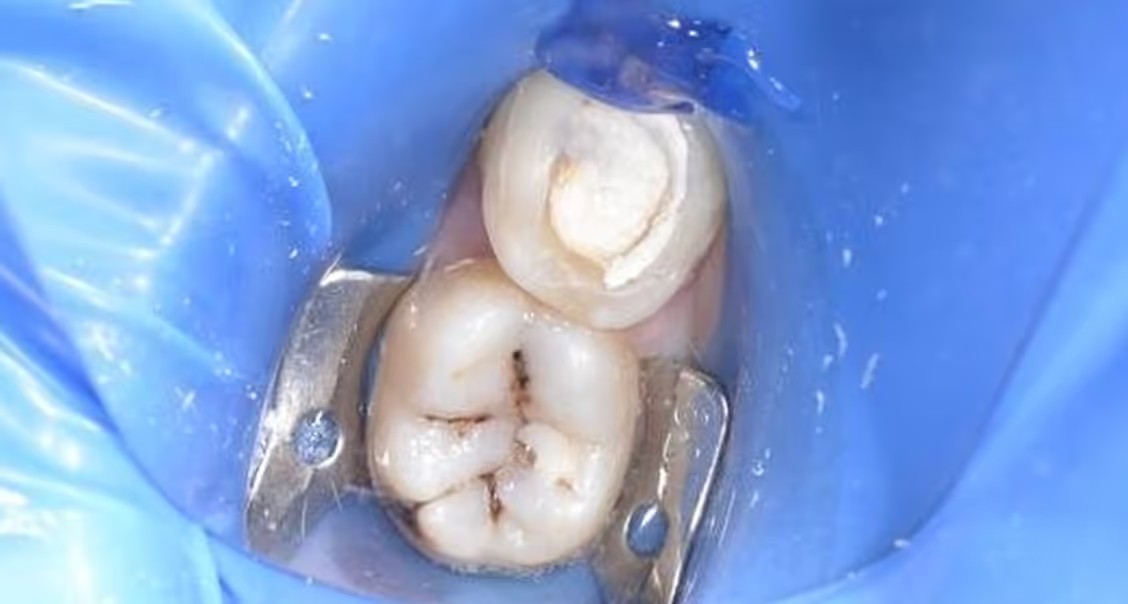
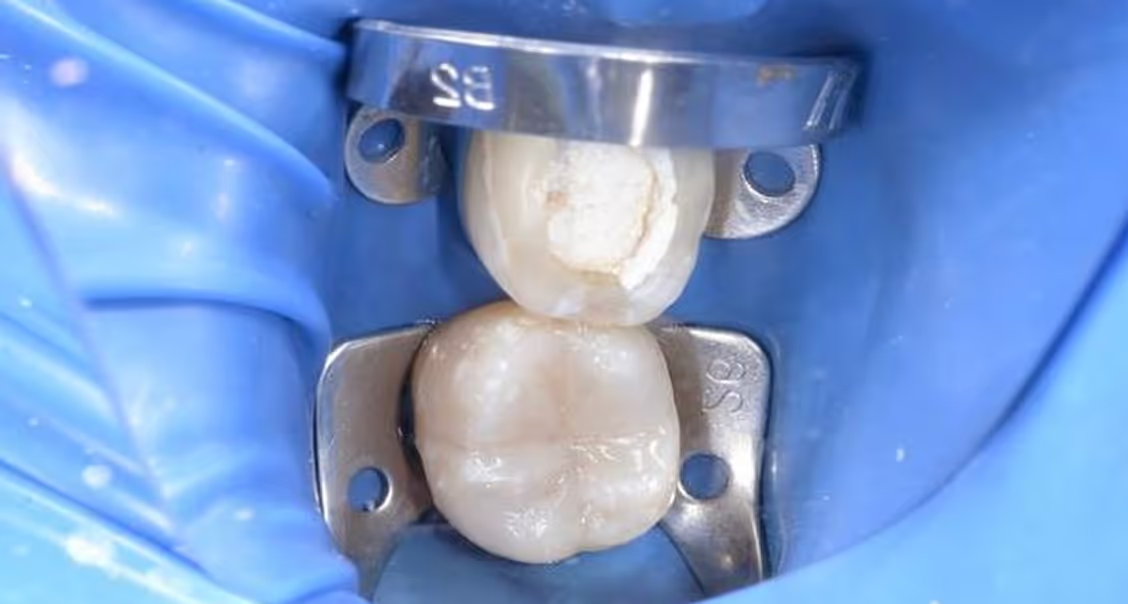
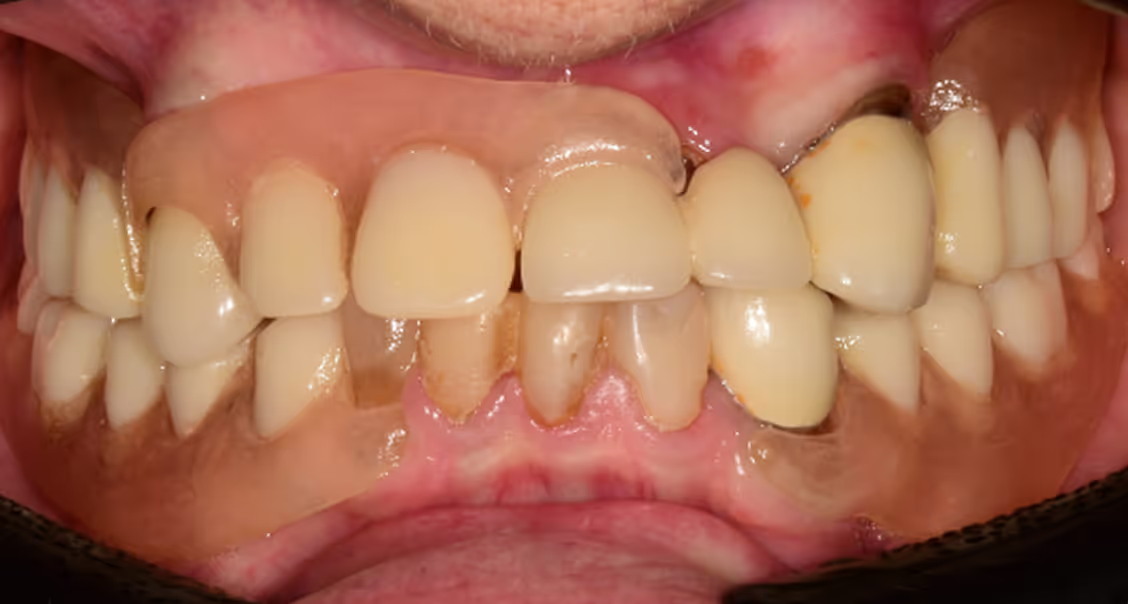
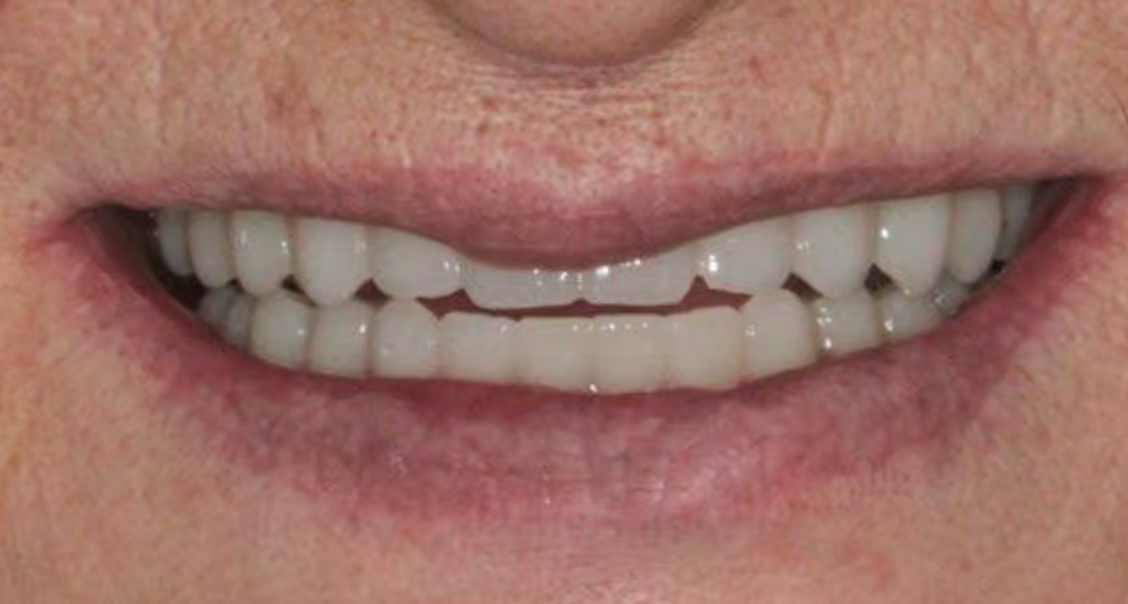
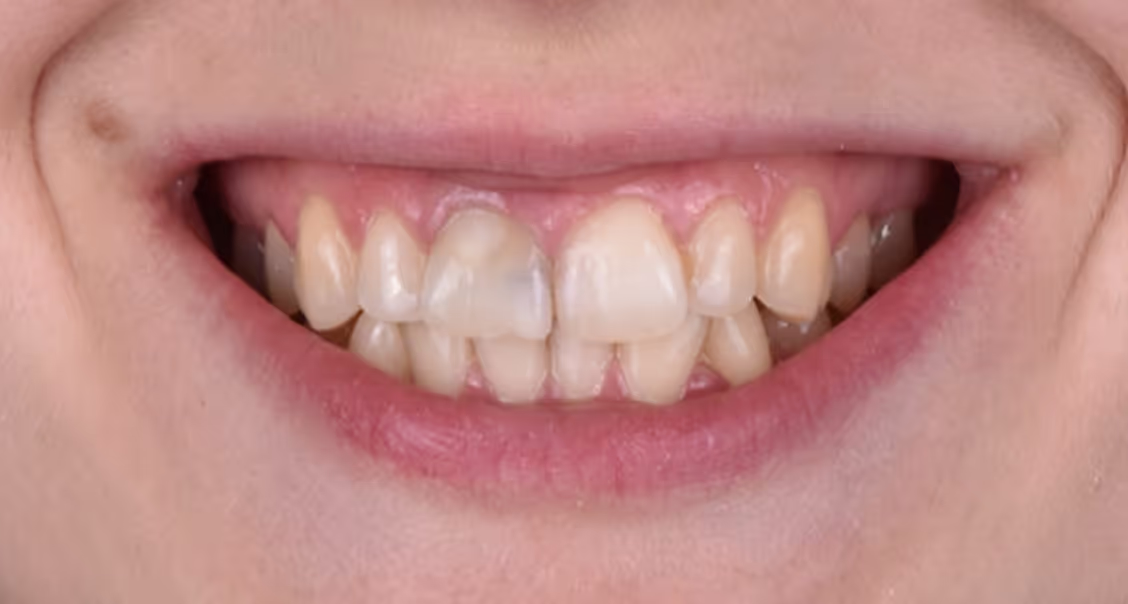
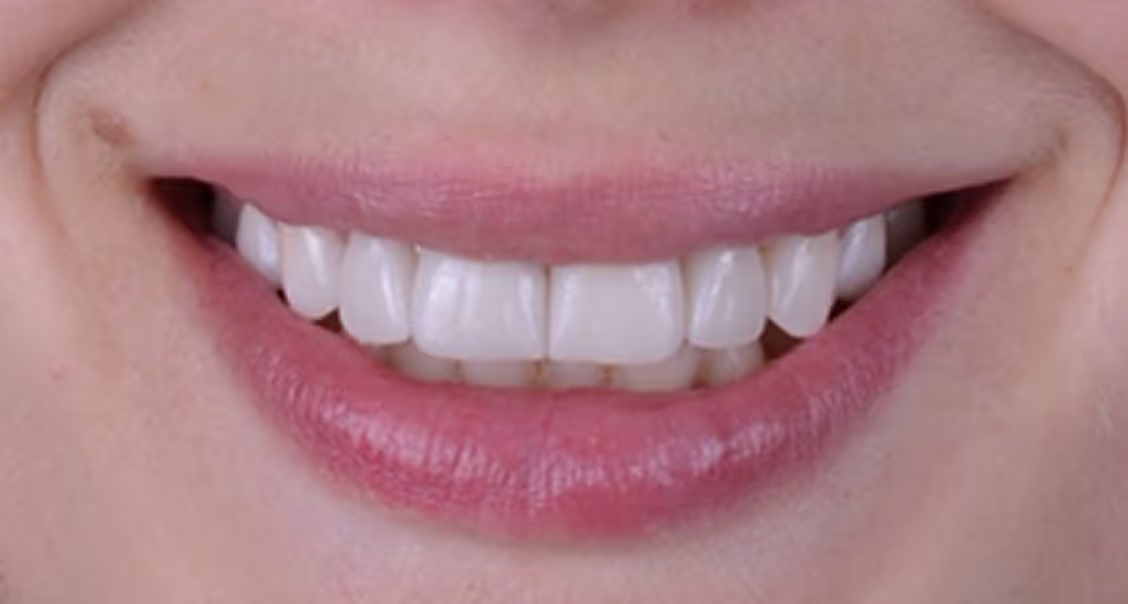
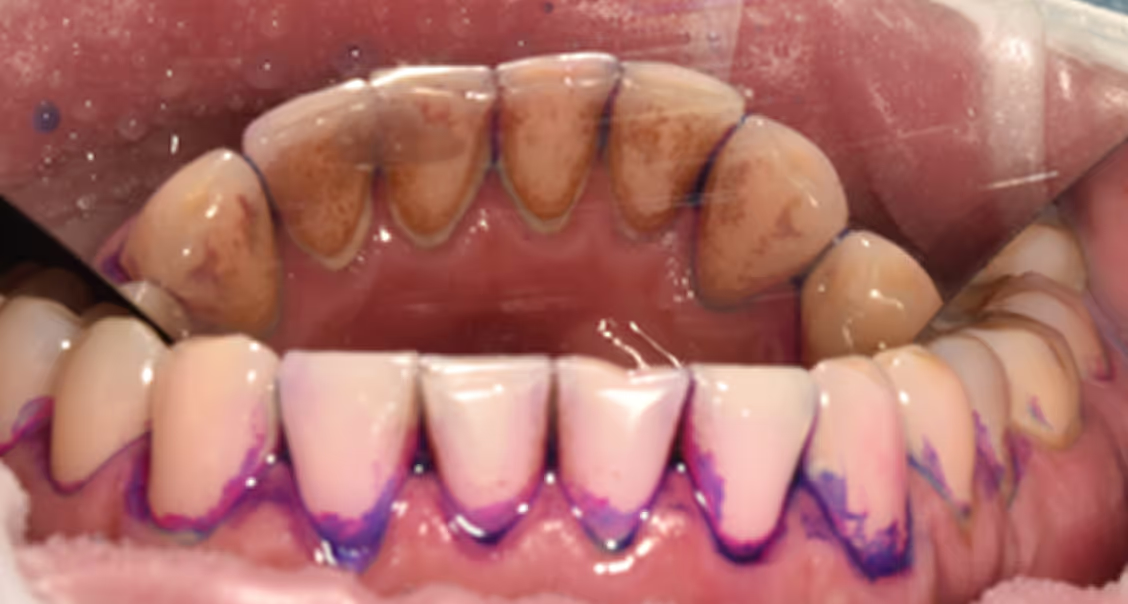
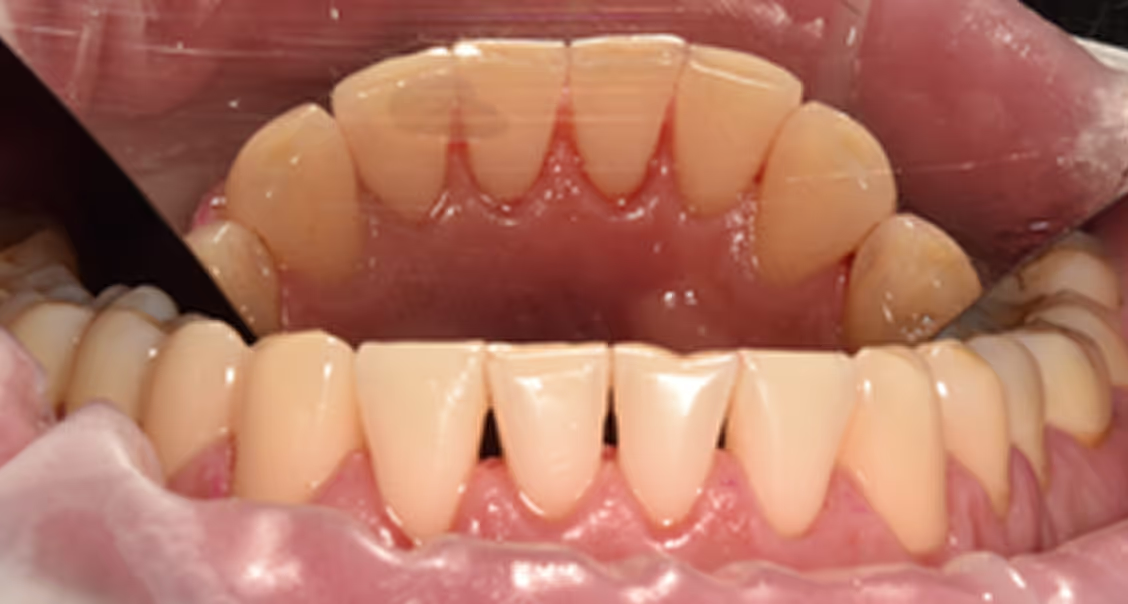
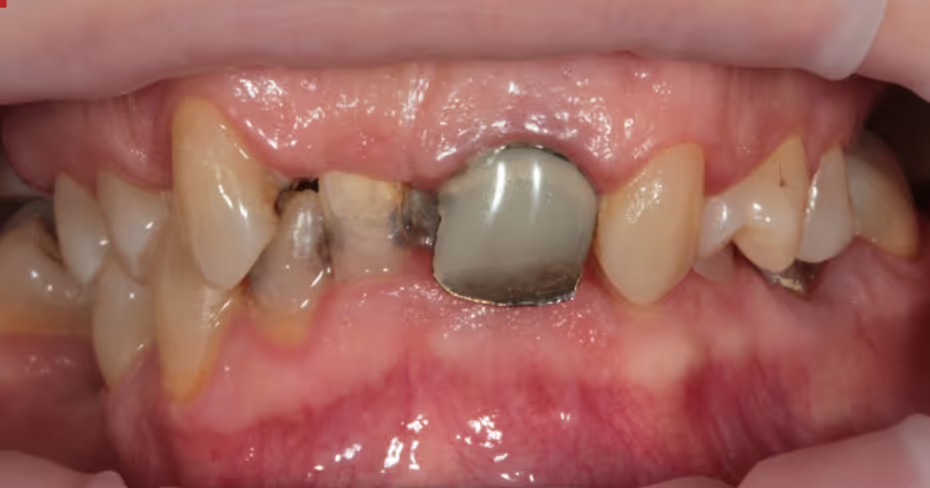
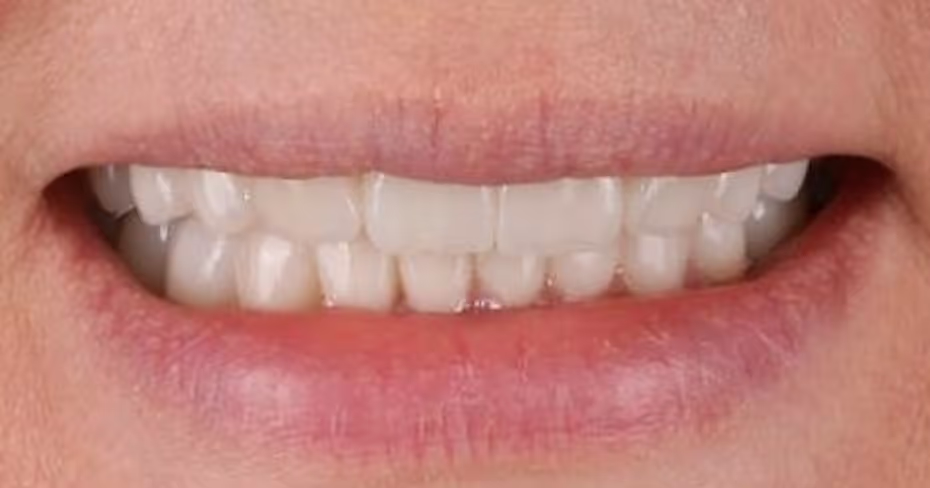
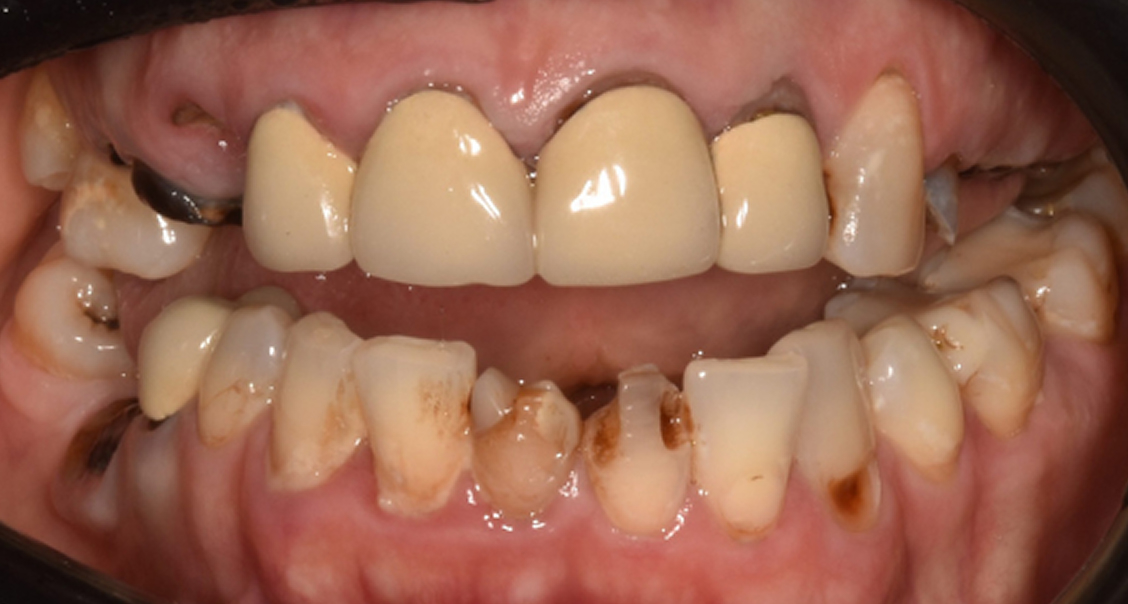
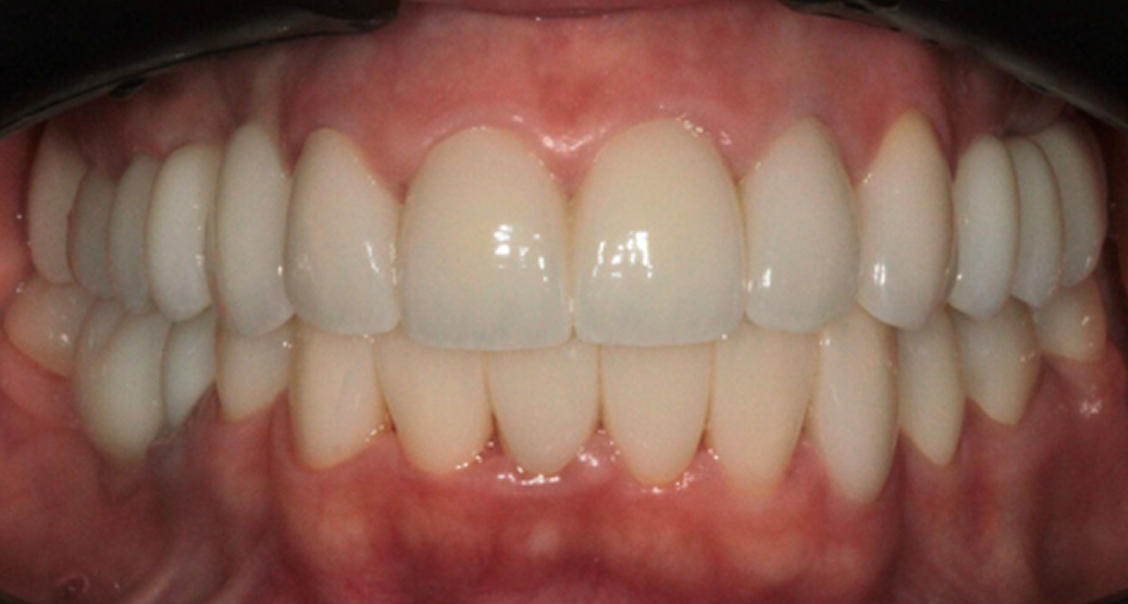
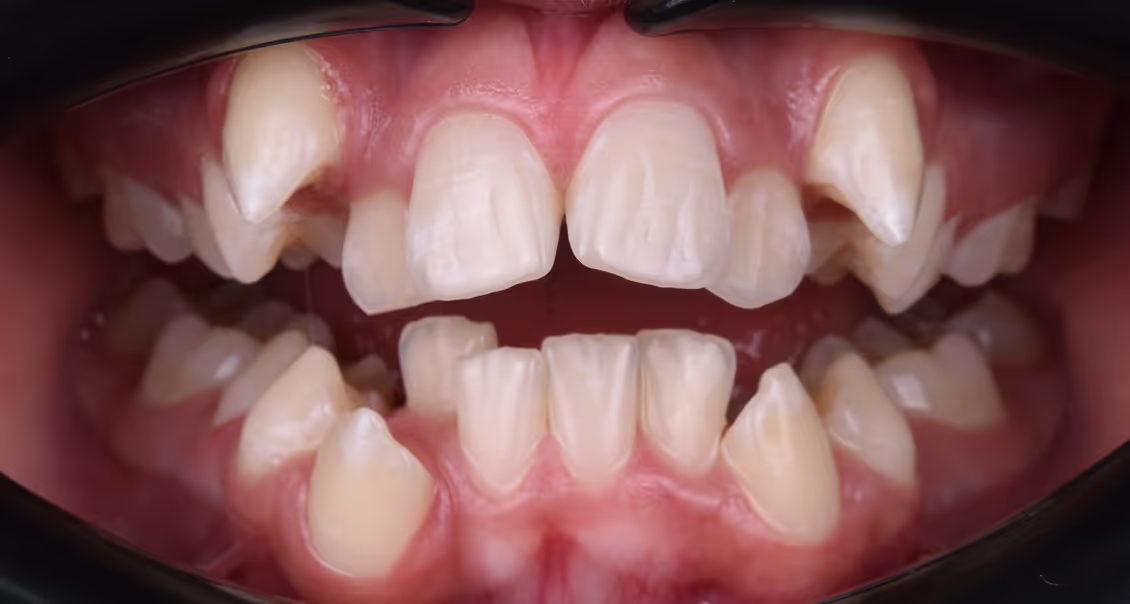
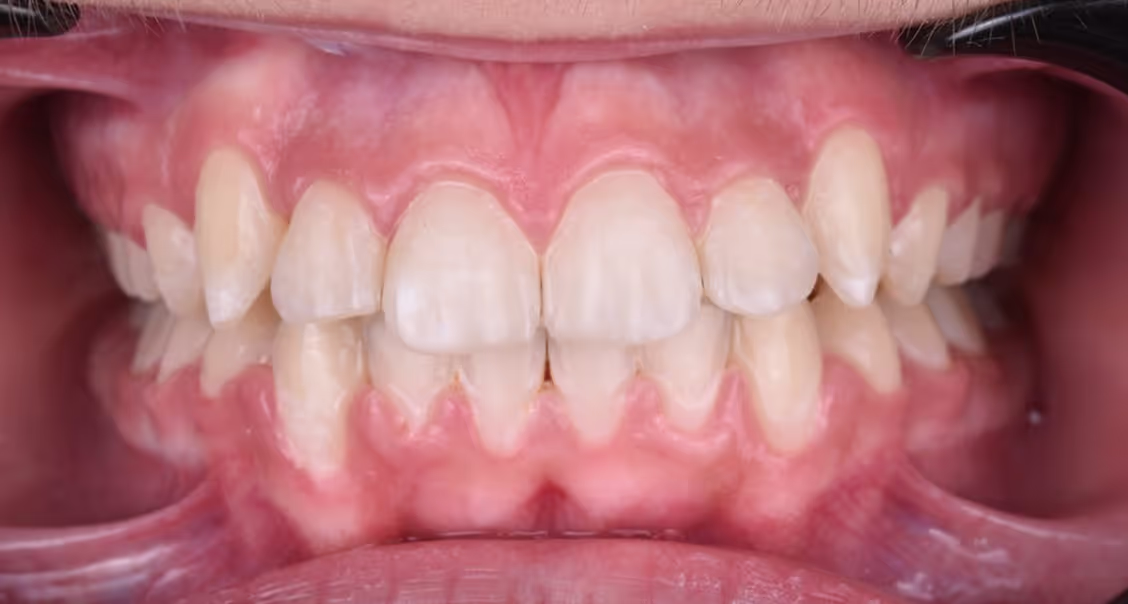
Results after periodontal treatment
See the results of gum and periodontal treatment in our patients.
Why choose periodontal treatment at MistoDent Kraków?
We plan treatment of gum and periodontal disease based on diagnostics and each patient's individual situation.
- Periodontal diagnostics — we assess the gums, periodontal pockets and the tissues around the teeth.
- Florida Probe — we use a system that supports accurate periodontal measurements and documentation of the periodontium.
- Individual treatment plan — the scope of therapy depends on the type and stage of the disease.
- Periodontitis treatment — we also treat more advanced cases of periodontal disease.
- Periodontal curettage — we perform procedures matched to the stage of the changes.
- Comprehensive approach — if needed, periodontal treatment can be part of a broader dental plan.
- Aftercare — we also focus on check-ups and maintenance therapy, which matter for keeping results long term.
MistoDent Kraków is located at ul. Grzegórzecka 20A.
How much does periodontal treatment cost in Krakow?
The cost depends on the diagnosis, the stage of the disease and the scope of procedures. For periodontitis, the total cost depends on the stage of the disease and the scope of therapy. The exact plan and cost are set after periodontal diagnostics.
FAQ
Answers provided by
Dr. Alina Baidikova
What is periodontitis?
Periodontitis is a chronic disease of the periodontium affecting the tissues that support the teeth. Untreated, it can lead to deepening periodontal pockets, loss of tooth support and increased tooth mobility.
What are the symptoms of periodontitis?
Possible symptoms include bleeding and receding gums, bad breath, deepening periodontal pockets and increased tooth mobility. The disease can develop for a long time without severe pain.
Can periodontitis be cured?
Treatment can halt the disease and help keep the teeth and periodontium as stable as possible. What is achievable depends on the stage of the changes, so early diagnosis and subsequent maintenance therapy are important.
How is periodontitis treated?
Periodontitis treatment is tailored individually. Depending on the stage of the disease, it may include professional cleaning, periodontal pocket treatment, closed or open curettage and ongoing periodontal care.
What is curettage?
Curettage is a periodontal procedure used to treat suitably qualified cases of periodontal disease. Its aim is to thoroughly clean the area affected by the disease.
How much does curettage cost?
At MistoDent Kraków curettage costs from 700 PLN. The price depends on the stage of the disease and the scope of the procedure. Open curettage of one sextant costs 1,420 PLN.
Why do gums bleed?
Bleeding gums can be linked to inflammation and plaque build-up, among other things, but the causes vary. If bleeding keeps recurring, dental or periodontal diagnostics are worth doing.
What is gum recession?
Gum recession is a shift of the gum margin that exposes part of the tooth root. It can cause sensitivity and change the look of the tooth. Treatment depends on the cause and extent of the recession.
What is halitosis?
Halitosis means persistent bad breath. It can have various causes, including problems in the mouth. If the problem persists despite good hygiene, it is worth finding the cause through diagnostics.

Medical verification
Content verified by:
Dr. Alina Baidikova
Dentist • Periodontist
Last updated: 07.10.2026
Book an appointment!
Leave your contact details in the form or message us on your preferred messenger — we'll be happy to answer your questions and help you book a visit.


