



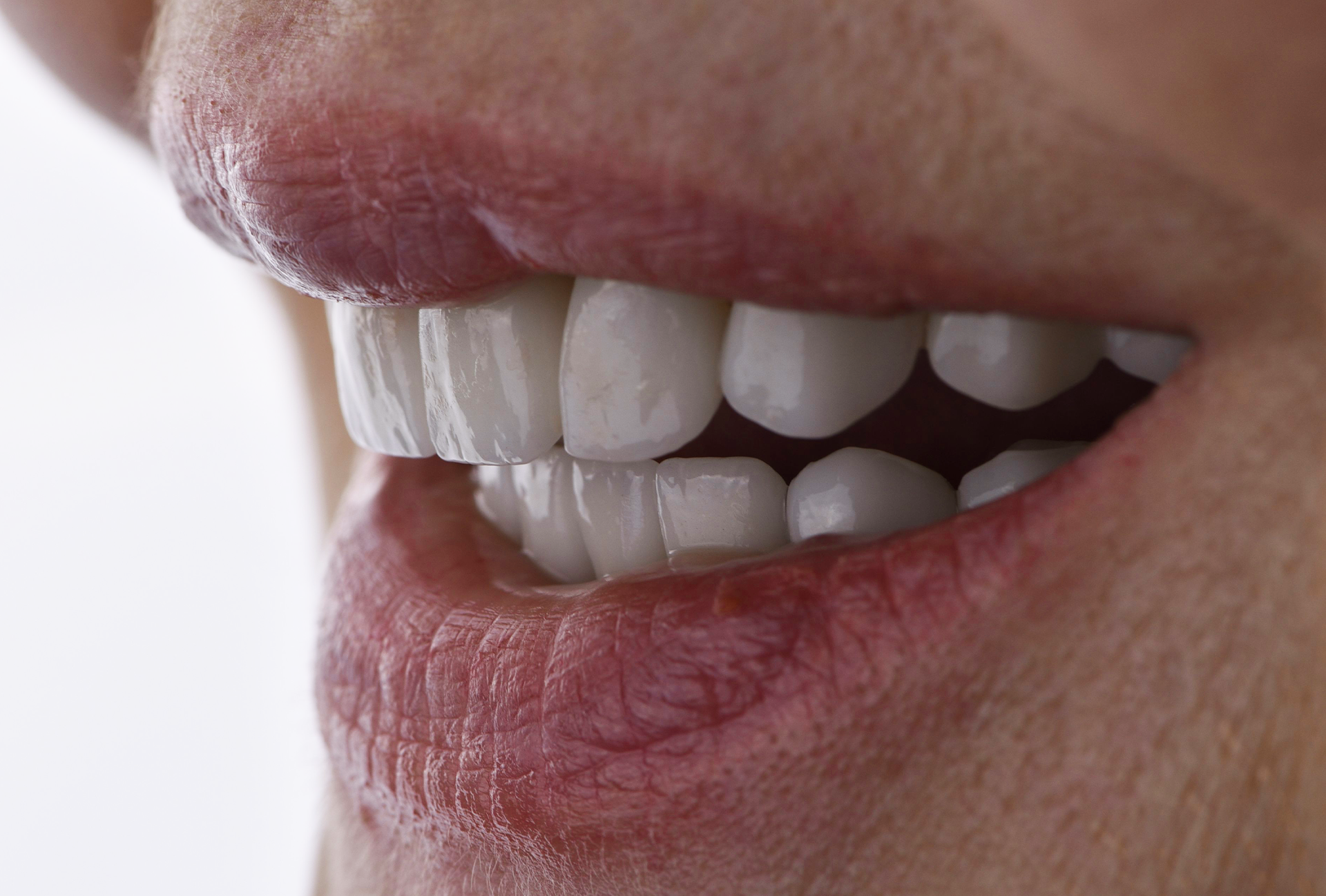
Flow Injection in Krakow – precise composite restoration
A minimally invasive method of aesthetic tooth restoration using flowable composite and a custom-made matrix, allowing a pre-planned tooth shape to be reproduced precisely.
Who performs Flow Injection at MistoDent Krakow?
Flow Injection at MistoDent Krakow is performed by dentists specialising in aesthetic dentistry and composite tooth restoration.

What is Flow Injection?
Flow Injection is a technique of aesthetic tooth restoration with composite material. Unlike classic bonding, where the dentist may shape the composite directly on the tooth, in Flow Injection the final tooth shape is designed in advance.
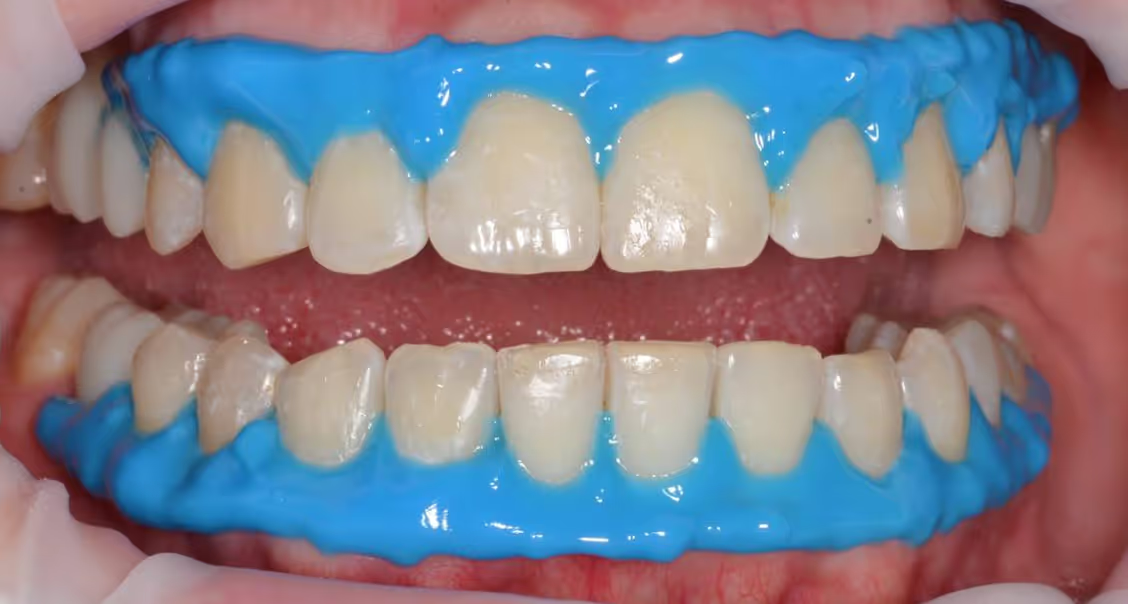
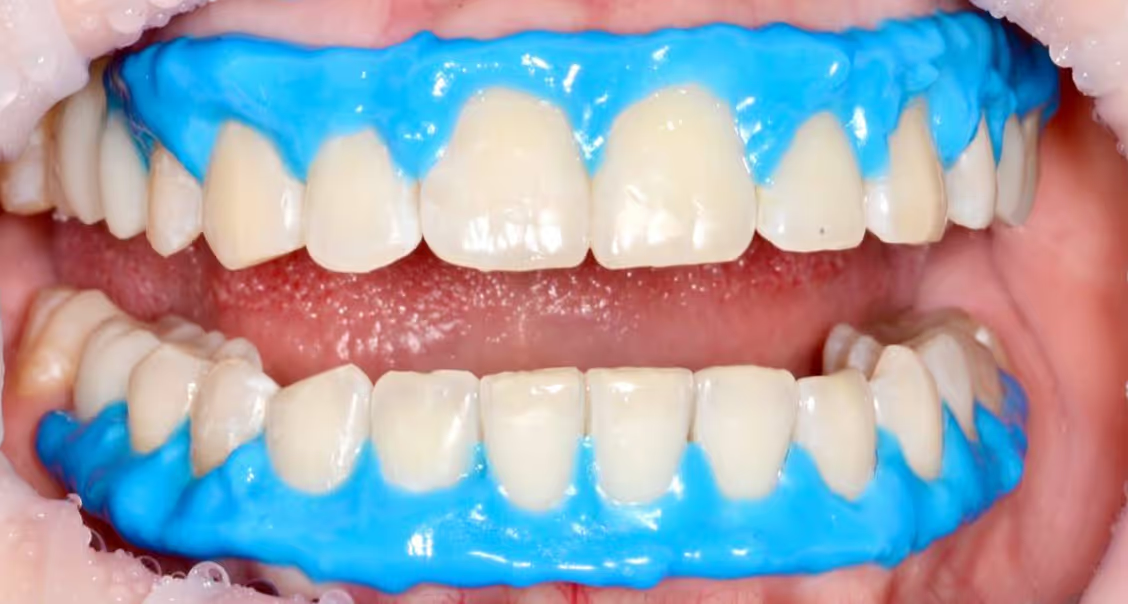
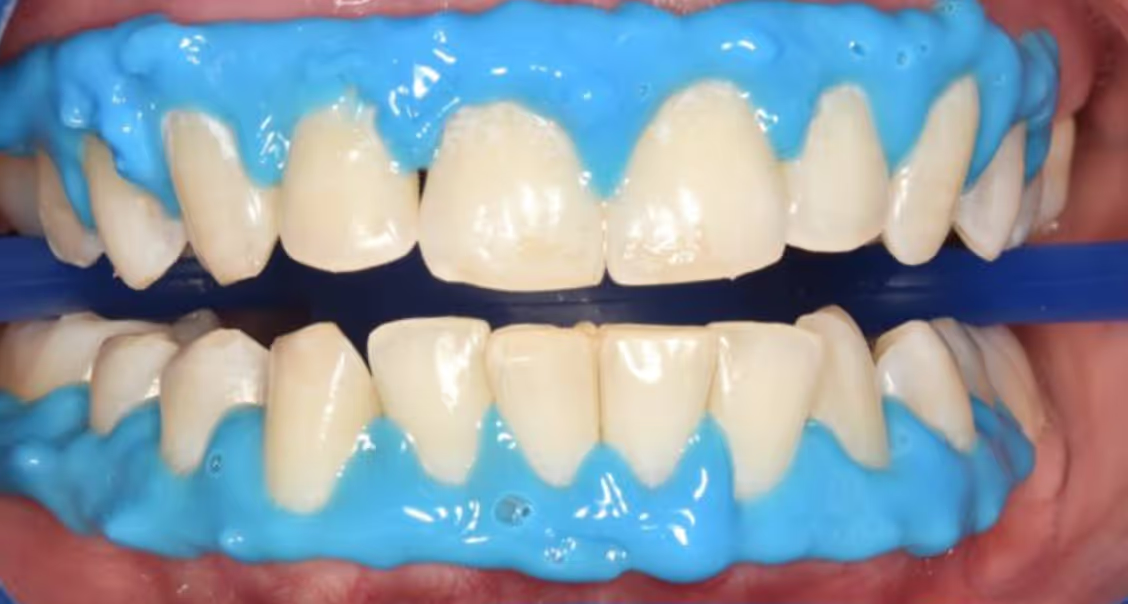
Based on the planned restoration, a transparent silicone matrix is made to transfer the design onto the patient's teeth. Flowable composite is injected through the matrix and then light-cured.
This makes it possible to precisely reproduce the pre-planned shape, length and proportions of the teeth.
Flow Injection can be used both for aesthetic smile correction and in selected cases of restoring worn or damaged tooth surfaces.
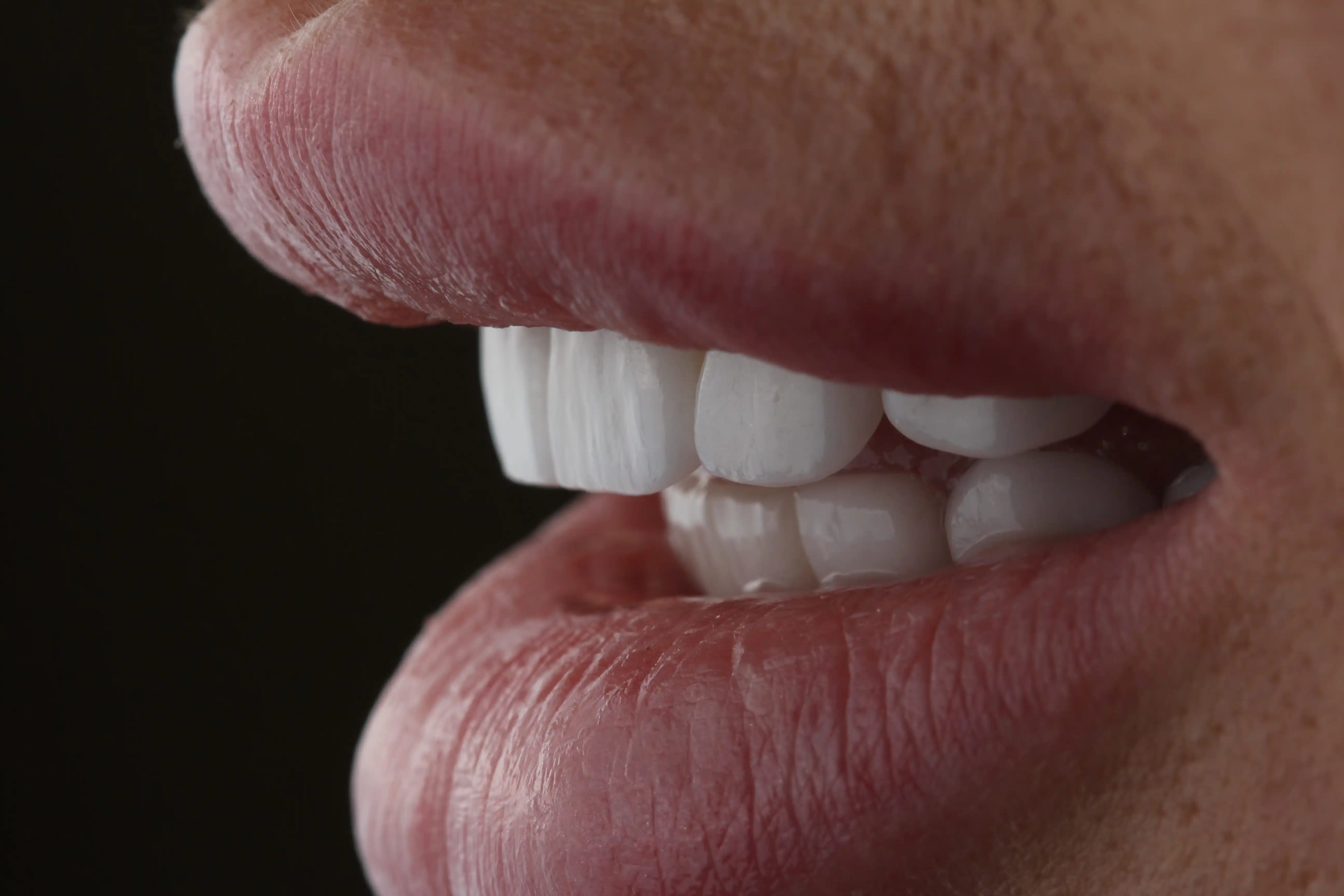
When is Flow Injection worth considering?
Flow Injection can be used, among other things, for:
- changing the shape and proportions of teeth;
- worn teeth that have lost their original anatomy;
- minor chips and damage;
- uneven incisal edges;
- improving smile symmetry;
- closing selected gaps between teeth;
- aesthetic restoration of several teeth at once;
- reproducing a tooth shape planned digitally or analogically in advance.
Flow Injection is not suitable in every case. With extensive tooth damage, insufficient healthy tissue, active decay or unfavourable bite conditions, the dentist may suggest another treatment.
Patients with bruxism and significant tooth wear also require special diagnostics.
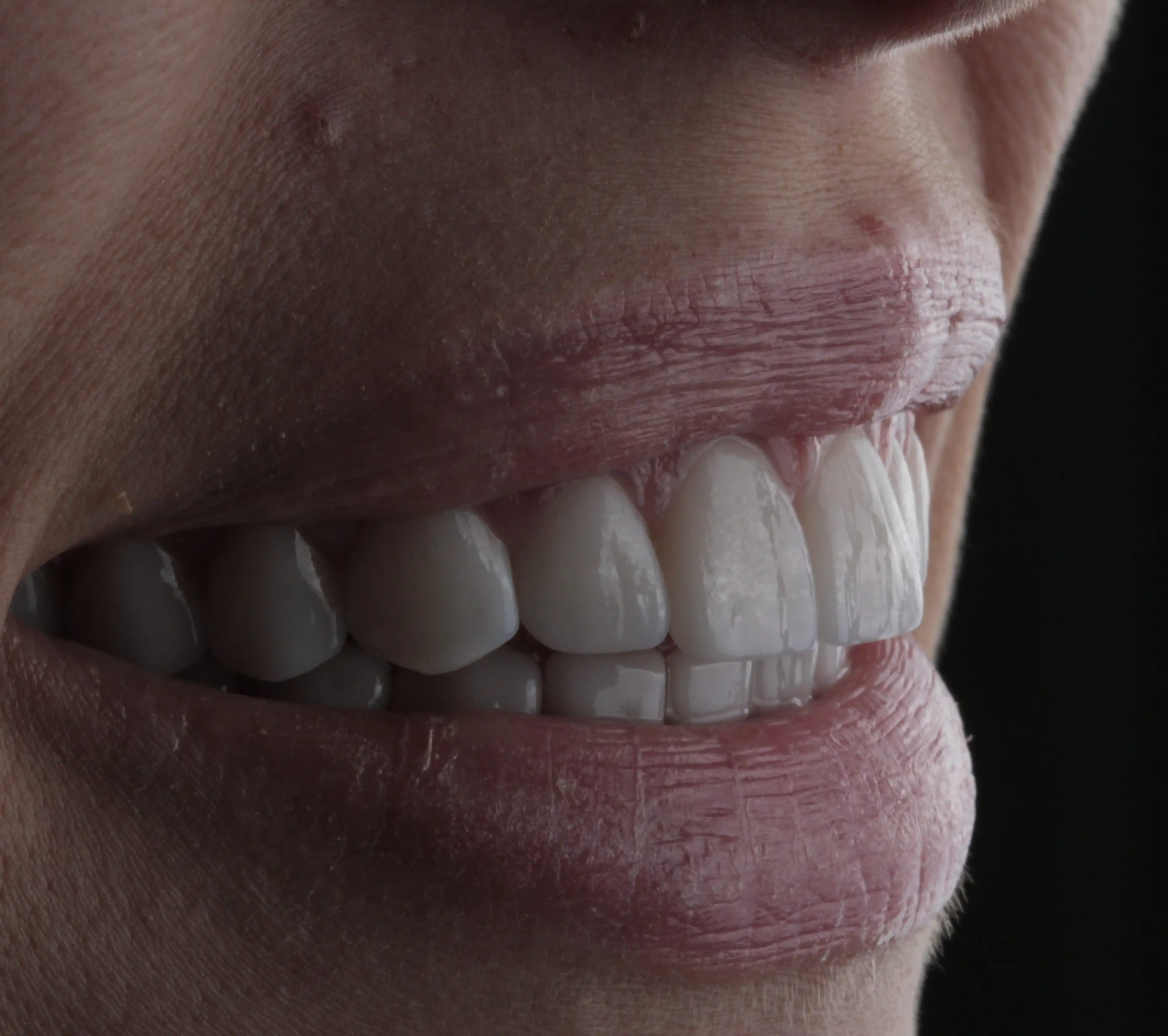
How does Flow Injection work – step by step?
1. Consultation and diagnostics
The dentist assesses the teeth, gums and bite and discusses the desired result with the patient.
2. Planning the tooth shape
The target shape and proportions of the restoration are designed. This stage lets you plan the result before the composite is applied.
3. Making the matrix
Based on the design, a transparent silicone matrix is made to transfer the design onto the teeth.
4. Preparing the tooth surfaces
The tooth surfaces are prepared for bonding with composite. The extent of preparation depends on the clinical situation.
5. Composite application – Flow Injection
The matrix is placed on the teeth, and composite is injected into the planned areas and light-cured.
6. Finishing and polishing
After removing the matrix, the dentist removes excess material, finishes the restoration surfaces and polishes them thoroughly.
7. Bite check
Finally, contacts between the teeth and how they are loaded when biting are checked.
Flow Injection vs bonding – what's the difference?
Criterion
Flow Injection
Classic bonding
Material
Composite
Composite
Method
Composite applied using a prepared matrix
Composite shaped directly on the tooth
Design
Restoration shape planned before the procedure
Shape can be modelled directly by the dentist
Silicone matrix
Yes
Not a core element of the technique
Several teeth
Allows one planned design to be transferred
Each tooth modelled individually
Preparation
Case-dependent, often minimal
Case-dependent, often minimal
So the main difference is not the material itself but the way the restoration is planned and performed. Both Flow Injection and bonding use composite materials. Which technique is suitable is decided by the dentist after assessing the teeth, the bite and the scope of the planned restoration.
Flow Injection vs ceramic veneers – which to choose?
Flow Injection and ceramic veneers can both improve the look of your smile, but they are different treatments.
Criterion
Flow Injection
Ceramic veneers
Material
Composite
Ceramic
Fabrication
Composite applied using a matrix
Custom-made ceramic restoration
Invasiveness
Case-dependent, usually minor
Extent of preparation depends on the case
Repair
Can be corrected with composite
Repair is more complex
Stain resistance
Lower than ceramic
Higher
Planning
Restoration design before the procedure
Individual prosthetic planning
Flow Injection can be a good choice when a minimally invasive composite restoration is preferred, while ceramics may be considered when greater colour stability and material properties matter. The final choice should be based on diagnostics, not only on the desired visual effect.
Durability, limitations and safety of Flow Injection
Flow Injection uses composite materials, so the restorations have the typical properties and limitations of composite.
Is Flow Injection safe?
With proper patient selection and correct execution, it is a minimally invasive method of tooth restoration. However, the extent of intervention in natural tissue depends on the specific case.
How long does the Flow Injection result last?
The durability of the restoration depends on many factors: bite conditions, the extent of reconstruction, hygiene, diet, bruxism and regular check-ups.
What should you know before the procedure?
- composite may discolour over time;
- the restoration surface may lose its shine;
- periodic polishing or correction may be needed;
- composite has different mechanical properties from ceramic;
- with bruxism, the bite needs special assessment;
- the restoration may need repair or replacement.
During the consultation, the dentist assesses whether Flow Injection is the right method in your case.
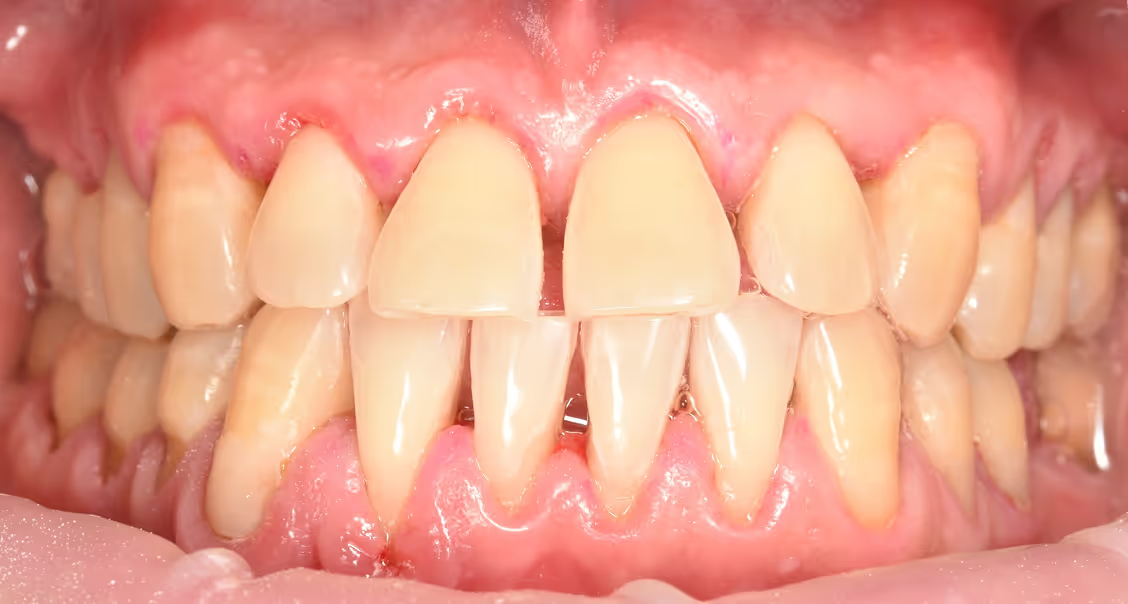
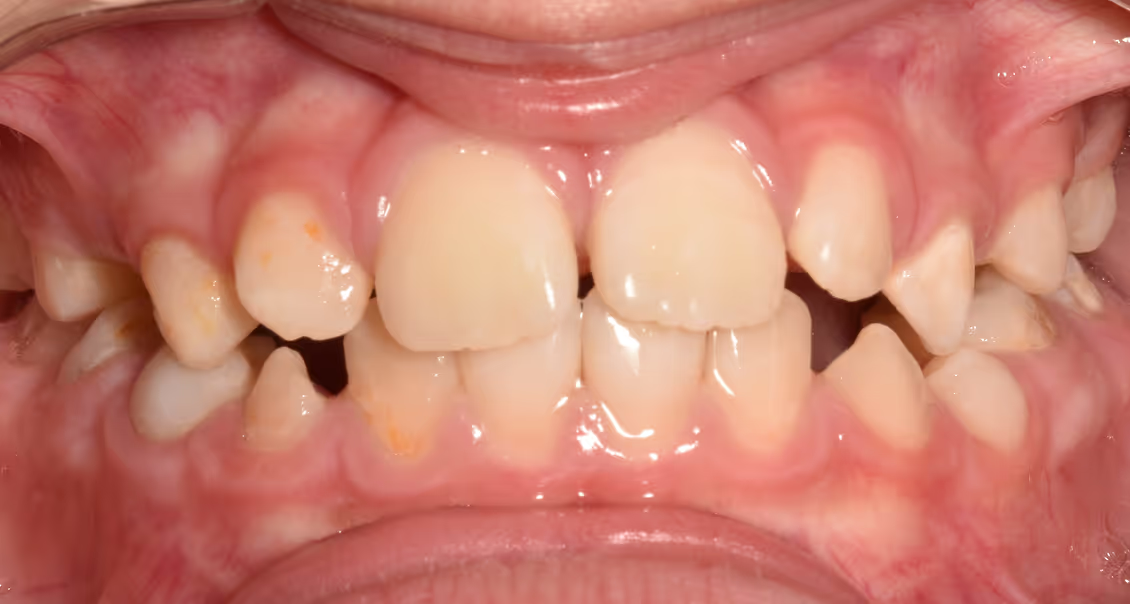
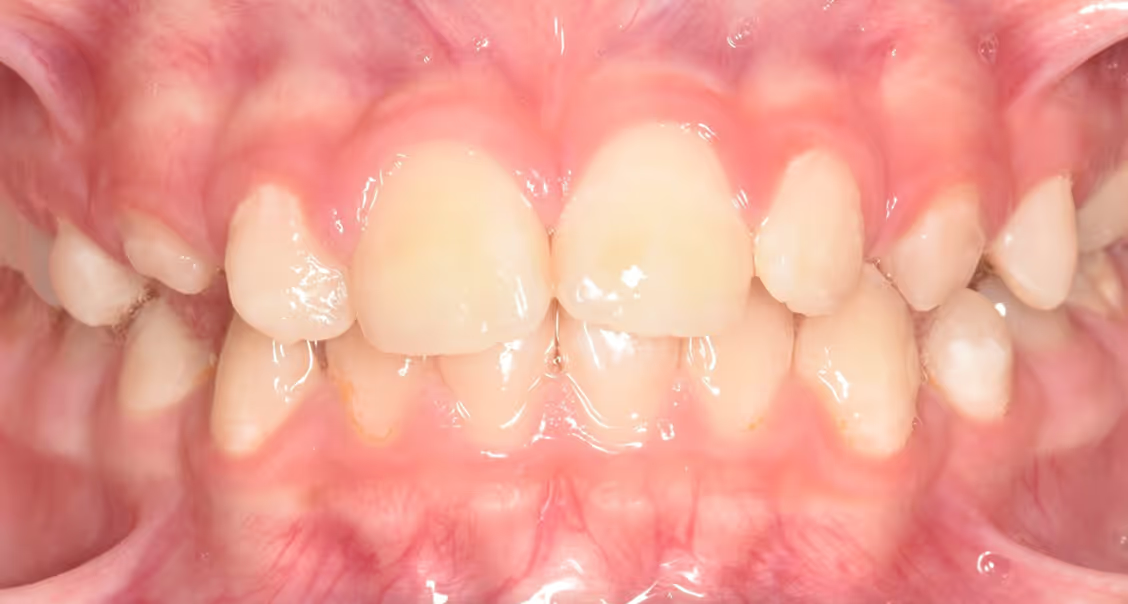
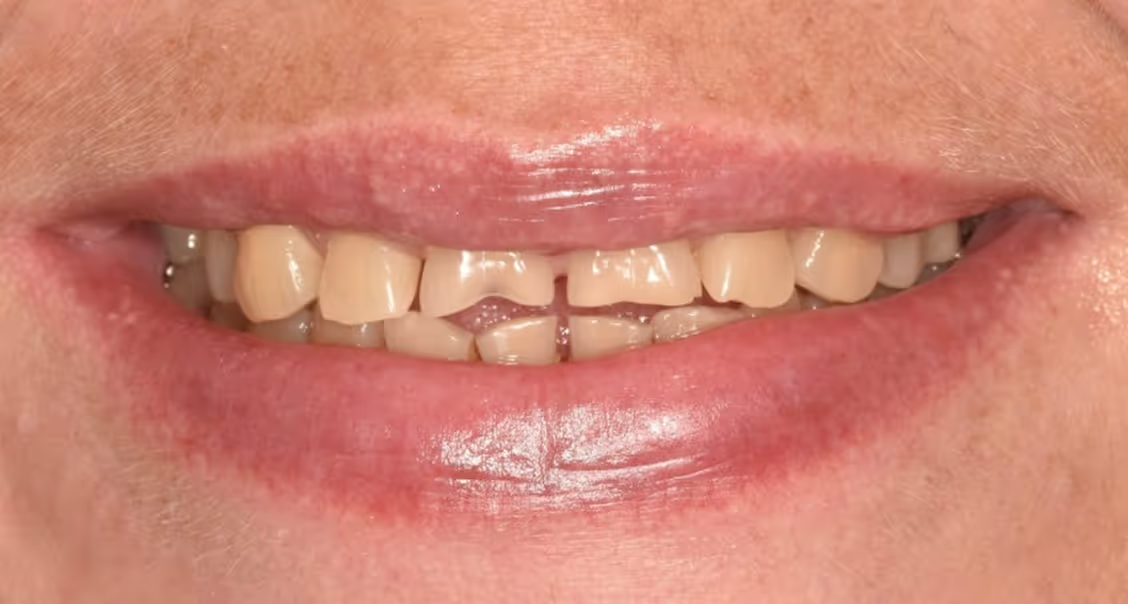
Smile makeovers with Flow Injection
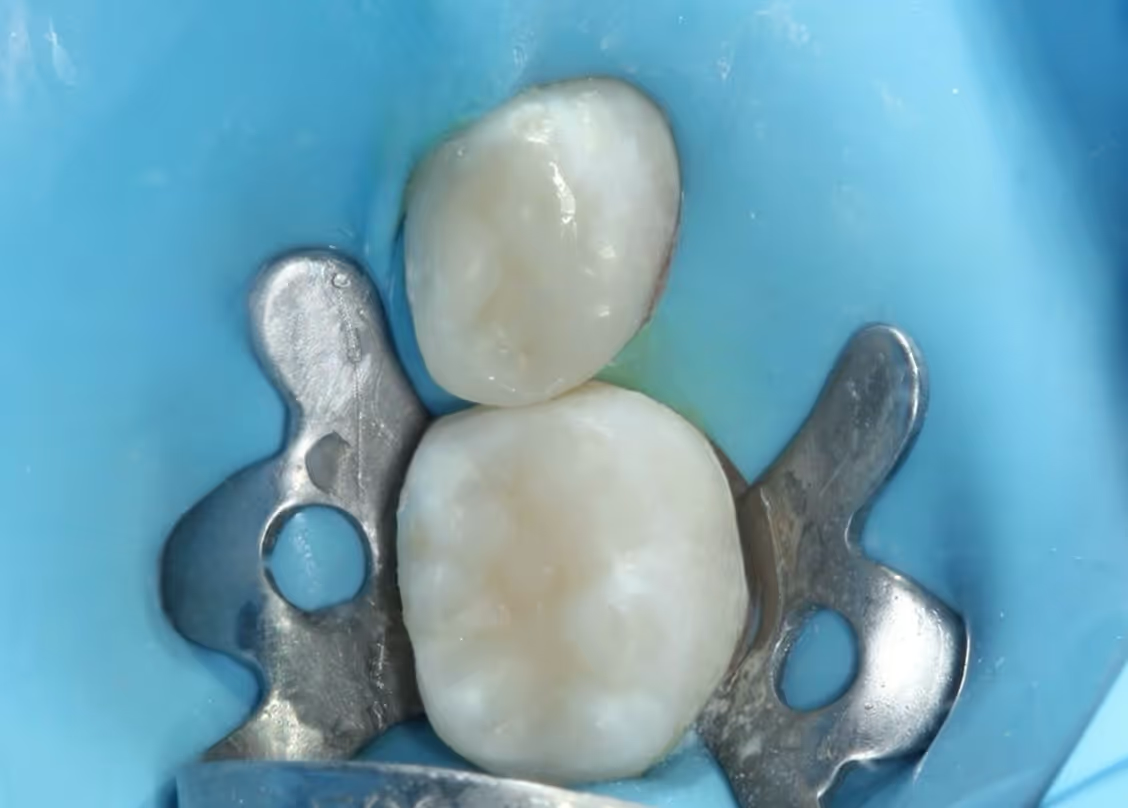
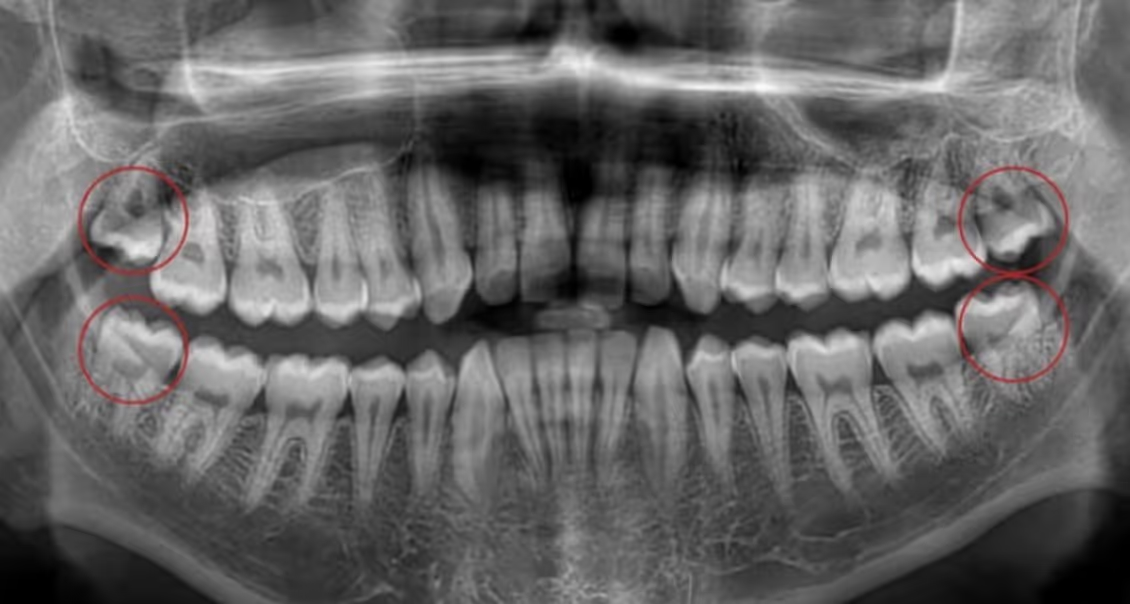
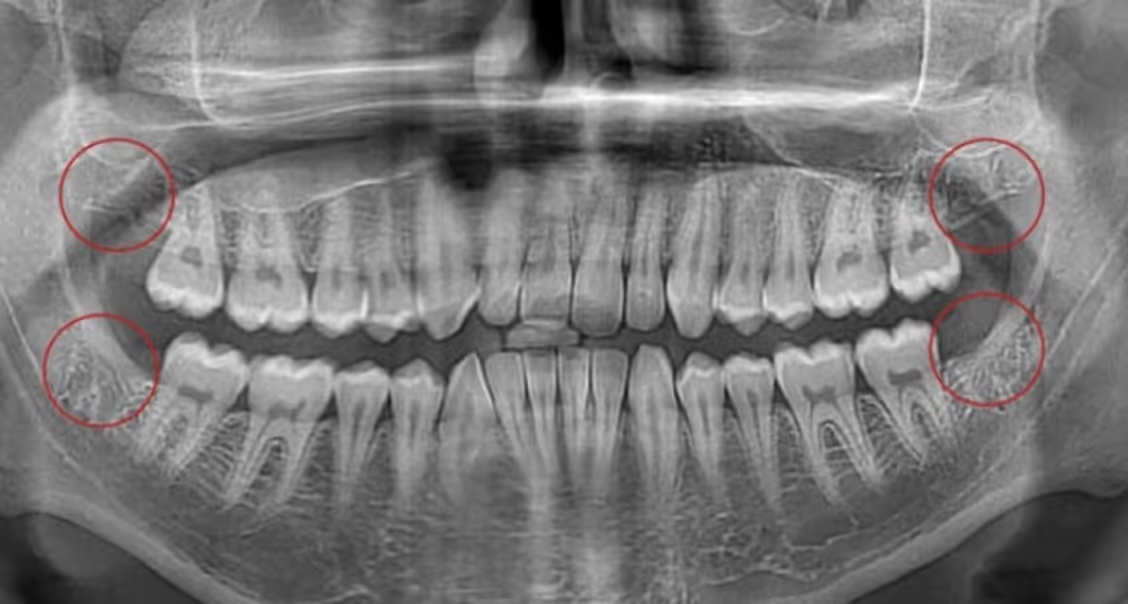
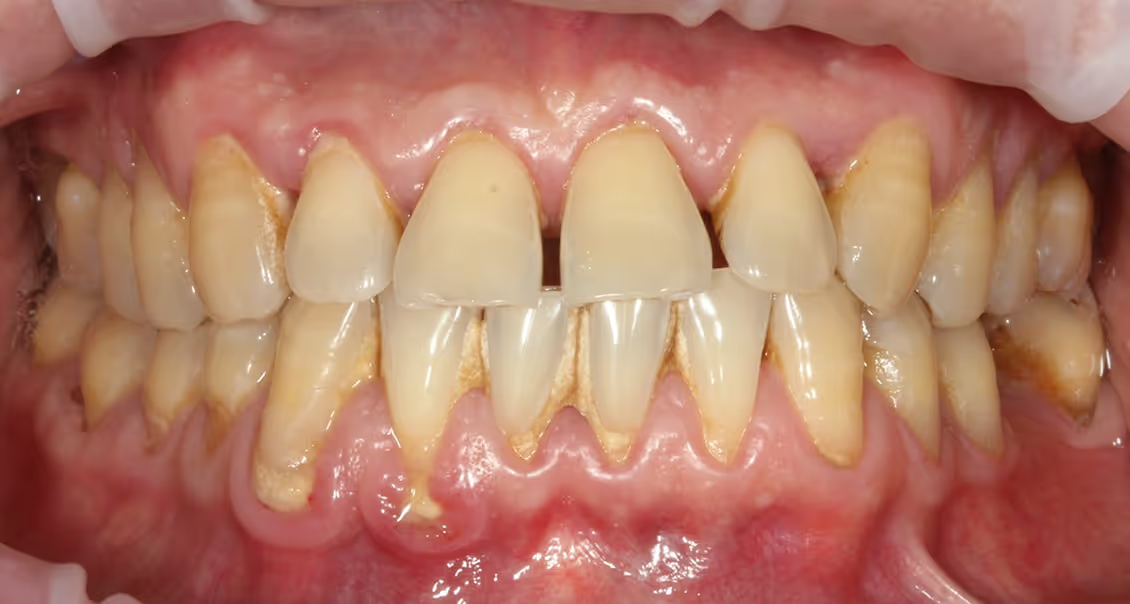
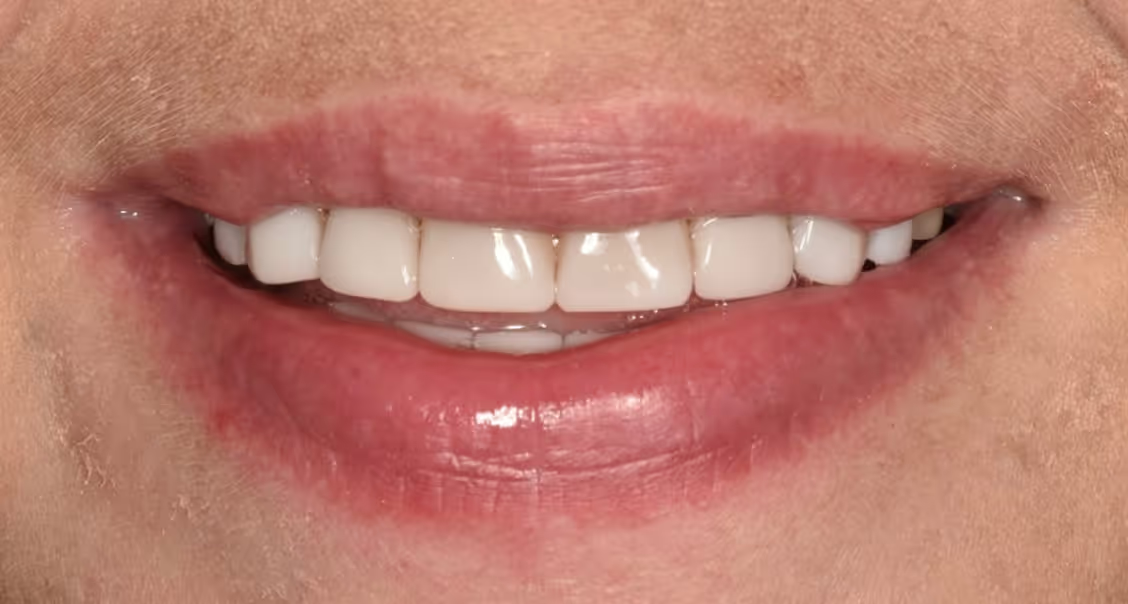
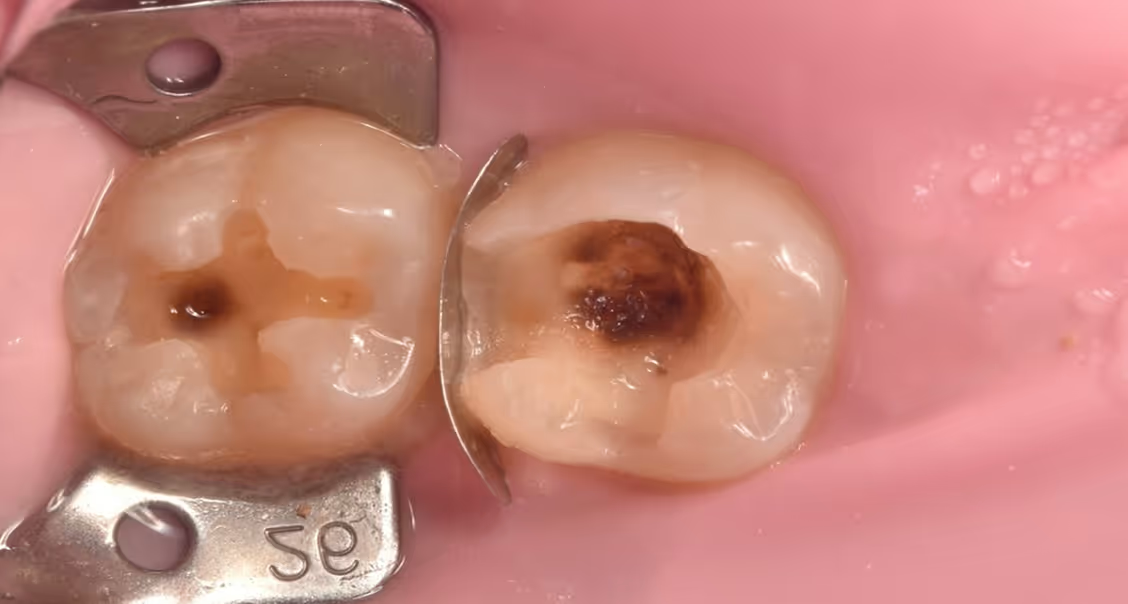
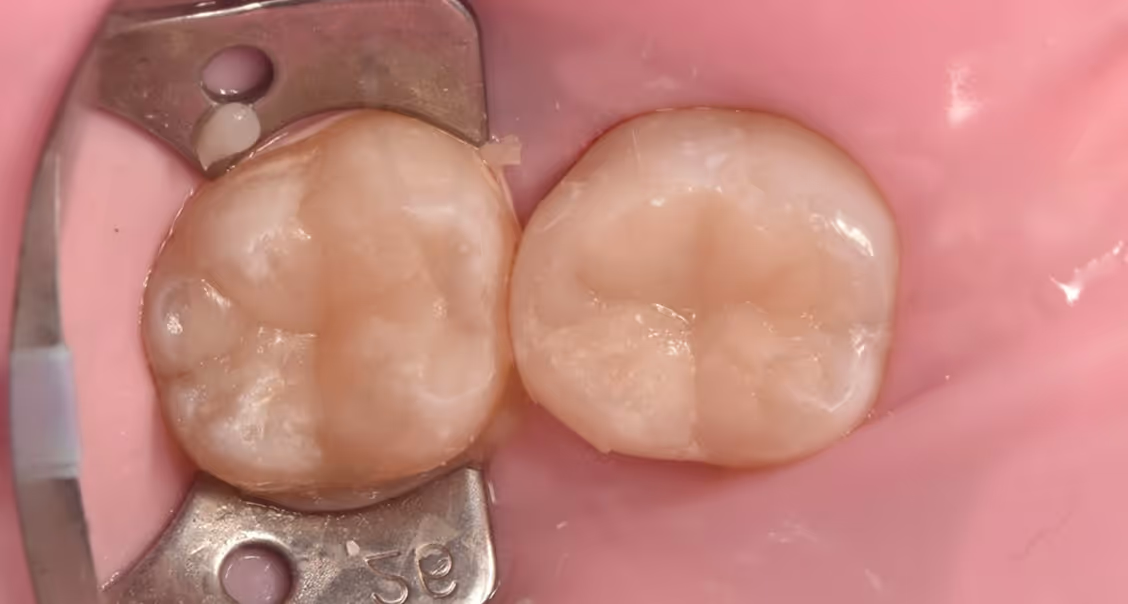
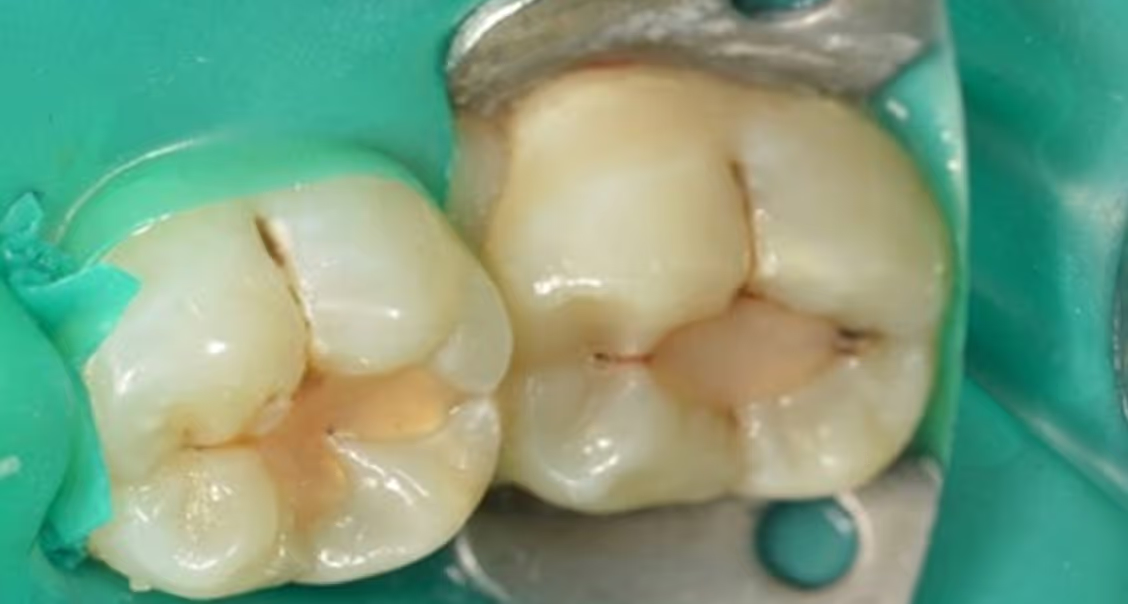
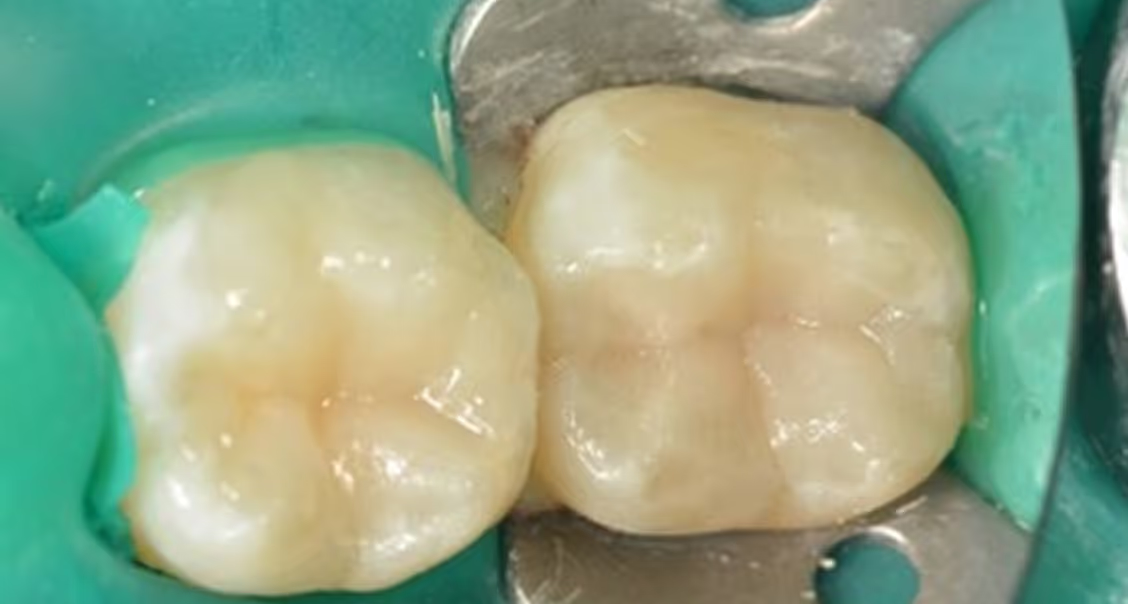
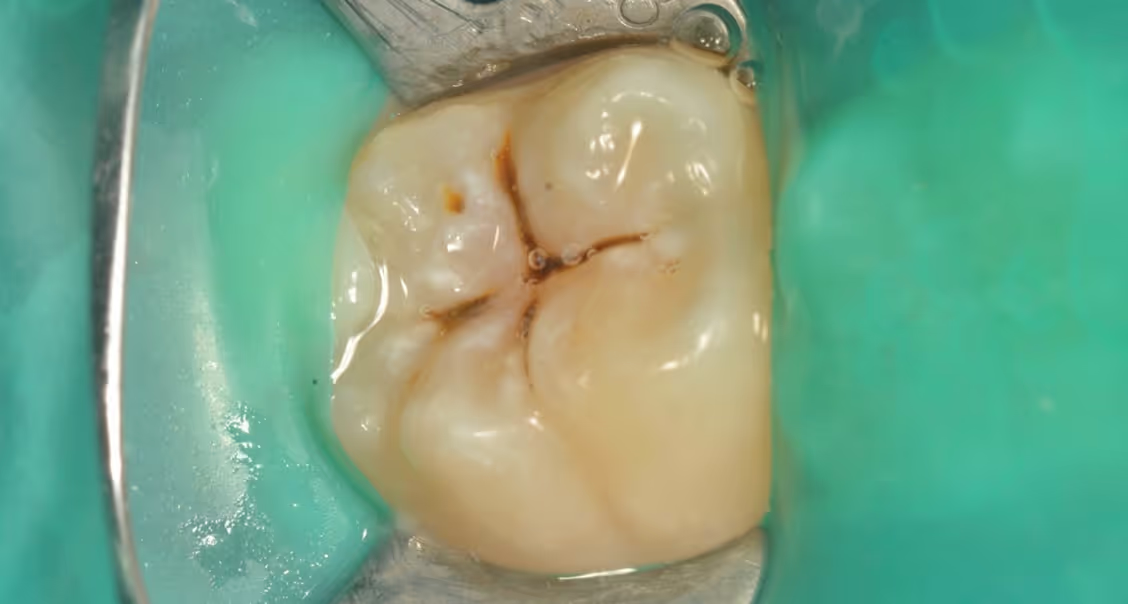
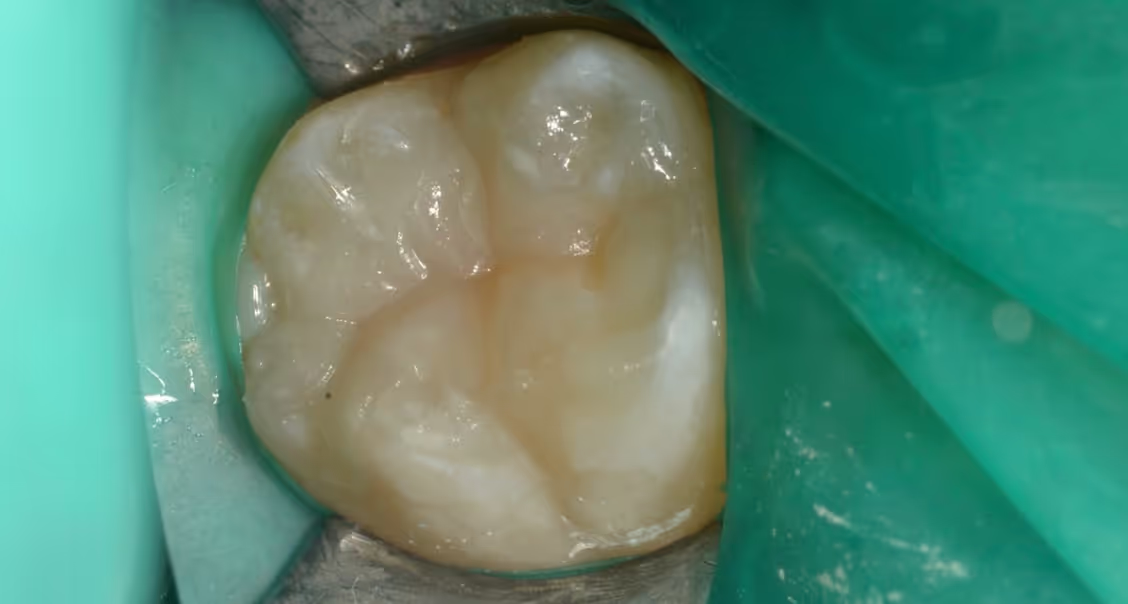
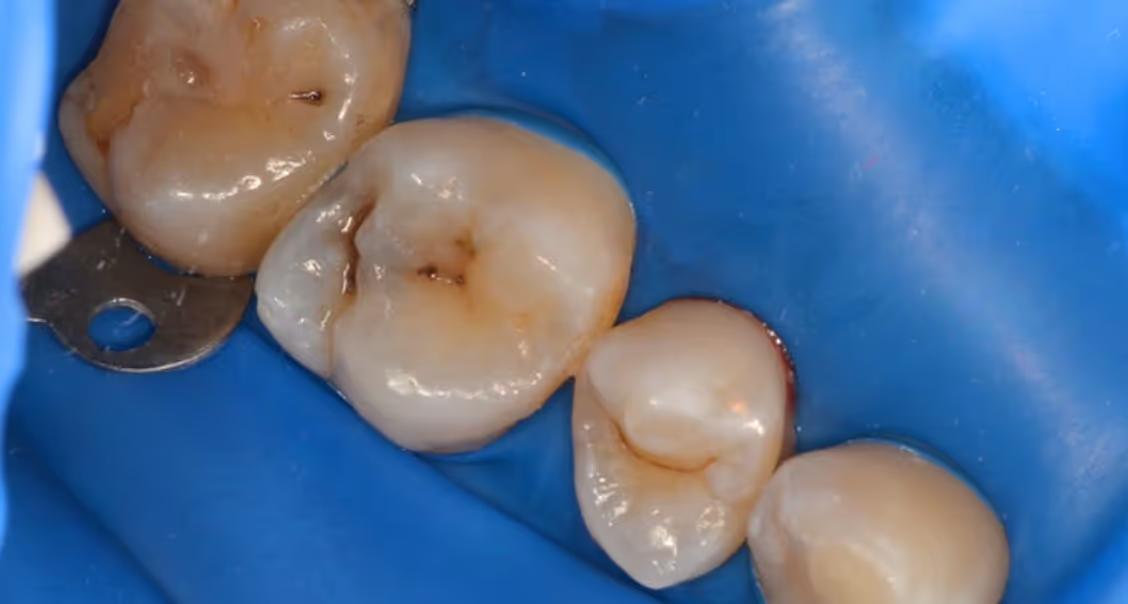
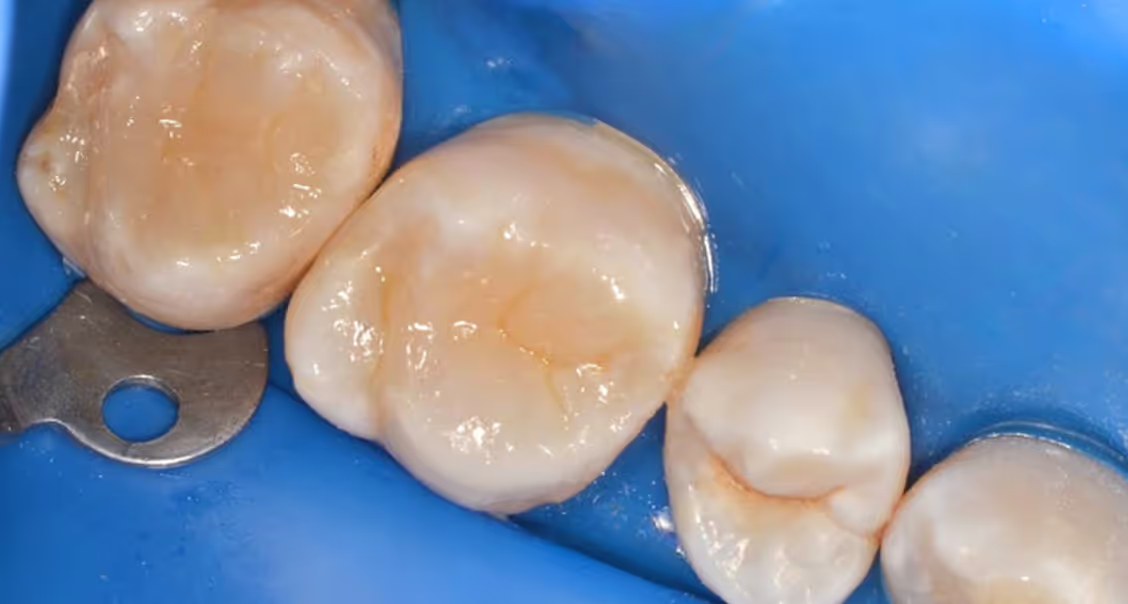
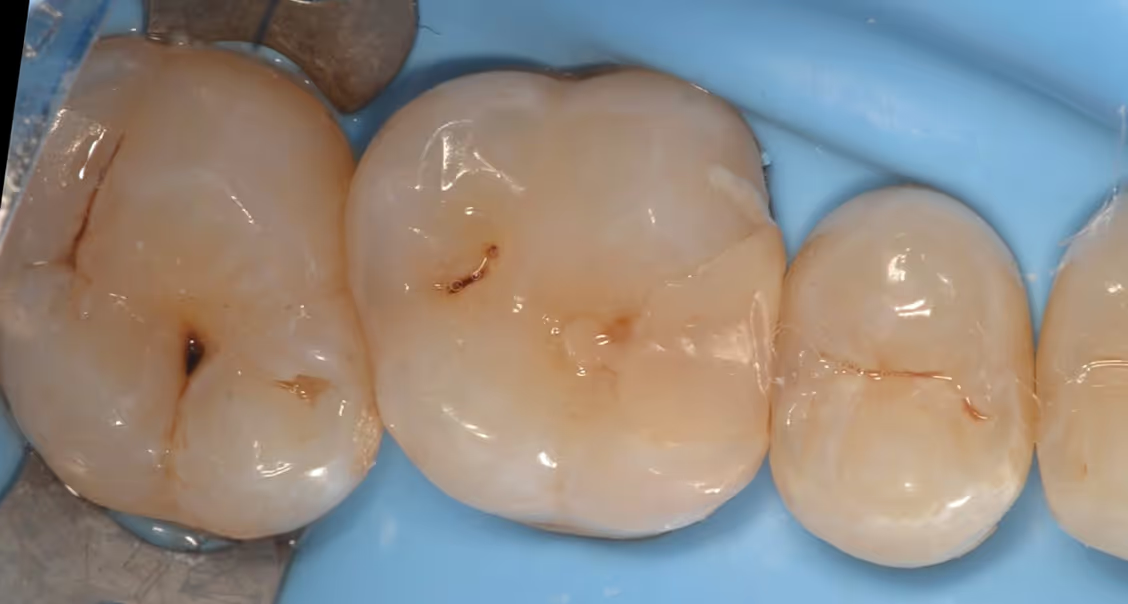
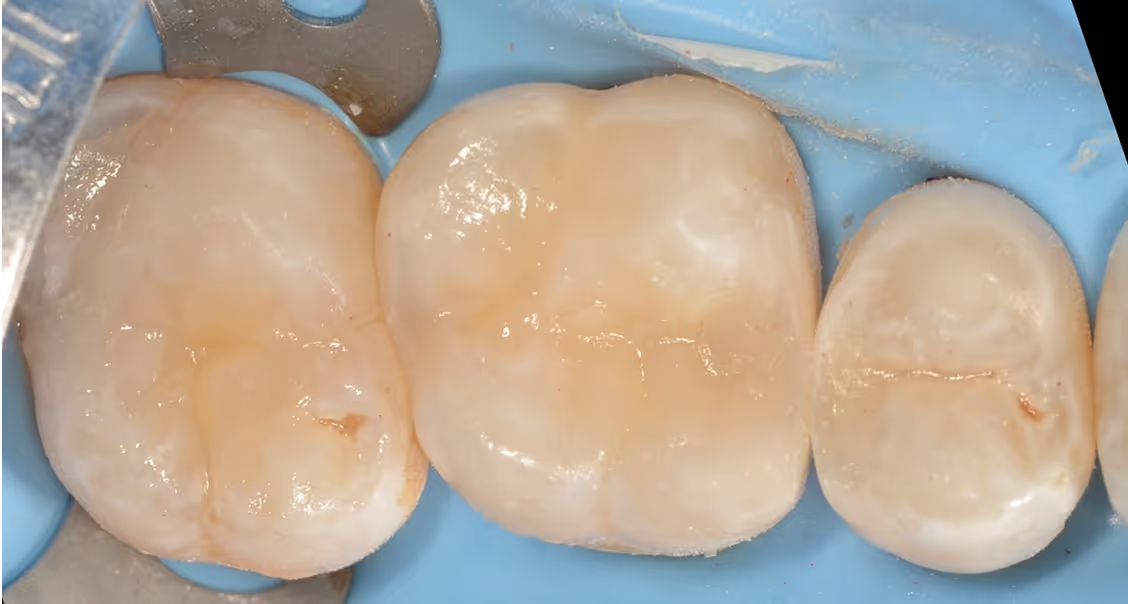
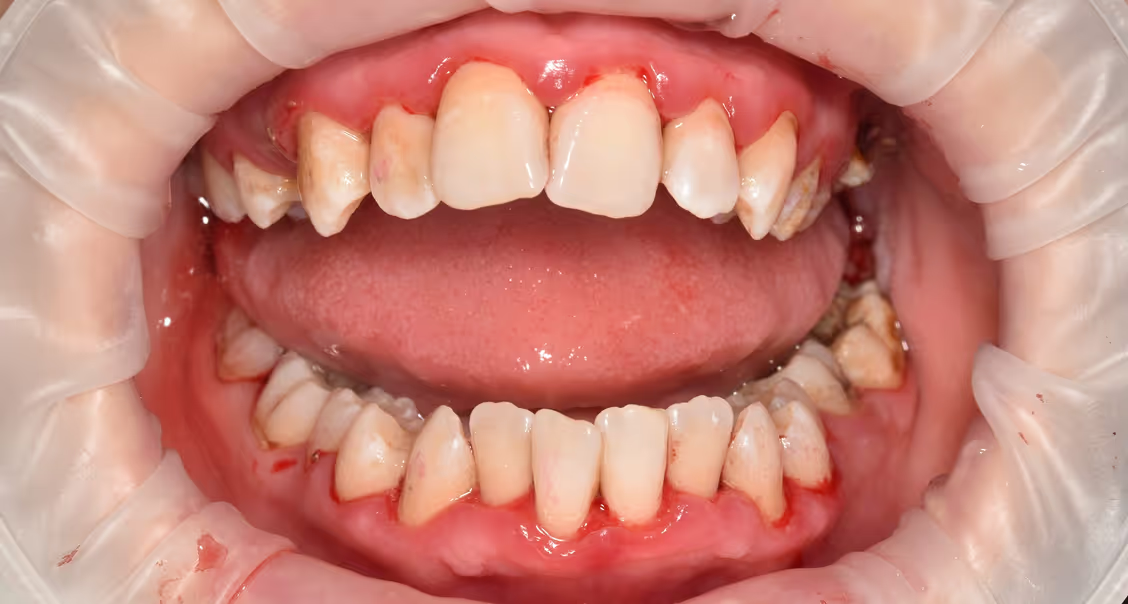
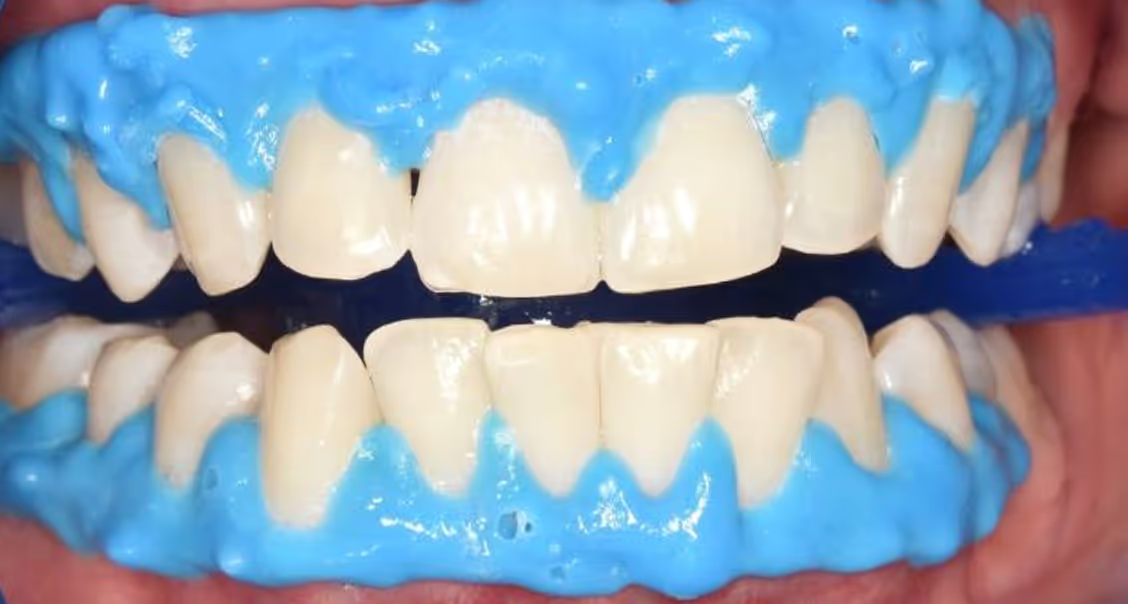
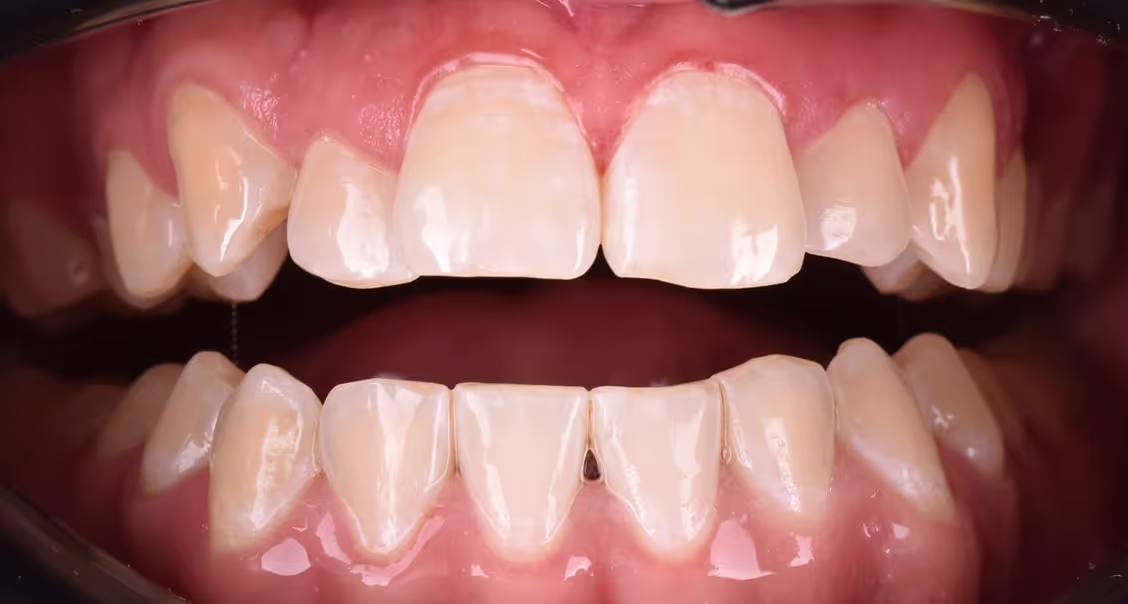
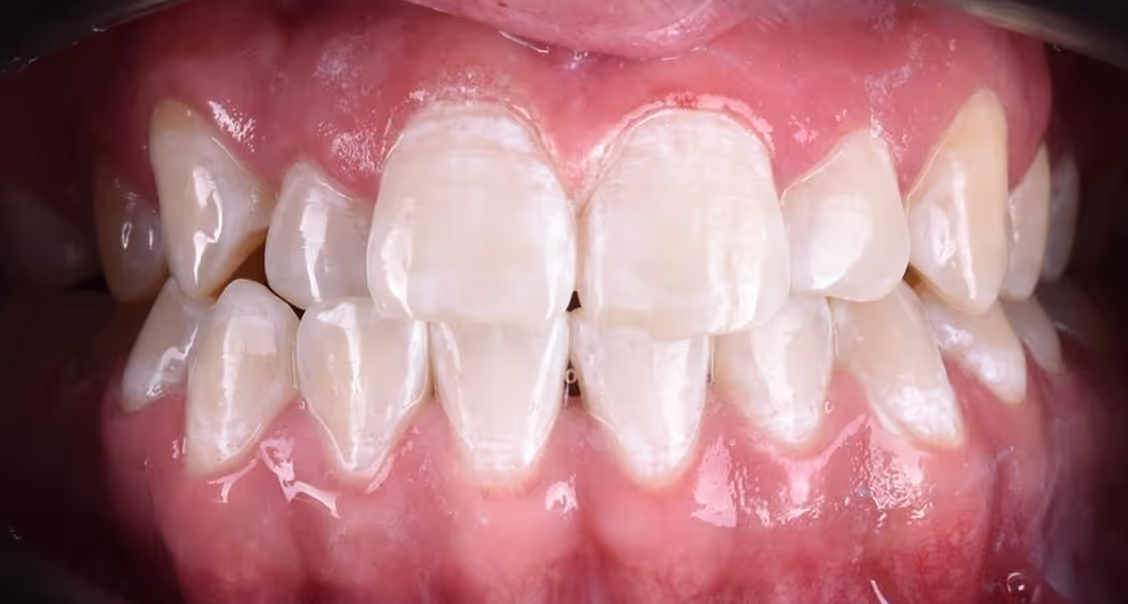
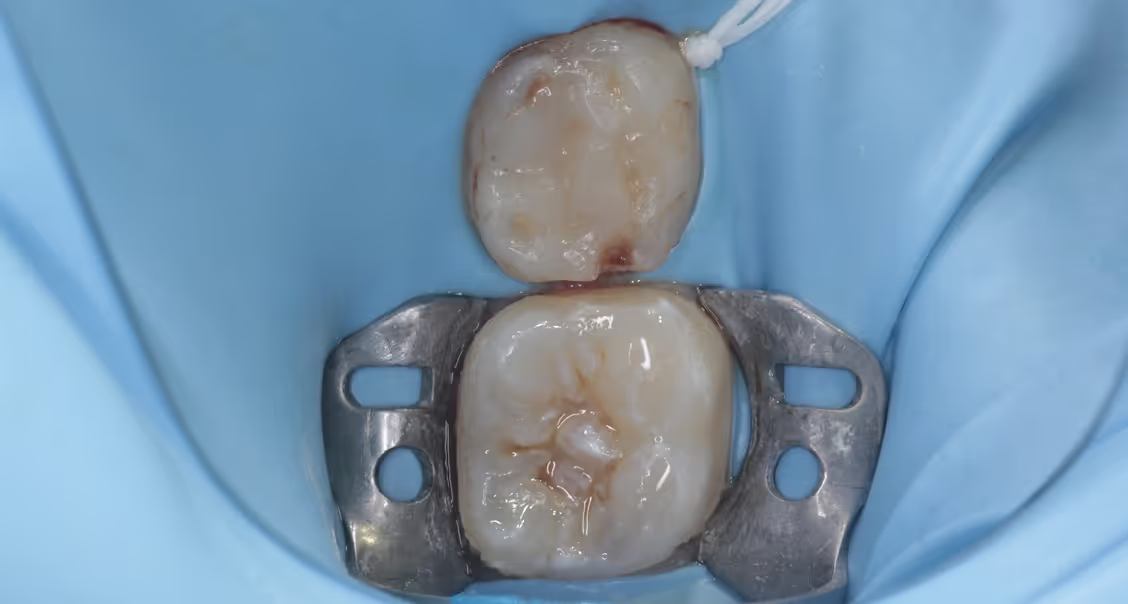
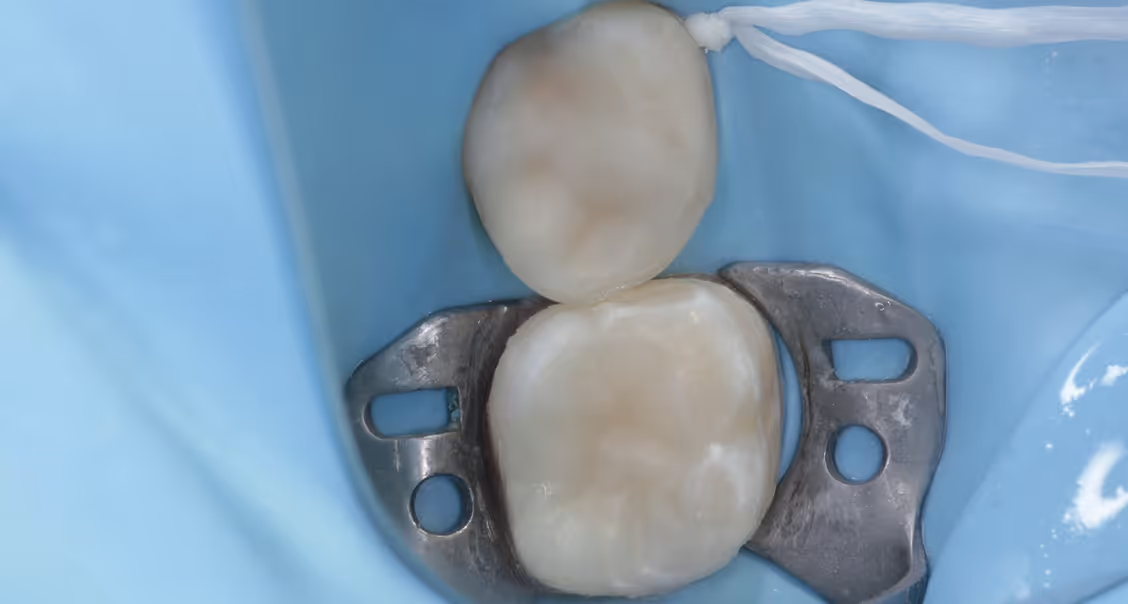
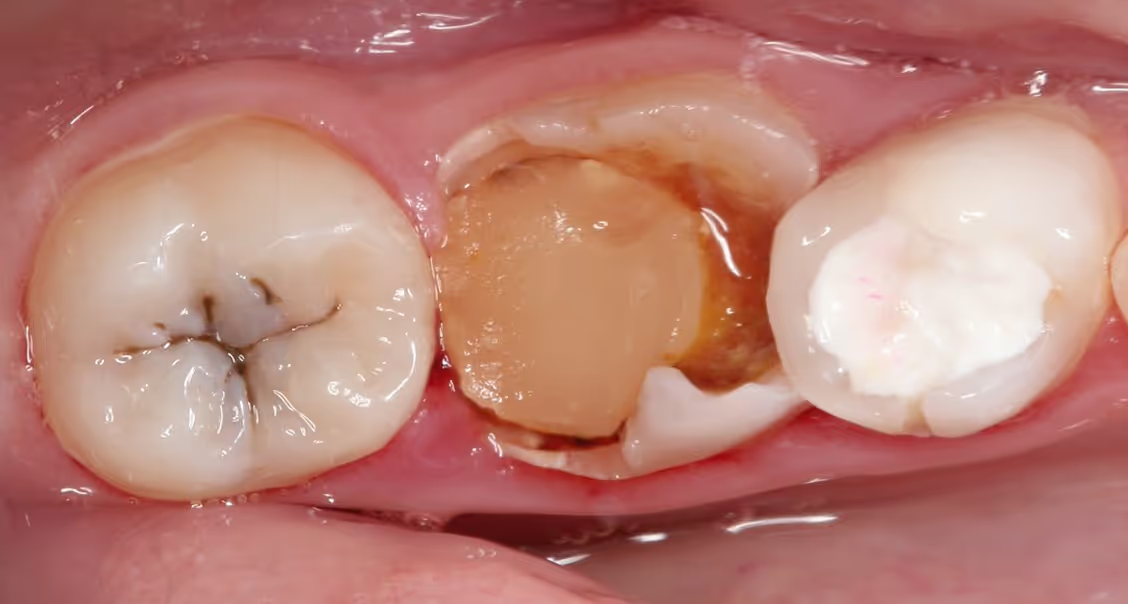
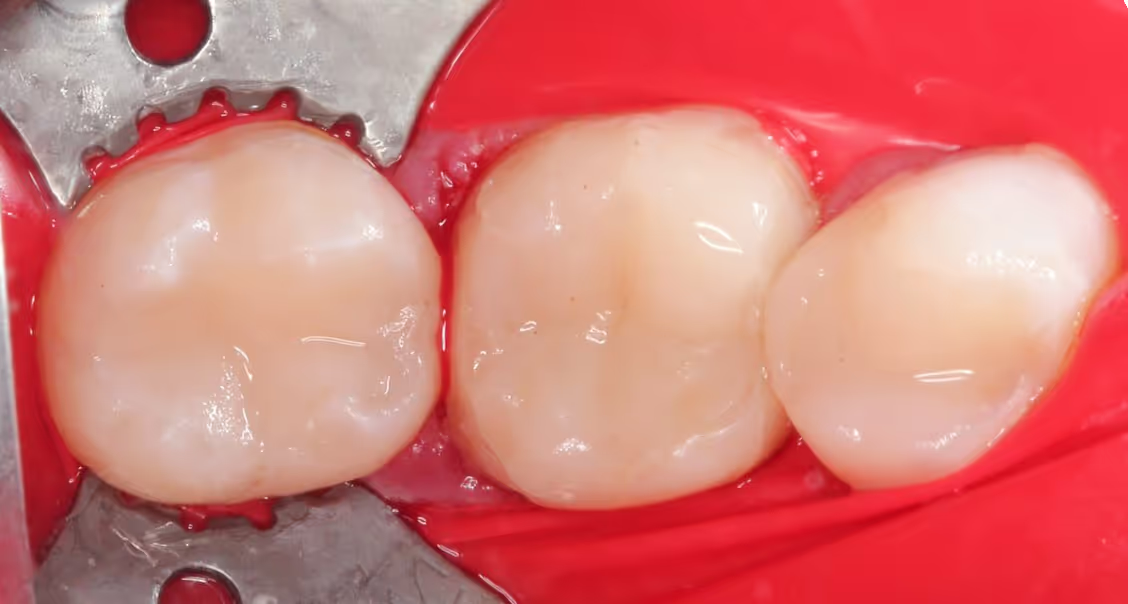
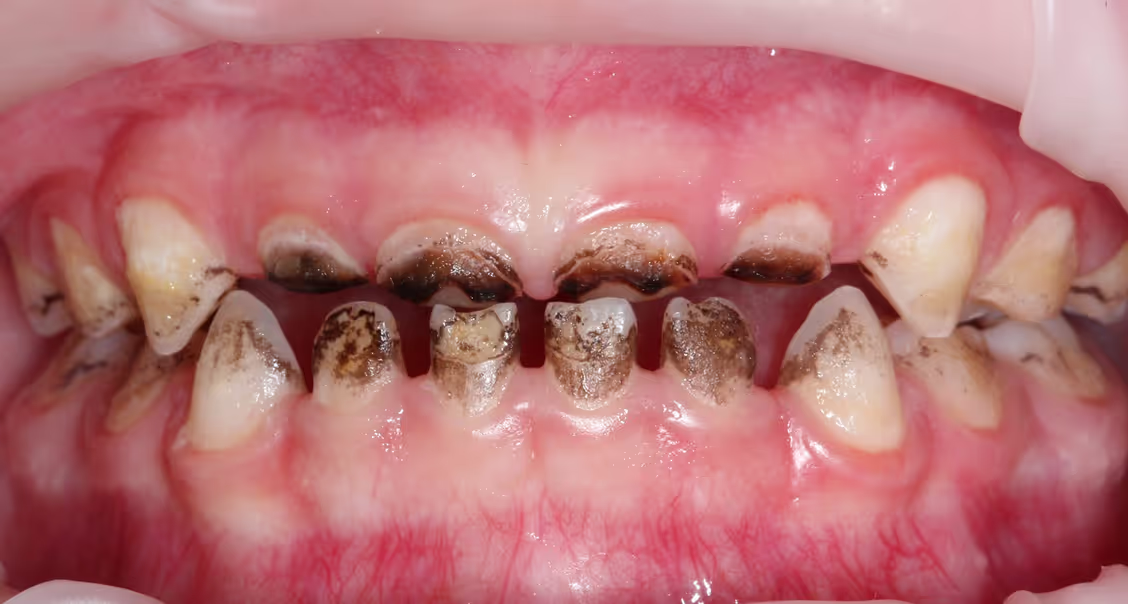
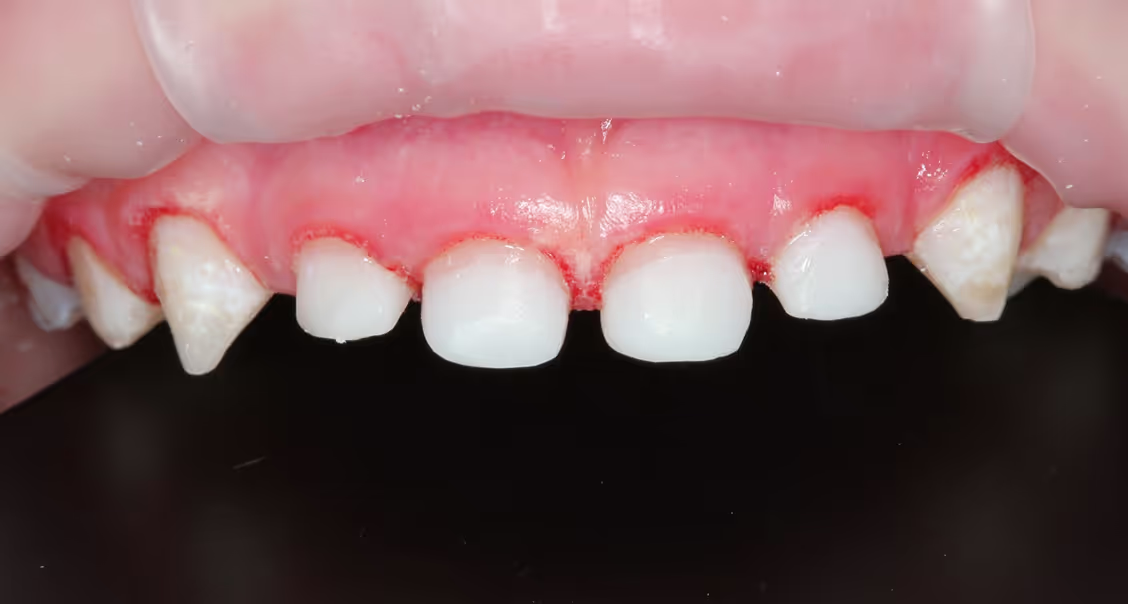
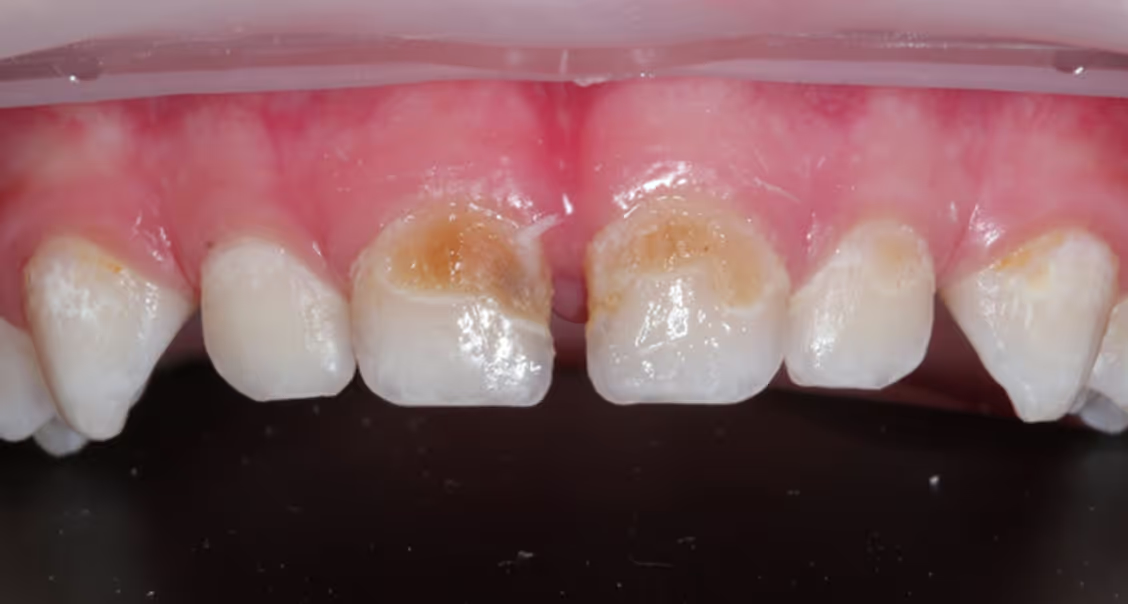
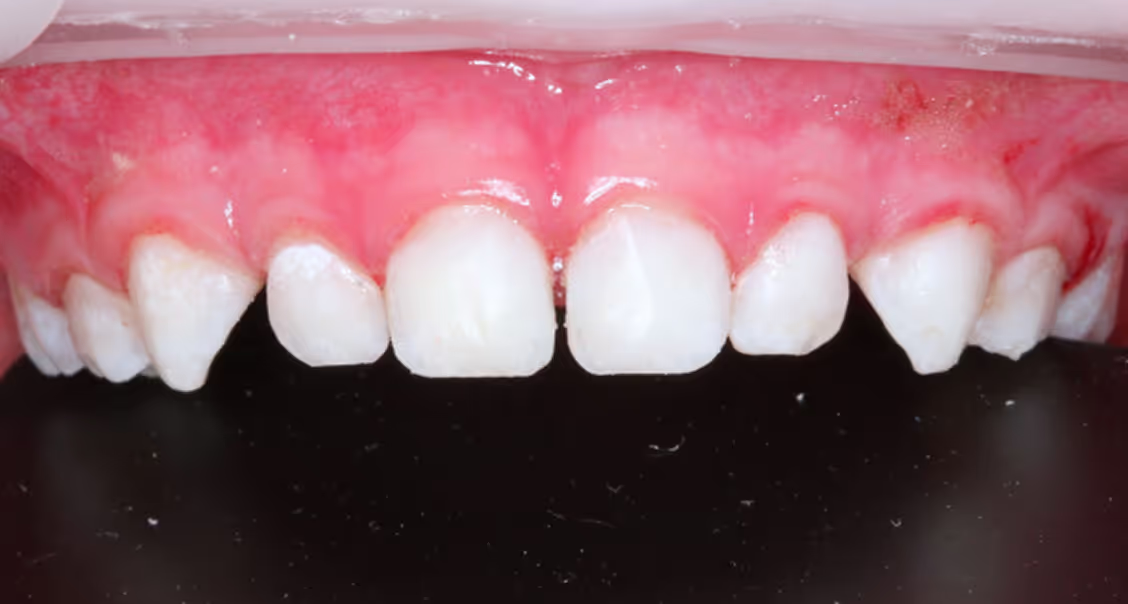
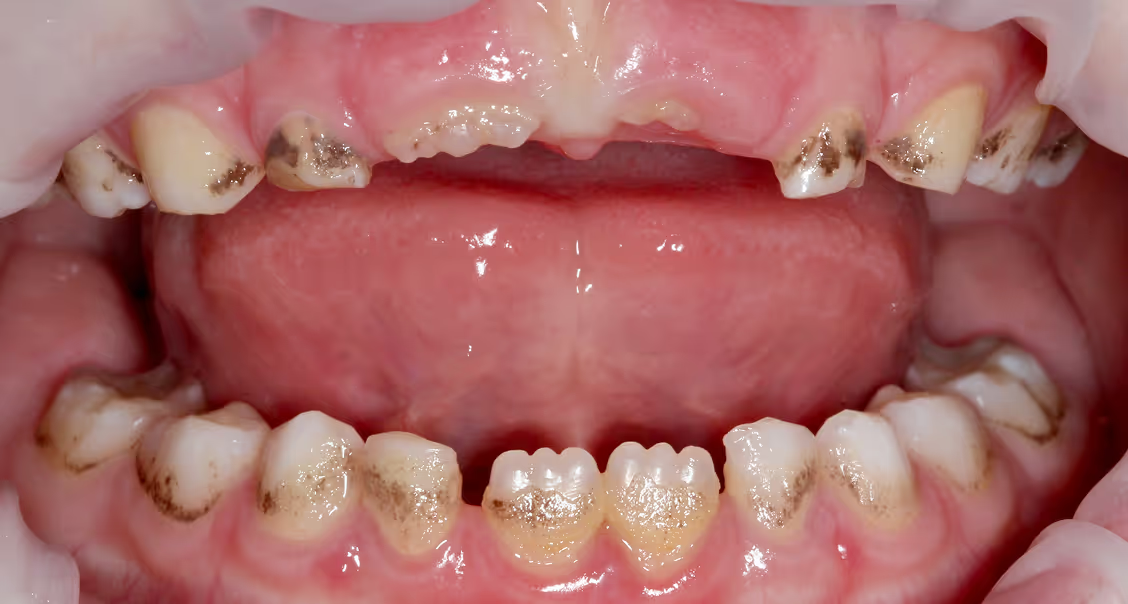
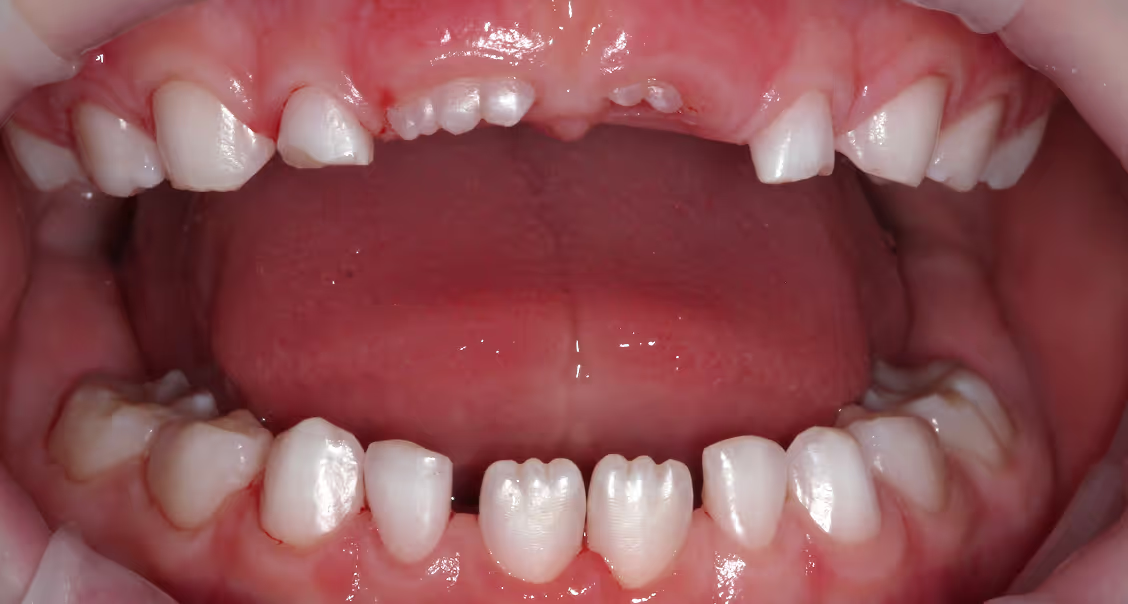
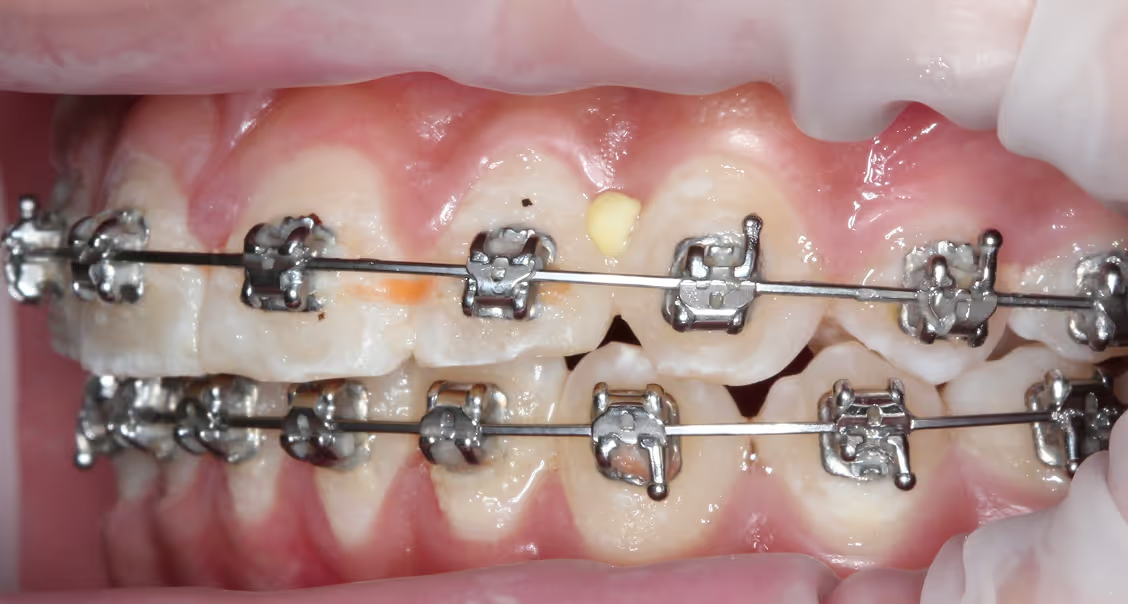
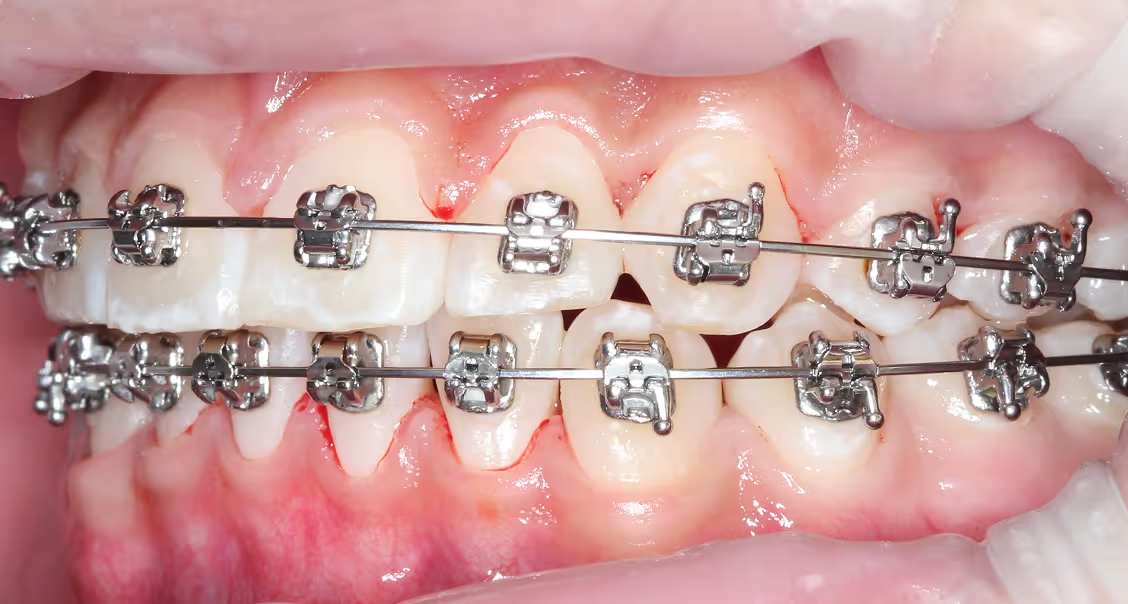
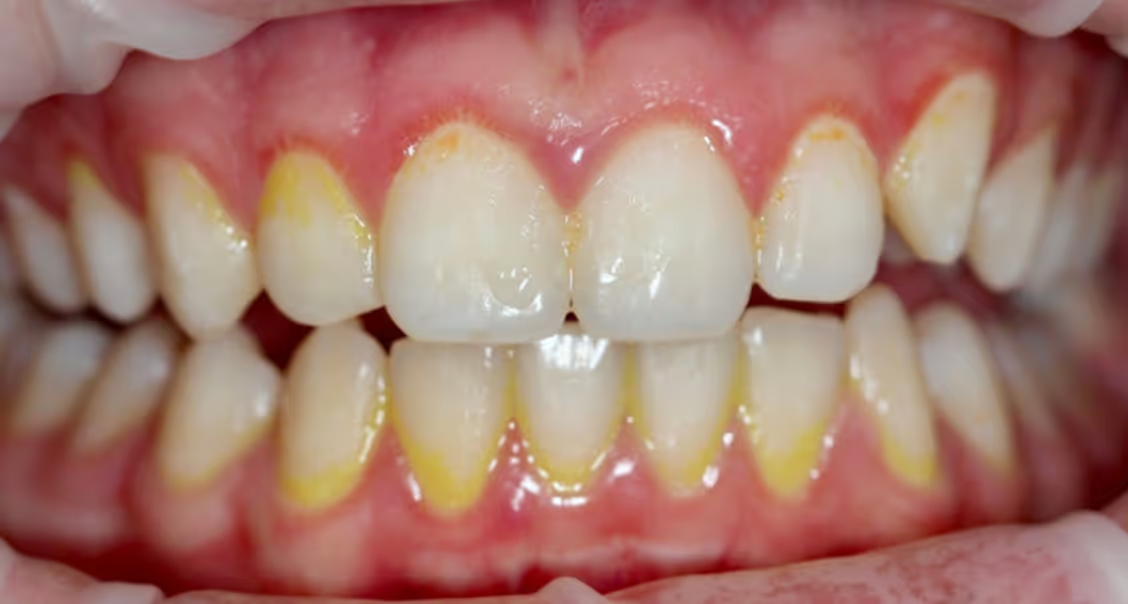
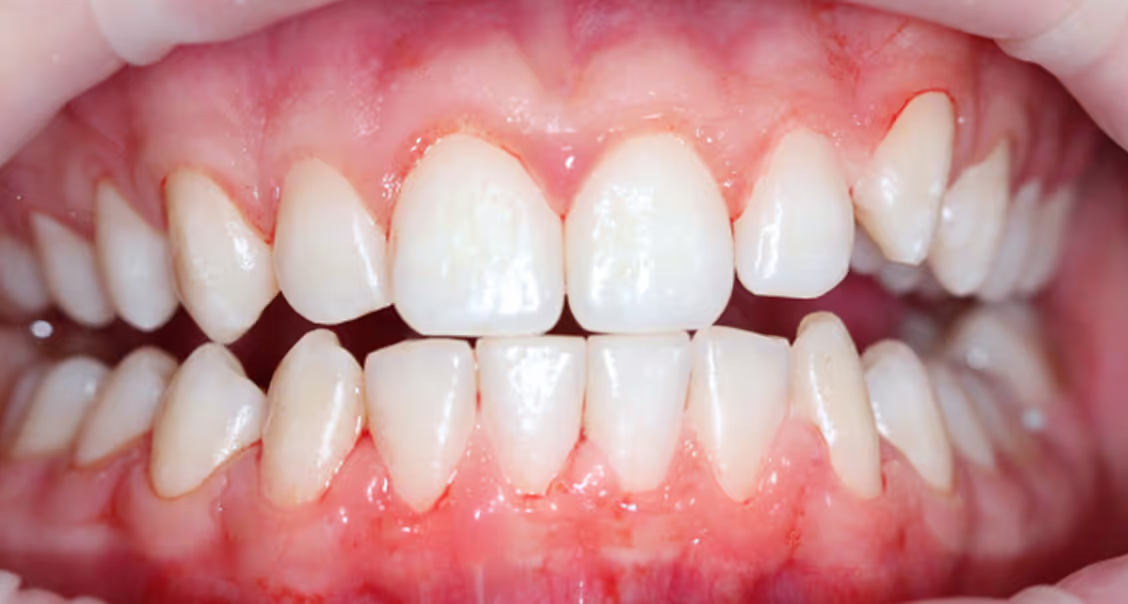
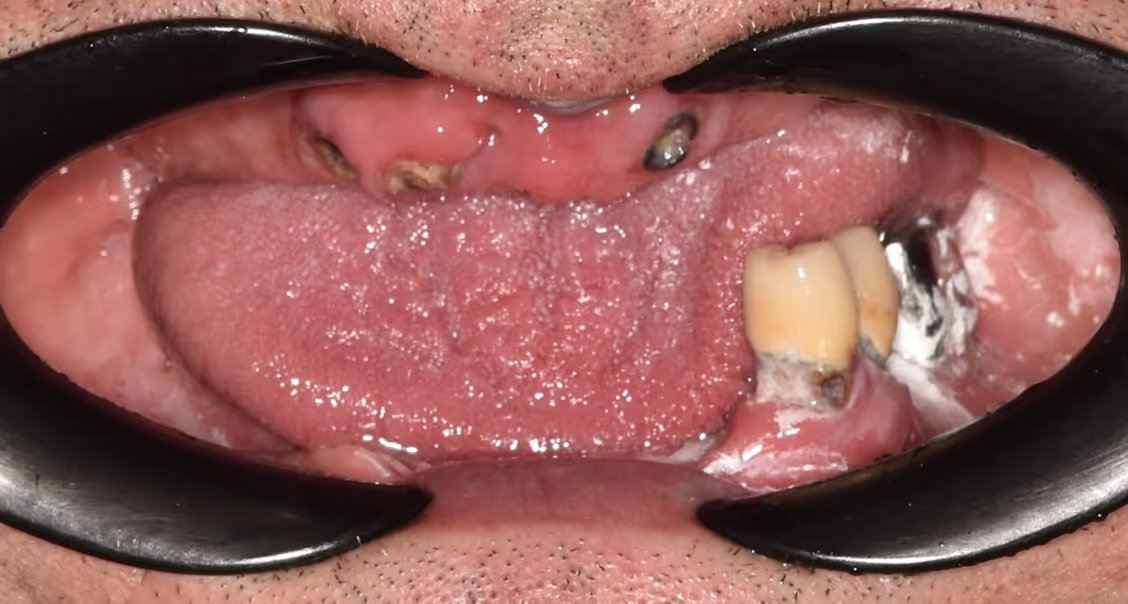
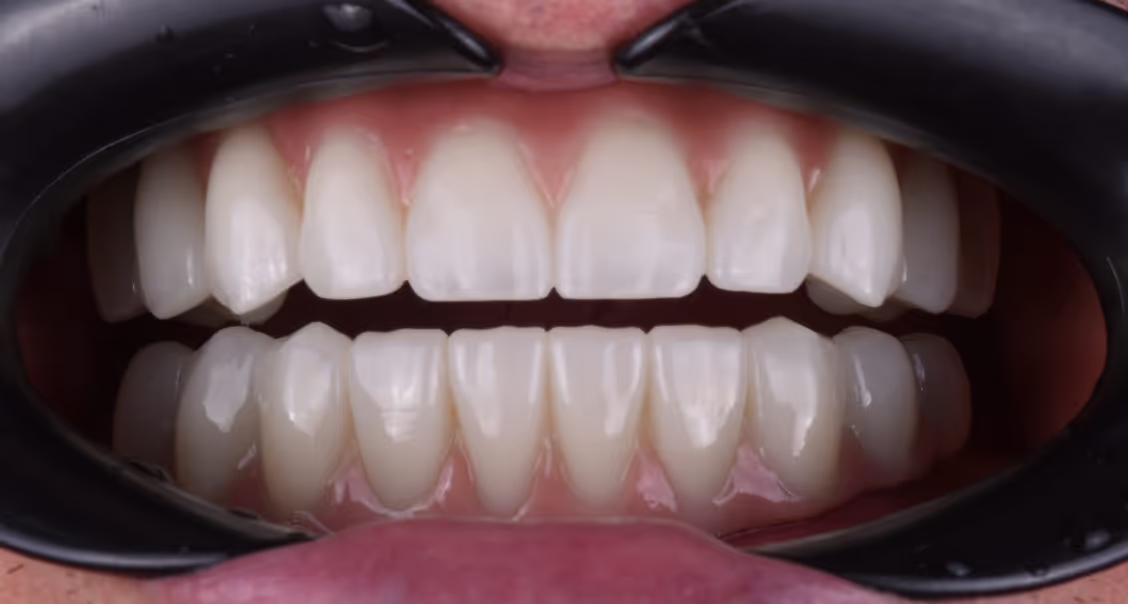
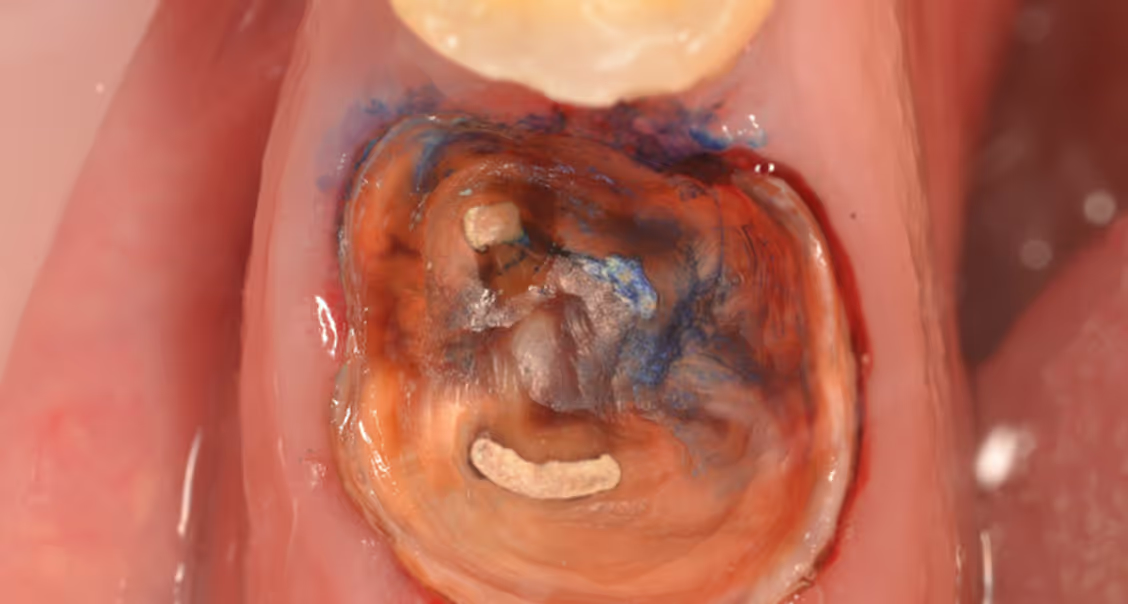
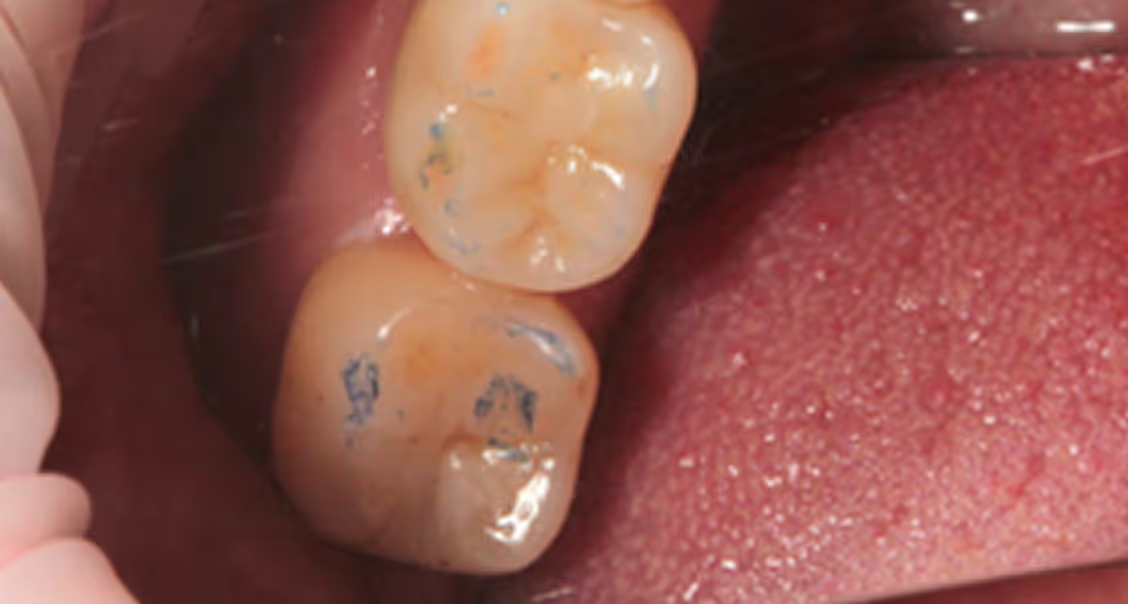
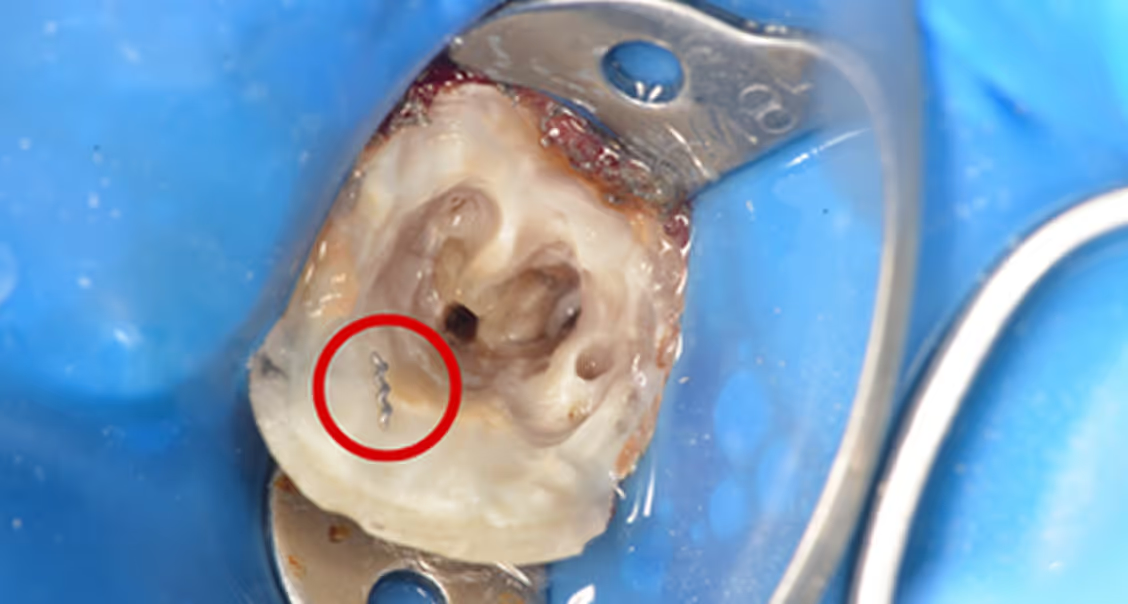
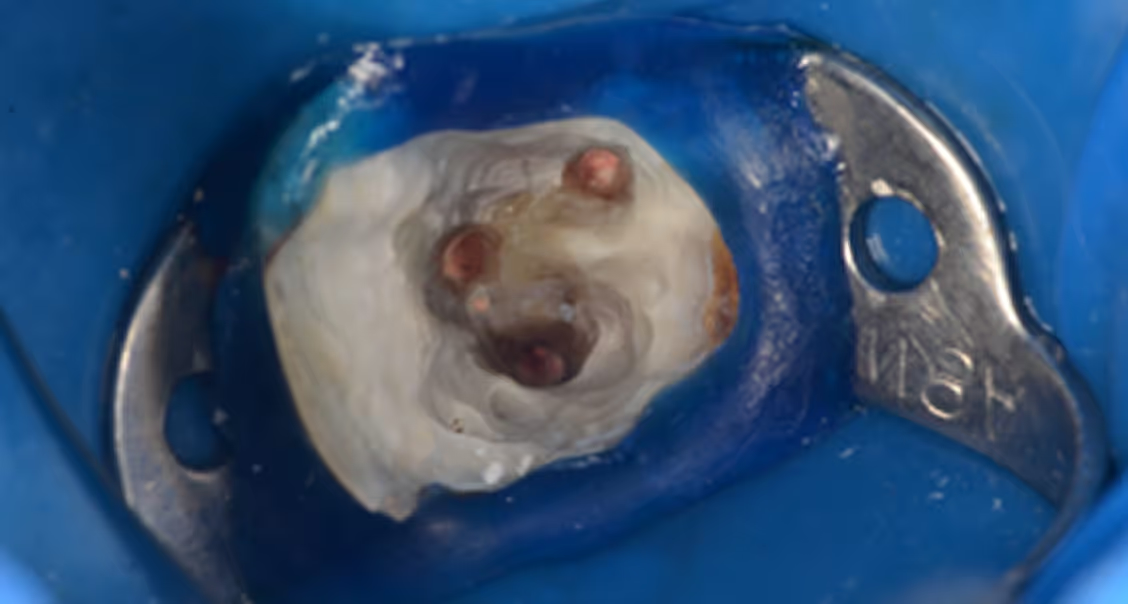
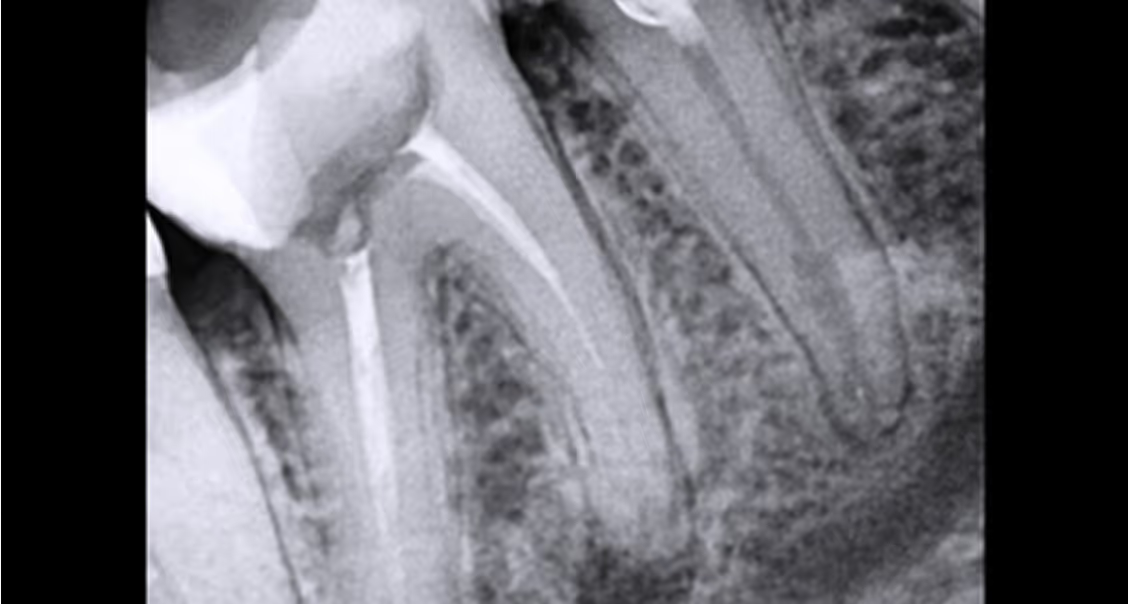
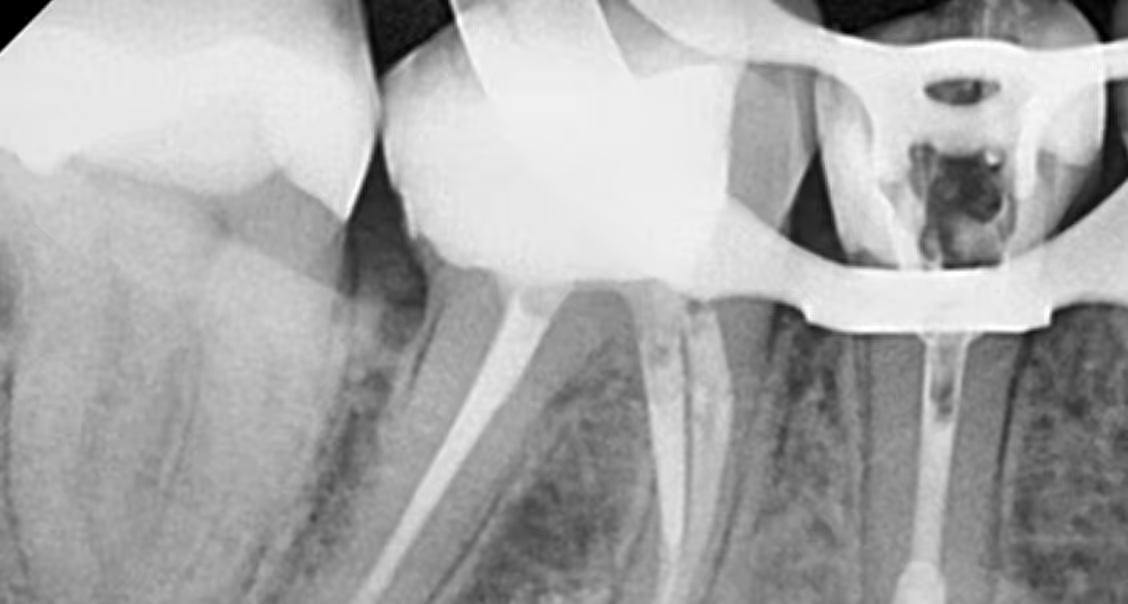
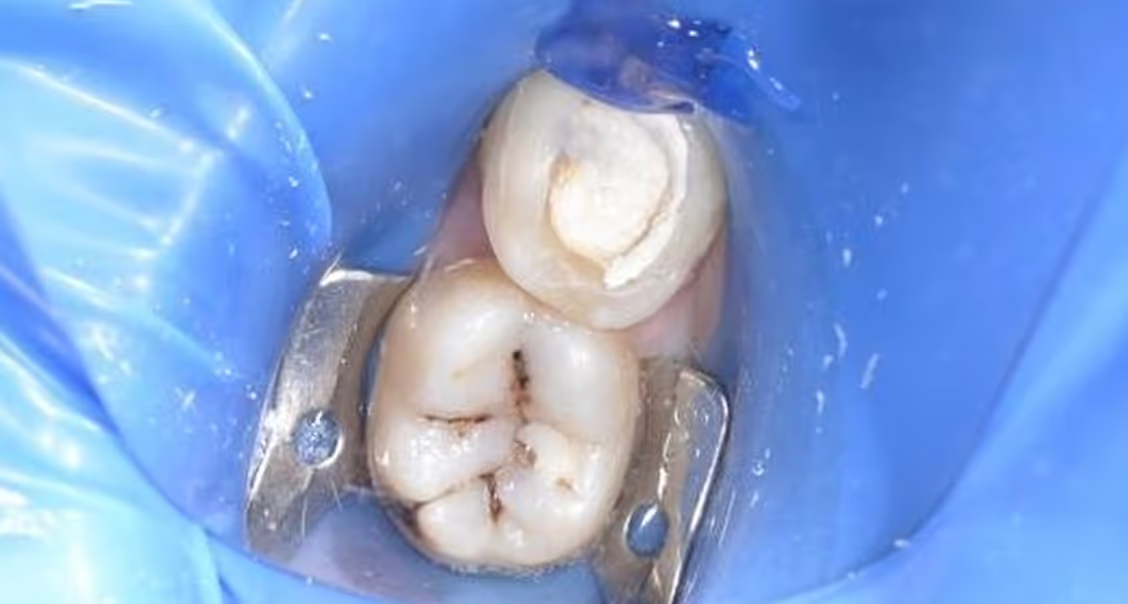
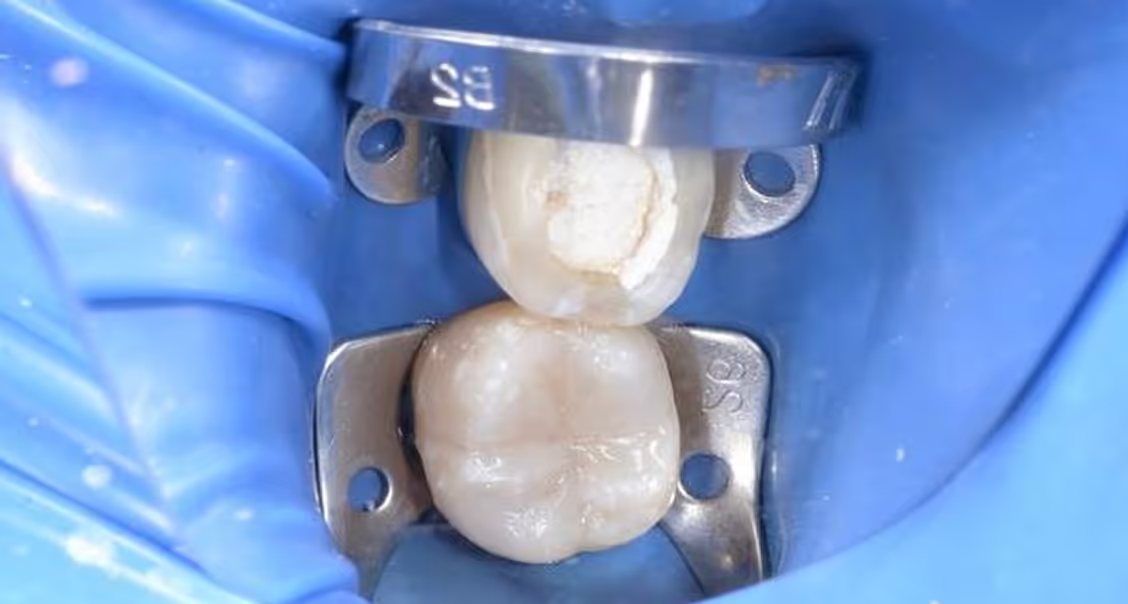
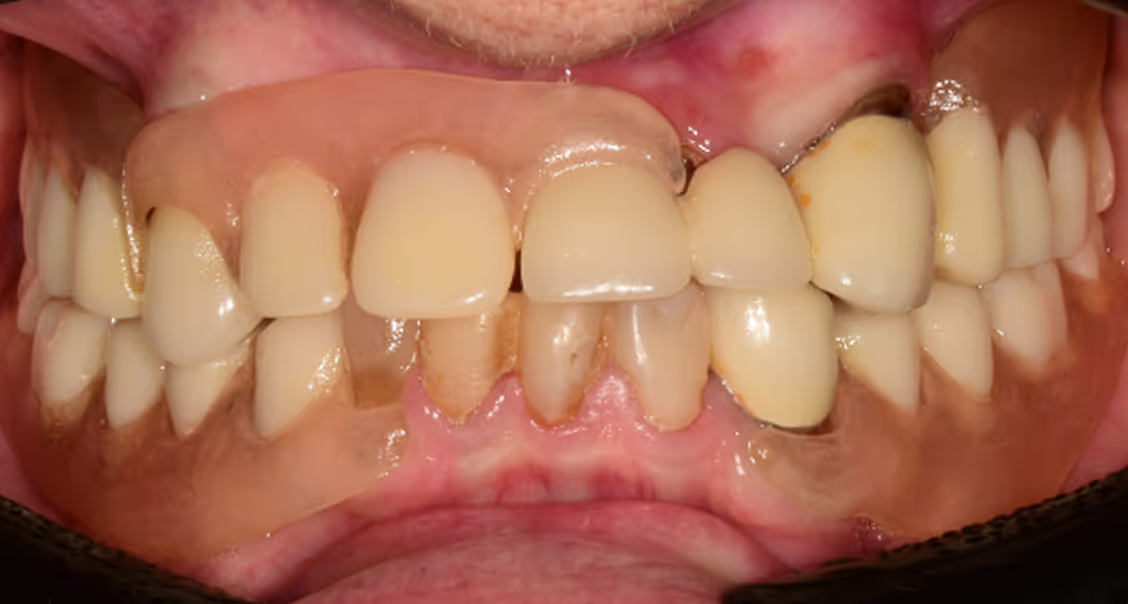
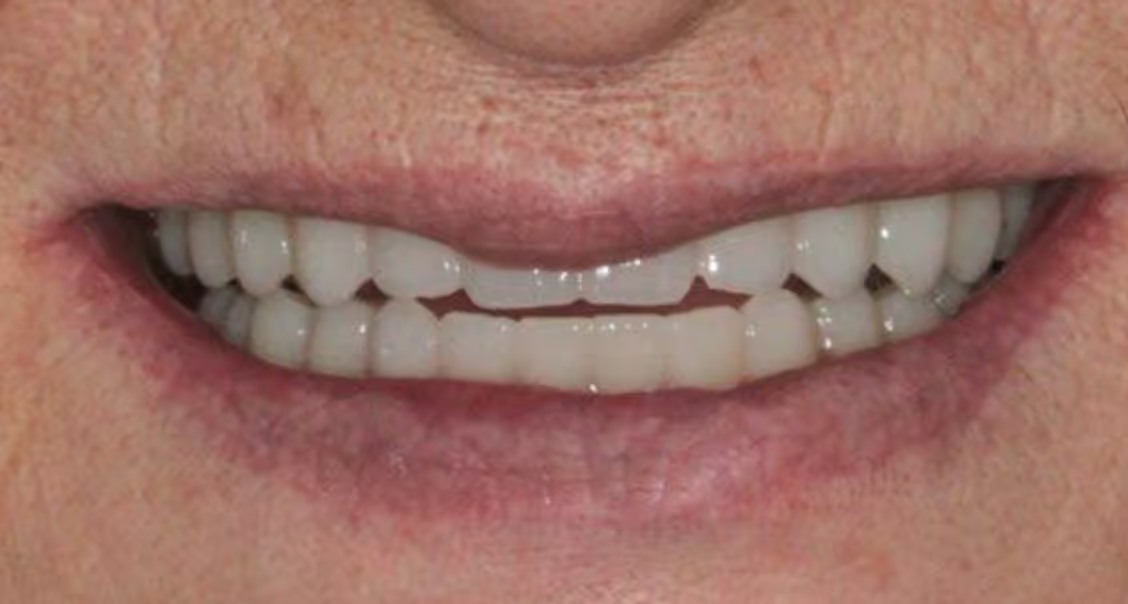
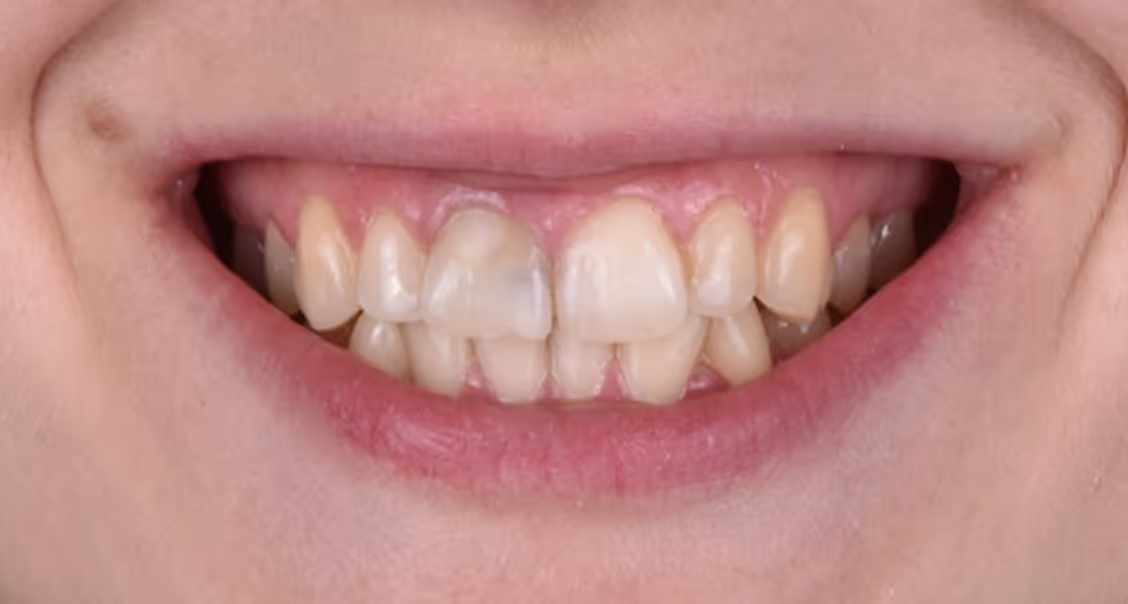
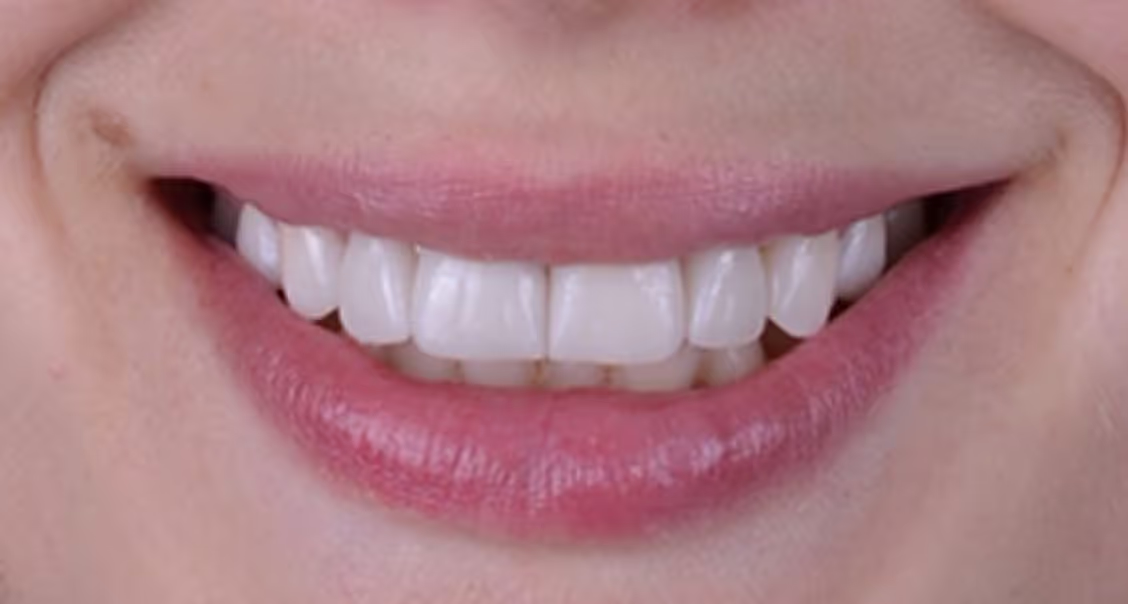
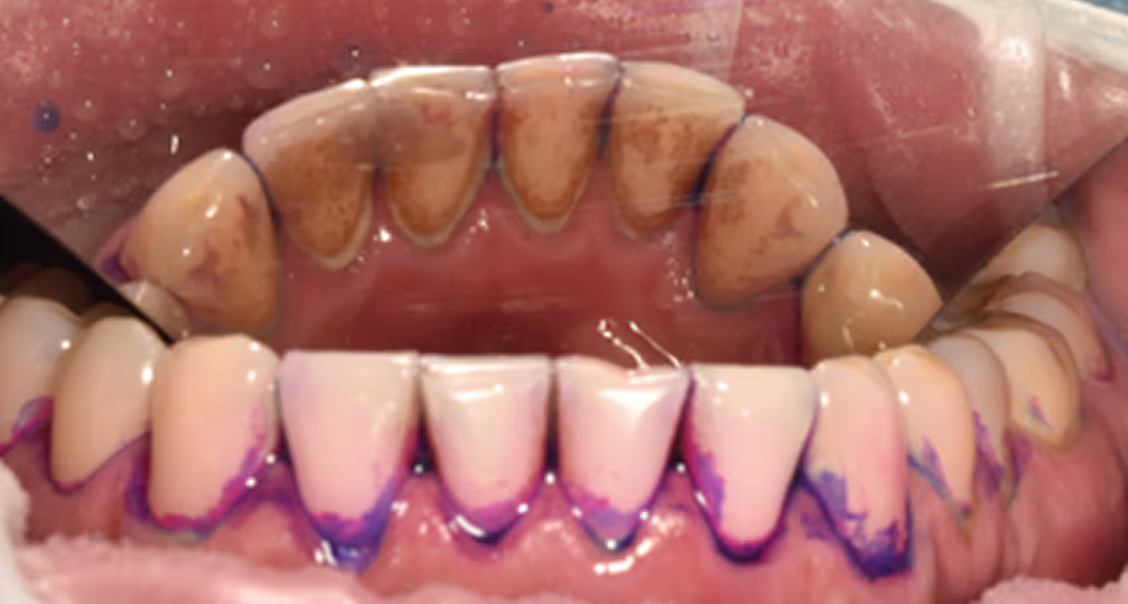
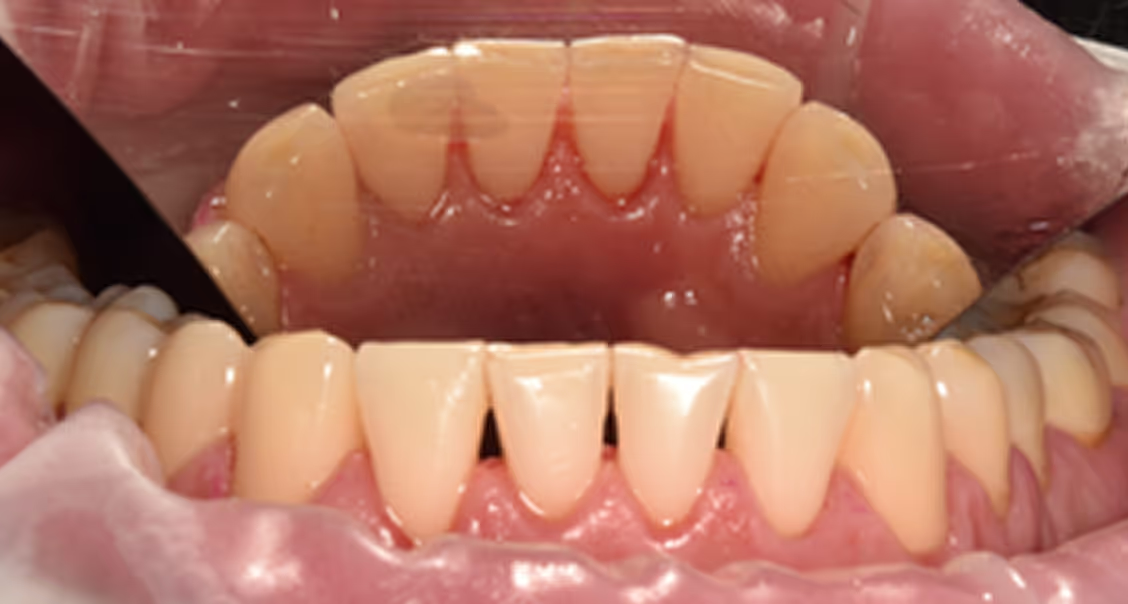
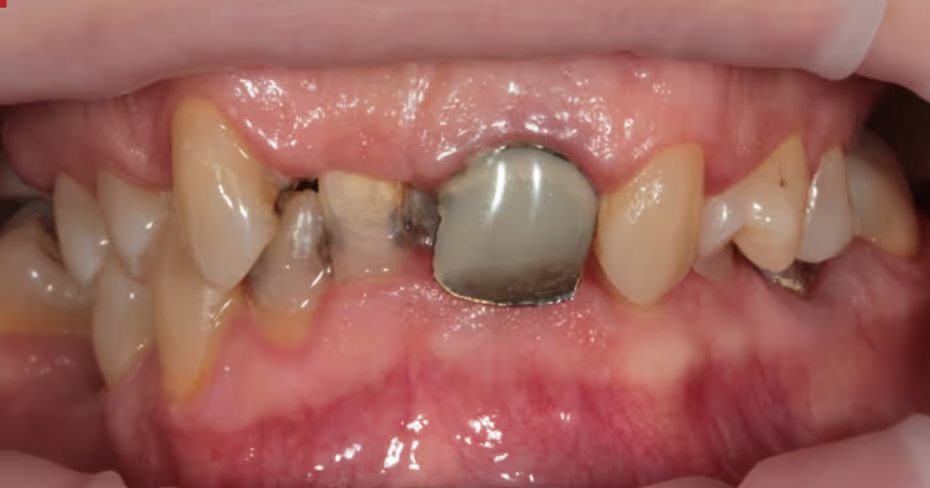
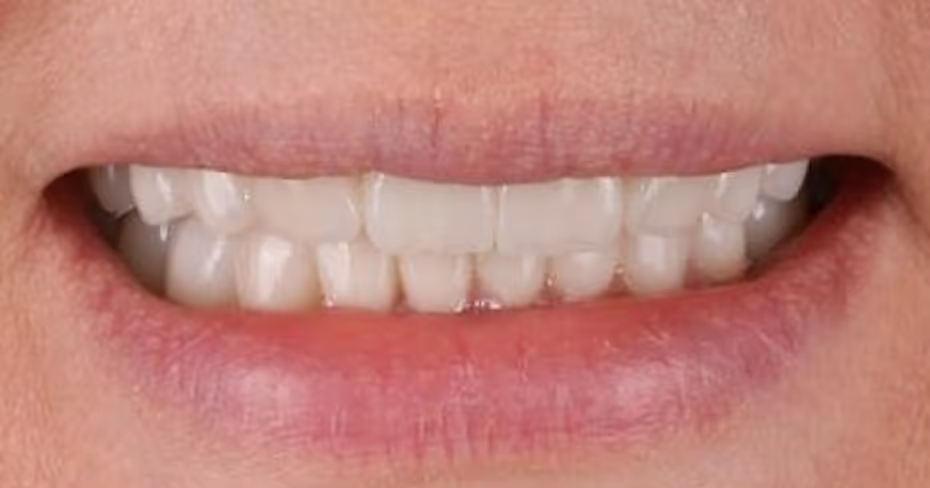
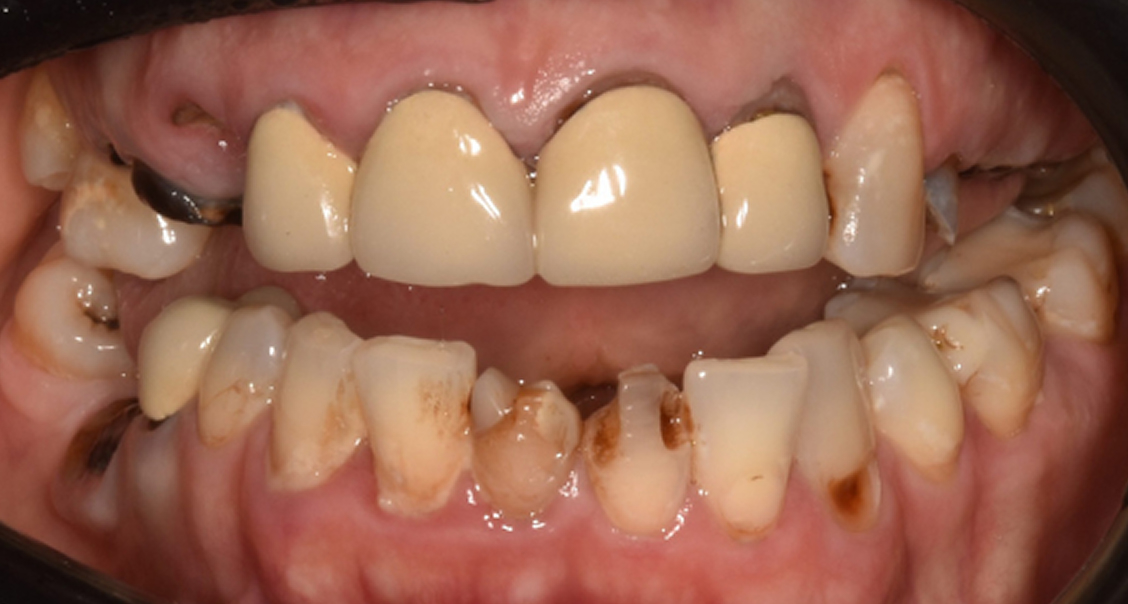
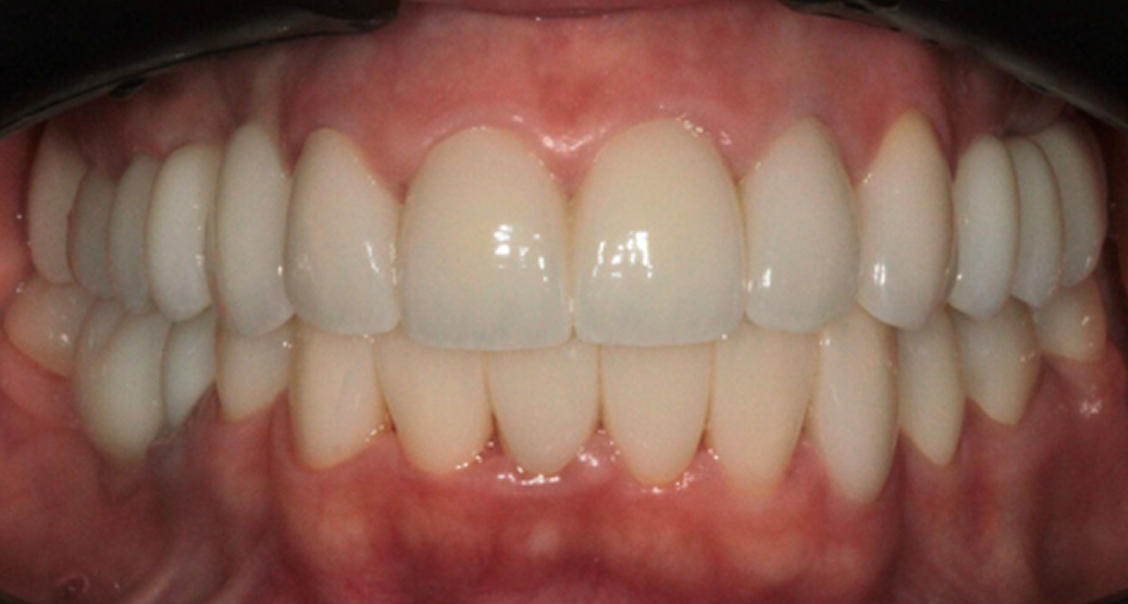
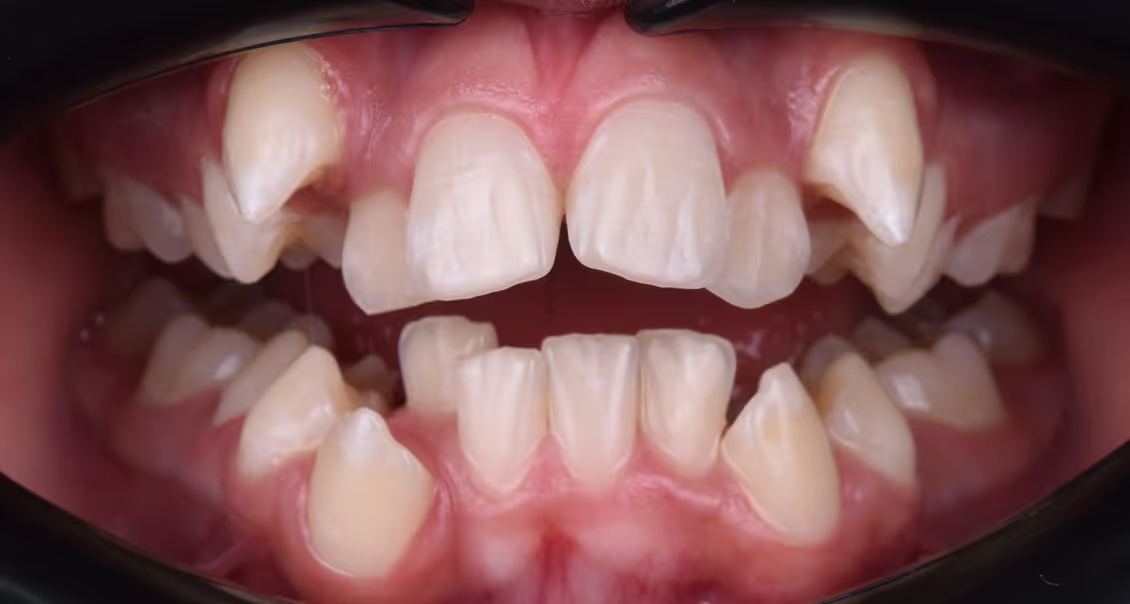
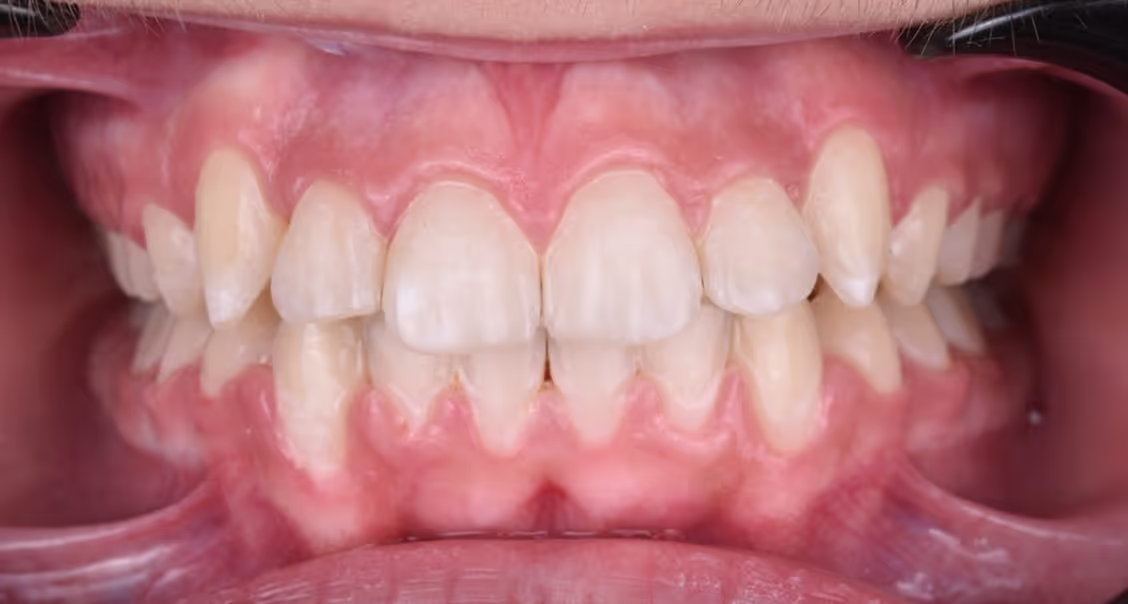
See the results of Flow Injection tooth restoration – before and after photos with a description of the initial situation, the plan and the course of treatment.
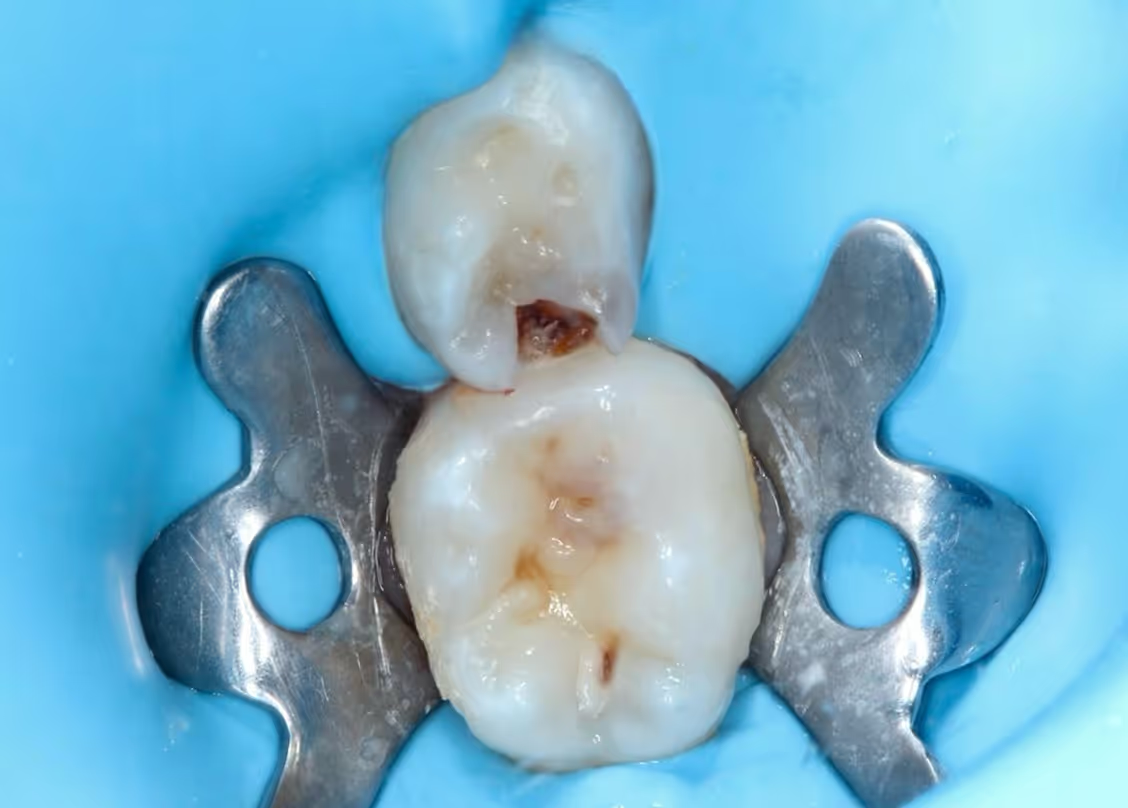
Why choose Flow Injection at MistoDent Krakow?
When you choose Flow Injection at MistoDent Krakow, you can count on:
- individual smile planning – the shape and proportions of the restoration are set before the actual procedure;
- predictable transfer of the design – the matrix allows the planned shape to be reproduced on the teeth;
- a minimally invasive approach – intervention in natural tooth tissue is limited to what the clinical situation requires;
- aesthetic composite restoration – the shape, length and proportions of teeth can be corrected;
- restoring several teeth to one design – especially important in larger smile makeovers;
- comprehensive diagnostics – before the procedure we assess the teeth, gums and bite.
At MistoDent Krakow, ul. Grzegórzecka 20A, the treatment plan is tailored individually to the clinical conditions and the desired result.
How much does Flow Injection cost in Krakow?
The price of Flow Injection is set individually and depends on the number of teeth restored and the scope of the planned reconstruction. The dentist presents the exact cost after the consultation and planning.
FAQ
Answers provided by
Dr. Kateryna Zadereshchenko
What is the difference between Flow Injection and bonding?
Both methods use composite material. In Flow Injection, the restoration shape is planned in advance and transferred onto the teeth with a prepared matrix. In classic bonding, the composite may be shaped directly by the dentist.
Does Flow Injection require grinding the teeth?
The extent of tooth preparation depends on the clinical situation. The technique allows a minimally invasive approach, but you should not assume that a restoration is always possible entirely without preparation.
Can Flow Injection be done on all teeth?
Not in every case. Before treatment, the dentist assesses the teeth, the amount of remaining tissue, the bite and the scope of the planned reconstruction.
Does Flow Injection work for worn teeth?
It can be used in selected cases of worn teeth. With significant wear, prior diagnosis of the cause and assessment of the bite are especially important.
Can Flow Injection be repaired?
Because the restoration is made of composite, local corrections or repairs are possible in many cases. The extent of repair depends on the type of damage.
How should I care for my teeth after Flow Injection?
The basics are good oral hygiene, regular check-ups and professional cleaning. The dentist may also recommend periodic polishing of composite restorations.

Medical verification
Content verified by:
Dr. Kateryna Zadereshchenko
Aesthetic dentistry • Prosthodontics
Last updated: 07.10.2026
Book an appointment!
Leave your contact details in the form or message us on your preferred messenger — we'll be happy to answer your questions and help you book a visit.


