

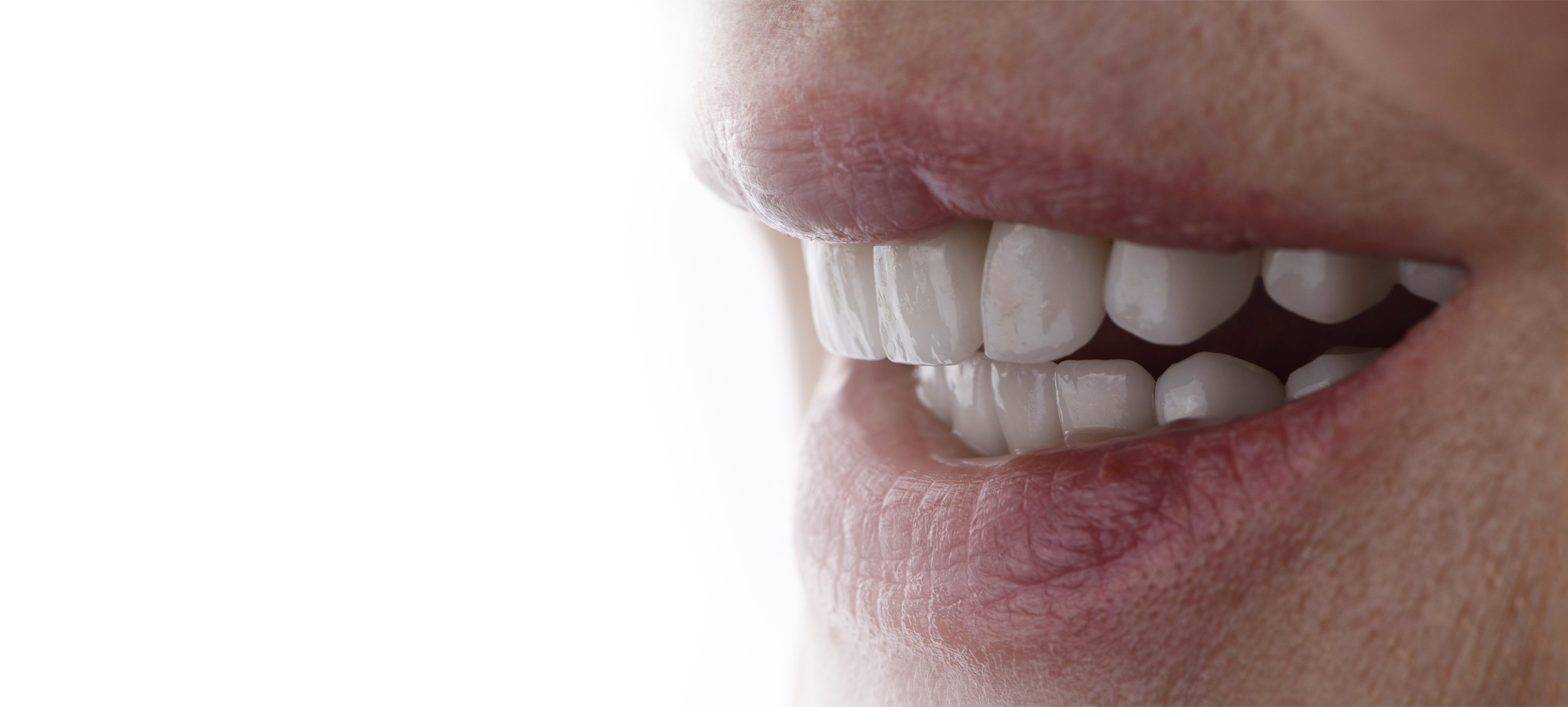
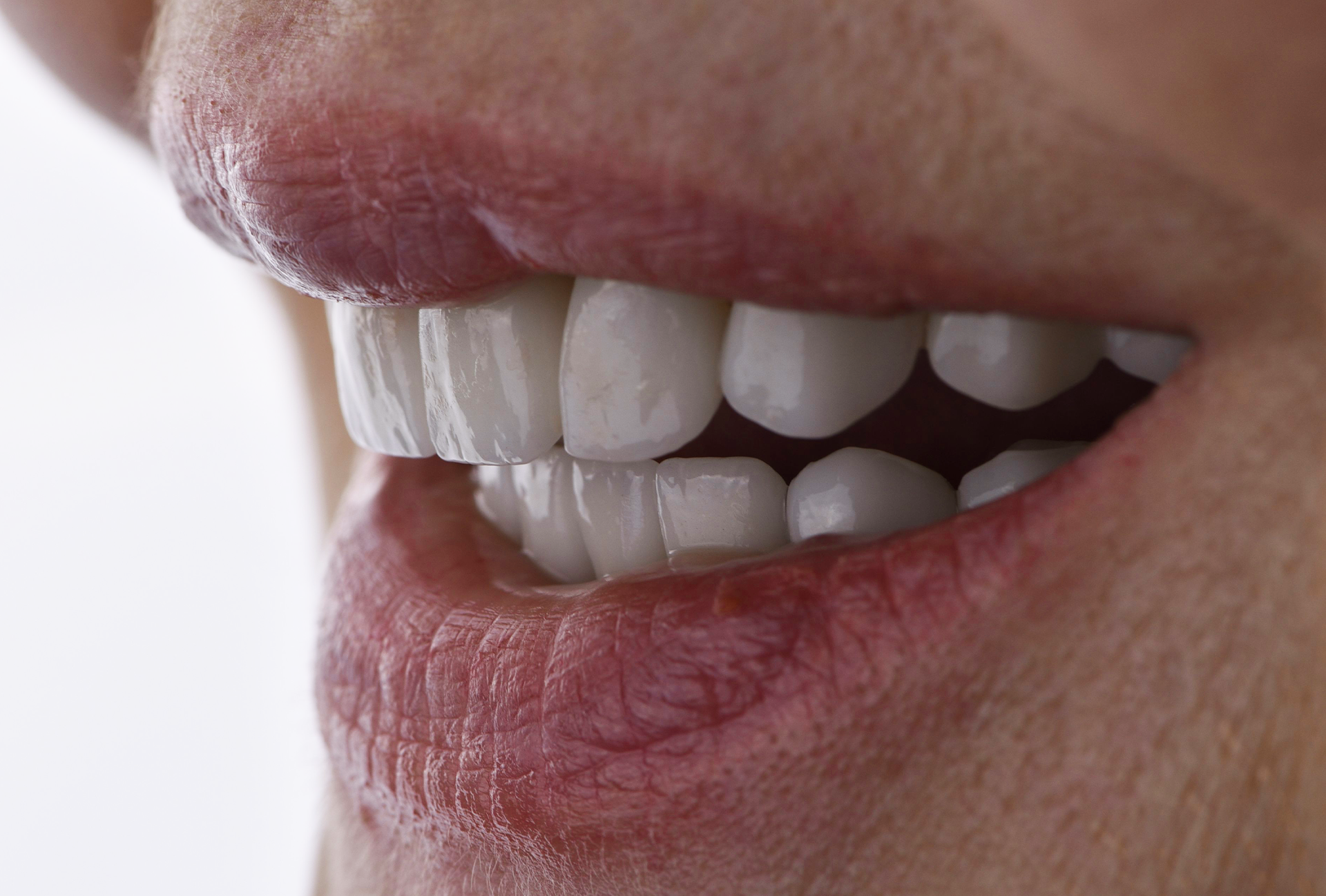
Prosthodontics in Krakow — restoring teeth and smiles
Modern prosthetic dentistry in Krakow — dental crowns, bridges, dentures and comprehensive bite reconstruction.
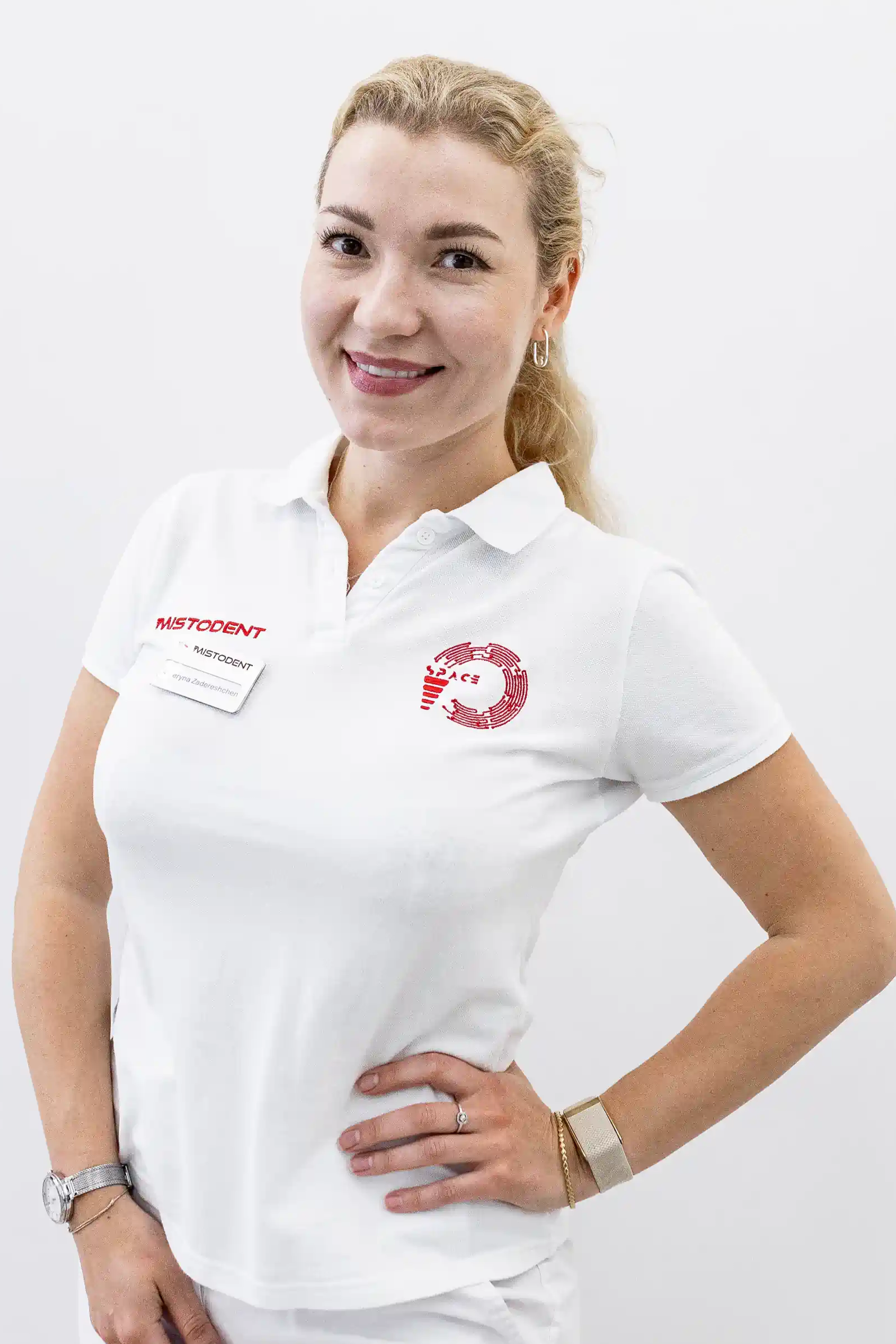
Who handles prosthodontics at MistoDent Krakow?
She specialises in prosthetic dentistry, tooth restoration and bite reconstruction, including planning crowns and comprehensive prosthetic restorations. Her treatment considers both the aesthetics of the smile and correct bite function.
What is prosthetic dentistry?
Prosthetic dentistry deals with restoring damaged, worn or lost teeth and replacing missing teeth. Its goal is to restore correct bite function, chewing comfort and a natural-looking smile.
Prosthetic treatment can involve restoring a single tooth as well as several or all teeth. Depending on the situation, we use crowns, bridges, dentures, inlays, onlays, endocrowns and implant-supported restorations, among others.
At MistoDent Krakow we choose the solution after assessing the condition of the teeth and gums, existing gaps and the bite.
When should you see a prosthodontist?
A consultation with a prosthodontist may be advisable in case of:
- one or more missing teeth;
- complete tooth loss;
- a severely damaged or weakened tooth;
- heavily worn, cracked or chipped teeth;
- the need to restore a tooth after root canal treatment;
- old or damaged crowns and bridges;
- problems with an existing denture;
- the need for an implant-supported restoration;
- excessive tooth wear due to bruxism;
- the need for comprehensive bite reconstruction.
What prosthetic treatments do we offer?
Dental crowns
Dental crowns are used to restore severely weakened or damaged teeth. They recreate the tooth's shape, function and appearance.
At MistoDent we make various types of crowns, choosing the material according to the tooth's position, the bite and the desired aesthetic result.
Porcelain-fused-to-metal crown
A porcelain-fused-to-metal crown has a metal framework covered with porcelain. It is used both for restoring single teeth and as part of certain prosthetic structures.
Zirconia crown
A zirconia crown is made from zirconium oxide. It combines strength with an aesthetic result and can be used in both the front and back teeth.
We also make all-ceramic crowns and individually designed high-aesthetic restorations.
Dental bridge
A dental bridge replaces one or more missing teeth. The structure rests on properly prepared abutments and recreates the missing part of the dental arch.
Whether a bridge is possible depends on, among other things, the number of missing teeth, the condition of the abutment teeth and the bite.
In selected cases, an alternative may be replacing the missing tooth with an implant and crown.
Dentures
Dentures are used mainly when several teeth are missing or in complete tooth loss.
Depending on the conditions in the mouth, various types of dentures are available, including:
- acrylic dentures;
- polyamide (flexible) dentures;
- cast partial (skeletal) dentures;
- clasp-free skeletal dentures;
- metal-free dentures;
- partial dentures;
- complete dentures;
- micro-dentures;
- implant-supported prosthetic structures.
There is no single type of denture that suits every patient. The choice depends on the number and position of remaining teeth, the bite and the possibility of using implants.
Complete dentures
Complete dentures are intended for patients who have lost all natural teeth in the upper or lower jaw.
Depending on anatomical conditions and the patient's needs, a classic removable denture can be used, or a restoration using implants as additional support can be planned.
Inlays and onlays
Inlays and onlays restore teeth where the loss of natural tissue is greater than with a small cavity, but where covering the whole tooth with a crown is not always necessary.
At MistoDent we make ceramic and zirconia inlays and onlays, among others. The type of restoration is chosen according to the amount of remaining tissue and bite forces.
Endocrowns
An endocrown can be used to restore selected teeth after root canal treatment, especially when much of the natural crown has been lost.
We make composite and porcelain endocrowns. Whether this solution can be used is decided by the dentist after assessing the specific tooth.
Implant prosthetics
Implants can support a single crown as well as a more extensive prosthetic structure.
At MistoDent we make implant crowns and implant-supported prosthetic structures, including restorations made with CAD/CAM technology.
The type of structure depends on the number of missing teeth, the number and position of implants and the bite.
Which prosthetic solution should you choose?
The type of restoration depends mainly on the condition of the natural teeth and the extent of missing teeth.
Problem
Possible solution
Severely damaged or weakened tooth
Dental crown
Larger cavity with part of the tooth preserved
Inlay / onlay
Tooth after root canal treatment with major tissue loss
Endocrown / crown
One or more missing teeth
Dental bridge / implant restoration
Extensive tooth loss
Partial denture / implant restoration
All teeth missing
Complete denture / implant restoration
Significant wear of many teeth
Comprehensive bite reconstruction
This overview is indicative only. The final method of restoration is chosen after diagnostics.
Crown, bridge or denture — what's the difference?
A dental crown restores a single, severely damaged tooth. It can also be fixed on an implant in place of a lost tooth.
A dental bridge replaces one or more missing teeth and uses suitable abutments to support the structure.
A denture is used mainly for larger gaps or complete tooth loss and can be a removable appliance or a solution working with implants.
The choice depends on the number of missing teeth, the condition of the remaining teeth, bone and gums, and the bite.
Prosthodontics, bruxism and tooth wear
Bruxism can lead to excessive tooth wear, cracking, shortening of teeth and overloading of existing crowns, bridges and other restorations.
That is why, with extensive tooth wear, it is important to assess the bite and the cause of overload before prosthetic reconstruction.
Depending on the situation, treatment may include gnathological diagnostics, protecting the teeth and later restoring lost tissue.
Occlusal splint
An occlusal (relaxation) splint is a custom-made appliance used, among others, in selected patients with bruxism and overload of the masticatory system.
The type of splint and indications for its use are determined by the dentist after bite diagnostics.
Botox for bruxism
Botox for bruxism is one of the methods used in selected patients with excessive chewing muscle activity. It does not replace diagnosing the causes of bruxism or treating damaged teeth.
Before using this method, the dentist assesses the indications and chooses the right approach for the specific case.
Comprehensive bite reconstruction
With significant wear of many teeth, loss of vertical dimension, extensive gaps or previous incorrect restorations, treatment may require comprehensive bite reconstruction.
The aim is not only to improve the appearance of the teeth but also to restore their correct contacts and function.
In more complex cases, planning may include gnathological diagnostics, occlusion analysis, axiography, wax-up and digital restoration design.
What does prosthetic treatment involve?
1. Consultation
The prosthodontist assesses the condition of the teeth, missing teeth, existing restorations and the patient's needs.
2. Diagnostics
We assess the teeth, periodontium and bite. In more complex cases, the scope of diagnostics may be extended.
3. Treatment plan
The dentist presents possible restoration options and explains the differences between them.
4. Preparation
Before prosthetic work, restorative, endodontic, periodontal, surgical or implant treatment may be needed first.
5. Design and fabrication
Depending on the type of work, we prepare the teeth, take scans or impressions and design the future restoration.
6. Fitting and follow-up
The finished work is checked for fit, aesthetics and bite. After treatment, the patient receives recommendations on hygiene and check-ups.
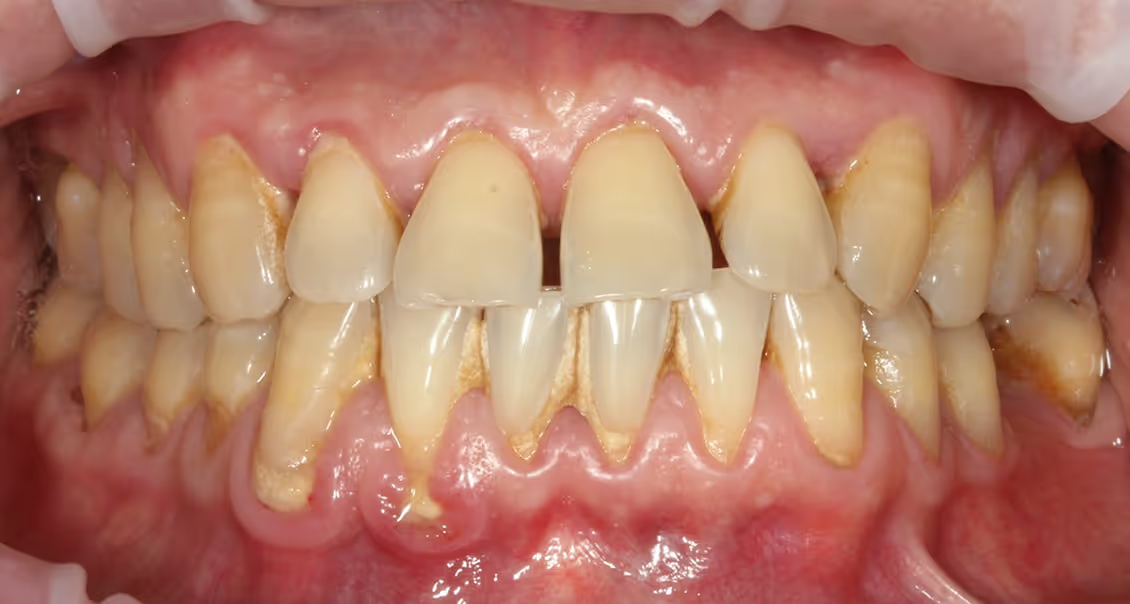
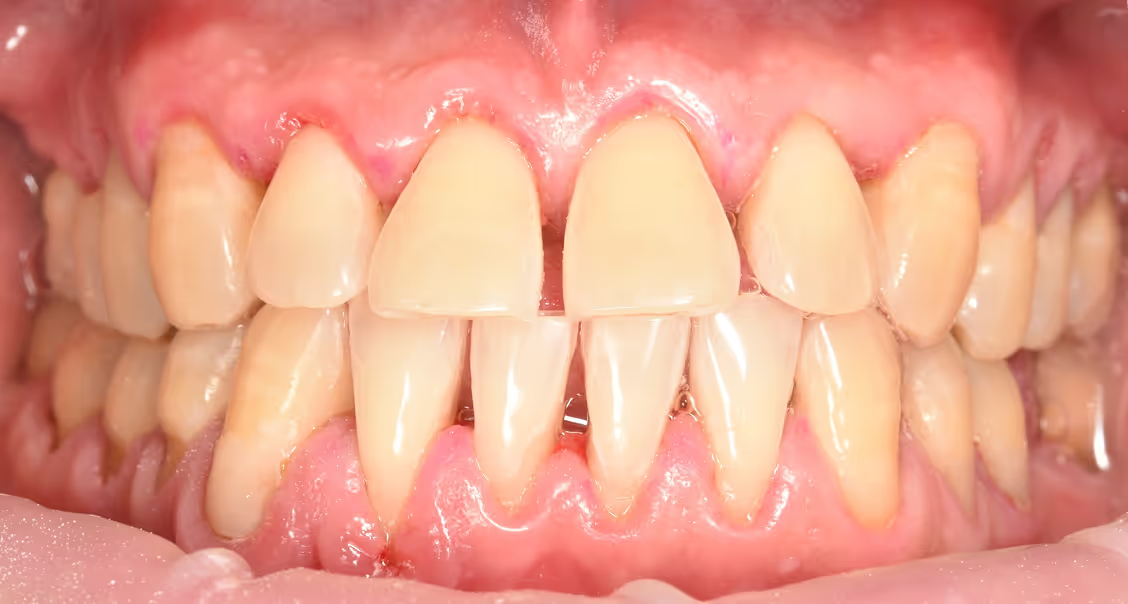
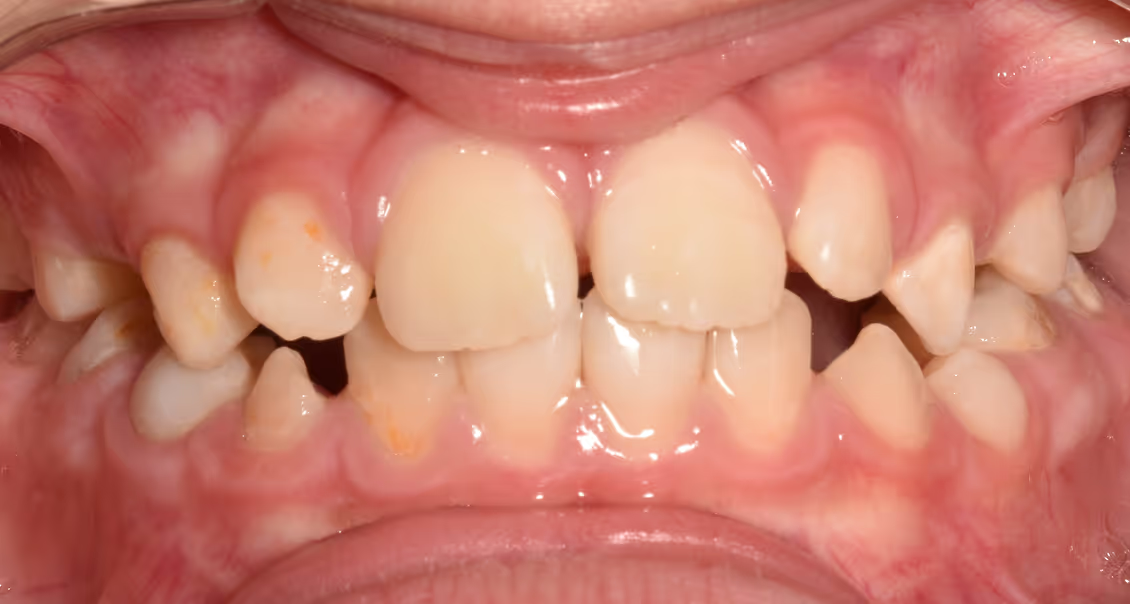
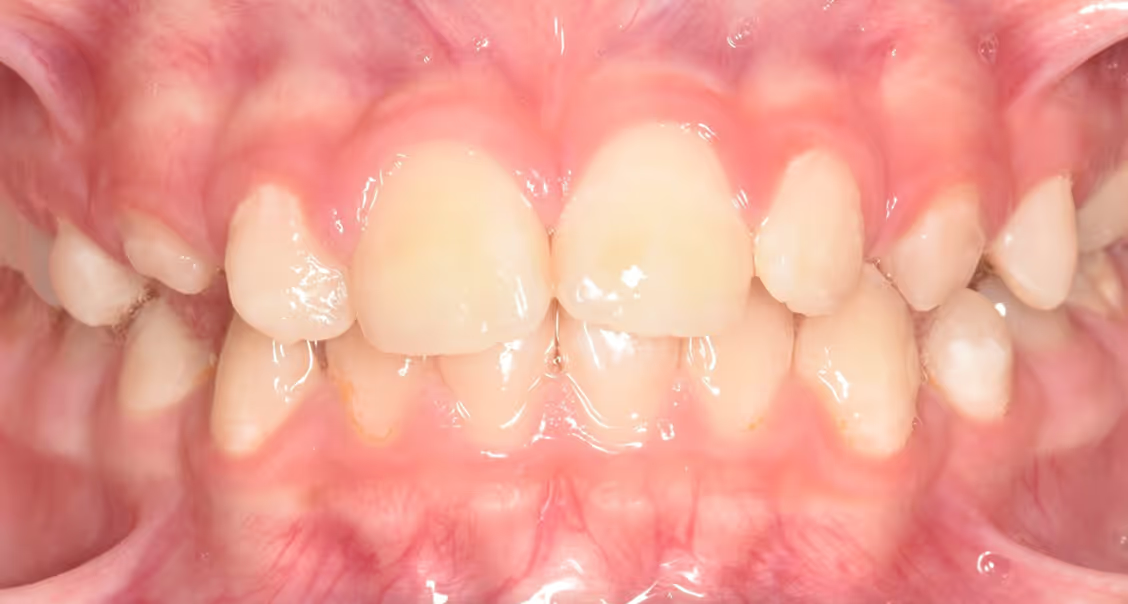
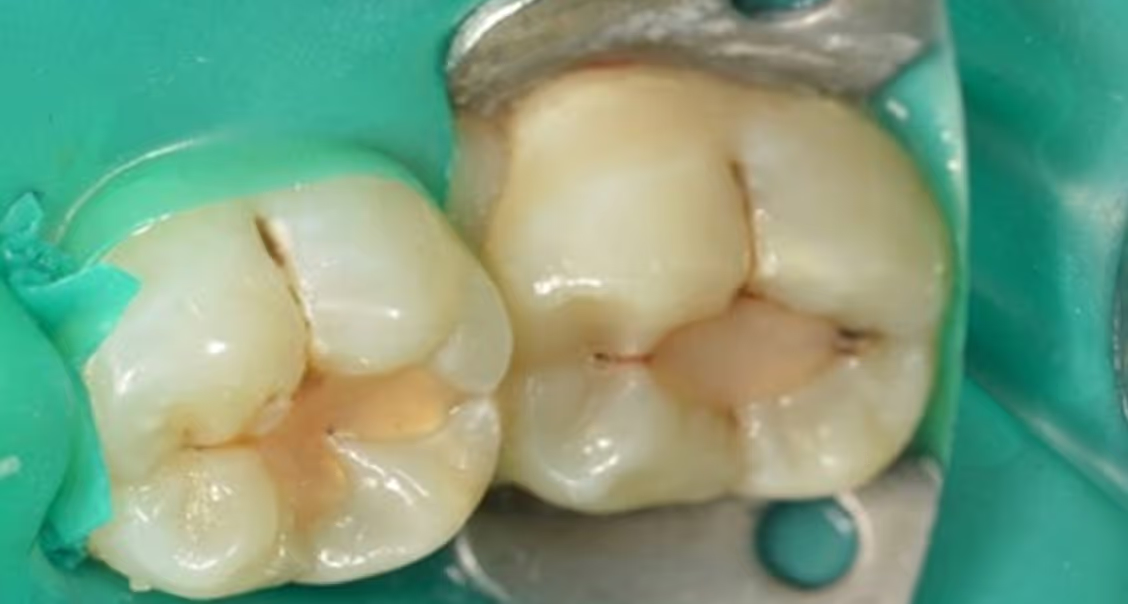
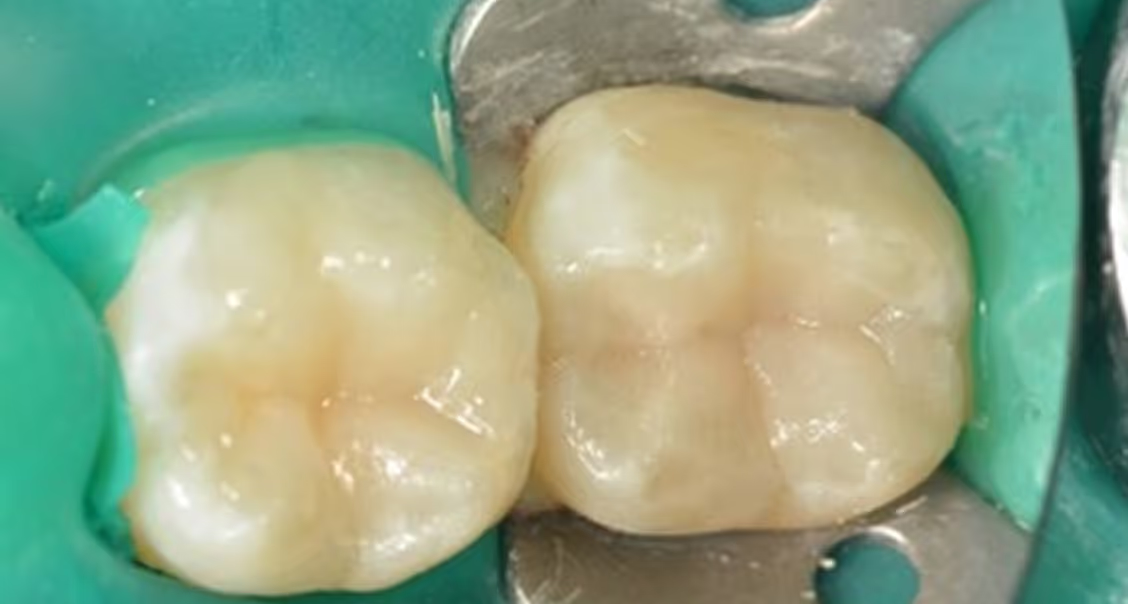
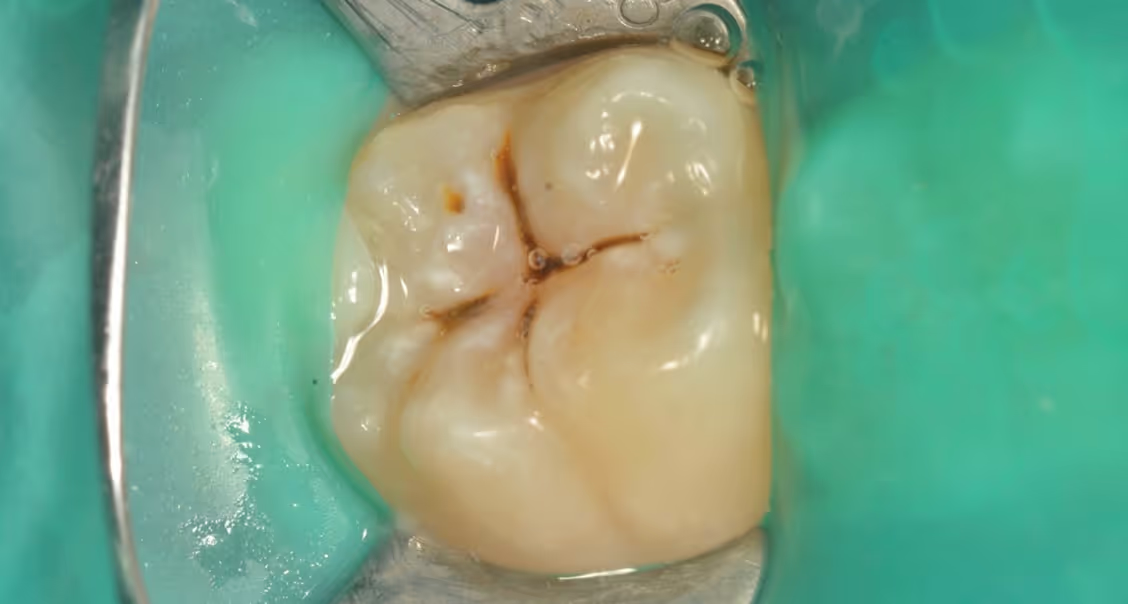
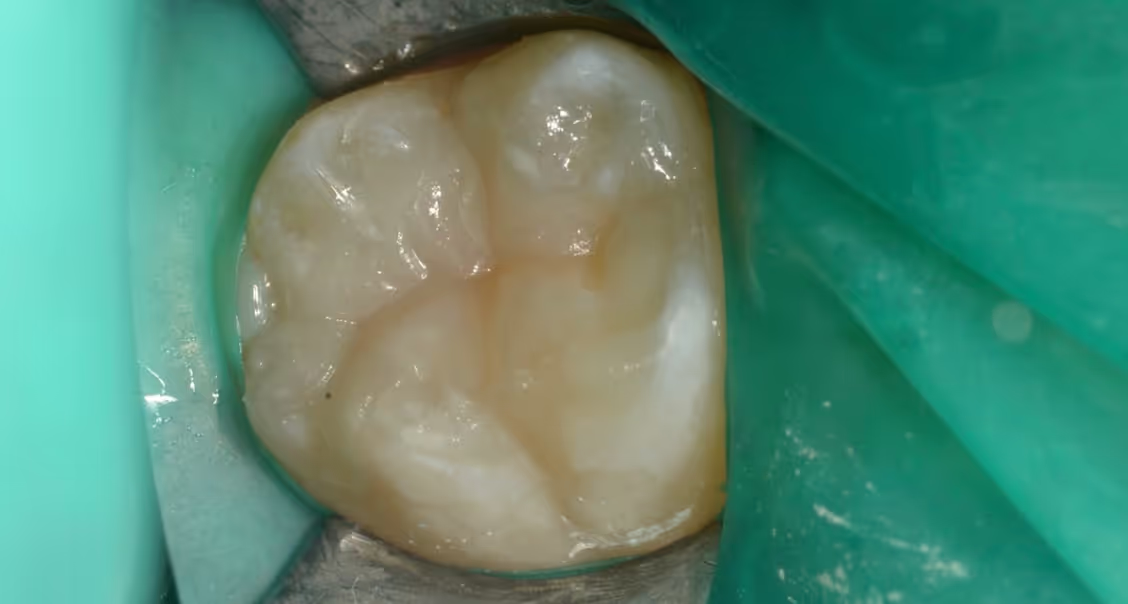
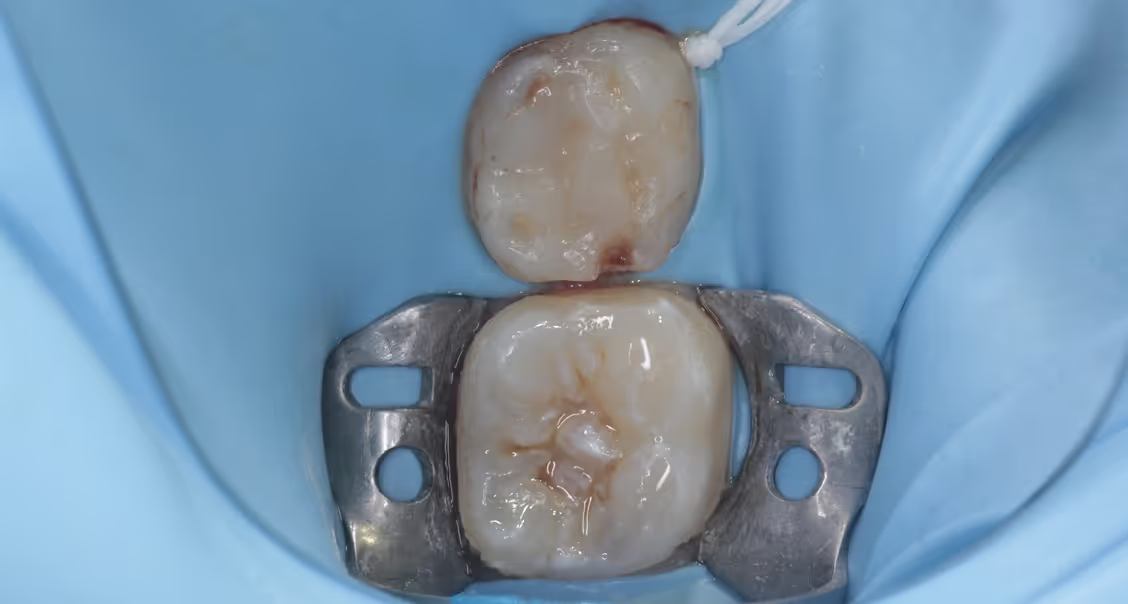
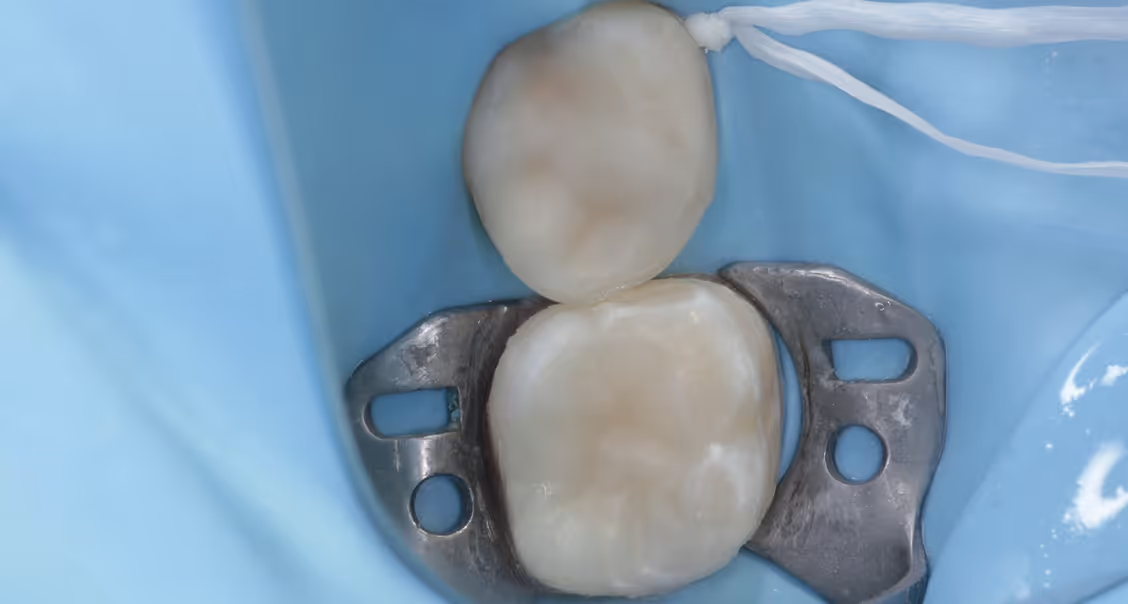
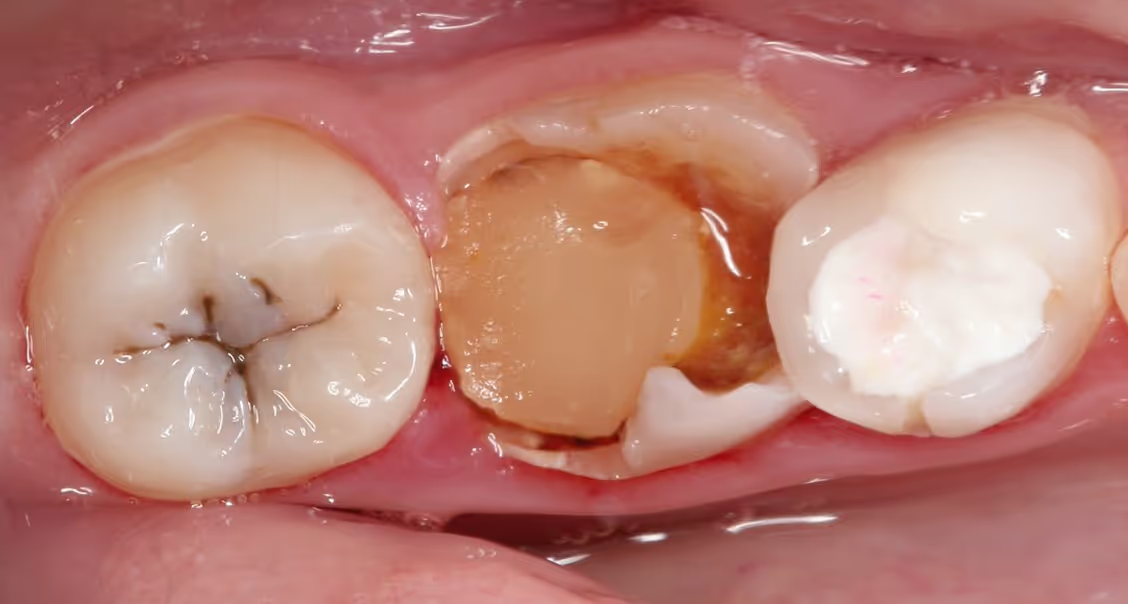
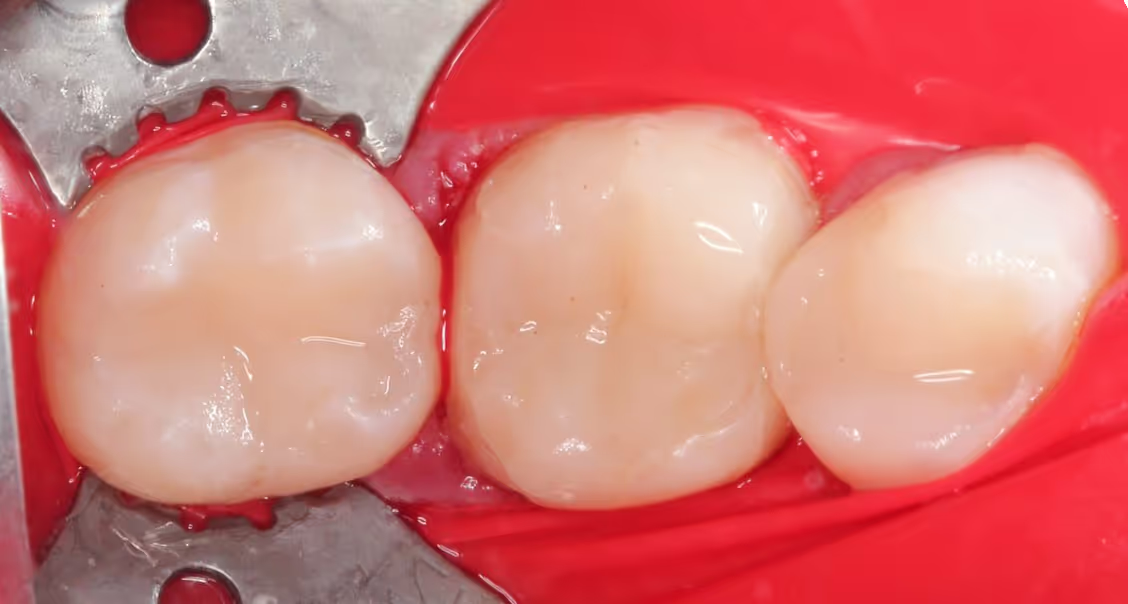
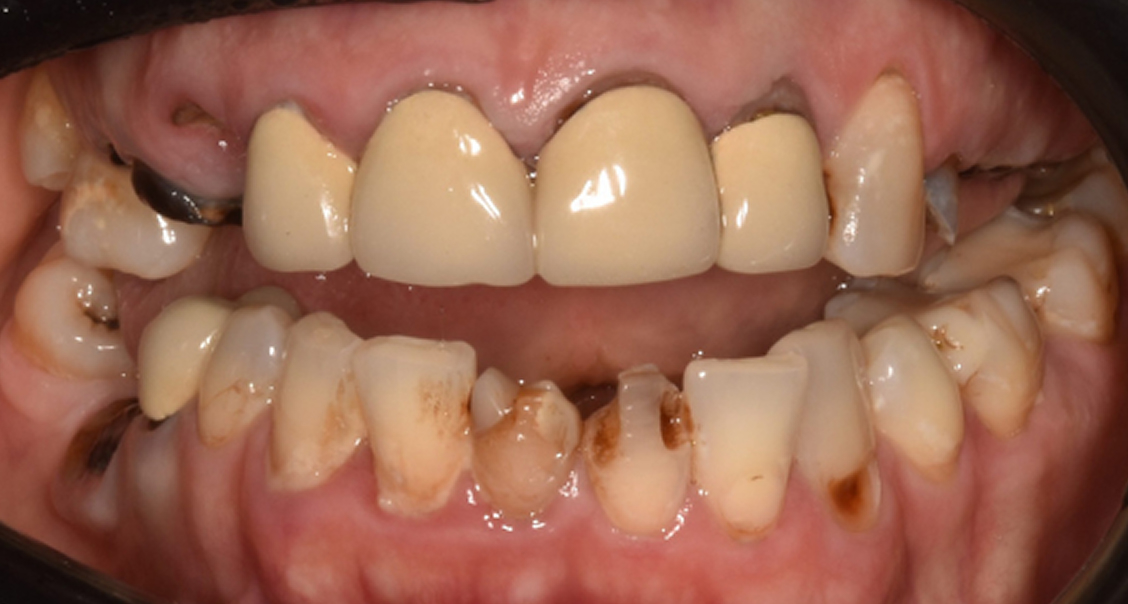
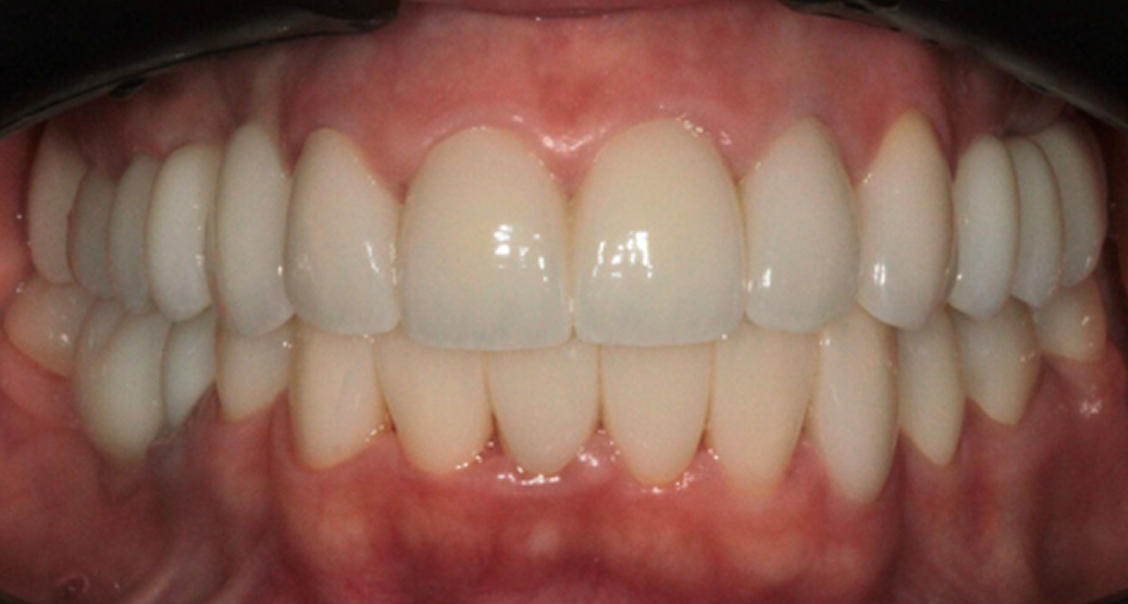
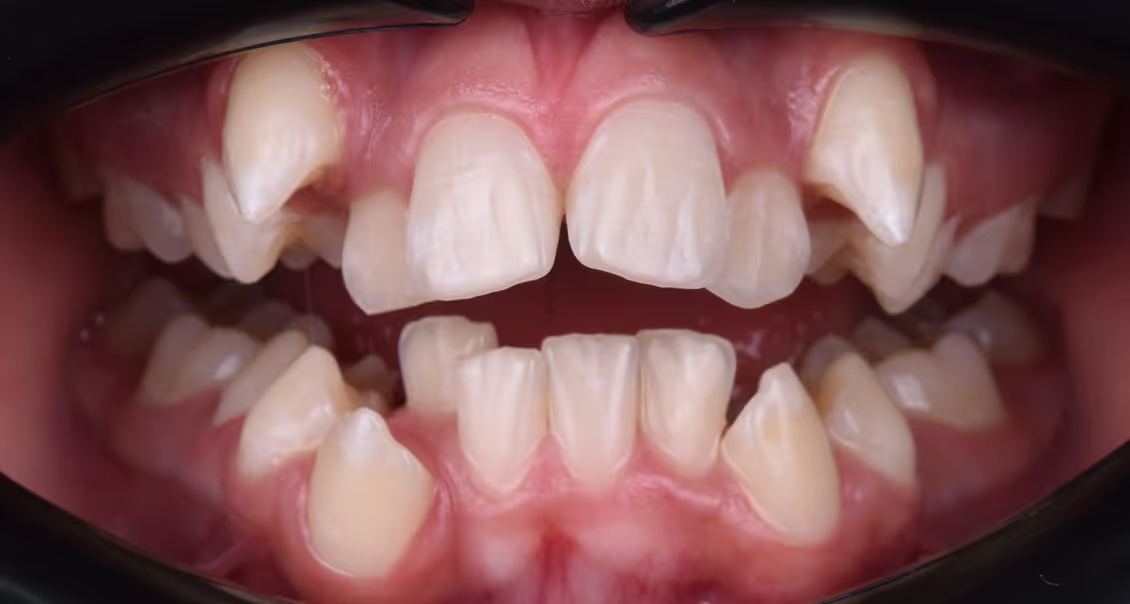
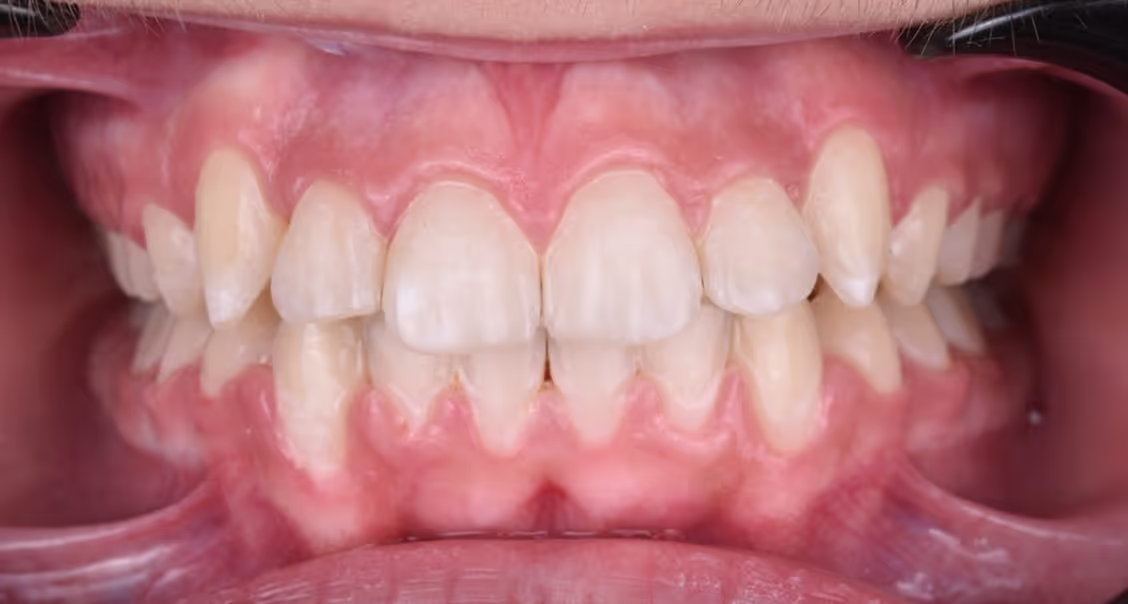
Smile makeovers after prosthetic treatment
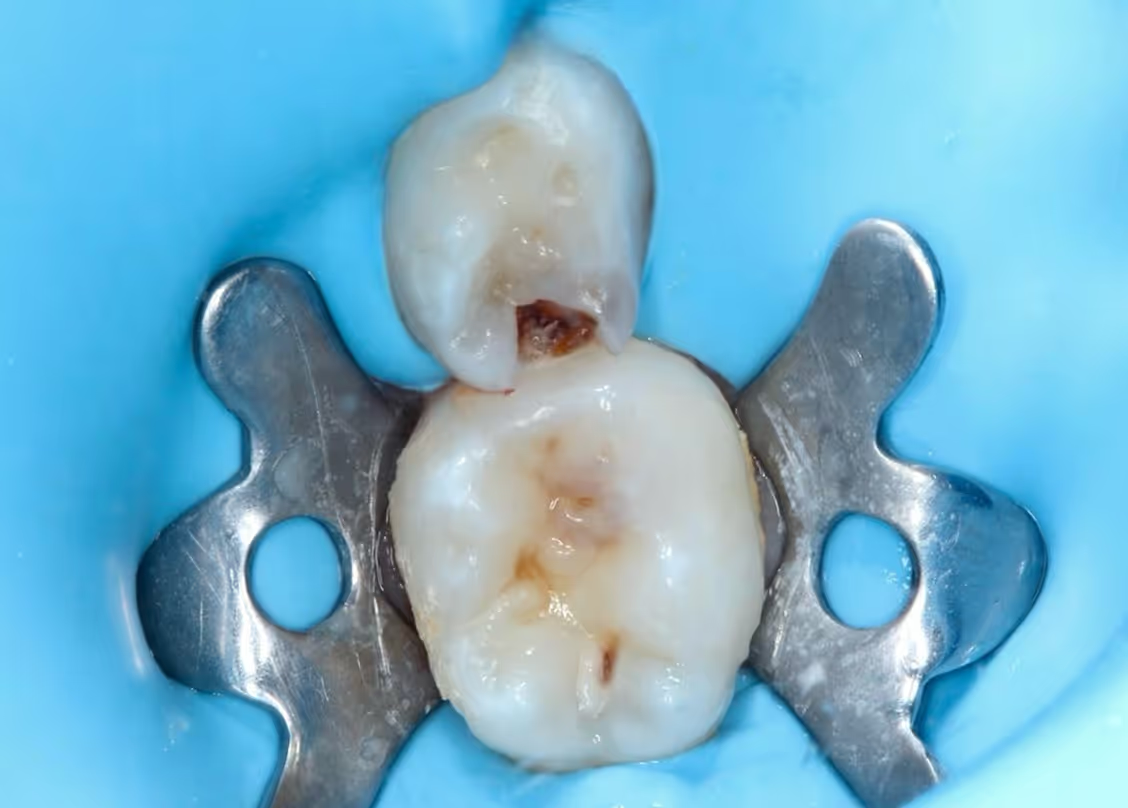
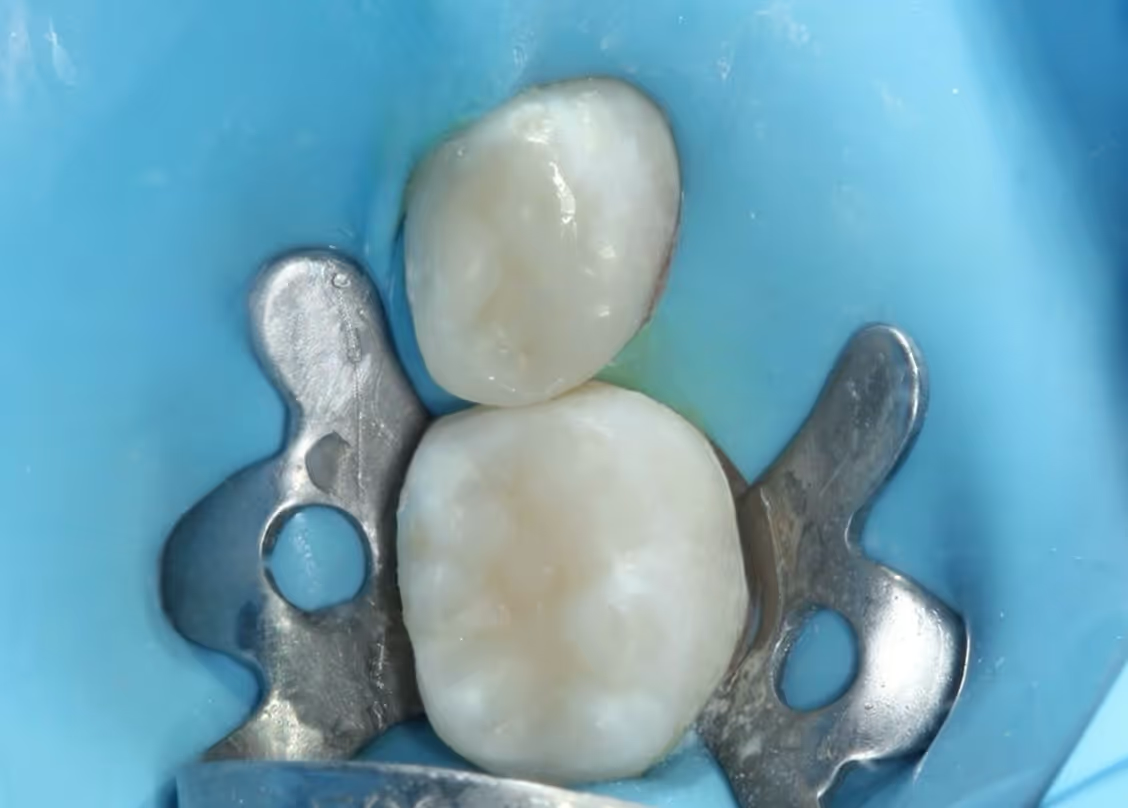
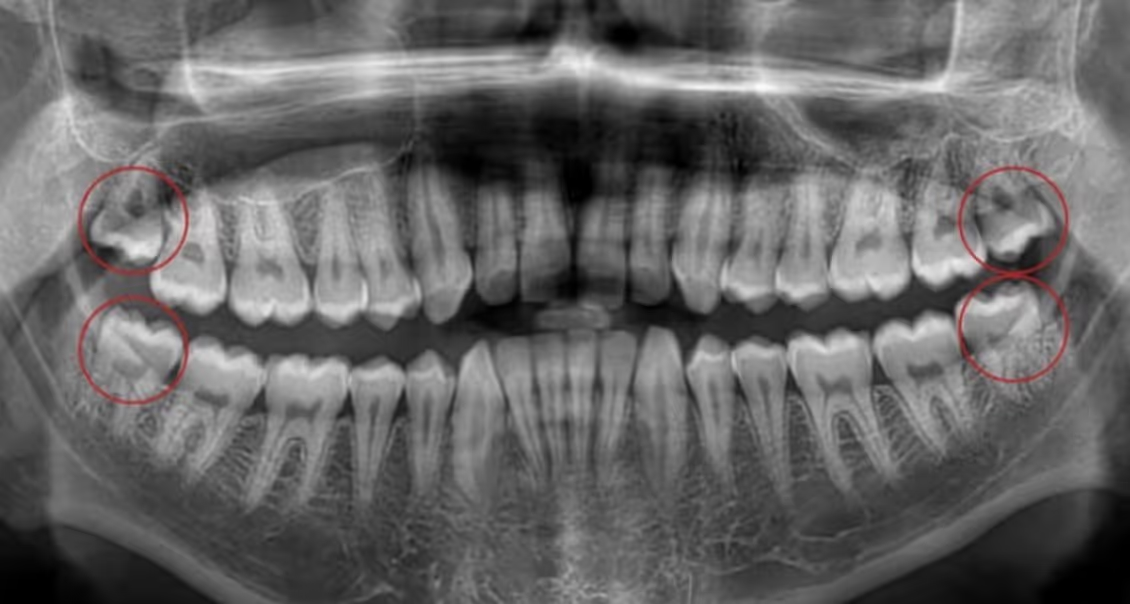
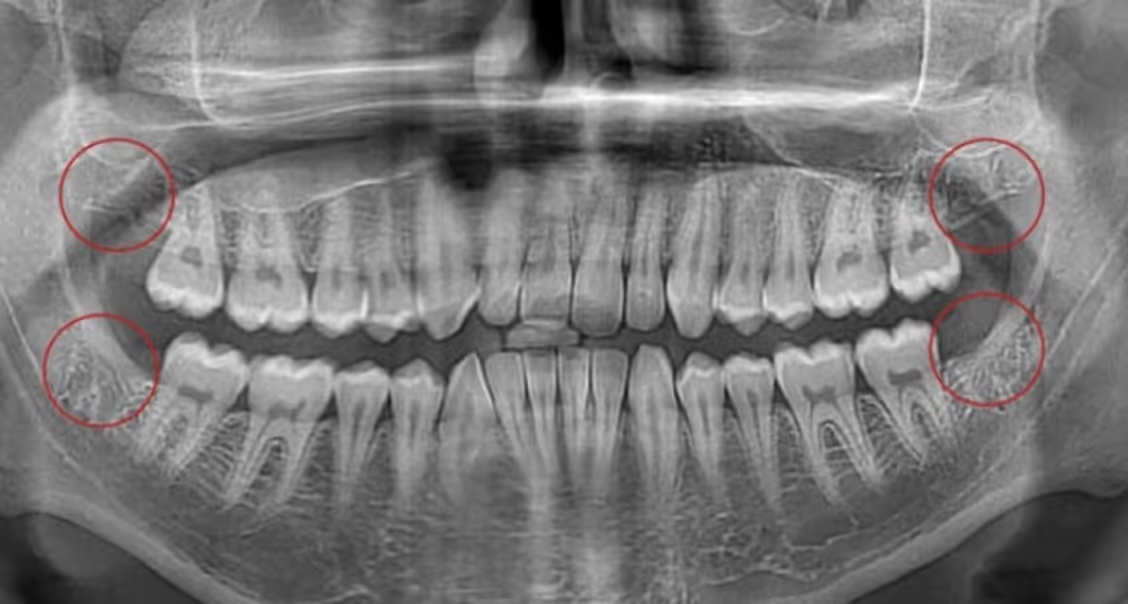
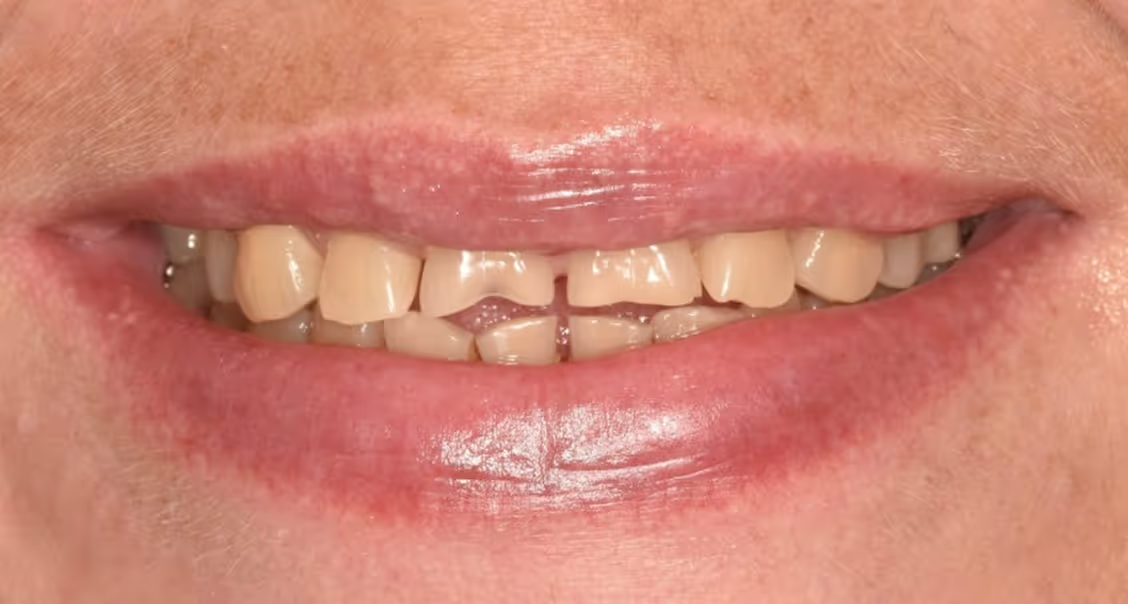
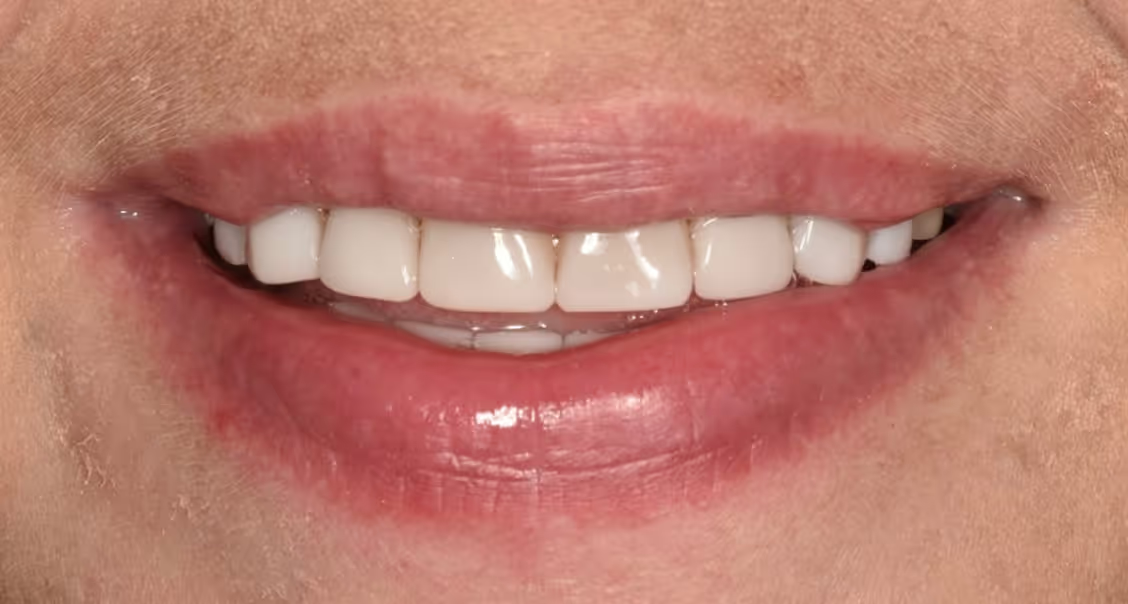
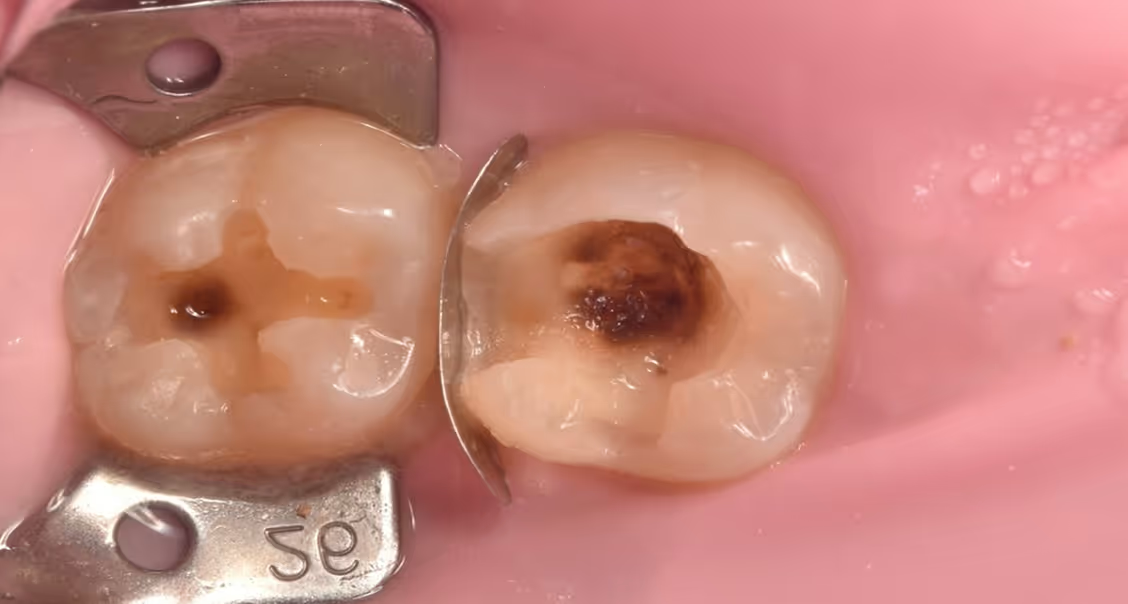
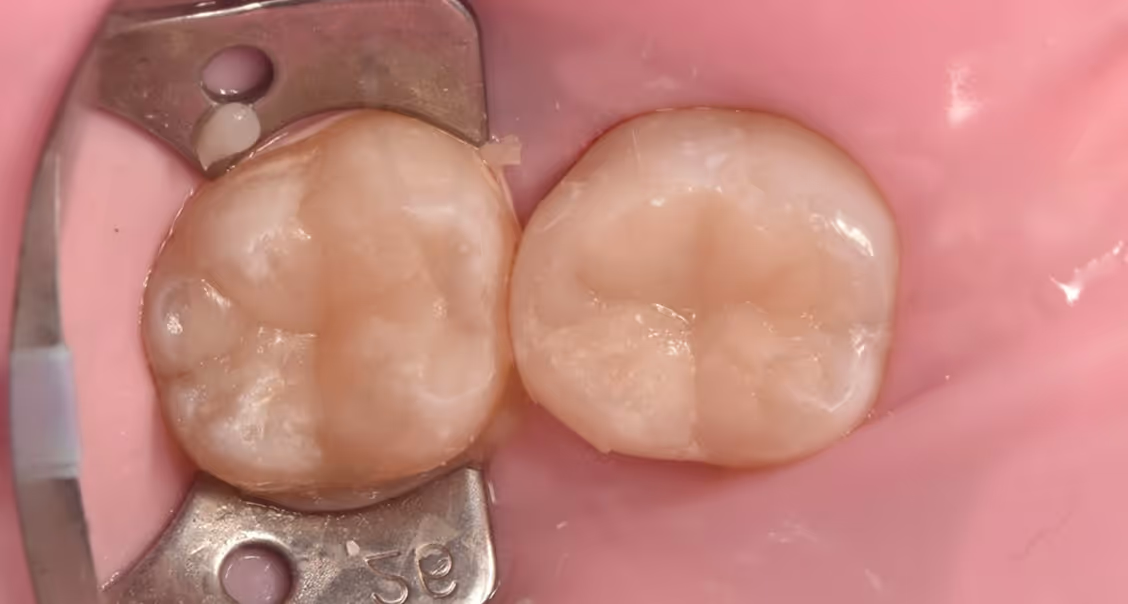
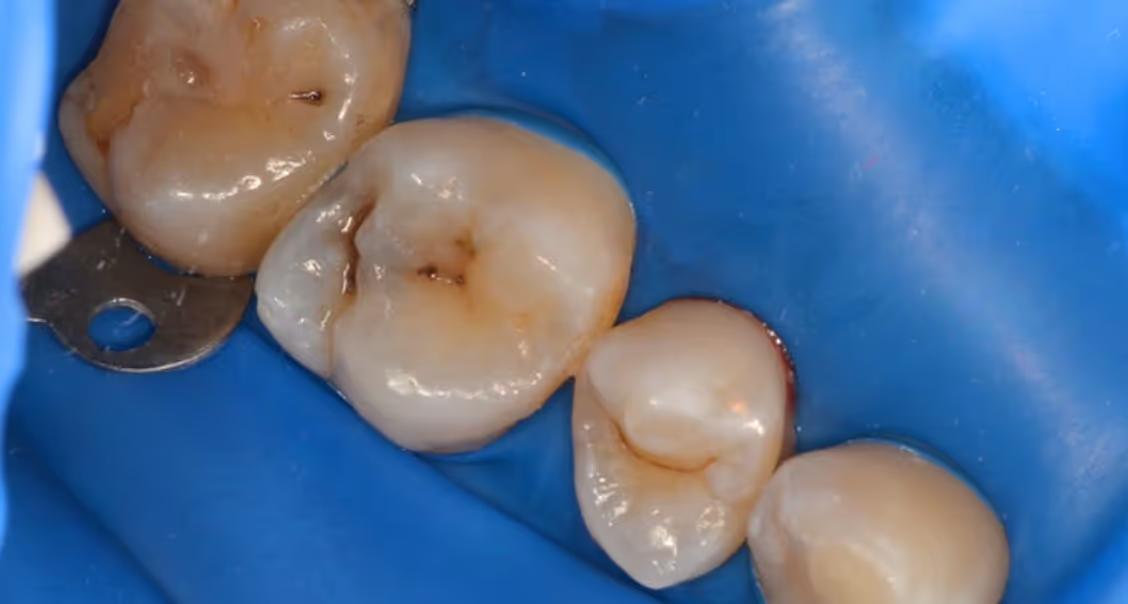
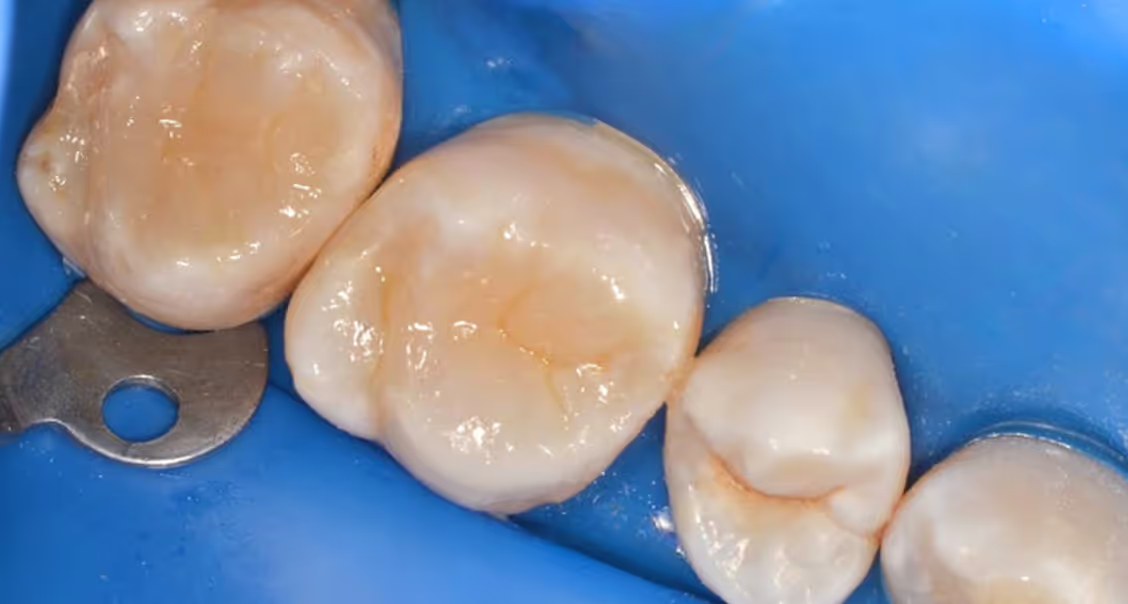
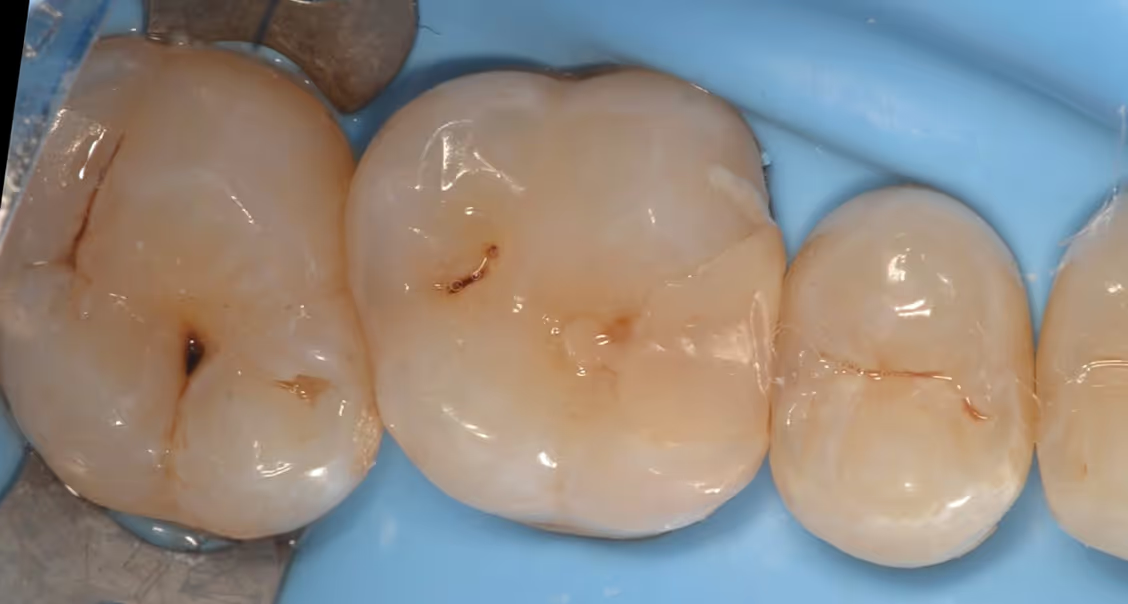
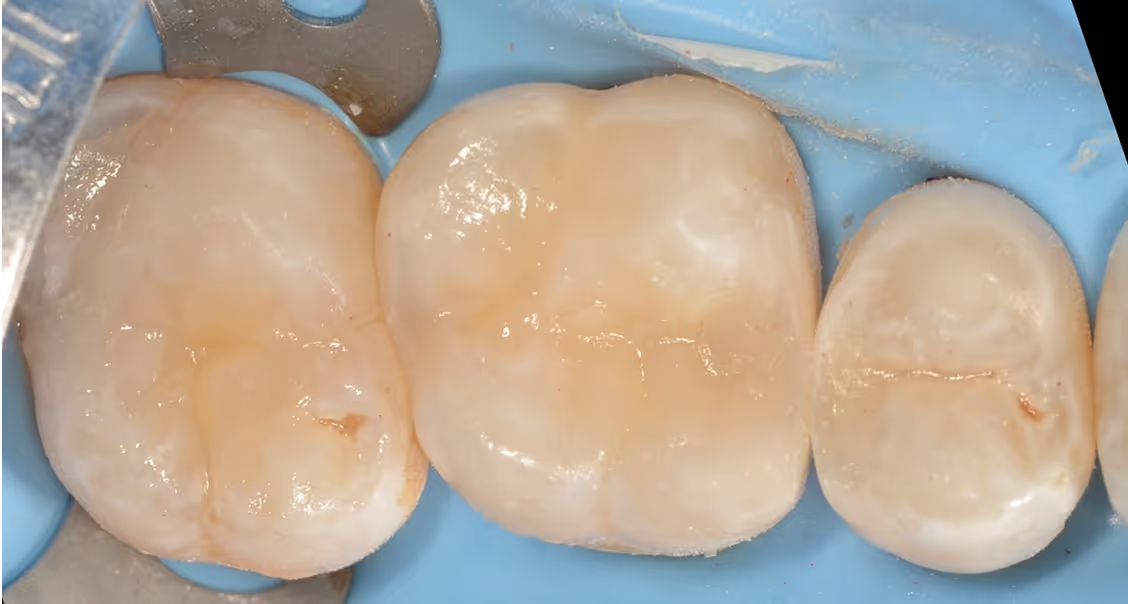
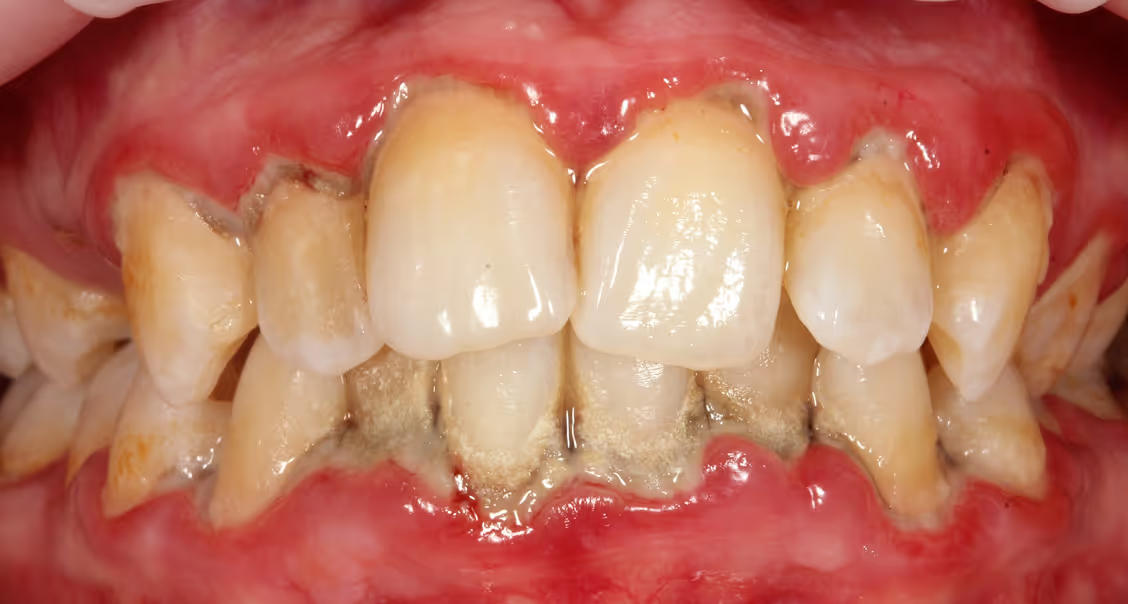
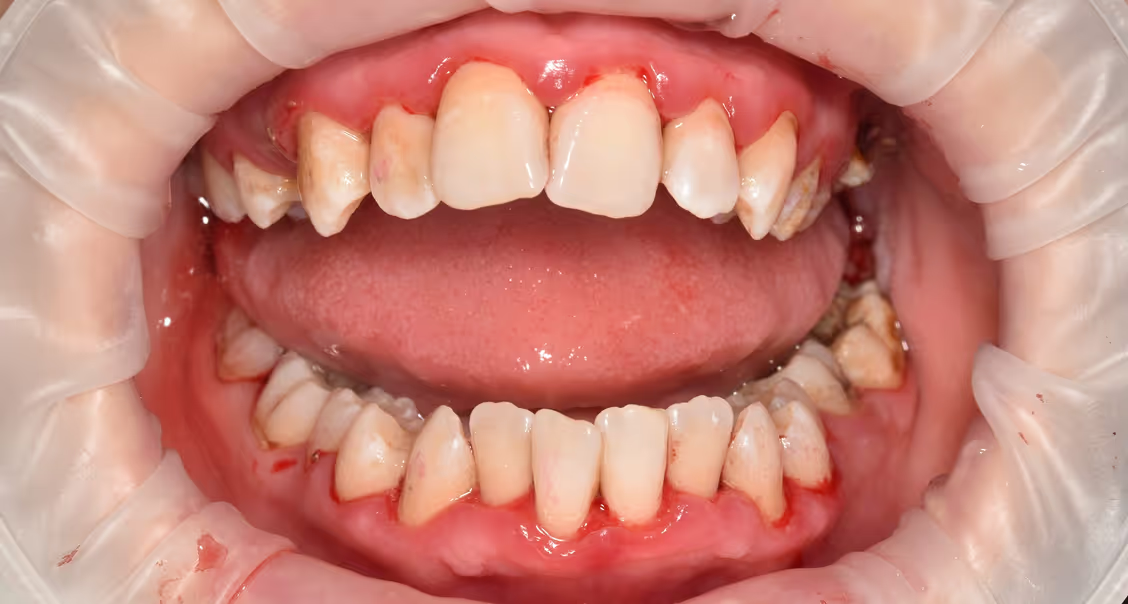
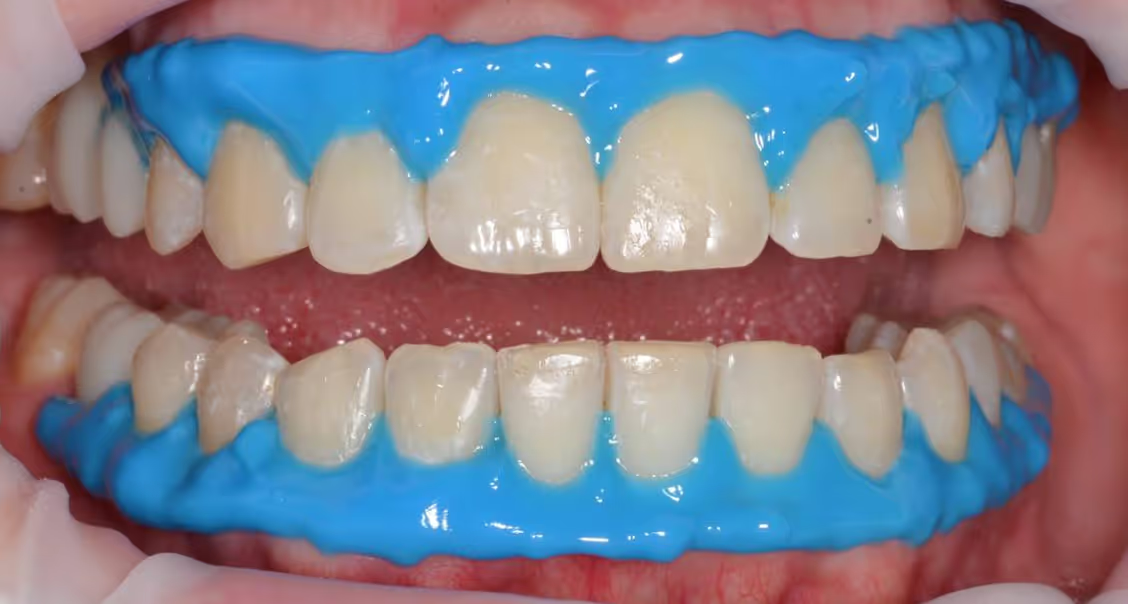
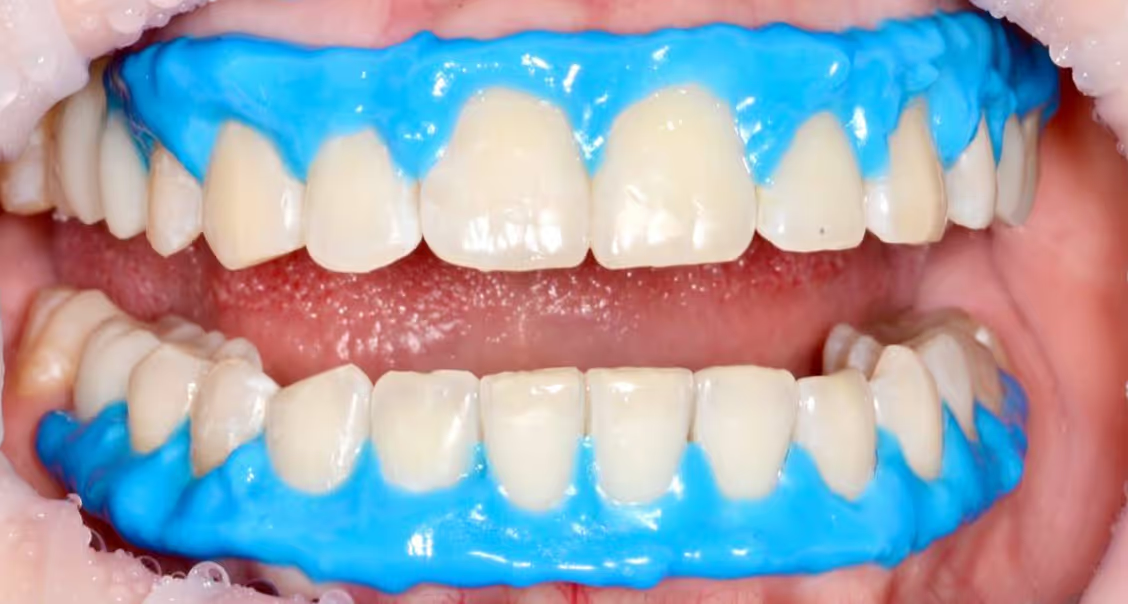
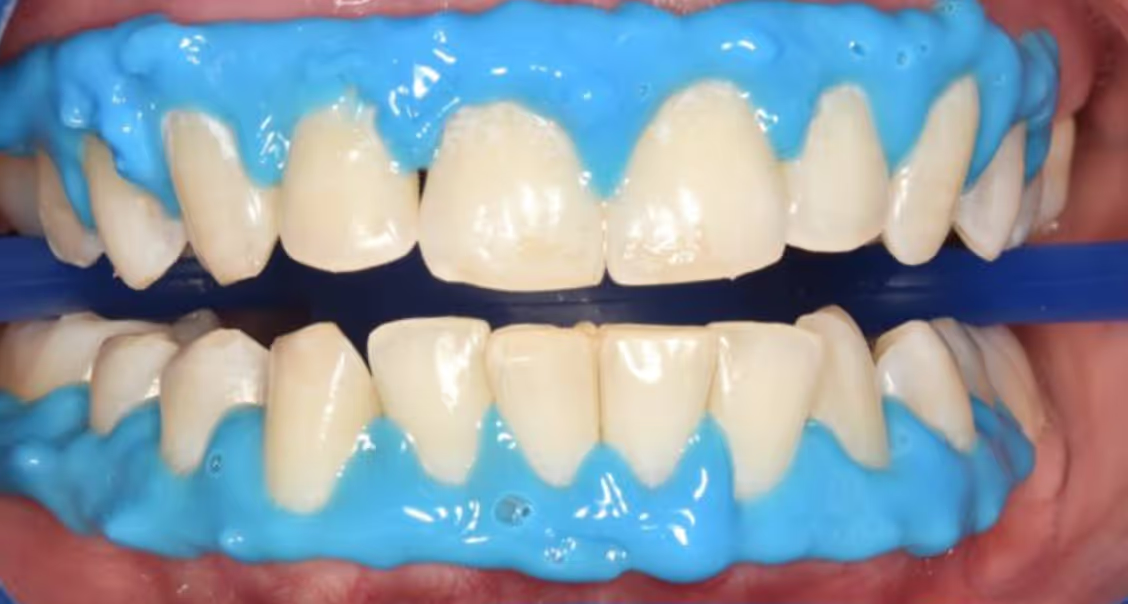
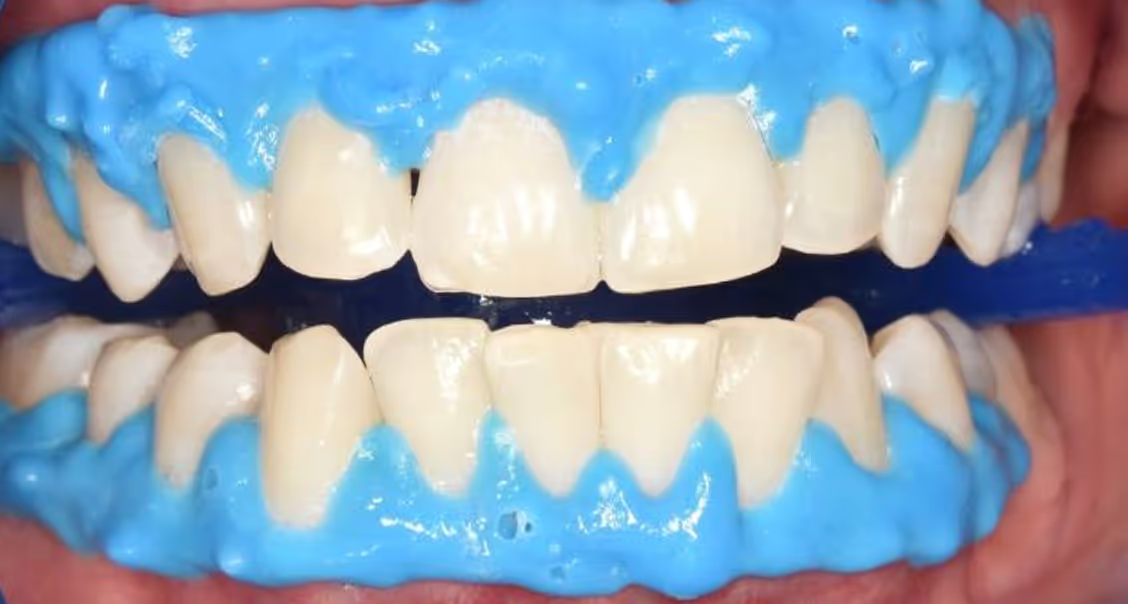
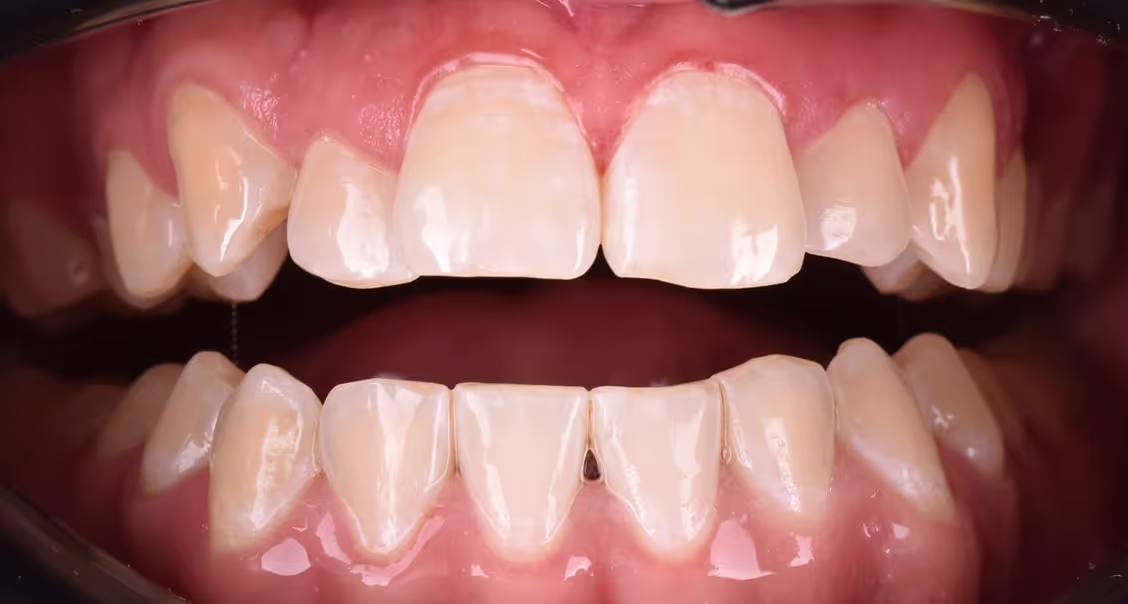
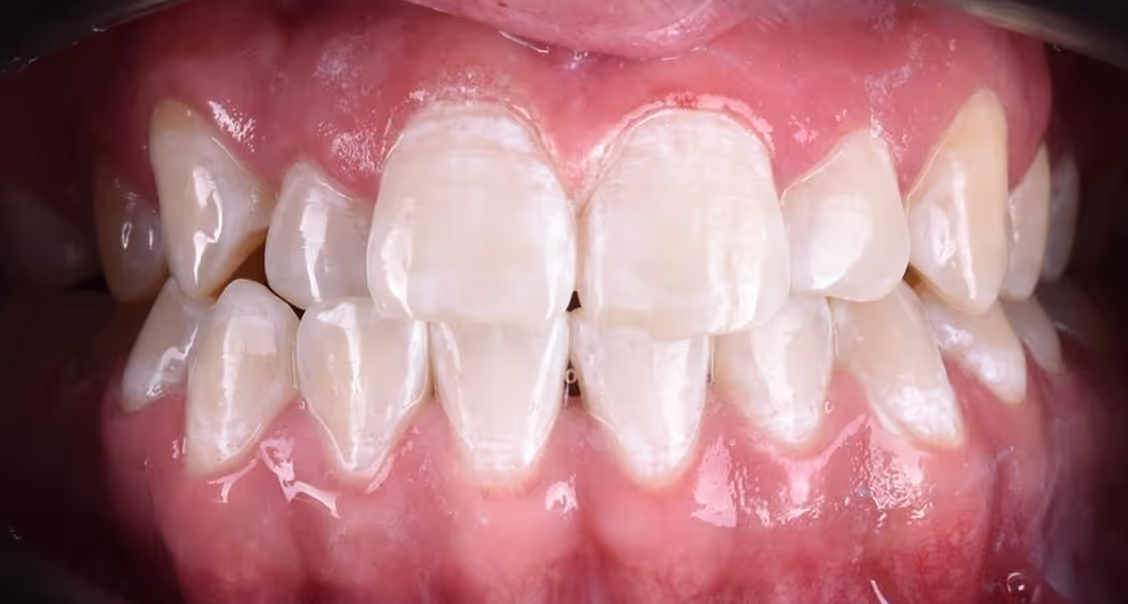
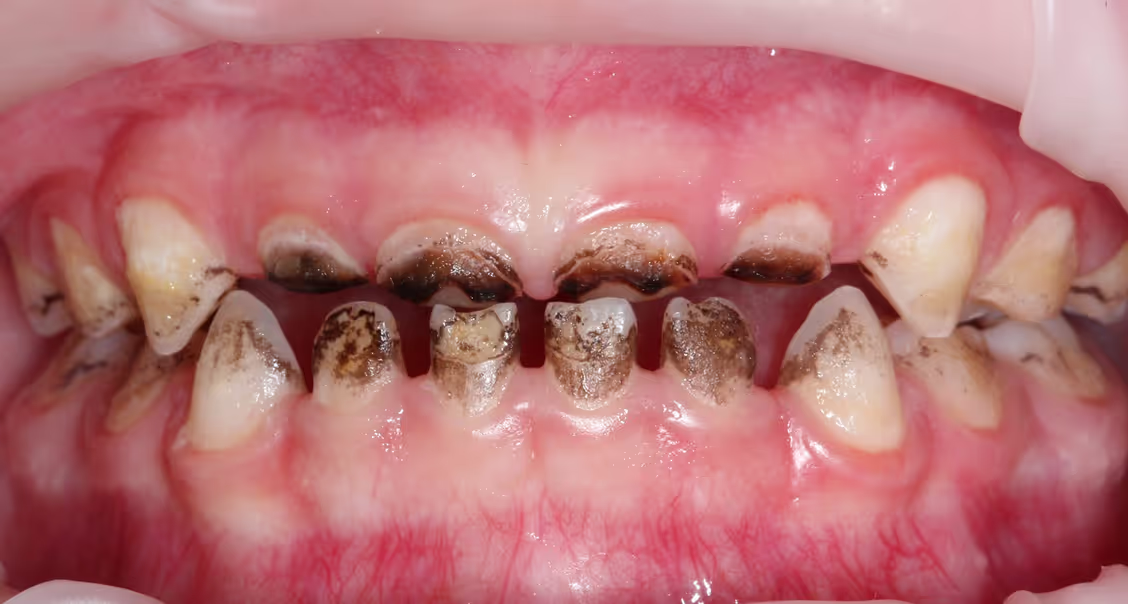
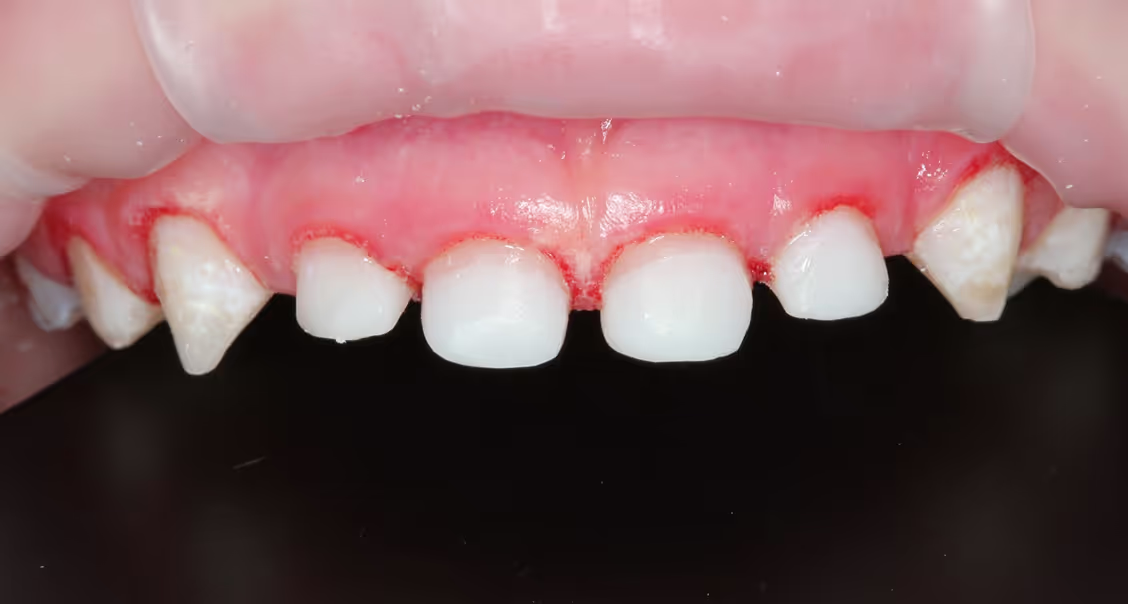
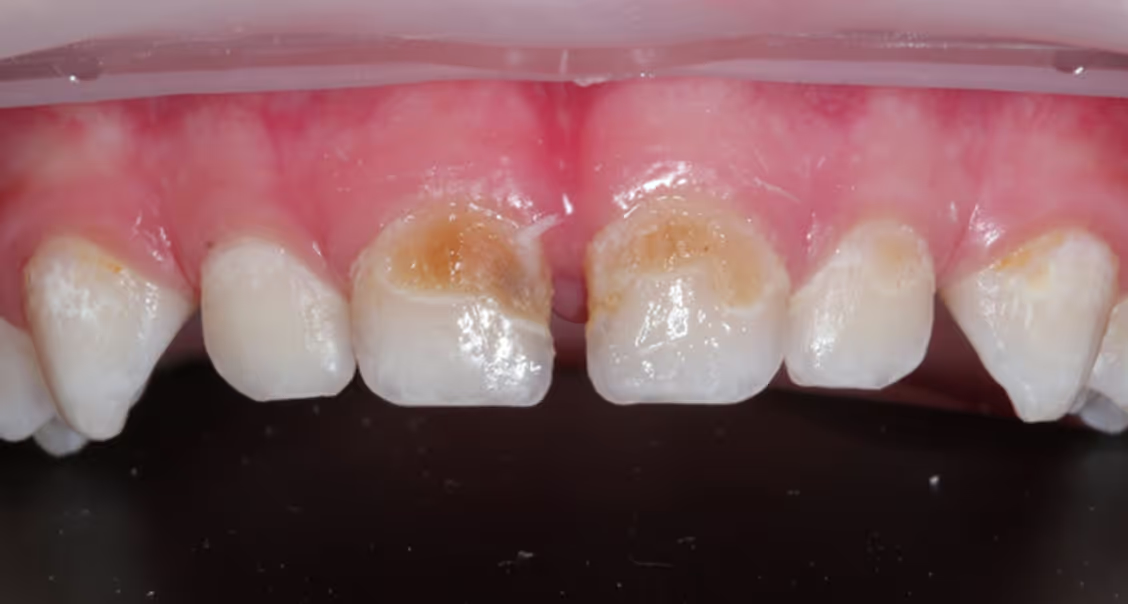
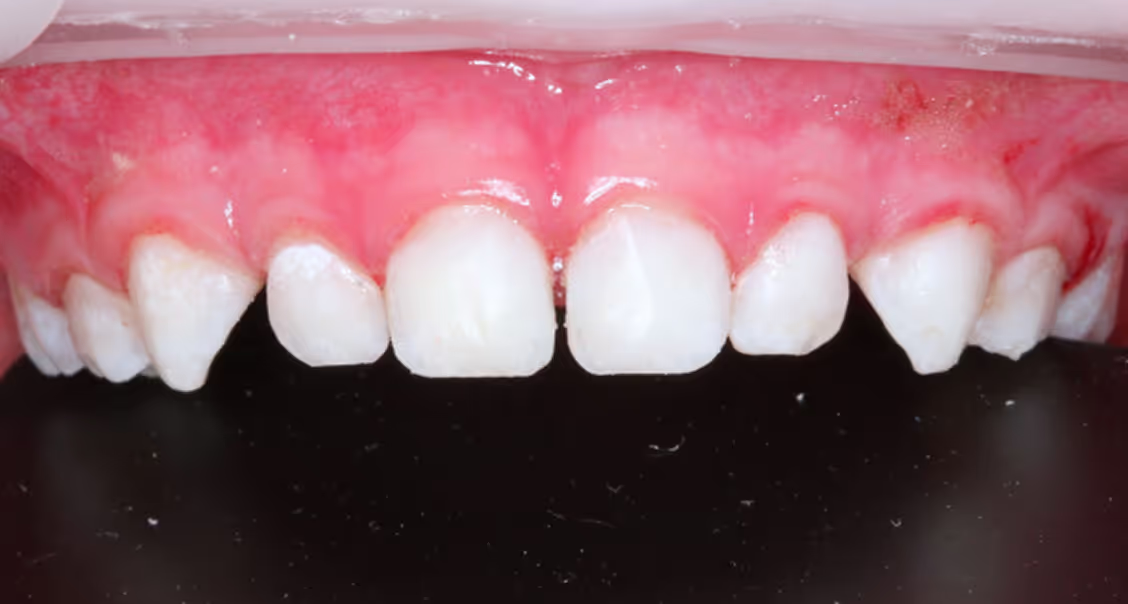
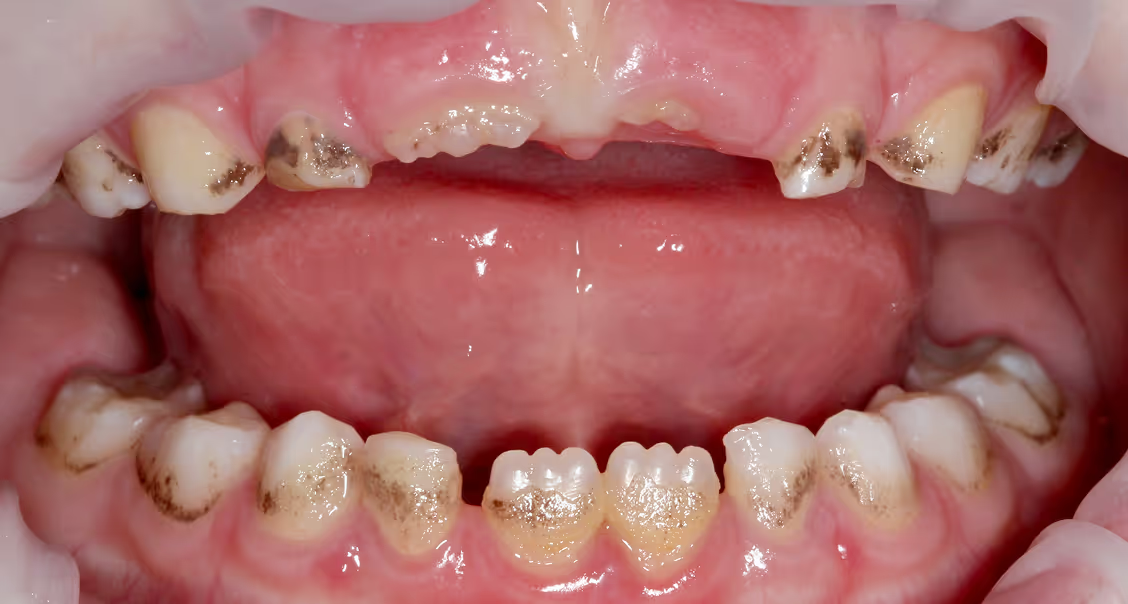
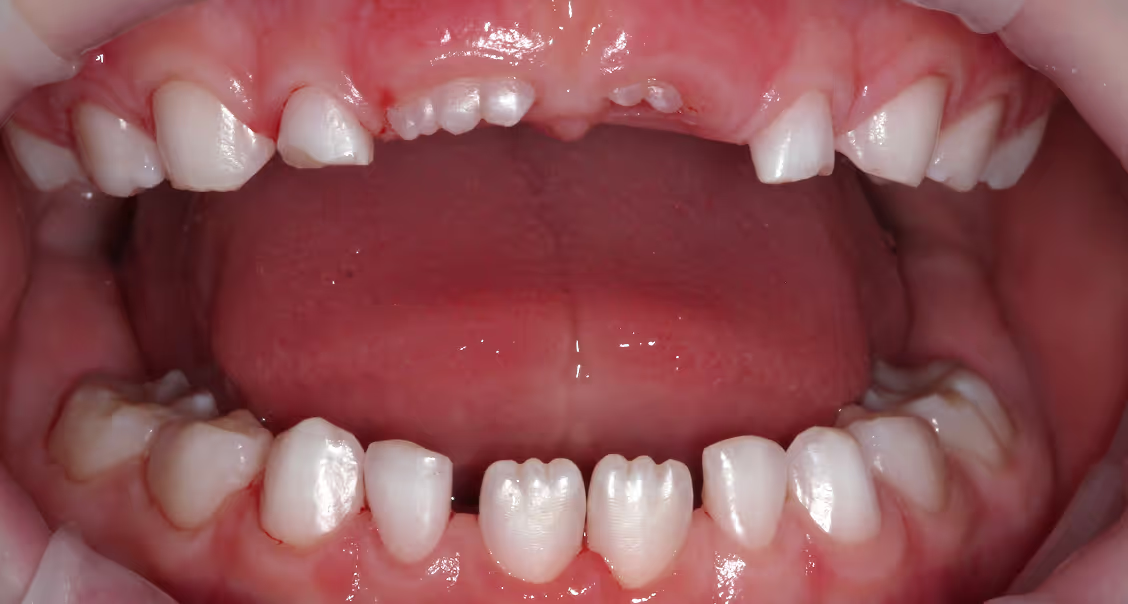
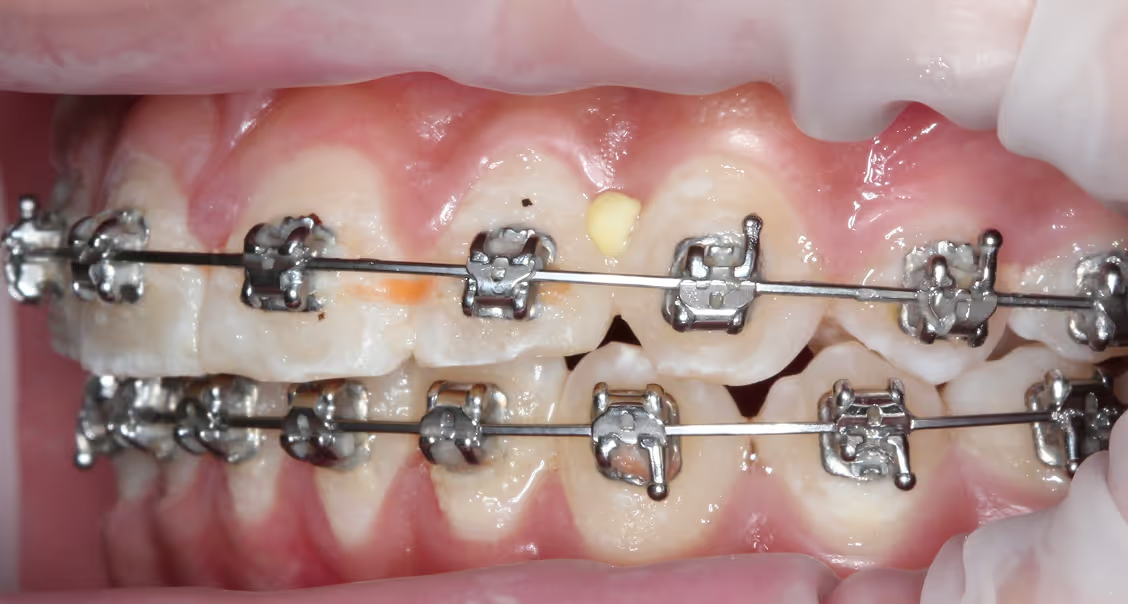
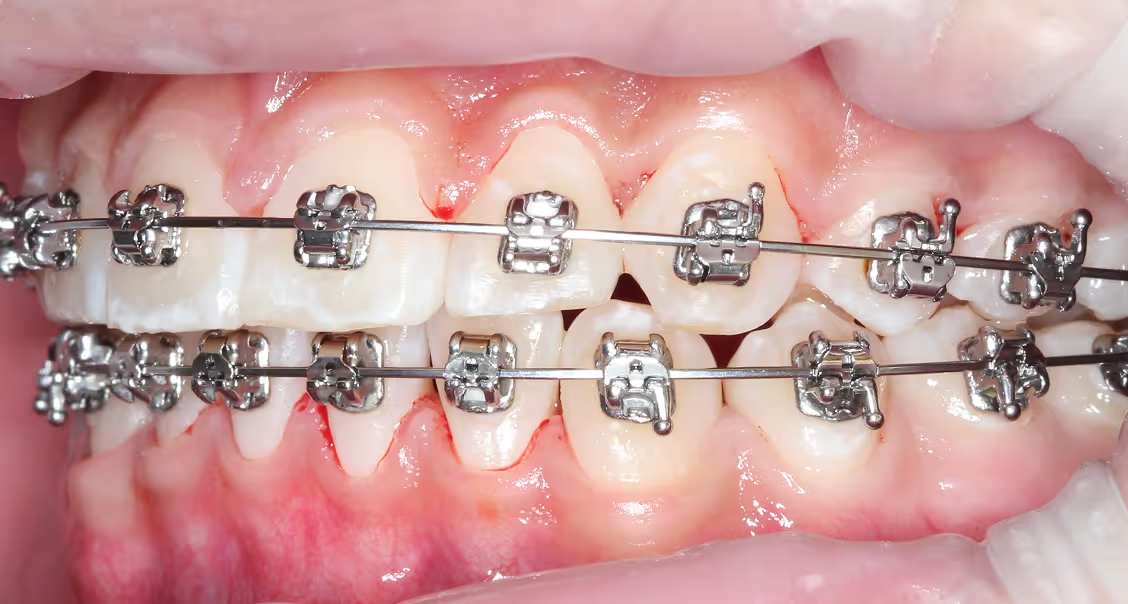
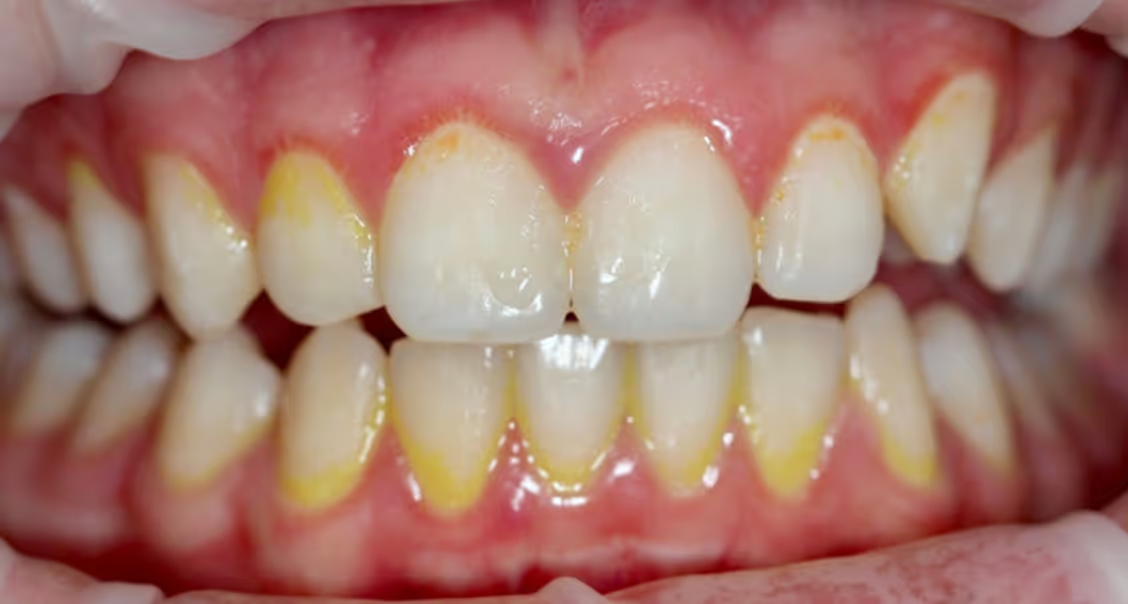
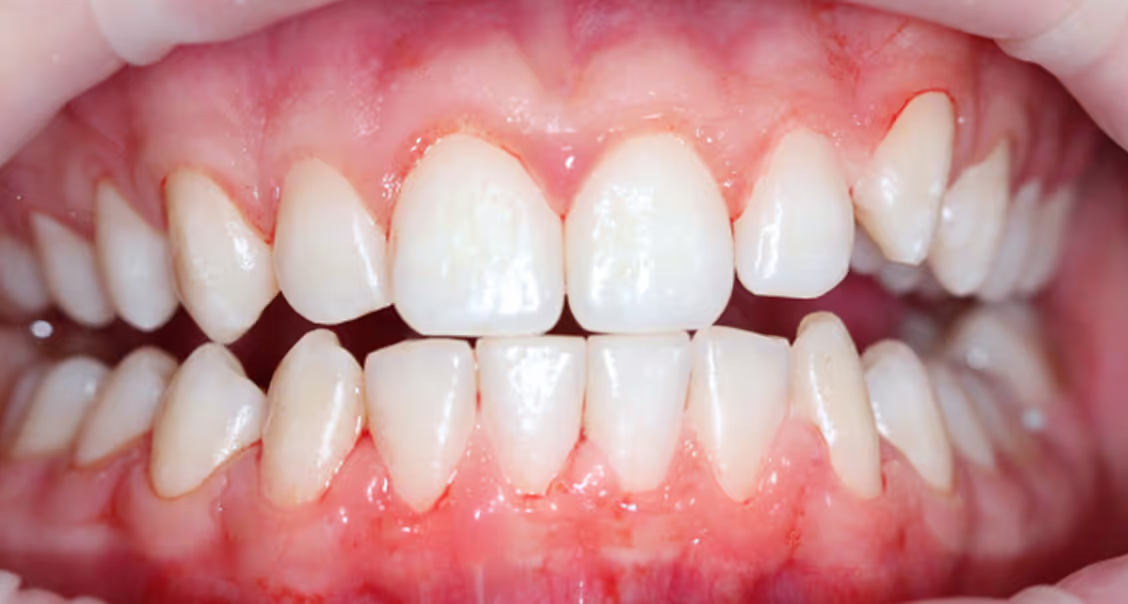
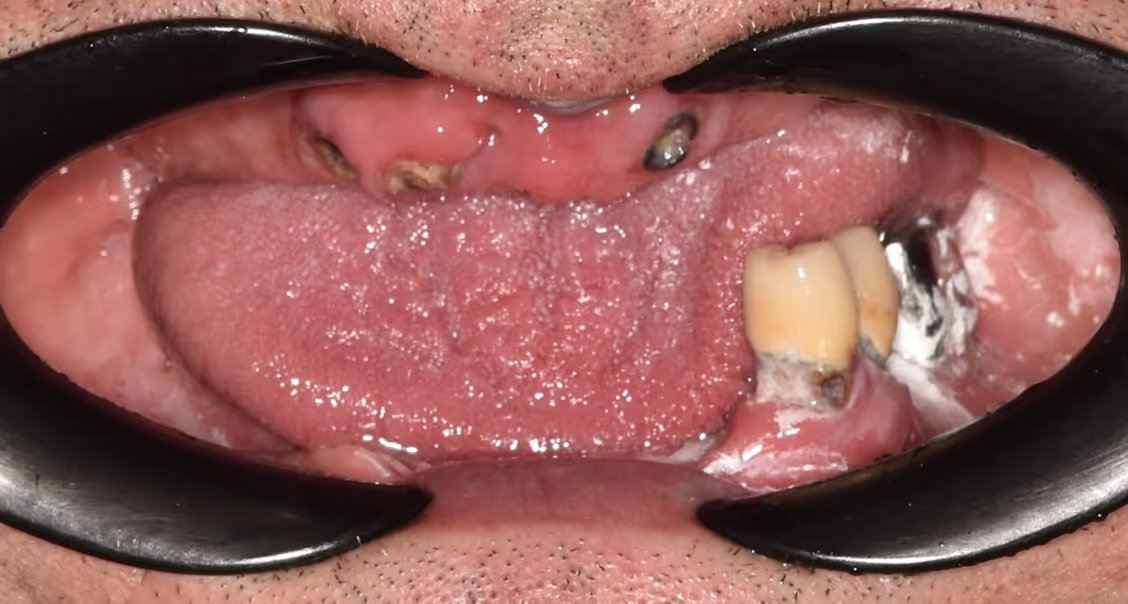
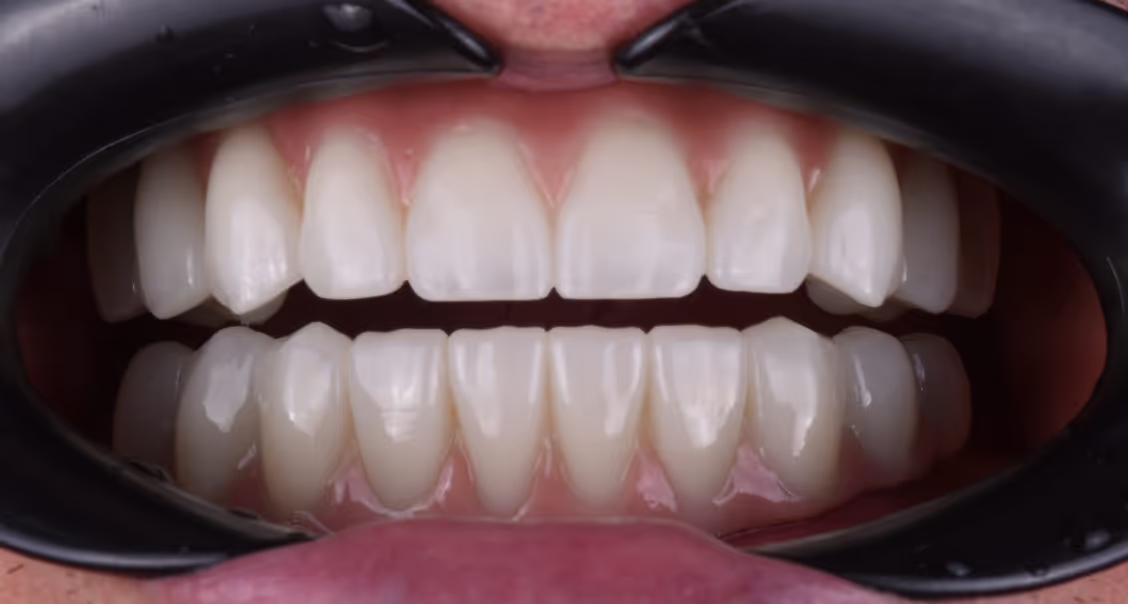
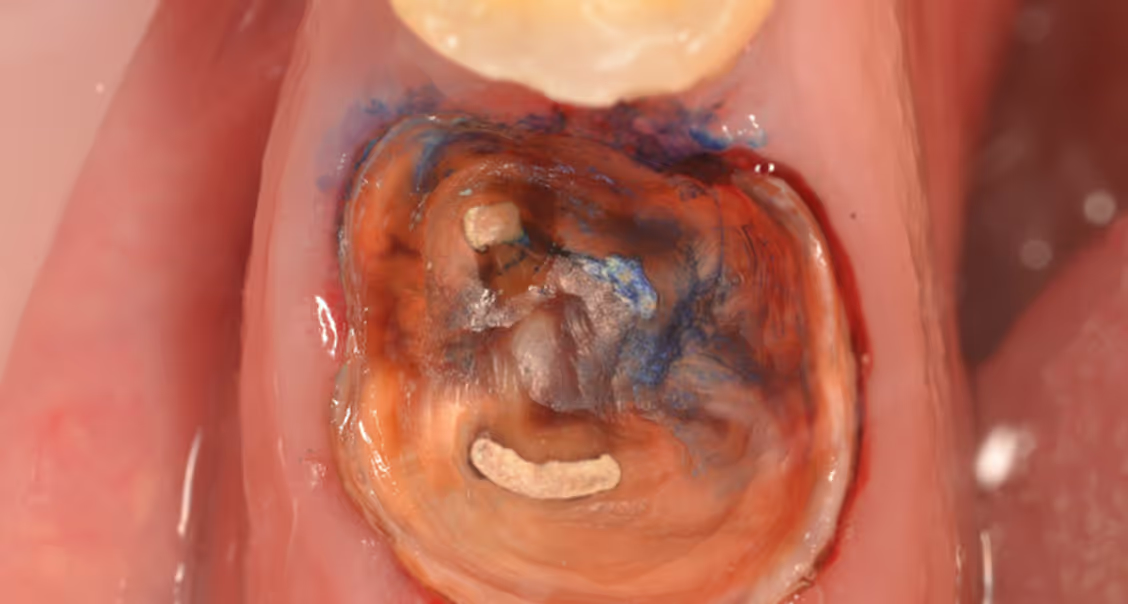
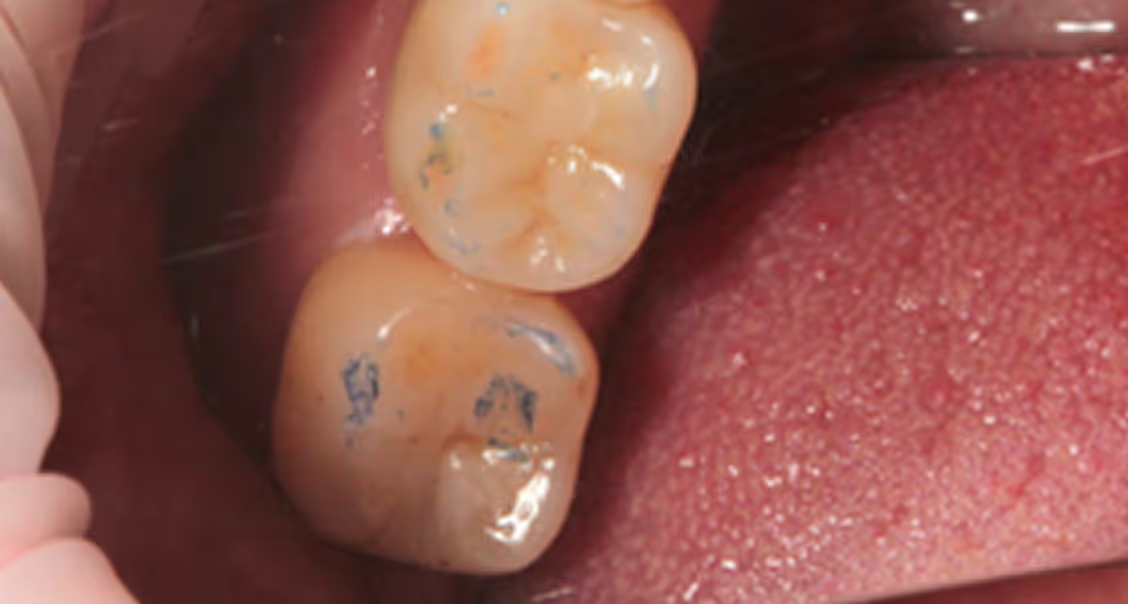
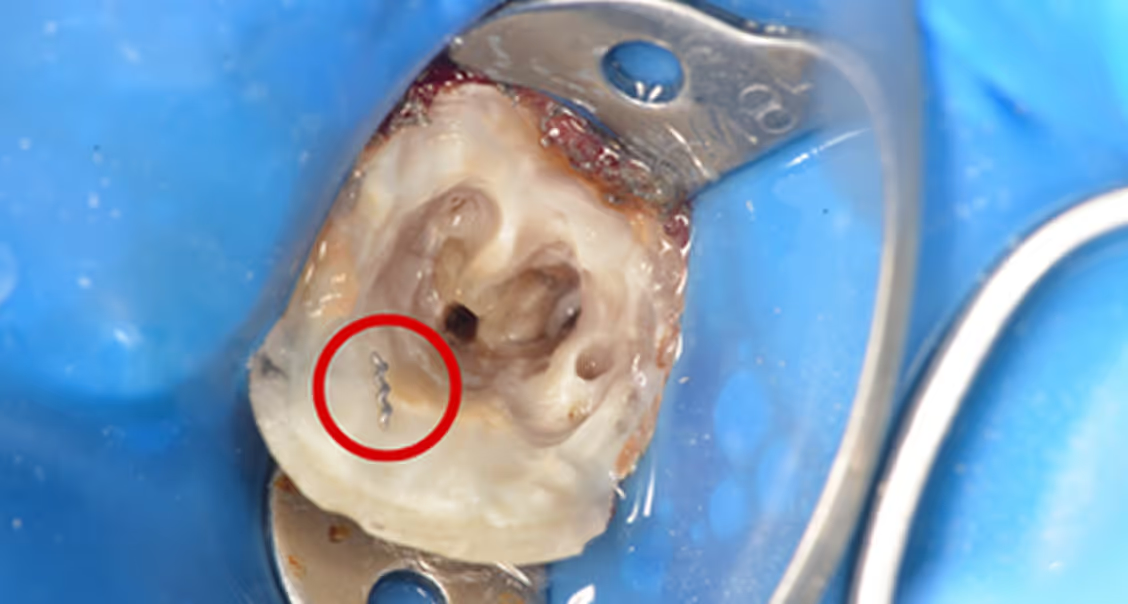
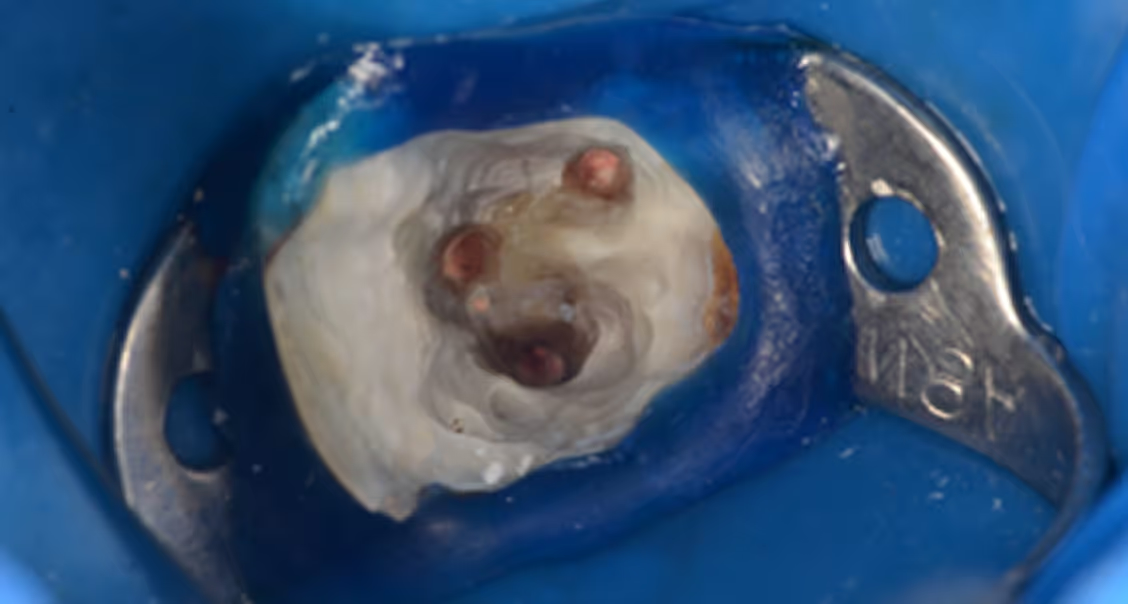
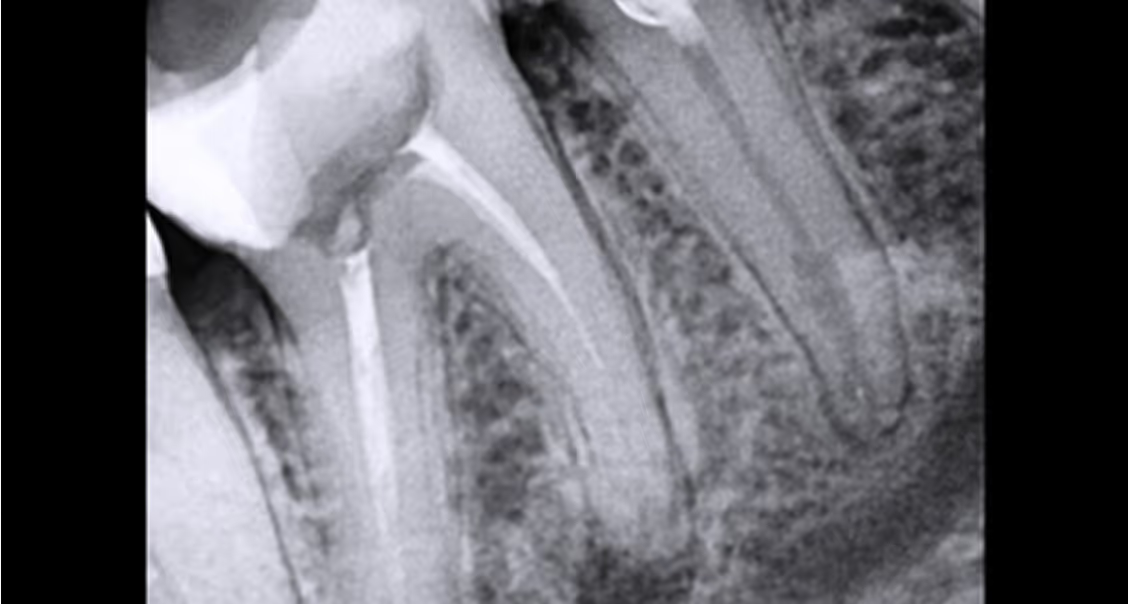
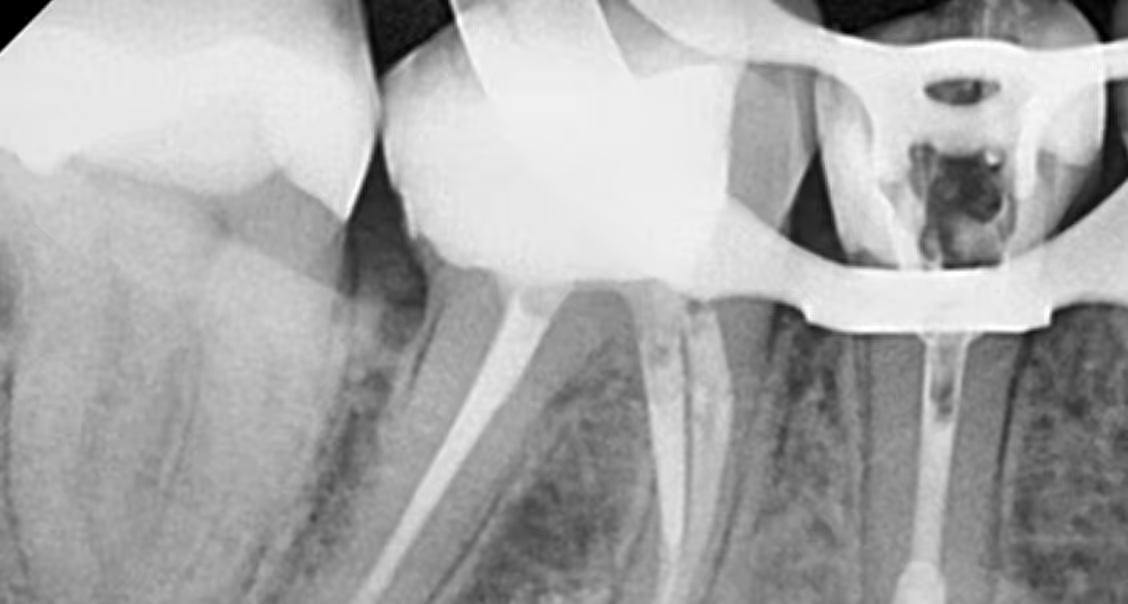
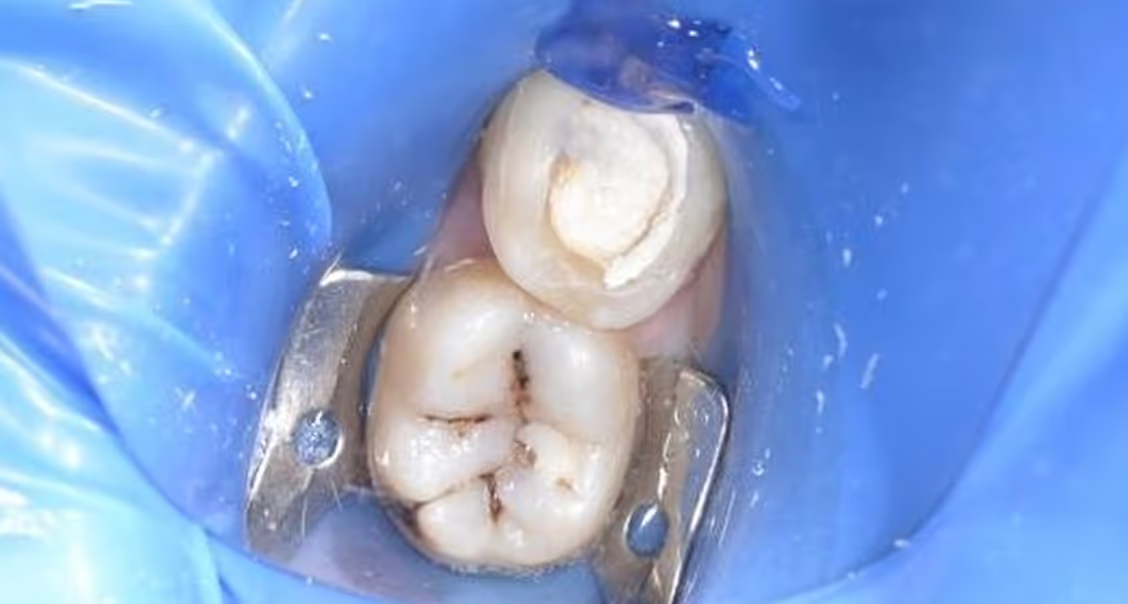
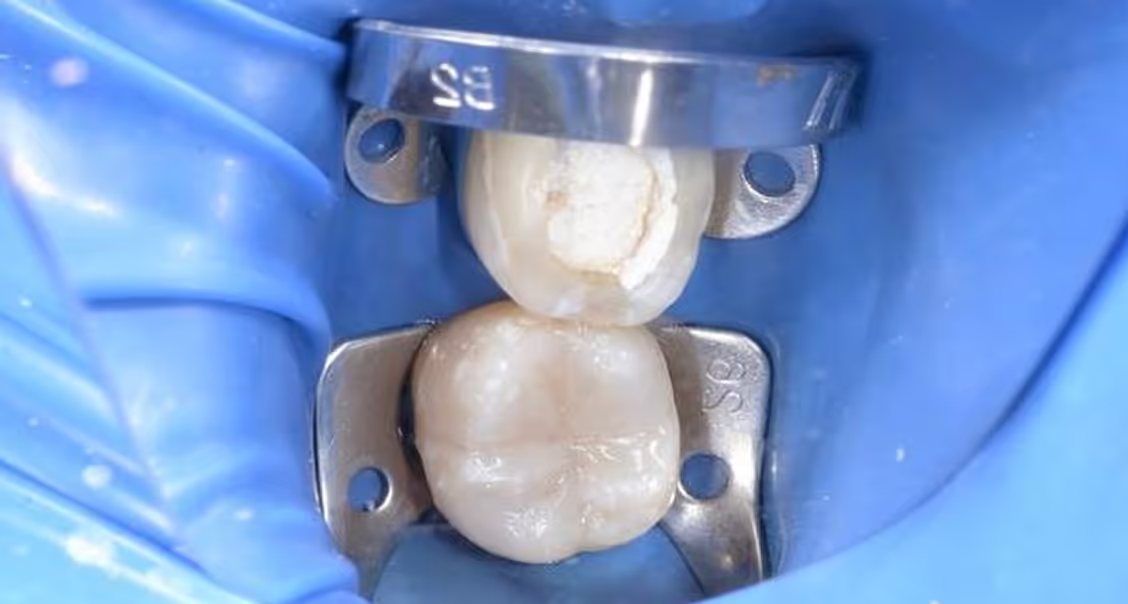
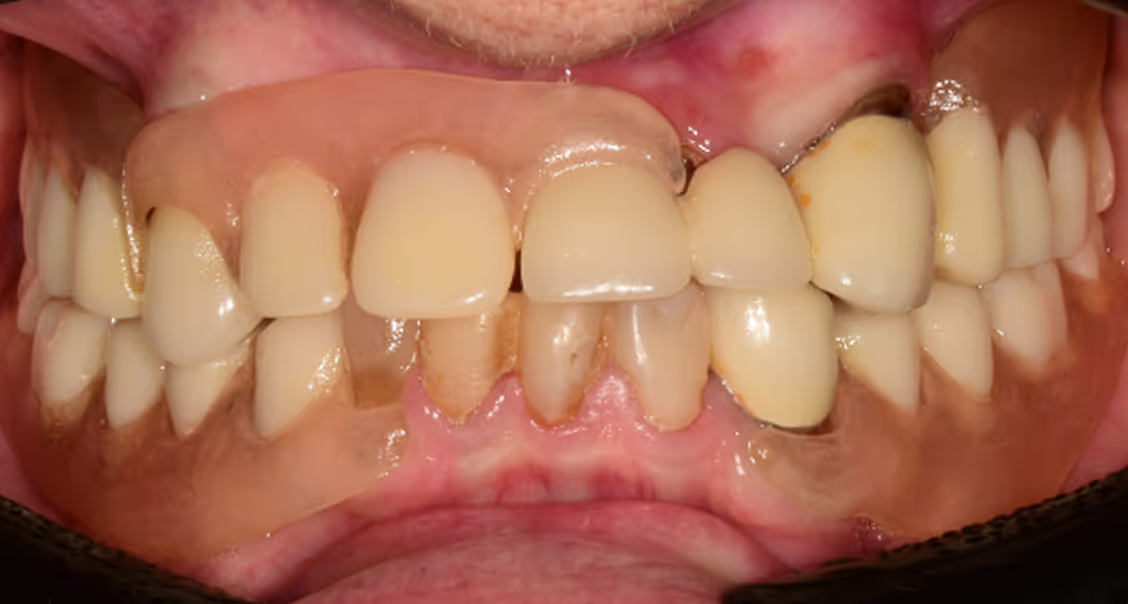
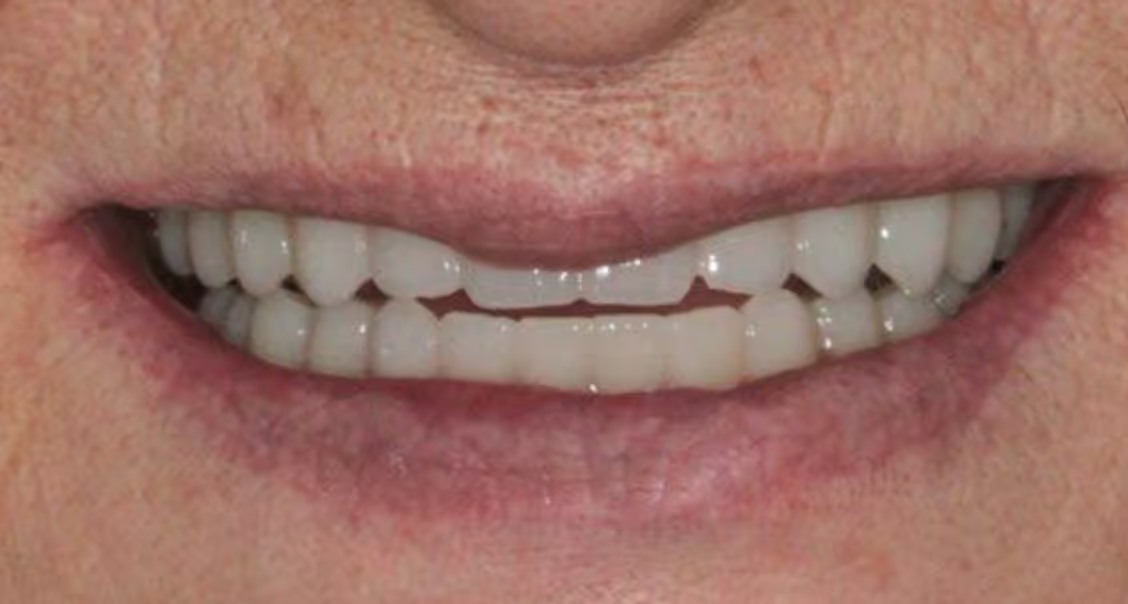
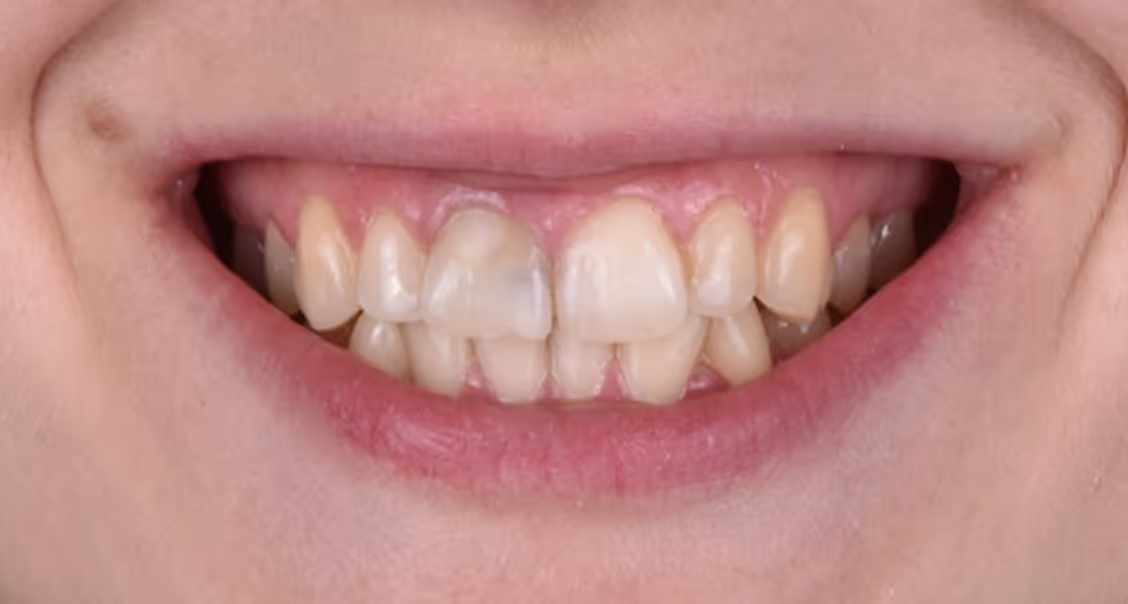
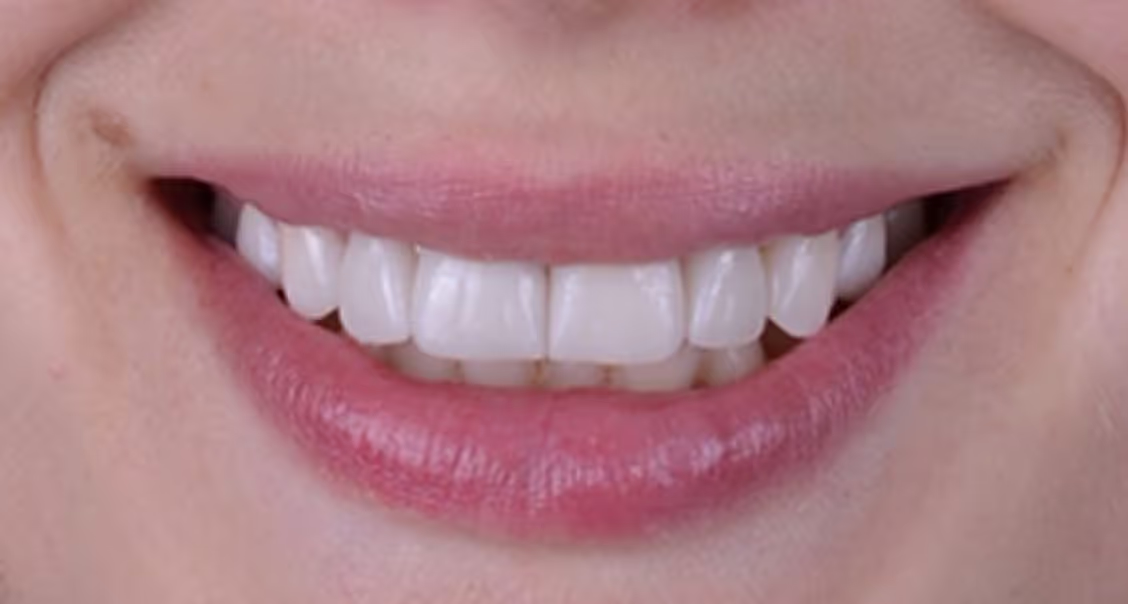
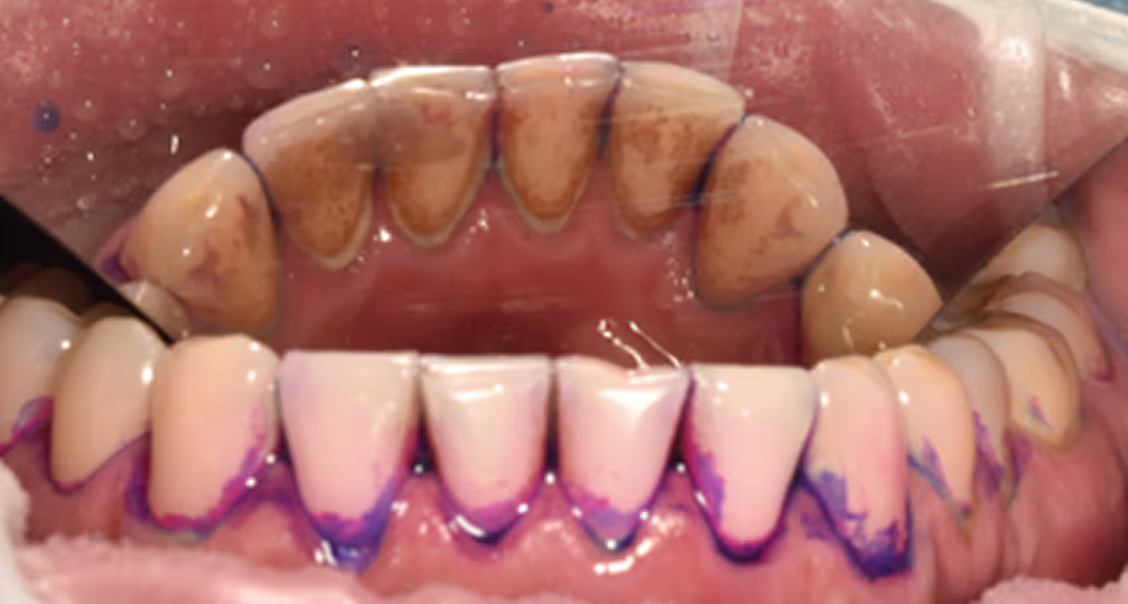
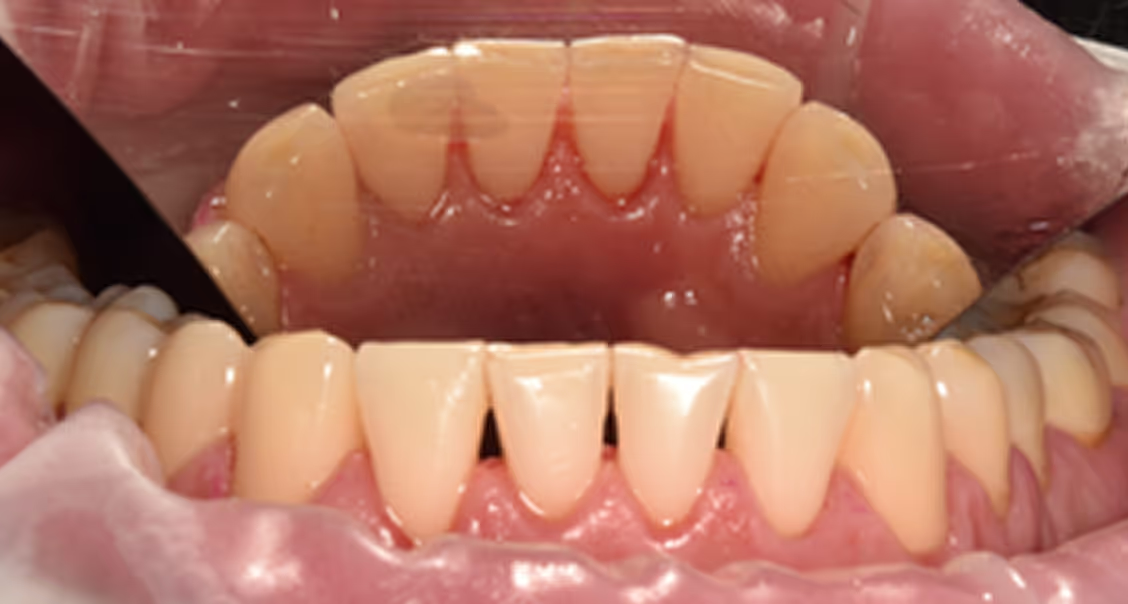
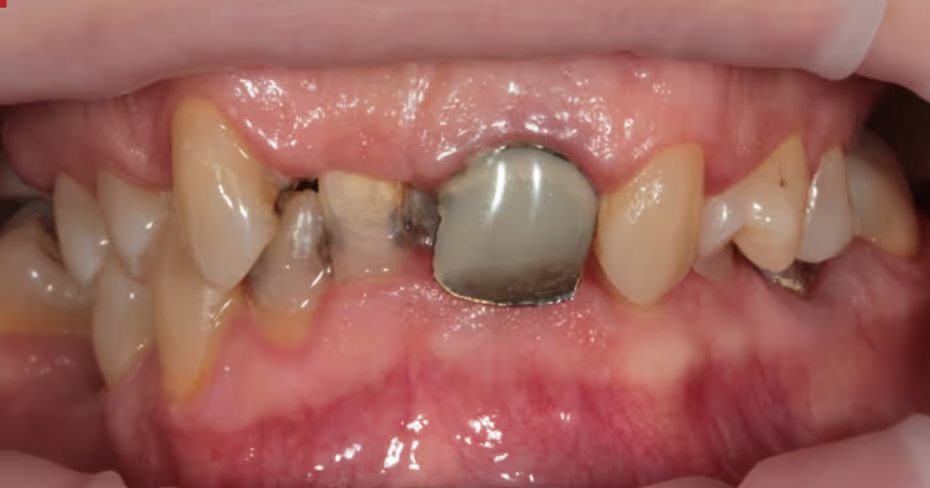
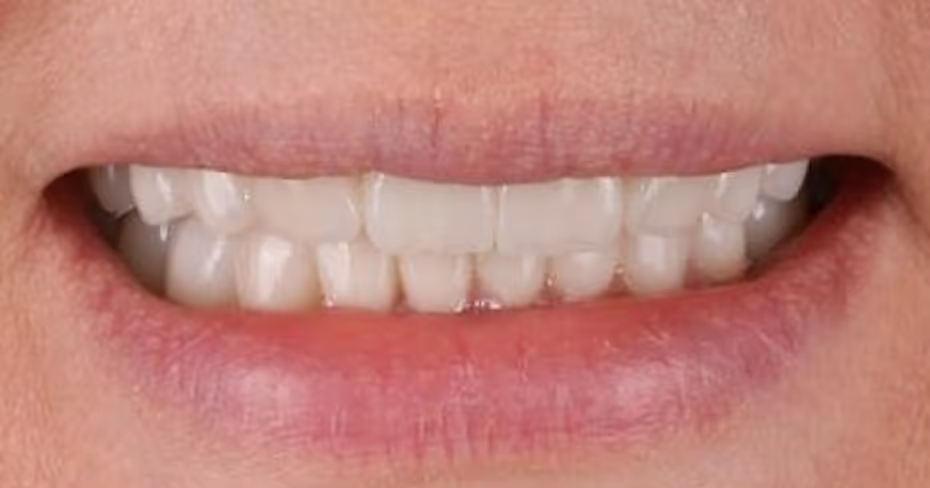
The results of prosthetic treatment are best shown by real patient cases — from restoring a single tooth to comprehensive bite reconstruction.
Why choose prosthodontics at MistoDent Krakow?
We see prosthetic treatment not only as replacing missing teeth, but as restoring their function, aesthetics and correct bite.
- Individual treatment planning — we choose the type of restoration to suit the clinical situation.
- A range of prosthetic solutions — crowns, bridges, dentures, inlays, onlays, endocrowns and implant restorations.
- We take the bite into account — especially in extensive reconstructions and tooth wear.
- We use digital technologies and CAD/CAM in planning and making selected restorations.
- Aesthetics combined with function — a restoration should look natural and work properly.
- Comprehensive care — in more complex cases, the prosthodontist works with dentists of other specialties.
MistoDent Krakow, ul. Grzegórzecka 20A
How much does prosthetic treatment cost in Krakow?
The price depends on the type of restoration, the material used and the scope of treatment. The exact cost is determined after a consultation and an individual treatment plan.
FAQ
Answers provided by
Dr. Kateryna Zadereshchenko
What is prosthetic dentistry?
Prosthetic dentistry deals with restoring damaged and lost teeth and replacing missing teeth. It uses crowns, bridges and various types of dentures, among others.
What does a prosthodontist do?
A prosthodontist diagnoses and plans the restoration of teeth and the bite, choosing suitable prosthetic restorations for the condition of the teeth and the patient's needs.
What types of dentures are there?
Options include acrylic, polyamide, skeletal, clasp-free, partial and complete dentures, as well as implant-supported structures.
What is the difference between a zirconia crown and a porcelain-fused-to-metal crown?
A porcelain-fused-to-metal crown has a metal framework covered with porcelain. In a zirconia crown, the main structural material is zirconium oxide. The choice depends on, among other things, the tooth's position, aesthetic requirements and the bite.
Bridge or implant?
Both methods can replace a missing tooth, but they differ in how they are supported. A bridge relies on abutments, while an implant replaces the root of the missing tooth and can support a crown.
Can crowns be fitted if I have bruxism?
Yes, but with significant wear or clenching it is important to assess the bite and overload first. The treatment plan may also include a relaxation splint or other measures recommended by the dentist.
How long does prosthetic treatment take?
It depends on the scope of restoration. A single crown and a comprehensive reconstruction of many teeth involve a different course and number of treatment stages.

Medical verification
Content verified by:
Dr. Kateryna Zadereshchenko
Prosthodontics • Gnathology • Orthodontics
Last updated: 07.10.2026
Book an appointment!
Leave your contact details in the form or message us on your preferred messenger — we'll be happy to answer your questions and help you book a visit.


