


Self-ligating braces in Krakow — a modern orthodontic appliance
Orthodontic treatment with metal or aesthetic self-ligating braces. Individual choice of system and treatment plan at MistoDent Krakow.
Who provides self-ligating braces treatment at MistoDent Krakow?
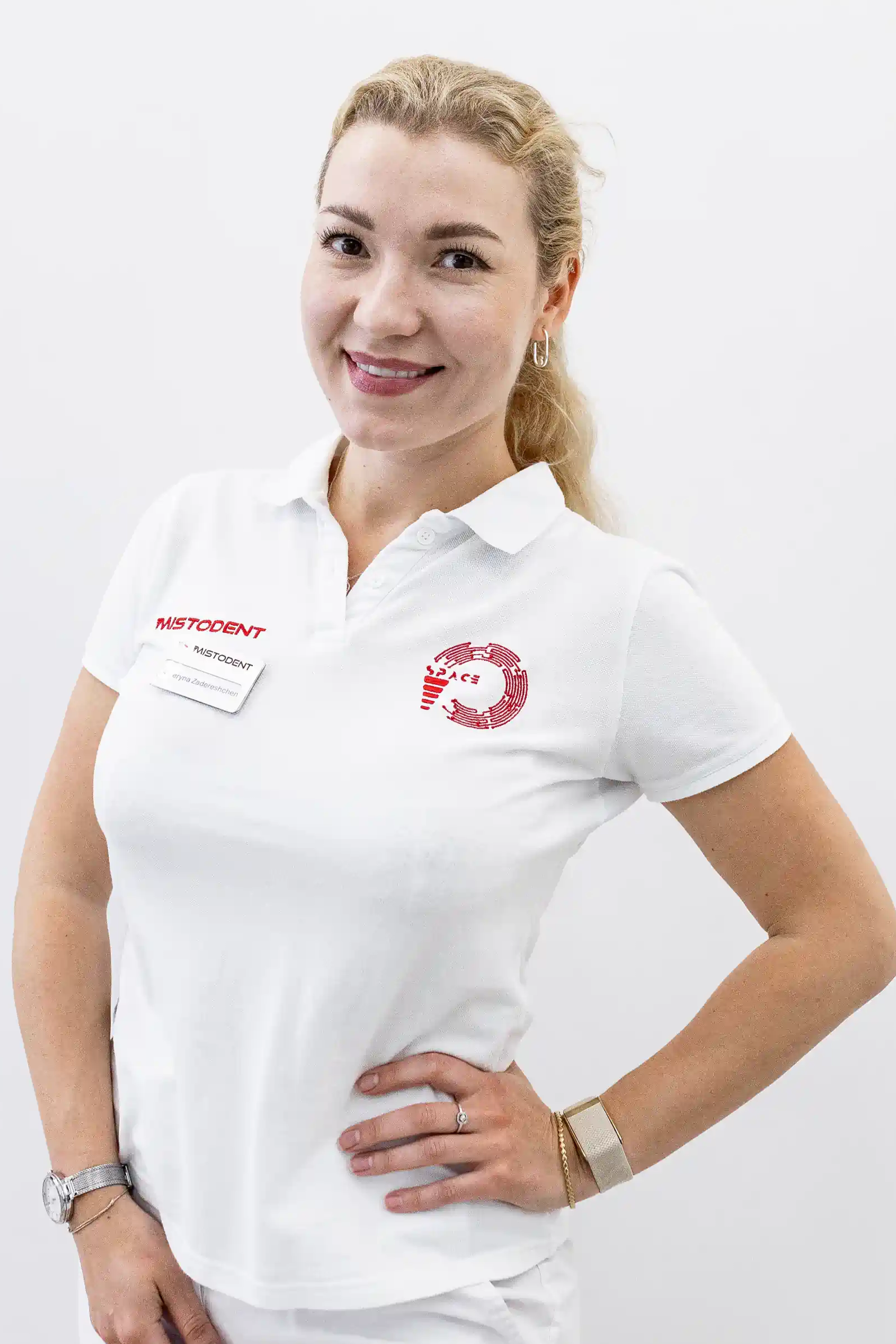
Dr. Kateryna Zadereshchenko — orthodontist, prosthodontist, gnathologist. She provides orthodontic treatment for children and adults, including therapy with fixed and self-ligating braces. She chooses the type of appliance based on diagnostics, the type of malocclusion, the planned tooth movements and the patient's individual needs.
What are self-ligating braces?
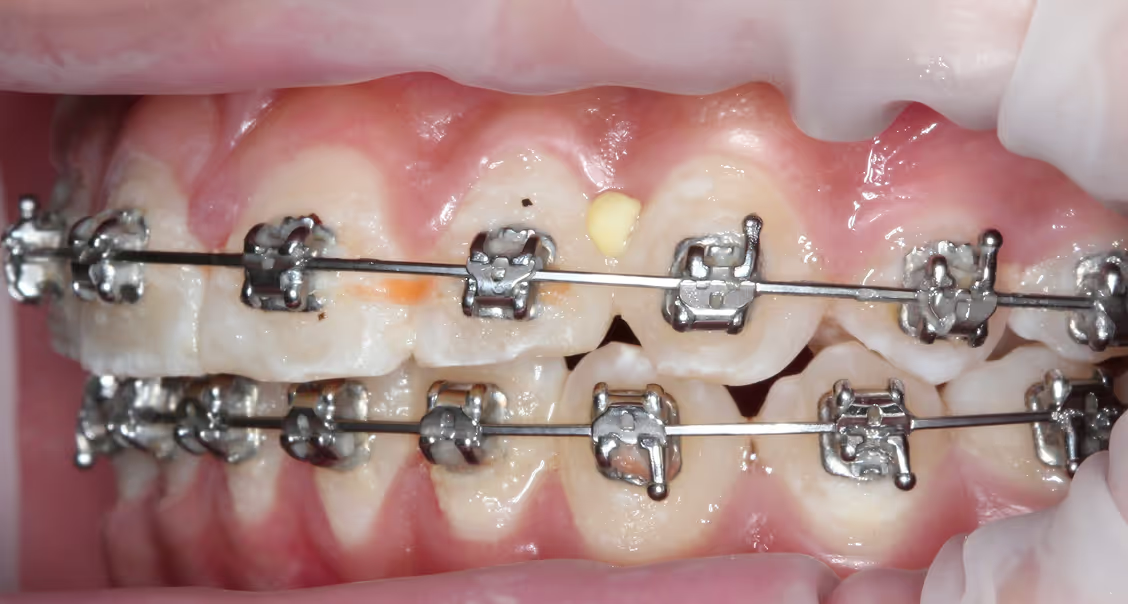
Self-ligating braces are a type of fixed orthodontic appliance in which the brackets have a built-in mechanism that holds the archwire. As a result, they do not need classic ligatures to secure the archwire in the brackets.
Like other fixed braces, self-ligating braces stay on the teeth throughout active treatment and gradually change their position according to the plan prepared by the orthodontist.
At MistoDent Krakow we use metal and aesthetic self-ligating braces, including GC, AO and Damon systems.
However, the type of brackets alone does not determine the success or duration of treatment. What matters most is correct diagnostics, planning of tooth movements and regular orthodontic check-ups.
When should you consider self-ligating braces?
Self-ligating braces can be one of the treatment methods for patients who need a fixed orthodontic appliance.
Depending on the diagnosis, they may be used, among others, in the case of:
- crowded teeth;
- misaligned teeth;
- gaps between teeth;
- selected malocclusions;
- the need to move or align teeth;
- orthodontic treatment in adults;
- cases requiring comprehensive correction of tooth alignment.
This does not mean self-ligating braces will be the best solution for every patient. The choice between classic braces, self-ligating braces and aligners should follow from diagnostics and the treatment plan.
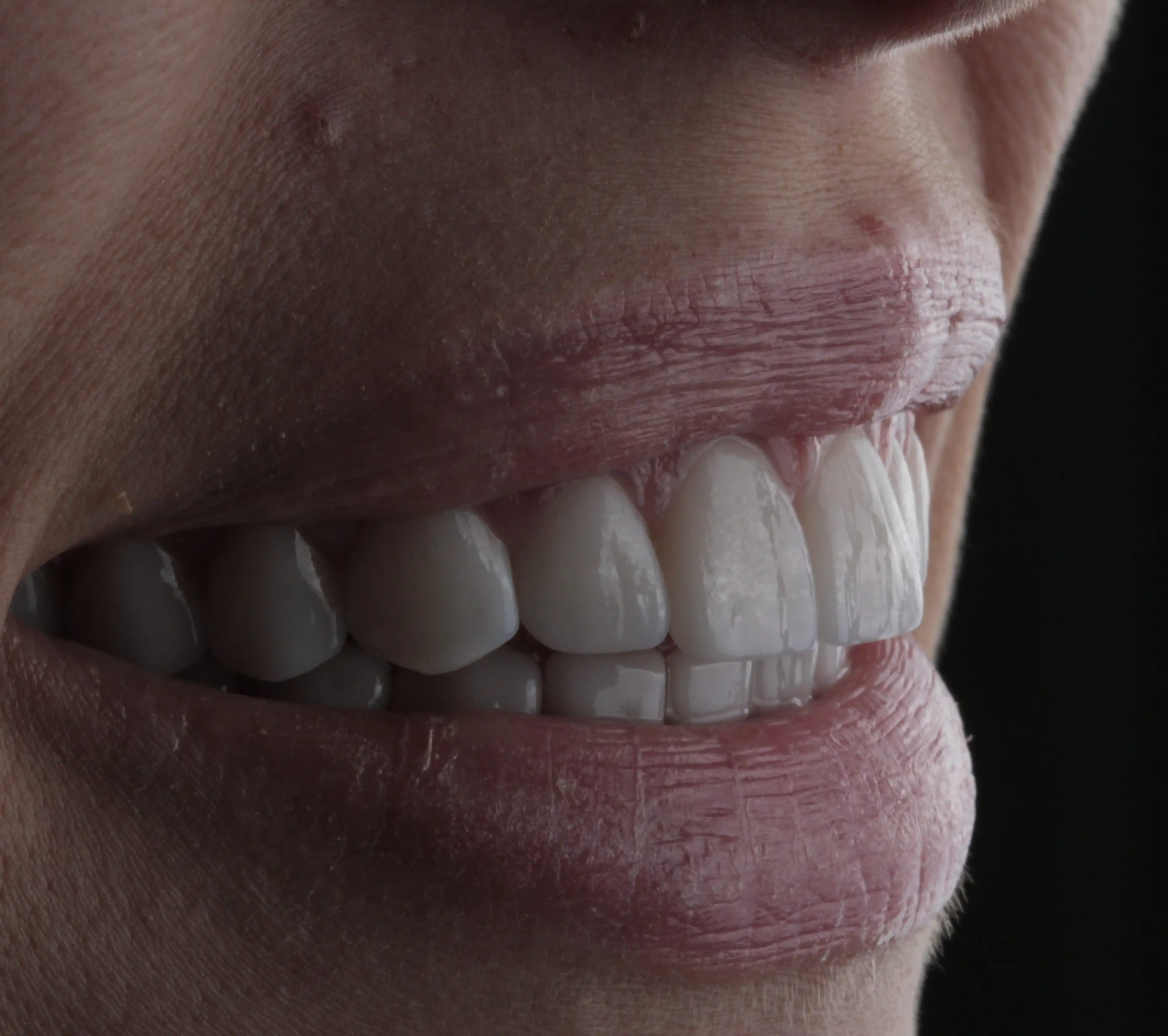
Types of self-ligating braces
Depending on the patient's expectations and clinical indications, metal braces or a more discreet aesthetic option can be used.
Metal self-ligating braces
Metal self-ligating braces use metal brackets with a built-in mechanism that holds the archwire. This is a fixed orthodontic appliance that stays on the teeth throughout active treatment. At MistoDent we use, among others, GC and AO metal self-ligating braces and Damon Q.
Aesthetic self-ligating braces
Aesthetic self-ligating braces work on a similar principle but use less visible brackets. They may be chosen by patients who need fixed braces but also want the appliance to look more discreet. At MistoDent we offer, among others, GC and AO aesthetic self-ligating braces and Damon Clear.
Self-ligating vs classic braces — what is the difference?
This is one of the most common questions from patients considering self-ligating braces. The basic difference is how the archwire is held in the bracket.
Criterion
Self-ligating braces
Classic braces
Archwire attachment
Mechanism built into the bracket
Ligatures holding the archwire
Type
Fixed appliance
Fixed appliance
Metal version
Yes
Yes
Aesthetic version
Yes
Yes
Removable by the patient
No
No
Orthodontic check-ups
Yes
Yes
Matching to the malocclusion
Individual
Individual
You should not assume that self-ligating braces automatically give a better result or always shorten treatment. The result of orthodontic treatment depends primarily on the type of malocclusion, a correct treatment plan and how the teeth respond.
Metal or aesthetic self-ligating braces?
Both options use the self-ligating mechanism. From the patient's point of view, the main difference is the appearance of the brackets.
Metal self-ligating braces are more visible and use classic metal components.
Aesthetic self-ligating braces have less visible brackets, so they may be preferred by people who want a more discreet look during treatment.
However, the choice should not be based on aesthetics alone. The orthodontist also takes into account occlusal conditions, the planned tooth movements and the course of the whole treatment.
What does treatment with self-ligating braces look like?
1. Orthodontic consultation
The orthodontist assesses tooth alignment, the bite and the problem that needs correcting.
2. Diagnostics
The diagnostics needed to prepare an individual treatment plan are performed.
3. Treatment plan and choice of appliance
The doctor defines the planned tooth movements and assesses which type of appliance is suitable. At this stage the choice between the metal and aesthetic version can also be discussed.
4. Fitting the braces
The brackets are bonded to the tooth surfaces and a properly selected orthodontic archwire is placed in them.
5. Check-up visits
At subsequent visits the orthodontist checks tooth alignment, how the appliance is working and treatment progress.
6. Removal of the braces and retention
Once the planned result is achieved, the braces are removed. The retention stage then begins to keep the teeth in their new position.
Self-ligating braces or Invisalign?
Patients looking for a less visible treatment method often compare self-ligating braces with Invisalign. However, these are two different ways of carrying out orthodontic treatment.
Criterion
Self-ligating braces
Invisalign
Design
Brackets and orthodontic archwire
Clear aligners
Type
Fixed appliance
Aligner system
Removable
No
Yes
Visibility
Metal or aesthetic
Clear aligners
Patient discipline
Braces stay on the teeth
Aligners must be worn regularly
Hygiene
Requires cleaning around brackets
Aligners are removed for hygiene
Use
Depends on the malocclusion and treatment plan
Depends on the malocclusion and treatment plan
No single method is better for all patients. The choice between Invisalign and fixed braces should be made after orthodontic diagnostics.
Self-ligating braces — advantages and limitations
Before choosing braces, it is worth knowing not only how they are built but also the practical aspects of treatment.
Advantages of self-ligating braces:
- a built-in mechanism holding the archwire;
- no classic ligatures securing the archwire in the brackets;
- a choice of metal or aesthetic version;
- the braces stay on the teeth throughout active treatment;
- they can be used in various orthodontic treatment plans after proper qualification.
What to keep in mind:
- the braces are fixed and the patient cannot remove them;
- thorough hygiene around brackets and archwires is required;
- regular check-ups are necessary;
- temporary tooth tenderness may occur after fitting and at later stages;
- self-ligating braces are not automatically the best solution for every malocclusion;
- retention is needed after active treatment.
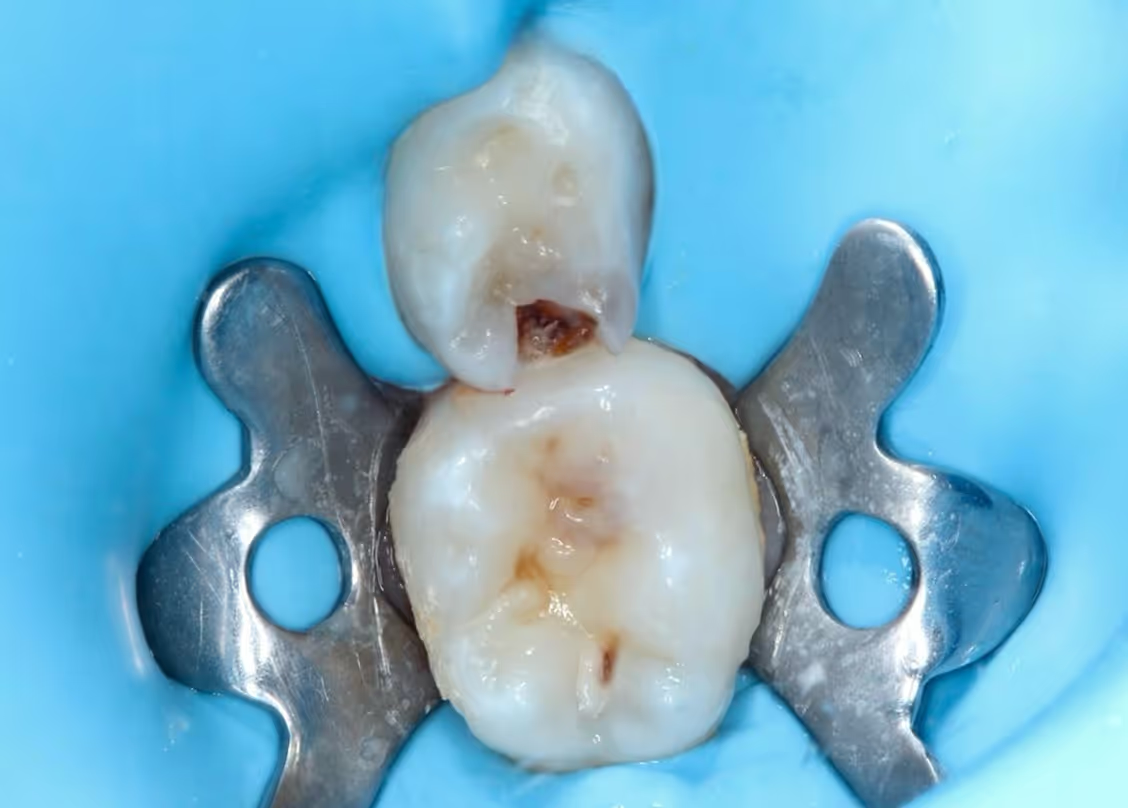
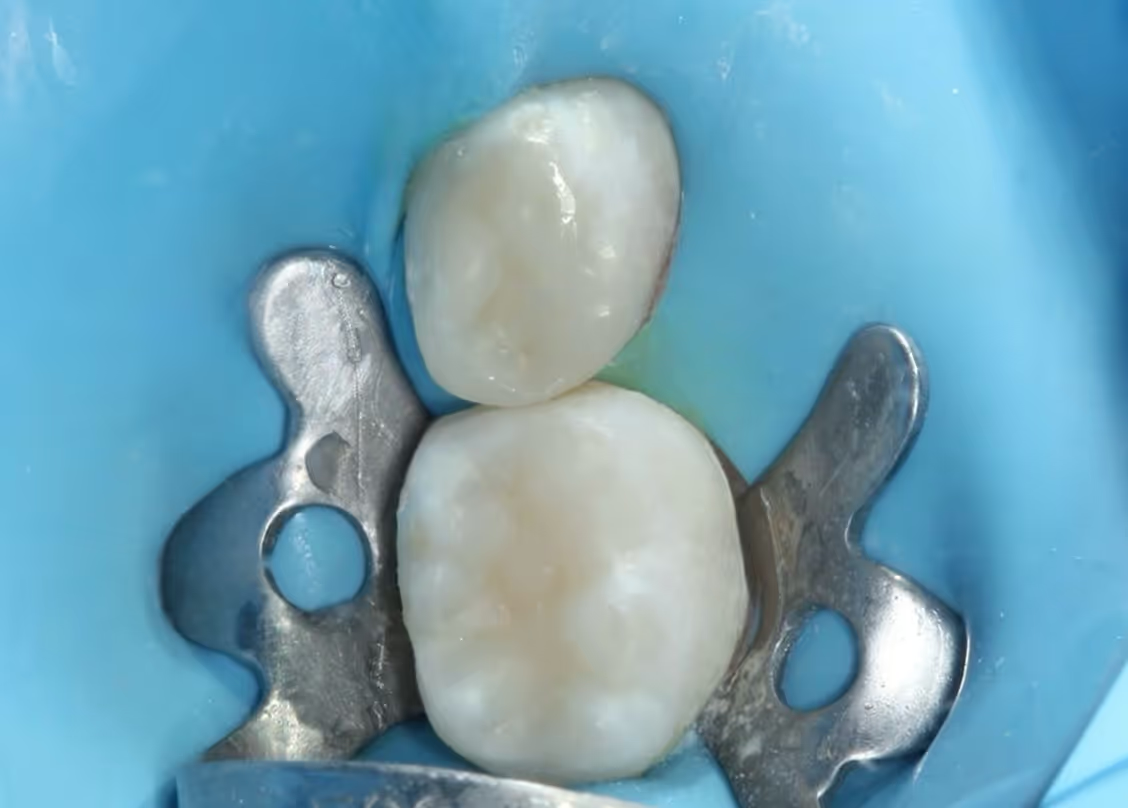
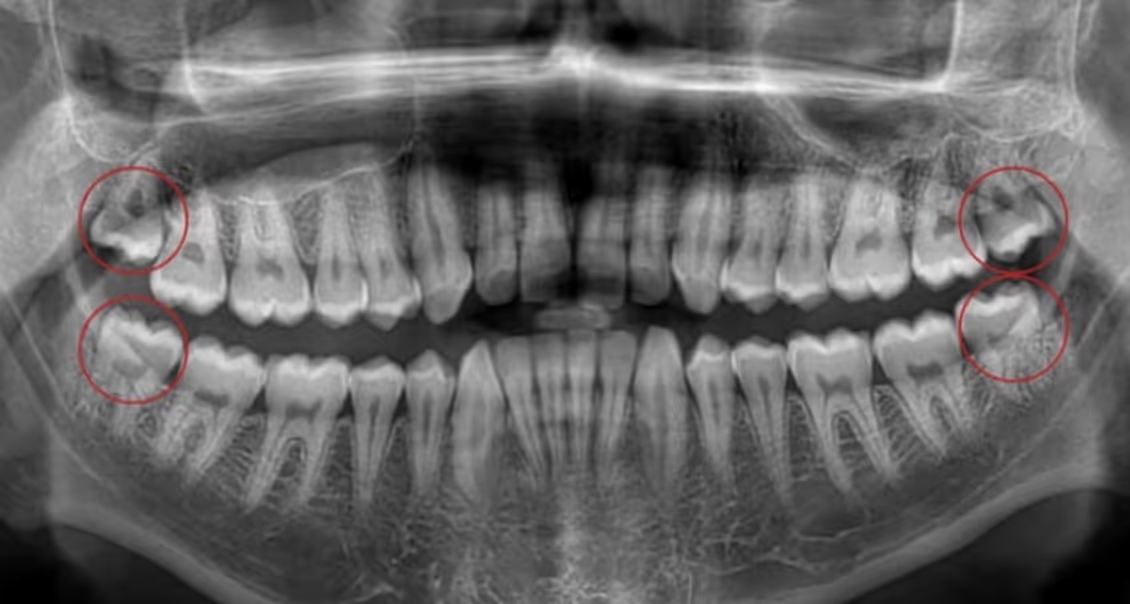
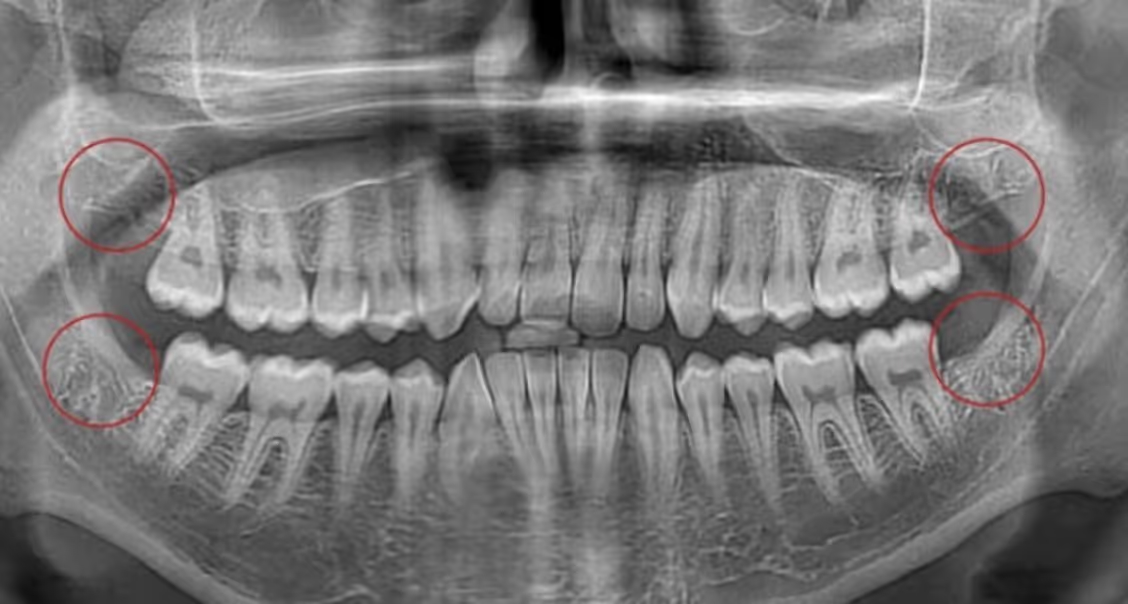
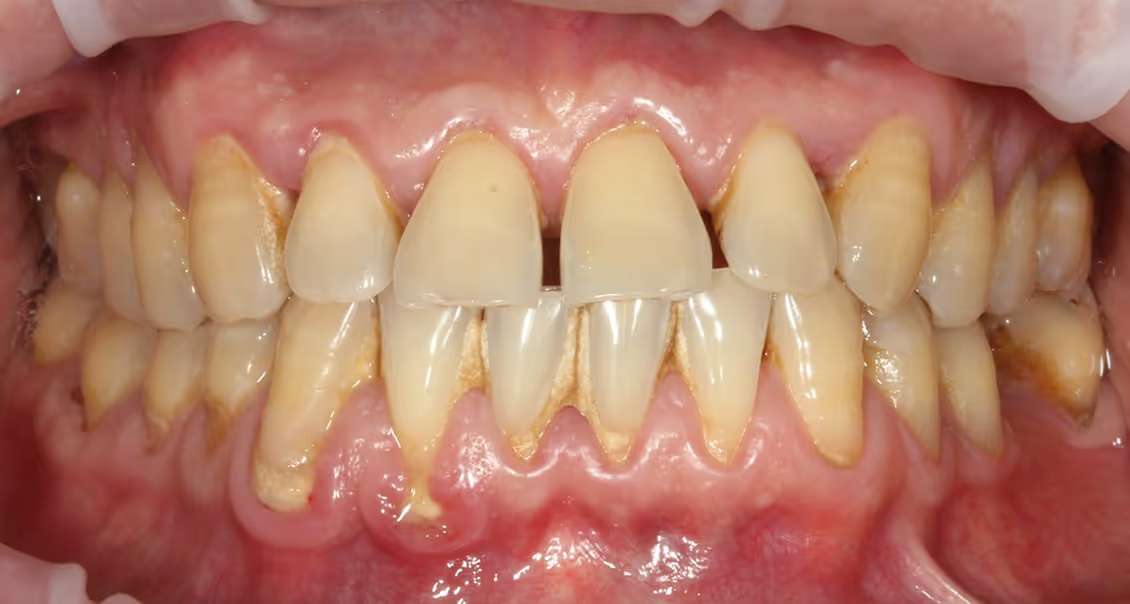
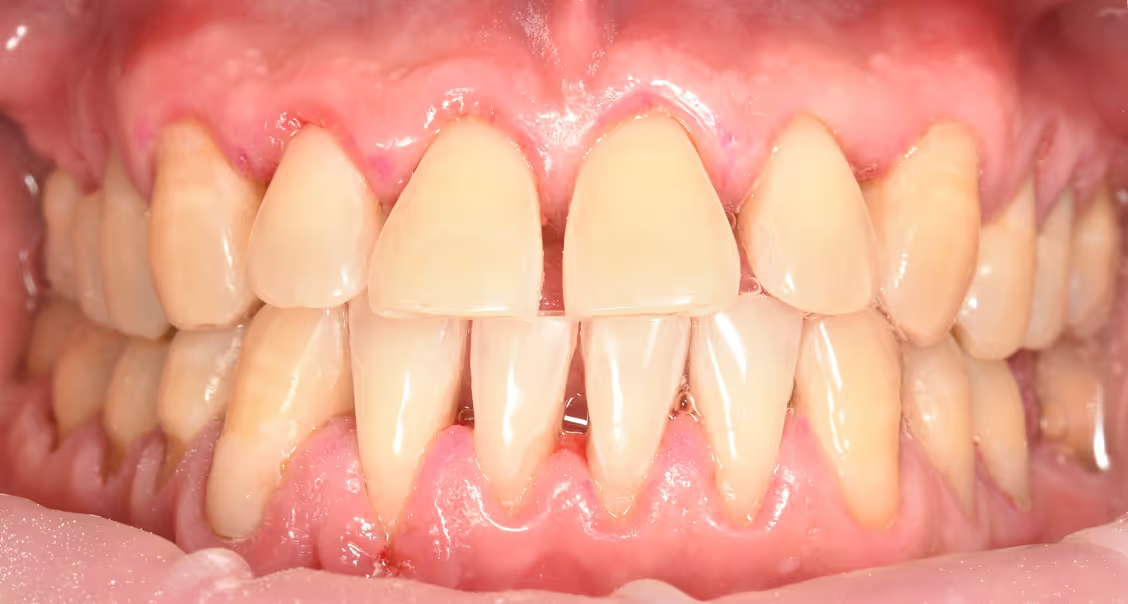
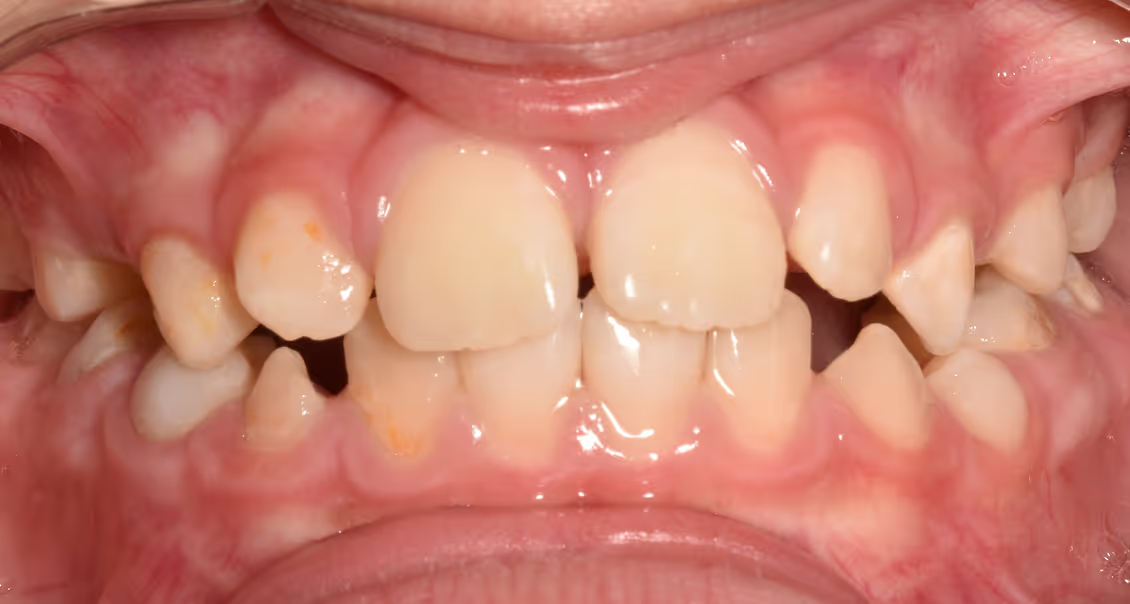
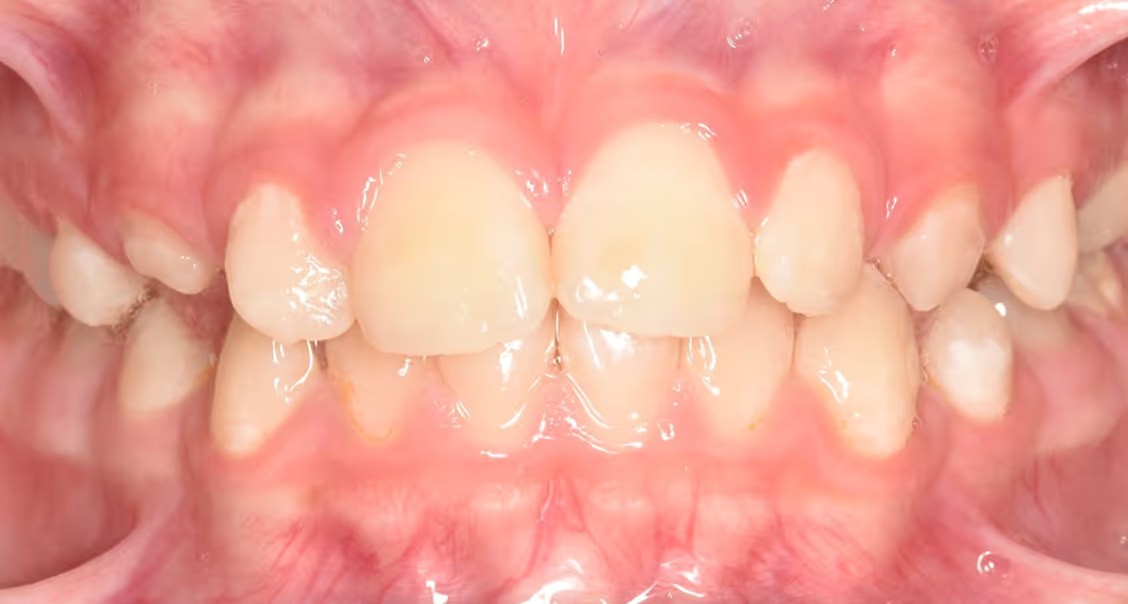
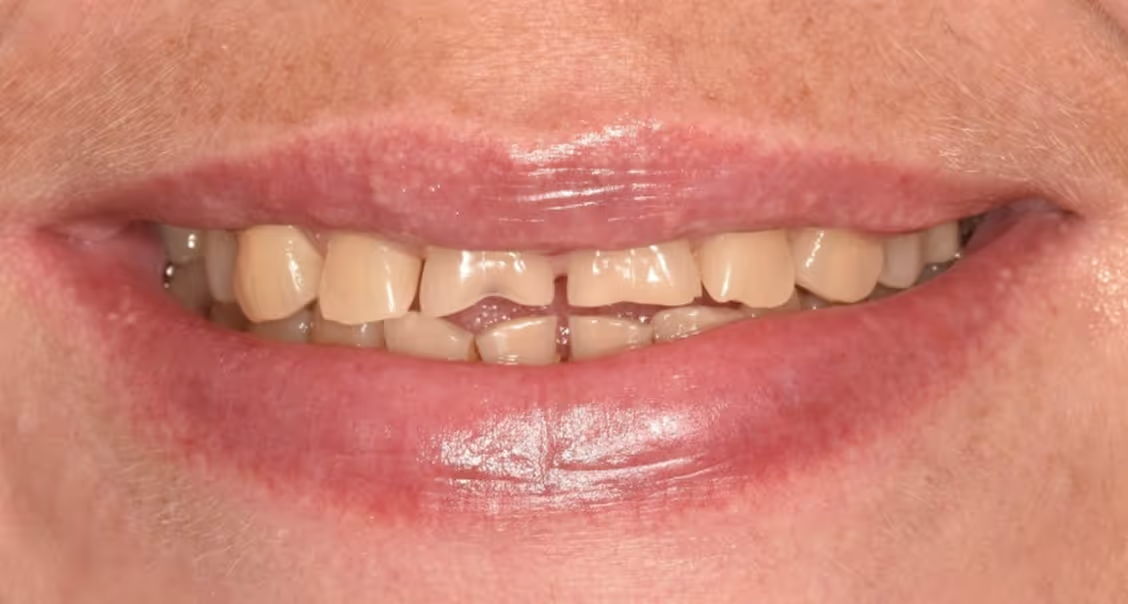
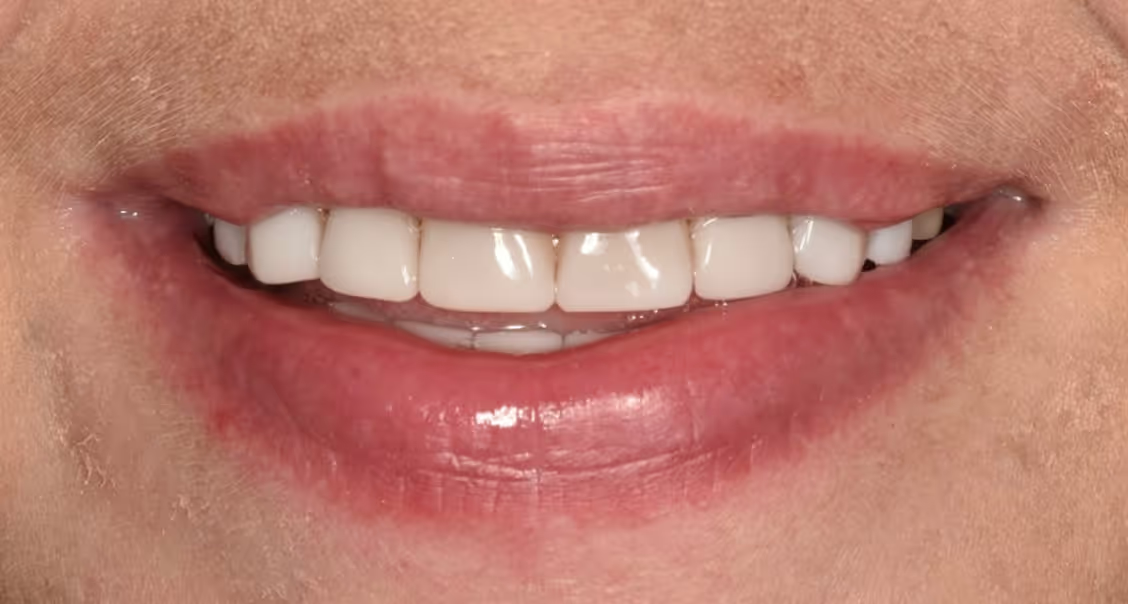
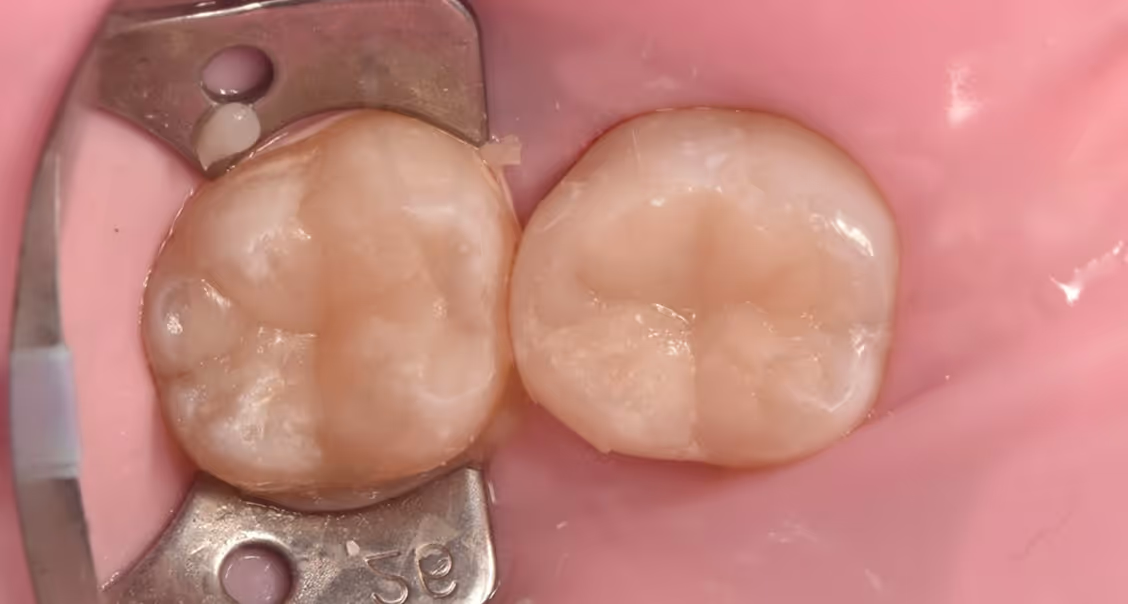
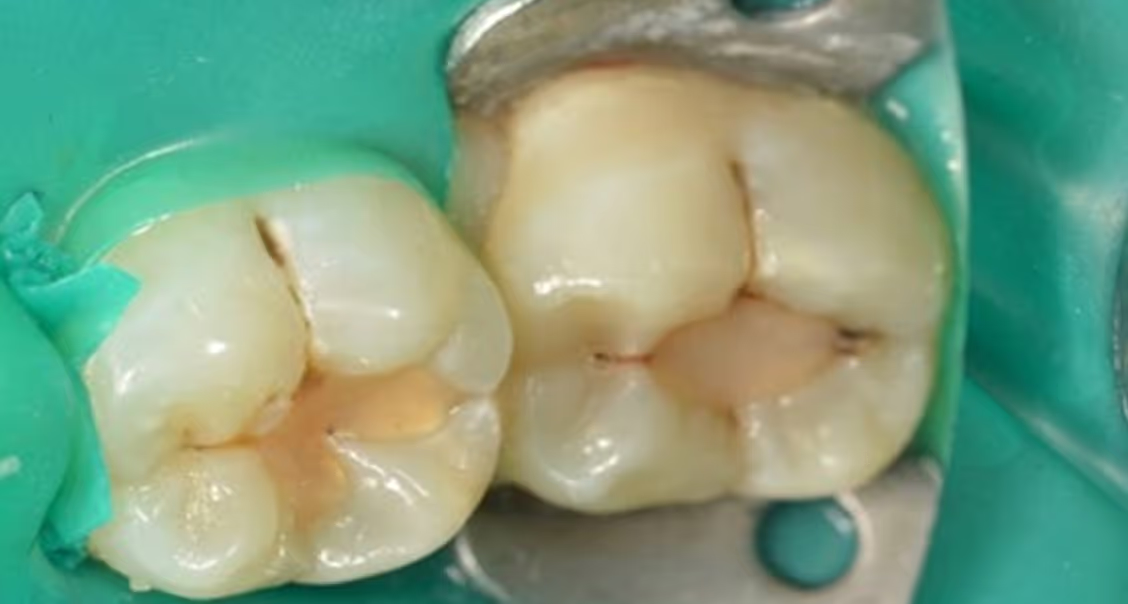
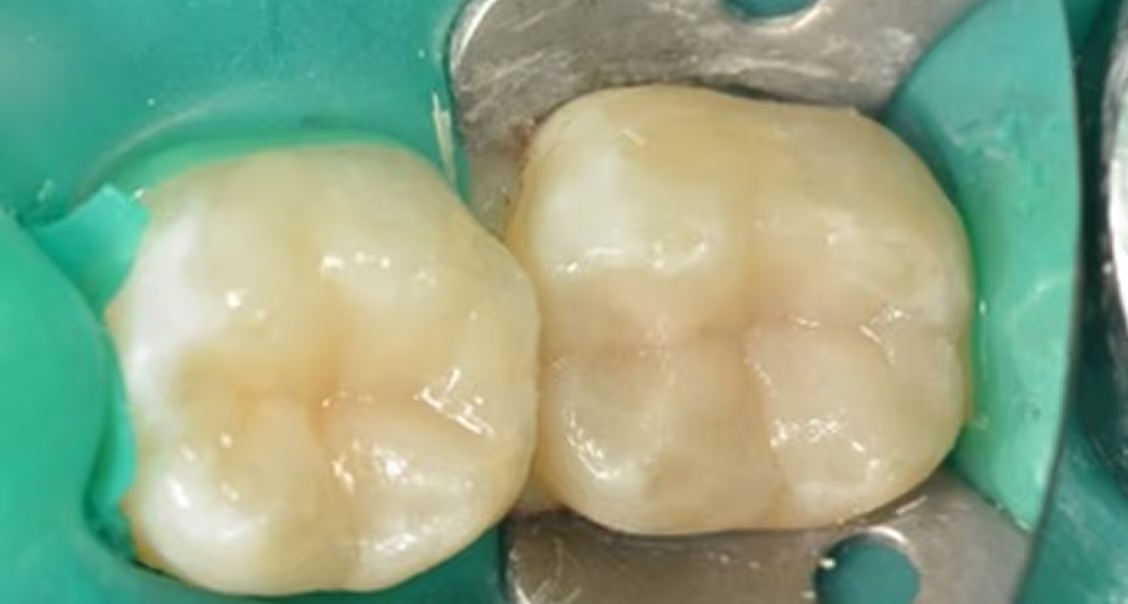
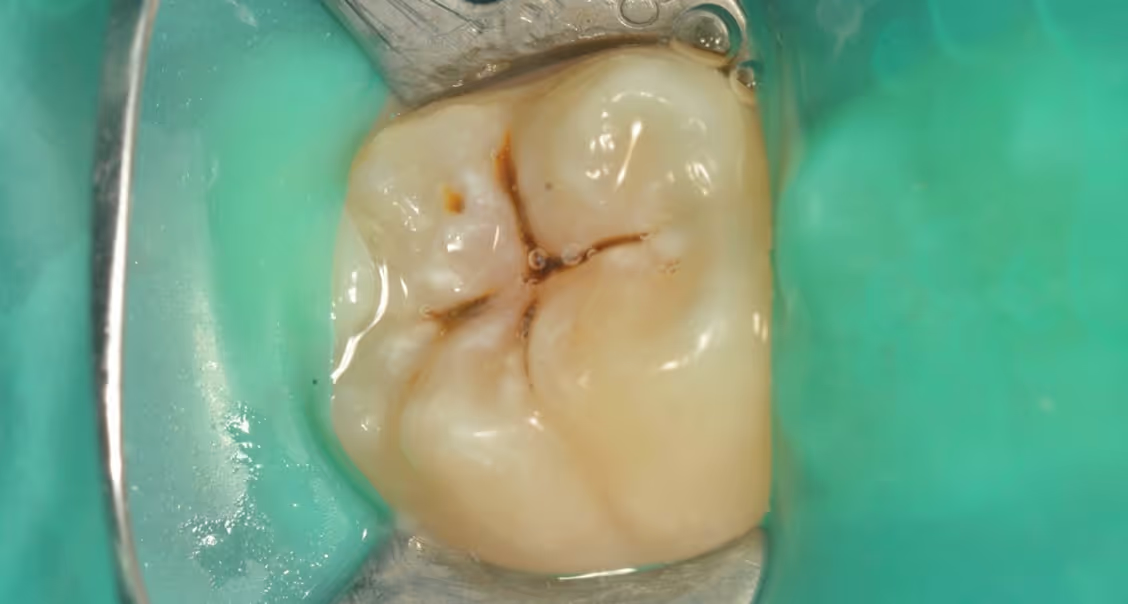
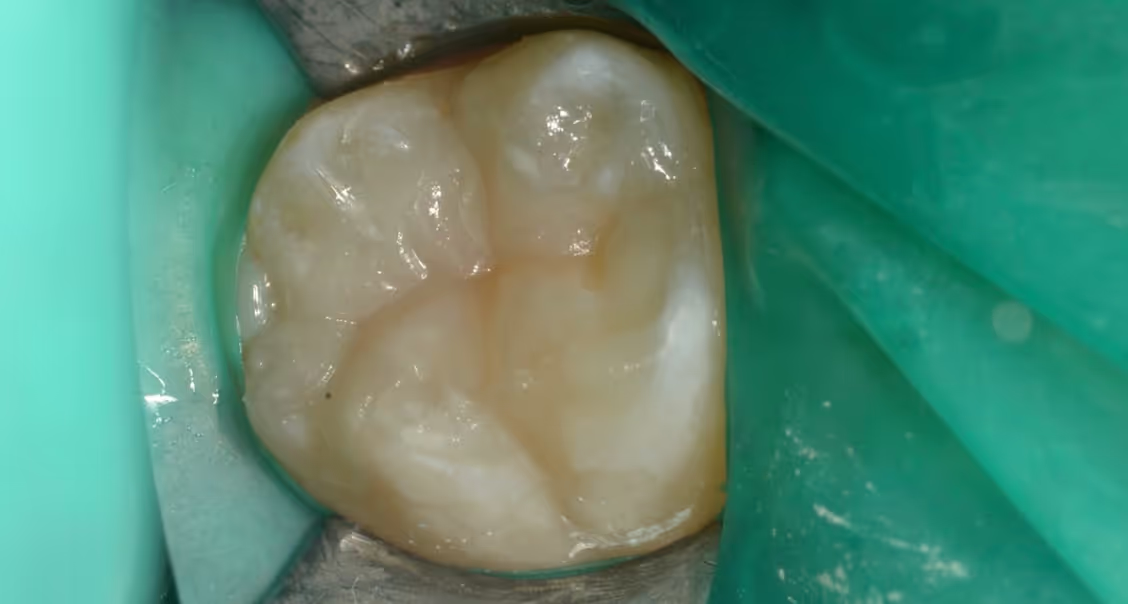
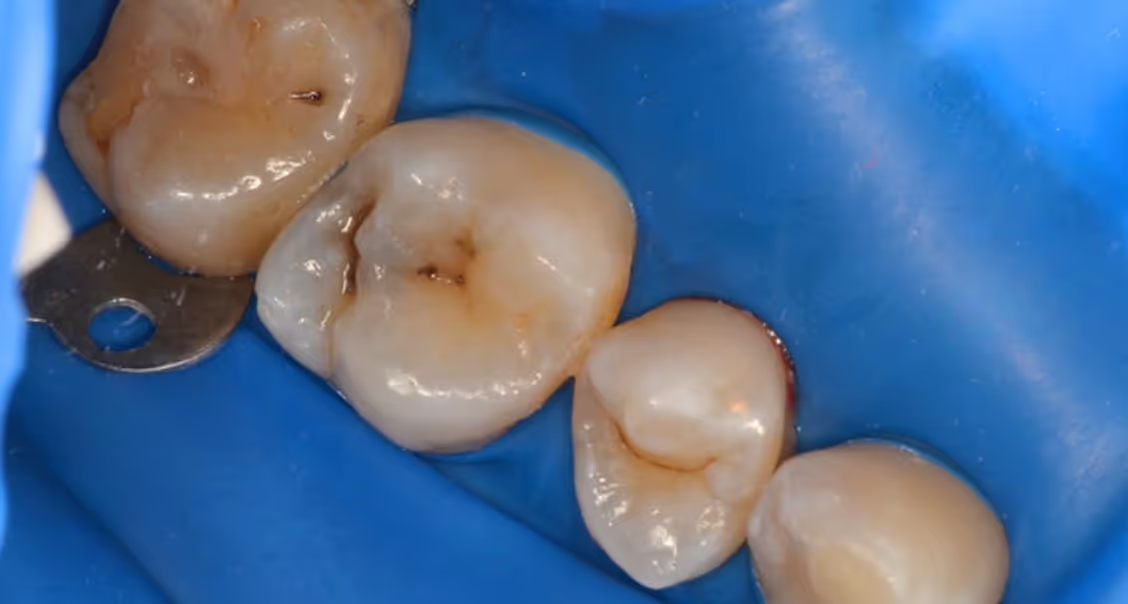
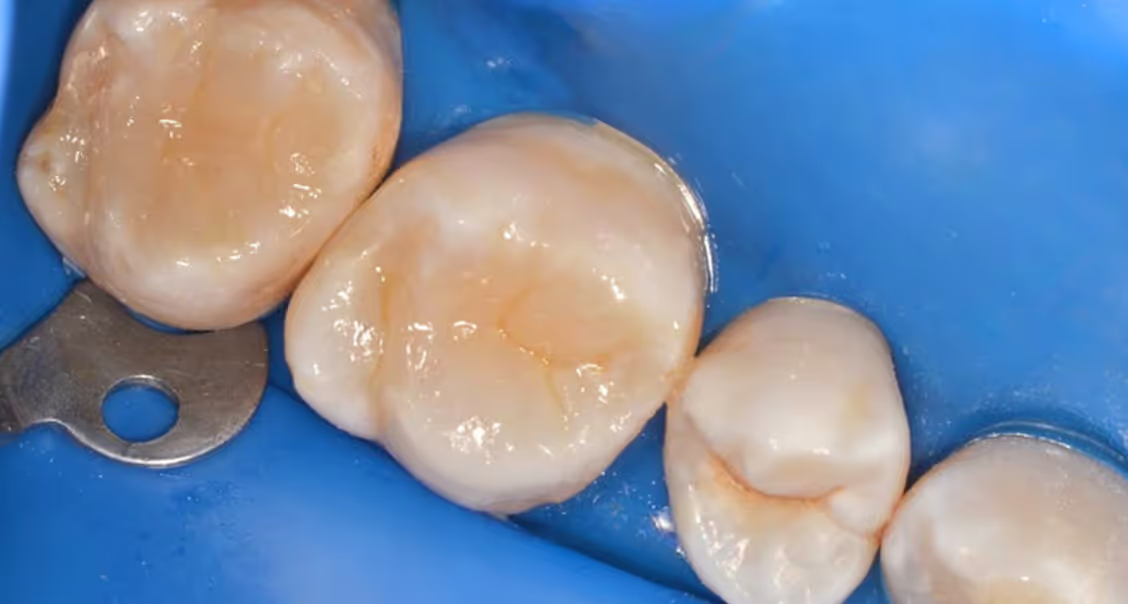
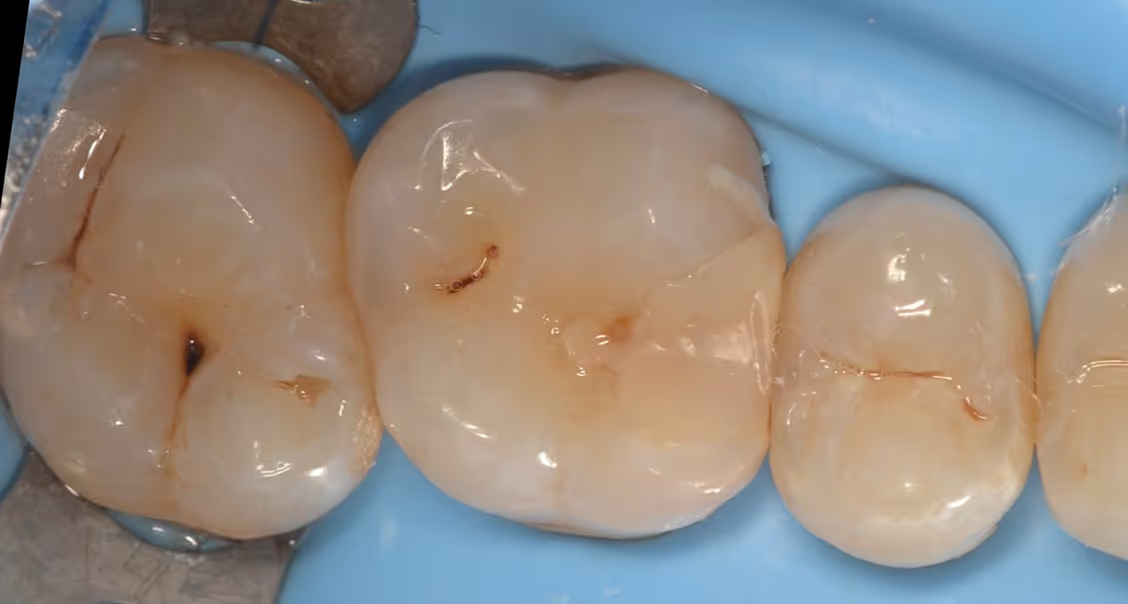
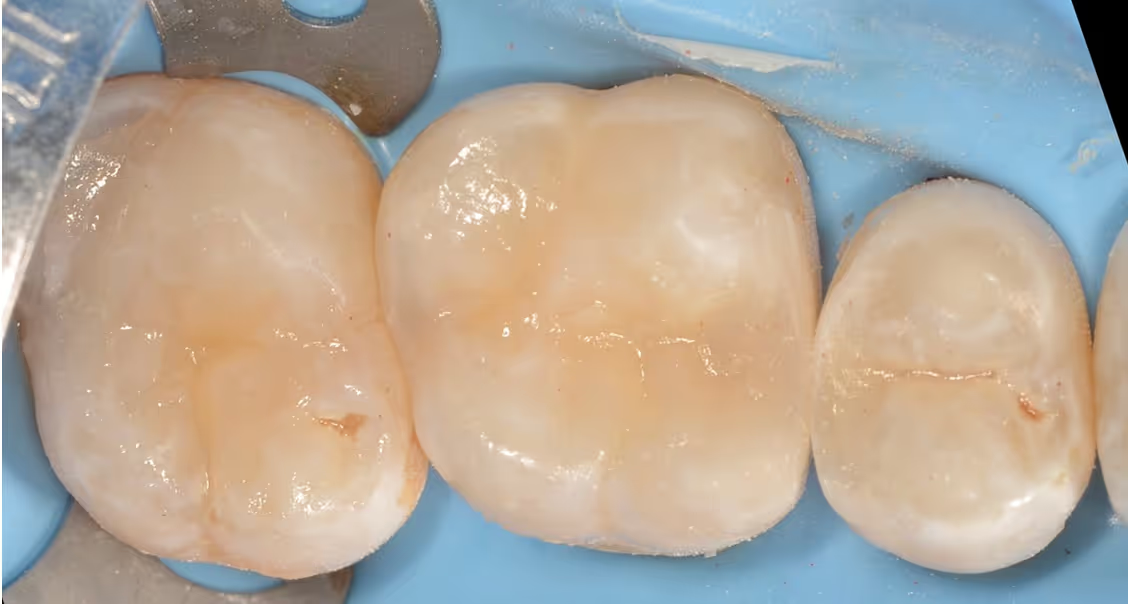
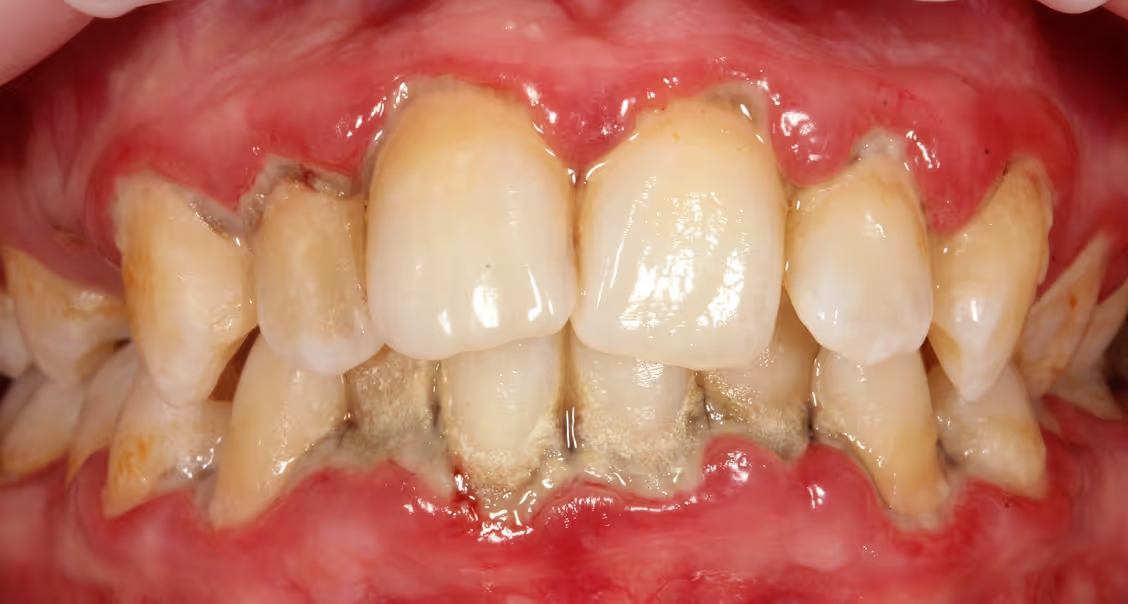
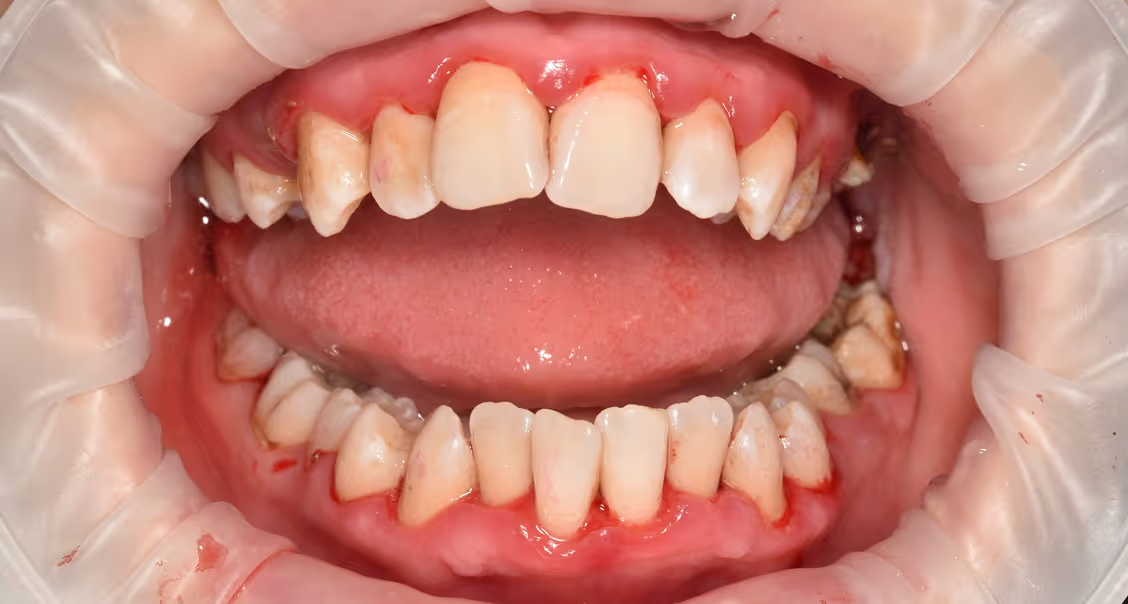
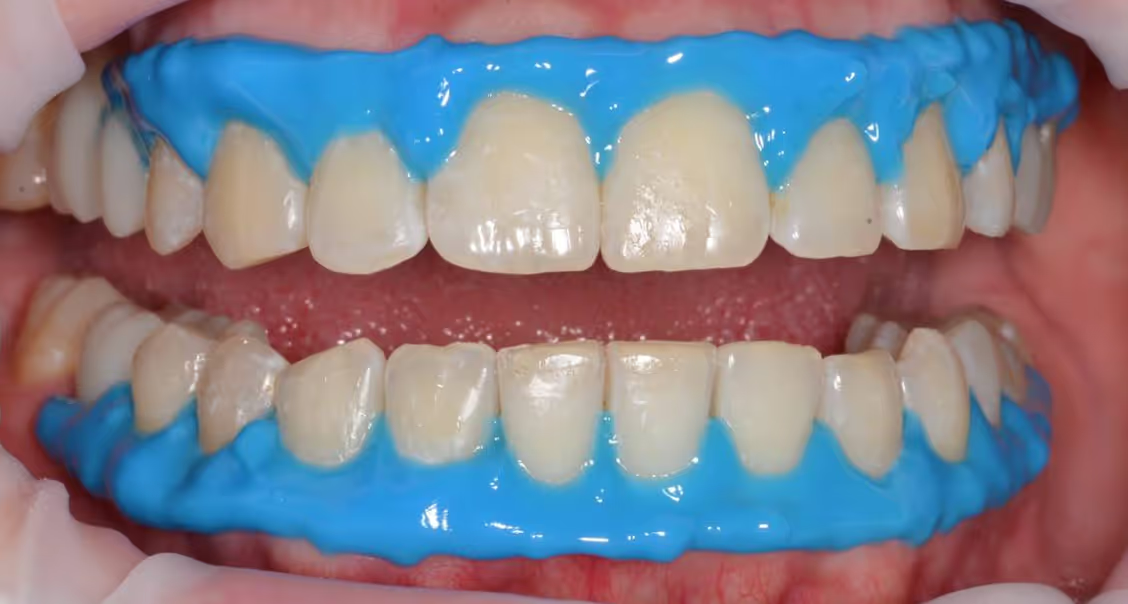
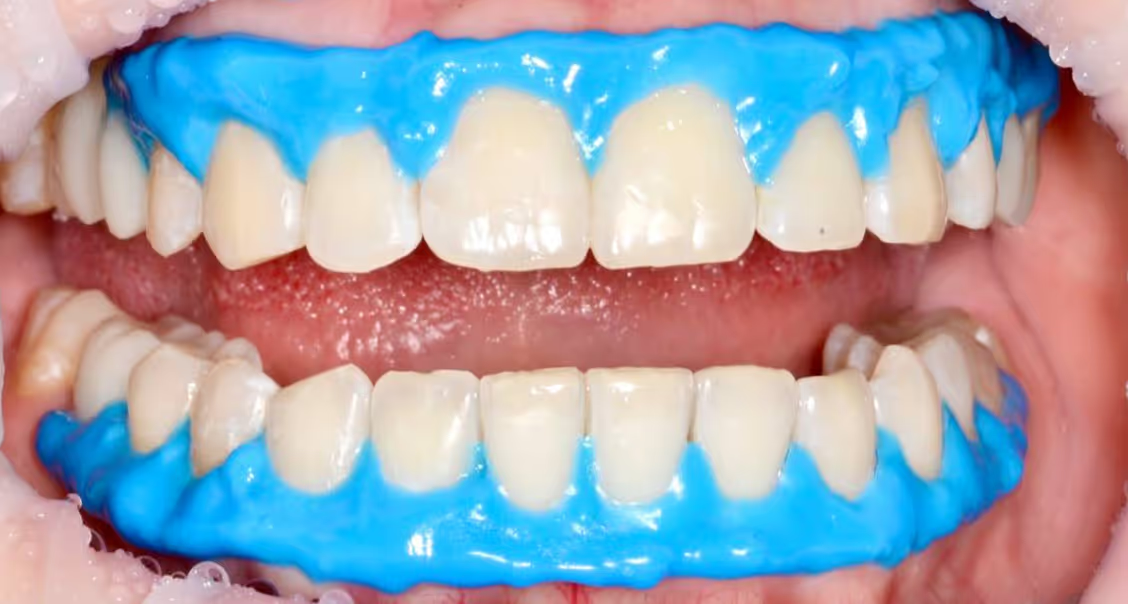
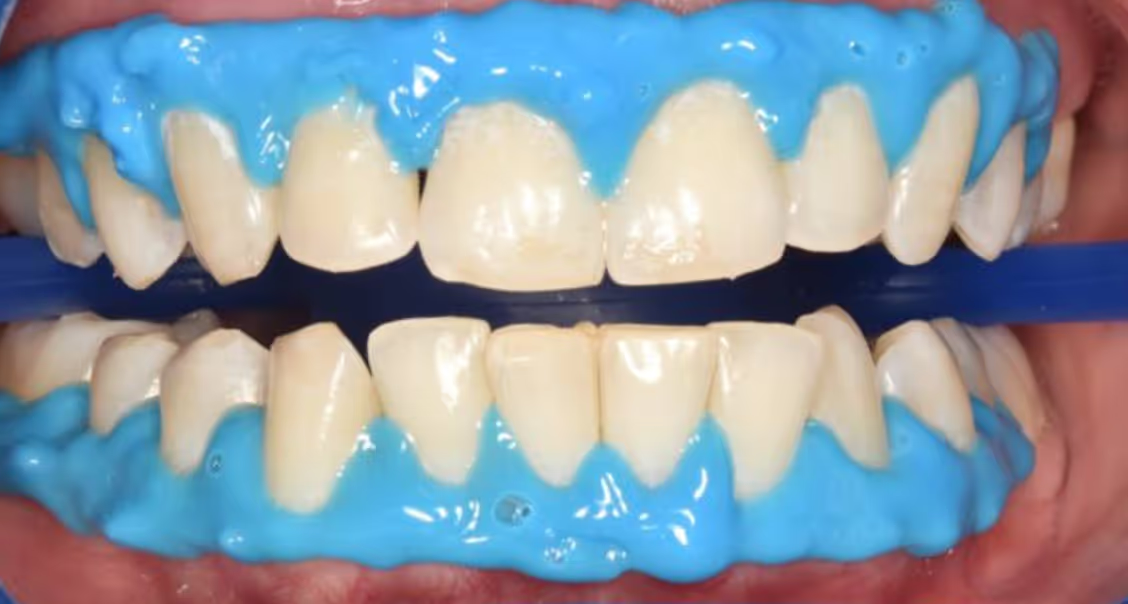
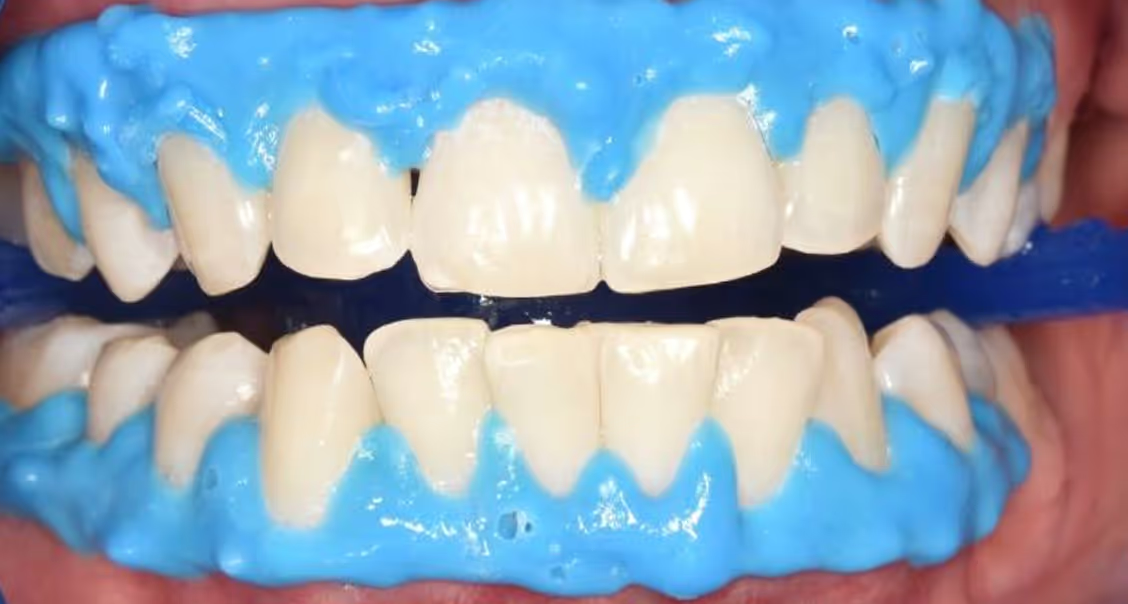
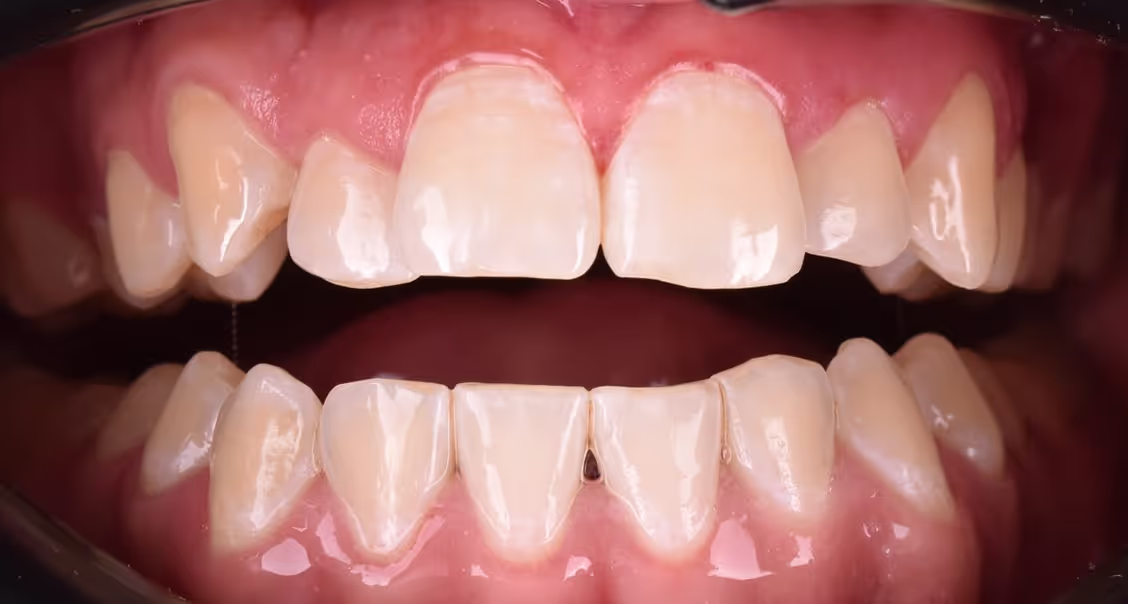
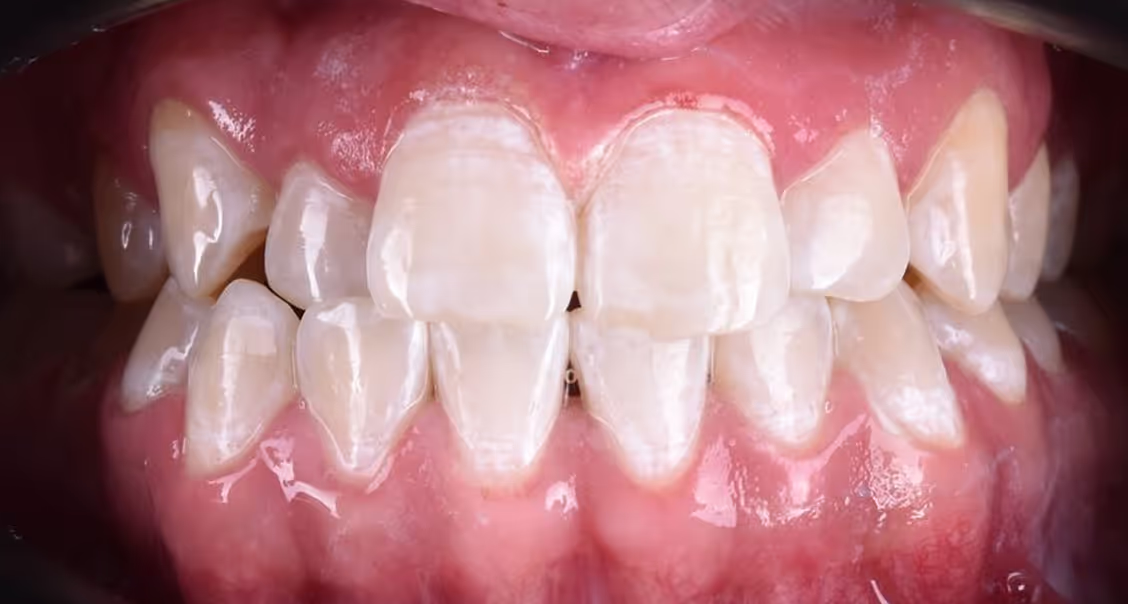
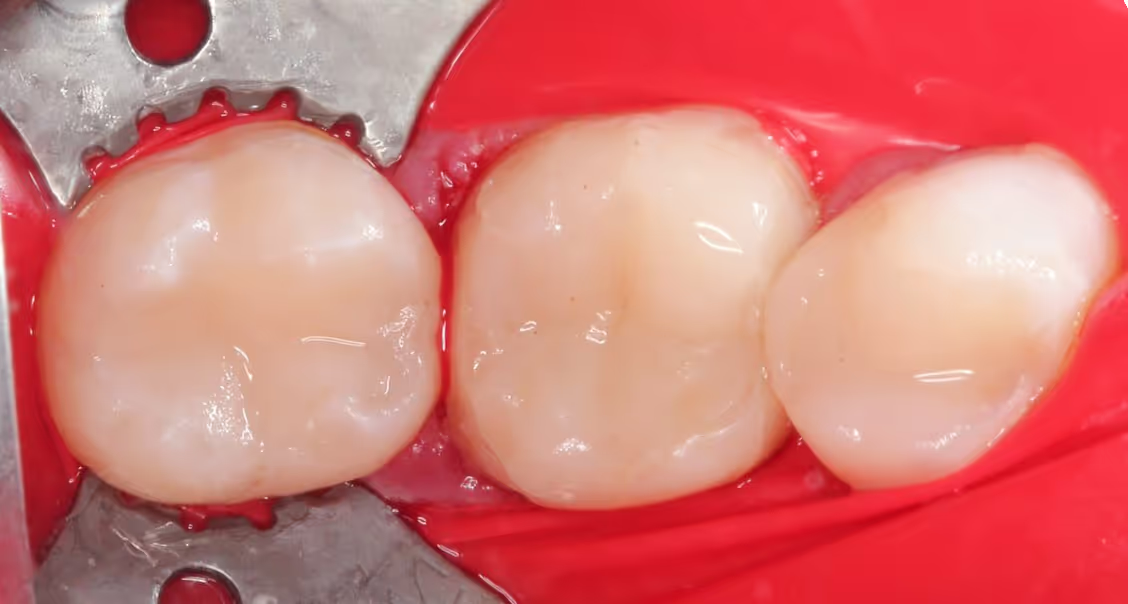
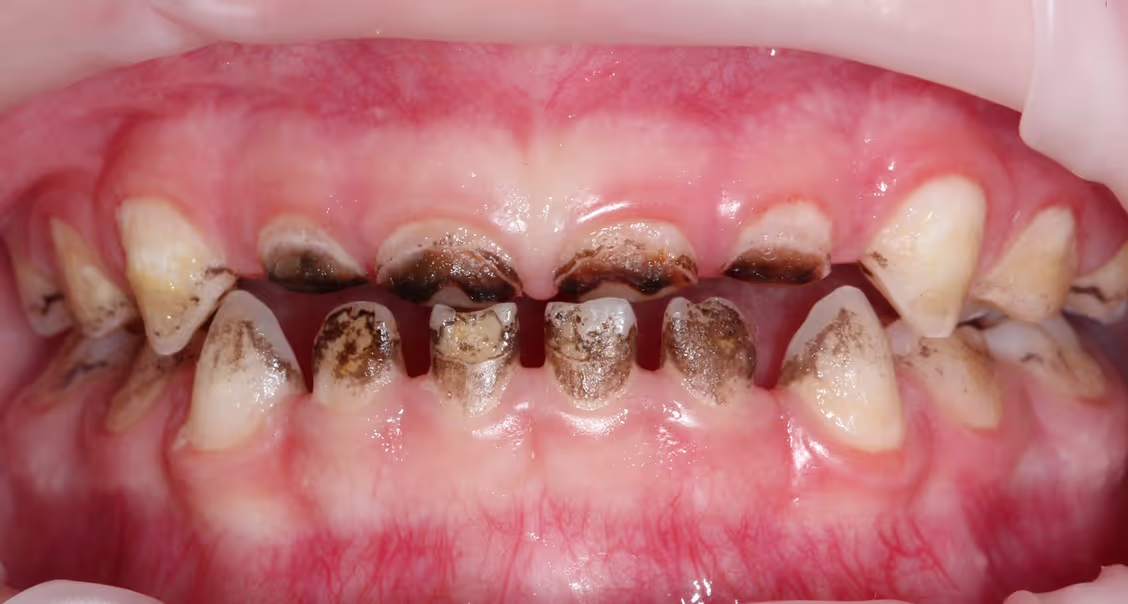
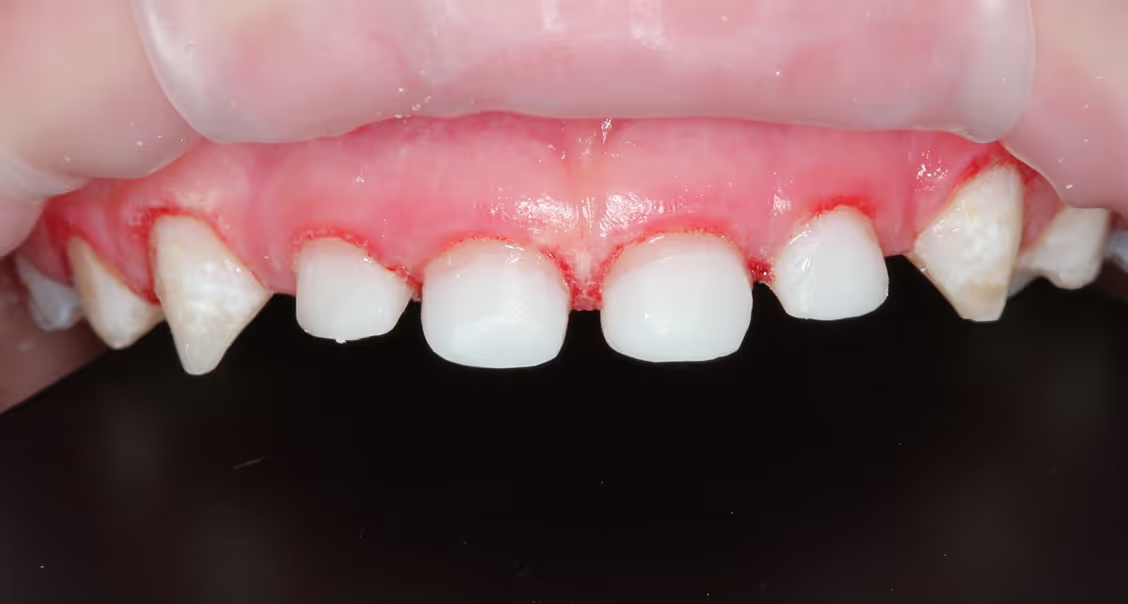
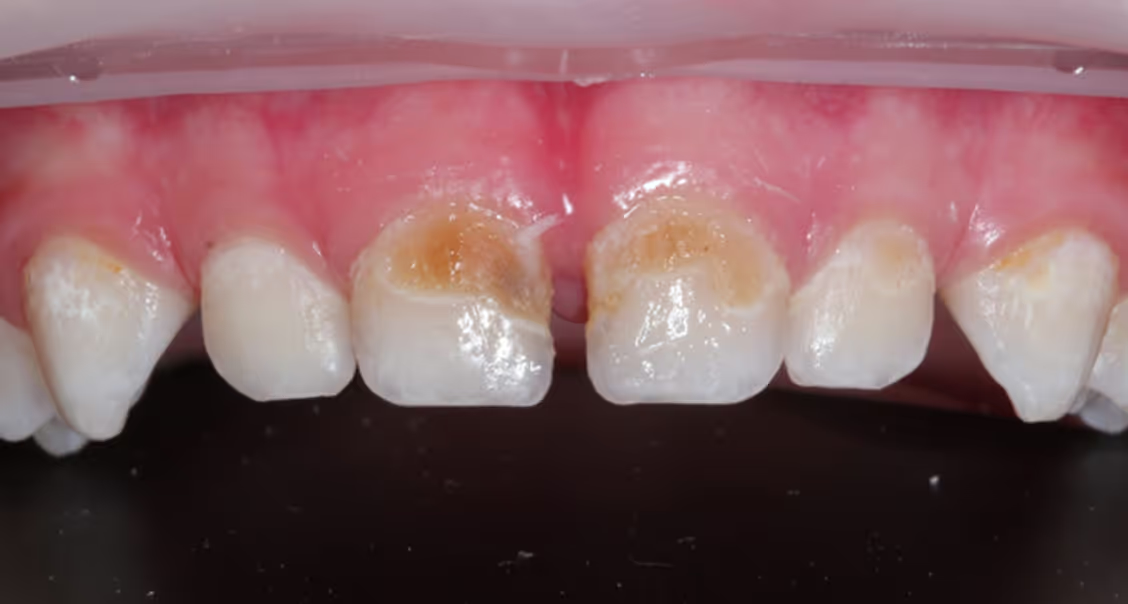
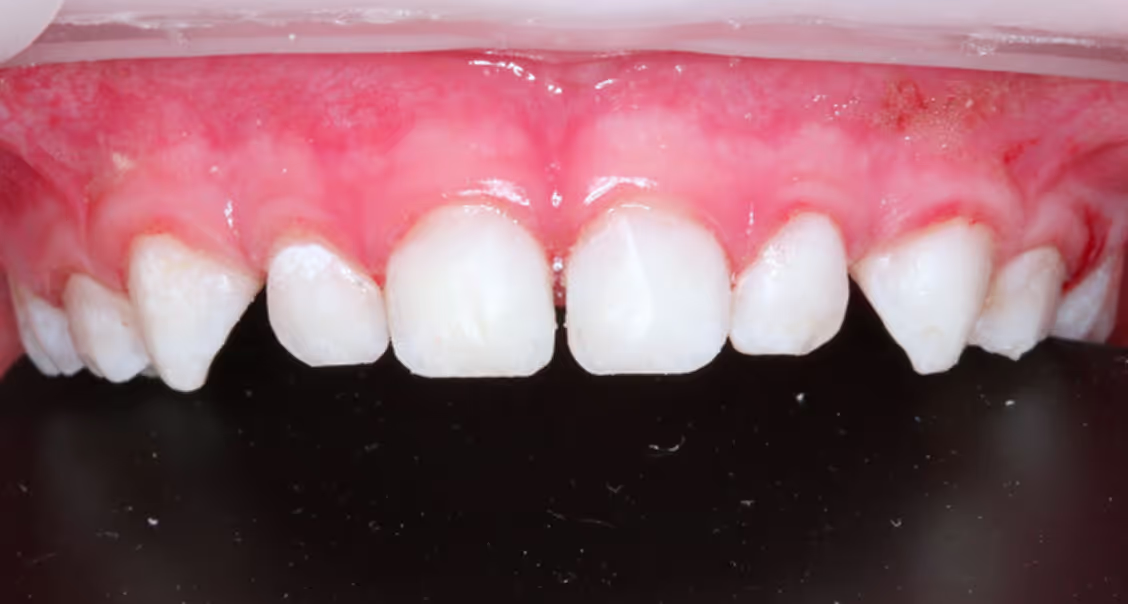
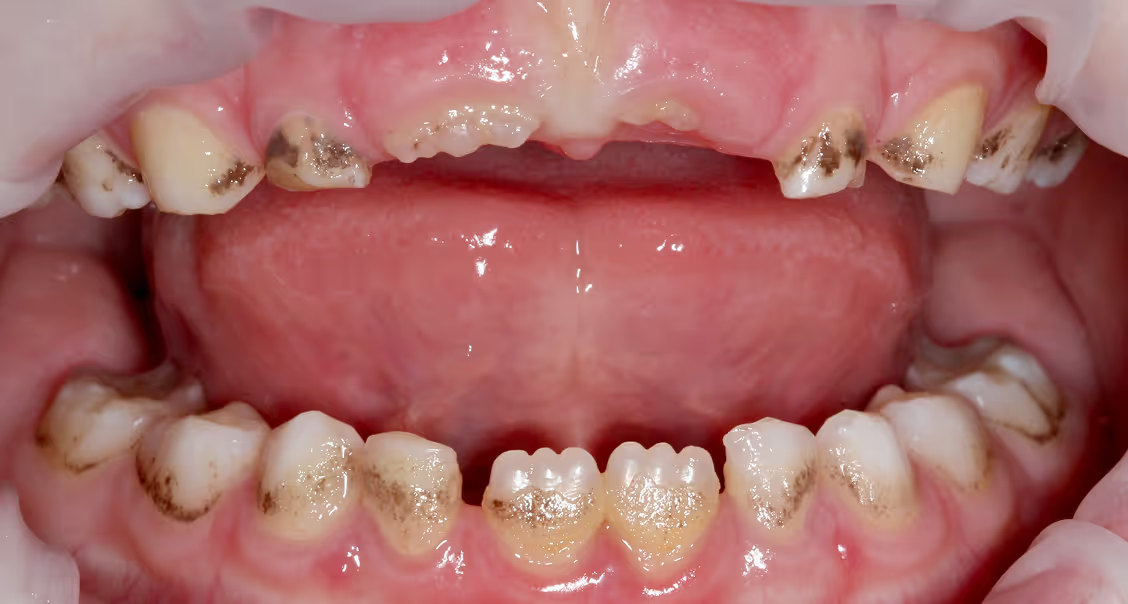
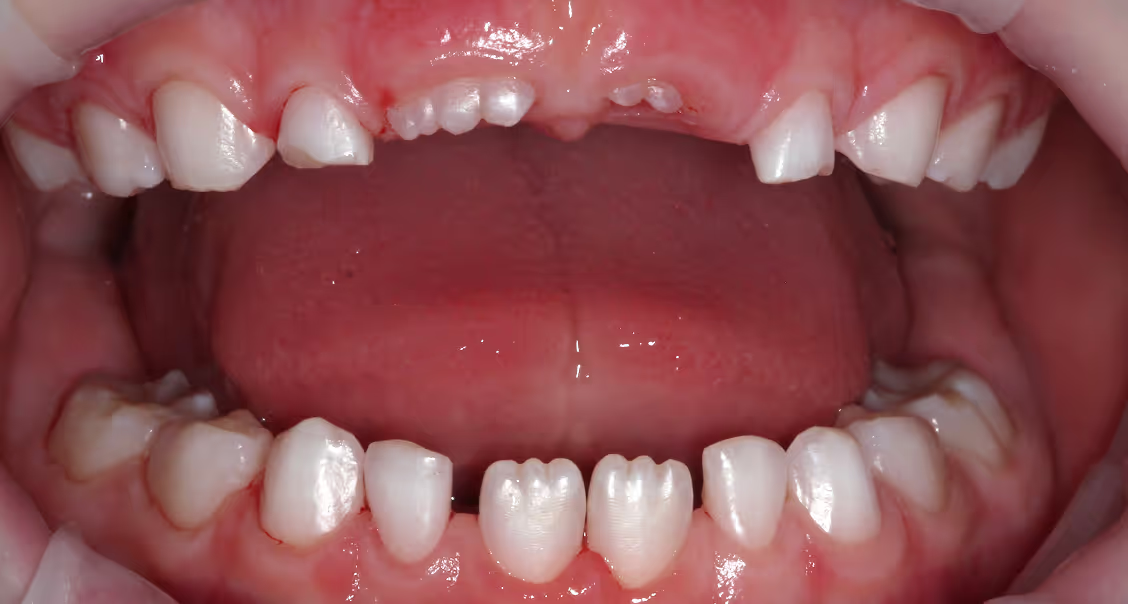
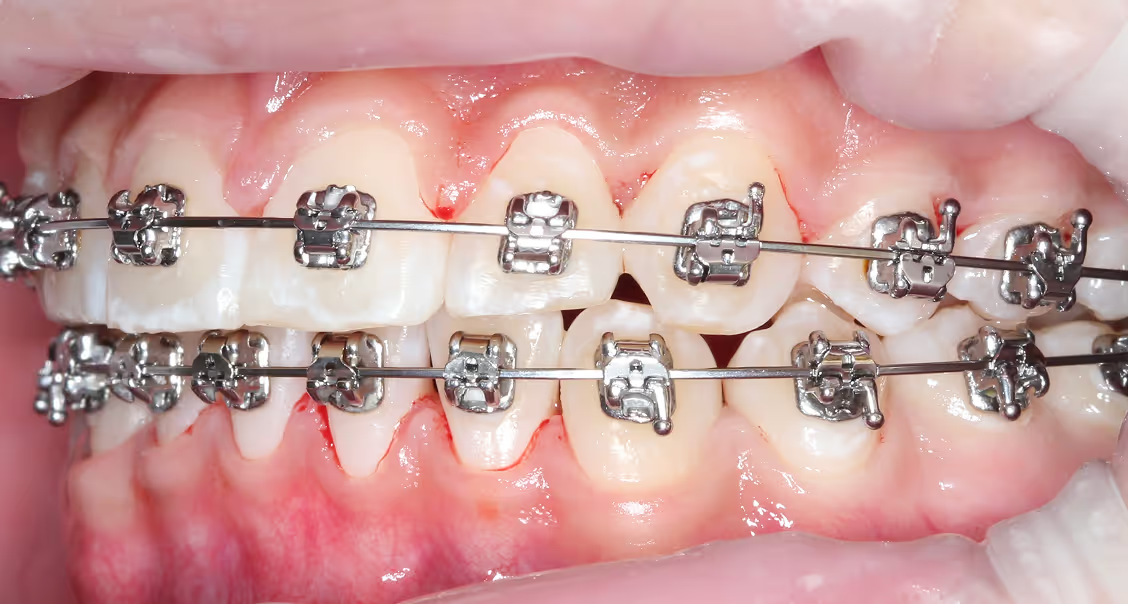
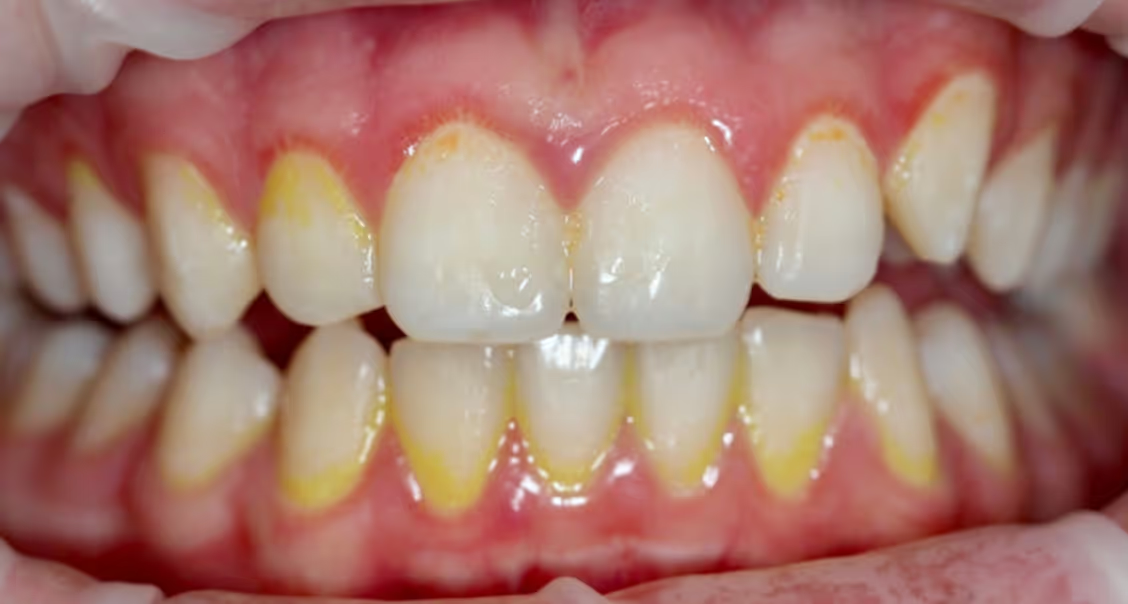
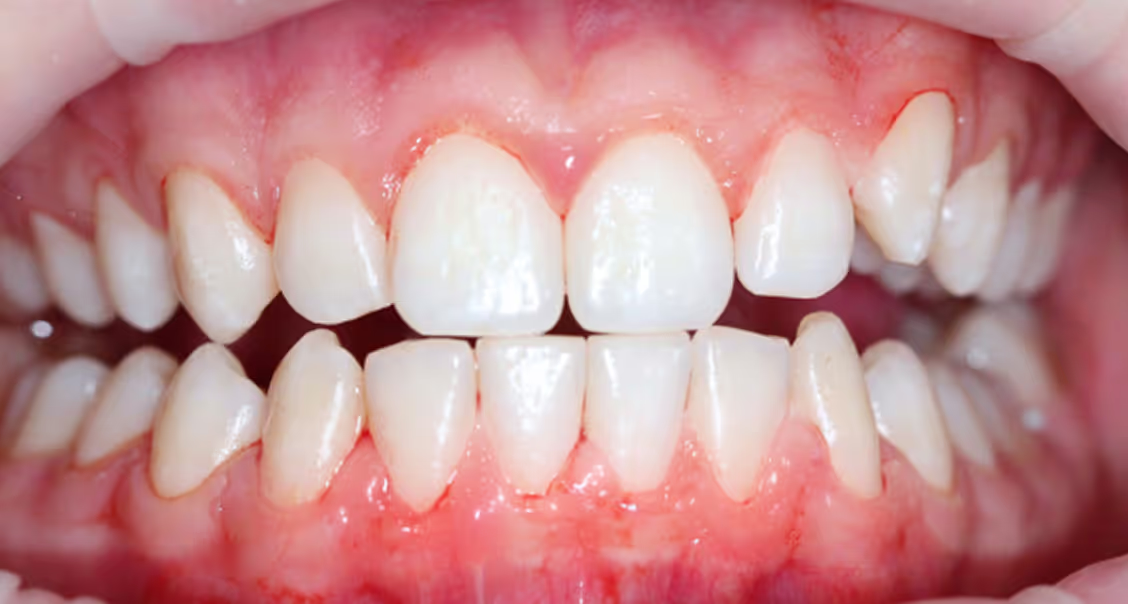
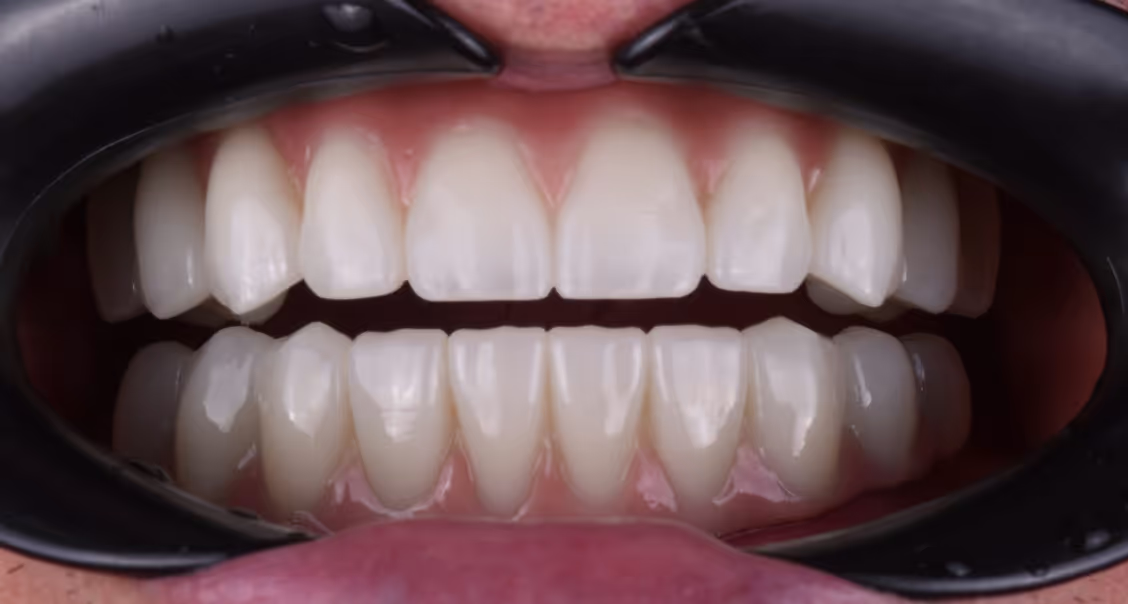
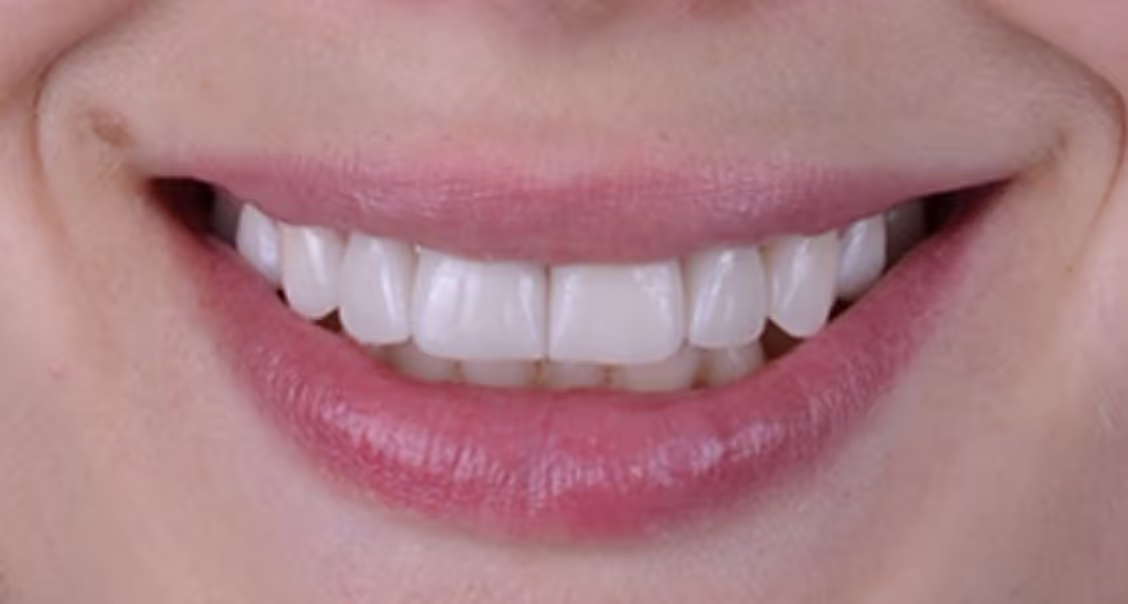
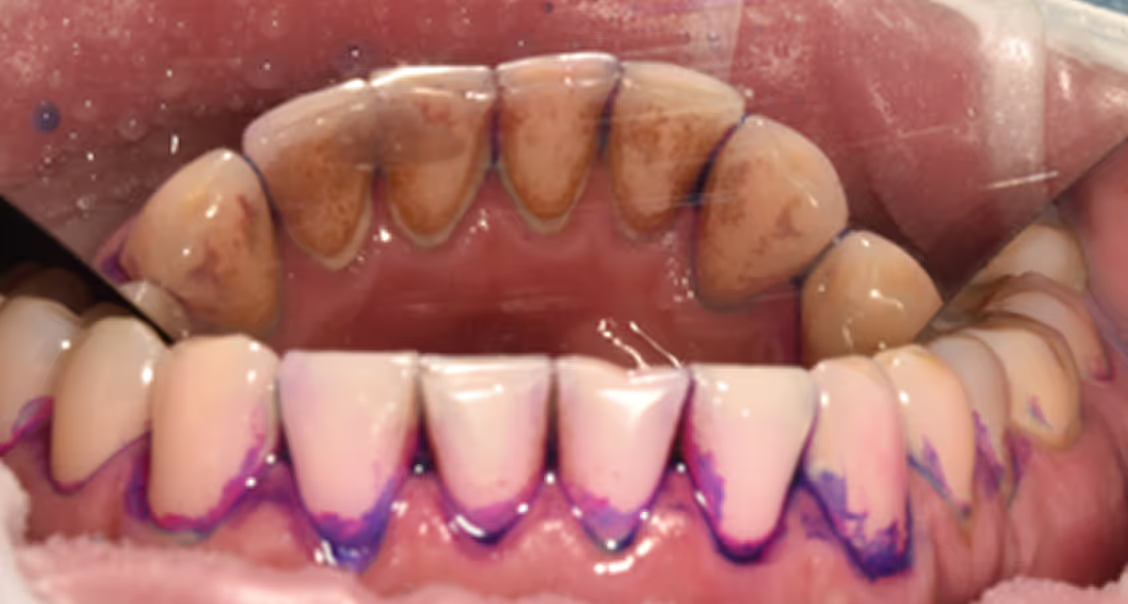
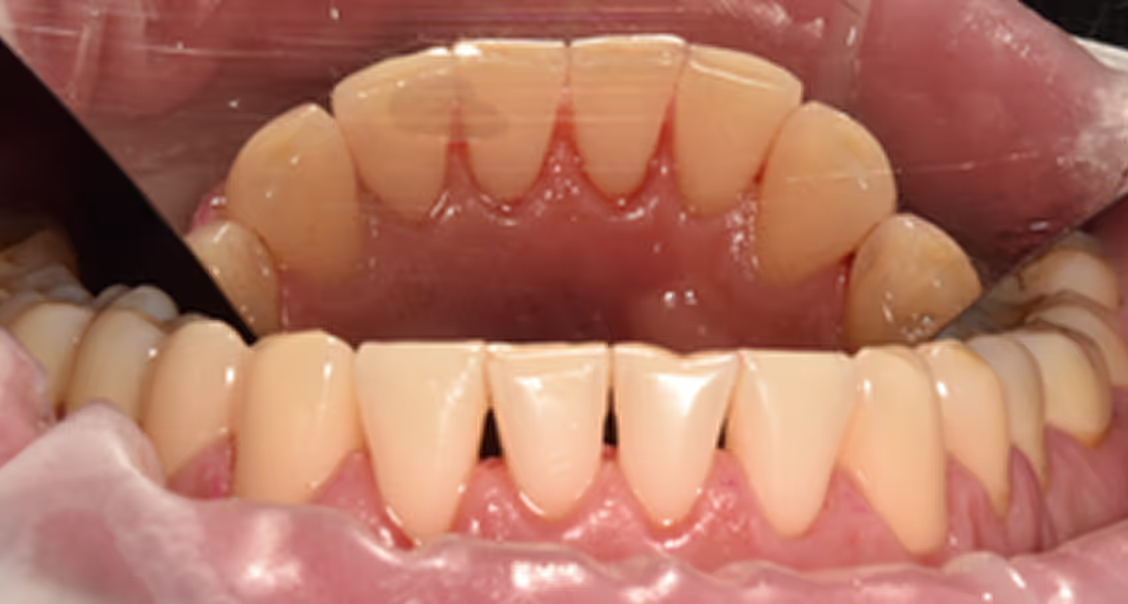
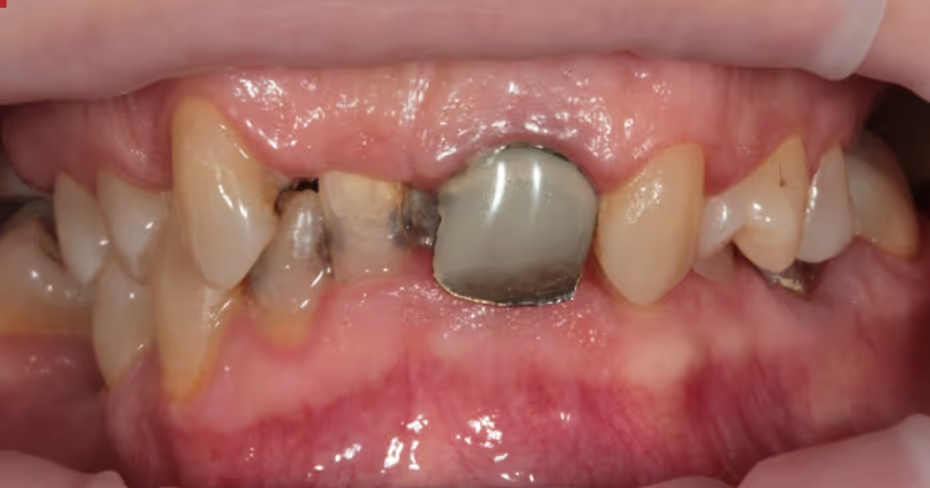
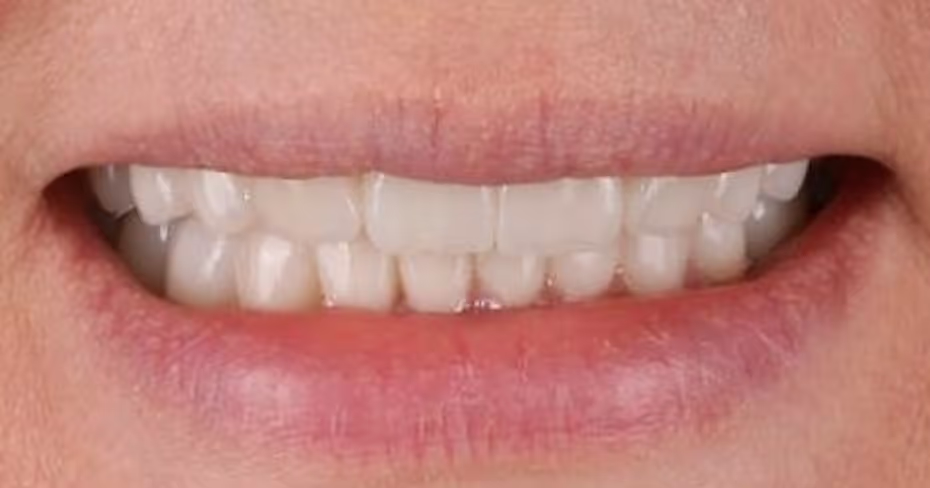
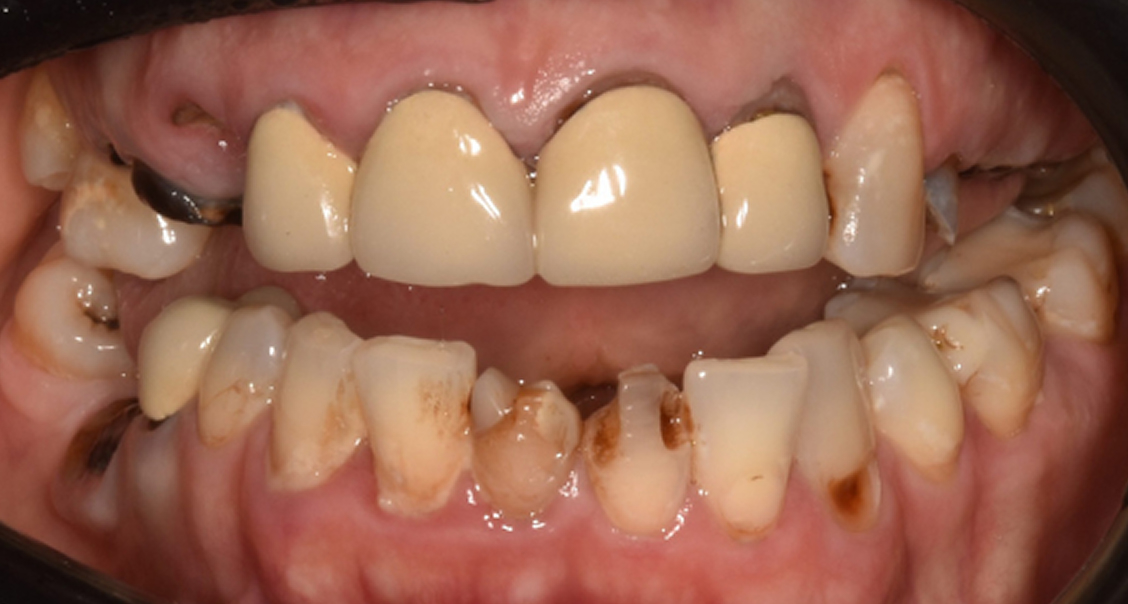
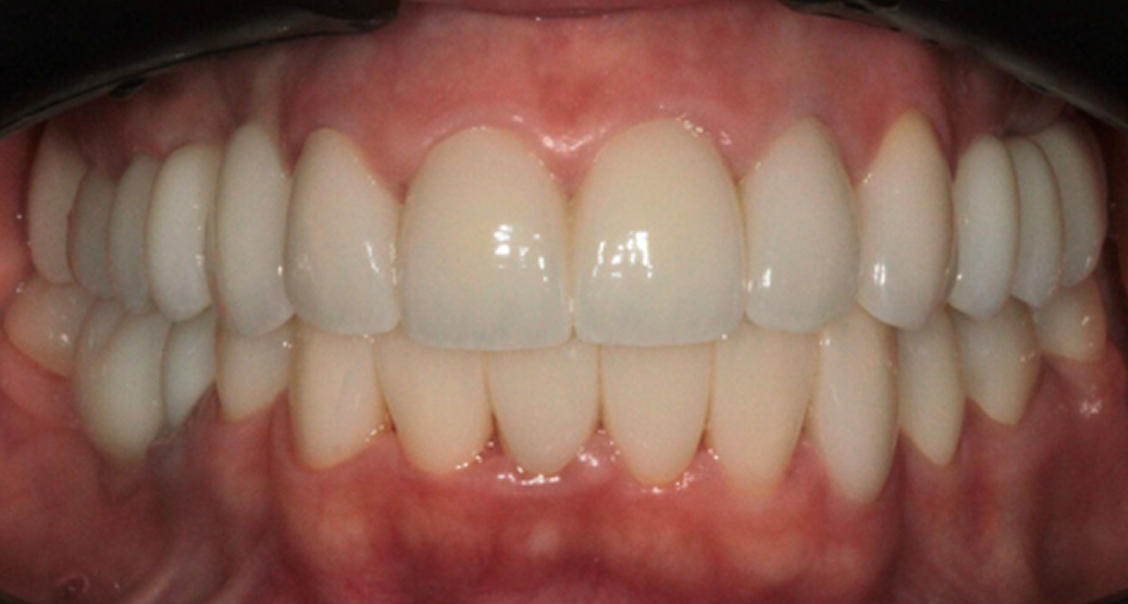
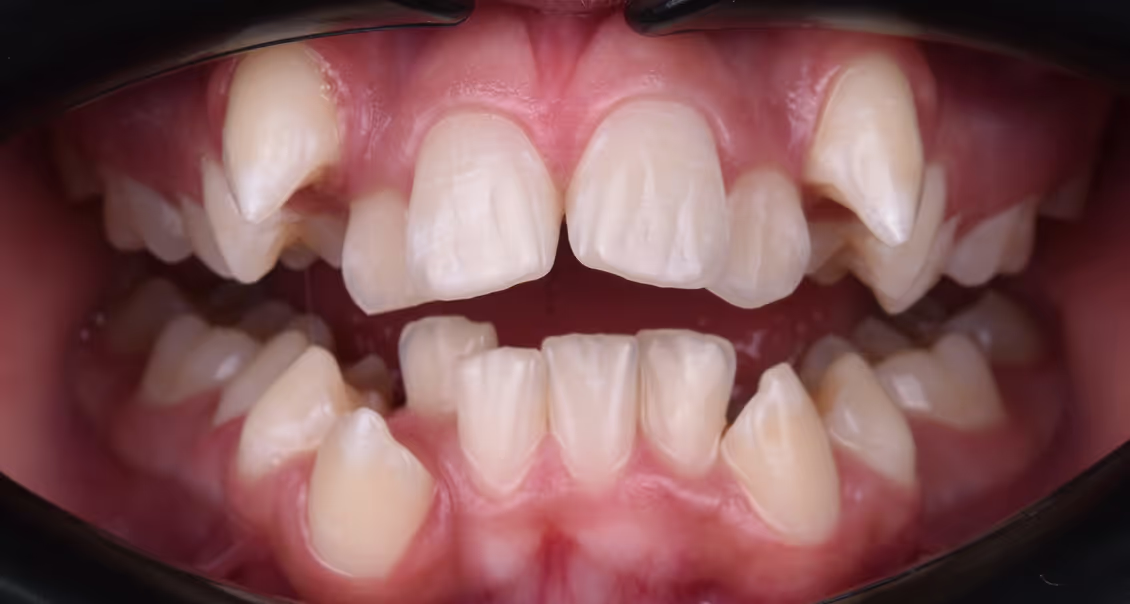
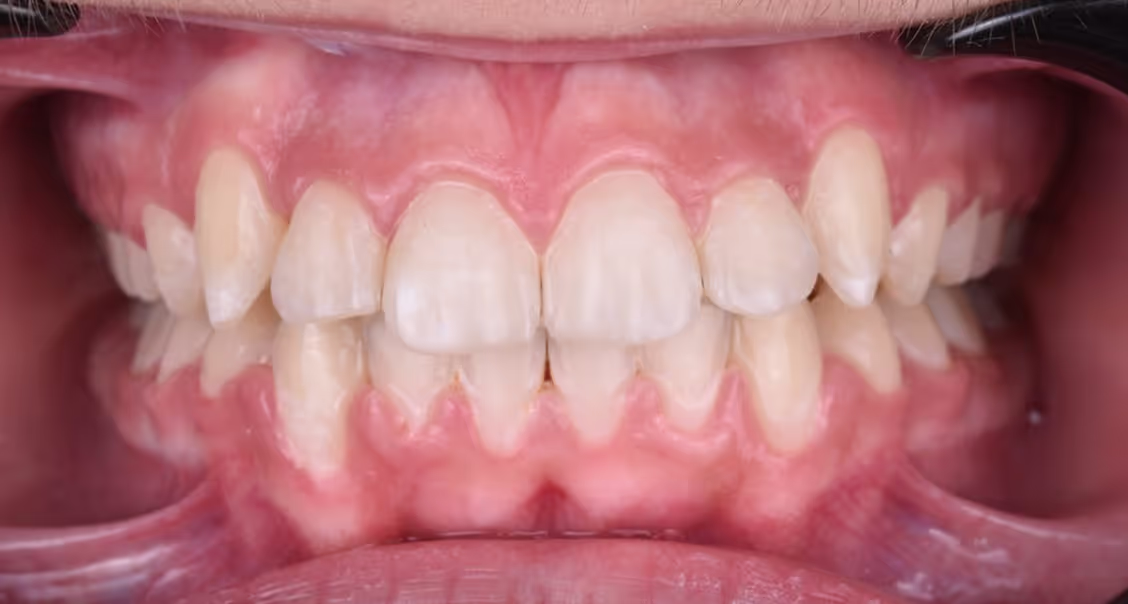
Self-ligating braces results — before and after
Treatment results depend on the type of malocclusion, the starting situation and the prepared orthodontic plan.
Why choose self-ligating braces at MistoDent Krakow?
When you choose self-ligating braces at MistoDent Krakow, you can count on:
- individual treatment planning — we choose the appliance for the type of malocclusion and the planned tooth movements;
- orthodontic diagnostics — before treatment we assess tooth alignment and occlusal conditions;
- metal and aesthetic options — the choice of system takes into account both indications and the patient's preferences;
- different self-ligating systems — we use, among others, GC, AO and Damon;
- regular monitoring of treatment — we track tooth movement at each stage of therapy;
- retention planning — after the braces are removed, we choose how to maintain the achieved tooth position;
- comprehensive dental care — if needed, we combine orthodontic treatment with hygiene, surgery, prosthodontics or other areas of dentistry.
MistoDent Krakow at ul. Grzegórzecka 20A
How much do self-ligating braces cost in Krakow?
The price of self-ligating braces depends primarily on the type of brackets and the chosen system.
FAQ
Answers provided by
Dr. Kateryna Zadereshchenko
What are self-ligating braces?
Self-ligating braces are a fixed orthodontic appliance whose brackets have a built-in mechanism holding the archwire. They do not use classic ligatures to secure the archwire in the brackets.
How much do self-ligating braces cost?
At MistoDent Krakow, metal self-ligating braces cost from 5,300 PLN per arch, and aesthetic self-ligating braces from 6,500 PLN per arch.
How do self-ligating braces differ from classic ones?
The basic difference is the design of the brackets. Self-ligating braces have their own mechanism holding the archwire, whereas classic braces use additional ligatures.
Are self-ligating braces better than regular ones?
No single appliance is best for all patients. The choice of system depends on the malocclusion, the planned tooth movements and the individual treatment plan.
Do self-ligating braces hurt?
After fitting and at some stages of treatment, a temporary feeling of pressure, tooth tenderness or discomfort may occur. If the discomfort is severe or lasts long, contact your orthodontist.
How long do you wear self-ligating braces?
Treatment time is individual and depends, among others, on the type of malocclusion, the scope of planned tooth movements and the course of therapy. The orthodontist can estimate the expected time after diagnostics.
Can self-ligating braces be aesthetic?
Yes. Aesthetic self-ligating braces are available, with brackets that are less visible than classic metal ones. At MistoDent we use, among others, GC, AO and Damon Clear aesthetic systems.
Do you need a retainer after self-ligating braces?
Yes. After active treatment, orthodontic retention is needed to help keep the teeth in their new position. The orthodontist chooses the type of retainer.
Related services

Medical verification
Content verified by:
Dr. Kateryna Zadereshchenko
Orthodontics • Prosthodontics • Gnathology
Last updated: 07.10.2026
Book an appointment!
Leave your contact details in the form or message us on your preferred messenger — we'll be happy to answer your questions and help you book a visit.


