


Dental occlusion in Krakow — diagnosis and treatment of bite disorders
At MistoDent Krakow, we assess the contacts between teeth, bite function and the work of the masticatory system to choose the right management for each patient’s individual needs.
Who diagnoses occlusion at MistoDent Krakow?
Diagnoses and treats problems related to the bite, the function of the masticatory system and tooth restoration. Takes into account the relationships between the teeth, the chewing muscles and the temporomandibular joints, which matters when planning prosthetic and orthodontic treatment.

What is dental occlusion?
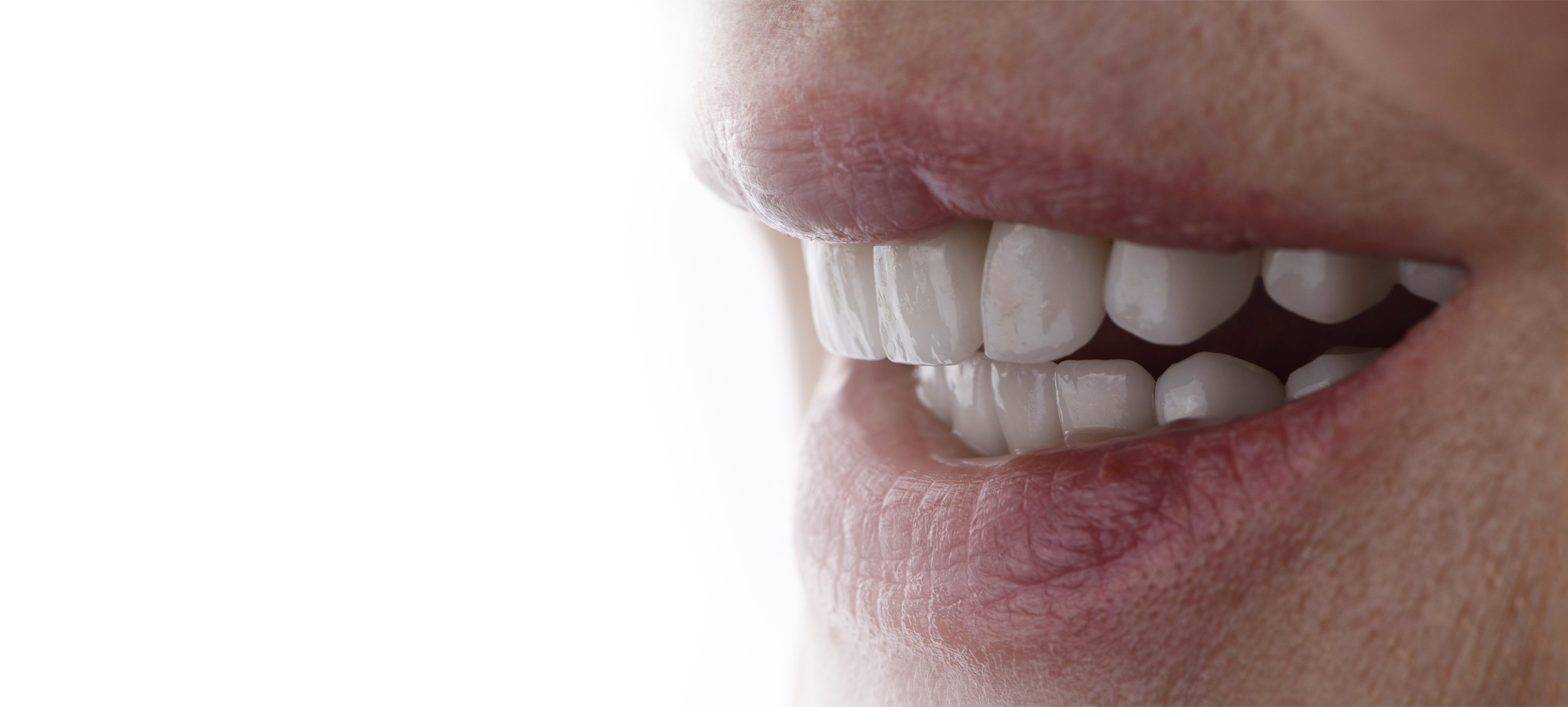
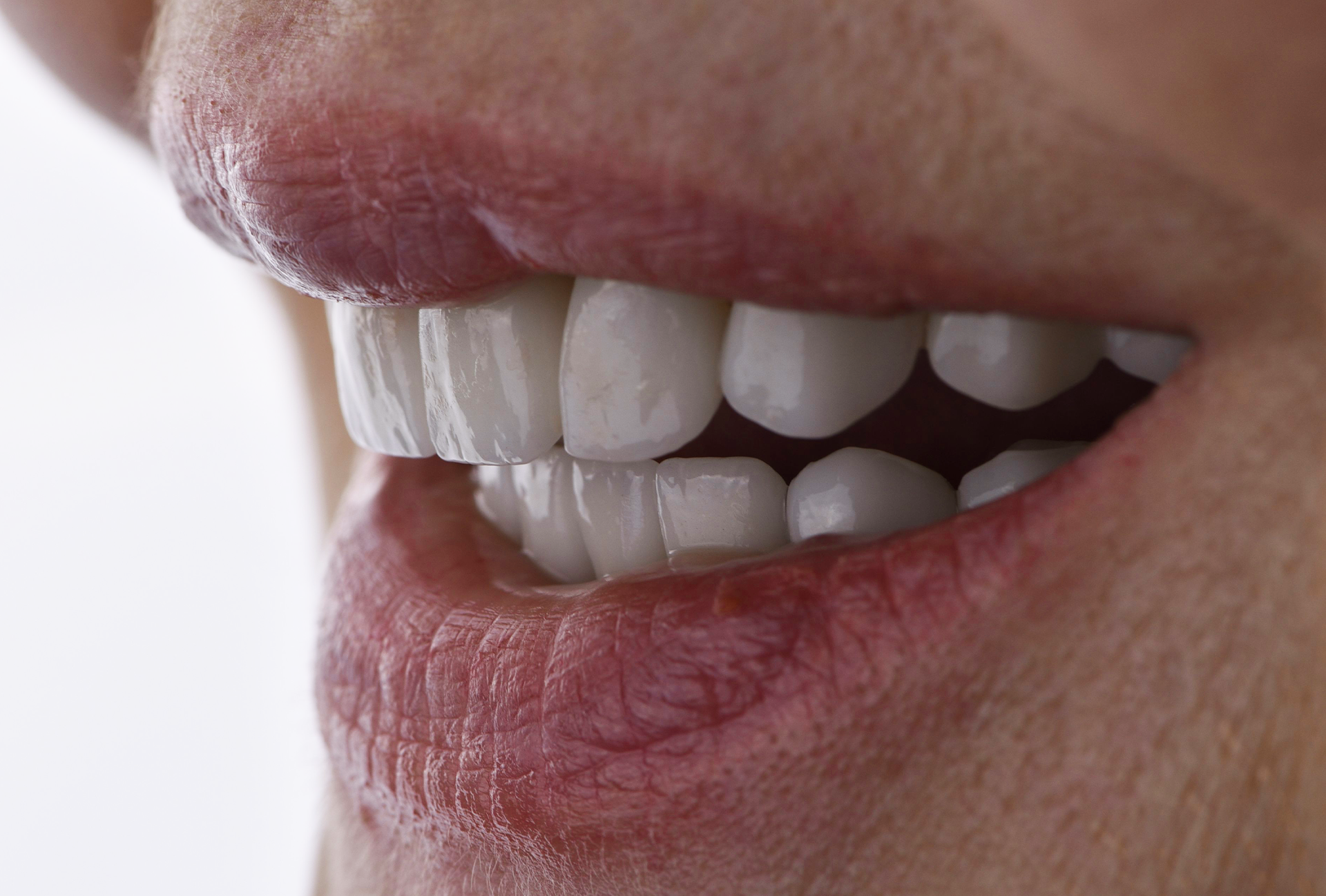
Dental occlusion is the way the upper and lower teeth contact each other when the mouth closes and during jaw movements.
In dentistry, occlusion refers both to the contacts between teeth in a given jaw position and to how they change during biting, chewing or moving the jaw sideways.
Correct occlusion allows comfortable and efficient biting and chewing without unwanted overloading of individual teeth.
This does not mean, however, that there is one ideal pattern of tooth contacts suitable for all patients. How the whole masticatory system functions is also important.
Occlusal disorders may appear, among other things, as a result of changes in tooth position, tooth wear, tooth loss or incorrect contacts after dental restoration.
Not every irregularity requires treatment. The need for it depends on symptoms, the condition of the teeth and the results of diagnosis.
What are the symptoms of occlusal disorders?
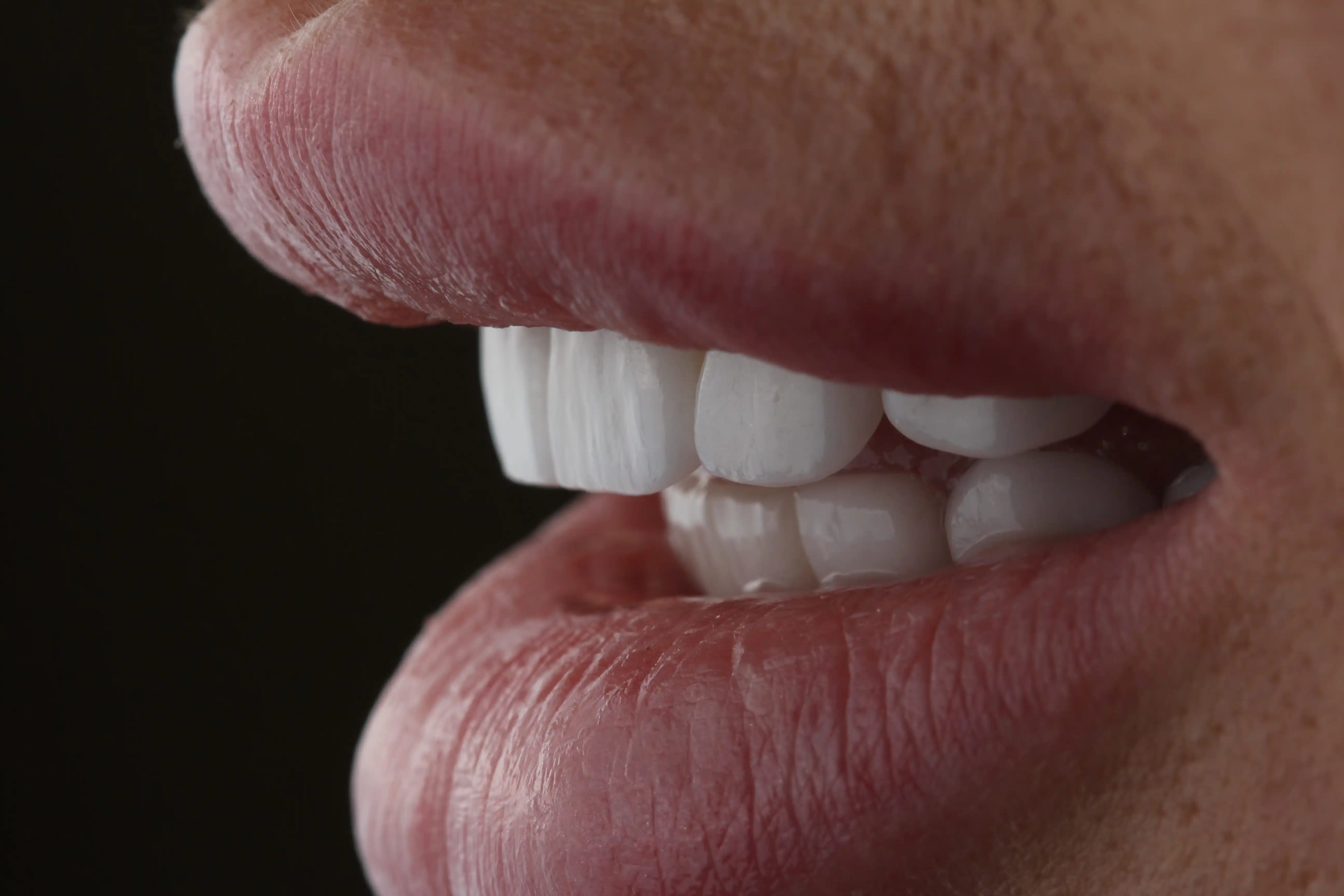
Incorrect contacts between teeth do not always cause obvious complaints. Some patients only notice a change in how their teeth meet when closing the mouth.
Symptoms worth discussing with a dentist include:
- Uneven tooth contacts — a feeling that some teeth meet earlier than others.
- Discomfort when biting — a feeling of overload on a particular tooth or group of teeth.
- Excessive tooth wear — visible flattening of chewing surfaces or shortened crowns.
- Cracks and damage to restorations — recurring damage to fillings, crowns or other restorations.
- Tension in the chewing muscles — a feeling of fatigue around the jaw, especially after prolonged clenching.
- Difficulty finding a comfortable bite position — a feeling that the teeth no longer fit together as before.
- Discomfort when chewing — especially on one side.
Pain around the temporomandibular joints, clicking or limited mouth opening also require diagnosis, but do not have to result from occlusal disorders.
Similarly, bruxism is not always caused by a faulty bite. That is why it is important to assess the whole masticatory system, not just the tooth surfaces.
What causes occlusal disorders?
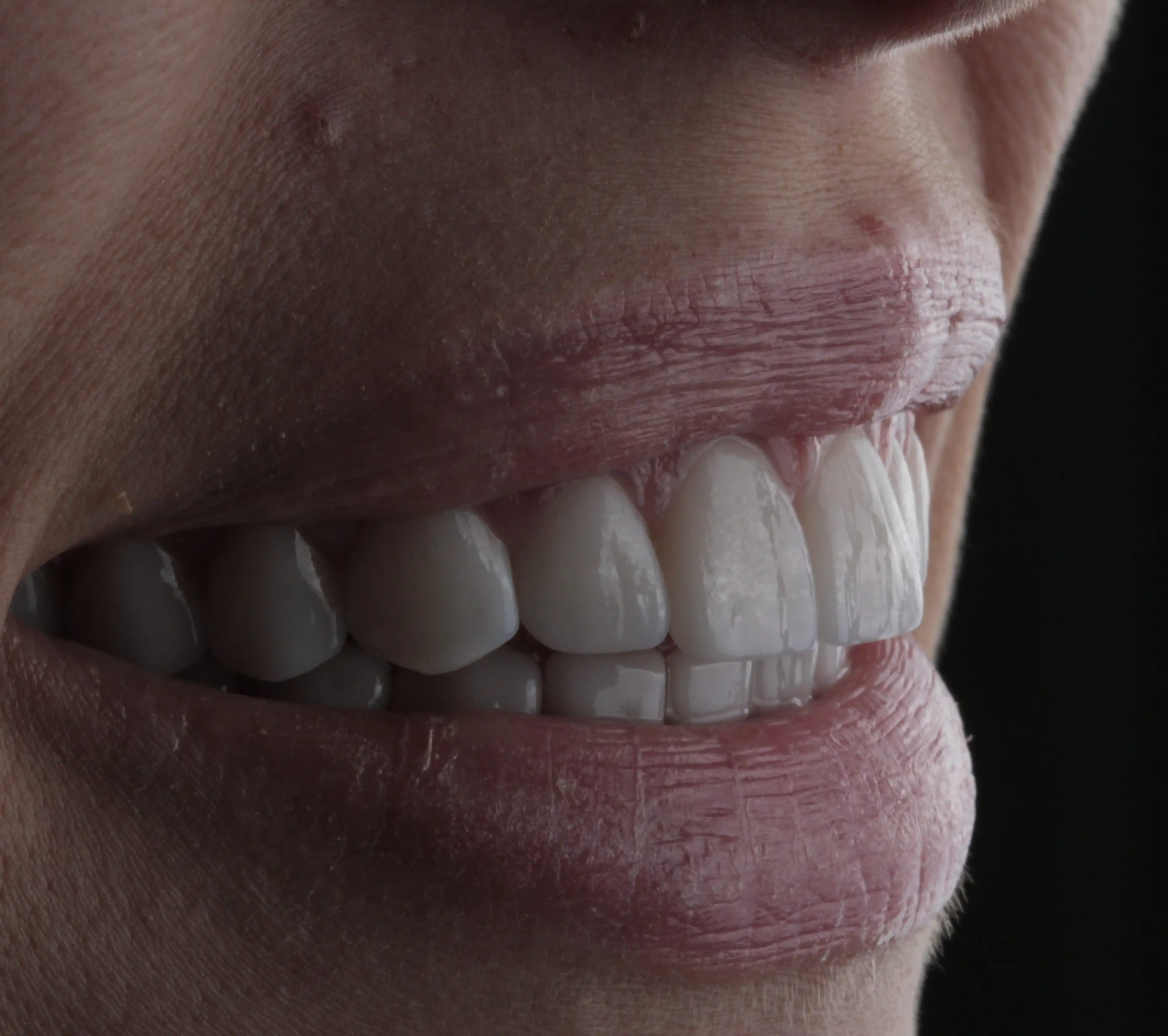
The way teeth contact each other can change throughout life. It is influenced by anatomical conditions, the state of the teeth and previous dental treatment.
Misaligned teeth
Crowding, rotations or incorrect tooth positions can affect the distribution of tooth contacts when closing the mouth and chewing.
However, not every malocclusion leads to symptomatic occlusal disorders.
Missing teeth
Losing one or more teeth can cause neighbouring teeth to shift gradually and change the way the teeth meet.
Over time, this may affect the stability of contacts between the upper and lower dental arches.
Tooth wear
Wear of chewing surfaces changes their shape and can affect occlusal contacts.
With significant wear, it is necessary to assess not only the teeth but also the causes of tissue loss.
Incorrect contacts after tooth restoration
A new filling, crown or other prosthetic restoration can sometimes feel too high.
If after treatment the patient feels that one tooth meets earlier than the others, the bite is worth checking.
Changes in the dentition
Occlusion can also be affected by tooth movement, changes in periodontal support and remodelling of the dentition related to orthodontic or prosthetic treatment.
The causes of the problem are not always obvious, so appropriate diagnosis should be carried out before treatment.
Occlusion vs bite — is it the same thing?
The terms occlusion and bite are related, but they do not mean exactly the same thing.
Occlusion
Bite
Describes the contacts between upper and lower teeth
Describes the relative position of the teeth and dental arches
Covers static and dynamic contacts
Often refers to anatomical relationships and tooth position
Important in diagnosing chewing function
Important, among other things, in orthodontic diagnosis
May require analysis of loads and tooth contacts
May require assessment of malocclusion and tooth position
A patient may have misaligned teeth but feel no complaints related to their contacts. That is why a diagnosed malocclusion alone does not automatically mean that occlusal treatment is needed.
What are the types of occlusion?
In dental diagnosis, various situations in which the teeth contact each other are analysed.
Static occlusion
Concerns the contacts of upper and lower teeth in a given jaw position, without sideways or forward jaw movements.
The doctor assesses, among other things, which teeth contact each other and how these contacts are distributed.
Dynamic occlusion
Describes the contacts that occur during jaw movements, e.g. moving it sideways or forward.
Analysis of dynamic occlusion helps assess how the tooth surfaces guide the jaw.
Maximum intercuspation
This is the position in which the upper and lower teeth achieve the maximum fit of their contacts, regardless of the position of the temporomandibular joints.
Assessment of this position is one element of a bite examination.
Centric relation
Centric relation describes a specific, reproducible relationship of the mandible to the maxilla, independent of tooth contacts.
It may matter in more complex diagnosis and prosthetic treatment planning.
Not every patient needs a detailed analysis of all parameters. The scope of the examination depends on the reported problem and planned treatment.
How do we diagnose occlusal disorders?
Occlusal diagnosis consists of assessing the contacts between teeth and the functioning of the masticatory system.
The examination may include:
- analysis of tooth contacts when closing the mouth;
- assessment of contacts during jaw movements;
- examination of the degree of tooth wear;
- assessment of prosthetic restorations and fillings;
- analysis of tooth position and missing teeth;
- assessment of the chewing muscles;
- examination of temporomandibular joint function;
- assessment of the range of jaw movements.
To check tooth contacts, the doctor may use articulating paper and other diagnostic tools.
In more complex cases, extended functional diagnostics may be considered, e.g. jaw movement analysis.
The aim of the examination is to determine whether the identified tooth contacts need correction and whether they may be related to the reported complaints.
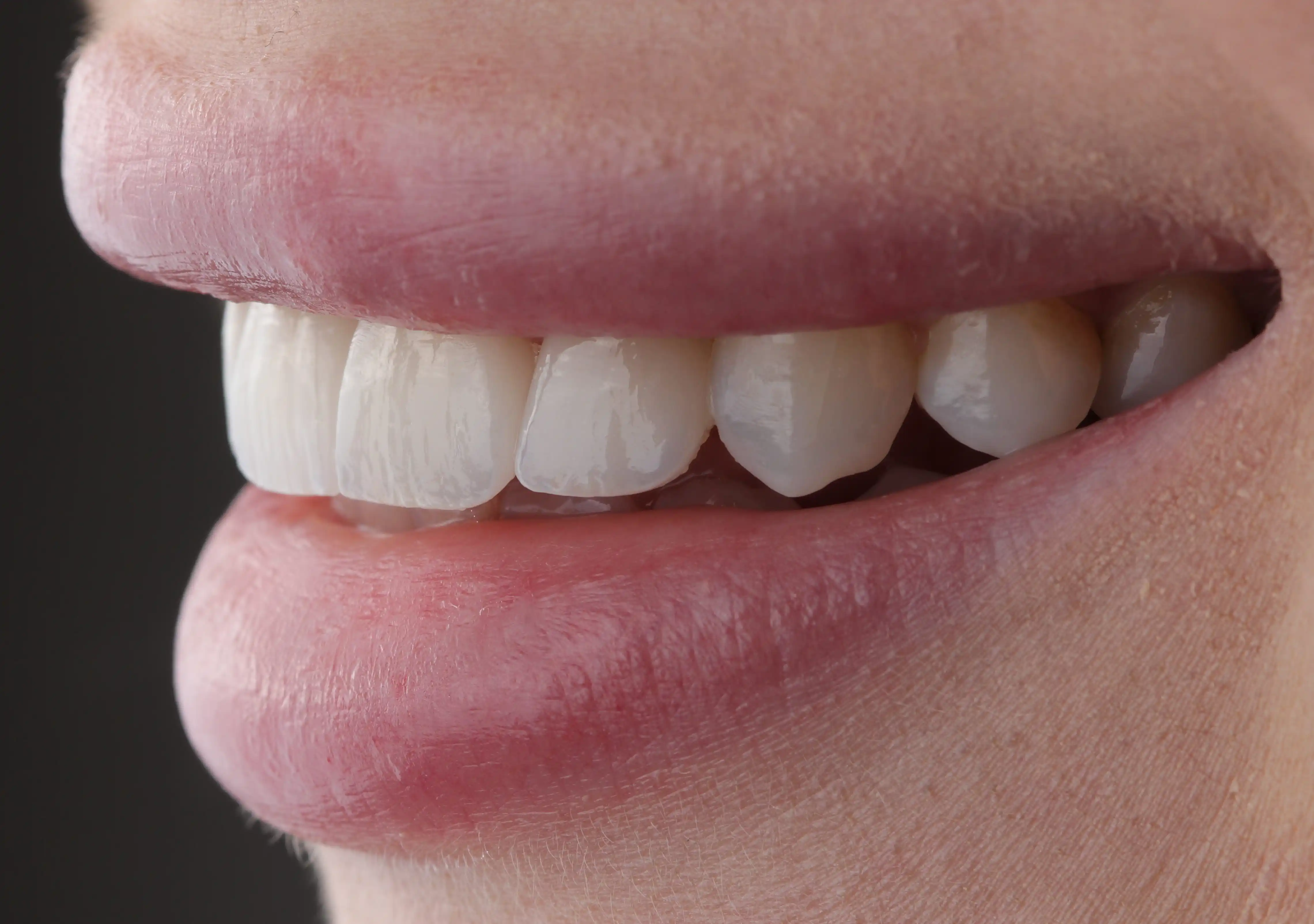
What does treatment of occlusal disorders look like?
Occlusal treatment does not mean using one method for all patients.
The type of management depends on the cause of the problem, the condition of the teeth, symptoms and the planned dental treatment.
Correction of tooth contacts
If a clear premature contact appears after a filling or crown, the doctor can check and adjust the restoration accordingly.
Correction should be preceded by an examination, because not every subjective feeling of an uneven bite requires grinding of the teeth.
Irreversible changes to natural teeth should not be made routinely or solely on the basis of non-specific muscle or joint complaints.
Prosthetic treatment
With significant damage or wear of the teeth, restoration may be necessary.
Properly planned prosthetic treatment helps restore tooth shape, chewing function and stable occlusal contacts.
The scope of treatment depends on the number of damaged teeth and bite conditions.
Orthodontic treatment
If the problem is related to misaligned teeth, the doctor may recommend an orthodontic consultation.
Treatment with braces or aligners can help improve tooth position and their relationships.
However, malocclusion alone does not mean that the patient needs treatment for occlusal disorders.
Occlusal splints
In selected cases, custom-made splints are used.
They may be part of the management of bruxism, excessive tooth wear or certain functional disorders of the masticatory system.
A splint can protect teeth from the effects of clenching and grinding, but it does not automatically remove the cause of bruxism and is not used to permanently reposition the bite without proper indications.
Interdisciplinary treatment
In more complex cases, cooperation between a dentist, prosthodontist, orthodontist, periodontist or a doctor treating temporomandibular disorders may be needed.
Such an approach takes into account not only the tooth contacts but also the condition of the teeth and the function of the whole masticatory system.
Occlusion and bruxism — what is the link?
Bruxism is repetitive activity of the chewing muscles that may include clenching, grinding the teeth or other jaw movements.
It can occur during sleep or during the day.
For many years, bruxism was linked mainly to a faulty bite. Today, however, it is known to be a multifactorial phenomenon that may be influenced by sleep regulation mechanisms, psychosocial factors and other conditions.
Incorrect occlusion is not considered a universal cause of bruxism.
In people with bruxism, it is worth assessing the condition of the teeth and restorations, especially if there is excessive wear, cracks or damaged restorations.
Depending on the situation, the doctor may recommend protecting the teeth, appropriate dental treatment or further diagnosis.
[Learn more about bruxism treatment →]
Occlusion and the temporomandibular joints
The temporomandibular joints are responsible for the jaw movements needed for speaking, biting and chewing, among other things.
Their work is linked to the function of the chewing muscles and the contacts between teeth.
This does not mean, however, that every temporomandibular joint disorder results from incorrect occlusion.
Complaints such as:
- pain around the joint;
- clicking or popping when opening the mouth;
- limited jaw mobility;
- a feeling of muscle tension;
- difficulty opening the mouth wide;
may have various causes and require separate diagnosis.
In such cases, a suitable direction for consultation may be gnathology, which deals with the function of the masticatory system and temporomandibular disorders.
[Learn more about gnathology →]
What do occlusal diagnosis and treatment look like?
1. Dental consultation
The doctor talks with the patient about symptoms, previous treatment and situations in which discomfort appears.
2. Examination of tooth contacts
The way teeth contact each other when closing the mouth and in selected jaw movements is assessed.
3. Assessment of masticatory function
Depending on indications, the doctor checks the chewing muscles, the range of jaw movements and the function of the temporomandibular joints.
4. Management plan
Based on the diagnostic results, the doctor explains whether treatment, observation, adjustment of a restoration or a consultation with another specialist is needed.
5. Treatment
If there are indications, prosthetic, orthodontic or other treatment tailored to the diagnosed problem may be planned.
6. Follow-up
After treatment, tooth contacts, chewing function and the previously reported complaints are assessed.
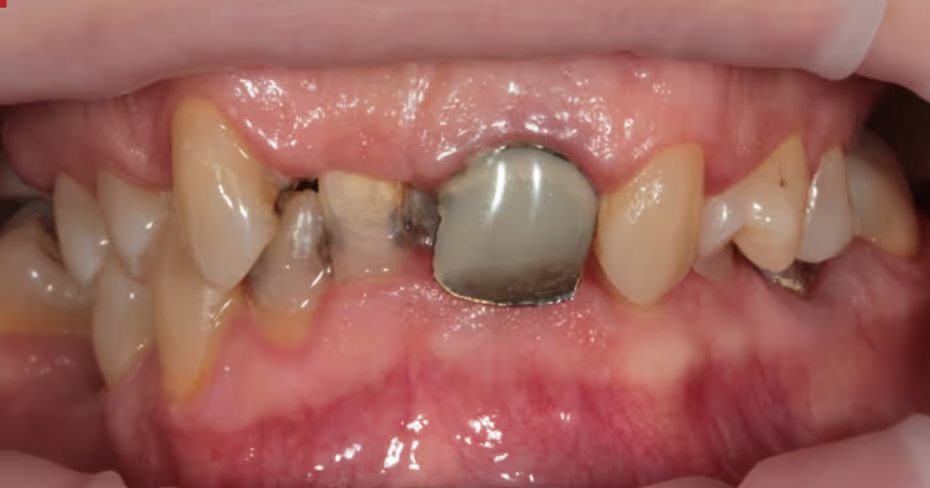
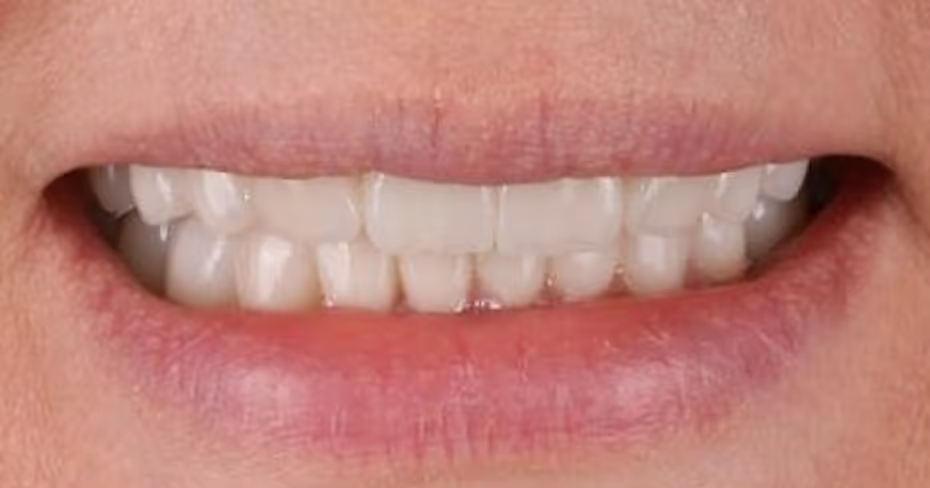
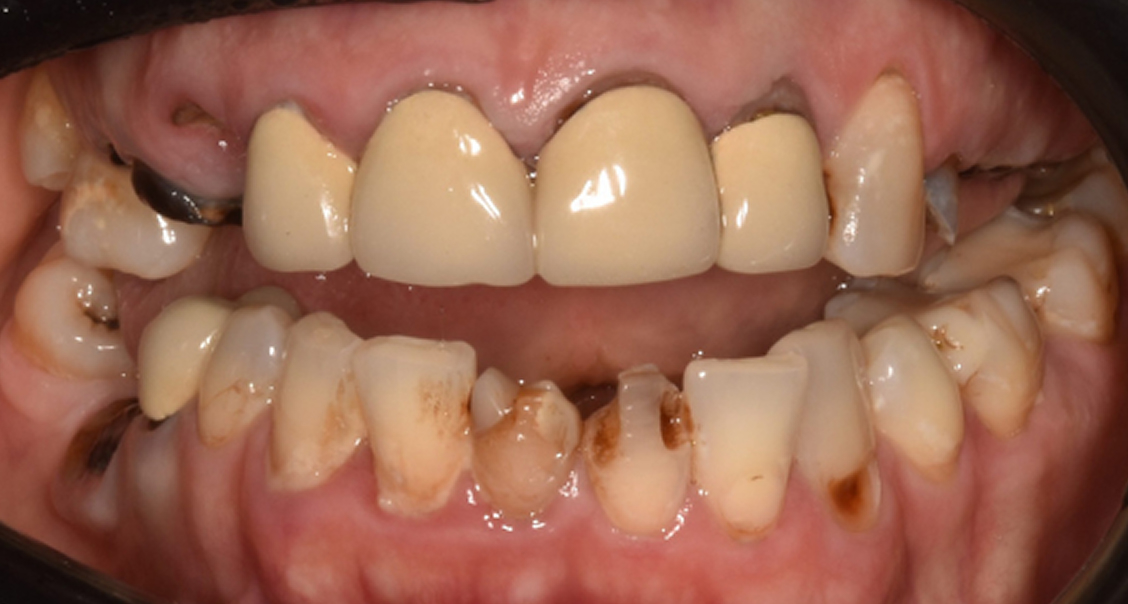
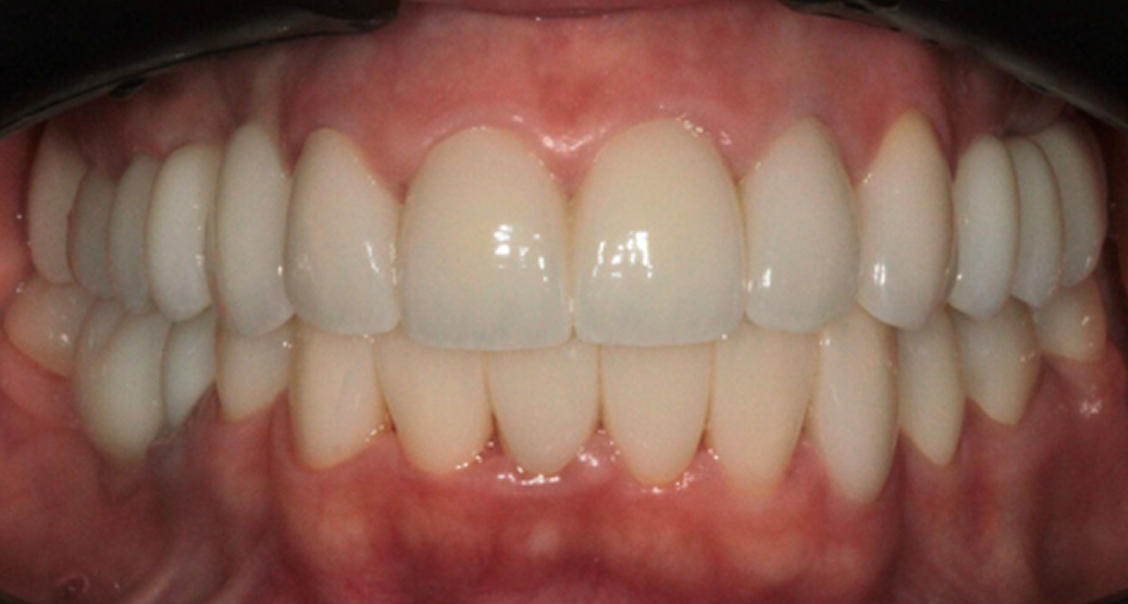
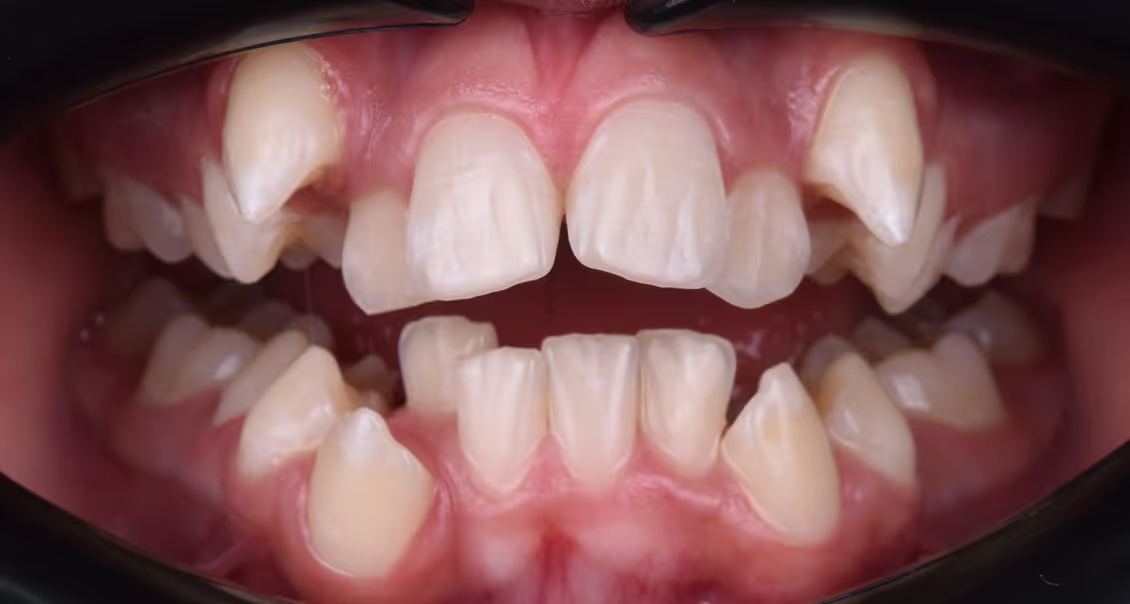
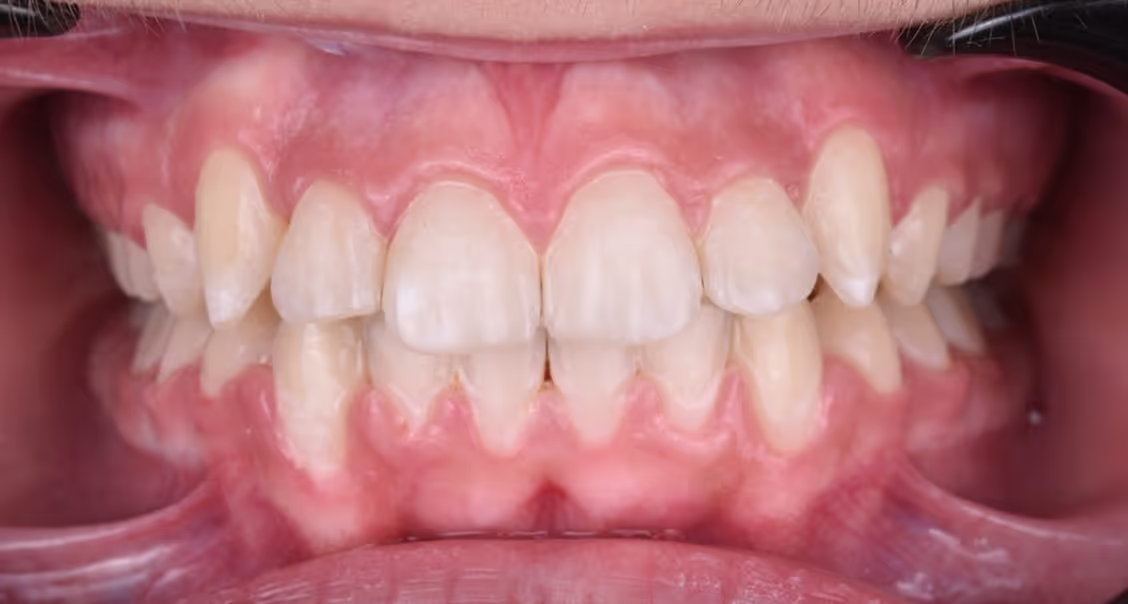
Occlusion treatment — before and after
The results of treating occlusion disorders are best shown by real patient cases — from improved contacts between teeth to restored proper chewing function and bite comfort.
Do occlusal disorders always require treatment?
No. Many people have some differences in tooth contacts and feel no complaints because of them.
The mere presence of an asymmetry or a contact that deviates from a particular occlusion model does not have to mean disease.
Treatment is considered mainly when:
- there are specific complaints related to tooth contacts;
- a traumatic contact after tooth restoration has been found;
- extensive prosthetic treatment is planned;
- there is significant wear or damage to the teeth requiring restoration;
- misaligned teeth require orthodontic treatment.
In other cases, observation and periodic check-ups may be sufficient.
Why choose MistoDent Krakow for occlusal diagnosis?
At MistoDent Krakow, bite assessment is part of an individual approach to dental treatment.
- Assessment of tooth contacts — we check how the teeth meet when closing the mouth and during jaw movements.
- Functional diagnostics — depending on indications, we take into account the function of the chewing muscles and temporomandibular joints.
- Individual planning — we tailor the scope of management to symptoms and the condition of the teeth.
- Prosthetic treatment — when restoring teeth, we take into account their function and mutual contacts.
- Specialist cooperation — if needed, we combine diagnosis with an orthodontic, prosthetic or periodontal consultation.
- Follow-up of results — after treatment, we assess patient comfort and the function of the teeth.
MistoDent Krakow — ul. Grzegórzecka 20A
How much do occlusal diagnosis and treatment cost in Krakow?
The price of diagnosing and treating occlusal disorders depends on the type of problem, the scope of examinations and any further treatment. There is no single price for occlusal treatment, because different patients may need completely different procedures. The cost may include: a dental or gnathological consultation; diagnosis of tooth contacts; additional functional examinations, if indicated; a custom splint, if needed; prosthetic or orthodontic treatment. At MistoDent Krakow, we determine the scope of management and its cost after the examination and a discussion of the available treatment options.
FAQ
Answers provided by
Dr. Kateryna Zadereshchenko
What is occlusion?
Occlusion is the contacts between upper and lower teeth when closing the mouth and during jaw movements. Its assessment is important, among other things, when planning prosthetic treatment and analysing chewing function.
What is occlusion in dentistry?
In dentistry, occlusion describes the way opposing teeth contact each other. The doctor assesses both contacts in a given jaw position and those that occur during its movements.
What does correct dental occlusion mean?
Correct occlusion means functional, stable contacts between teeth that allow comfortable chewing without unwanted overloading. There is no single universal contact pattern ideal for all patients.
How to recognise occlusal disorders?
The patient may notice uneven tooth contacts, discomfort when biting, a premature contact after a crown or filling, or difficulty finding a comfortable bite position. Diagnosis requires a dental examination.
What does occlusal diagnosis look like?
The doctor assesses the contacts between teeth when closing the mouth and during jaw movements, checks the condition of the teeth and, if needed, the function of the muscles and temporomandibular joints.
How to treat occlusal disorders?
Treatment depends on the cause. It may include correcting an incorrect contact after tooth restoration, prosthetic or orthodontic treatment, or using a splint for specific indications. Not every irregularity requires treatment.
Are occlusion and malocclusion the same?
No. Malocclusion concerns mainly the position of the teeth and the relationship of the dental arches. Occlusion describes their mutual contacts. The two terms are related but are not synonyms.
Does incorrect occlusion cause bruxism?
There is no basis for considering occlusal disorders a universal cause of bruxism. Clenching and grinding have a complex background and require individual assessment.
Can incorrect occlusion cause jaw pain?
Discomfort related to tooth contacts may occur when biting. However, pain in the jaw area may also result from muscle, joint or other problems. It should not be attributed solely to occlusion without diagnosis.
Does occlusion affect the temporomandibular joints?
Tooth contacts are part of how the masticatory system works. This does not mean, however, that occlusal disorders are the main cause of temporomandibular joint diseases. Joint complaints require a separate assessment.
Can occlusion change after a crown is fitted?
Yes. If a new crown is too high or causes a premature contact, the patient may feel discomfort when closing the mouth. In such a situation, it is worth seeing a dentist to have the bite checked.
Does an occlusal splint correct the bite?
Splints have various uses. They can protect teeth from the effects of bruxism or be part of a specific functional treatment. Not every splint is used to change the bite, and its use should follow from a diagnosis.
When is it worth having an occlusion examination?
It is worth booking a consultation if your teeth do not meet comfortably, you feel overload when biting, you notice significant tooth wear or you are planning extensive prosthetic treatment.
How much does occlusal treatment cost?
The cost depends on the scope of diagnosis and the treatment needed. For some patients a consultation and a check of tooth contacts is enough, while others need more extensive prosthetic or orthodontic treatment. The exact cost is set individually.

Medical verification
Content verified by:
Dr. Kateryna Zadereshchenko
Dentist • Prosthodontics • Orthodontics • Gnathology
Last updated: 22.10.2026
Book an appointment!
Leave your contact details in the form or message us on your preferred messenger — we'll be happy to answer your questions and help you book a visit.


