



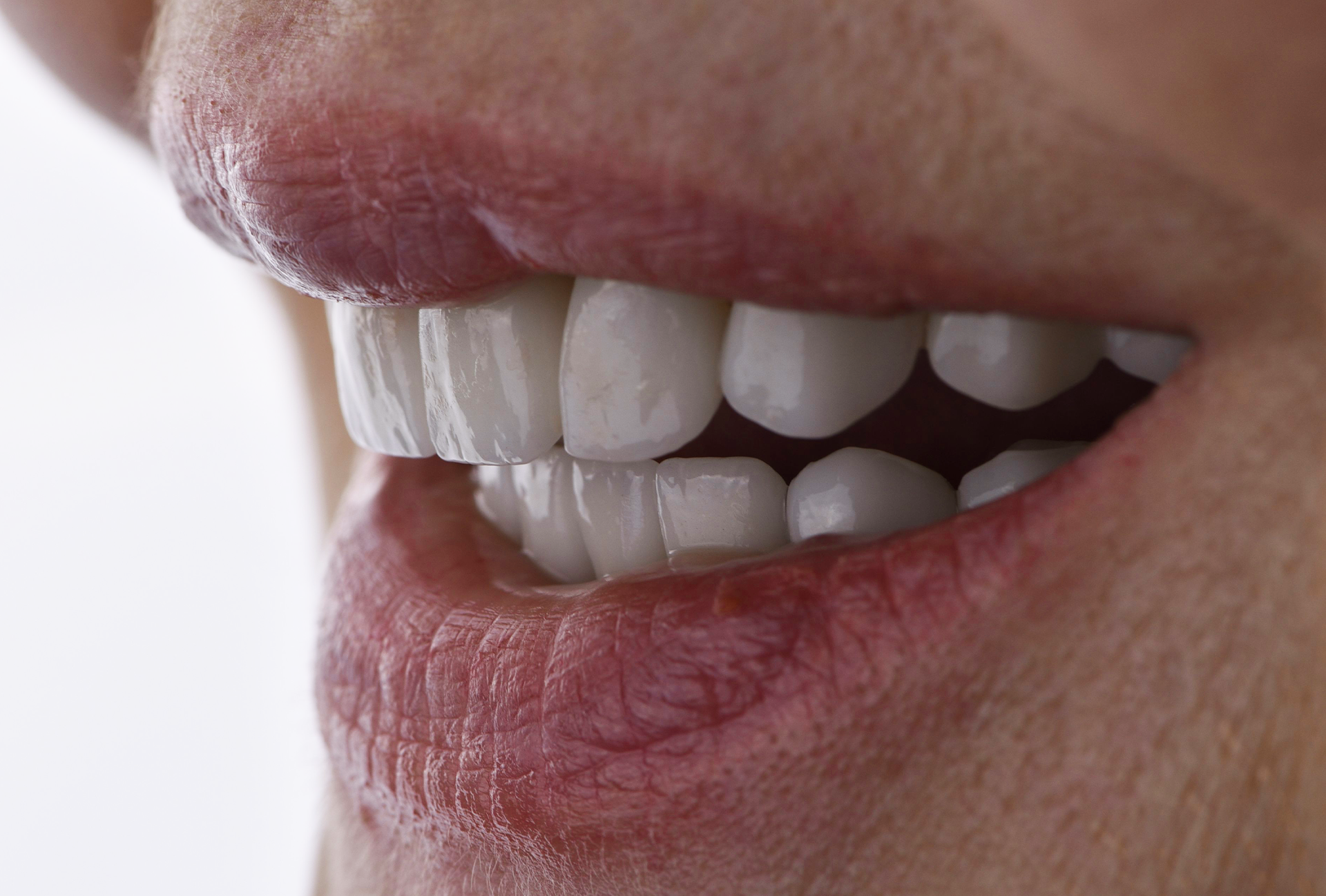
Tooth decay treatment in Krakow — dental treatment
Diagnosis and treatment of tooth decay at every stage — from early enamel changes to deep cavities. Tooth restoration matched to the extent of the damage.
Who treats tooth decay at MistoDent Krakow?
We diagnose and treat tooth decay in adults, using methods matched to the stage of the lesions and the amount of preserved tooth tissue.



What is tooth decay?
Tooth decay (caries) is a disease that leads to gradual demineralisation and damage of the hard tissues of the tooth. At first the lesion may be limited to the enamel, but without proper treatment it can spread deeper and lead to a cavity.
Early decay often causes no pain. That is why changes may only be noticed during a dental examination.
The earlier tooth decay is detected, the greater the chance of conservative treatment and of preserving natural tooth tissue.
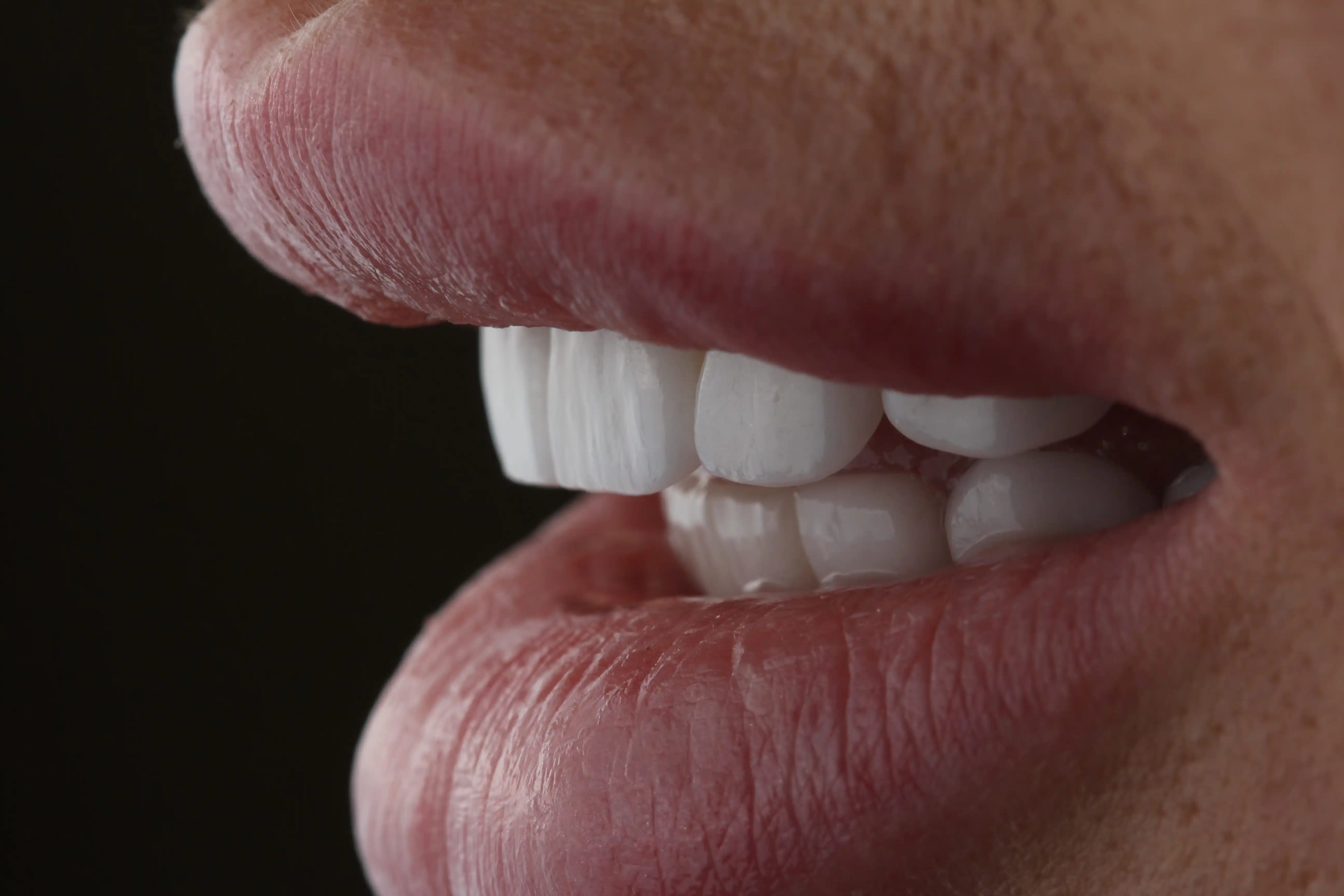
What does tooth decay look like? Symptoms not to ignore
Tooth decay does not always look like a black hole in a tooth. Its appearance and symptoms depend on the stage of development and where it has formed.
Possible symptoms include:
- white or matte spots on the enamel;
- darker discolouration;
- a visible cavity in the tooth;
- sensitivity to cold, hot or sweet foods;
- pain when biting;
- food getting stuck between the teeth;
- a damaged or leaking existing filling;
- spontaneous pain with more advanced lesions.
No pain does not mean the tooth is healthy. Early decay and decay between the teeth can develop for a long time without noticeable symptoms.
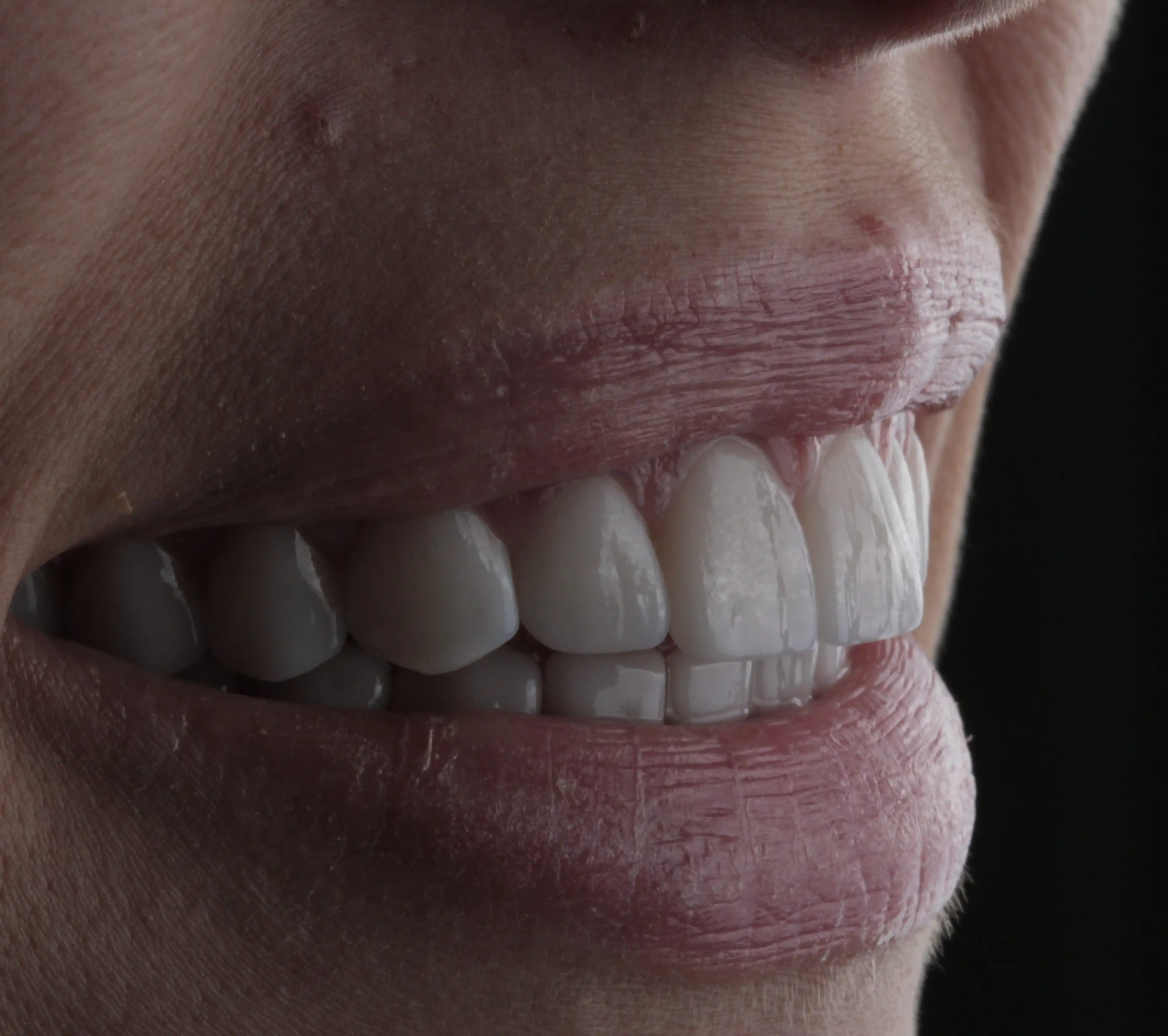
Types and stages of tooth decay
The scope of treatment depends primarily on how deeply the lesion has affected the tooth tissue.
Early decay
Early decay may appear as a white, matte change on the enamel surface before a typical cavity forms.
At this stage, the dentist assesses whether the lesion needs to be removed or whether a more conservative approach is possible.
In suitable cases, at MistoDent we use, among others, ICON treatment.
Superficial decay
When the lesion involves the enamel and a cavity requiring treatment has formed, the affected tissue may need to be removed and the tooth restored with composite material.
Advanced and deep decay
Advanced decay may involve deeper layers of the tooth and approach the pulp.
The deeper the cavity, the more important accurate diagnostics become. If the pulp is in good condition, the dentist aims to keep the tooth vital. If the pulp has been irreversibly damaged, root canal treatment may be necessary.
Decay between the teeth
Interproximal decay develops on the contact surfaces between adjacent teeth. Because of its location, it can be hard to notice during everyday observation.
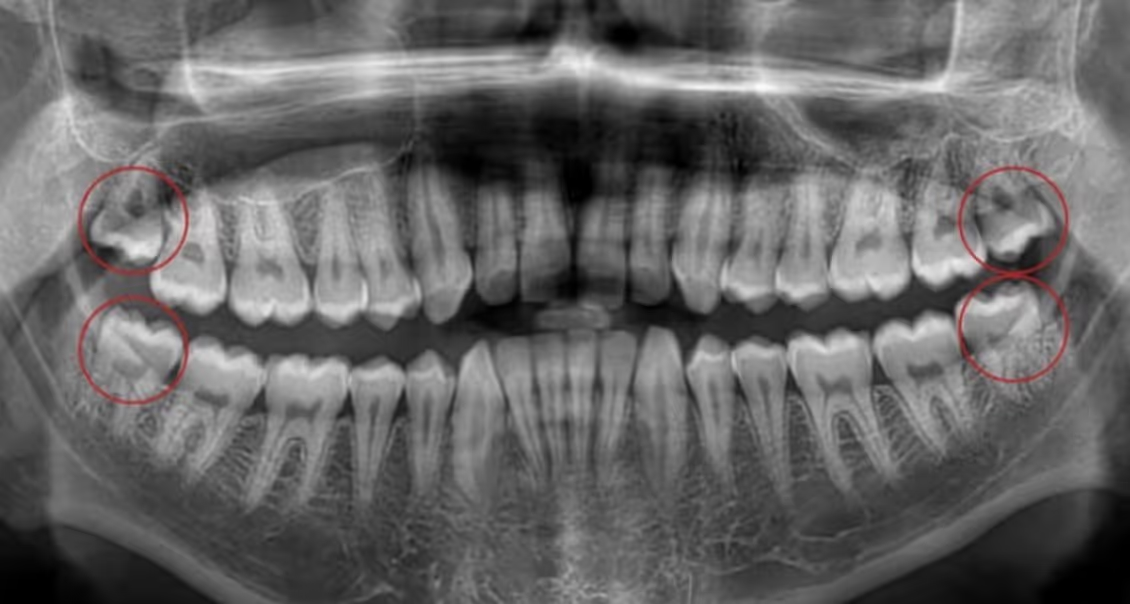
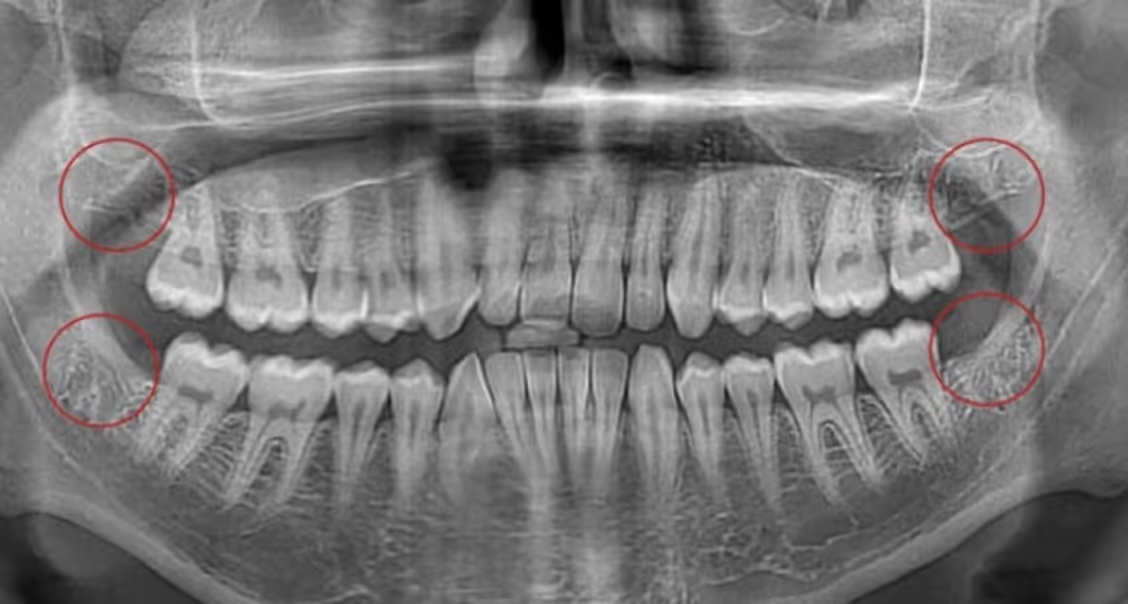
To diagnose interproximal lesions, when indicated, the dentist may use an appropriate X-ray.
Secondary decay and decay under a filling
Secondary decay can develop around an existing filling or other restoration.
A leak, damaged filling or carious lesion requires assessment by the dentist. Depending on the situation, the old material may need to be removed, the tooth cleaned and a new restoration made.
How do we treat tooth decay?
Not every case of tooth decay requires exactly the same treatment. We choose the method according to the depth of the lesion and the amount of healthy tissue that can be preserved.
Treatment of early decay
For lesions limited to an early stage, the dentist assesses whether methods that minimise intervention in the tooth tissue can be used.
In selected cases we use the ICON method, which can be applied to appropriately qualified early lesions.
Removing decay and filling the tooth
If decay has already caused a cavity, the diseased tissue is removed and the tooth is then restored.
At MistoDent we use, among others, composite fillings whose colour can be matched to the natural teeth.
Treatment of deep decay
With a deep cavity, the dentist assesses the condition of the pulp and whether the tooth can be kept vital.
The scope of treatment depends on the actual depth of the lesion. If decay has caused irreversible inflammation or damage to the pulp, root canal treatment may be necessary.
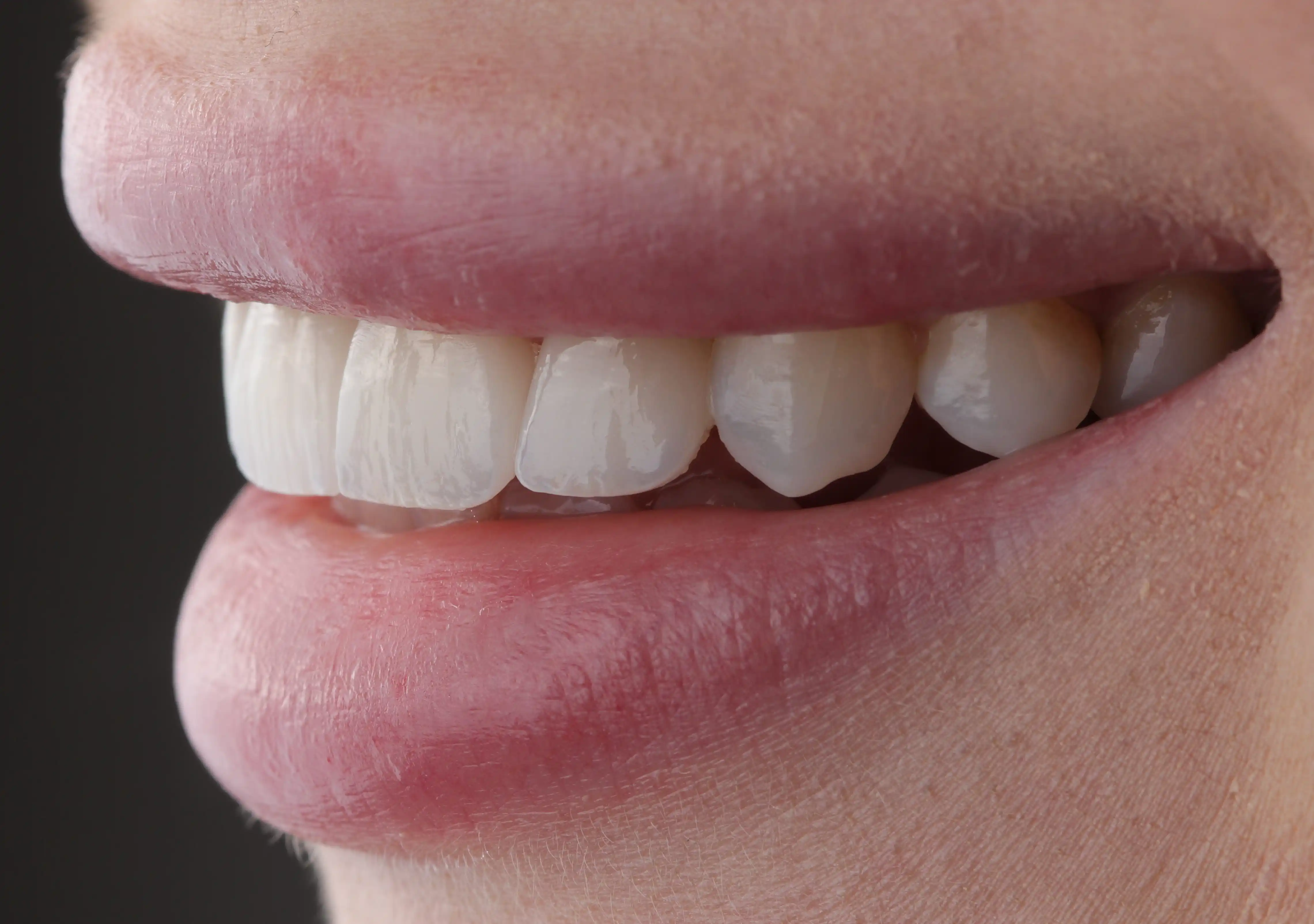
How is tooth decay treated?
1. Tooth examination
The dentist assesses the tooth surface, existing fillings and the extent of the visible lesion.
2. Diagnostics
If needed, we extend diagnostics with appropriate tests to assess the depth and location of the decay more precisely.
3. Anaesthesia
If the procedure requires it, we use appropriately selected local anaesthesia.
4. Removing affected tissue
The dentist prepares the cavity, removing decayed tissue to the extent required by the clinical situation.
5. Tooth restoration
After the cavity is cleaned, the tooth is restored with suitable material. In many cases a composite filling is used.
6. Bite check
Finally, the dentist checks the shape of the restoration and the tooth contacts when biting.
In most standard cases, tooth decay treatment and filling can be completed in a single visit.
What happens if tooth decay is not treated?
Untreated decay can gradually spread into deeper layers of the tooth.
A small lesion that initially causes no symptoms may over time lead to a larger cavity, a weakened tooth, pain and involvement of the pulp.
In more advanced cases, a regular filling may no longer be enough, and root canal treatment or a more extensive restoration may be needed.
That is why it is worth having your teeth checked even when nothing hurts.
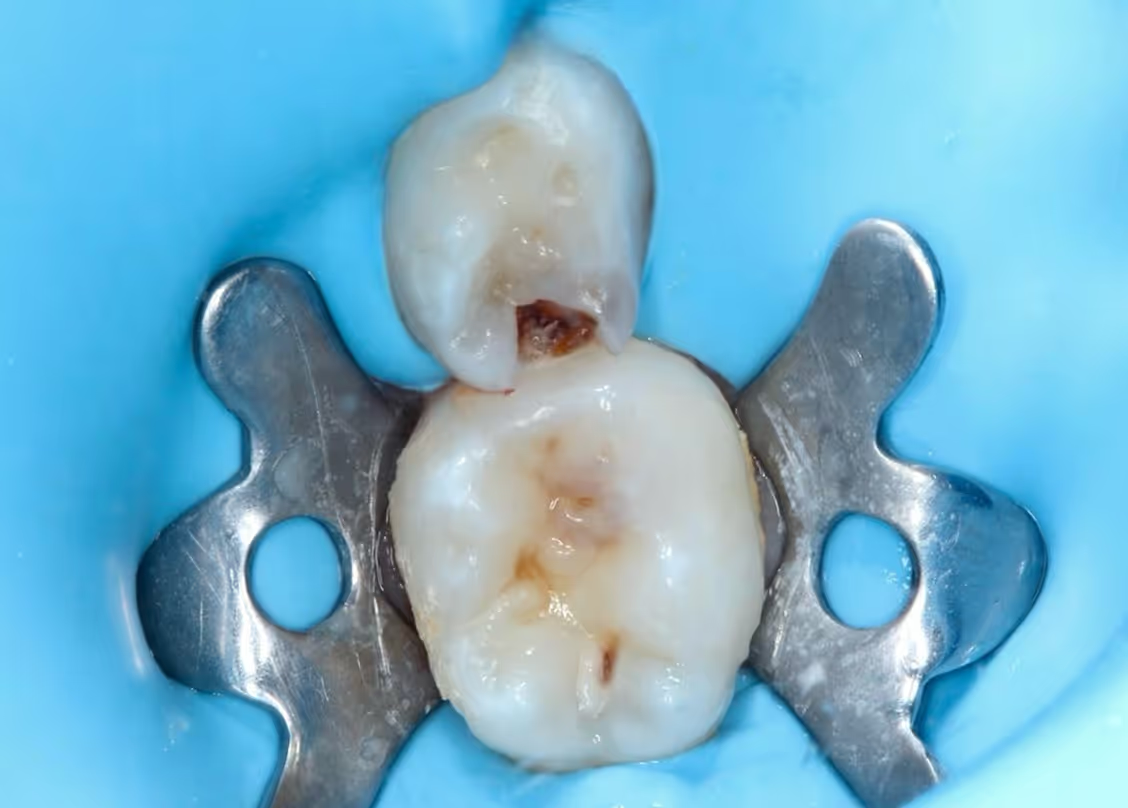
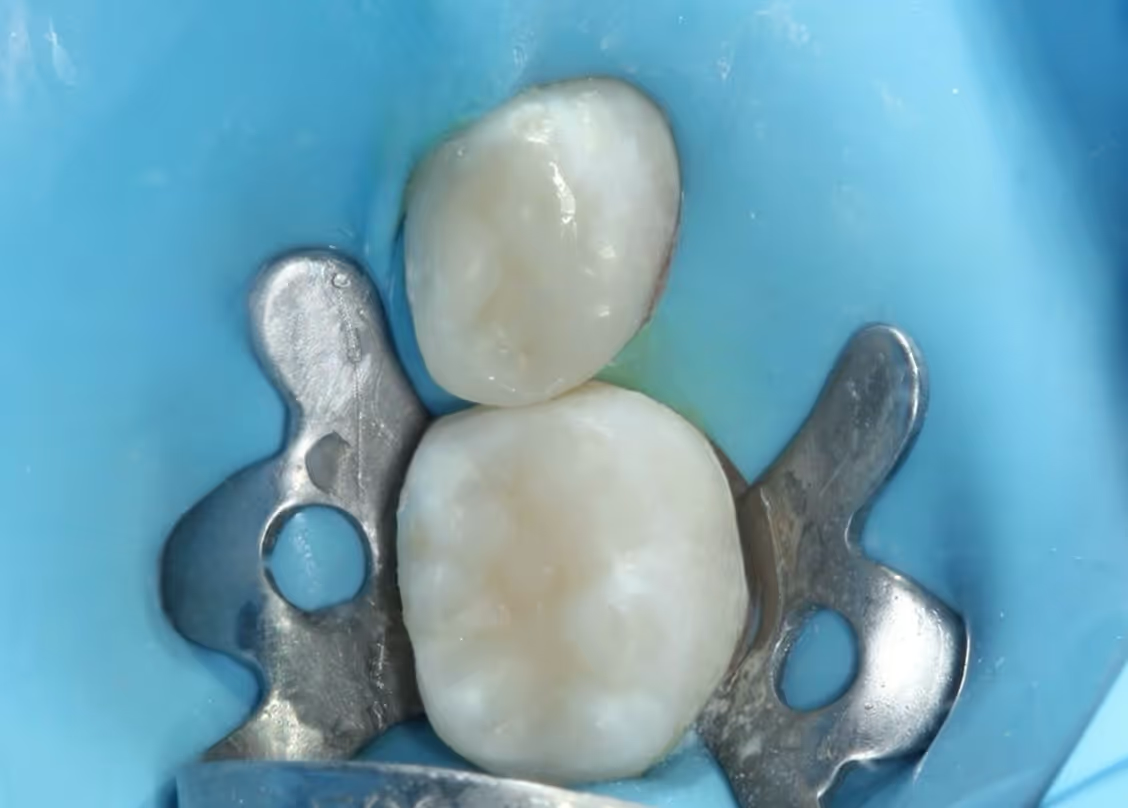
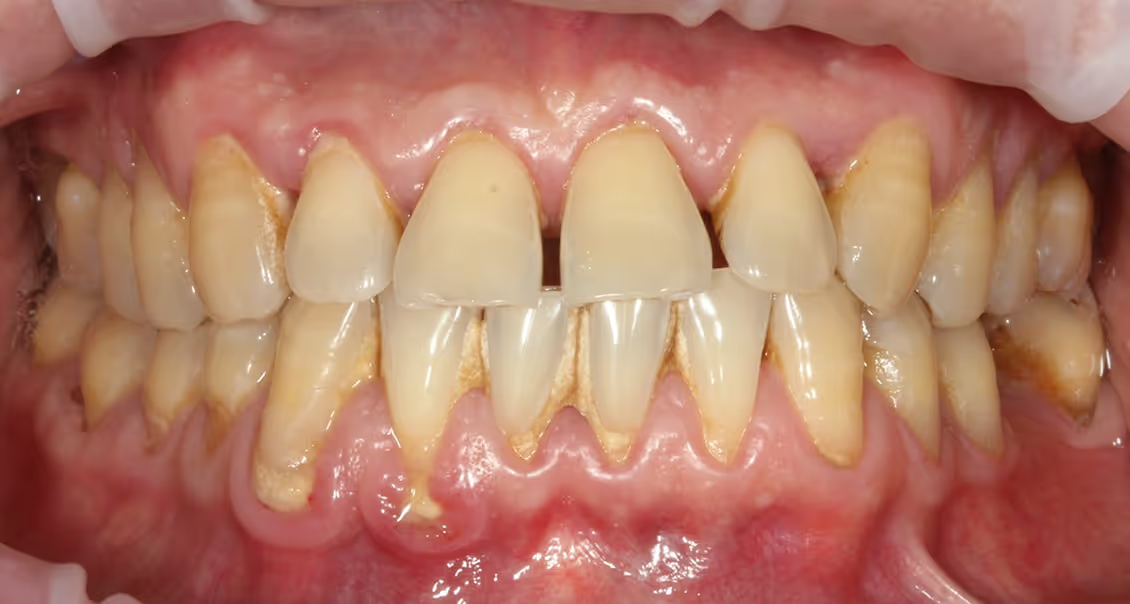
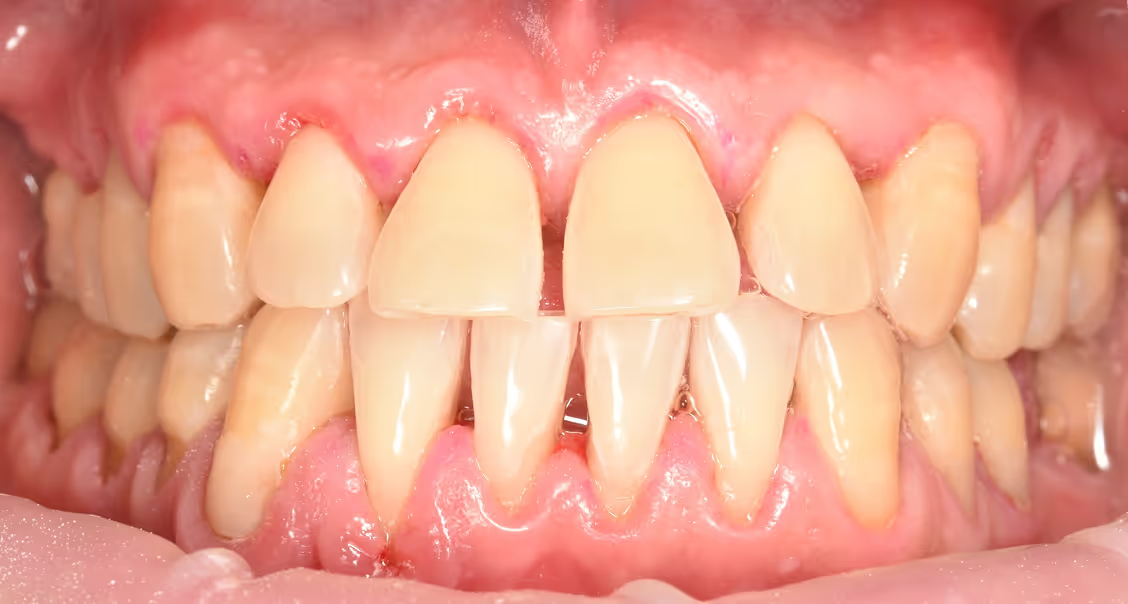
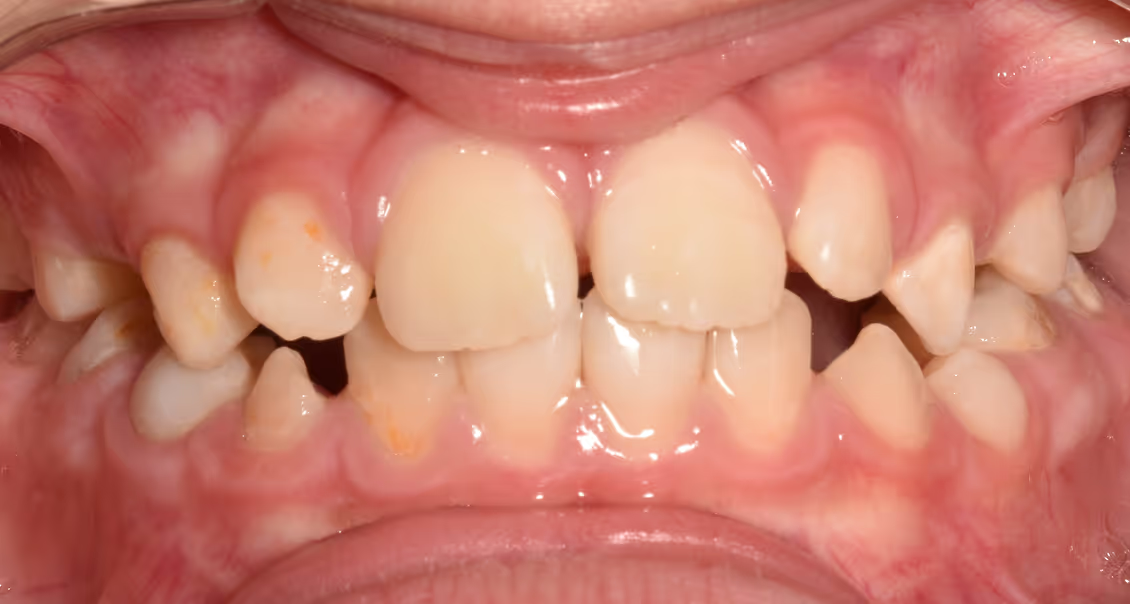
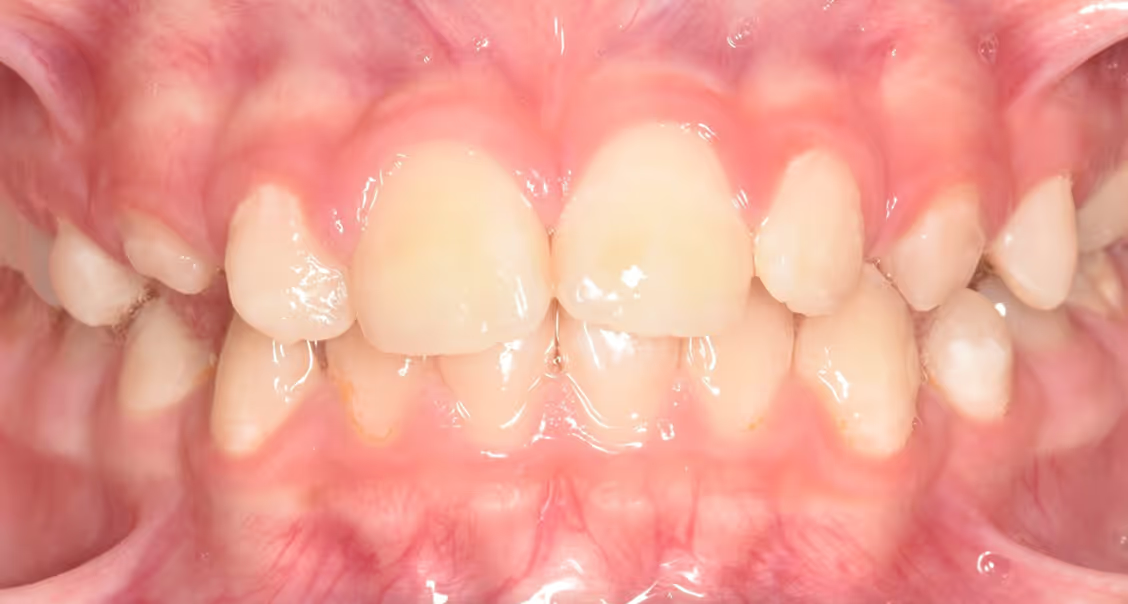
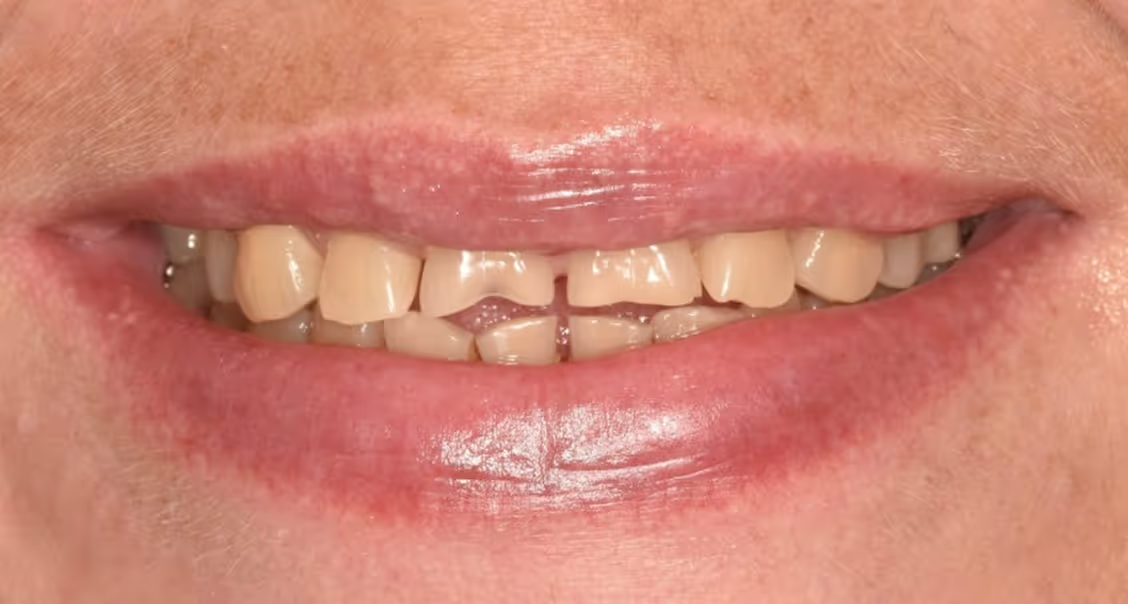
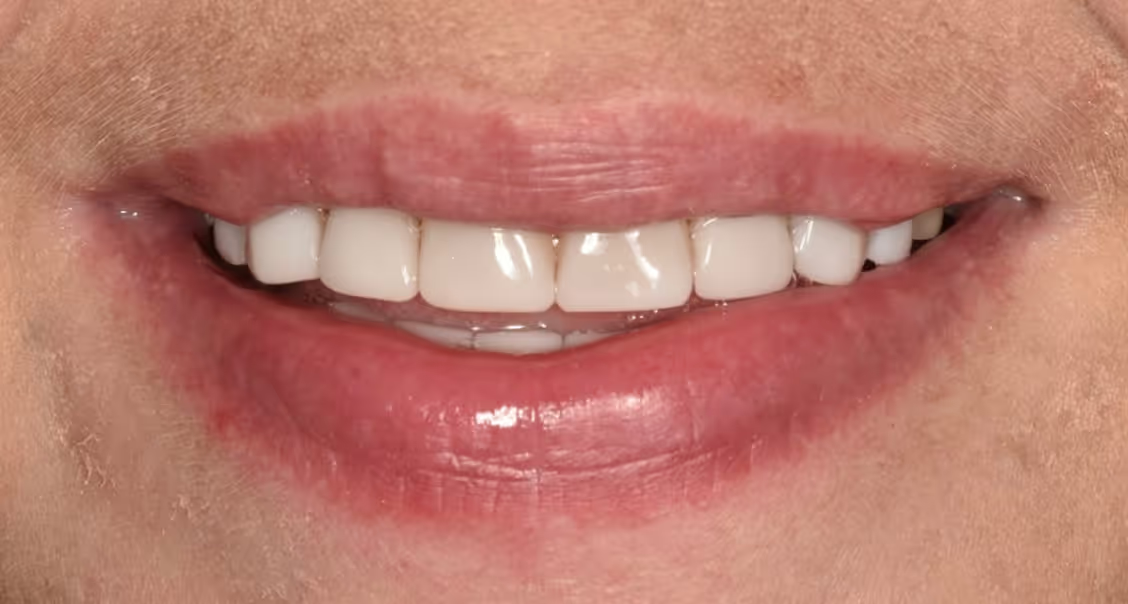
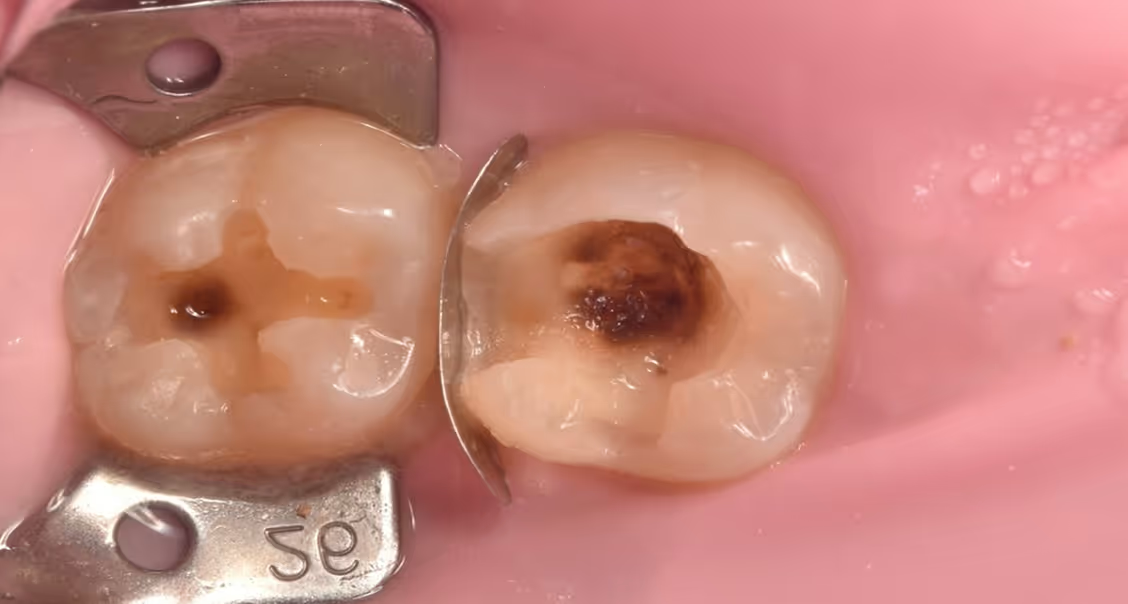
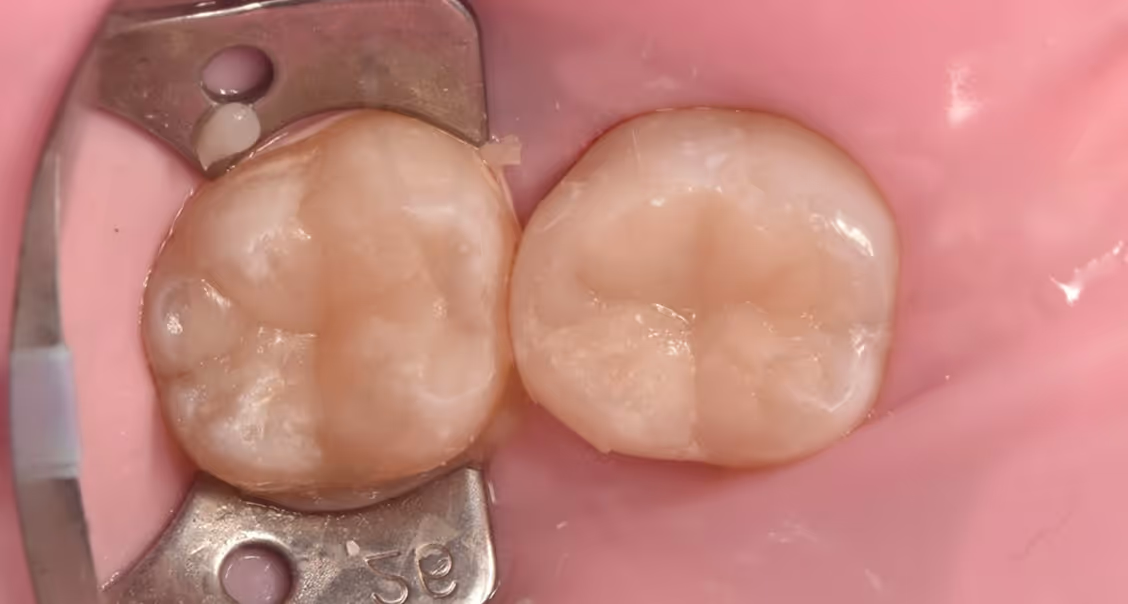
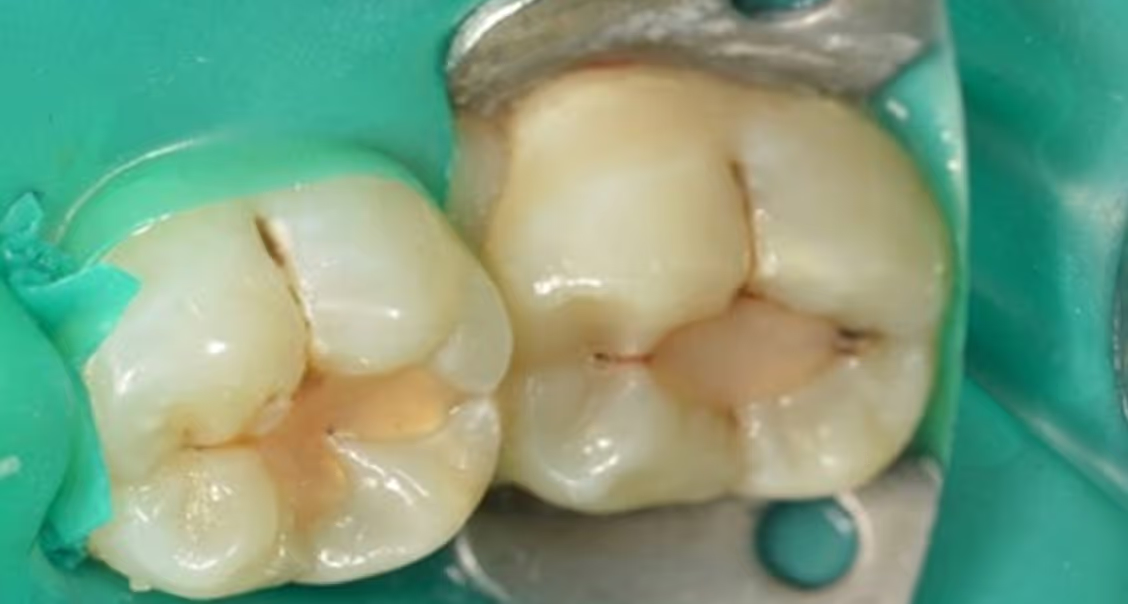
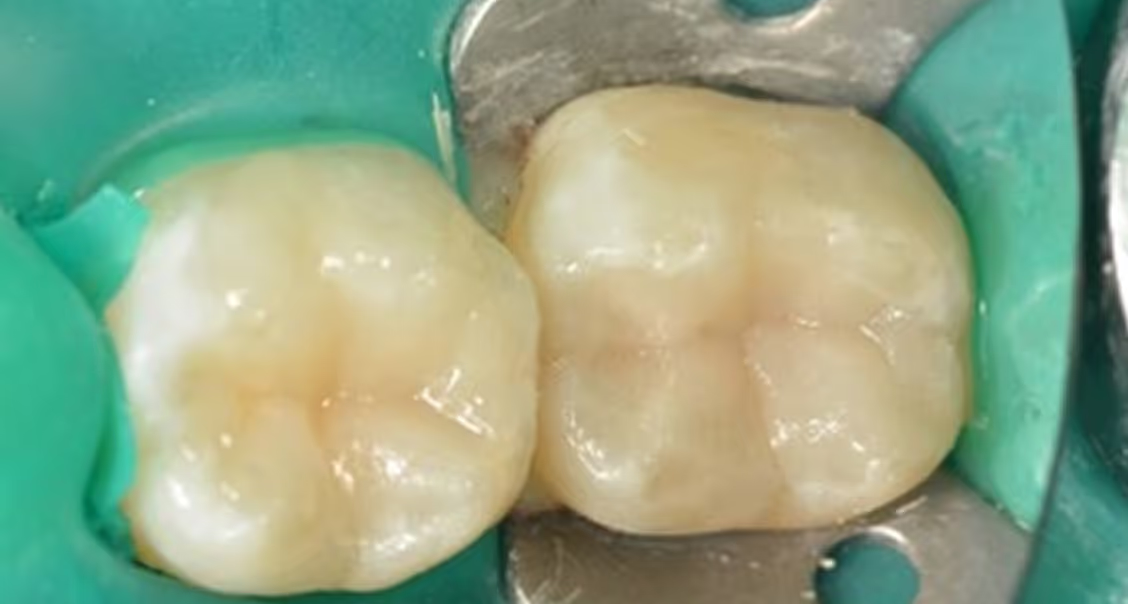
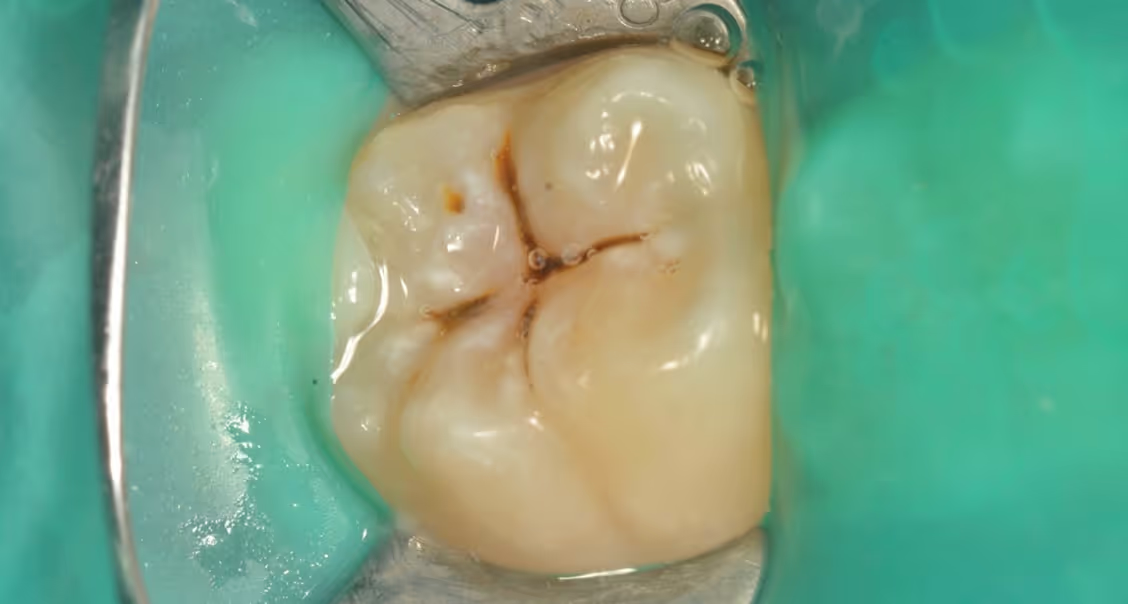
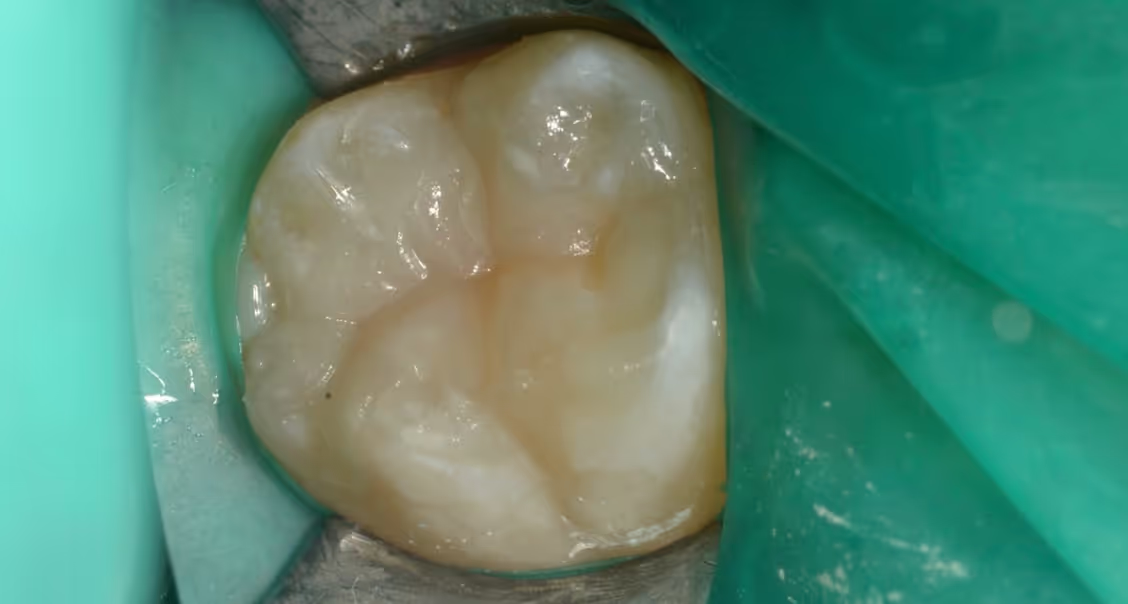
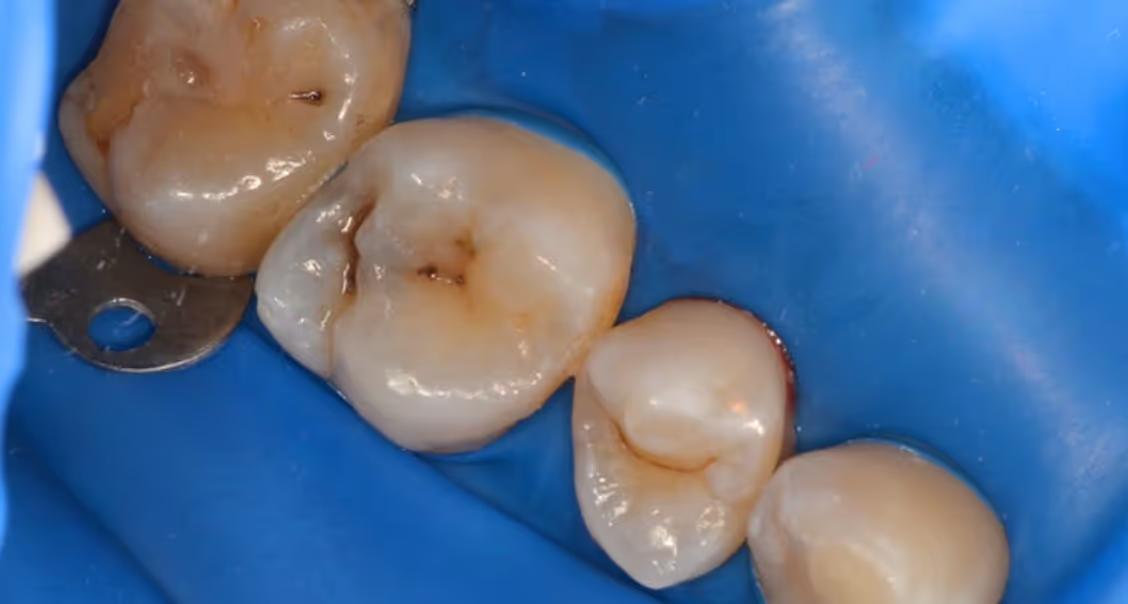
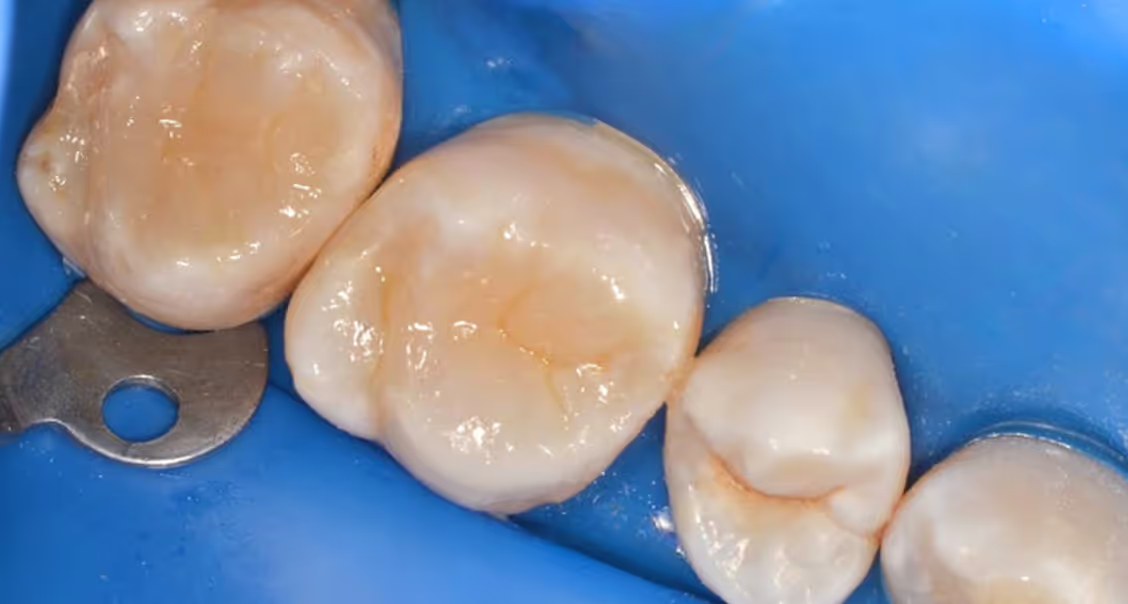
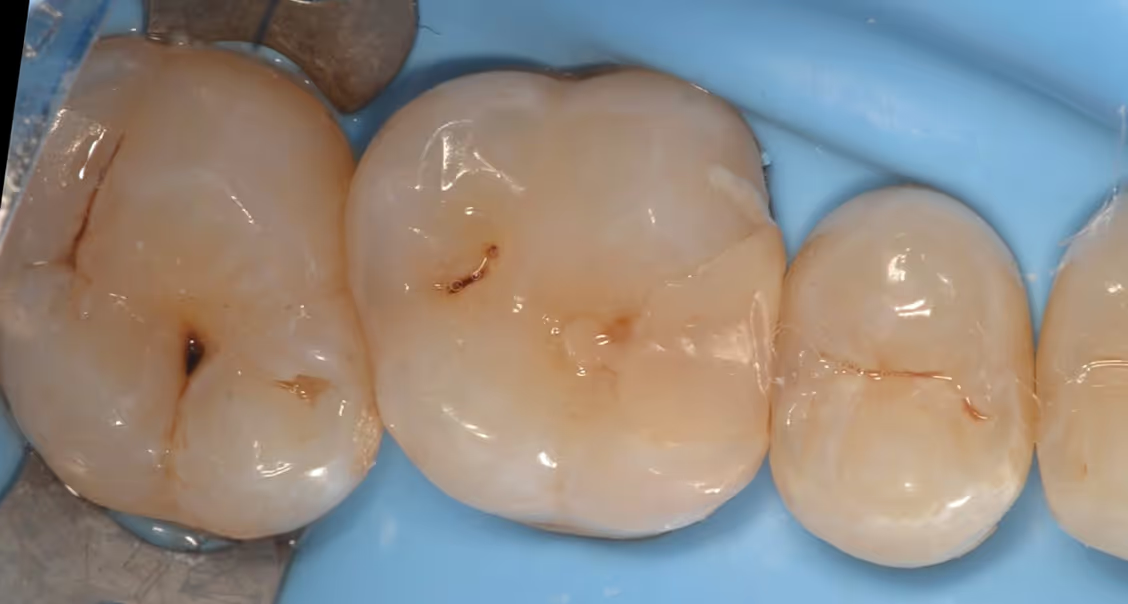
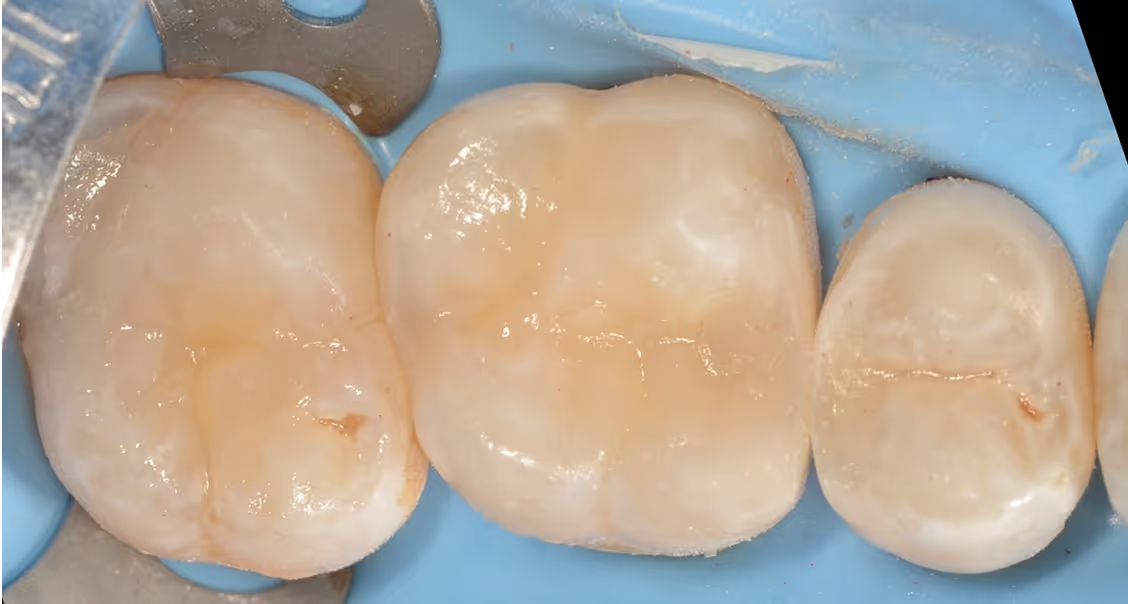
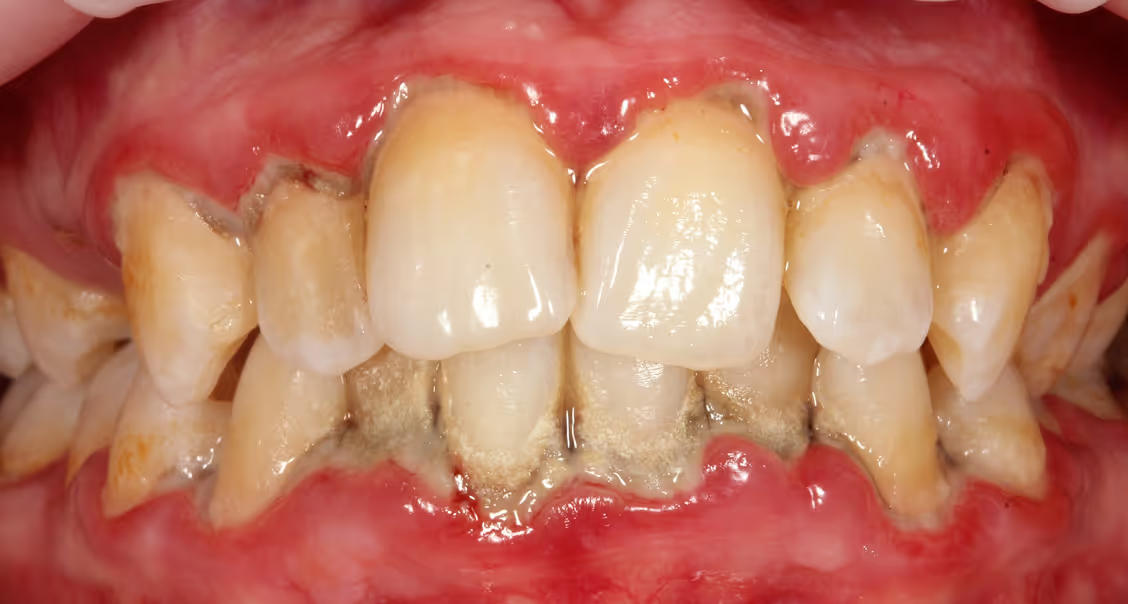
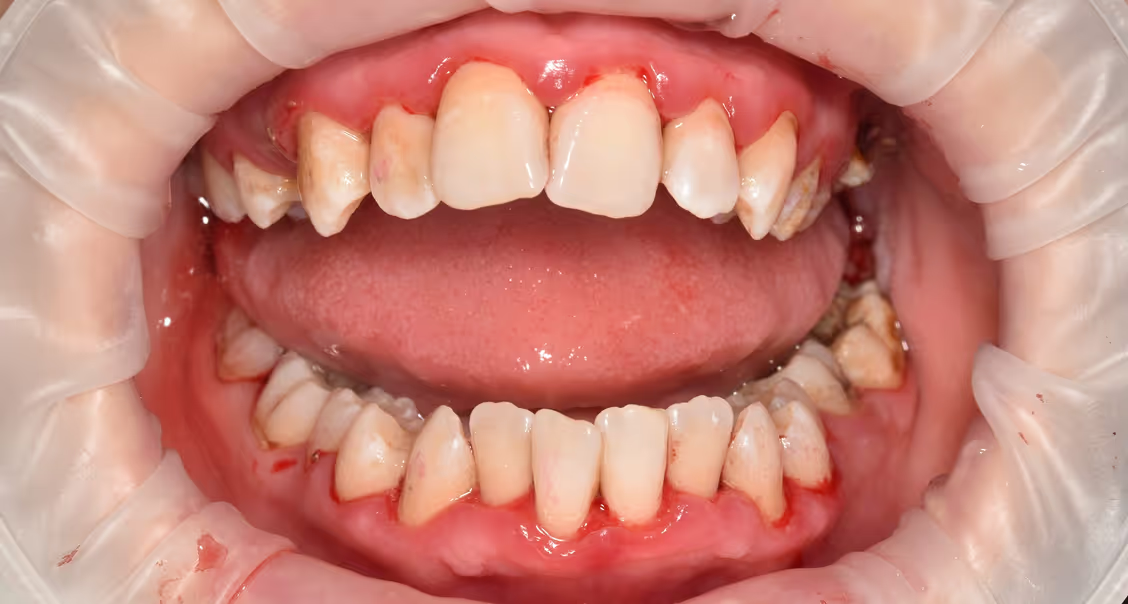
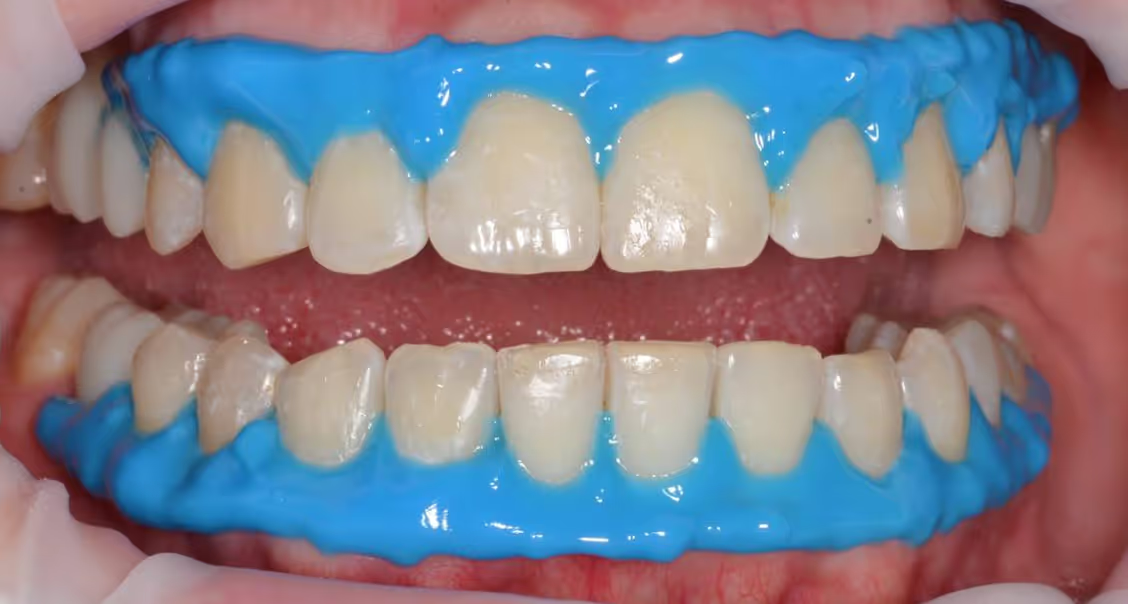
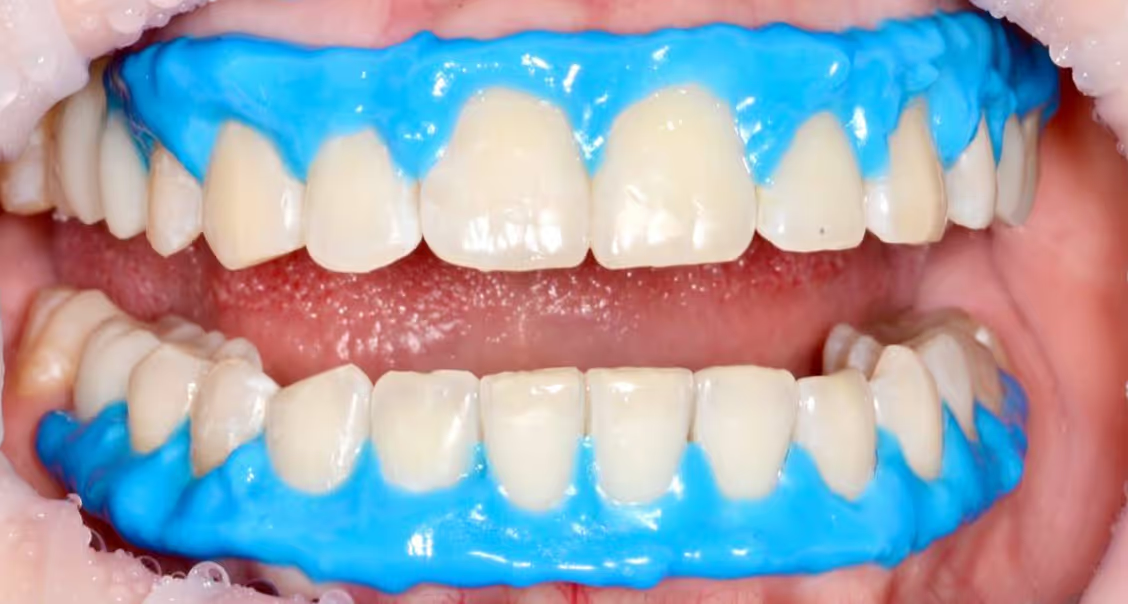
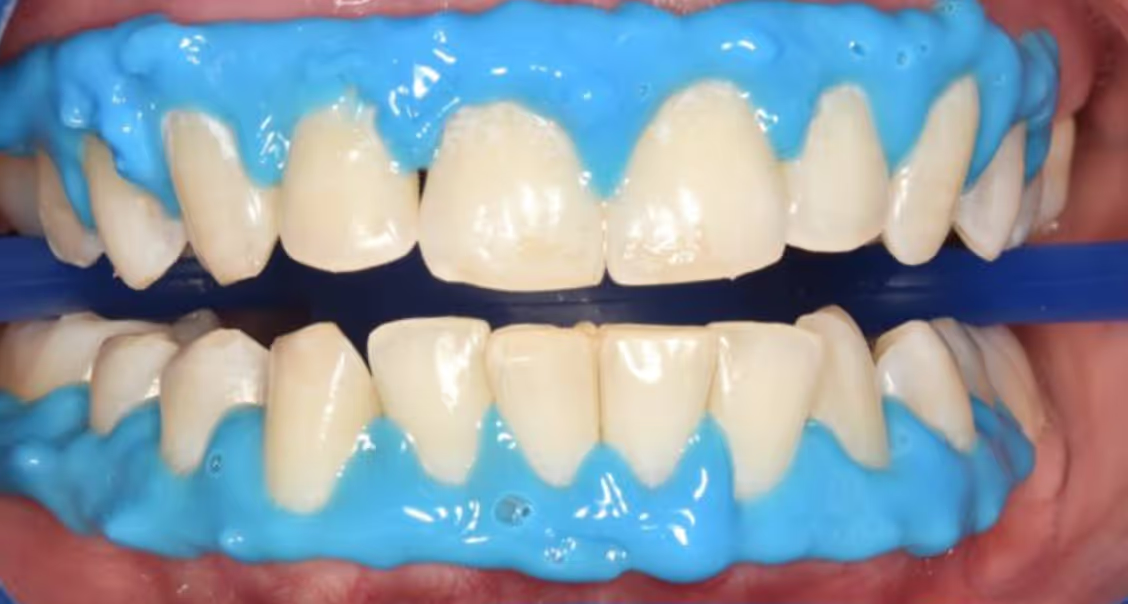
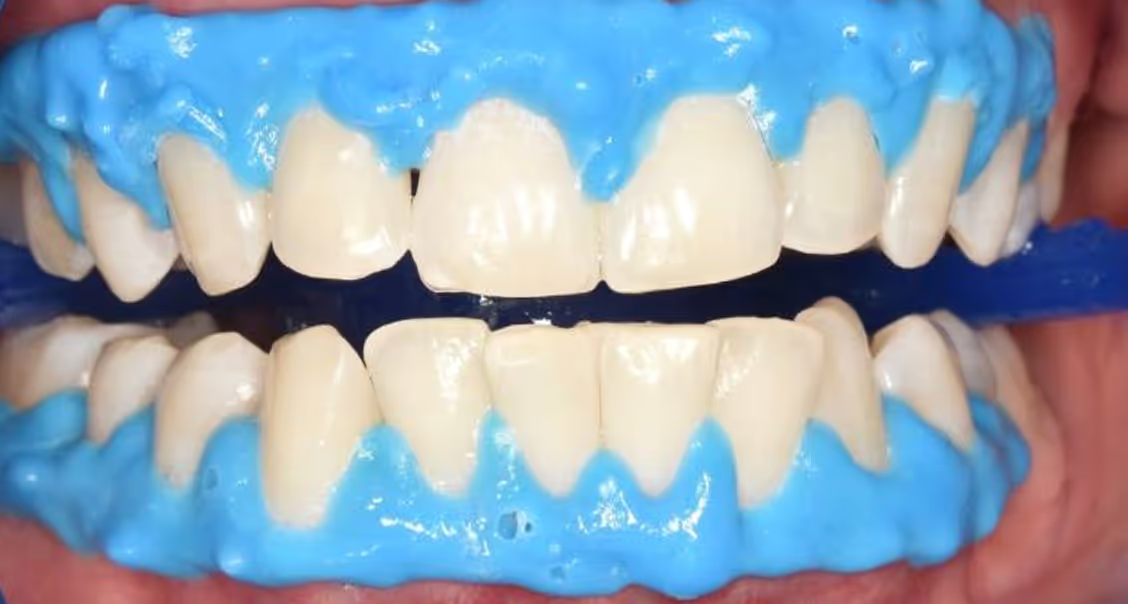
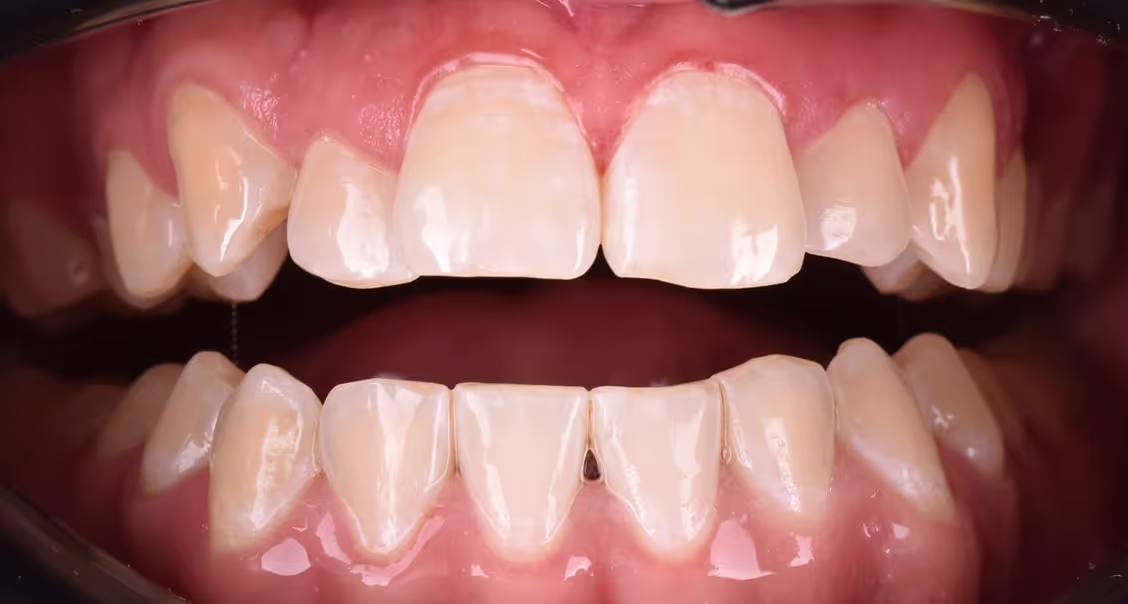
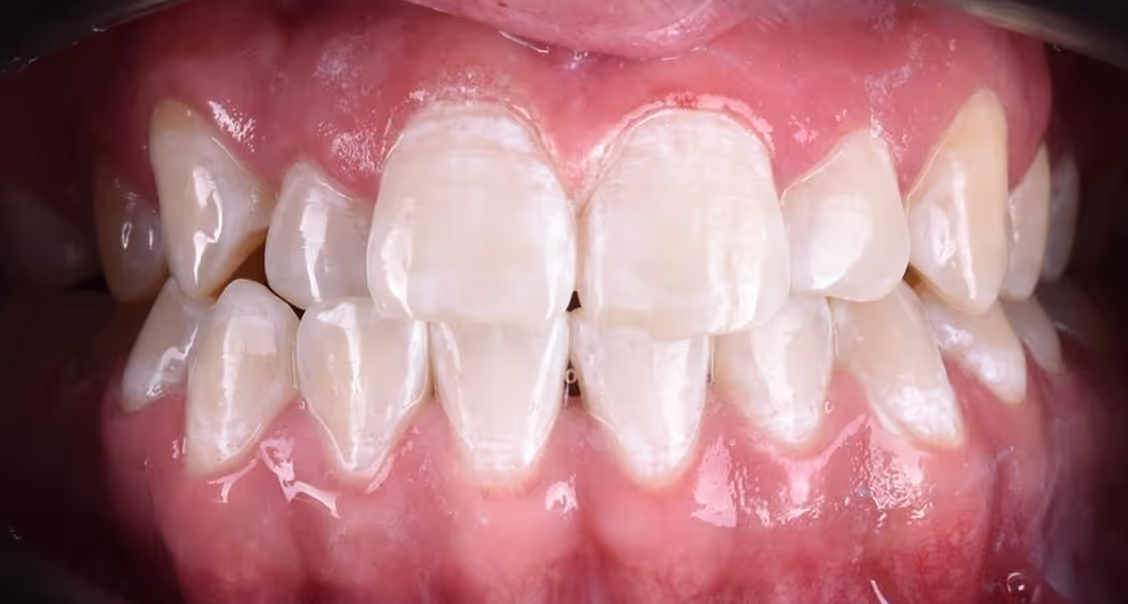
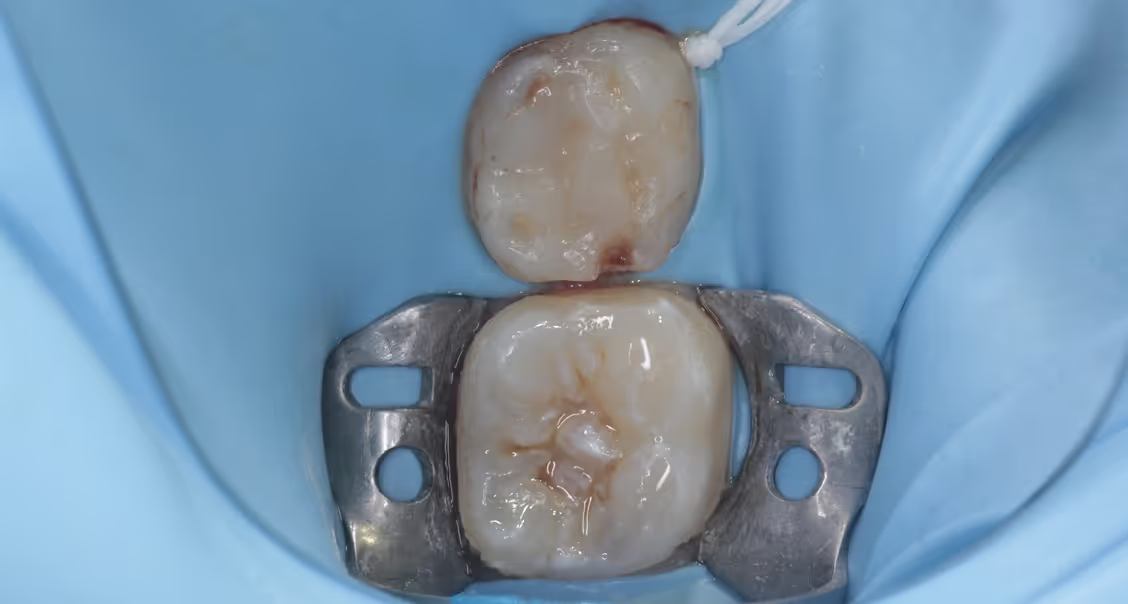
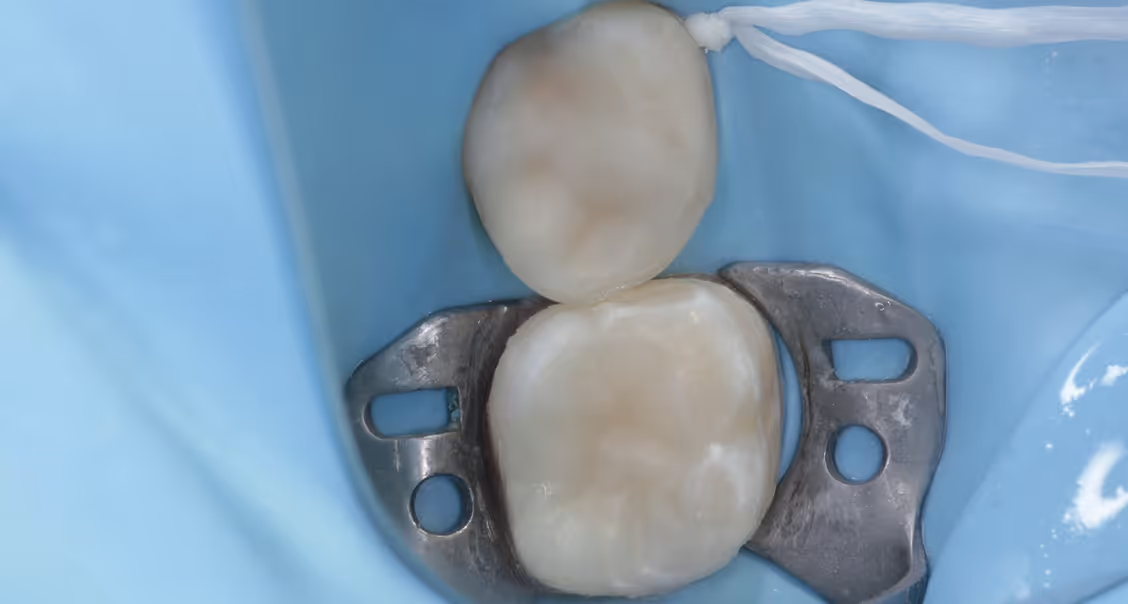
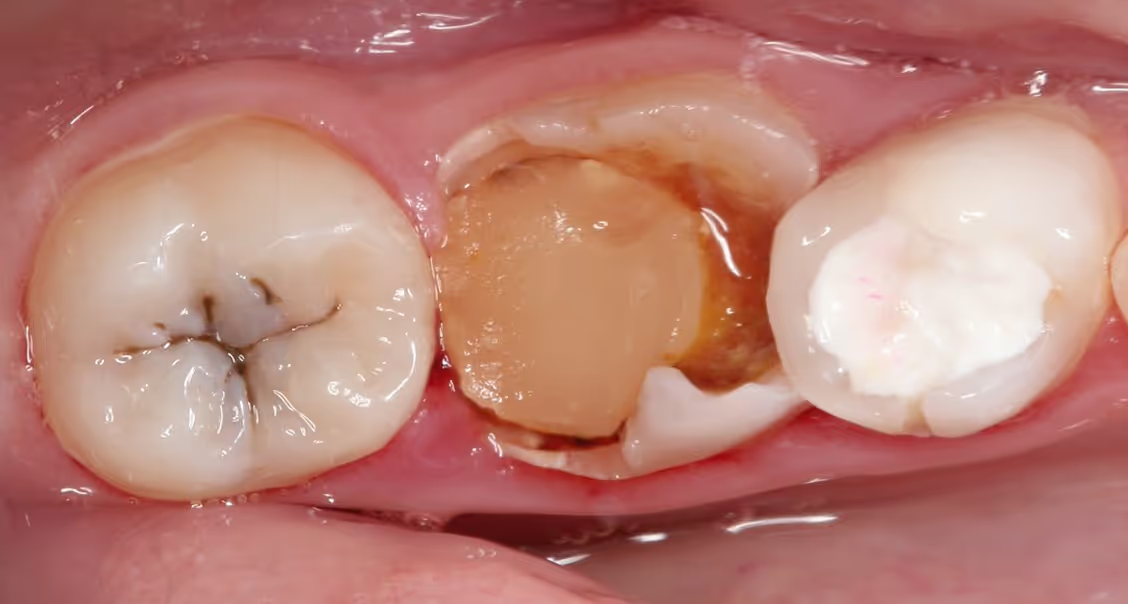
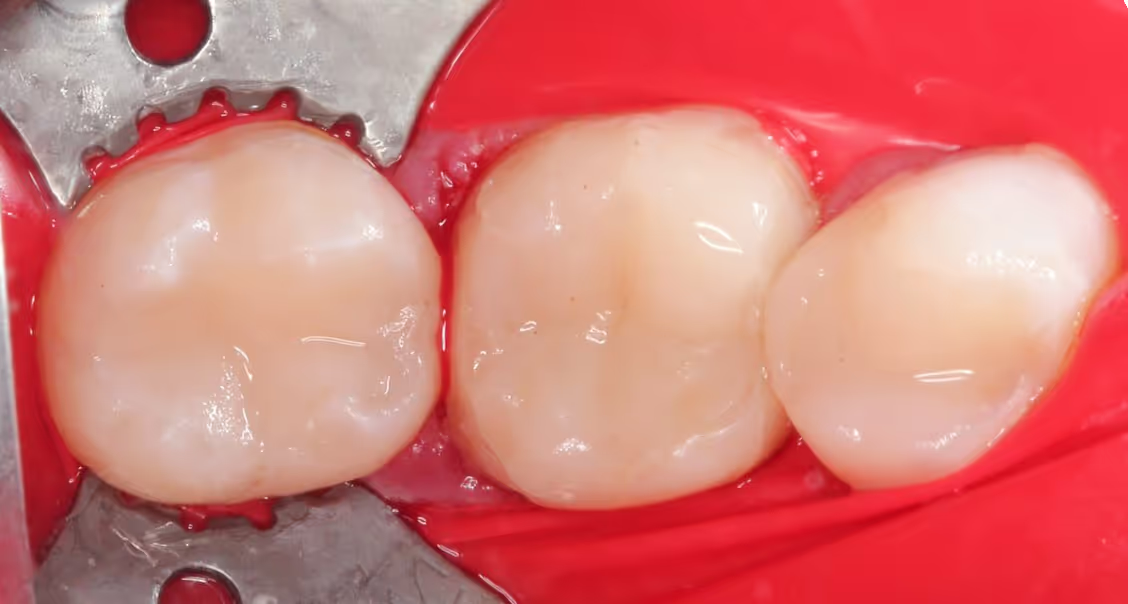
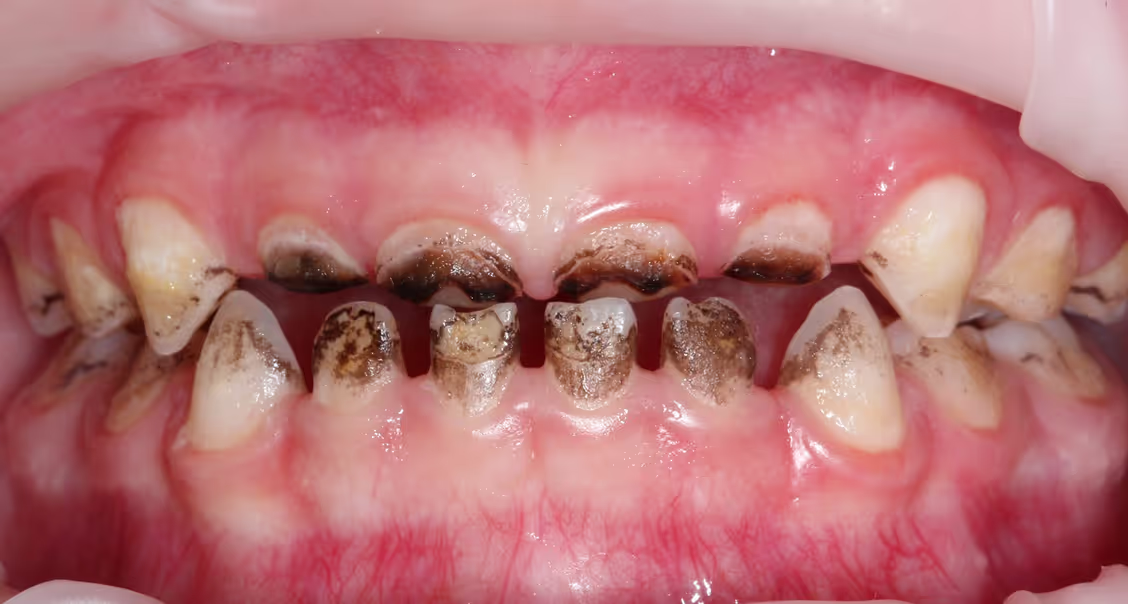
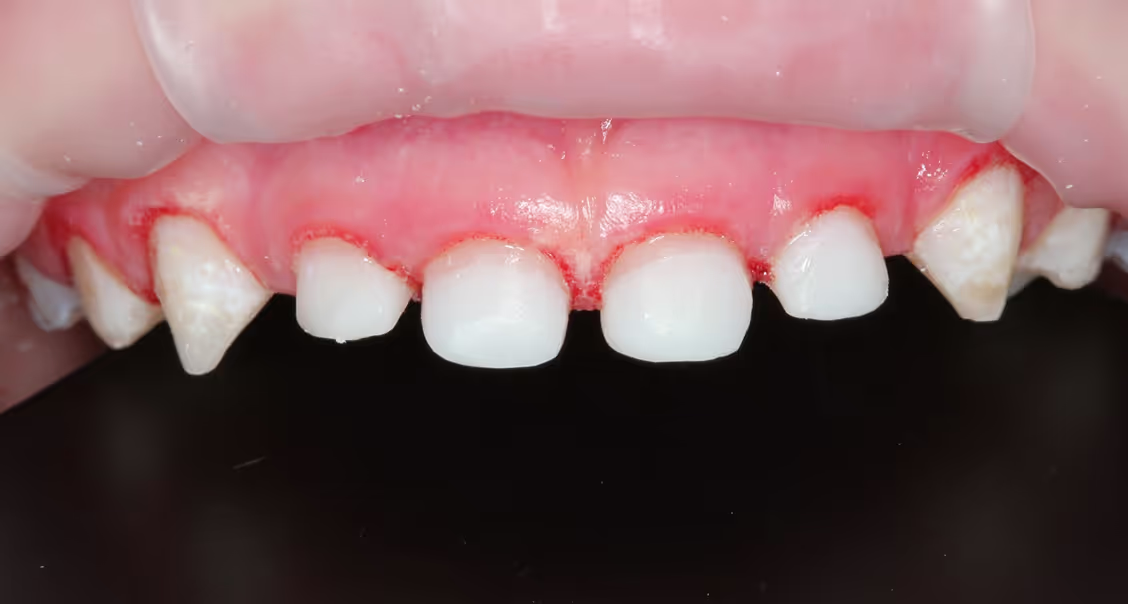
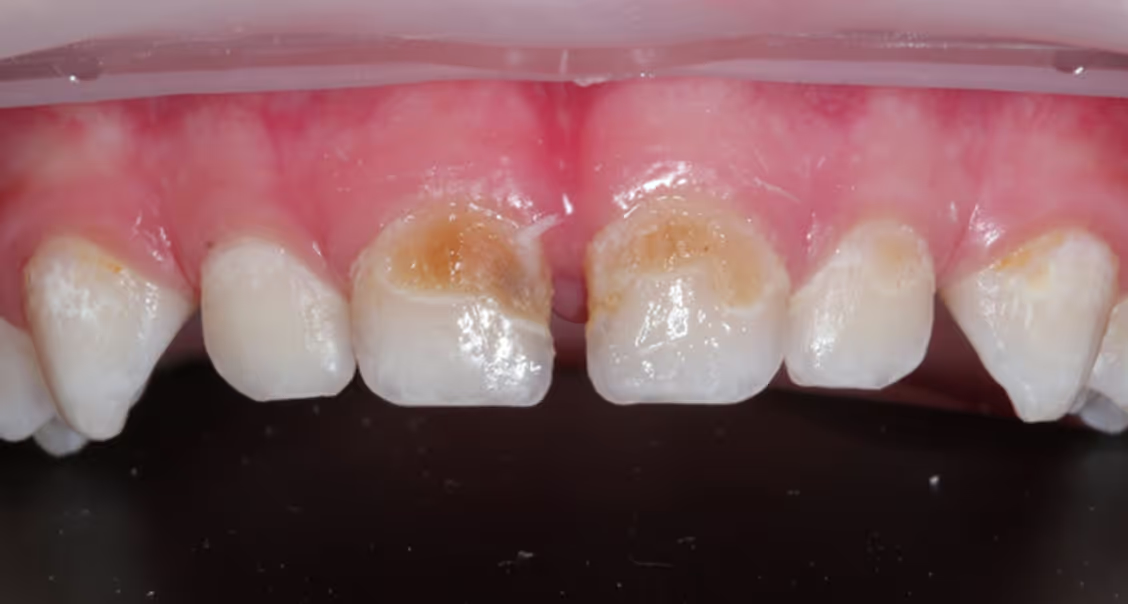
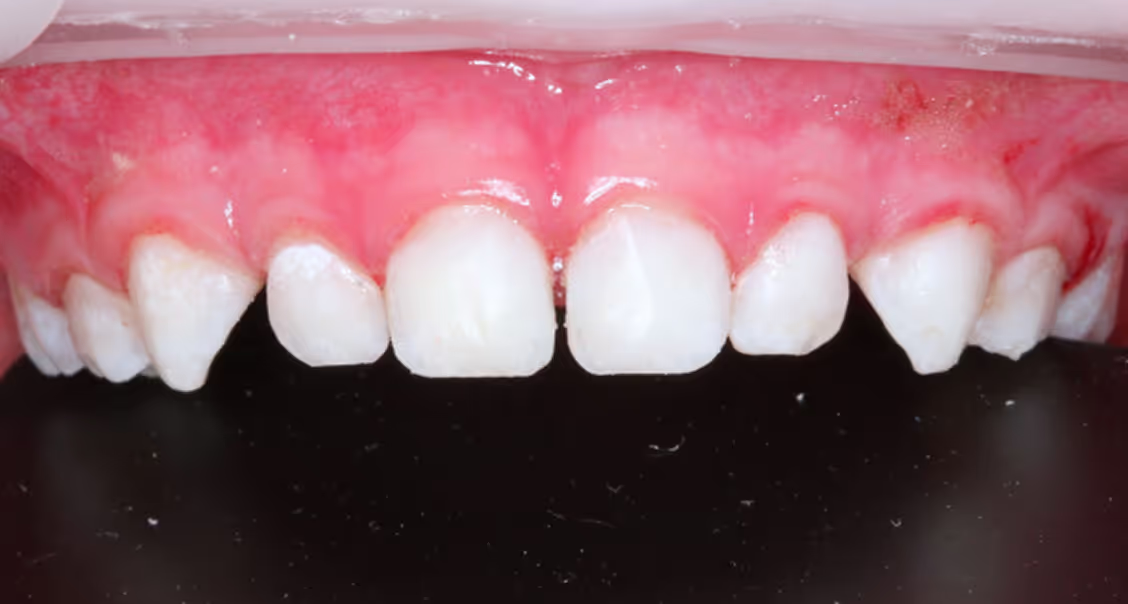
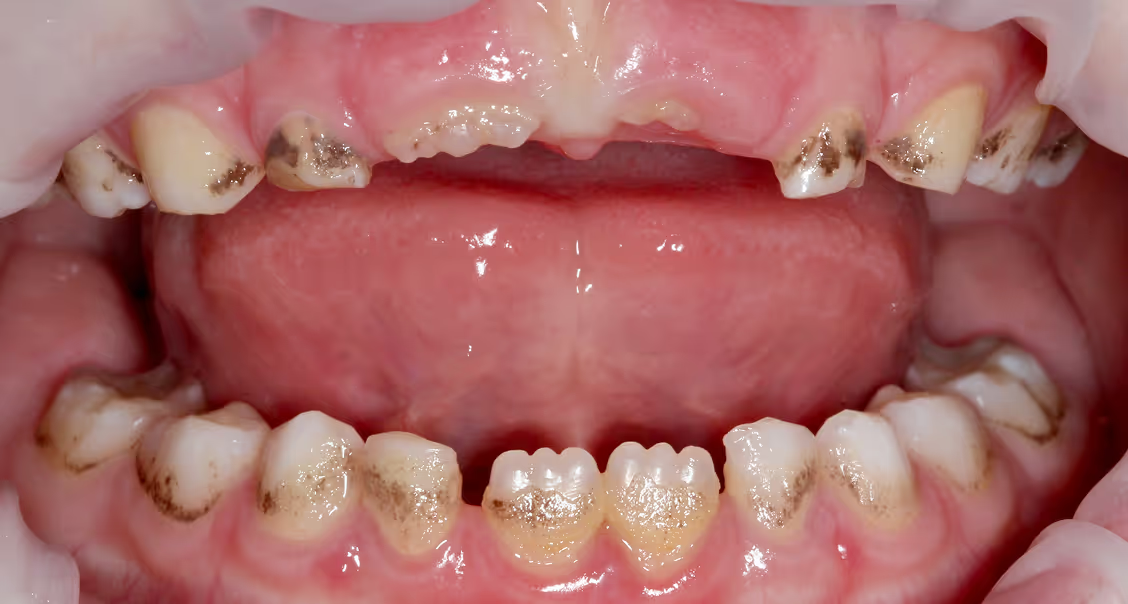
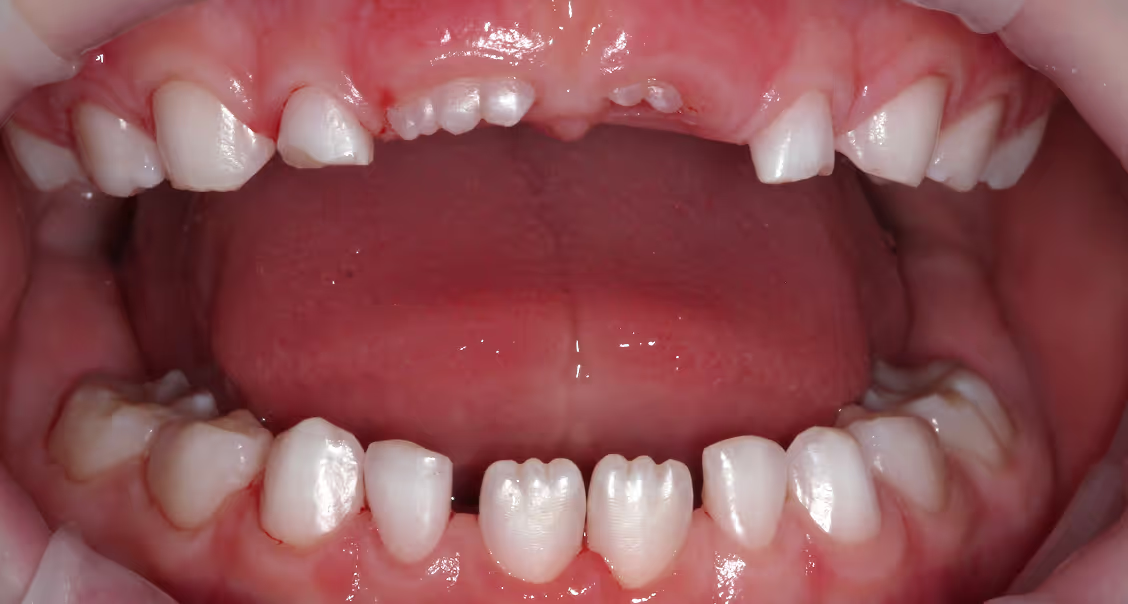
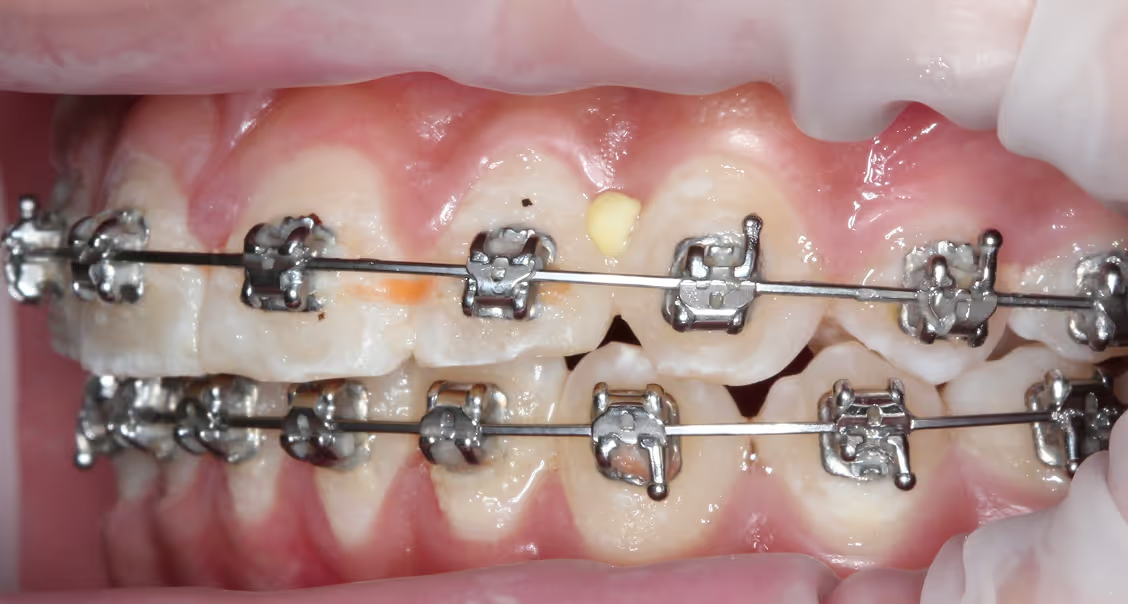
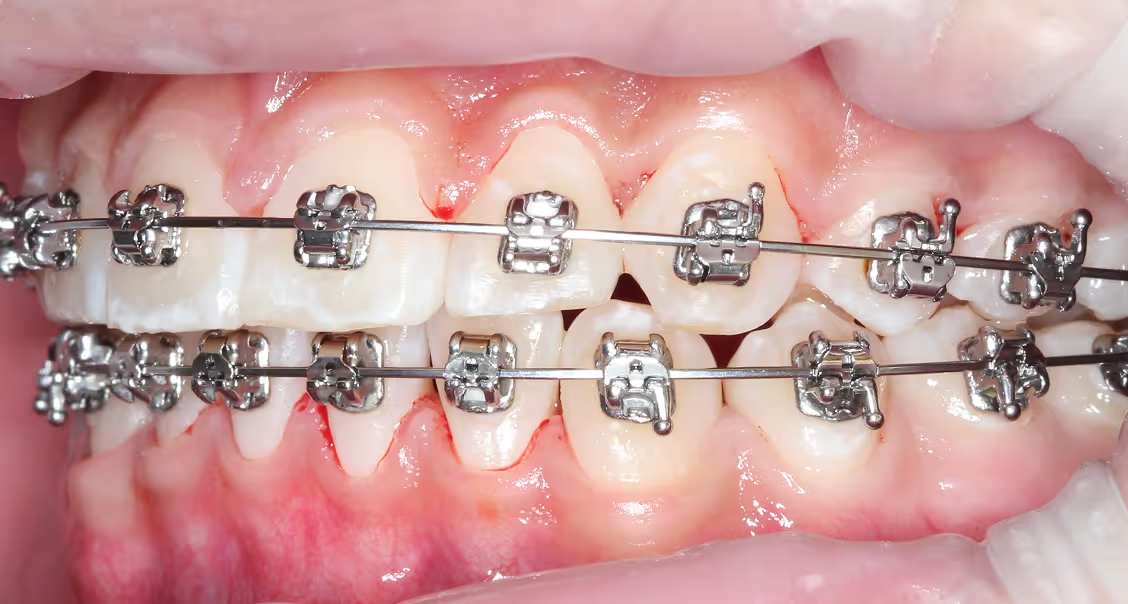
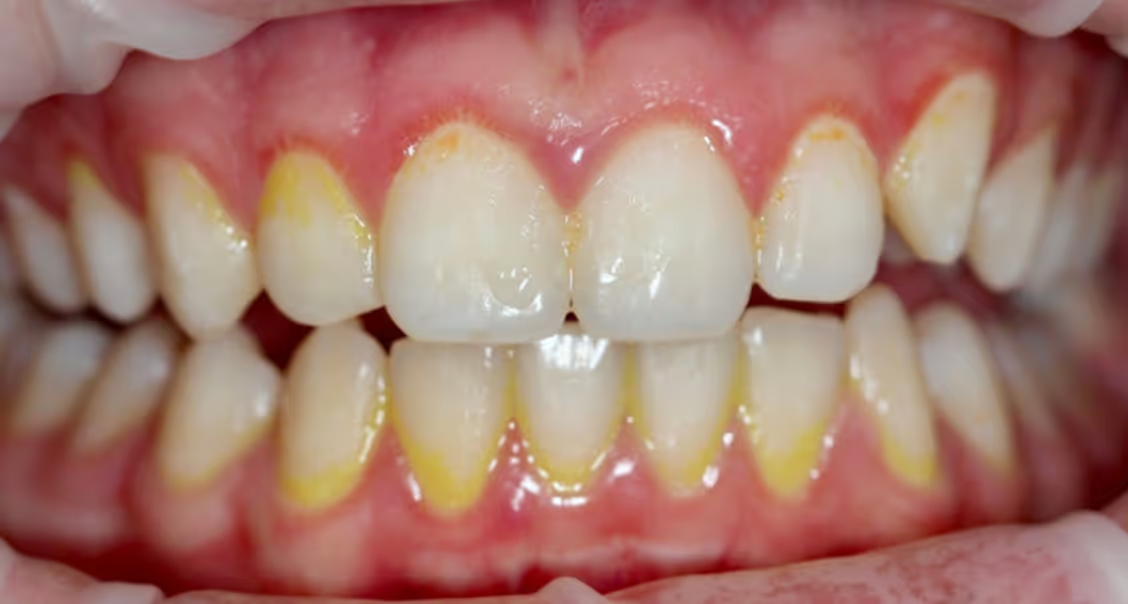
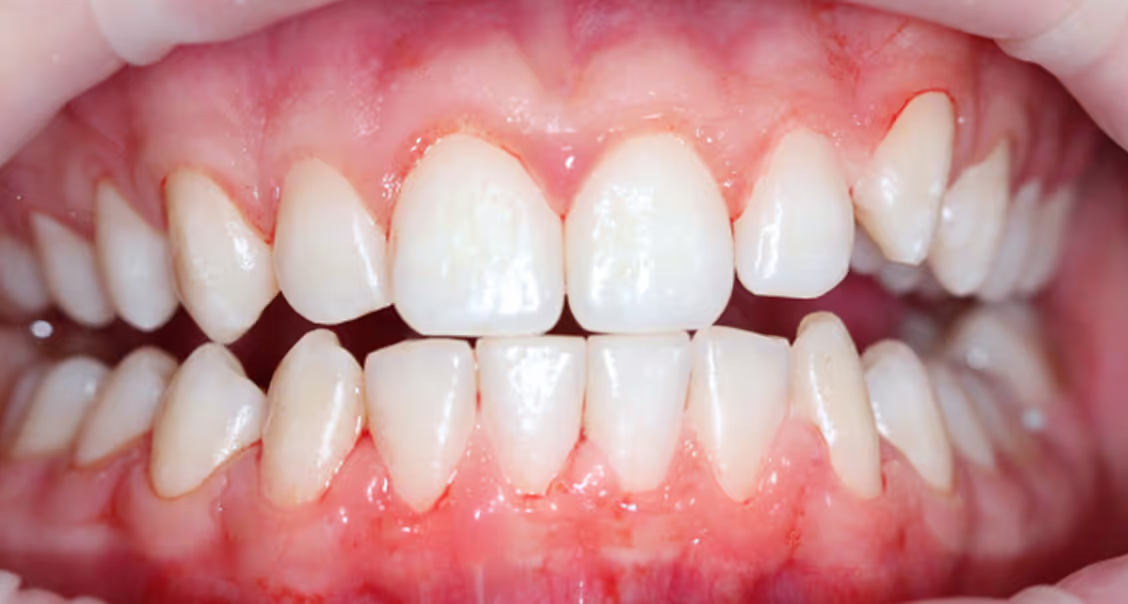
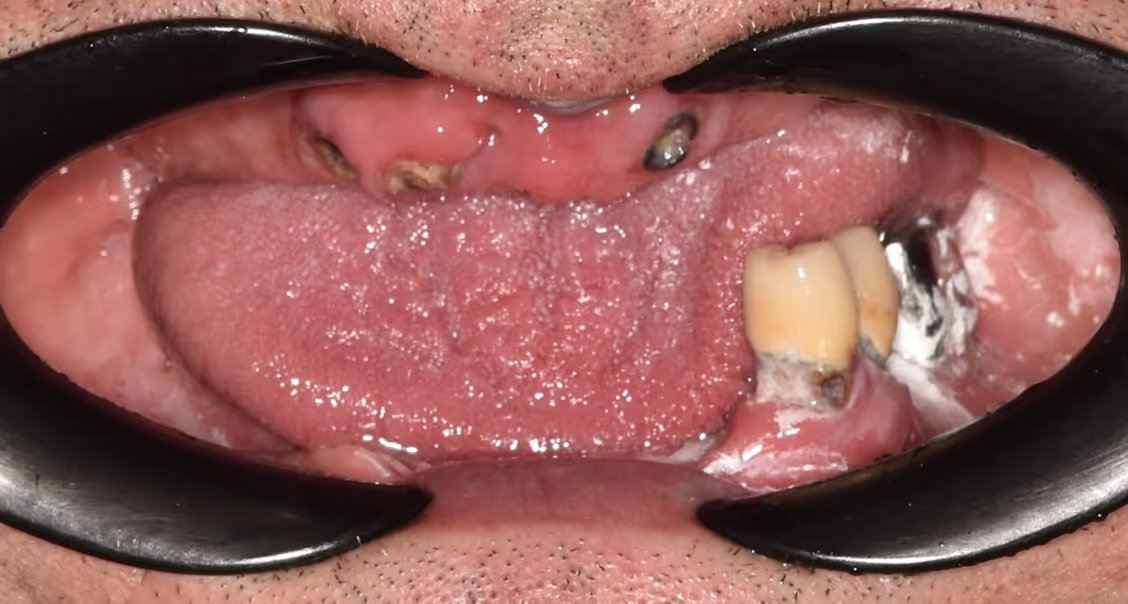
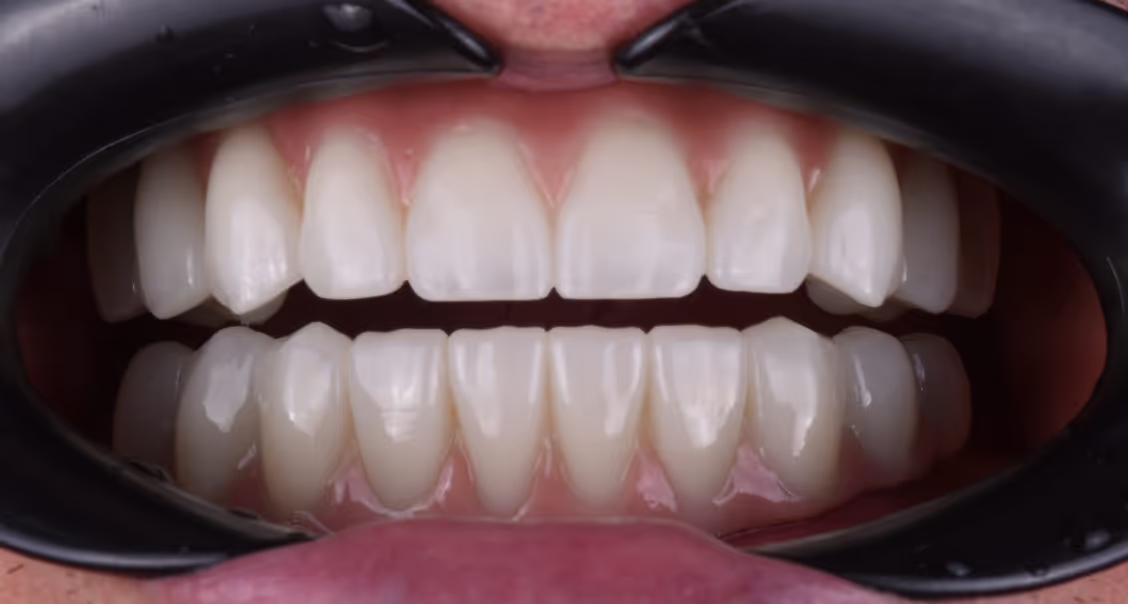
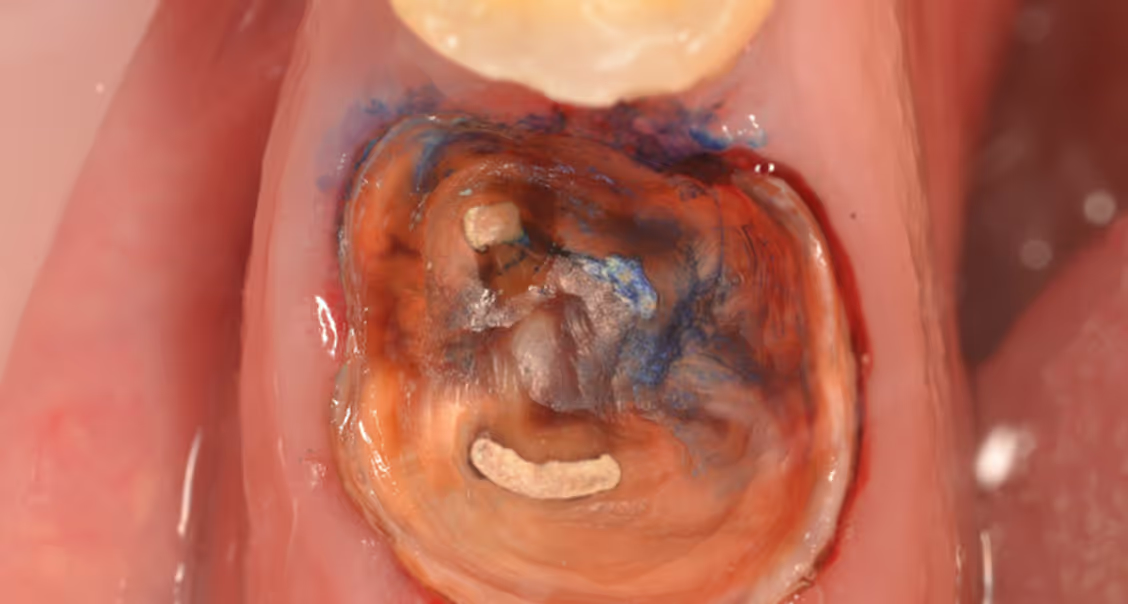
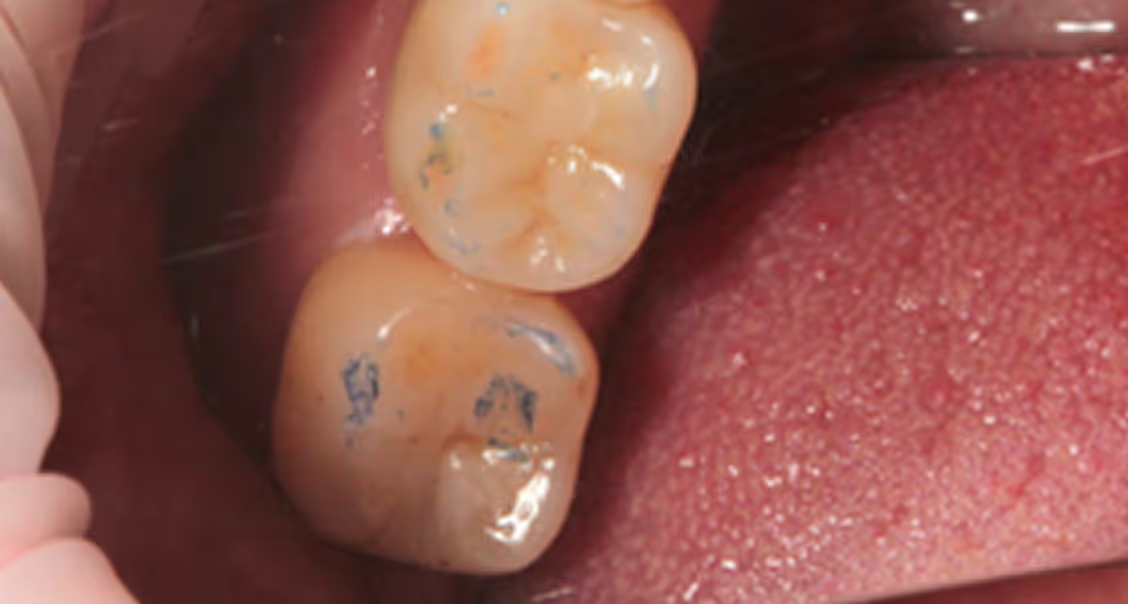
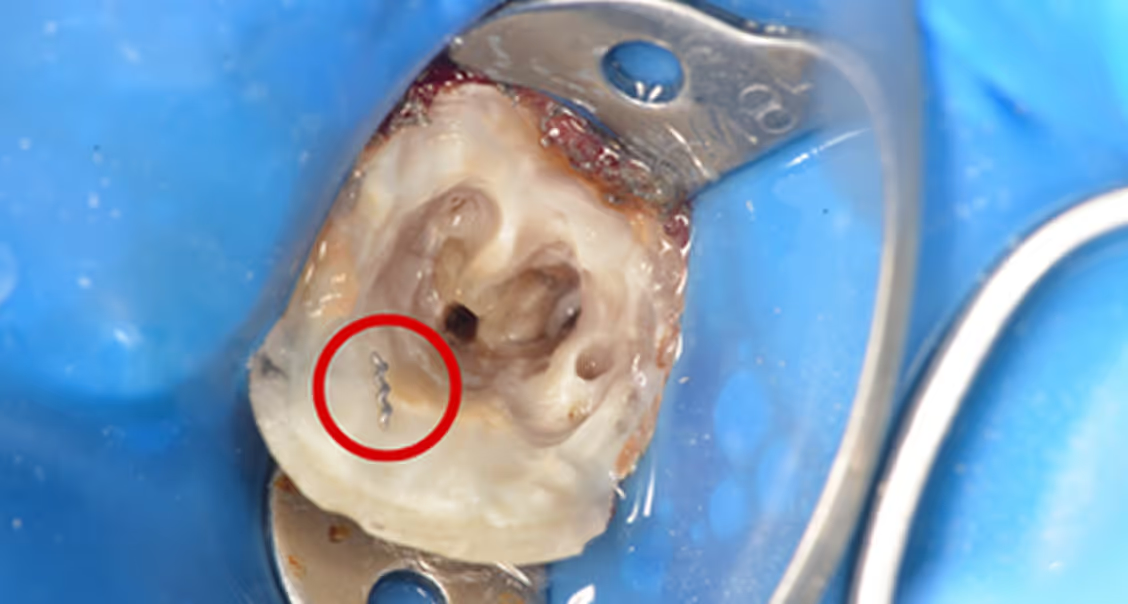
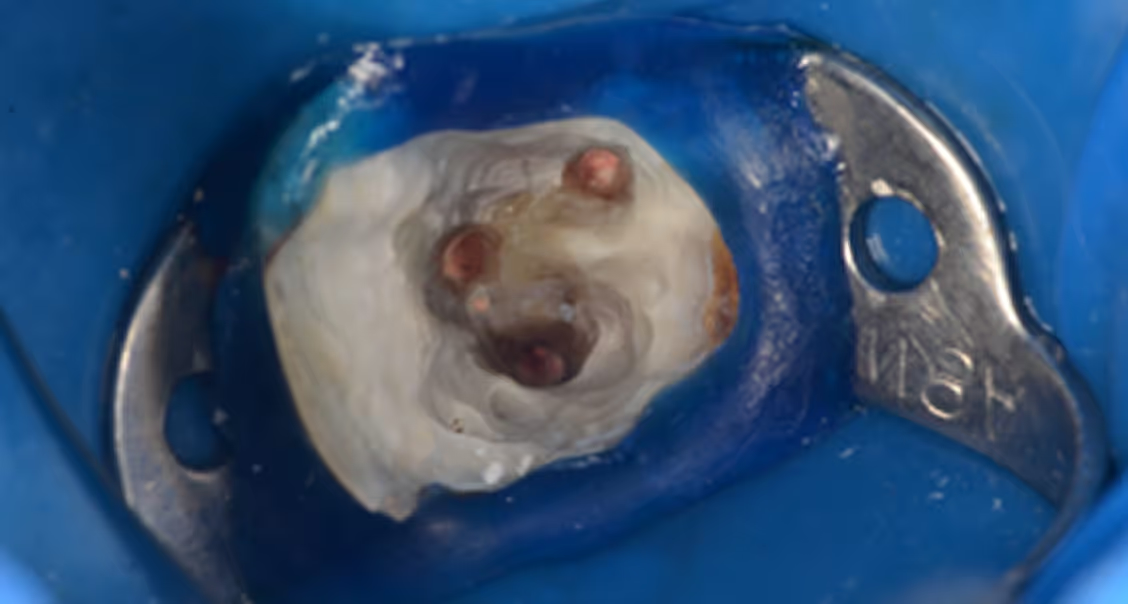
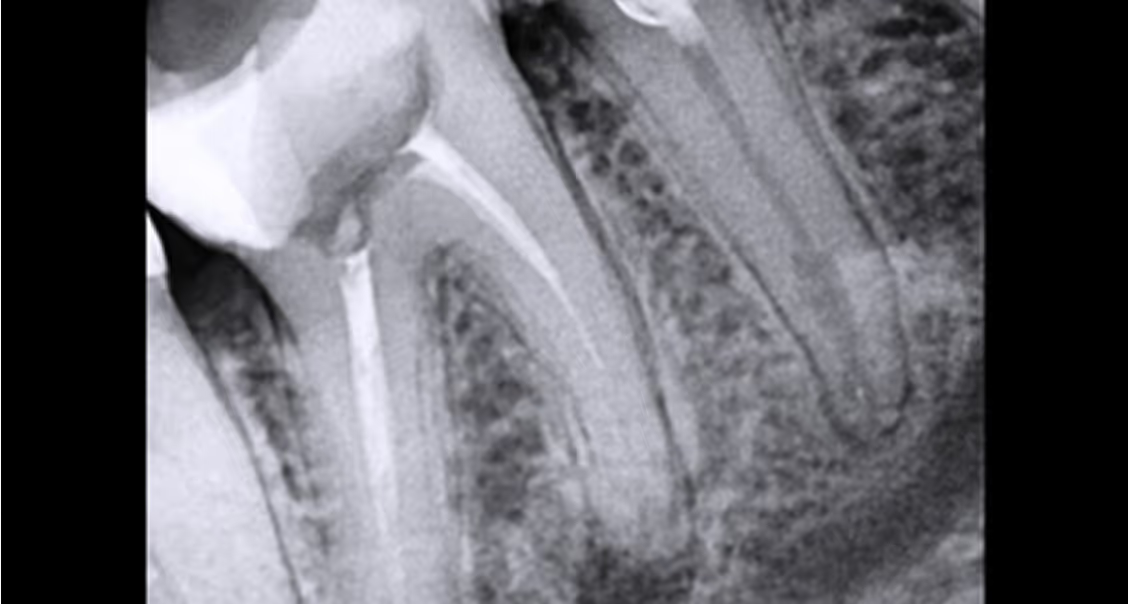
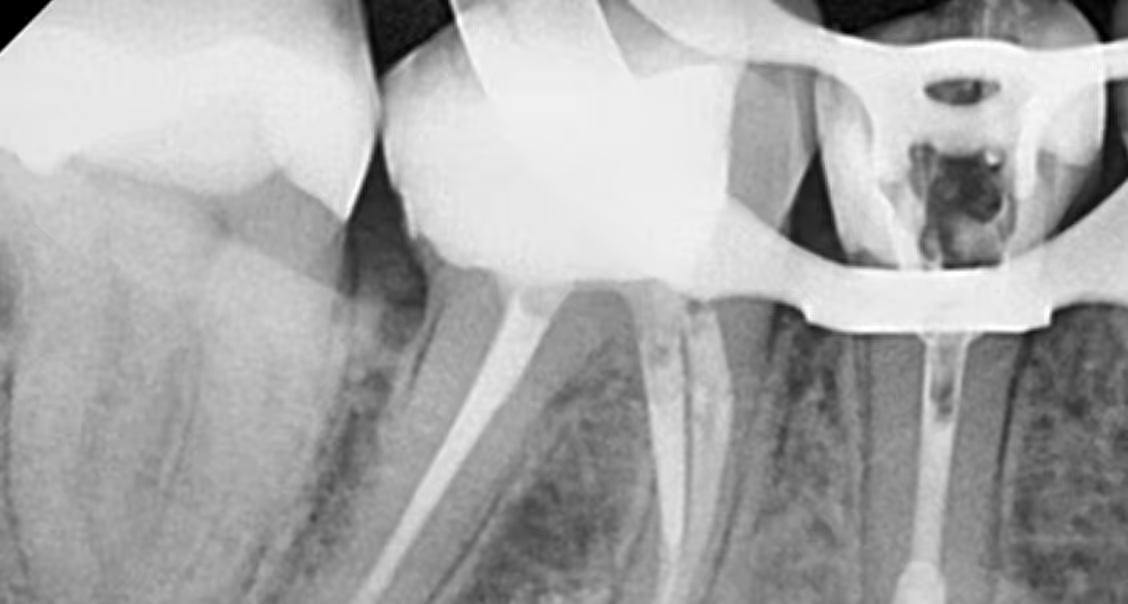
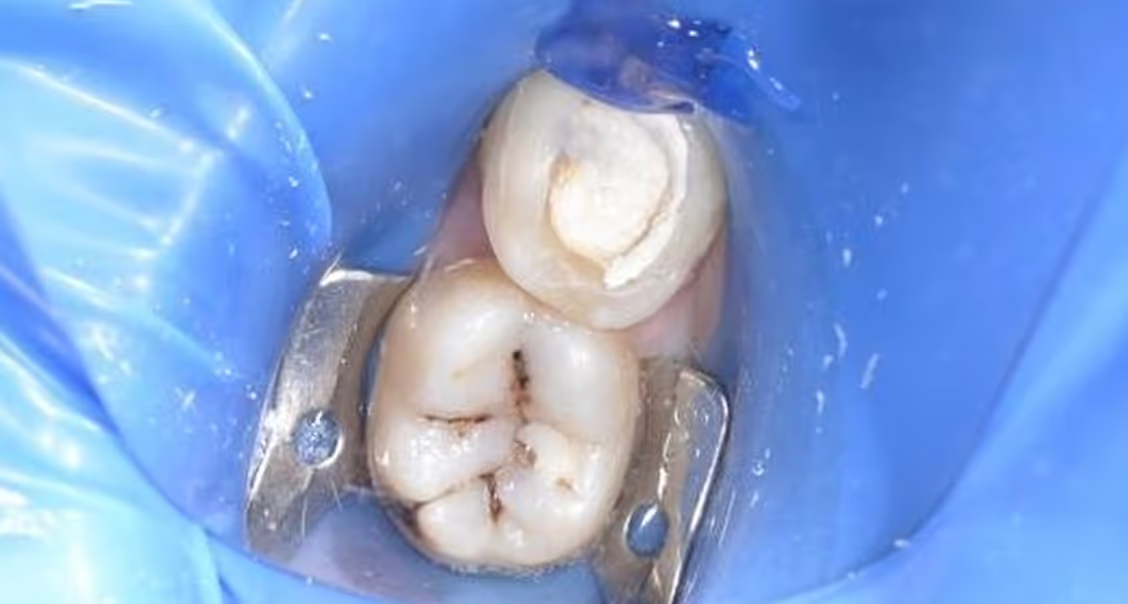
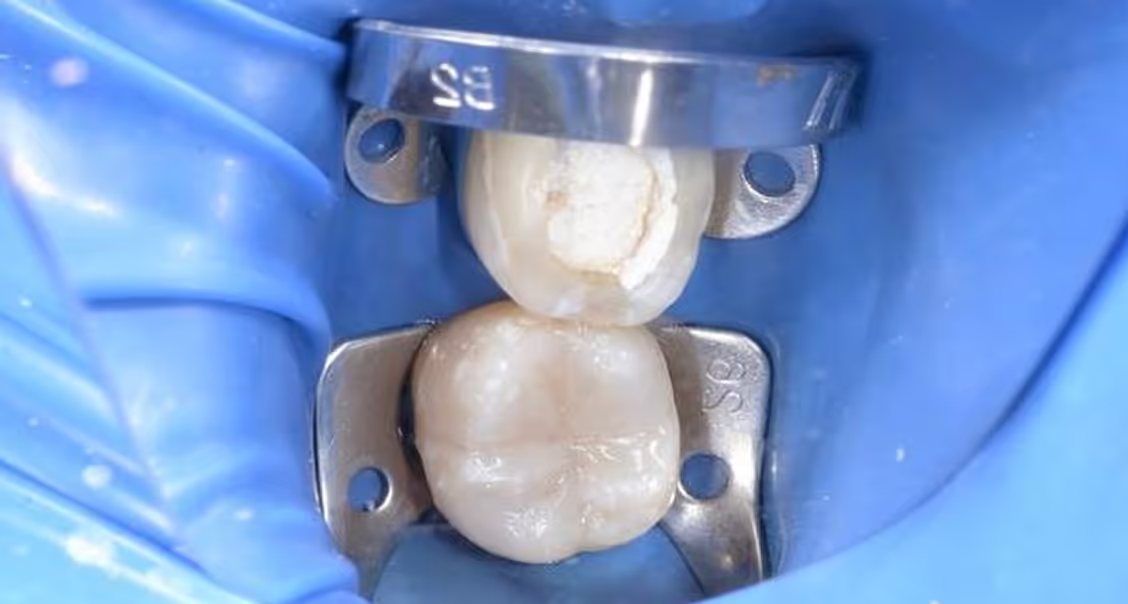
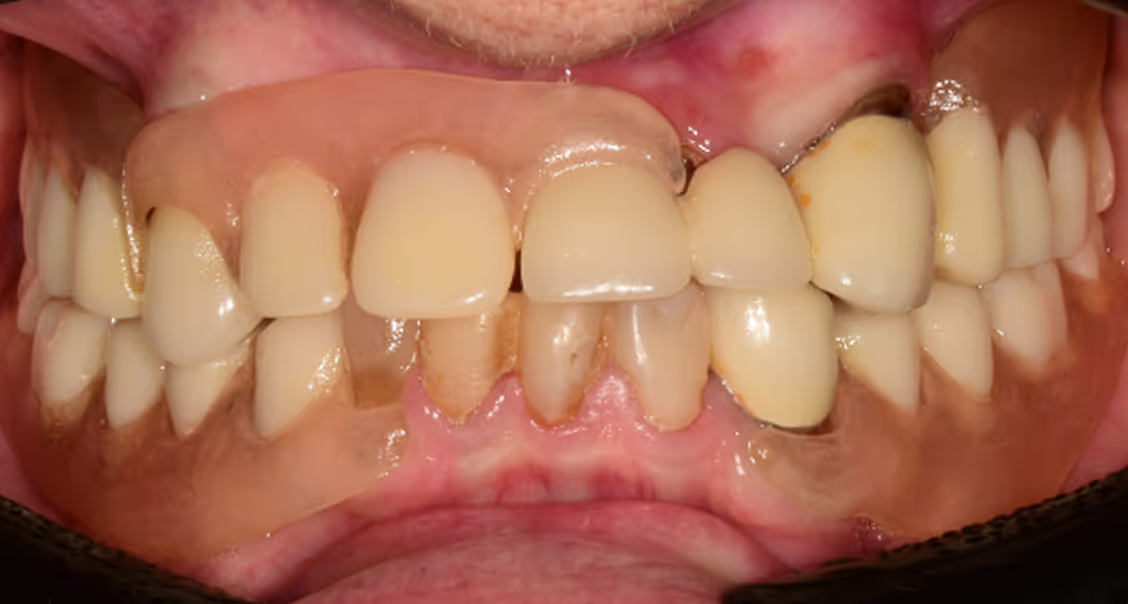
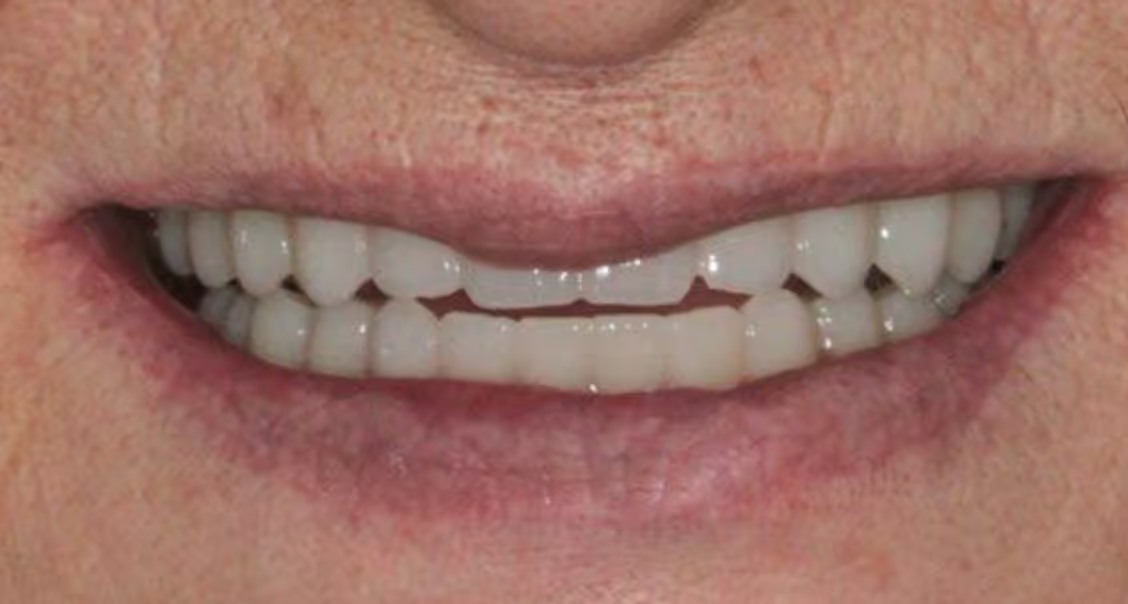
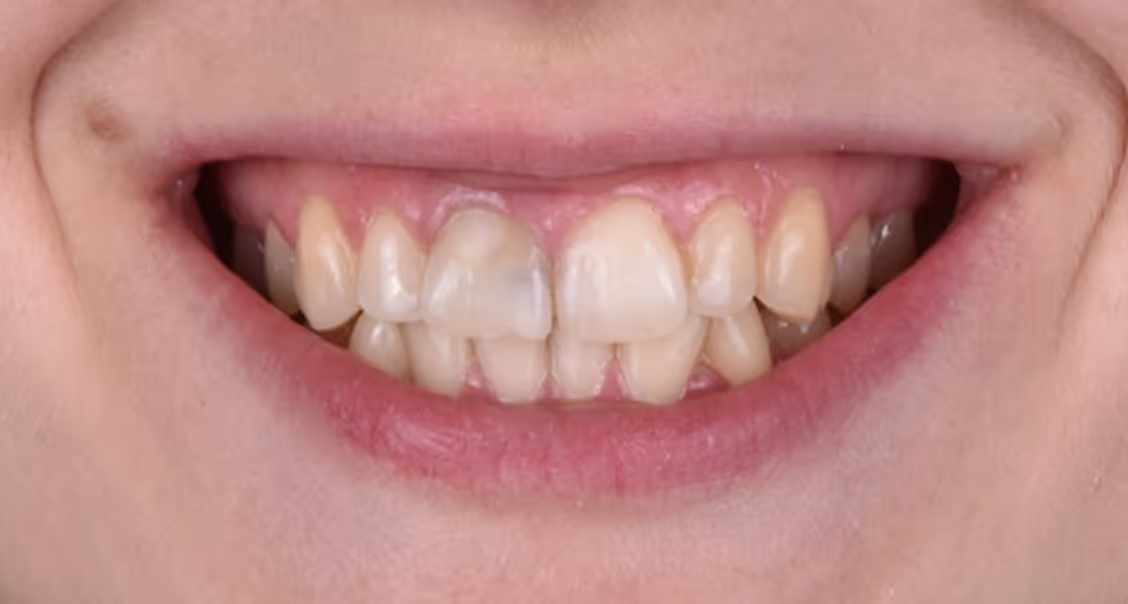
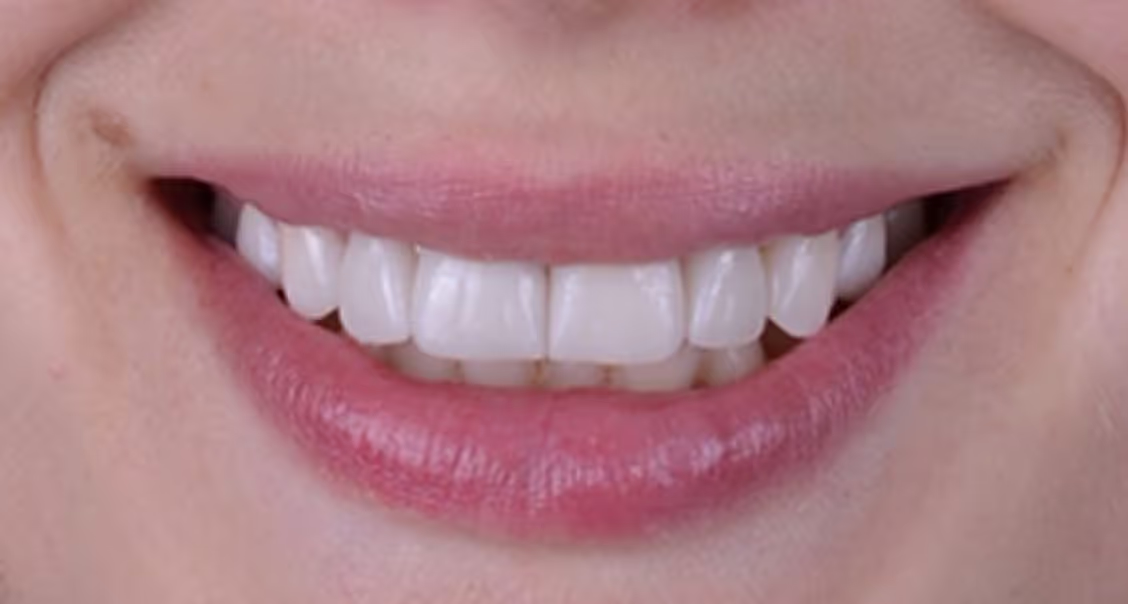
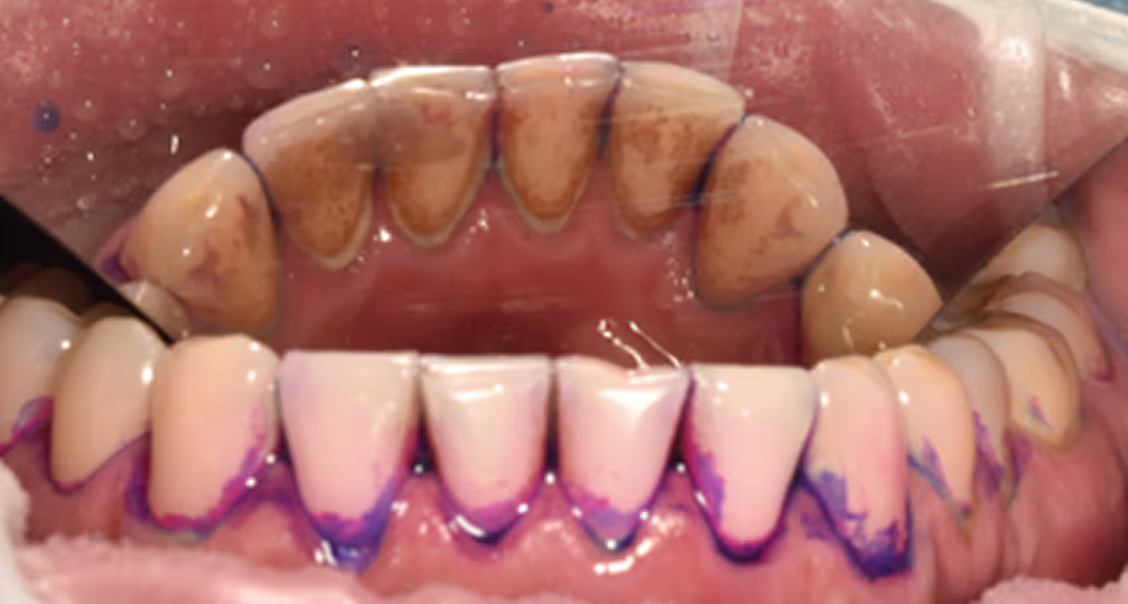
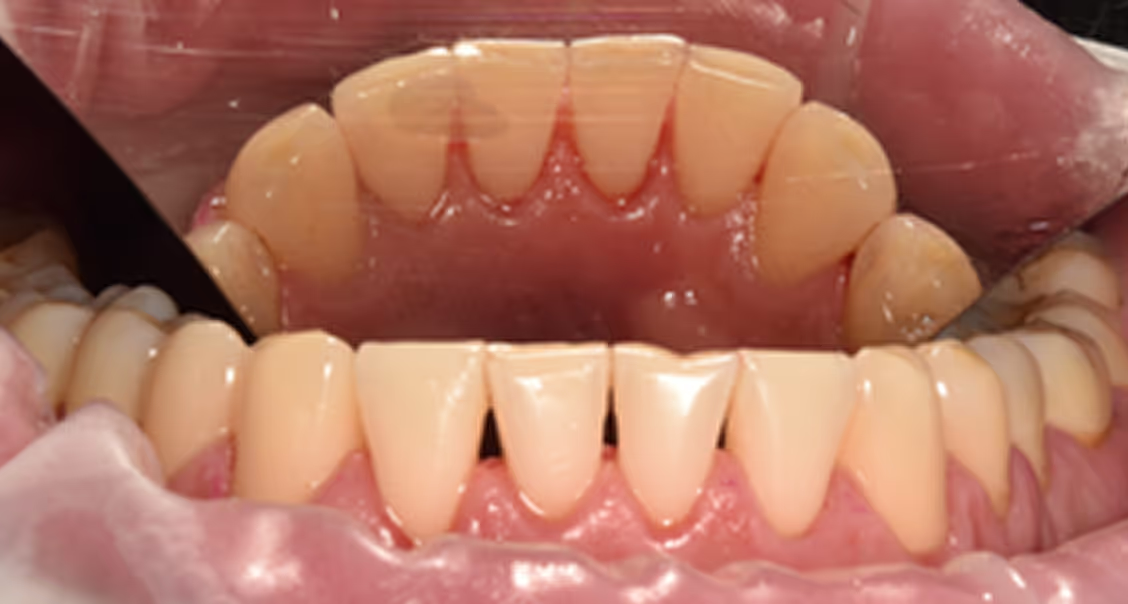
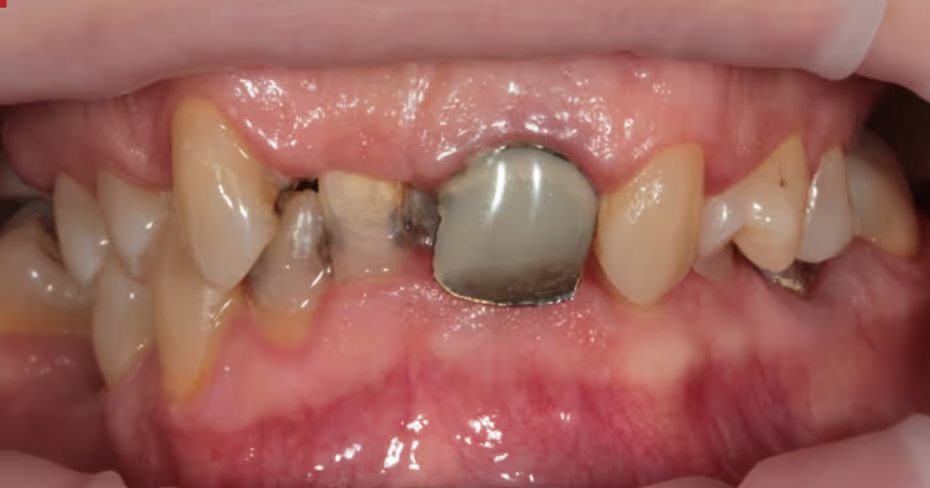
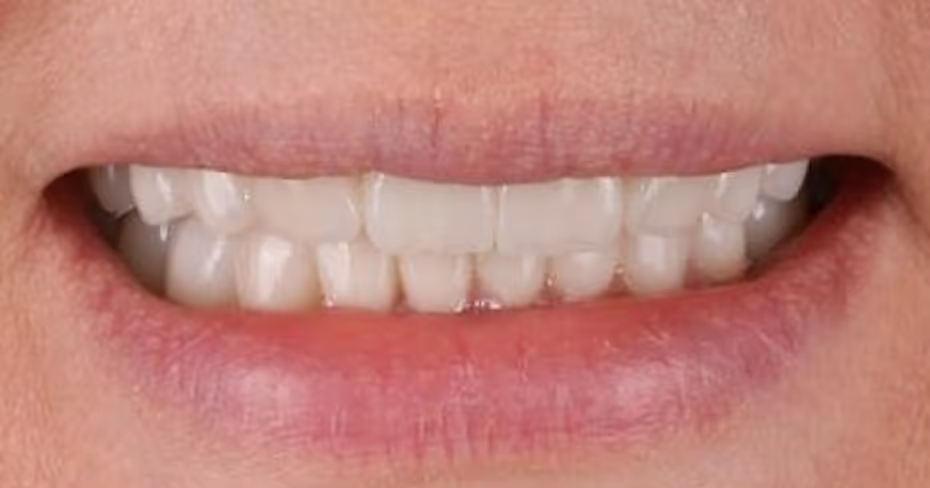
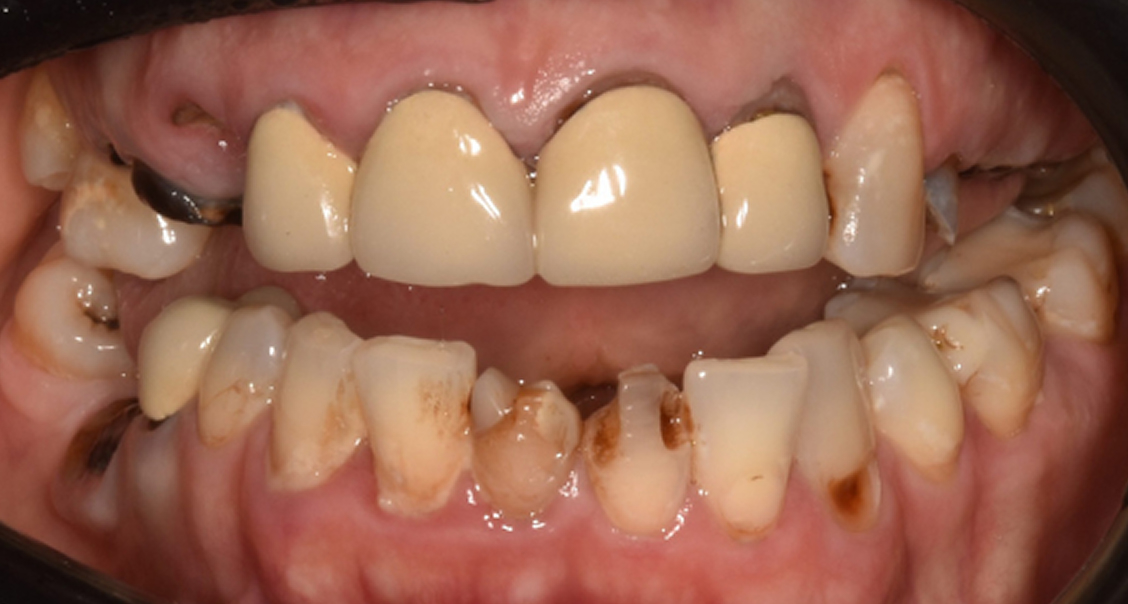
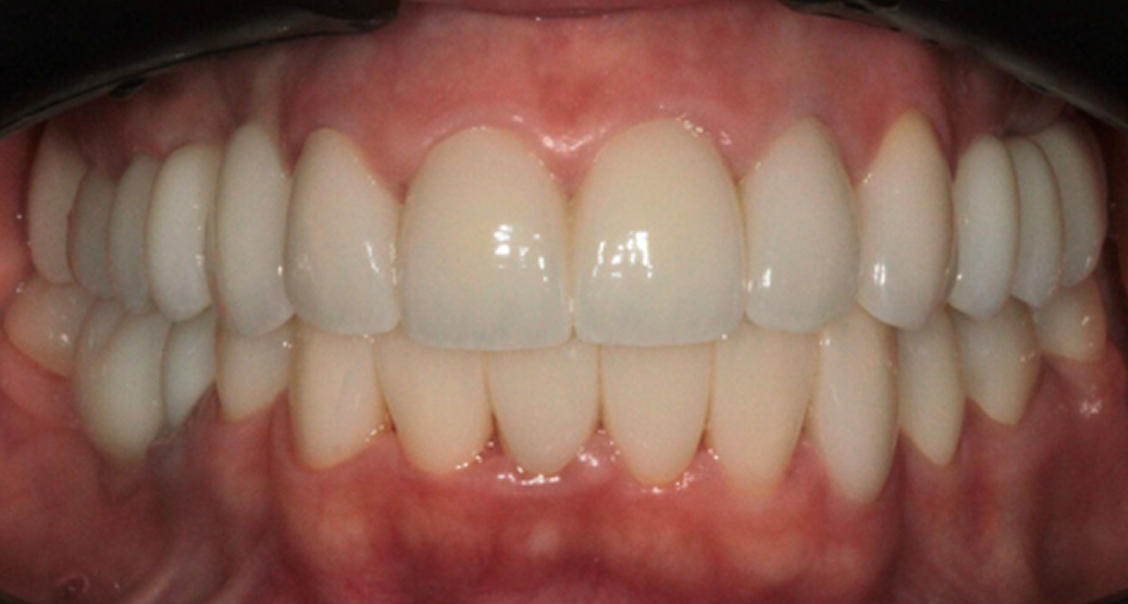
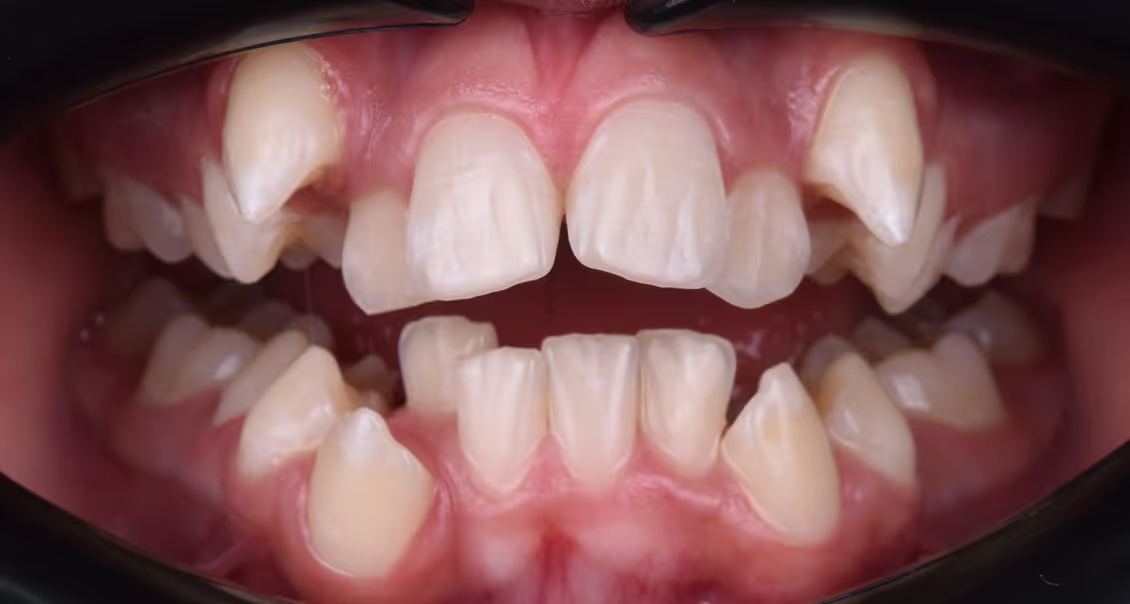
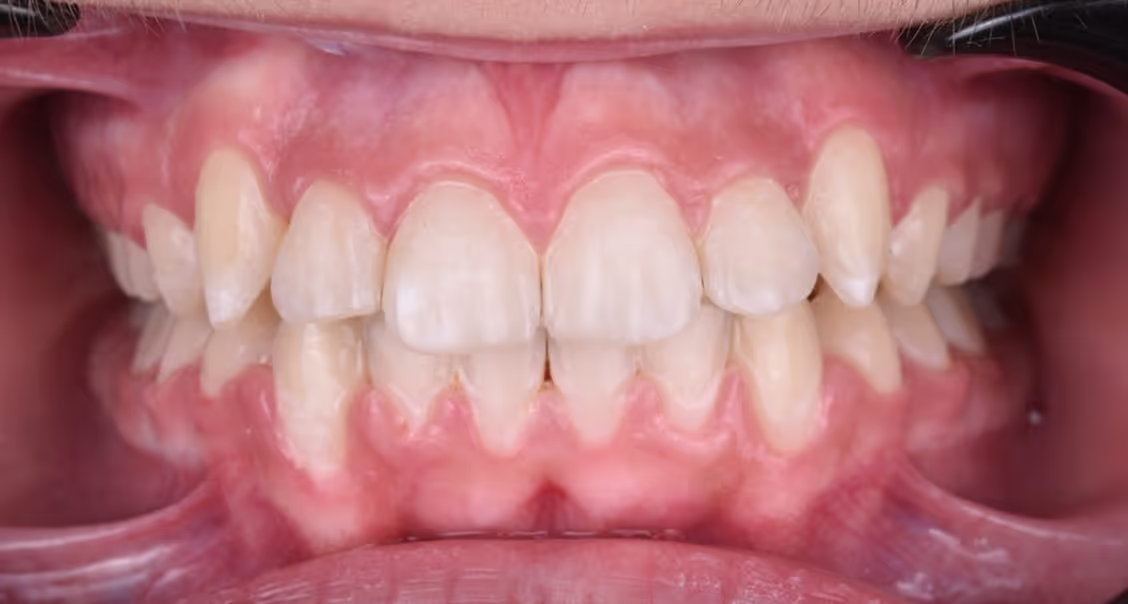
Tooth decay before and after treatment — results
The result of treatment depends on the size of the cavity and the amount of preserved natural tissue.
Why treat tooth decay at MistoDent Krakow?
When treating tooth decay at MistoDent Krakow, our priority is accurate diagnostics and preserving as much healthy tooth tissue as possible.
- We match treatment to the stage of decay — early lesions are managed differently from deep cavities.
- We aim to preserve the natural tooth — the extent of preparation is matched to the actual tissue damage.
- We use composite restorations — which restore the shape and function of the treated tooth.
- We also treat early carious lesions — in suitable cases, the ICON method is available.
- We provide on-site diagnostics — when additional tests are needed to assess the lesion.
- We provide comprehensive care — if decay has reached the pulp, treatment can continue as endodontic therapy.
MistoDent Krakow, ul. Grzegórzecka 20A
How much does tooth decay treatment cost in Krakow?
The price of tooth decay treatment depends primarily on the size and location of the cavity and the type of restoration needed. In the current MistoDent price list, composite fillings cost from 460 to 620 PLN, depending on the class and extent of the restoration. The dentist can determine the exact cost after assessing the specific tooth.
FAQ
Answers provided by
Dr. Nazar Prokopiak
What does tooth decay look like?
Tooth decay can look different depending on its stage. At first it may appear as a white, matte spot, and later as darker discolouration or a visible cavity. However, not every change can be correctly recognised without a dental examination.
How is tooth decay treated?
The method depends on how advanced it is. Early lesions may need a different approach than a cavity that has to be cleaned and filled. With very deep decay, the condition of the pulp also needs to be assessed.
Can tooth decay be painless?
Yes. Early decay and small cavities often cause no pain. Symptoms may only appear as the lesion deepens.
Does early decay always need drilling?
Not always. The approach depends on the type and activity of the lesion and the condition of the tooth surface. In appropriately qualified cases, more conservative methods such as ICON are possible.
How much does tooth decay treatment cost?
At MistoDent Krakow, a composite filling costs from 460 PLN, and ICON treatment costs 375 PLN. The final price depends on the scope of treatment.
How much does a filling cost?
A composite filling at MistoDent Krakow costs from 460 PLN, depending on the size and location of the restoration.
What is interproximal decay?
Interproximal decay develops on the contact surfaces of adjacent teeth. It can be hard to notice on your own and may cause no clear symptoms for a long time.
Can decay develop under a filling?
Yes. Secondary decay can appear around an existing filling. If the dentist finds a lesion or leak, the restoration may need to be replaced and the tooth treated again.
When does tooth decay require root canal treatment?
The presence of decay alone does not mean root canal treatment is needed. Endodontic treatment may be necessary when the lesion has caused irreversible damage or inflammation of the pulp. The dentist decides based on examination and diagnostics.
Is tooth pain after a filling normal?
Temporary sensitivity may occur after a filling. However, if the pain after the filling is severe, persists, gets worse or appears especially when biting, it is worth coming in for a check-up.

Medical verification
Content verified by:
Dr. Nazar Prokopiak
Conservative dentistry • Endodontics
Last updated: 07.10.2026
Book an appointment!
Leave your contact details in the form or message us on your preferred messenger — we'll be happy to answer your questions and help you book a visit.


