

Air polishing in Kraków — professional stain removal
Thorough cleaning of teeth from deposits and surface stains that are hard to remove with everyday brushing. Air polishing helps restore the natural cleanliness of teeth and is an important part of professional oral hygiene.
Who performs air polishing at MistoDent Kraków?
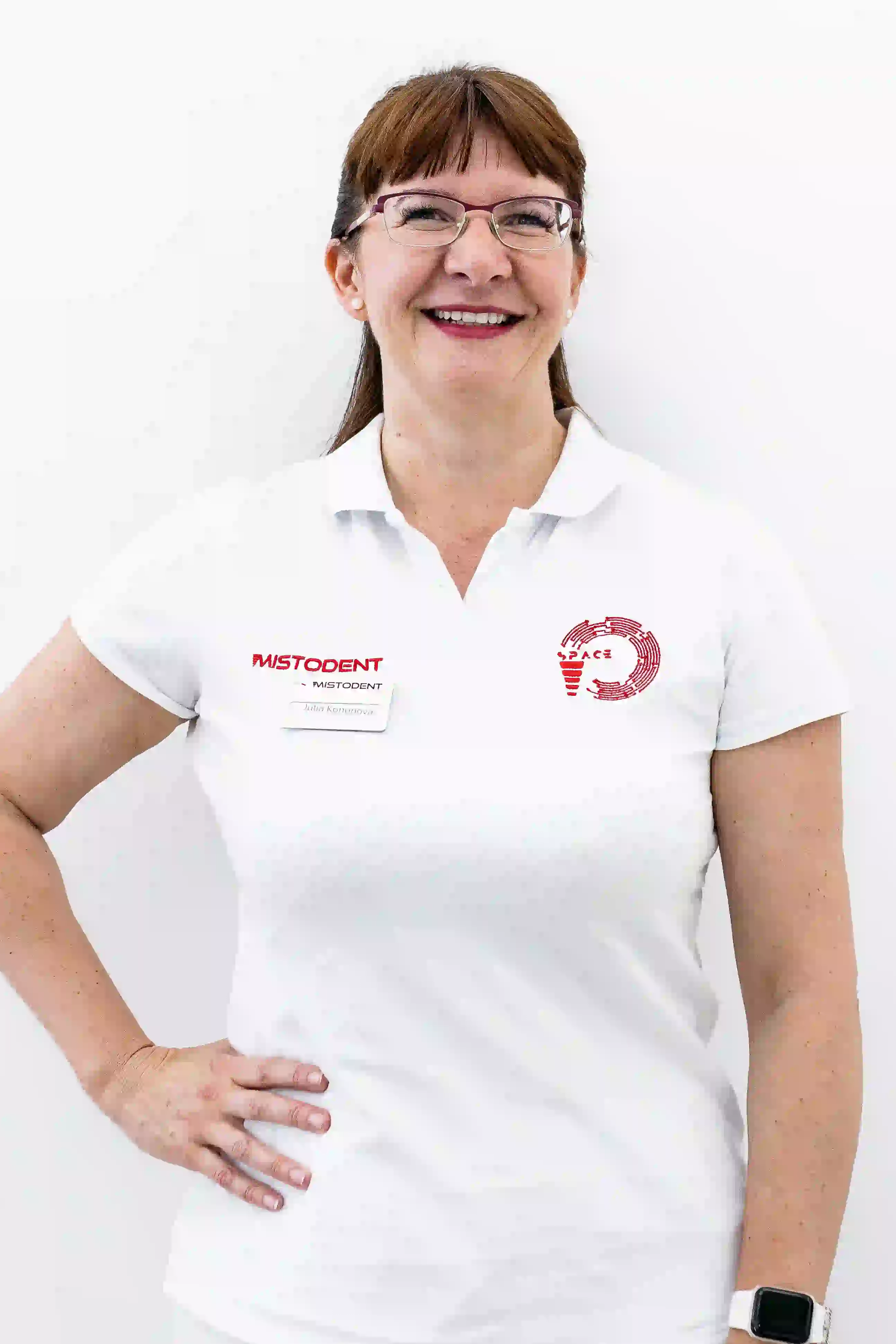
She provides professional dental hygiene, including air polishing, scaling, polishing and fluoridation. During the visit she assesses oral hygiene, the amount of deposits and the condition of the gums. She selects the right scope of cleaning and gives advice on everyday tooth care.
What is air polishing?
Air polishing is a professional hygiene treatment that removes soft bacterial deposits and surface stains with a special device.
The air polisher directs a stream of air, water and fine cleaning powder onto the tooth surfaces. This allows thorough cleaning of areas that are hard to reach with an ordinary toothbrush, such as the spaces between teeth or around orthodontic braces.
The treatment helps remove deposits caused, among others, by coffee, tea and smoking. As a result, teeth may look cleaner and brighter, although air polishing does not change the natural colour of the enamel.
Air polishing is often one of the stages of professional hygiene, along with scaling, polishing and fluoridation.
However, it does not replace the removal of hard tartar. If there are mineralised deposits on the teeth, scaling may also be needed.
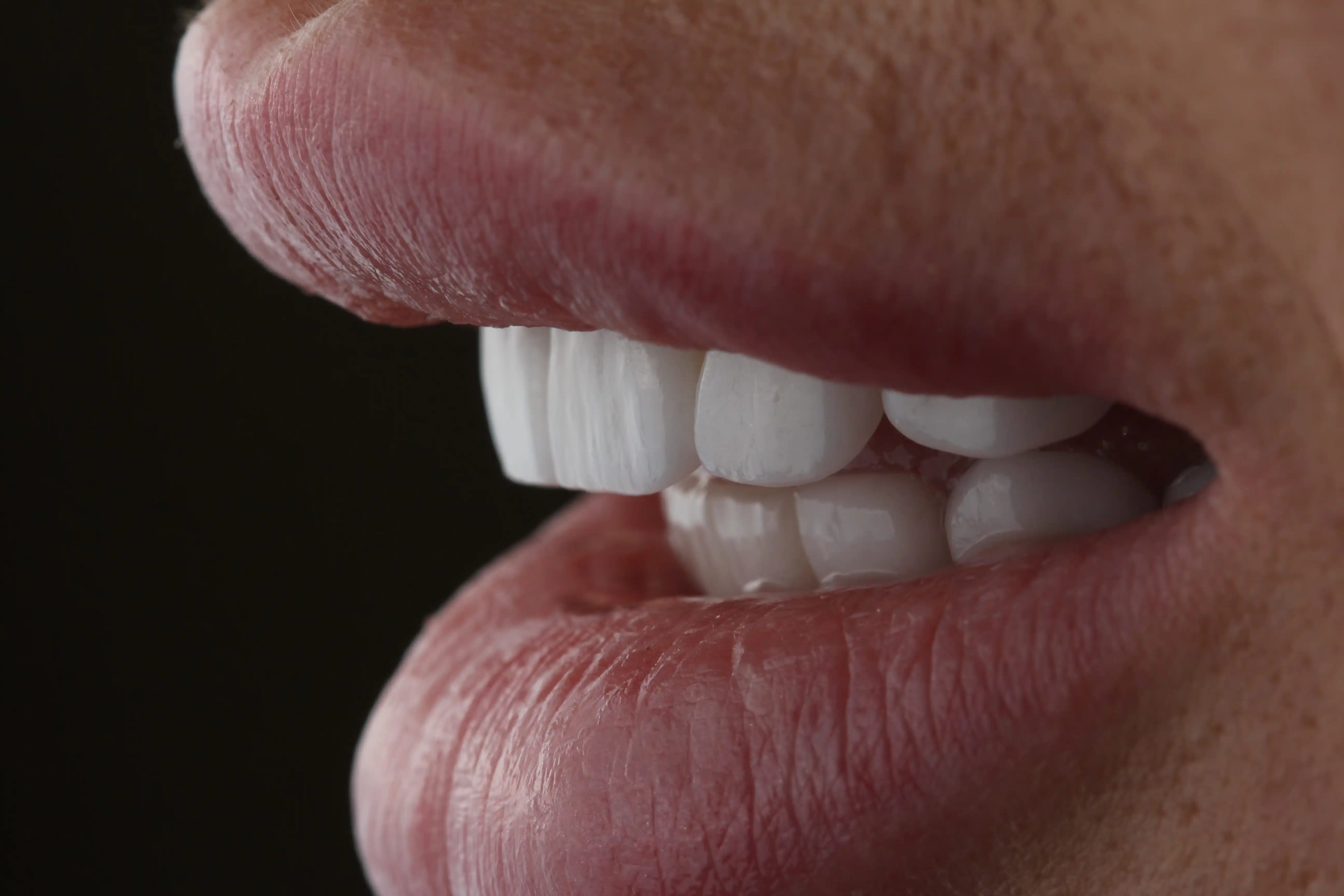
What are the benefits of air polishing?
Air polishing helps clean the tooth surfaces more thoroughly of deposits that gradually build up from eating, drinking and daily life.
The main benefits of the treatment are:
- Removal of dental deposits — cleaning the tooth surfaces of soft deposits and bacterial biofilm.
- Reduction of surface stains — removing some stains caused e.g. by coffee, tea or tobacco.
- More thorough cleaning of hard-to-reach areas — especially interdental spaces and around orthodontic braces.
- Support for gum health — reducing plaque that can sustain inflammation.
- Better-looking teeth — after deposits are removed, teeth can regain a more even, natural look.
- Complement to professional hygiene — the treatment can be combined with scaling and fluoridation.
Air polishing does not remove decay, does not treat existing cavities and does not replace daily oral hygiene.
Results depend on the type and amount of deposits and the individual condition of the teeth.
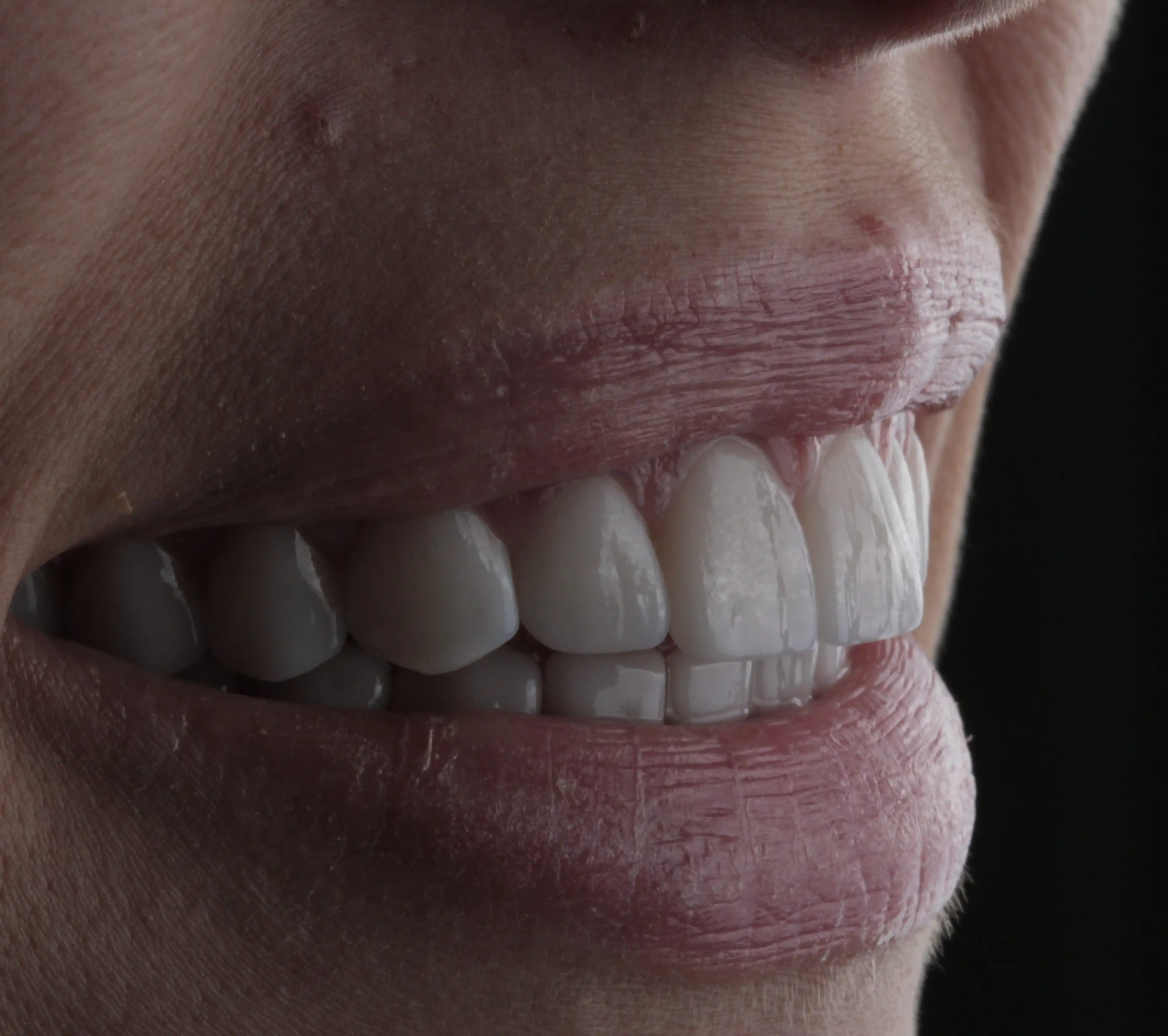
When is air polishing worth doing?
Air polishing is especially useful for people whose teeth tend to build up deposits and stains.
Coffee and tea stains
Drinking coffee or tea regularly can cause darker deposits on the enamel surface.
Air polishing can remove some of these stains, especially if they are on the surface of the teeth.
Smoking stains
Smokers may develop dark, hard-to-remove deposits on their teeth.
Professional air polishing helps clean the tooth surfaces, although it does not remove all stains and does not change the natural colour of the teeth.
Plaque in hard-to-reach areas
Some tooth surfaces are harder to clean thoroughly with a toothbrush, especially around the molars and between the teeth.
Air polishing can help remove accumulated bacterial biofilm from accessible areas.
Orthodontic treatment
Fixed braces make daily hygiene harder, as food debris and plaque build up more easily around brackets and other parts.
A properly chosen air polishing method can help keep teeth clean during orthodontic treatment.
Before teeth whitening
Before professional whitening, it is worth assessing oral hygiene.
If there are deposits and tartar on the teeth, the dentist may recommend a hygiene visit first to prepare the teeth for further treatment.
Regular dental prevention
Air polishing can be part of regular hygiene visits, especially for people whose deposits return quickly.
Not every patient needs air polishing at every visit. The scope of the treatment depends on the amount of deposits, the condition of the gums and individual needs.
Types of air polishing
Professional hygiene uses different types of powders and cleaning techniques. The method depends on the surface to be treated and the condition of the teeth and gums.
Supragingival air polishing
This method cleans tooth surfaces above the gum line.
It removes deposits, bacterial biofilm and some surface stains.
A suitable cleaning powder and a device that directs a stream of air, water and powder onto the teeth are used.
Subgingival air polishing
In certain clinical situations, methods are also used to clean biofilm below the gum line.
They require suitable equipment, powder and patient qualification.
Subgingival air polishing does not replace full periodontal treatment if there are deep periodontal pockets and mineralised deposits.
Air polishing with fine powders
Modern hygiene uses, among others, glycine- or erythritol-based powders.
Their properties allow gentler cleaning of selected surfaces compared with some traditional, more abrasive powders.
The type of powder is chosen according to indications and the device manufacturer's recommendations.
Air polishing as part of EMS hygiene
Professional hygiene also uses system solutions such as EMS.
Depending on the protocol, they can combine biofilm assessment, its removal and tartar cleaning.
MistoDent offers premium EMS hygiene packages that allow the scope of professional cleaning to be matched to the patient's needs.
What does air polishing look like step by step?
Air polishing is performed during a hygiene visit. It usually requires no anaesthesia or special preparation.
1. Oral assessment
The hygienist checks the amount of deposits, any stains, the condition of the gums and areas that need special cleaning.
2. Preparing for the treatment
The patient sits in the dental chair. The specialist prepares the device, chooses a suitable powder and protects the patient from water spray.
3. Removing deposits
The air polisher directs a stream of water, air and fine powder onto the tooth surfaces.
This gradually removes accumulated deposits and biofilm from accessible areas.
4. Checking the cleaned surfaces
After the treatment, the hygienist checks whether any deposits remain that need additional work.
5. Additional hygiene treatments
Depending on needs, air polishing can be combined with scaling, polishing or fluoridation.
6. Aftercare advice
The patient receives advice on daily hygiene and ways to limit deposits from building up again.
How long air polishing takes depends on the amount of deposits and the scope of cleaning. The treatment itself usually takes from about ten to several dozen minutes, and comprehensive hygiene may need a longer visit.
Air polishing vs scaling — what is the difference?
Although both treatments are used for professional teeth cleaning, they have different purposes.
Air polishing
Teeth scaling
Removes soft deposits, biofilm and some stains
Removes hard tartar
Uses a stream of water, air and powder
Uses ultrasonic or hand instruments
Helps clean areas hard to reach with a toothbrush
Removes mineralised deposits
Can improve the look of tooth surfaces
Helps limit problems caused by tartar
Does not replace hard tartar removal
Does not always remove all surface stains
Air polishing and scaling are often done during one visit because they complement each other. If there is both tartar and deposits on the teeth, the hygienist chooses the right order and scope of cleaning.
Air polishing vs teeth whitening — is the effect the same?
Air polishing is not a whitening treatment. It removes surface deposits and stains that can make teeth look darker. After cleaning, teeth often regain their natural colour, but the treatment itself does not lighten the inner structure of the enamel.
Air polishing
Teeth whitening
Removes surface deposits and stains
Lightens tooth colour with whitening agents
Does not change the natural shade of teeth
Can change the natural shade of teeth
Part of dental hygiene
An aesthetic dentistry treatment
Can be a preparation step for whitening
Requires proper dental qualification
If you mainly want to remove coffee or tea stains, air polishing may be the right choice. If you want a lighter shade than your natural colour, consider professional whitening.
How often should air polishing be done?
How often air polishing is needed depends mainly on how quickly deposits build up, daily hygiene habits and the patient's individual needs.
For many people, professional hygiene is planned roughly every 6 months, but this does not mean air polishing is needed at every visit.
More frequent cleaning may be recommended for patients:
- whose deposits and stains appear quickly;
- wearing fixed orthodontic braces;
- who find thorough hygiene difficult;
- with periodontal disease requiring regular maintenance care;
- whose bacterial biofilm builds up quickly.
The right schedule is set based on the condition of the teeth, the amount of deposits and the assessment of oral disease risk.
Air polishing should not be done more often purely for aesthetic reasons, without assessing real needs and the condition of the tooth surfaces.
What to do after air polishing?
After air polishing, teeth may be more sensitive for a short time and the gums slightly irritated, especially if there was inflammation before.
After the treatment, it is worth:
- Brushing thoroughly but gently — ideally with a soft toothbrush and a suitable toothpaste.
- Cleaning between the teeth every day — with floss or interdental brushes.
- Limiting strongly staining foods, if the hygienist recommends it based on the scope of the cleaning.
- Avoiding very cold and hot foods, if sensitivity has appeared.
- Following the advice after fluoridation, if it was done during the same visit.
After air polishing alone, a long special diet is usually not necessary. However, advice on eating and drinking may differ depending on other treatments performed.
To limit deposits from building up again, regular home hygiene is the most important.
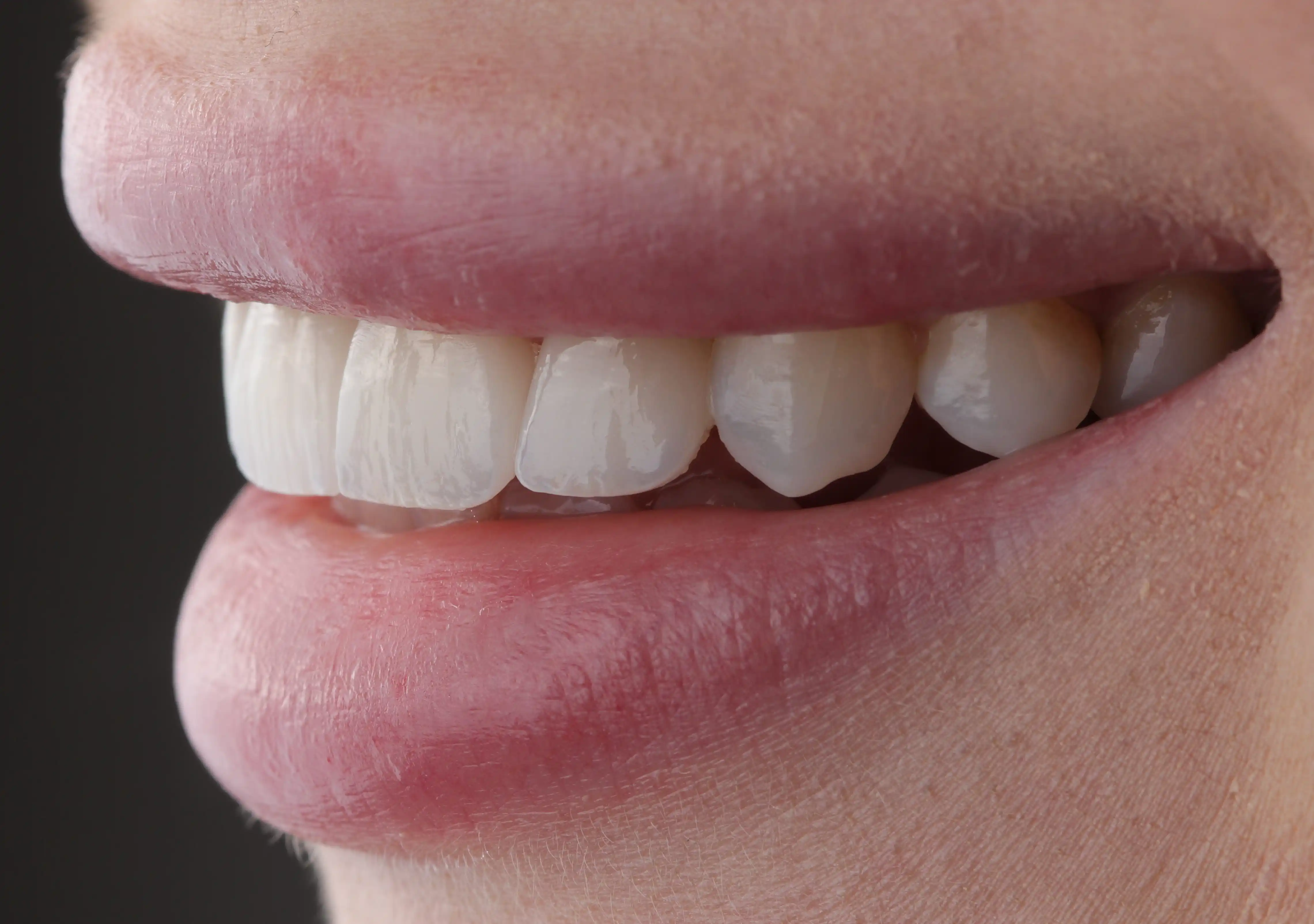
Is air polishing safe?
Air polishing performed correctly, with a properly chosen powder and technique, is a standard method of professional hygiene.
However, this does not mean that every type of powder or device setting is suitable for all surfaces.
Special care is needed with, among others, exposed tooth roots, some prosthetic materials and implant surfaces.
After the treatment, temporary symptoms may occur, such as:
- slight tooth sensitivity;
- gum irritation or tenderness;
- slight bleeding in inflamed areas;
- brief discomfort from the stream of water and powder.
Before air polishing, tell the hygienist about respiratory conditions, swallowing problems, allergies, dietary restrictions and other relevant health issues.
In some cases, a different powder, cleaning technique or another hygiene method may be needed.
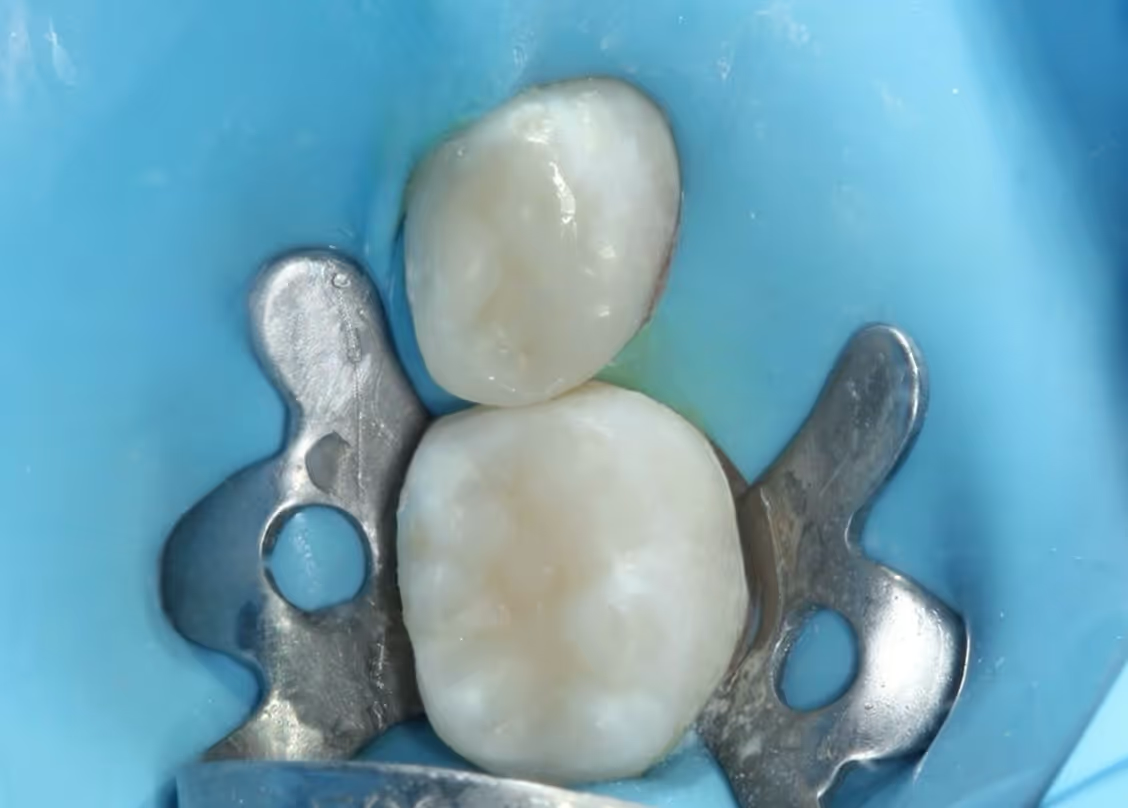
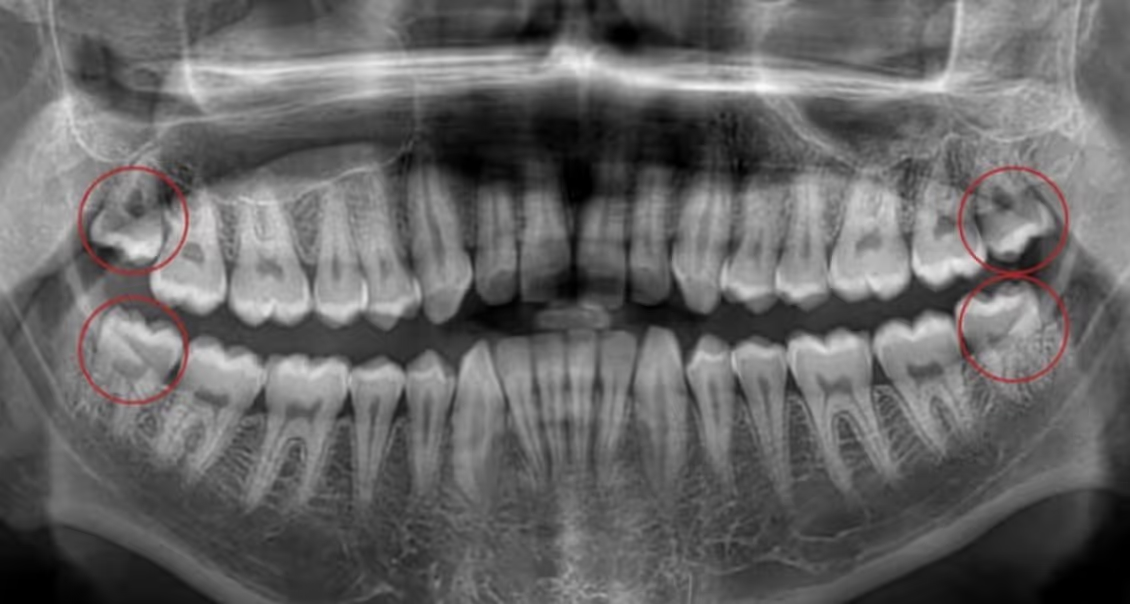
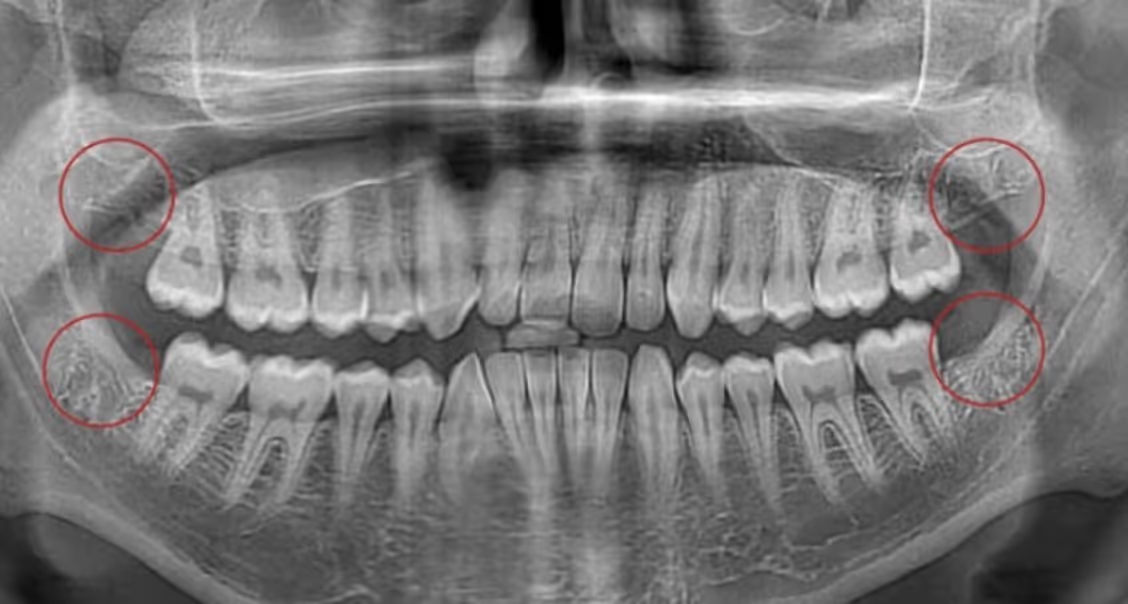
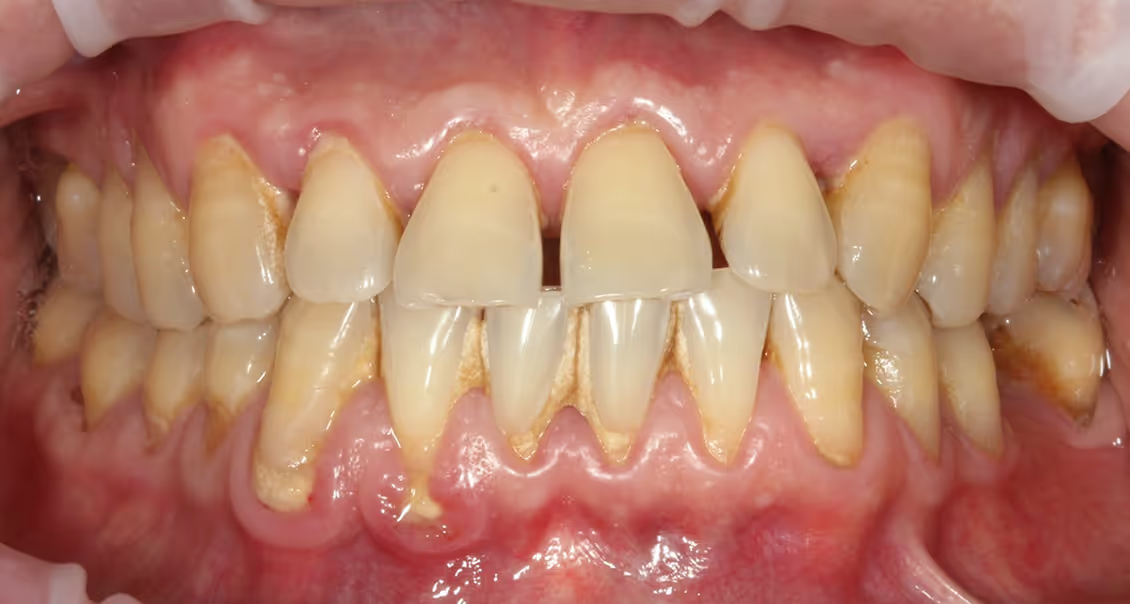
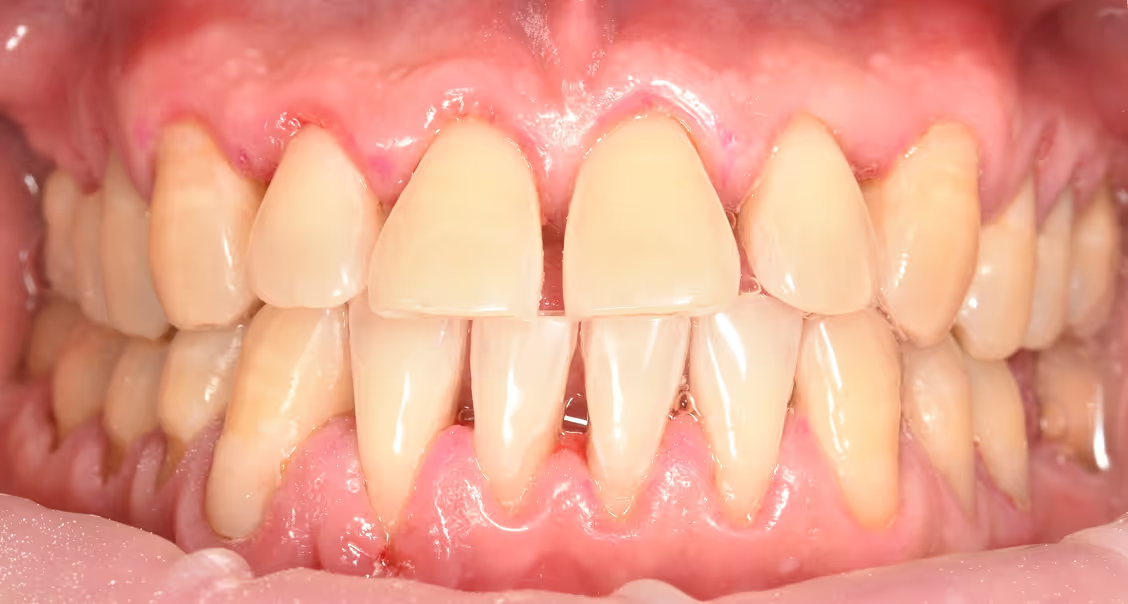
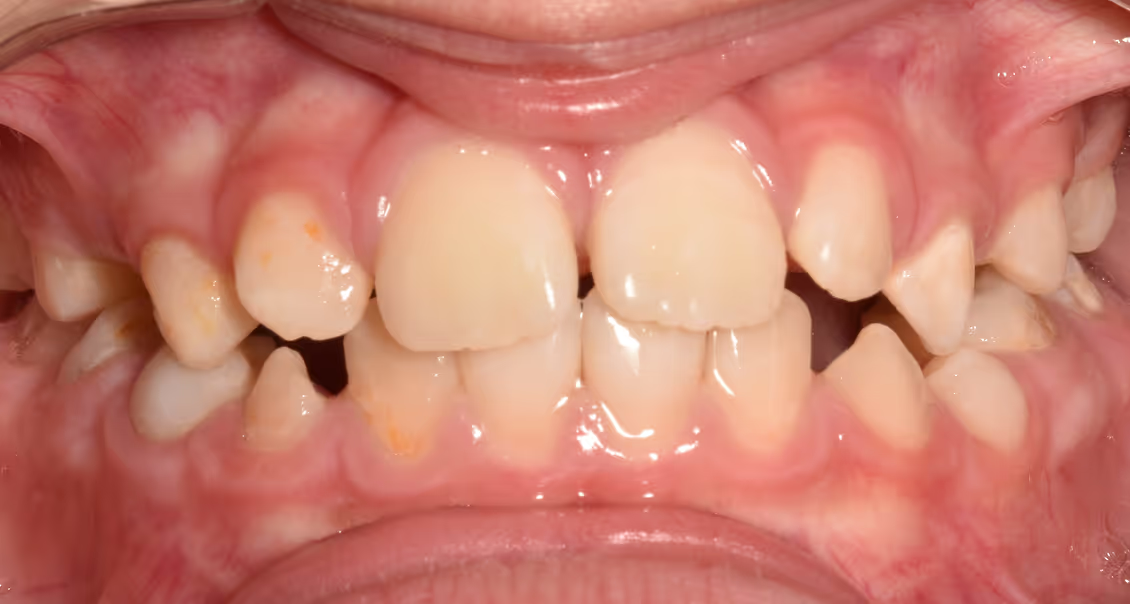
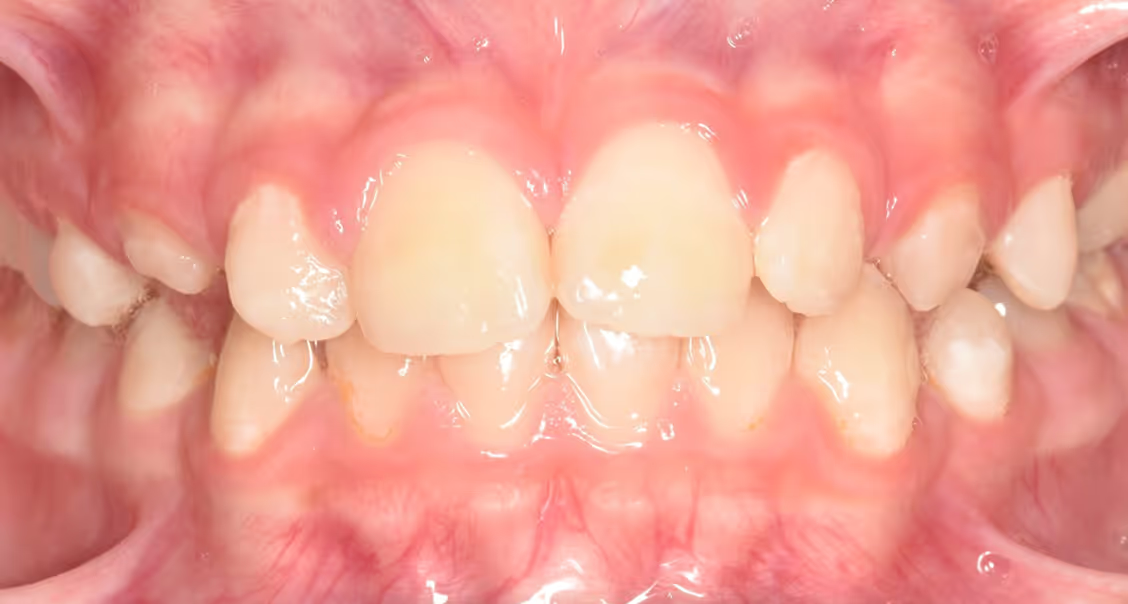
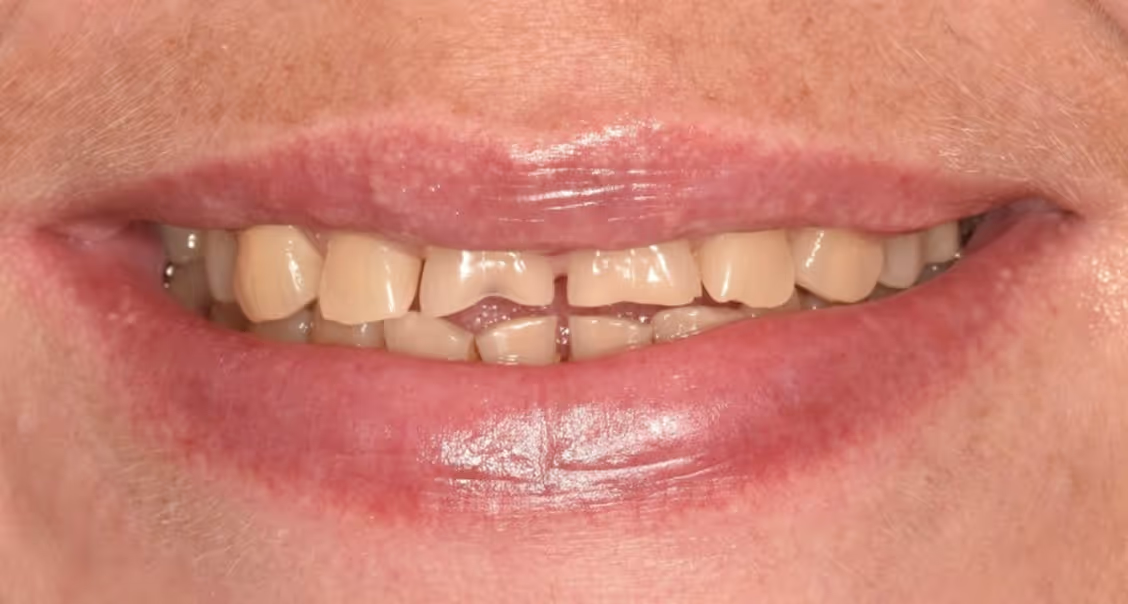
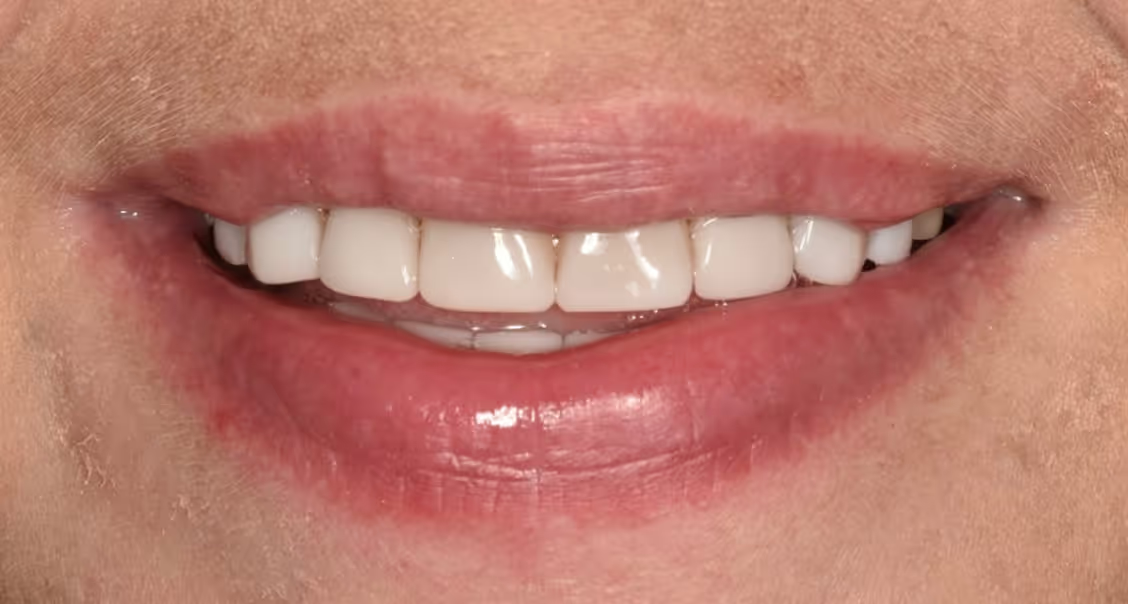
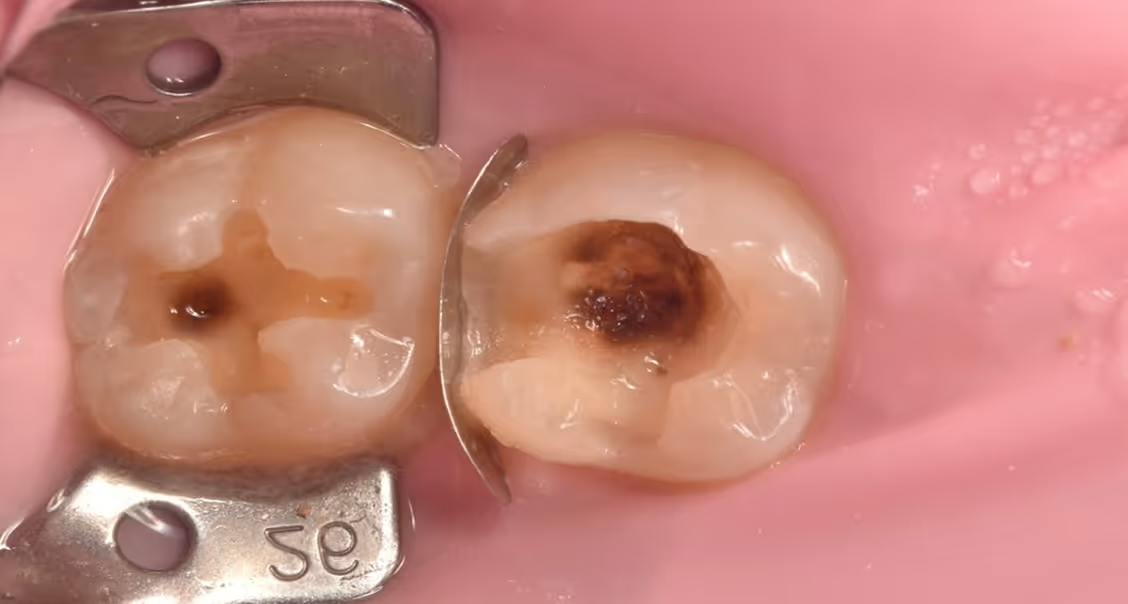
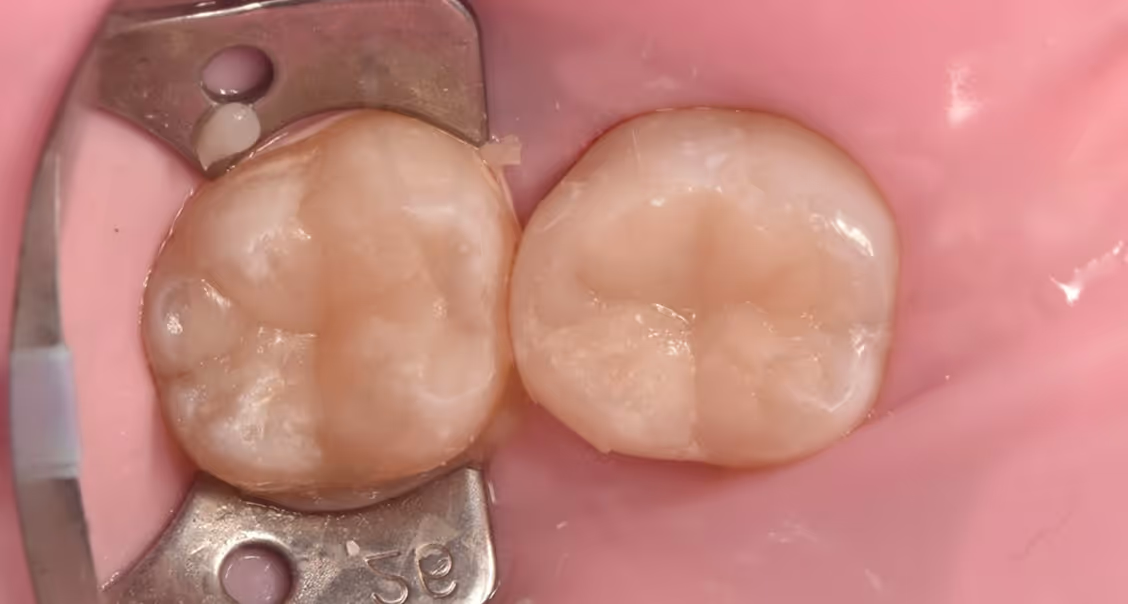
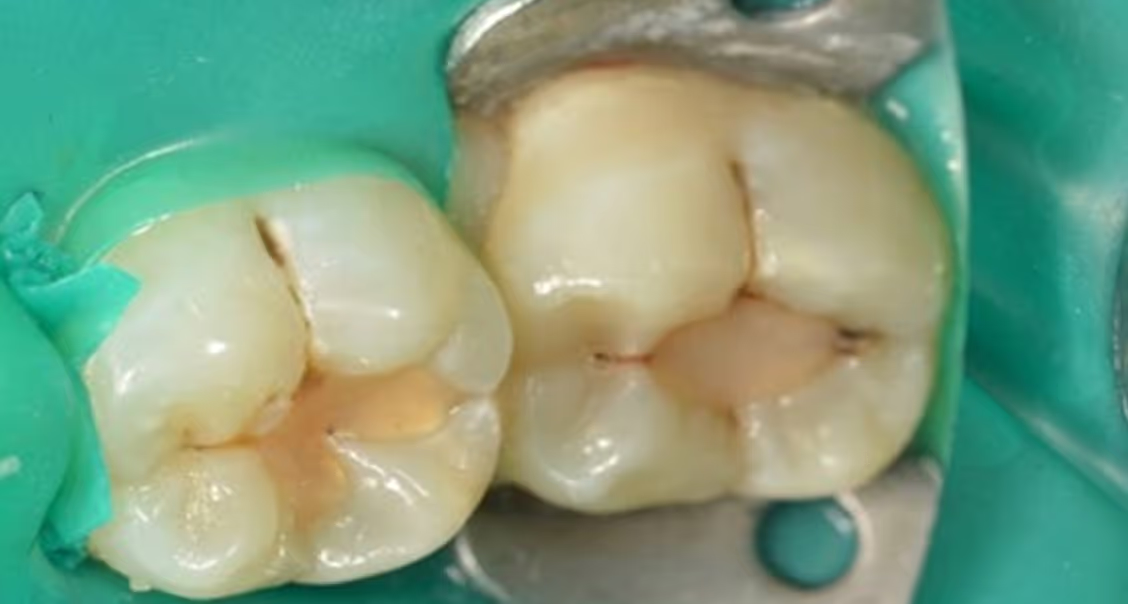
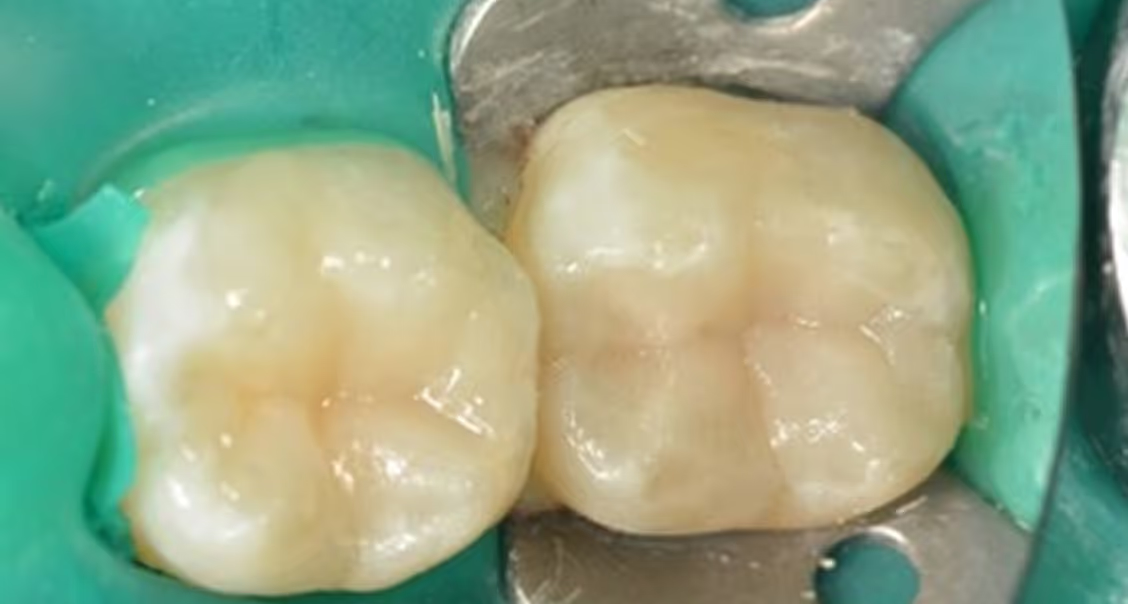
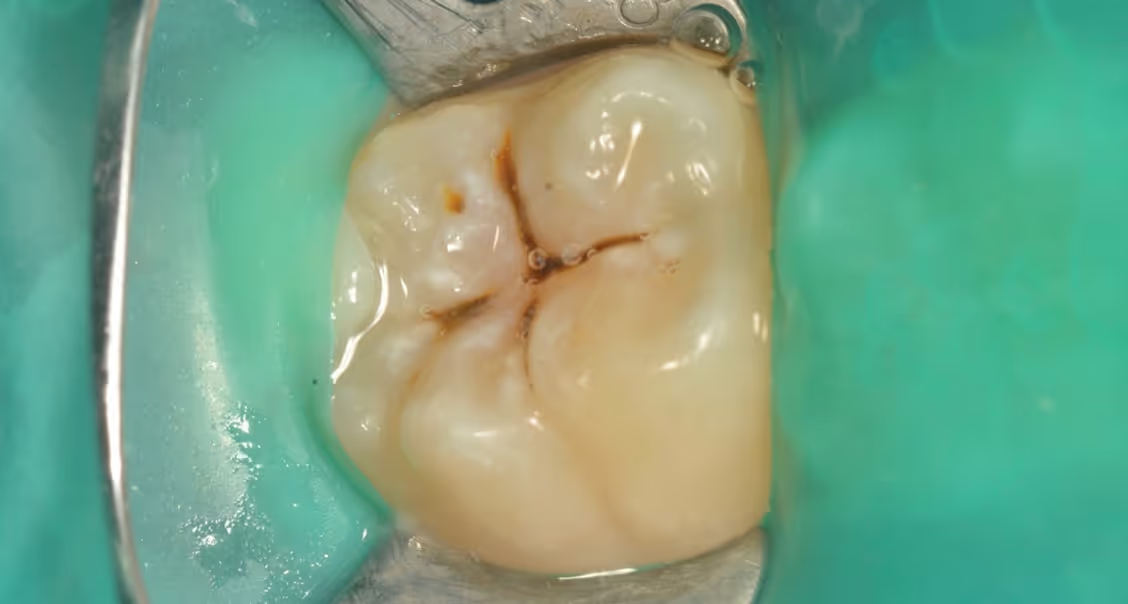
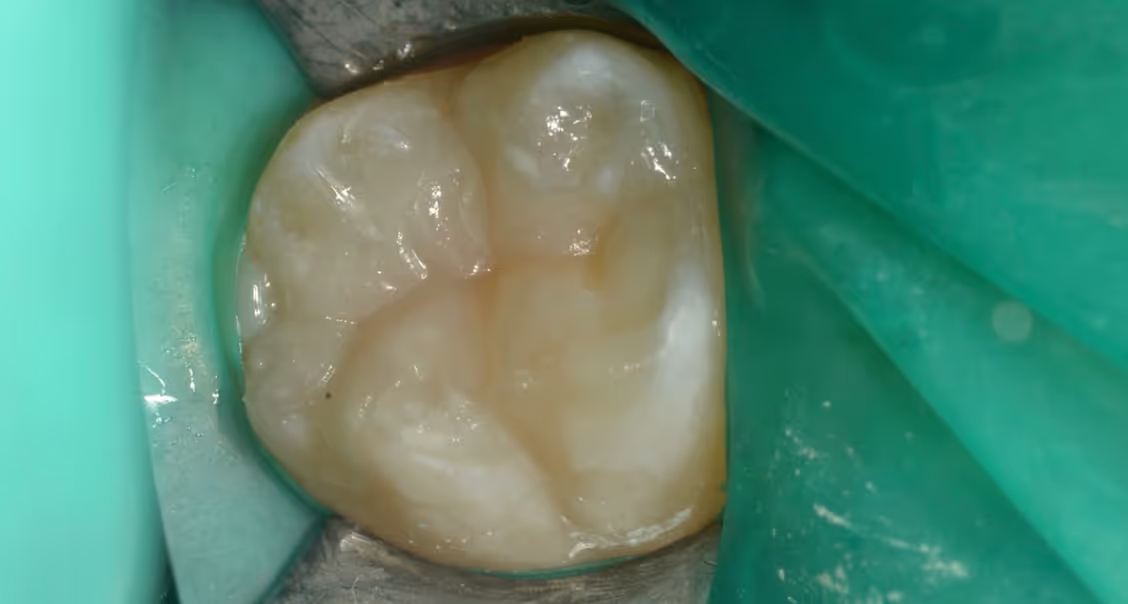
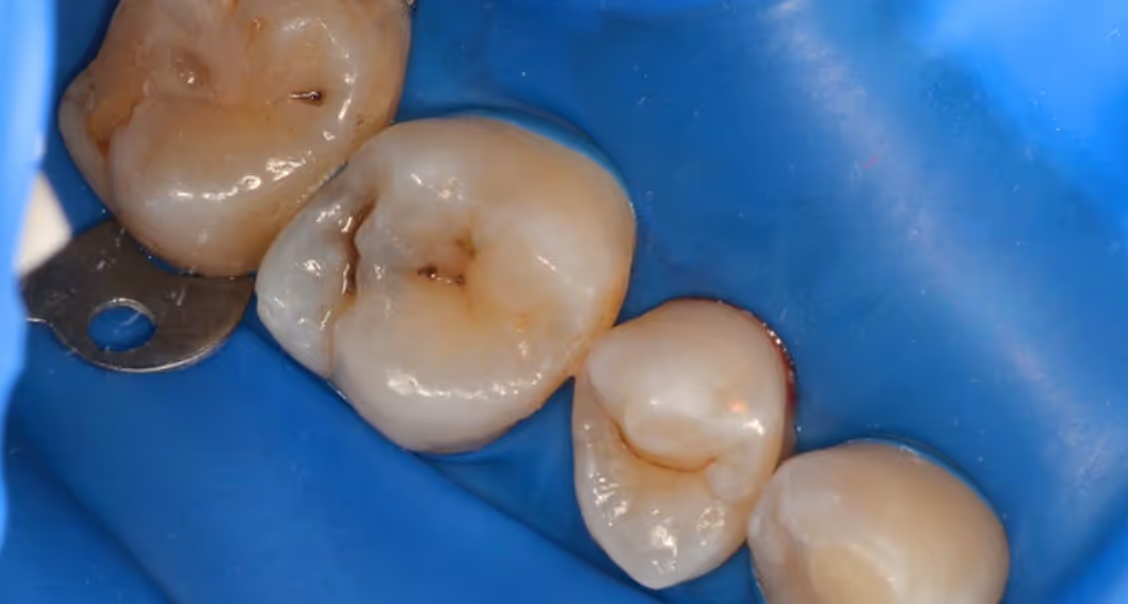
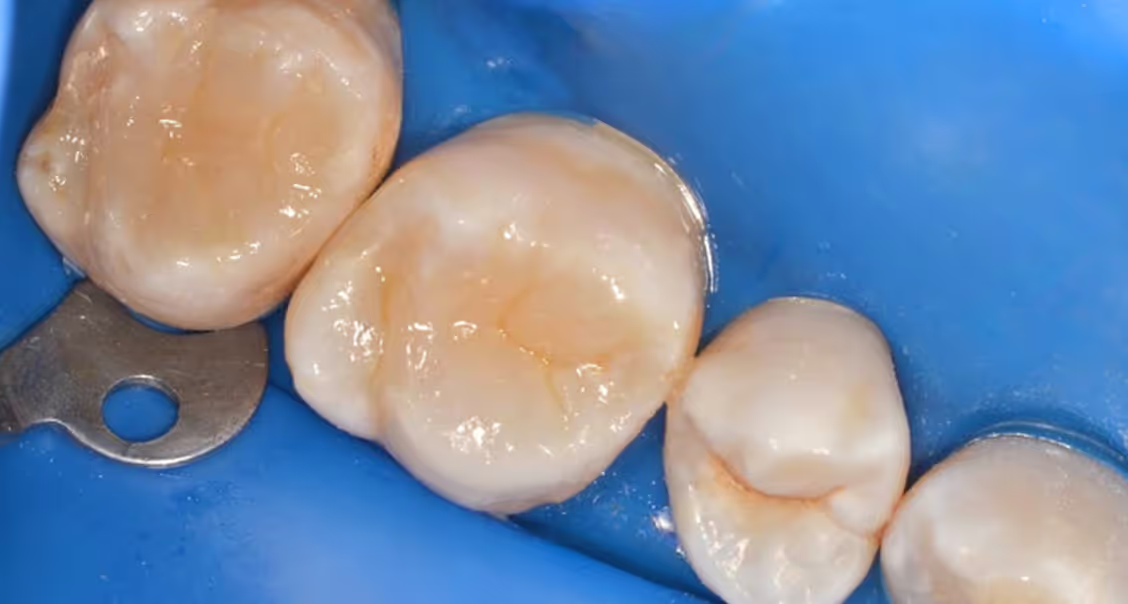
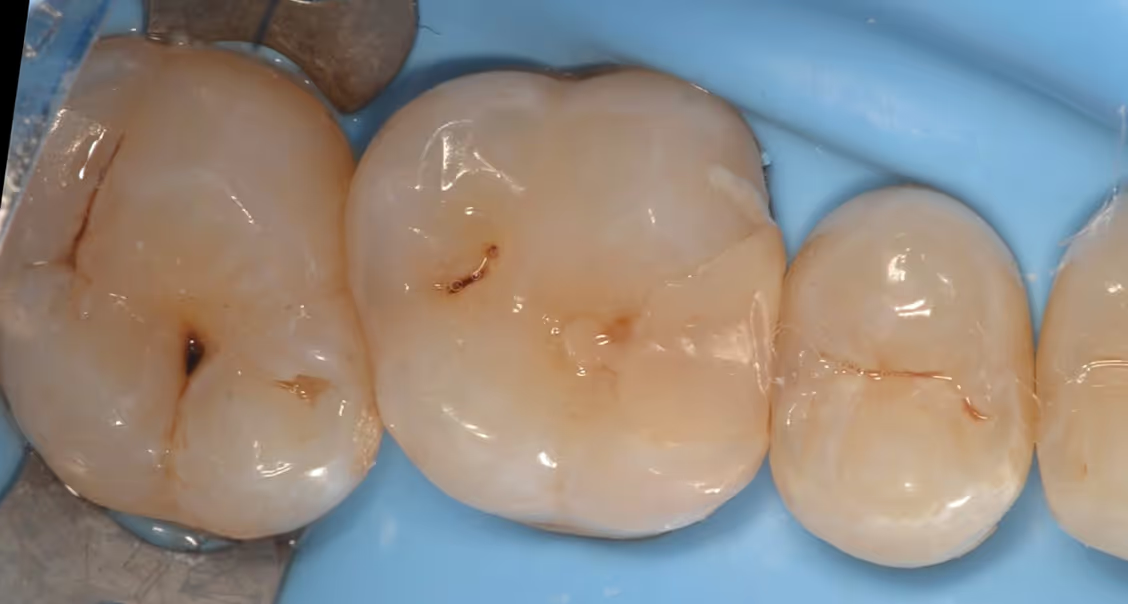
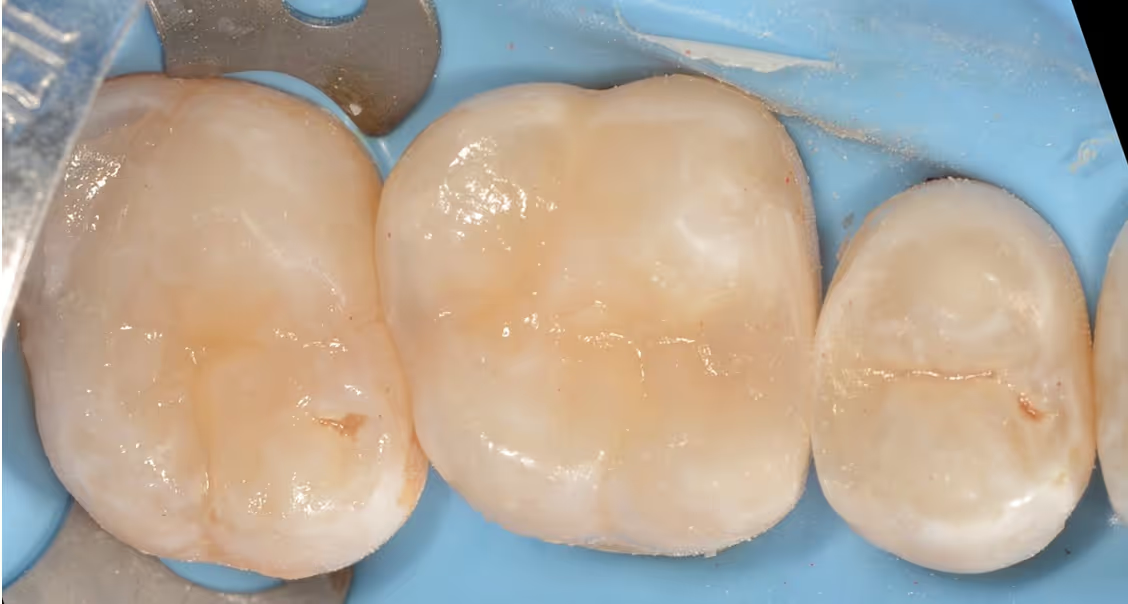
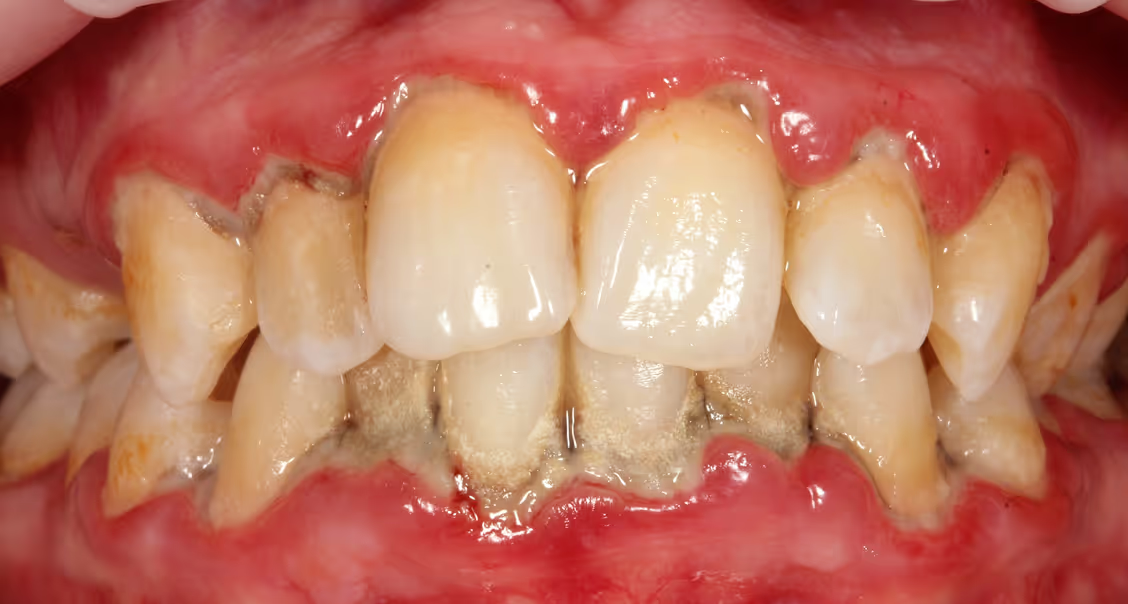
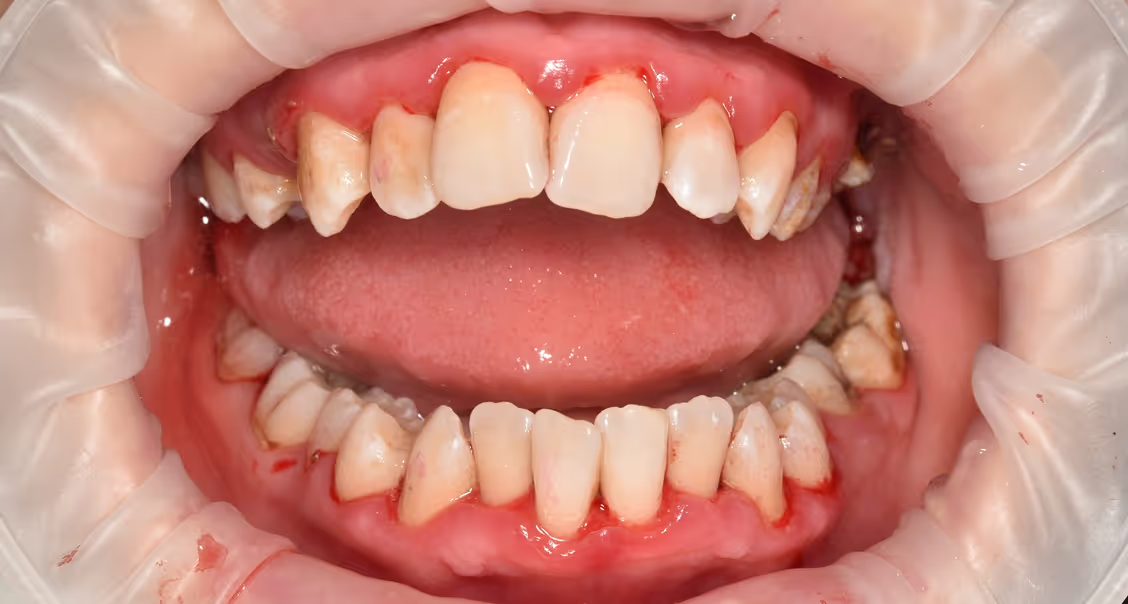
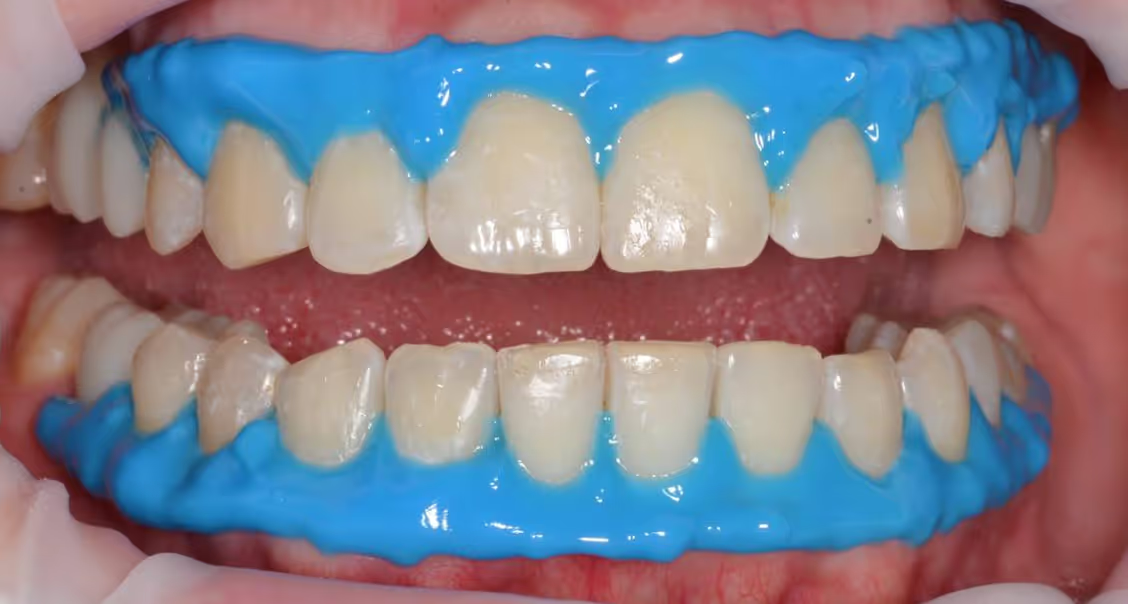
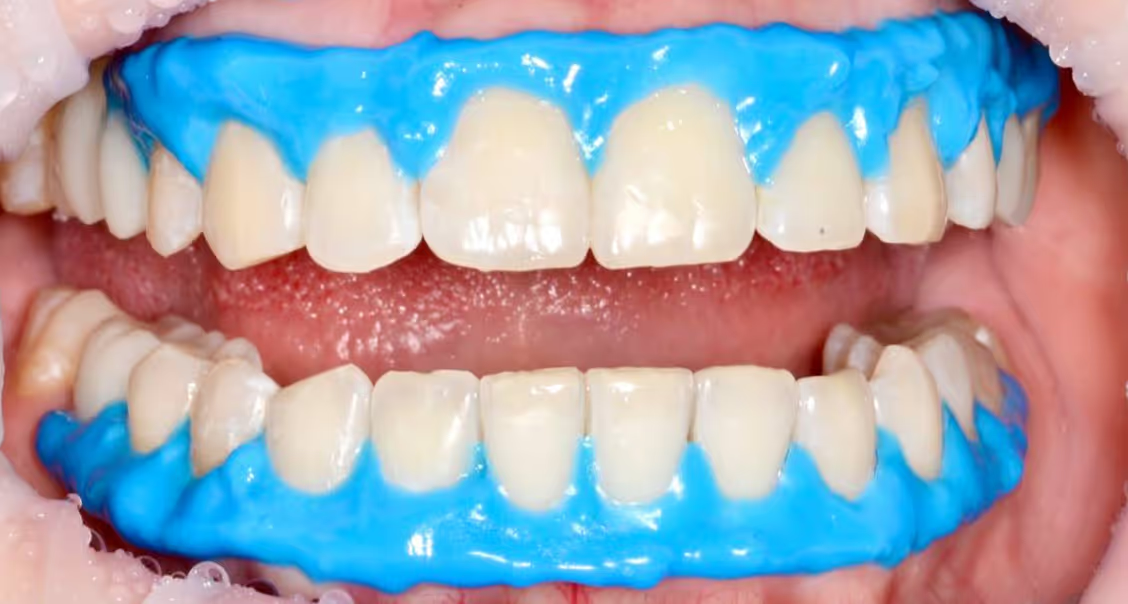
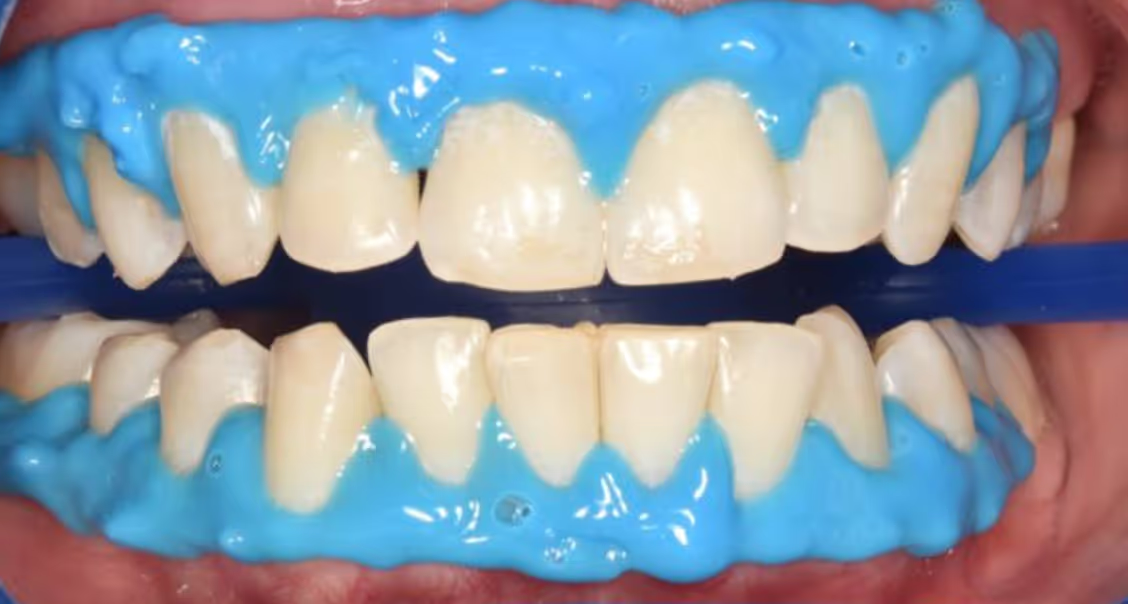
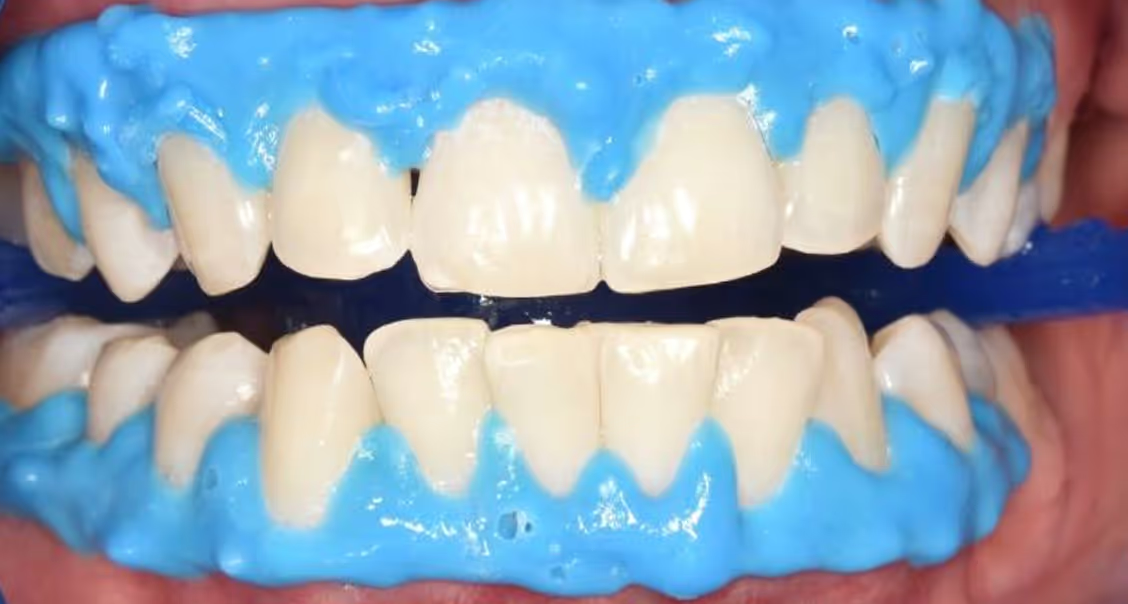
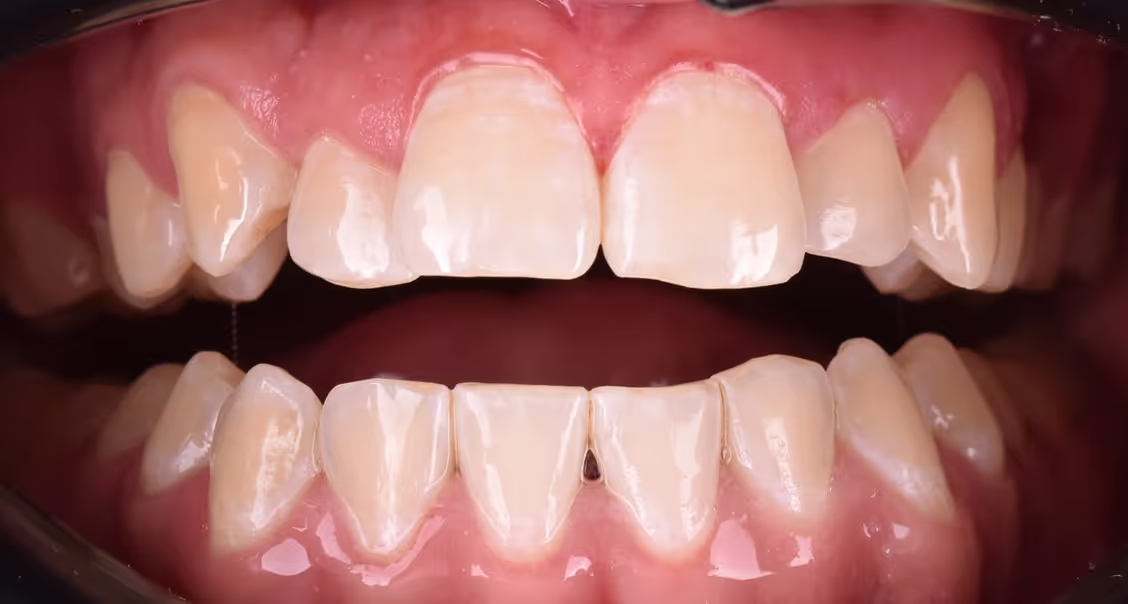
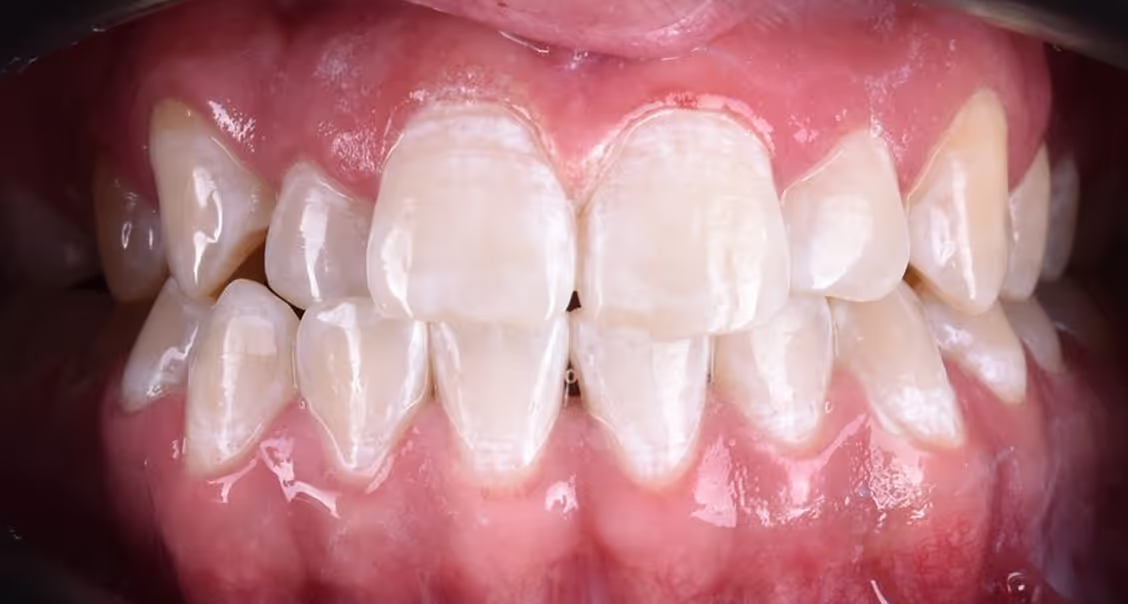
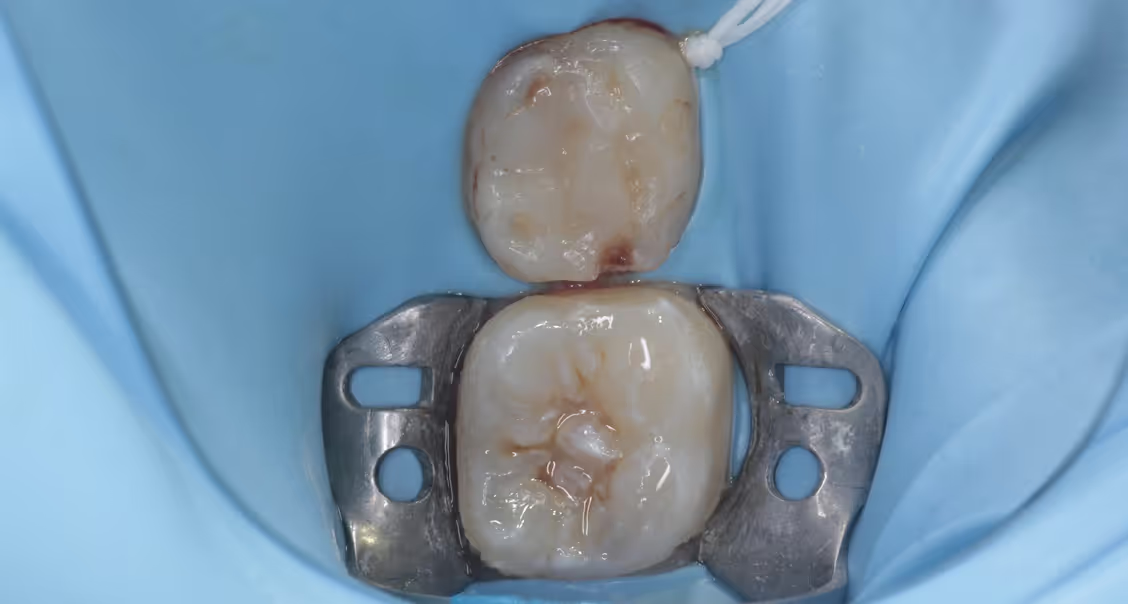
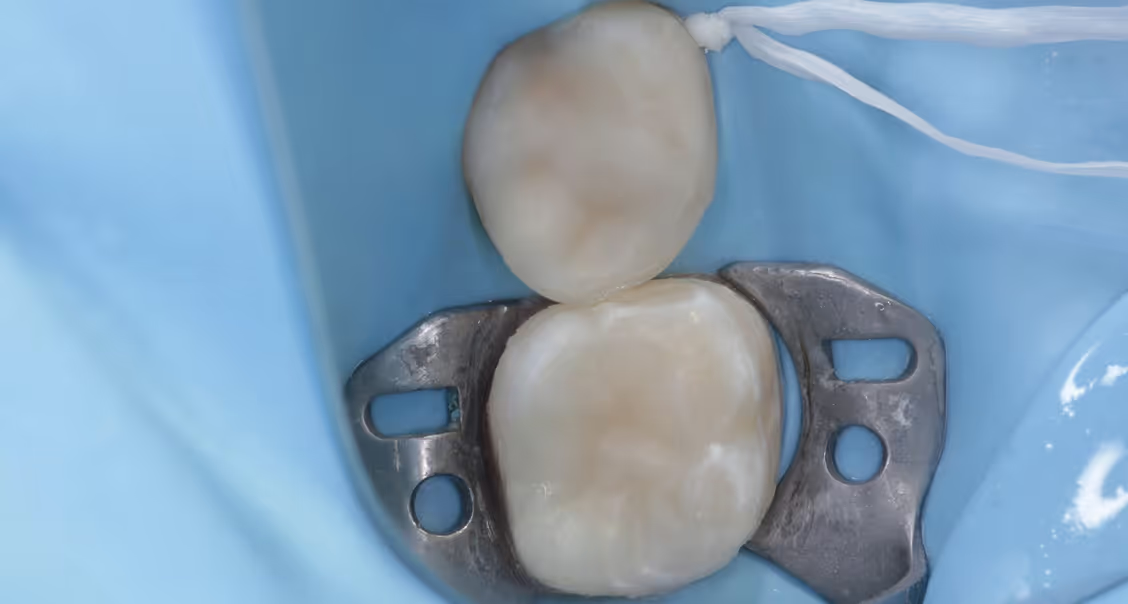
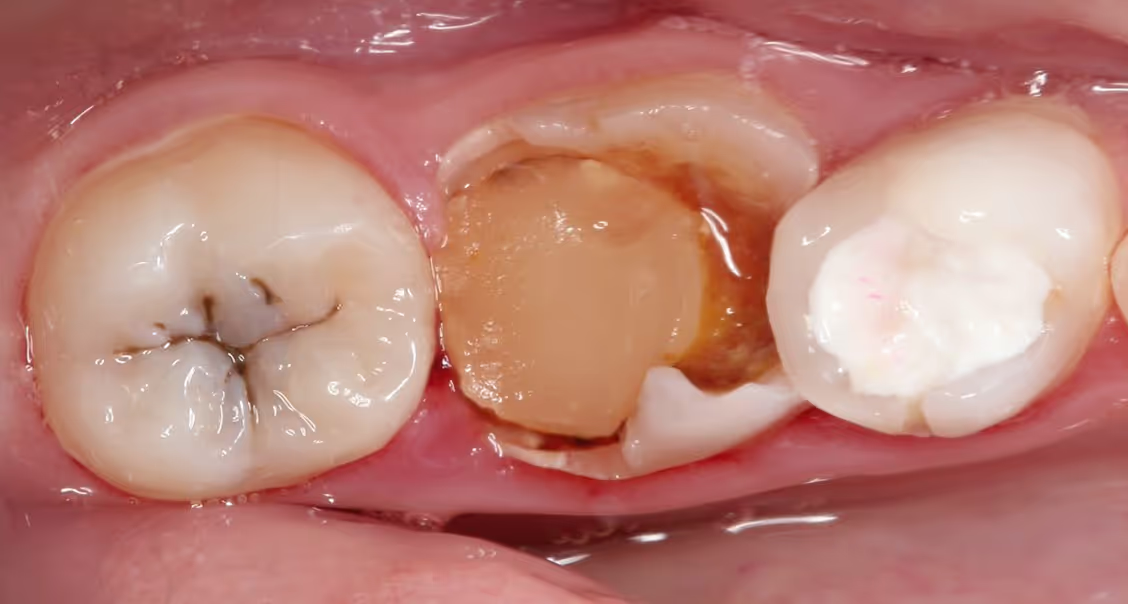
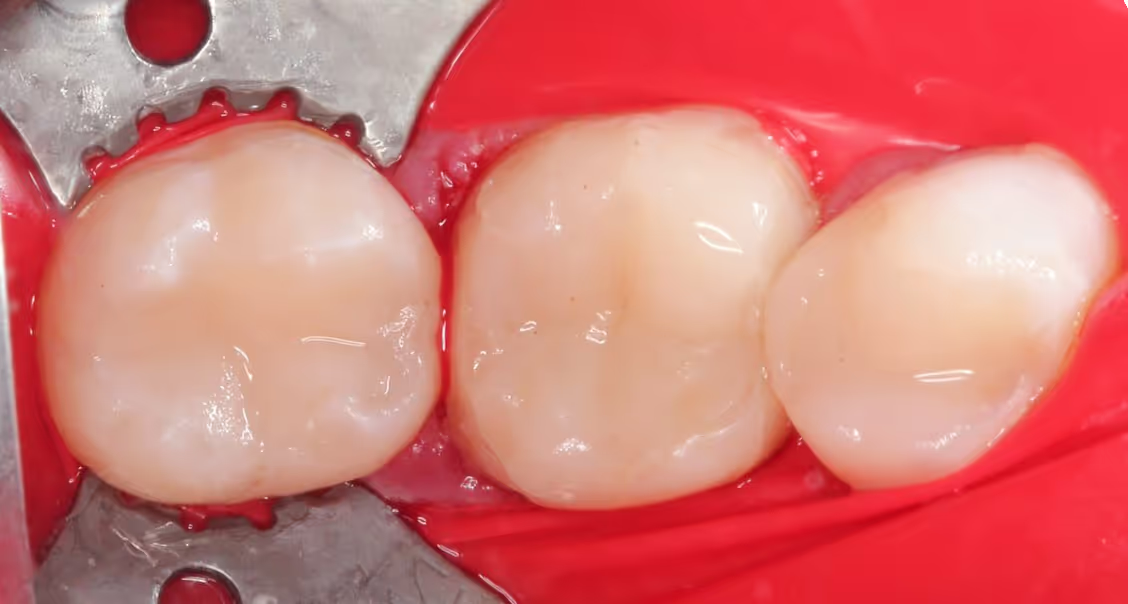
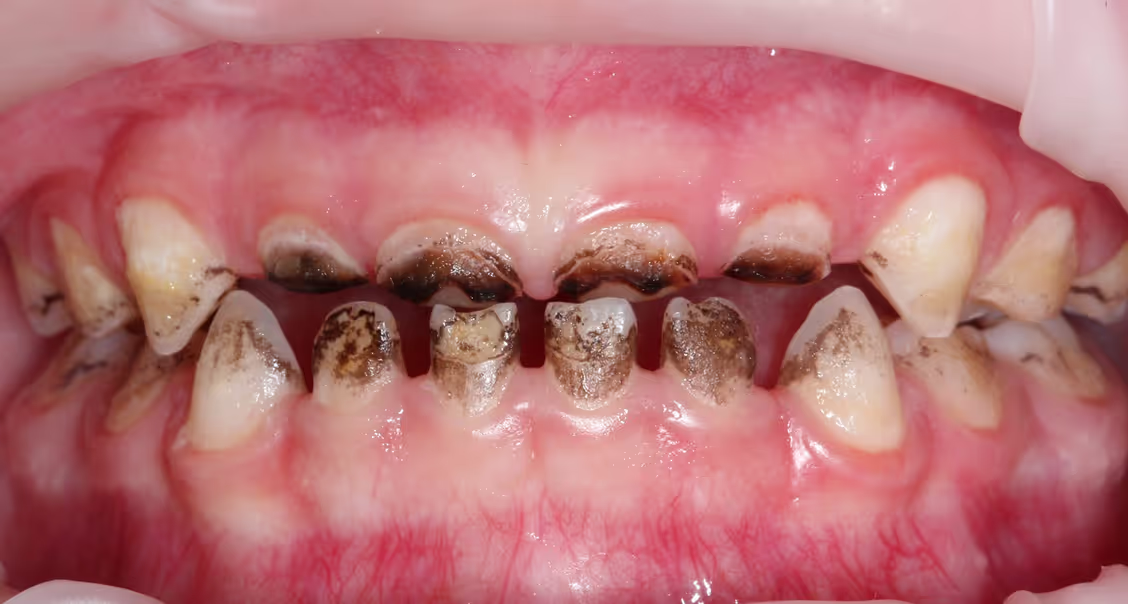
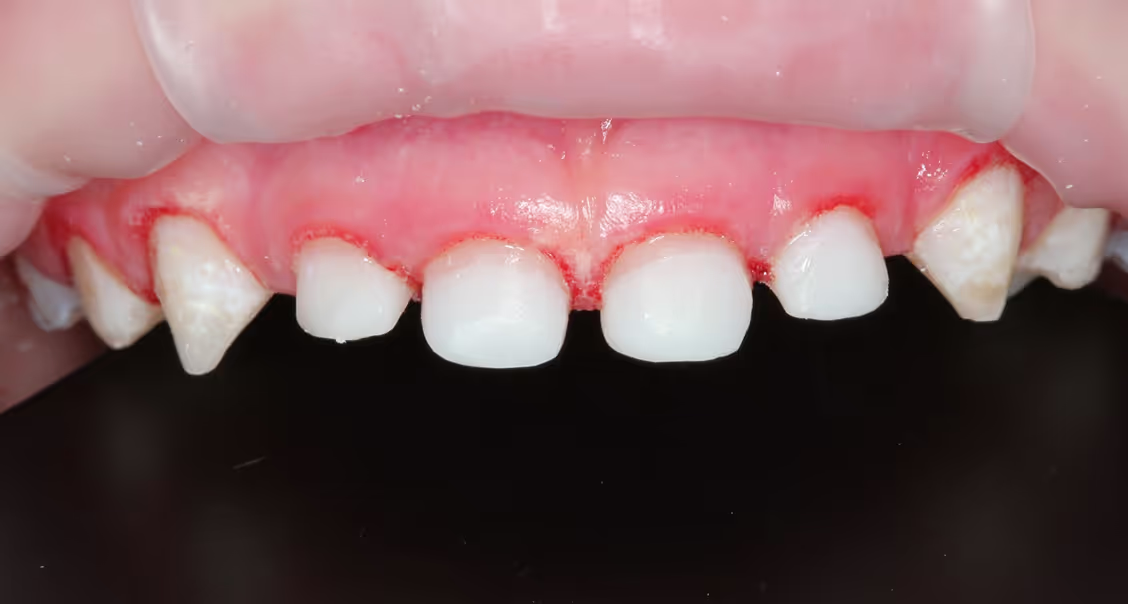
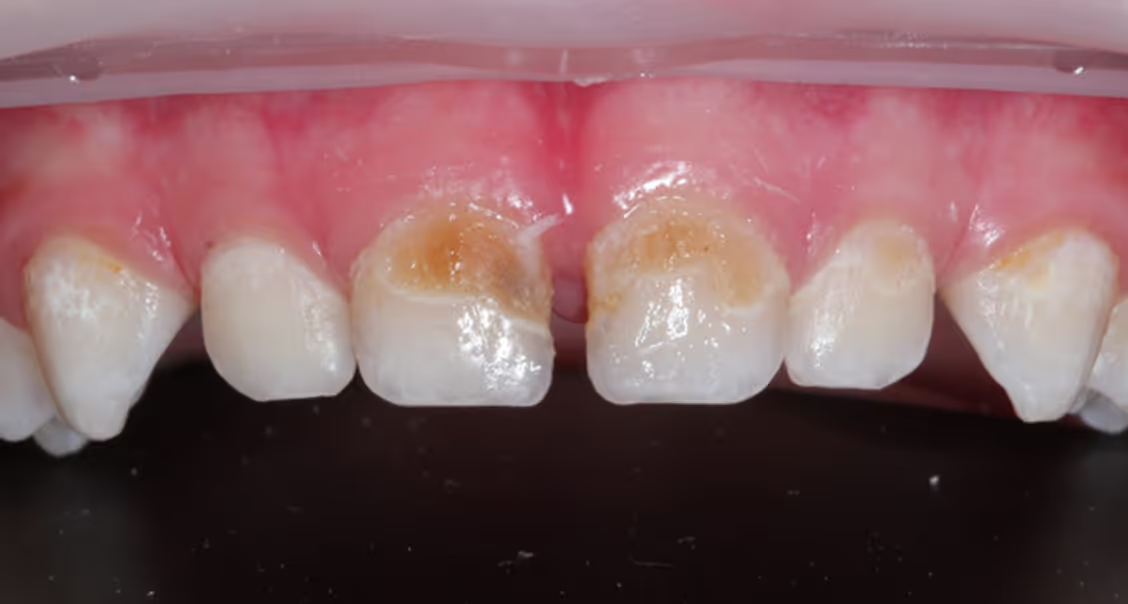
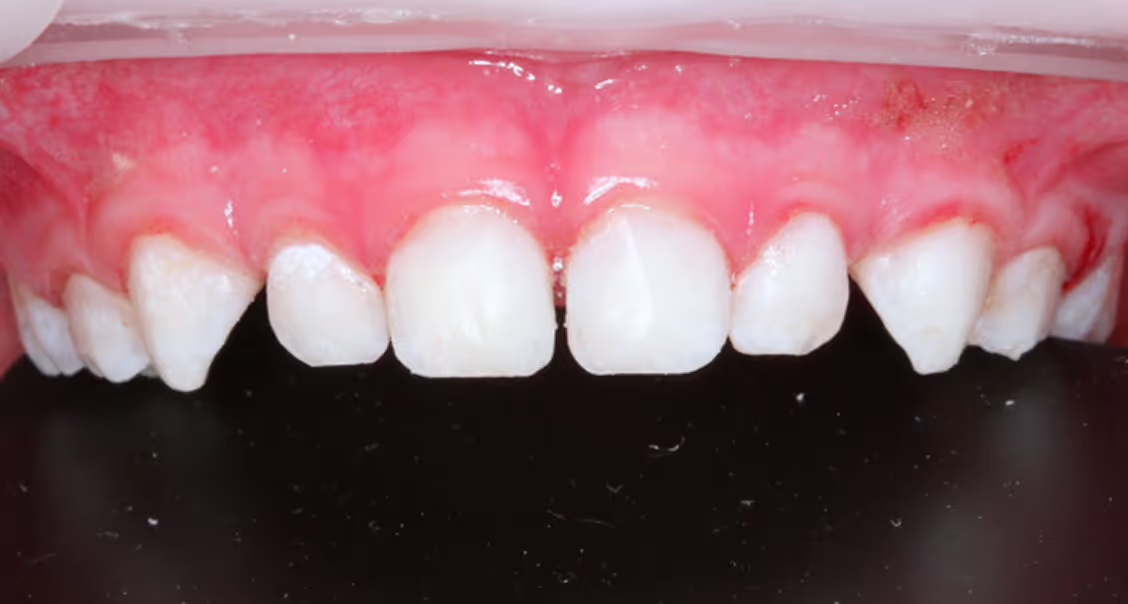
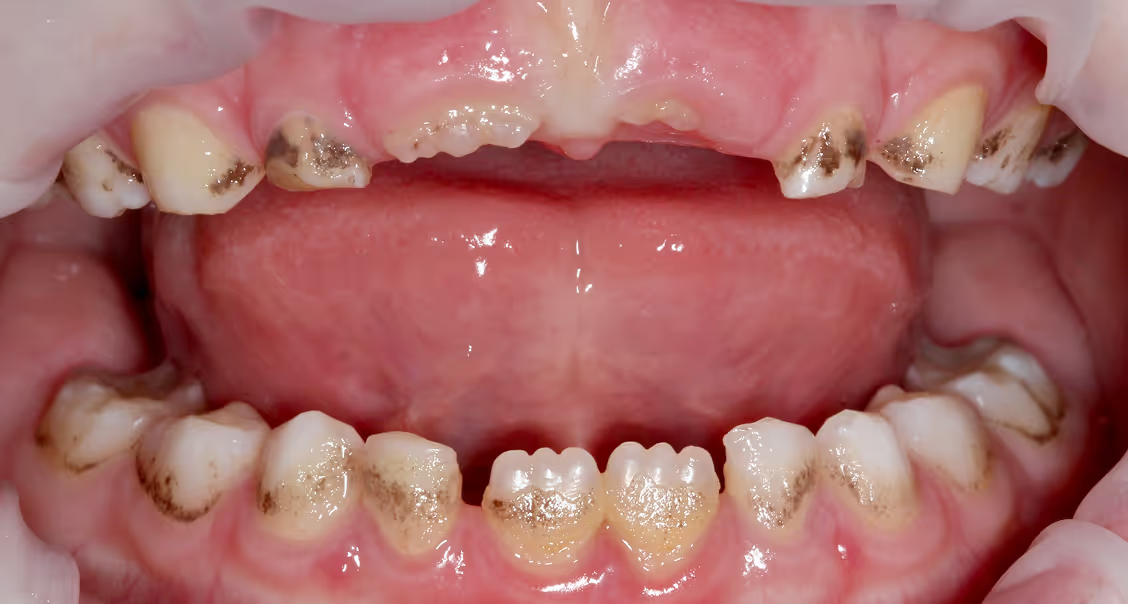
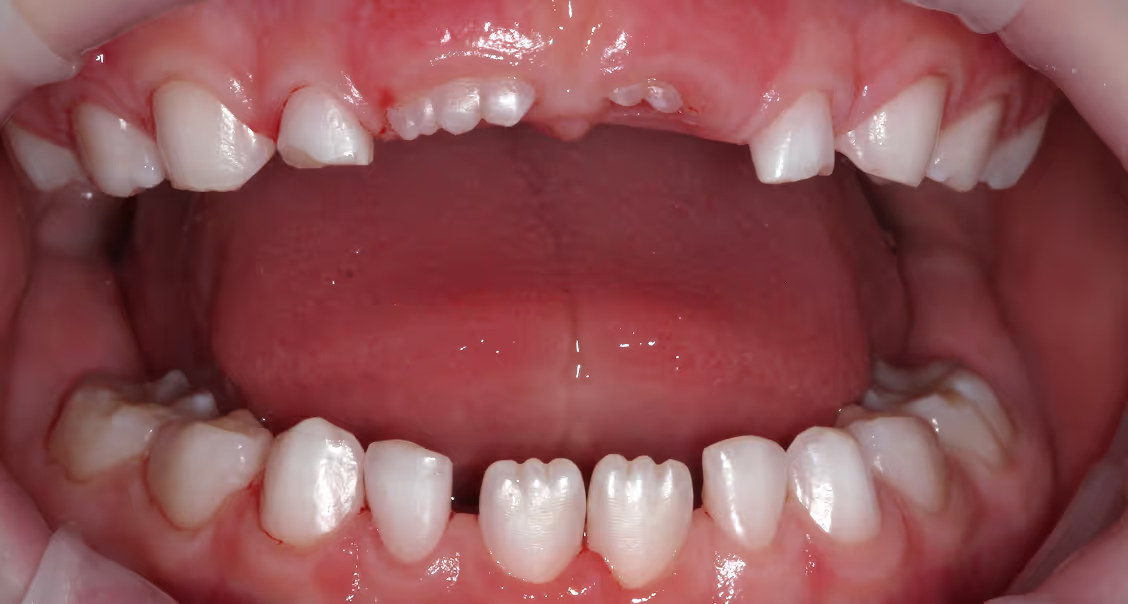
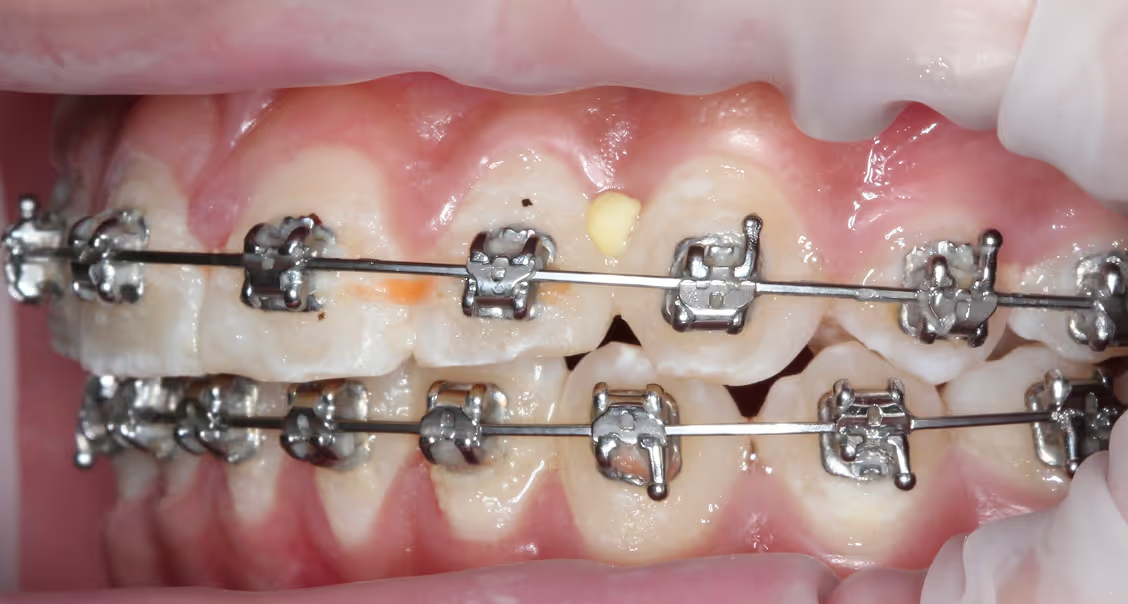
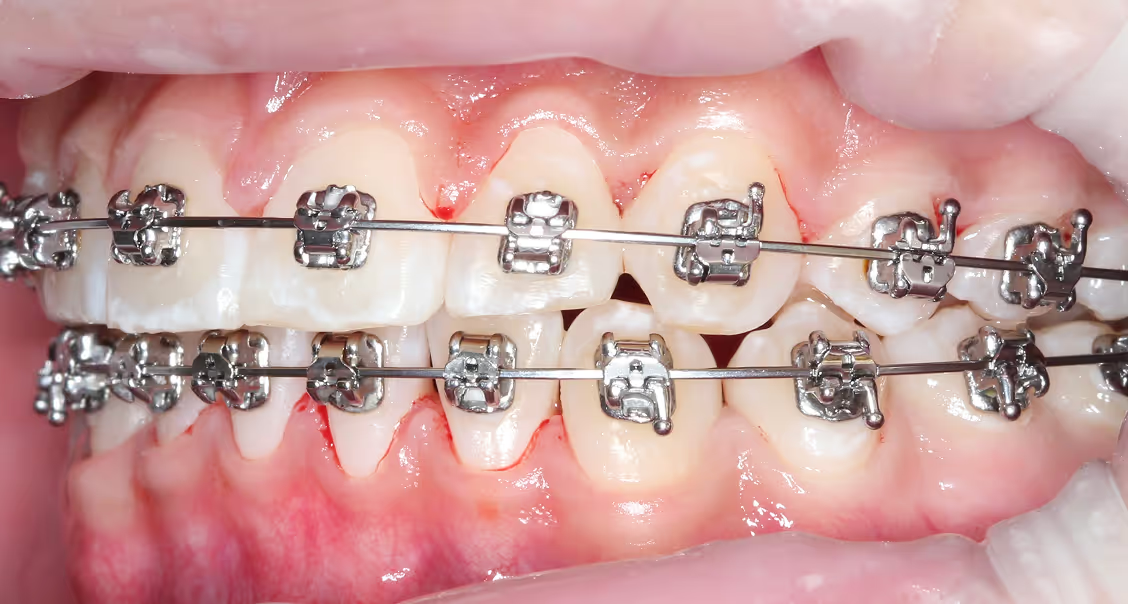
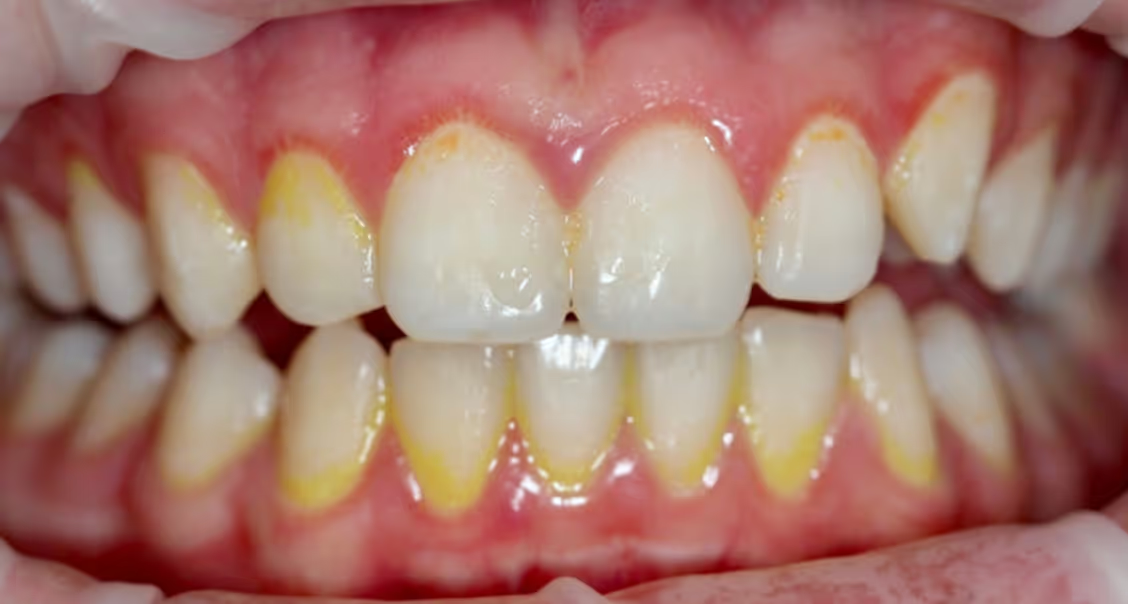
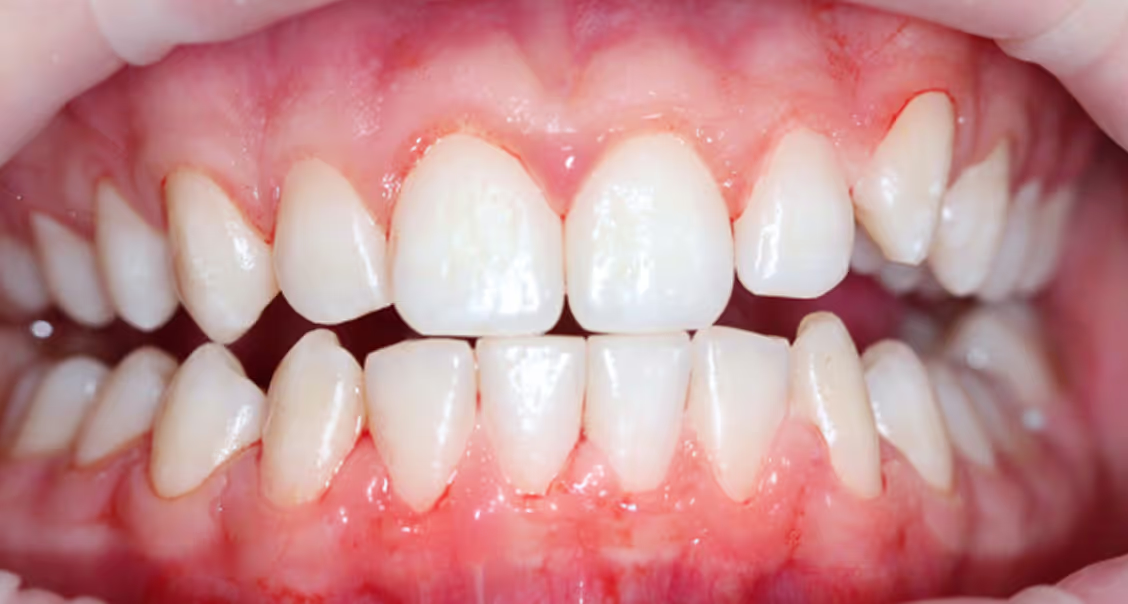
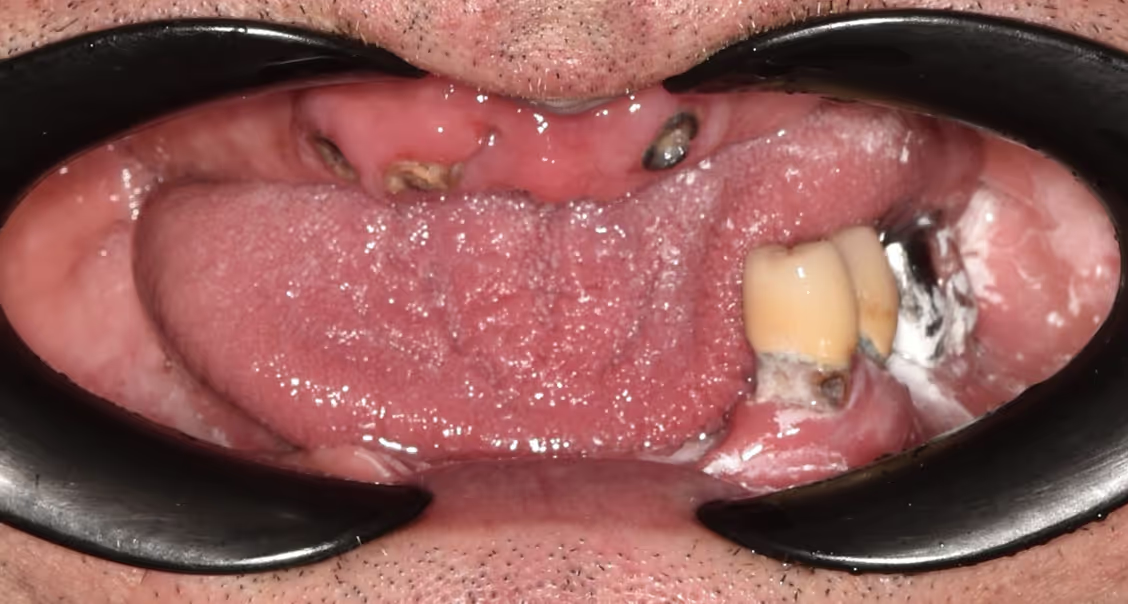
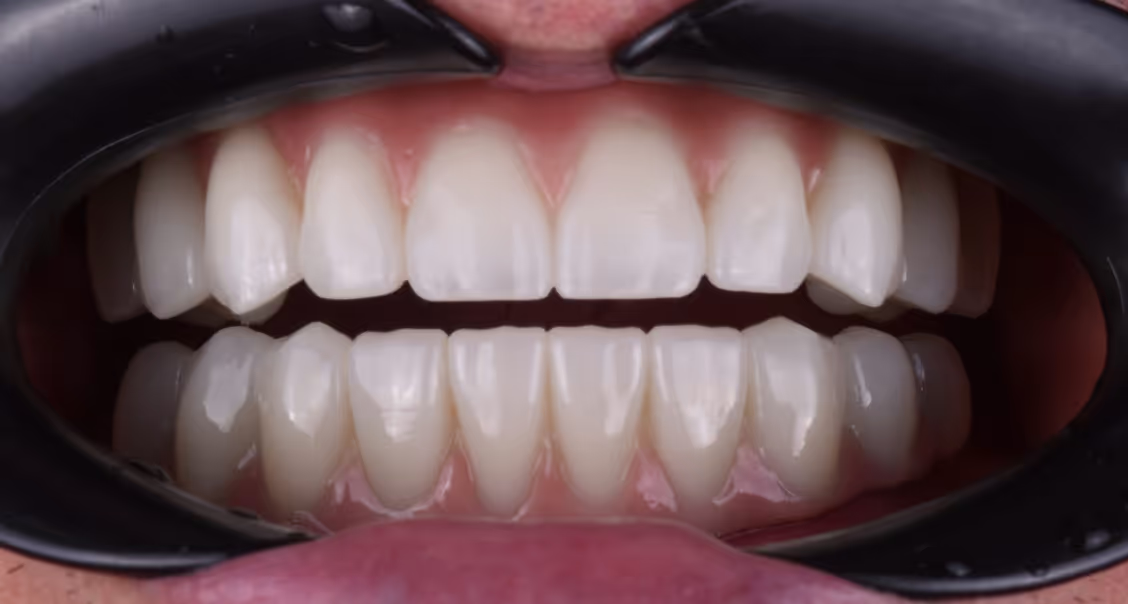
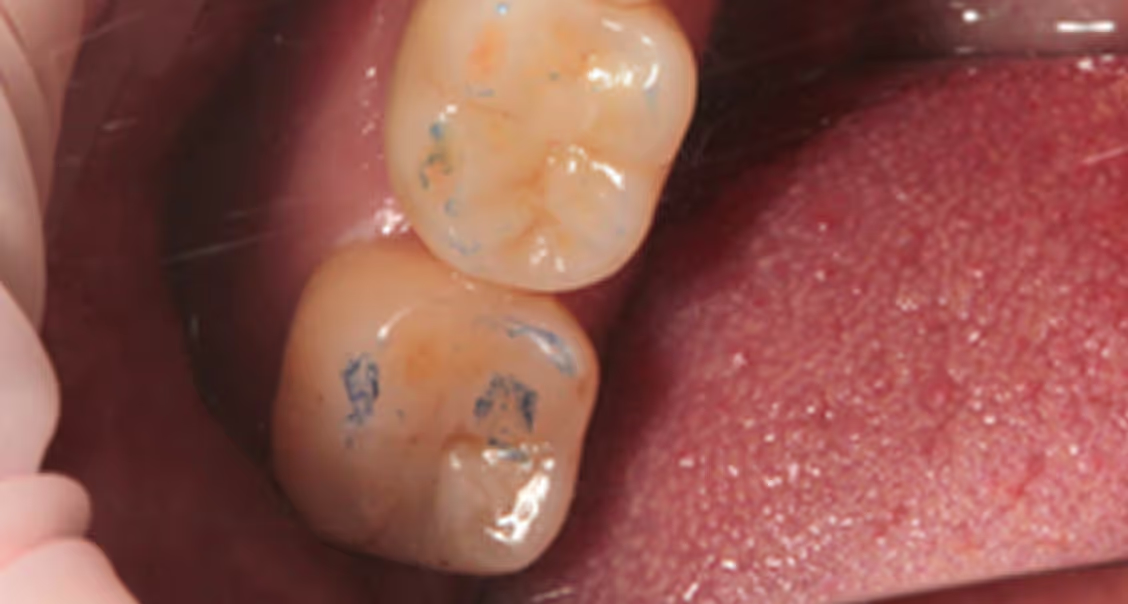
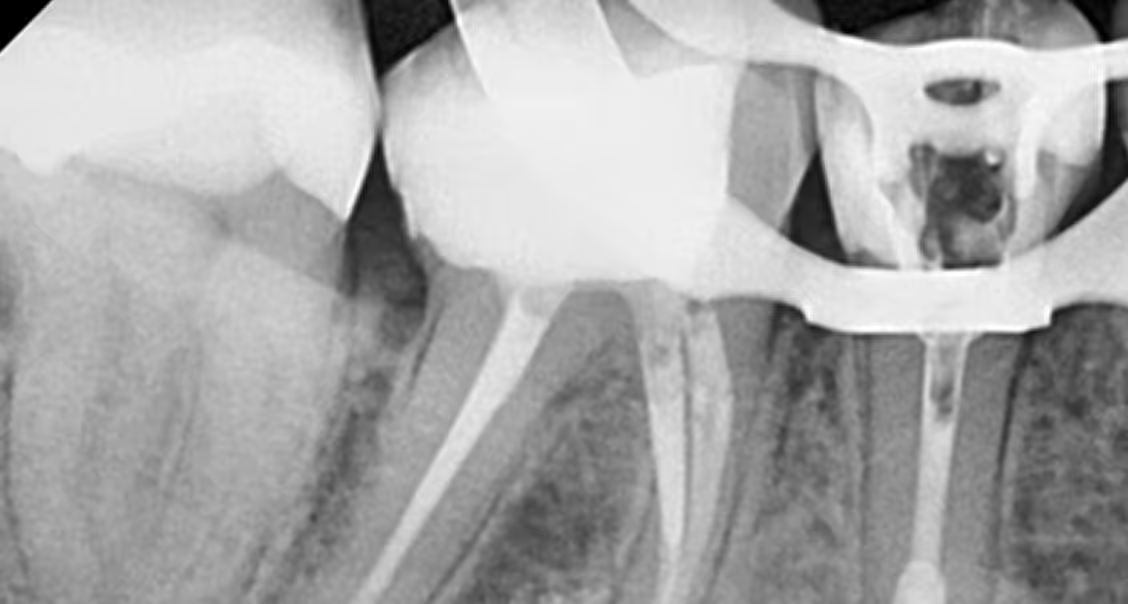
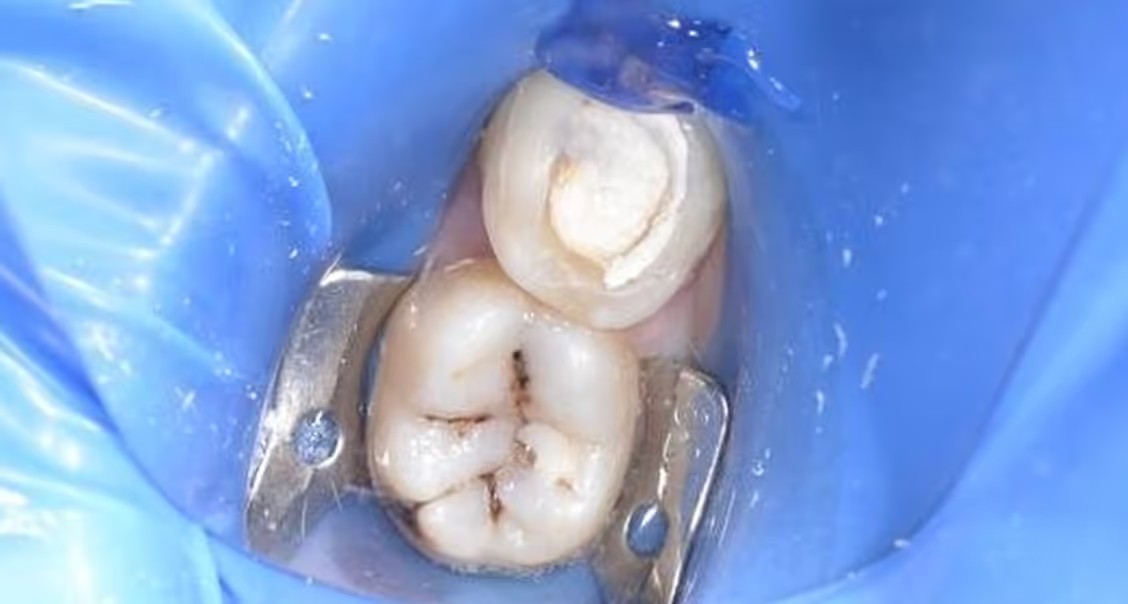
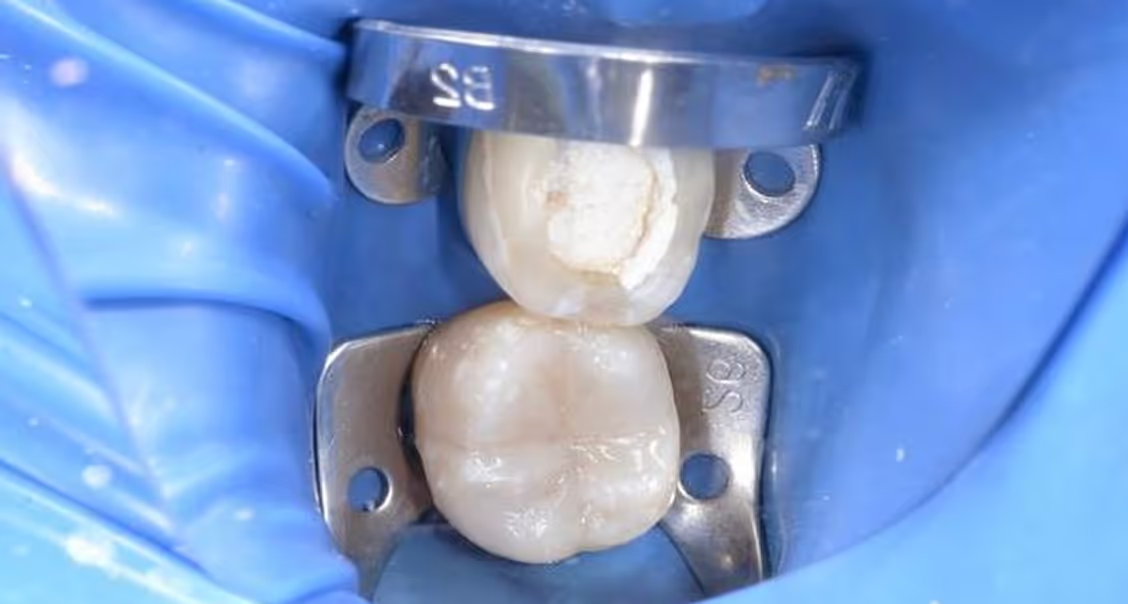
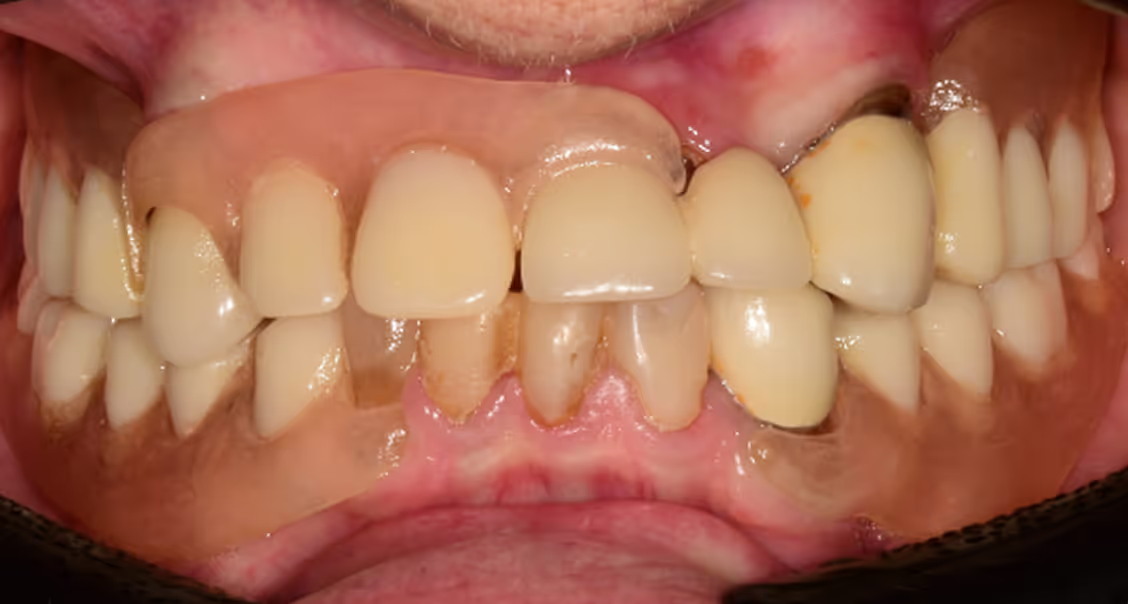
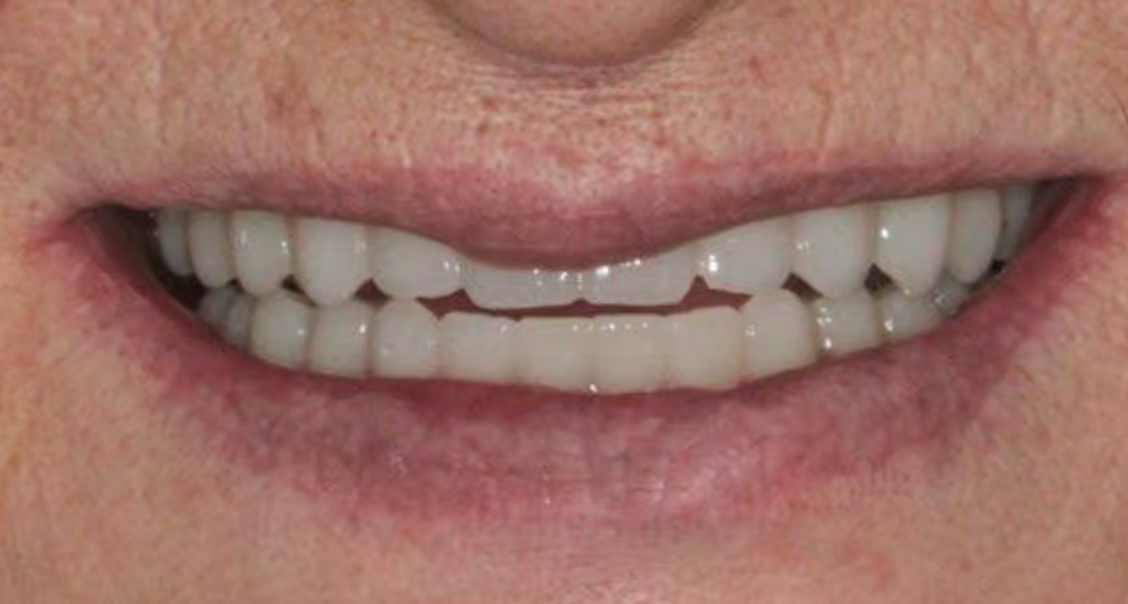
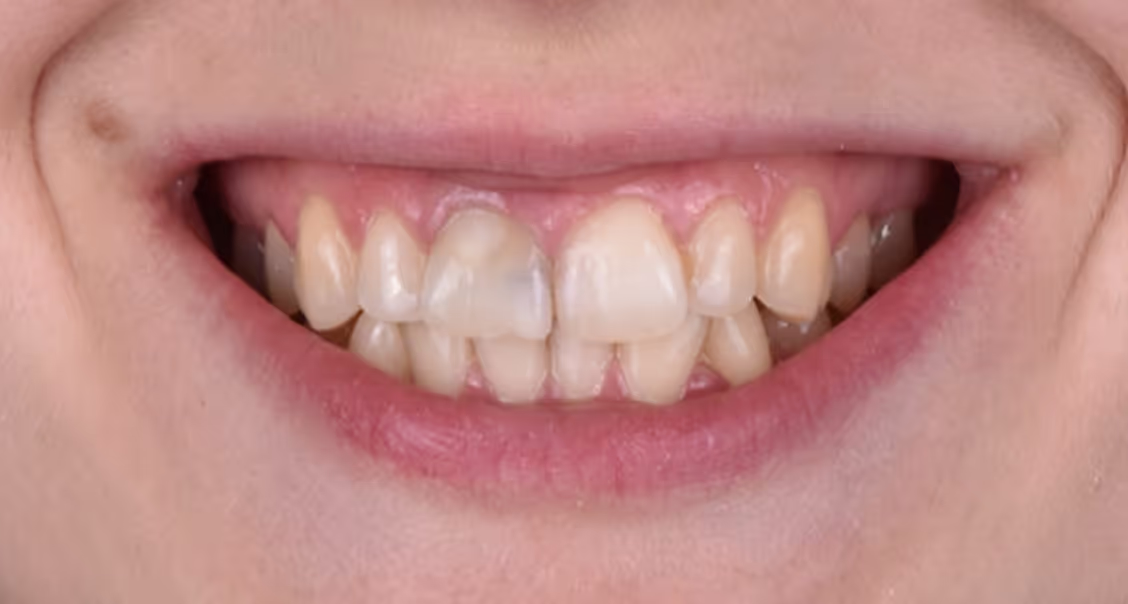
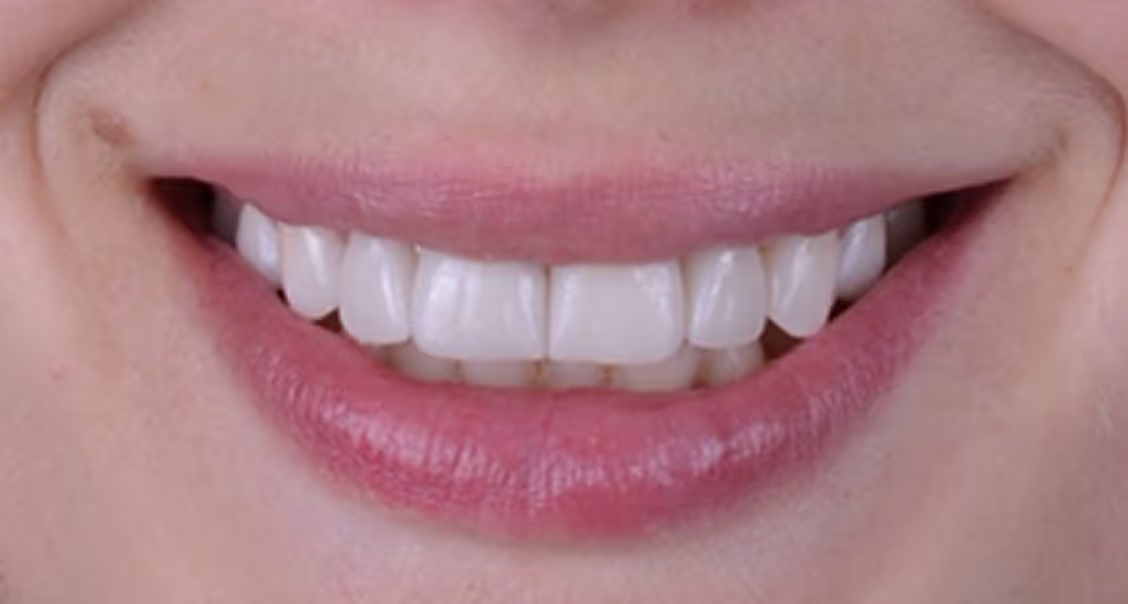
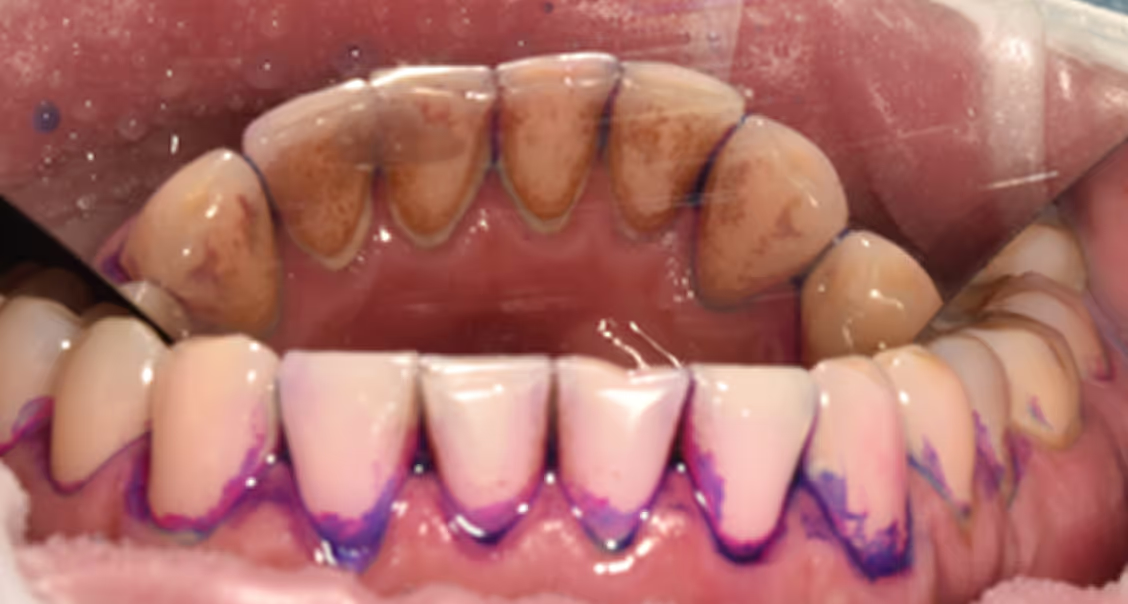
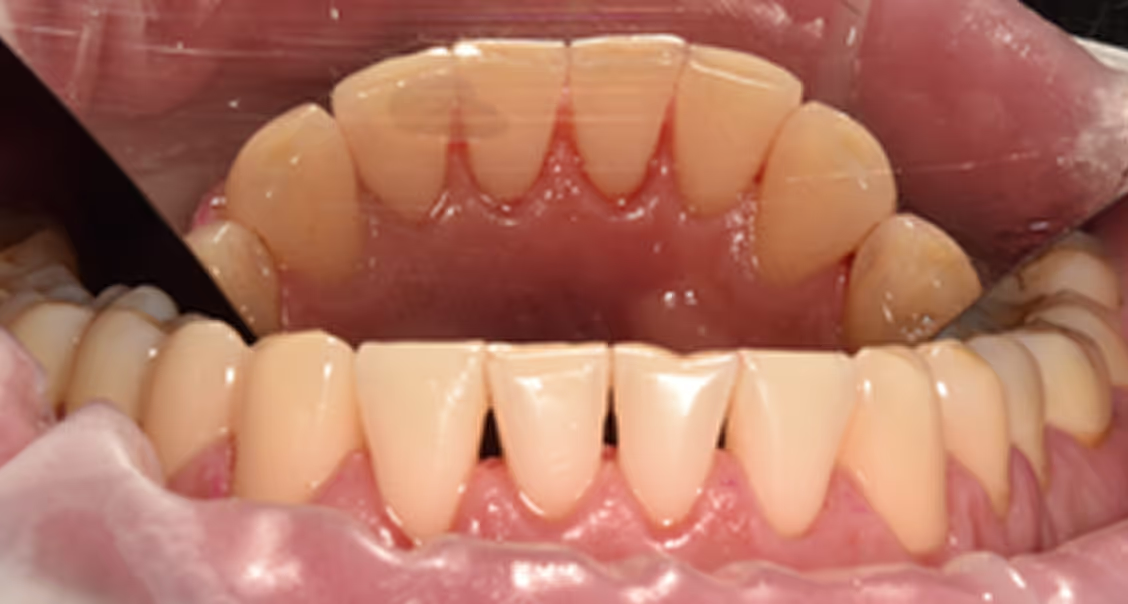
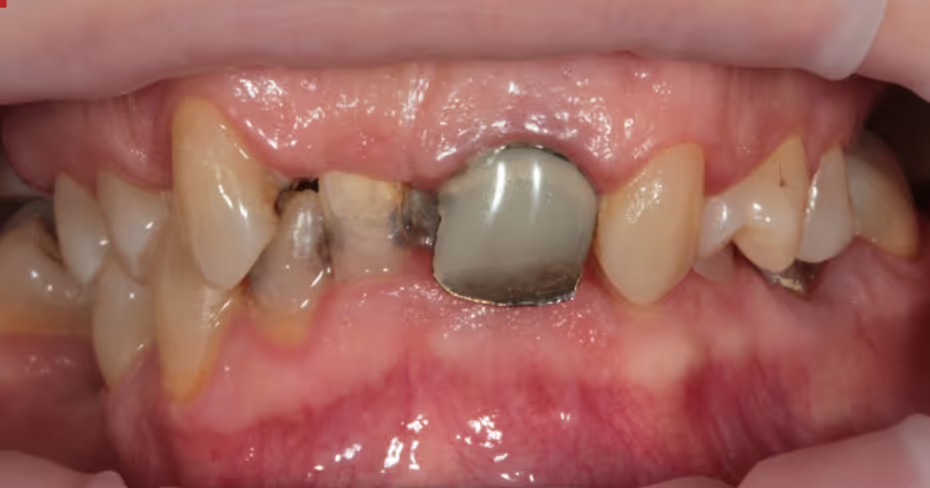
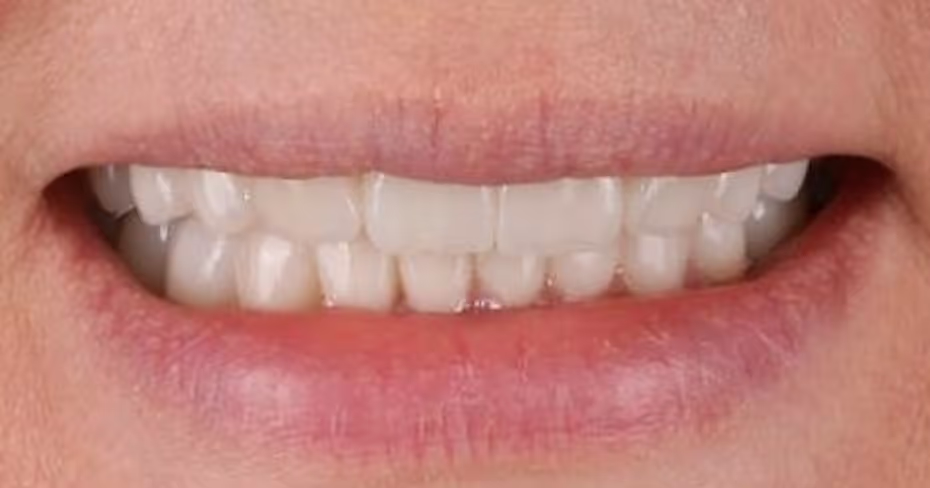
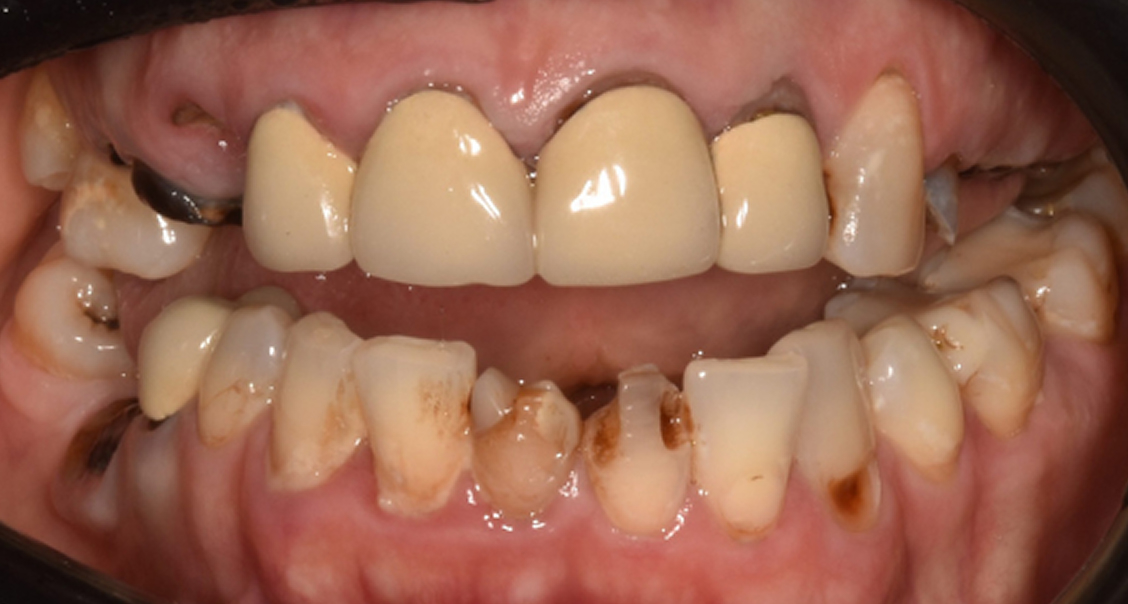
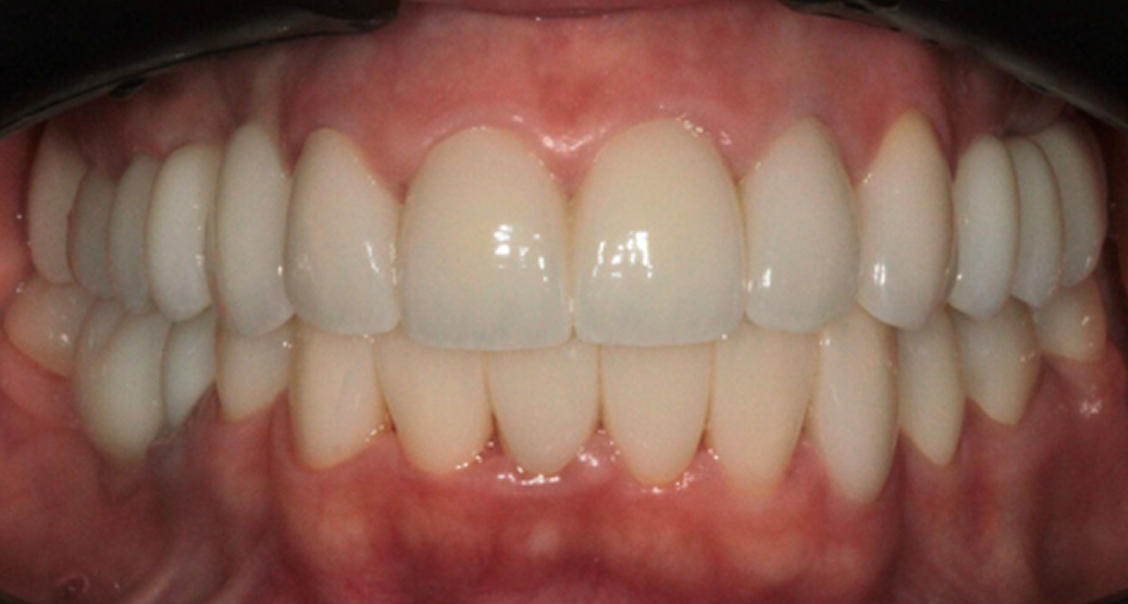
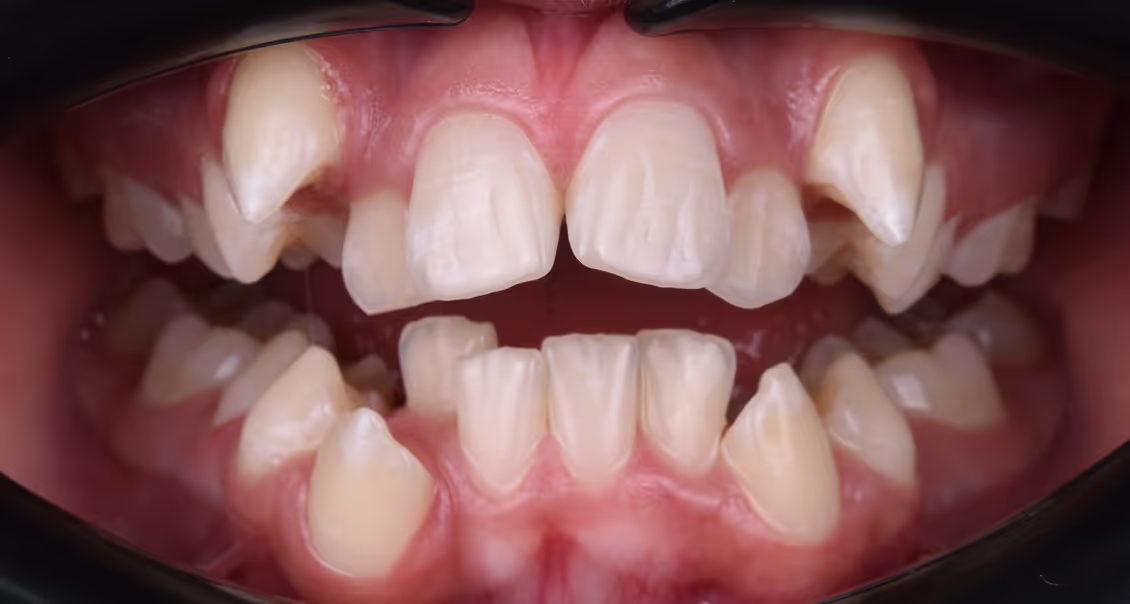
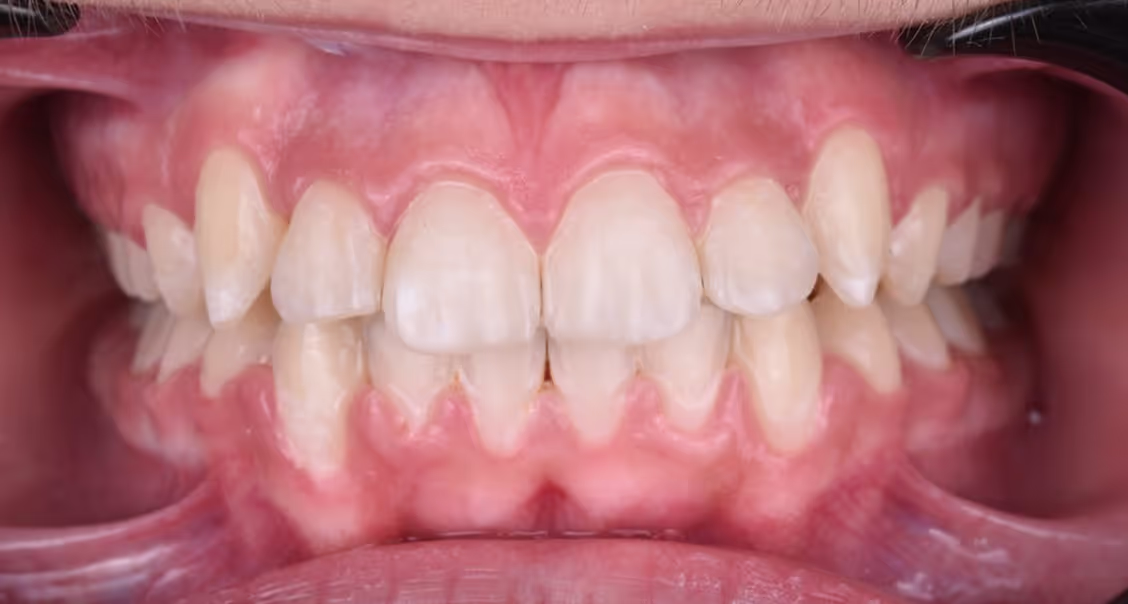
Air polishing — before and after
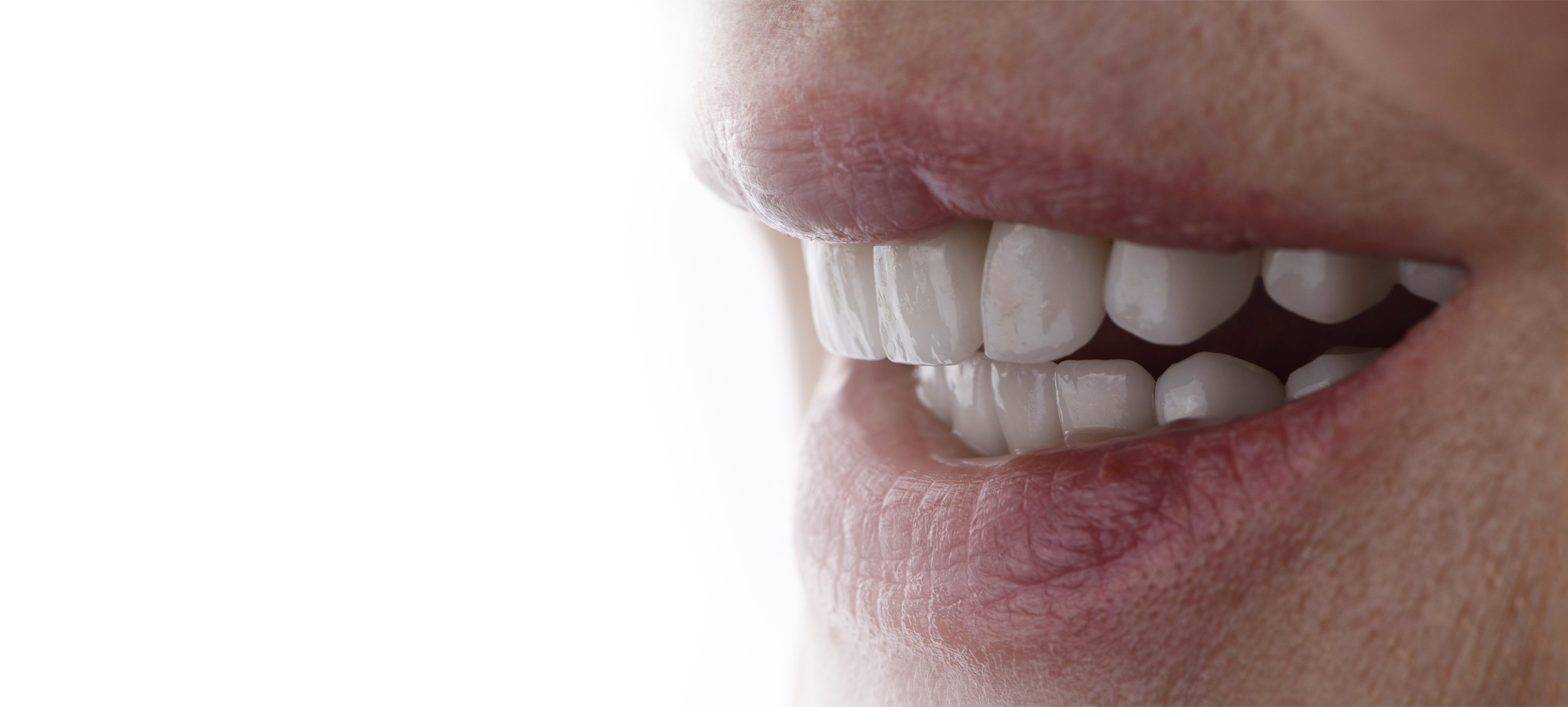
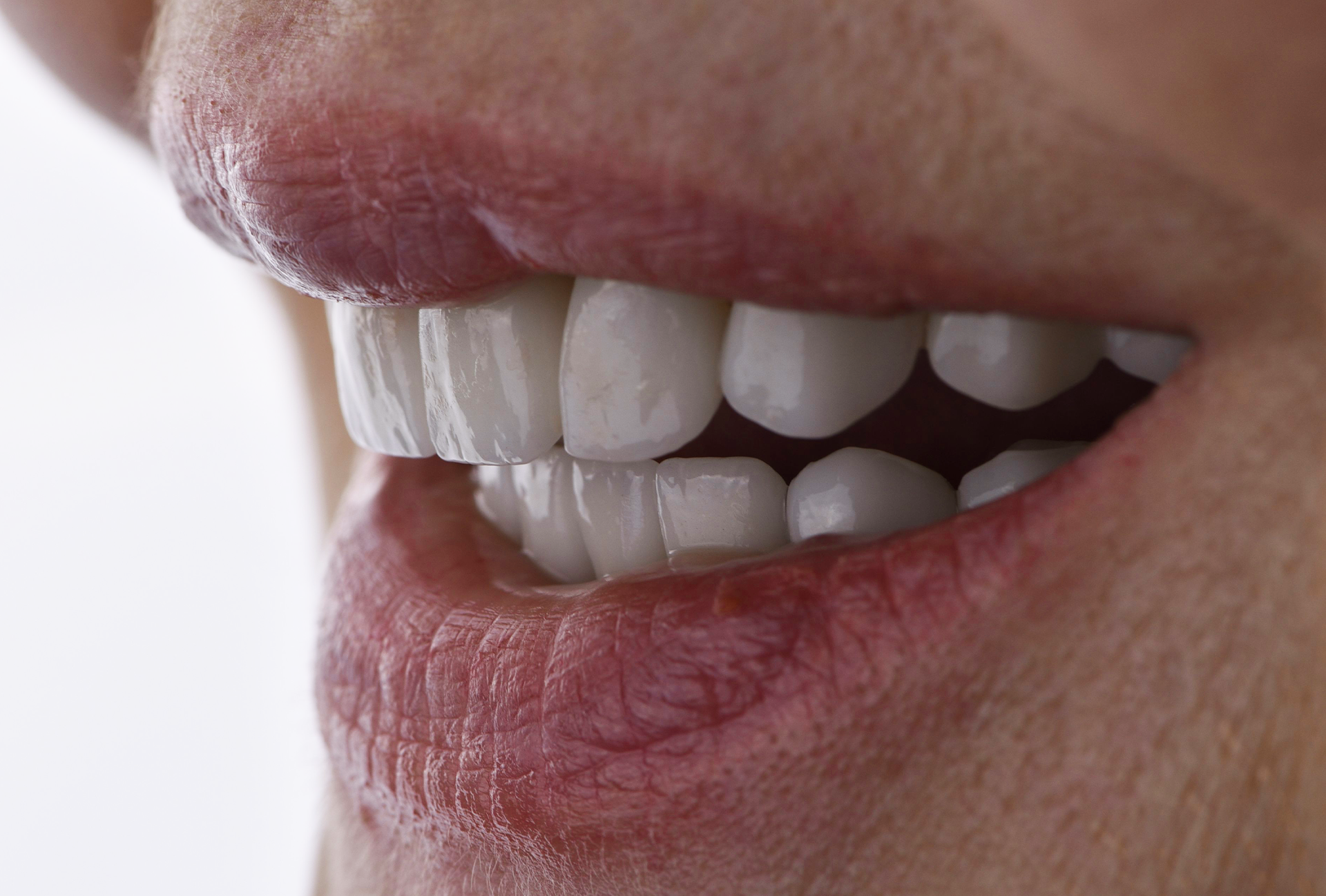
Air polishing removes deposits and surface stains, giving teeth a cleaner look and their natural shade. Results can be visible right after the treatment.
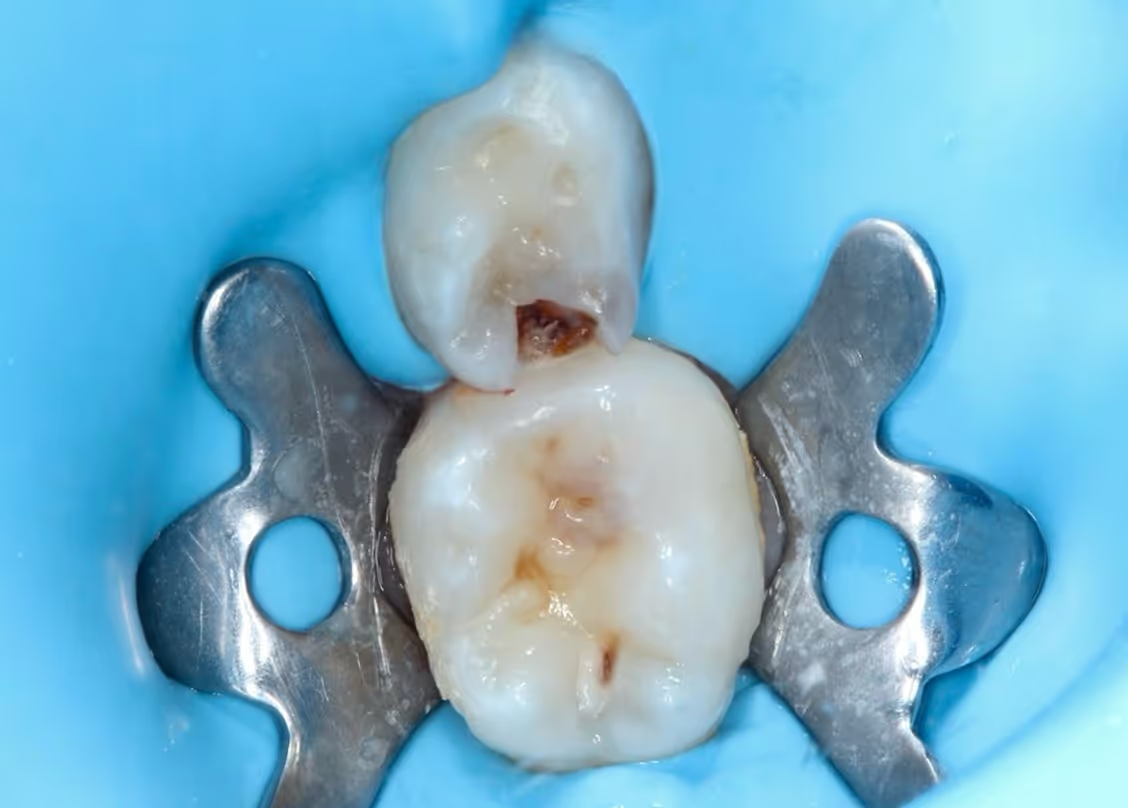
Why choose air polishing at MistoDent Kraków?
At MistoDent Kraków we match professional teeth cleaning to each patient's teeth and needs.
- Assessment of deposits and stains — we check which surfaces need cleaning.
- Individually selected hygiene — the scope depends on the condition of the teeth and gums and on fillings and prosthetic restorations.
- Comprehensive hygiene available — air polishing can be combined with scaling, polishing and fluoridation.
- Premium EMS hygiene packages — options are also available for patients during orthodontic treatment.
- Gum disease prevention — we pay attention to areas where plaque tends to build up.
- Home hygiene instruction — we help choose ways to clean your teeth every day.
- Comprehensive dental care — hygiene can be combined with other MistoDent services.
How much does air polishing cost in Kraków?
Air polishing can be done on its own or as part of comprehensive hygiene. If tartar removal is also needed during the visit, the hygienist may suggest scaling or a suitable hygiene package.
FAQ
Answers provided by
Julia Kononova
What is air polishing?
Air polishing is a professional hygiene treatment that removes deposits, bacterial biofilm and surface stains using a device with a stream of water, air and fine powder.
How much does air polishing cost?
At MistoDent Kraków, air polishing of one dental arch costs 150 PLN. The scope depends on the amount of deposits and the condition of the teeth.
How much does air polishing of all teeth cost?
The price at MistoDent is 150 PLN per dental arch. The cost of cleaning both arches depends on the scope of the treatment and the chosen service or hygiene package.
What are the benefits of air polishing?
Air polishing helps remove bacterial deposits and surface stains, improving the cleanliness and look of teeth. It also supports oral hygiene, especially in areas hard to reach with a toothbrush.
Does air polishing hurt?
The treatment is usually well tolerated and requires no anaesthesia. However, some patients may feel temporary discomfort, especially with sensitive teeth or inflamed gums.
Does air polishing whiten teeth?
No. Air polishing removes surface stains, so teeth may look lighter. However, it does not change their natural shade the way professional whitening does.
Does air polishing remove tartar?
It does not replace scaling. Air polishing is mainly used to remove soft deposits, biofilm and stains. Hard tartar is removed with suitable instruments during scaling.

Medical verification
Content verified by:
Julia Kononova
Dental hygienist
Last updated: 22.10.2026
Book an appointment!
Leave your contact details in the form or message us on your preferred messenger — we'll be happy to answer your questions and help you book a visit.


