

Dental treatment under general anaesthesia in Krakow
Comprehensive dental treatment under general anaesthesia in Krakow for children and adults. General anaesthesia allows planned dental treatment to be carried out in properly qualified patients.
Dental treatment under general anaesthesia — how does it work?
Dental treatment under general anaesthesia means performing dental procedures while the patient is under general anaesthesia. The patient is in a state of controlled unconsciousness, and the dentist can carry out the pre-planned scope of treatment.
General anaesthesia may be considered for both children and adults when the necessary treatment is very difficult or impossible under standard conditions.
Depending on needs, several dental procedures can be planned for one session. The scope of treatment is set in advance, and general anaesthesia requires proper qualification.
When can dental treatment under general anaesthesia be considered?
Dentistry under general anaesthesia may be considered mainly when standard treatment is difficult or impossible.
It may apply, among others, to:
- patients with very severe dental anxiety;
- children in whom the necessary treatment cannot be carried out with their cooperation;
- patients requiring more extensive treatment;
- situations with individual indications for general anaesthesia.
However, general anaesthesia is not automatically the first choice for dental anxiety. In some cases other options may be enough, such as inhalation sedation with laughing gas or well-chosen local anaesthesia.
Whether treatment under general anaesthesia is possible depends on the patient's qualification.
Which procedures can be performed under general anaesthesia?
The scope of dental treatment under general anaesthesia depends on the patient's needs and the plan prepared in advance.
Depending on indications, various dental procedures can be performed under general anaesthesia, including:
Treatment of tooth decay
Fillings
Treatment of baby teeth
Root canal treatment
Tooth extraction under general anaesthesia
Selected oral surgery procedures
Other procedures included in the individual treatment plan
If several teeth need treatment, the dentist determines before the anaesthesia which procedures can be planned for one session.
Treating all teeth under general anaesthesia — is it possible?
One advantage of treatment under general anaesthesia is the possibility of performing a larger scope of procedures in one session.
However, this does not mean that all teeth can or should be treated under general anaesthesia in one visit in every case.
The scope depends on, among other things:
- the number of teeth requiring treatment;
- the type of procedures needed;
- the expected treatment time;
- the condition of the mouth;
- the patient's individual qualification.
The treatment plan is prepared before the anaesthesia so that the scope and expected duration of procedures can be determined.
Dental treatment under general anaesthesia for children
Dental treatment under general anaesthesia for children may be considered when a child needs dental treatment but, due to age, severe anxiety, inability to cooperate or the scope of planned procedures, it cannot be done under standard conditions.
Treatment of several teeth can be planned for one session if the scope of procedures and qualification allow.
However, not every child needs general anaesthesia. Depending on age, scope of treatment and ability to cooperate, the dentist may suggest:
- an adaptation visit;
- standard treatment with local anaesthesia;
- laughing gas sedation;
- treatment under general anaesthesia.
The aim is to choose a solution suited to the needs of the individual child.
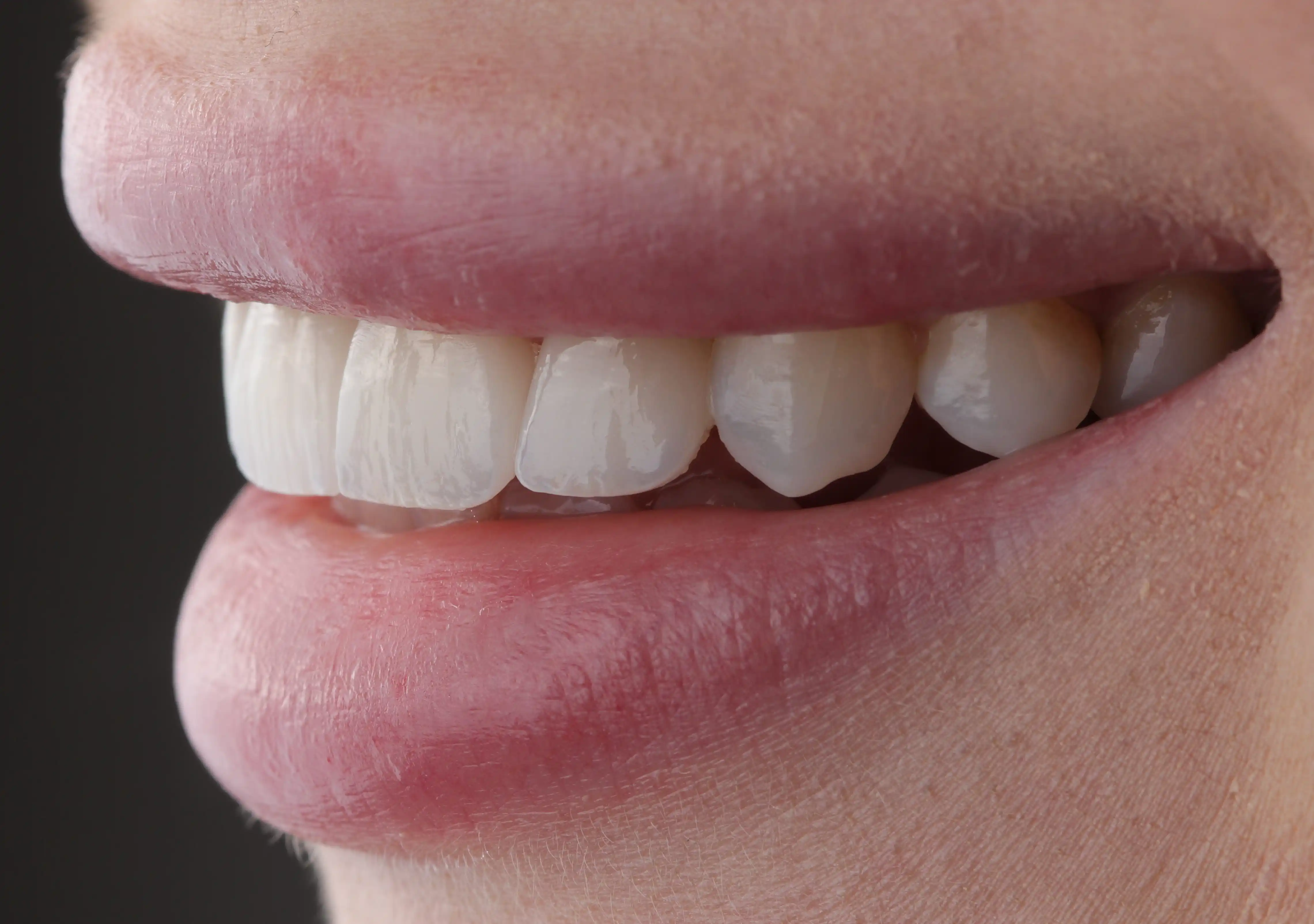
Tooth extraction under general anaesthesia
Tooth extraction under general anaesthesia can be part of dental treatment carried out under general anaesthesia.
It may be considered, for example, when the patient needs several surgical procedures or there are other indications for performing them under general anaesthesia.
Before the procedure, the oral surgeon assesses the teeth and diagnostics and determines the scope of planned treatment.
An indication for extraction alone does not automatically mean general anaesthesia is needed — many procedures can be done under local anaesthesia.
What does dental treatment under general anaesthesia involve?
1. Dental consultation
The dentist examines the patient and determines which teeth need treatment and which procedures are required.
2. Diagnostics
Depending on the planned treatment, the necessary dental diagnostics are performed.
3. Preparing the treatment plan
Before the anaesthesia, we set the scope of procedures to be carried out as precisely as possible.
4. Qualification for general anaesthesia
The patient must be properly qualified for general anaesthesia. At this stage, information relevant to safe anaesthesia is assessed.
5. General anaesthesia
After proper preparation, general anaesthesia begins.
6. Dental treatment
The dentist performs the planned procedures. The scope depends on the plan prepared in advance.
7. Waking up and observation
After treatment, the patient is woken up and remains under appropriate observation as recommended by the team.
How to prepare for dental treatment under general anaesthesia?
Before dental treatment under general anaesthesia, the patient receives detailed preparation instructions.
They must be followed carefully, as they are important for the safety of the anaesthesia.
During qualification, information is also collected on health, medications, previous anaesthesia and other factors relevant to general anaesthesia.
For a child's dental treatment under general anaesthesia, all preparation rules are discussed with the parent or guardian.
General anaesthesia vs laughing gas sedation — what's the difference?
General anaesthesia and sedation are not the same. Under general anaesthesia, the patient is temporarily unconscious. Inhalation sedation with laughing gas mainly reduces anxiety, tension and stress. The patient remains conscious and in contact with the staff.
Criterion
General anaesthesia
Inhalation sedation
Type
General anaesthesia
Inhalation sedation
Consciousness
Absent
Preserved
Contact with the patient
No conscious contact during anaesthesia
The patient remains in contact
Use
Treatment under general anaesthesia after qualification
Reducing anxiety and tension
Children
Possible after qualification
Possible after qualification
Adults
Possible after qualification
Possible after qualification
The choice of method depends on the patient, their needs and the scope of planned treatment.
Inhalation sedation in dentistry
Dental treatment under sedation may suit patients who feel anxiety or strong tension during a visit but do not need general anaesthesia.
During sedation, the patient breathes a gas mixture through a special mask. They remain conscious and can communicate with the staff.
Sedation alone does not replace local anaesthesia. If the procedure may cause pain, the dentist can additionally use appropriate anaesthesia.
At MistoDent Krakow, laughing gas sedation is available for children and adults after proper qualification.
General anaesthesia, sedation or local anaesthesia?
Not every patient needs treatment under general anaesthesia.
Situation
Possible solution
Standard dental treatment
Local anaesthesia
Anxiety and tension with preserved cooperation
Inhalation sedation + local anaesthesia if needed
Necessary treatment cannot be carried out under standard conditions
Possible qualification for general anaesthesia
A child who needs treatment but cannot cooperate
Sedation or general anaesthesia — depending on the situation and qualification
More extensive treatment
Individual assessment of treatment under general anaesthesia
The final approach is decided after a consultation.
Local anaesthesia in dentistry
Most standard dental procedures can be performed without general anaesthesia, using local anaesthesia.
At MistoDent we use, among others:
- infiltration anaesthesia;
- nerve block anaesthesia;
- computer-controlled anaesthesia;
- STA computer-controlled anaesthesia.
The dentist chooses the method according to the type of procedure and the patient's individual needs.
Why choose dental treatment under general anaesthesia at MistoDent Krakow?
We plan treatment under general anaesthesia as part of the whole dental process — from diagnostics to performing the necessary procedures.
- Treatment under general anaesthesia for children and adults — after proper qualification.
- Treatment plan prepared before anaesthesia — we determine the scope of procedures before anaesthesia begins.
- Several procedures in one session — if the individual plan allows.
- Various areas of dentistry — the scope may include restorative, endodontic or surgical treatment.
- Inhalation sedation as an alternative in suitable cases — especially when anxiety and tension are the main problem.
- Various local anaesthesia methods — chosen for the specific procedure.
MistoDent Krakow, ul. Grzegórzecka 20A
How much does dental treatment under general anaesthesia cost in Krakow?
The price depends on the duration of anaesthesia and the scope of dental procedures. The cost of general anaesthesia or sedation is added to the price of the dental treatment. The total cost can be determined once the treatment plan and expected anaesthesia time are prepared.
FAQ
Answers provided by
Dr. Yevgen Gryzodub
What does dental treatment under general anaesthesia involve?
It involves performing planned dental procedures under general anaesthesia. The patient is temporarily unconscious, and the scope of treatment is set before the procedure.
How much does dental treatment under general anaesthesia cost?
General anaesthesia alone at MistoDent Krakow costs from 350 PLN, and for children from 375 PLN. The cost of the dental treatment is added to the cost of anaesthesia.
Can children be treated under general anaesthesia?
Yes, dental treatment under general anaesthesia for children is possible after proper qualification. It may be considered when a child needs treatment that cannot be carried out under standard conditions.
Can all teeth be treated during one general anaesthesia?
In some cases a larger scope of treatment can be done in one session. However, it depends on the number of teeth, the type of procedures, the expected time and the patient's individual qualification.
Can teeth be extracted under general anaesthesia?
Yes. Tooth extraction under general anaesthesia can be part of pre-planned treatment under general anaesthesia if there are appropriate indications.
Are general anaesthesia and sedation the same?
No. General anaesthesia temporarily removes consciousness. During inhalation sedation, the patient remains conscious; its main purpose is to reduce anxiety and tension.
What does dental treatment under sedation involve?
During inhalation sedation, the patient breathes a gas mixture through a mask. They remain conscious and in contact with the staff. If the procedure requires it, local anaesthesia is also used.
Does general anaesthesia replace local anaesthesia?
General and local anaesthesia serve different purposes. How pain is controlled during a specific treatment is decided by the treating team based on the planned procedures.
How should I prepare my child for treatment under general anaesthesia?
Parents receive detailed instructions during qualification. Follow the recommendations for preparing your child for anaesthesia carefully, including rules on eating, drinking and medications.

Medical verification
Content verified by:
Dr. Yevgen Gryzodub
Medical Director of the MistoDent clinic network • dentist • prosthodontist • gnathologist
Last updated: 07.10.2026
Book an appointment!
Leave your contact details in the form or message us on your preferred messenger — we'll be happy to answer your questions and help you book a visit.


