

Teeth scaling in Kraków — tartar removal
Professional removal of tartar that builds up on the teeth and along the gum line. Scaling helps maintain oral hygiene, reduce gum inflammation and prevent periodontal problems.
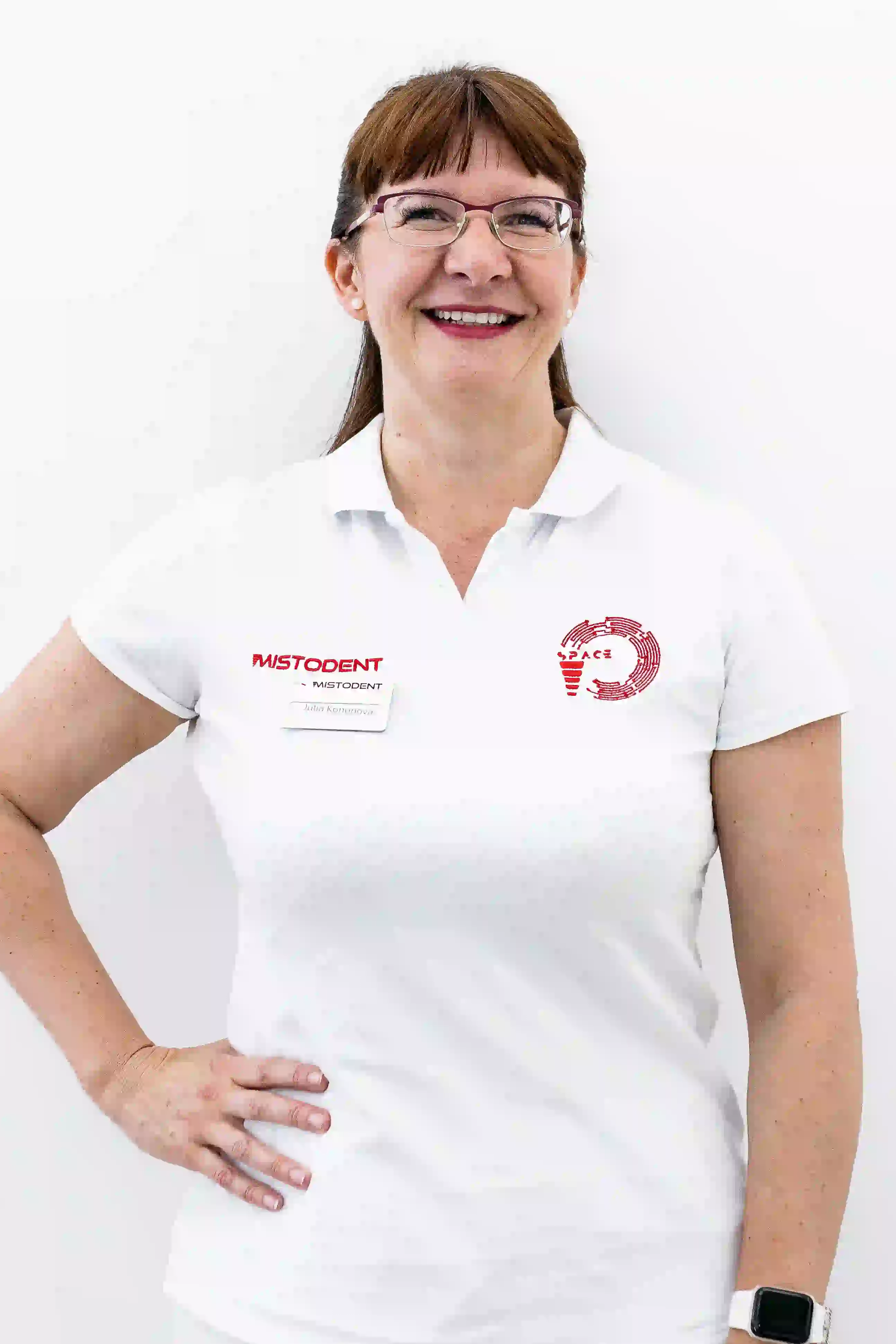
Who performs teeth scaling at MistoDent Kraków?
She provides professional dental hygiene, including tartar removal, air polishing, polishing and fluoridation.
What is teeth scaling?
Teeth scaling is a professional dental treatment that removes tartar from the tooth surfaces and along the gum line.
Tartar forms when the soft bacterial plaque that builds up on teeth every day mineralises under the influence of saliva. Over time, hard deposits form that can no longer be removed with an ordinary toothbrush or floss.
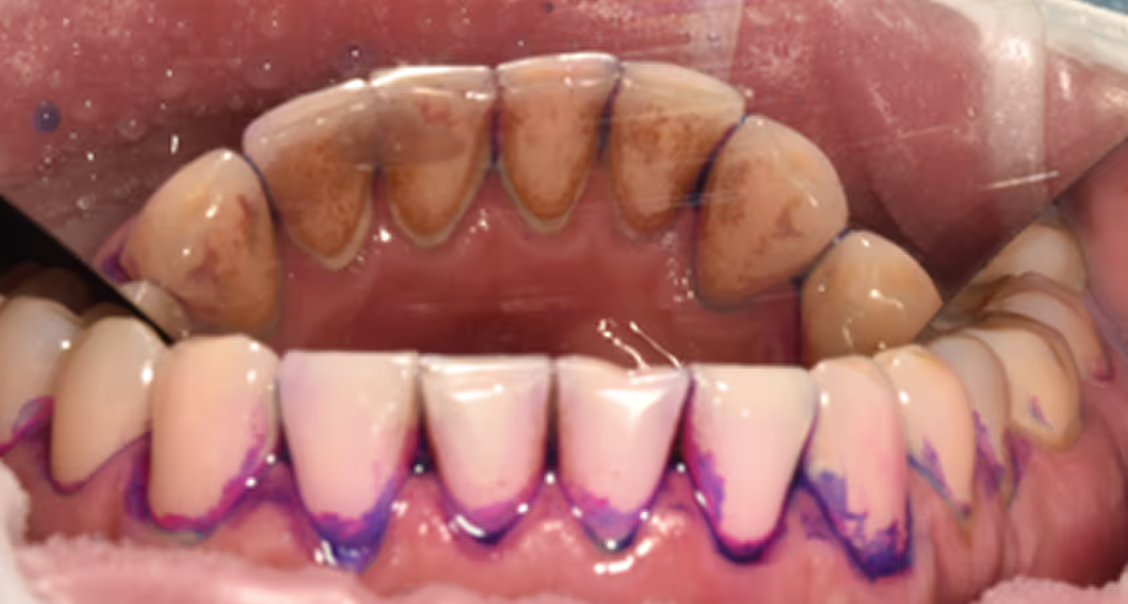
Tartar most often builds up in places that are harder to reach when brushing, especially on the inner side of the lower front teeth and on the cheek side of the upper molars.
Tartar removal helps clean the tooth surfaces and limit places where bacteria accumulate. It is also an important part of preventing gingivitis and periodontal disease.
Scaling can be done as a standalone treatment or as part of a comprehensive hygiene visit that also includes air polishing, polishing and fluoridation.
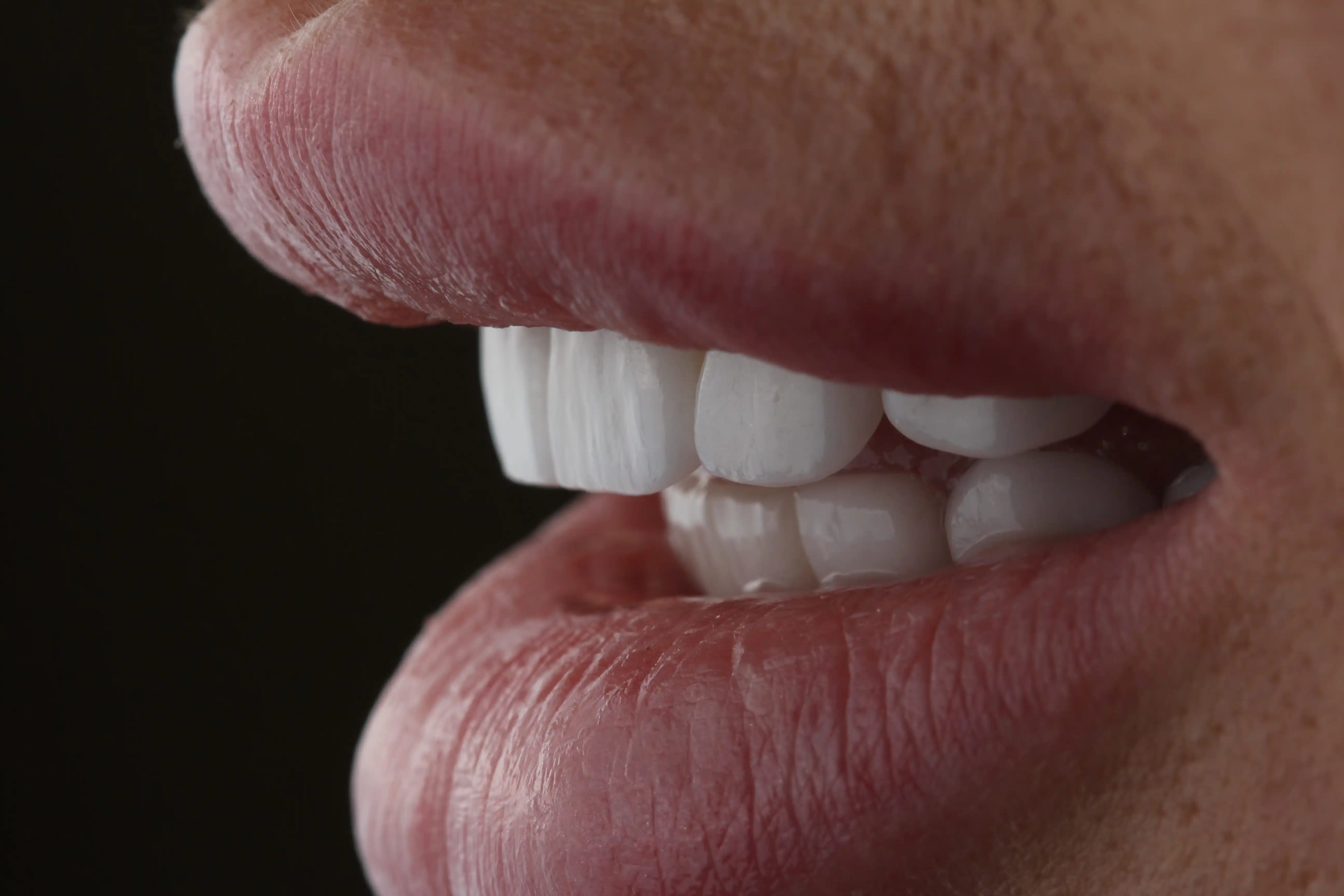
What are the benefits of teeth scaling?
Regular tartar removal helps keep gums healthy and prevents problems caused by plaque build-up.
The main benefits of the treatment are:
- Tartar removal — cleaning the tooth surfaces of hard deposits that cannot be removed by brushing at home.
- Healthier gums — limiting factors that cause redness, swelling and bleeding of the gums.
- Periodontal disease prevention — reducing the deposits and bacteria that can sustain inflammation.
- Better oral hygiene — once tartar is removed, it is easier to clean tooth surfaces and interdental spaces thoroughly.
- Less bad breath — if it is caused by deposits and related inflammation.
- Better-looking teeth — removing visible tartar can make the teeth look cleaner.
Scaling is not a whitening treatment and does not change the natural colour of the enamel. Its main goal is thorough cleaning of the teeth and supporting gum health.
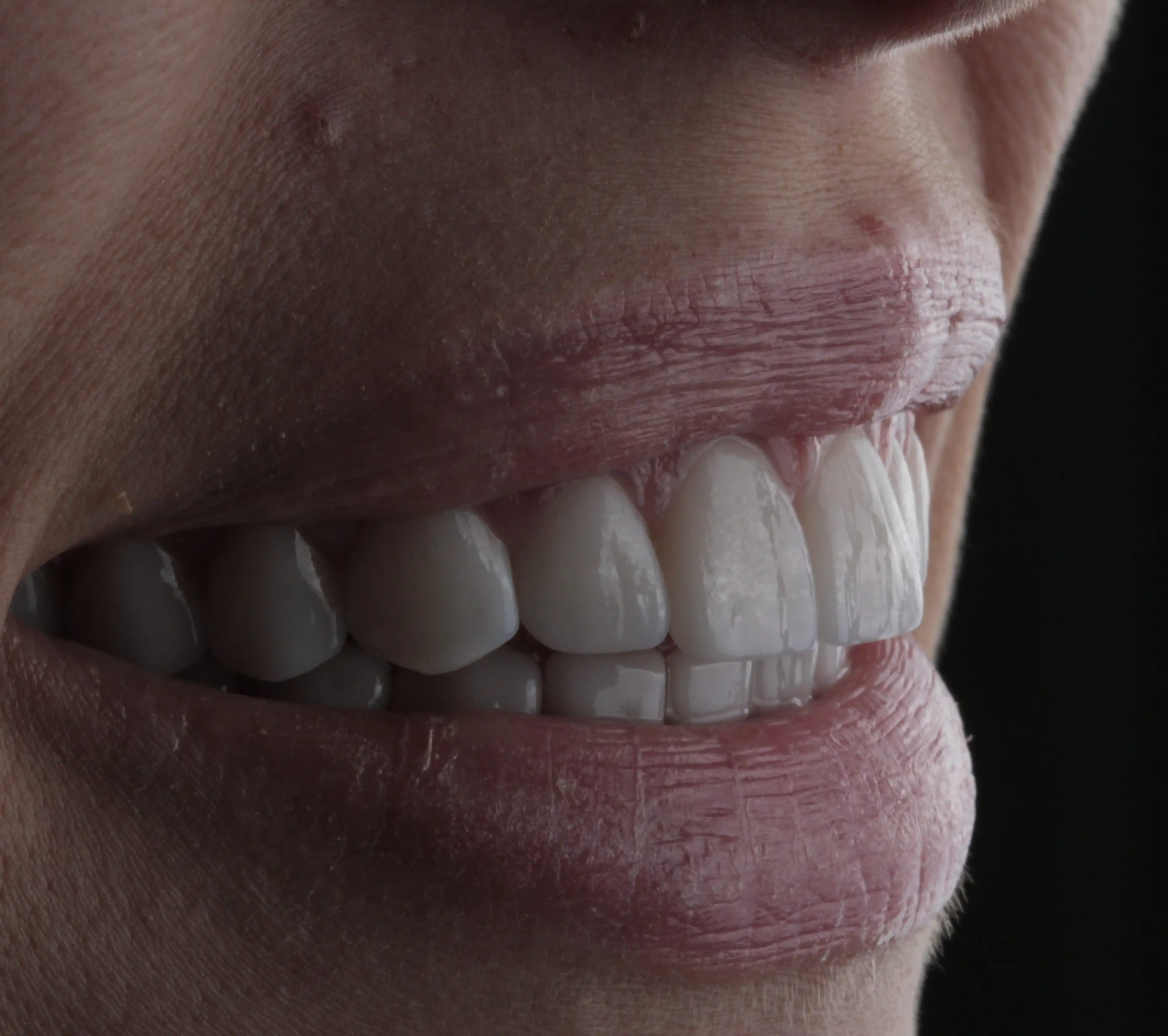
When is tartar removal worth doing?
Tartar can build up even in people who brush regularly. How quickly it forms is individual and depends, among others, on saliva composition, hygiene habits and where plaque accumulates.
Visible tartar
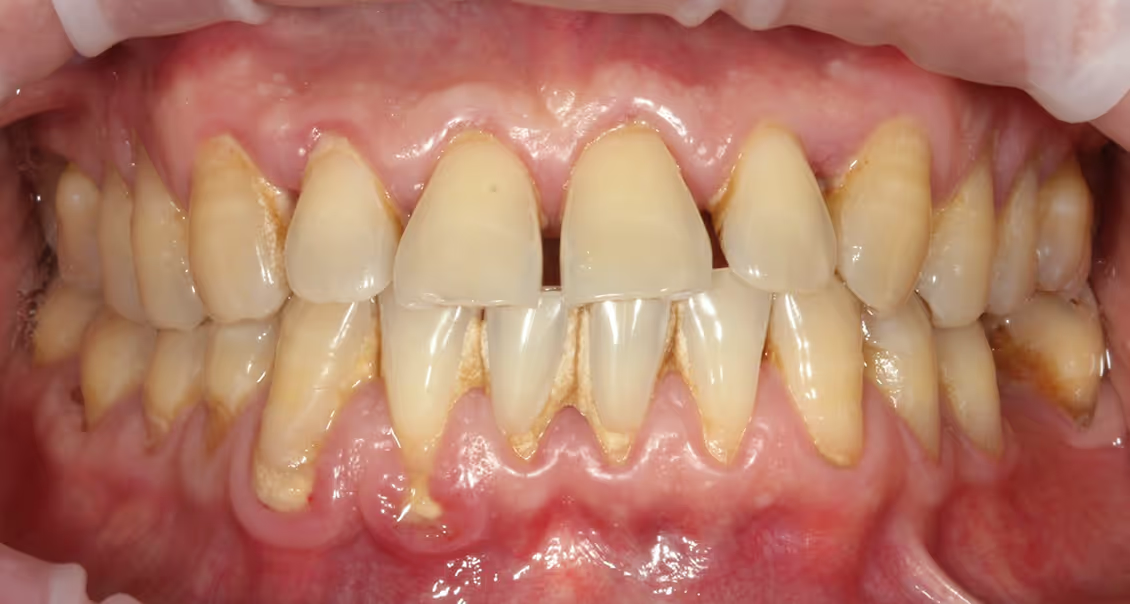
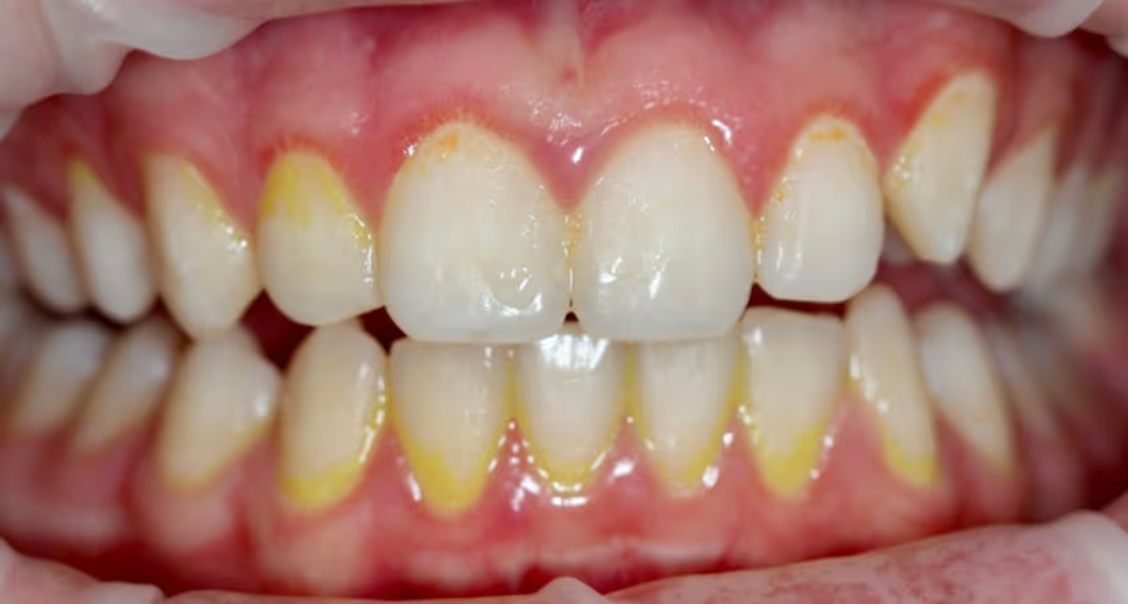
Yellowish, brownish or darker deposits near the gums may indicate tartar.
It is most often seen on the inner surfaces of the lower incisors and between the teeth.
Bleeding gums
If you notice blood when brushing or flossing, the cause may be inflammation related to plaque and tartar.
Scaling helps remove deposits, but persistent bleeding also requires an assessment of the gums.
Gingivitis
Accumulated plaque can lead to redness, swelling and bleeding of the gums.
Professional teeth cleaning, combined with proper home hygiene, is one of the basic steps in managing gingivitis.
Bad breath
Bacterial deposits and gum inflammation can be one of the causes of halitosis, i.e. bad breath.
Removing tartar can help reduce the problem if it is related to insufficient hygiene and gum disease.
Orthodontic treatment
Fixed braces make it harder to clean the tooth surfaces, especially around the brackets and other parts of the appliance.
During orthodontic treatment, regular hygiene visits help control plaque and deposits.
Periodontal disease prevention
For patients at higher risk of periodontitis, tartar removal is an important part of prevention and maintenance care.
If there are deep periodontal pockets, supragingival scaling alone may not be enough. In that case a periodontal examination is needed.
There is no need to wait until tartar becomes clearly visible. During regular visits the hygienist can assess the amount and decide whether the treatment is needed.
Types of teeth scaling
The method of tartar removal is chosen according to where the deposits are, how much there is and the condition of the gums and periodontium.
Ultrasonic scaling
Ultrasonic scaling is one of the most common methods of tartar removal.
A special tip is used that vibrates rapidly, helping to break up and detach hard deposits from the tooth surfaces.
A stream of water cools the tip and helps rinse away the removed deposits.
The method effectively removes tartar from many tooth surfaces, and the device settings are adjusted to the clinical situation.
Hand scaling
Hand scaling is done with special dental instruments such as scalers and curettes.
It can be used to remove deposits from selected surfaces, especially where more precise work is needed.
Hand instruments can be used alone or to complement ultrasonic scaling.
Supragingival scaling
Supragingival scaling removes tartar from the visible tooth surfaces above the gum line.
It is one of the basic elements of professional dental hygiene.
Subgingival scaling
Subgingival scaling concerns deposits below the gum line, on the root surfaces.
It is part of periodontal treatment and may require more detailed diagnostics and proper preparation.
Not every patient needs subgingival cleaning. The scope is decided by the dentist based on the condition of the periodontium.
What does teeth scaling look like step by step?
Tartar removal is performed during a hygiene visit. Its course depends on the amount of deposits and the condition of the gums.
1. Assessing teeth and gums
The hygienist checks the amount of tartar and deposits, the condition of the gums and areas that need special cleaning.
2. Preparing for the treatment
The patient sits in the dental chair. The specialist prepares the instruments and explains how the cleaning will go.
3. Removing tartar
Using suitable instruments, deposits are gradually removed from the tooth surfaces and areas near the gum line.
During ultrasonic scaling, the tip vibrates, helping to separate tartar from the tooth surface.
4. Checking the cleaned surfaces
After removing the deposits, the hygienist checks whether any areas need additional cleaning.
5. Additional hygiene treatments
Depending on needs, scaling can be followed by air polishing, polishing or fluoridation.
6. Hygiene advice
After the treatment, the patient receives advice on brushing, cleaning between the teeth and how often to come back.
How long scaling takes depends on the amount of tartar, where it is and how many teeth are cleaned.
Scaling vs air polishing — what is the difference?
Although both treatments clean the teeth, scaling and air polishing are not the same.
Teeth scaling
Air polishing
Removes hard tartar
Removes soft deposits and surface stains
Done with ultrasonic or hand instruments
Uses a stream of water, air and a suitable powder
Focuses on removing mineralised deposits
Helps clean surfaces hard to reach with a toothbrush
Important in preventing gingivitis and periodontal disease
Complements professional hygiene
Does not replace air polishing for extensive deposits
Does not effectively remove hard tartar
Air polishing can be done after scaling to remove remaining deposits and surface stains. Both treatments are often part of one hygiene visit, but each has a different role.
Scaling vs curettage — when is periodontal treatment needed?
Scaling and curettage both involve cleaning the teeth and periodontium, but they differ in scope and use. Standard scaling focuses mainly on removing tartar as part of professional hygiene. Subgingival treatment, also listed in price lists as curettage, involves more thorough cleaning of root surfaces in areas affected by periodontal disease.
Scaling as part of hygiene
Subgingival treatment / curettage
Removal of tartar and deposits during prevention
Cleaning of root surfaces and periodontal pockets
Usually done during a hygiene visit
Done for specific periodontal indications
Focuses mainly on accessible tooth surfaces
Covers areas below the gum line
Scope depends on the amount of tartar
Scope depends on the condition and depth of periodontal pockets
If the examination reveals signs of periodontitis, such as deep periodontal pockets, attachment loss or significant bleeding, a periodontal consultation may be needed.
How often should teeth scaling be done?
How often tartar should be removed depends on how quickly deposits form and on the health of the mouth.
For many patients, professional hygiene is planned roughly every 6 months. However, this rule does not suit everyone.
More frequent cleaning may be needed for people:
- whose tartar builds up particularly quickly;
- with recurrent gingivitis;
- with periodontal disease requiring regular maintenance care;
- wearing fixed orthodontic braces;
- who find it hard to clean their teeth thoroughly;
- who smoke.
For patients with few deposits and good hygiene, the intervals between treatments may be longer.
The best scaling frequency is set individually during a dental check-up or hygiene visit.
What to do after teeth scaling?
After tartar removal, teeth may be more sensitive for a short time and the gums slightly irritated.
This is especially likely if there was a lot of tartar or inflammation before the treatment.
After scaling, it is worth:
- Brushing gently but thoroughly — ideally with a soft toothbrush and a suitable toothpaste.
- Cleaning between the teeth every day — with floss or interdental brushes.
- Avoiding very cold or hot foods, if temporary sensitivity has appeared.
- Following the hygienist's advice, especially if scaling was combined with fluoridation.
- Watching the condition of the gums — slight tenderness may pass after a short time.
After scaling alone, there is usually no need to refrain from eating for long. However, if fluoridation or other treatments were also performed during the visit, follow the advice you received.
If pain, bleeding or sensitivity are severe or last longer, it is worth contacting the dentist.
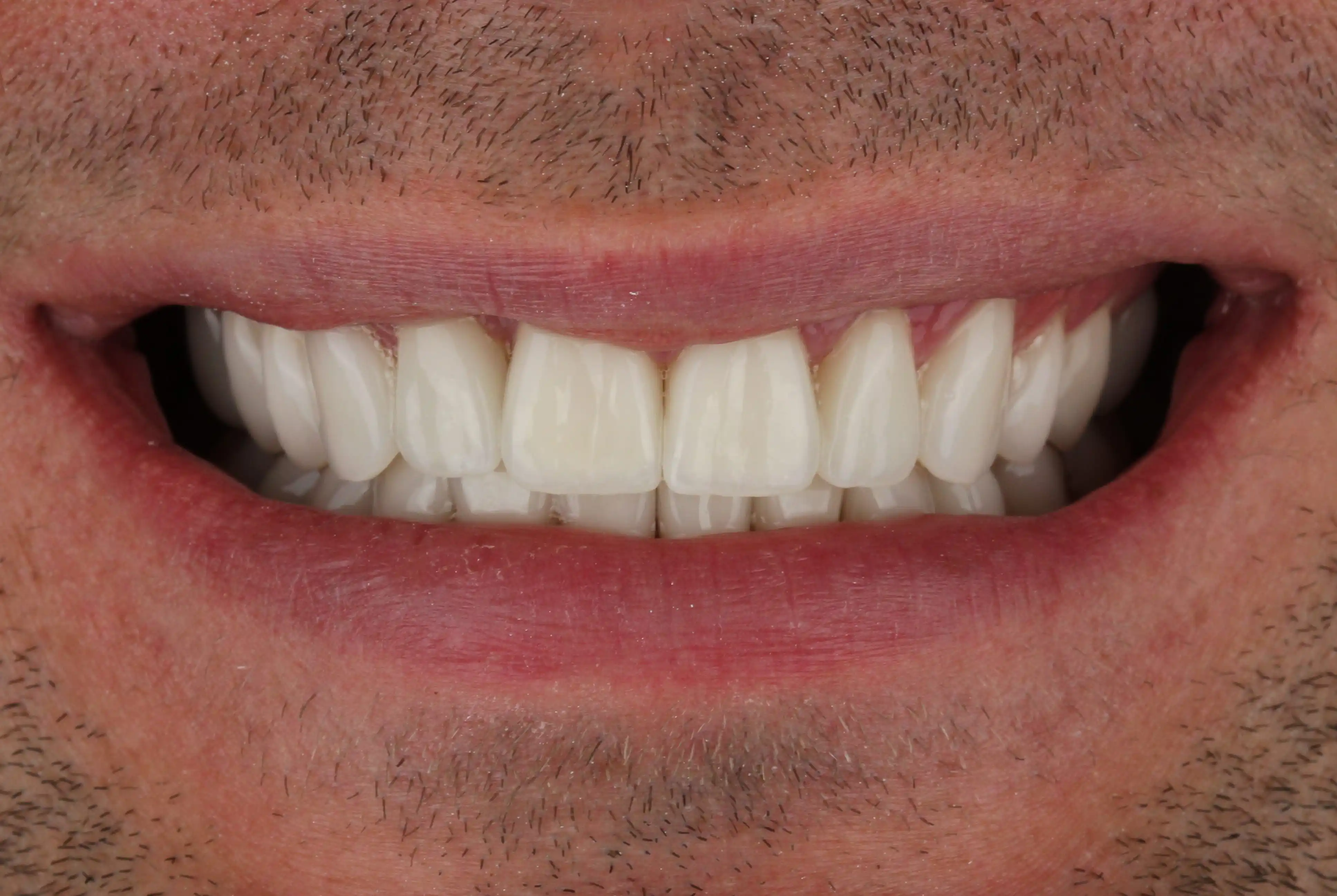
Is tartar removal safe?
Scaling performed by a qualified person with properly selected instruments is a standard method of professional hygiene.
The aim is to remove deposits without unnecessarily damaging healthy tooth tissue.
After cleaning, temporary symptoms may occur, such as:
- sensitivity to cold;
- slight gum bleeding;
- tenderness in inflamed areas;
- a feeling of larger gaps between the teeth after removing extensive tartar.
The last sensation is often because tartar previously filled the spaces near the teeth, and swollen gums partly covered them.
Before the treatment, tell the specialist about chronic conditions, medications, implanted medical devices and previous problems during hygiene visits. This helps choose the right approach.
Correctly performed scaling should not damage healthy enamel. However, do not try to chip off tartar yourself with sharp tools, as this can damage teeth and gums.
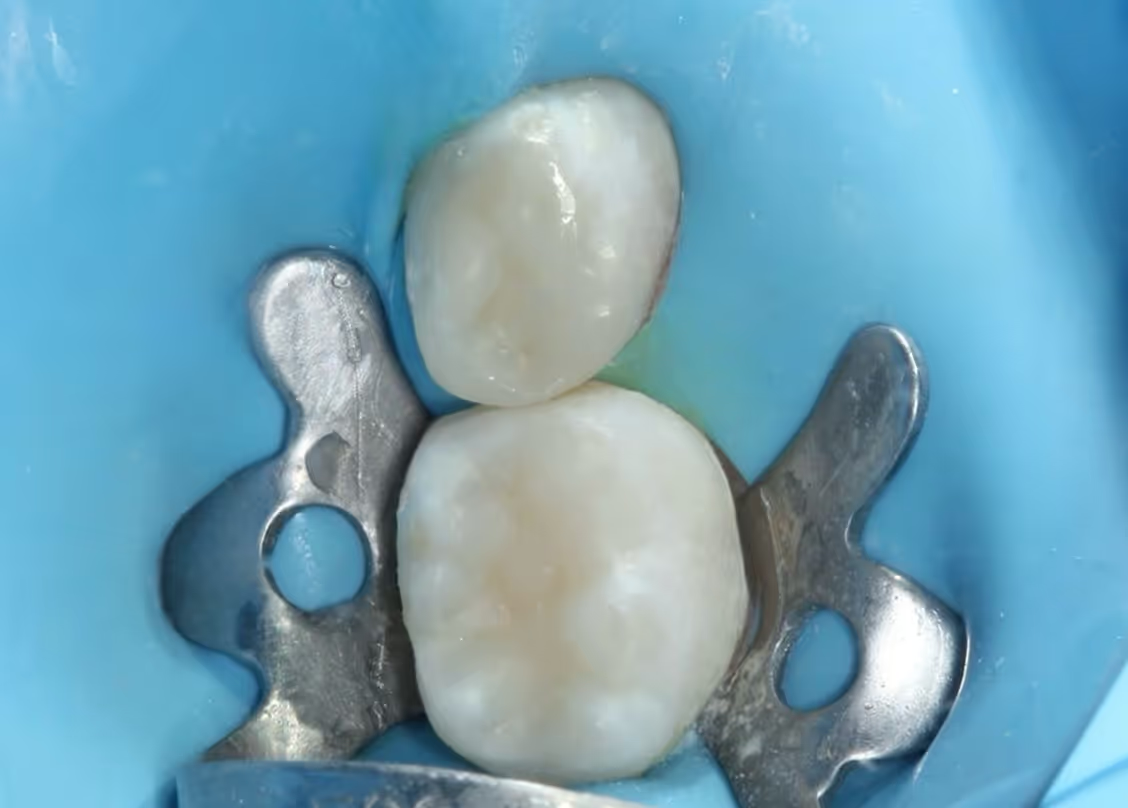
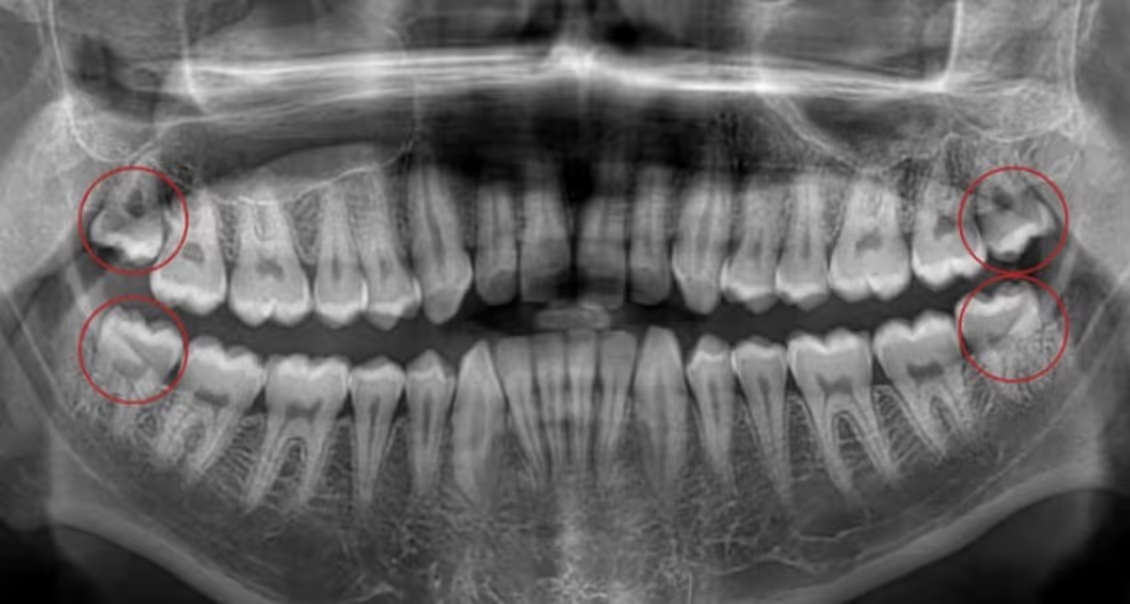
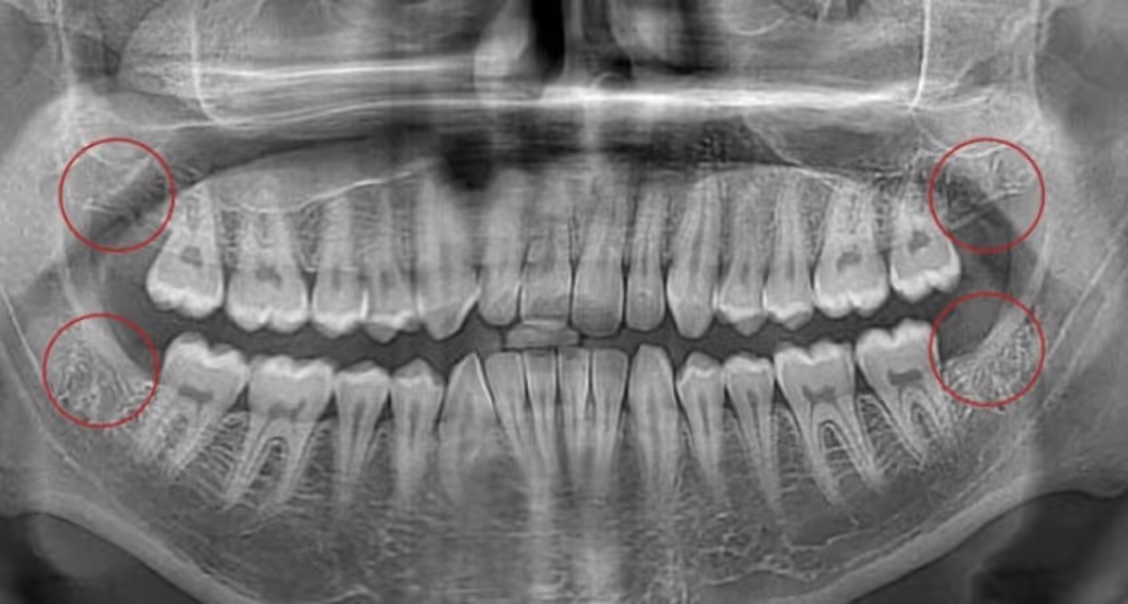
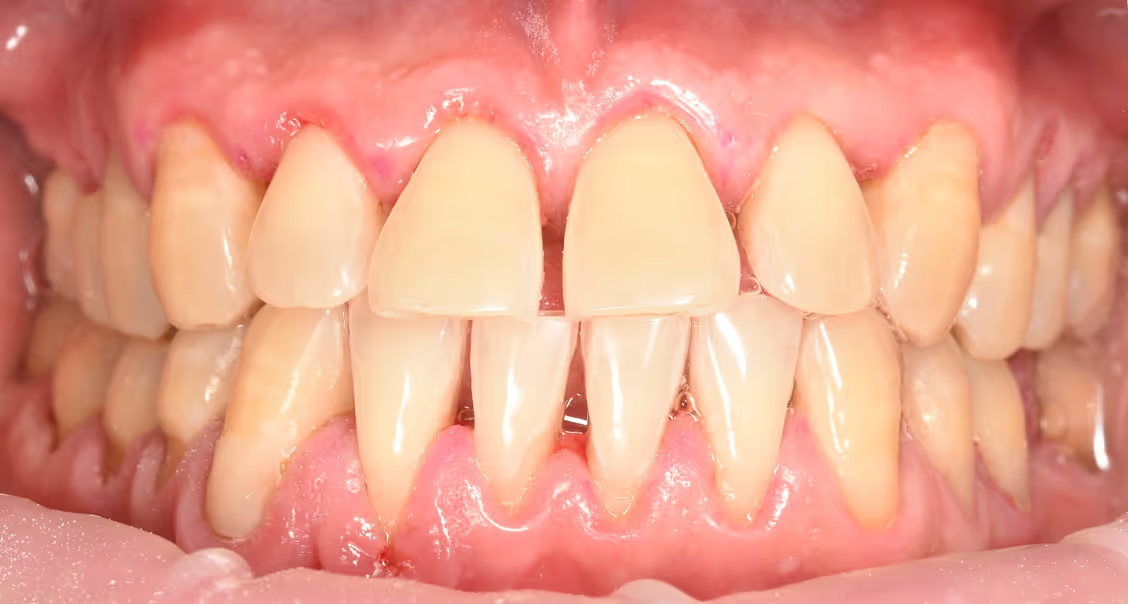
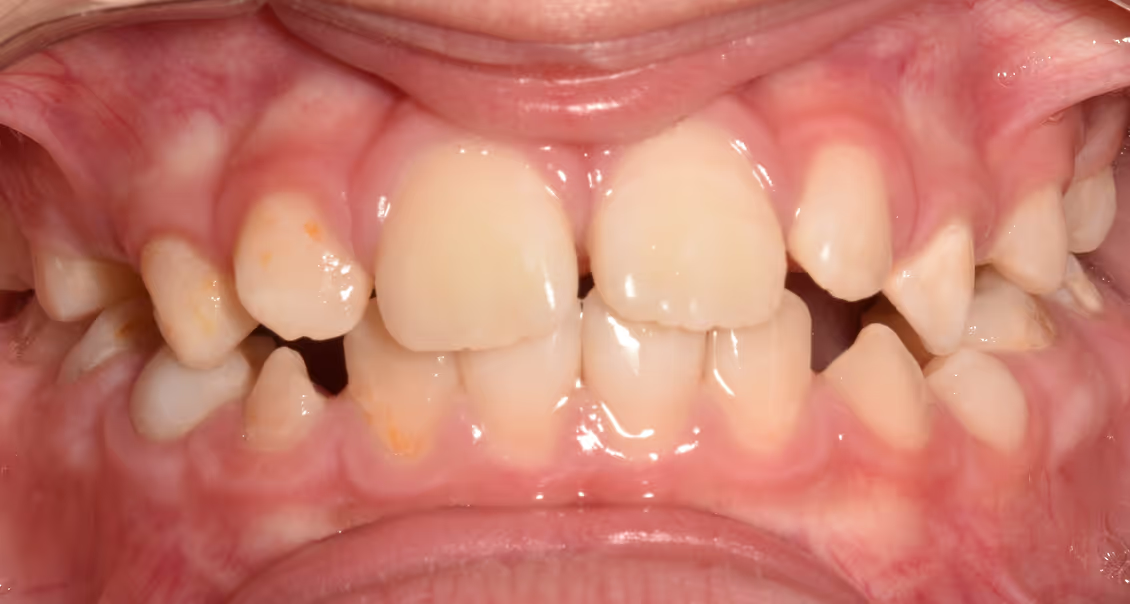
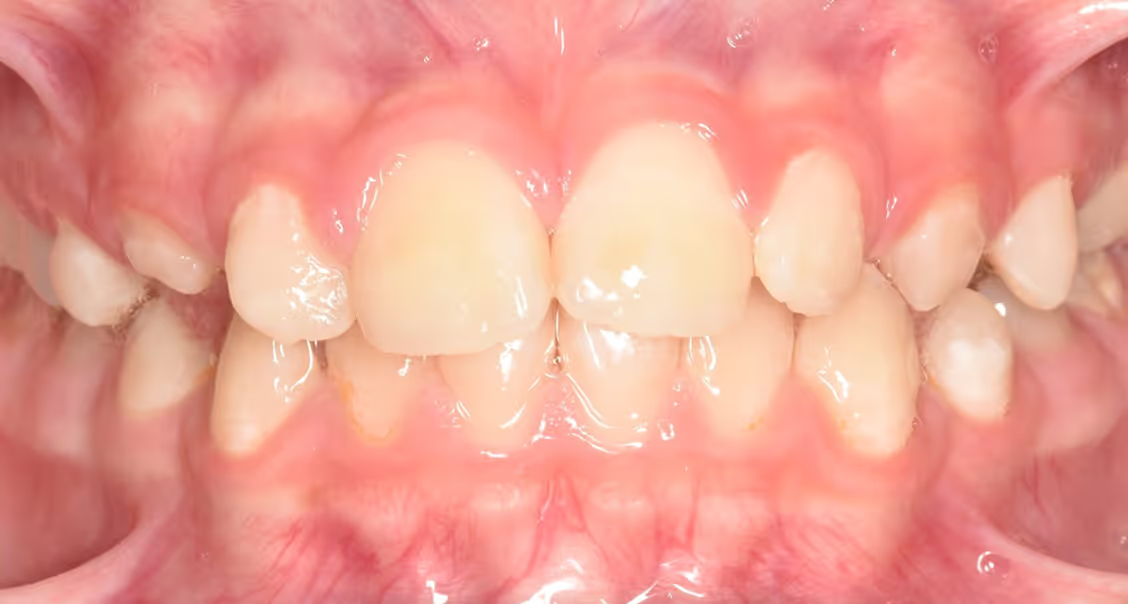
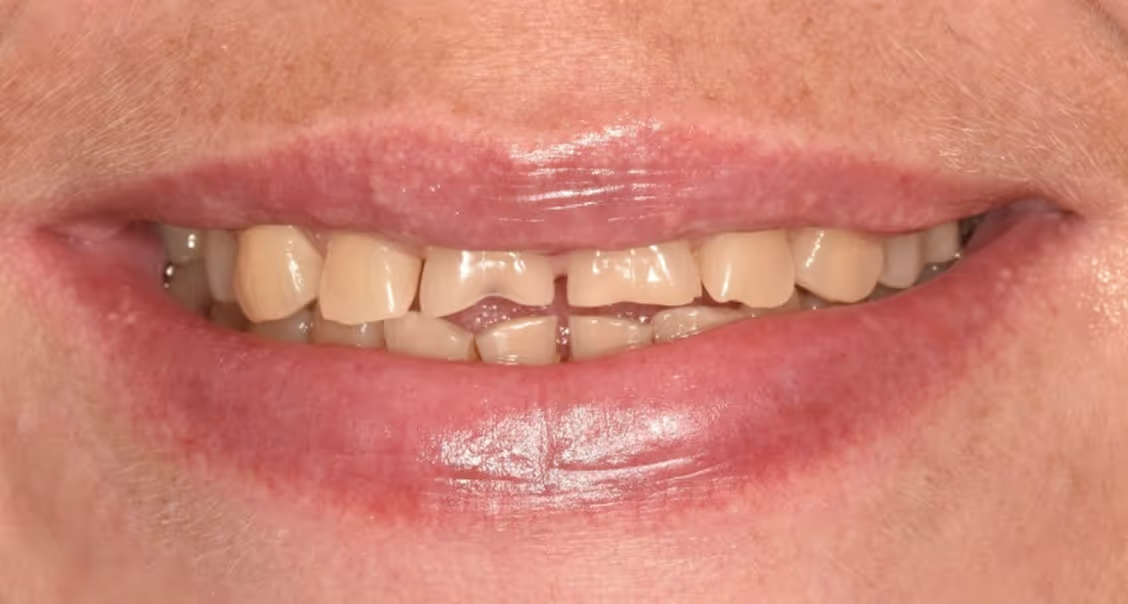
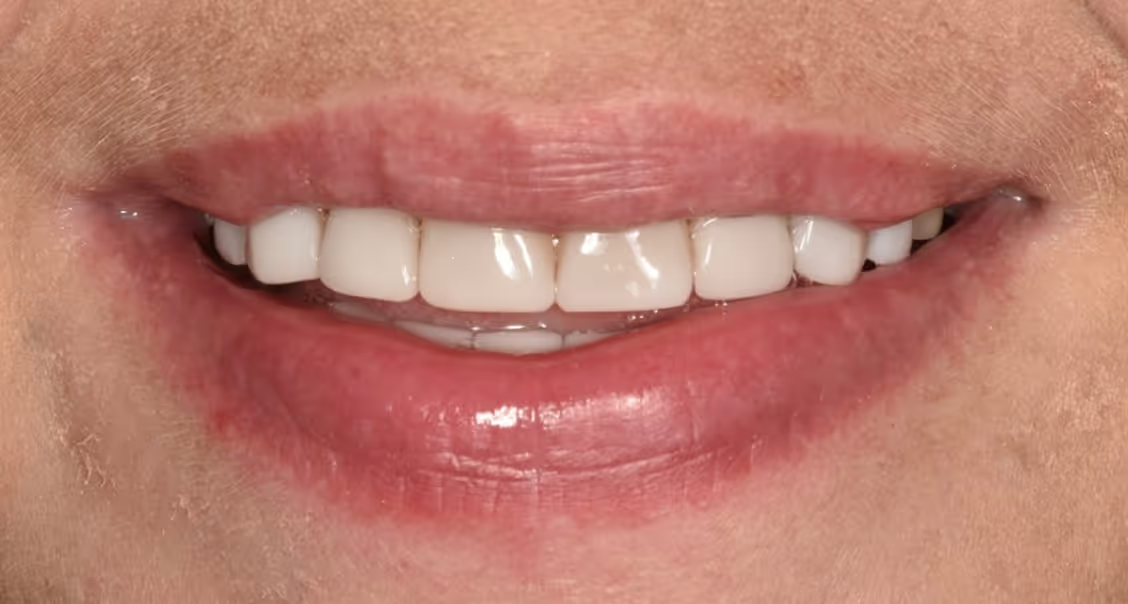
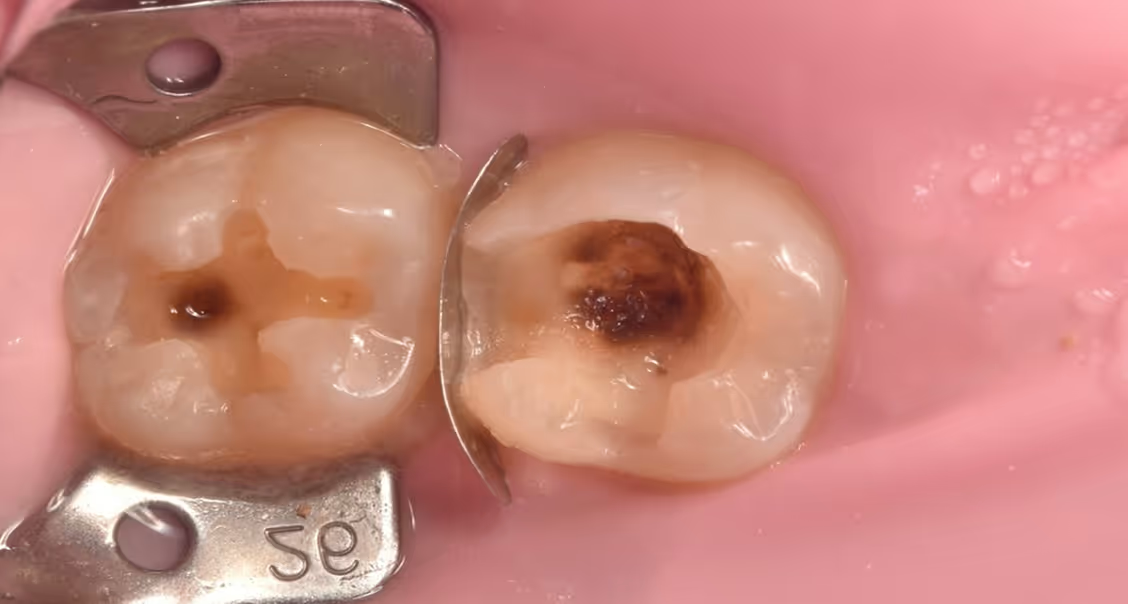
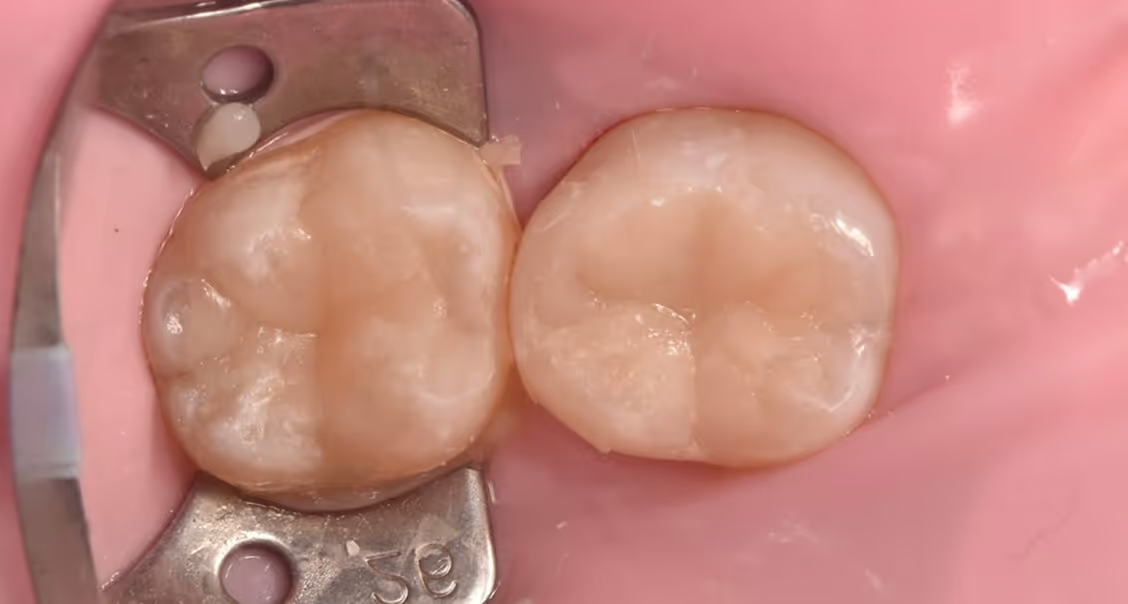
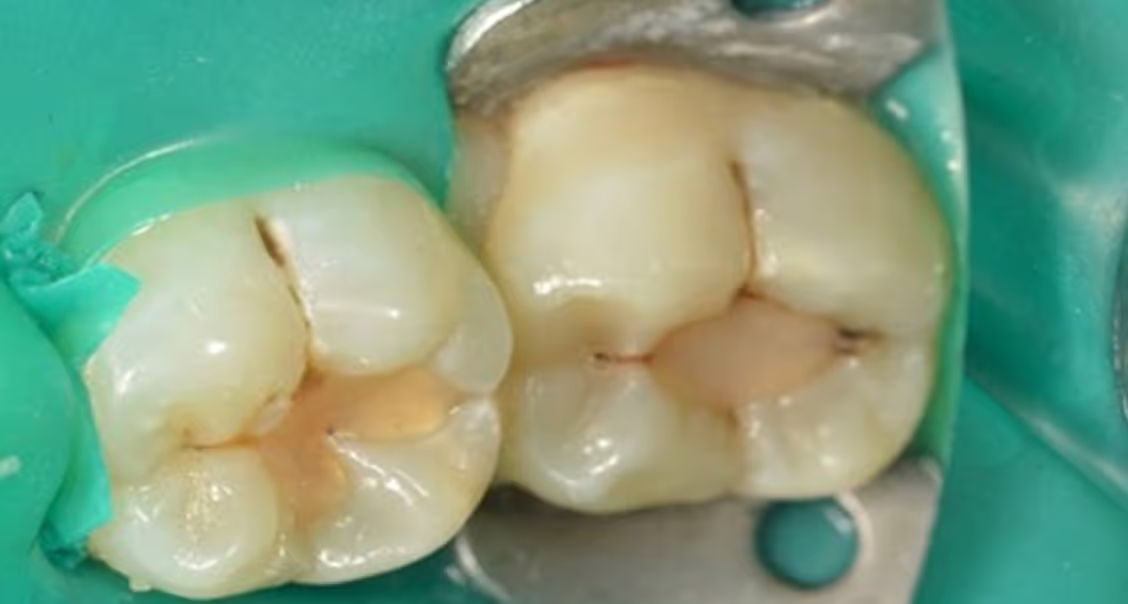
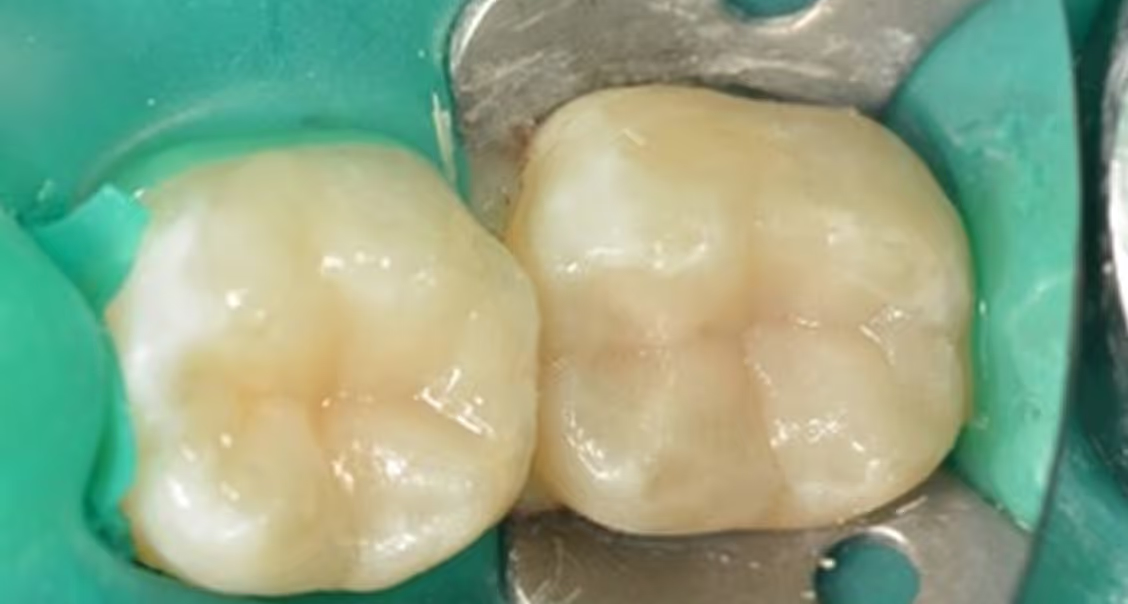
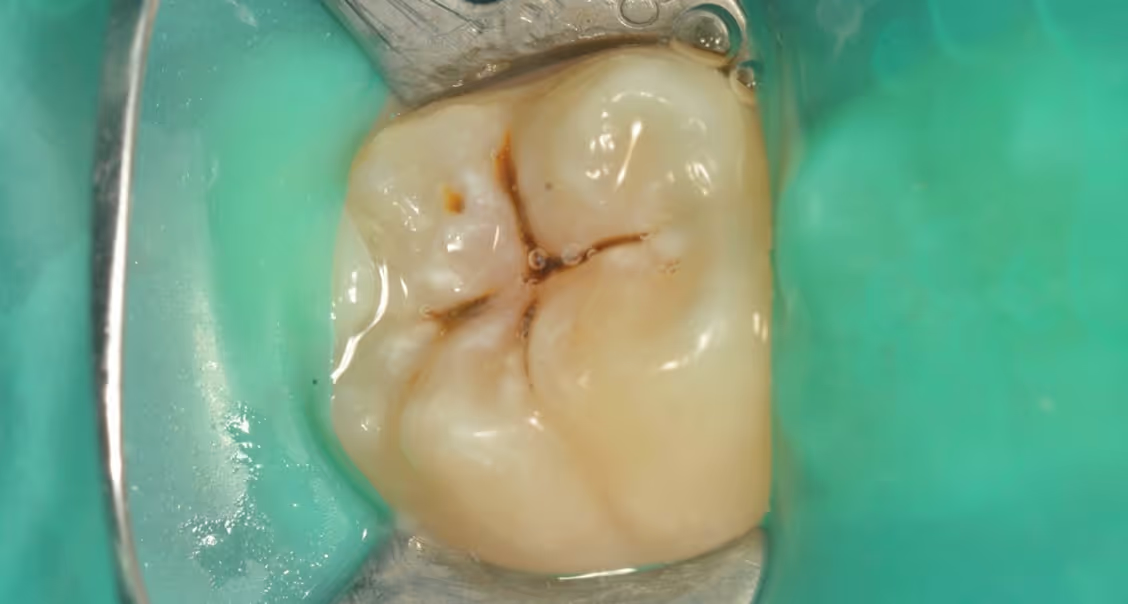
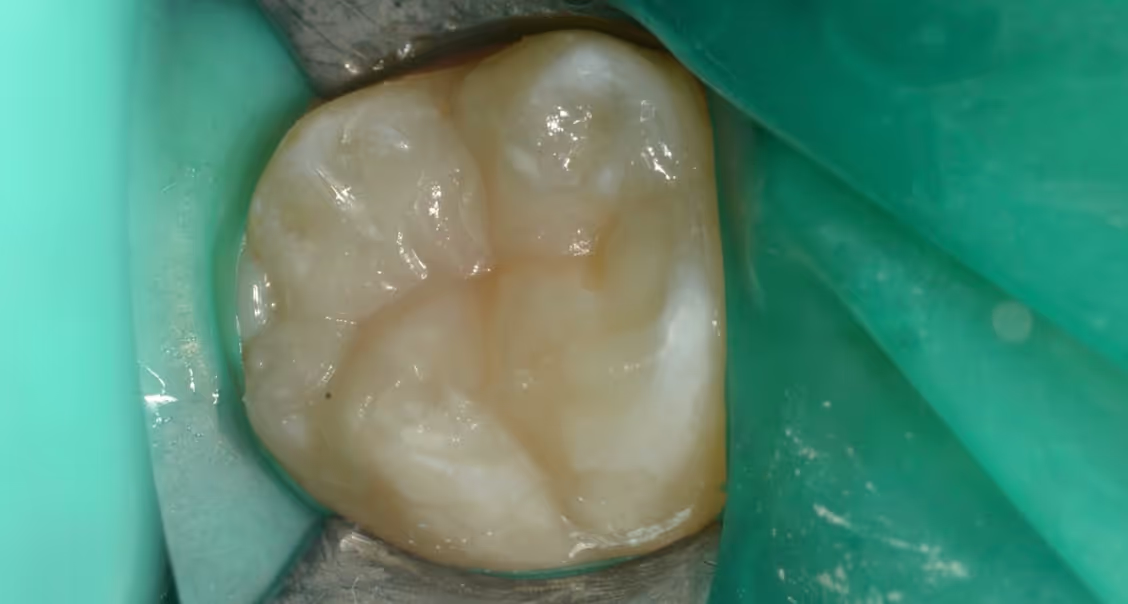
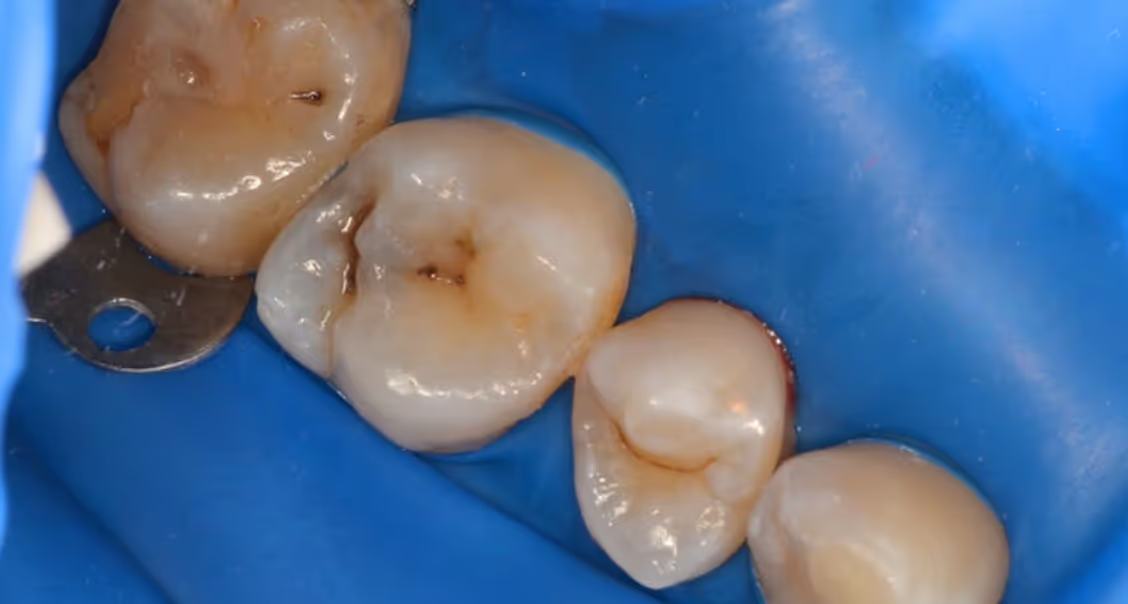
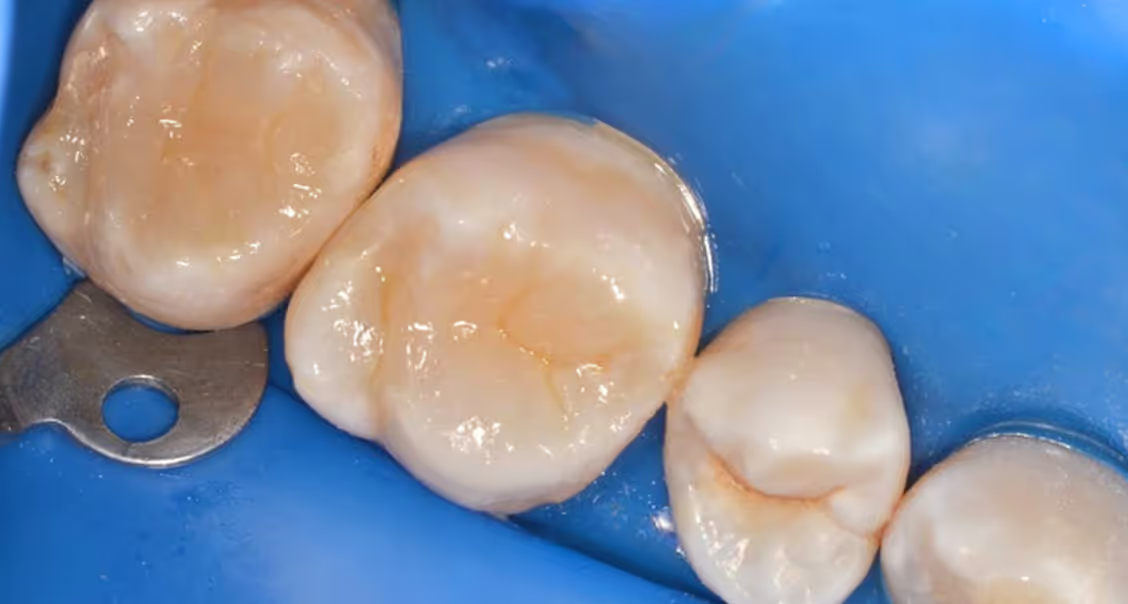
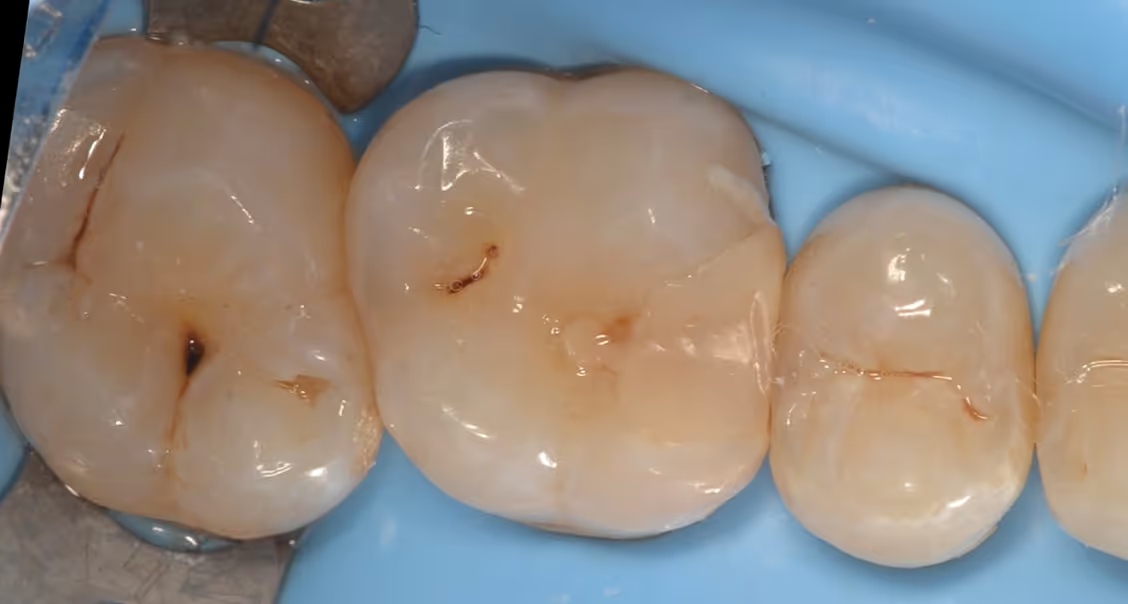
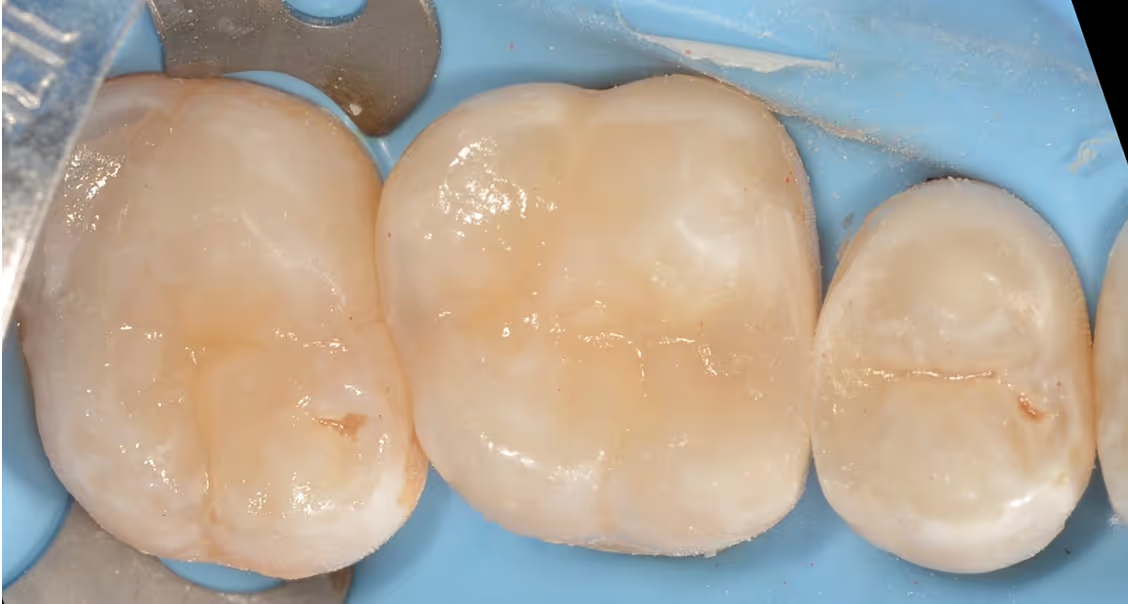
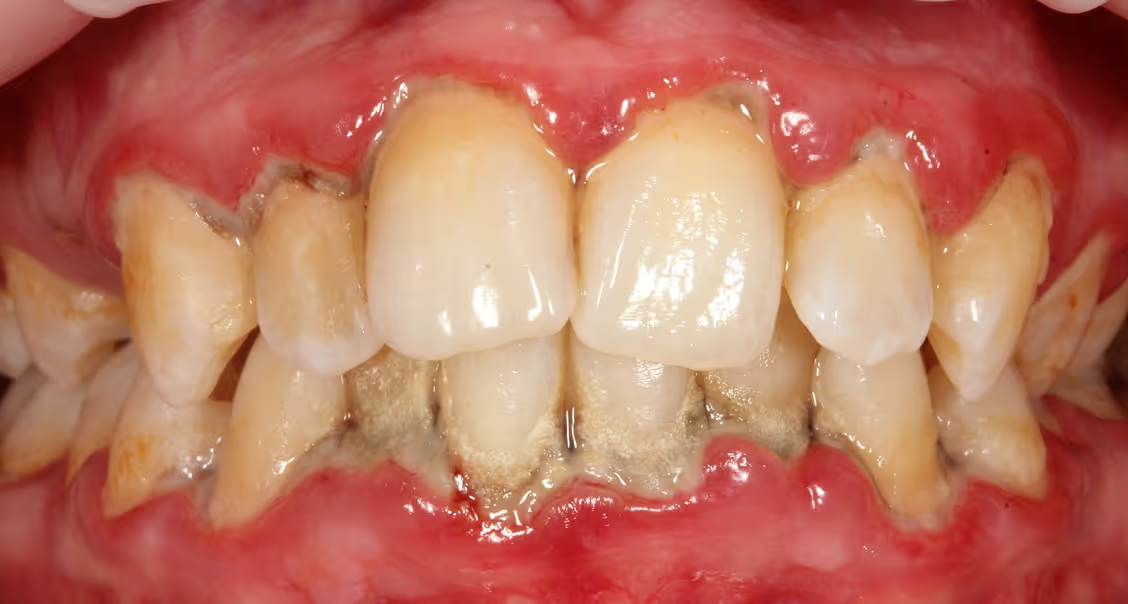
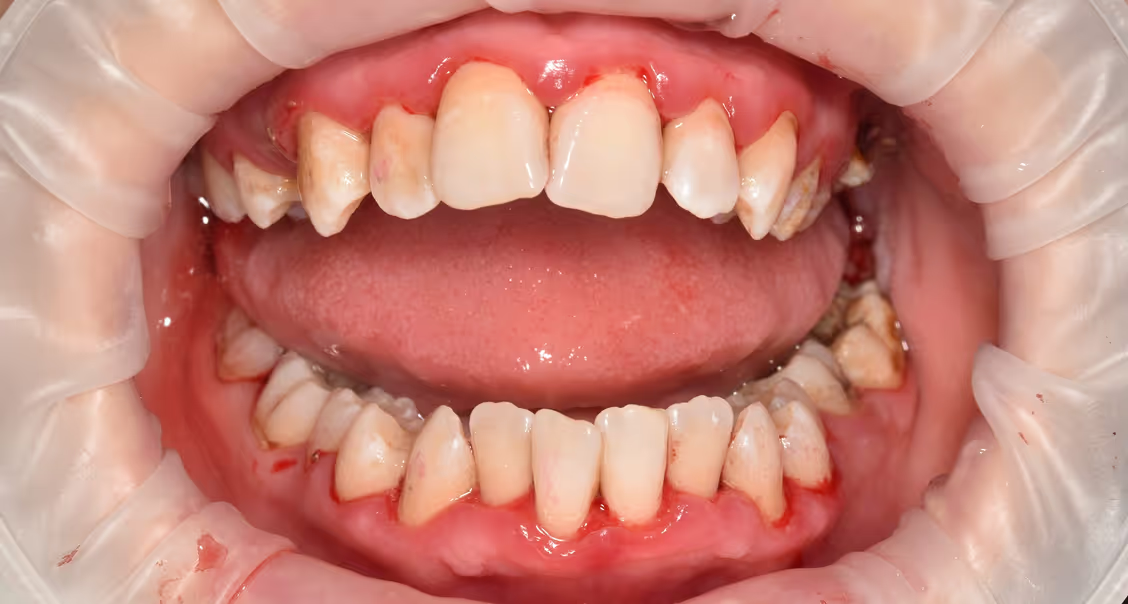
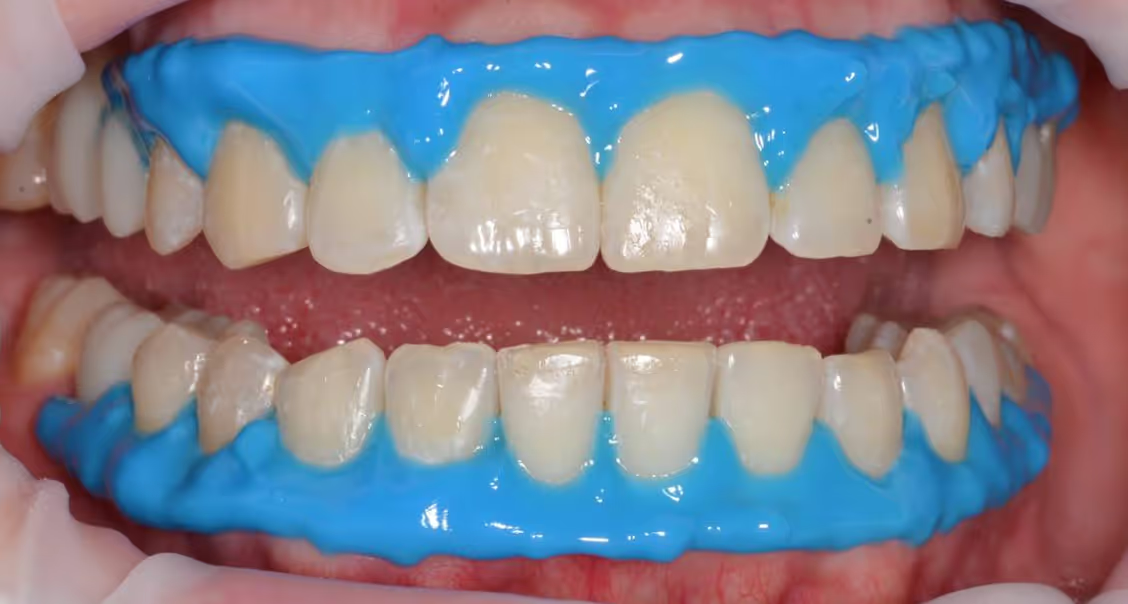
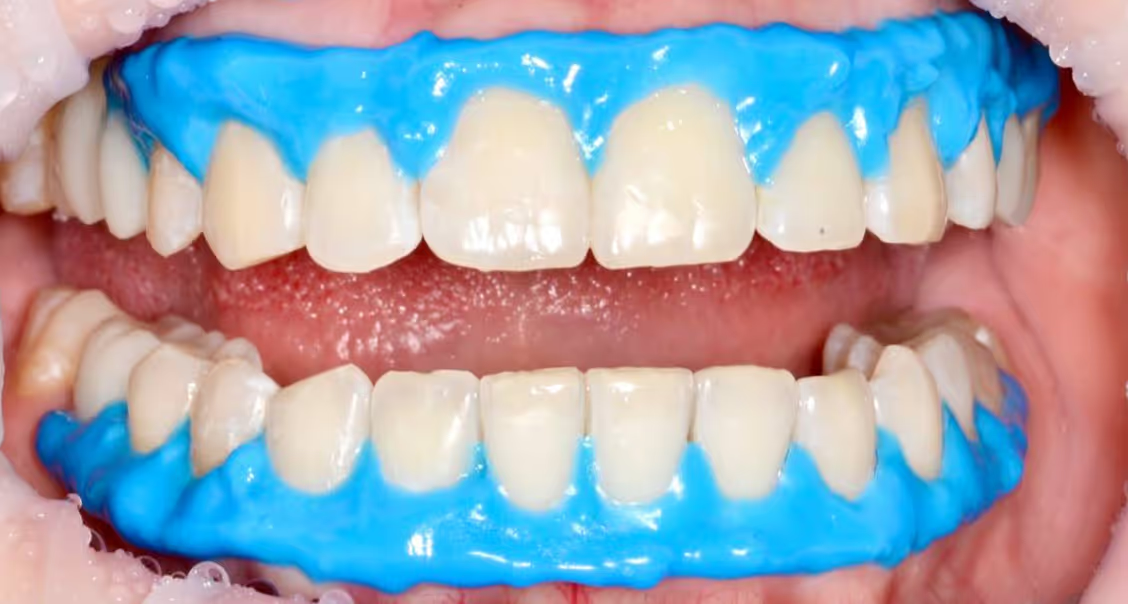
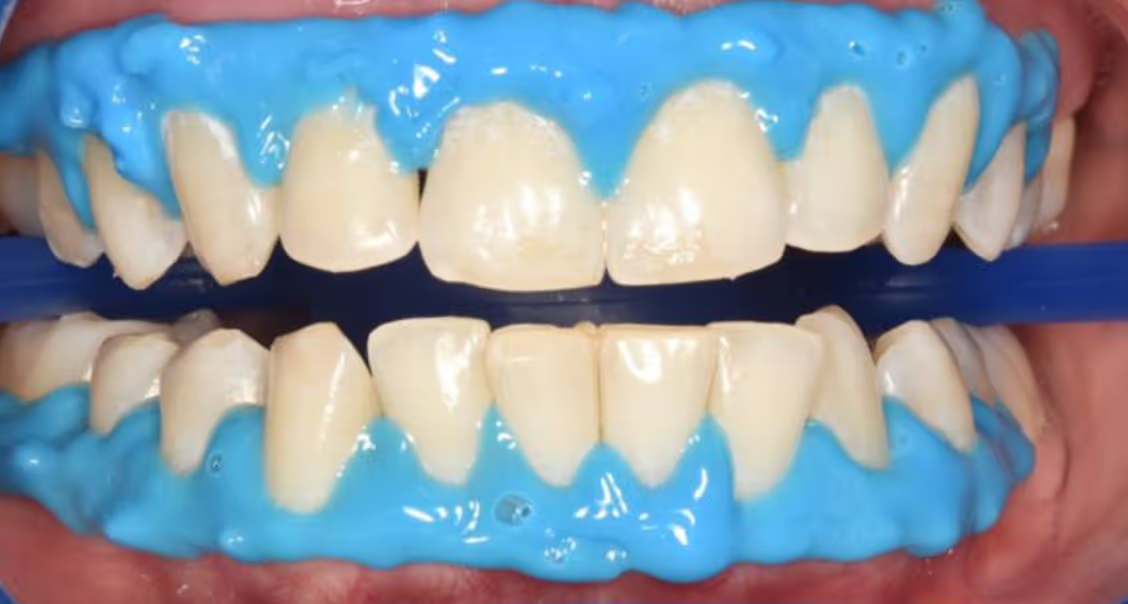
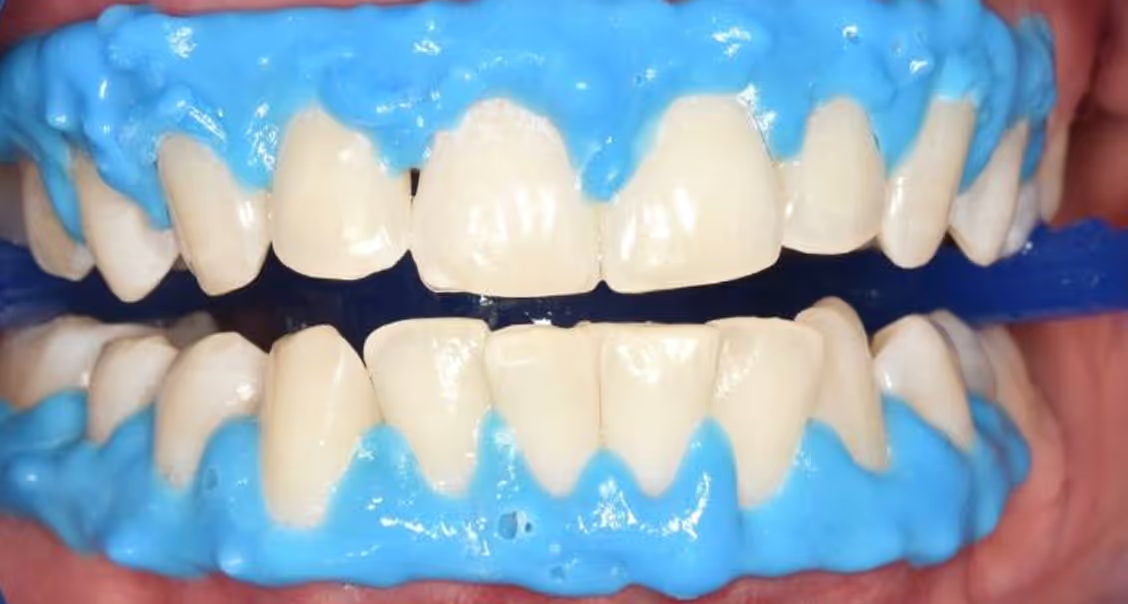
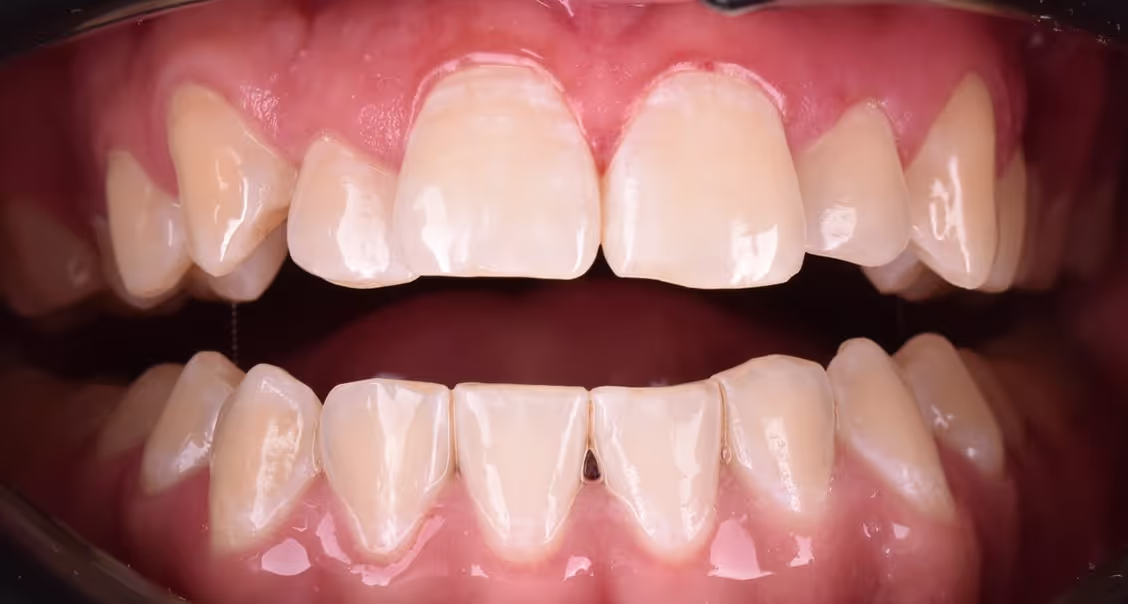
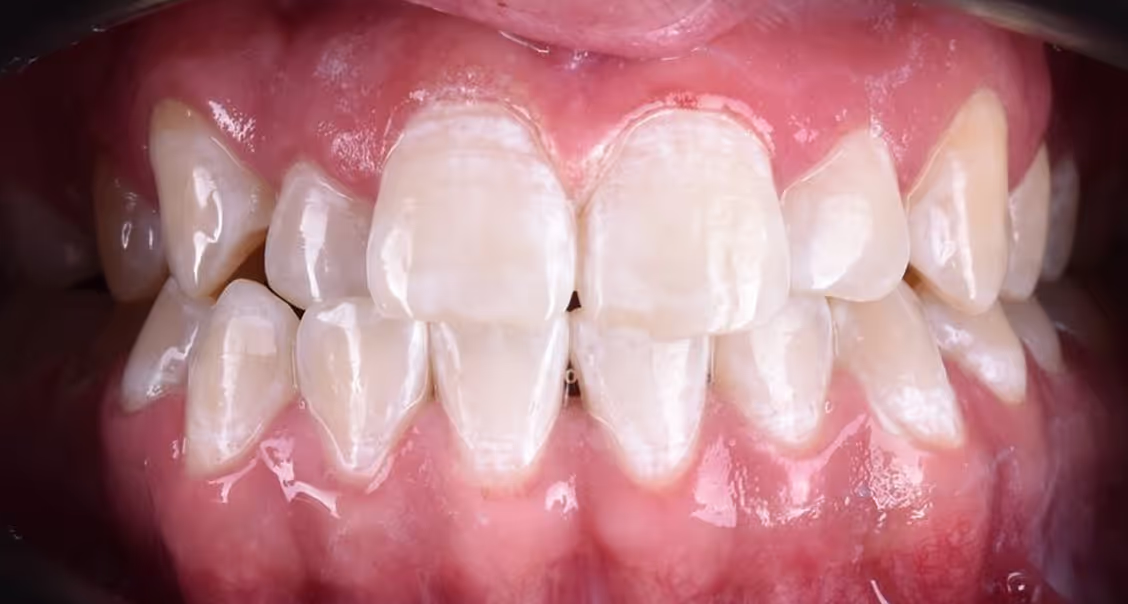
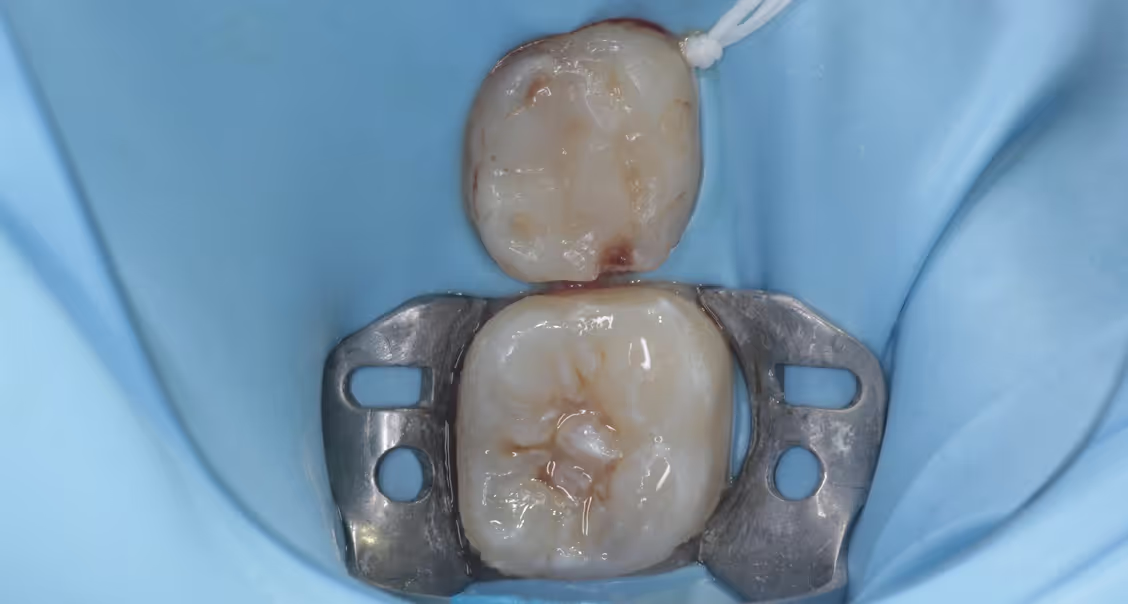
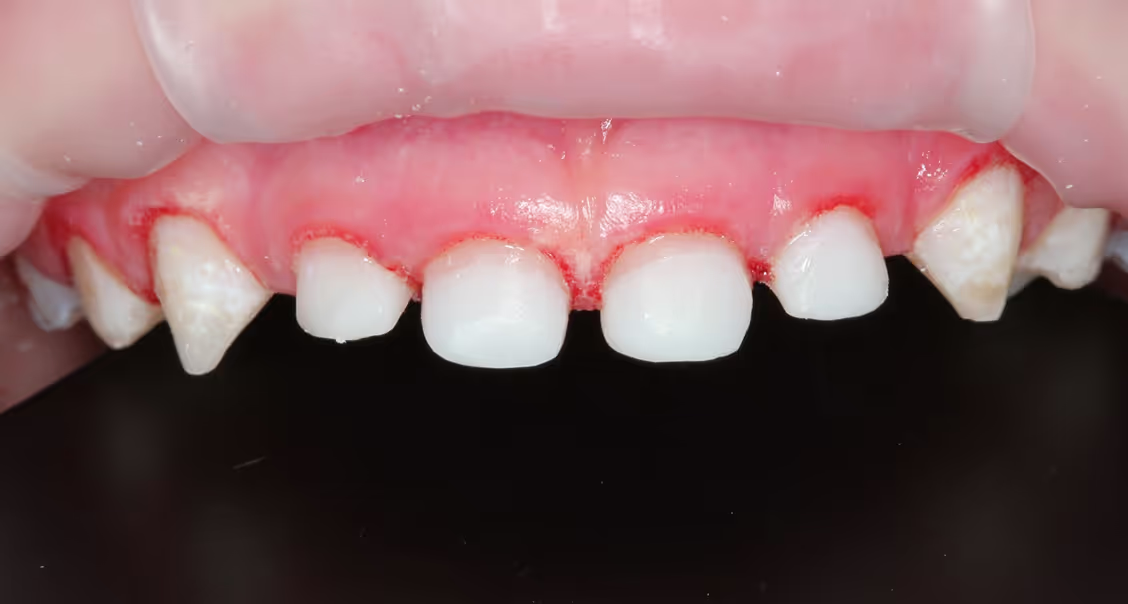
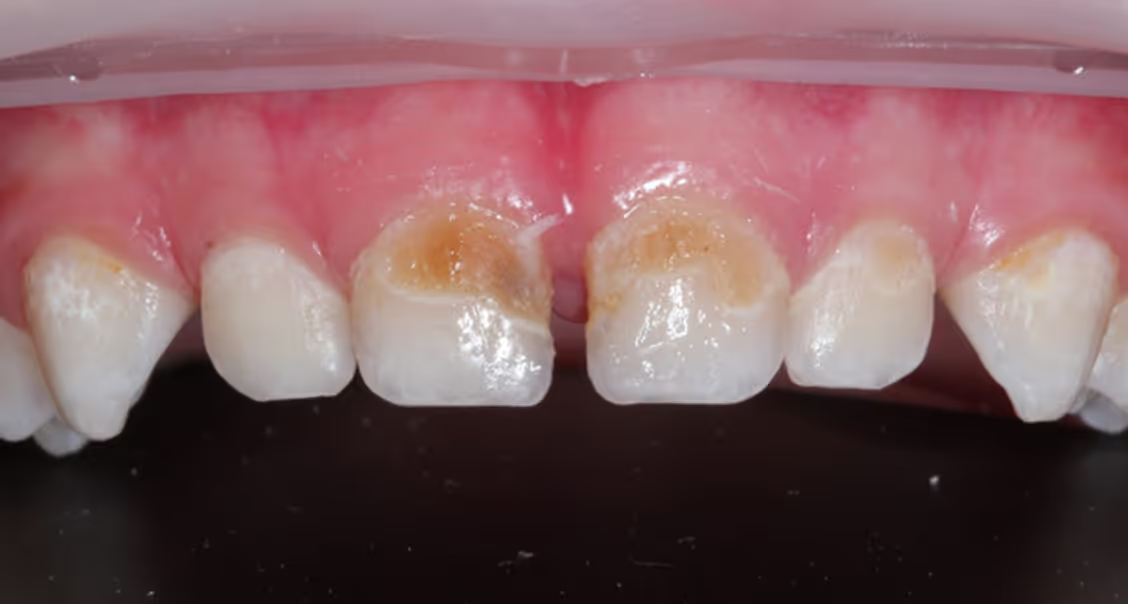
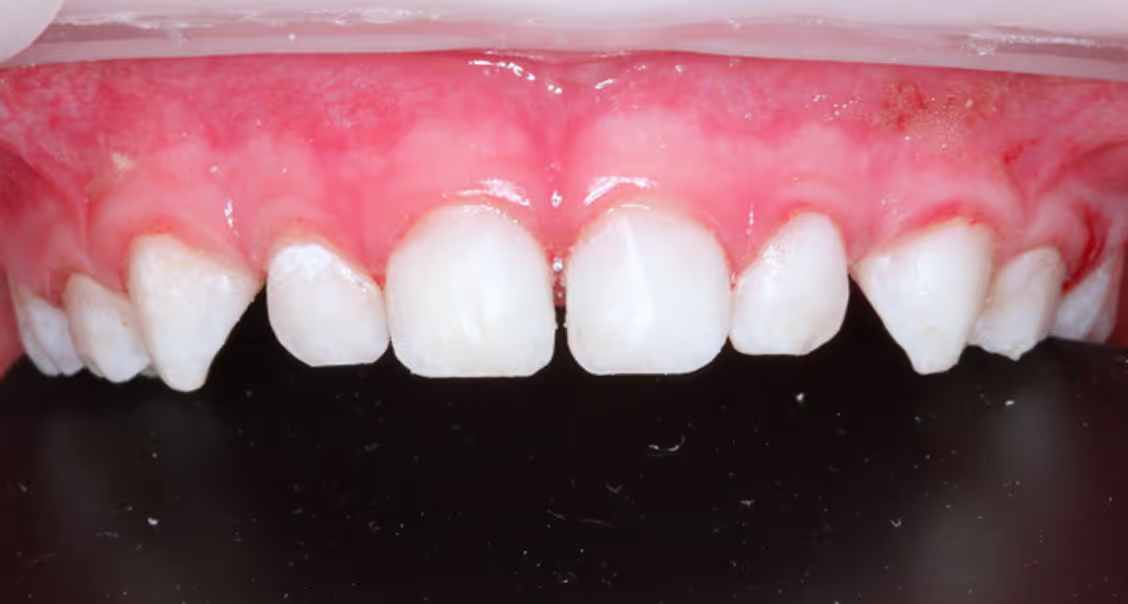
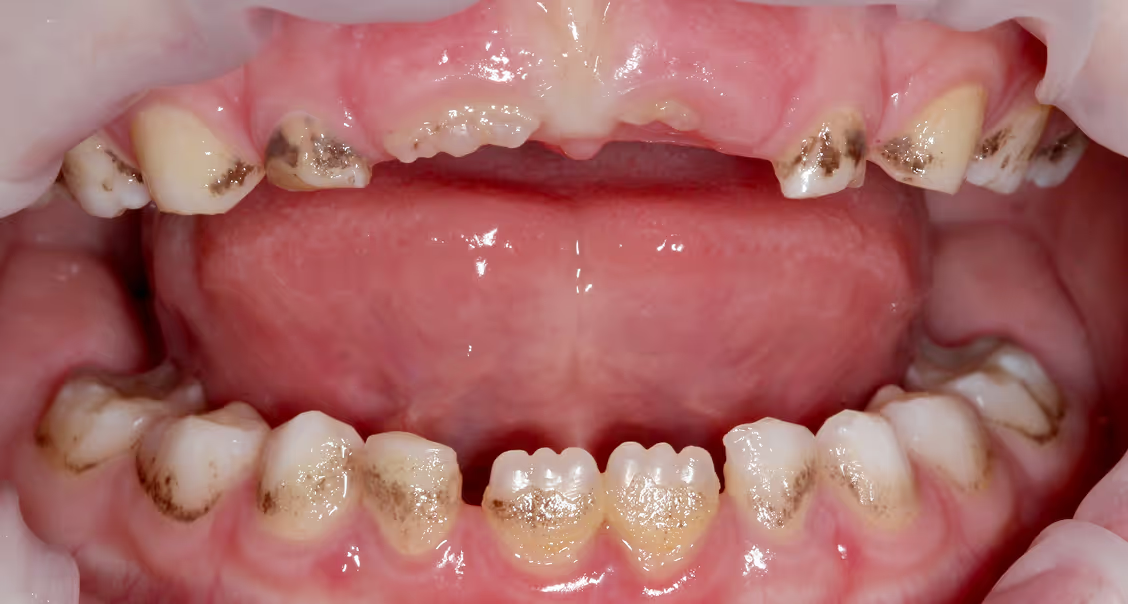
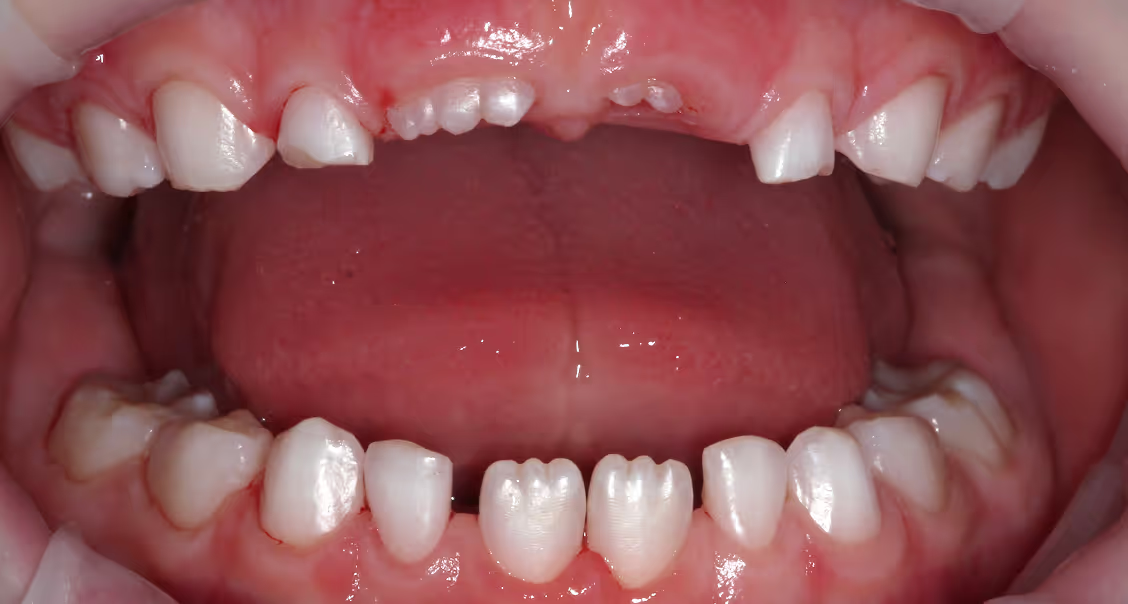
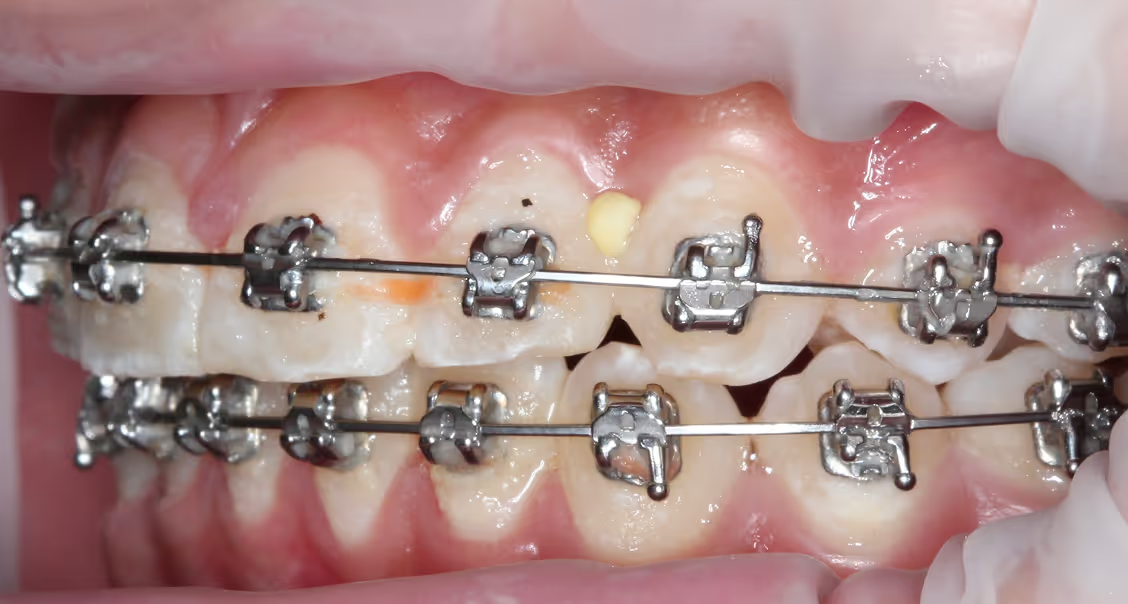
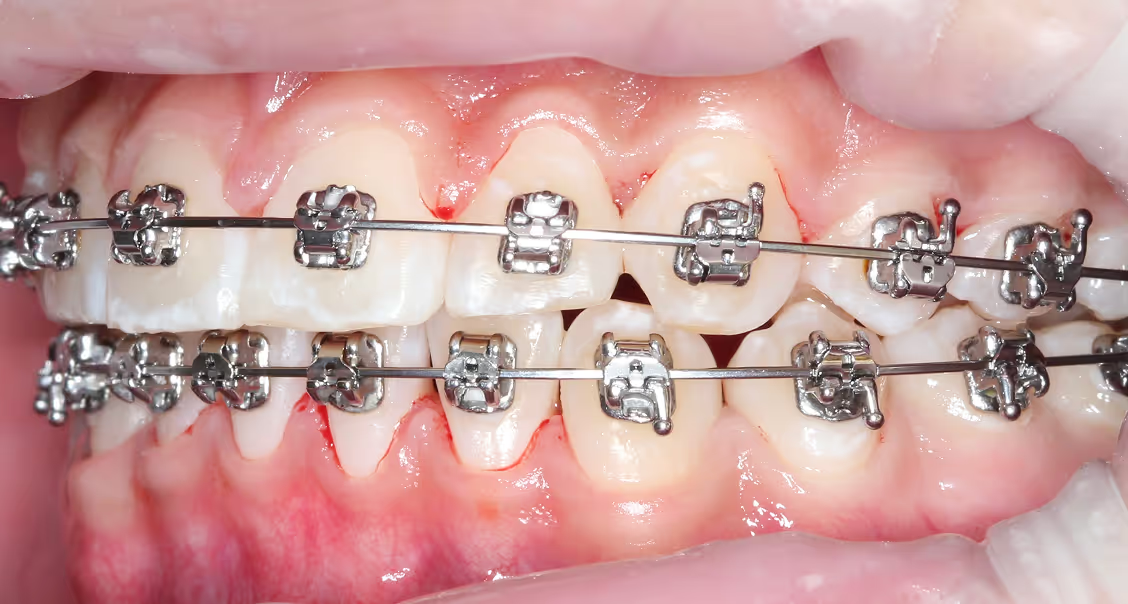
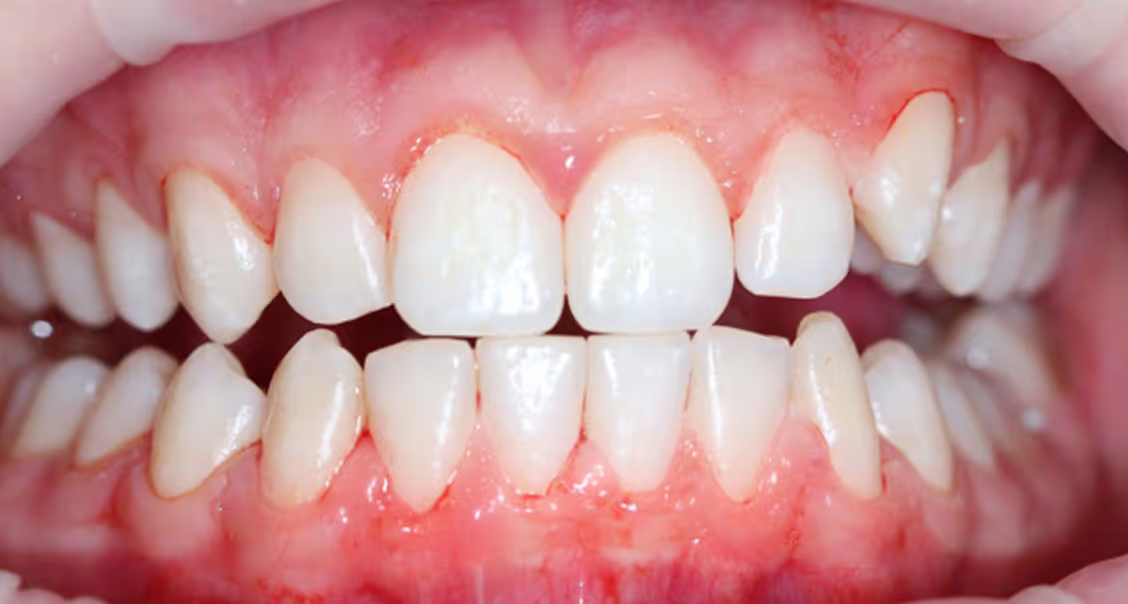
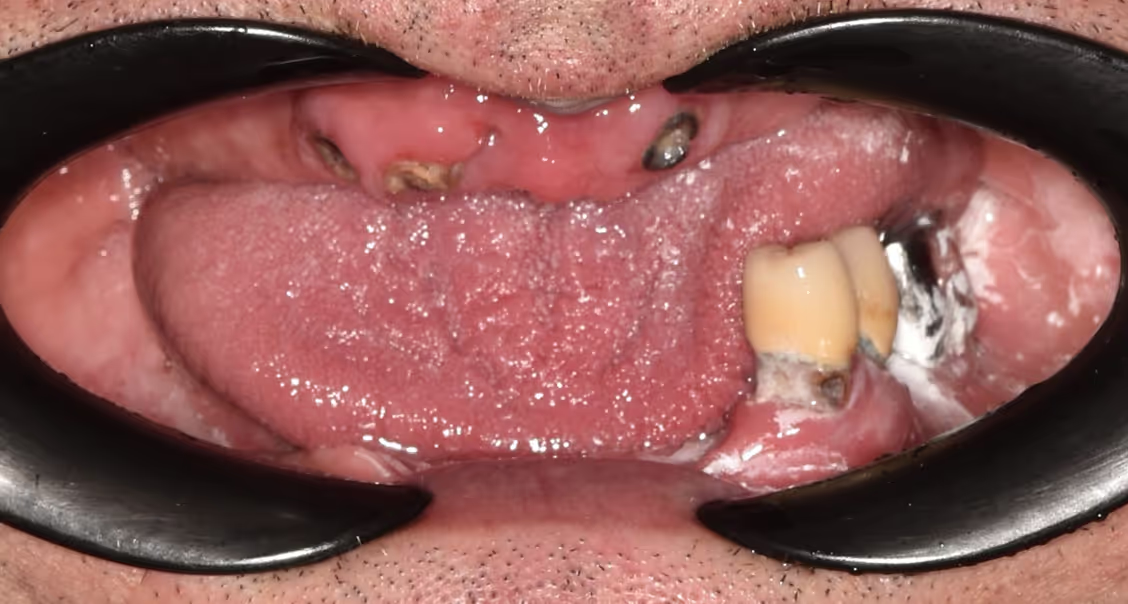
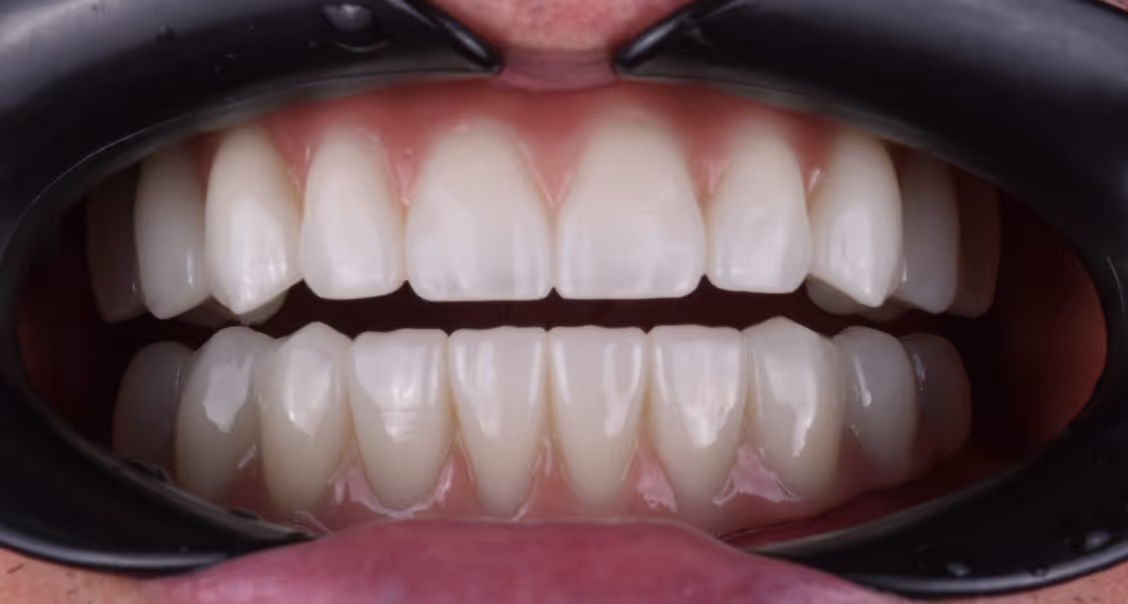
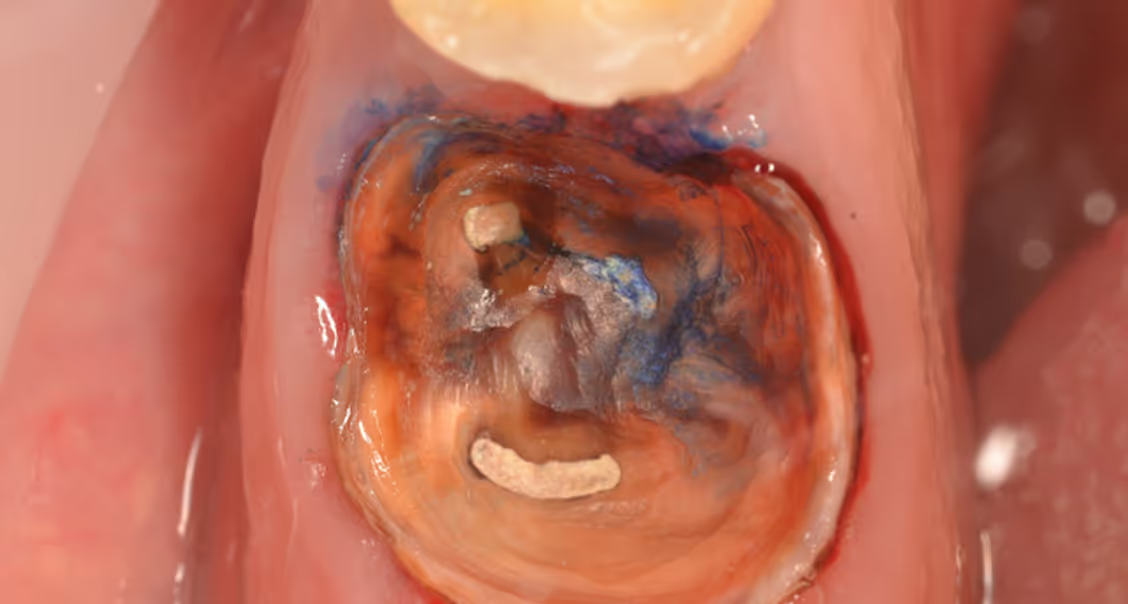
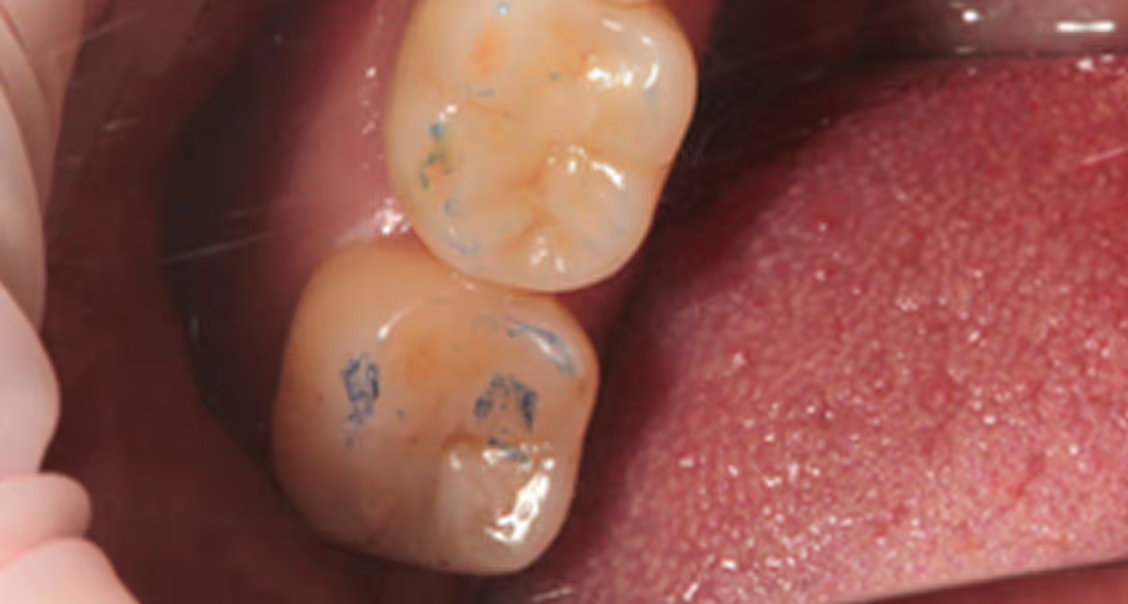
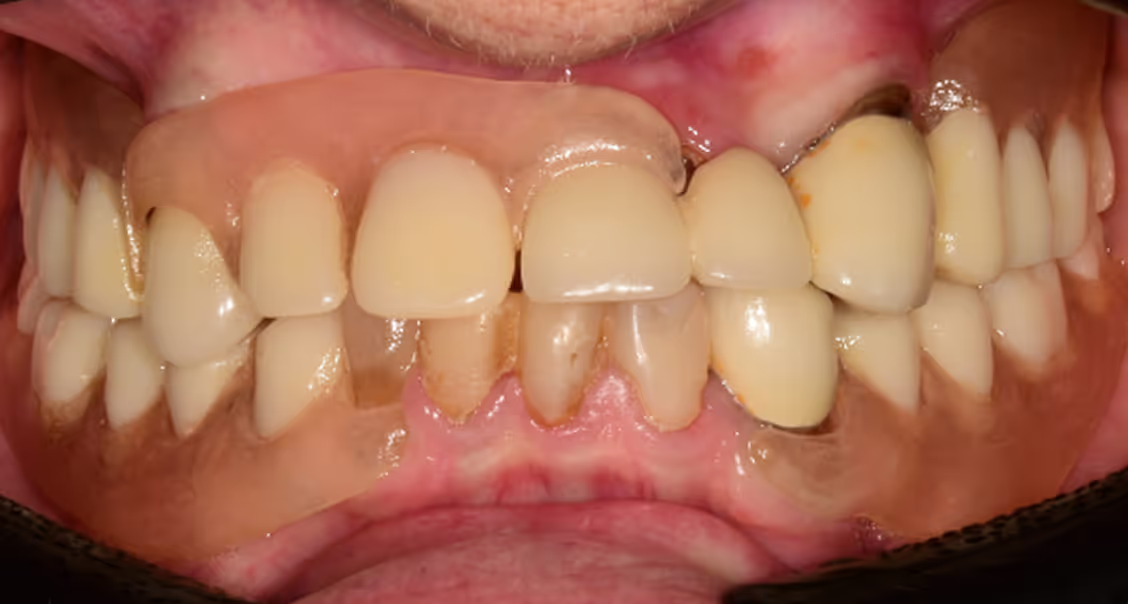
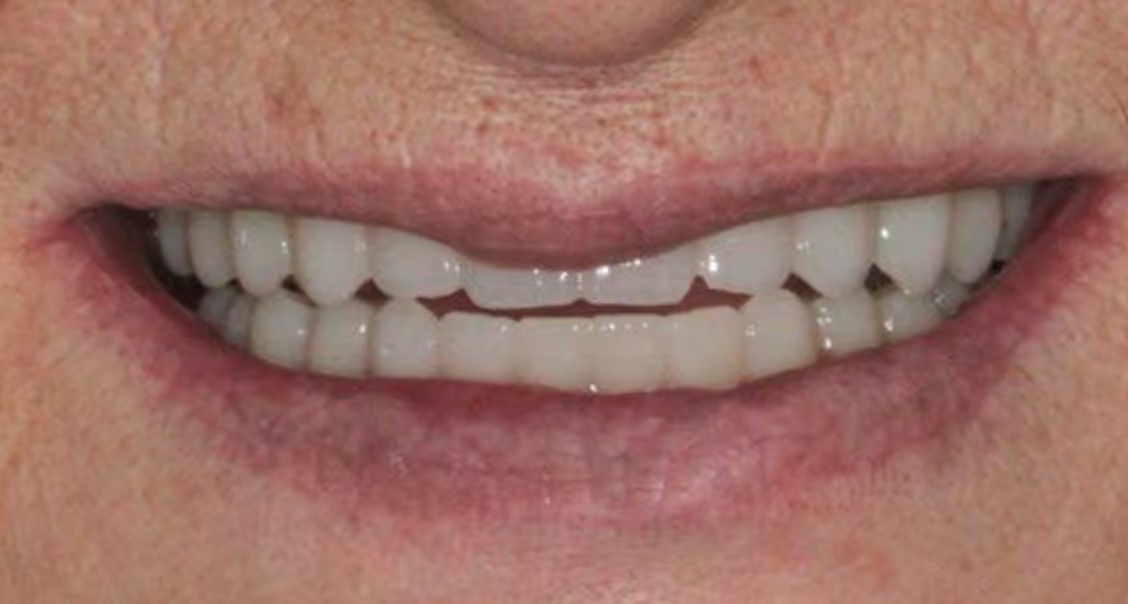
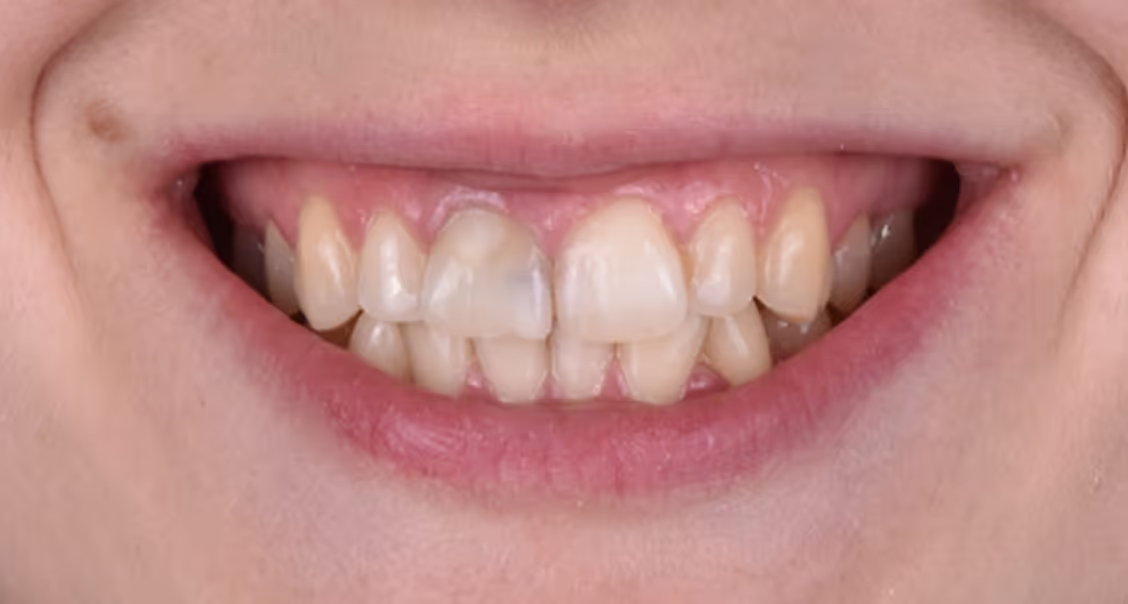
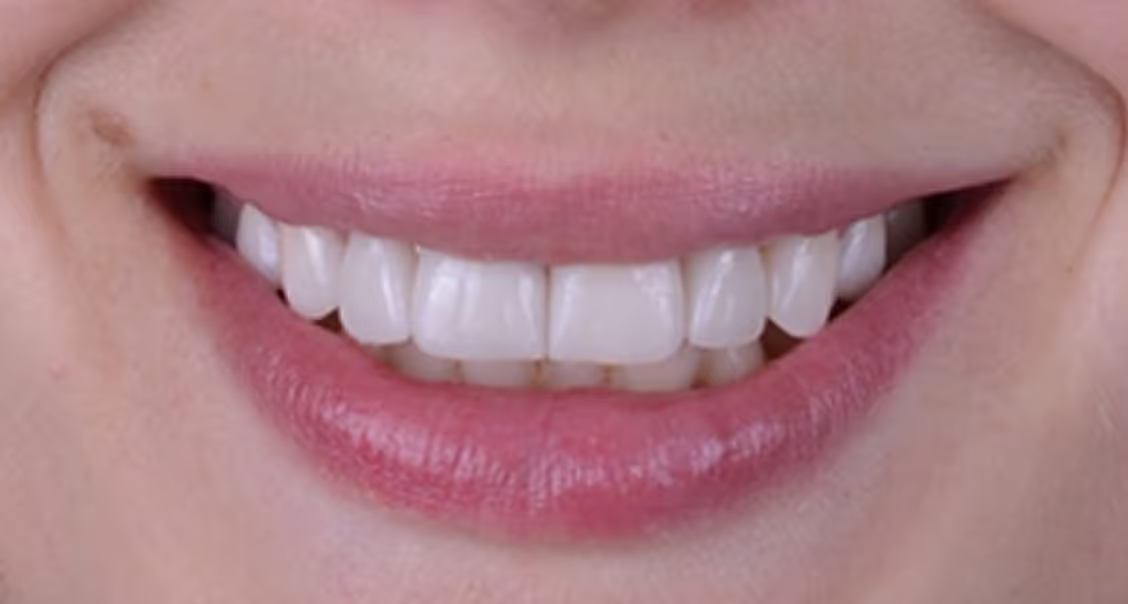
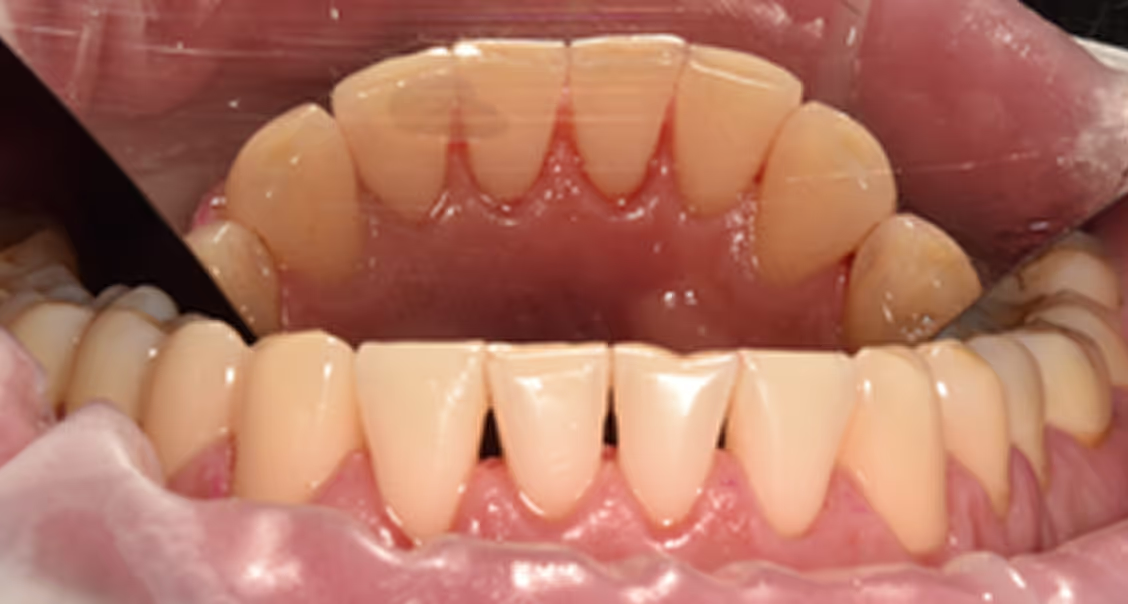
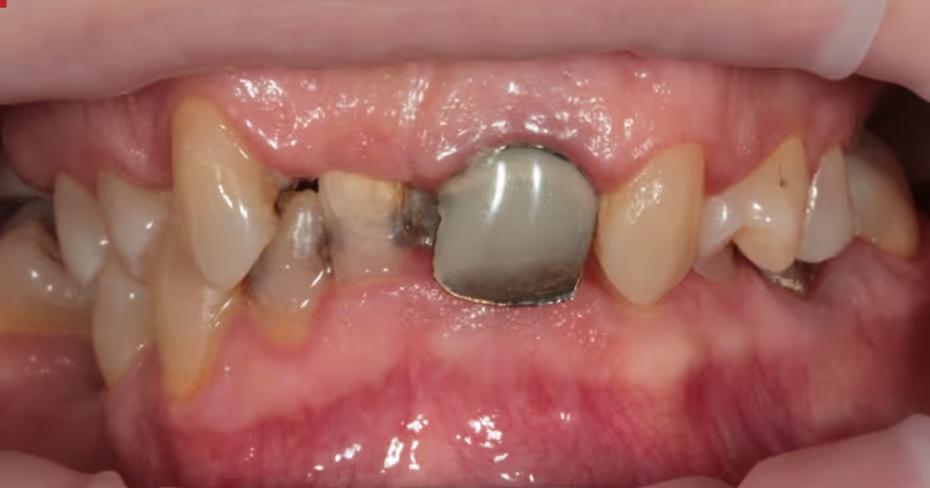
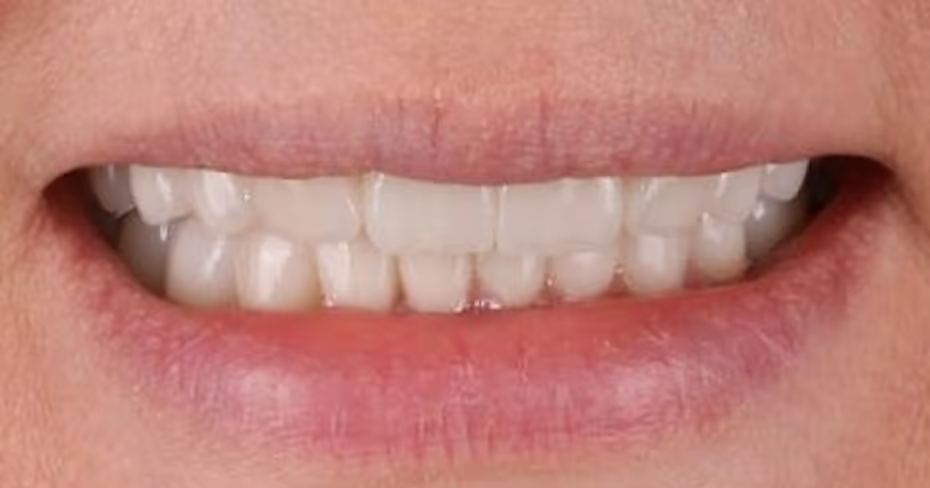
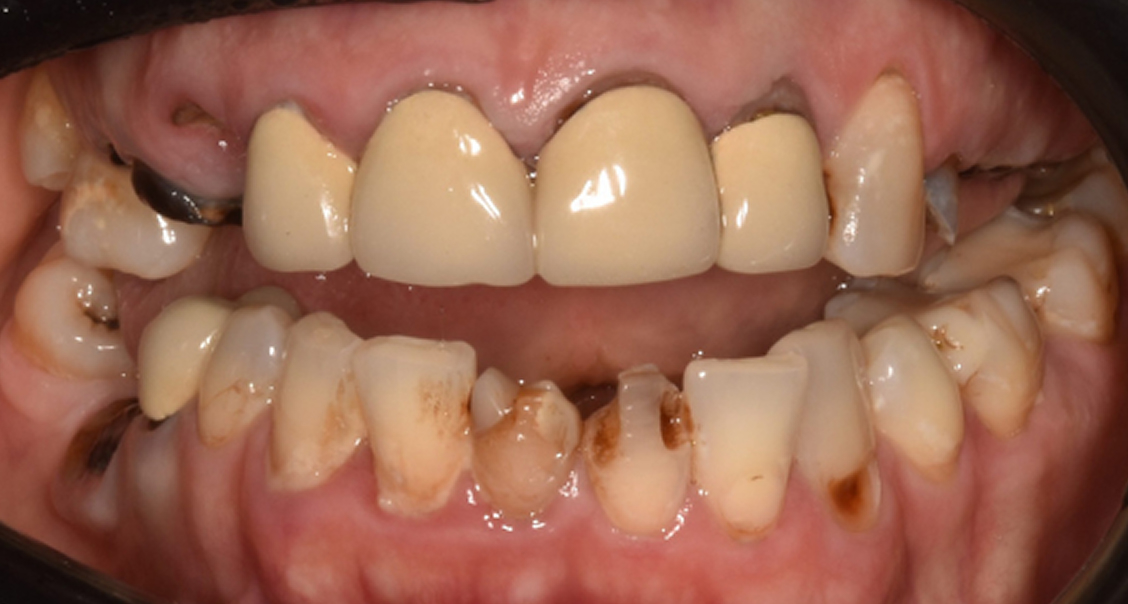
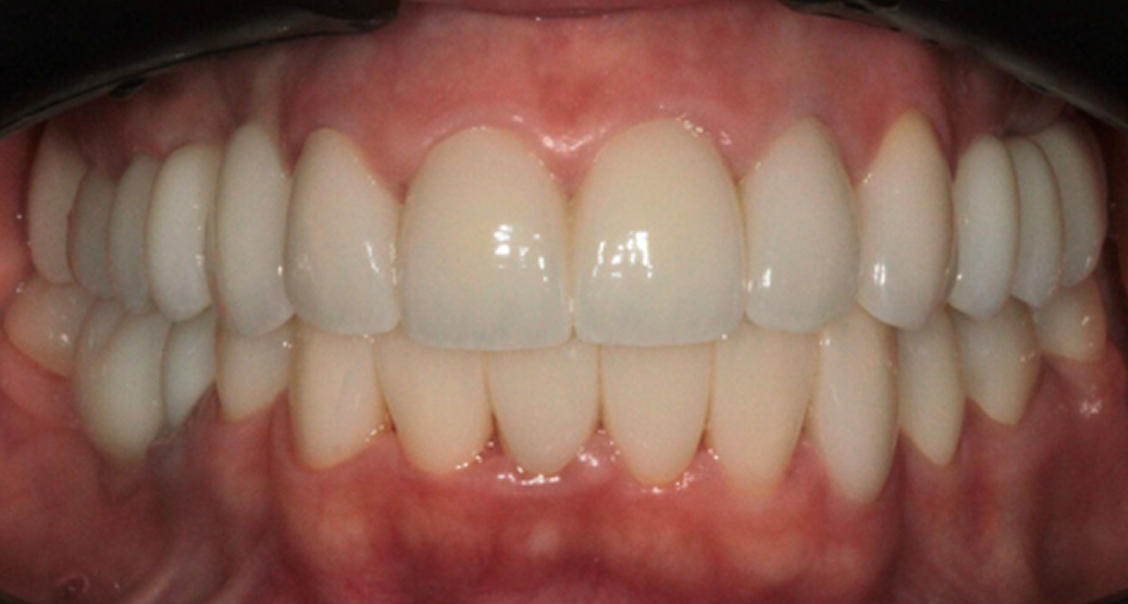
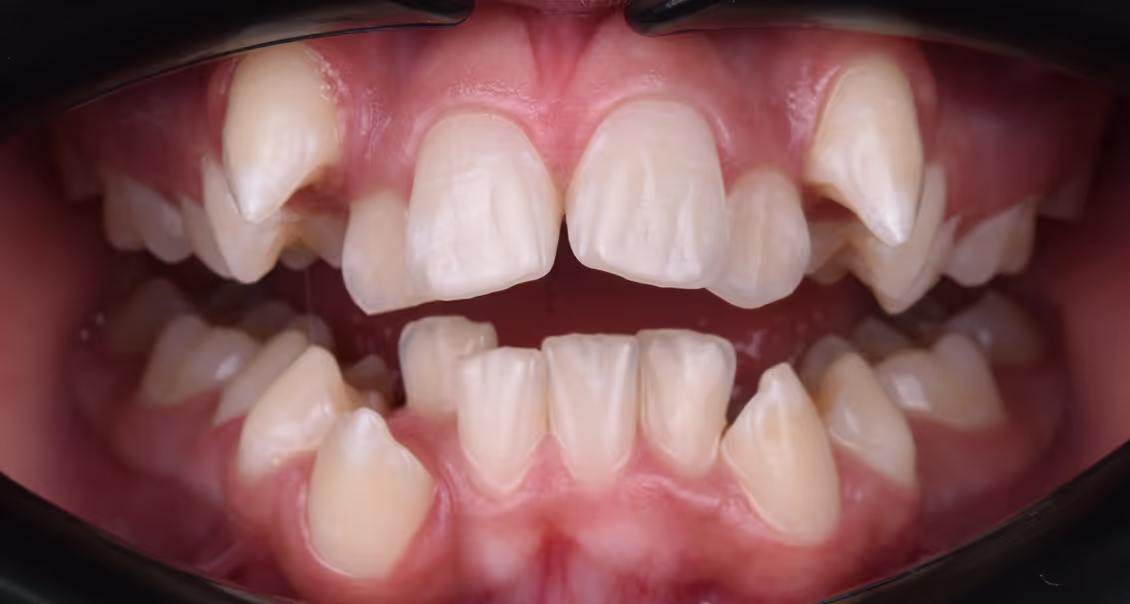
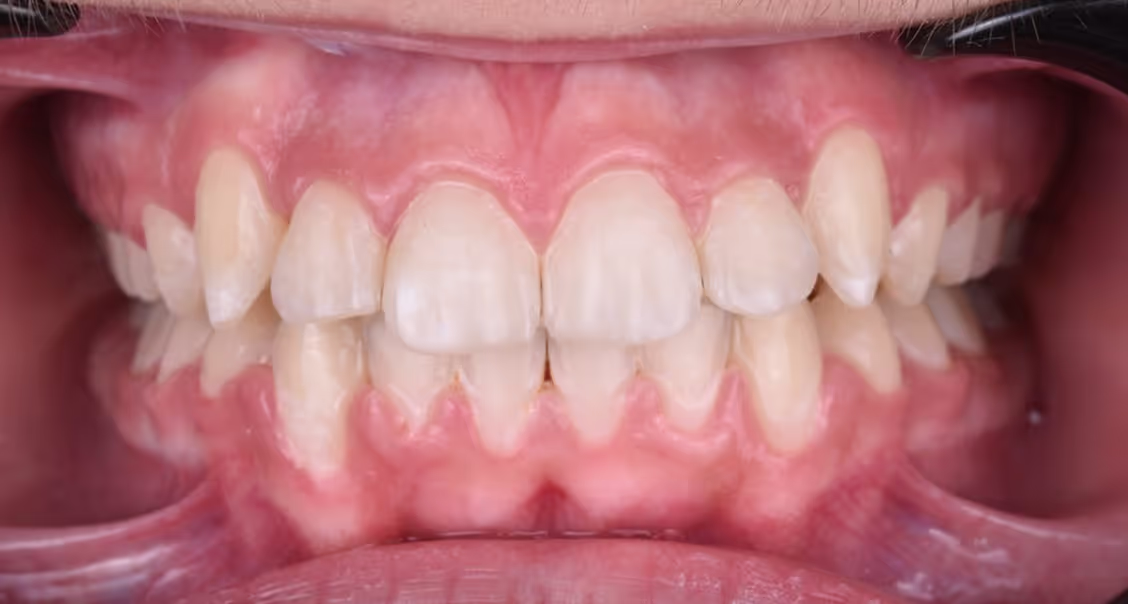
Teeth scaling — before and after
Scaling removes tartar, giving teeth a cleaner look and supporting gum health. The results of cleaning are visible right after the treatment, and the condition of the gums may gradually improve.
Why choose teeth scaling at MistoDent Kraków?
At MistoDent Kraków, professional tartar removal is part of dental prevention and caring for gum health.
- Individual hygiene assessment — we check the amount of tartar, deposits and the condition of the gums.
- Professional removal of deposits — we match the scope of cleaning to the condition of the teeth.
- Comprehensive hygiene available — scaling can be combined with air polishing, polishing and fluoridation.
- Premium EMS hygiene packages — also available for patients undergoing orthodontic treatment.
- Gum disease prevention — we watch for symptoms that need further diagnostics.
- Home hygiene instruction — we help choose ways to clean teeth and interdental spaces.
- Dental care in one place — hygiene can be combined with a dental or periodontal consultation.
How much does teeth scaling cost in Kraków?
The exact scope of the treatment depends on the amount of tartar and the condition of the gums. If needed, the specialist may also suggest air polishing or a comprehensive hygiene package.
FAQ
Answers provided by
Julia Kononova
What is teeth scaling?
Teeth scaling is a professional treatment that removes tartar from the tooth surfaces and around the gums. It is done with suitable ultrasonic or hand instruments.
What is tartar?
Tartar is mineralised bacterial plaque that forms hard deposits on the tooth surface. It cannot be effectively removed with an ordinary toothbrush, so professional cleaning is needed.
How much does teeth scaling cost?
At MistoDent Kraków, scaling one dental arch costs 150 PLN. The scope of the treatment is matched to the amount of deposits and the condition of the gums.
How much does tartar removal cost?
Tartar removal at MistoDent Kraków costs 150 PLN per dental arch. If additional hygiene treatments are needed, their scope and cost are agreed separately.
Does teeth scaling hurt?
Scaling usually does not cause severe pain, but it may involve temporary discomfort. Areas with exposed tooth necks or inflamed gums can be especially sensitive. If needed, appropriate anaesthesia can be considered.
Does scaling damage enamel?
Correctly performed scaling should not damage healthy enamel. The treatment removes hard deposits, and properly chosen instruments and technique limit the risk of damage.
How is scaling different from air polishing?
Scaling removes hard tartar, while air polishing mainly removes soft deposits and surface stains. The treatments often complement each other.
Are teeth whiter after scaling?
After tartar removal, teeth may look cleaner and lighter, but scaling does not change their natural colour. It is not an equivalent of whitening.
Does scaling help with bleeding gums?
Yes, if the bleeding is related to plaque and tartar build-up. Removing deposits and improving home hygiene can help reduce inflammation. Persistent bleeding requires diagnostics.
Can teeth hurt after scaling?
Temporary sensitivity may appear after the treatment, especially if tartar previously covered exposed parts of the roots. Symptoms usually subside gradually. If they are severe or long-lasting, see a dentist.

Medical verification
Content verified by:
Julia Kononova
Dental hygienist
Last updated: 22.10.2026
Book an appointment!
Leave your contact details in the form or message us on your preferred messenger — we'll be happy to answer your questions and help you book a visit.


