



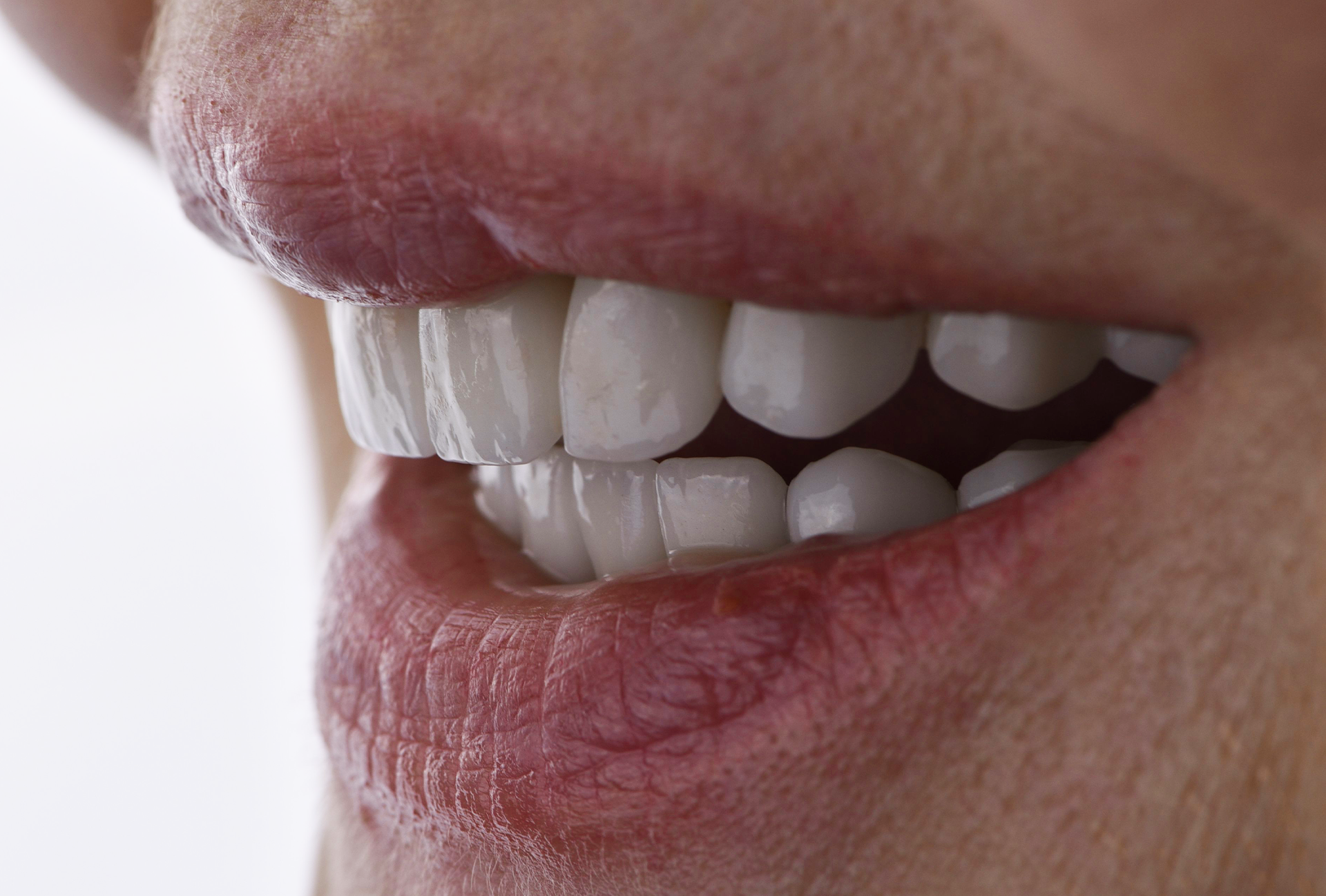
Dental crown restoration in Krakow
Restoration of a damaged, fractured or weakened tooth using modern materials and methods of conservative dentistry.
Who performs tooth crown restoration at MistoDent Kraków
At MistoDent Kraków, tooth crown restoration is performed by specialists in conservative and aesthetic dentistry, as well as post-endodontic reconstruction.


What does crown restoration involve?
Crown restoration involves restoring a lost or damaged part of a tooth to return it to its proper shape, function, and aesthetics. It may be necessary after a tooth fracture, extensive decay, the loss of a large filling, or root canal treatment.
The scope of the restoration depends primarily on the quantity and quality of the remaining tooth tissue. For smaller cavities, it is possible to use direct restoration with composite material. In cases of more extensive damage, the dentist may suggest an inlay, onlay, overlay, or a prosthetic crown.
Therefore, there is no single method suitable for every case. Before starting treatment, the dentist assesses the condition of the tooth, its structure, bite conditions, and — if necessary — performs appropriate diagnostics.
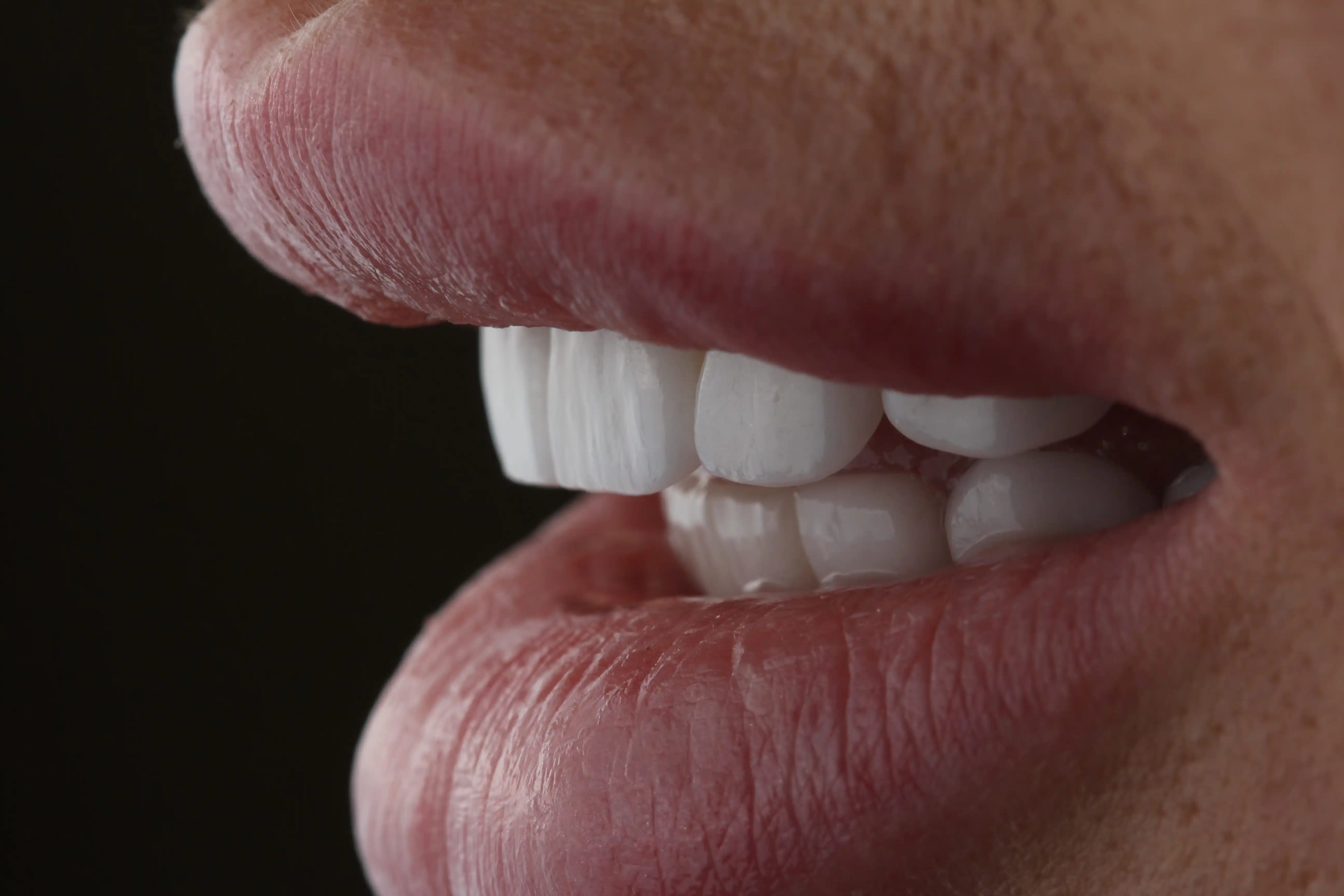
When is a crown restoration necessary?
Tooth restoration is worth considering in the case of:
- a fractured or chipped tooth — when part of the natural crown has been lost;
- extensive tooth decay — once the diseased tissue has been removed, the shape of the tooth must be restored;
- large or leaking filling — especially when the remaining tooth walls are weakened;
- tooth after root canal treatment — the tooth may require proper protection and restoration;
- tooth wear — when there is a loss of the natural height or shape of the crown;
- mechanical injury — e.g., after an impact or accident;
- irregular tooth shape — if restoration is indicated for functional or aesthetic reasons.
Important: the restoration method is chosen on an individual basis. For minor cavities, a composite may be sufficient, while a significantly weakened tooth may require an indirect restoration or a prosthetic crown.
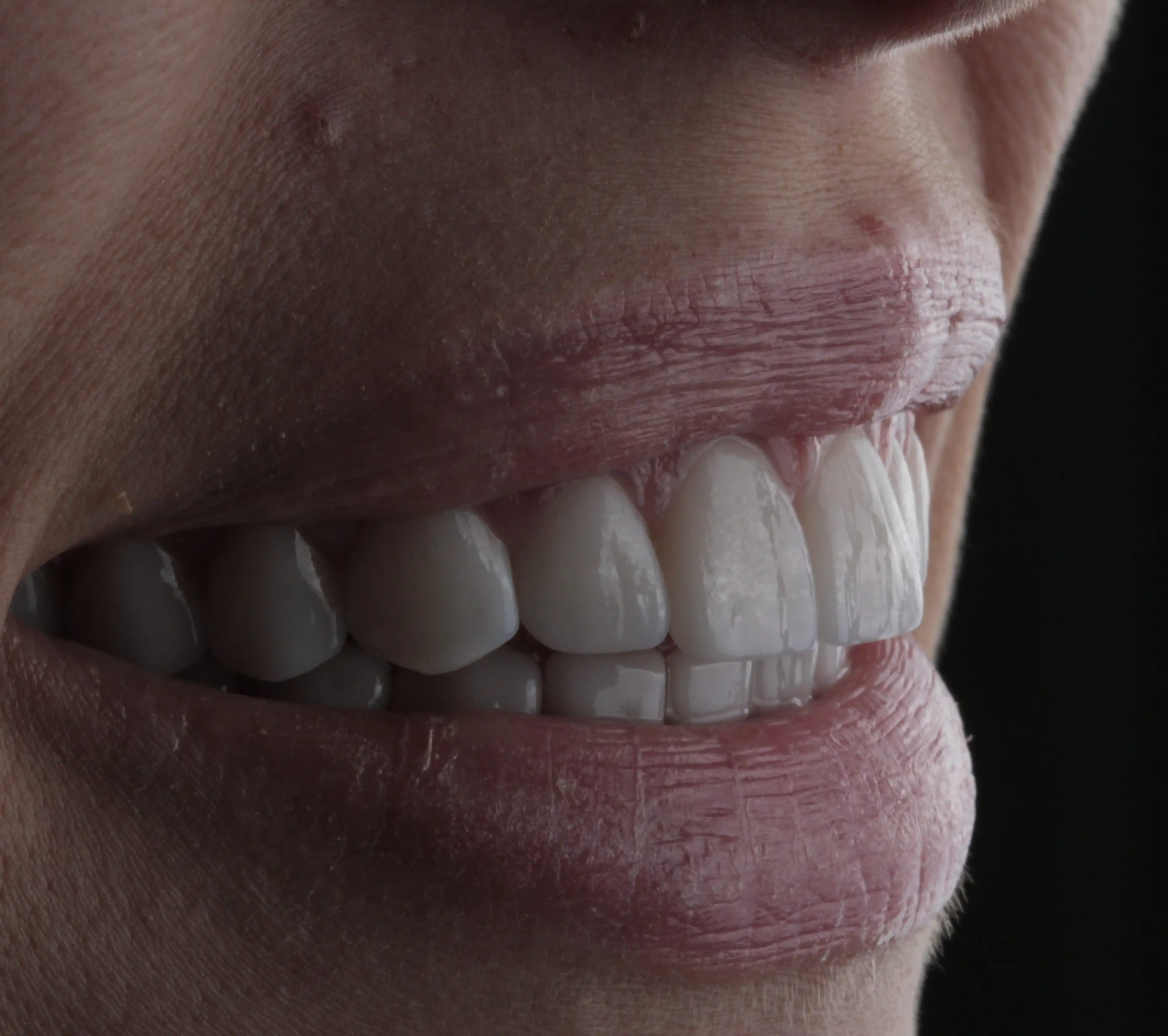
Tooth crown restoration methods
The method depends primarily on how much of the natural tooth crown has been preserved.
Composite restoration
The composite material is applied directly to the tooth and shaped by the dentist. This method restores the tooth's shape, colour and function and can often be completed in a single visit.
Inlay, onlay or overlay restoration
These solutions are used for larger cavities, when a standard filling may not be sufficient, but a full prosthetic crown is not always necessary.
Tooth restoration after root canal treatment
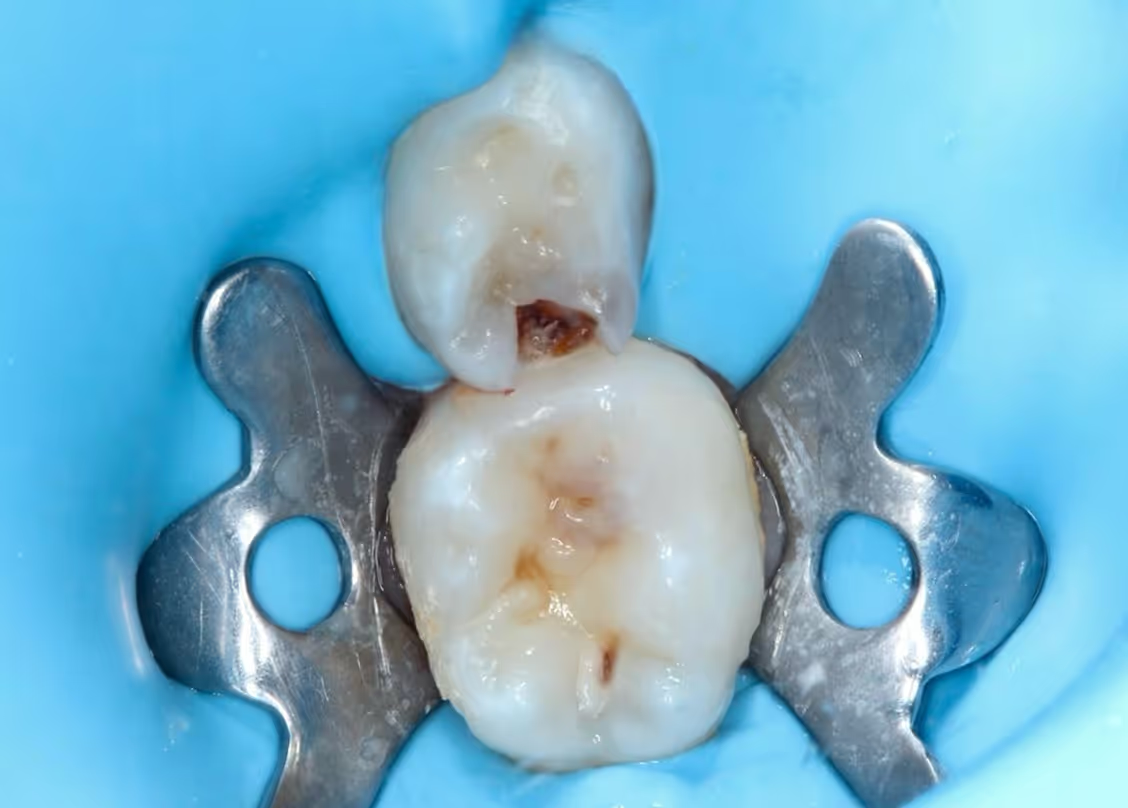
Endodontically treated teeth may require additional protection. The type of restoration depends on the amount of remaining healthy tissue and the location of the tooth. In certain cases, a composite restoration, inlay/onlay, endocrown or prosthetic crown is used.
Prosthetic crown
When the natural tooth crown is severely damaged, the dentist may recommend a prosthetic crown that covers and protects the properly prepared tooth.
The final choice of method is made after an examination and assessment of the clinical conditions.
What does the tooth crown restoration process look like?
- Consultation and diagnostics — the dentist assesses the extent of the tooth damage, the condition of the remaining tissues, and the bite conditions.
- Tooth preparation — decayed or damaged tissues are removed, along with any old, leaking fillings if necessary.
- Choosing the restoration method — the dentist determines whether a direct composite restoration is possible or if an indirect or prosthetic solution is indicated.
- Restoring the tooth crown — for a composite restoration, the dentist models the material in layers. In the case of an indirect restoration, the tooth is prepared for the appropriate prosthetic piece.
- Fitting and bite adjustment — the dentist checks the tooth contacts, the shape of the restoration, and comfort when biting.
- Finishing and polishing — the surface of the restoration is carefully shaped to achieve proper anatomy and the most natural appearance possible.
For direct composite restorations, treatment can often be completed in a single visit. More extensive reconstructions may require several stages.
Composite restoration, onlay, or crown — what should you choose?
Criterion
Composite restoration
Inlay / Onlay / Overlay
Prosthetic crown
Extent of the cavity
Small or medium
Medium or large
Significant tooth damage
Execution method
Directly in the oral cavity
Indirect restoration
Prosthetic restoration covering the tooth
Tissue intervention
Usually the smallest
Depends on the clinical situation
Usually requires more tooth preparation
Number of visits
Often 1
Depends on the technology
Depends on the treatment plan
Aesthetics
High
High
High
Application
Sufficient tooth structure remaining
Larger cavities requiring reinforcement
Severely weakened or damaged tooth
Which method is best? You shouldn't choose based solely on price or aesthetics. The amount of remaining tooth structure, the tooth's position, its condition after root canal treatment, and the forces exerted during biting are all key factors.
Restoring the tooth crown after root canal treatment
A tooth after root canal treatment often has significant tissue loss due to previous decay, fractures, or prior procedures. Therefore, once endodontic treatment is complete, it is essential to choose a restoration that will restore the tooth's function and properly protect the remaining tissue.
Not every tooth requires a crown automatically after root canal treatment. Depending on the clinical situation, the dentist may use a composite restoration, an onlay/overlay, an endocrown, or a prosthetic crown.
The decision is made after assessing the amount of remaining tissue, the tooth's location, and its load during biting.
Durability and safety of tooth crown restoration
How long does a tooth restoration last? Durability depends on the method and material used, the size of the cavity, the tooth's location, bite conditions, and oral hygiene. Therefore, it is impossible to define a single lifespan that applies to all types of restorations.
Is tooth crown restoration safe? Yes, provided the tooth is correctly assessed for the specific method and the procedure is performed properly. It is also essential to treat any existing decay, inflammation, or other diagnosed issues beforehand.
Can a restored tooth break? Yes. No restoration completely eliminates the risk of damage. This risk is higher in cases such as significant loss of natural tooth structure, heavy bite forces, or bruxism. Therefore, in such cases, the dentist may recommend additional tooth protection or treatment for the underlying cause of the stress.
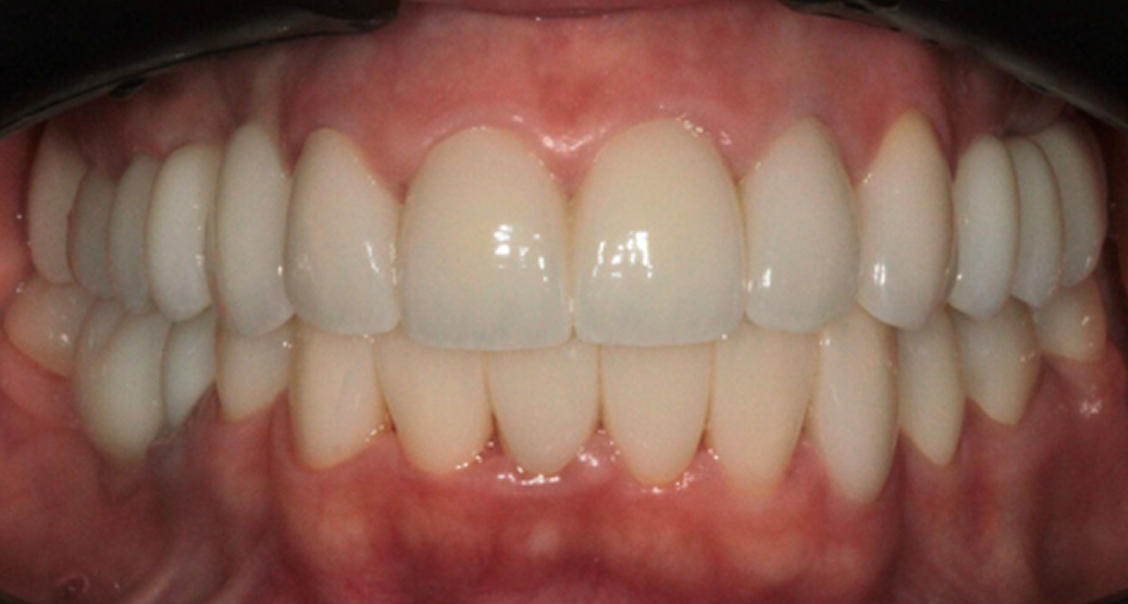
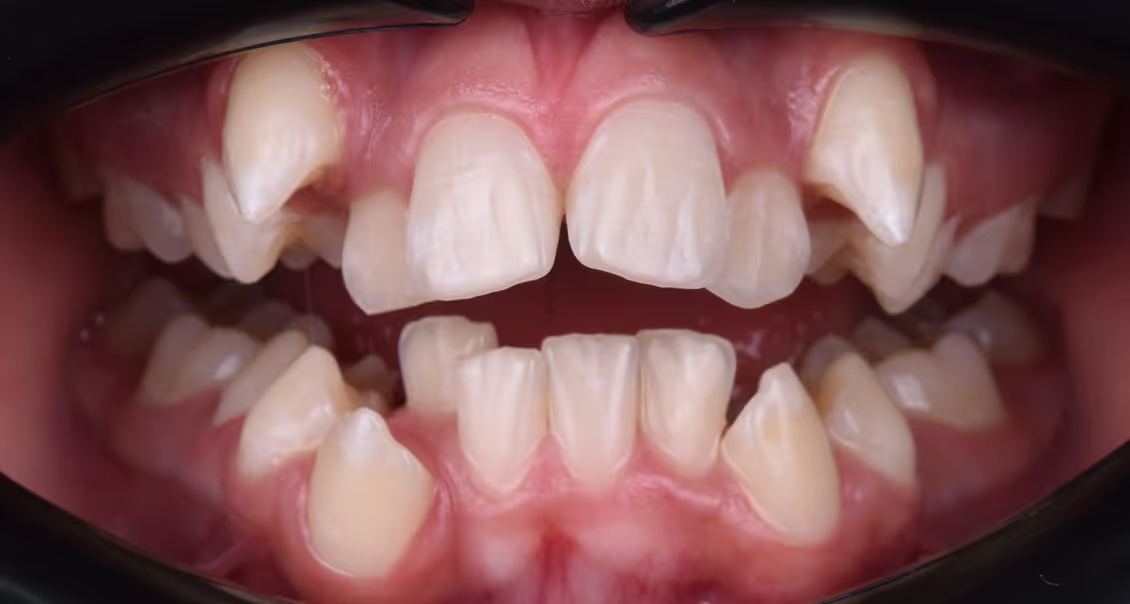
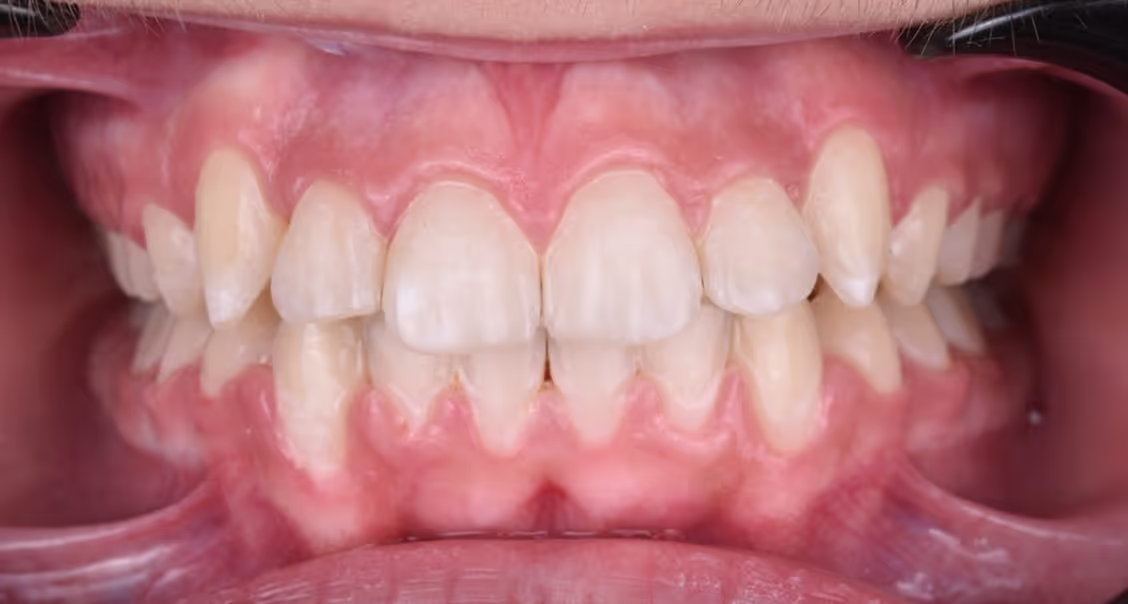
Results of tooth crown restoration
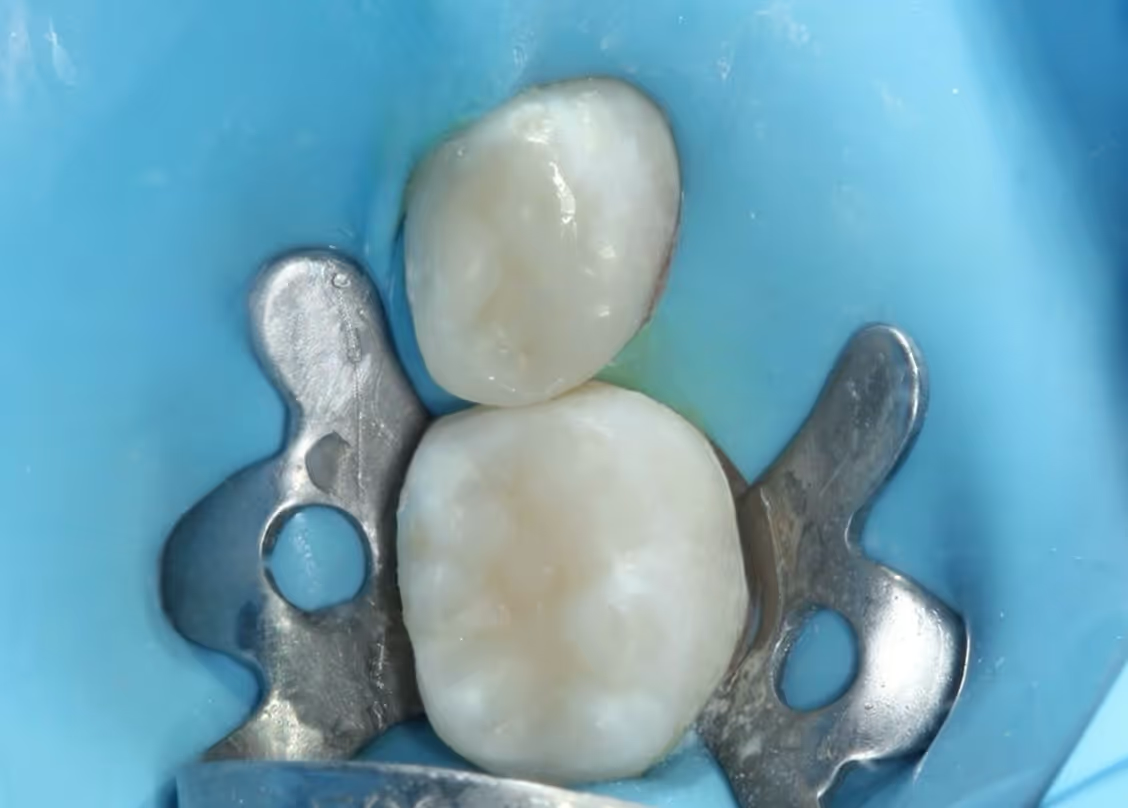
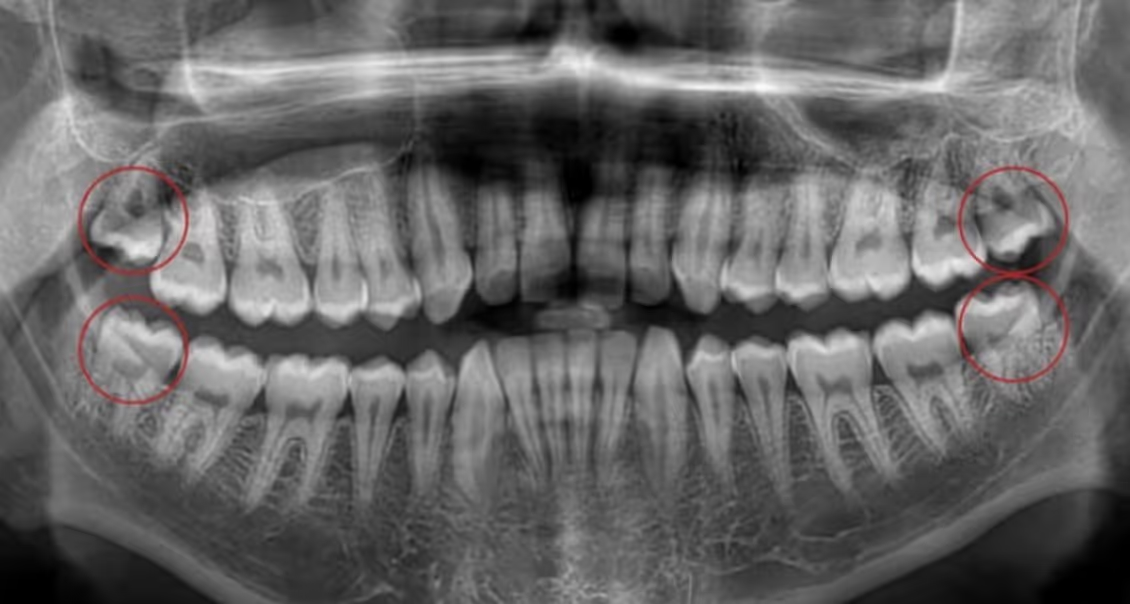
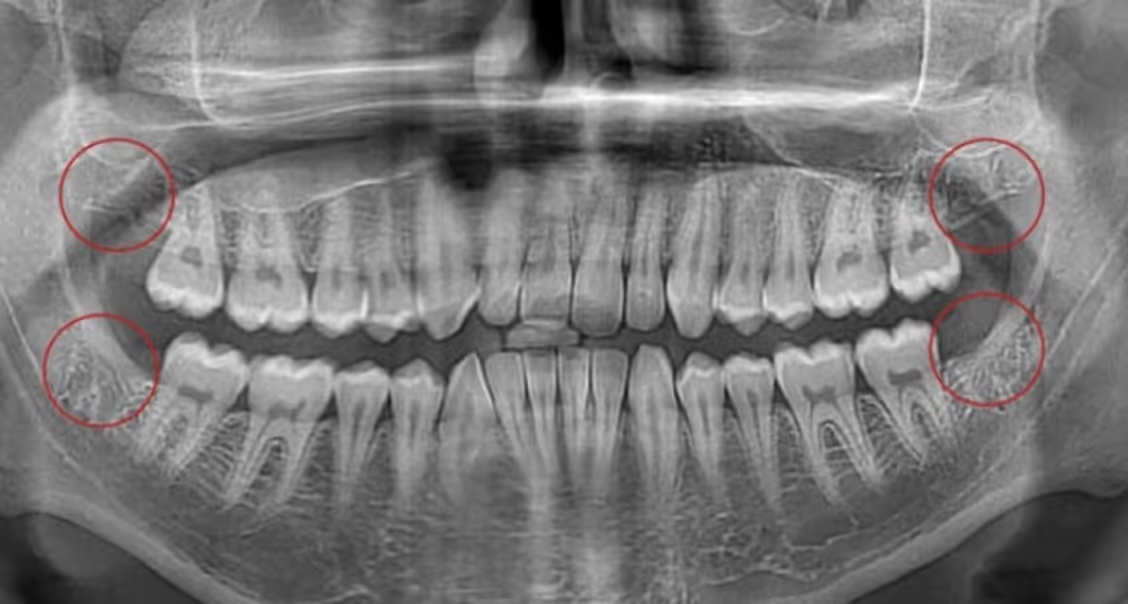
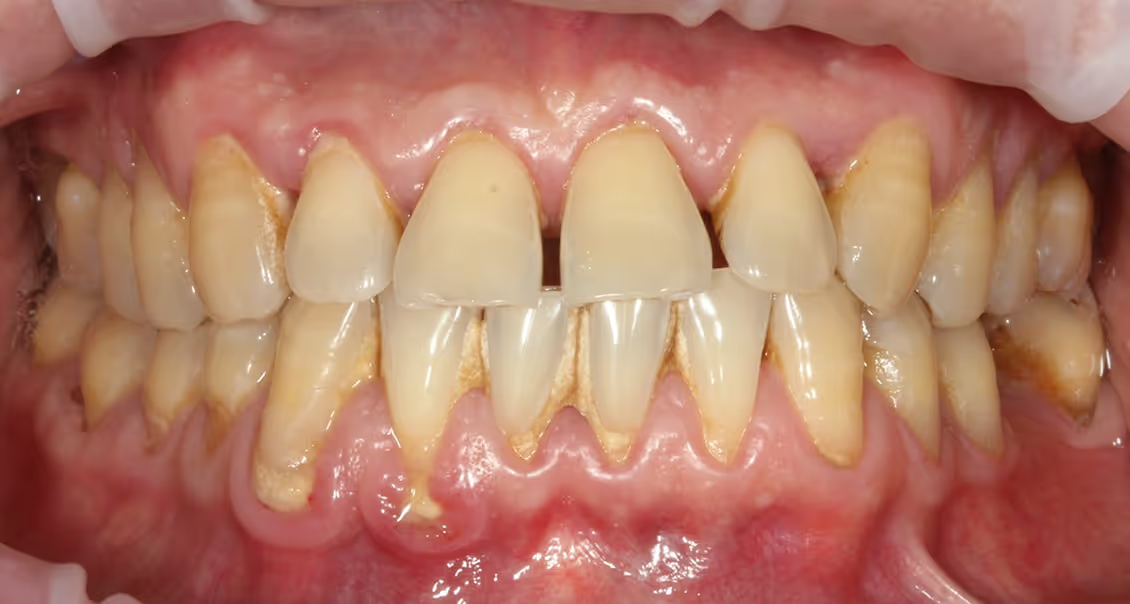
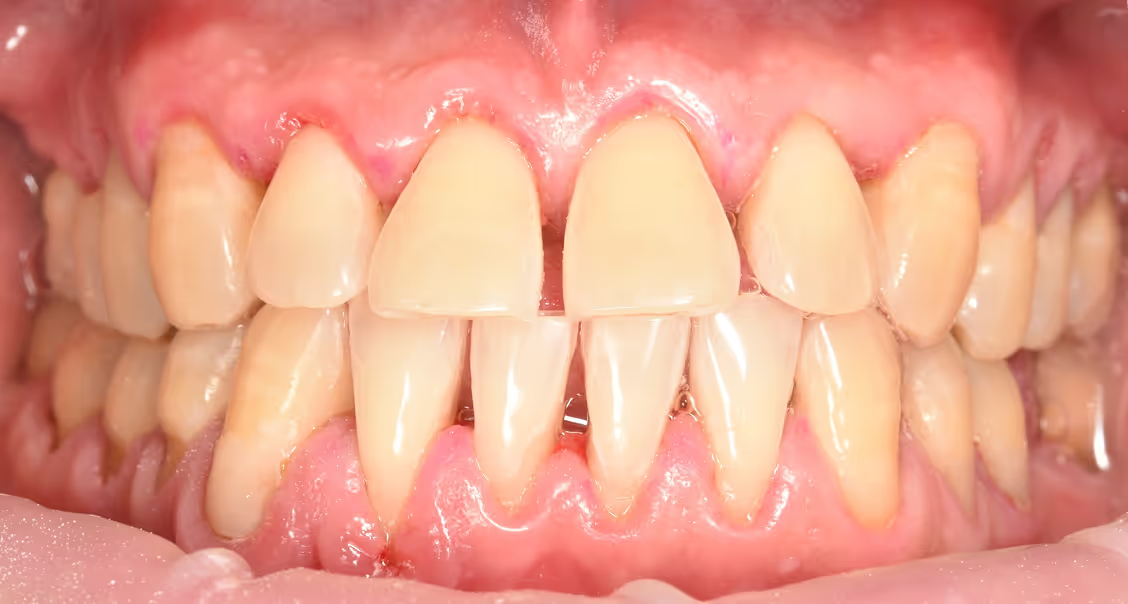
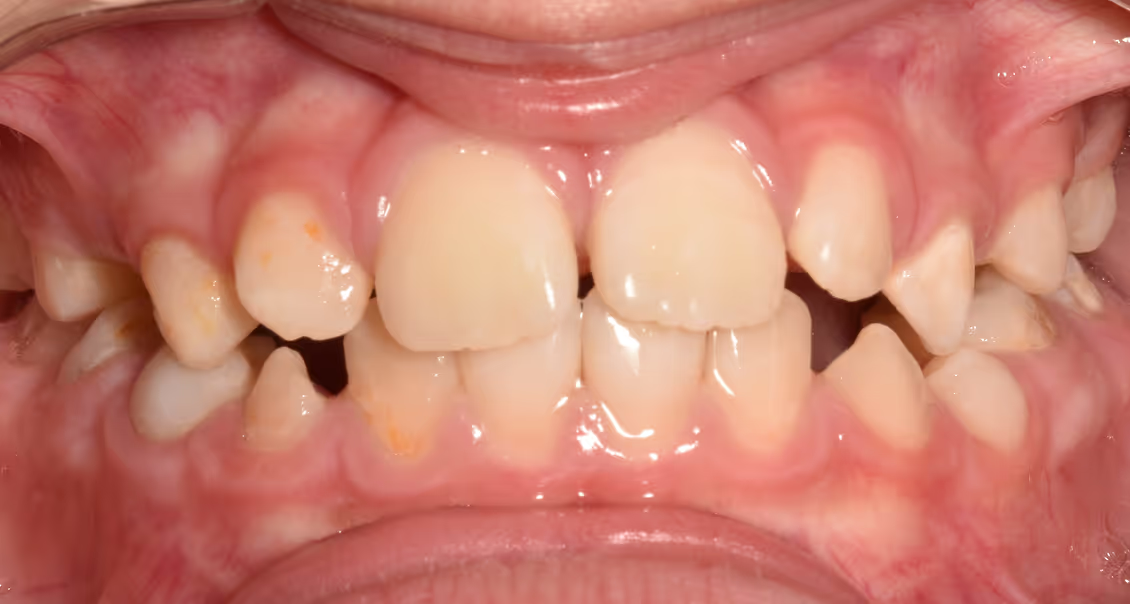
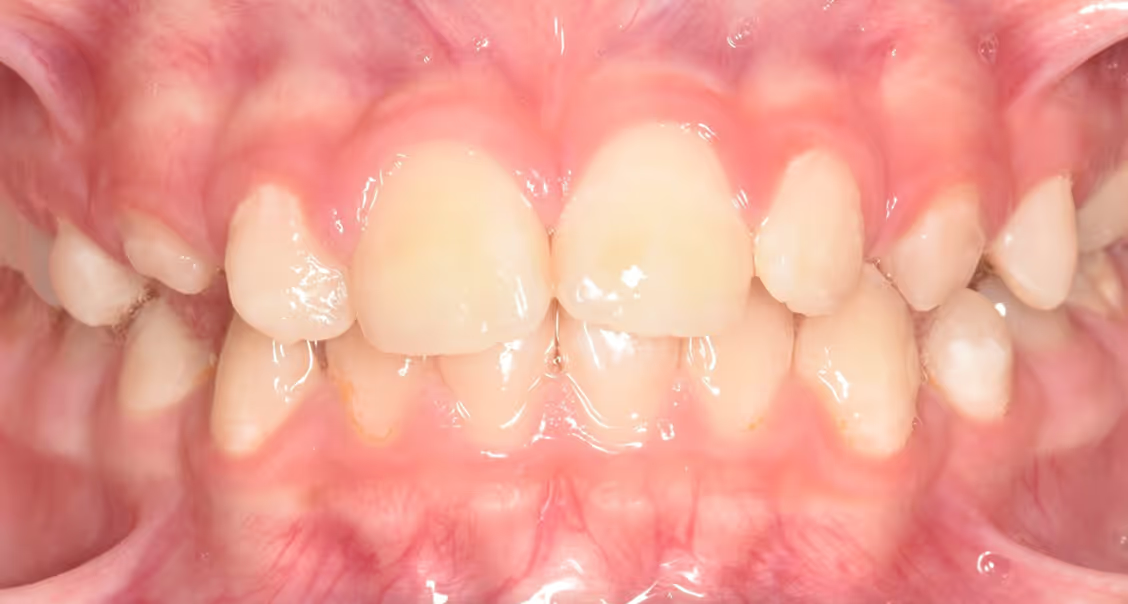
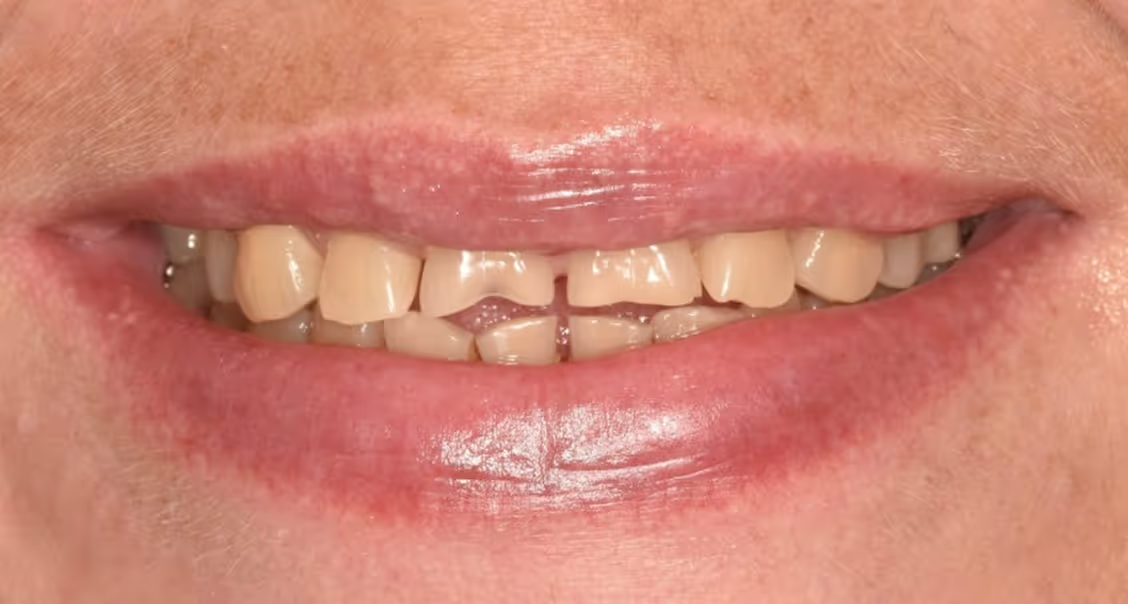
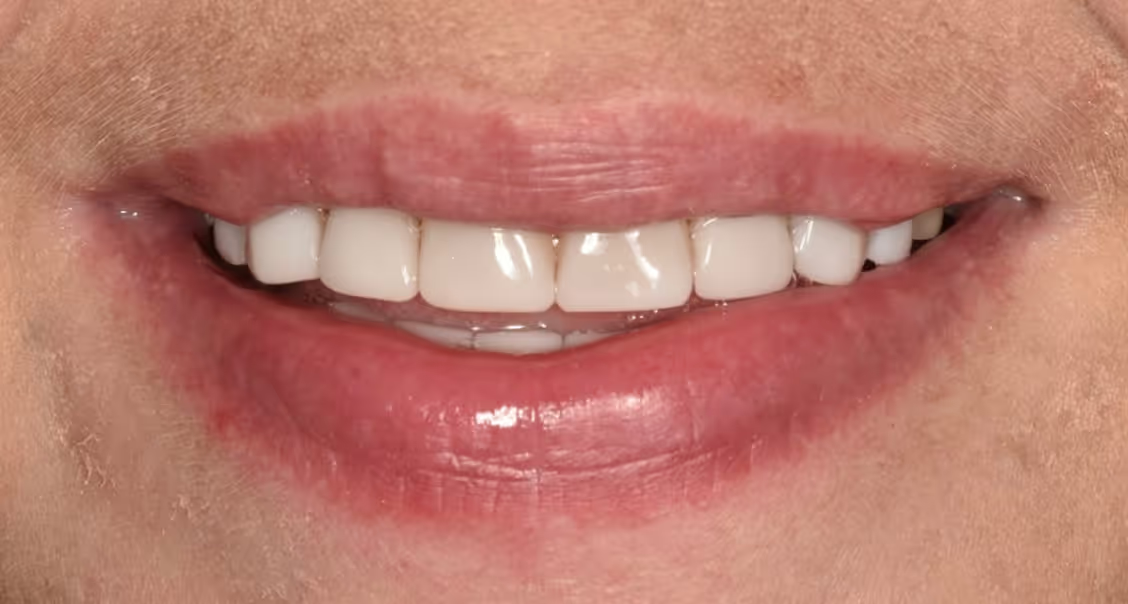
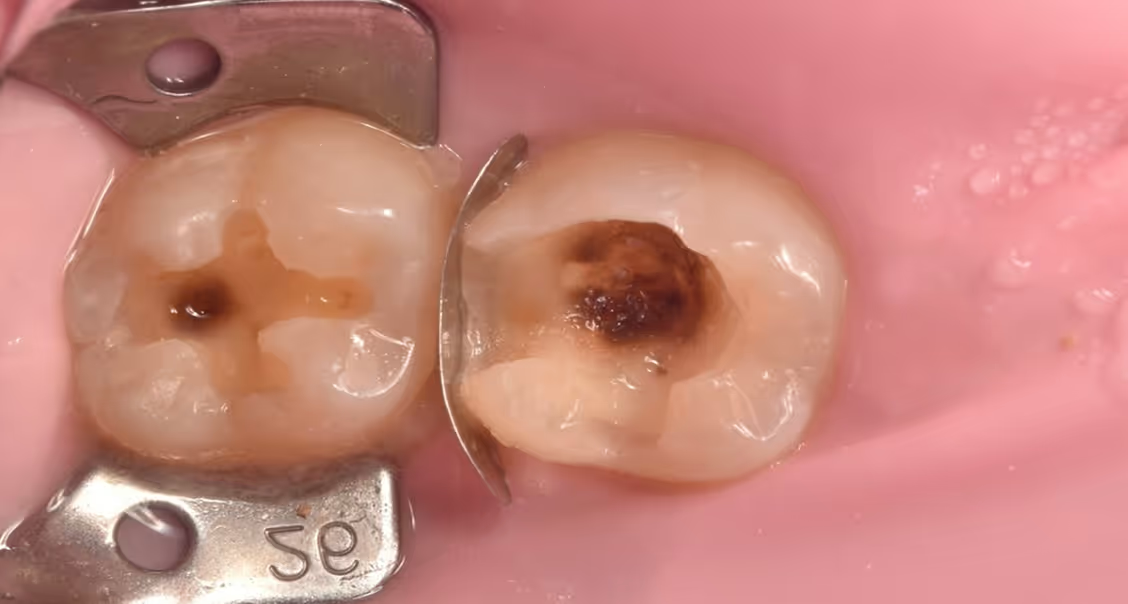
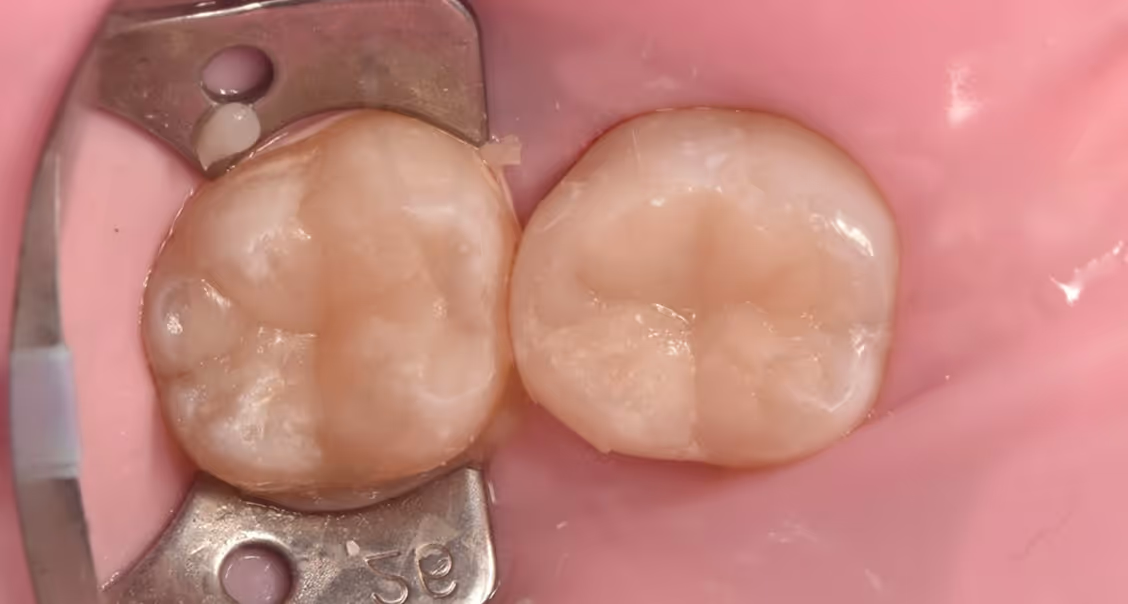
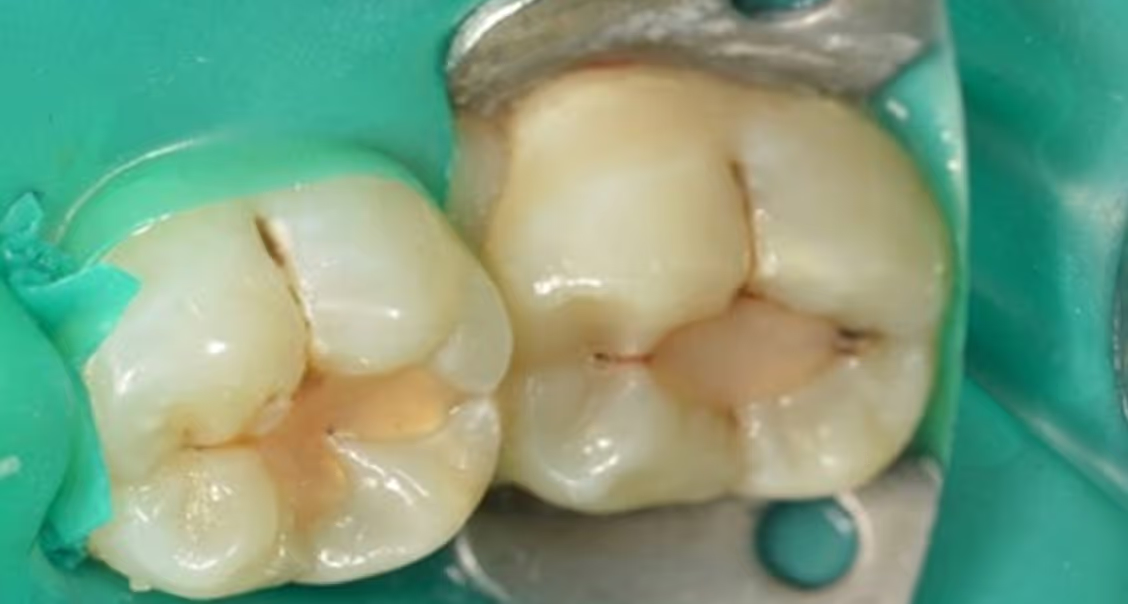
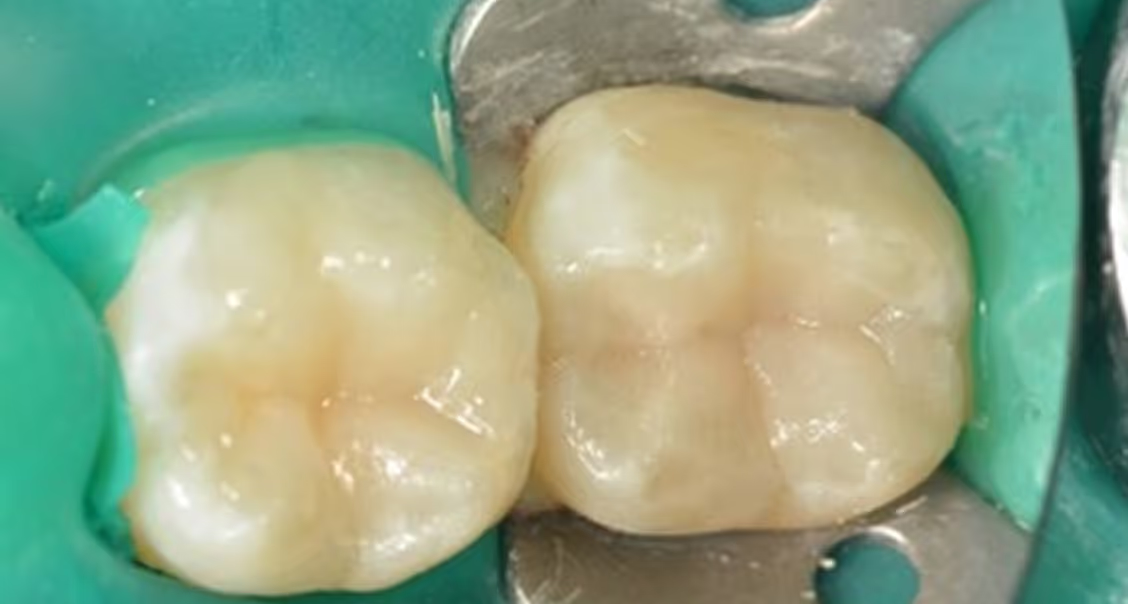
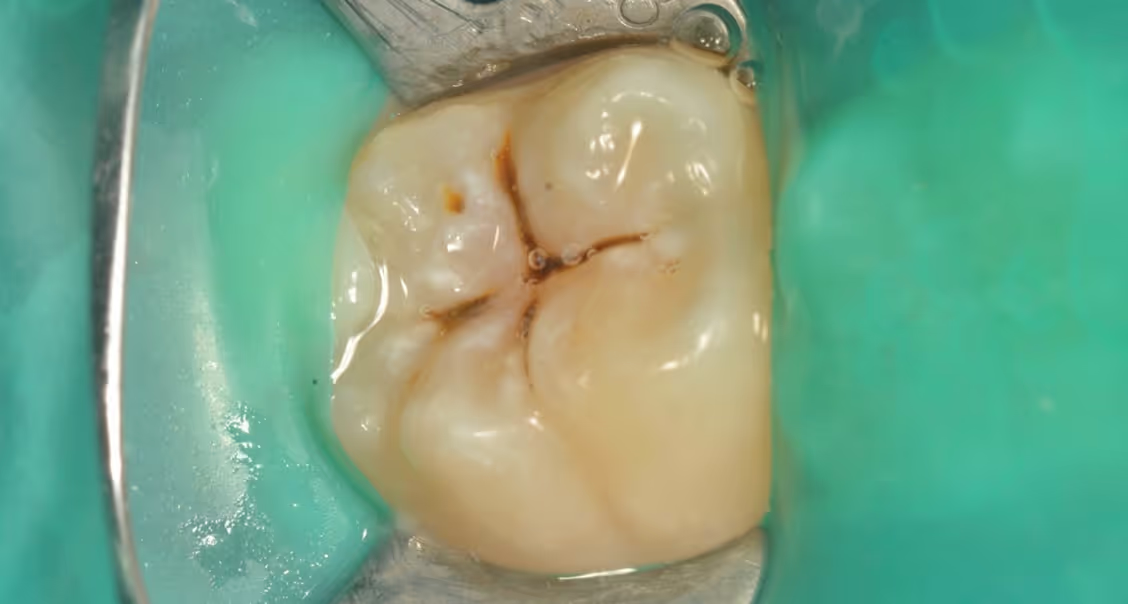
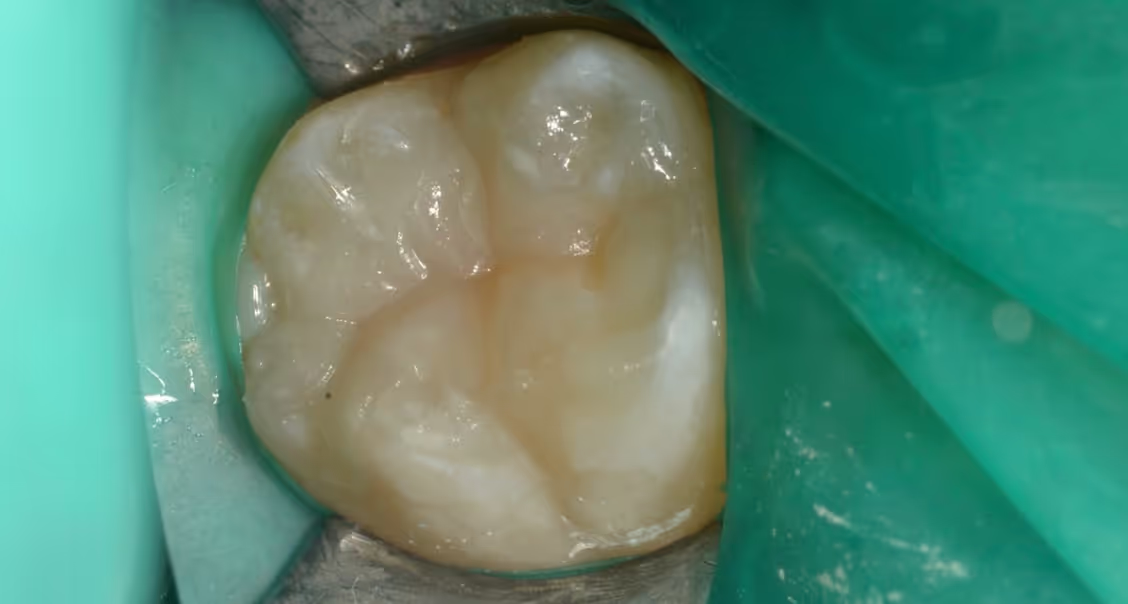
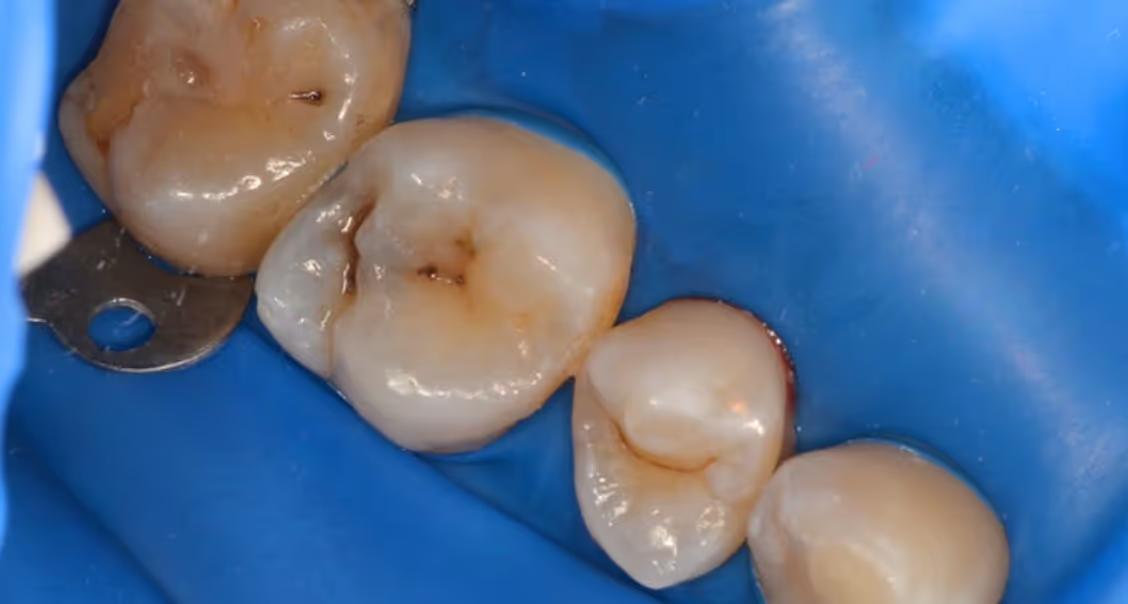
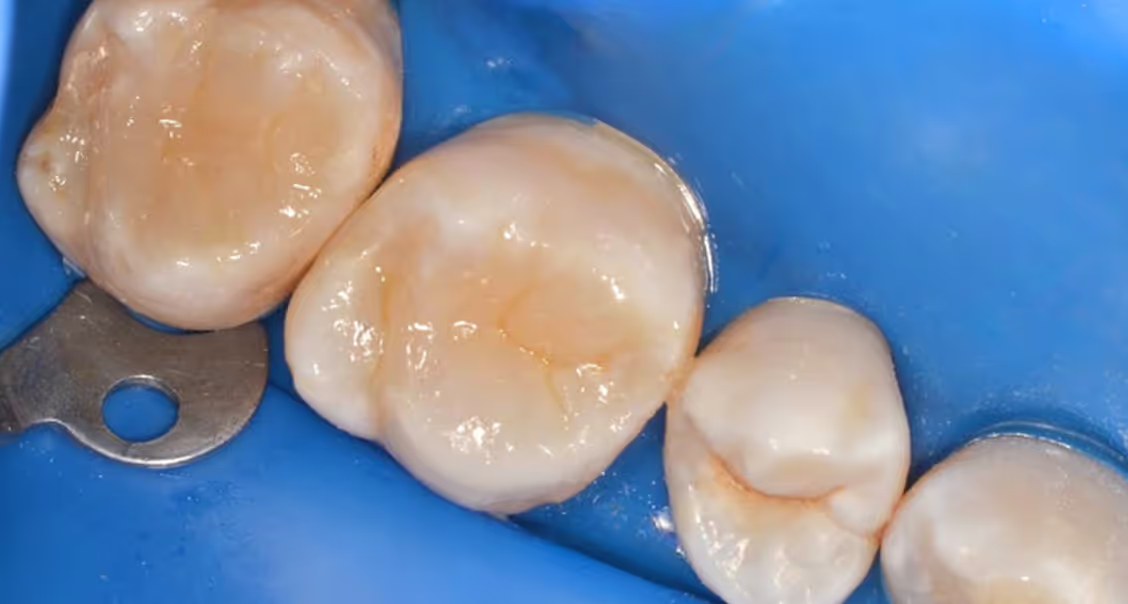
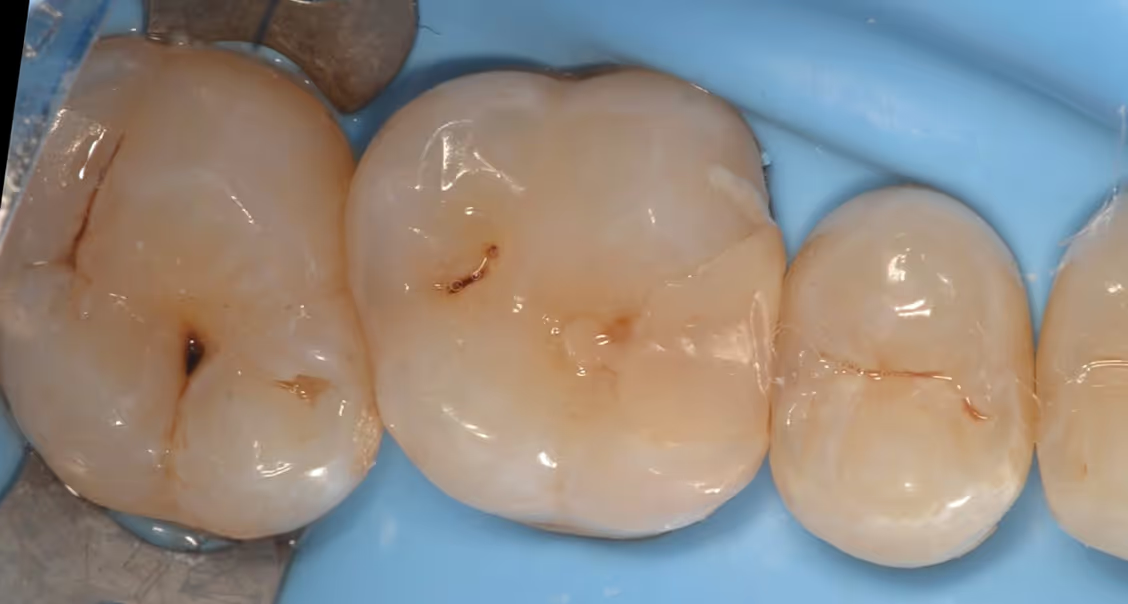
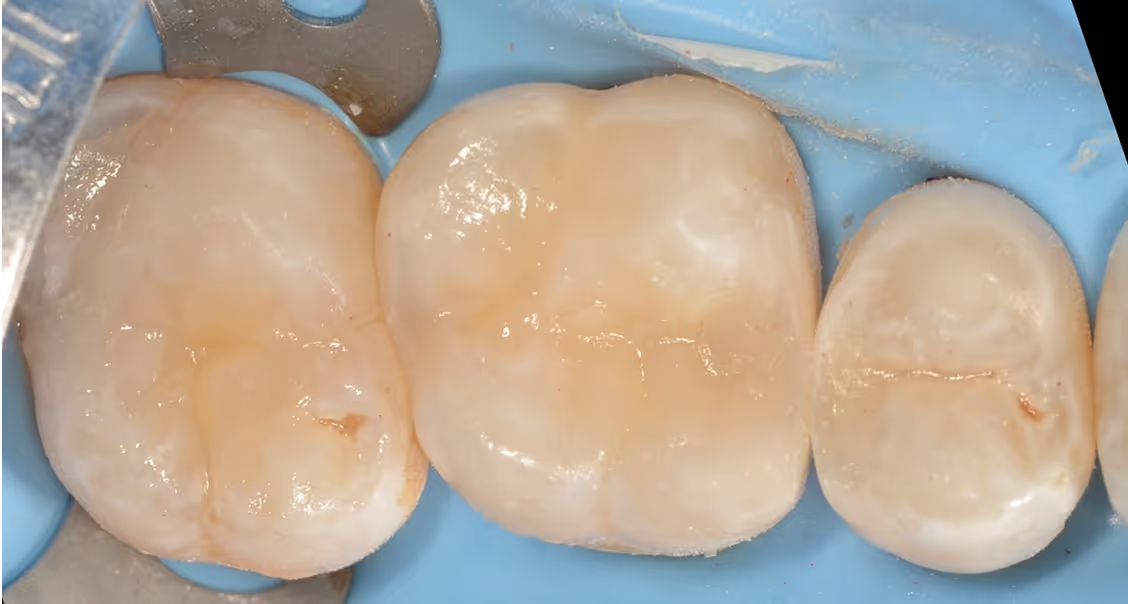
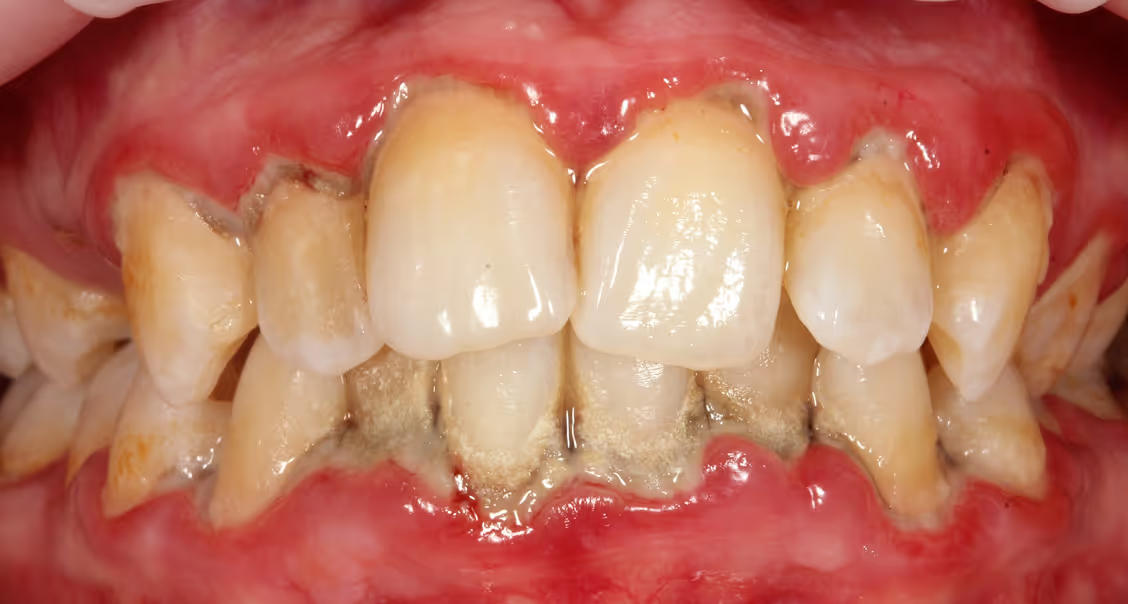
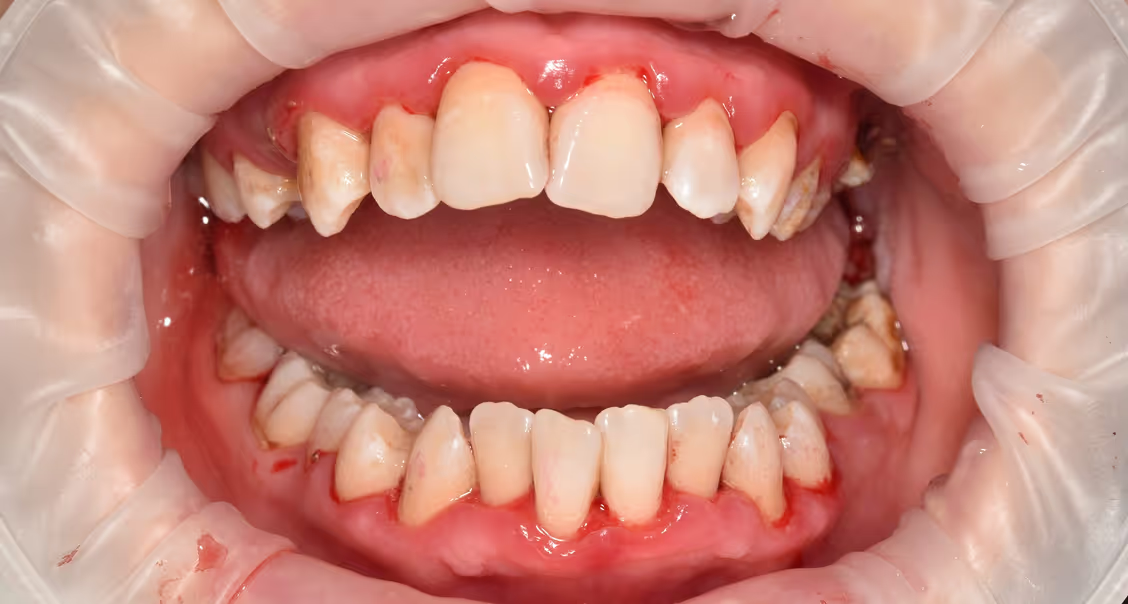
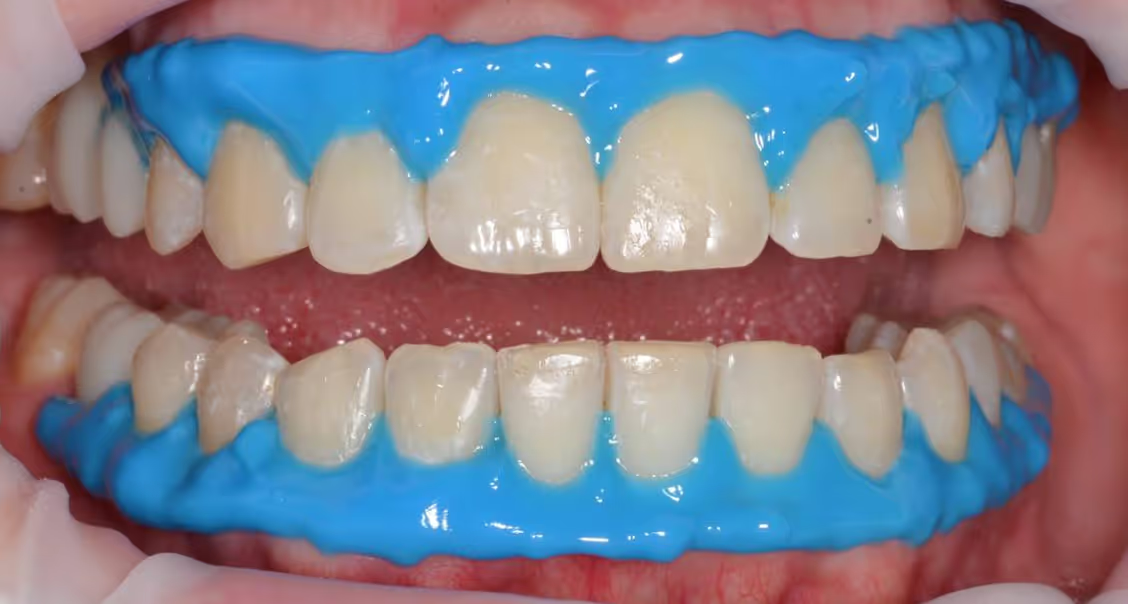
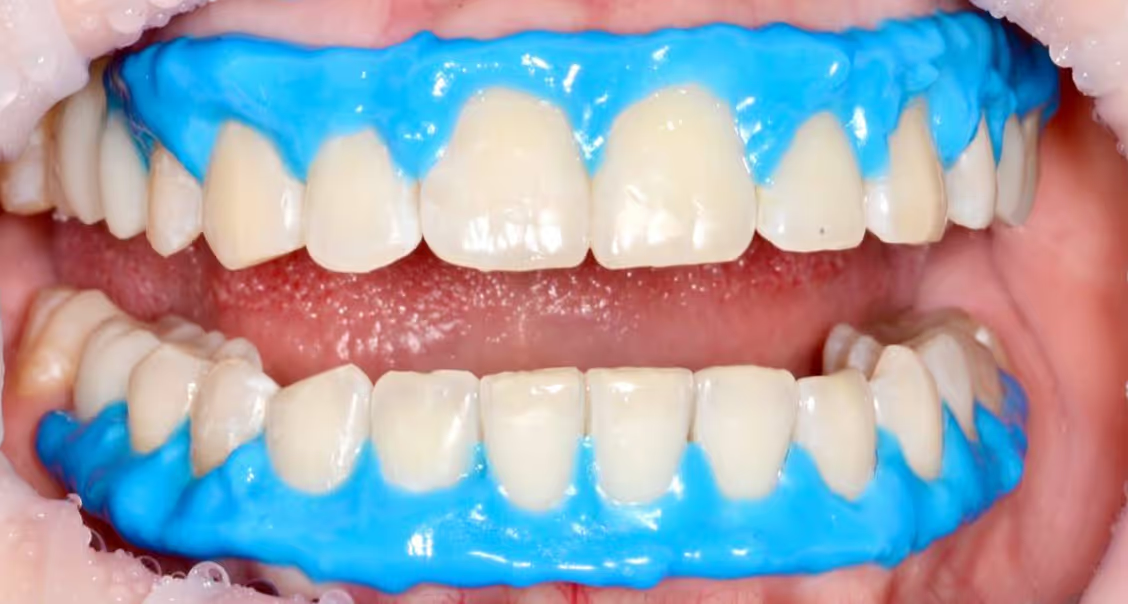
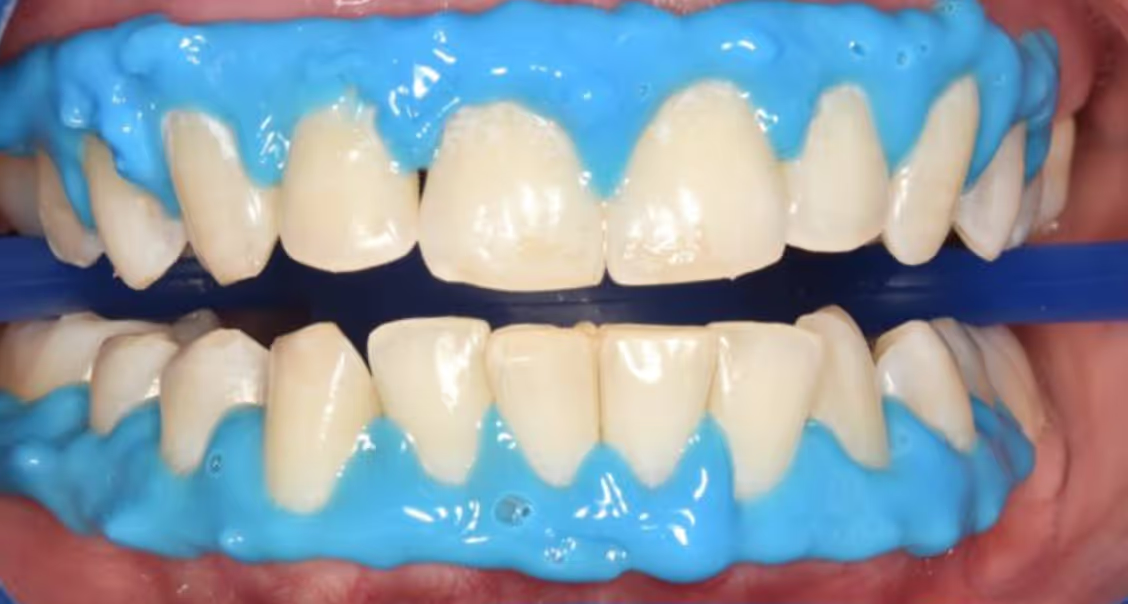
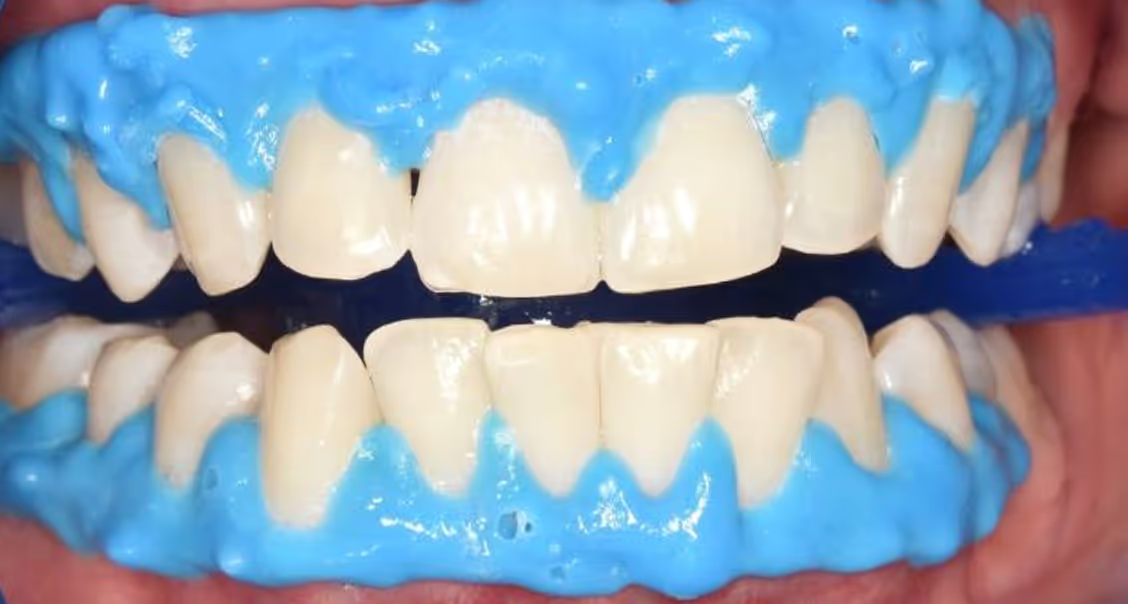
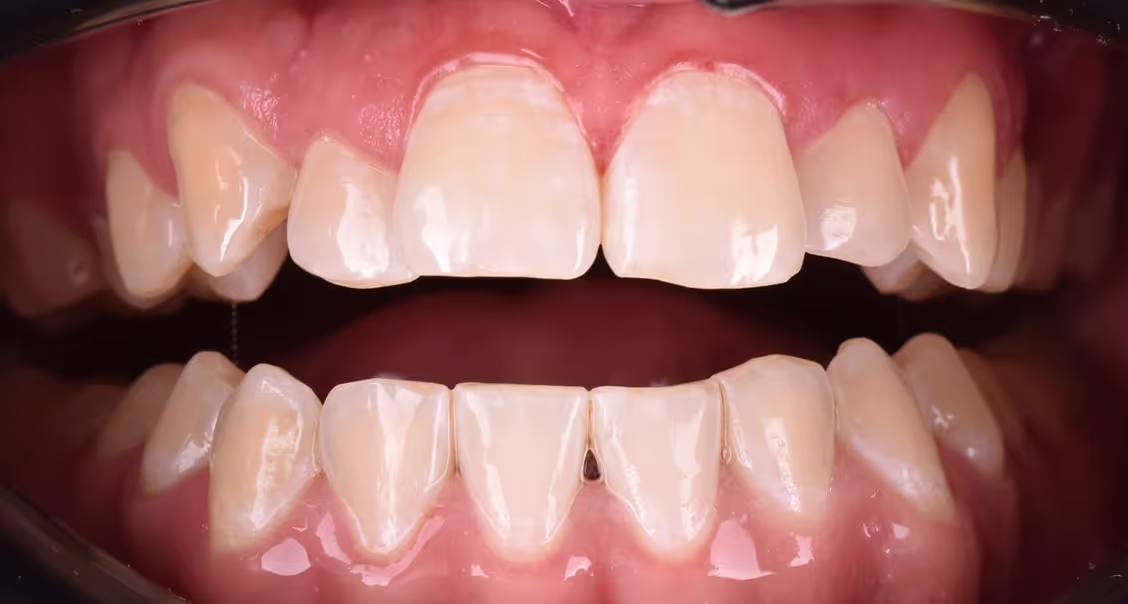
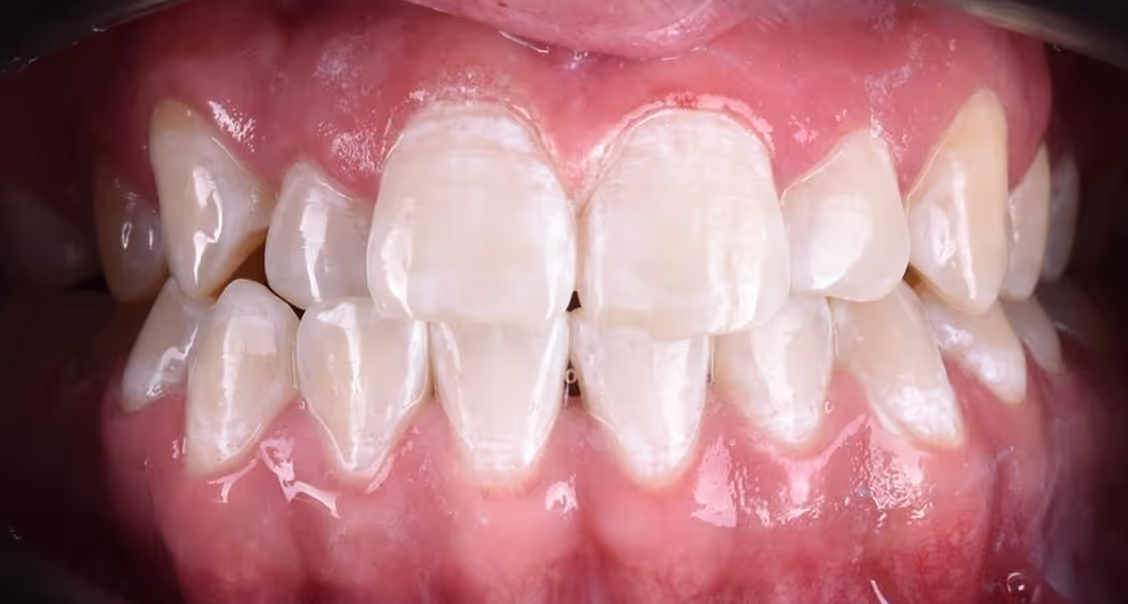
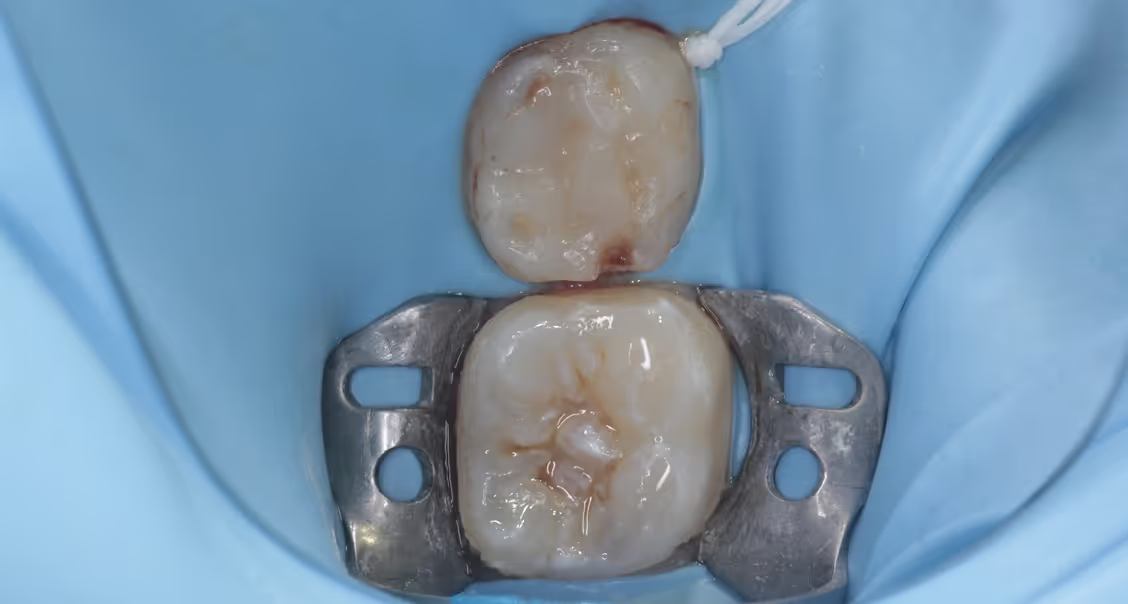
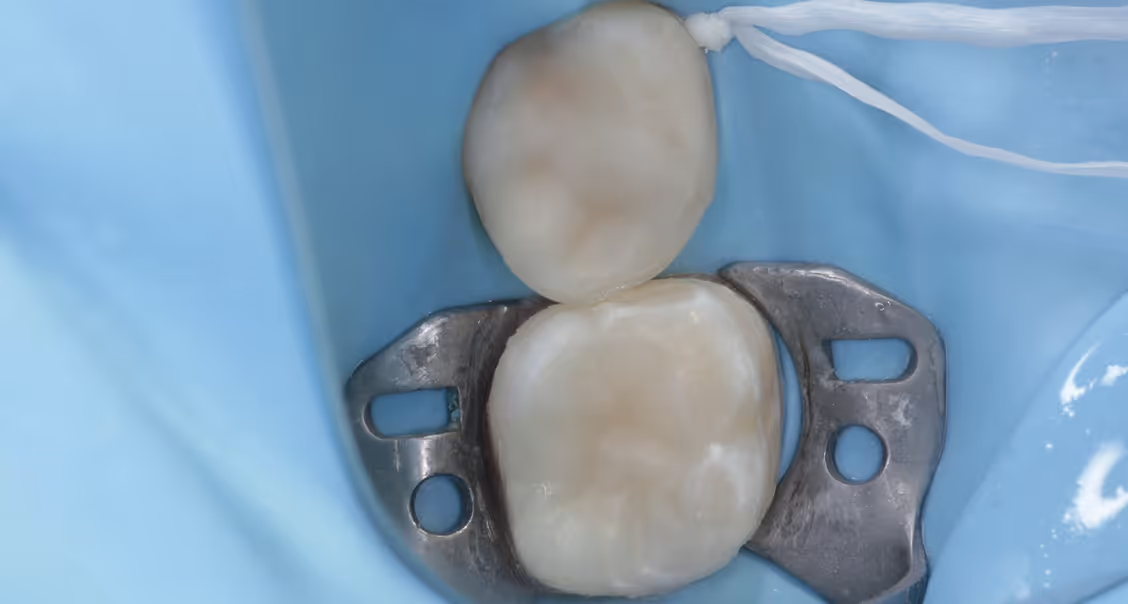
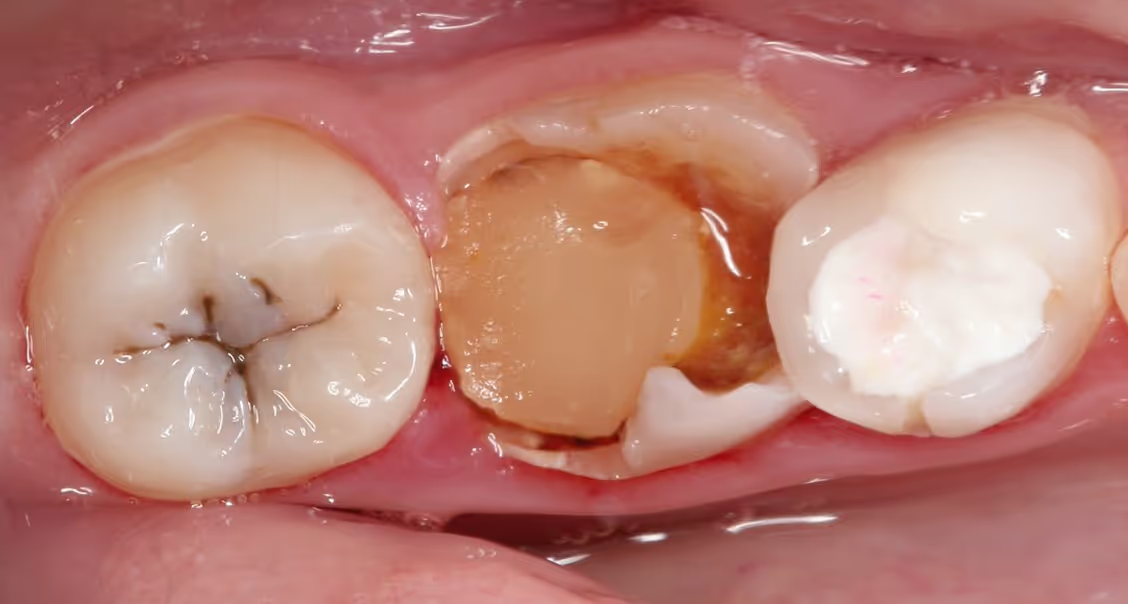
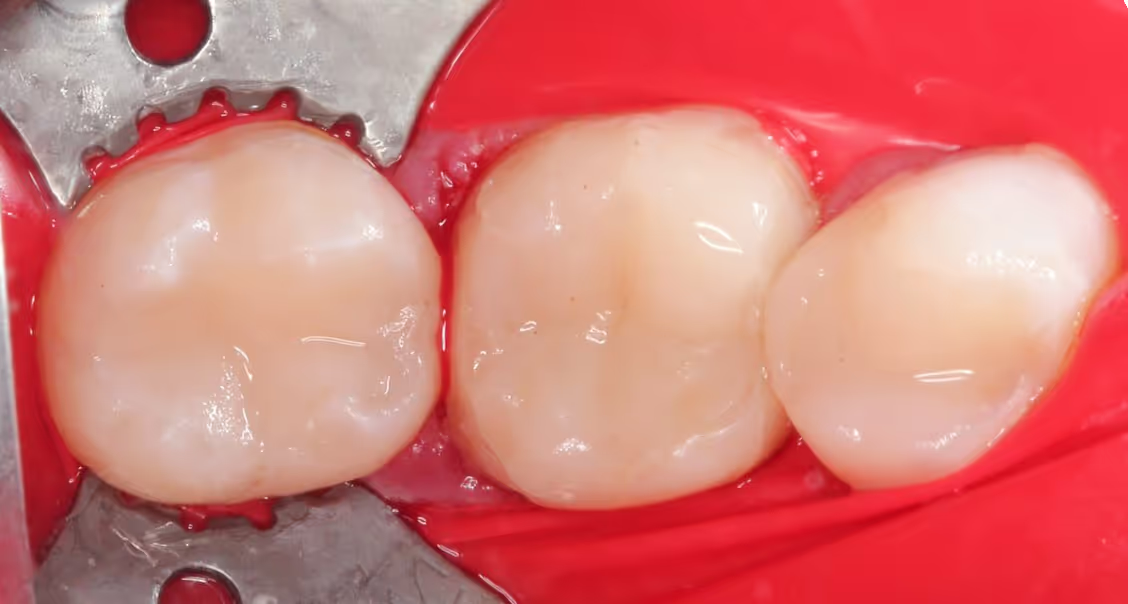
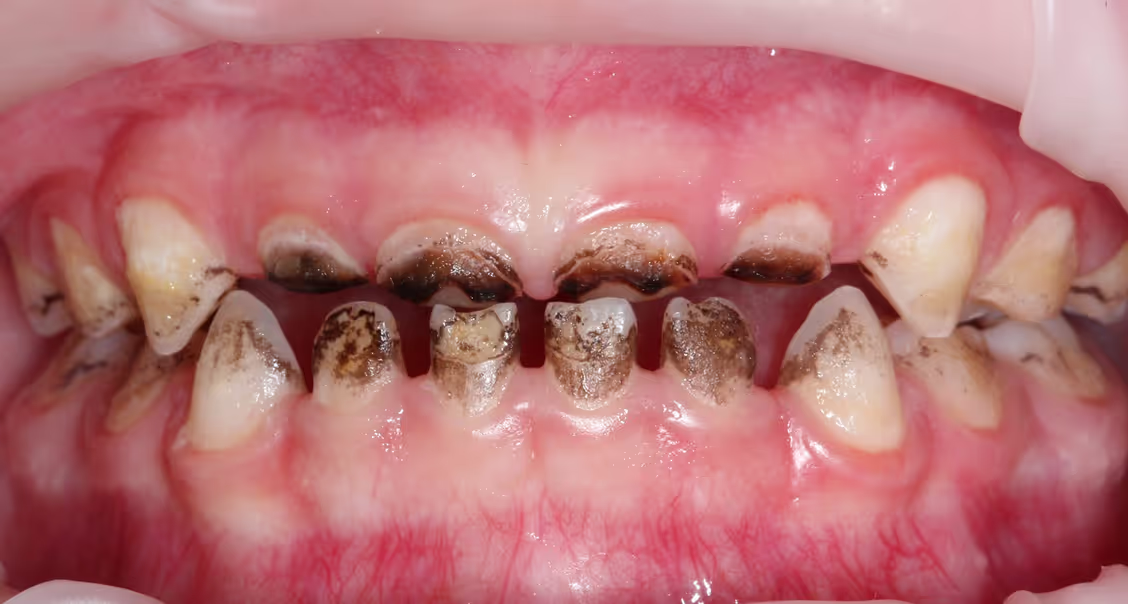
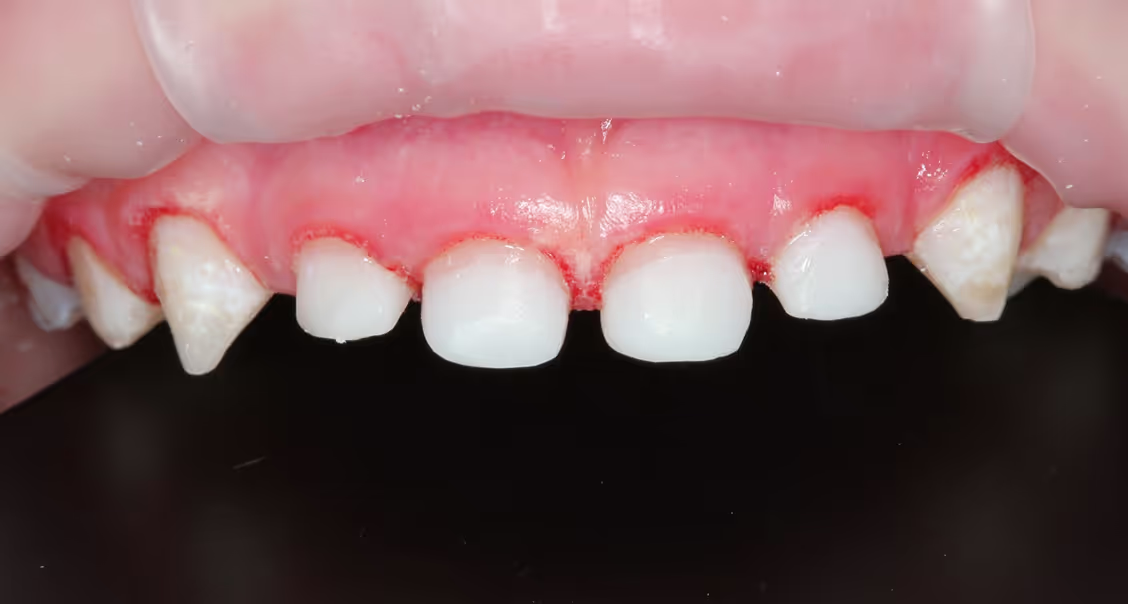
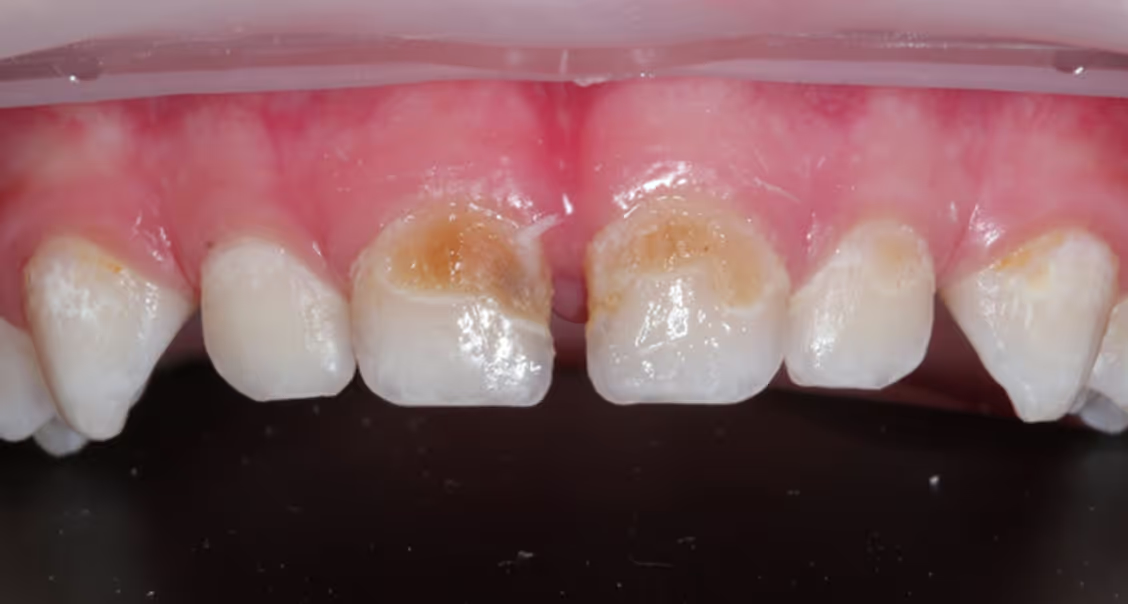
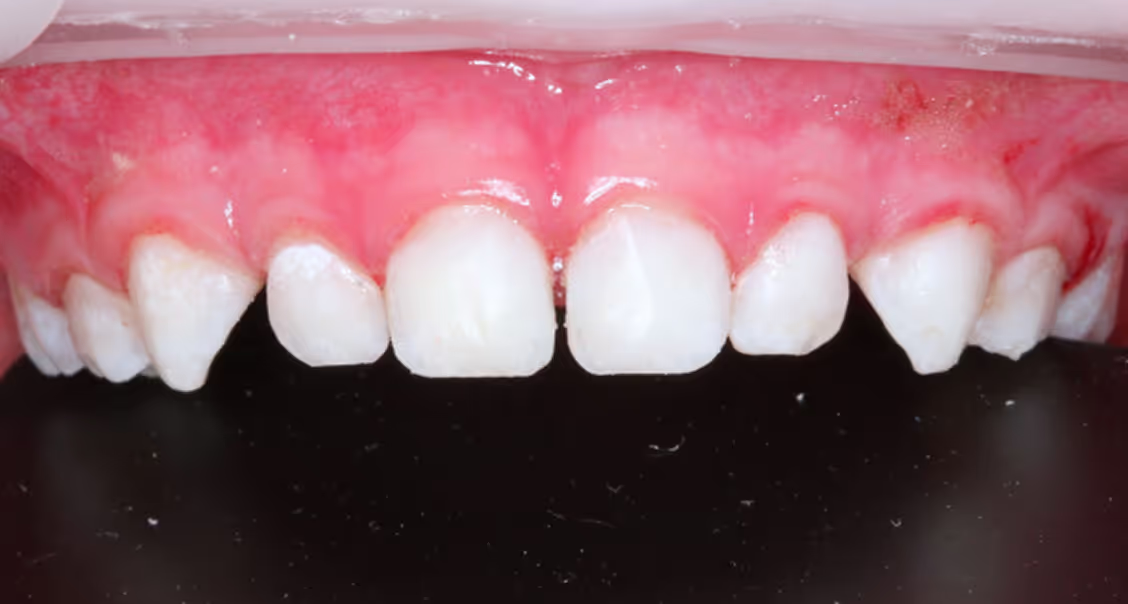
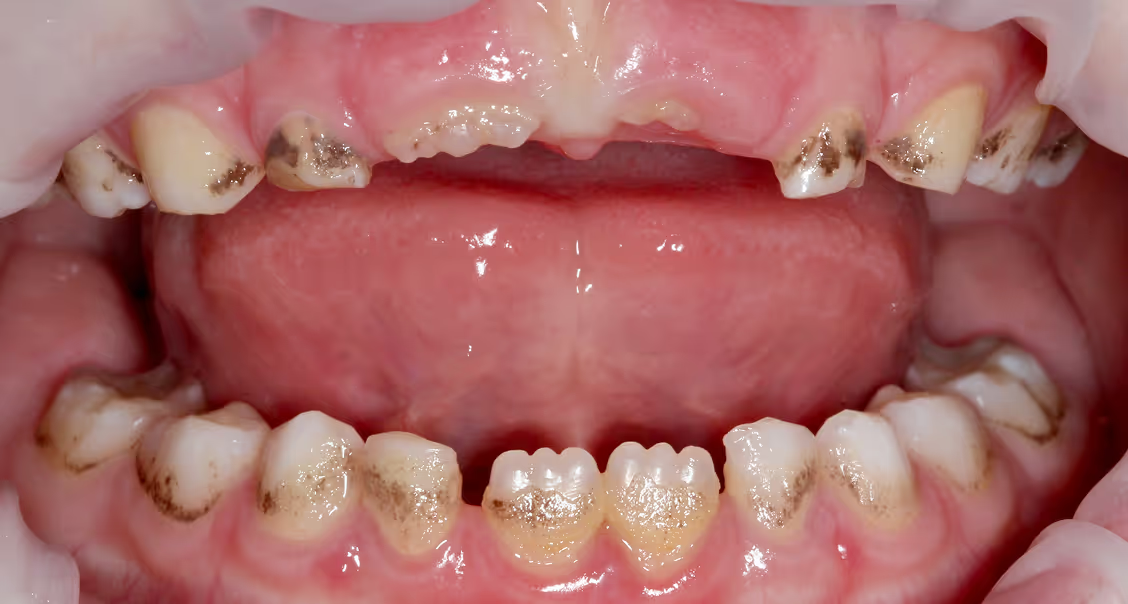
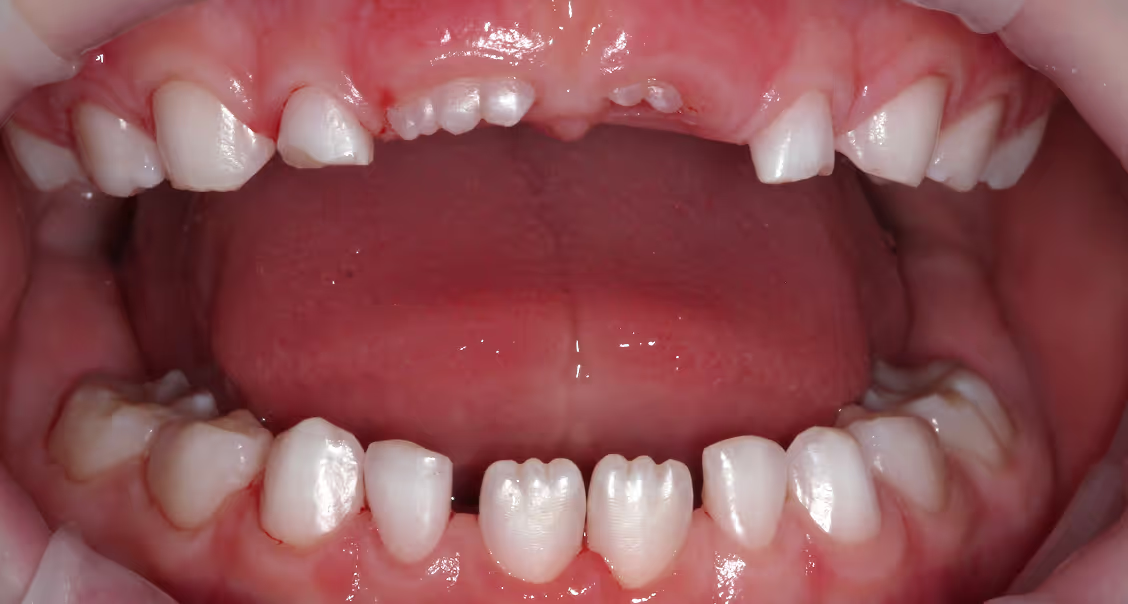
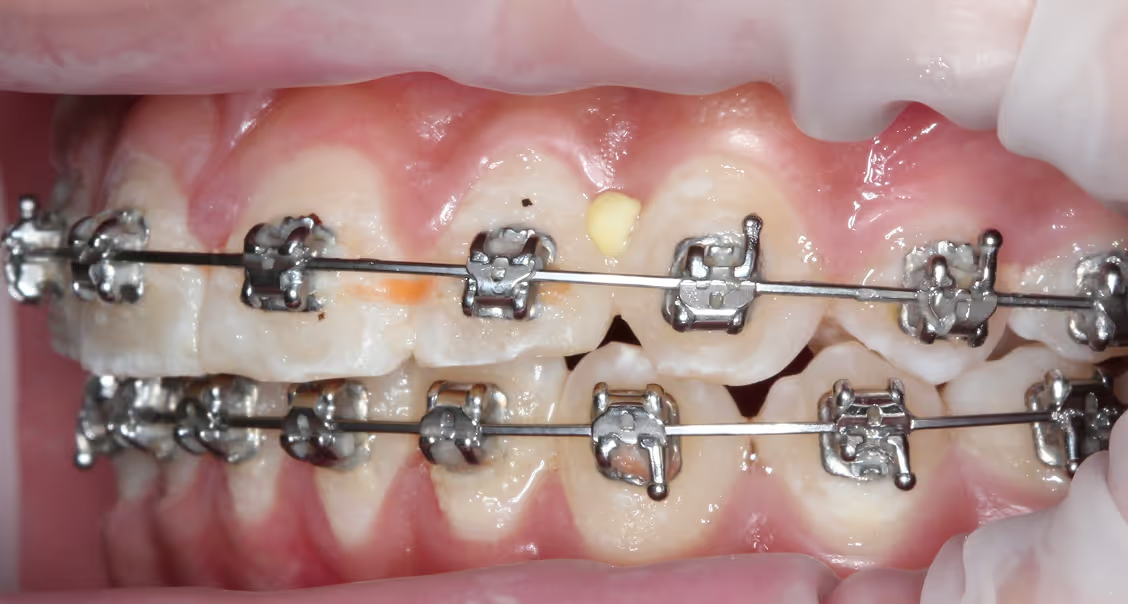
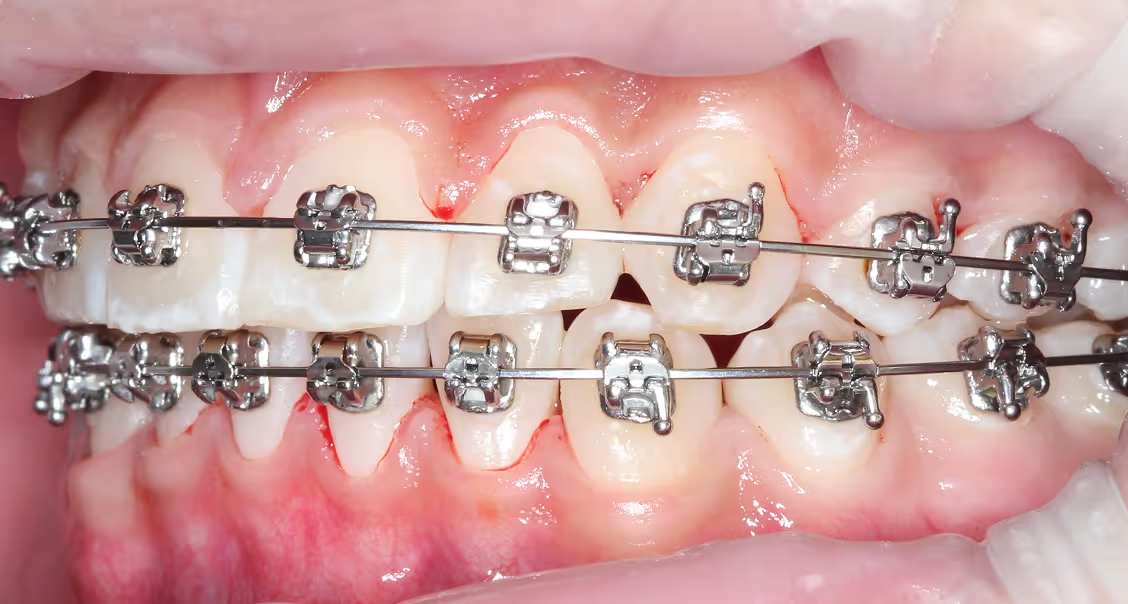
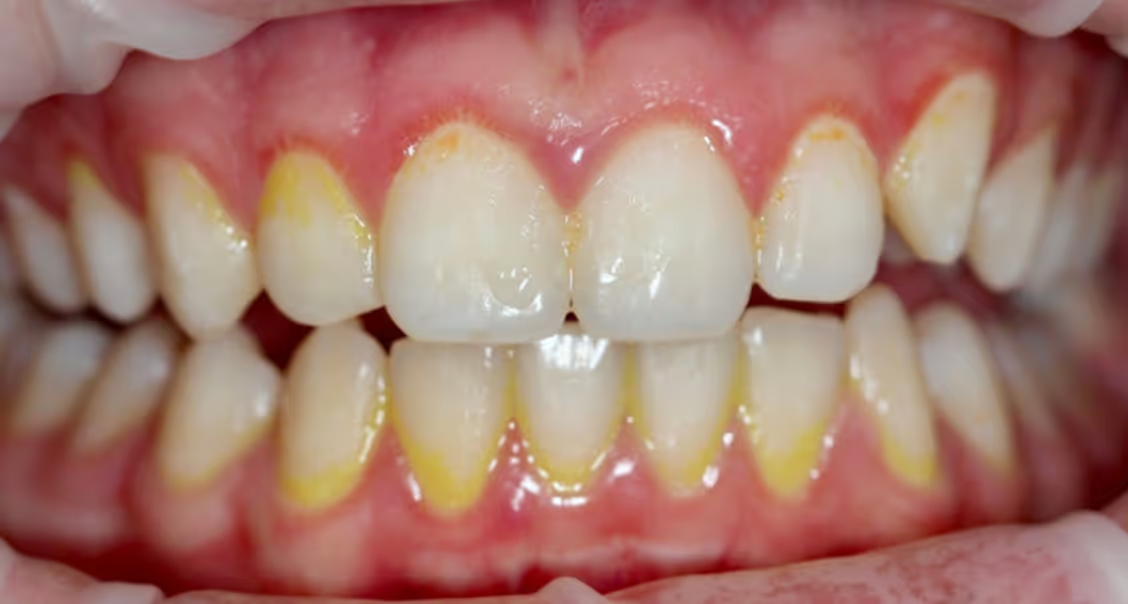
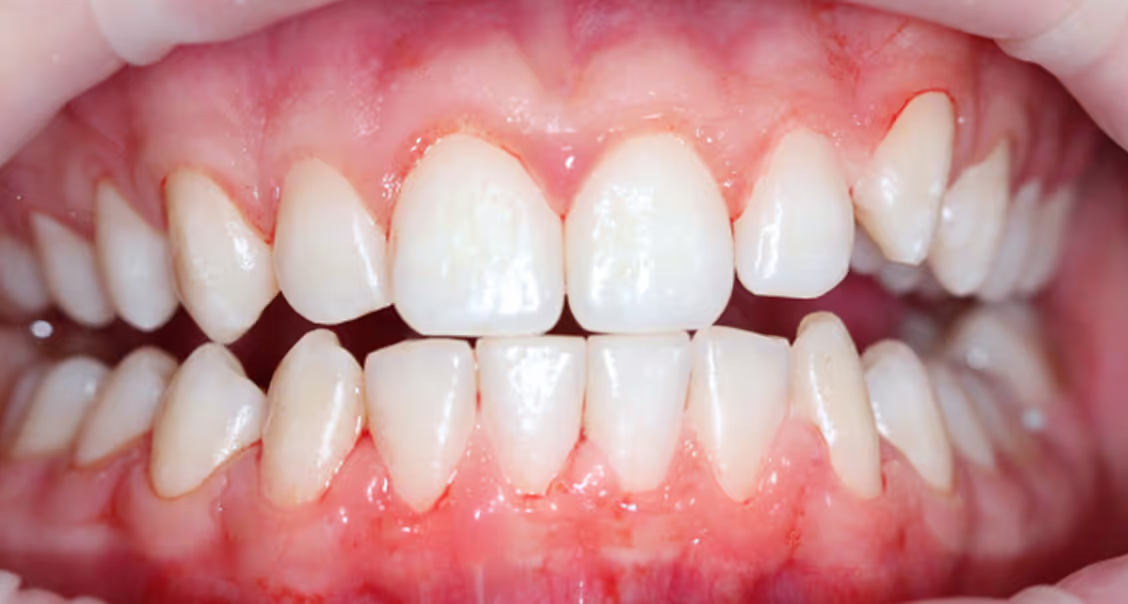
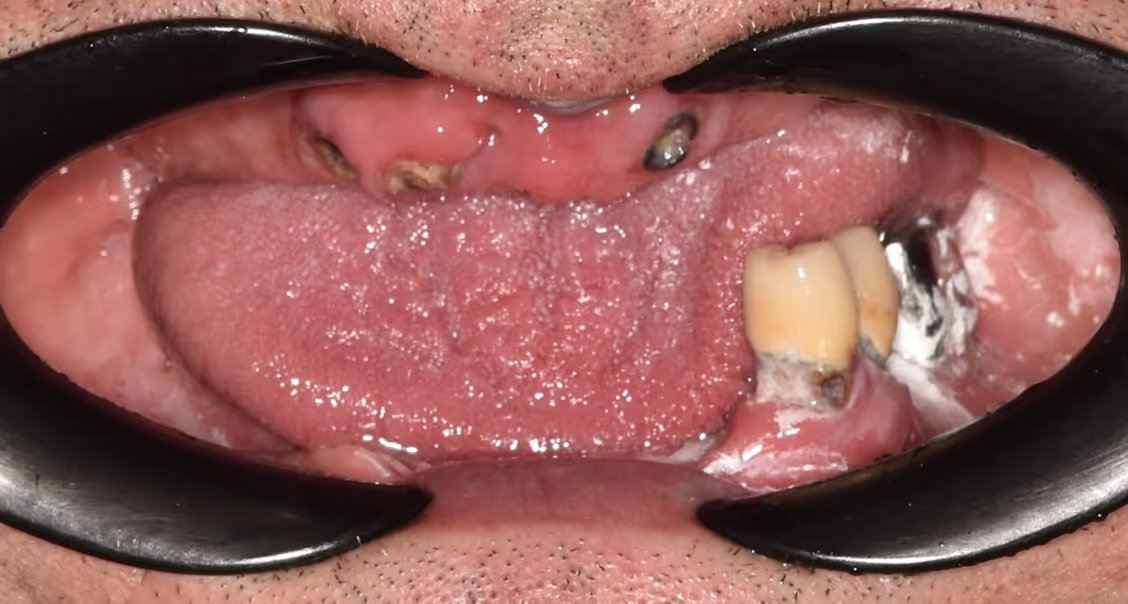
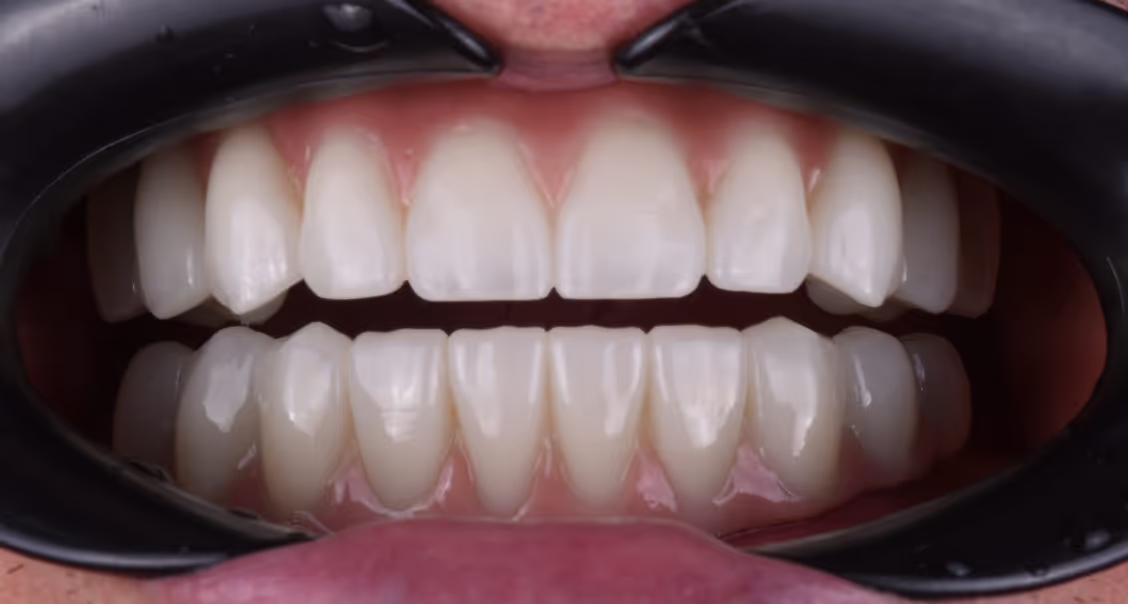
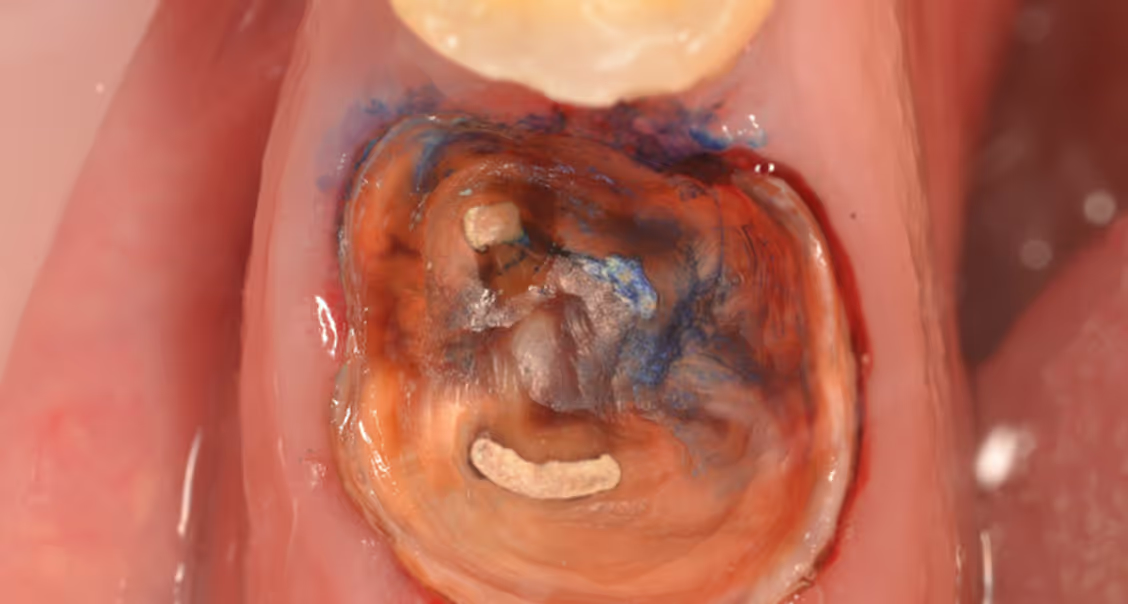
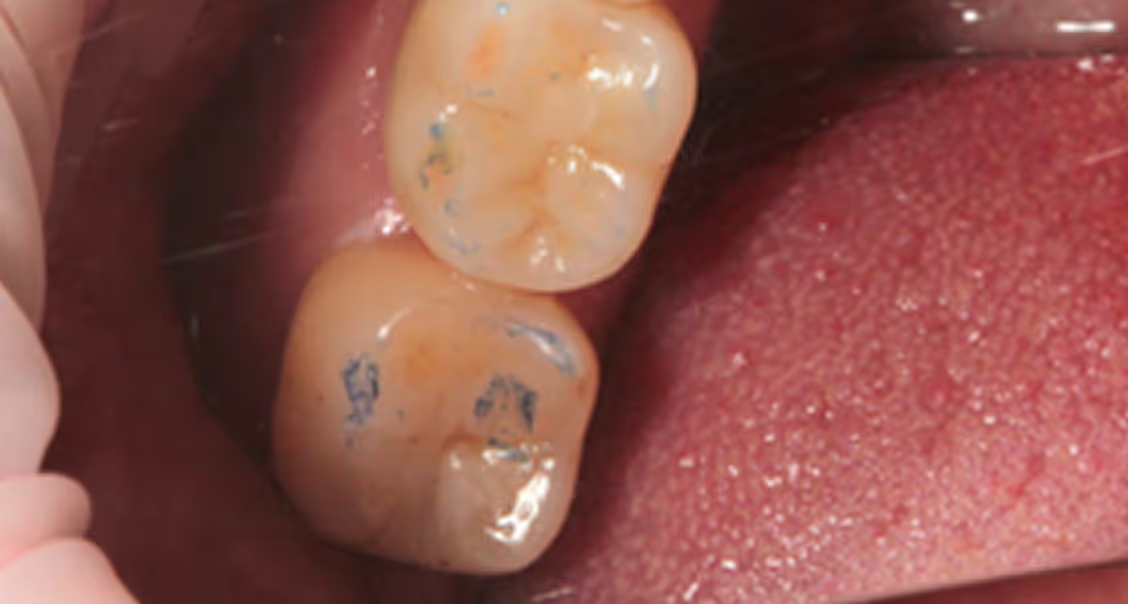
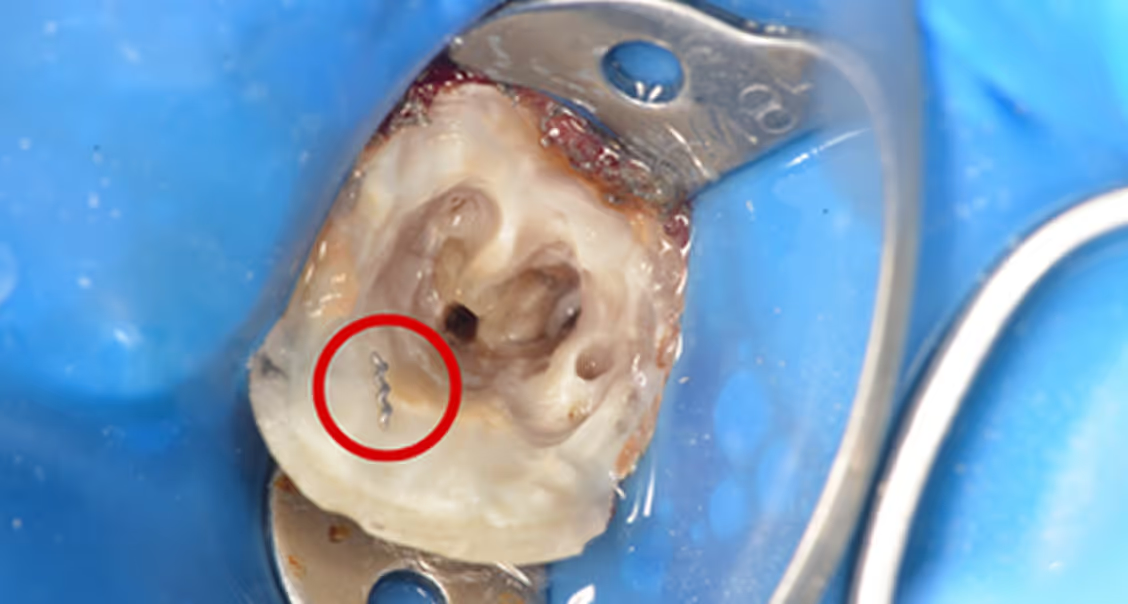
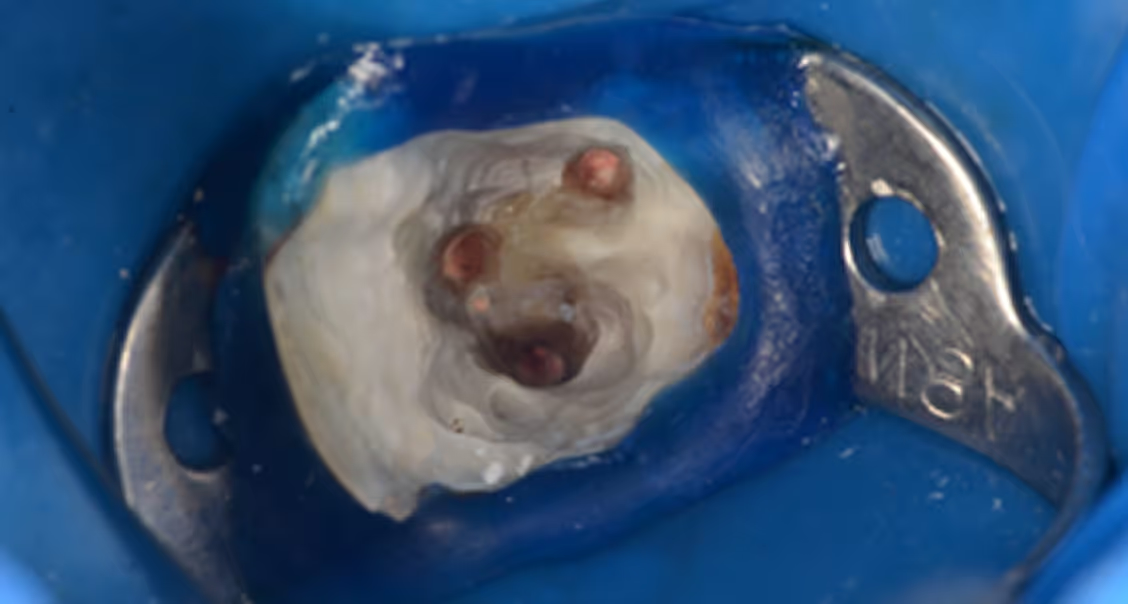
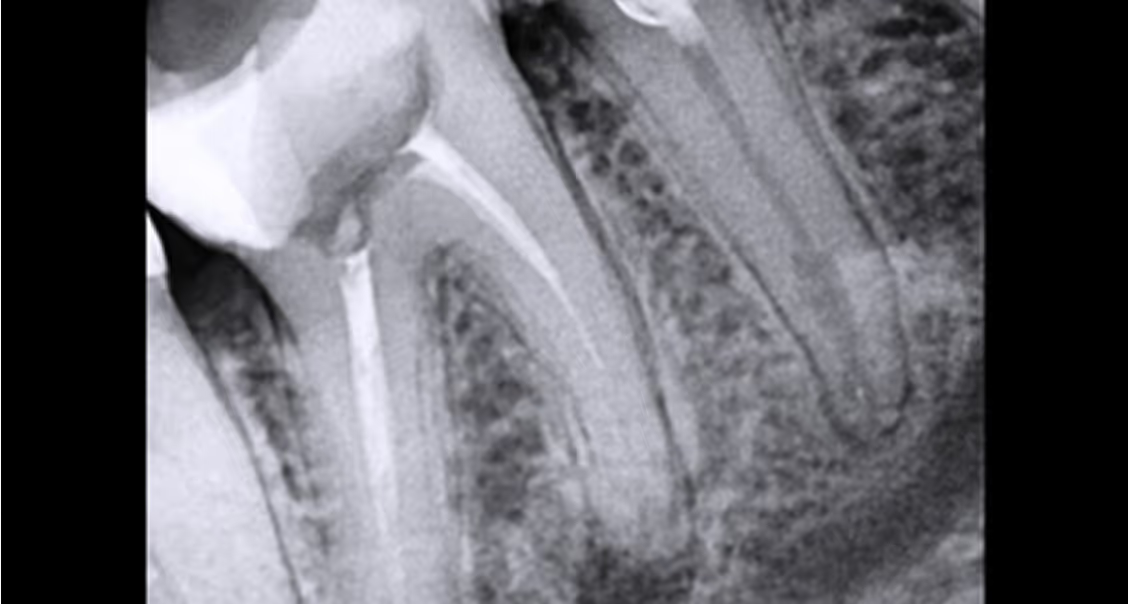
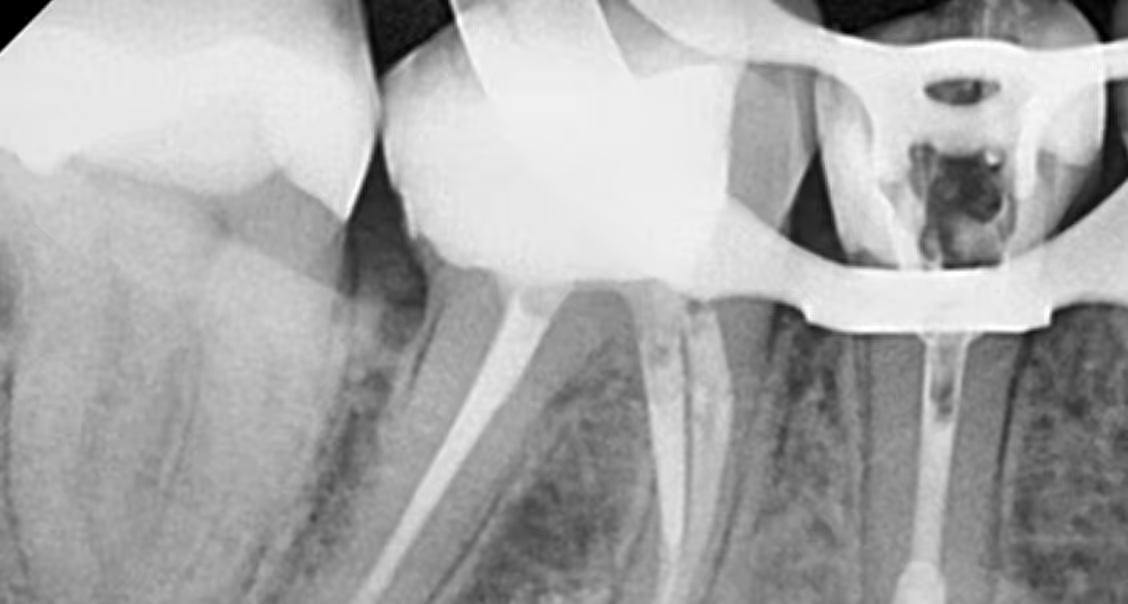
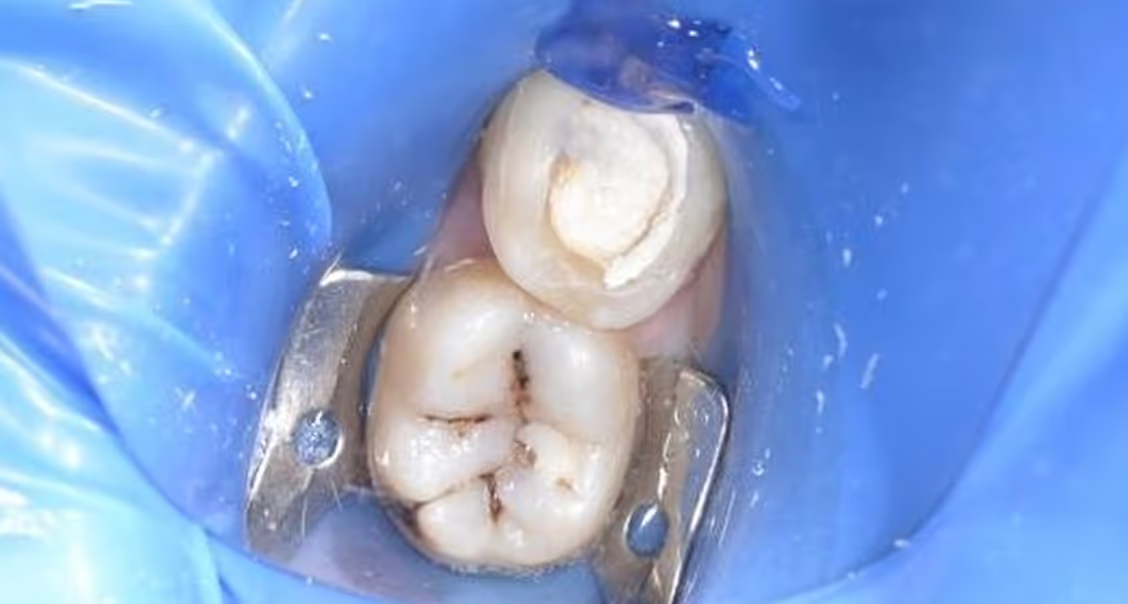
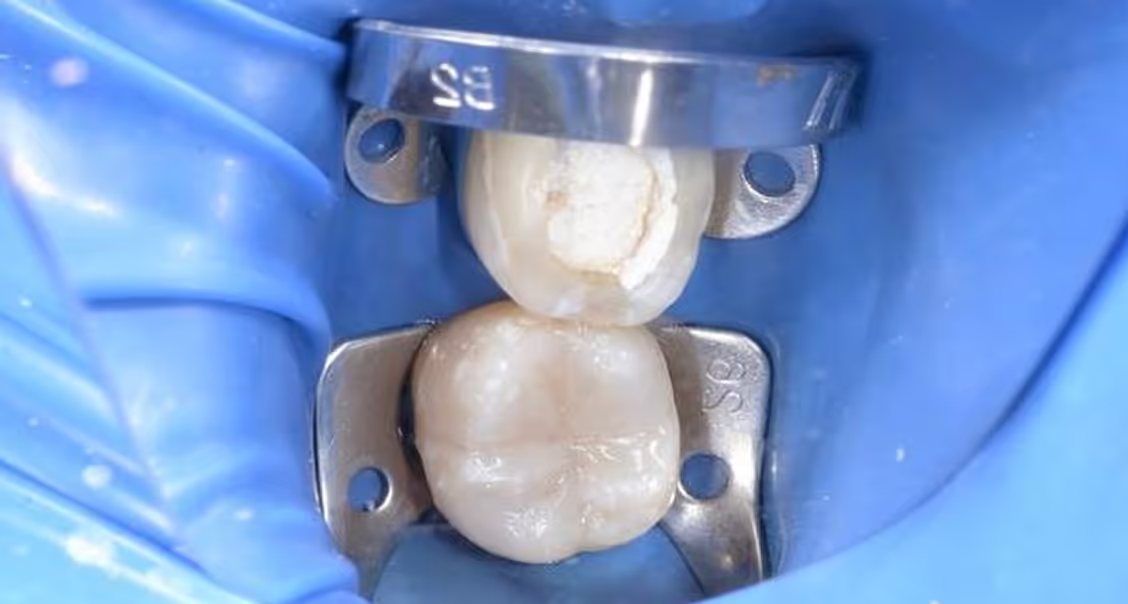
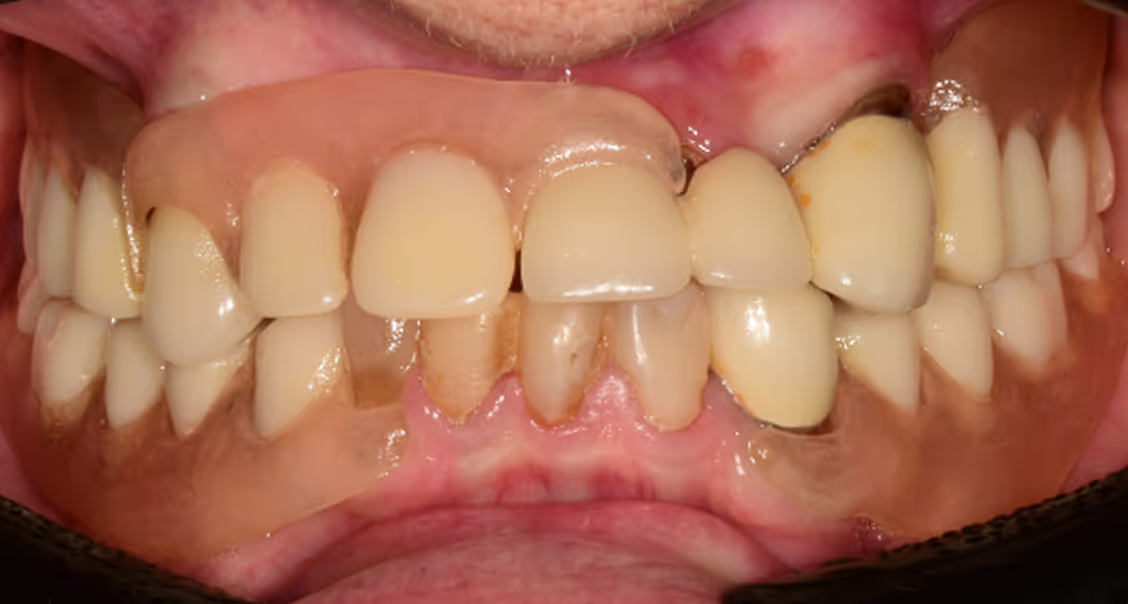
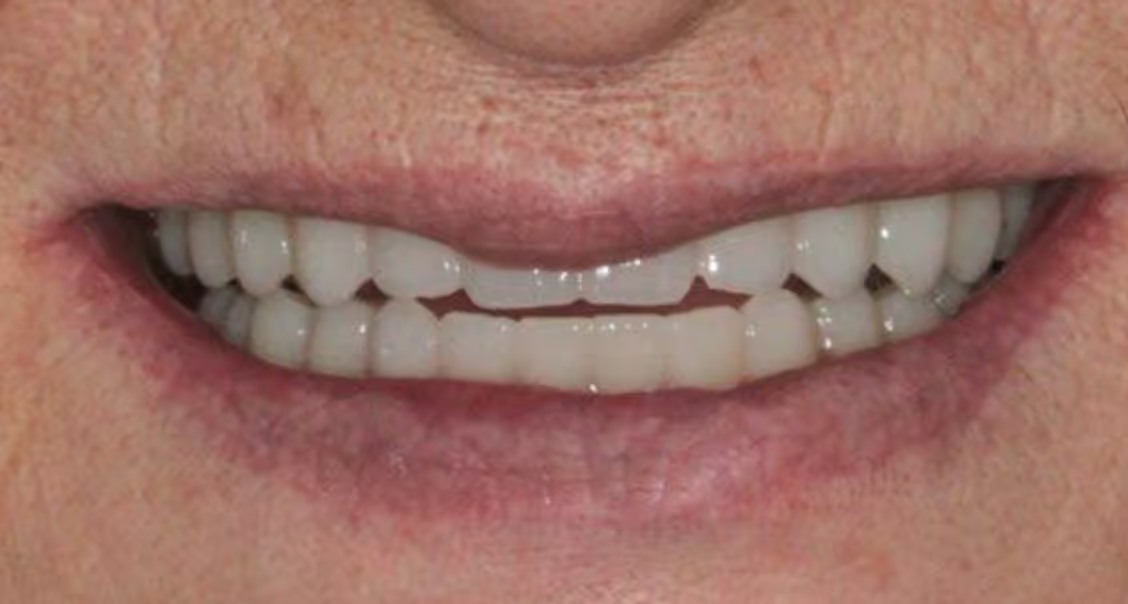
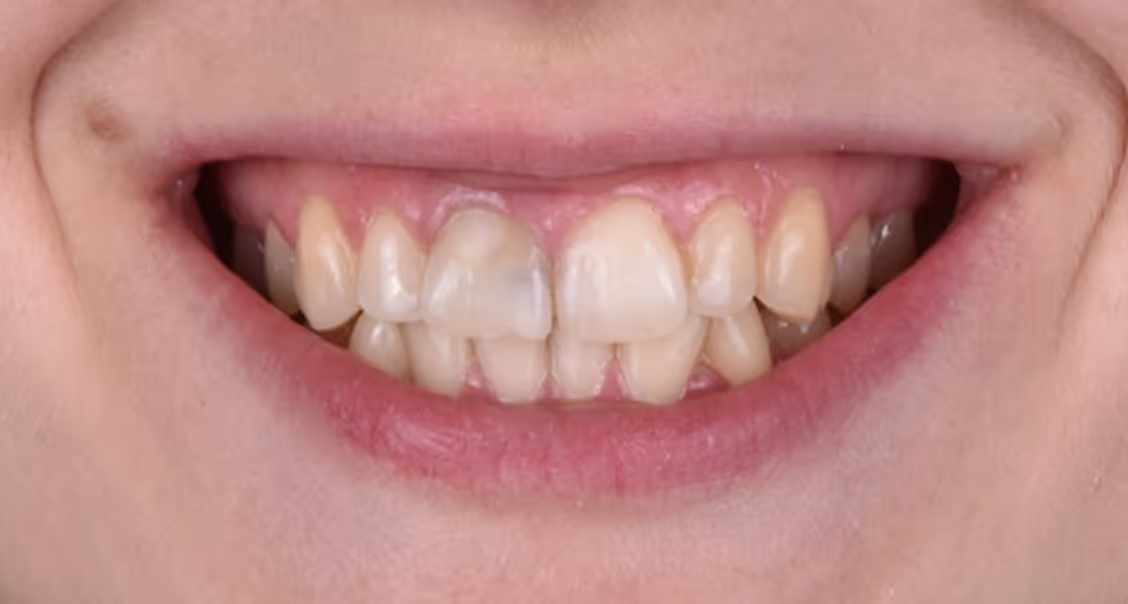
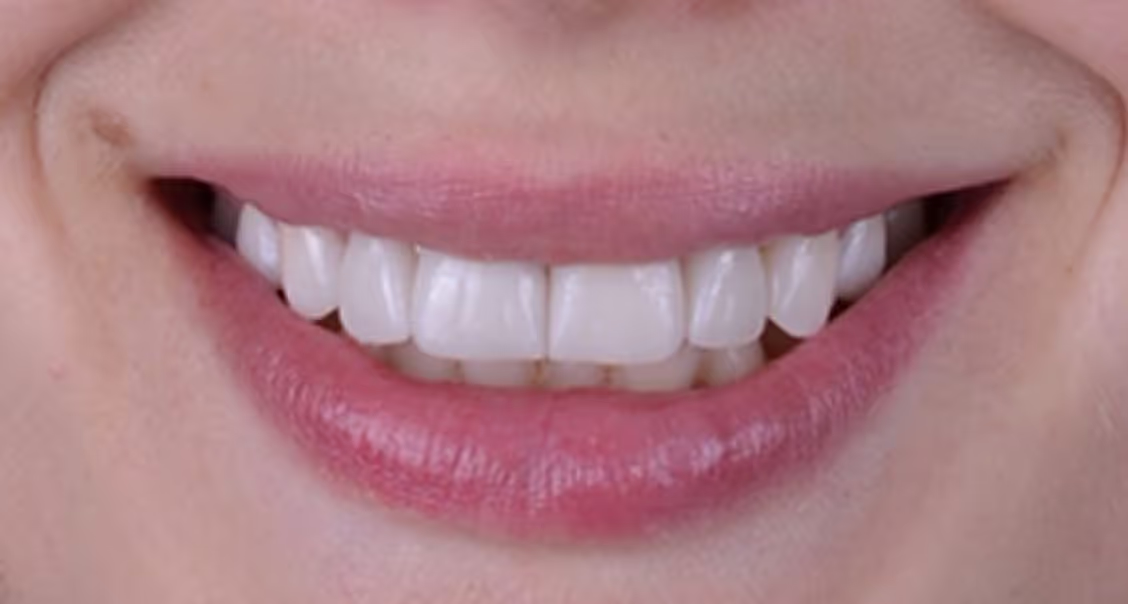
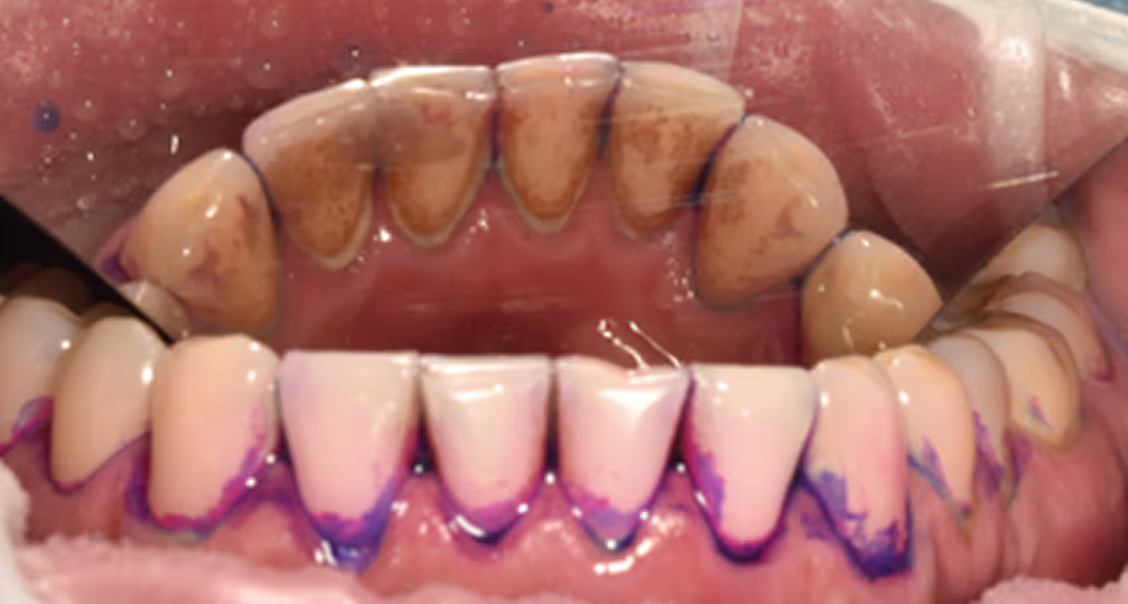
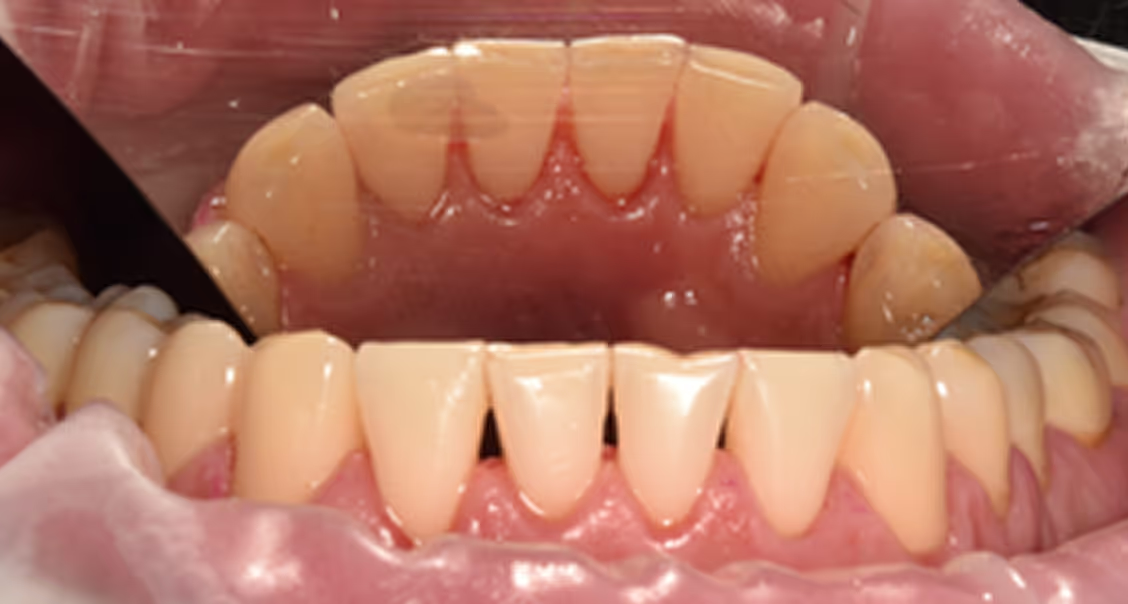
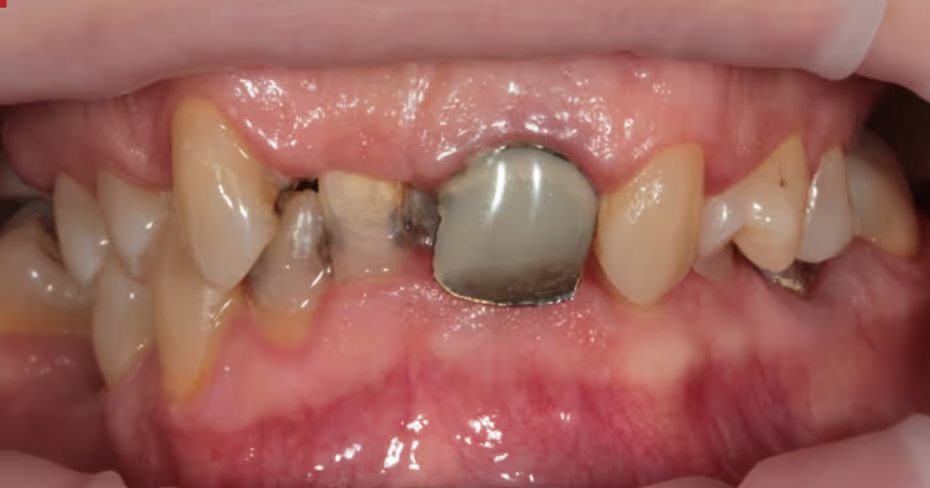
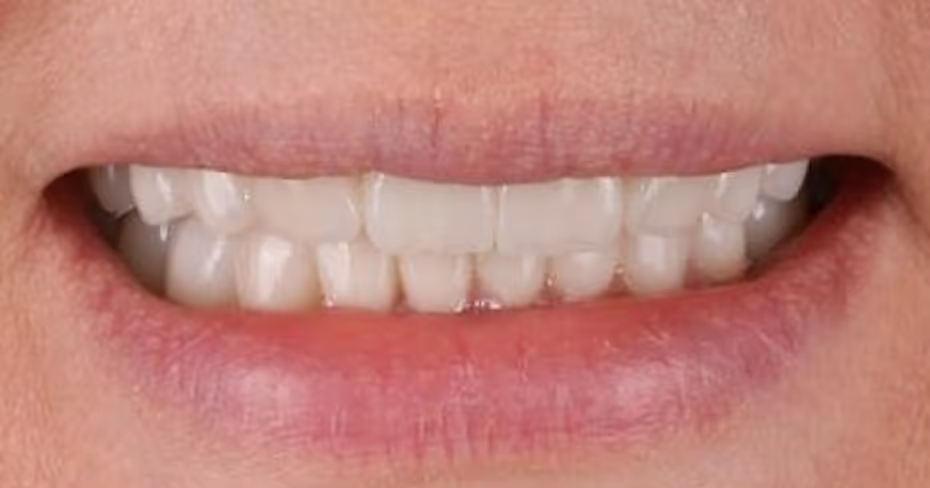
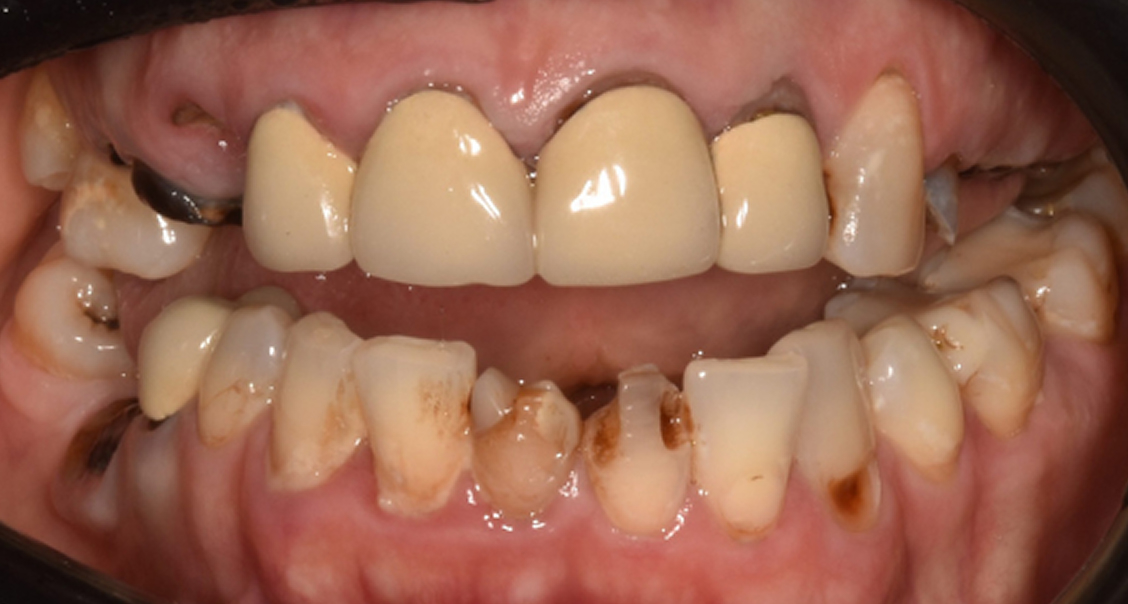
See examples of restorations for damaged, broken, and significantly weakened teeth performed at MistoDent.
Why choose MistoDent Kraków for your crown restoration?
At MistoDent, we select the restoration method primarily based on the condition of the specific tooth and the patient's bite.
- Individual treatment plan We choose the method based on an assessment of the remaining tooth structure and its function.
- Comprehensive diagnostics — if necessary, we use diagnostic imaging and digital technologies to support treatment planning.
- Various restoration options — from direct composite restorations to prosthetic solutions.
- Aesthetics matched to natural teeth — we pay attention to the color, anatomy, proportions, and surface of the restored tooth.
- Bite control — a restoration should not only look good but also function properly during biting and chewing.
- Interdisciplinary treatment — if a tooth requires prior root canal treatment or more extensive reconstruction, the patient can receive care from specialists across various fields of dentistry.
MistoDent Kraków at 20A Grzegórzecka Street offers diagnostics and the selection of the appropriate tooth restoration method all in one dental center.
Do you have a broken, damaged, or severely weakened tooth? Book a consultation to find out which restoration method is right for you.
How much does a crown restoration cost in Krakow?
The price of a crown restoration depends primarily on the extent of the damage and the chosen treatment method. After an examination, the dentist will present the available restoration options and their associated costs.
FAQ
Answers provided by
dentist Yevgen Gryzodub
Can a severely broken tooth be restored?
In many cases, yes, but the possibility of restoration depends on the amount of remaining tissue, the location of the fracture, the condition of the root, and the tissues surrounding the tooth. Only after an examination can the dentist determine whether the tooth is suitable for restoration.
Does every tooth require a crown after root canal treatment?
No. The method of restoration depends on the amount of remaining tooth structure and the load on the tooth. In some cases, a composite restoration or a partial indirect restoration may be sufficient, while in others, a crown is indicated.
Is tooth restoration painful?
If necessary, the procedure is performed under local anesthesia. Sensations also depend on the condition of the tooth and the scope of the procedure being performed.
Can a tooth restoration be completed in one visit?
Direct composite restorations can often be completed in a single visit. Indirect and prosthetic restorations may require additional steps.
What is the difference between a tooth restoration and a filling?
A standard filling is primarily used to repair a cavity. For extensive restorations, the dentist must reconstruct a larger portion of the tooth's anatomy, carefully accounting for its shape, contact points, and bite alignment.
Is it possible to restore a tooth when only a small part of the crown remains?
Sometimes this is possible, but it depends on factors such as the condition of the root, the amount of healthy tissue remaining above the gum line, and your bite. In some cases, additional treatment may be required before the final restoration can be placed.

Medical verification
Content verified by:
Yevgen Gryzodub, DDS
Restorative Dentistry • Cosmetic Dentistry
Last updated: 05.10.2026
Book an appointment!
Leave your contact details in the form or message us on your preferred messenger — we'll be happy to answer your questions and help you book a visit.


