



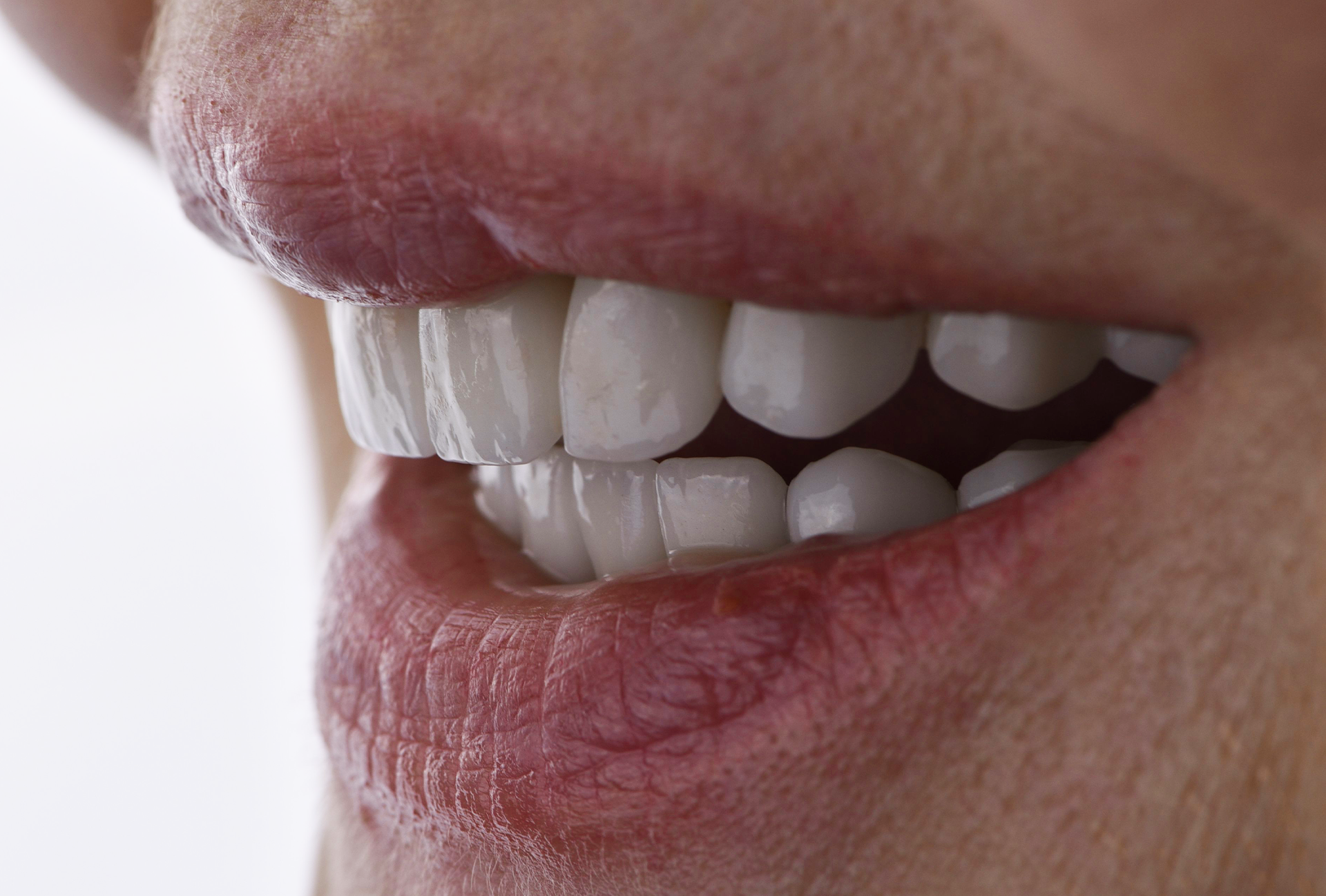
Tooth restoration in Krakow – restoring function and aesthetics
Modern restoration of damaged, broken or weakened teeth
Who performs tooth restoration at MistoDent Krakow?




What is tooth restoration?
Tooth restoration is treatment aimed at restoring a tooth's correct shape, function and appearance after part of its tissue has been lost.
A tooth can be damaged, among other things, by decay, injury, a crack, surface wear or previous treatment.
The scope of restoration depends on how much of the tooth remains. Small defects can be restored with composite material, while for more extensive damage the dentist may suggest an onlay or a crown.
That is why tooth restoration is not one specific procedure – the method is chosen individually after assessing the tooth.
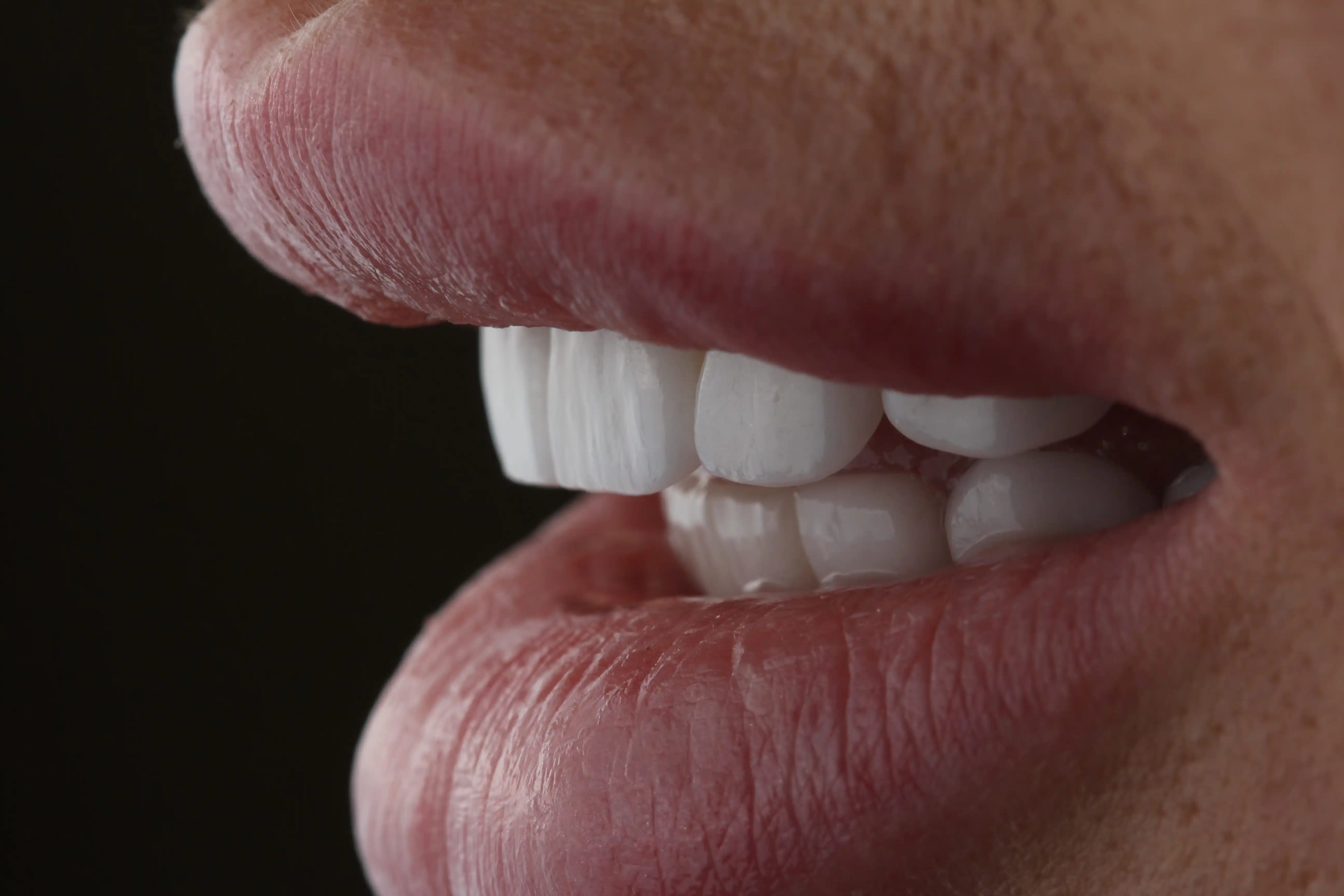
When is tooth restoration needed?
Tooth restoration can be considered, among other things, in case of:
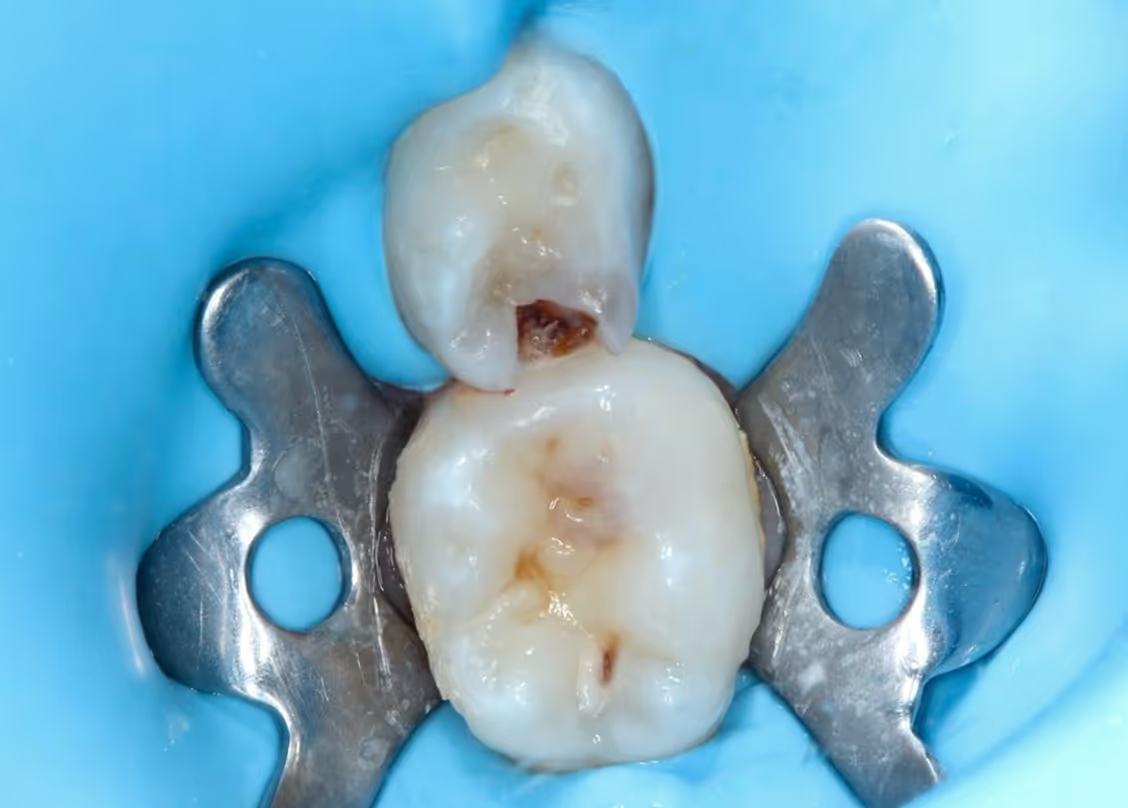
- a broken or chipped tooth;
- a cavity caused by decay;
- worn tooth surfaces;
- tooth damage after an injury;
- major loss of natural tooth tissue;
- a tooth after root canal treatment;
- an old or leaking filling that needs replacing;
- the need to improve the shape and appearance of a tooth.
During the examination, the dentist assesses the amount of remaining tissue and the bite, and chooses the right restoration method on that basis.
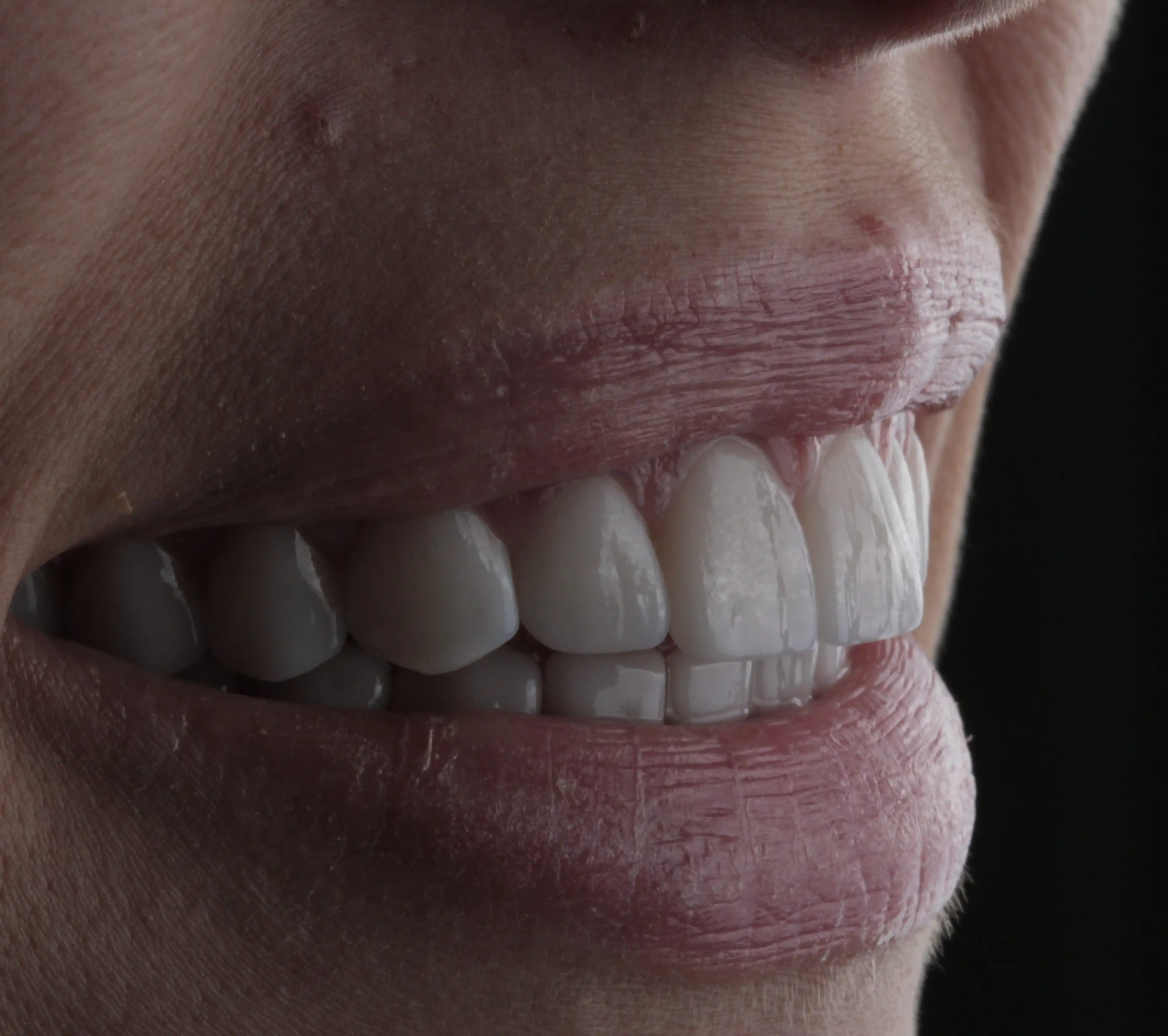
What tooth restoration methods are there?
Not every damaged tooth should be restored in the same way. At MistoDent Kraków, the treatment is chosen for the specific clinical situation.
Composite tooth restoration
Composite material is applied directly to the tooth and recreates the lost part of its structure. The method can be used for small and medium defects and in selected cases of aesthetic restoration.
Tooth restoration after injury
If a tooth is broken or chipped, the dentist assesses the extent of damage and the condition of the pulp. If conditions allow, the missing fragment can be restored with composite, bringing back the tooth's shape and function.
Inlay, onlay or overlay
With greater tissue loss, an alternative to a classic filling may be an indirect restoration. It is made outside the mouth based on the prepared tooth and allows a larger part of its surface to be restored.
Crown
If a tooth is severely damaged and needs more extensive restoration, the dentist may suggest a crown that covers the prepared tooth.
Tooth restoration after root canal treatment
A tooth after root canal treatment often needs proper protection of its crown.
A correct root canal filling alone does not rebuild lost tooth tissue. The method of further reconstruction depends mainly on how much healthy tissue remains after previous damage and treatment.
Depending on the situation, the dentist may use:
- a composite restoration;
- tooth reinforcement;
- an onlay or overlay;
- an endocrown;
- a crown.
The aim is not only to recreate the tooth's appearance but also to give it the right conditions for further function.
Composite restoration vs bonding – what's the difference?
Both procedures use composite material, but their main purpose may differ.
Criterion
Composite restoration
Bonding
Main goal
Restoring lost tissue and tooth function
Mainly improving aesthetics
Use
Decay, fracture, defect, injury
Shape, proportions, minor irregularities, diastema
Material
Composite
Composite
Scope
Depends on the extent of damage
Usually the visible tooth surface
Number of visits
Often 1 visit for direct restoration
Usually 1 visit
Bonding is therefore one way of using composite material, but not every composite restoration is aesthetic bonding.
Tooth restoration step by step
1. Consultation and diagnostics
The dentist assesses the extent of damage, the condition of the remaining tissue and the bite. Imaging is done if needed.
2. Choosing the restoration method
Based on the examination, the dentist decides whether a direct composite restoration is possible or a prosthetic solution is needed.
3. Tooth preparation
Damaged or decayed tissue is removed. The extent of preparation depends on the chosen method.
4. Restoration
With the direct method, the dentist applies composite in layers and recreates the tooth's anatomy.
With a prosthetic restoration, the tooth is prepared for the chosen restoration, e.g. an onlay or crown.
5. Bite adjustment and finishing
The dentist checks the shape of the restoration, contacts with neighbouring teeth and the bite. A composite restoration is then finished and polished.
How long does a tooth restoration last?
The durability of a restored tooth depends on many factors, so no single lifespan applies to every case.
Factors that matter include:
- the extent of the original damage;
- the amount of remaining natural tissue;
- the material and restoration method used;
- the tooth's position;
- forces during biting;
- bruxism;
- oral hygiene;
- regular check-ups.
Composite restorations may need polishing, correction, repair or replacement over time.
For extensive defects, the dentist may recommend an indirect restoration if it is more suitable for the tooth.
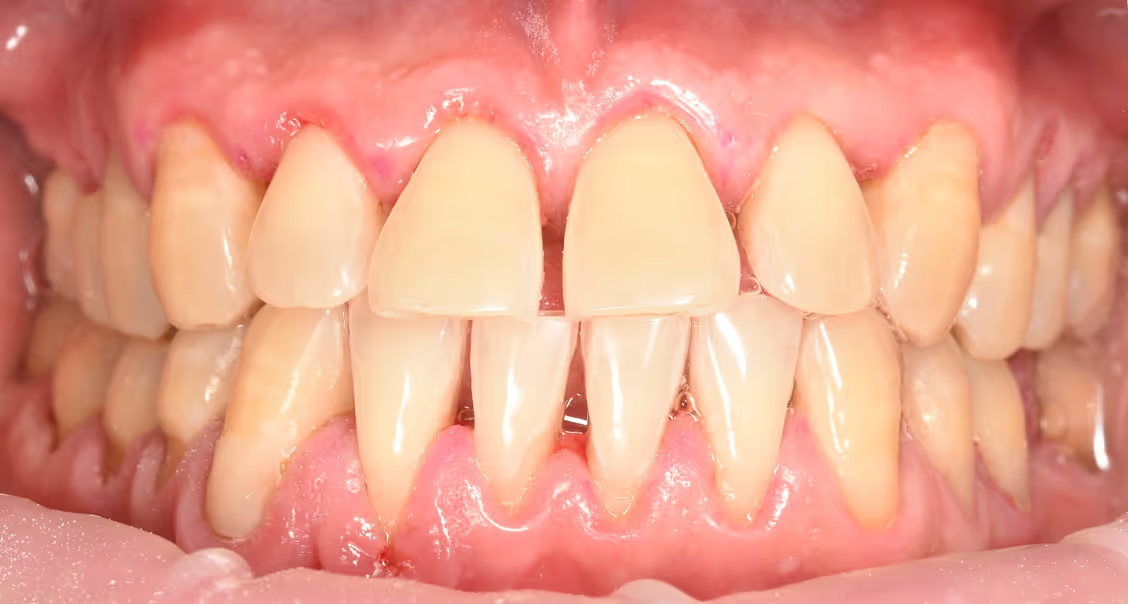
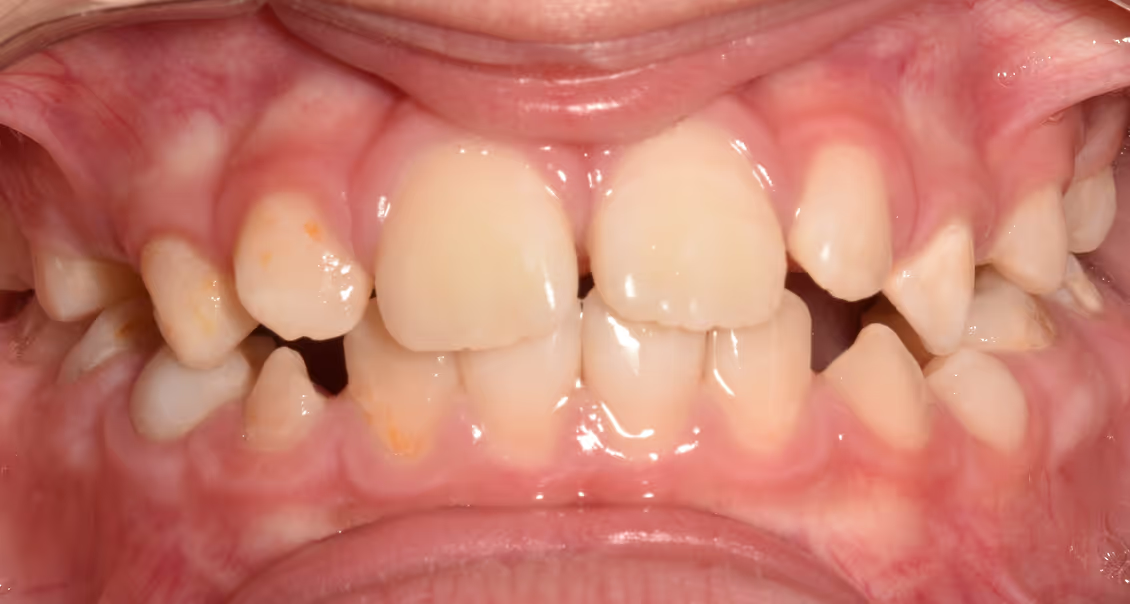
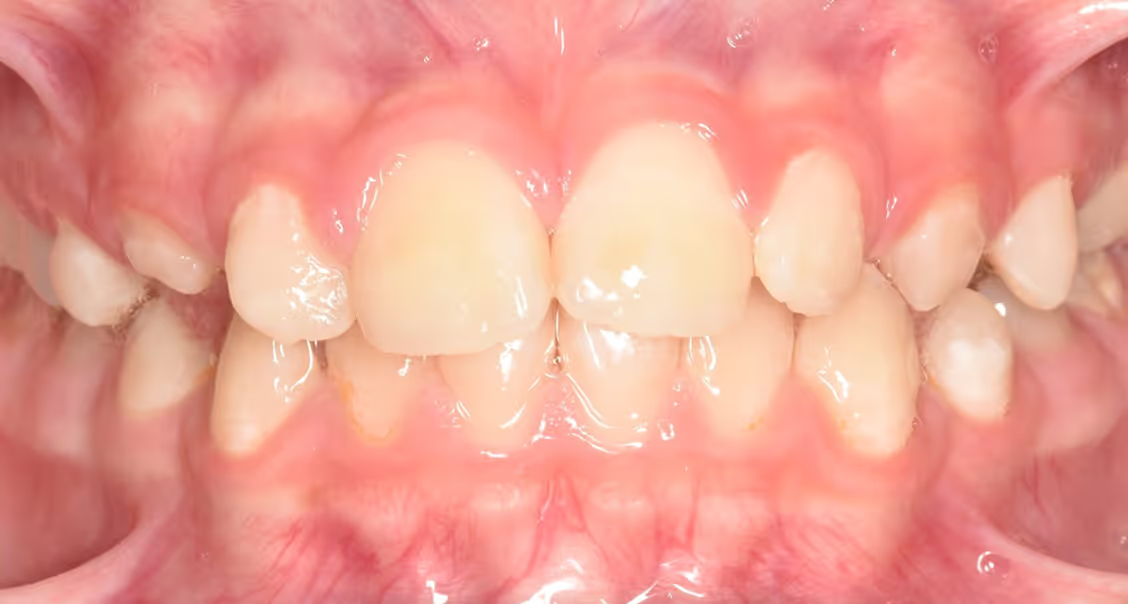
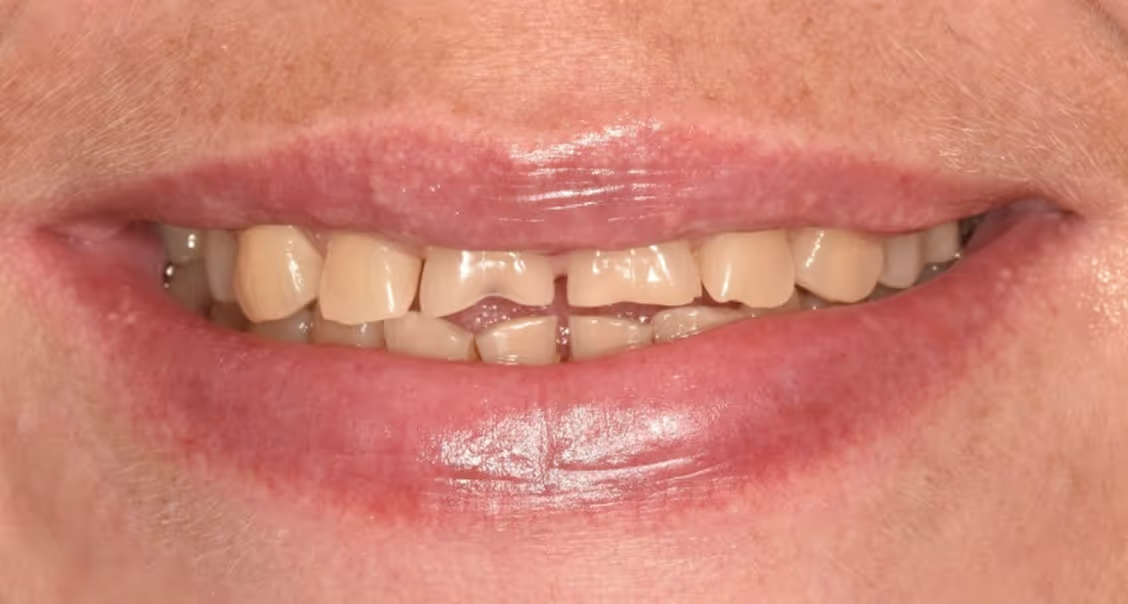
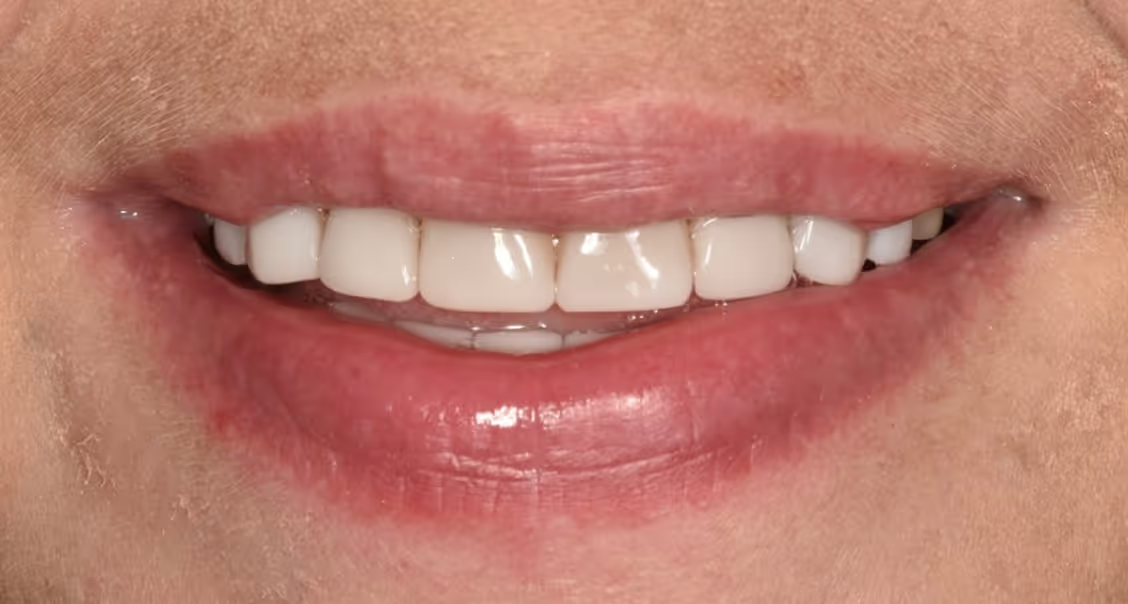
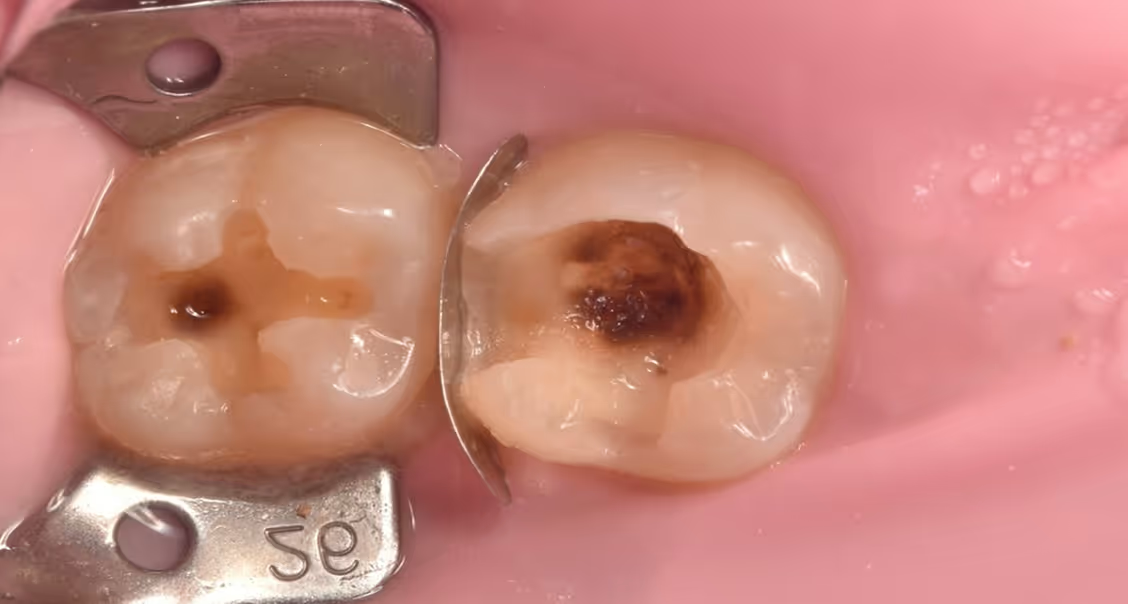
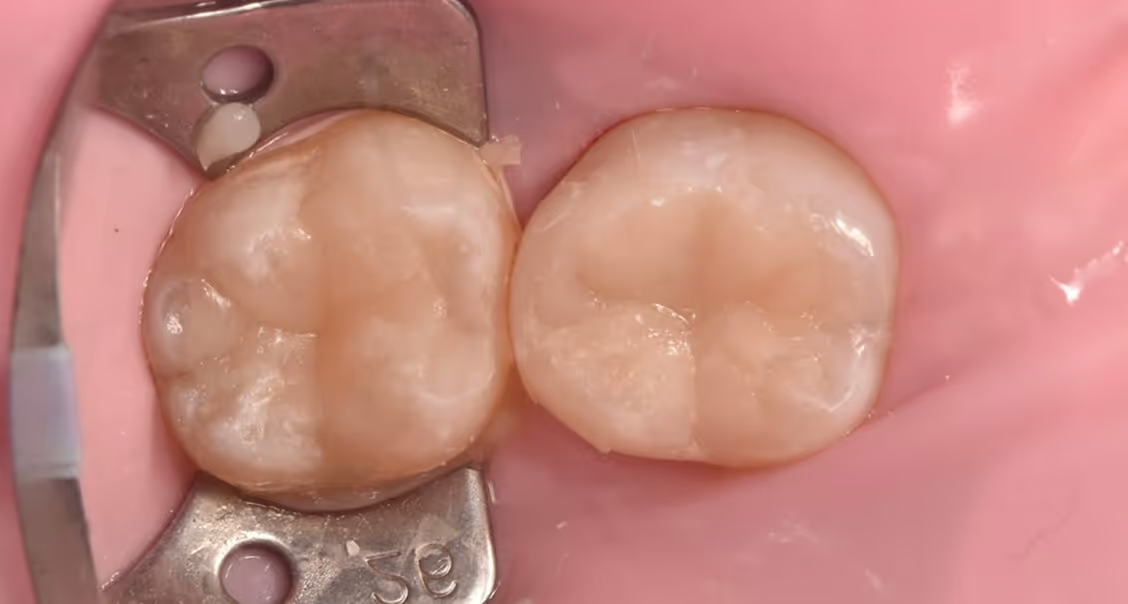
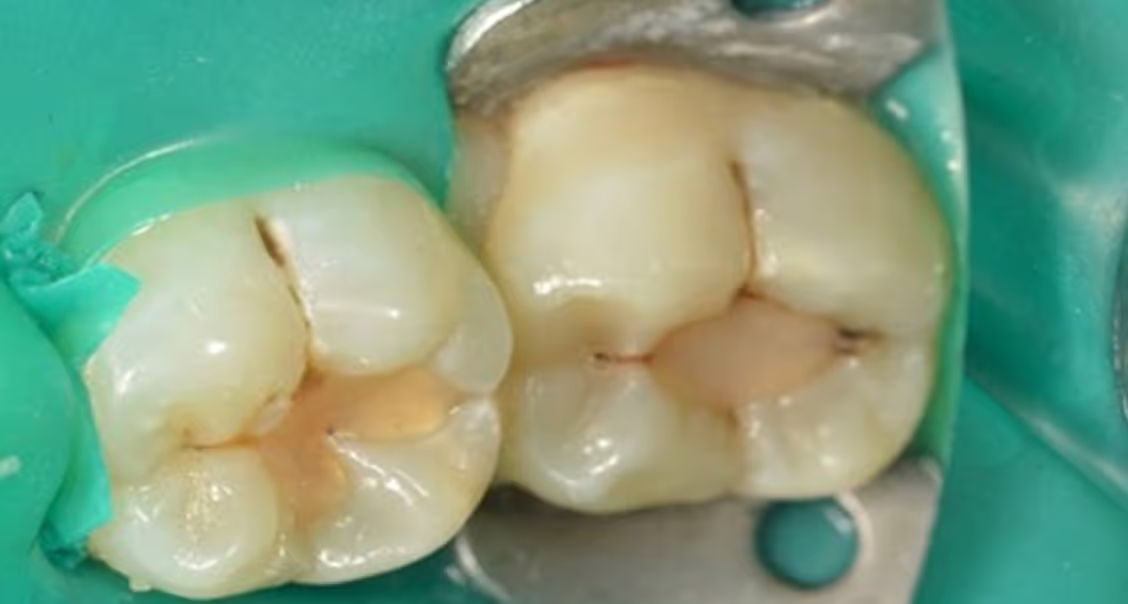
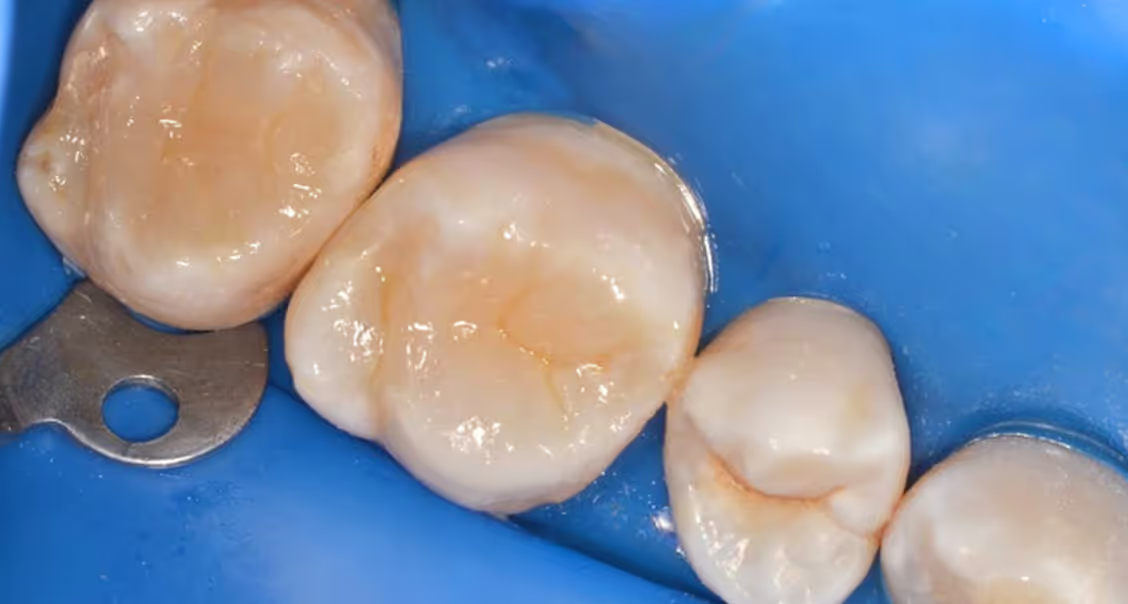
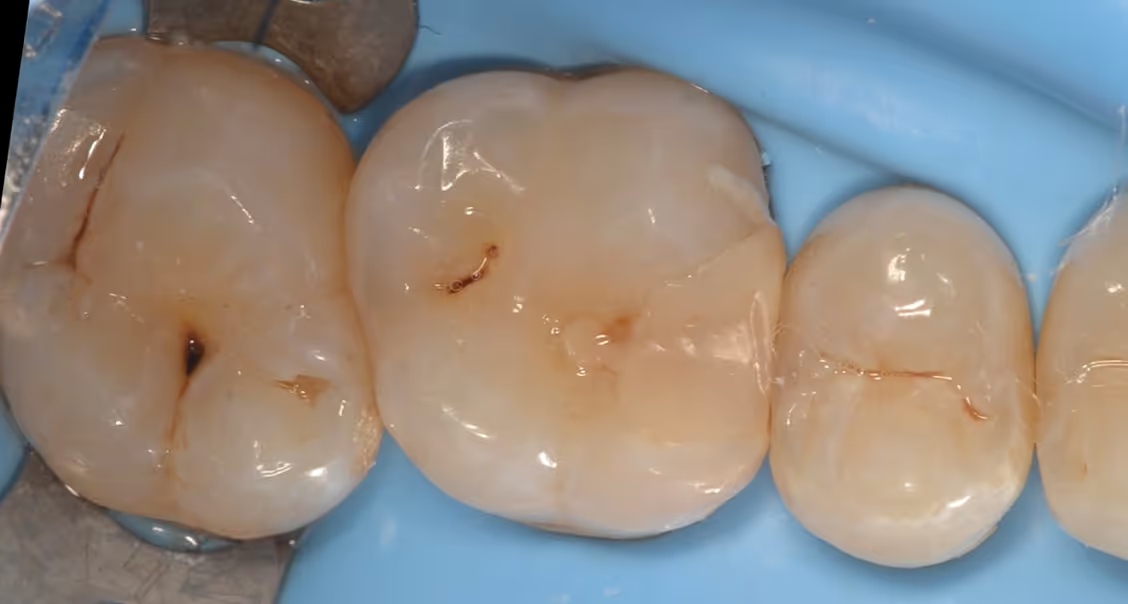
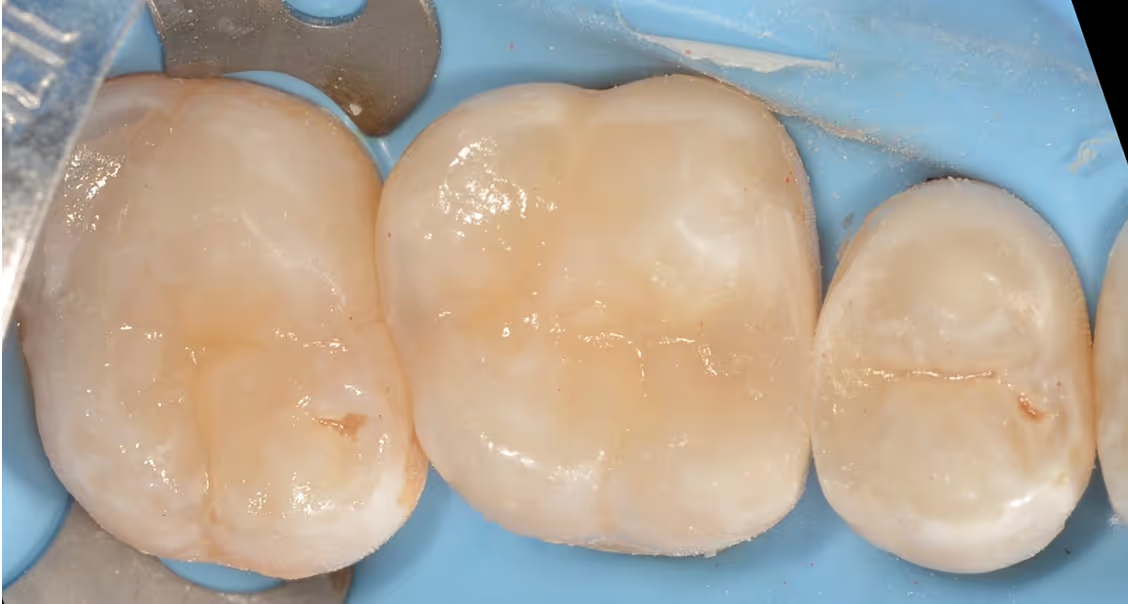
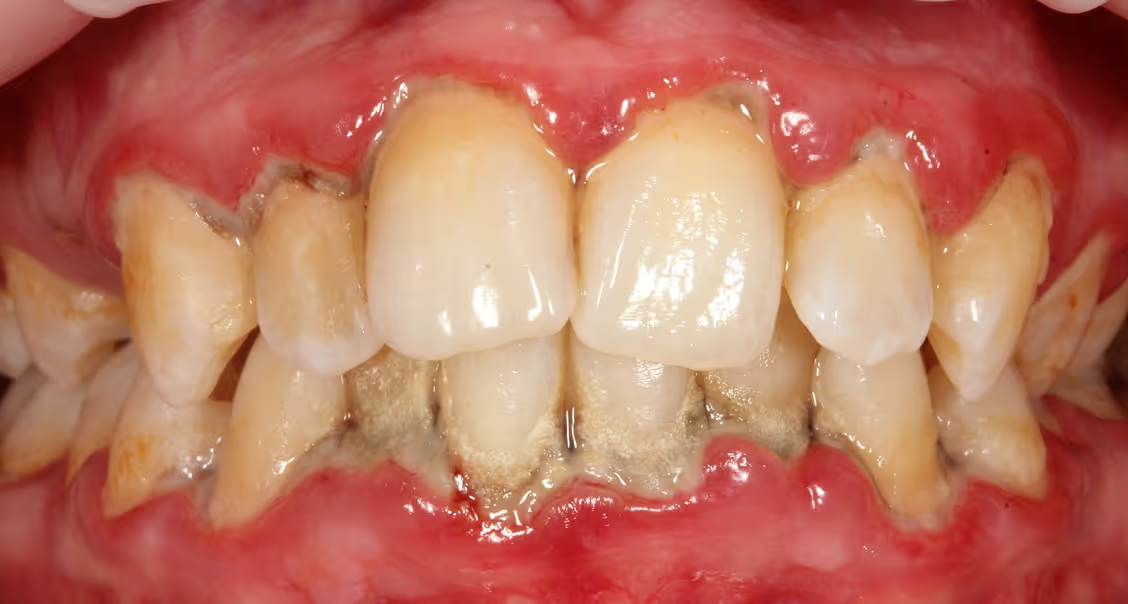
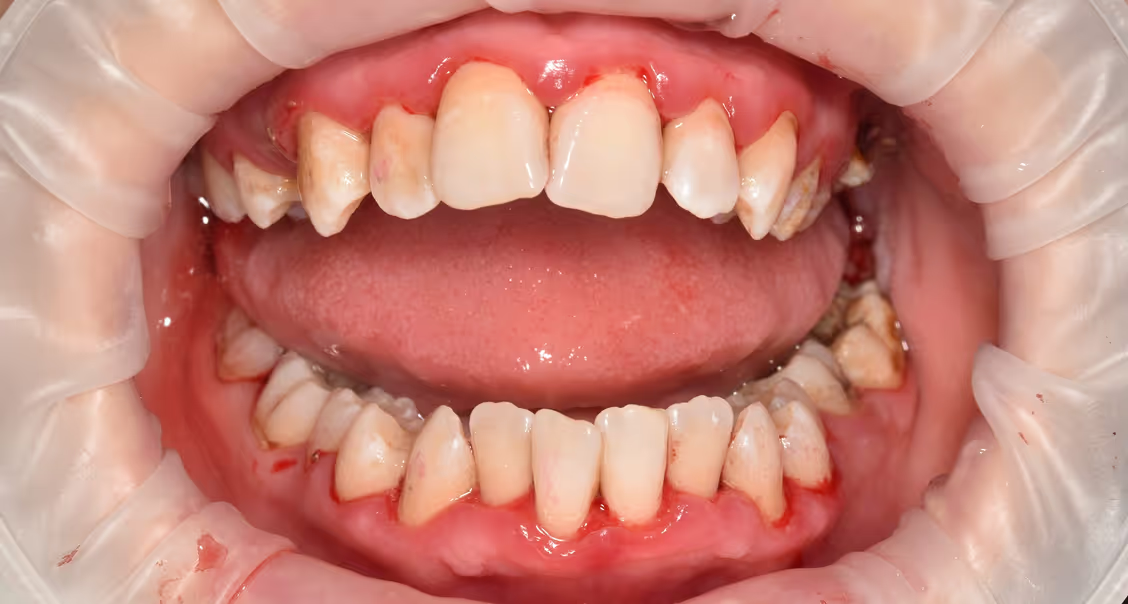
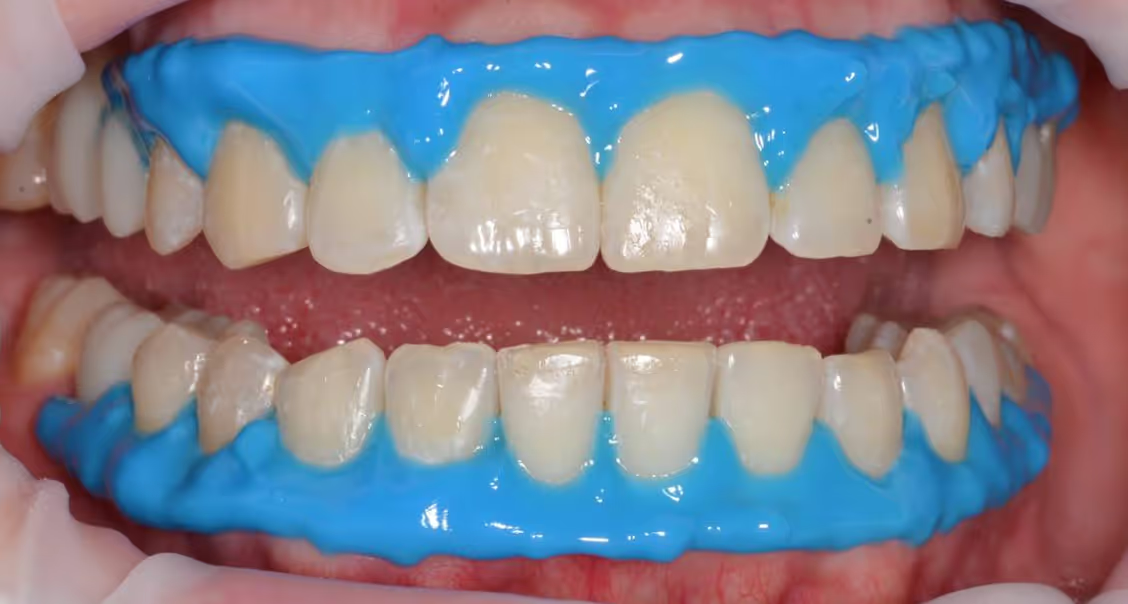
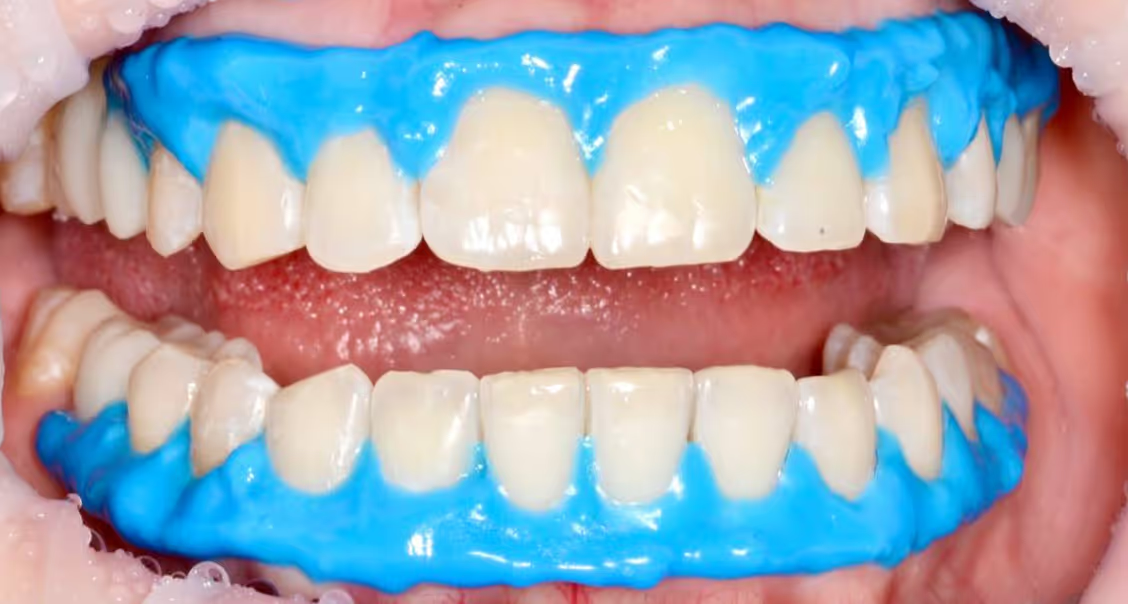
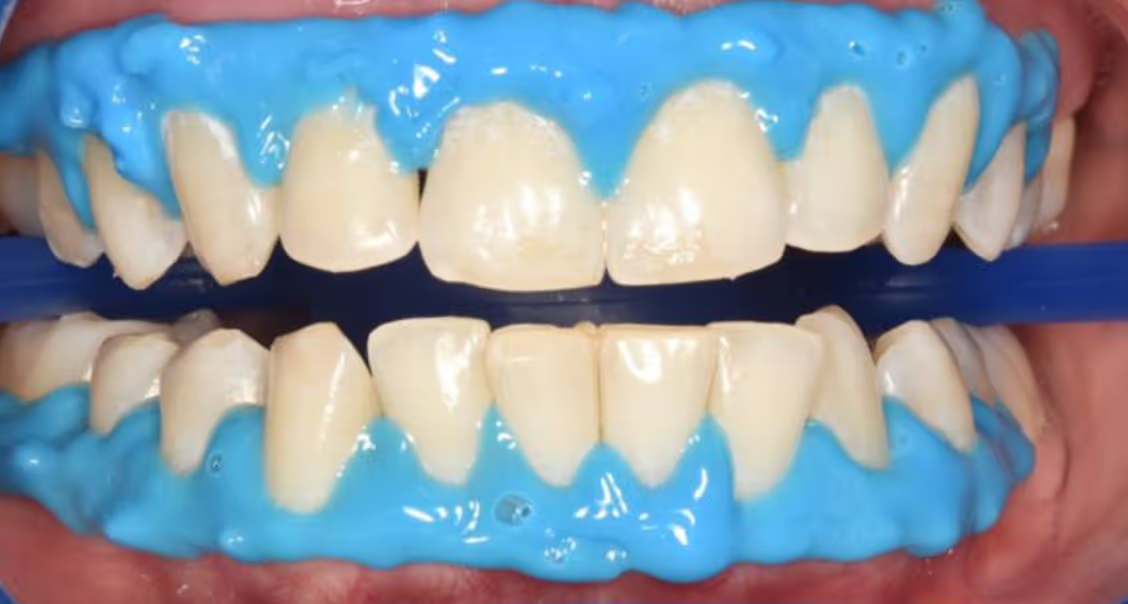
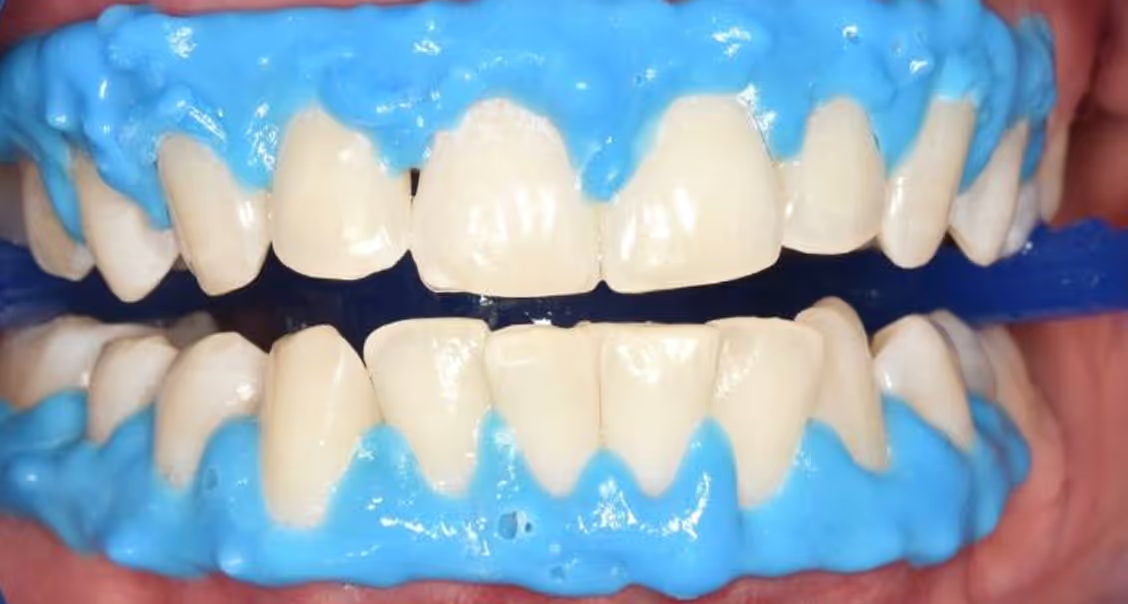
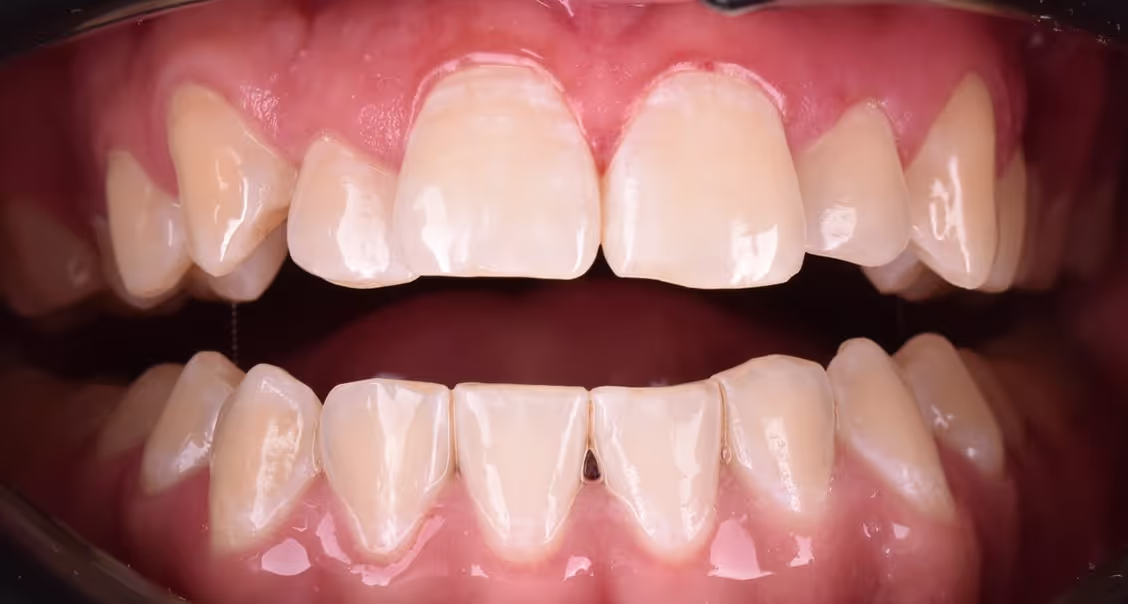
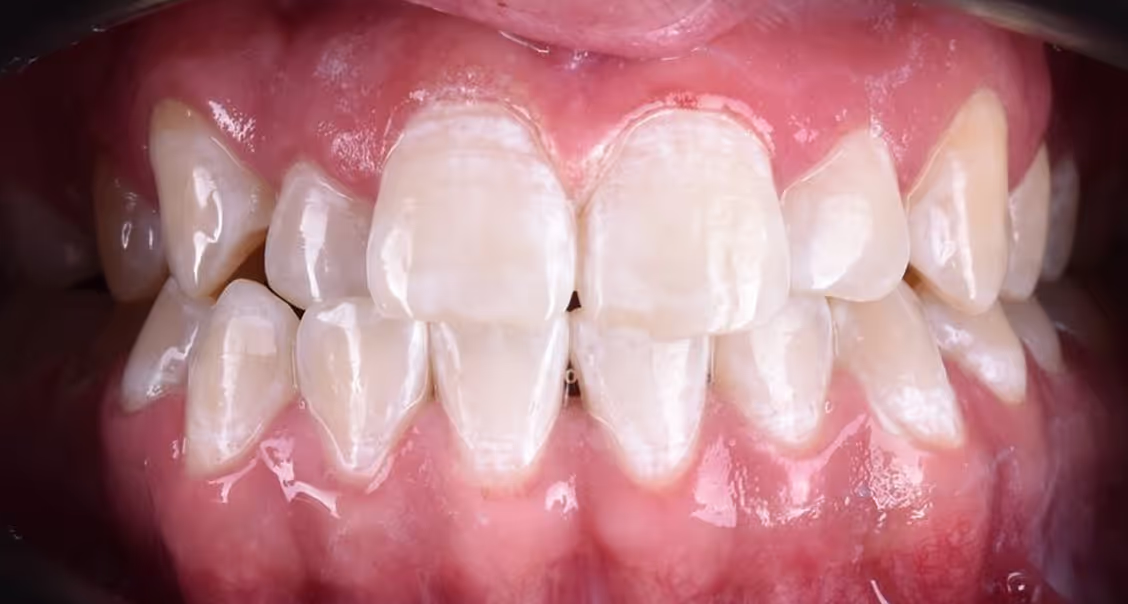
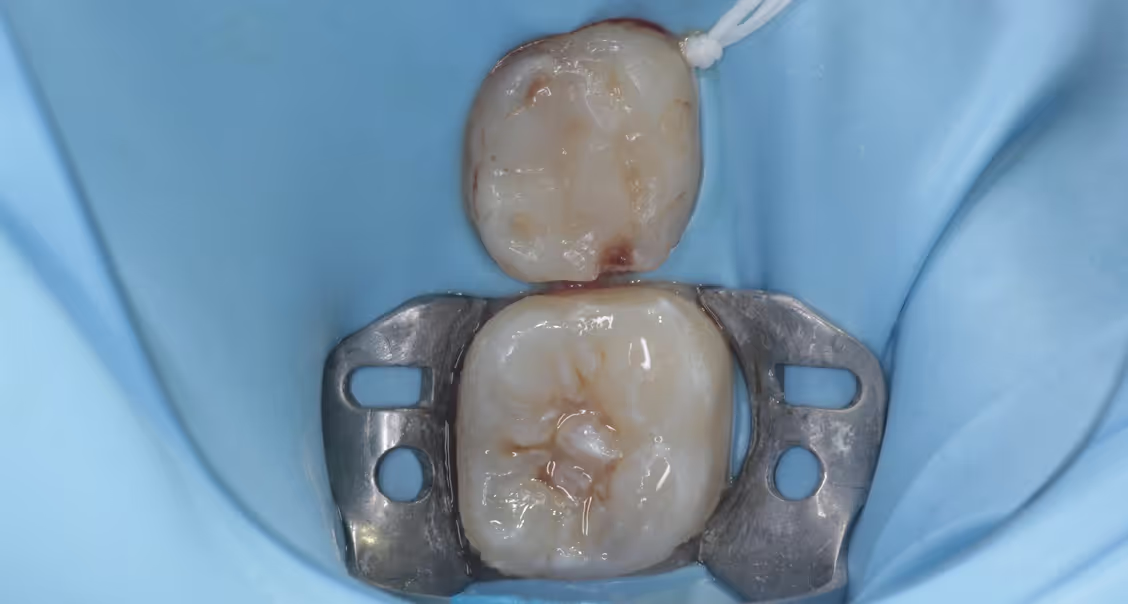
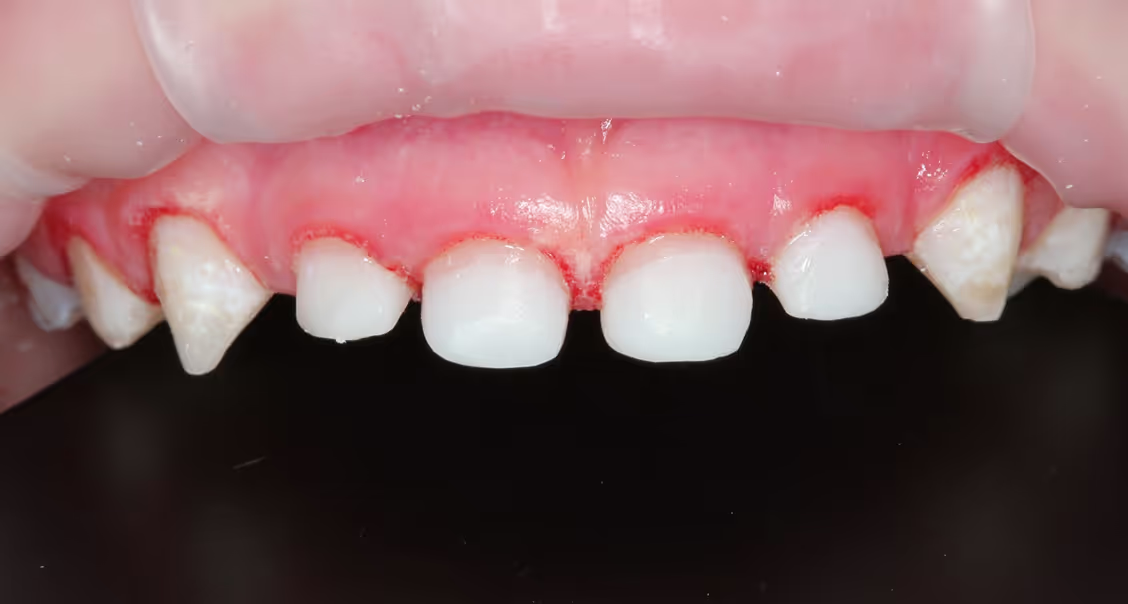
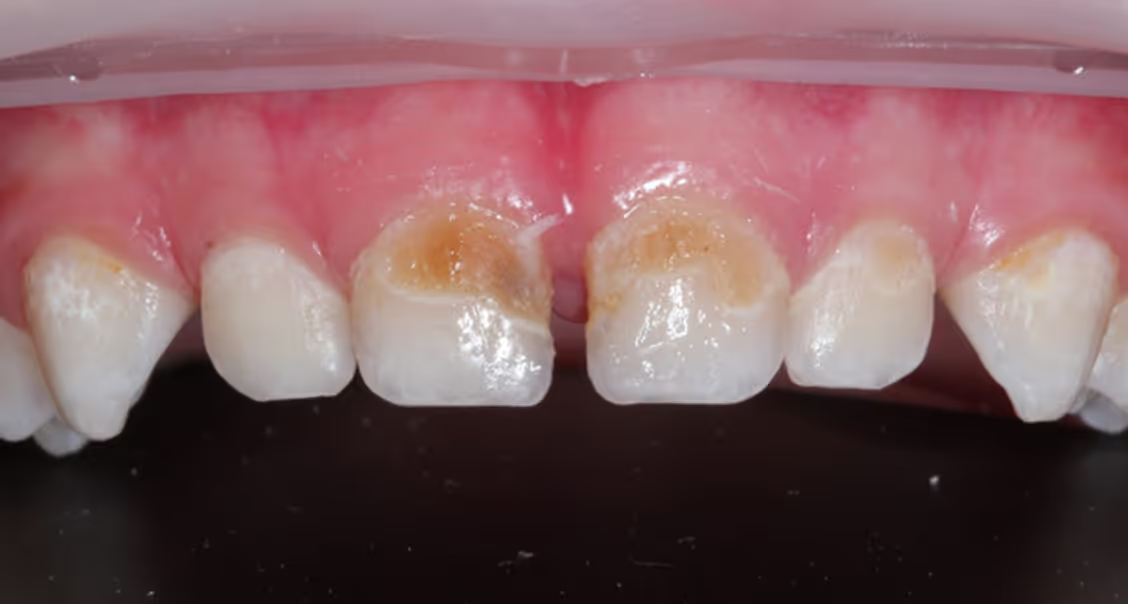
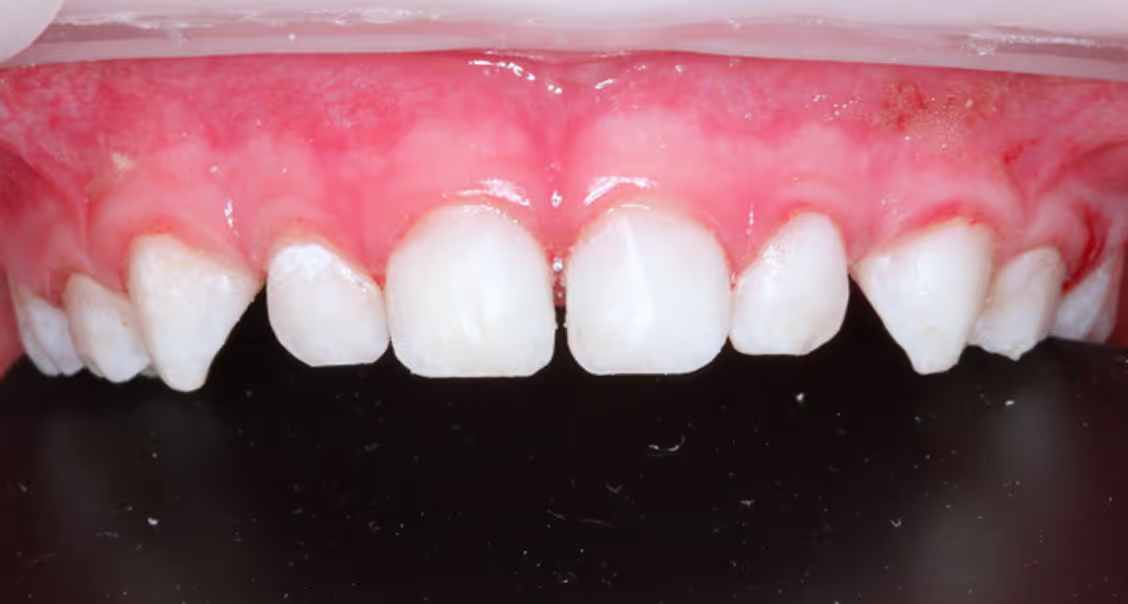
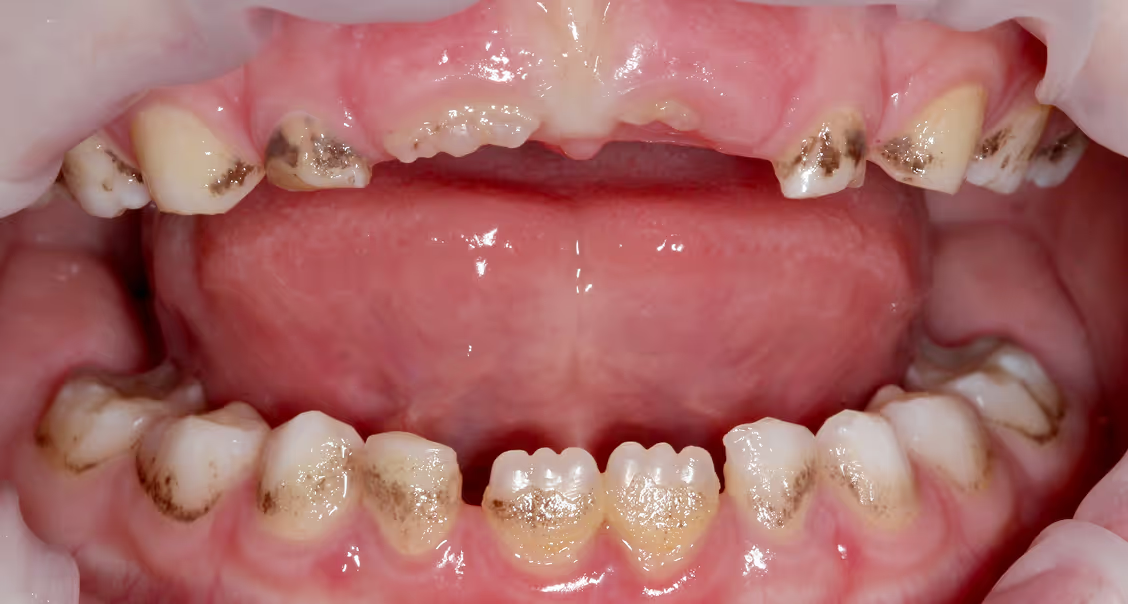
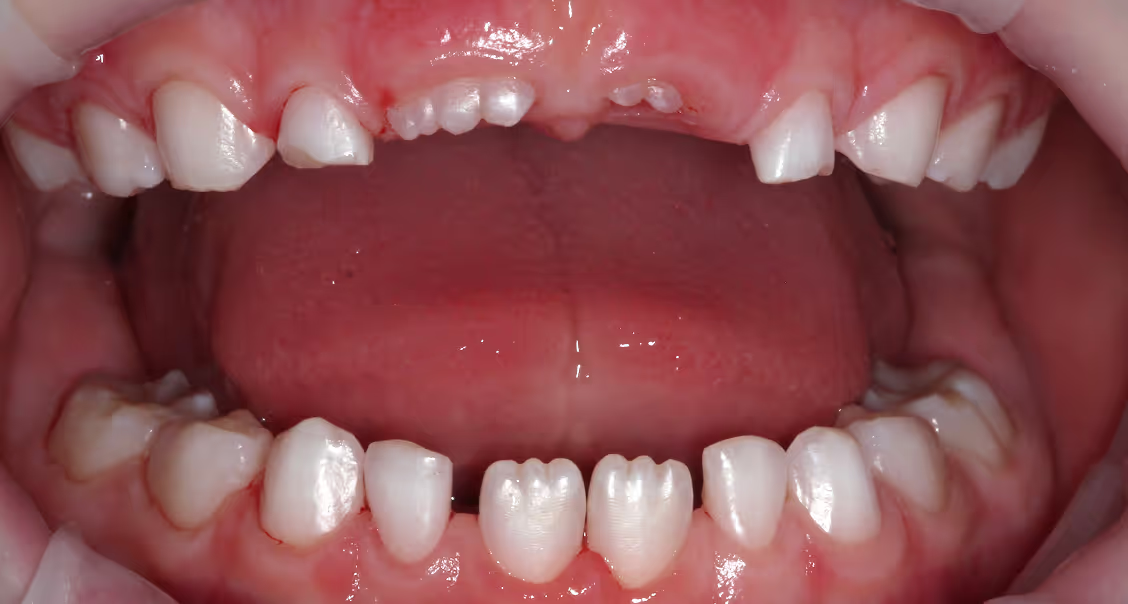
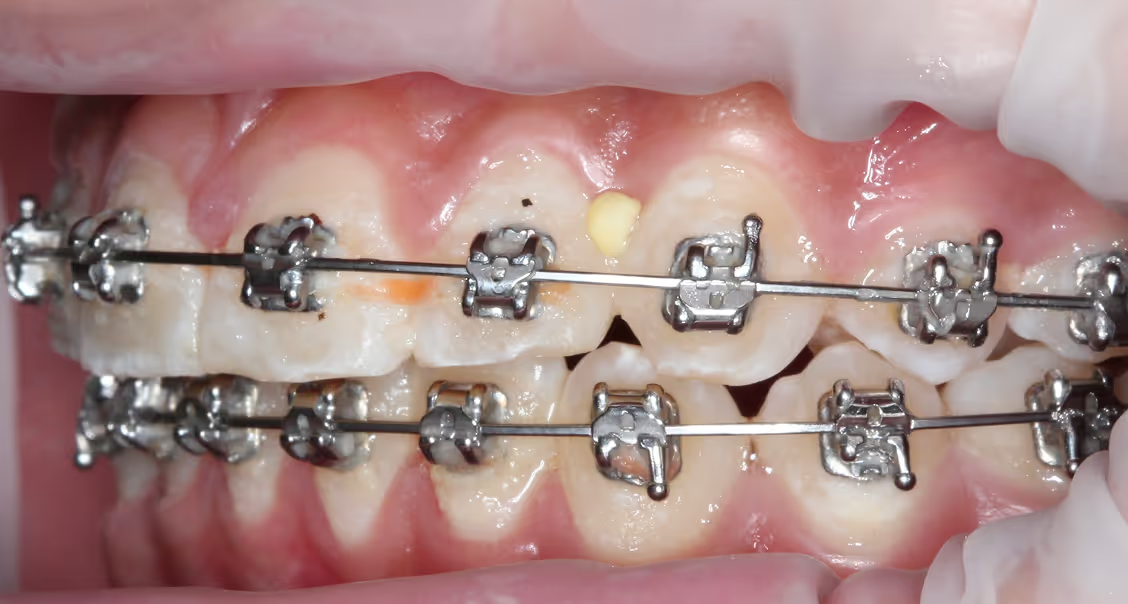
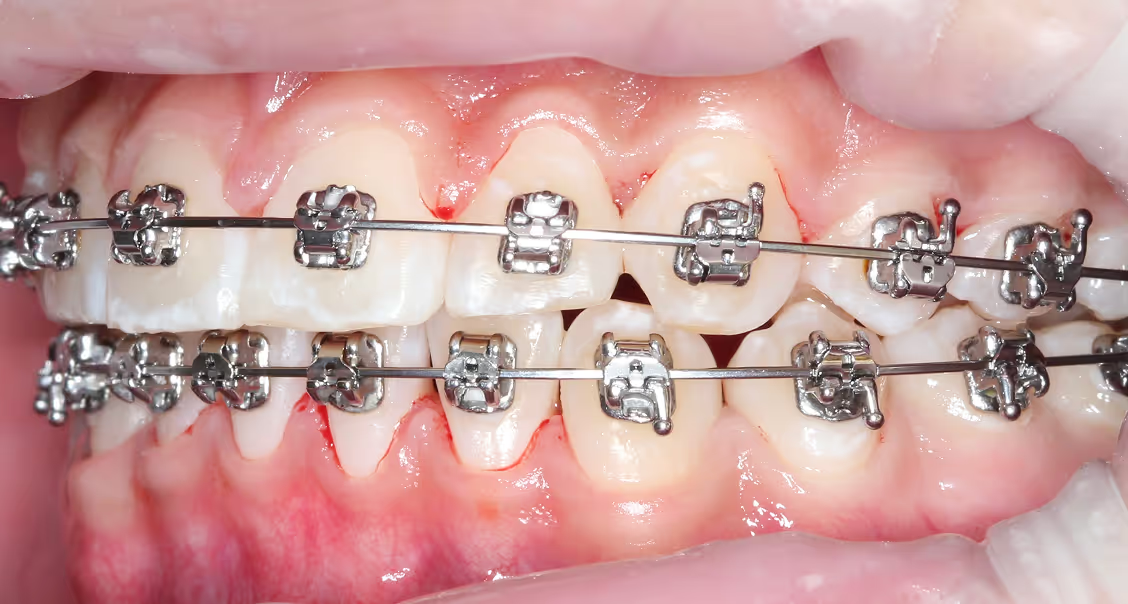
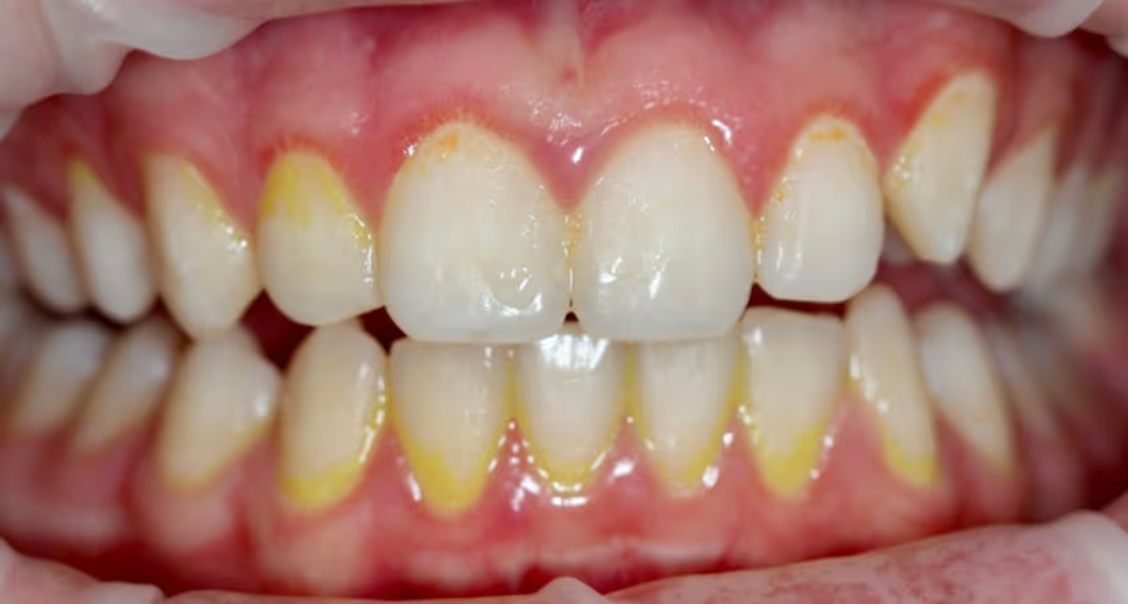
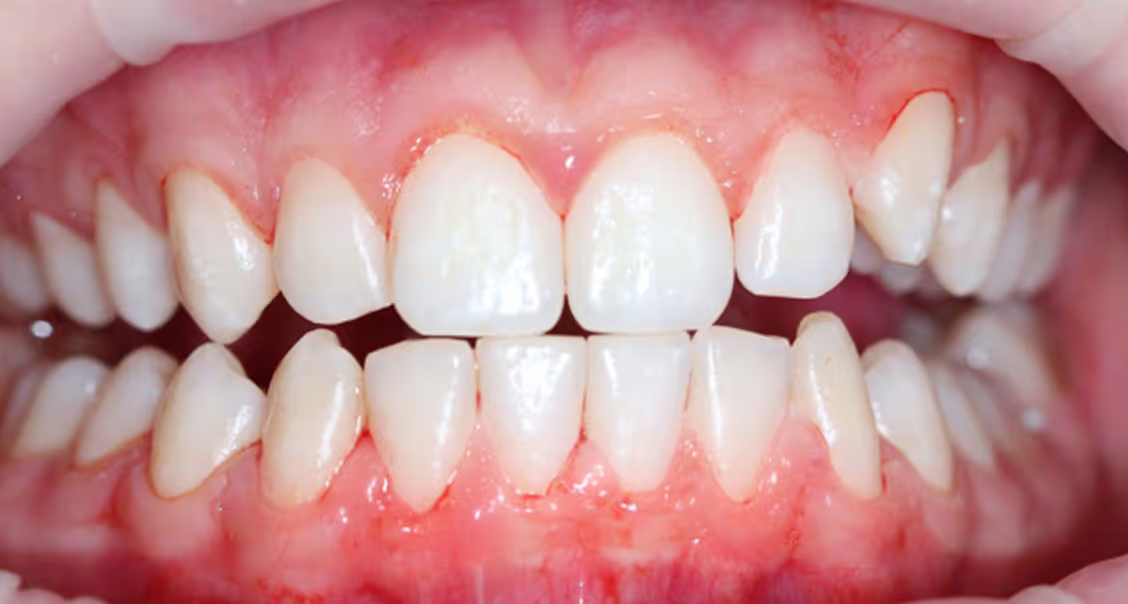
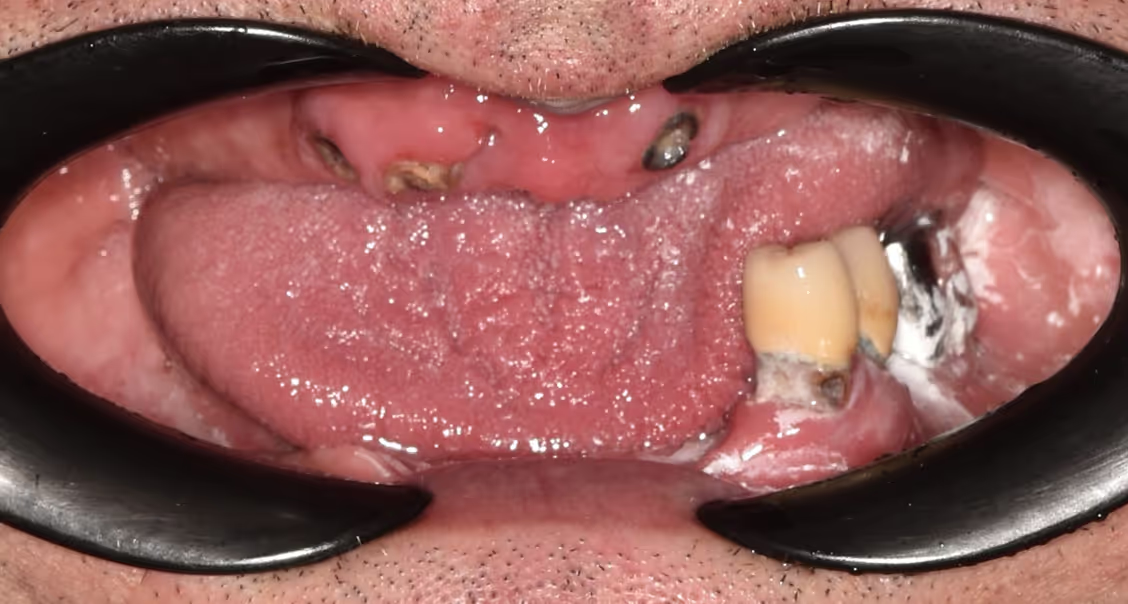
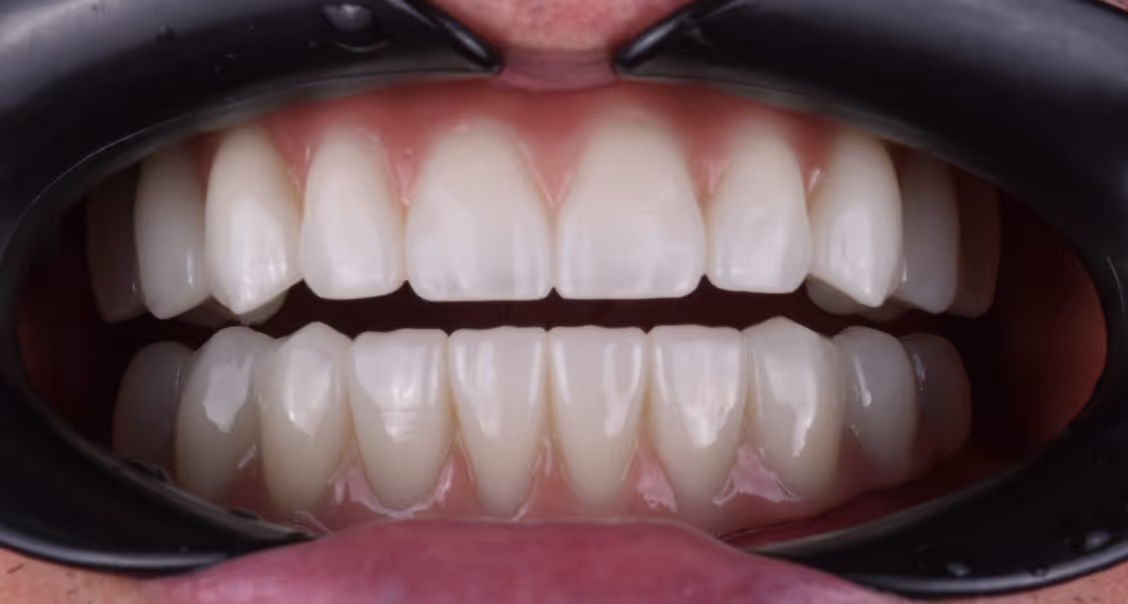
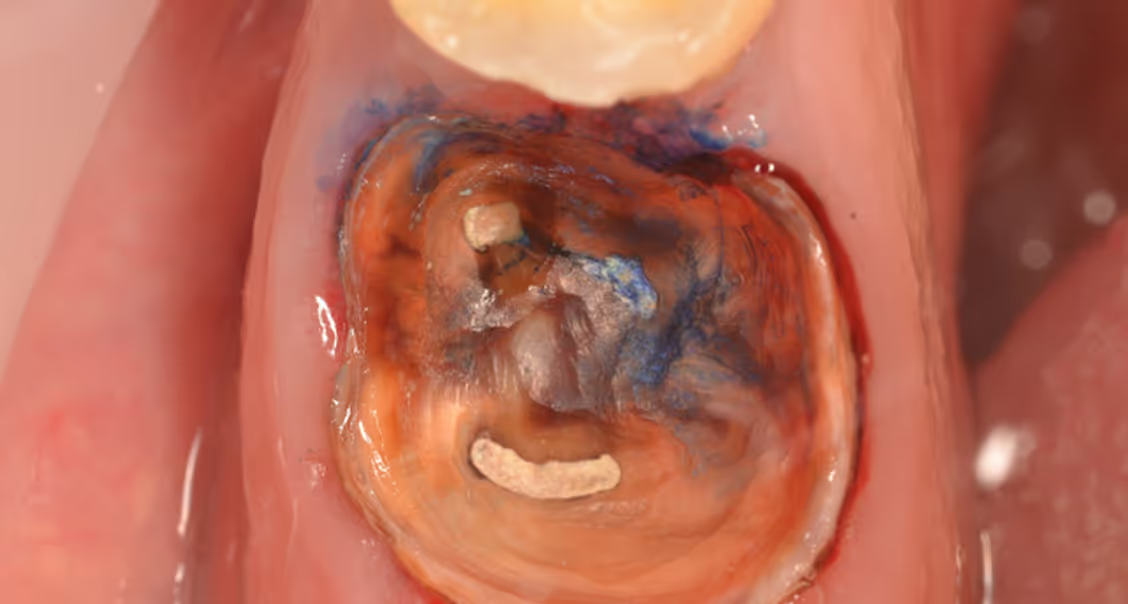
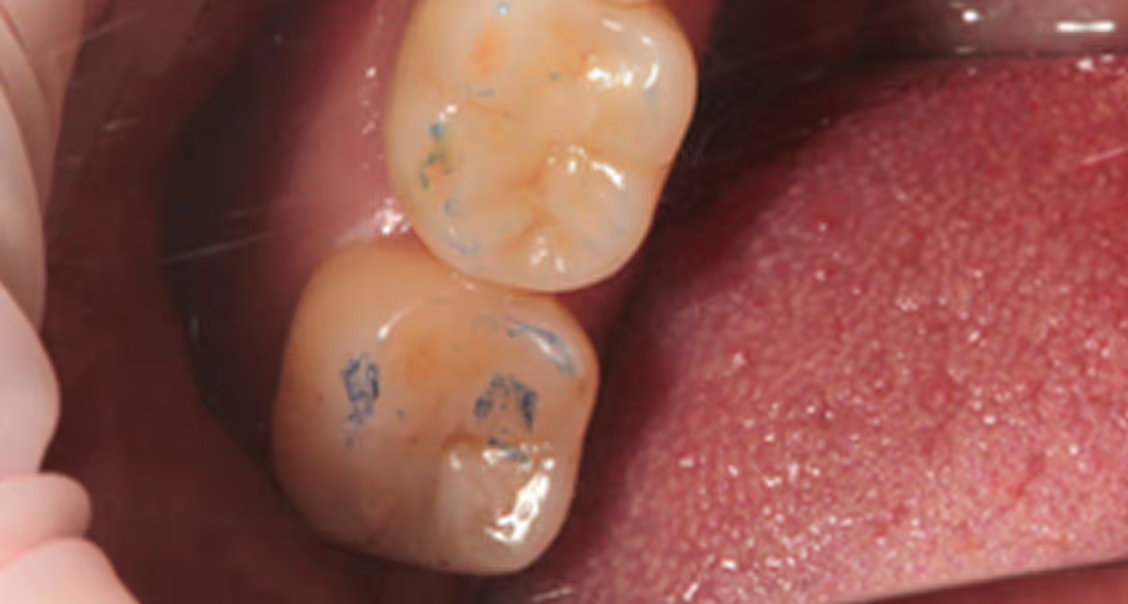
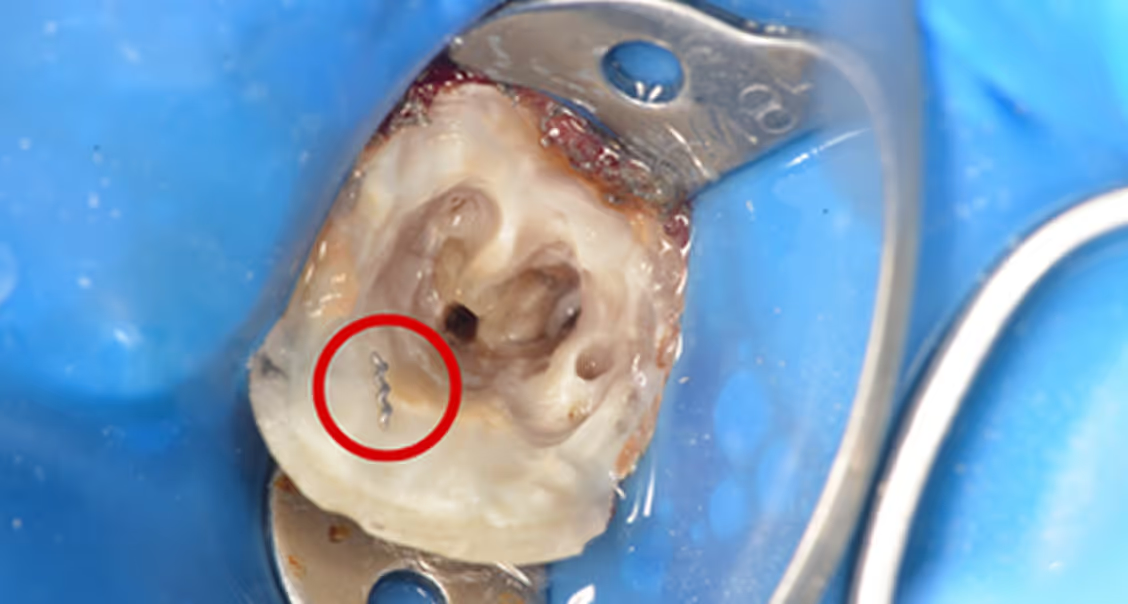
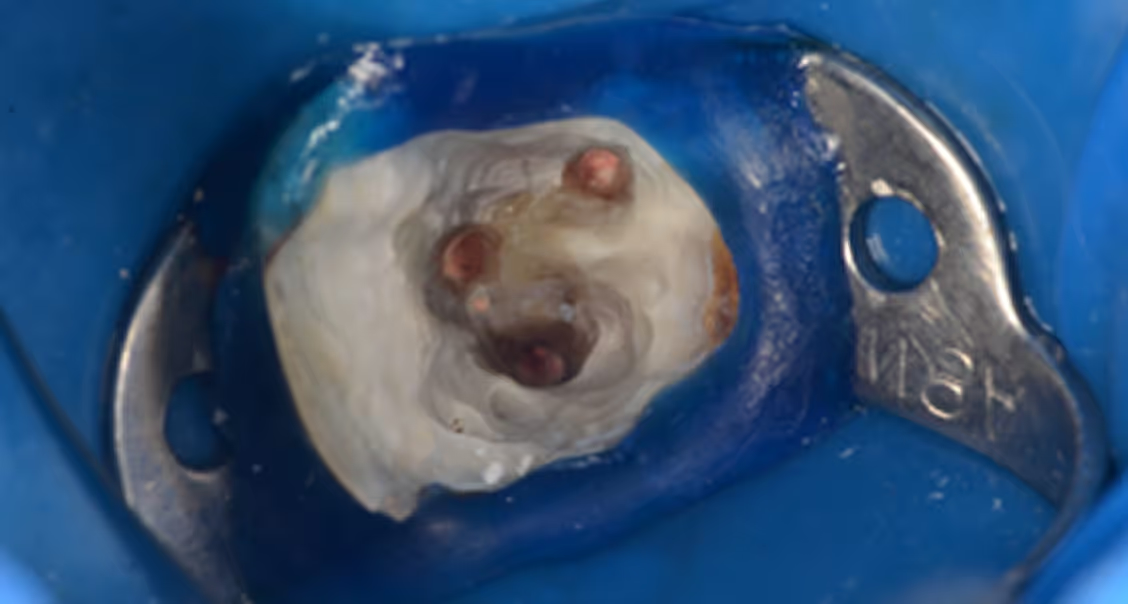
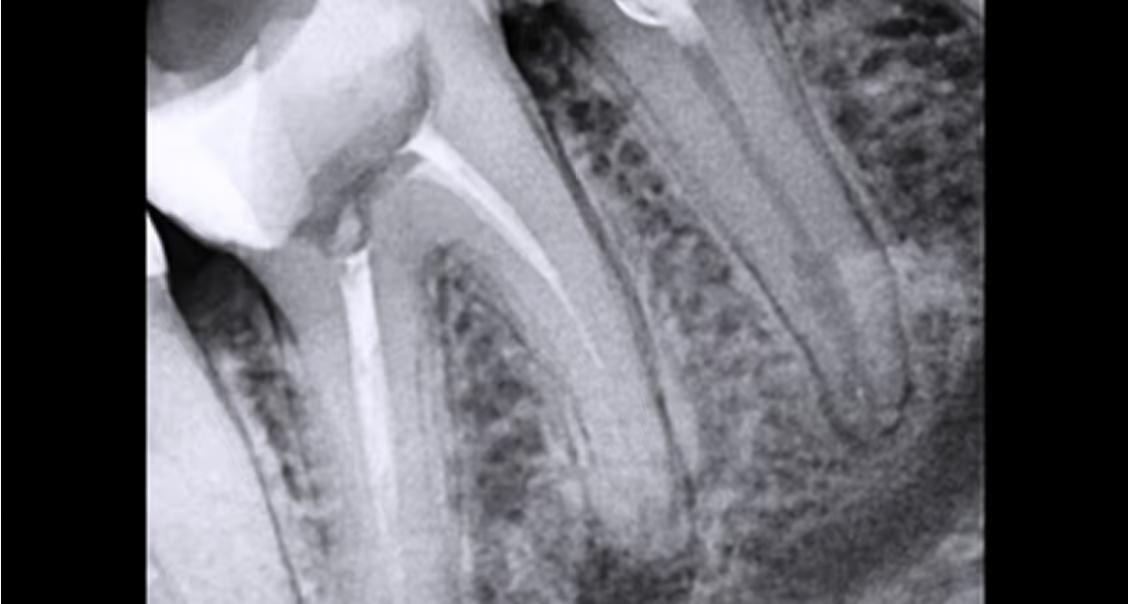
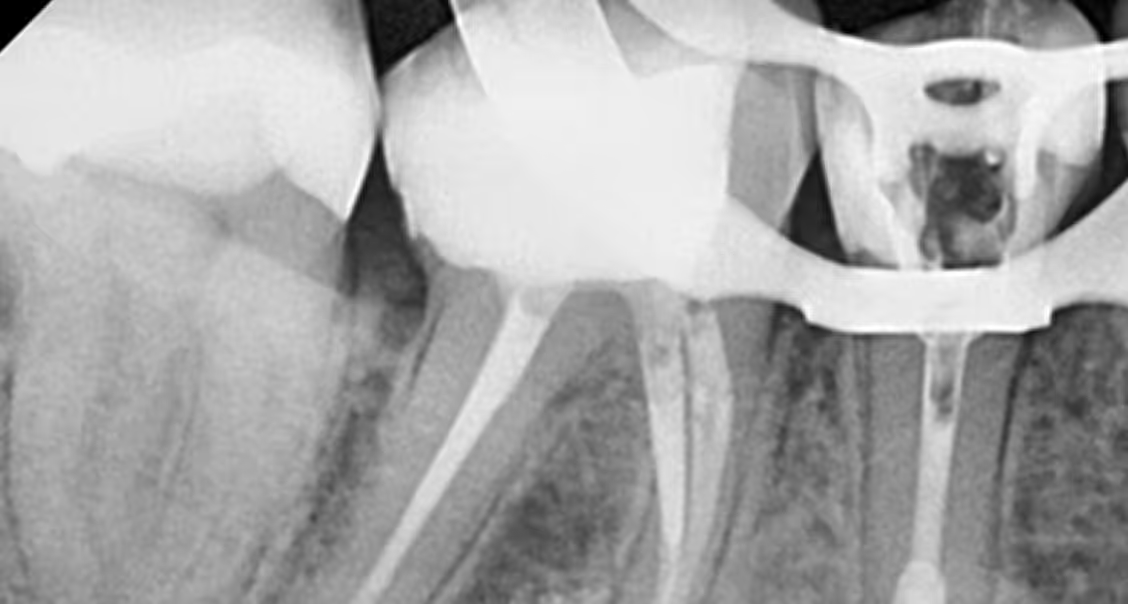
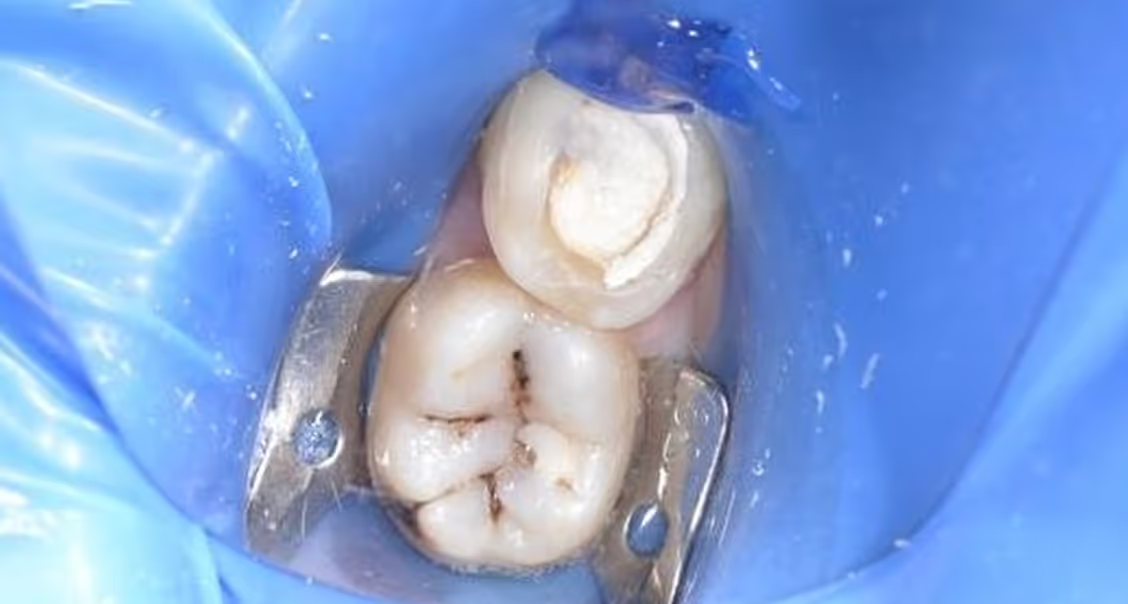
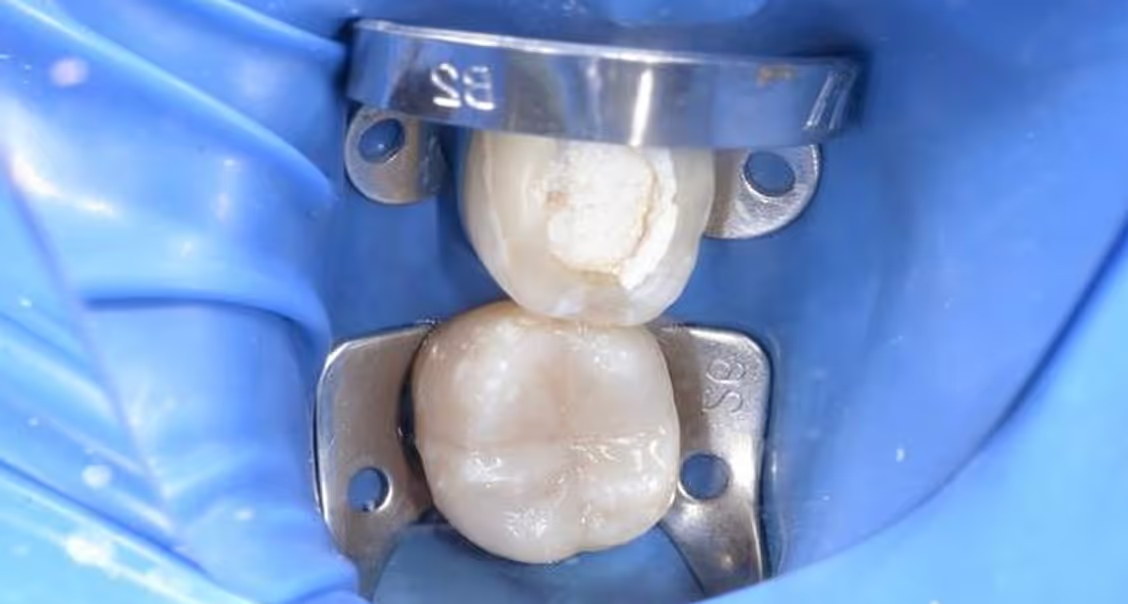
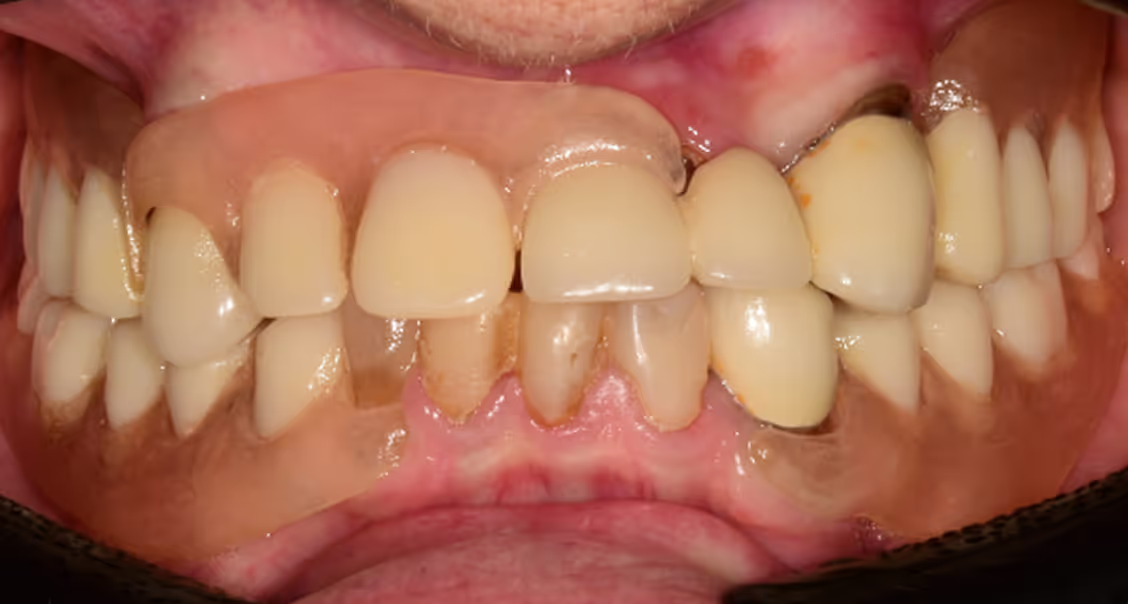
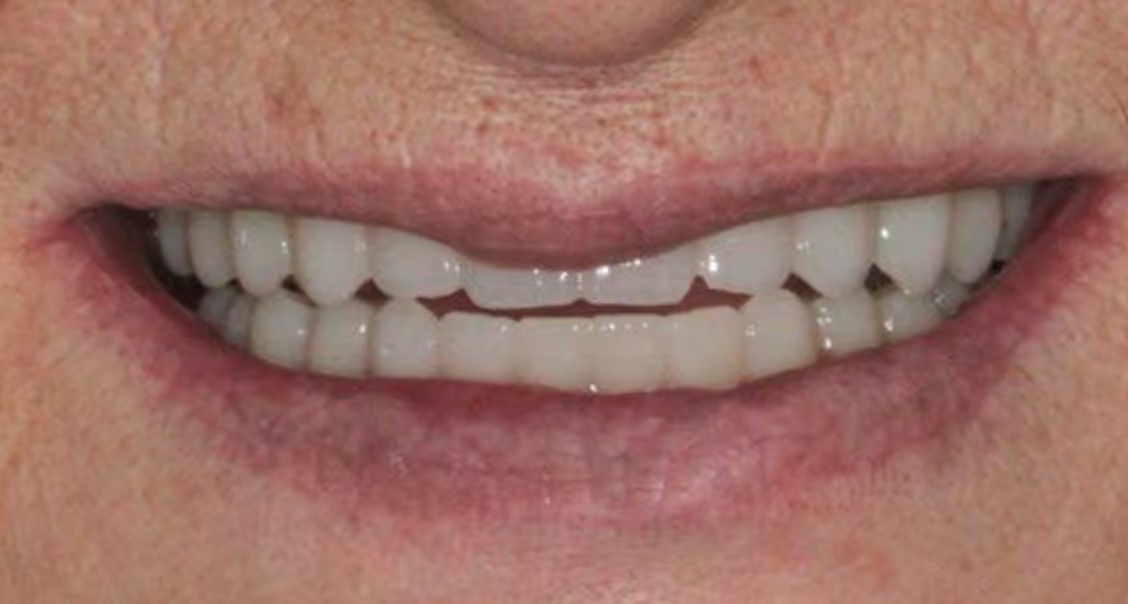
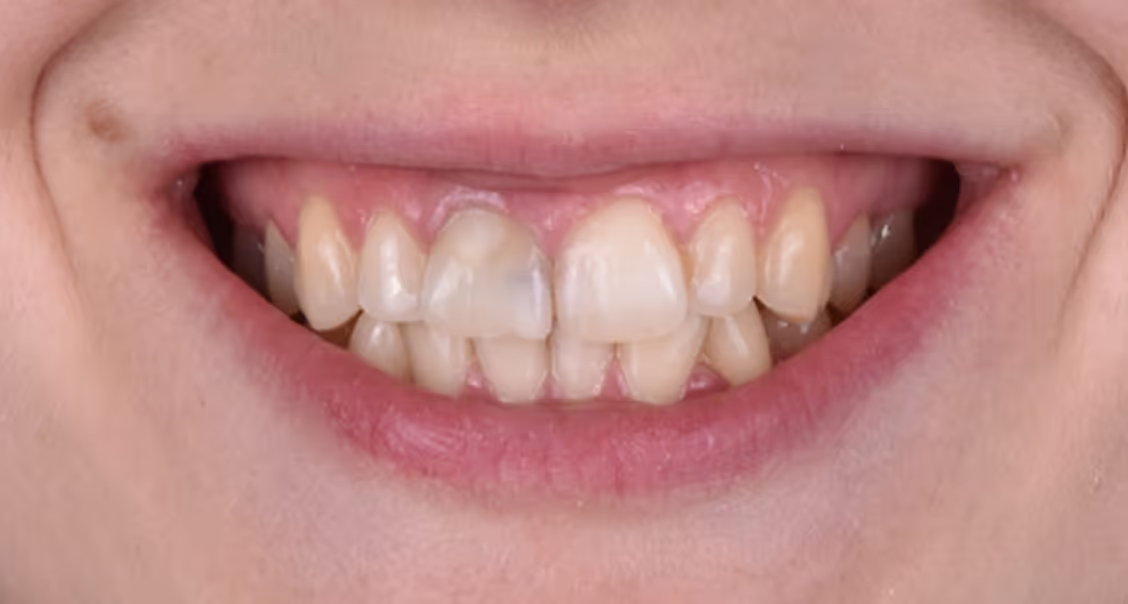
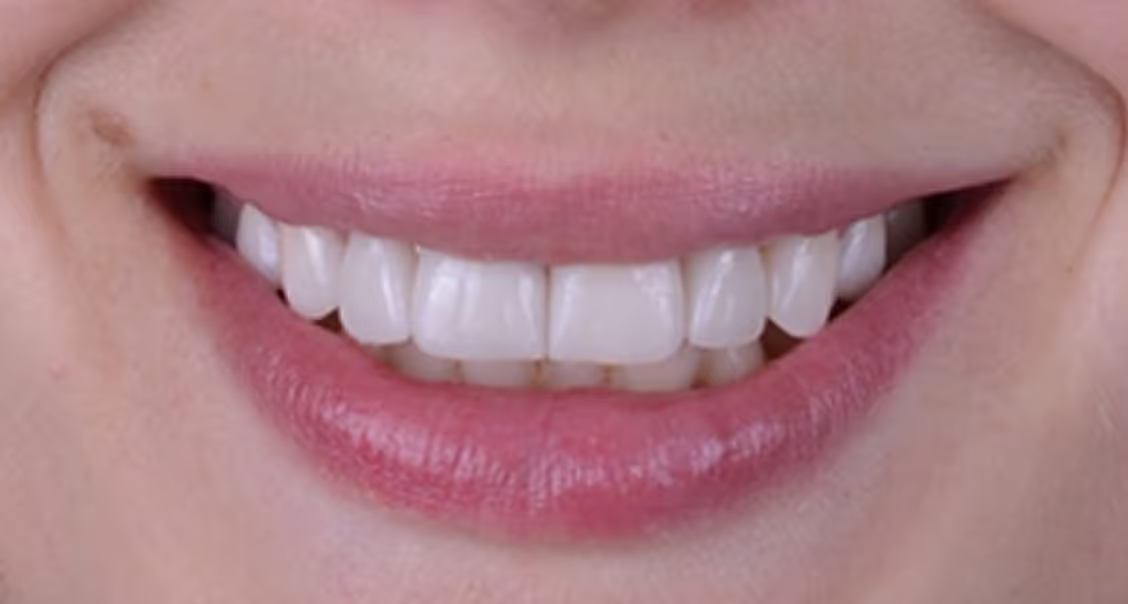
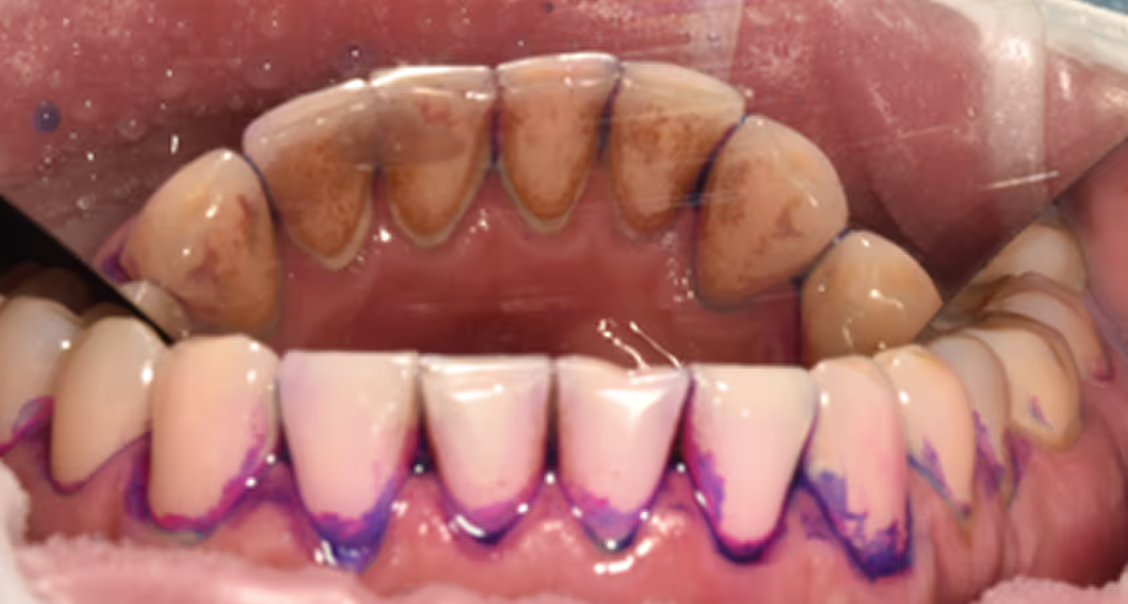
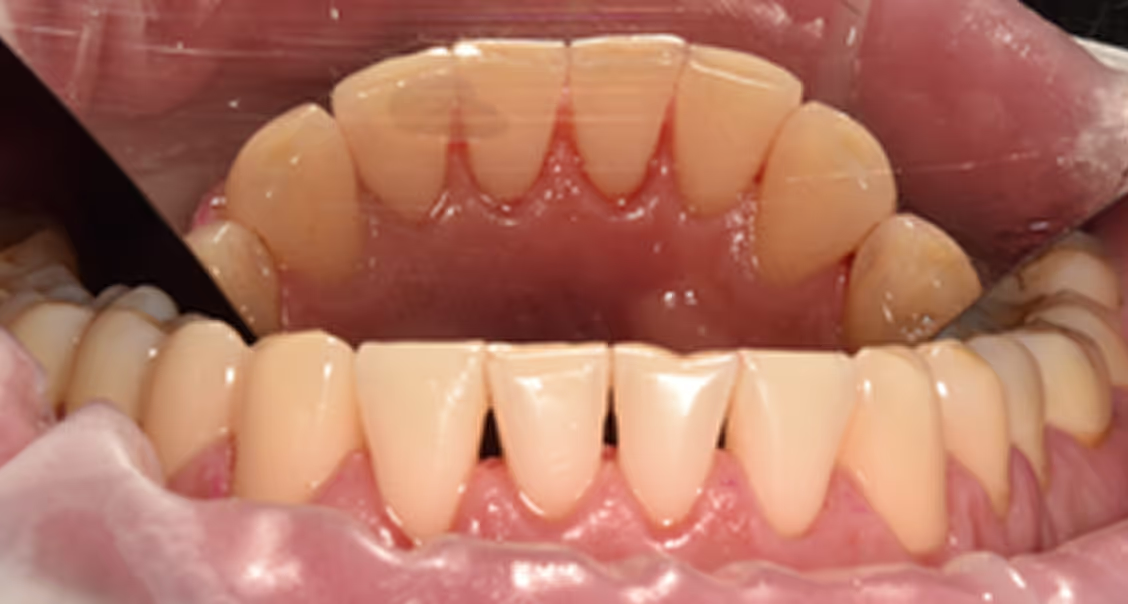
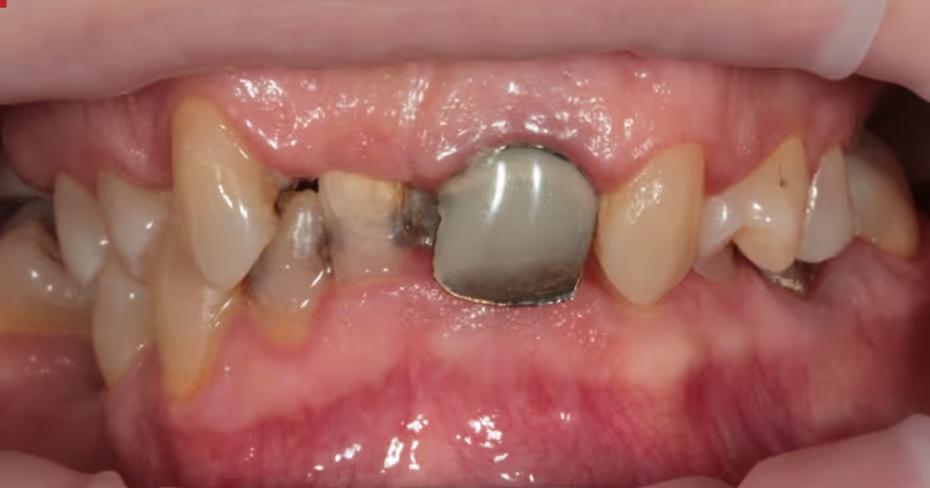
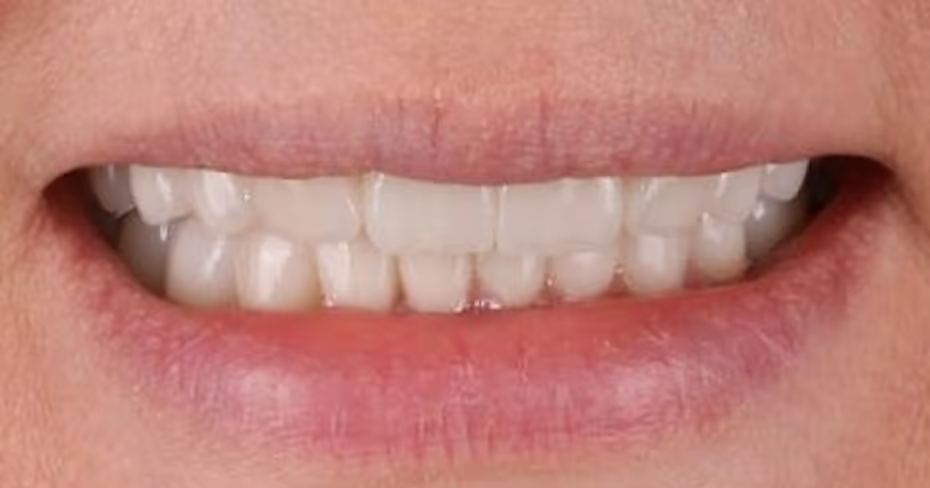
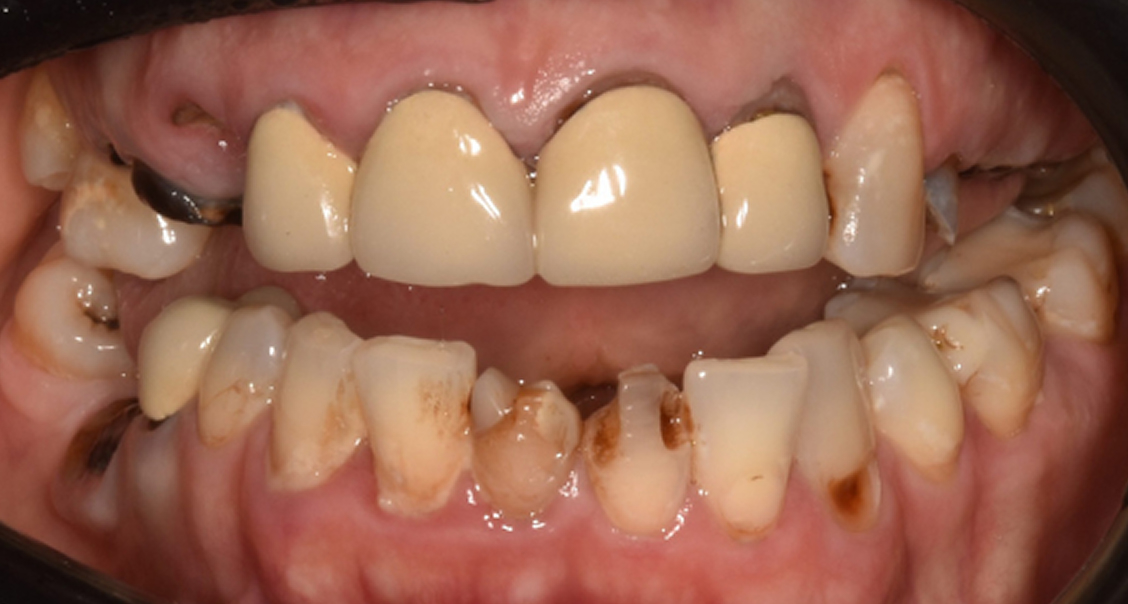
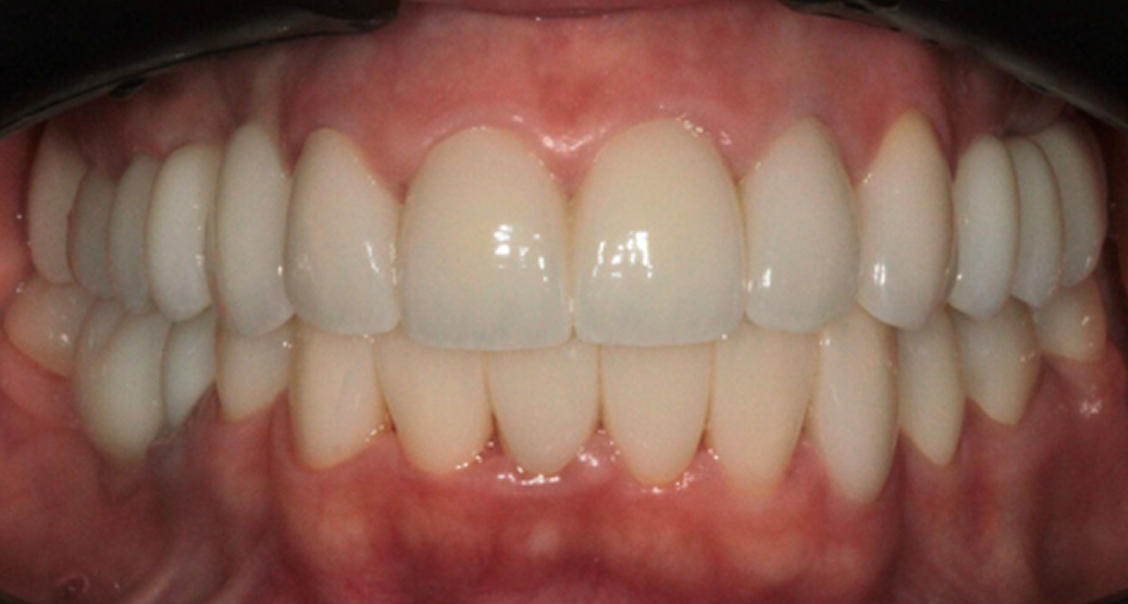
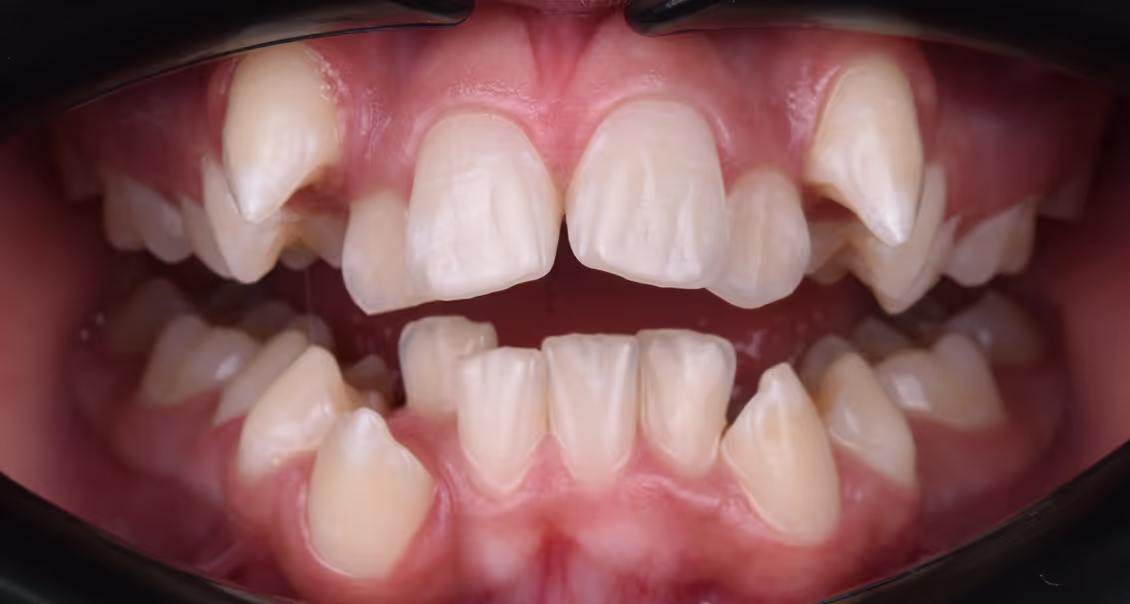
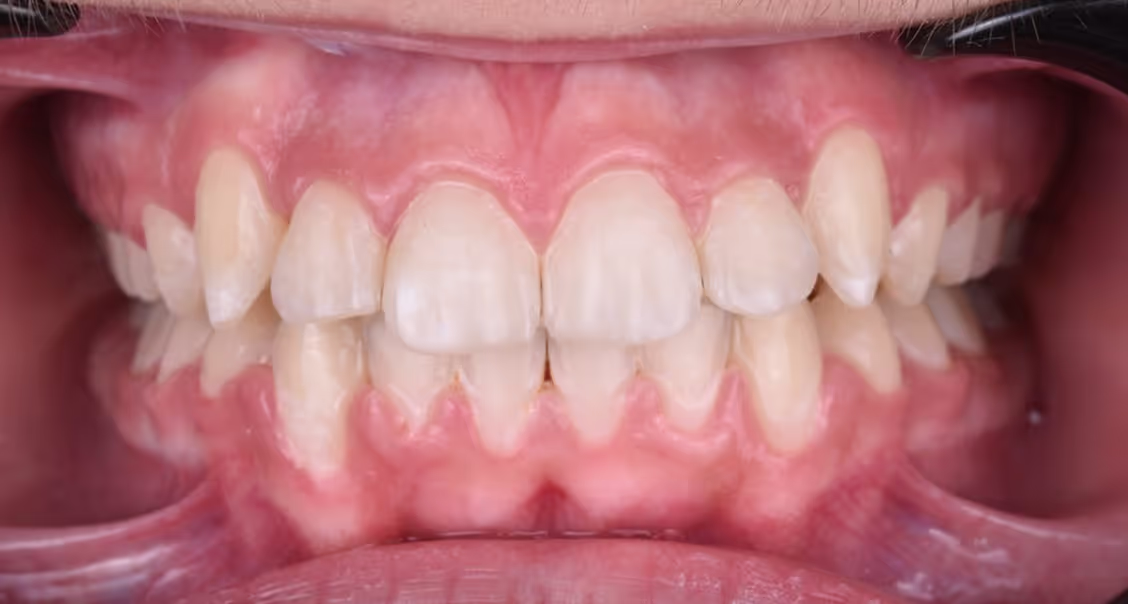
Patient results after tooth restoration
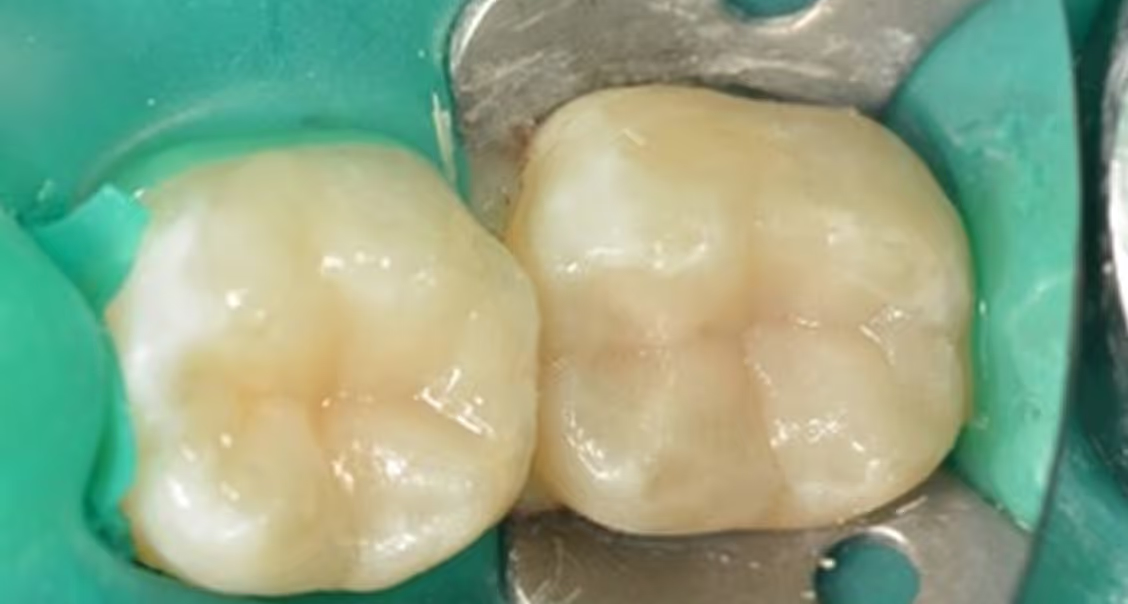
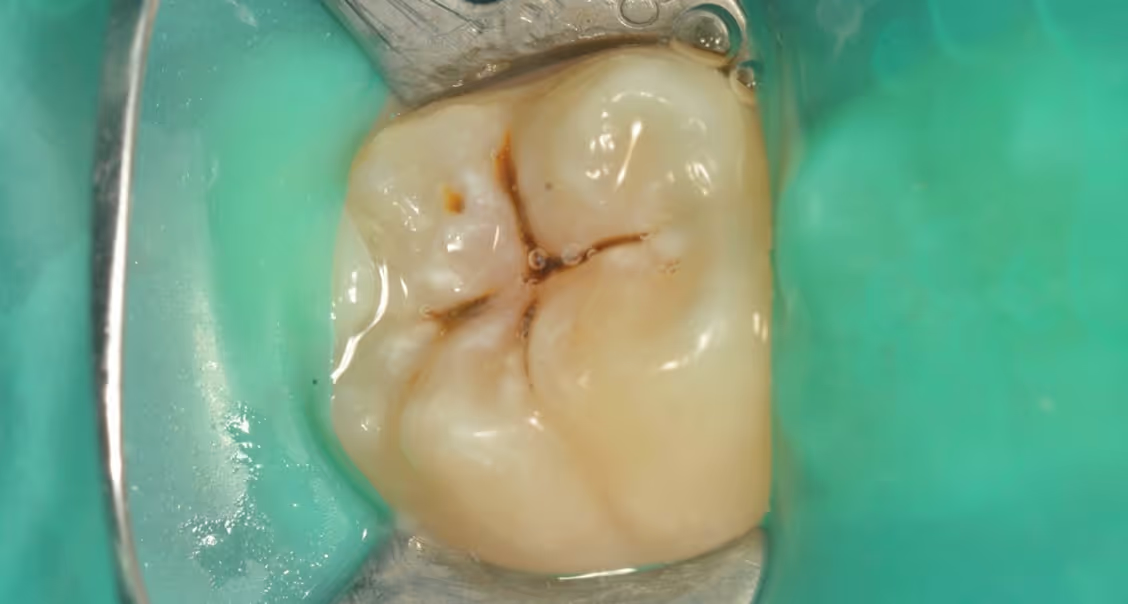
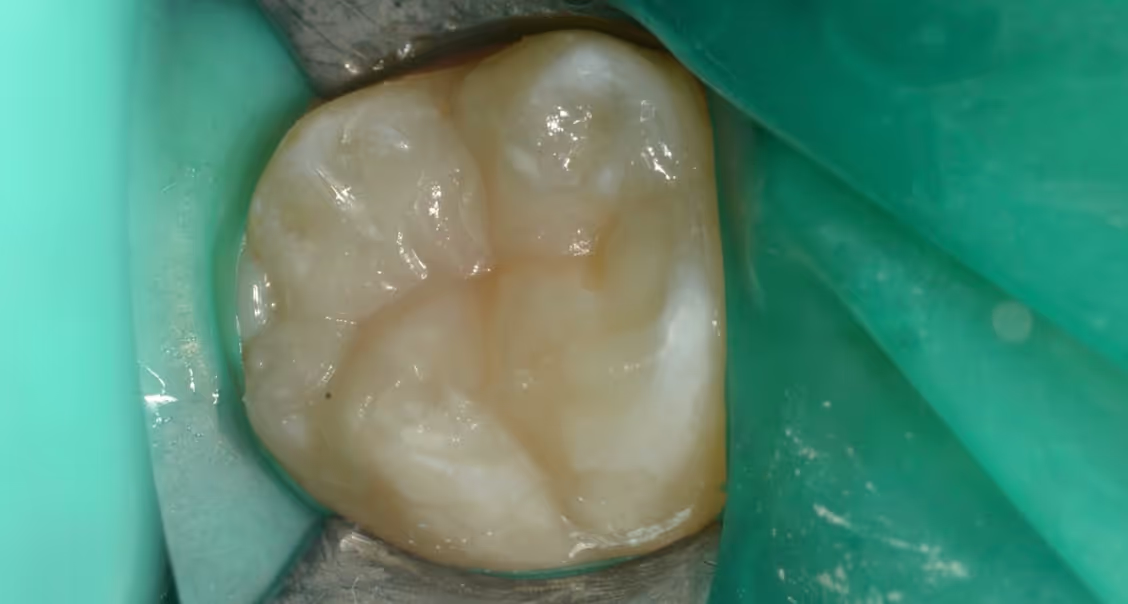
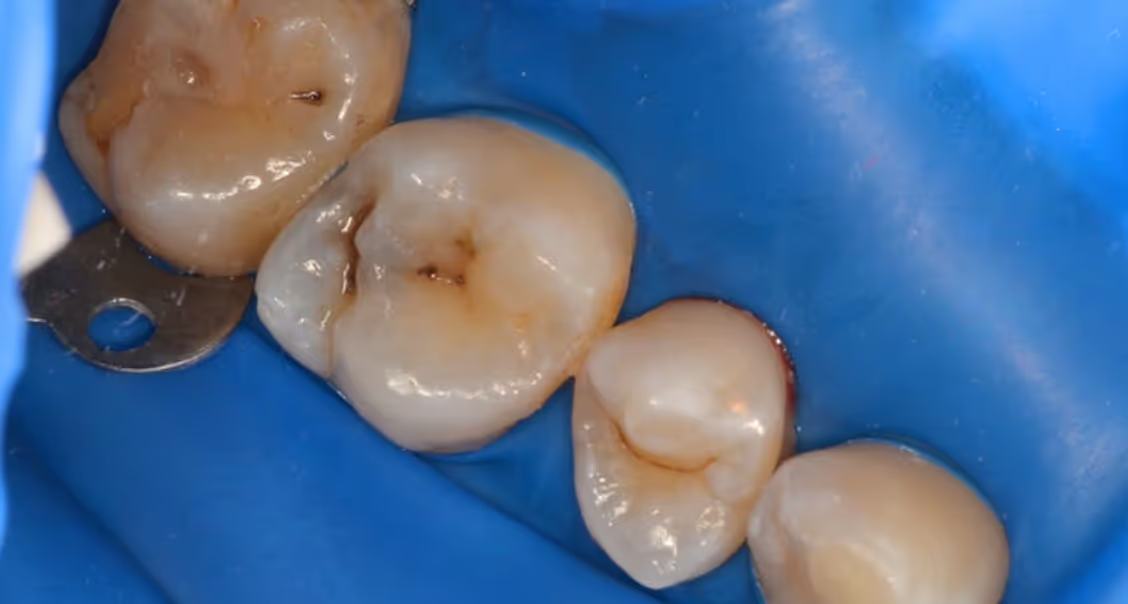
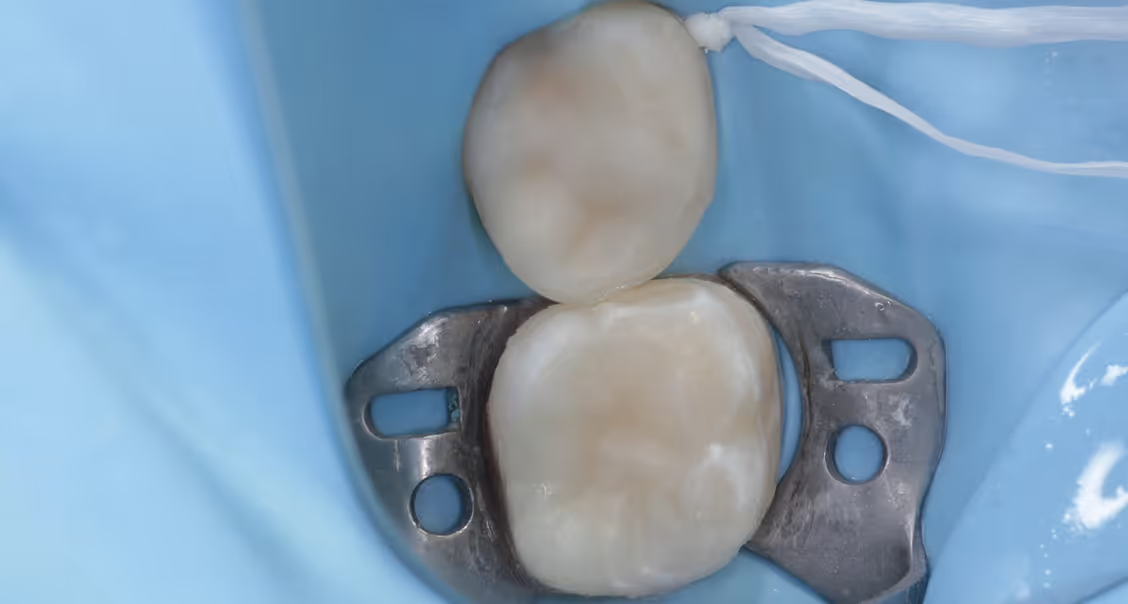
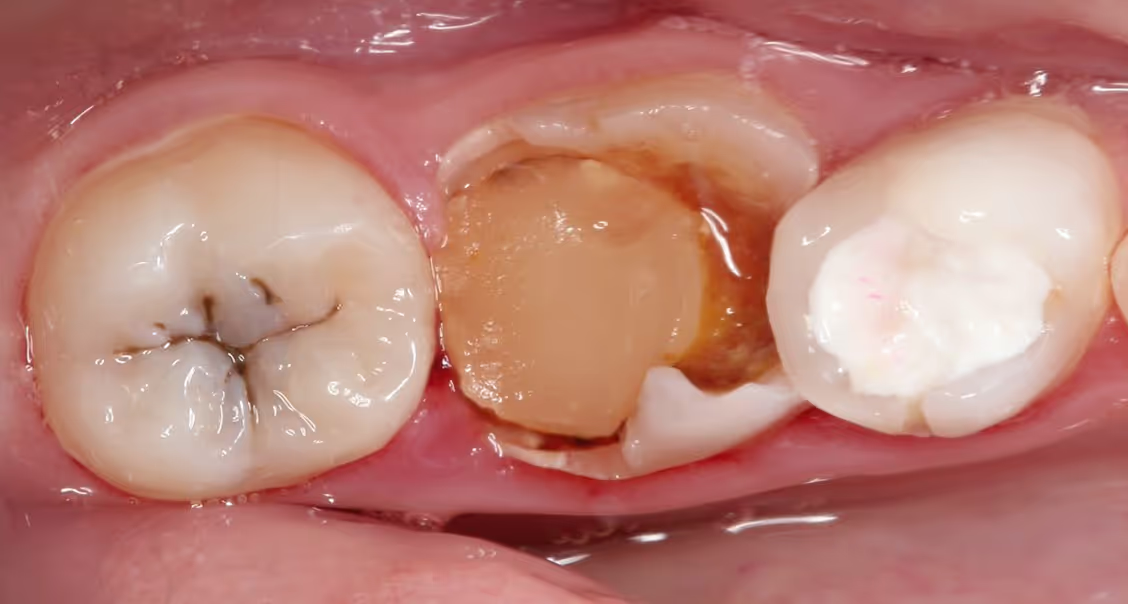
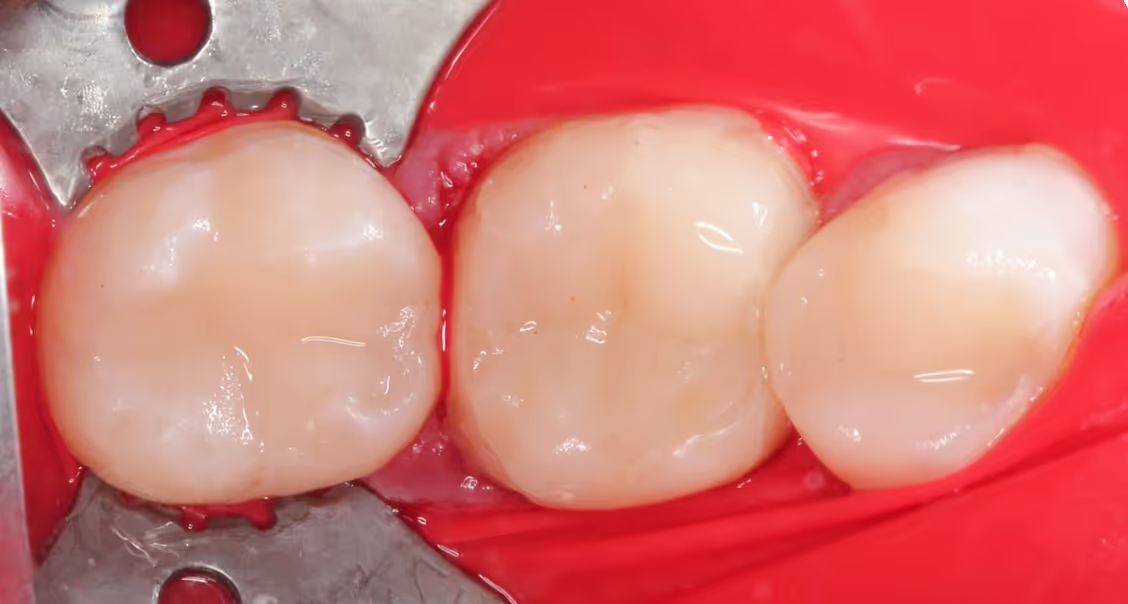
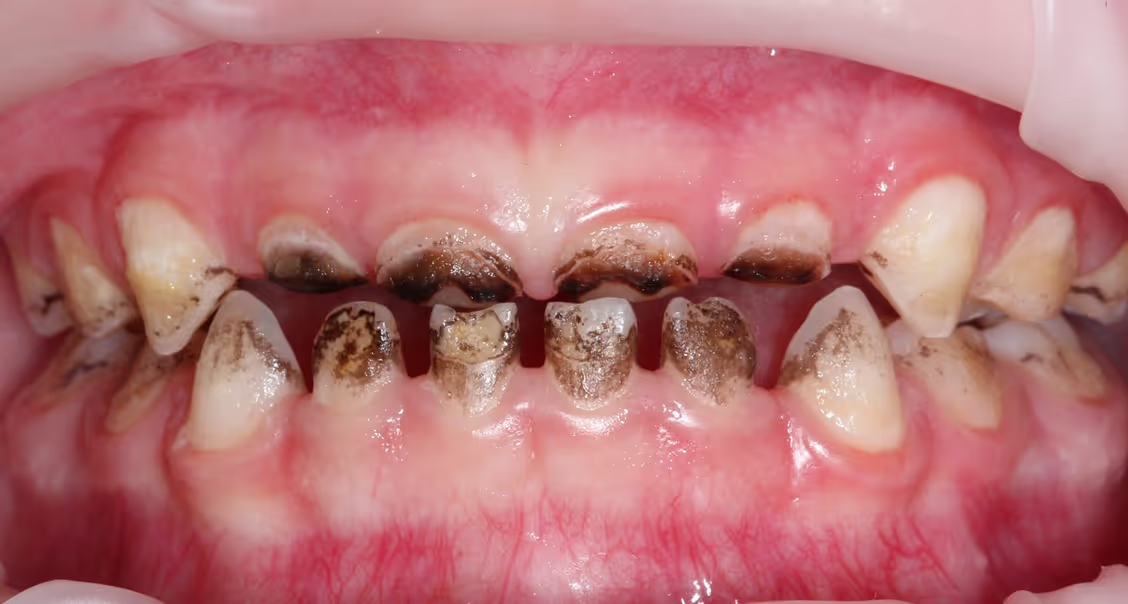
See real cases of tooth restoration in our patients – from minor damage to more extensive reconstructions.
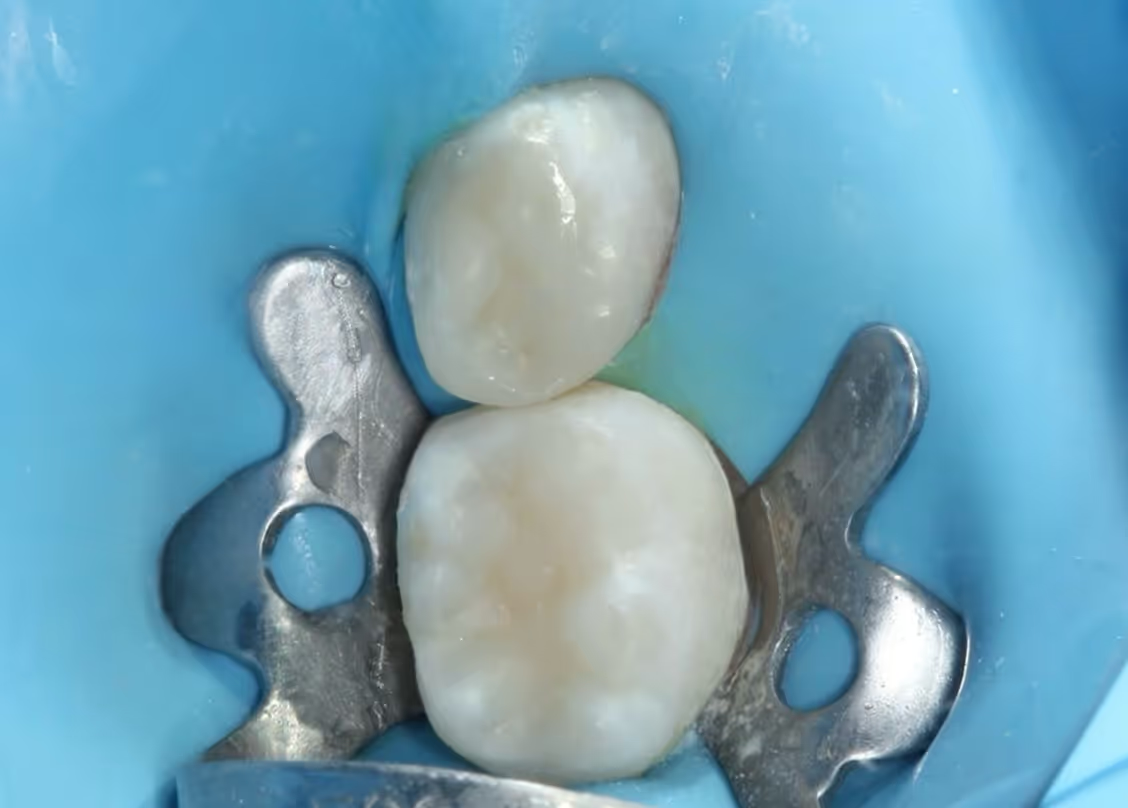
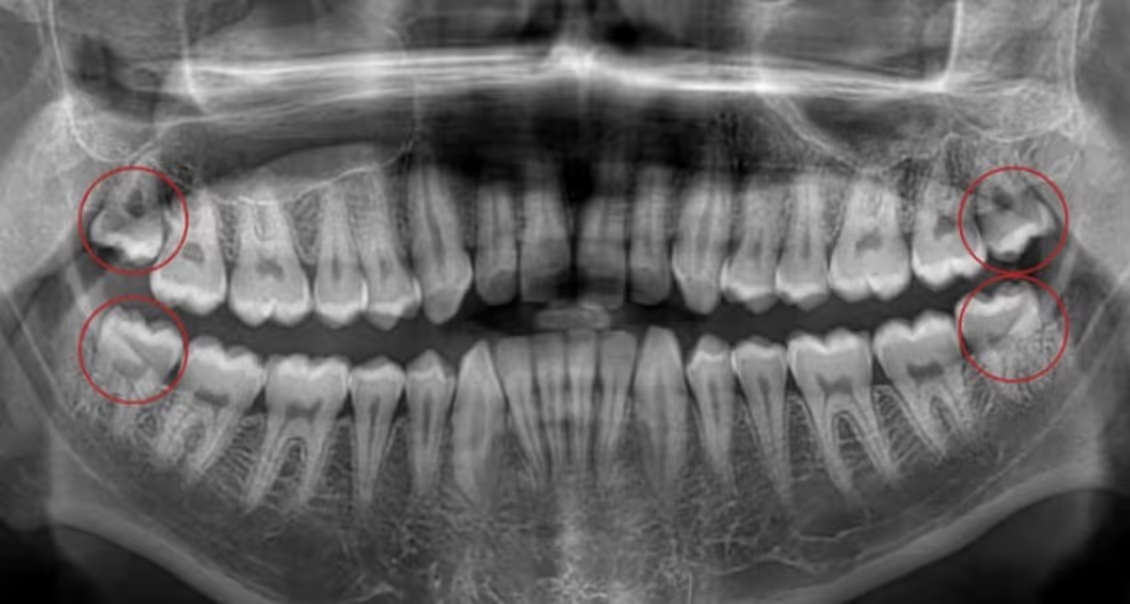
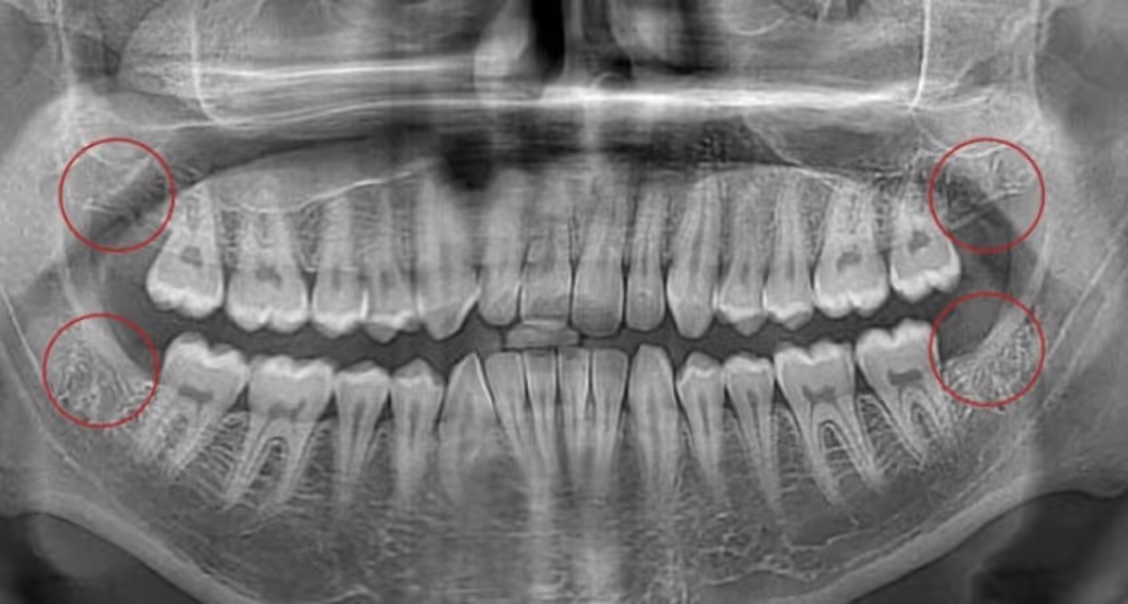
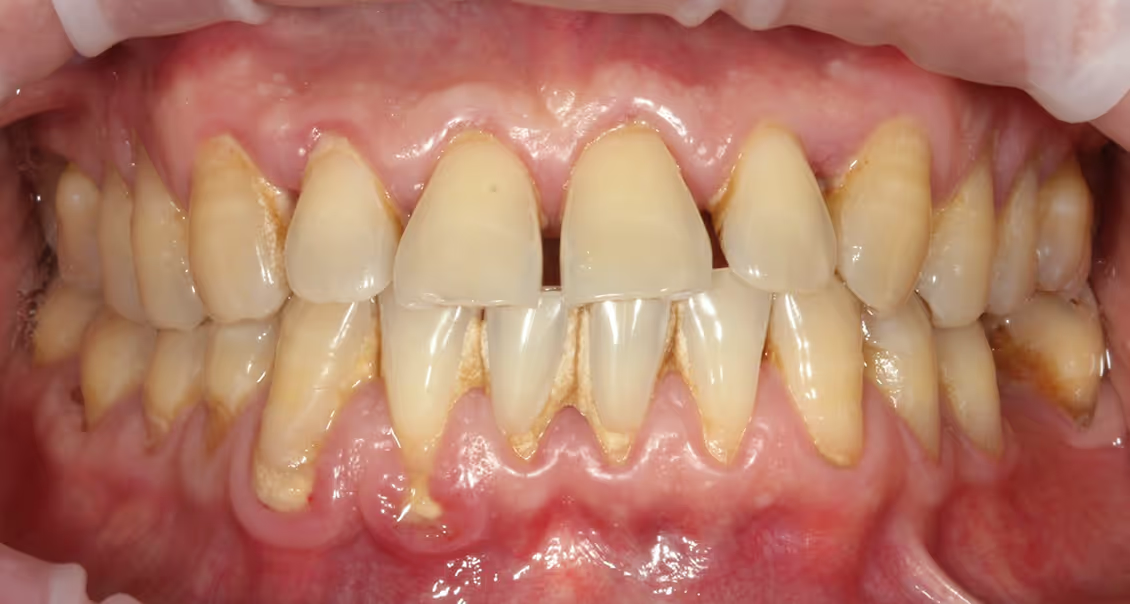
Why choose tooth restoration at MistoDent Krakow?
At MistoDent Krakow, we choose the restoration method individually for each tooth.
In treatment we focus on:
- preserving natural tooth tissue – we adapt the extent of intervention to the clinical situation;
- tooth function – the restoration should allow correct function in the bite;
- aesthetics – especially for teeth in the visible part of the smile;
- choosing the right method – from direct composite restoration to prosthetic solutions;
- diagnostics – before treatment we assess the tooth and remaining tissue;
- comprehensive treatment – if needed, restoration can be combined with endodontic or prosthetic treatment.
MistoDent Krakow at ul. Grzegórzecka 20A offers both restorative and prosthetic tooth restoration methods.
How much does tooth restoration cost in Krakow? – Prices
The price of tooth restoration depends on the extent of lost tissue and the method used. The dentist determines the exact treatment and cost after assessing the tooth.
FAQ
Answers provided by
Dr. Oleksandra Chernova
Can a broken tooth be restored?
In many cases, yes. Whether and how it can be restored depends on the extent of the fracture, the condition of the root and pulp, and the amount of remaining tissue. After an examination, the dentist may suggest a composite restoration or a prosthetic solution.
What is a tooth restored with?
Composite material can be used, among others, and with greater tissue loss – onlays or crowns. The method depends on the condition of the specific tooth.
Are tooth restoration and bonding the same?
No. Bonding uses composite mainly to change the appearance of a tooth aesthetically. Tooth restoration is a broader concept and can have a primarily functional and therapeutic purpose.
How long does tooth restoration take?
A direct composite restoration can often be done in one visit. Prosthetic restorations may require several stages. The exact time depends on the chosen method.
How is a tooth restored after root canal treatment?
The restoration method depends on the amount of remaining tissue. Options include a composite restoration, an onlay, an endocrown or a crown.
Can every severely damaged tooth be restored?
Not always. The dentist must assess the root, the amount of remaining tissue, the periodontium and whether a stable restoration is possible. The prognosis can only be determined after diagnostics.
Is tooth restoration painful?
Procedures that require preparing tissue can be done under local anaesthesia. The extent of anaesthesia depends on the condition of the tooth and the type of treatment.

Medical verification
Content verified by:
Dr. Oleksandra Chernova
Restorative dentistry • Aesthetic dentistry
Last updated: 07.10.2026
Book an appointment!
Leave your contact details in the form or message us on your preferred messenger — we'll be happy to answer your questions and help you book a visit.


