


Root canal treatment in Krakow — microscope endodontics
Precise root canal treatment using a microscope and imaging diagnostics
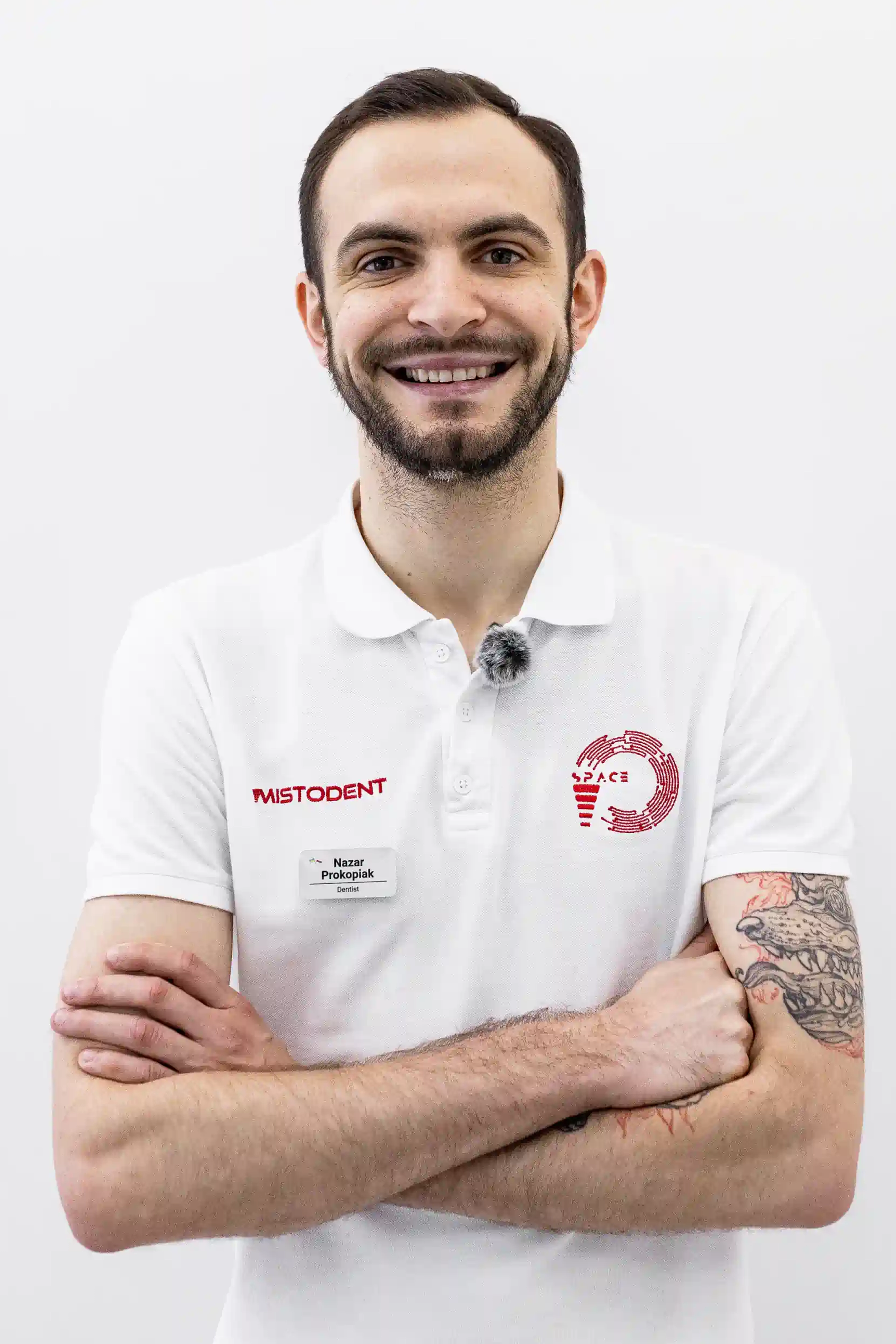
Who performs root canal treatment at MistoDent Krakow?
Endodontic treatment is performed by dentists specialising in restorative dentistry and endodontics, including microscope treatment and root canal retreatment.

What is root canal treatment?
Root canal (endodontic) treatment is used when the pulp inside the tooth has become irreversibly inflamed or necrotic, or when the root canal system has become infected.
During treatment, the dentist removes the diseased or dead pulp, thoroughly shapes and disinfects the root canals, and then seals them tightly. The final stage is proper restoration of the tooth crown.
The aim of endodontic treatment is to remove the source of infection and save your own tooth, if its condition allows a predictable restoration.
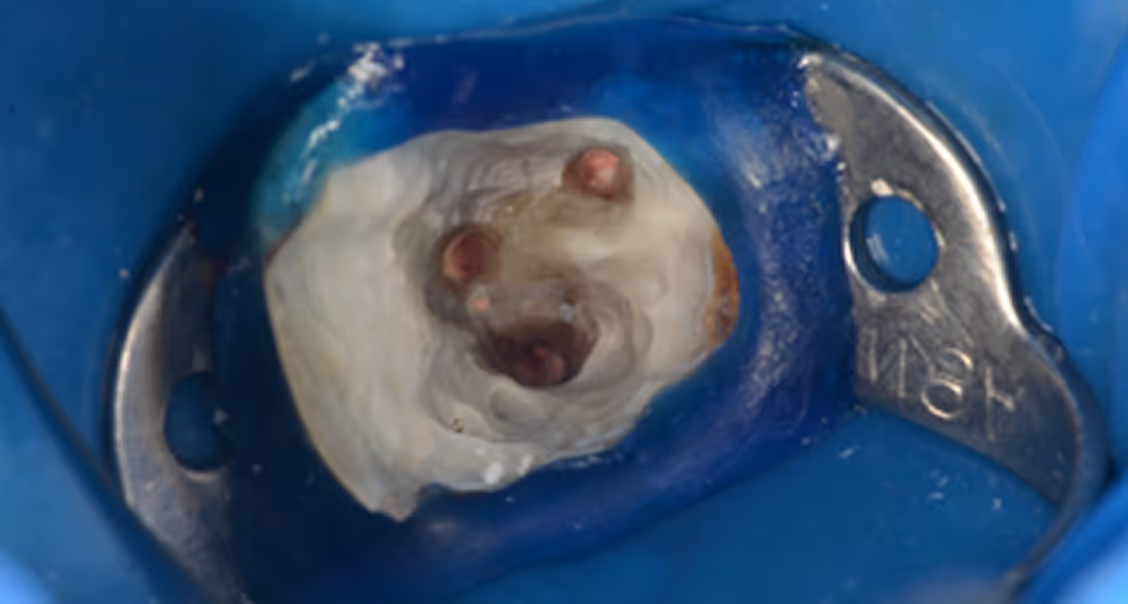
At MistoDent Krakow, root canal treatment is always performed under a microscope, which lets the dentist work at high magnification and makes it easier to find and treat structures invisible to the naked eye.
When is root canal treatment needed?
Root canal treatment may be necessary, among other things, in case of:
- irreversible pulpitis — often related to deep decay;
- pulp necrosis — when the tooth's pulp has died;
- inflammatory changes around the root tip;
- severe or spontaneous toothache, especially worse at night;
- prolonged reaction to heat or cold;
- pain when biting or touching the tooth;
- tooth injury that damaged the pulp;
- a previously root-treated tooth that has become reinfected.
However, not every tooth that needs root canal treatment hurts. Changes can also develop without clear symptoms and be detected during an examination or X-ray/CBCT diagnostics.
That is why the need for endodontic treatment is decided by the dentist after an examination and appropriate diagnostics.
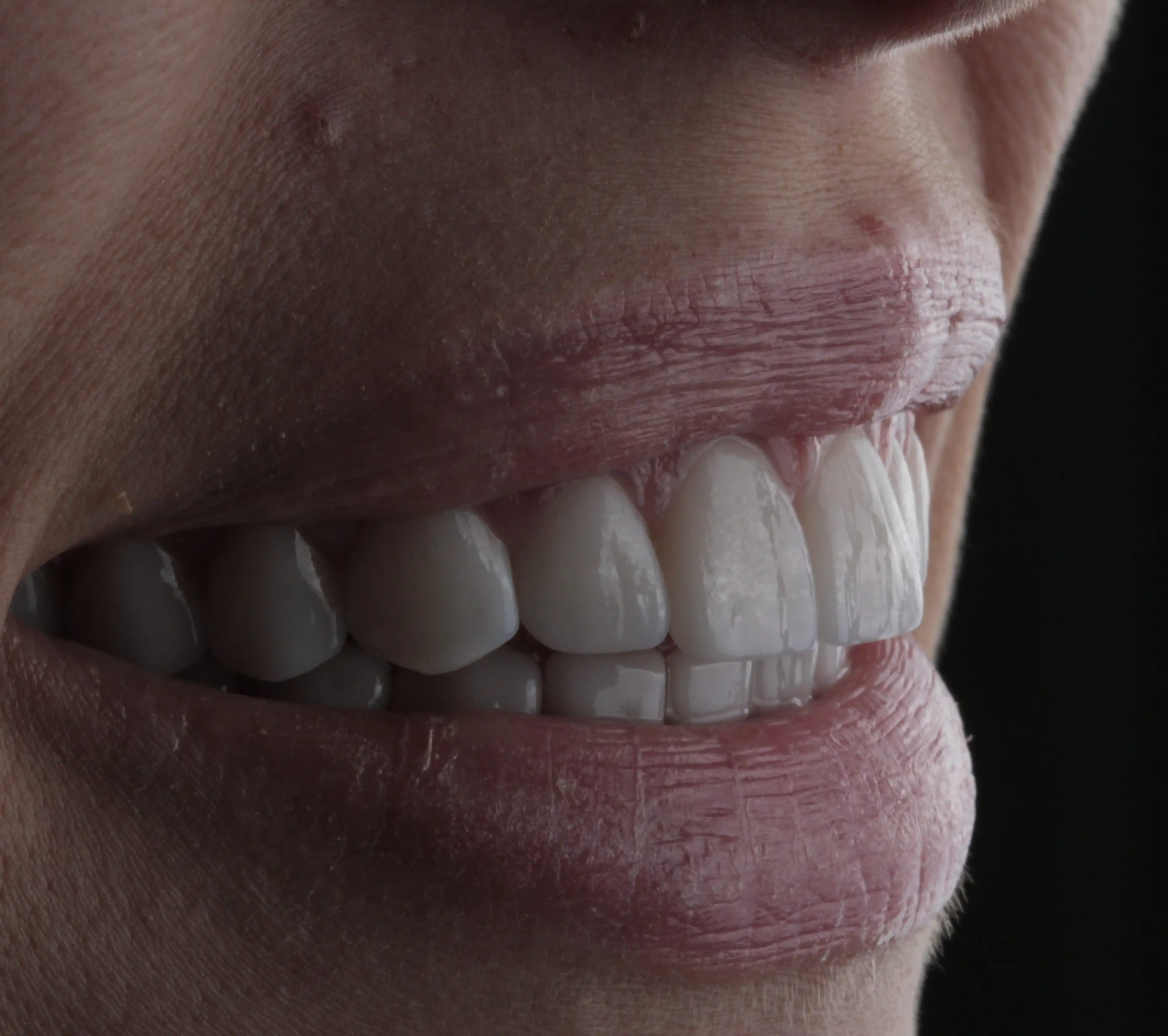
Microscope root canal treatment at MistoDent Kraków
Modern endodontics requires great precision. The root canal system can be very complex — canals may be narrow, curved, partially calcified or have additional branches.
A dental microscope gives the dentist magnification and proper illumination of the treatment area.
It can be especially helpful when:
- locating root canal orifices;
- treating narrow and difficult canals;
- performing root canal retreatment;
- locating additional canals;
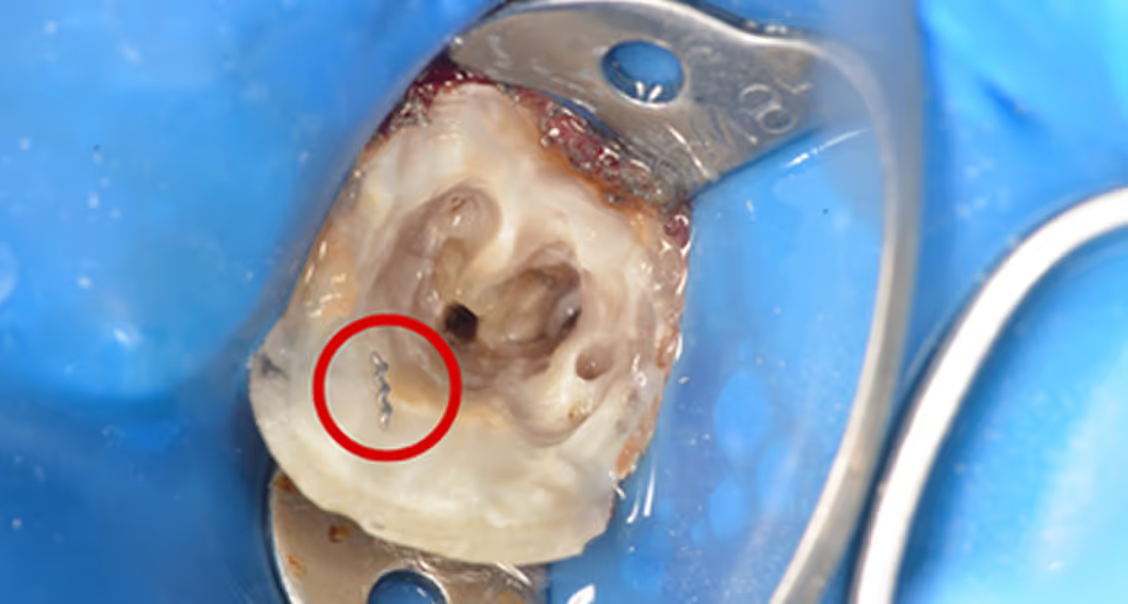
- removing broken instrument fragments, if clinical conditions allow;
- assessing the inside of the pulp chamber;
- treating complex root canal anatomy.
Using a microscope allows the dentist to carry out each stage of treatment under direct visual control at magnification.
Root canal treatment step by step
1. Consultation and diagnostics
The dentist carries out a clinical examination and analyses imaging. Depending on the case, an X-ray or CBCT scan may be needed.
At this stage, the condition of the tooth, the tissues around the root and the possibility of further restoration are assessed.
2. Anaesthesia and tooth isolation
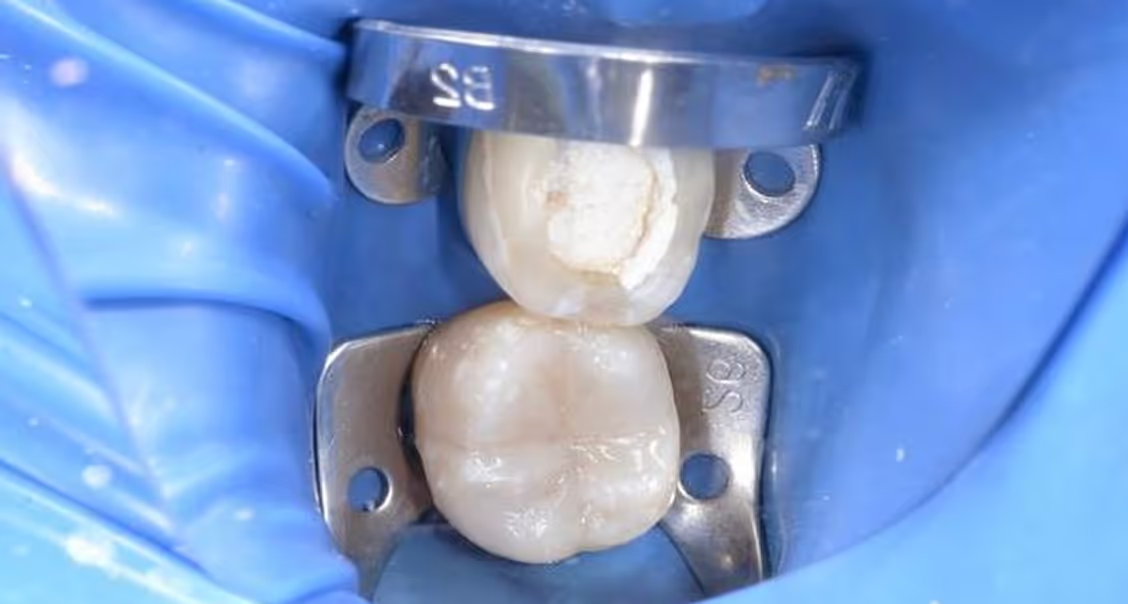
Treatment is carried out under local anaesthesia. The tooth is isolated from the mouth, usually with a rubber dam.
3. Canal shaping
The dentist accesses the root canal system, locates the canals, removes infected or dead pulp and mechanically shapes their interior.
4. Canal disinfection
The canals are thoroughly irrigated with suitable solutions to reduce microorganisms and clean the canal system.
5. Canal filling
After proper preparation, the canals are tightly sealed with an endodontic filling material.
6. Tooth restoration
After root canal treatment, the tooth crown must be restored tightly and durably.
Depending on the amount of remaining tissue, this may be a composite restoration, an onlay/overlay or a crown.
Primary root canal treatment vs retreatment — what's the difference?
Endodontic treatment can be performed for the first time or repeated in a tooth that has already had root canal treatment.
Criterion
Primary root canal treatment
Root canal retreatment (re-endo)
Tooth condition
The tooth has not had root canal treatment before
The tooth has a previous root canal filling
Goal
Removing diseased pulp and shaping the canals
Removing the previous material and re-treating the canal system
Typical indications
Pulpitis or pulp necrosis
Reinfection, incomplete canal treatment, inflammatory changes
Difficulty
Depends on tooth anatomy
Often higher due to previous treatment
Microscope
Helpful for precise treatment
Especially useful in complex cases
Retreatment (re-endo) may allow a tooth to be treated again if problems persist or appear after previous root canal treatment. Whether retreatment is possible is decided by the dentist after assessing the tooth and imaging.
Aftercare following root canal treatment
After root canal treatment, it is worth following the dentist's recommendations.
Usually it is recommended to:
- not eat until the anaesthesia wears off;
- avoid overloading the treated tooth until its final restoration;
- maintain good oral hygiene;
- attend the recommended check-ups;
- have the final restoration done within the time set by the dentist.
Slight sensitivity may occur for some time after the procedure. In case of severe pain, swelling or other worrying symptoms, contact the clinic.
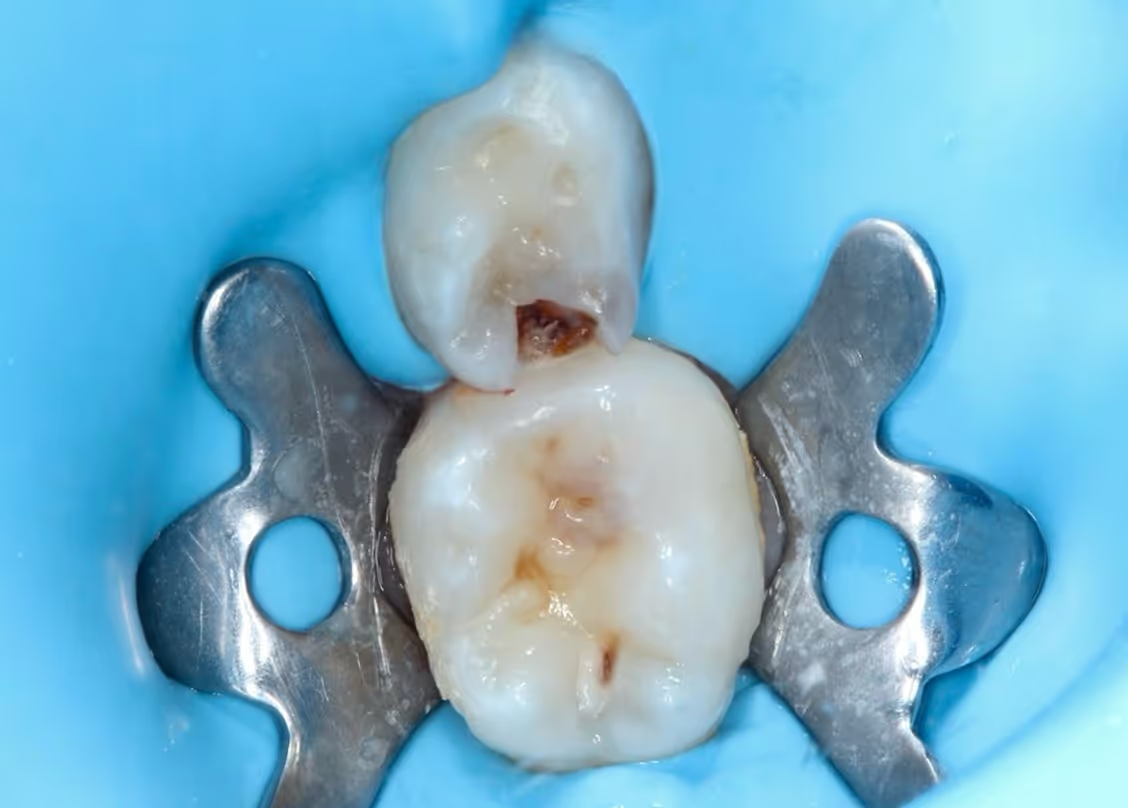
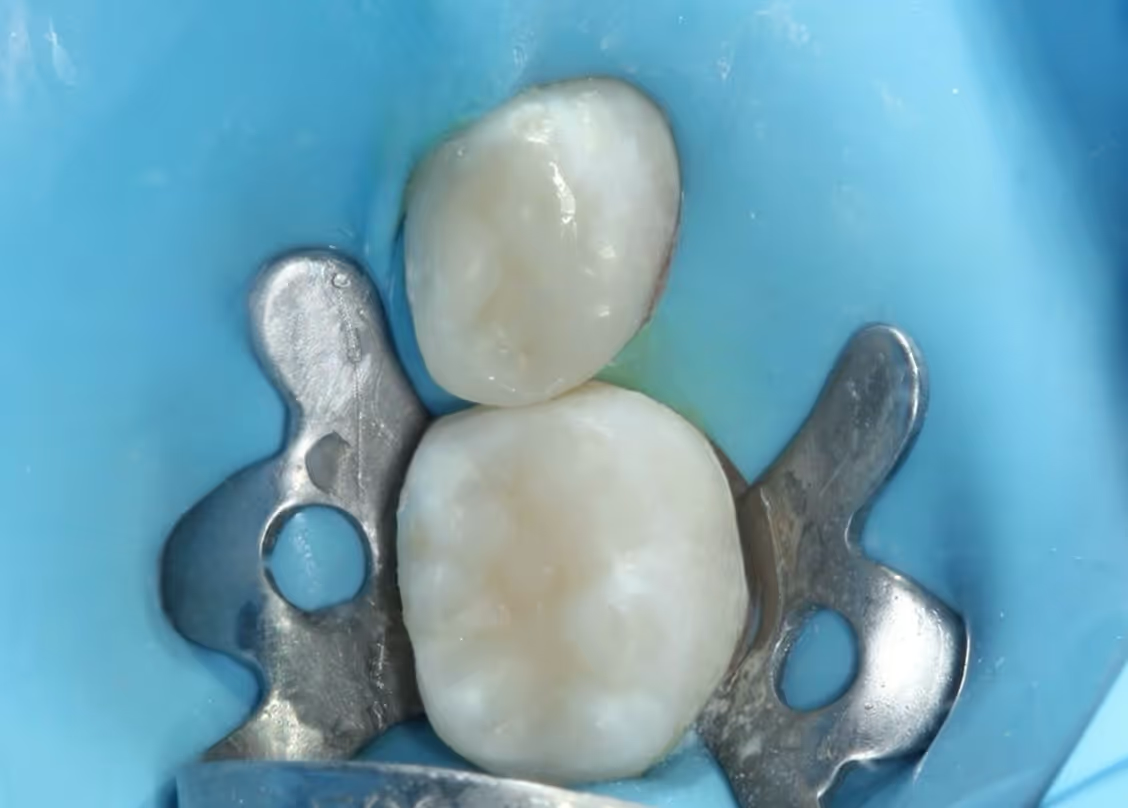
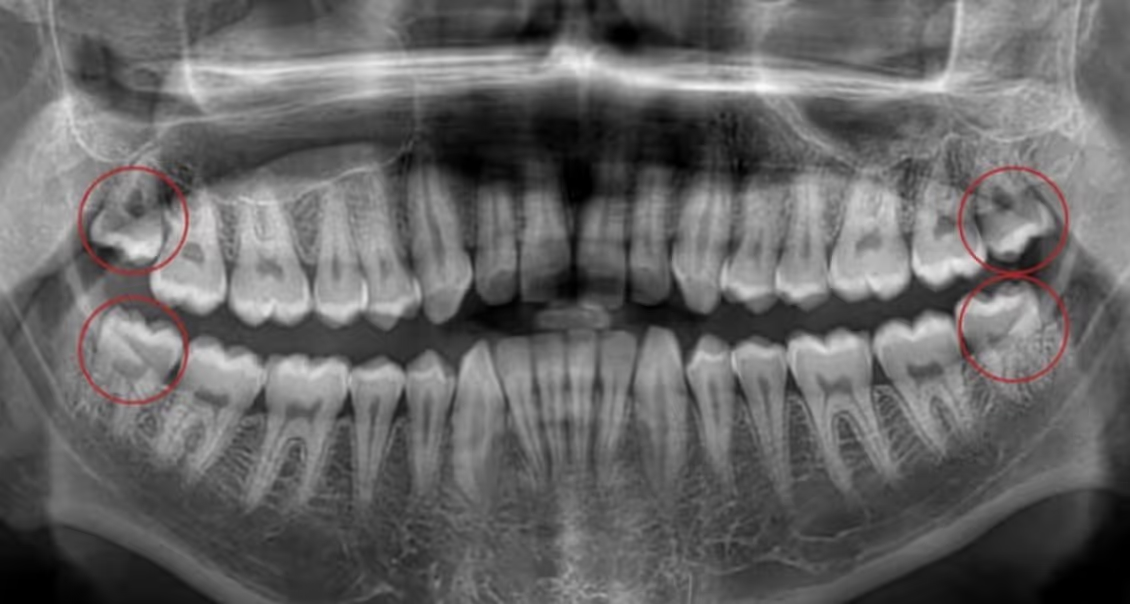
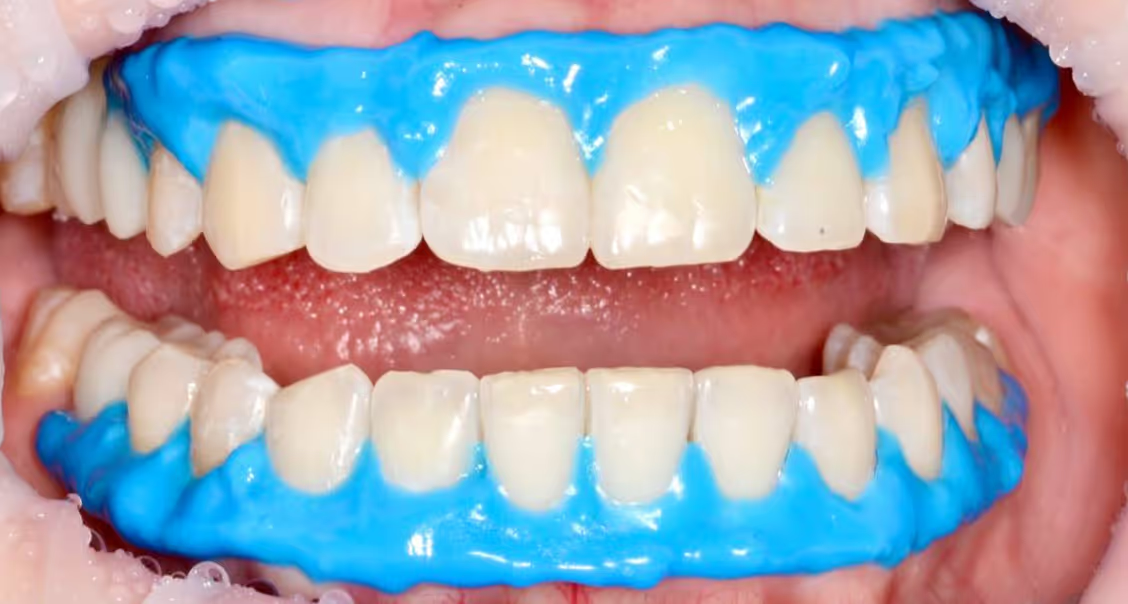
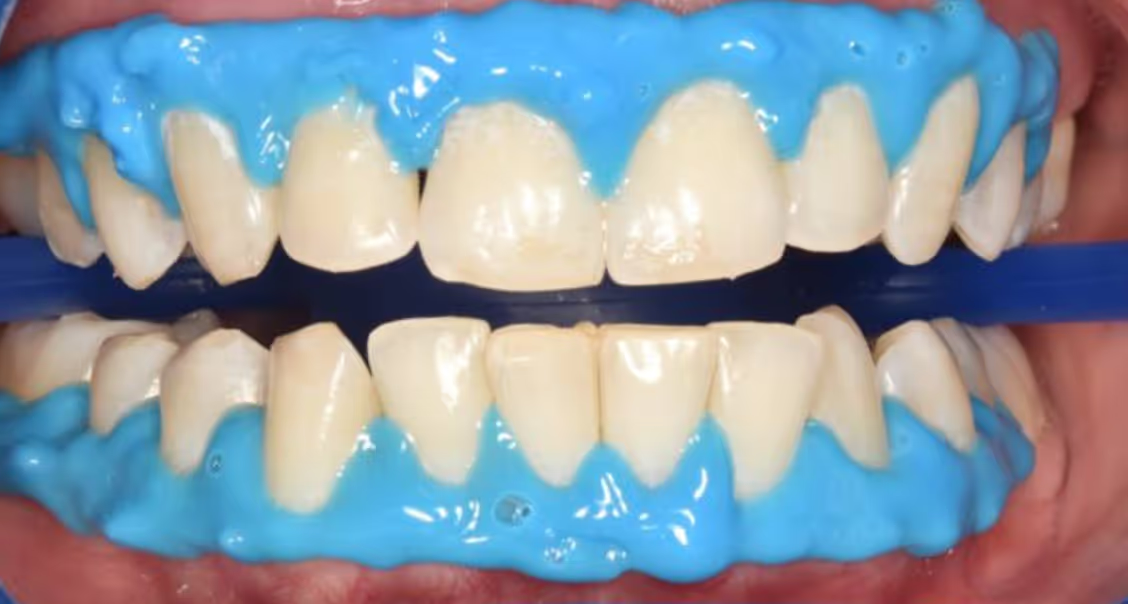
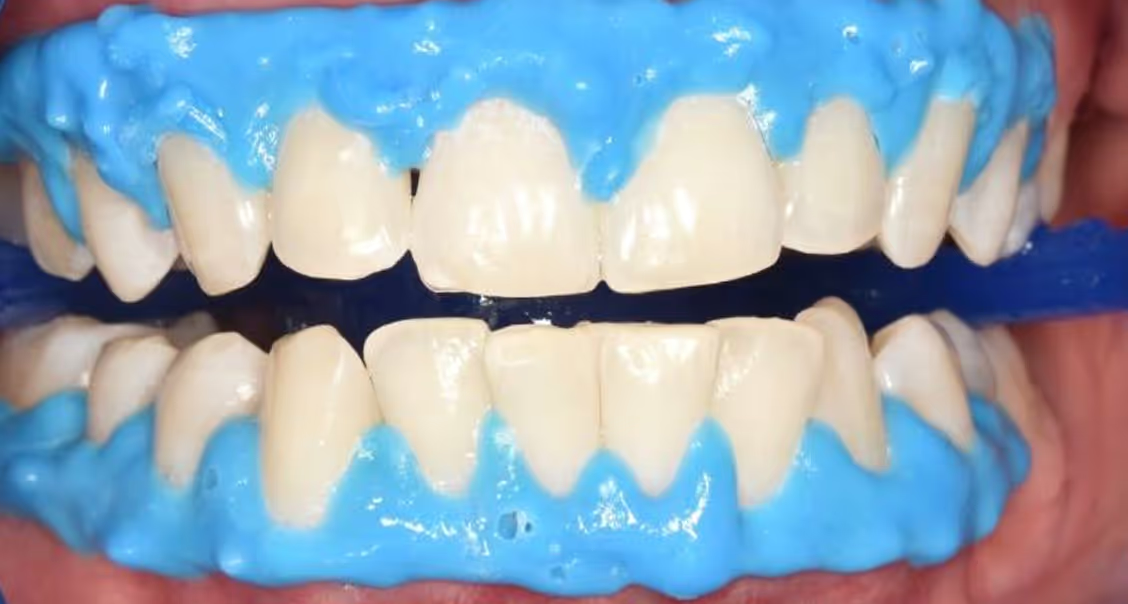
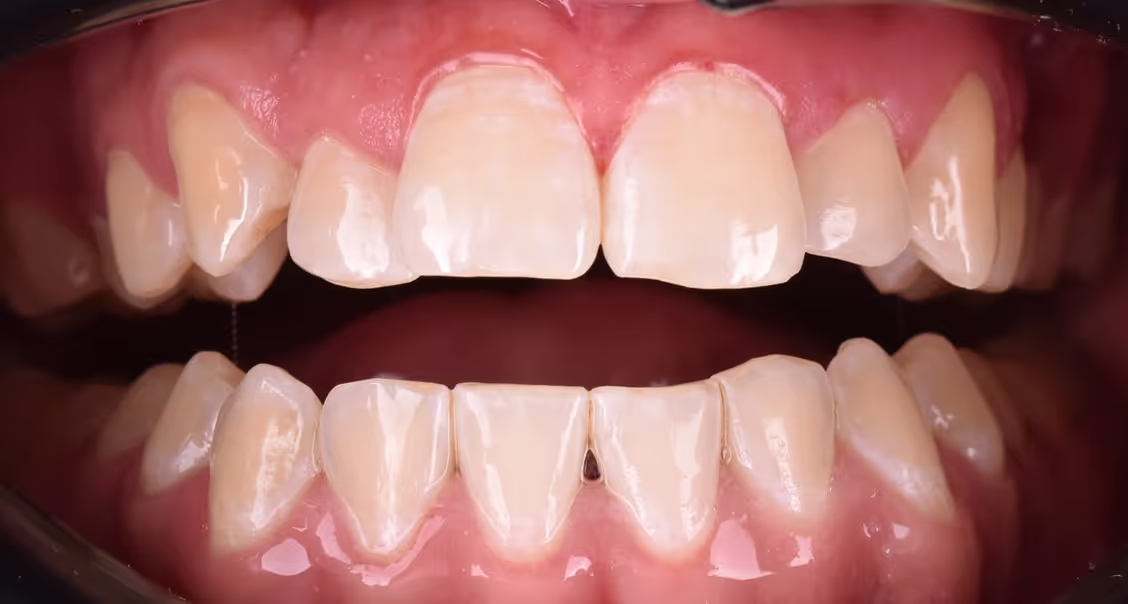
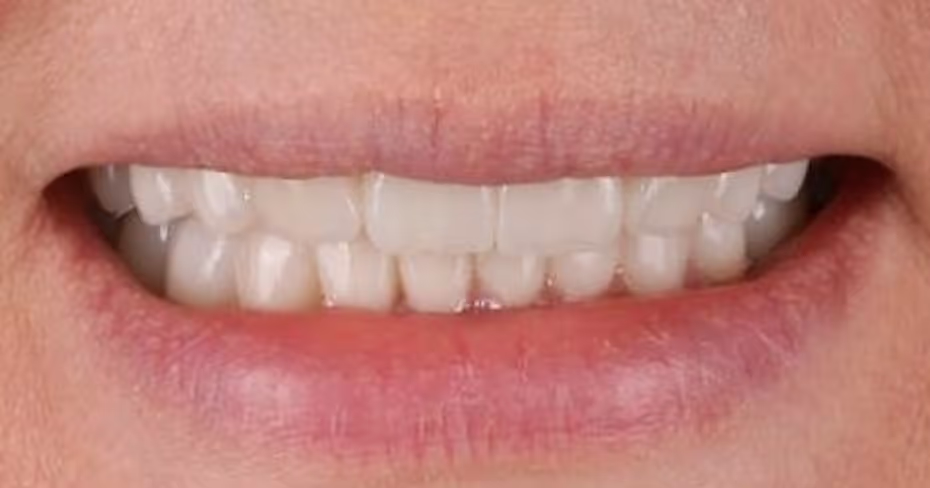
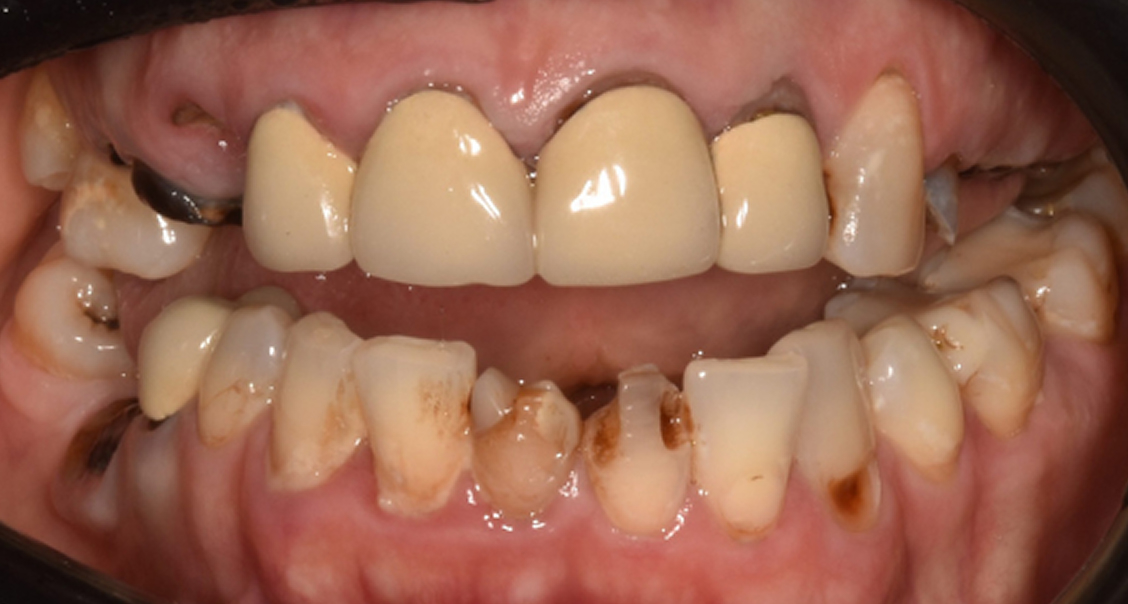
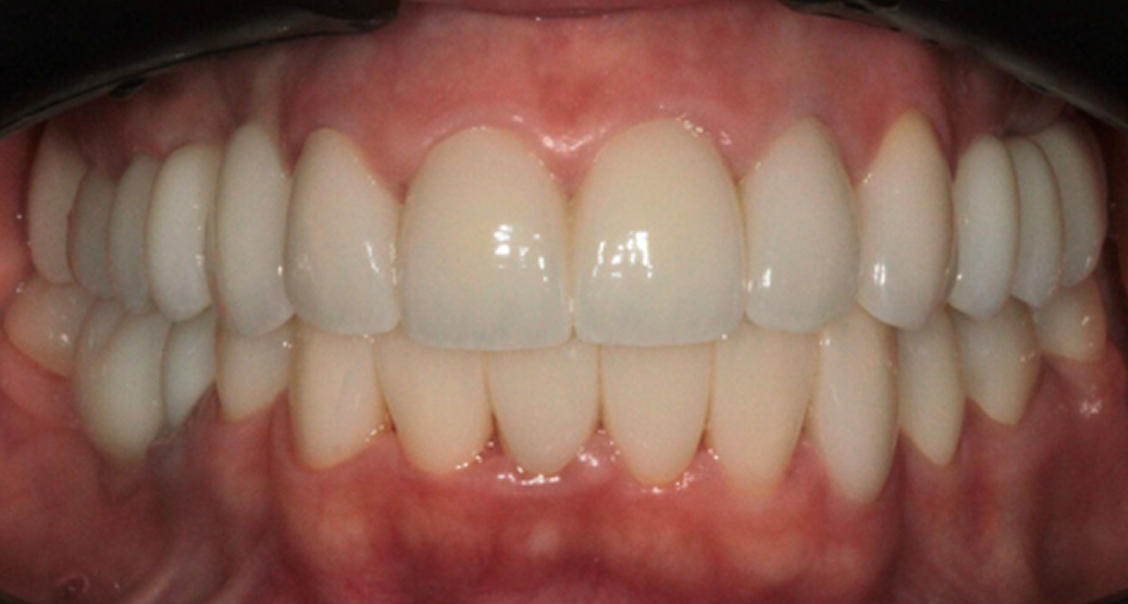
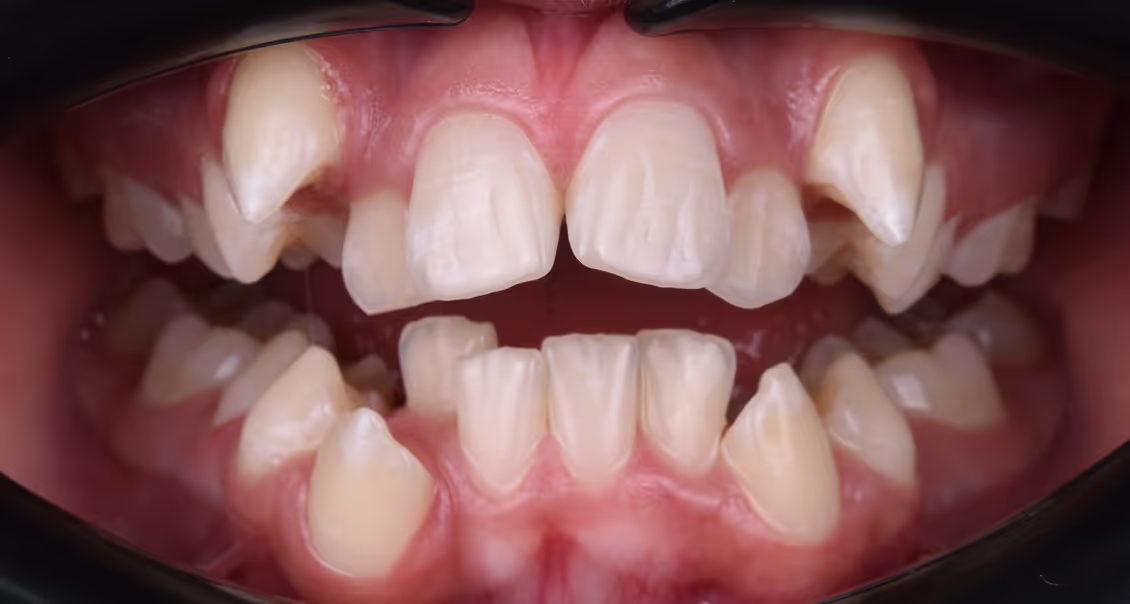
Patient results after root canal treatment
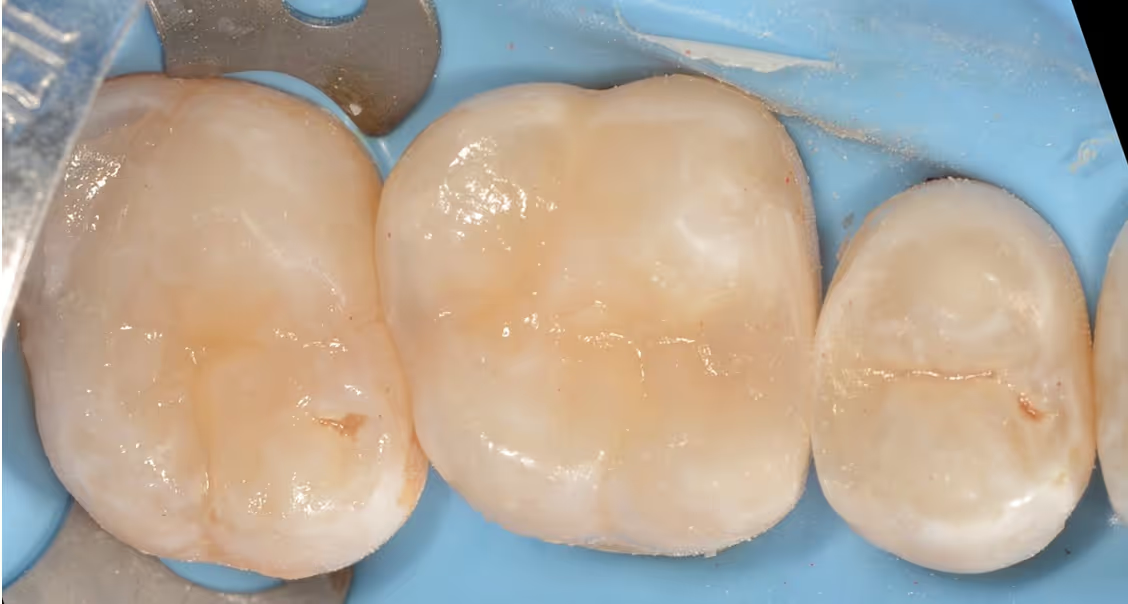
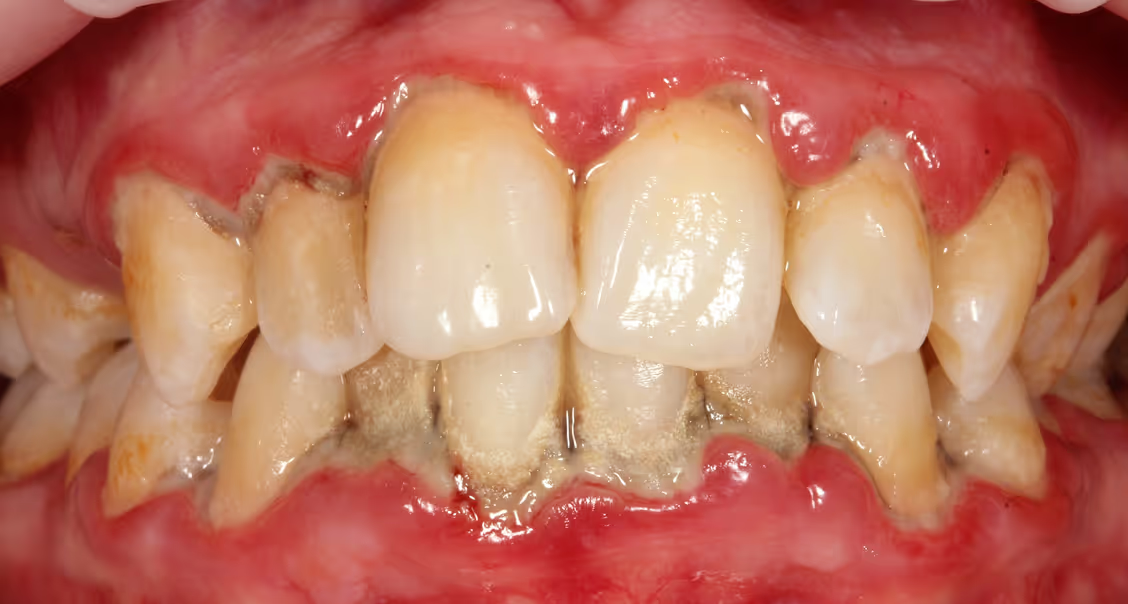
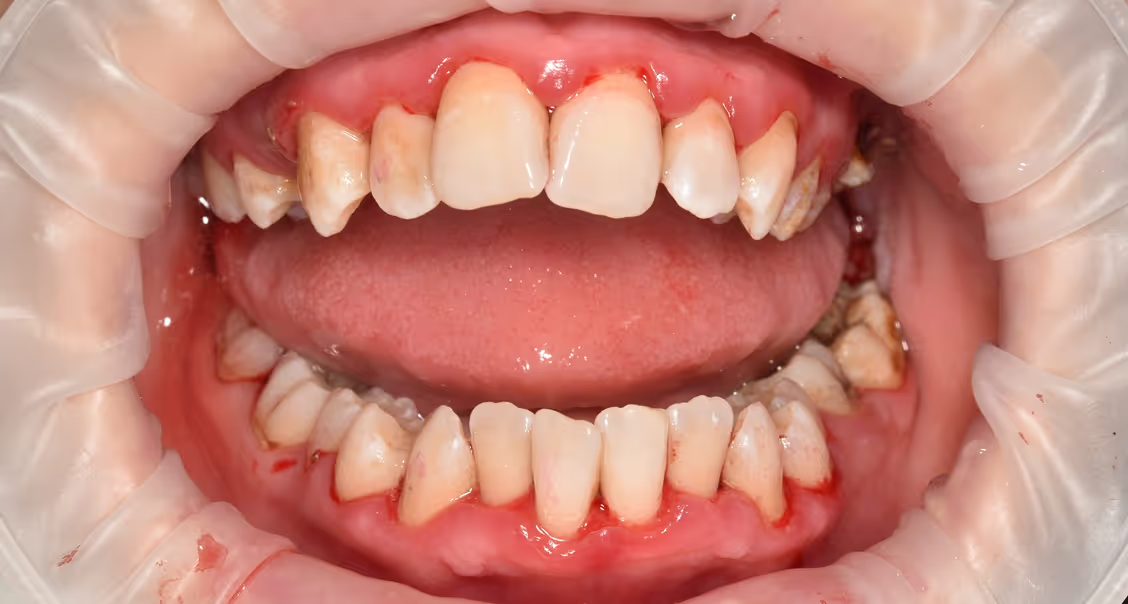
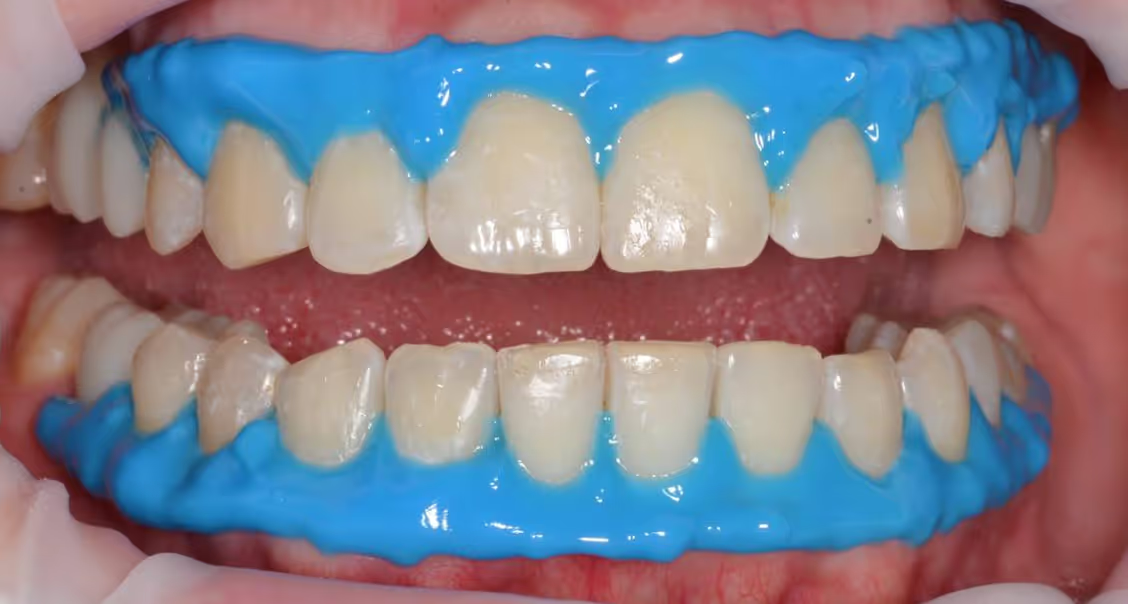
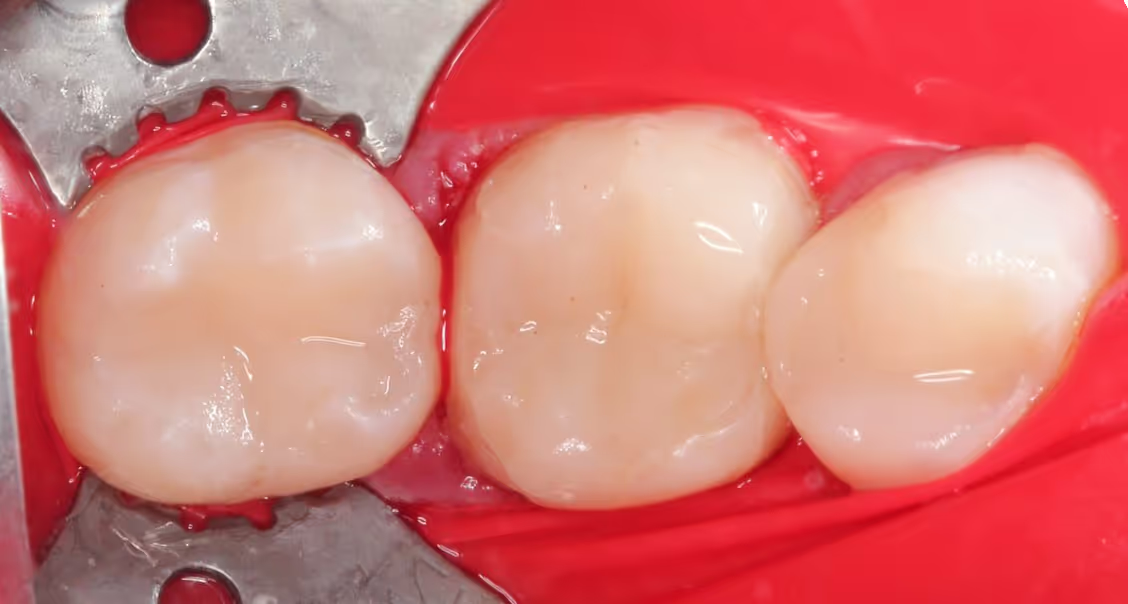
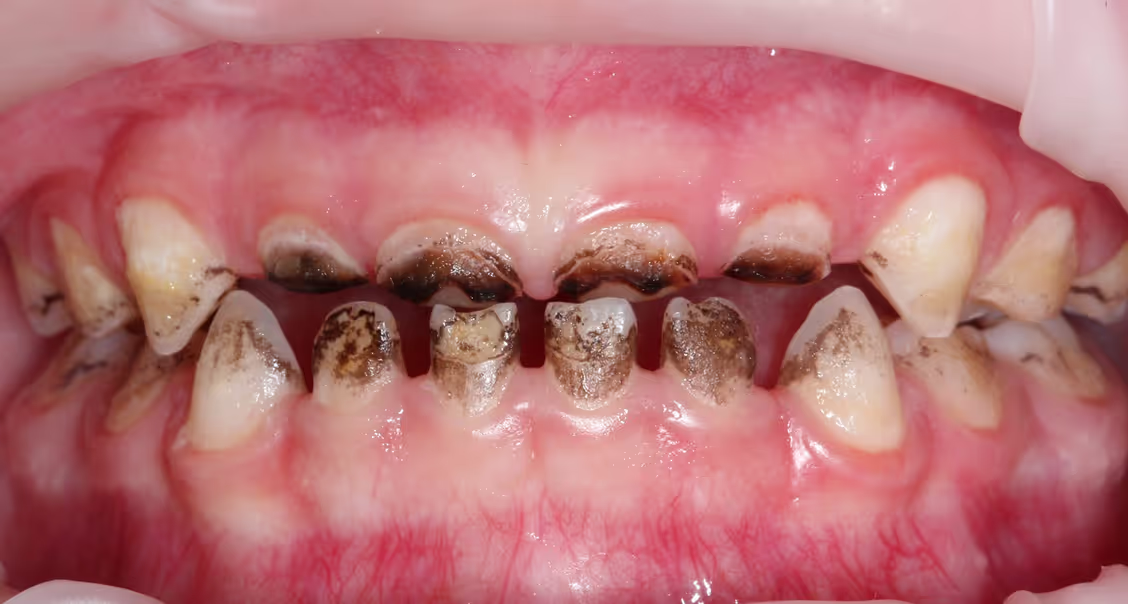
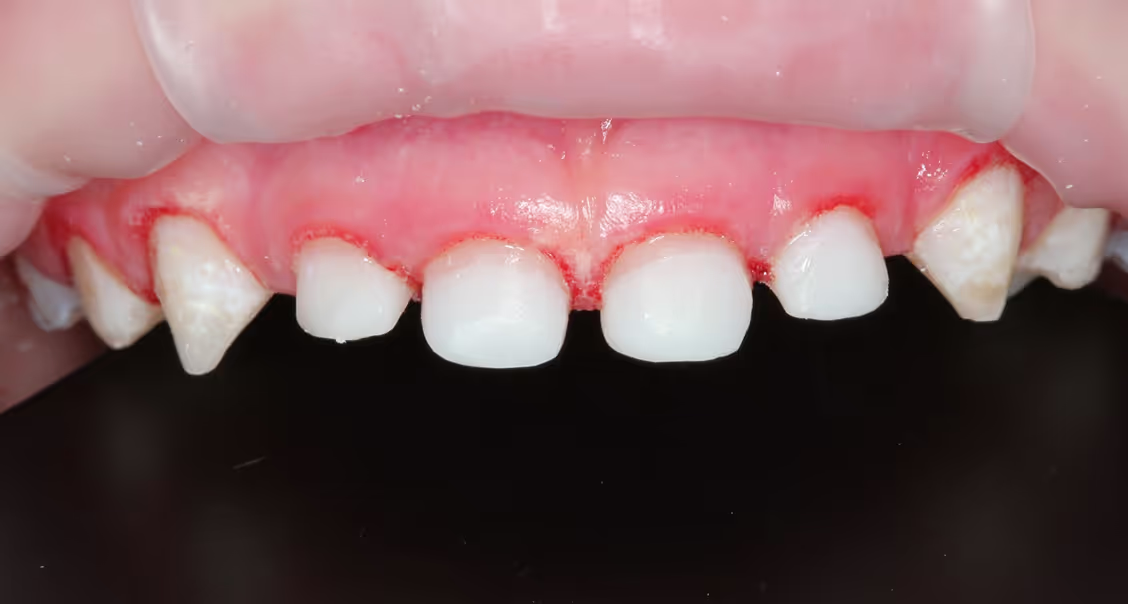
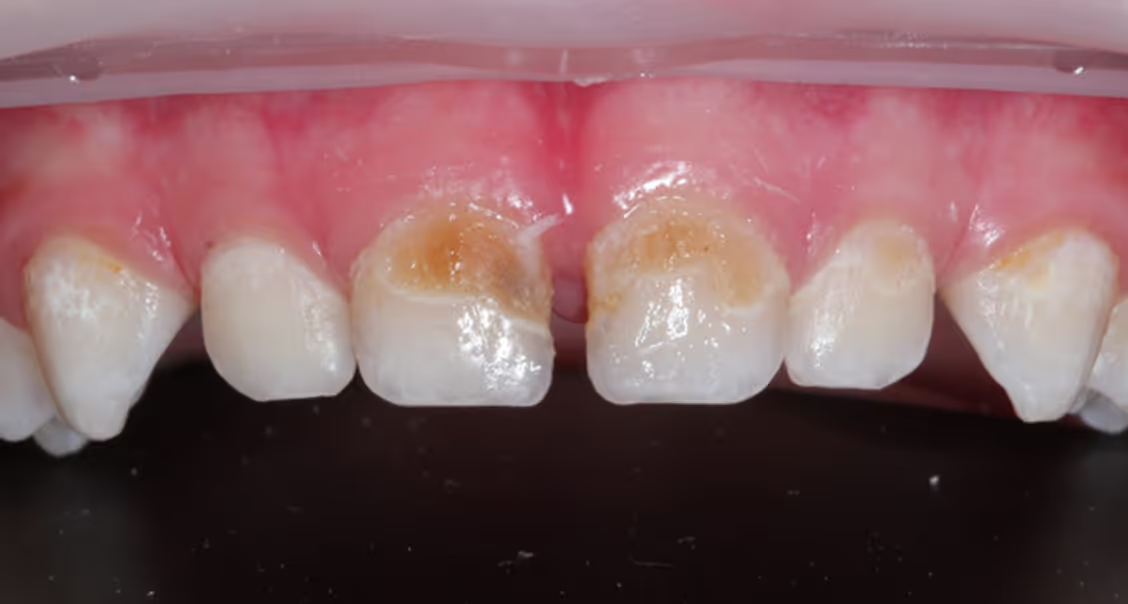
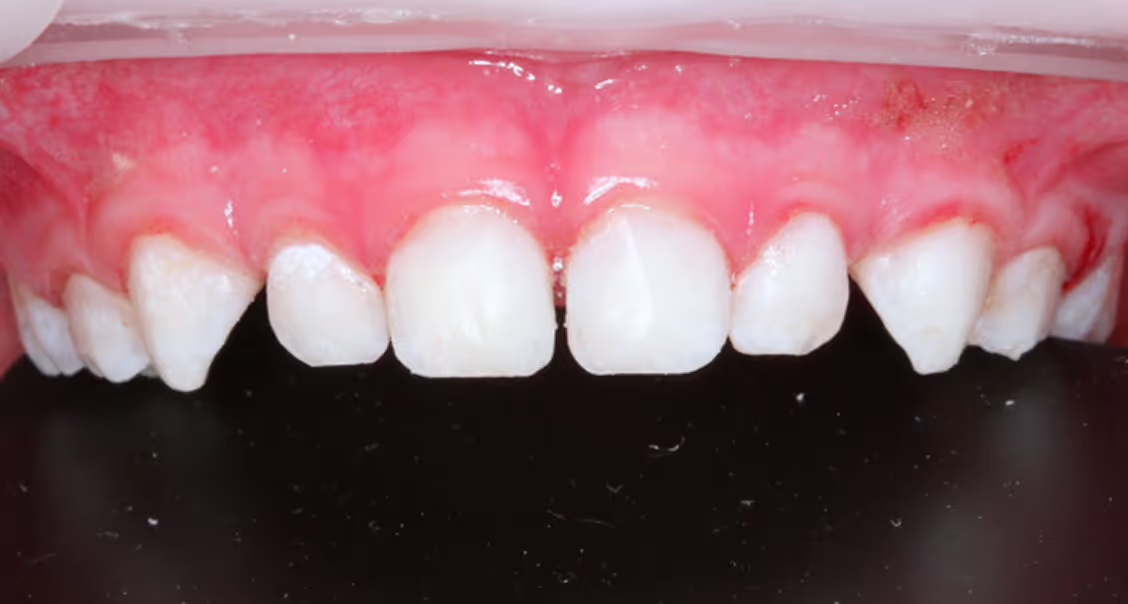
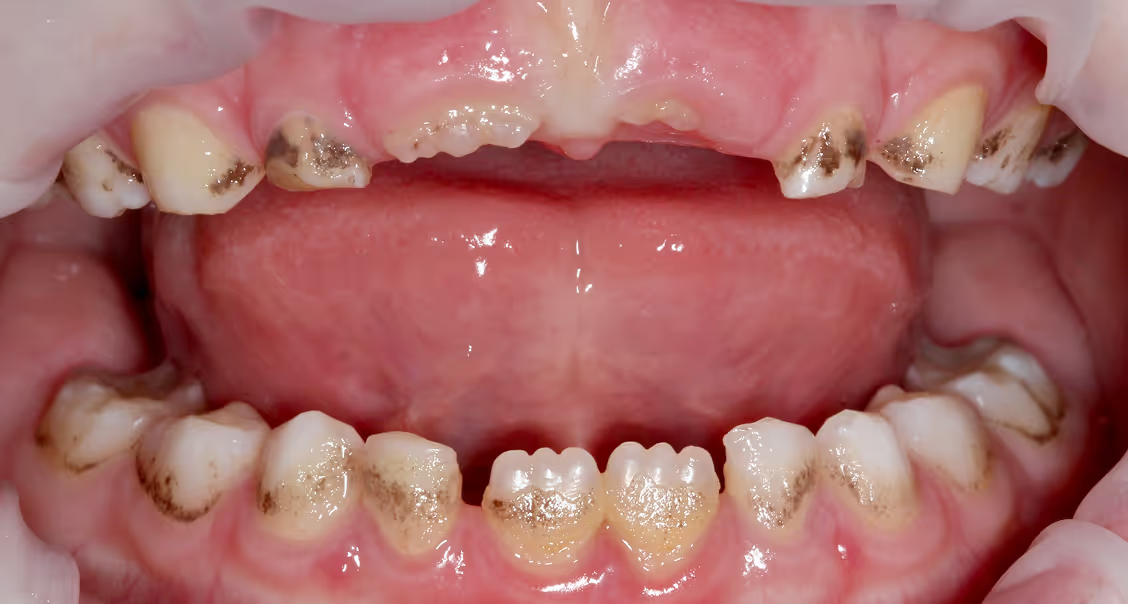
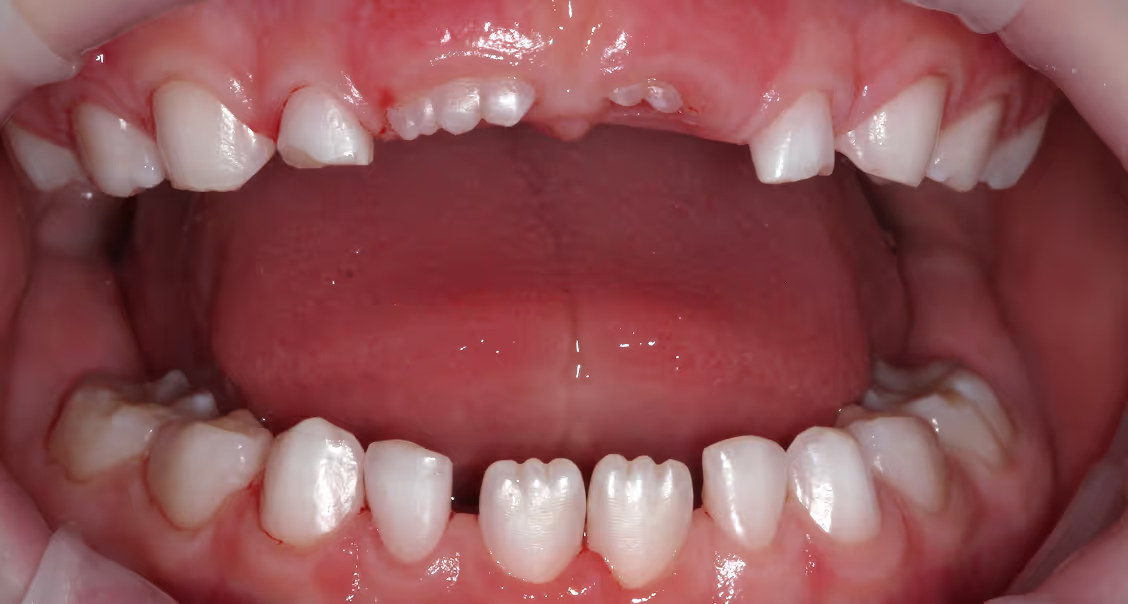
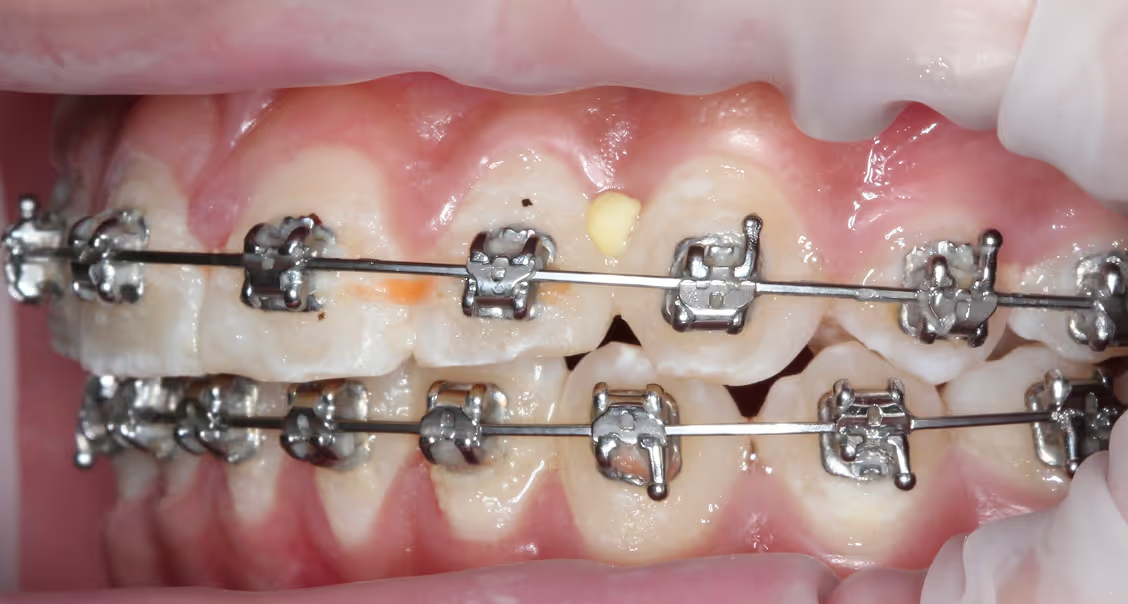
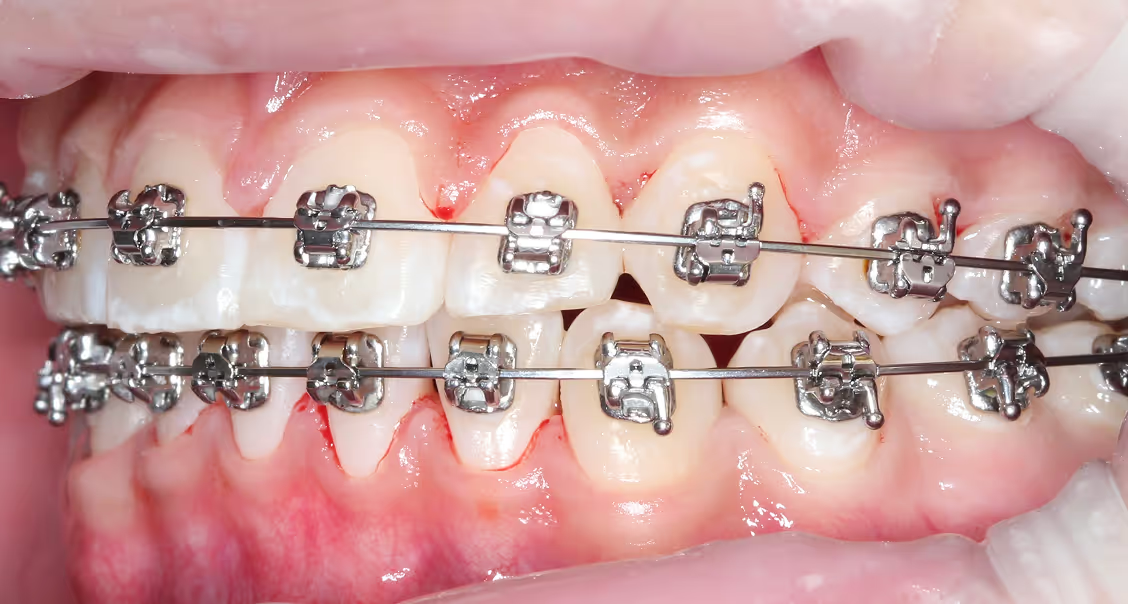
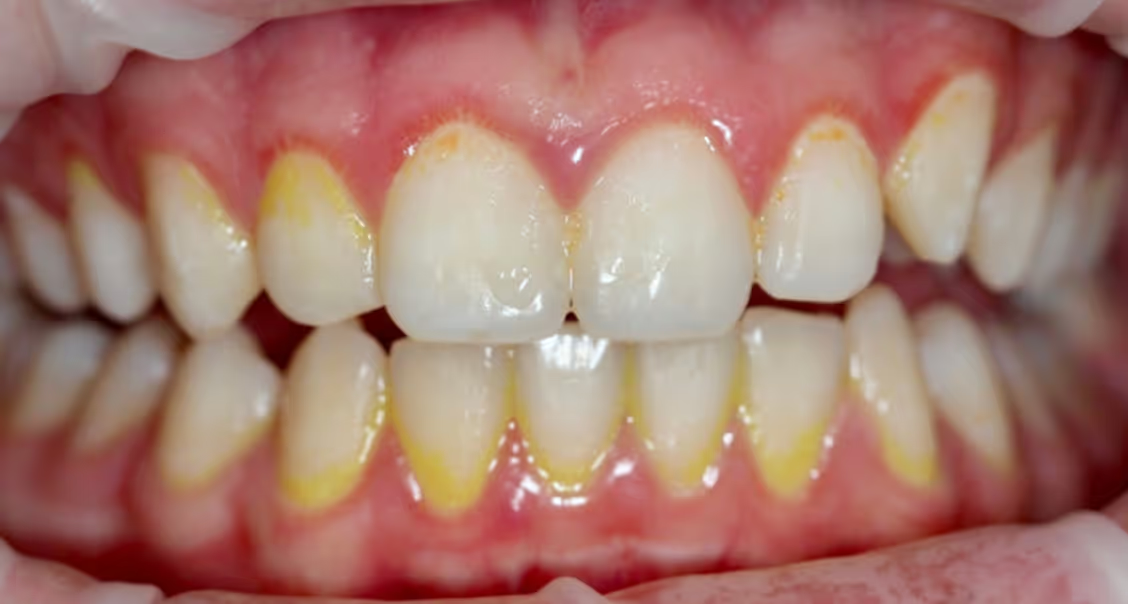
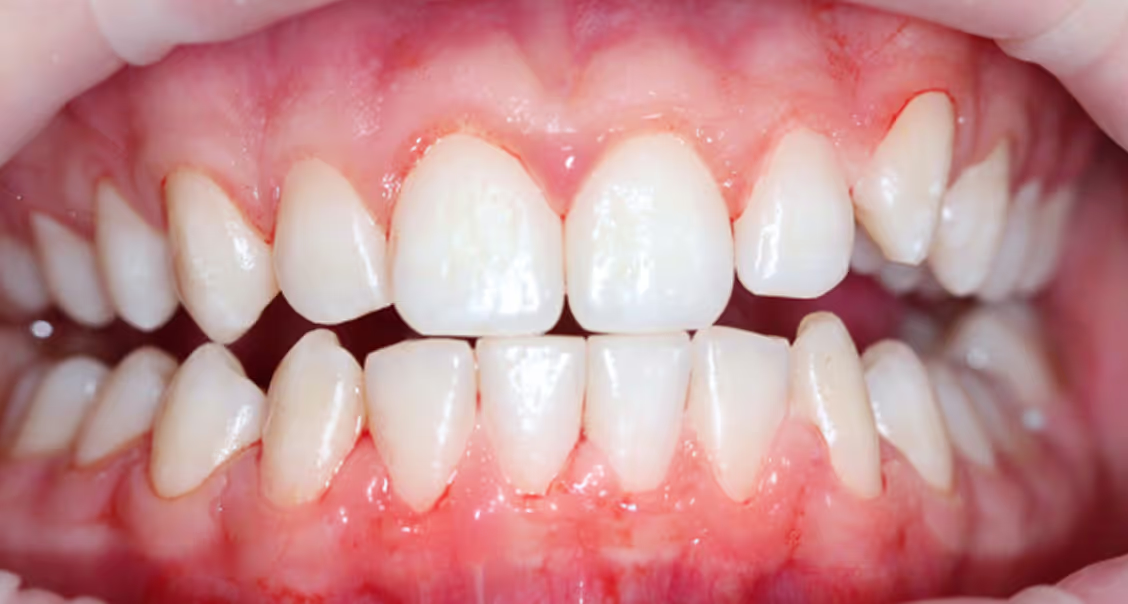
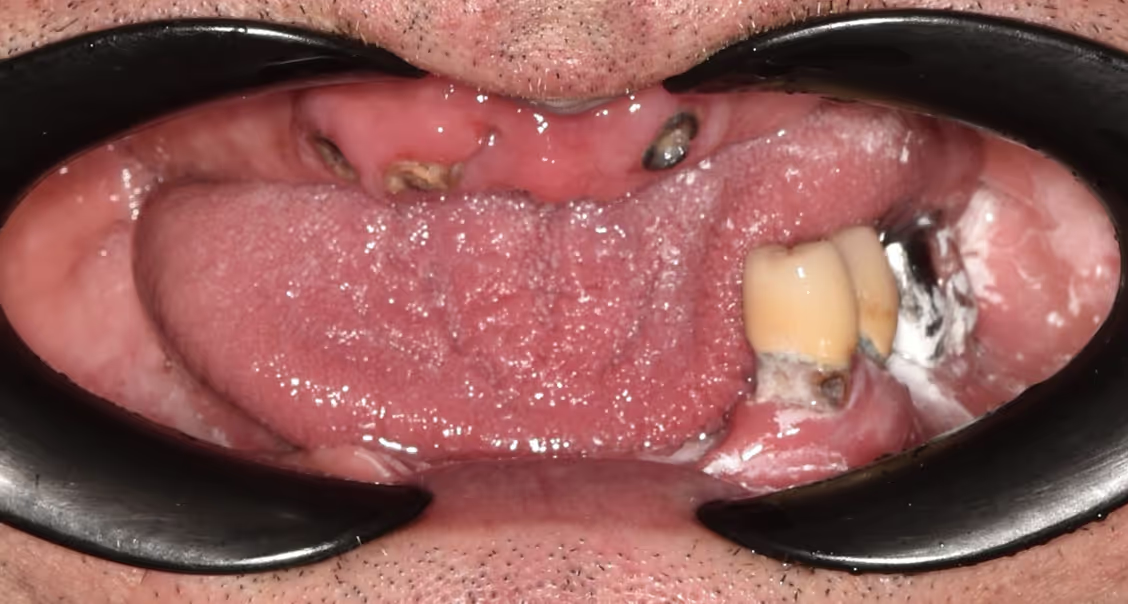
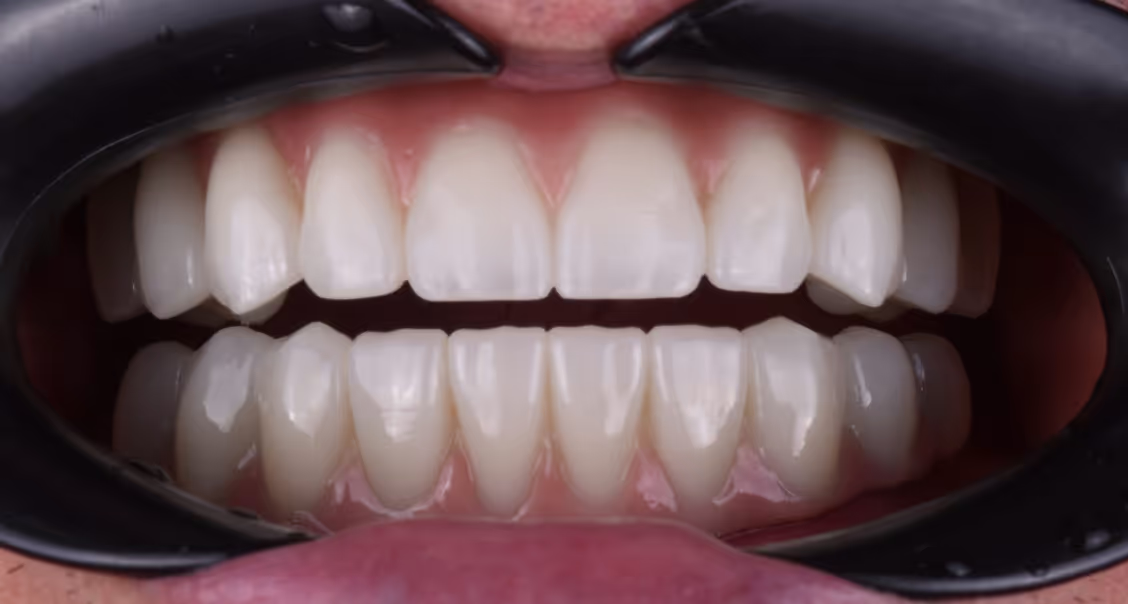
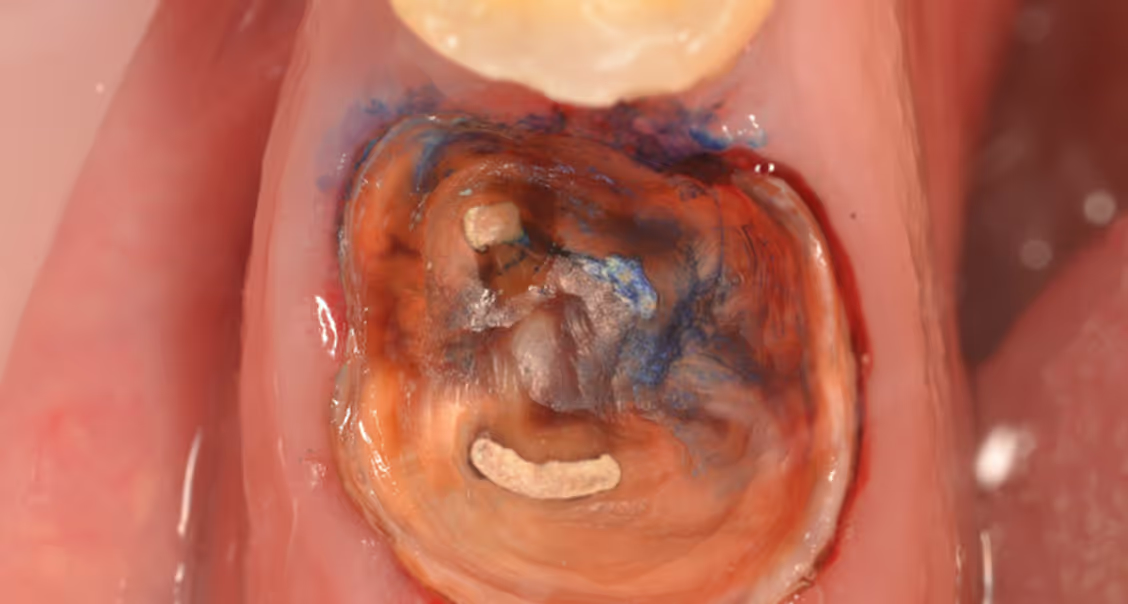
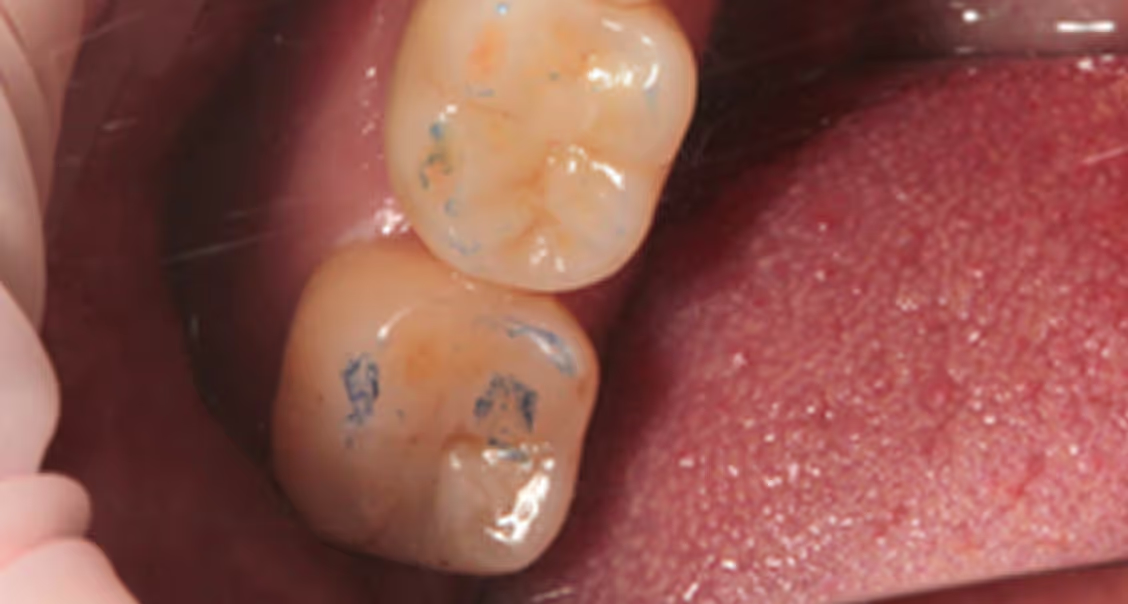
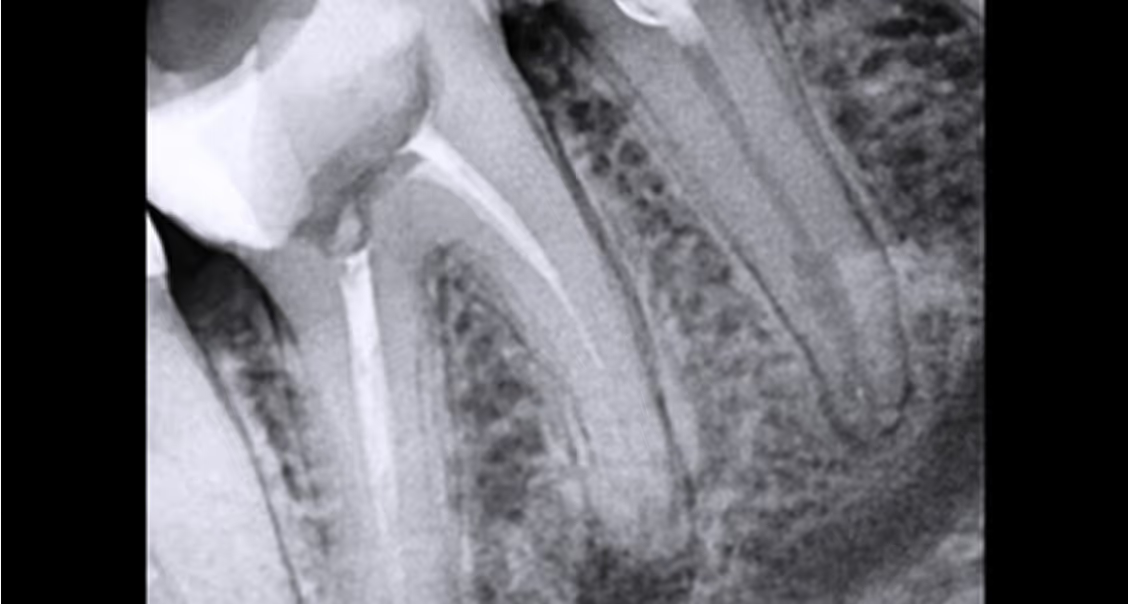
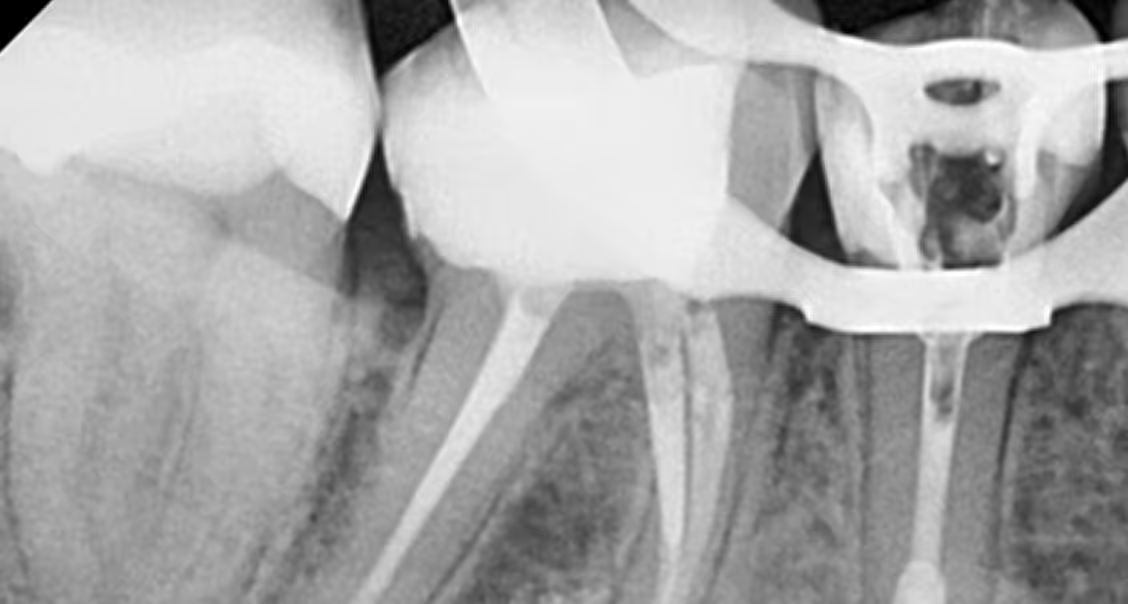
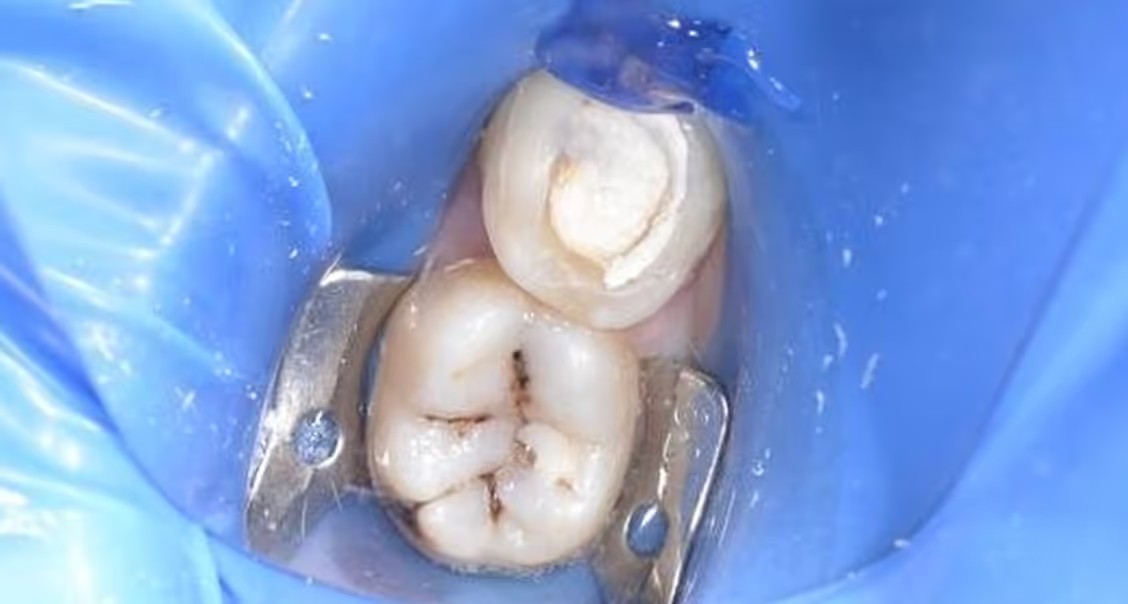
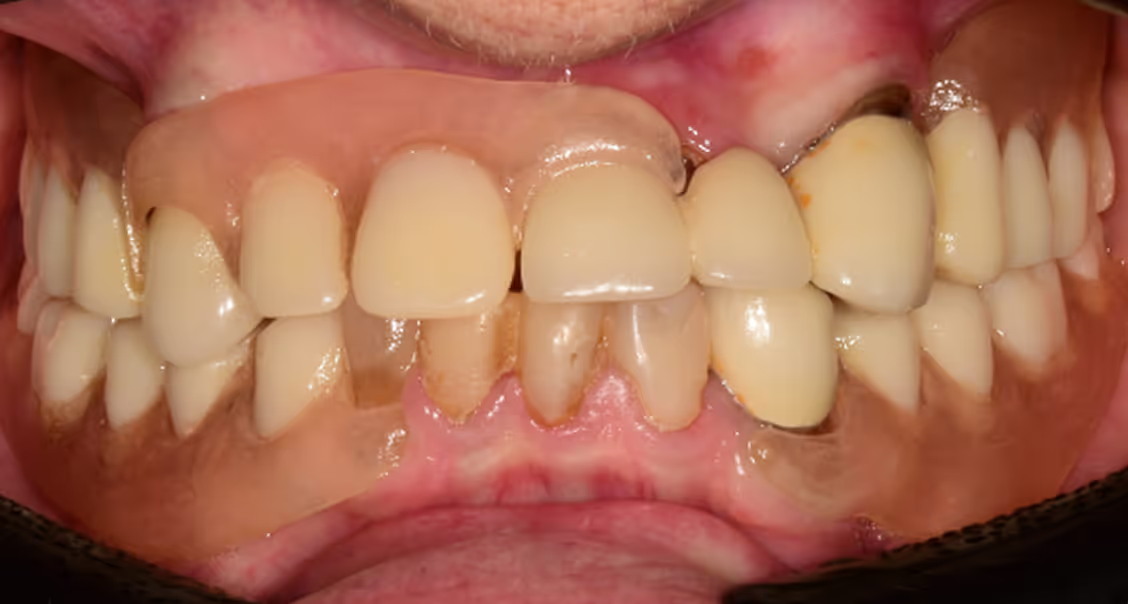
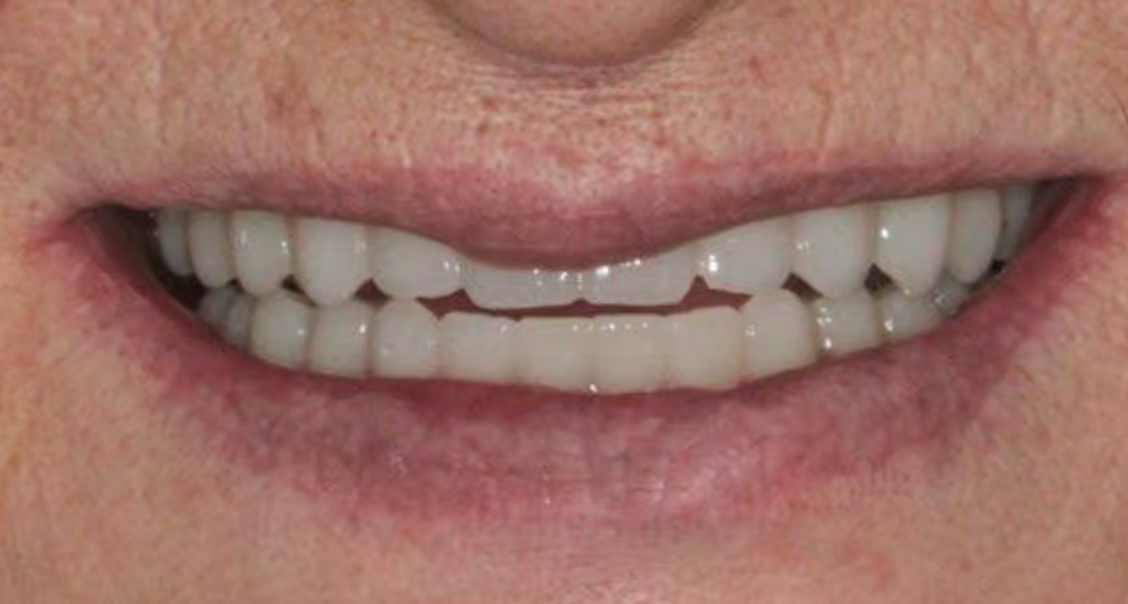
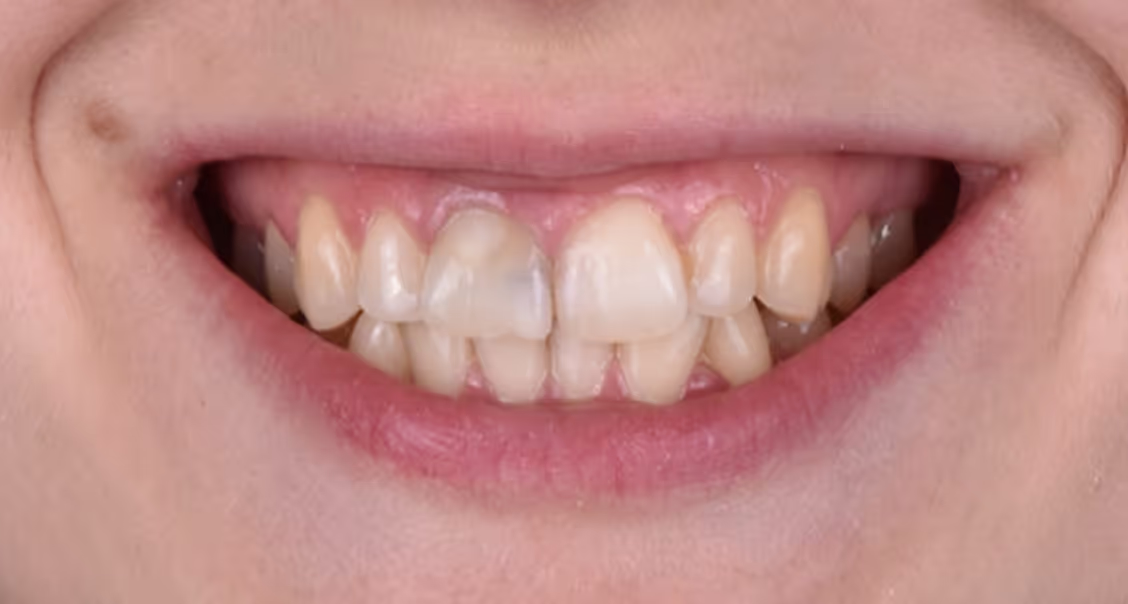
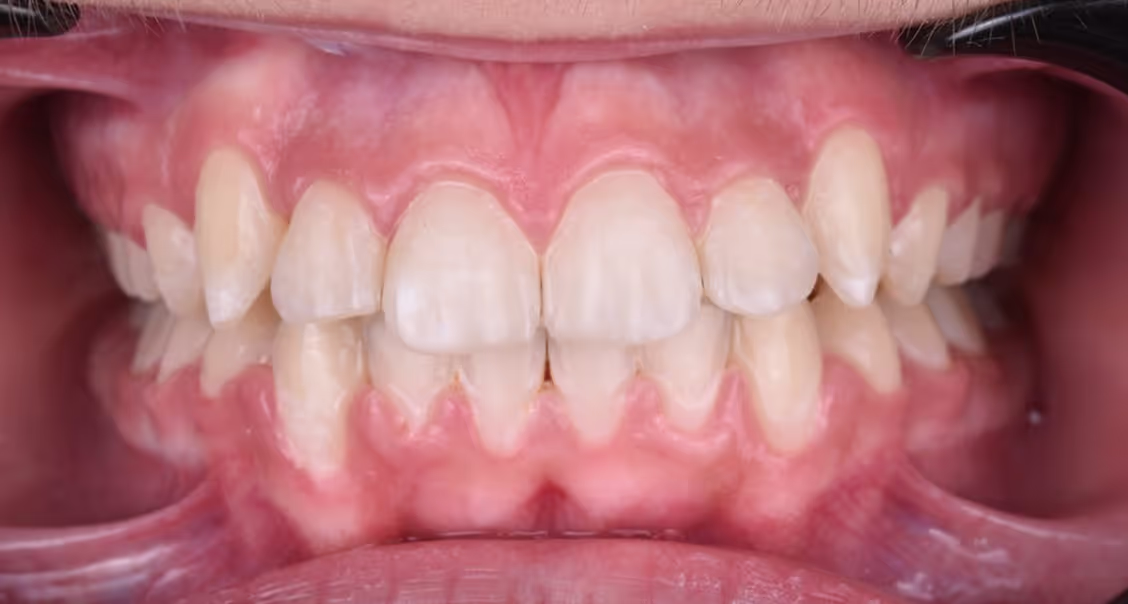
See cases of patients treated endodontically at MistoDent Krakow.
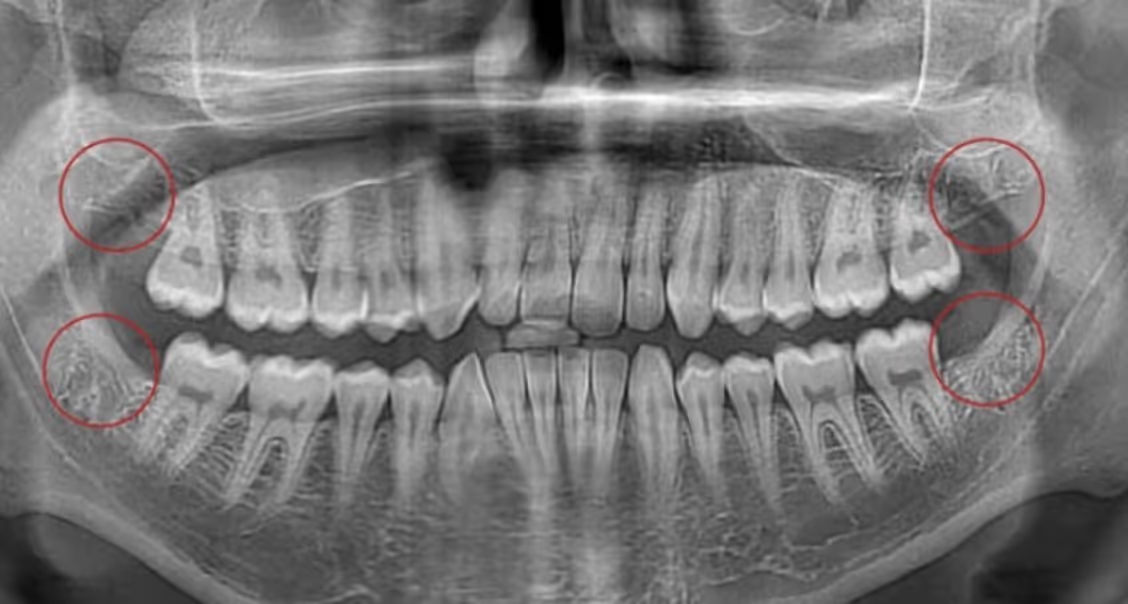
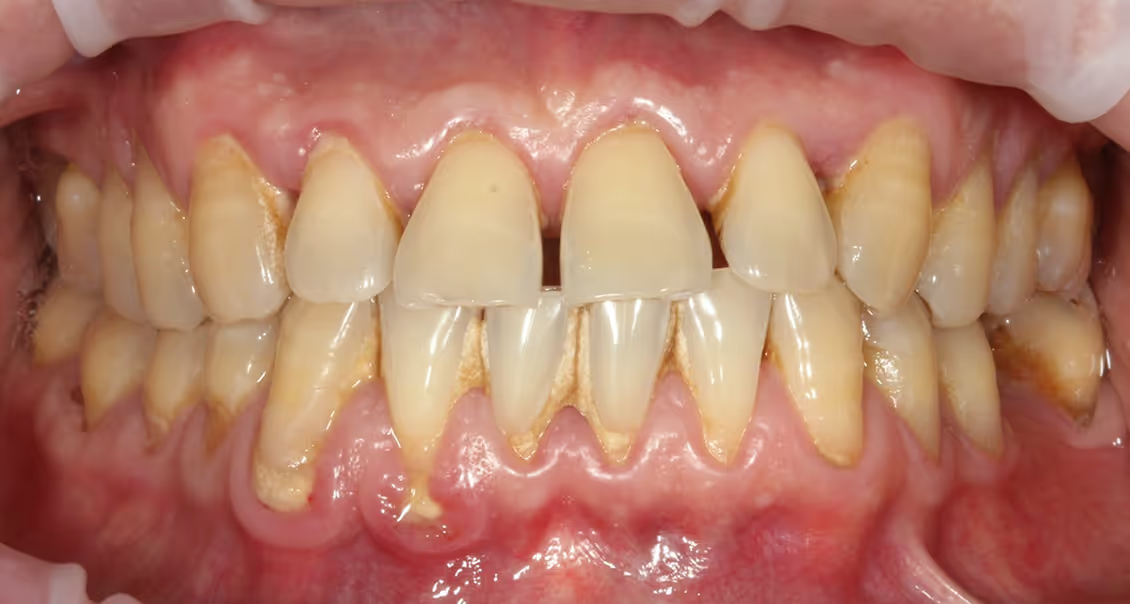
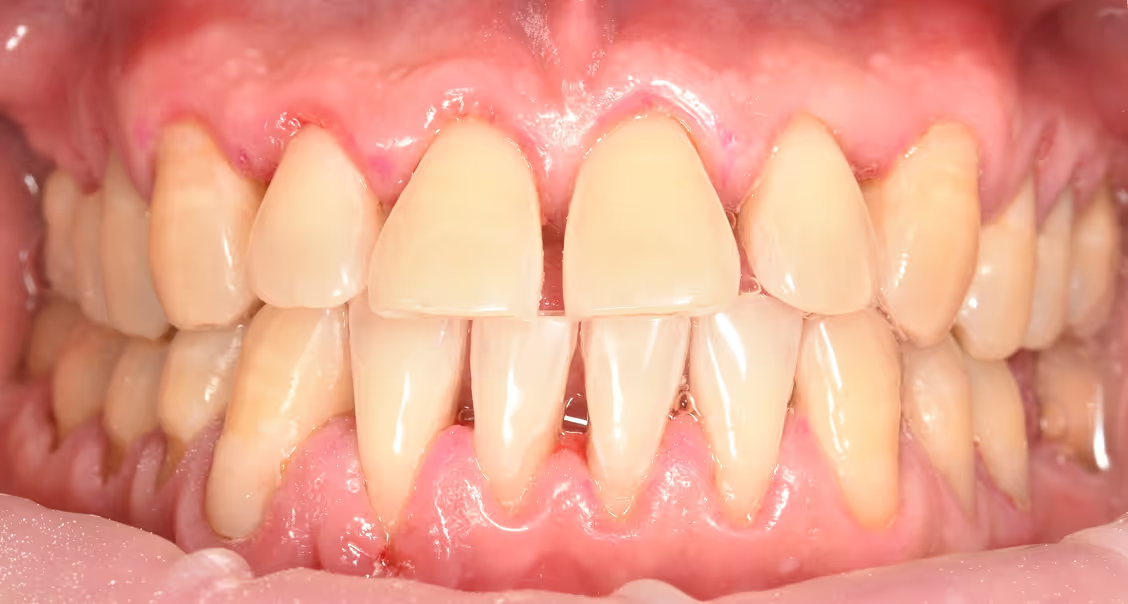
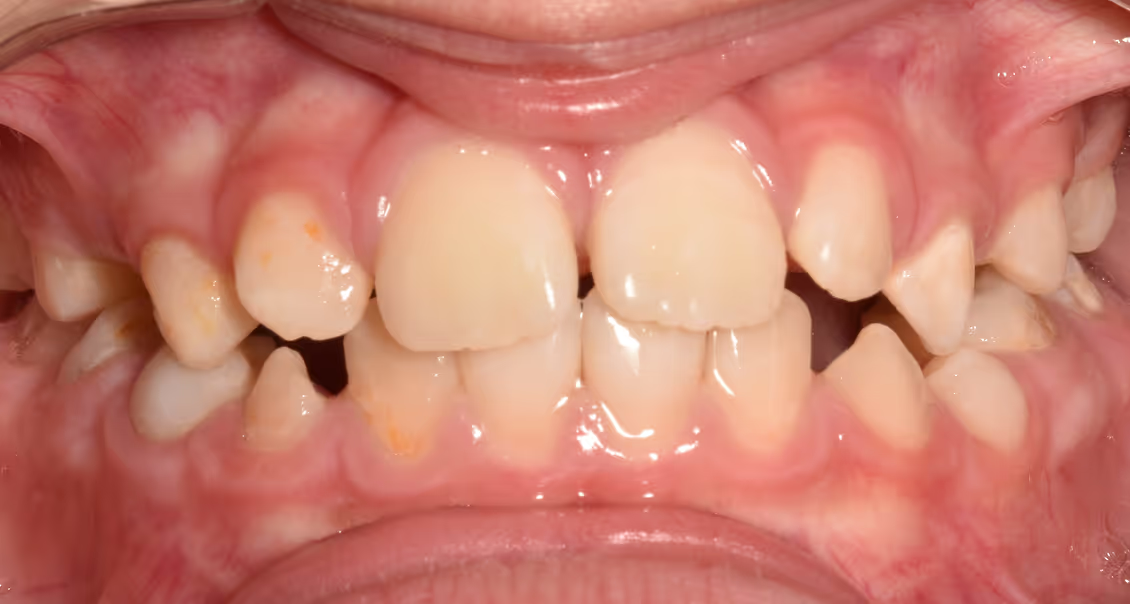
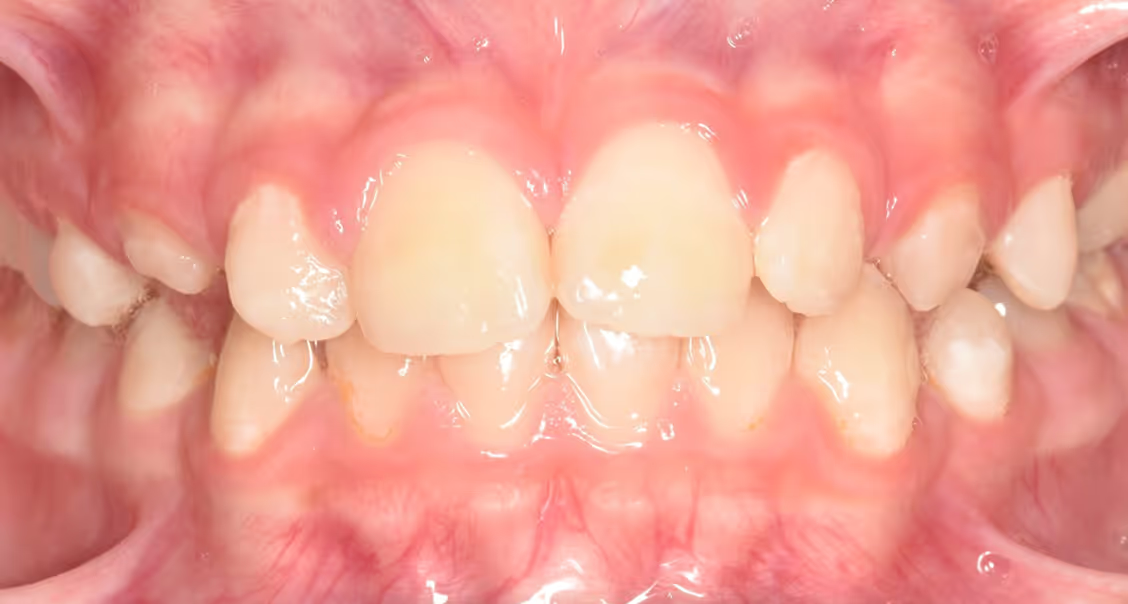
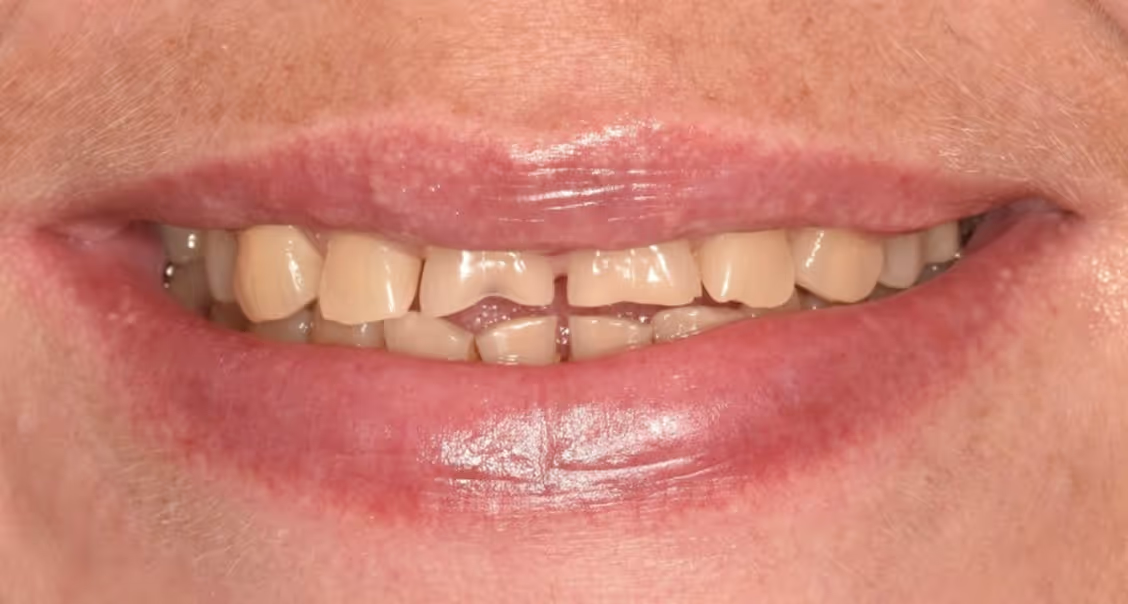
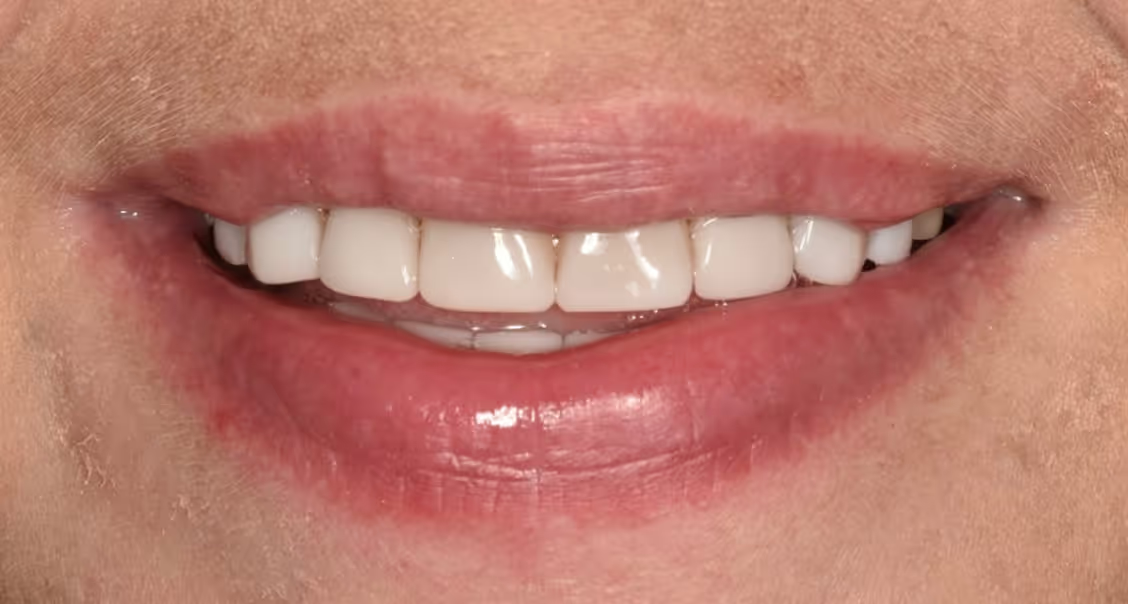
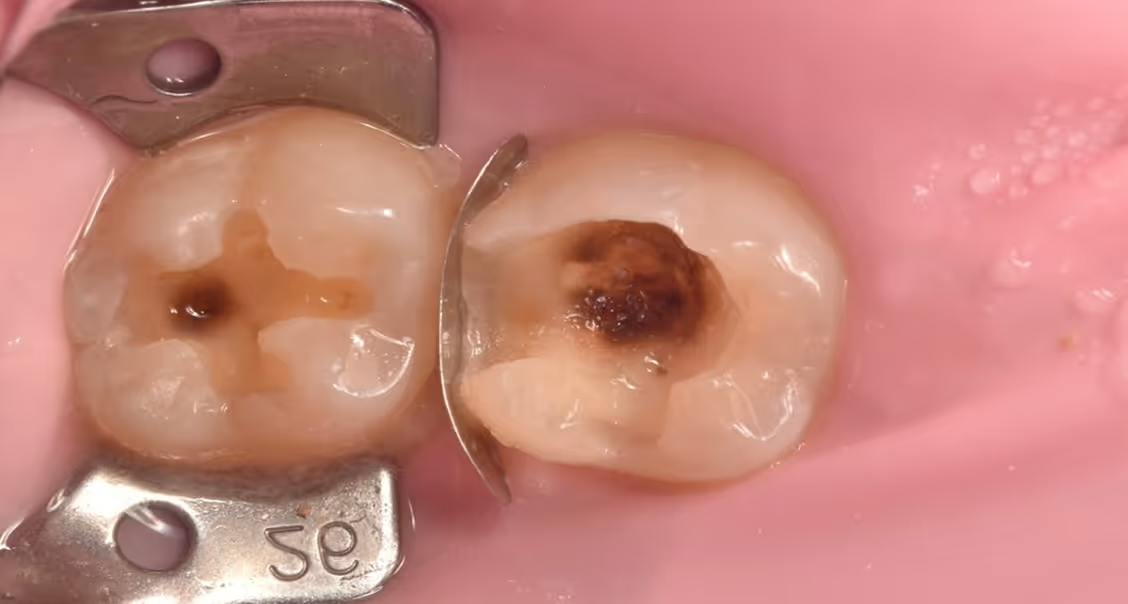
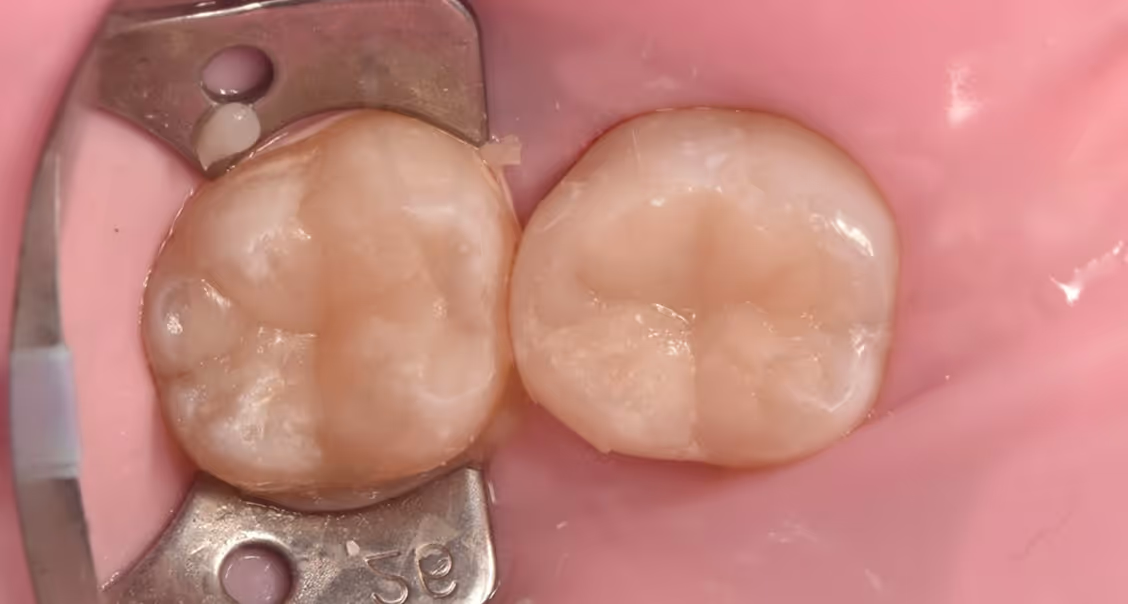
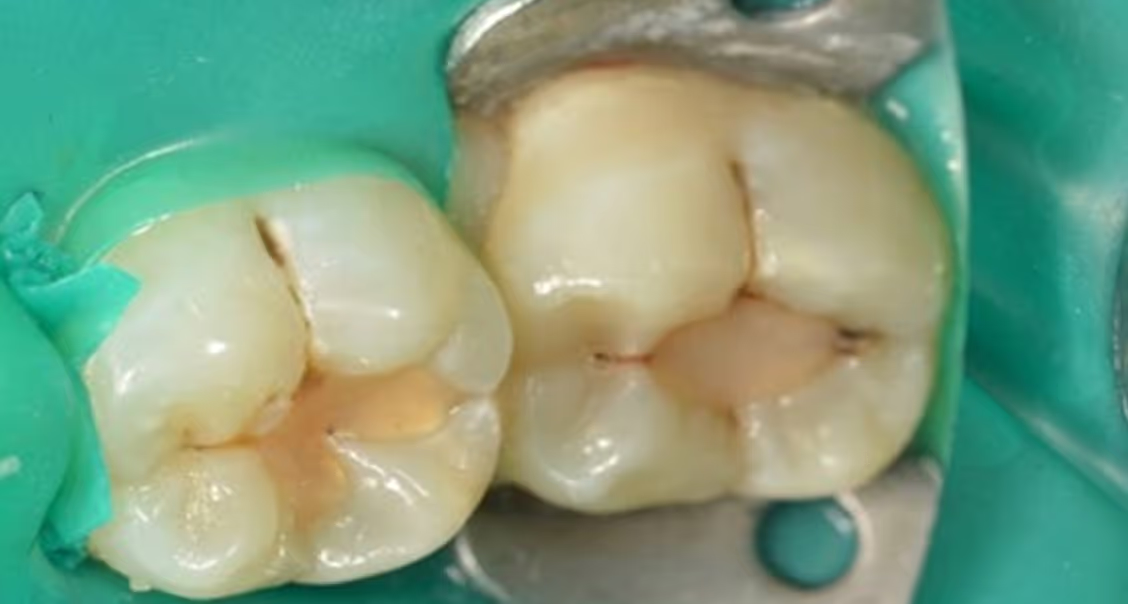
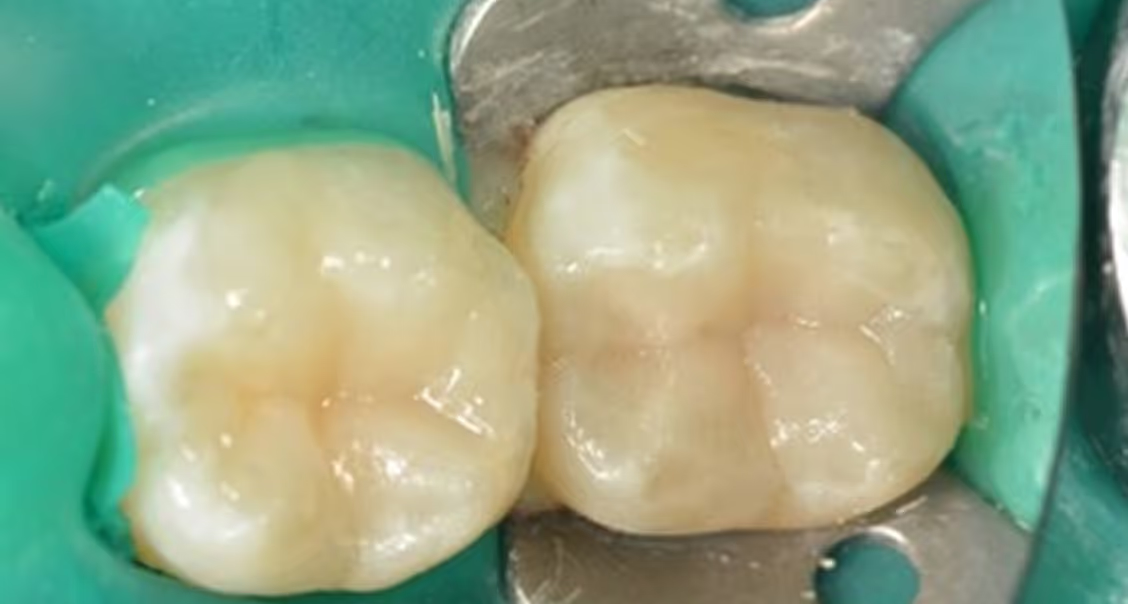
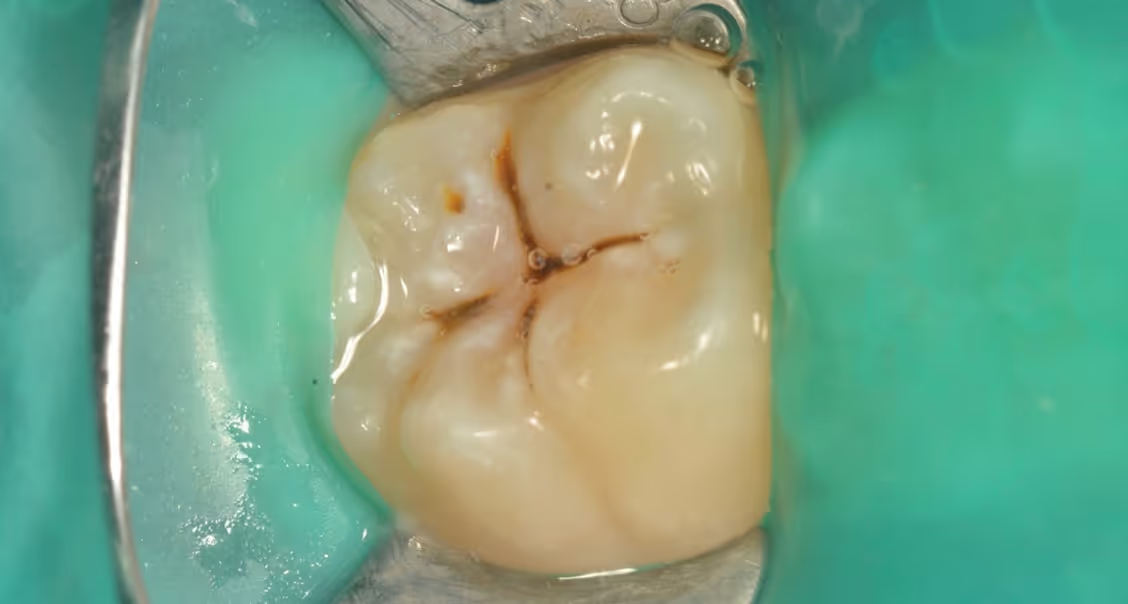
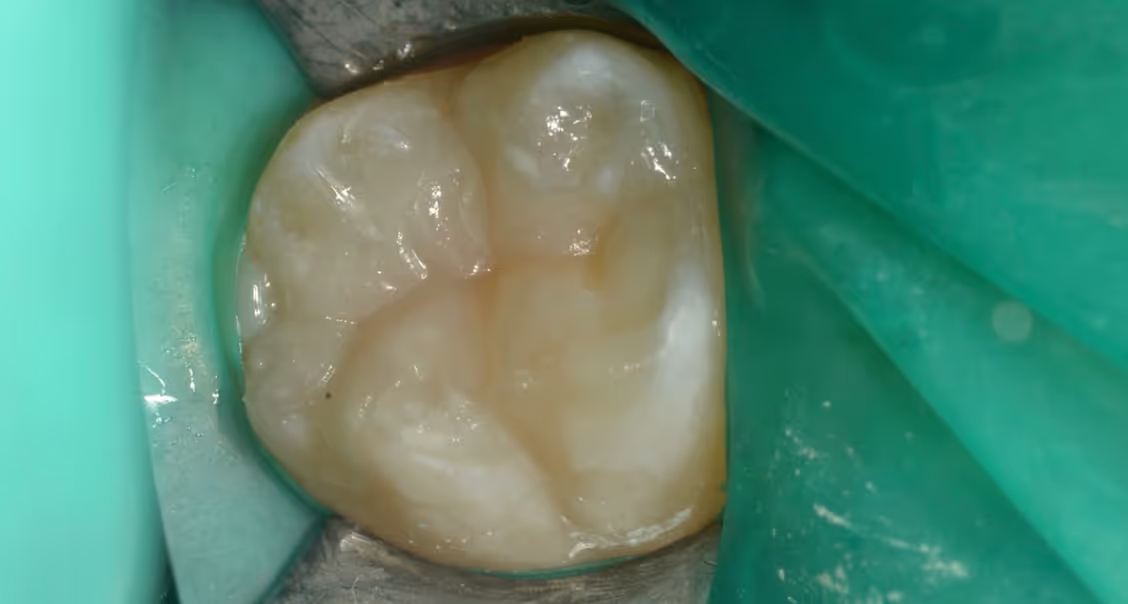
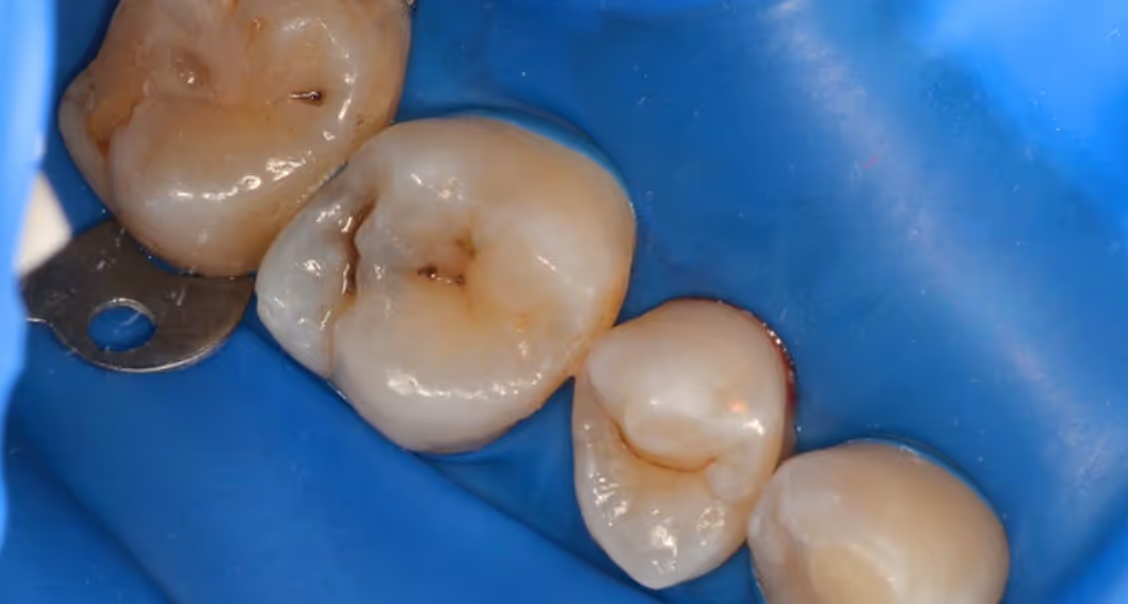
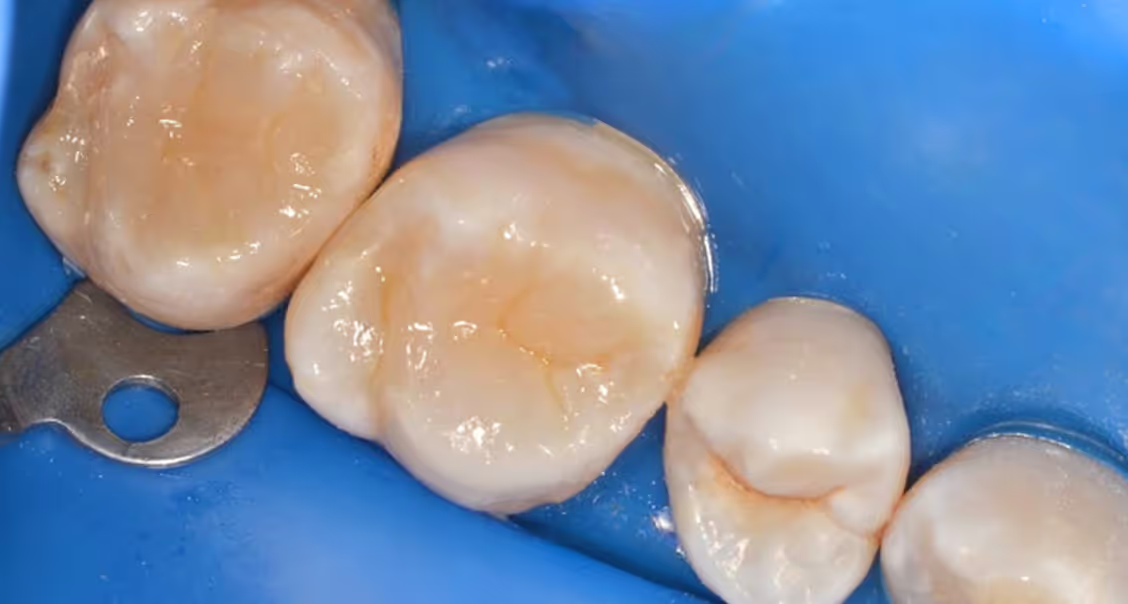
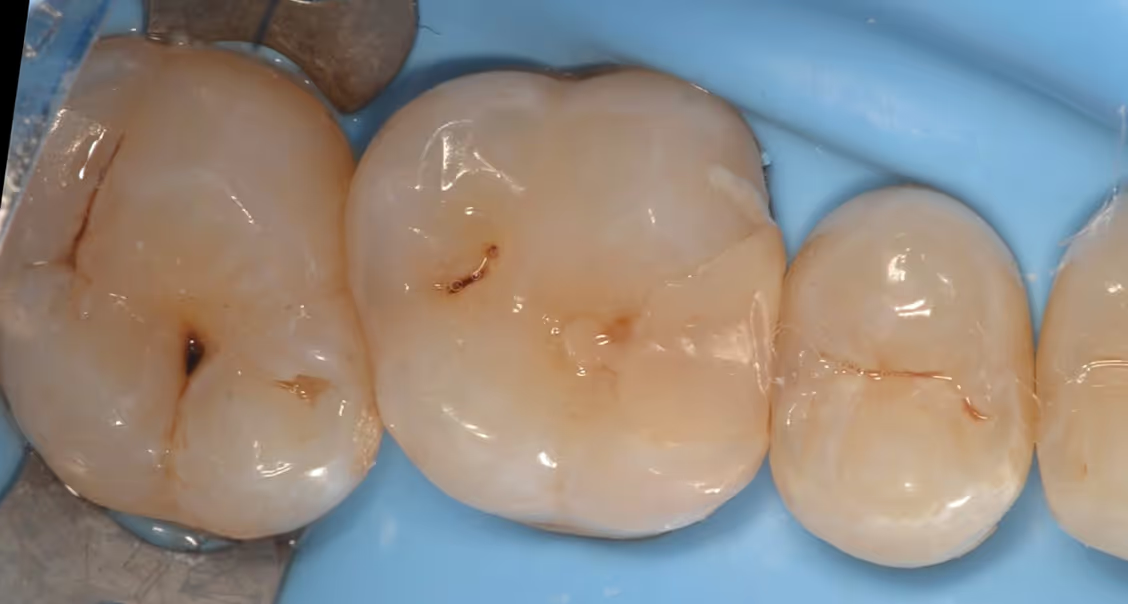
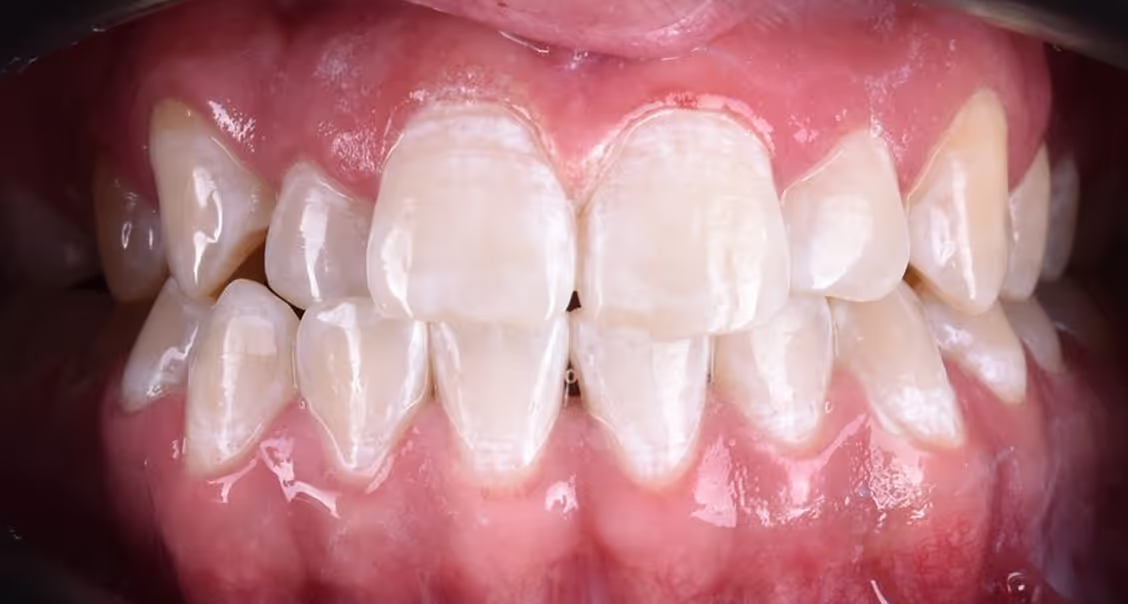
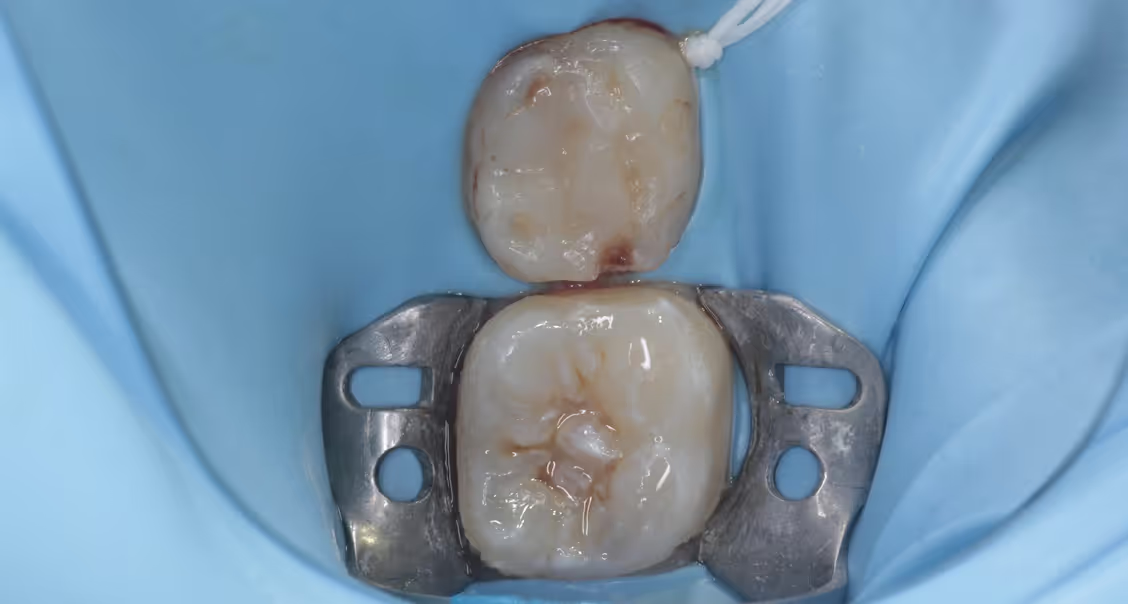
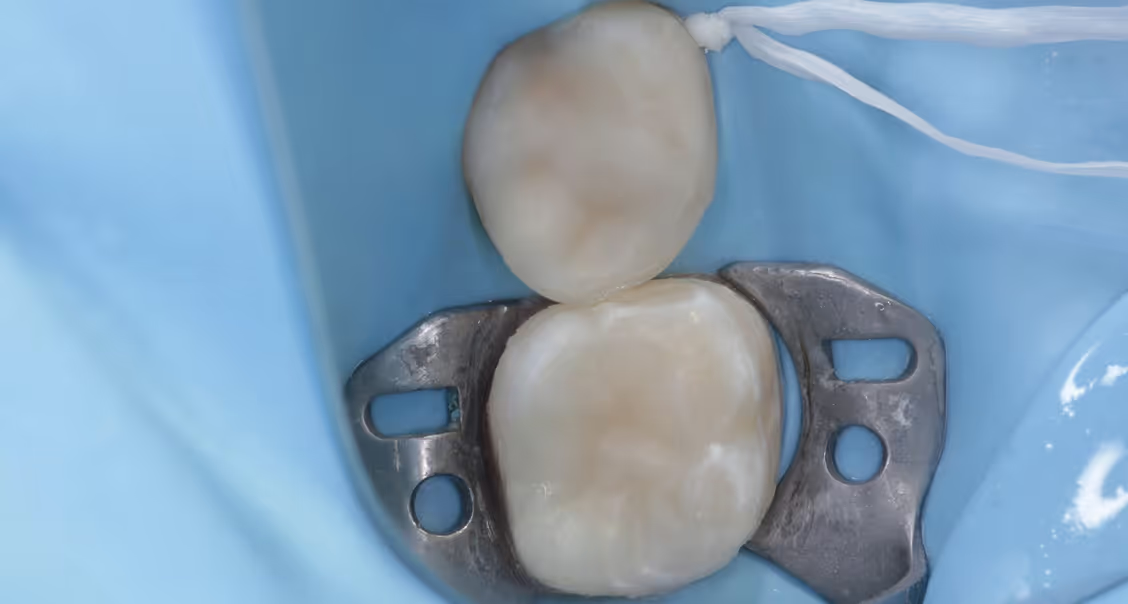
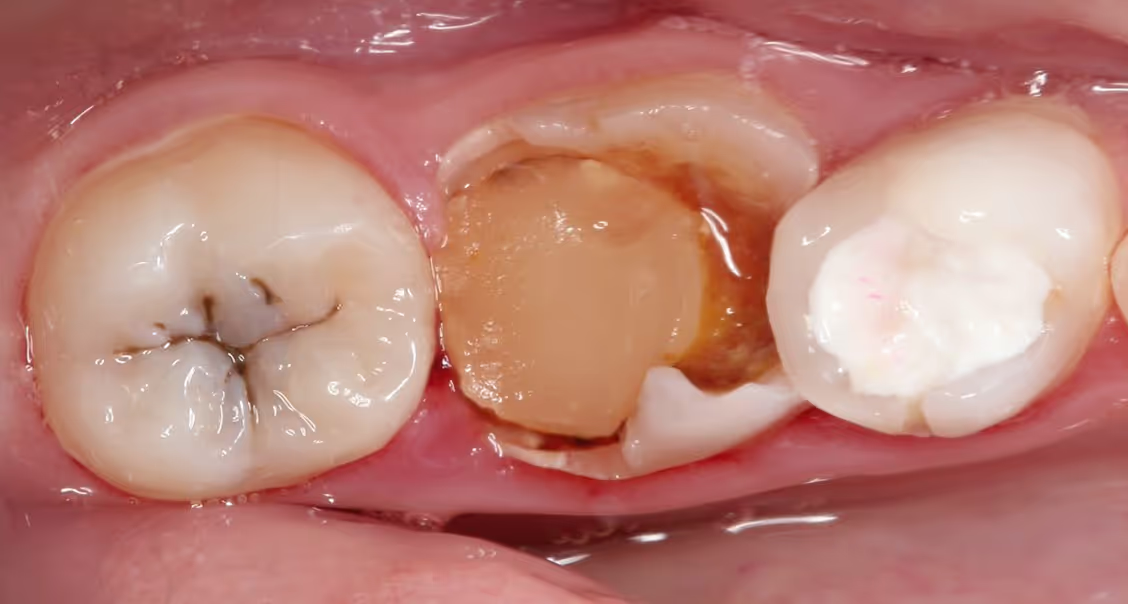
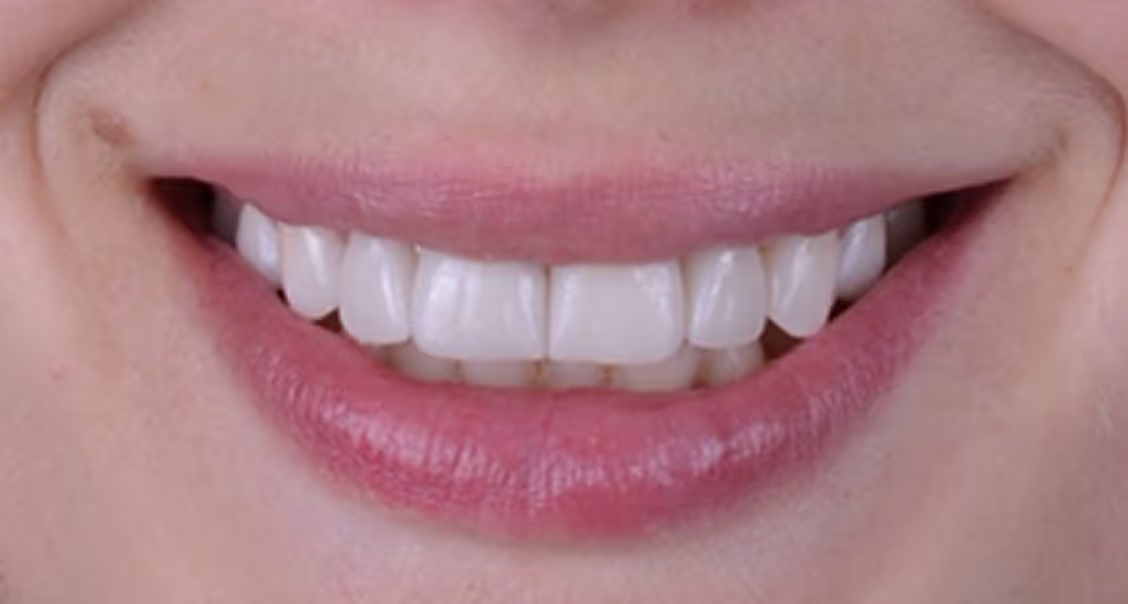
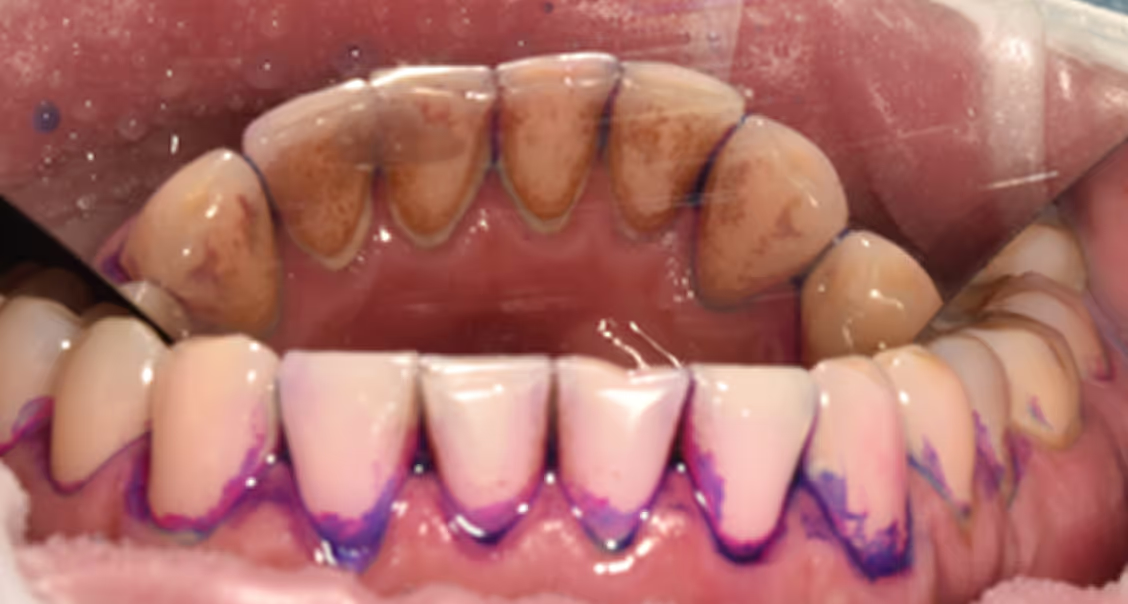
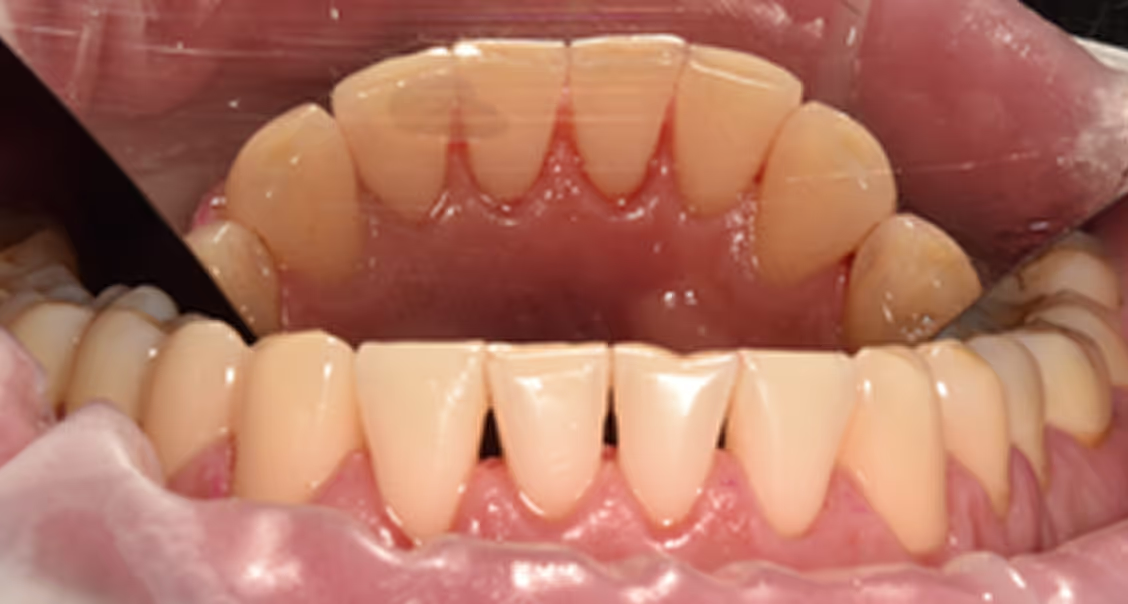
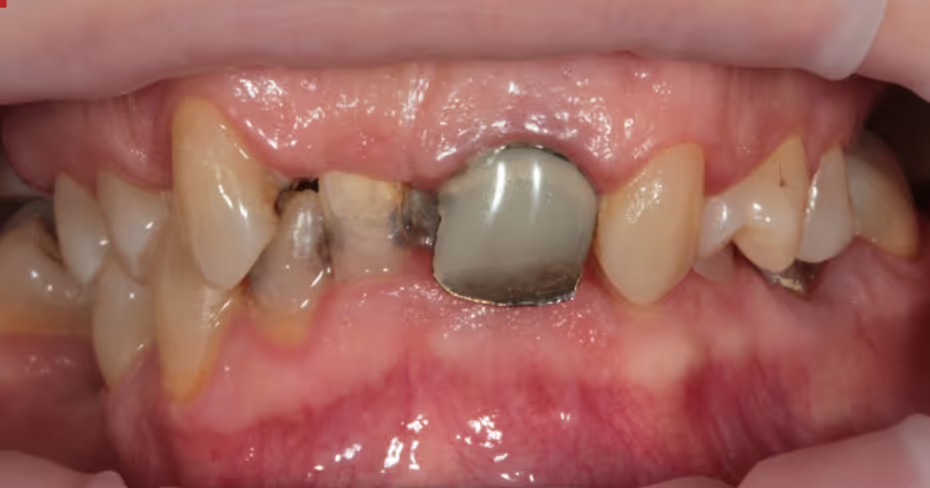
Why choose root canal treatment at MistoDent Krakow?
At MistoDent Krakow, endodontic treatment is based on diagnostics and an individual assessment of each case.
Patients can benefit from:
- microscope root canal treatment — allowing work at magnification;
- imaging diagnostics — chosen for the specific clinical situation;
- primary treatment and retreatment;
- treatment of difficult endodontic cases;
- restoration of the tooth after root canal treatment — taking its further function into account;
- comprehensive dental care — if needed, treatment can be coordinated with prosthodontics or other areas of dentistry.
MistoDent Krakow at ul. Grzegórzecka 20A offers diagnostics, endodontic treatment and further tooth restoration.
If you have toothache or need a consultation about a previously root-treated tooth, the dentist will assess it and present possible treatment options.
How much does root canal treatment cost in Krakow?
The price of root canal treatment in Krakow depends on, among other things, the type of tooth, the number of canals, the complexity of the case and whether it is primary treatment or retreatment. The dentist determines the exact scope and cost after examining and assessing the specific case.
FAQ
Answers provided by
Dr. Viacheslav Lorman
How long does root canal treatment take?
The duration depends on the tooth's anatomy, the number of canals and the complexity of the case. Some teeth can be treated in one visit, while others may need more appointments.
Is root canal treatment painful?
The procedure is usually performed under local anaesthesia. After treatment, temporary sensitivity or discomfort may occur, especially when biting.
Is root canal treatment always done under a microscope?
Not every case requires the same approach. A microscope is especially useful in cases with complex anatomy, during retreatment, when searching for additional canals or removing broken instruments.
Is a tooth dead after root canal treatment?
After the pulp is removed, the tooth no longer has living pulp inside the canals, but it remains anchored in the bone and still functions in the mouth.
Do I need a crown after root canal treatment?
Not in every case. The type of restoration depends on the amount of remaining tissue, the tooth's position and bite forces. The dentist may recommend a composite restoration, an onlay or a crown.
When is root canal retreatment needed?
Retreatment may be considered, among other things, when infection persists or appears after previous treatment, there are changes around the root, or the previous treatment needs correction.
Can a tooth that doesn't hurt need root canal treatment?
Yes. The absence of pain does not rule out changes in the pulp or the tissues around the root. Indications for treatment are determined by the dentist based on examination and diagnostics.

Medical verification
Content verified by:
Dr. Nazar Prokopiak
Endodontics • Restorative dentistry
Last updated: 07.10.2026
Book an appointment!
Leave your contact details in the form or message us on your preferred messenger — we'll be happy to answer your questions and help you book a visit.


