



Oral surgery in Krakow — oral surgeon
Oral surgery at MistoDent Krakow — tooth extractions, removal of wisdom teeth and impacted teeth, root-end resection, frenectomy and procedures preparing for implants.
Who handles oral surgery at MistoDent Krakow?
Dr. Roman Kotsyna — oral surgeon, implantologist. Specialises in oral surgery and implantology, including removal of teeth and impacted teeth, surgical procedures in the mouth, bone and soft tissue augmentation, and preparing patients for implant treatment.

What does oral surgery involve?
Oral surgery covers the diagnosis and surgical treatment of problems affecting the teeth, gums, bone and other oral tissues.
Patients see an oral surgeon, among other reasons, for teeth that can no longer be saved, problematic or impacted wisdom teeth, lesions requiring surgical treatment, an abnormal frenulum or the need to prepare bone for implants.
At MistoDent Krakow we perform both standard tooth extractions and more complex surgical procedures. We determine the scope of treatment after an examination and appropriate diagnostics.
When should you see an oral surgeon?
A surgical consultation may be needed in case of:
- a tooth that can no longer be saved;
- pain or other problems with a wisdom tooth;
- an impacted tooth;
- the need for surgical tooth removal;
- a retained tooth root;
- lesions or cysts in the mouth;
- an abscess requiring surgical intervention;
- an abnormal frenulum;
- indications for root-end resection;
- the need to rebuild bone before implant placement.
Not every tooth causing discomfort has to be removed. Before an extraction, the dentist assesses its condition and options for further treatment.
Oral surgery procedures at MistoDent Kraków
Tooth extraction
A tooth is extracted when there are indications for removal and keeping it is not possible or justified. Depending on the tooth's position, root shape and complexity, a simple or surgical extraction may be performed.
Wisdom tooth removal
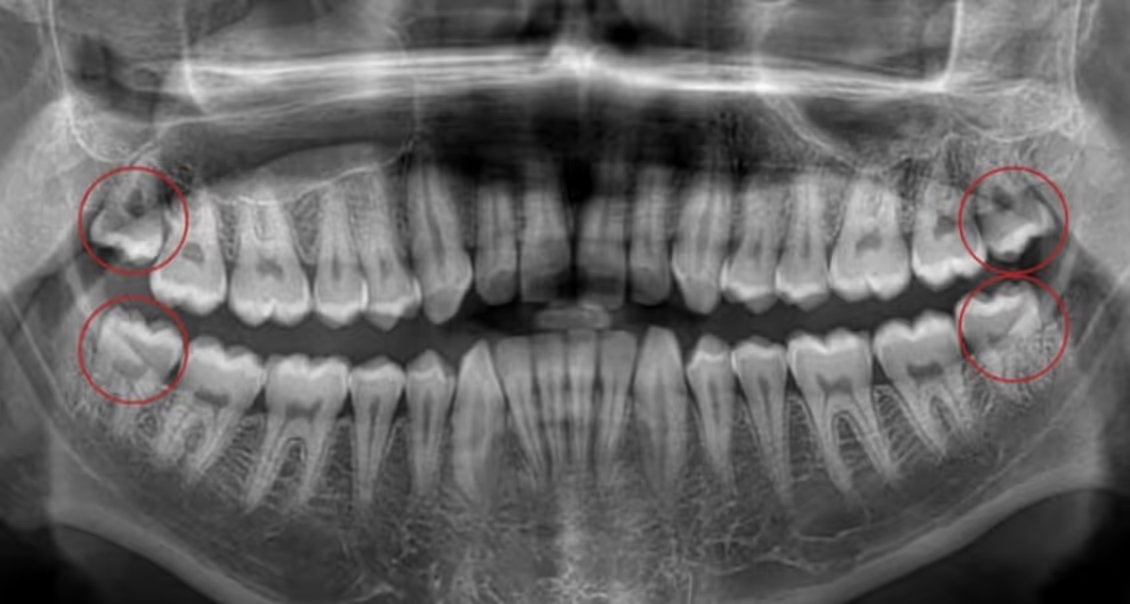
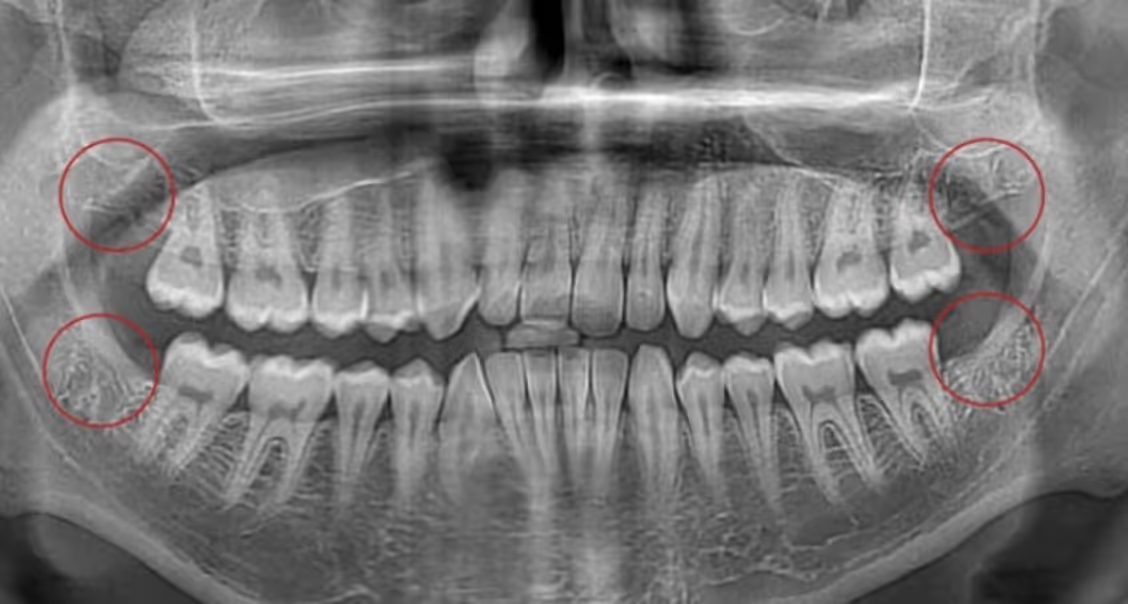
Removing wisdom teeth may be necessary, among other things, in case of pain, abnormal eruption, lack of space or a wisdom tooth impacted in the bone. Depending on its position, the dentist performs a standard extraction or a surgical removal.
Impacted teeth
An impacted tooth has not erupted properly and remains partly or fully in the bone or under the gum. Depending on the situation, the tooth can be surgically removed or exposed and prepared for orthodontic treatment.
Root-end resection
Root-end resection (apicoectomy) is performed in selected cases of lesions around the root tip when there are indications for surgical treatment. It is preceded by diagnostics and the dentist's assessment.
Frenectomy
A frenectomy is performed for specific indications related to the structure or function of the tongue or lip frenulum. At MistoDent we perform surgical and laser frenectomy, choosing the method for each case.
Removal of cysts and oral lesions
Oral surgery also includes procedures for selected lesions, such as enucleation of odontogenic cysts and removal of mucosal lesions. If indicated, the tissue can be sent for histopathological examination.
Abscess incision
An abscess may require surgical intervention involving incision and drainage. Further treatment depends on the cause of the inflammation.
Surgery before implant placement
Not every patient has suitable conditions for an implant straight away. After tooth loss, bone resorption and soft tissue changes may occur.
Depending on the situation, additional surgical procedures may be needed before or at the same time as implant placement.
Bone augmentation
Bone augmentation (guided bone regeneration) rebuilds the bone at the site of the planned implant. The scope depends on the size of the bone deficit and the planned implant treatment.
Bone graft
For larger bone deficits, a bone block graft or materials supporting bone regeneration may be needed in selected cases.
Sinus lift
A sinus lift may be performed before implant placement in the back of the upper jaw if there is not enough bone.
Soft tissue augmentation
In certain cases, soft tissue augmentation around a planned implant or existing restoration may also be needed.

Simple or surgical extraction — what's the difference?
Simple extraction
Surgical extraction
Used for teeth accessible in the mouth
Used in more complex cases
Usually does not require surgical exposure of the tooth
May require access through the gum or bone
The procedure is usually less extensive
The scope depends on the tooth's position
Can apply to various teeth
Often used for impacted teeth and difficult extractions
The type of extraction is determined by the oral surgeon after the examination and analysis of diagnostics.
What does a surgical procedure involve?
1. Consultation and diagnostics
The dentist assesses the problem and analyses the necessary imaging.
2. Planning the procedure
The surgeon determines the scope and method of treatment and discusses them with the patient.
3. Anaesthesia
The procedure is performed under appropriately chosen local anaesthesia.
4. Procedure
The dentist carries out the planned surgical procedure. Its course depends on the type of problem and its complexity.
5. Wound care
Depending on the procedure, the wound is properly protected and stitches are placed if needed.
6. Aftercare and follow-up
The patient receives post-operative instructions and information about any follow-up visit.
Aftercare following tooth extraction
After a tooth extraction, it is especially important to protect the blood clot that forms in the socket and supports proper healing.
After the procedure, follow the surgeon's individual instructions. Usually, for the first few hours you should avoid vigorous rinsing, hot food, alcohol, smoking and strenuous physical activity.
After more complex procedures, temporary pain and swelling may occur.
If symptoms get worse instead of gradually easing, or there is significant swelling, fever or persistent bleeding, contact your dentist.
Dry socket after tooth extraction
Dry socket is one of the possible complications after an extraction. It can develop when the blood clot in the socket does not form properly or is lost.
A characteristic symptom is severe or increasing pain after the procedure.
In such a situation, a dental check-up is needed. At MistoDent we treat dry socket according to the condition of the extraction site.
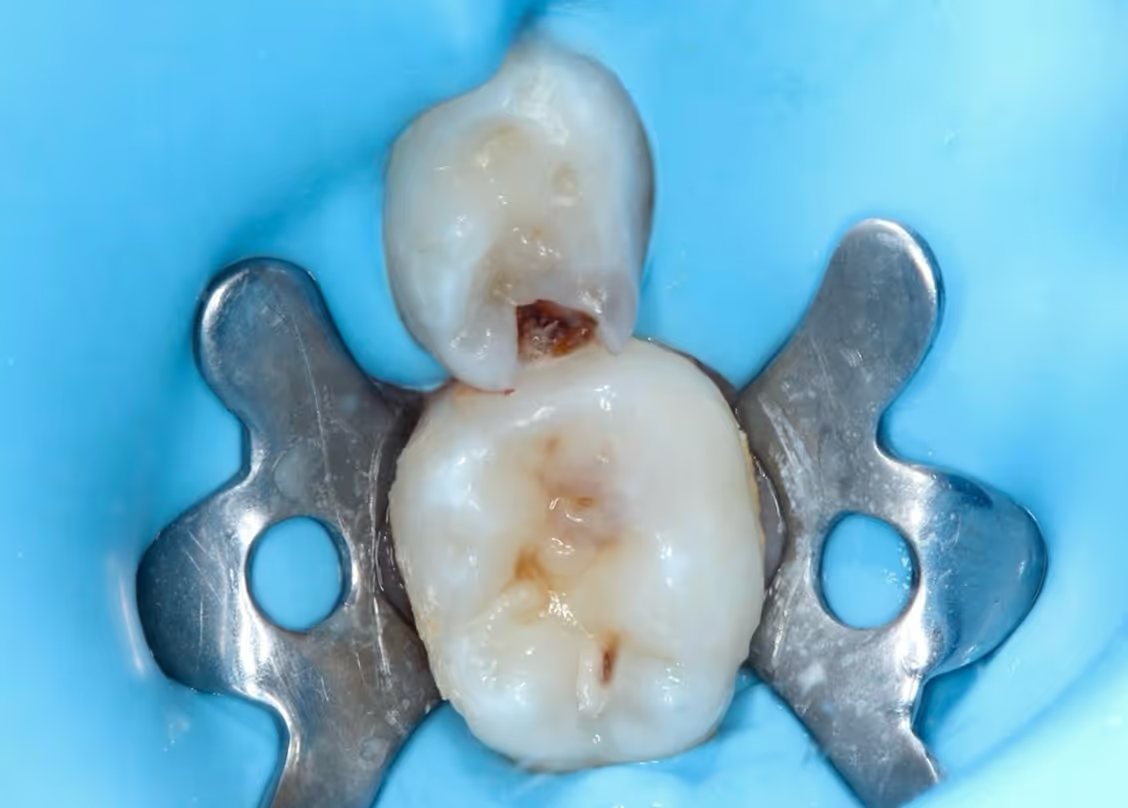
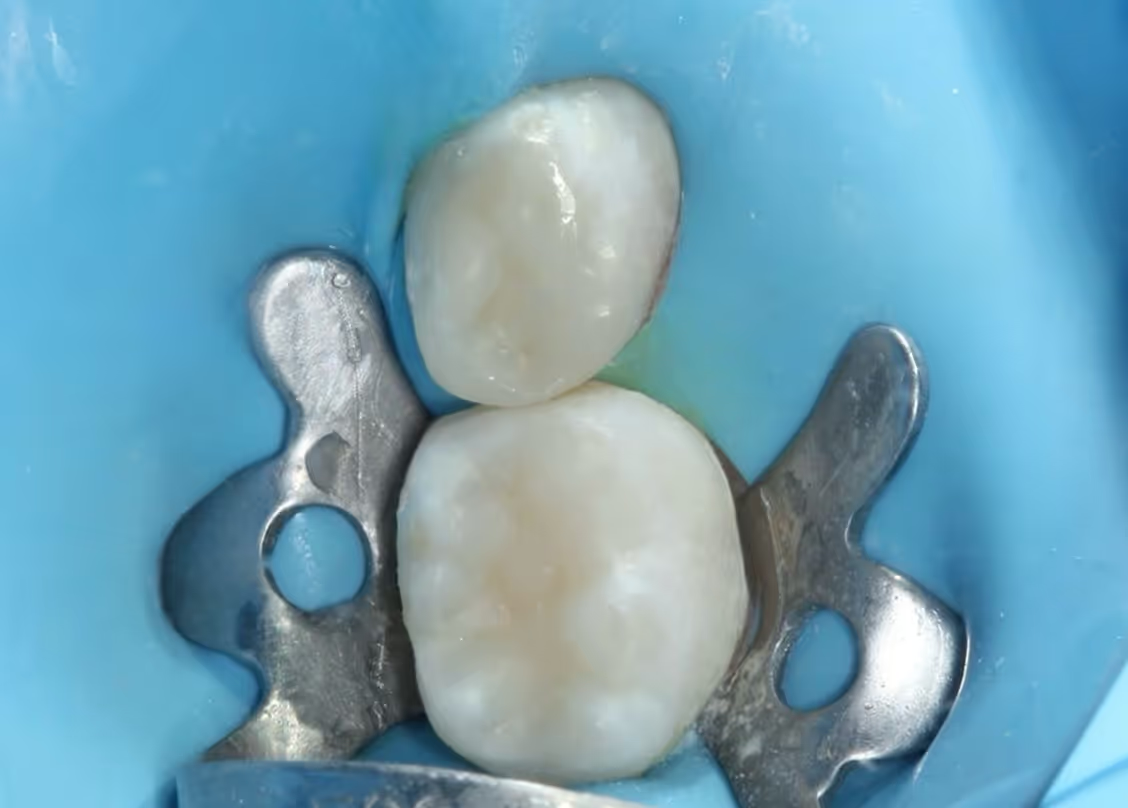
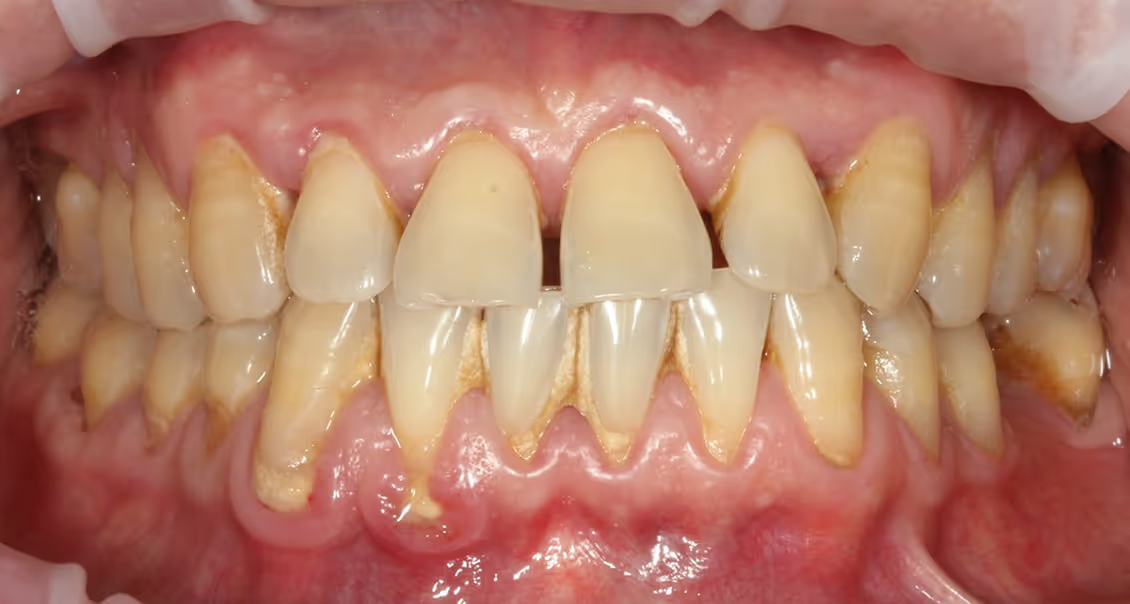
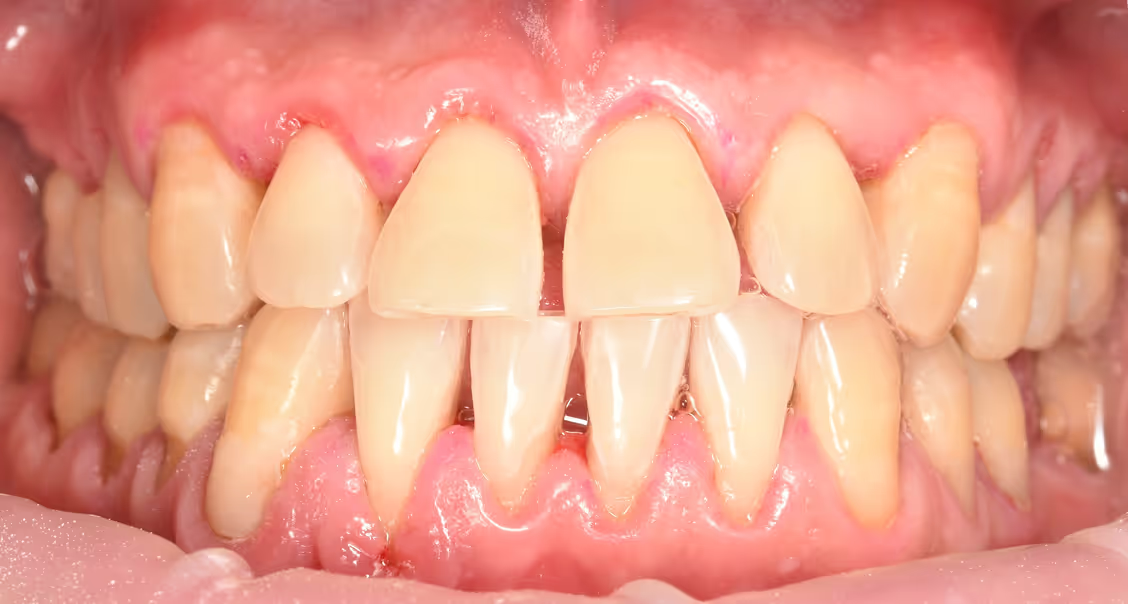
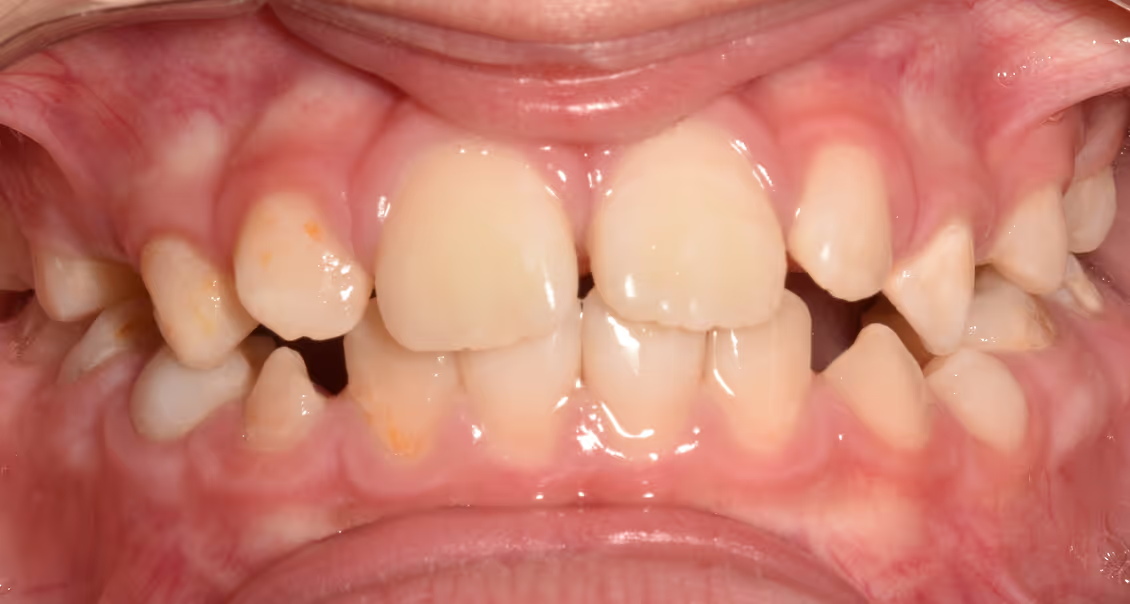
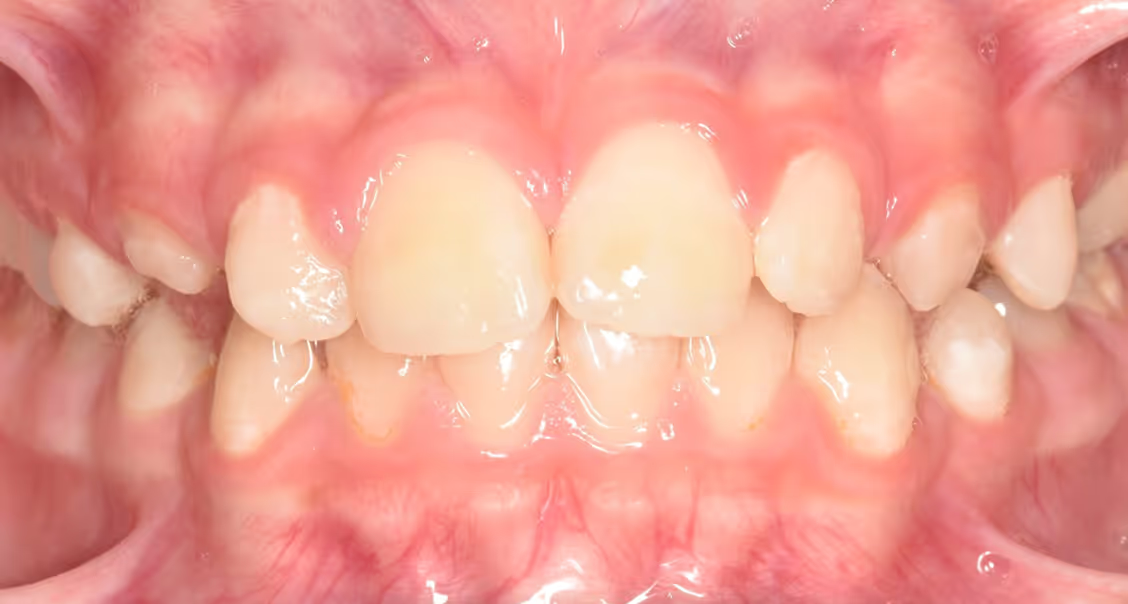
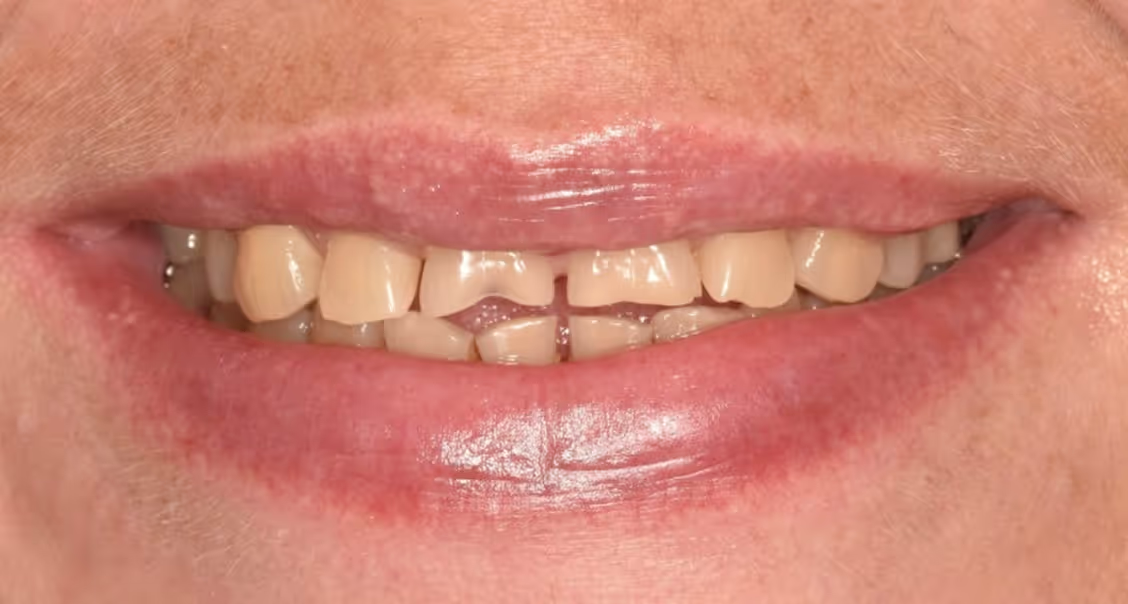
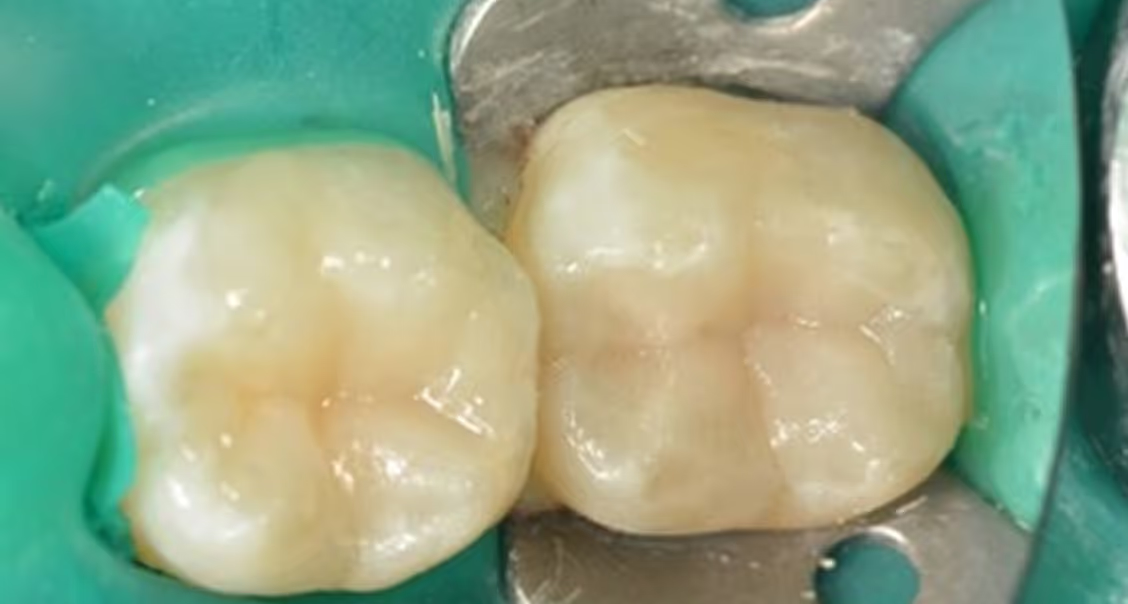
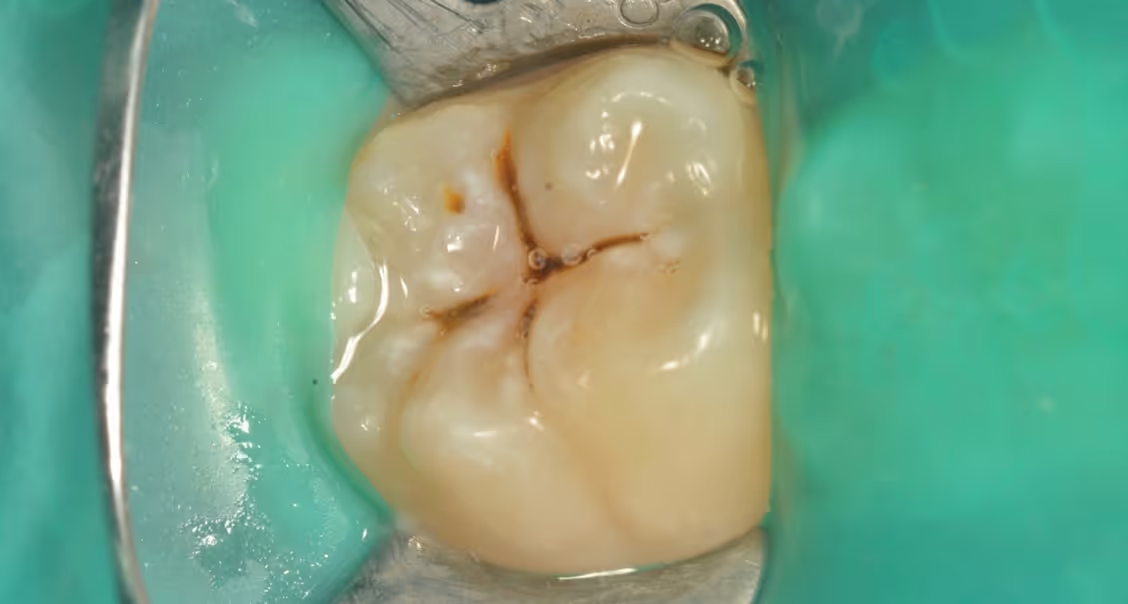
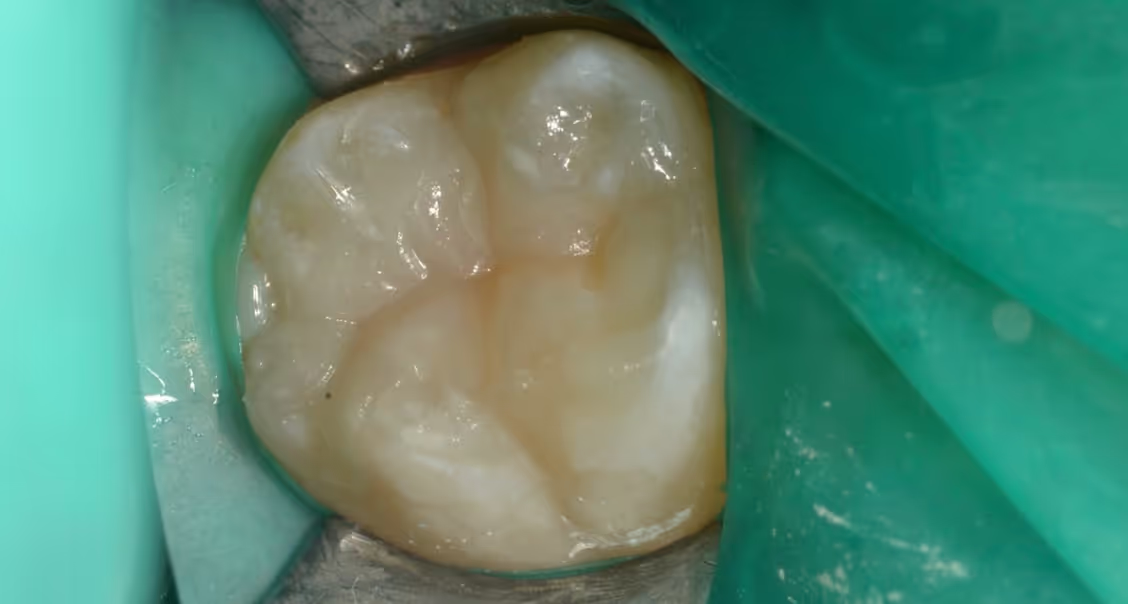
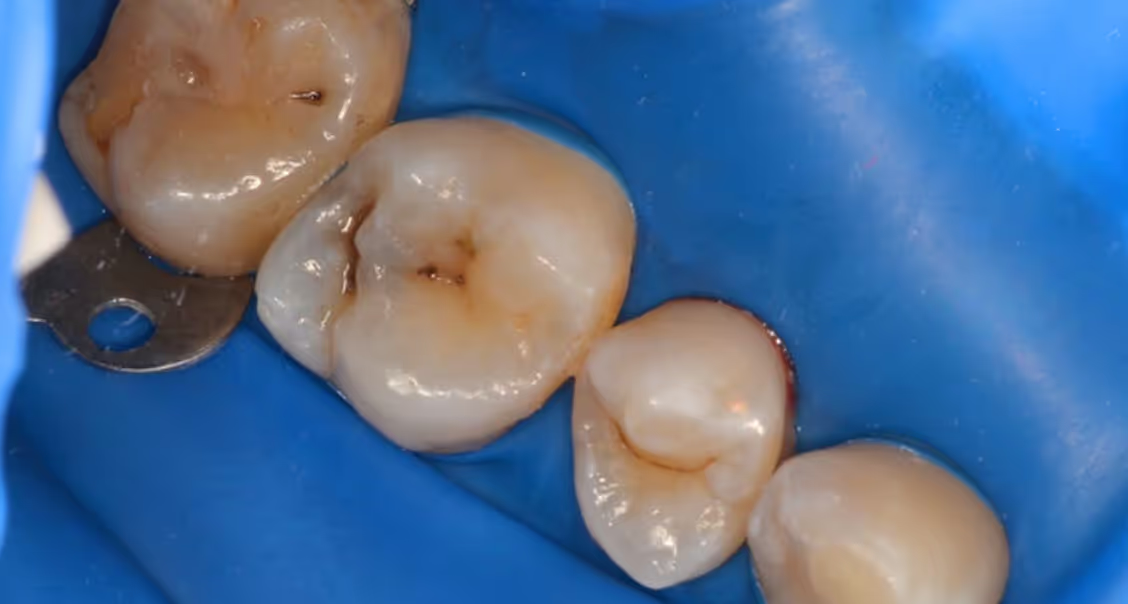
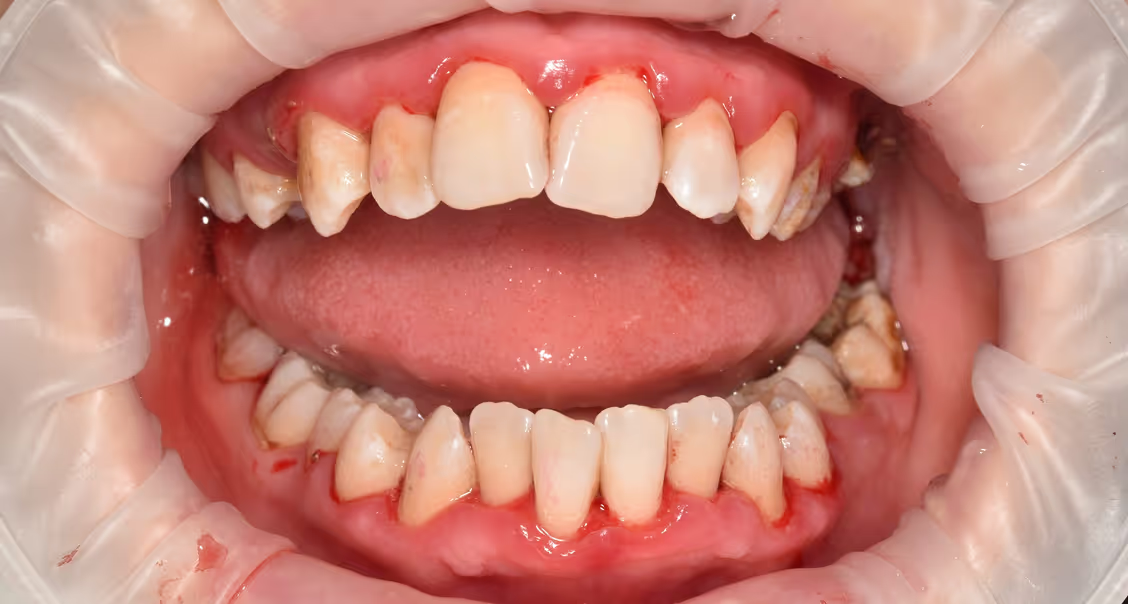
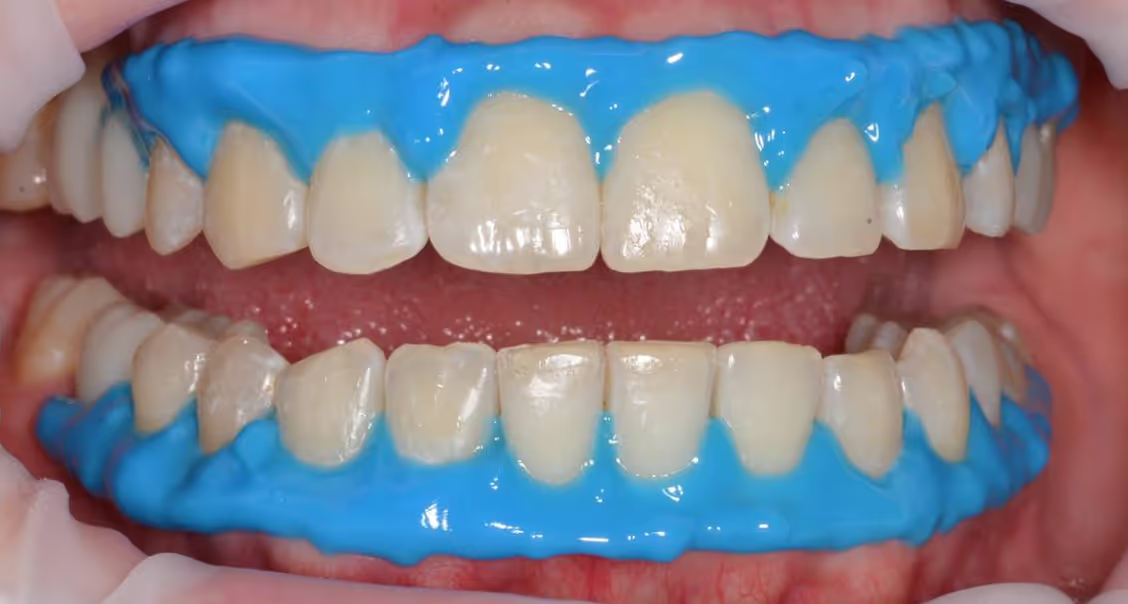
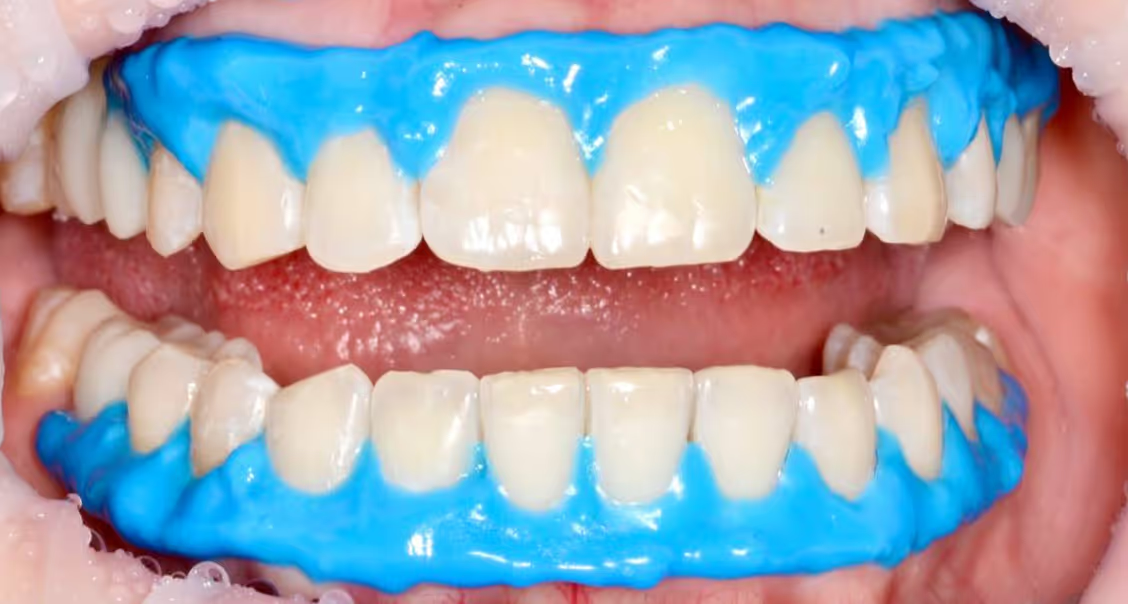
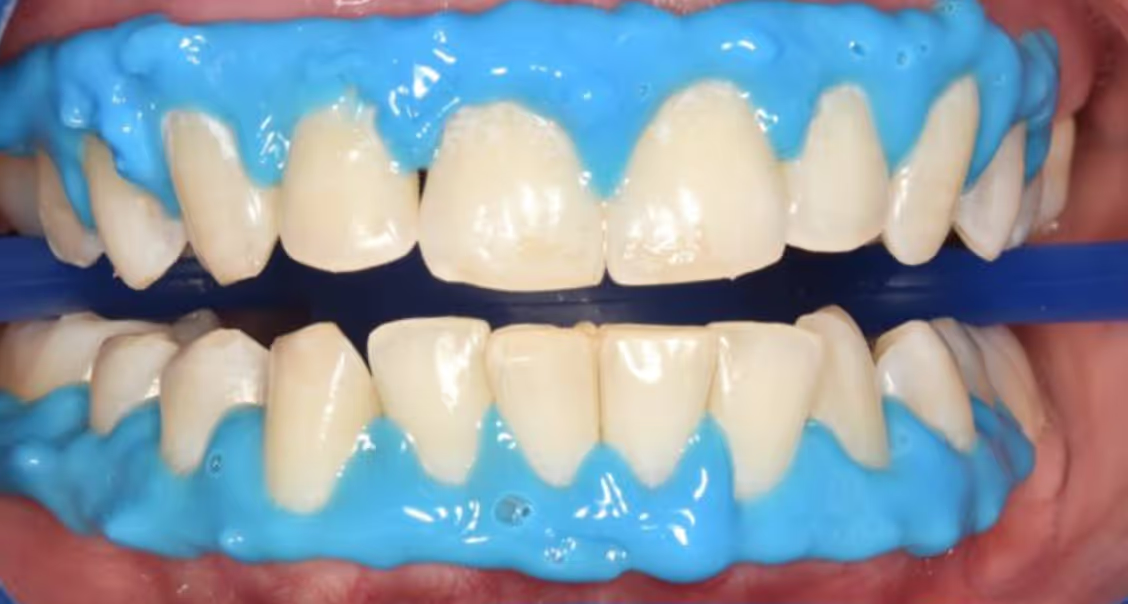
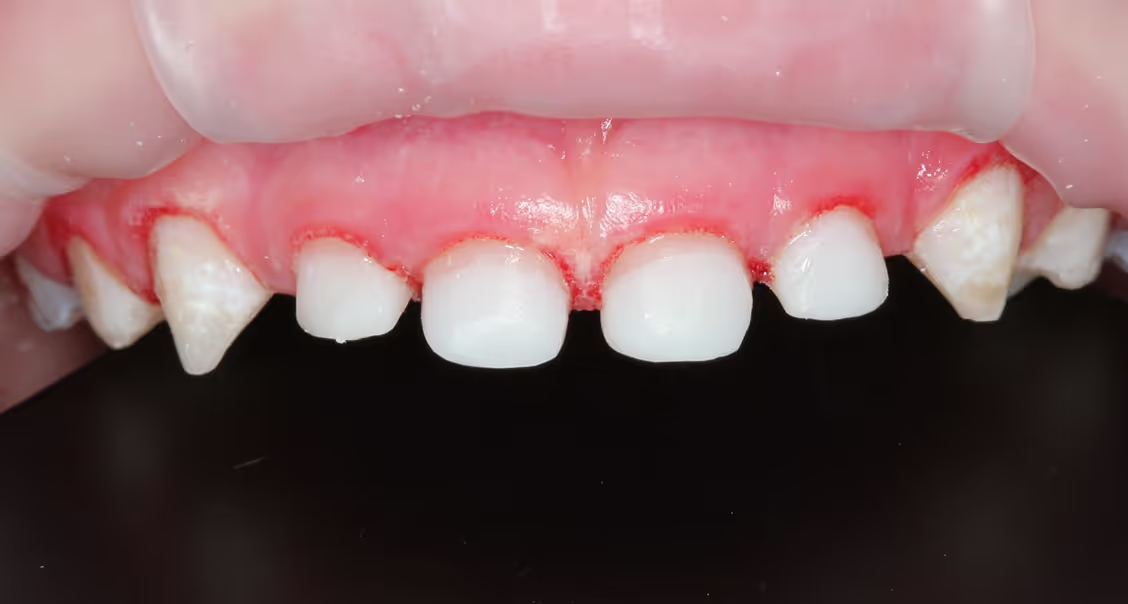
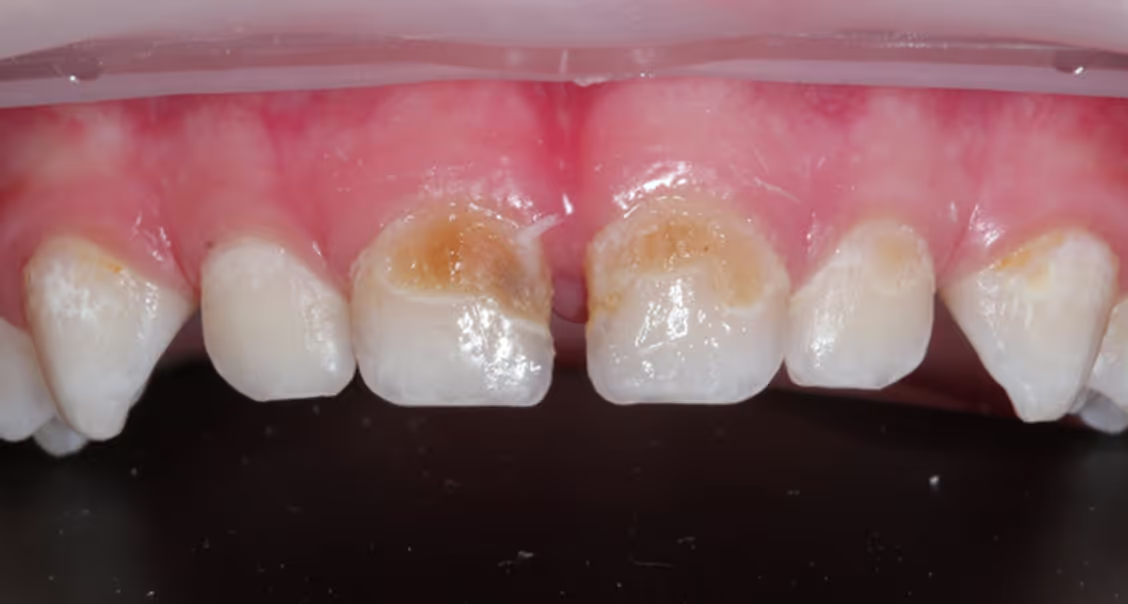
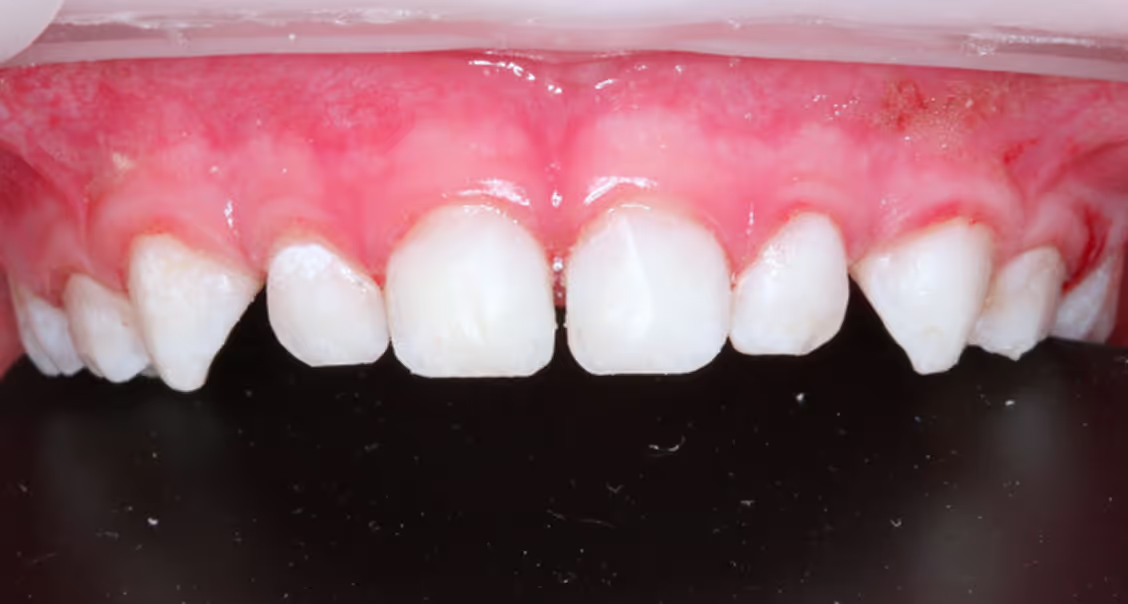
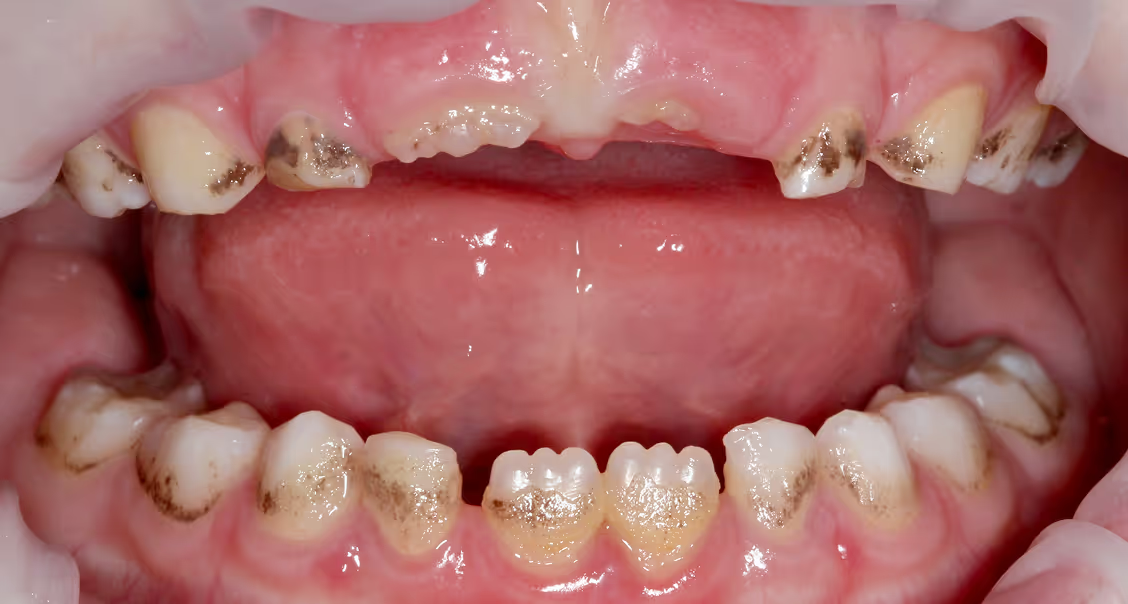
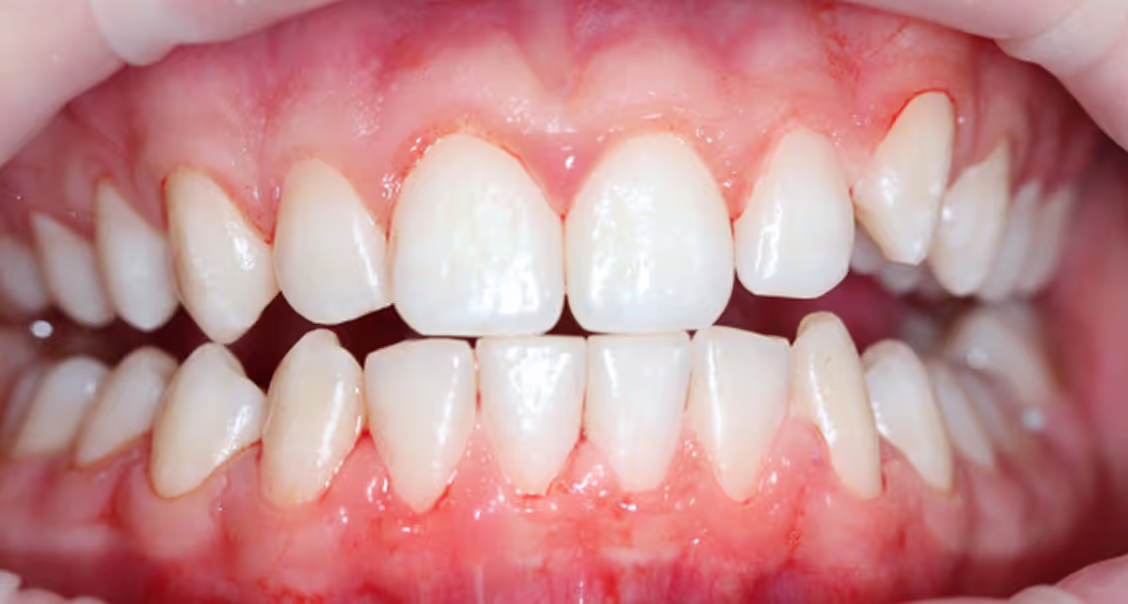
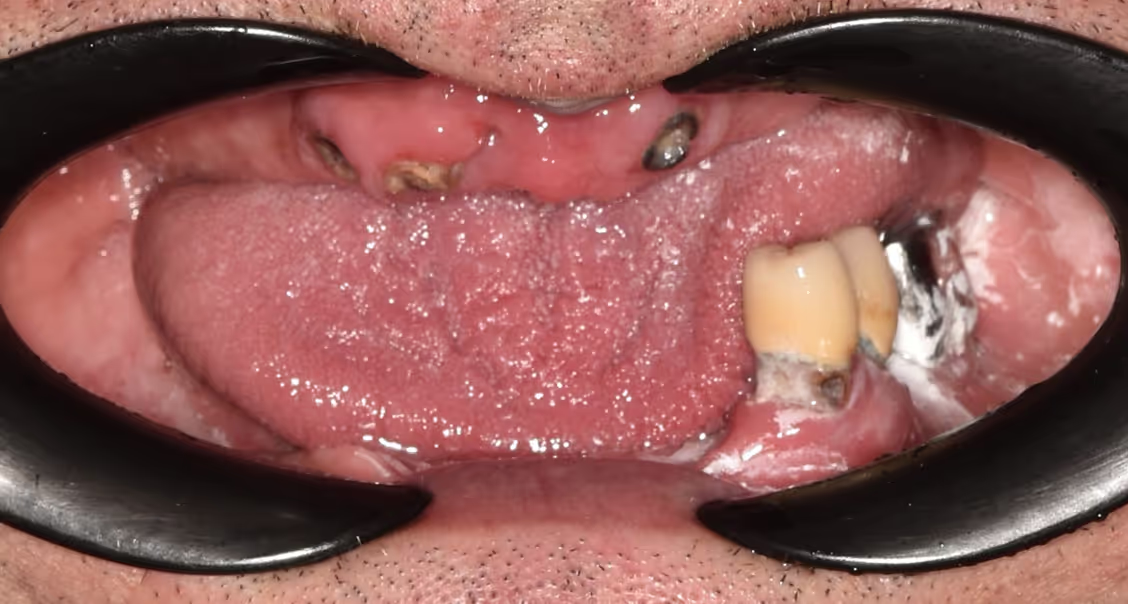
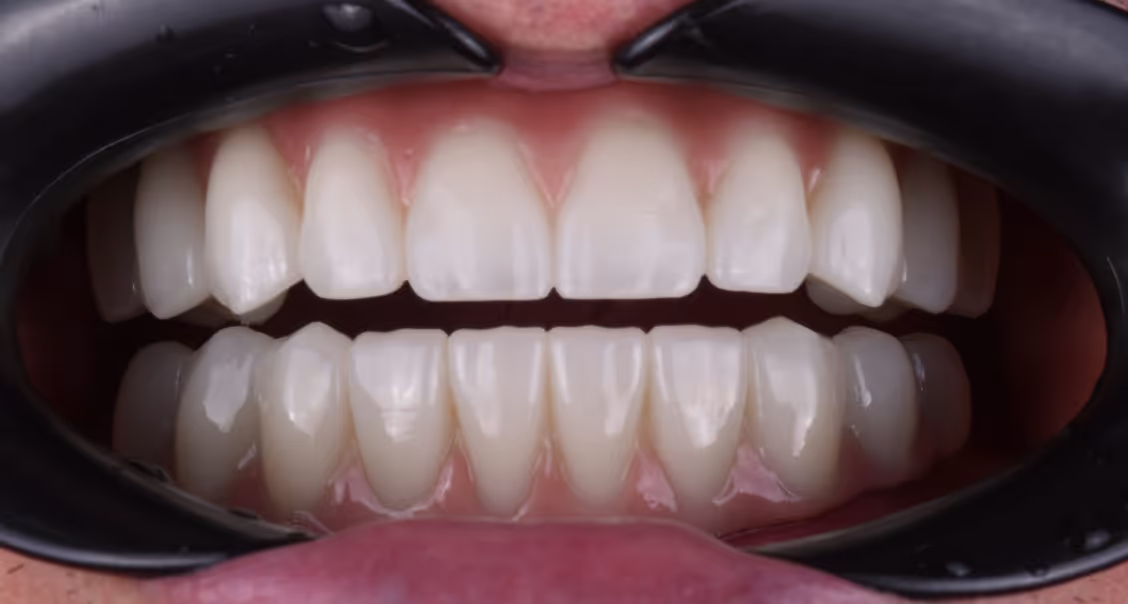
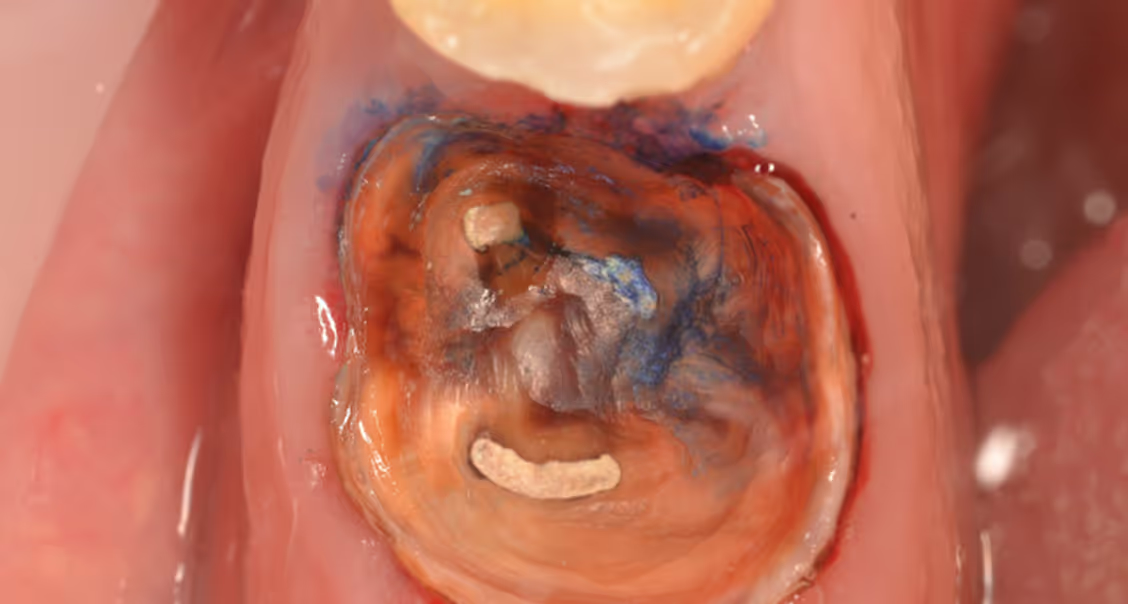
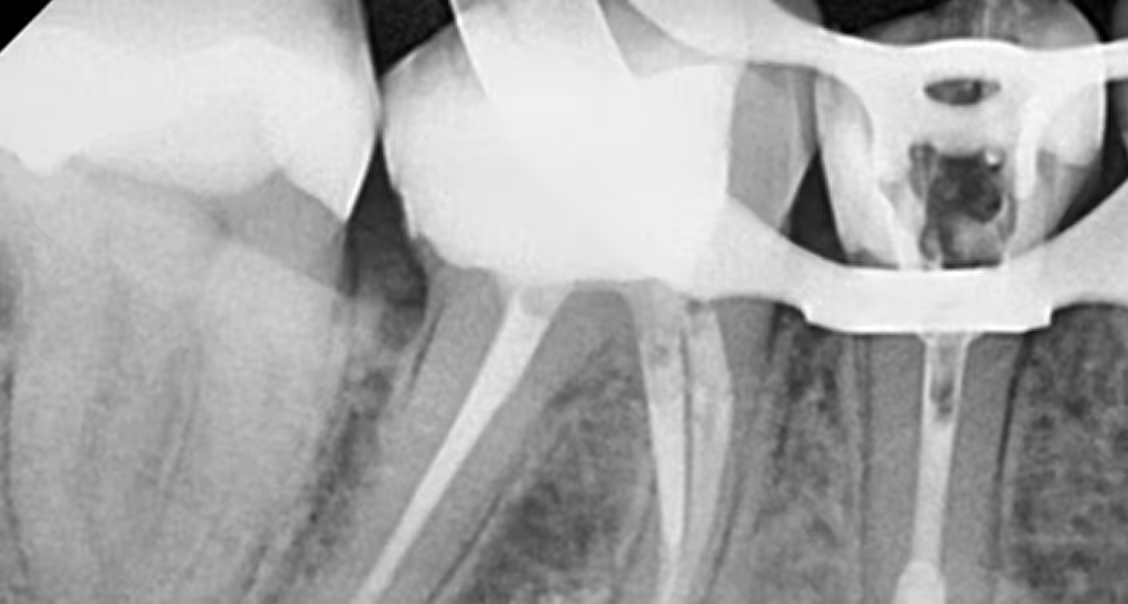
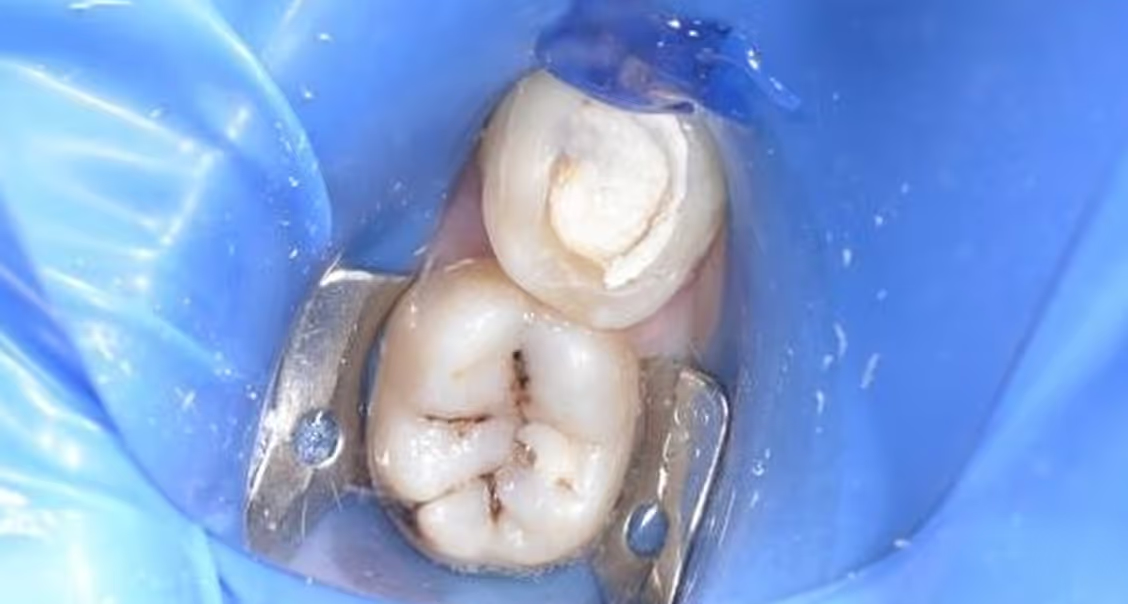
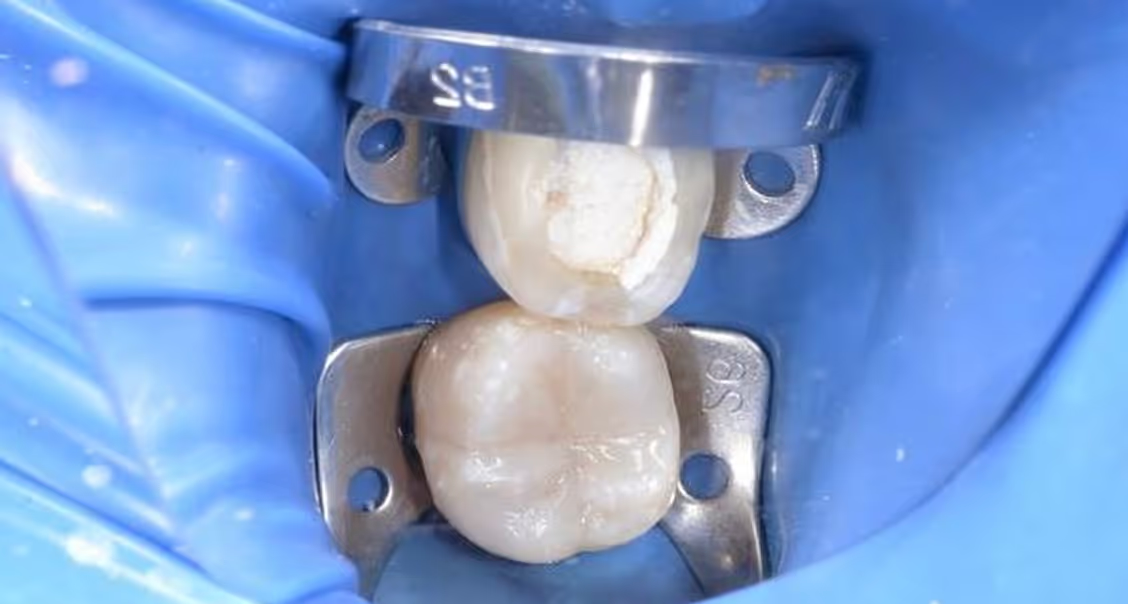
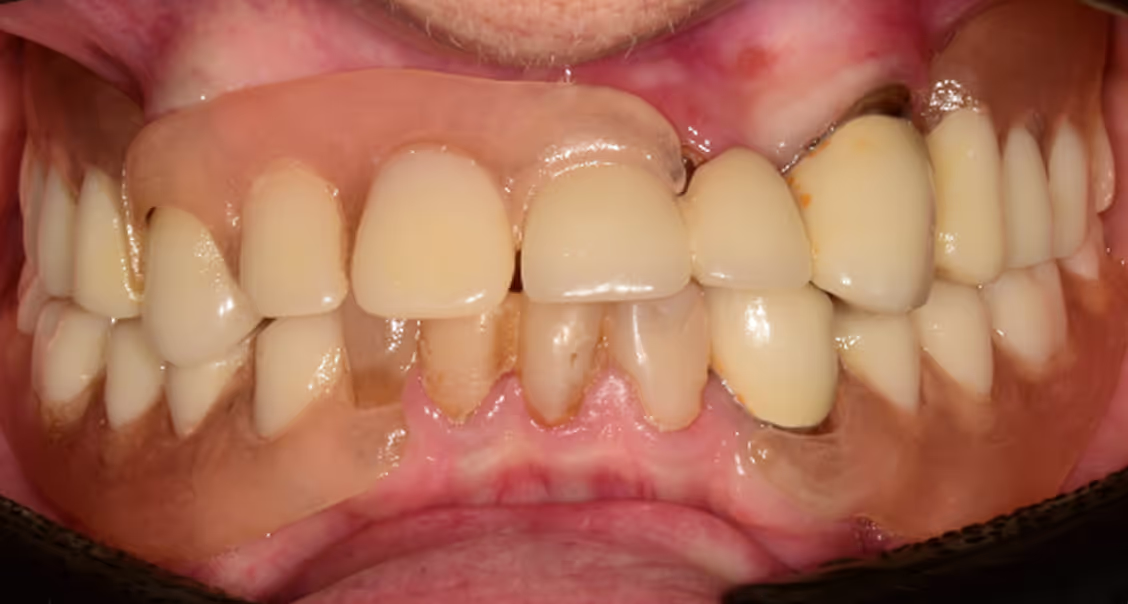
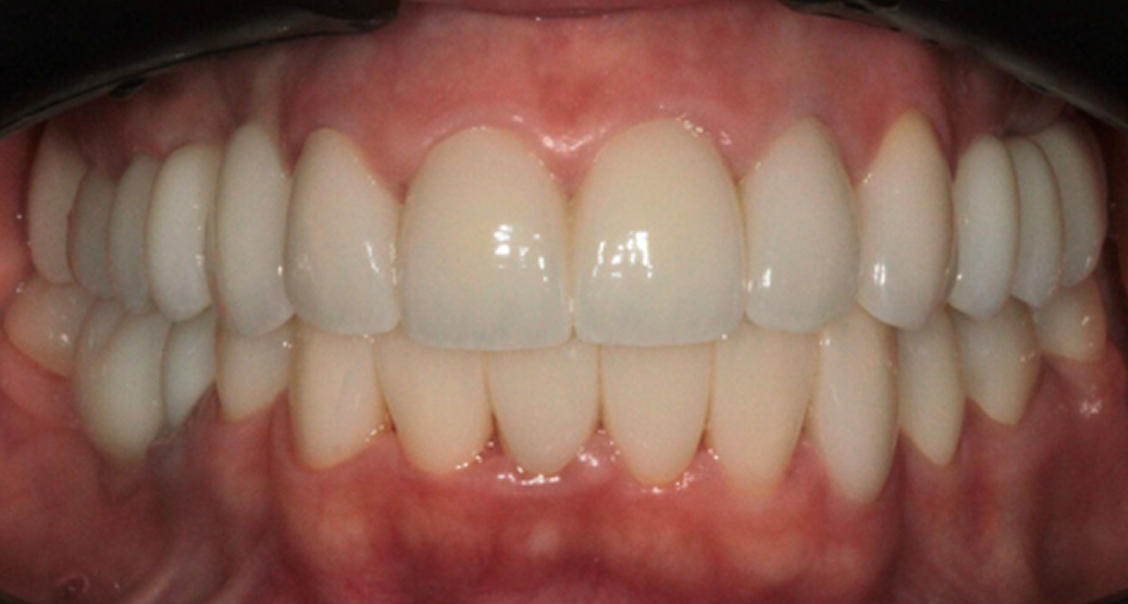
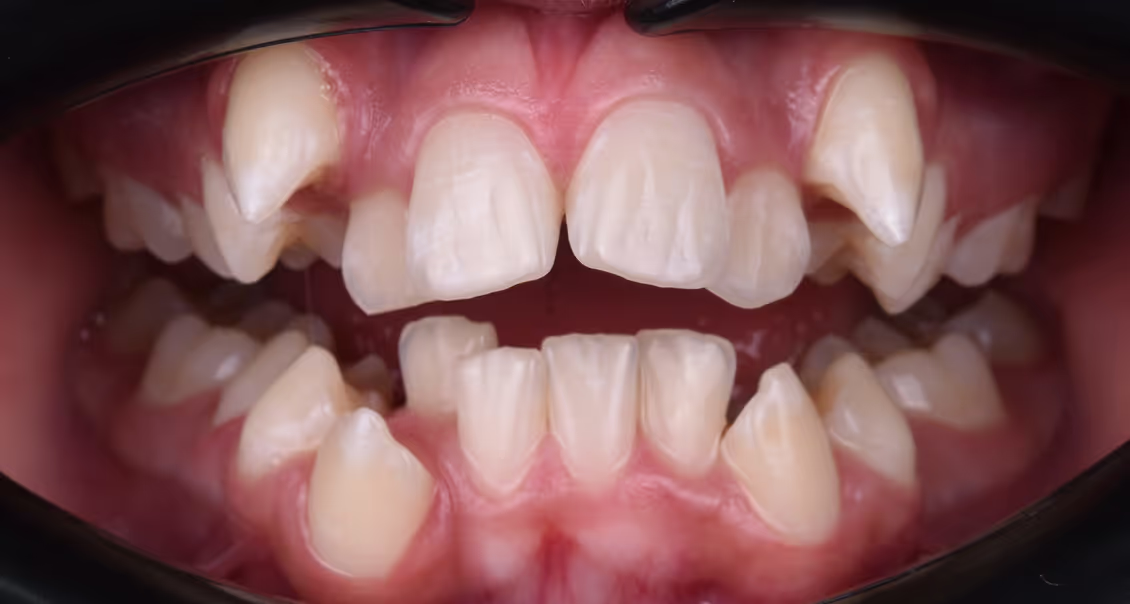
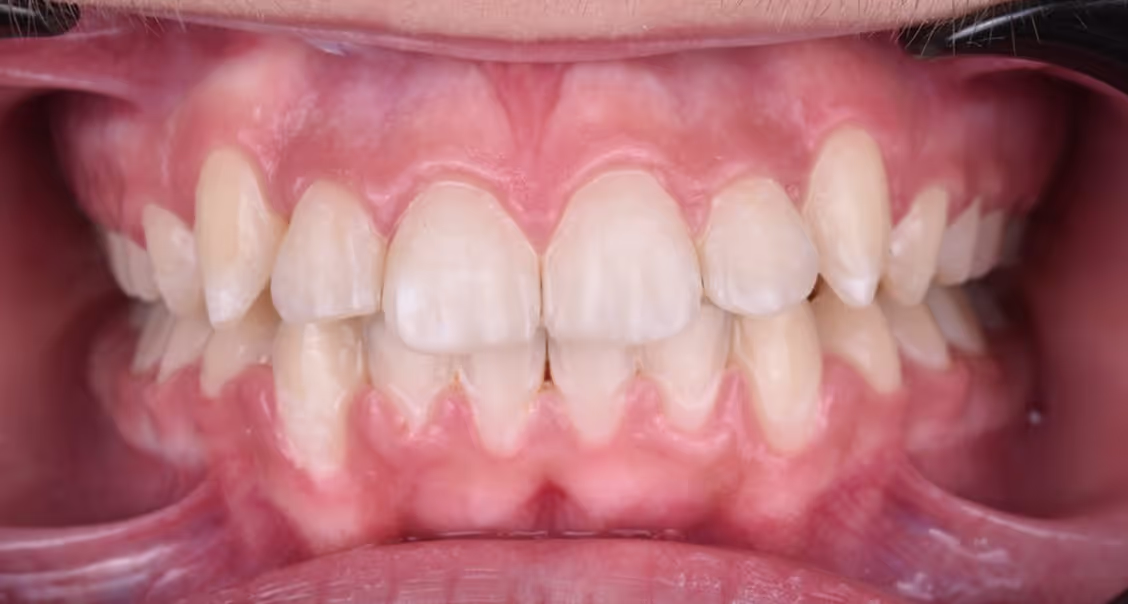
Surgical treatment cases
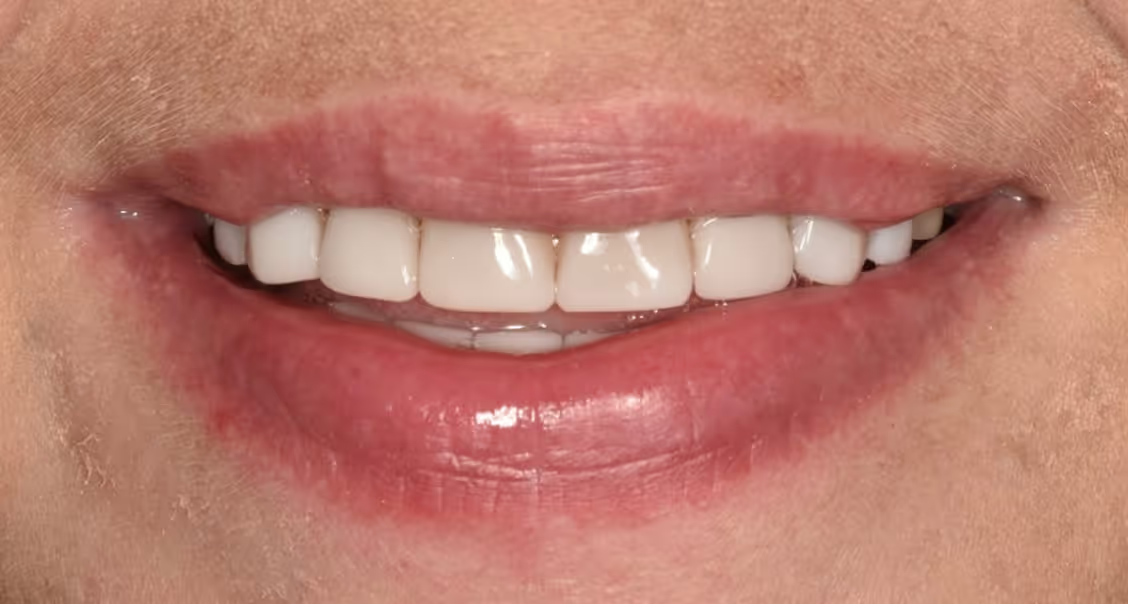
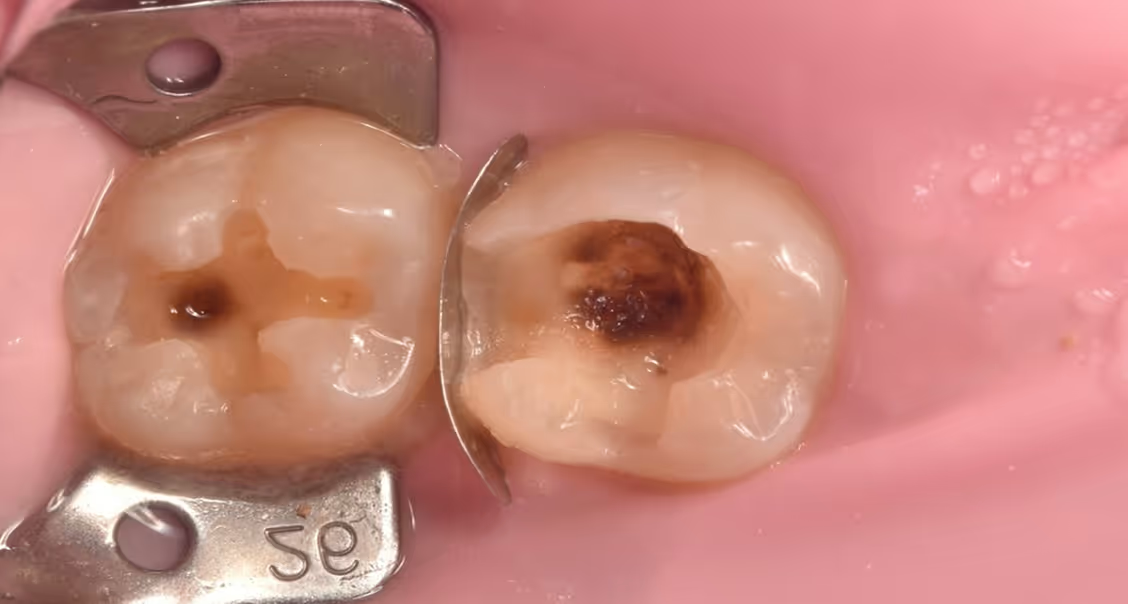
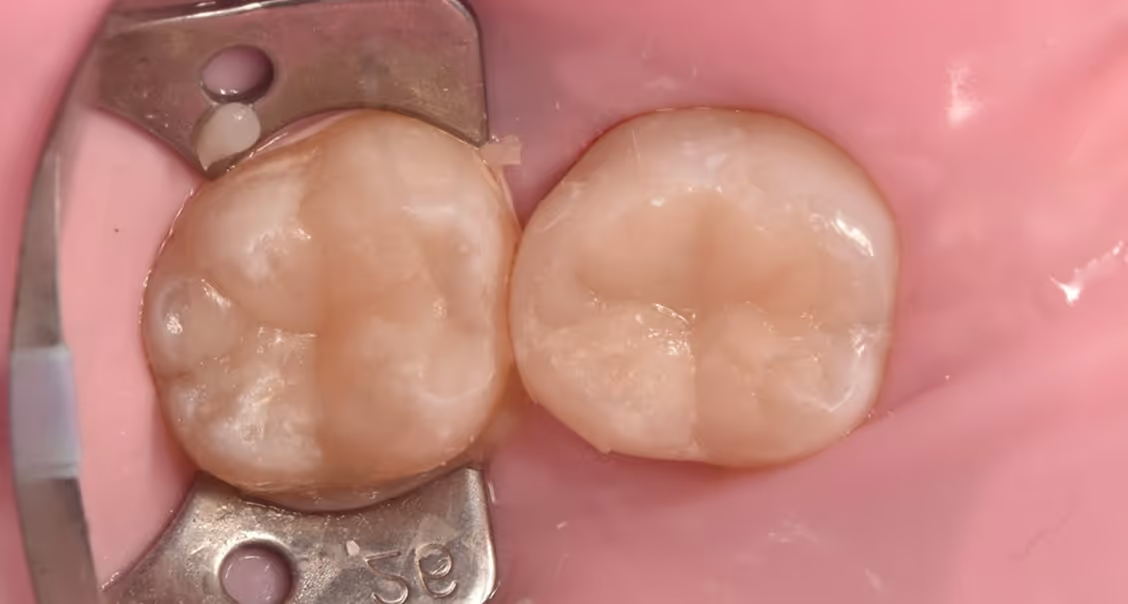
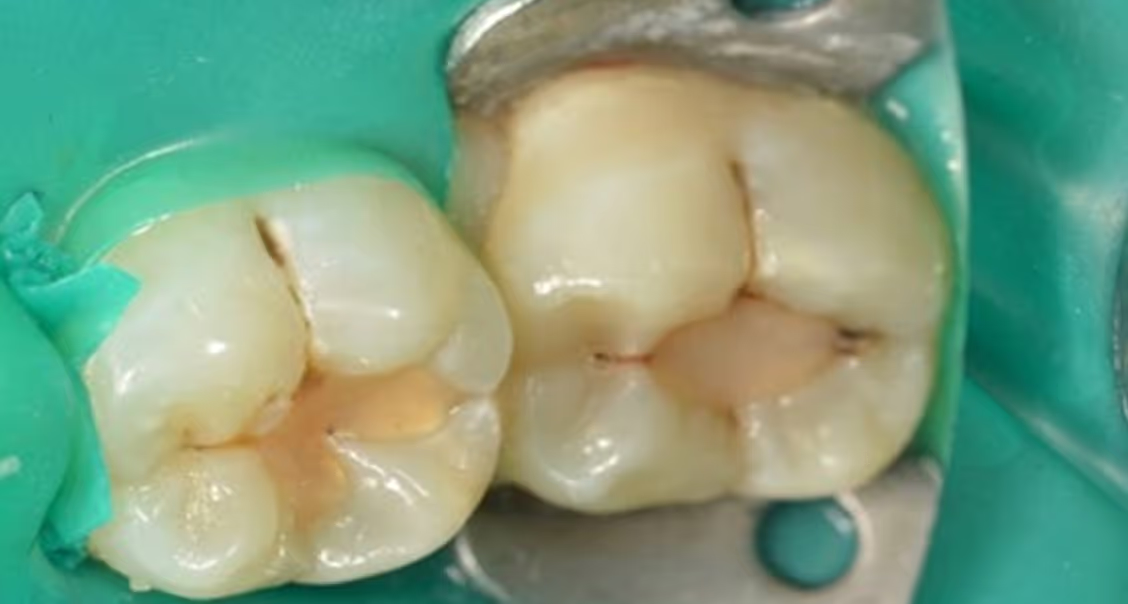
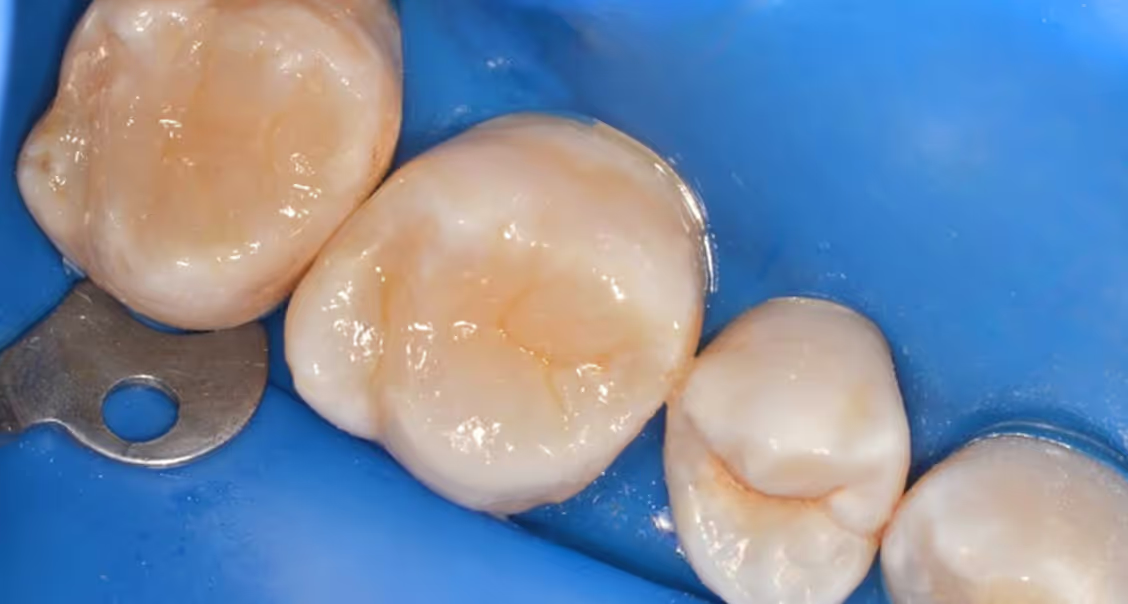
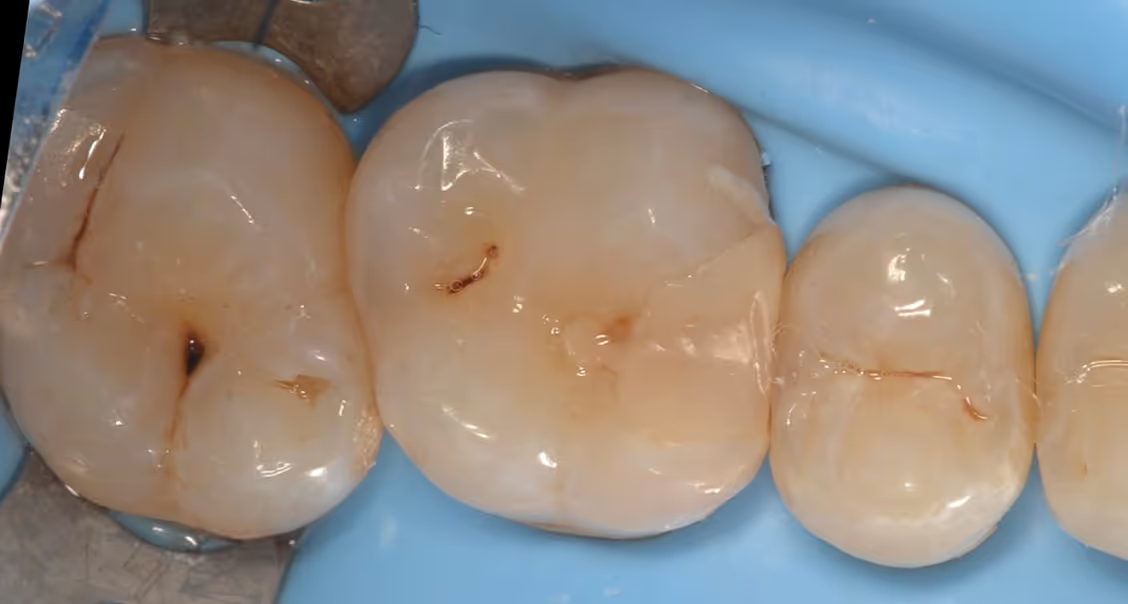
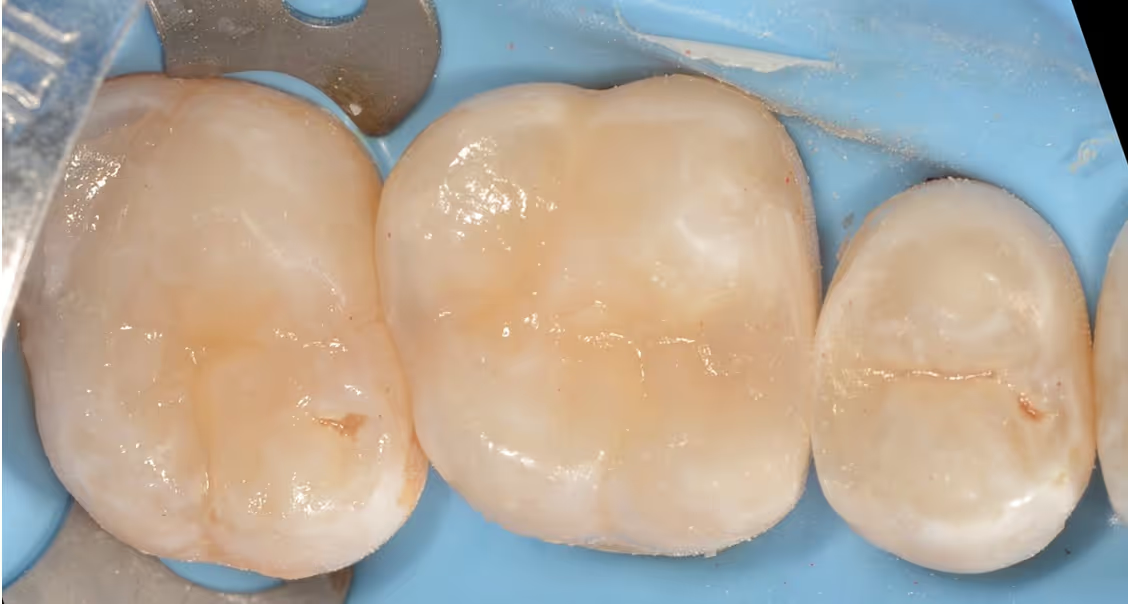
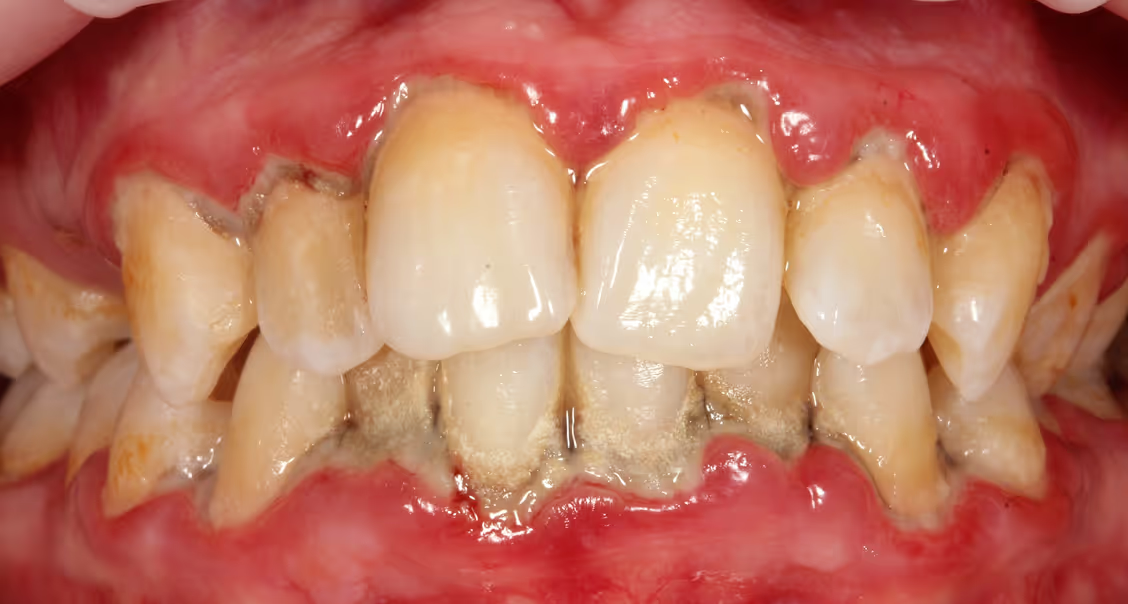
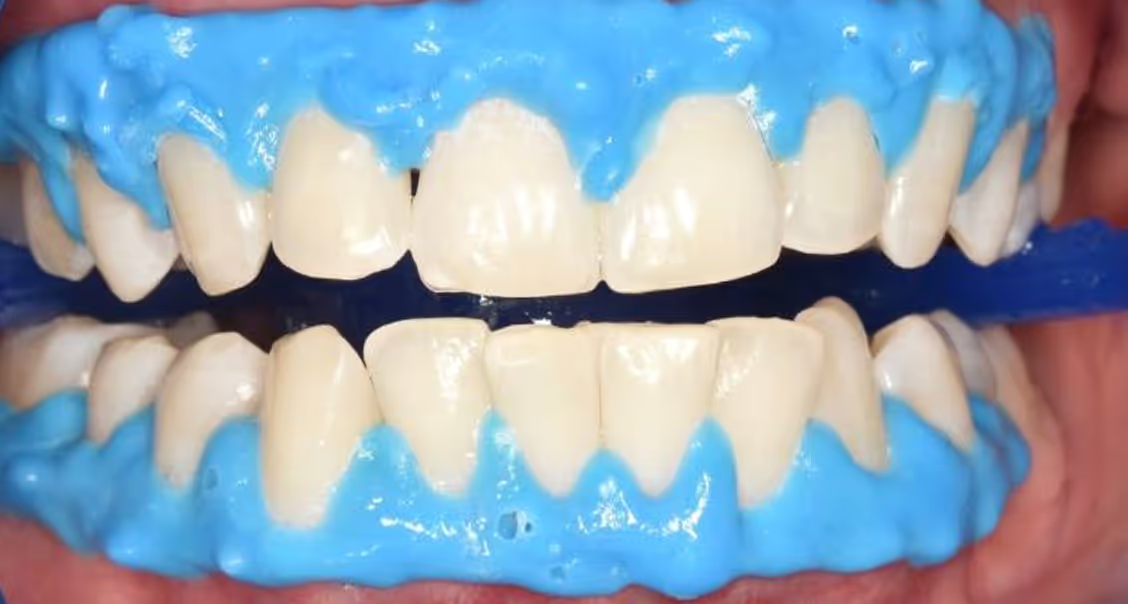
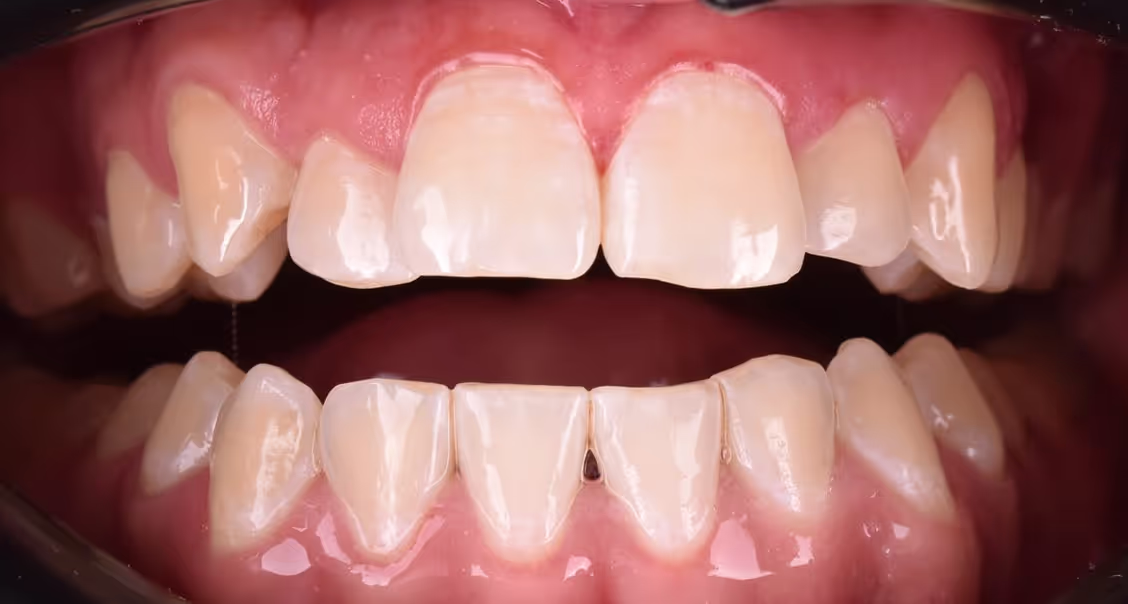
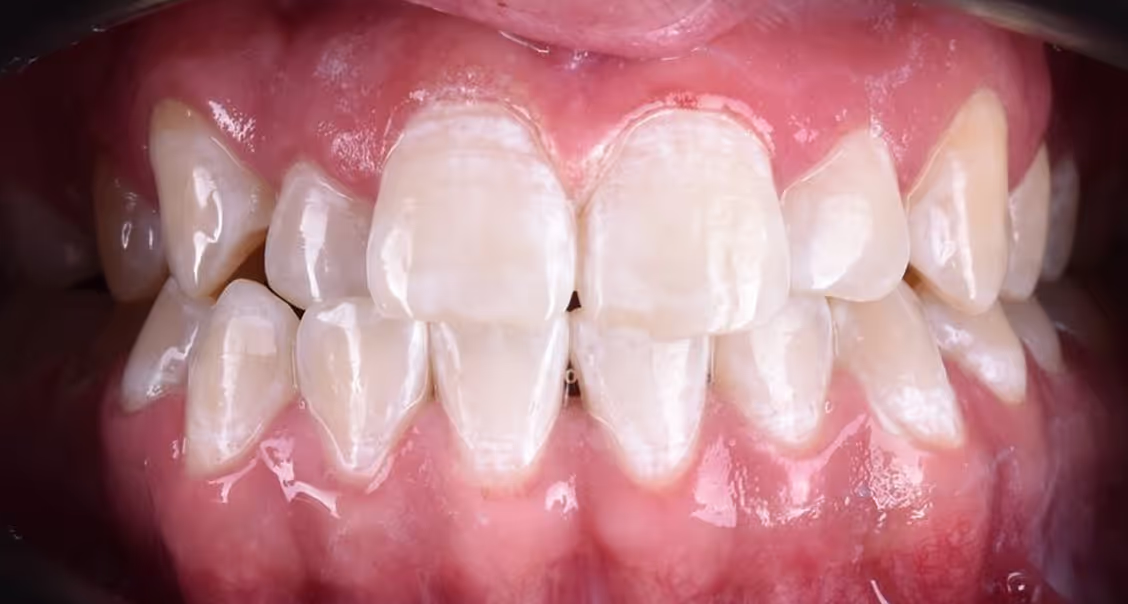
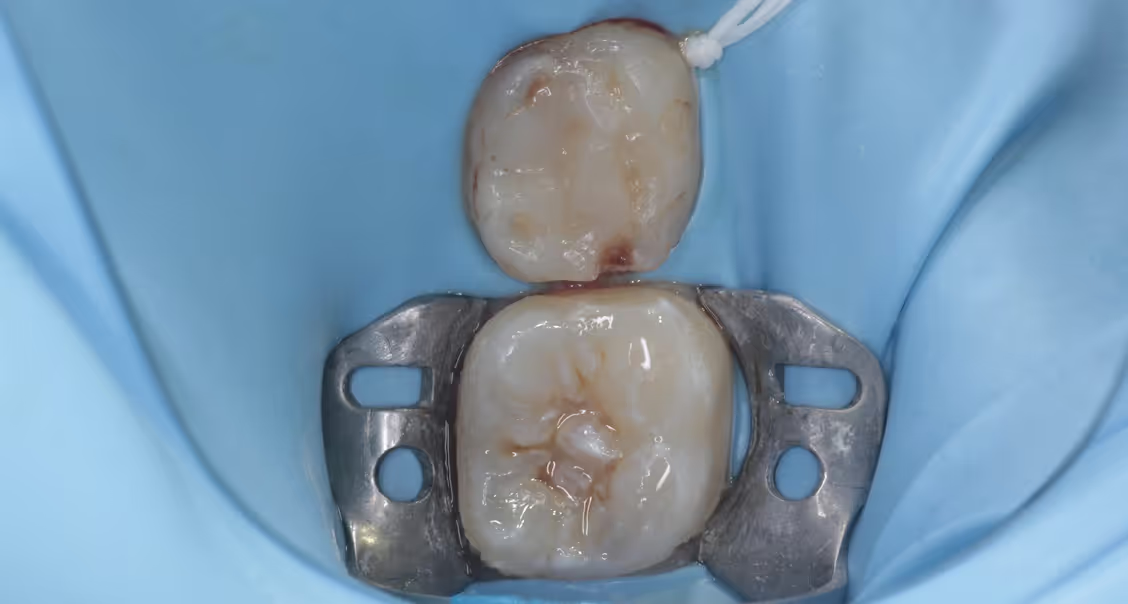
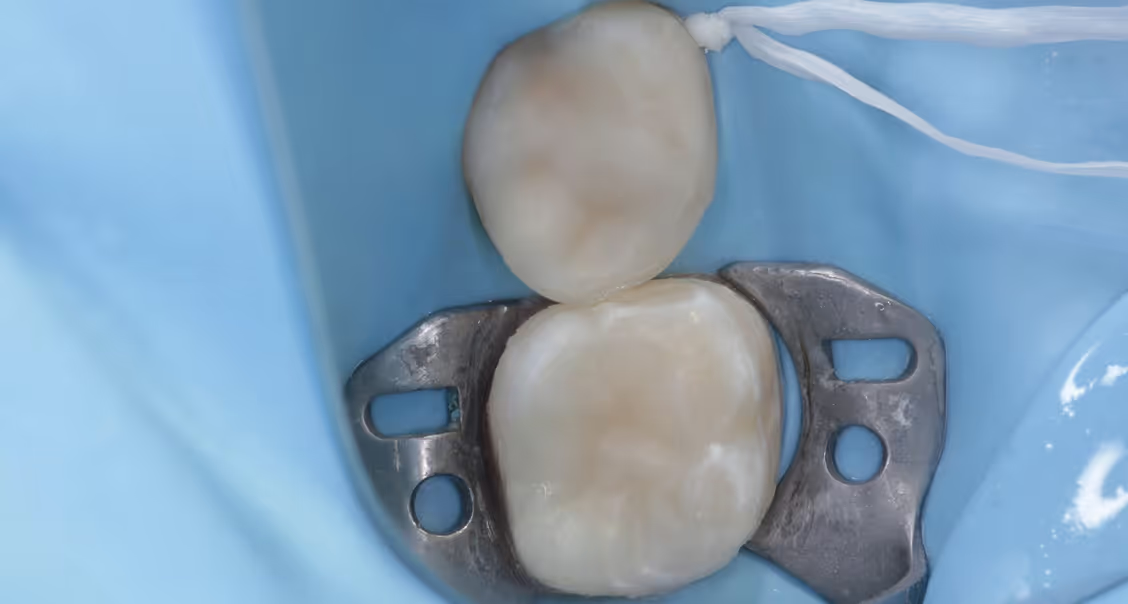
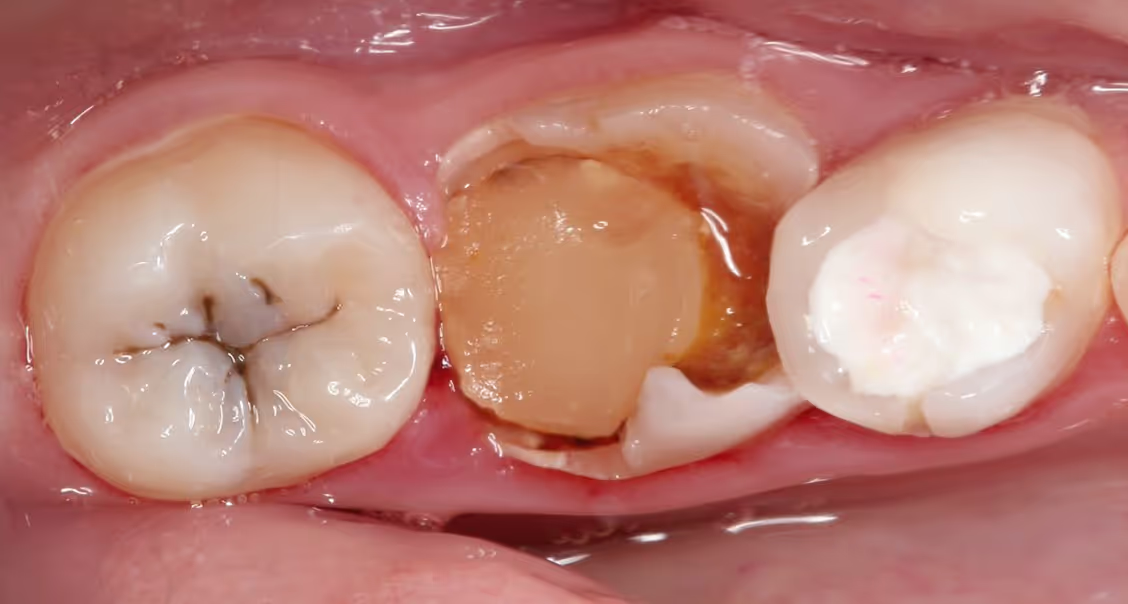
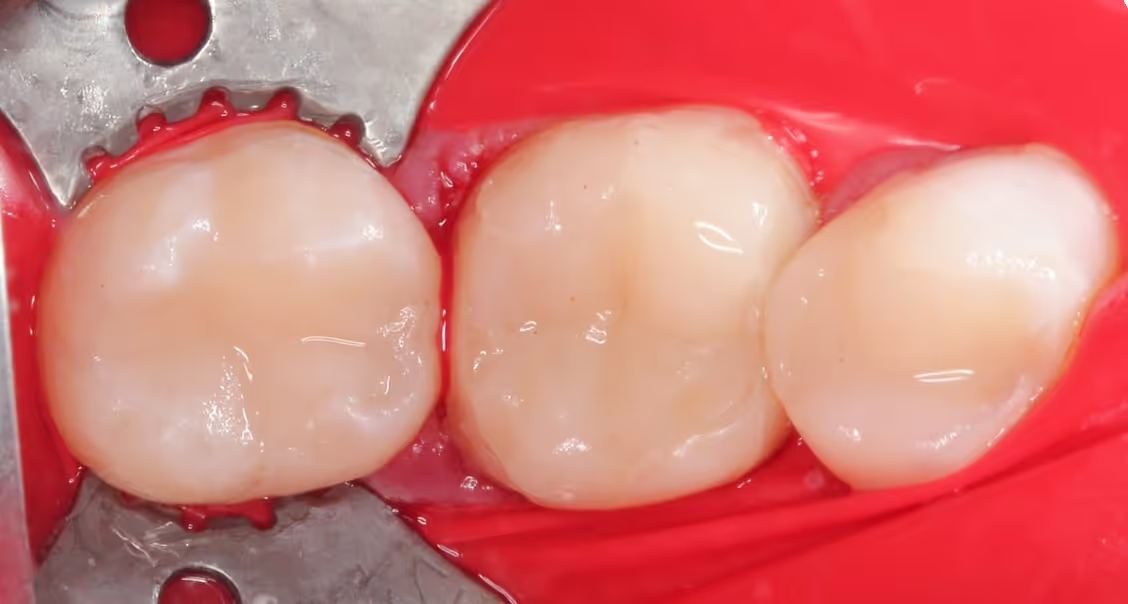
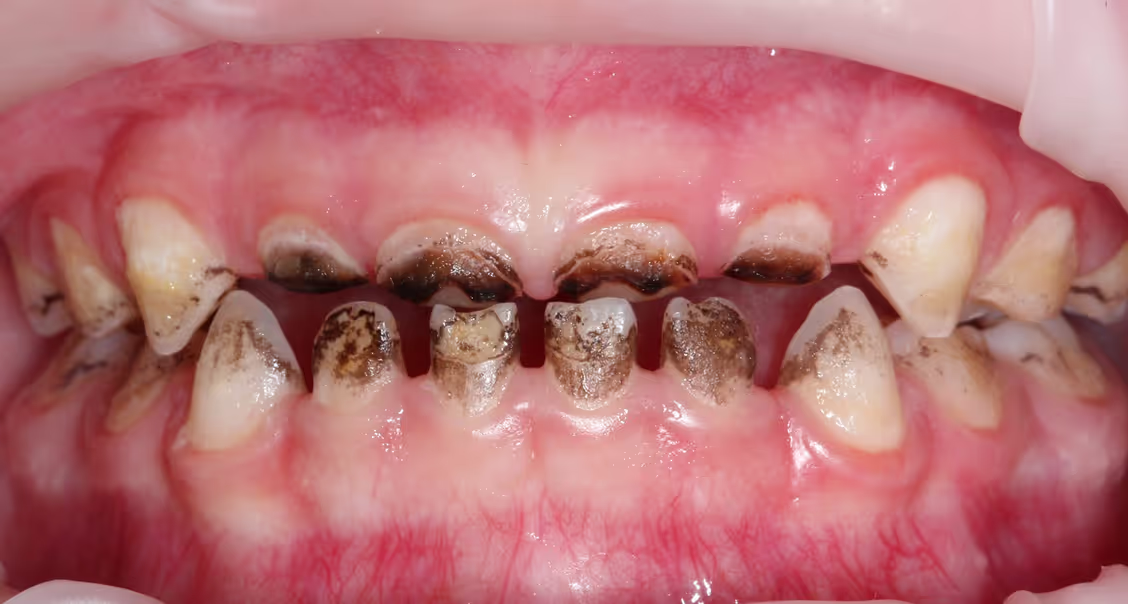
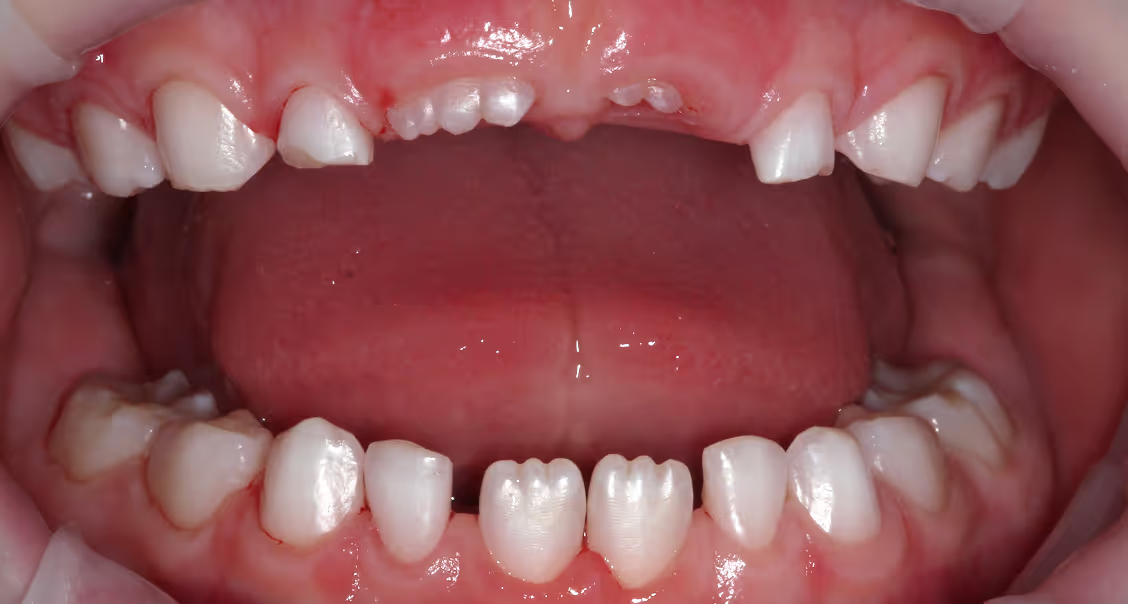
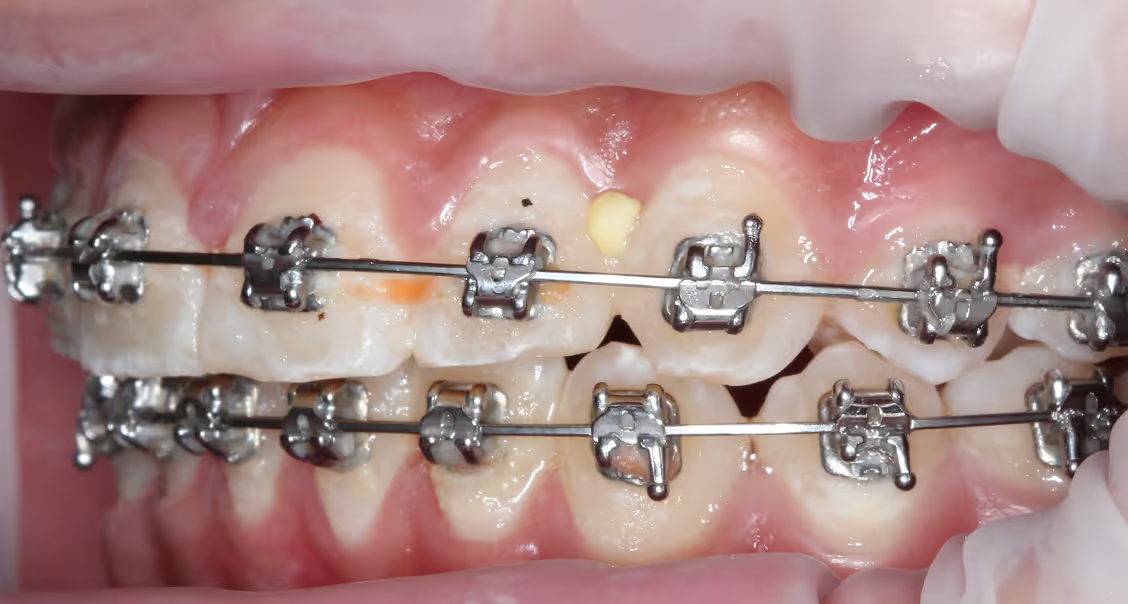
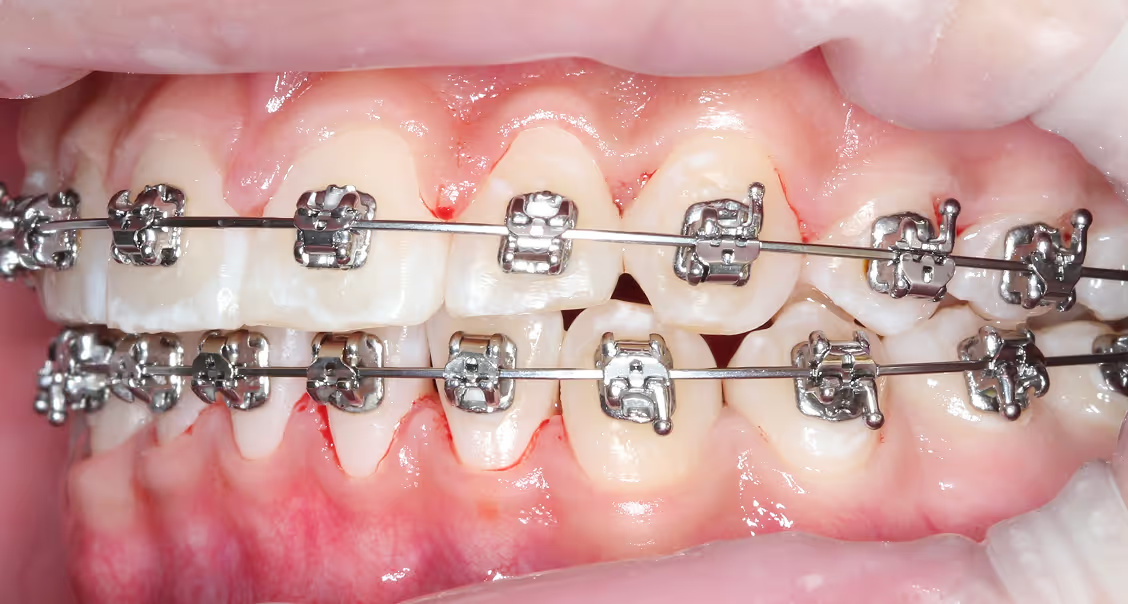
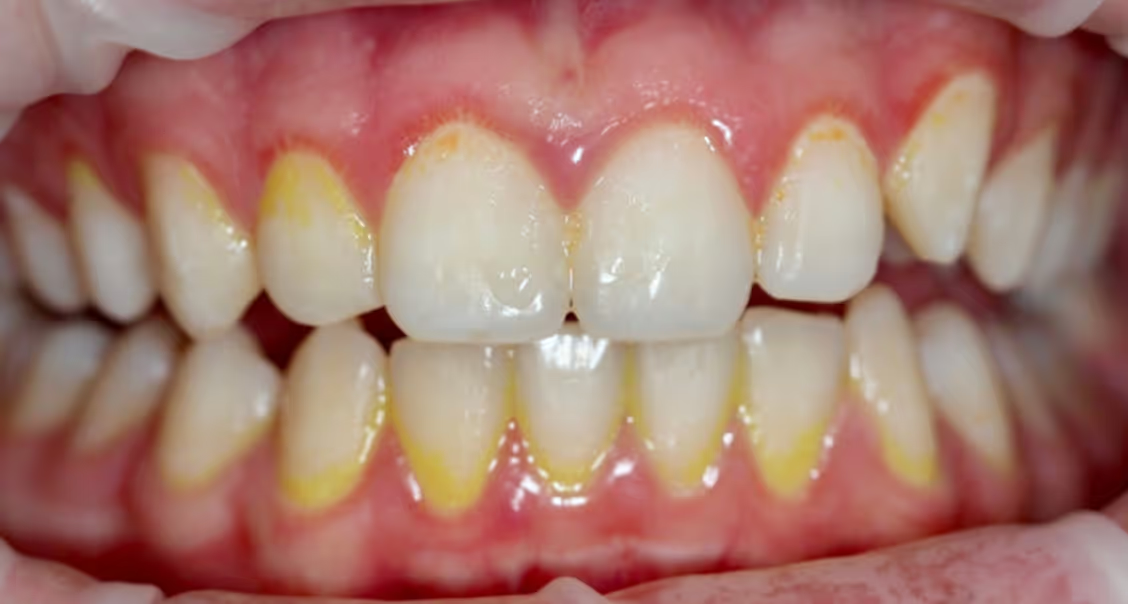
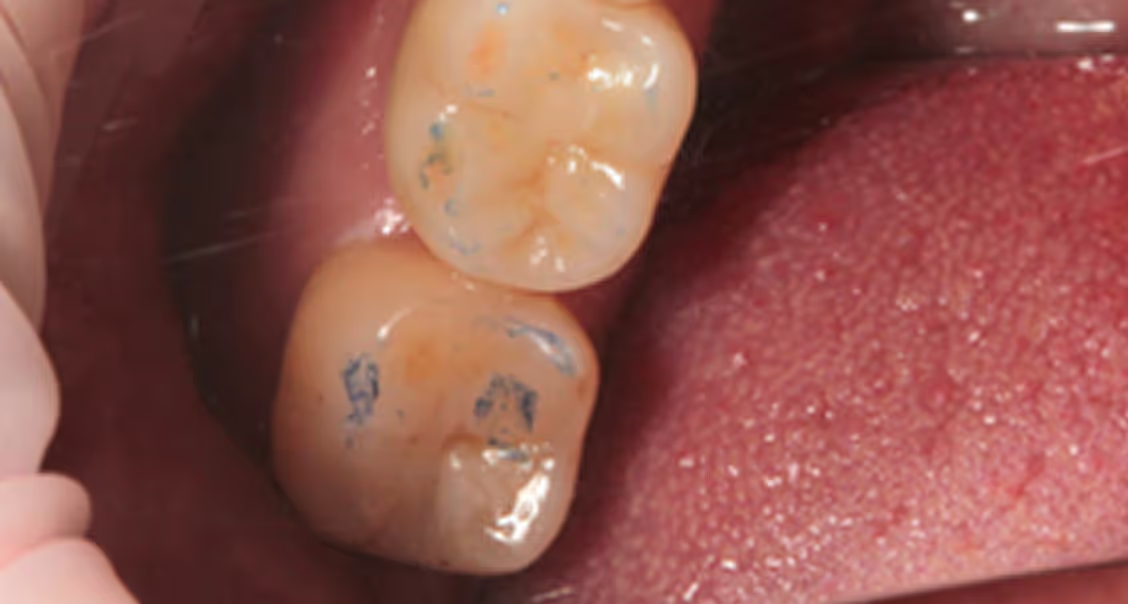
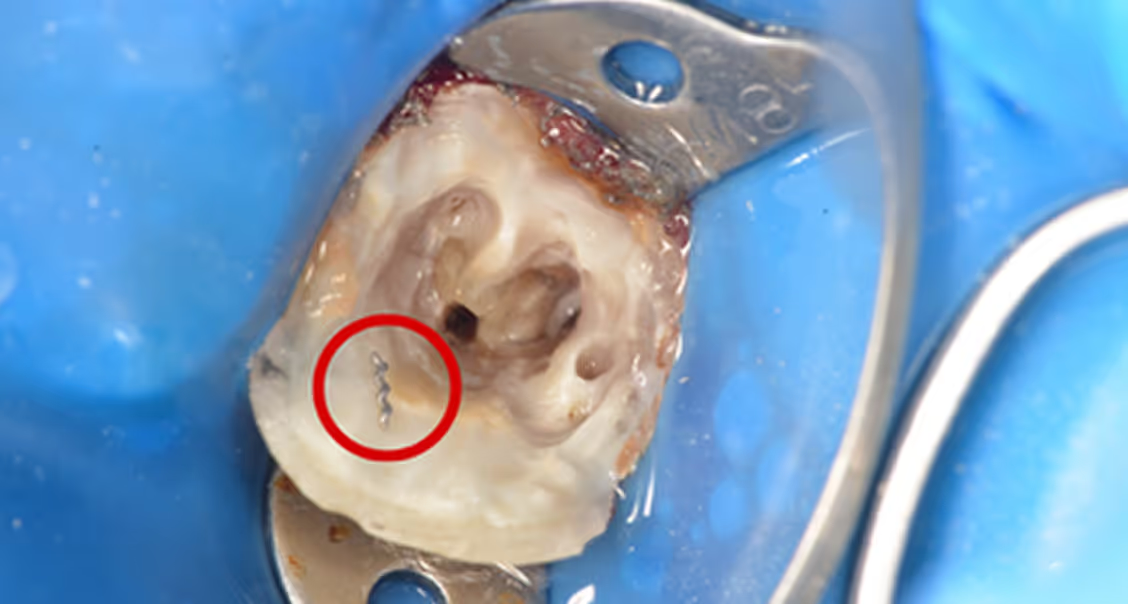
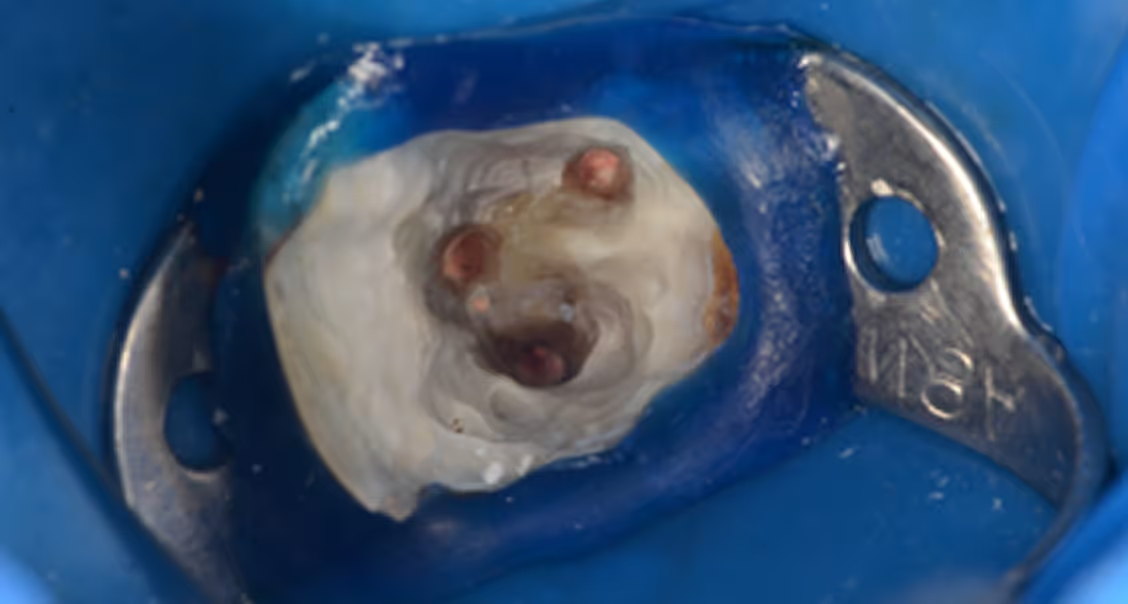
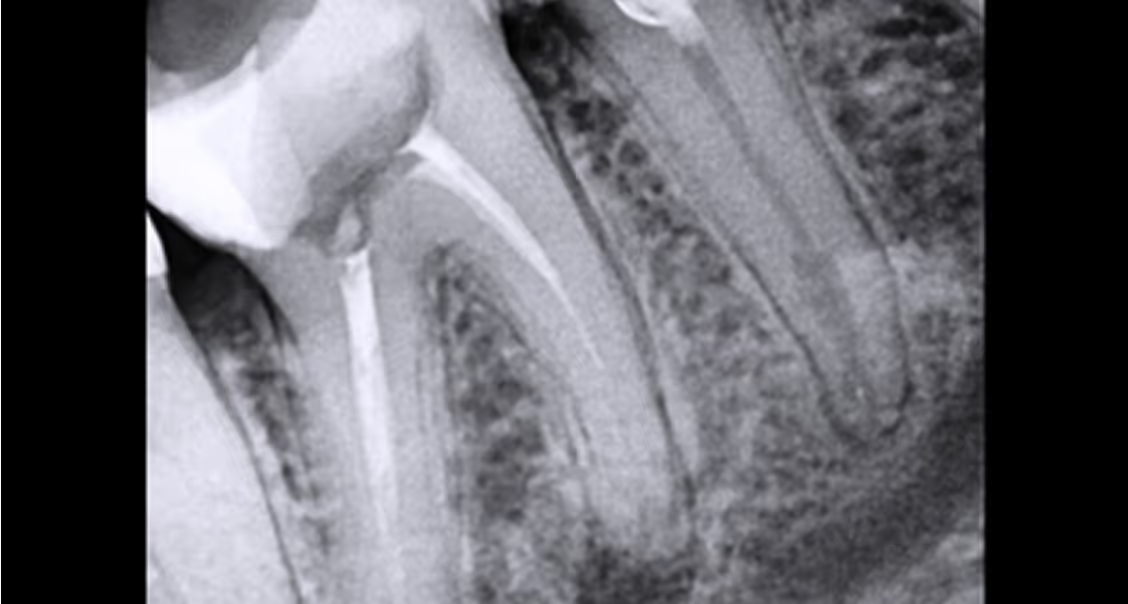
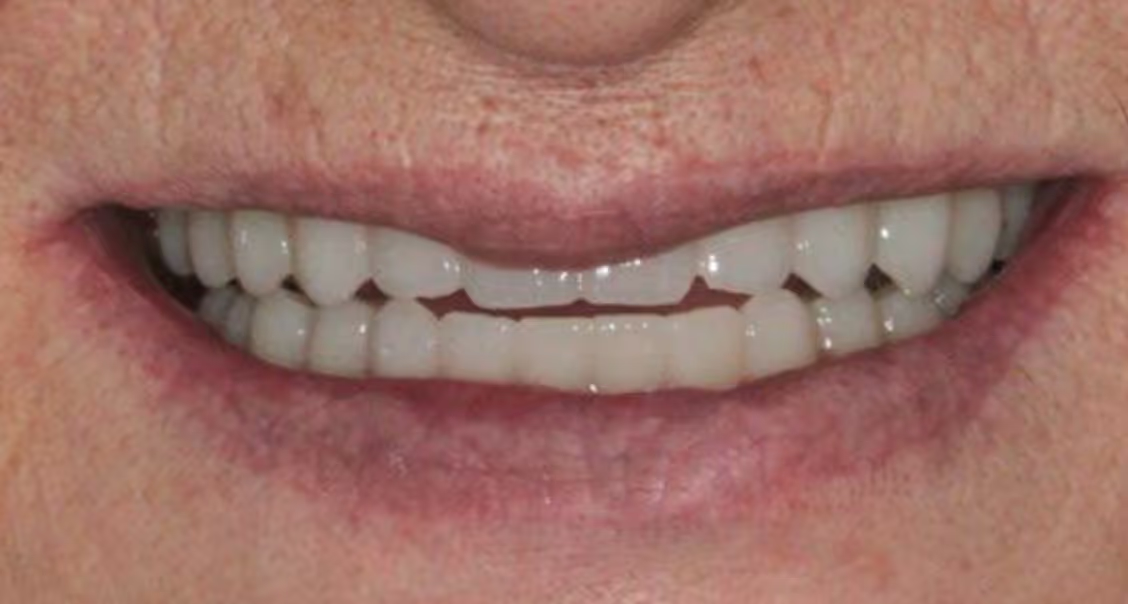
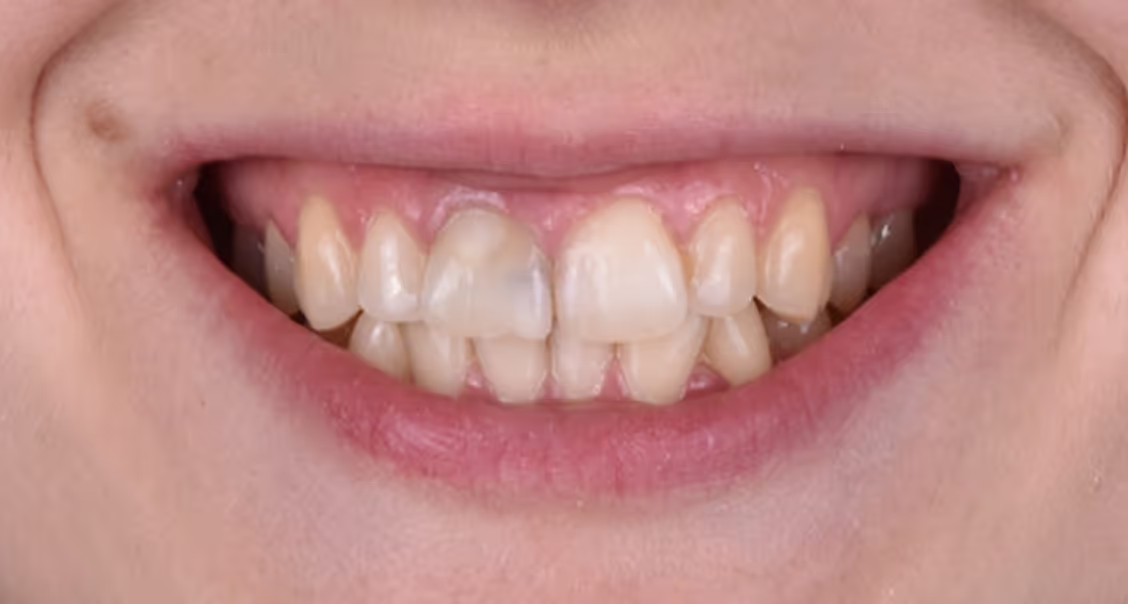
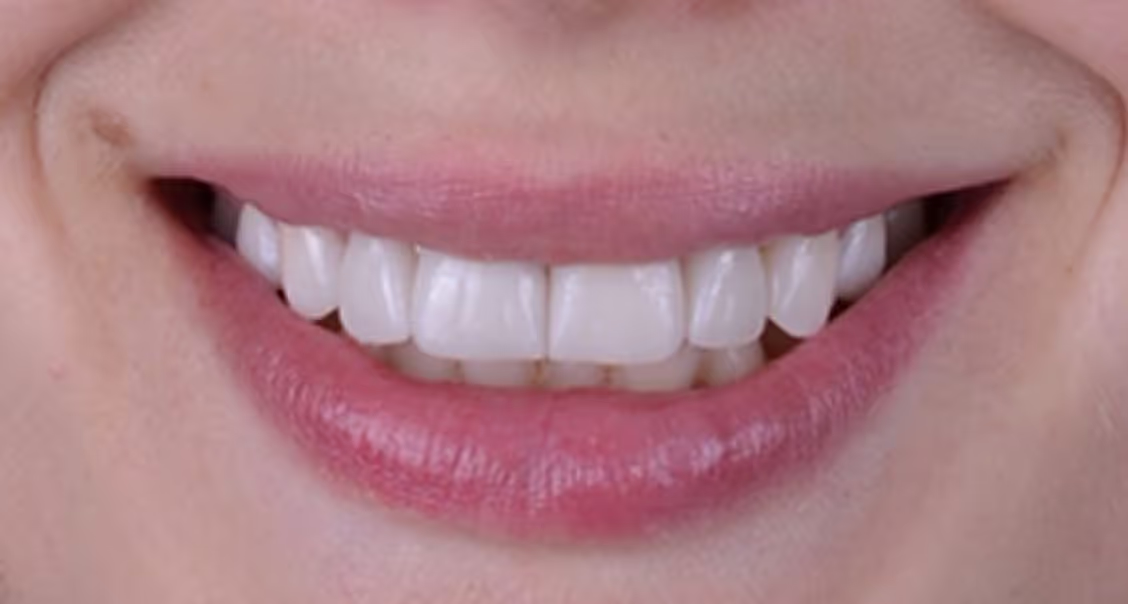
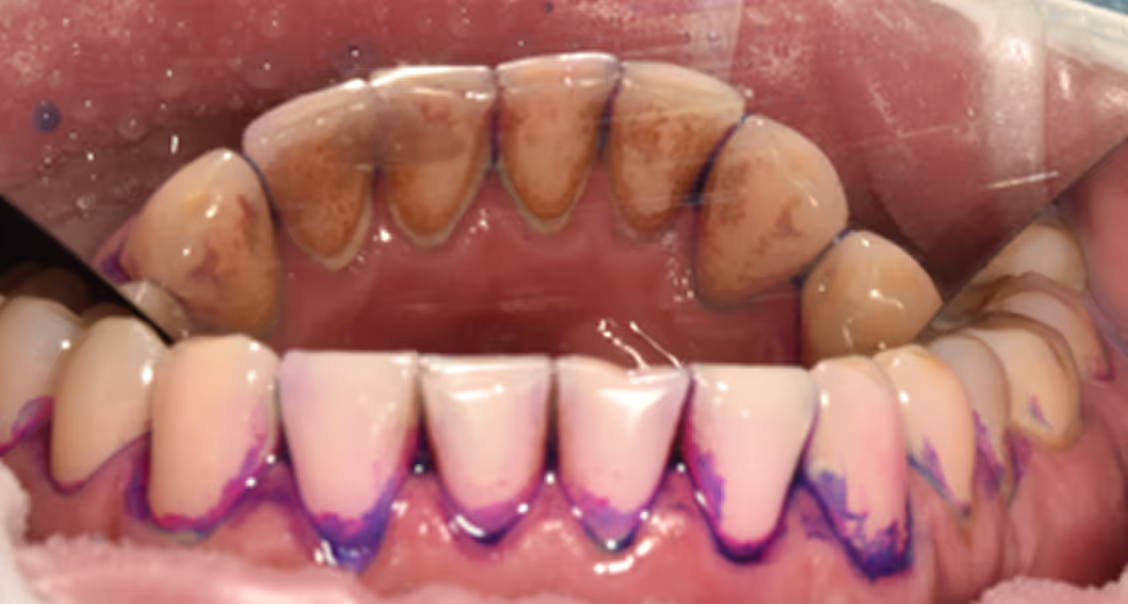
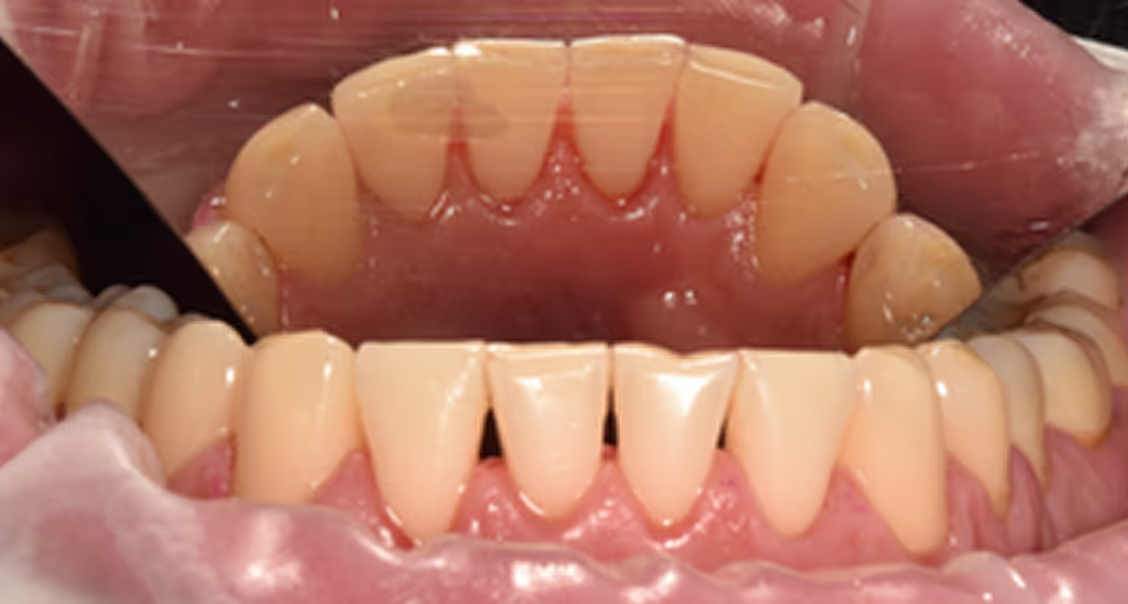
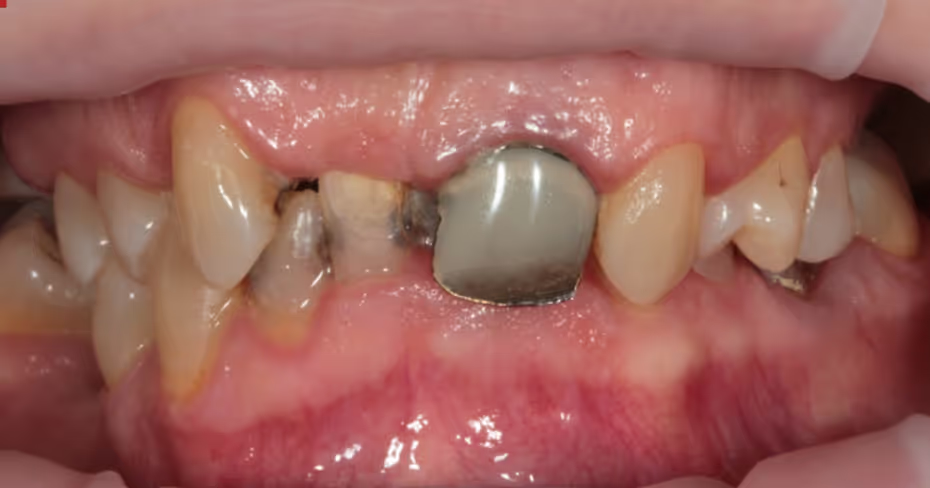
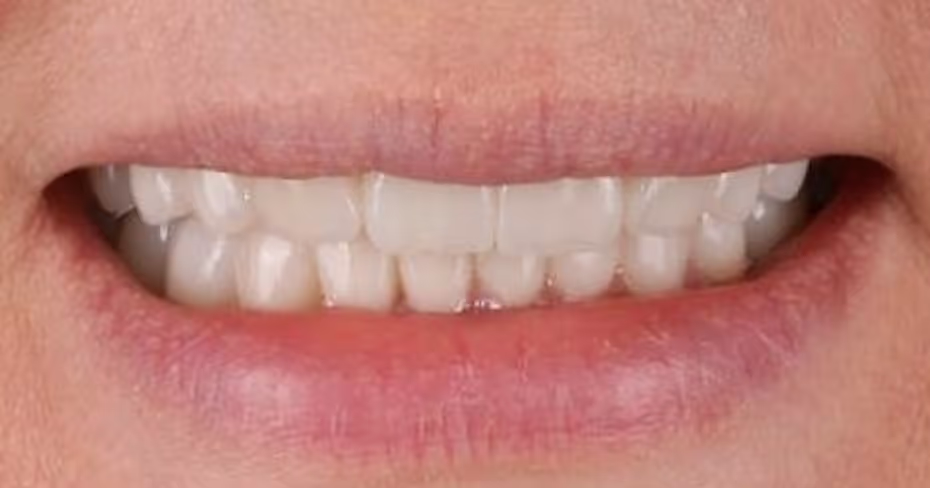
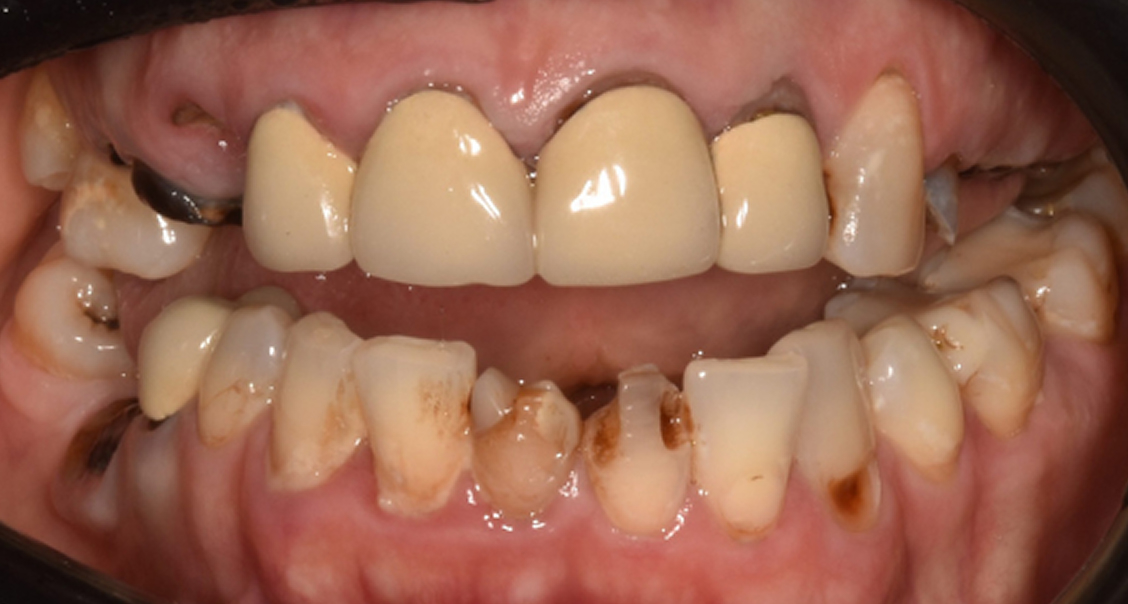
See selected oral surgery cases — from extractions and treatment of impacted teeth to procedures preparing for implants.
Why choose oral surgery at MistoDent Krakow?
We plan surgical procedures individually based on examination and diagnostics.
- We perform simple and surgical extractions — the scope of the procedure is tailored to each case.
- We remove wisdom teeth and impacted teeth, including in more complex cases.
- We work with the orthodontist on exposing impacted teeth.
- We perform pre-implant procedures — bone and soft tissue augmentation and sinus lift.
- We perform soft tissue procedures, including surgical and laser frenectomy.
- We combine surgery with implantology — after an extraction we can plan further replacement of the missing tooth.
- We use the imaging needed to plan more complex procedures.
MistoDent Krakow, ul. Grzegórzecka 20A
How much does oral surgery cost in Krakow?
The price depends on the type of procedure and its complexity. The exact cost is determined after assessing the type and complexity of the procedure.
FAQ
Answers provided by
Dr. Roman Kotsyna
What does an oral surgeon do?
An oral surgeon performs procedures on the teeth, bone, gums and other oral tissues. These include tooth extractions, removal of wisdom teeth and impacted teeth, resections and procedures preparing for implants.
How much does a tooth extraction cost?
At MistoDent Krakow, a tooth extraction costs from 400 PLN. Surgical tooth removal costs from 850 PLN. The price depends on the complexity of the procedure.
Does tooth extraction hurt?
Extraction is performed under local anaesthesia. During the procedure you may feel pressure and the dentist's work, but the anaesthesia is meant to eliminate pain.
How long does a tooth extraction take?
The time depends on the tooth's position, root structure and the complexity of the extraction. A simple extraction and surgical removal of an impacted tooth can take very different amounts of time.
When does a wisdom tooth need to be removed?
Removing a wisdom tooth may be advisable in case of pain, recurring inflammation, abnormal eruption, lack of space or impaction, among other things. The decision is made by the dentist after examination and diagnostics.
How long does it hurt after a tooth extraction?
Temporary pain after an extraction is a natural tissue reaction. Its intensity and duration depend on the scope of the procedure. If the pain gets worse after a few days instead of easing, come in for a check-up.
What is dry socket?
Dry socket is a complication that can occur after an extraction if the blood clot does not form properly or is lost. A typical symptom is increasing pain that requires a dental check-up.
Does every impacted tooth have to be removed?
No. The approach depends on the type and position of the tooth and the treatment plan. In some cases an impacted tooth is removed surgically; in others it can be exposed and prepared to be brought into the arch during orthodontic treatment.
What does surgical wisdom tooth removal involve?
Surgical removal is used when the position of the wisdom tooth does not allow a standard extraction. The surgeon gains access to the tooth and removes it in a way adapted to its position and anatomy. The scope is determined based on examination and imaging.
What is root-end resection?
Root-end resection is a surgical procedure that removes the tip of the root together with the lesion around it. It is performed in properly selected cases when there are indications for surgical treatment.
When is a frenectomy performed?
A frenectomy is performed when the structure or position of the frenulum causes functional problems or there are other dental or orthodontic indications. At MistoDent, surgical and laser frenectomy are available.
What are the recommendations after tooth extraction?
After a tooth is removed, follow the surgeon's instructions and protect the blood clot forming in the socket. Immediately after the procedure, avoid vigorous rinsing and disturbing the extraction site. Detailed recommendations depend on the scope of the procedure.
When should I see a dentist after a tooth extraction?
A check-up is advisable if pain increases instead of easing, or there is significant swelling, fever, persistent bleeding or other worrying symptoms. Severe pain a few days after extraction may require diagnosis, including for dry socket.

Book an appointment with an oral surgeon in Krakow
If a tooth needs to be removed, a wisdom tooth is causing problems, you have an impacted tooth or need another oral surgery procedure, the first step is a consultation and appropriate diagnostics.
The oral surgeon at MistoDent Krakow will assess the problem, review treatment options and plan the scope of the procedure.
MistoDent Krakow, ul. Grzegórzecka 20A
Medical verification
Content verified by:
Dr. Roman Kotsyna
Oral surgeon • Implantologist
Last updated: 07.10.2026
Book an appointment!
Leave your contact details in the form or message us on your preferred messenger — we'll be happy to answer your questions and help you book a visit.


