


Dental implantology in Krakow — dental implants
Modern dental implants in Krakow — replacing a single tooth, several teeth or a full dental arch. Nobel, Straumann, MegaGen and JD Dental implants, as well as All-on-4 and All-on-6 solutions.
Who performs implant treatment at MistoDent Krakow?
Specialises in dental implantology and oral surgery, including dental implant placement, preparing bone conditions for implantation, bone augmentation and surgical procedures related to comprehensive replacement of missing teeth.

What is dental implantology?
Dental implantology deals with replacing missing teeth with implants. A dental implant replaces the root of a lost tooth and can serve as the foundation for a crown, a bridge or a larger prosthetic restoration.
Implants can be used when one tooth, several teeth or all teeth are missing. Depending on the situation, treatment may involve a single dental implant, several implants, a full-arch restoration on implants, or All-on-4 and All-on-6 solutions.
At MistoDent Krakow, implant treatment is planned individually based on diagnostics, bone conditions, gum health, the bite and the planned prosthetic restoration.
When should you consider dental implants?
Dental implants may be a solution in the case of:
- loss of a single tooth;
- several missing teeth;
- extensive tooth loss;
- complete edentulism (no teeth);
- problems with wearing a removable denture;
- the need for a fixed full-arch restoration;
- loss of a tooth that can no longer be saved;
- the need to restore teeth after prior bone preparation.
Not every missing tooth requires the same solution. The number of implants and the type of restoration depend on the clinical situation.
Dental implants — what solutions do we use?
Single-tooth implant
A dental implant makes it possible to replace a single missing tooth without using the neighbouring teeth as abutments for a conventional bridge.
Treatment consists of a surgical stage — placing the implant — and a prosthetic stage, during which a crown is made on the implant.
At MistoDent Krakow we use implant systems from various manufacturers, including Nobel, Straumann, MegaGen and JD Dental. The system is selected by the dentist according to the clinical conditions and the planned restoration.
Implants for several missing teeth
When several adjacent teeth are missing, it is not always necessary to place a separate implant for each lost tooth.
Under suitable conditions, implants can serve as abutments for an implant-supported bridge. The dentist plans the number and position of the implants individually, based on diagnostics and the future prosthetic restoration.
Full upper or lower jaw implants
When most or all teeth are lost, the entire dental arch can be restored using implants.
Full-jaw implants usually do not mean placing an implant in place of every tooth. Depending on bone conditions and the treatment plan, the restoration can be supported by several appropriately positioned implants.
All-on-4 and All-on-6 are examples of such solutions.
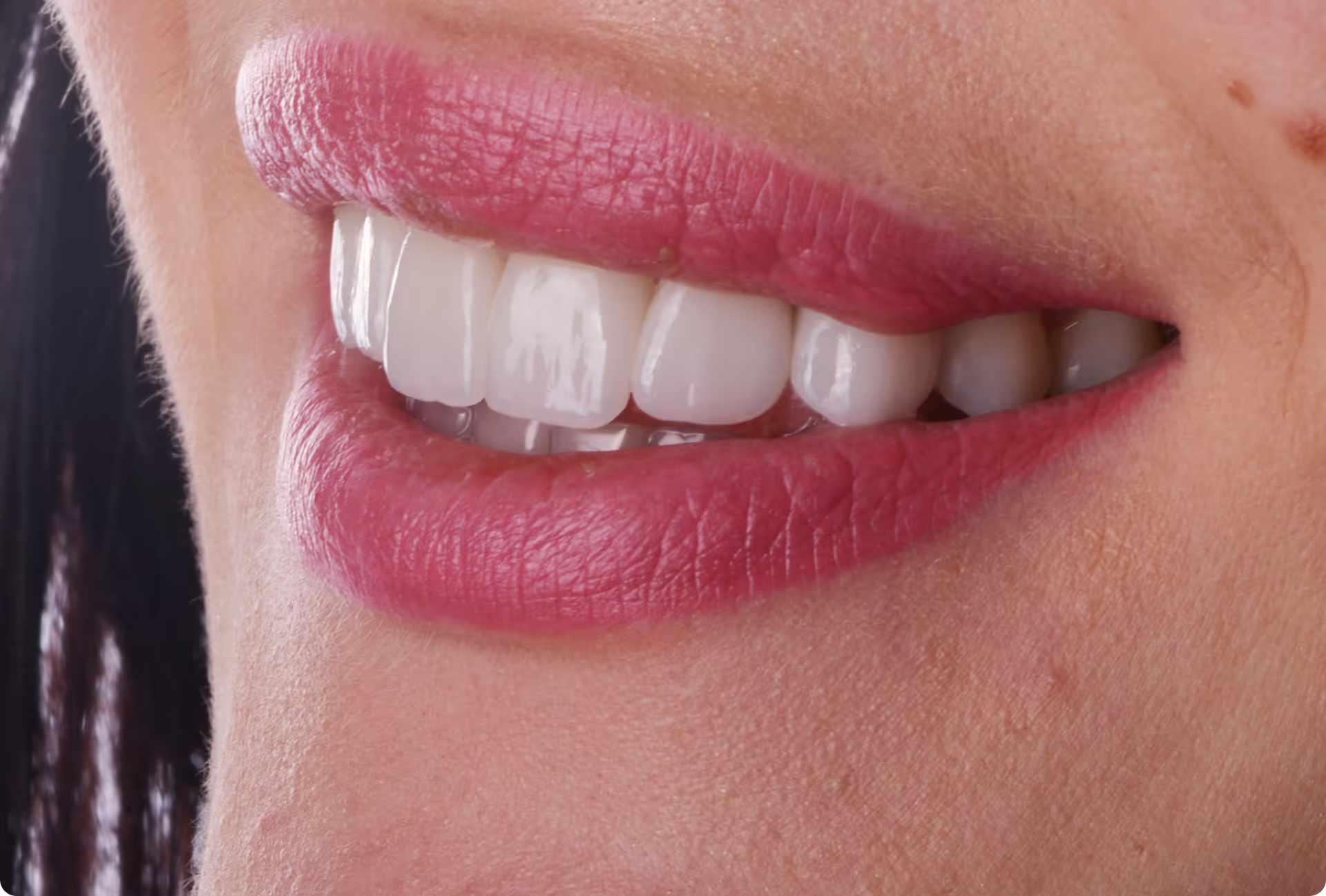
All-on-4 — a fixed restoration on 4 implants
All-on-4 is a method of restoring a full dental arch supported by four implants.
At MistoDent Krakow we perform All-on-4 using various implant systems. The procedure includes placing 4 implants and attaching a fixed screw-retained prosthesis with temporary teeth, according to an individual treatment plan.
The method may be considered, among others, for patients with complete edentulism or with teeth that can no longer be saved.
All-on-6 — full-arch restoration on 6 implants
All-on-6 uses six implants as the foundation for restoring a full dental arch.
A larger number of implants allows the support of the prosthetic structure to be distributed differently, but the choice between All-on-4 and All-on-6 should not be based solely on the number of implants.
The decision is made by the dentist based on bone quantity and quality, the anatomy of the upper or lower jaw, bite conditions and the planned restoration.
Immediate implants
In certain situations, an implant can be placed immediately after a tooth is extracted. This approach is called immediate implantation.
Not every tooth or extraction site qualifies for this procedure. Factors such as the condition of the bone and gums, the presence of inflammation and the possibility of achieving adequate implant stability all play a role.
Bone reconstruction before implantation
After a tooth is lost, bone loss may occur over time. If the amount of bone is insufficient to plan an implant safely, the bone base may need to be prepared beforehand or at the same time as implantation.
Bone reconstruction for implants may involve various augmentation techniques. The scope of the procedure is determined by the implantologist after analysing imaging studies and anatomical conditions.
Not every patient requires augmentation before implantation.
How is a dental implant placed?
- Implant consultation — The dentist assesses the missing teeth, the condition of the oral cavity and the patient's expectations.
- Diagnostics — Before implantation, the bone and anatomical structures must be assessed. The dentist selects the scope of diagnostics individually; CBCT scanning may be used in implant planning.
- Treatment plan — We determine the number and position of implants, the implant system and the method of the future prosthetic restoration.
- Implant placement — The implant is placed in the planned position. In suitable cases, the procedure may be supported by guided surgery solutions.
- Healing and osseointegration — After the procedure there is a healing period during which the implant integrates with the bone. Its duration depends on the clinical situation.
- Prosthetic restoration — Once suitable conditions are achieved, the final restoration is made — e.g. a crown, a bridge or a larger implant-supported prosthetic structure.
Dental implants and guided surgery
In more demanding cases, implant planning can be supported by digital technologies.
Based on 3D diagnostics, the position of the implant relative to the bone and anatomical structures can be planned, and then a surgical guide or the X-Guide dynamic navigation system can be used.
The dentist decides on the use of guided surgery depending on the specific case.
Implant or bridge — which to choose?
Both solutions can be used to replace a missing tooth, but they differ in how they are made.
Dental implant
Dental bridge
Replaces the root of the missing tooth
Uses abutments to support the restoration
Can be restored with a single crown
Replaces the gap with a connected structure
Does not require using neighbouring teeth as abutments
A conventional bridge is supported by abutment teeth
Requires a surgical procedure
Does not require implant placement
The choice depends on the condition of the neighbouring teeth, bone, gums, bite and the overall treatment plan.
Are dental implants safe?
Implantology is a widely used method of replacing missing teeth, but like any surgical procedure it requires prior qualification.
Before treatment, the dentist assesses the condition of the oral cavity, the amount of bone, gum health and factors that may affect healing.
Some situations require additional preparation or a modified treatment plan, which is why qualification for implantation is always individual.
Does implant placement hurt?
Dental implant placement is performed under anaesthesia, so the patient should not feel pain during the procedure itself.
Once the anaesthesia wears off, temporary soreness, swelling or discomfort related to tissue healing may occur. Their intensity depends, among other things, on the scope of the procedure and the individual response of the body.
After the procedure, the patient receives recommendations on how to proceed during the healing period.
How long do dental implants last?
Implants are designed as a long-term solution, but their durability depends on many factors.
The most important are proper hygiene, the condition of the gums and bone around the implant, bite conditions and regular check-ups.
The crown or other prosthetic structure on the implant is a separate element and may need repair or replacement over time, independently of the implant itself.
How to care for dental implants?
Implants require regular hygiene, just like natural teeth.
After treatment, the following are important:
- thorough brushing;
- cleaning the spaces around the implants;
- professional dental cleaning;
- regular implant check-ups;
- monitoring the condition of the gums;
- checking the prosthetic restoration and the bite.
Proper hygiene helps reduce the risk of inflammation of the tissues surrounding the implant.
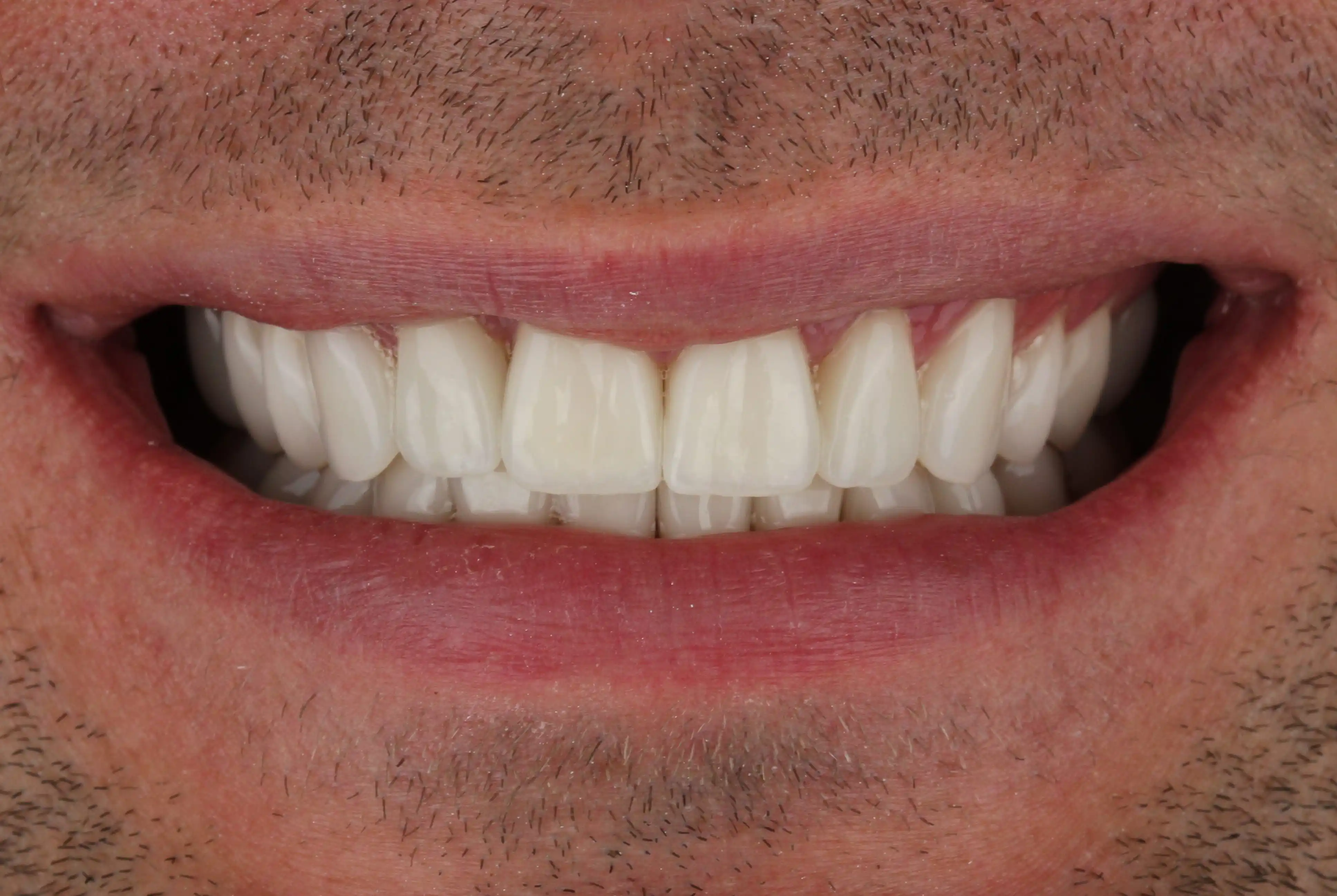
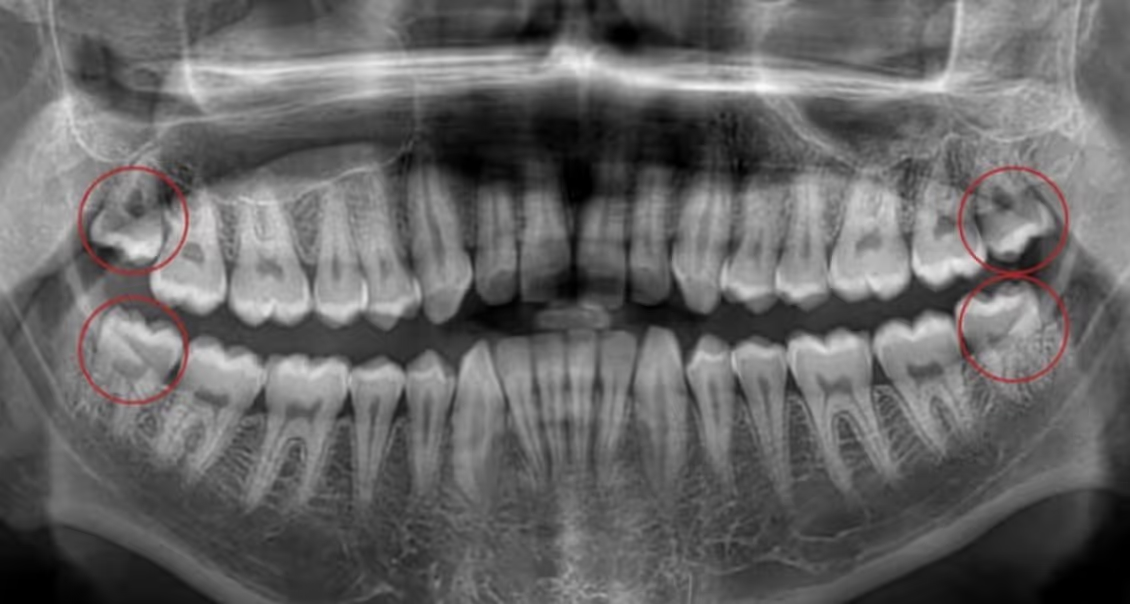
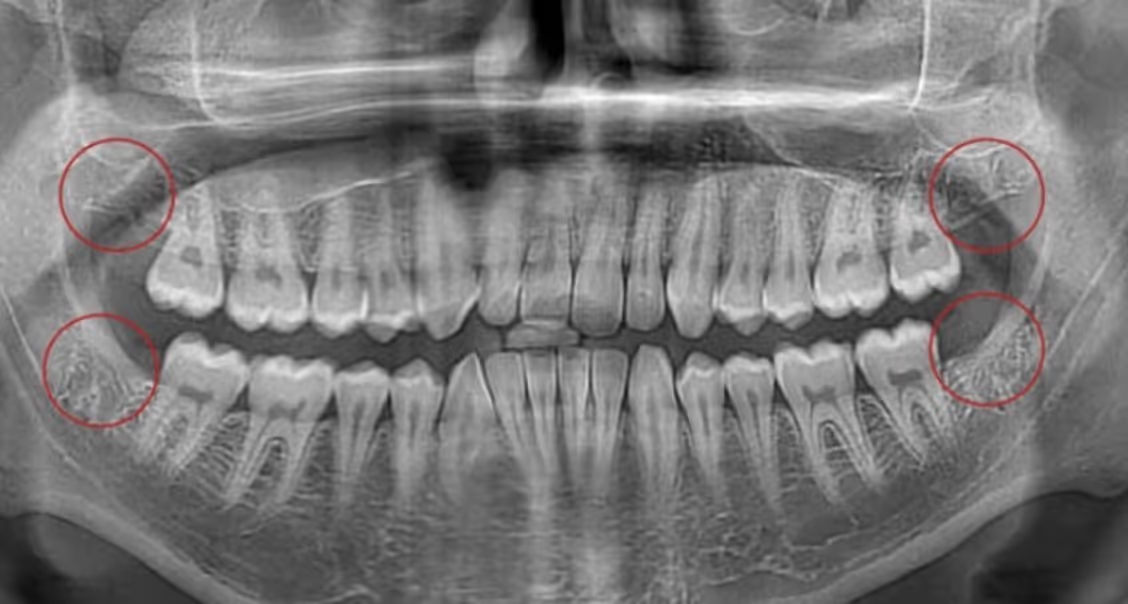
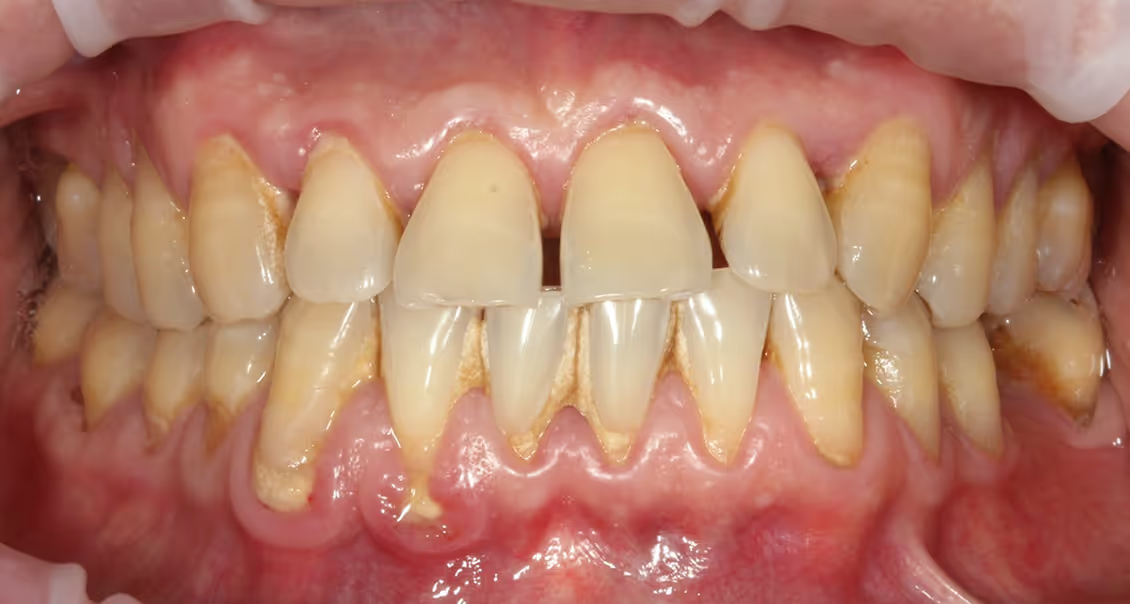
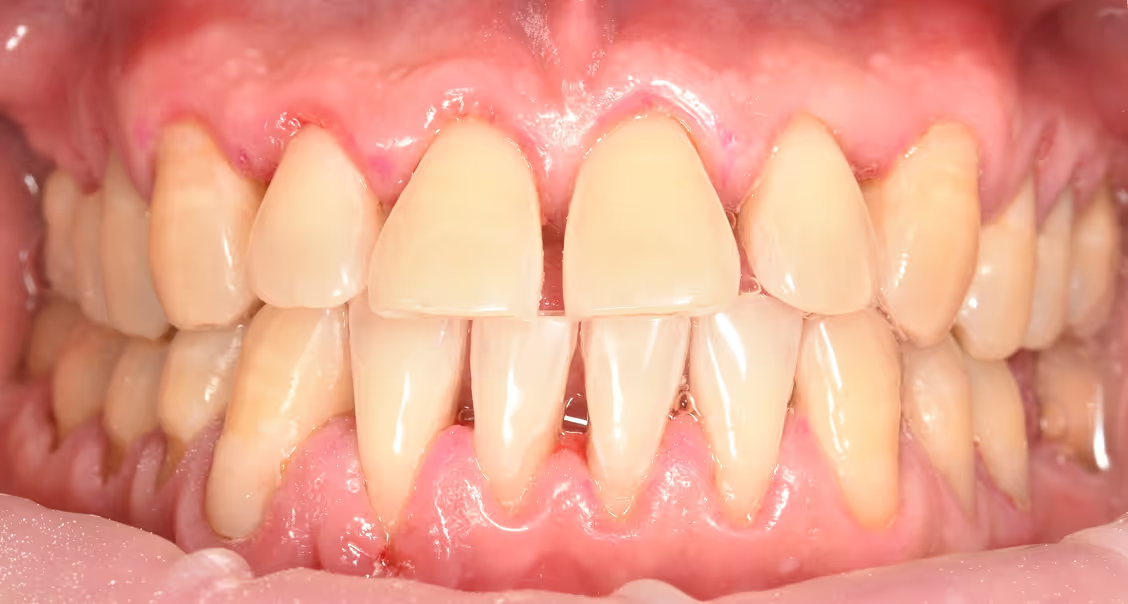
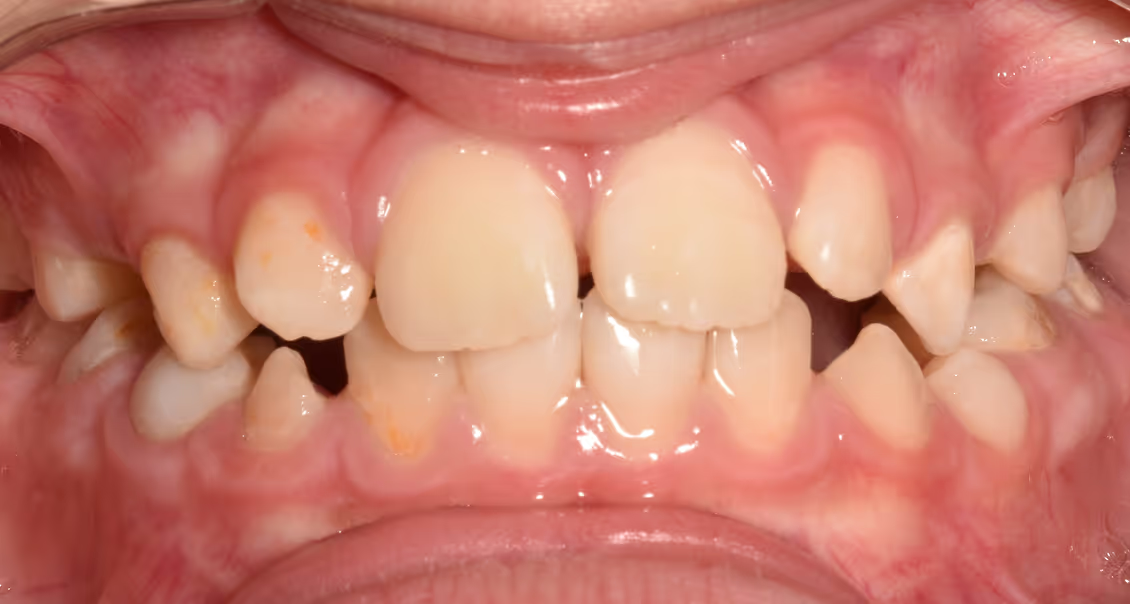
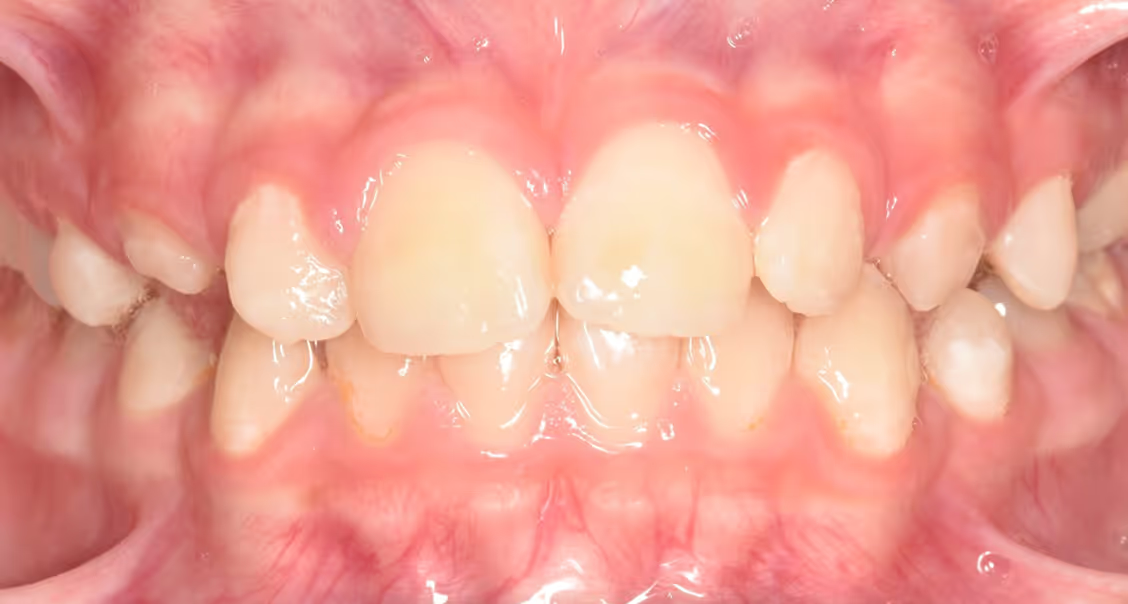
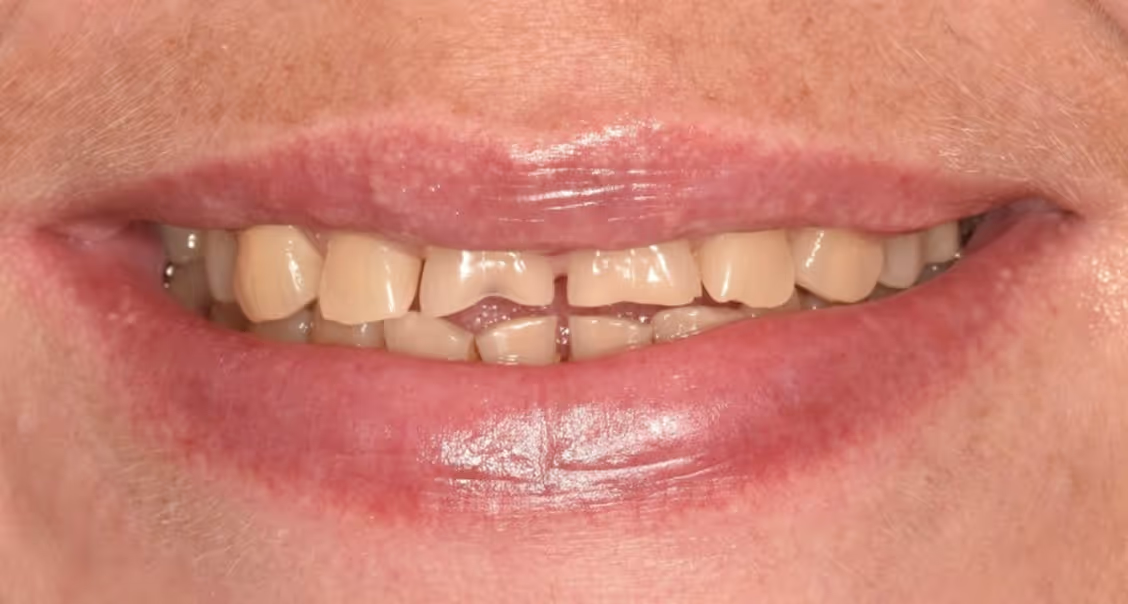
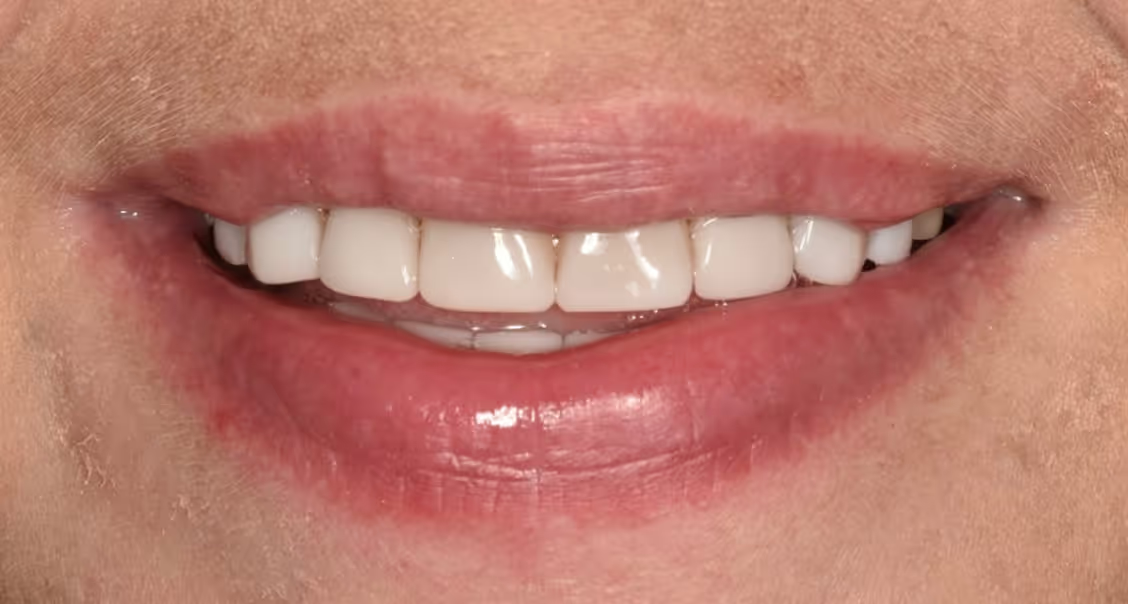
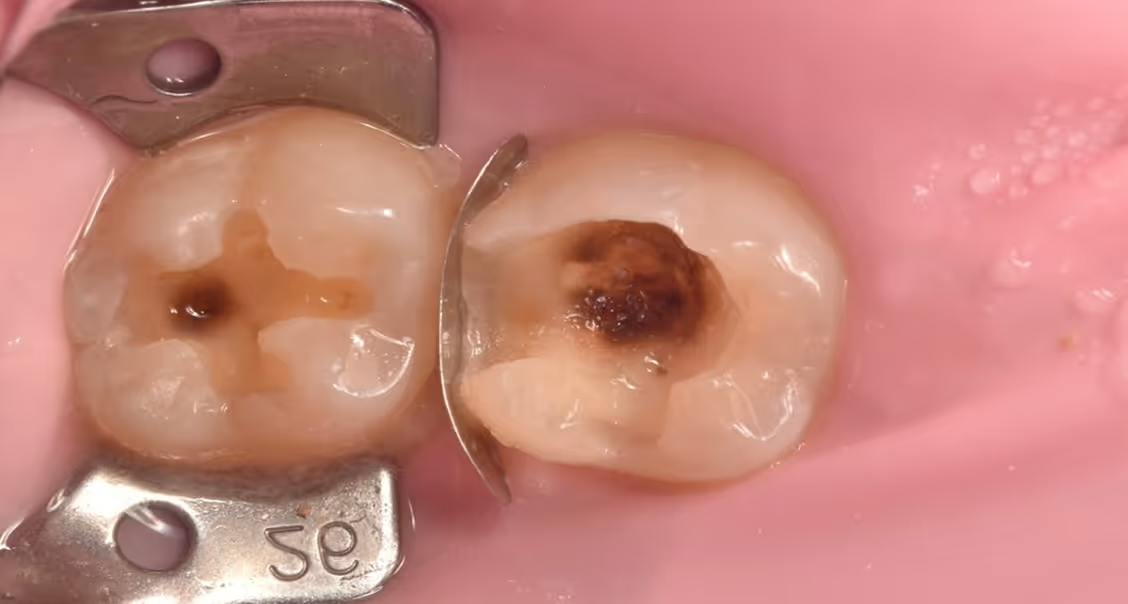
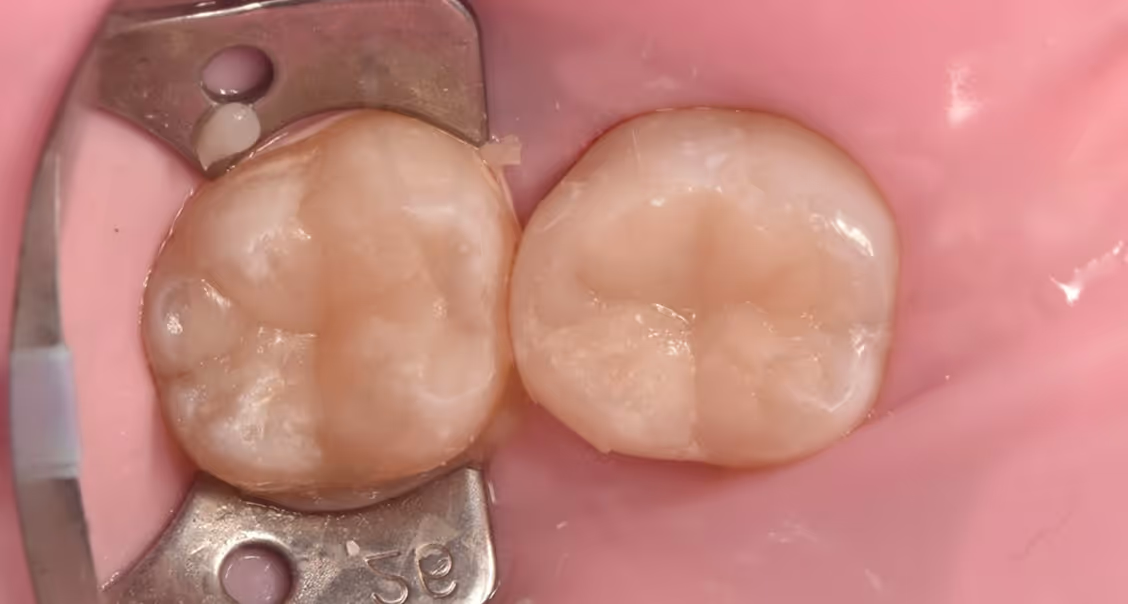
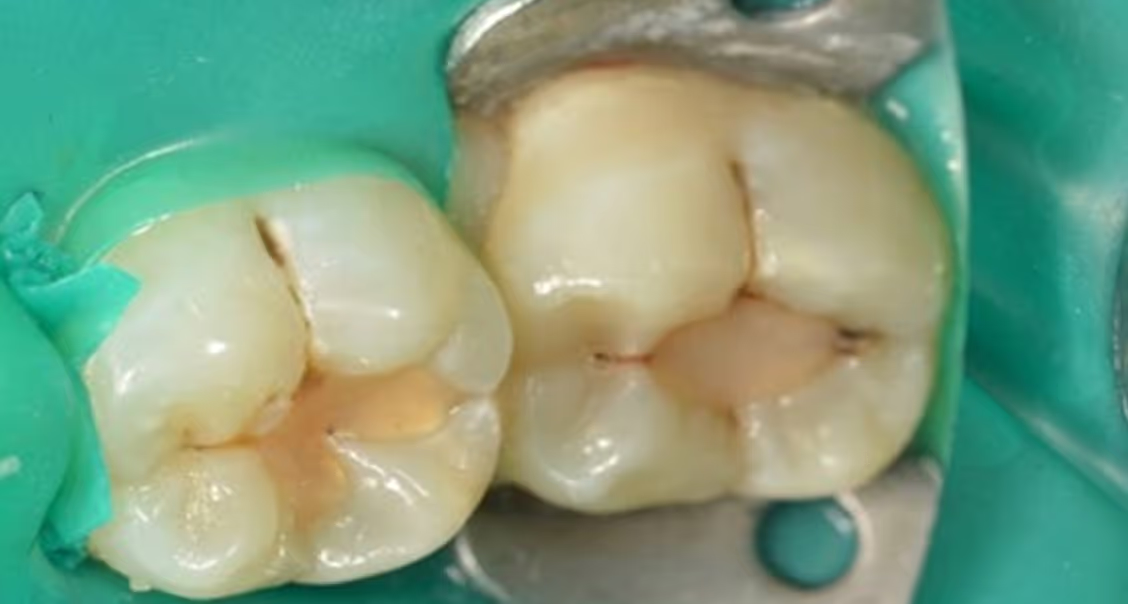
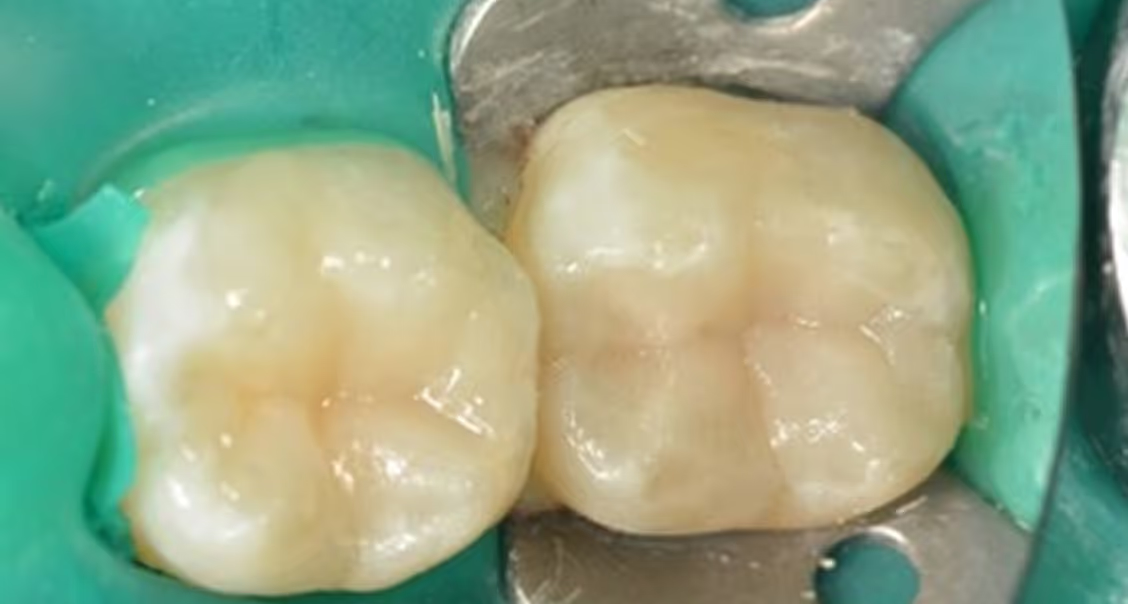
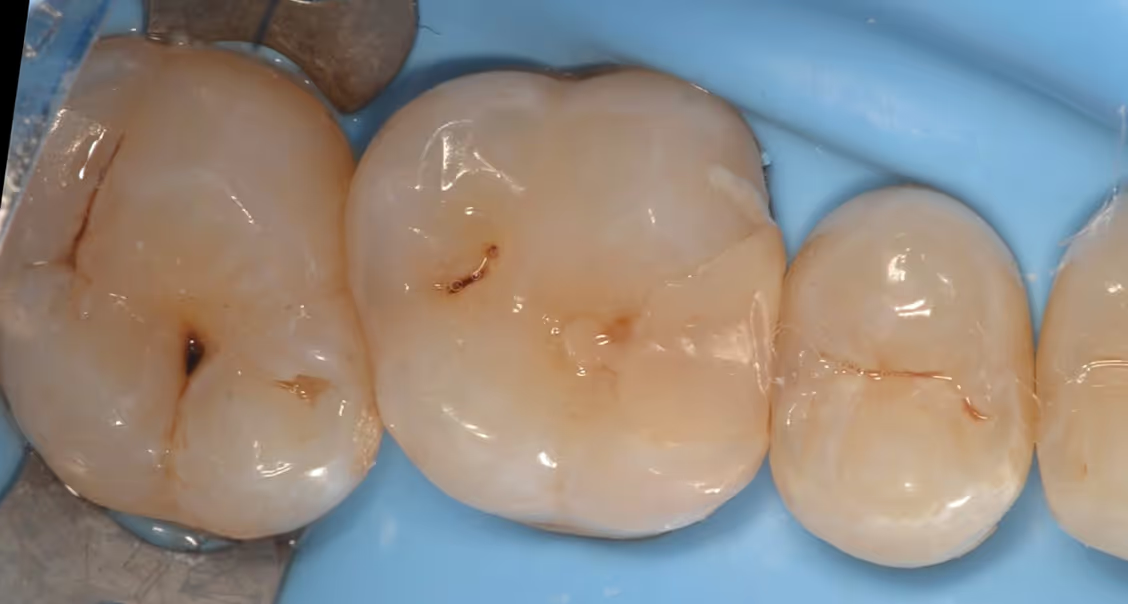
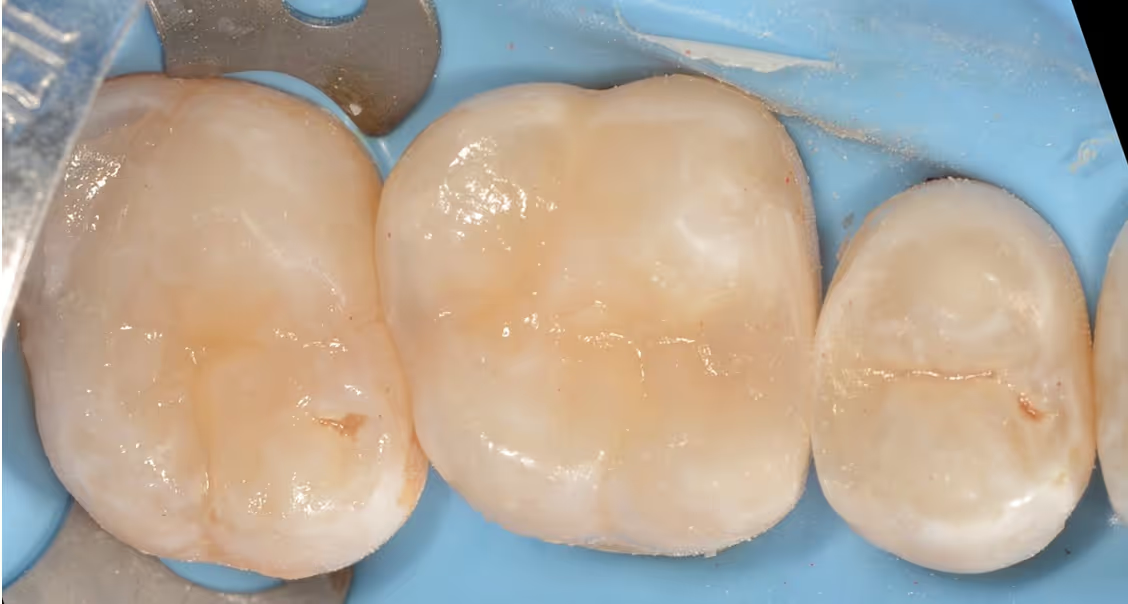
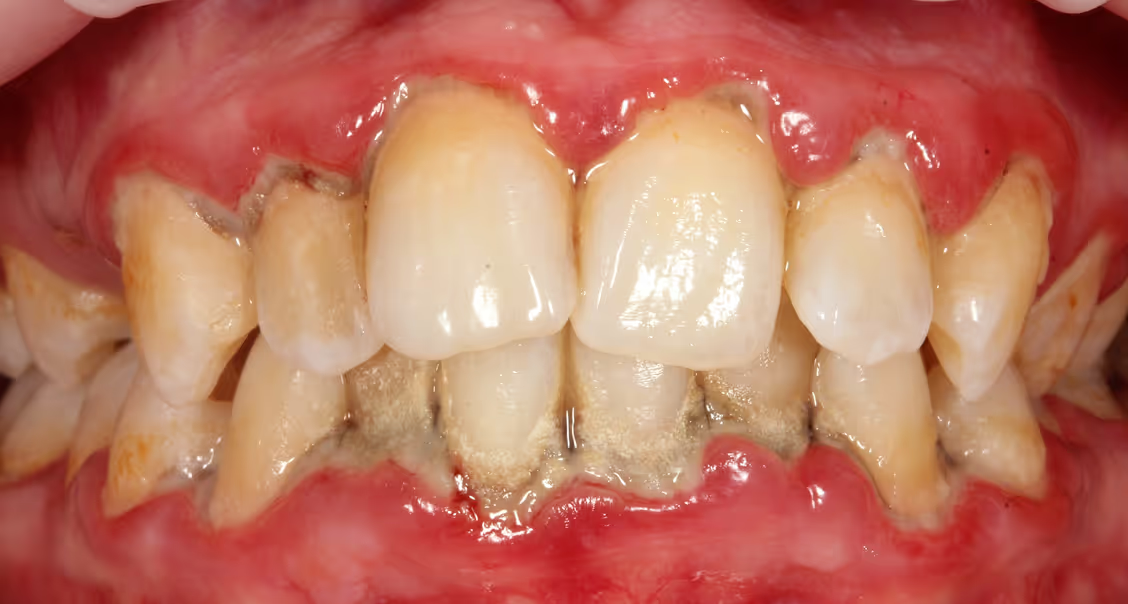
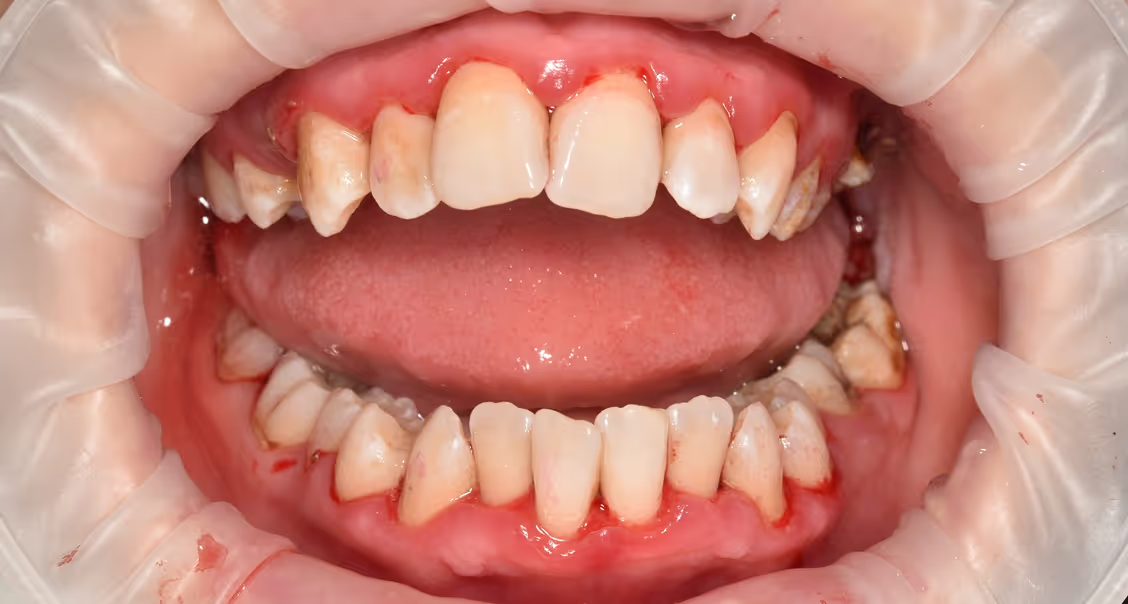
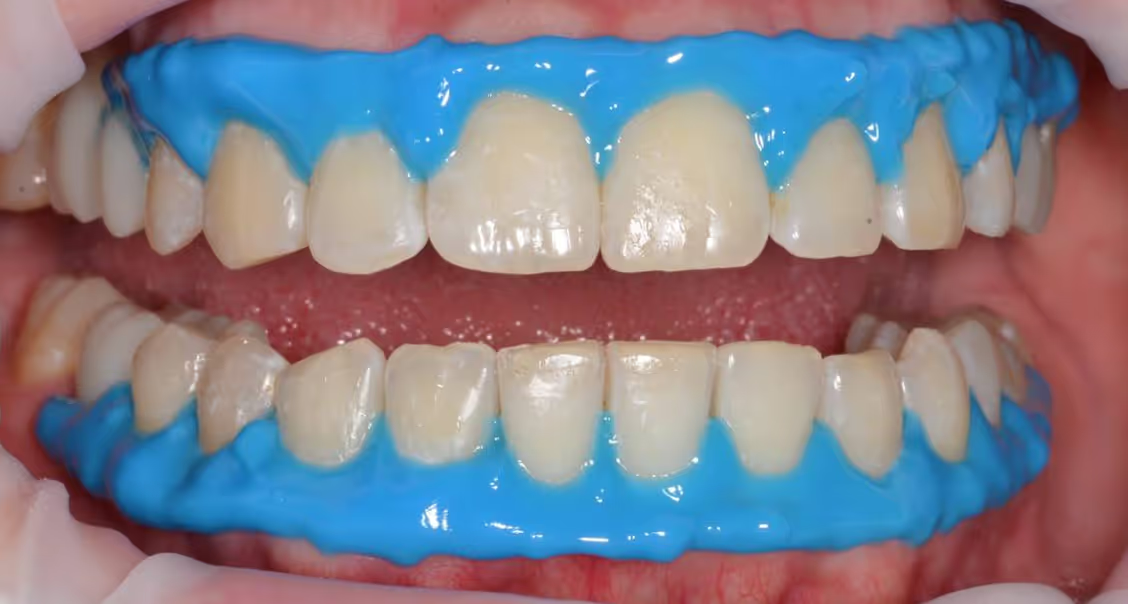
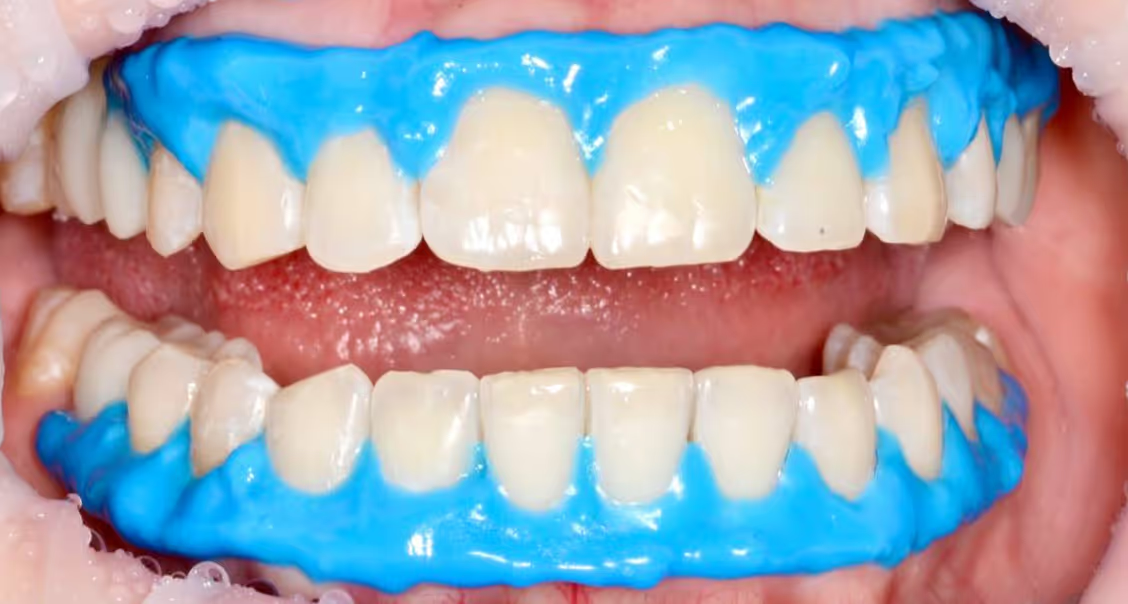
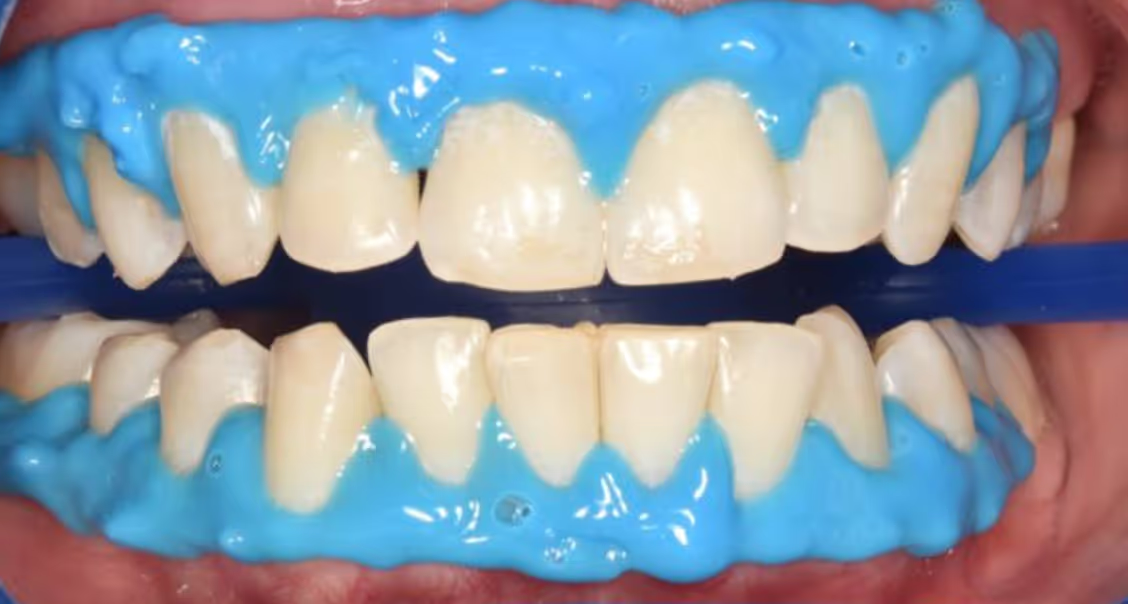
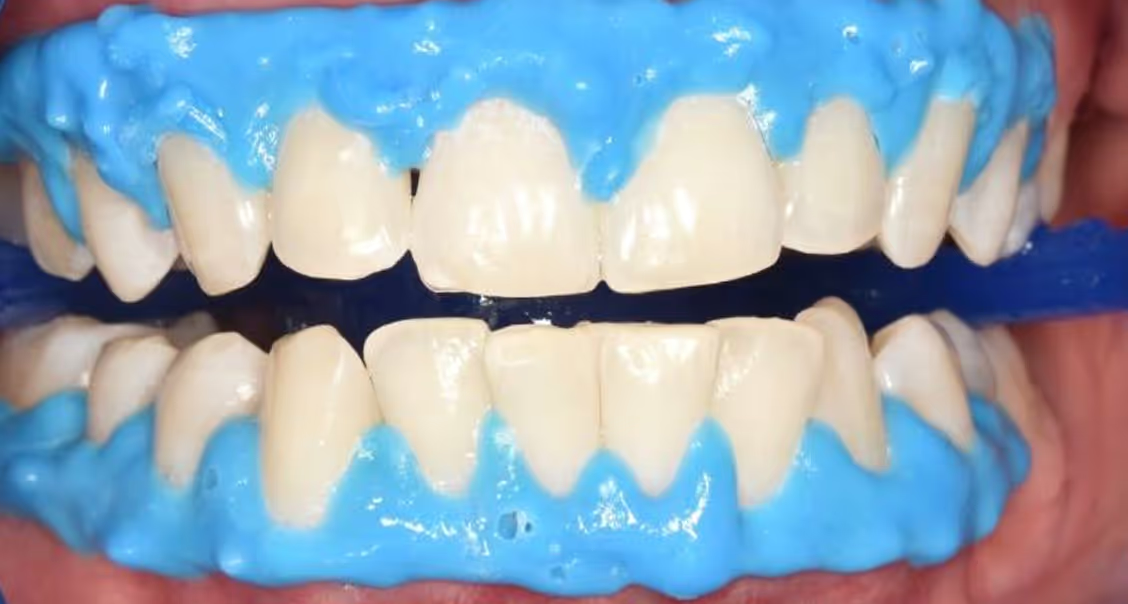
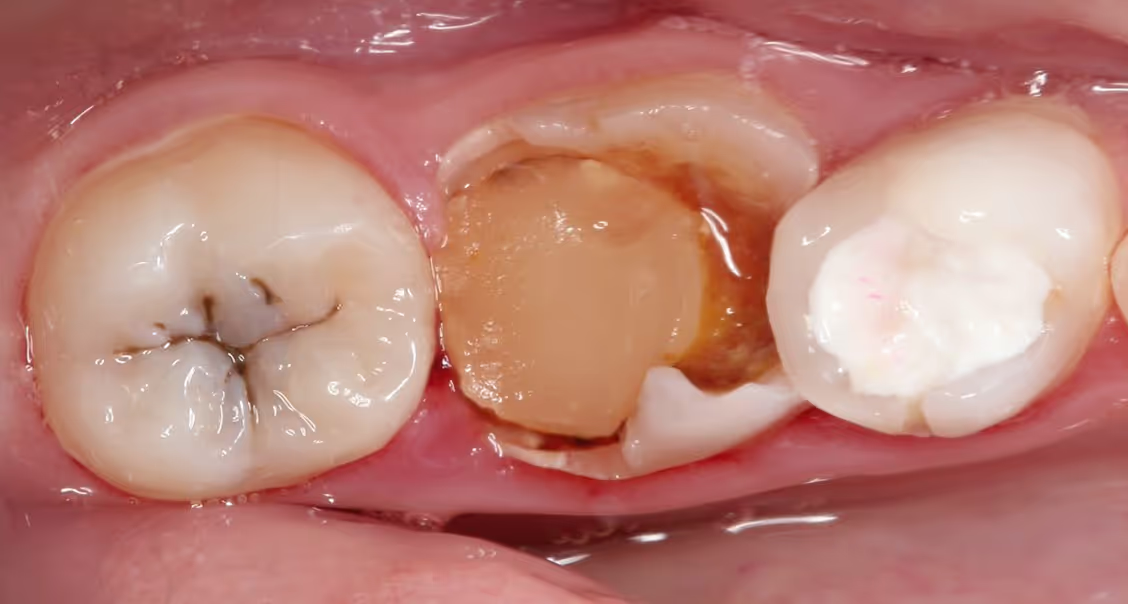
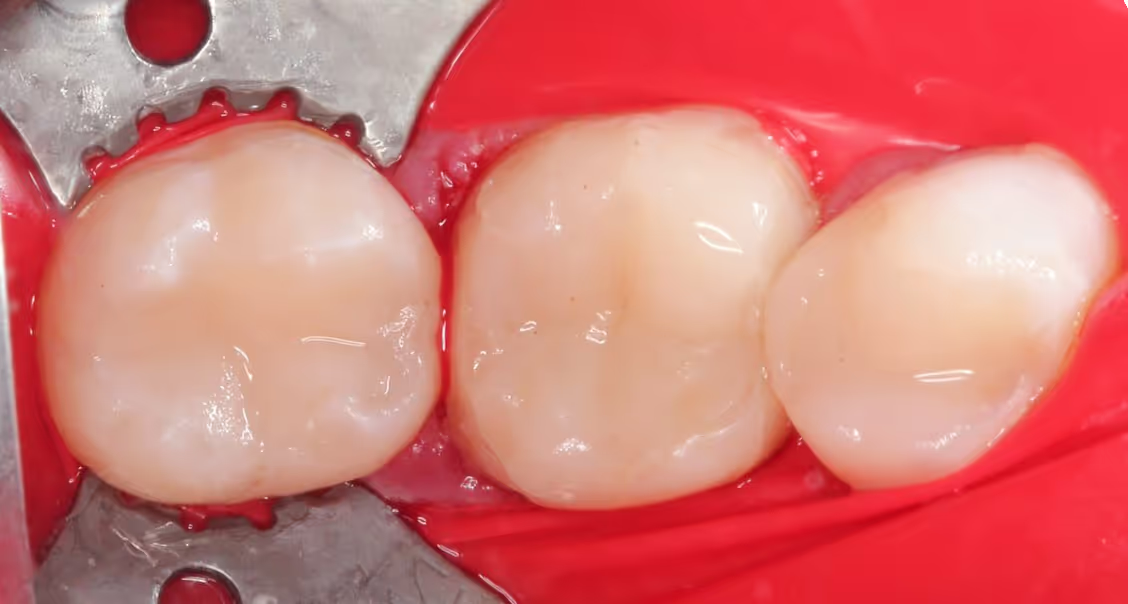
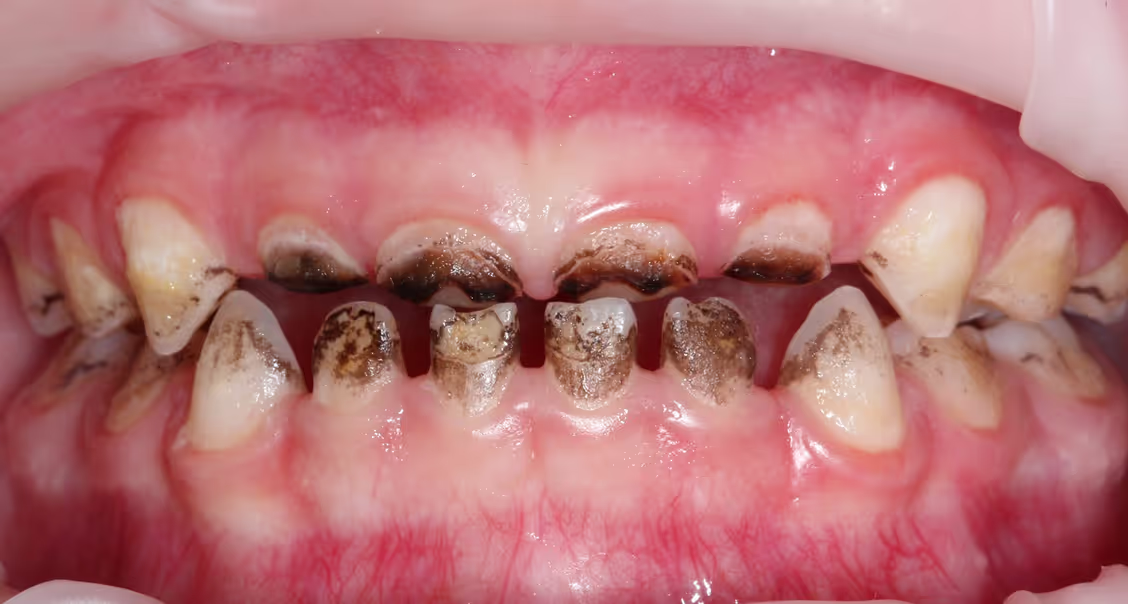
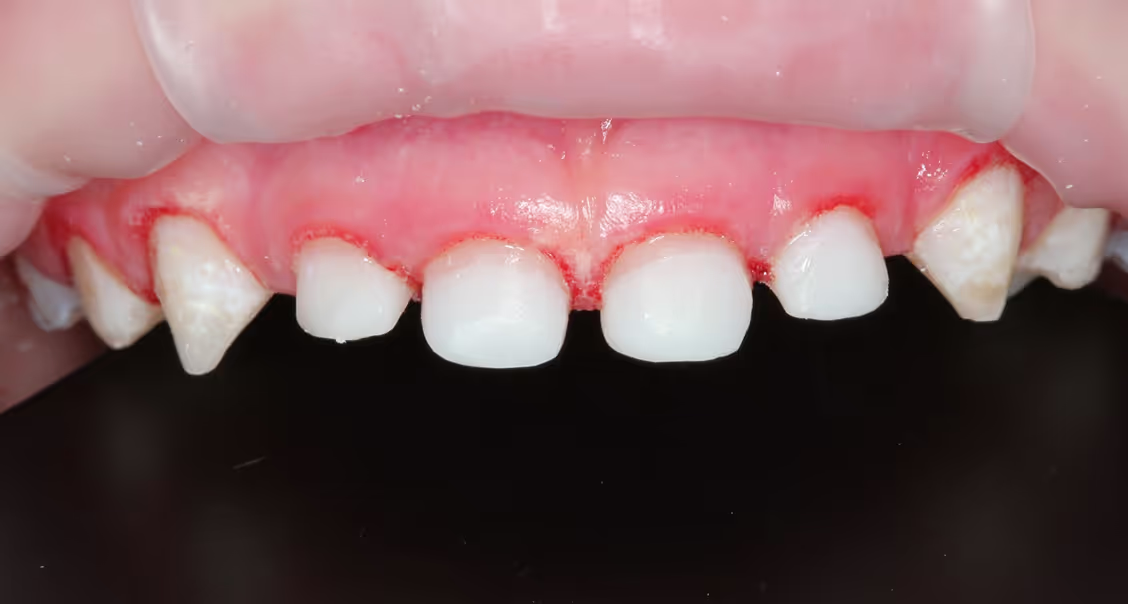
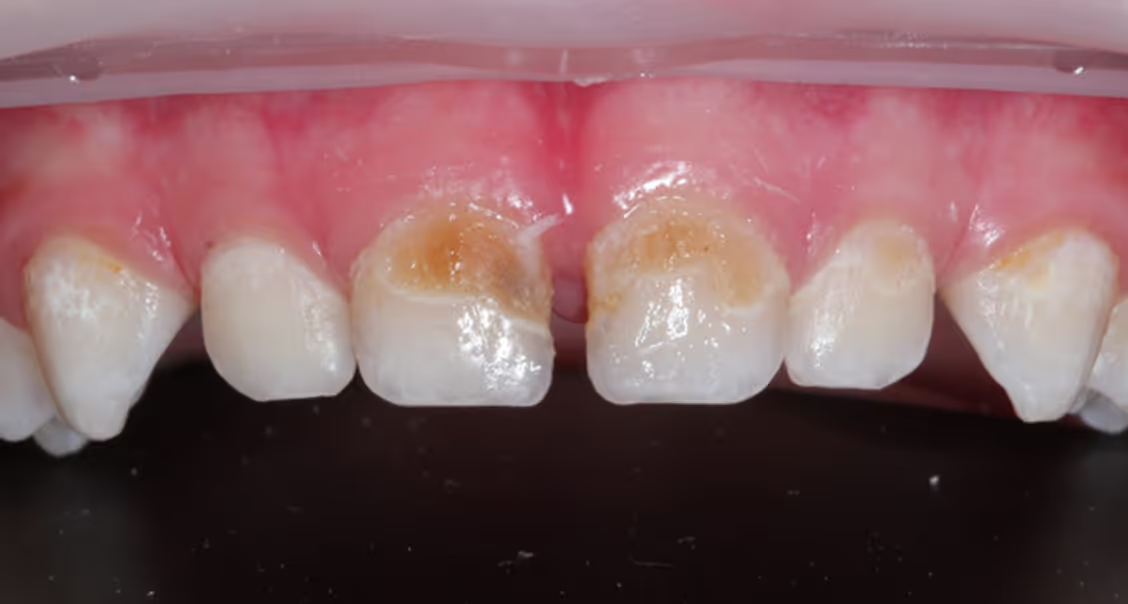
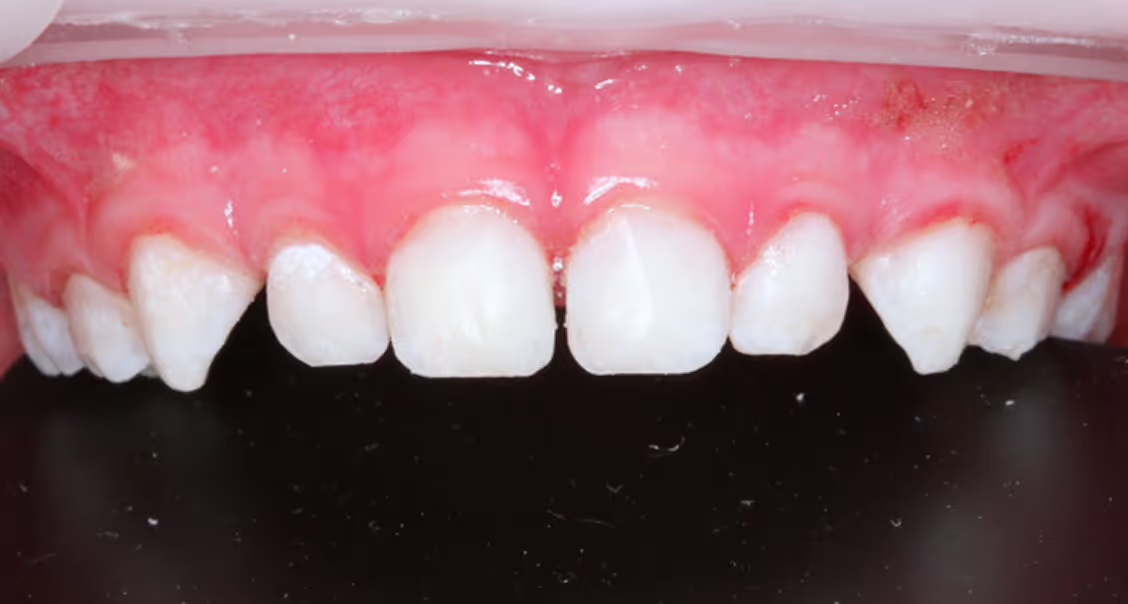
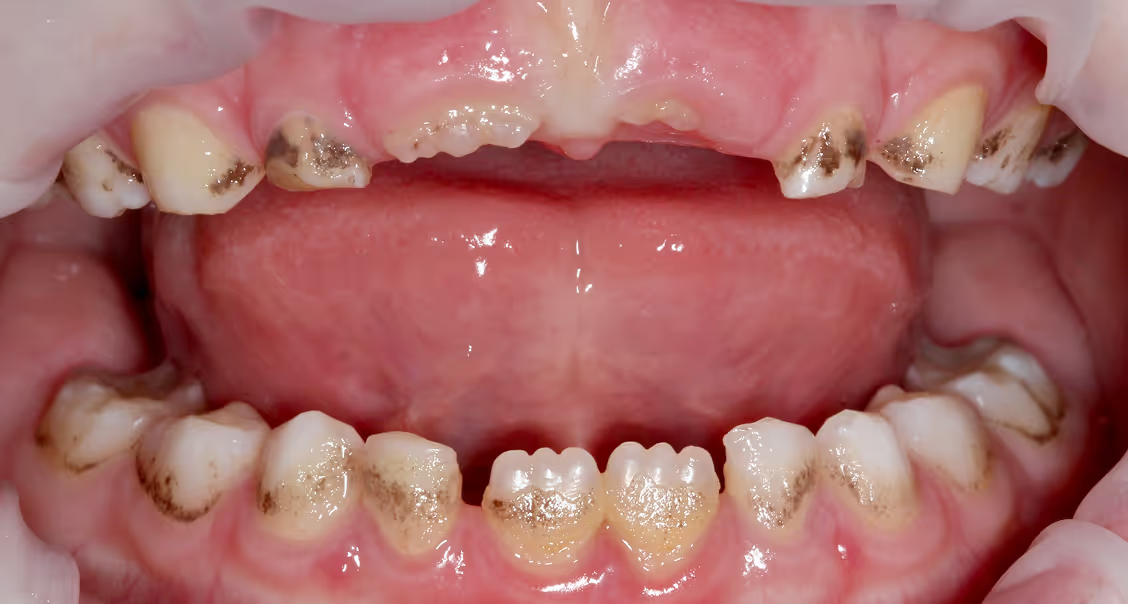
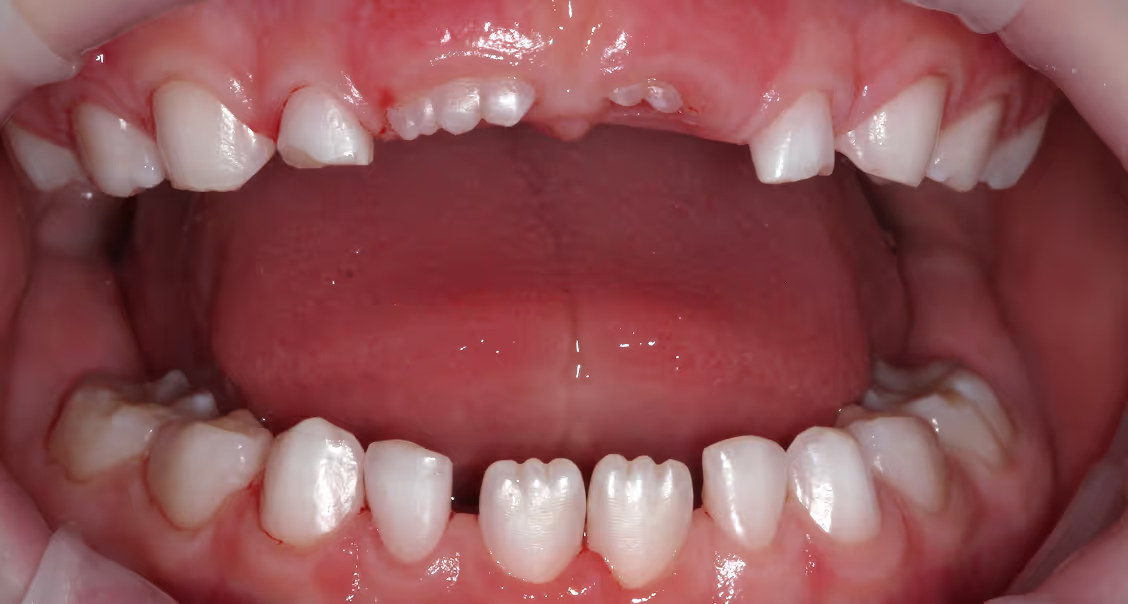
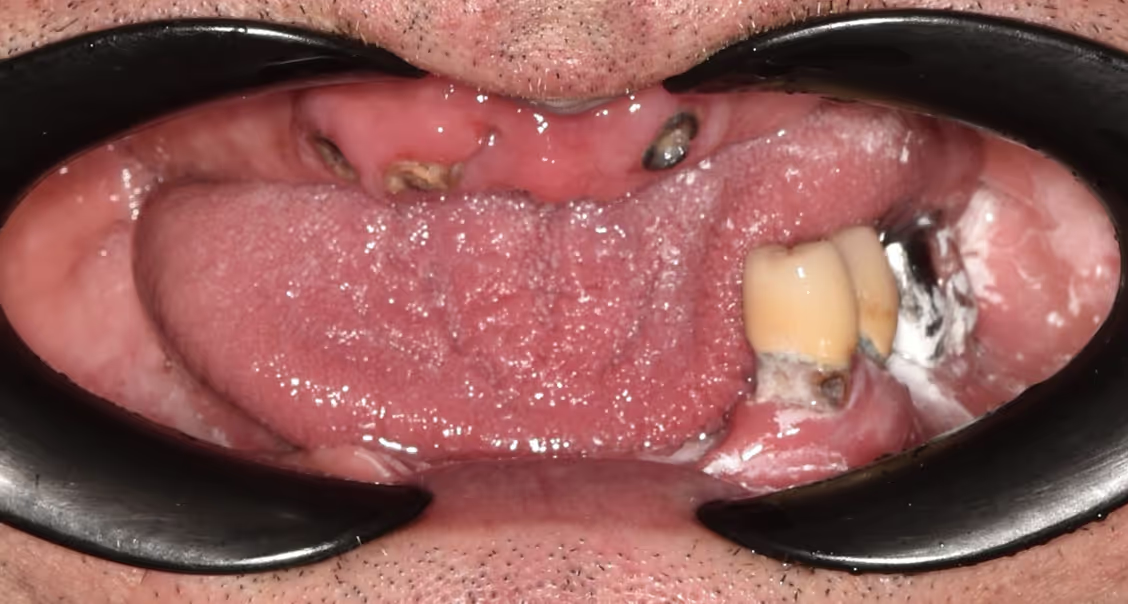
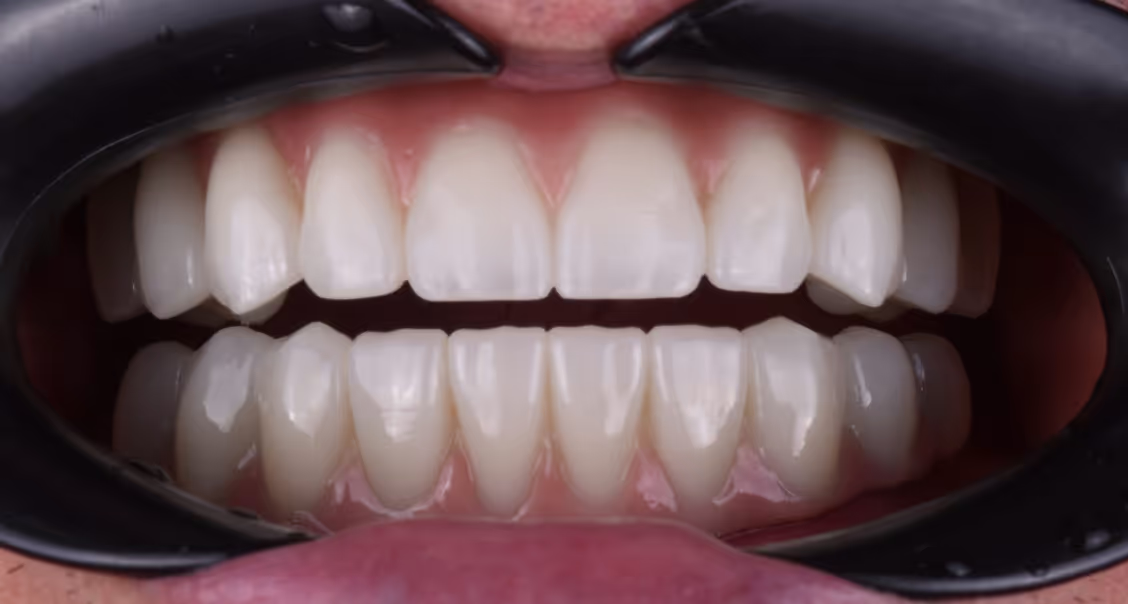
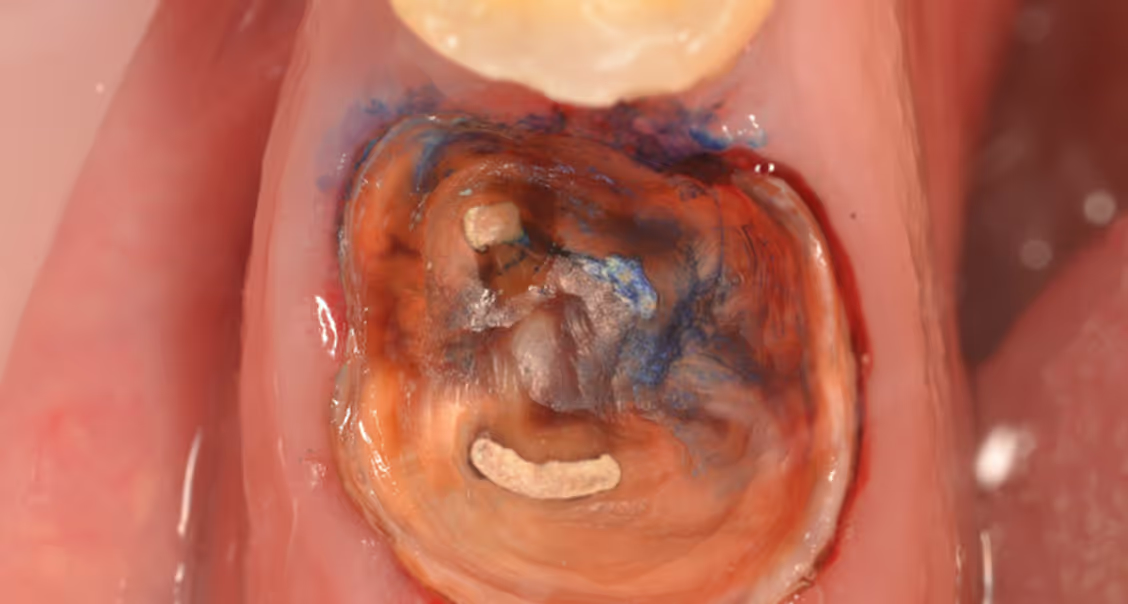
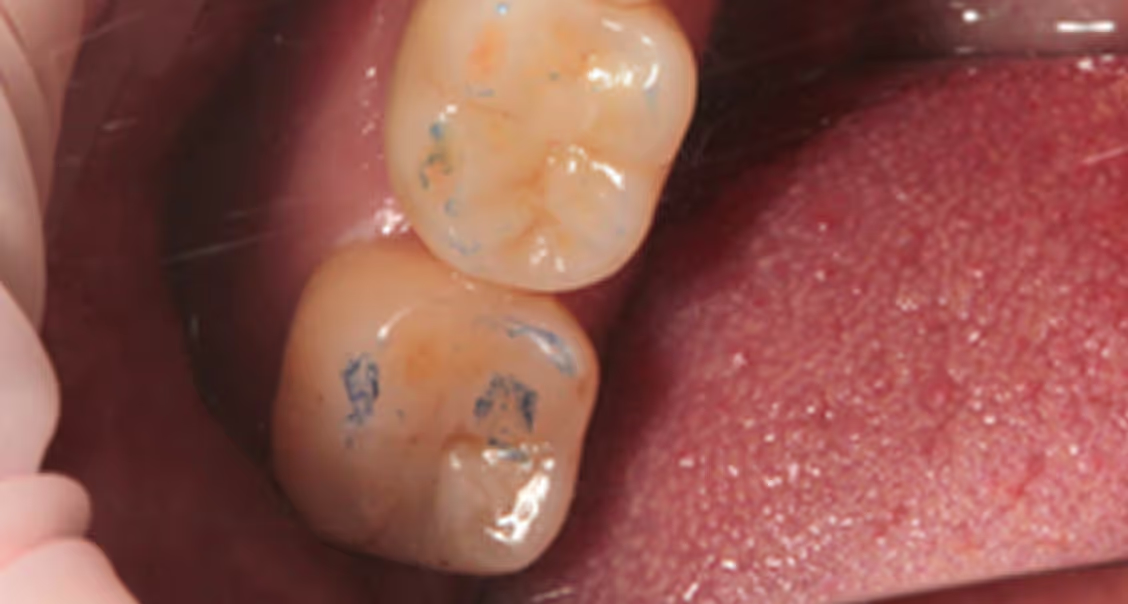
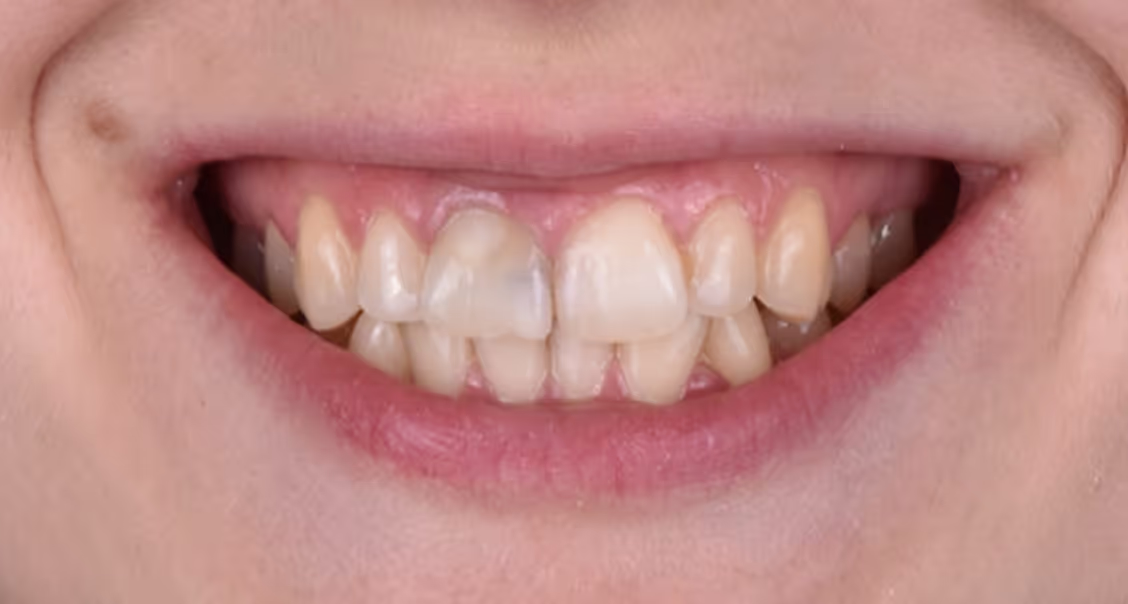
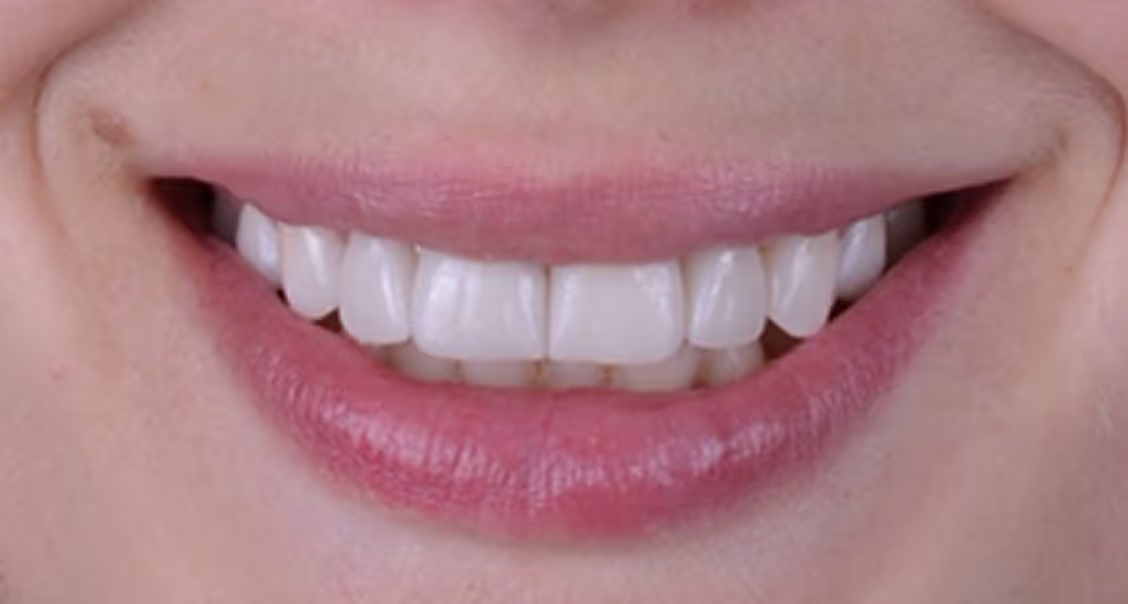
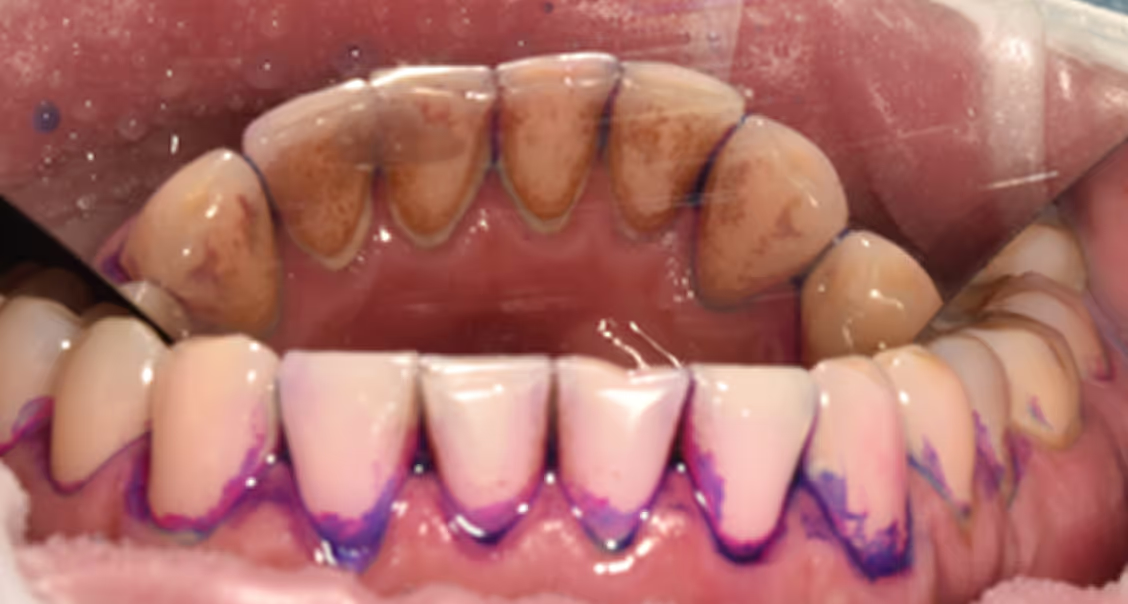
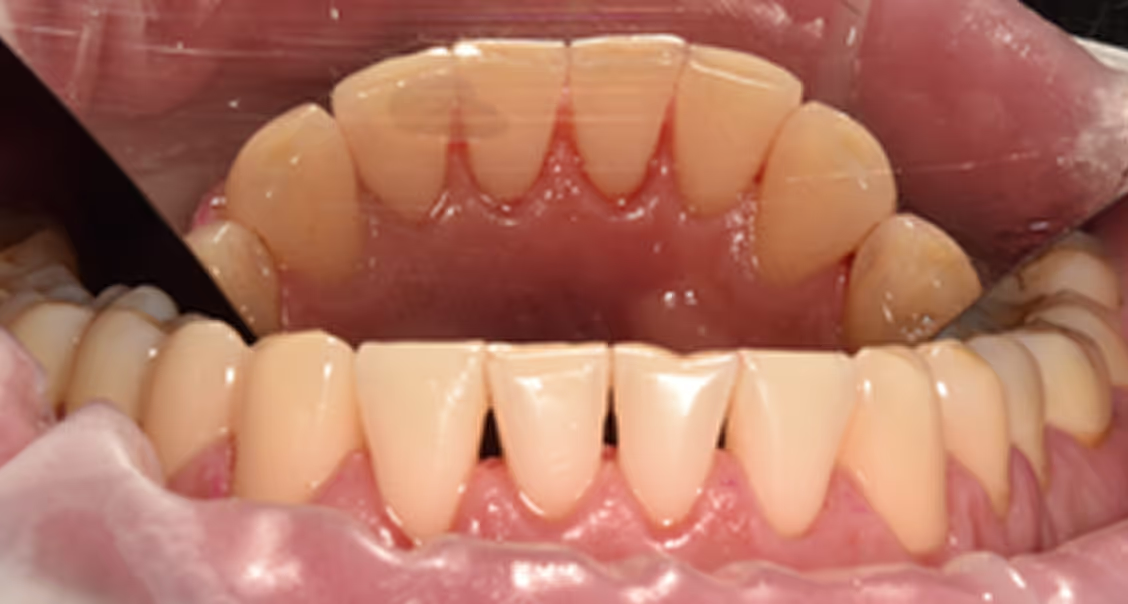
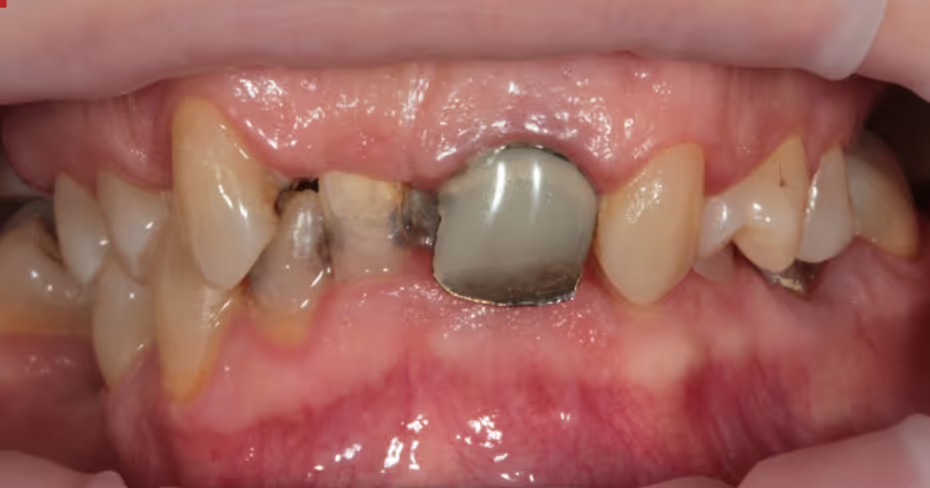
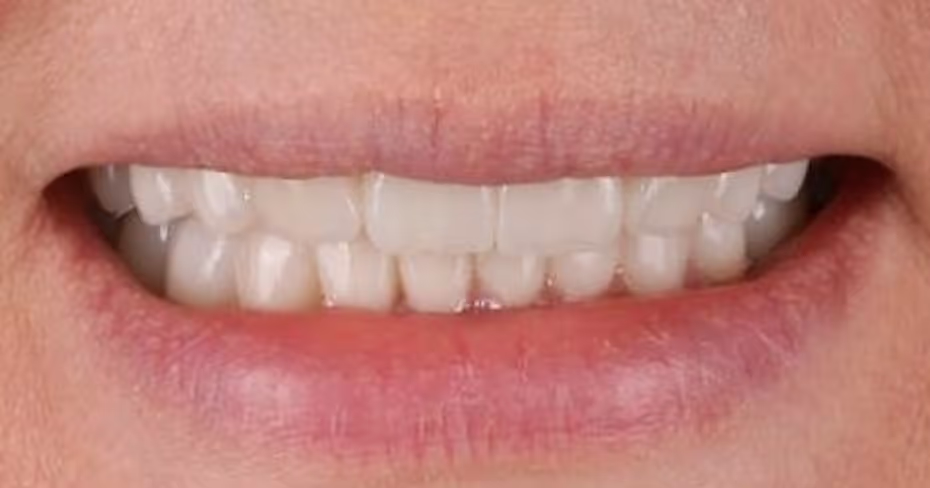
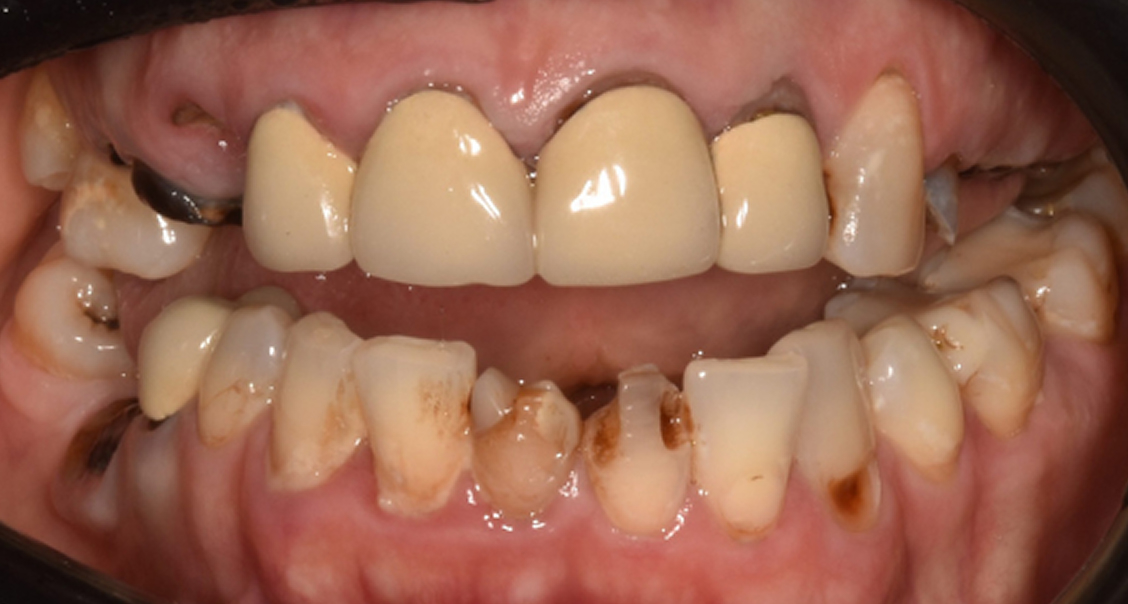
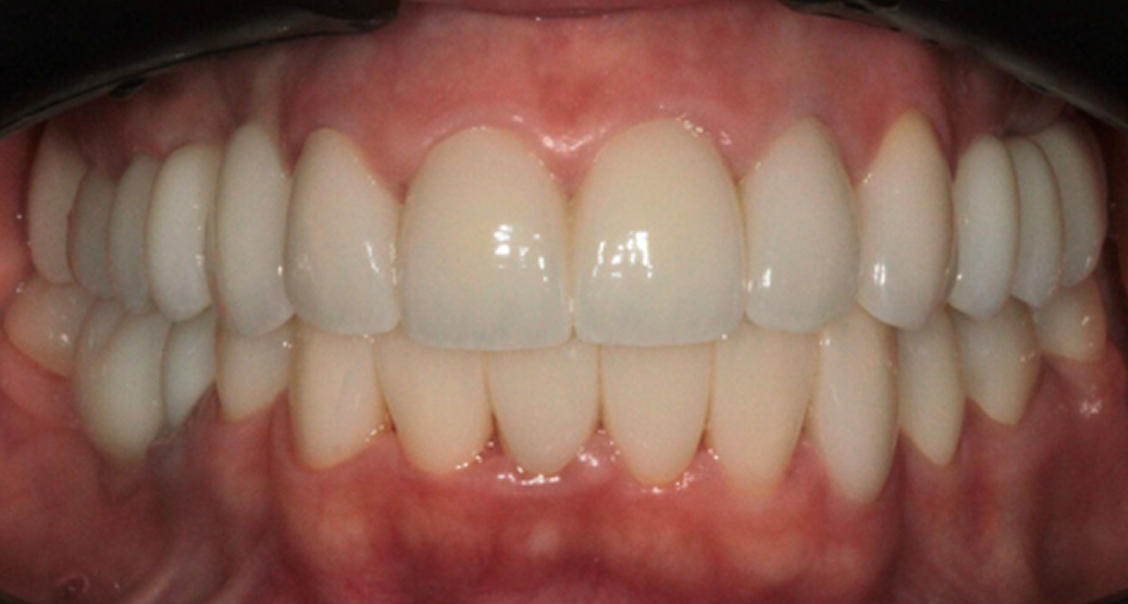
Patient transformations after implant treatment
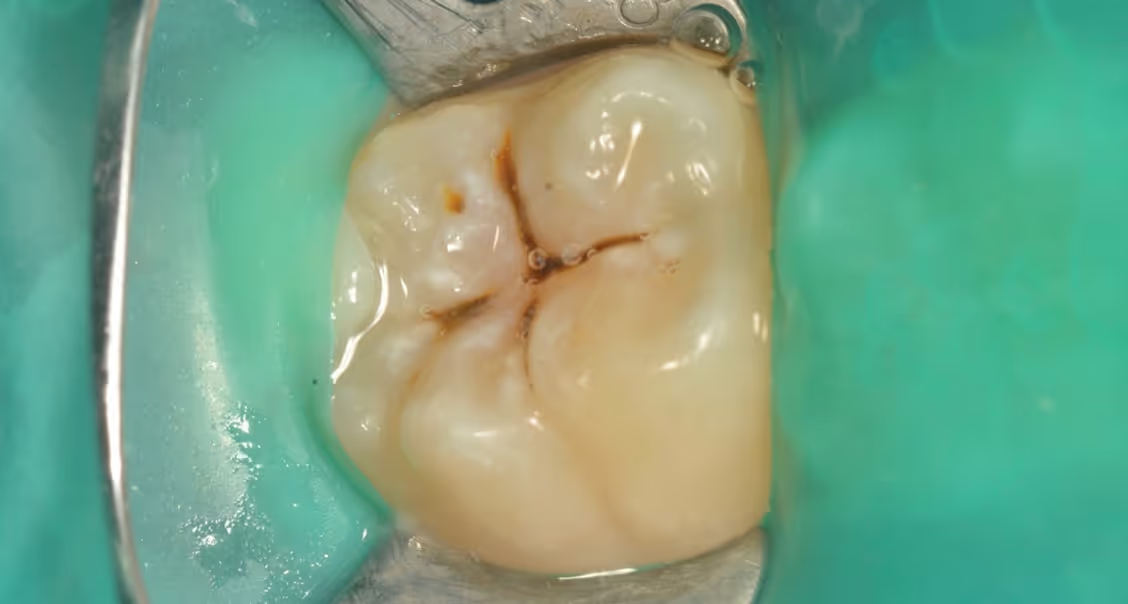
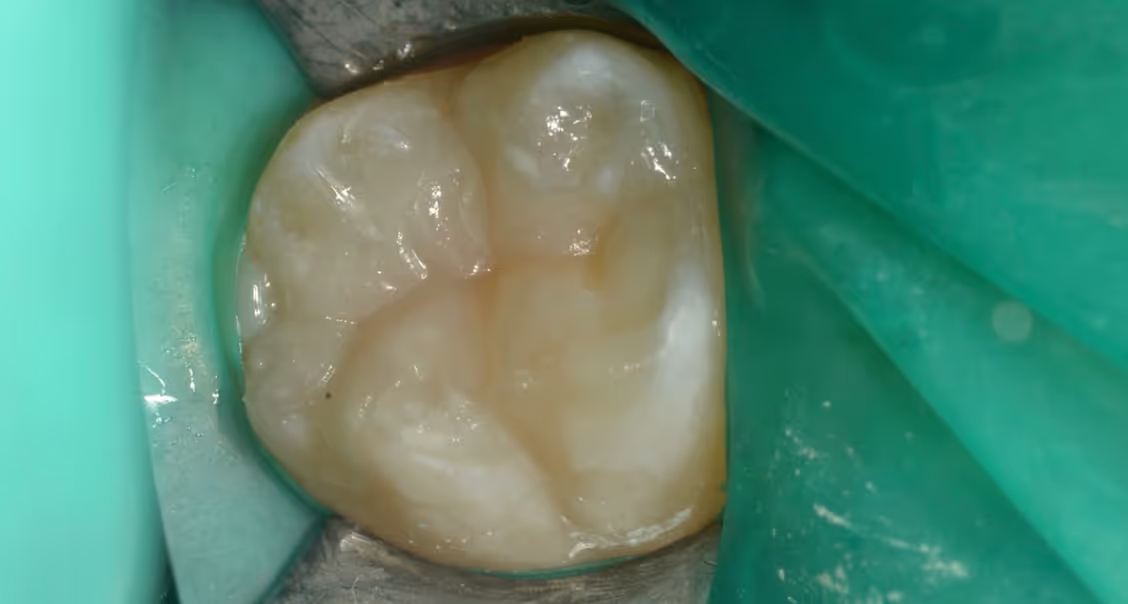
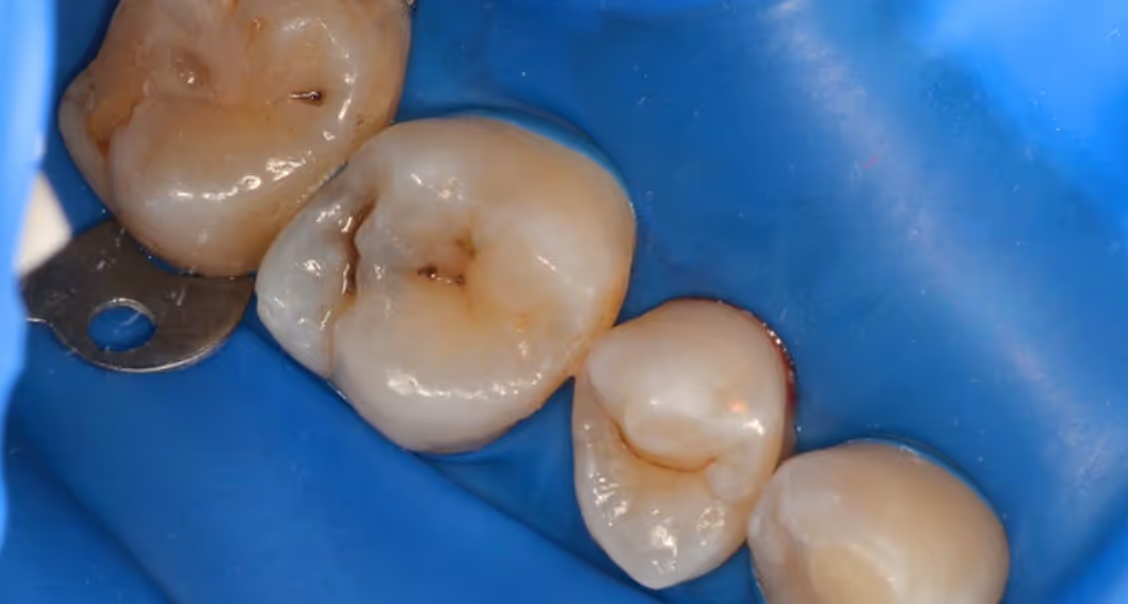
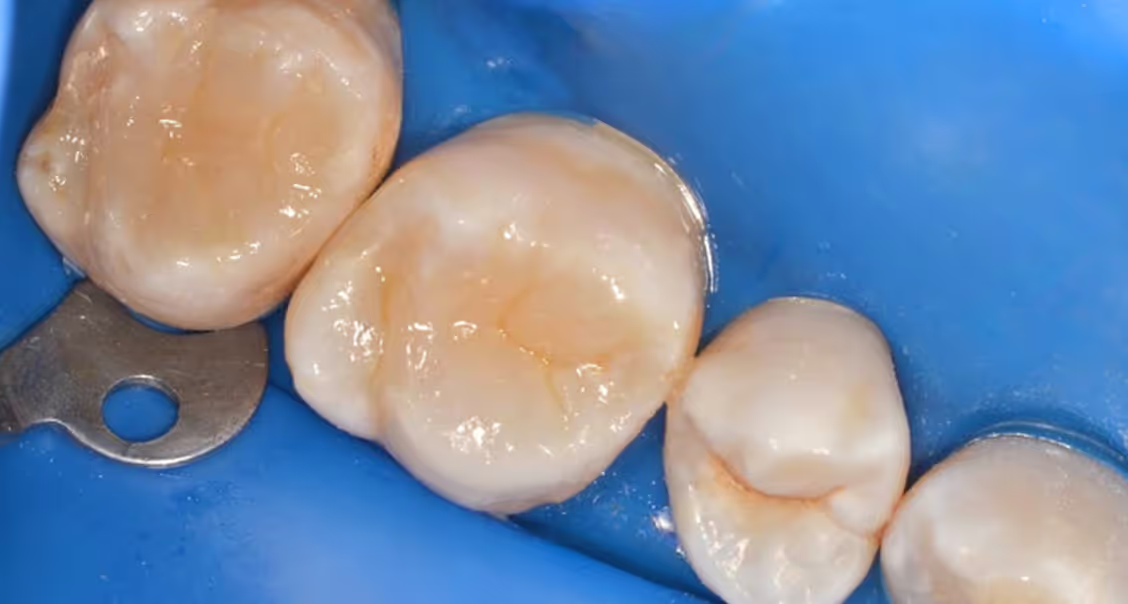
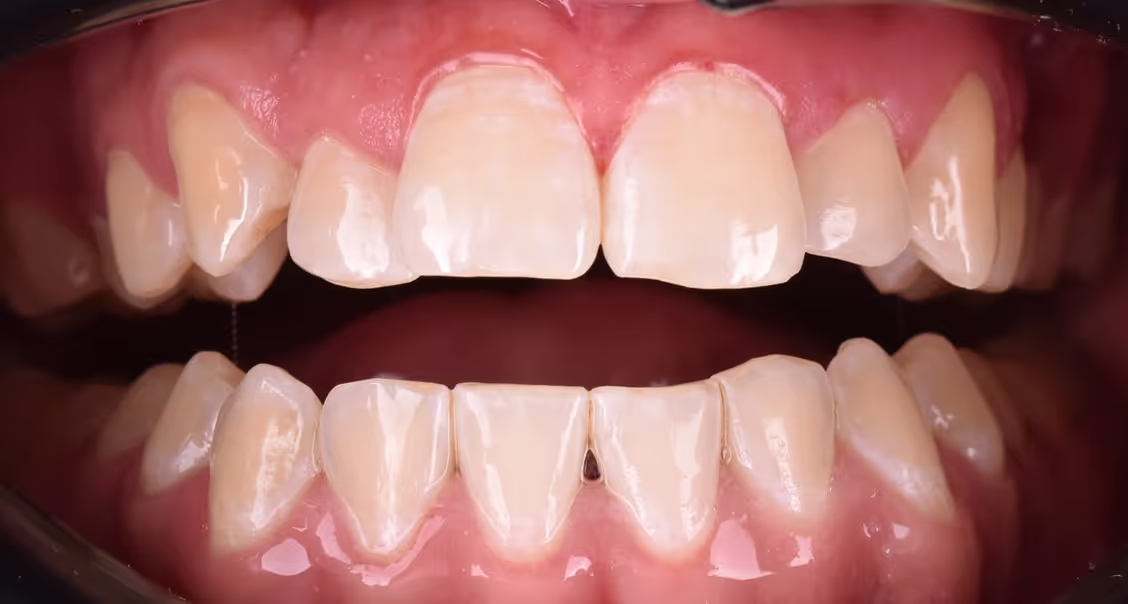
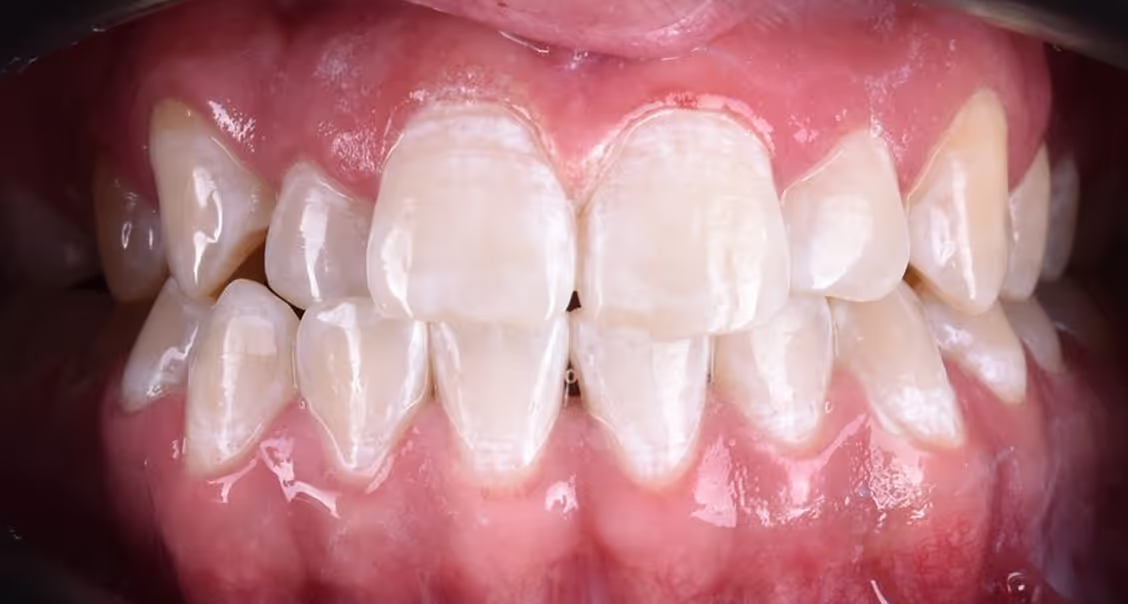
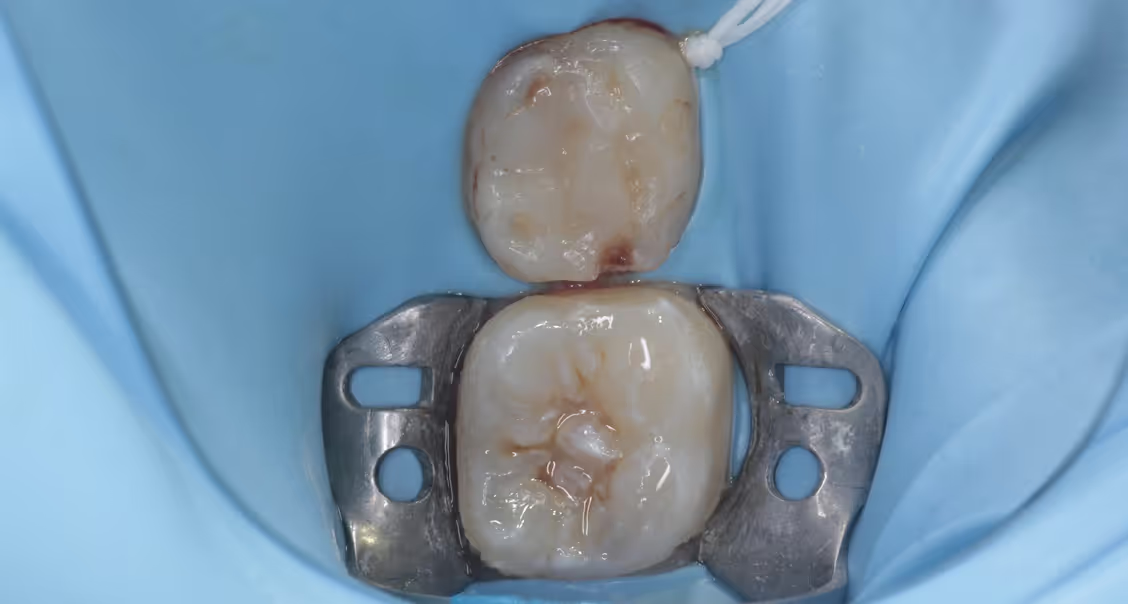
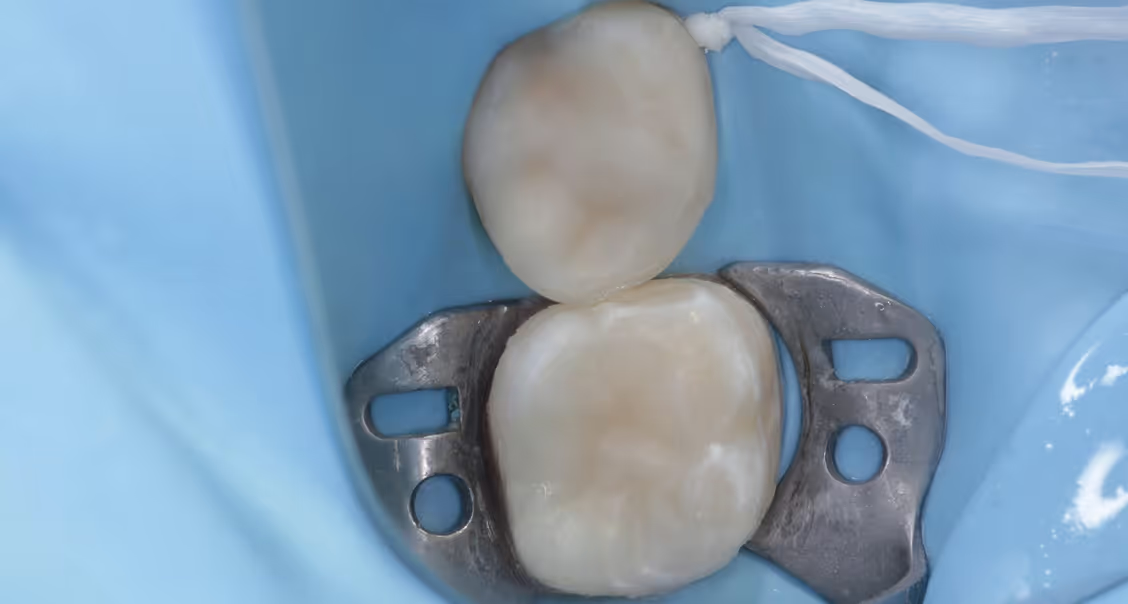
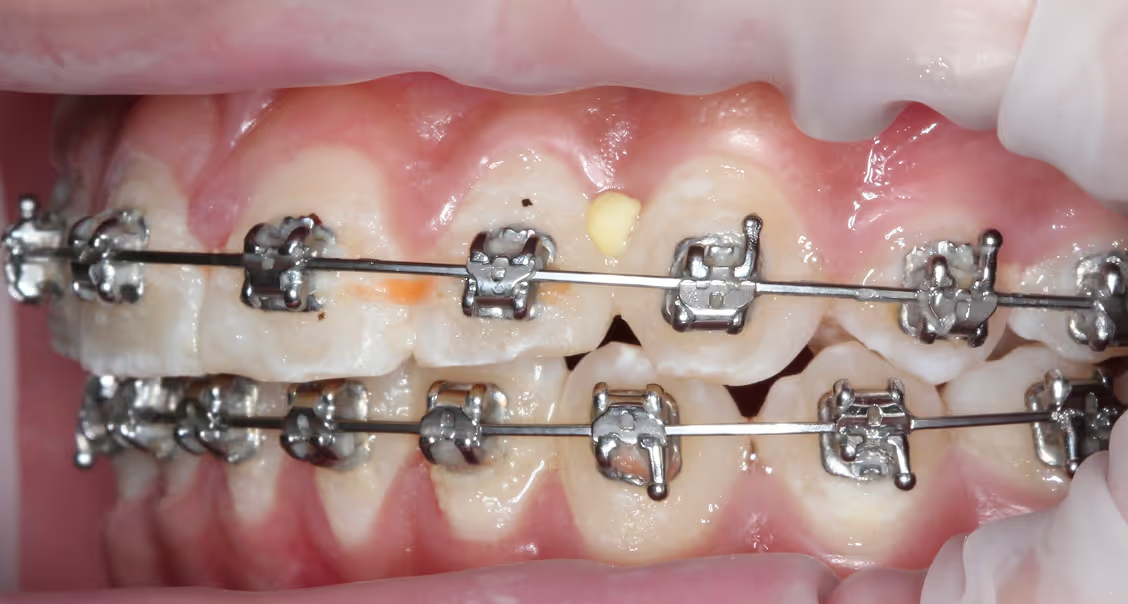
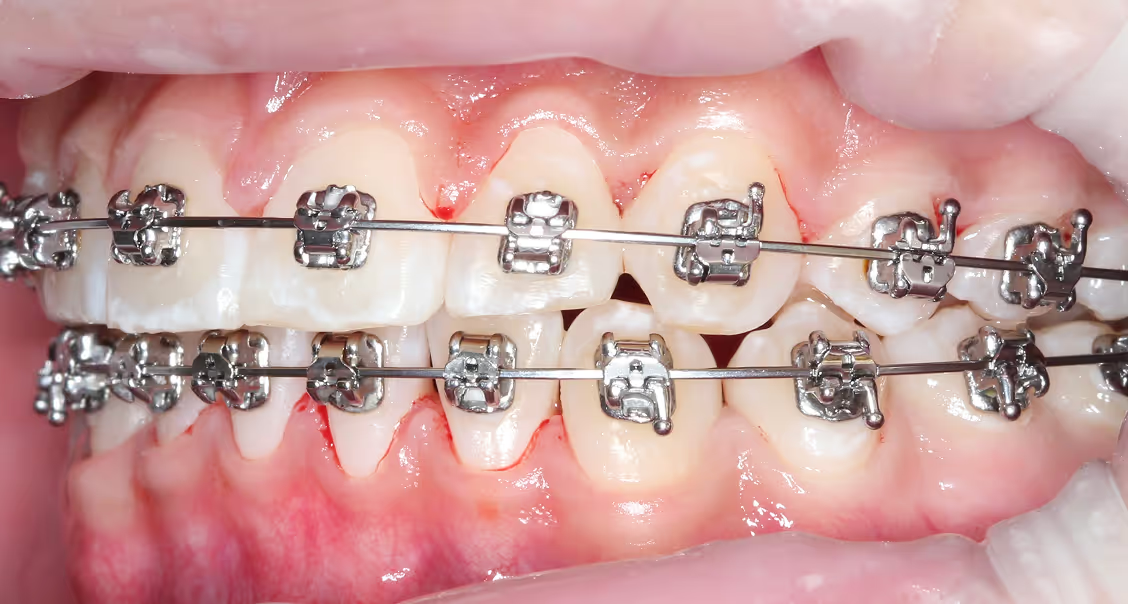
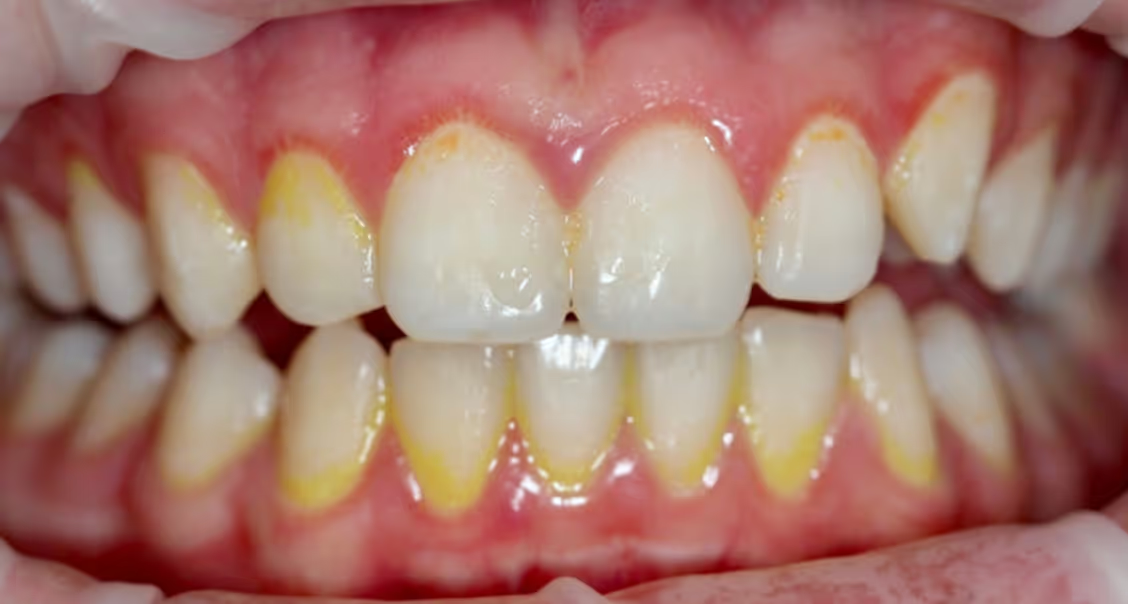
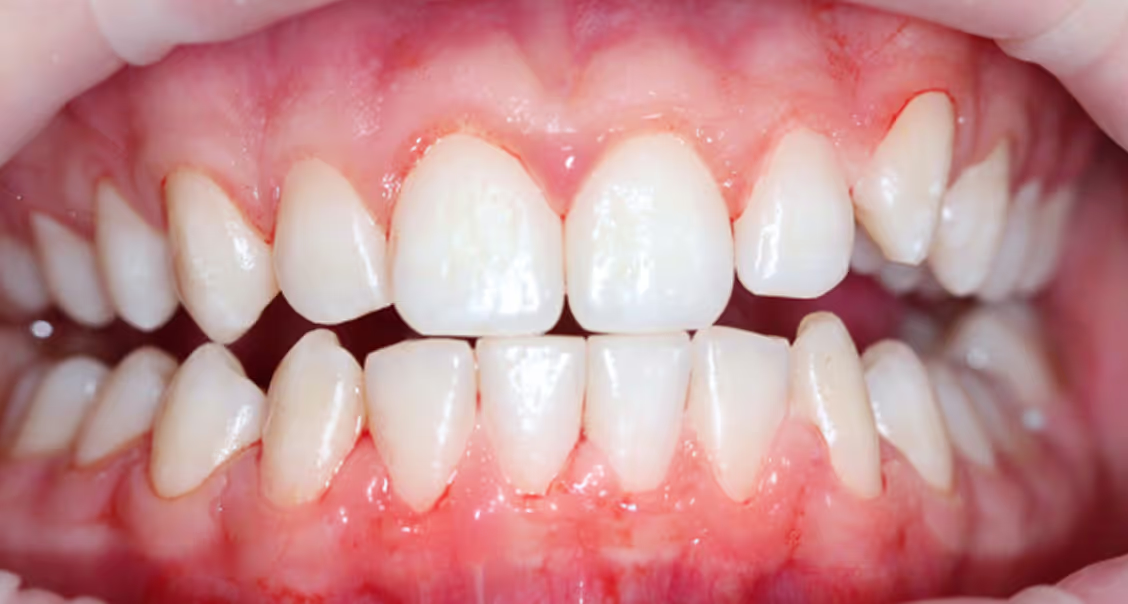
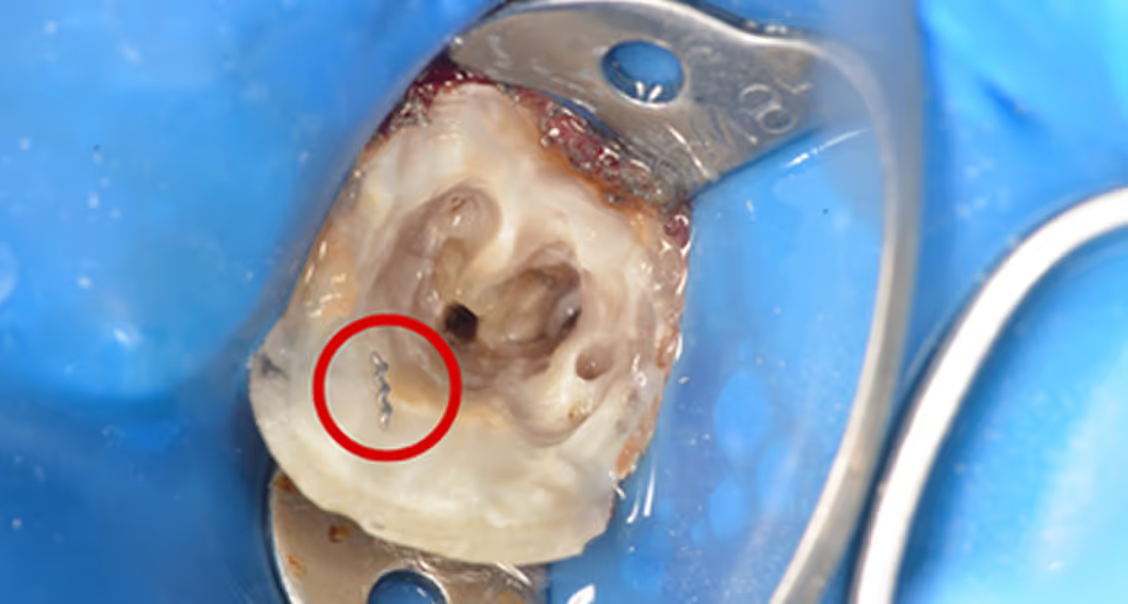
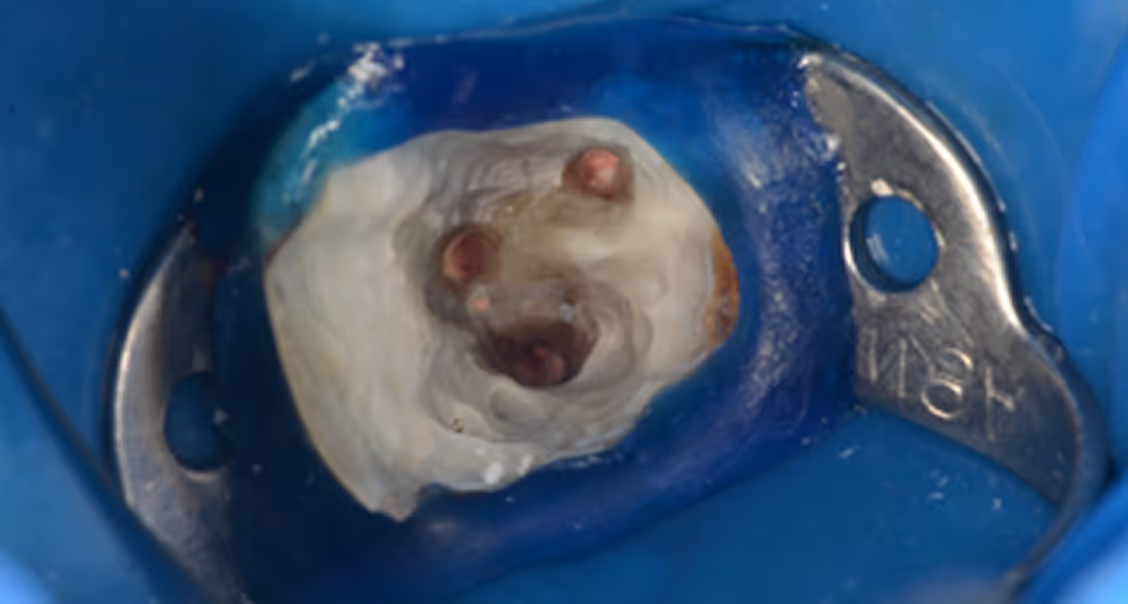
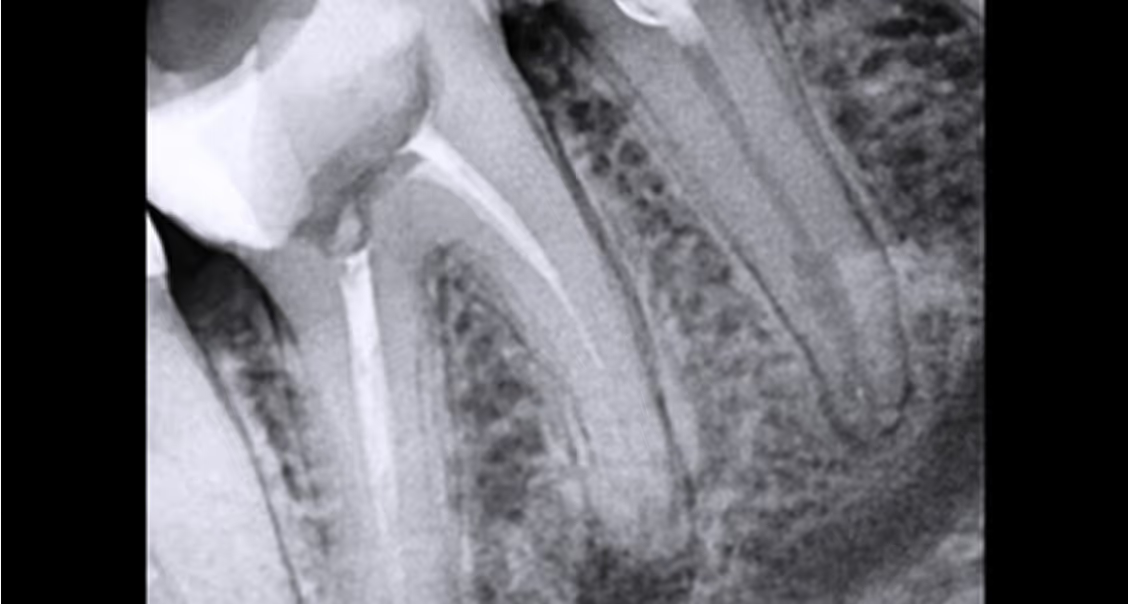
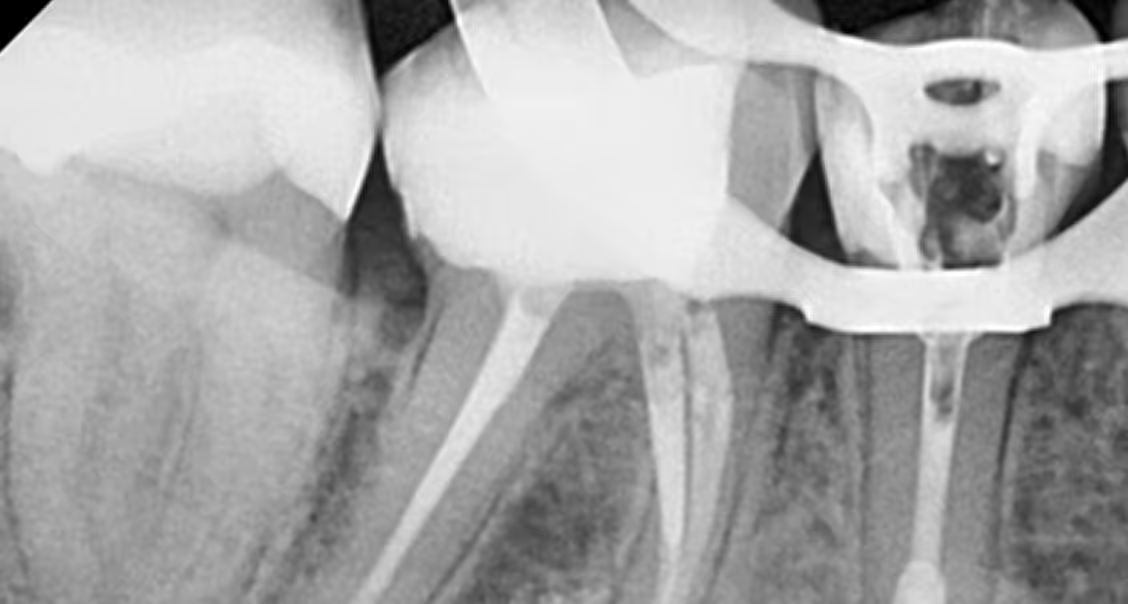
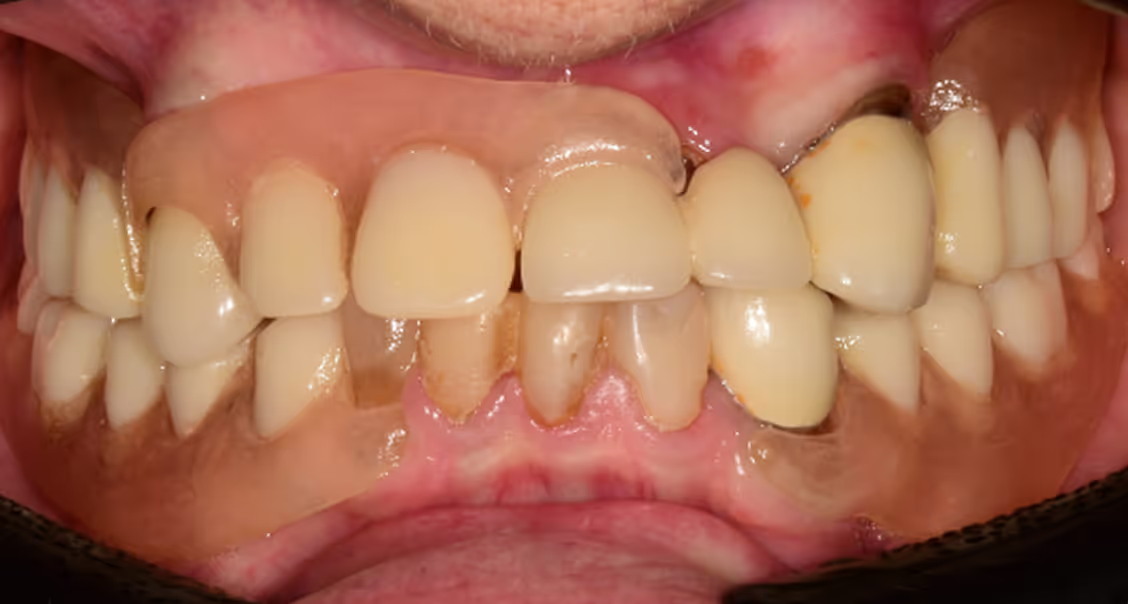
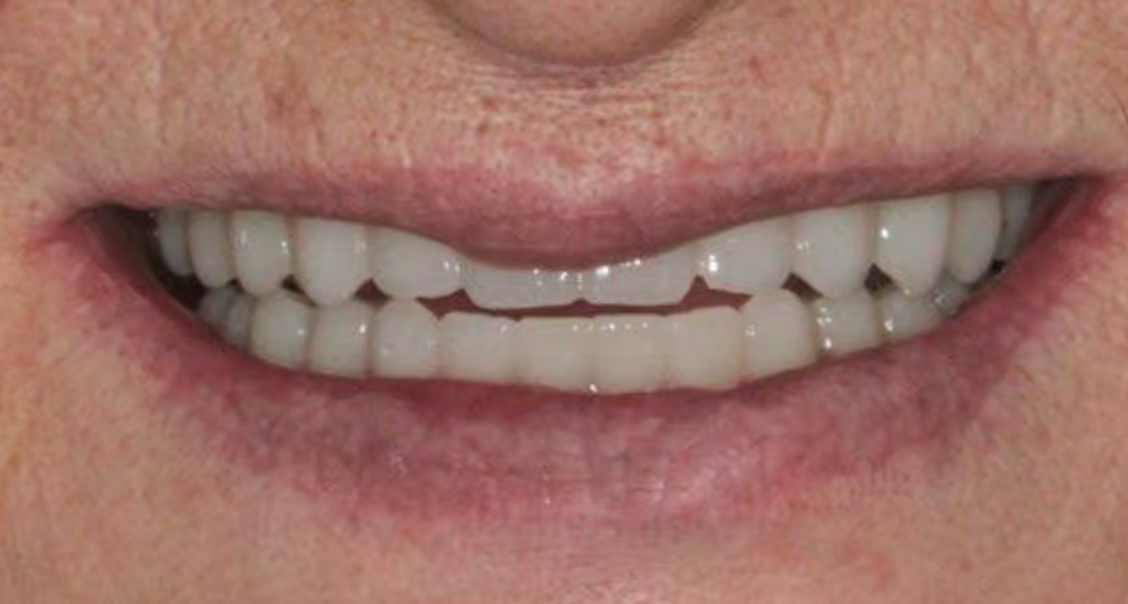
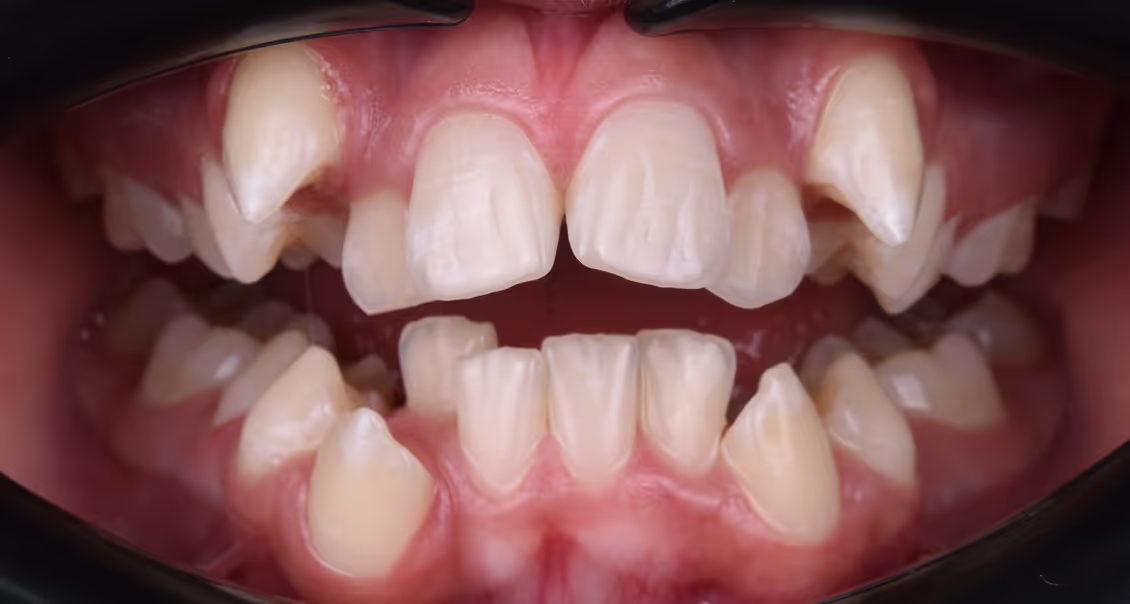
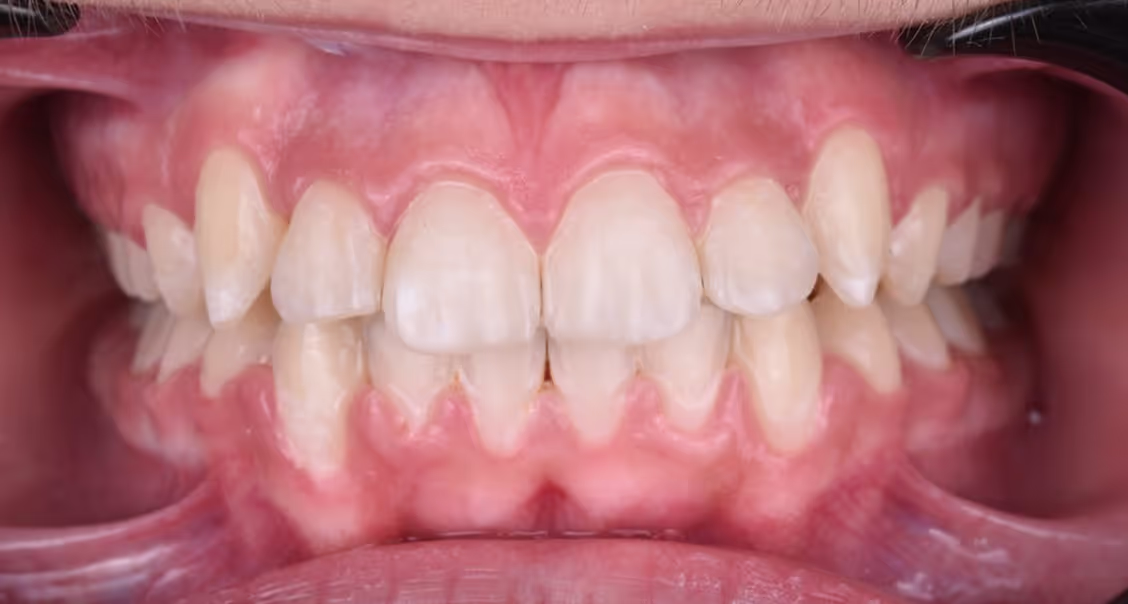
Real cases show the results best — from replacing a single missing tooth to comprehensive full-arch reconstructions on implants.
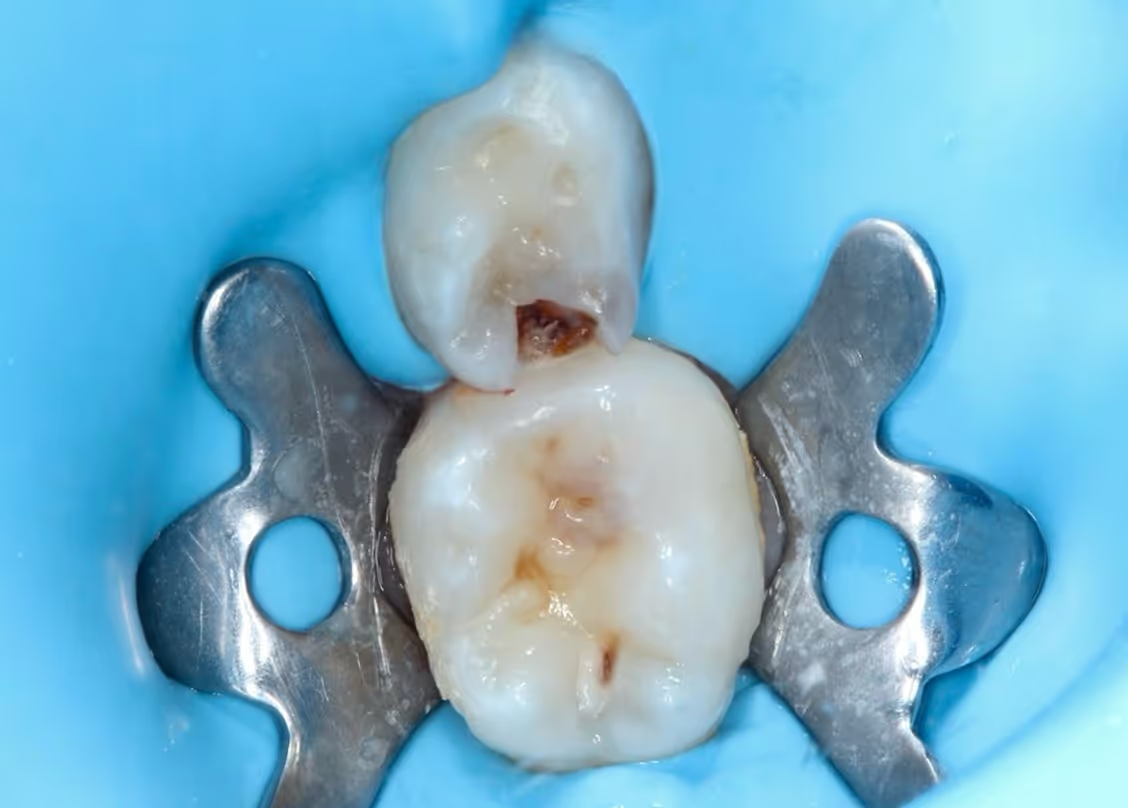
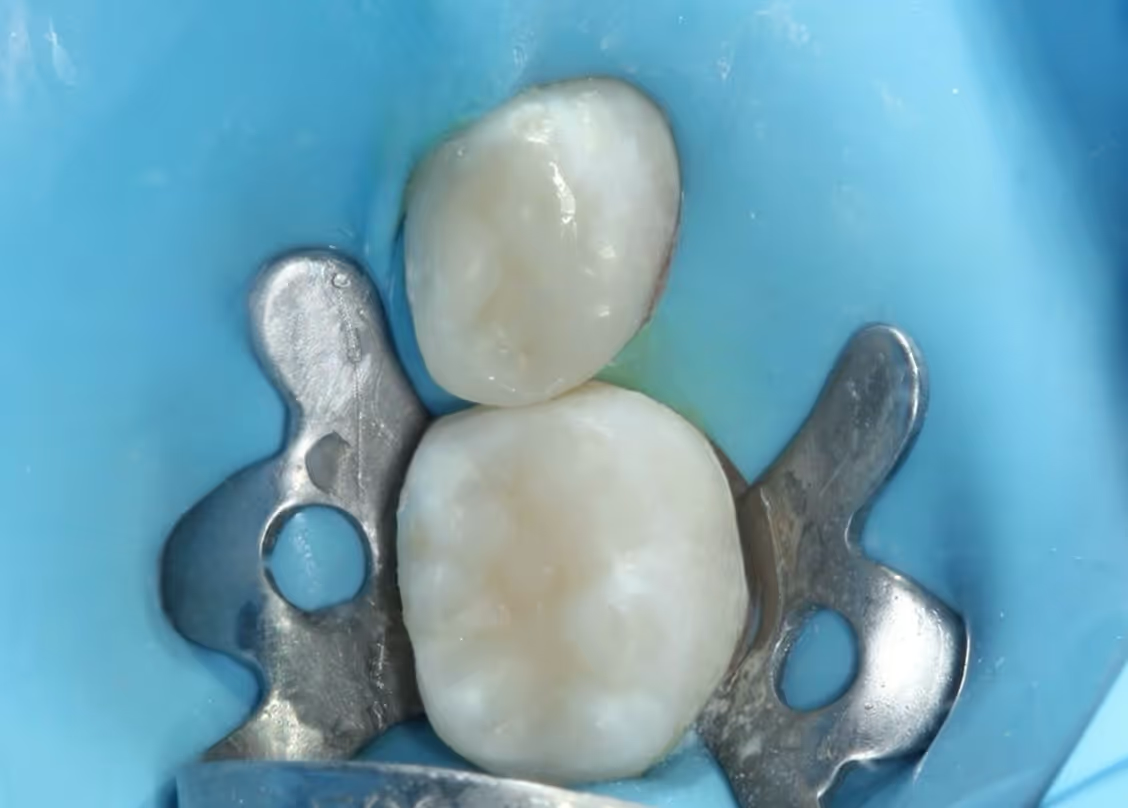
Why choose implant treatment at MistoDent Krakow?
We treat implant therapy as a combination of surgery, diagnostics and prosthodontics. The implant is the foundation of the future restoration, so we plan it with the final result in mind.
- We plan implantation individually — the number and position of implants are matched to the clinical conditions.
- We use various implant systems — including Nobel, Straumann, MegaGen and JD Dental.
- We restore both single and extensive tooth loss — from a single implant to a full arch.
- We offer All-on-4 and All-on-6 — for extensive tooth loss and edentulism.
- We prepare the bone for implantation when the clinical situation requires it.
- We use 3D diagnostics and navigation solutions in cases where they are applicable.
- We combine implantology with prosthodontics — treatment is planned with the future crown, bridge or full restoration in mind.
At MistoDent Krakow, ul. Grzegórzecka 20A, you can start treatment with an implant consultation and diagnostics.
How much do dental implants cost in Krakow?
The price of a dental implant depends on the chosen implant system, bone conditions, the scope of the procedure and the type of subsequent prosthetic restoration. For All-on-4 and All-on-6, the price listed in our price list includes placing 4 or 6 implants respectively and attaching a fixed screw-retained prosthesis with temporary teeth. If bone reconstruction or additional surgical procedures are needed before implantation, they are planned individually.
FAQ
Answers provided by
Dr. Roman Kotsyna
What is a dental implant?
A dental implant is an element placed in the bone in place of the missing root. After proper healing, it can serve as the foundation for a crown, a bridge or a larger prosthetic restoration.
How long does implant placement take?
The duration of the procedure itself depends on the number of implants and its scope. The whole treatment takes longer, as it also includes healing and making the prosthetic restoration.
How much does a dental implant cost in Krakow?
At MistoDent Krakow, implant placement costs from 2,600 PLN. The total cost of the restoration also includes, among other things, the crown on the implant and any additional procedures resulting from the individual treatment plan.
Do dental implants hurt?
The procedure is performed under anaesthesia. After implantation, pain, swelling or discomfort related to healing may occur for some time.
What types of dental implants are there?
Implants differ in material, design and manufacturer system, among other things. At MistoDent we use, among others, Nobel, Straumann, MegaGen and JD Dental systems. The specific implant is selected by the dentist according to the clinical situation.
Can an implant be placed right after tooth extraction?
In some cases, an implant can be placed immediately after extraction, but this requires suitable bone and soft tissue conditions. The possibility of such treatment is assessed by the implantologist.
Can you have implants with periodontitis?
Past or current periodontal disease does not automatically rule out implant treatment. However, before implantation the periodontal condition must be assessed and properly treated, followed by regular check-ups.
Do dental implants need to be replaced?
There is no fixed period after which every implant must be replaced. Its long-term function depends on the condition of the tissues around the implant, hygiene, the bite and regular check-ups. The prosthetic restoration may require separate replacement over time.
What is the difference between All-on-4 and All-on-6?
In the All-on-4 method, the arch restoration is supported by four implants, and in All-on-6 by six. The choice depends on anatomical conditions, the amount of bone, the bite and the planned prosthetic structure.

Medical verification
Content verified by:
Dr. Roman Kotsyna
Oral surgery • Implantology
Last updated: 07.10.2026
Book an appointment!
Leave your contact details in the form or message us on your preferred messenger — we'll be happy to answer your questions and help you book a visit.


