



.webp)
Nazar Prokopiak
Dentist specializing in microscope-assisted root canal treatment and tooth restoration after endodontic treatment. Performs primary and repeat root canal treatment, including difficult cases — removing broken instruments and negotiating stepped canals. Focuses on precision, safety and a long-lasting treatment result.
NUMBER OF PROCEDURES PERFORMED
21,000+
treated teeth
- 2,000+ teeth with treated root canals
- 400+ root canal retreatments (re-endo)
- 2,000+ microscope-assisted treatments
- 5+ years of experience
Professional experience
5 - years of overall professional experience
4.5 - years working with a dental microscope
2+ - years of primary and repeat endodontic treatment, including difficult cases
1+ - years treating adult patients
MAIN AREAS OF TREATMENT

Primary endodontic treatment
- Restorative dentistry with endodontics
- Microscopic endodontics
- Root canal retreatment (re-endo)
- Tooth restoration after root canal treatment
WHEN SHOULD YOU SEE THIS DOCTOR?

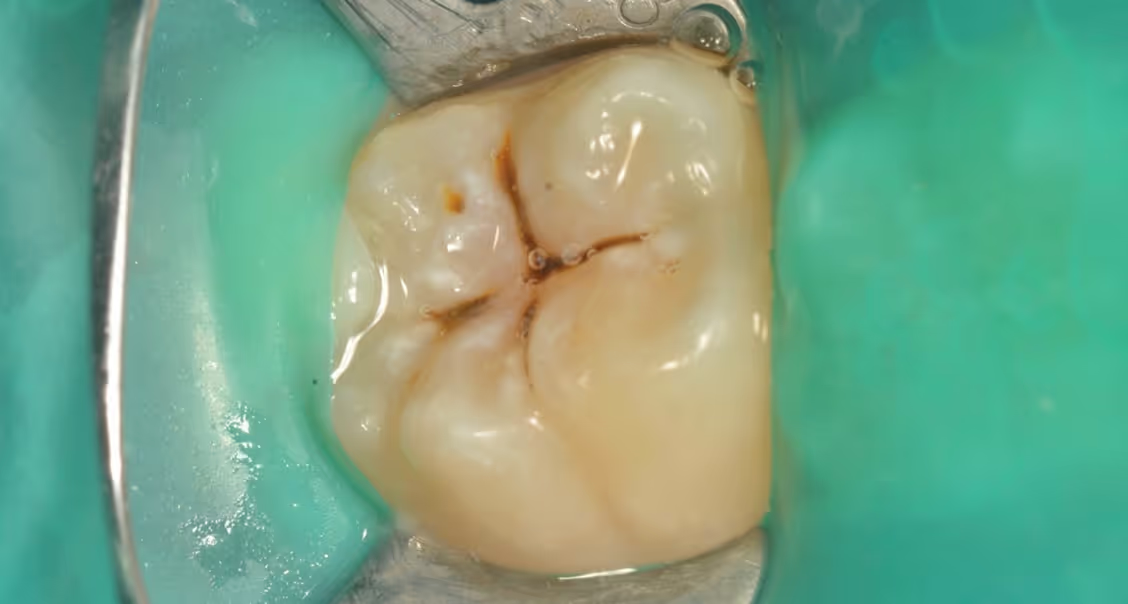
Complex cases of tooth decay
Complex and neglected cases of tooth decay treated with surgical precision under a dental microscope.
- Cavities
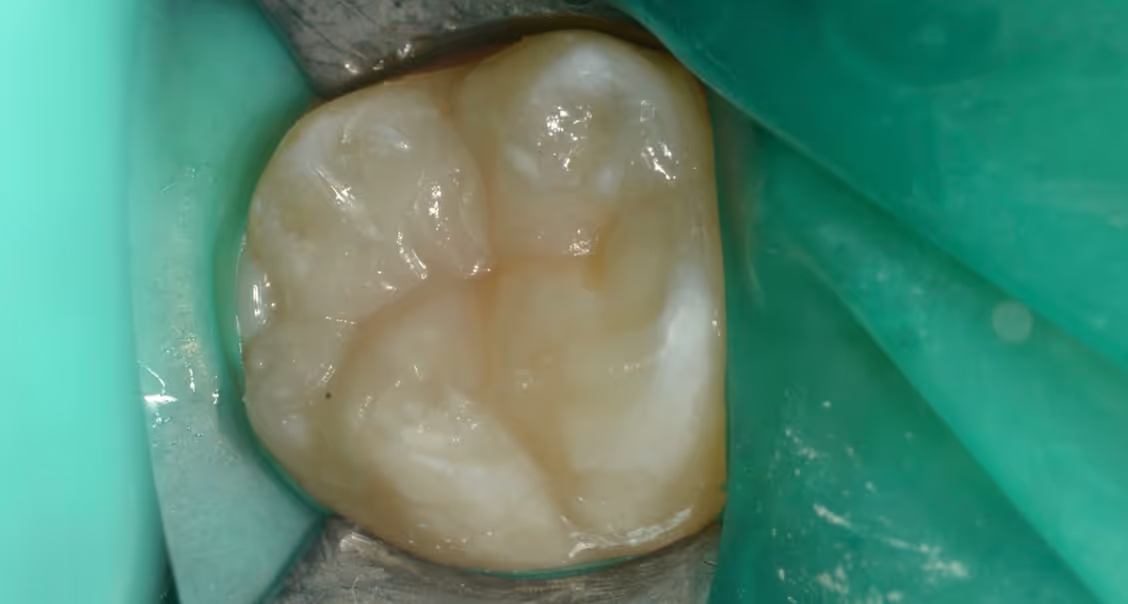
- Tooth restoration
- Microscope-assisted root canal treatment
- Tooth pain after root canal treatment
- Pulpitis
- Re-endo
- Root canal retreatment
MEDICAL SERVICES

Qualification

Education
Danylo Halytsky Lviv National Medical University — 2022

Practice in countries
Ukraine, Poland
COURSES AND QUALIFICATIONS
Continuous development and certified training led by leading European and global specialists.
YOUR JOURNEY TO A FLAWLESS SMILE BEGINS AT MISTODENT
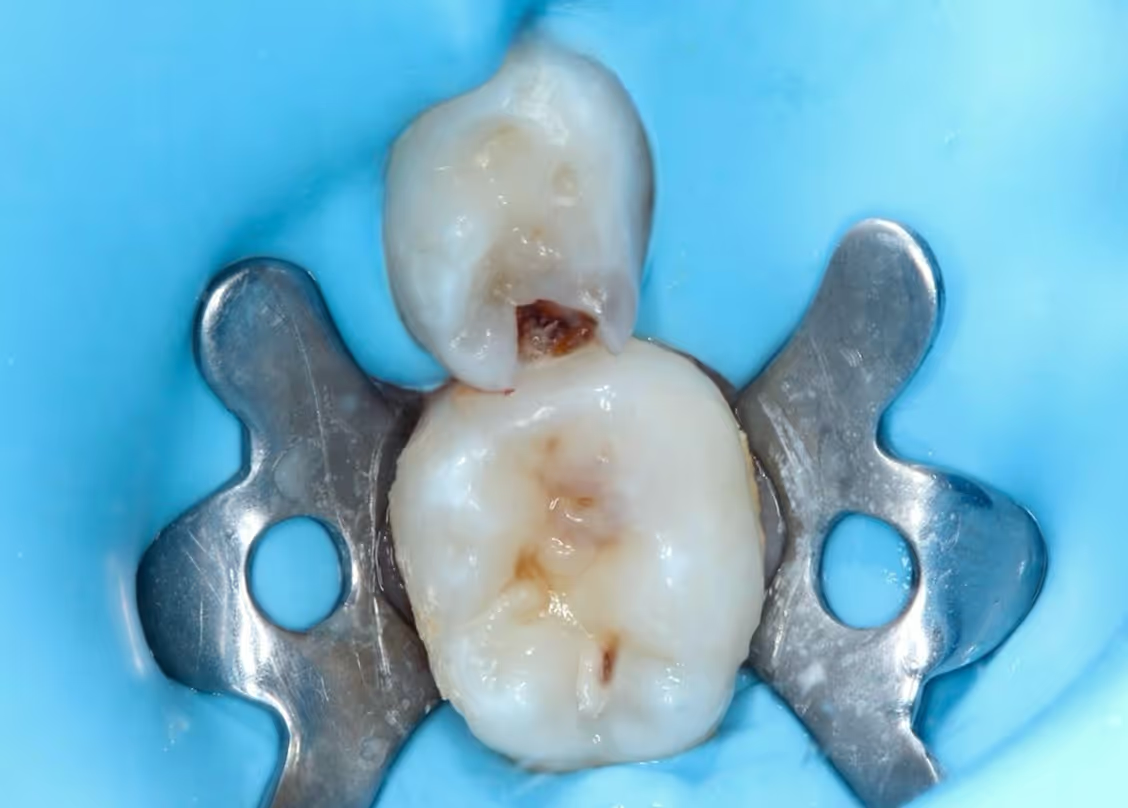
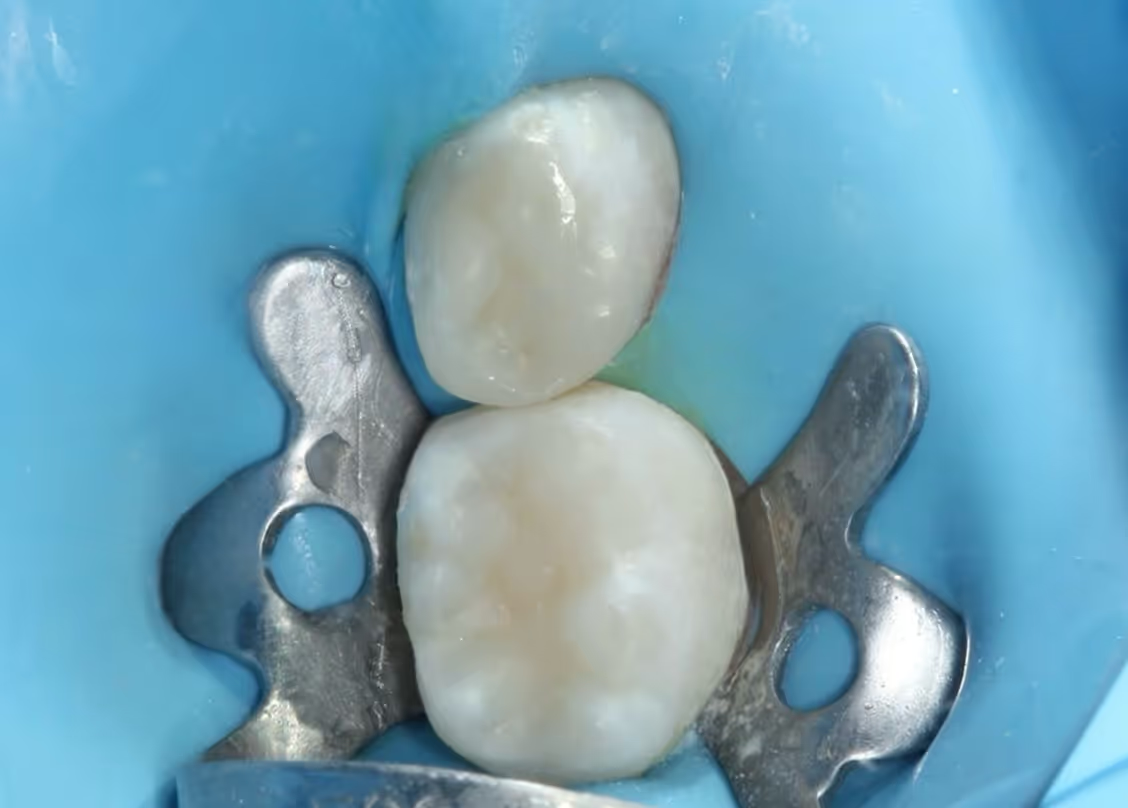
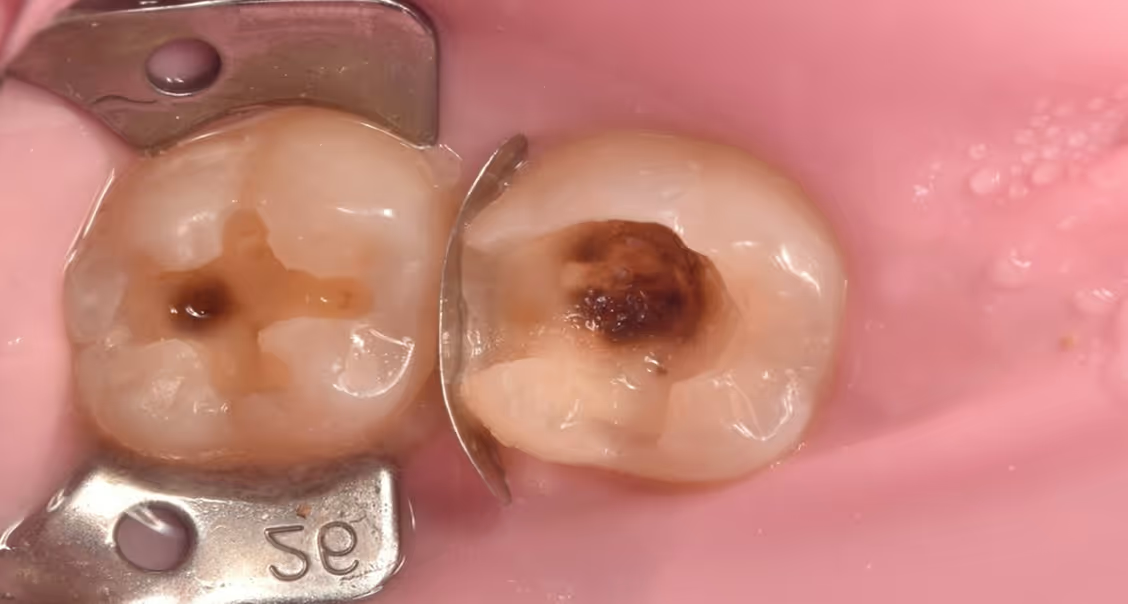
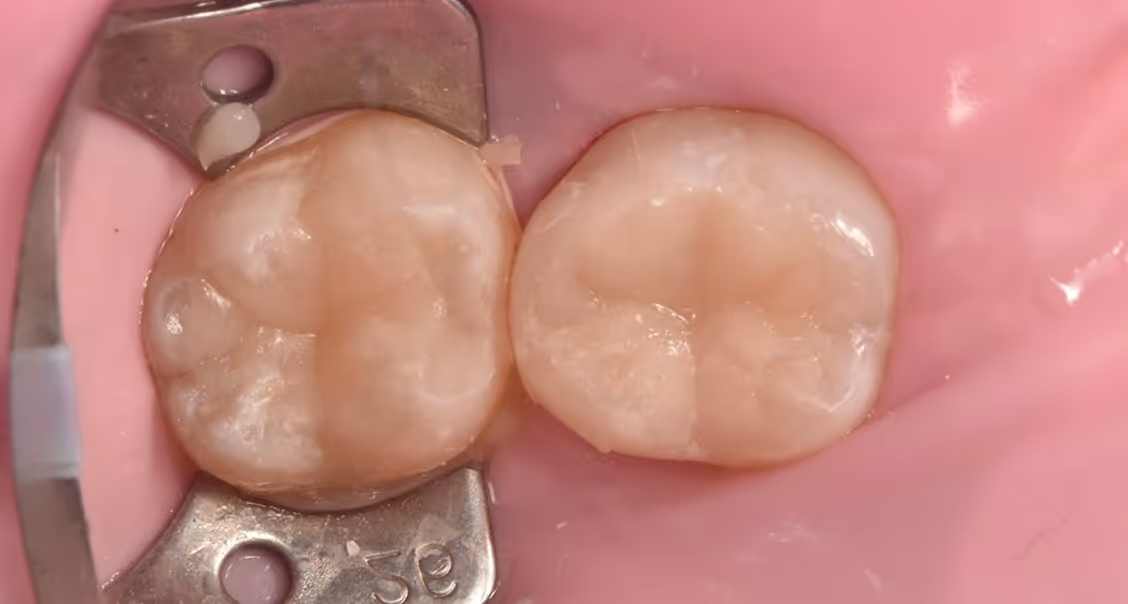
About me
I am a dentist specializing in endodontic treatment — that is, root canal treatment. I graduated from Danylo Halytsky Lviv National Medical University, and from the start of my practice I have focused on saving teeth that need root canal treatment — including ones that seem beyond saving.
I work under a microscope, because in endodontics it determines the treatment outcome. Magnification lets me find and shape canals that are simply invisible to the naked eye, which directly affects treatment success and the chance of keeping the tooth instead of extracting it.
I handle both primary and repeat (re-endo) treatment. I take on difficult cases: removing broken instruments left in the canal, negotiating stepped and blocked canals, and after treatment restoring the tooth so it returns to full function. I also treat cavities and restore back teeth.
In my work, precision, patient safety and a predictable, lasting result come first. I approach every case individually — before we consider extraction, I check every possibility of keeping the tooth. I work according to current treatment protocols and continuously improve my qualifications.
I speak:
Polish, Ukrainian and Russian.
Frequently asked questions
When is root canal treatment necessary, and when is a filling enough?
A filling is enough as long as the decay hasn't reached the pulp — the tooth's nerve. If the pulp is already inflamed, a filling alone won't help and the pain will return. Warning signs include prolonged pain after cold or hot, spontaneous or nighttime pain, or pain when biting. I decide after an examination and X-ray.
What are the step-by-step stages of root canal treatment?
I start with anaesthesia and placing a rubber dam that isolates the tooth from saliva. Then I open the chamber, locate the canal openings and shape them mechanically with NiTi instruments, measuring the length of each canal. After cleaning and disinfecting, I tightly fill the canals and then restore the tooth. Everything is done under the microscope.
What does microscope-assisted root canal treatment give you?
Mostly visibility. Some canals are very narrow or hidden, and an unshaped canal is the most common cause of treatment failure. Under the microscope I see the chamber floor greatly magnified, can find extra canal openings, assess a crack or fracture, and remove a broken instrument — things that without a microscope often end in tooth extraction.
Why does a tooth hurt after root canal treatment?
Mild pain when biting for a few days is normal — the tissues around the root tip react to the procedure and need time. It usually goes away on its own within 3–7 days. Warning signs are strong and worsening pain, gum or cheek swelling, or discomfort lasting longer than a week — in that case a check-up is needed.
Is root canal retreatment (re-endo) effective?
Yes, microscope-assisted retreatment has a high success rate even after a failed first treatment. The microscope lets me locate and clean canals missed before, remove old material, and if needed a broken instrument. I assess the real chances of saving the tooth individually based on an X-ray or CBCT scan — the amount of remaining tooth structure matters too.
Book an appointment!
Leave your contact details in the form or message us on your preferred messenger — we'll be happy to answer your questions and help you book a visit.


