

Dental bonding Kraków — modern composite restoration
An aesthetic, minimally invasive method for restoring teeth without grinding
Who performs dental bonding at Mistodent Kraków







MistoDent - a new generation of digital dentistry
We are a dental center equipped with high-precision digital technology and our own research center with fully computerized equipment — this guarantees accuracy, comfort and a predictable outcome.
MistoDent employs doctors with extensive practical experience and narrow specialization. Our specialists continuously train, get certified, and take part in professional courses and seminars to offer patients the most advanced treatment methods.
What is dental bonding
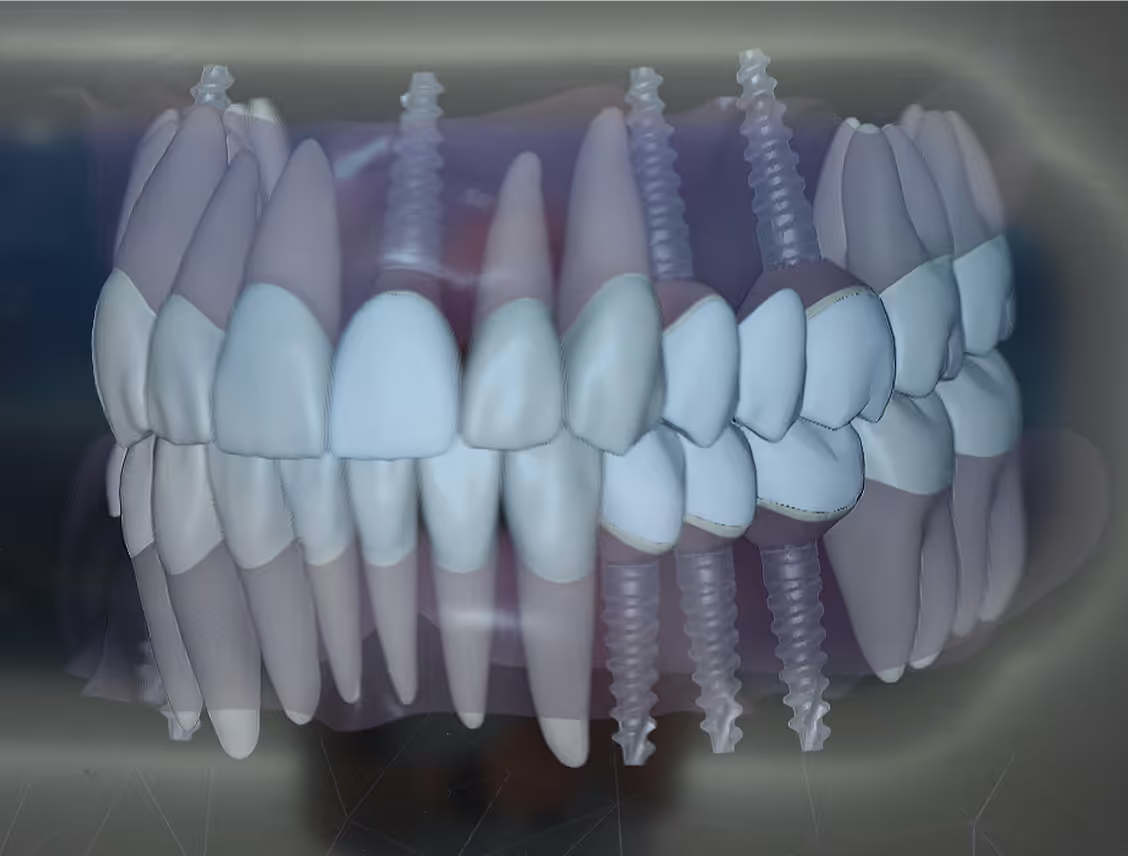
Dental bonding is a cosmetic dentistry procedure that involves restoring a tooth using a composite material — the same type used for standard fillings, but precisely matched to the color and shape of the patient's natural teeth. The composite is applied directly to the tooth surface in layers and cured with a special light — which is why bonding is often referred to as composite restoration or composite bonding.
How does dental bonding work in practice? Unlike veneers or crowns, the procedure typically does not require grinding down healthy tooth tissue — the material is simply "bonded" to the tooth's surface. This is precisely what makes bonding one of the least invasive methods for enhancing your smile available in cosmetic dentistry.
When to consider dental bonding
Bonding is effective in many different clinical situations:
- Diastema – closing the gap between front teeth without orthodontic treatment
- Chipped or worn tooth – quick restoration of shape and function
- Bonding for front teeth – improving the shape and symmetry of the most visible teeth in your smile
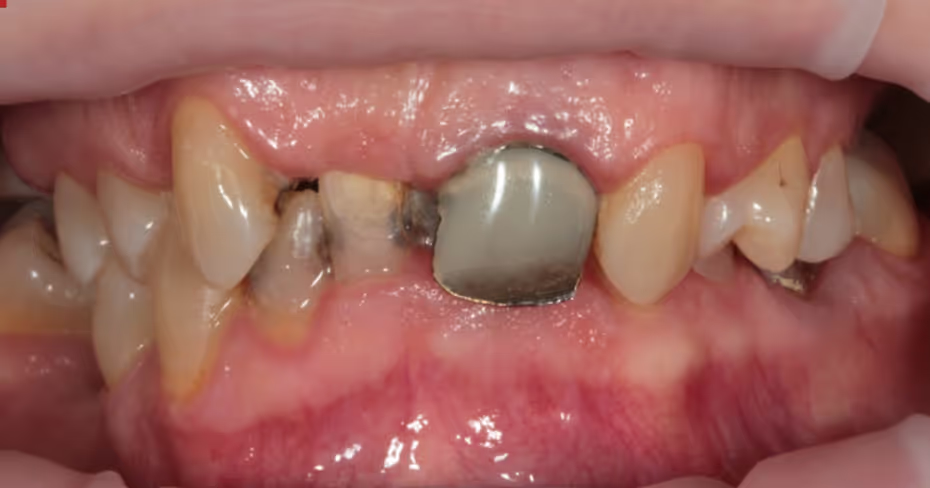
- Bonding for non-vital teeth – restoring the color and shape of a tooth after previous root canal treatment
- Minor irregularities of the incisal edge – correcting the shape without altering the entire tooth
When bonding may not be the best choice: in cases of high occlusal stress (e.g., severe bruxism without prior treatment with occlusal splints), extensive cavities covering most of the tooth crown, or when the patient requires maximum, long-term durability — in such cases, ceramic veneers or crowns may be a better solution. During the consultation, our doctors work with the patient to determine which solution is appropriate for their specific case.
Why choose dental bonding at MistoDent Kraków? (H2)
When you choose dental bonding at MistoDent Kraków, you can count on:
- individualized treatment planning – the scope of the composite restoration is tailored to the patient's needs and expectations;
- precise diagnostics – before performing bonding, we assess the condition of the teeth and the oral cavity;
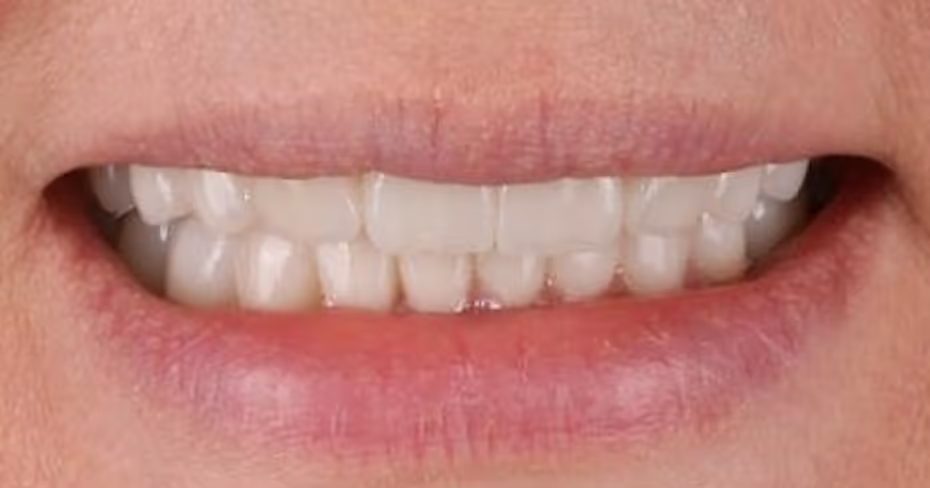
- aesthetic composite tooth restoration – the material allows for the restoration of the shape, proportions, and appearance of the teeth;
- natural effect – the goal is a harmonious smile tailored to your facial features and existing teeth;
- modern dental technologies – we use solutions that support diagnostics and treatment planning;
- comprehensive dental care in Krakow – for more complex needs, patients can also benefit from consultations with specialists in other fields of dentistry.
MistoDent Krakow at 20A Grzegórzecka St. is a place where aesthetic composite tooth restoration is part of comprehensive dental care.
If you are wondering how much dental bonding costs in Krakow and whether this method is right for you, the dentist will assess the condition of your teeth during a consultation and present the available options.
How the procedure works — step by step (H2)
- Consultation and shade selection — the dentist assesses the condition of the tooth and selects a composite shade that matches the natural color of your teeth
- Tooth surface preparation — gentle cleaning and, in most cases, no grinding or only minimal intervention
- Layered composite application — the material is applied gradually, which allows for the recreation of the tooth's natural translucency
- Curing with a polymerization lamp — each layer is light-cured to ensure a durable bond with the tooth tissue
- Polishing and bite adjustment — the final stage gives the restoration a natural shine and ensures the bite is correct
The entire procedure is usually performed in a single visit, with no need to wait for a restoration to be made in a laboratory.
When to consider bonding
Bonding is effective in many different clinical situations:
- Diastema — closing the gap between front teeth without orthodontic treatment
- Chipped or worn tooth — quick restoration of shape and function
- Bonding for front teeth — improving the shape and symmetry of the most visible teeth in your smile
- Bonding for non-vital teeth — restoring the color and shape of a tooth after previous root canal treatment
- Minor irregularities of the incisal edge — correcting shape without altering the entire tooth
When bonding may not be the best choice: in cases of heavy bite pressure (e.g., severe bruxism without prior treatment with occlusal splints), extensive cavities covering most of the tooth crown, or when the patient requires maximum, long-term durability — in such cases, ceramic veneers or crowns may be a better solution. During a consultation, our doctors work with the patient to determine which solution is appropriate for their specific case.
Your journey to a flawless smile starts at MISTODENT
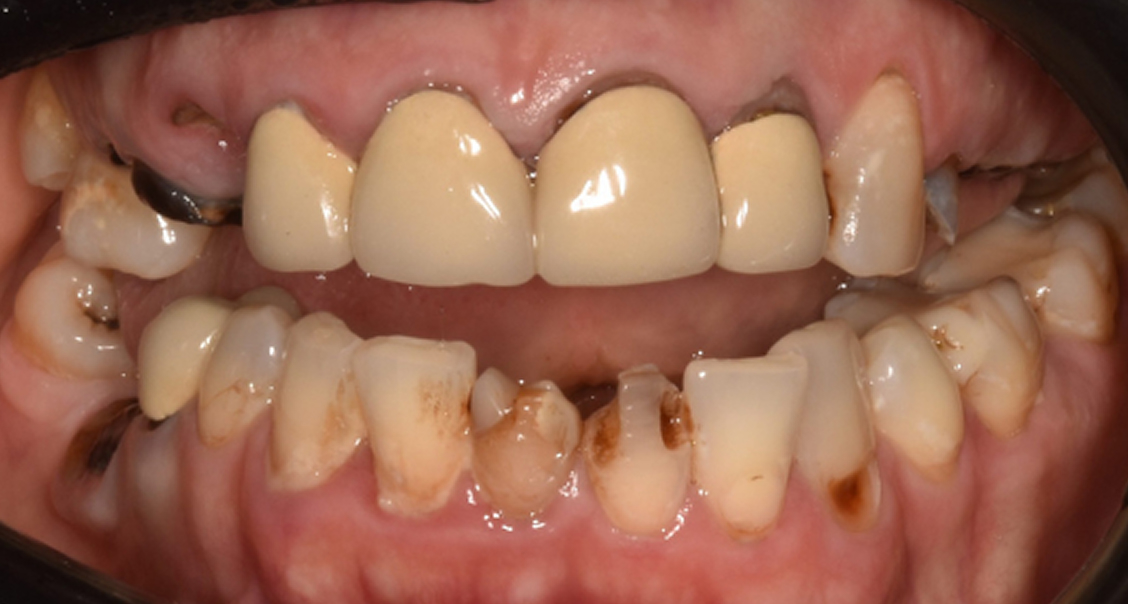
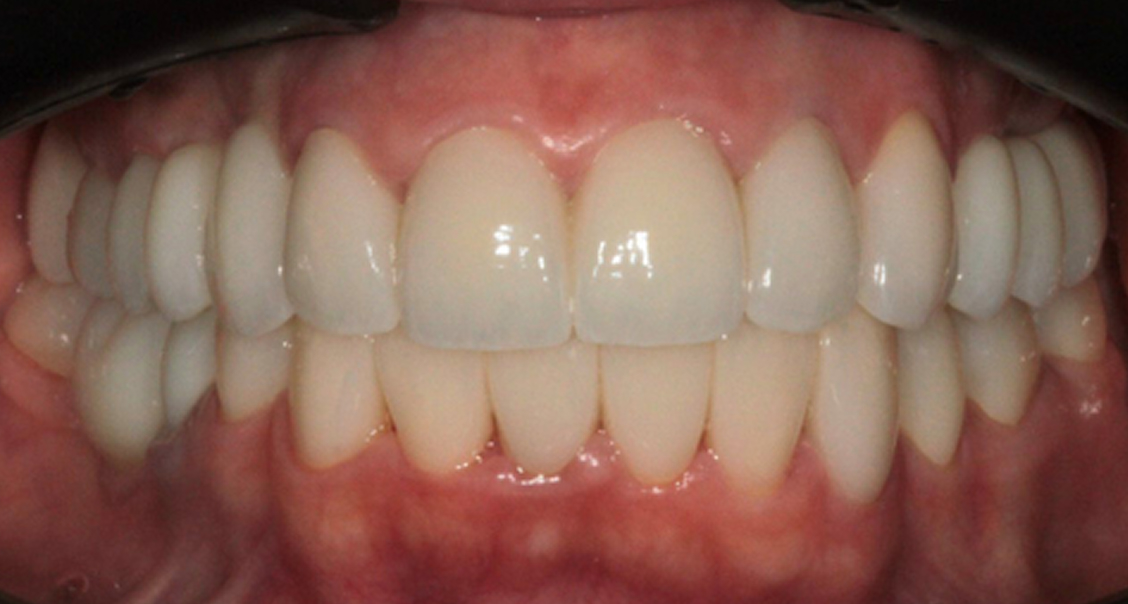
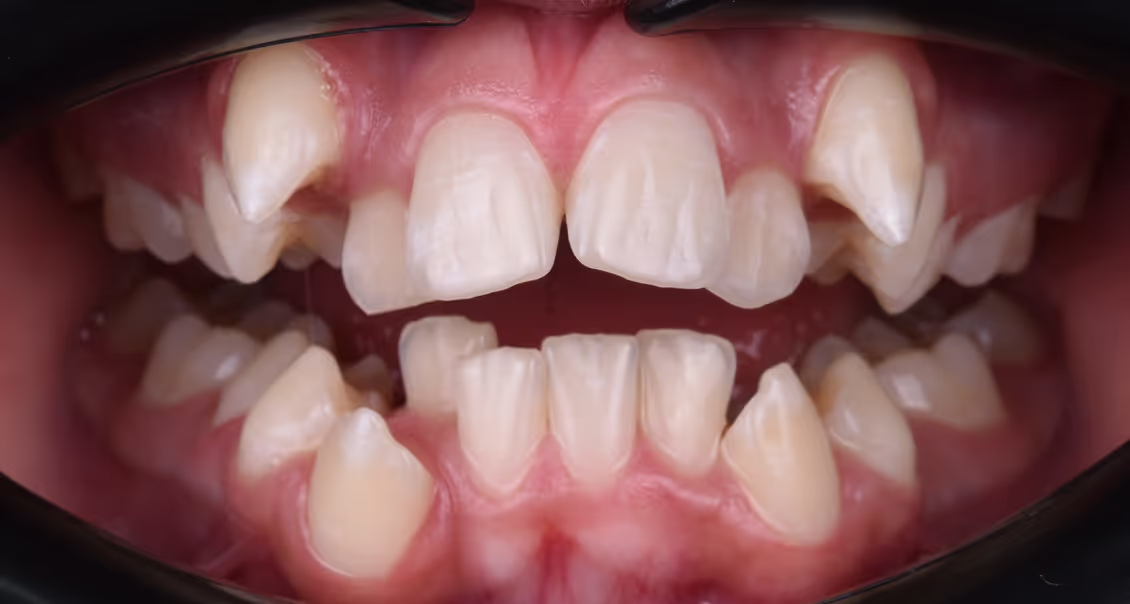
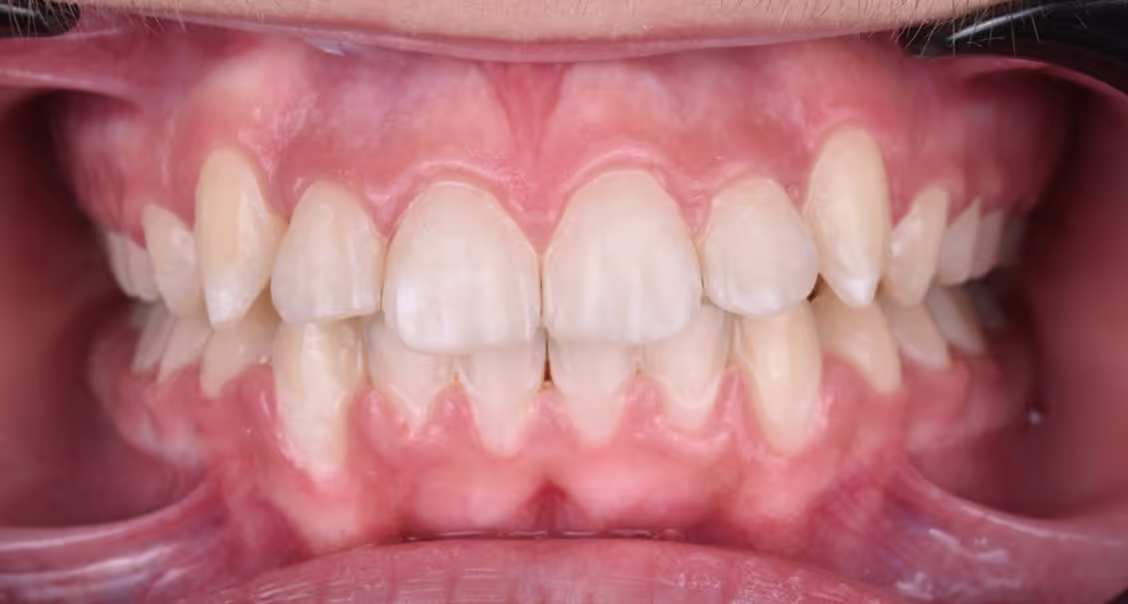
Book an appointment!
Leave your contact details in the form or message us on your preferred messenger — we'll be happy to answer your questions and help you book a visit.


